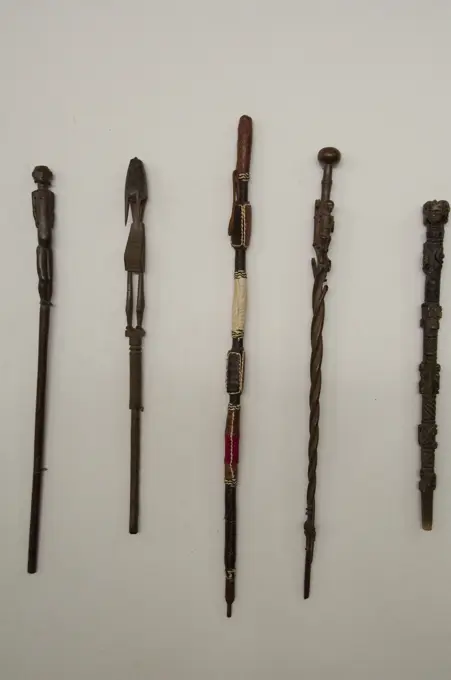
Historical Tools

Artifacts showcasing historical tools and weapons, including knives and guns. Each piece tells a story of craftsmanship from different cultures.
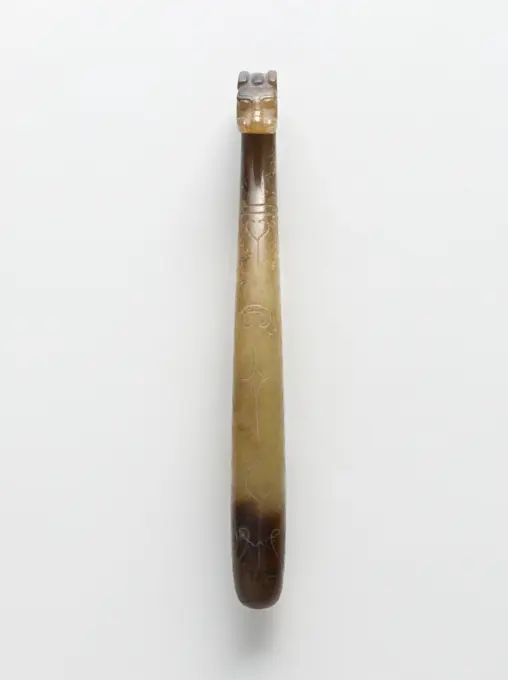
Clip. Jade, China, undoubtedly Han dynasty (206 BC-220 AD). Paris, Cernuschi museum. 78602-22 Staple, attachment, Asian civilization, Chinese civilization, han dynasty, fixation, jade, fine stone, symbolic stone
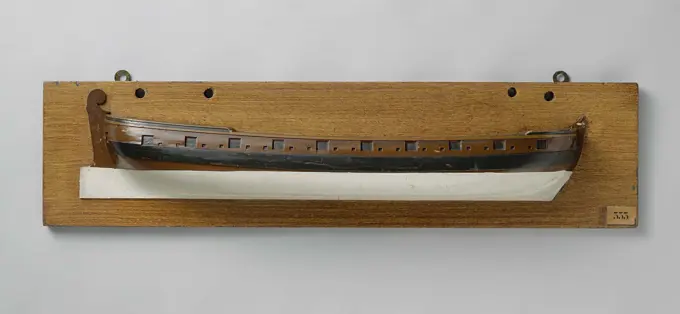
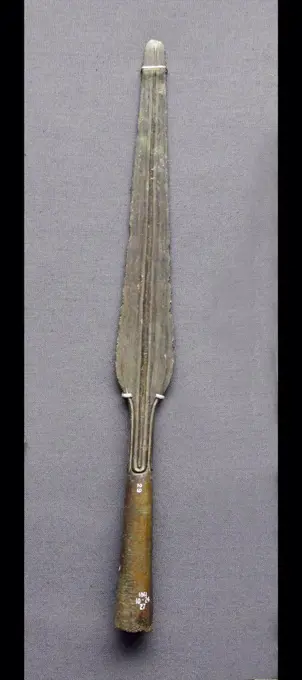
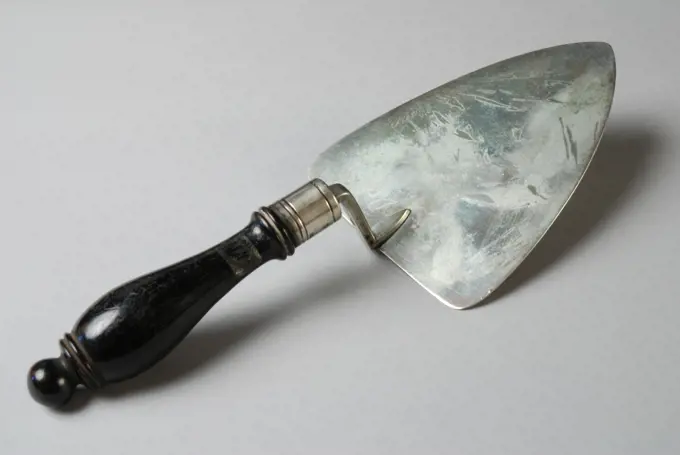
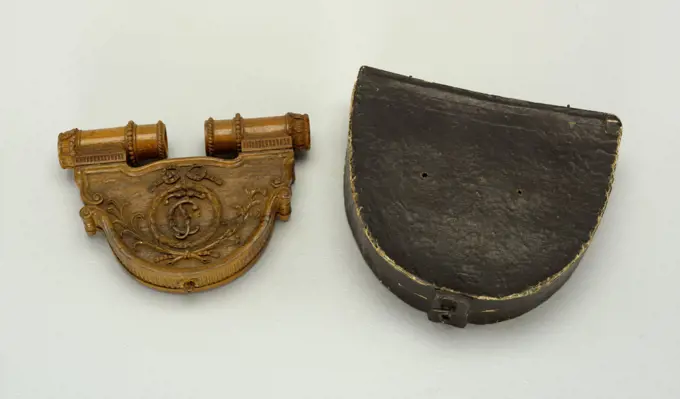
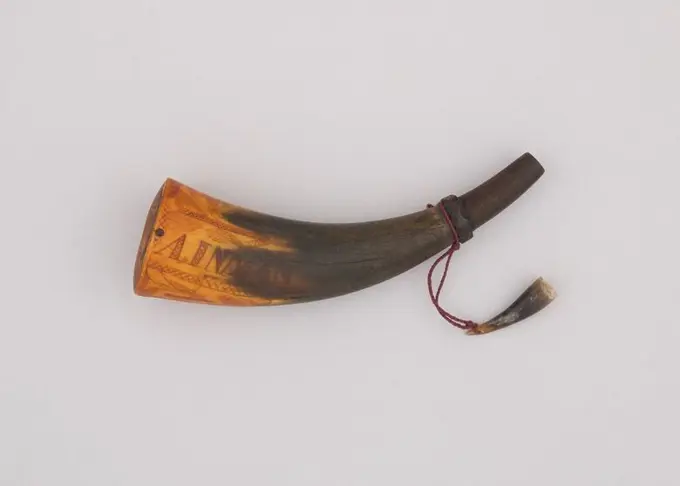
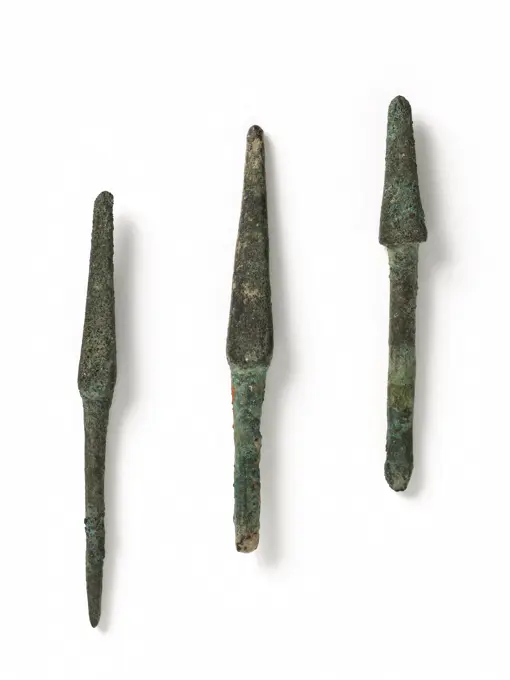
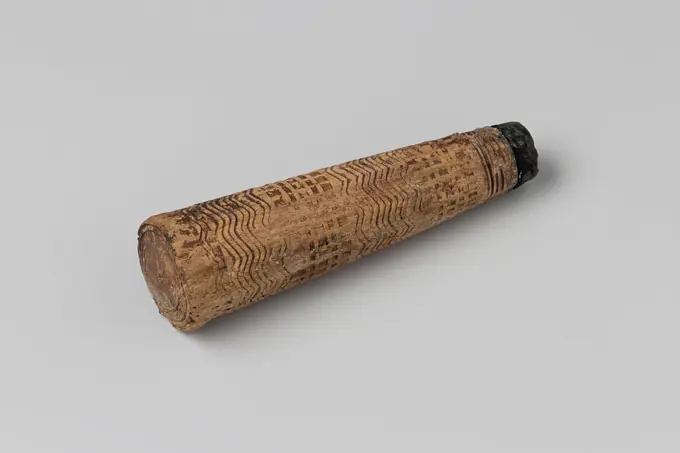
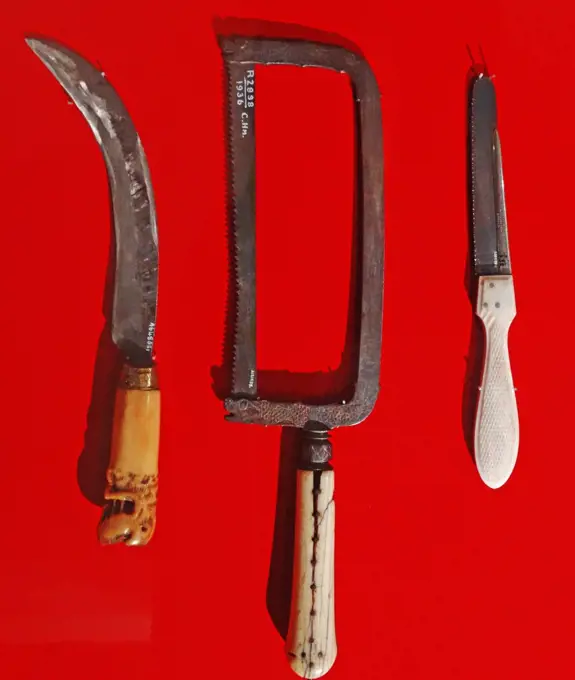
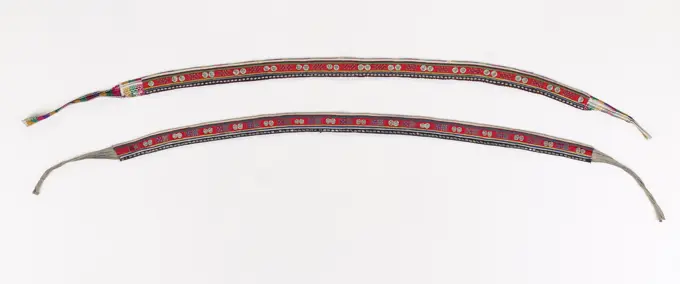
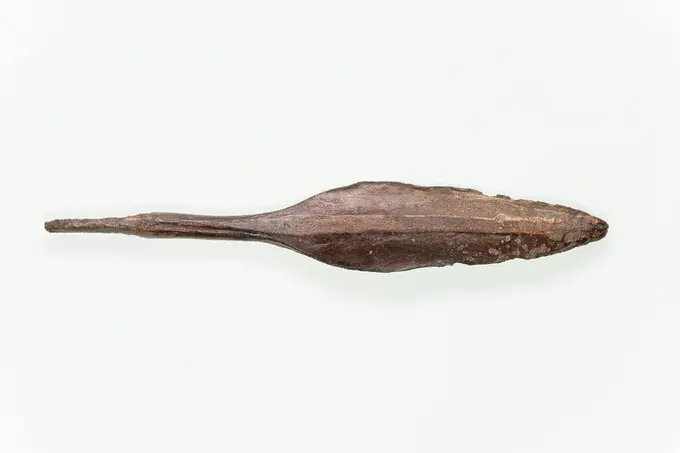
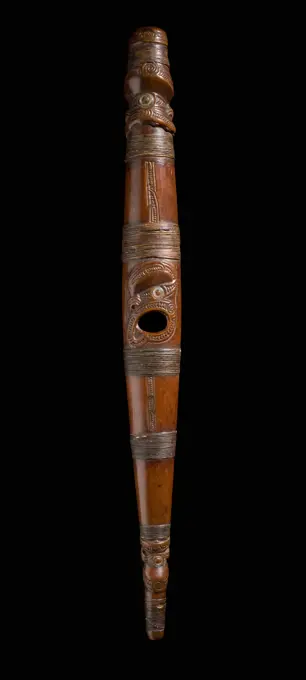
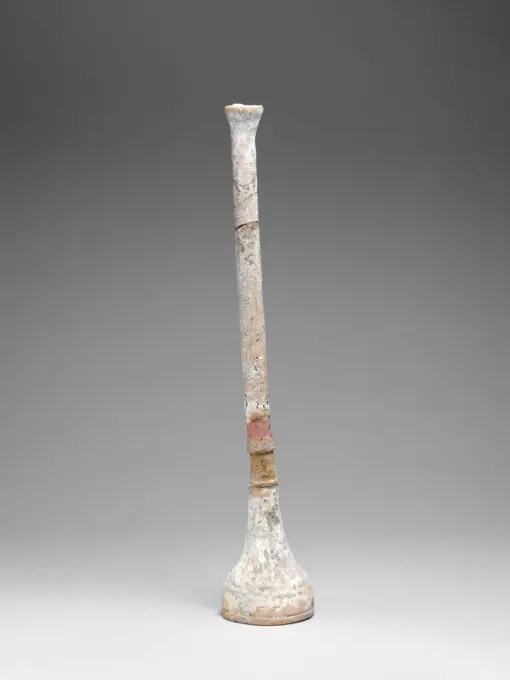
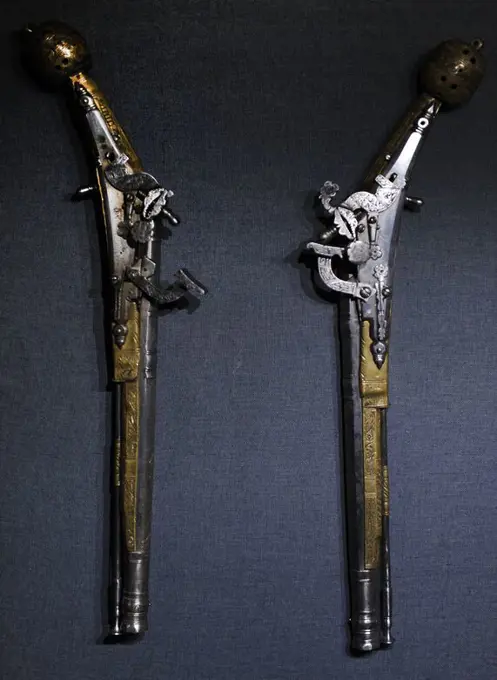
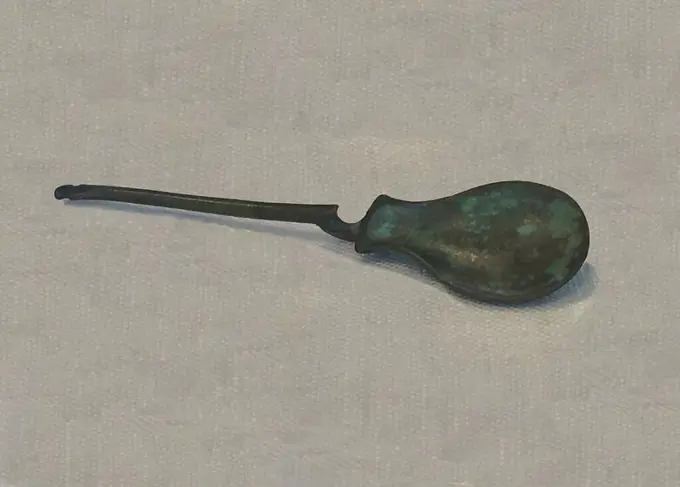
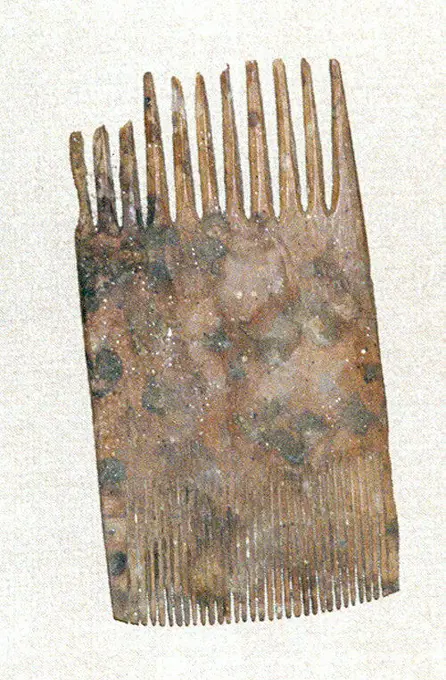
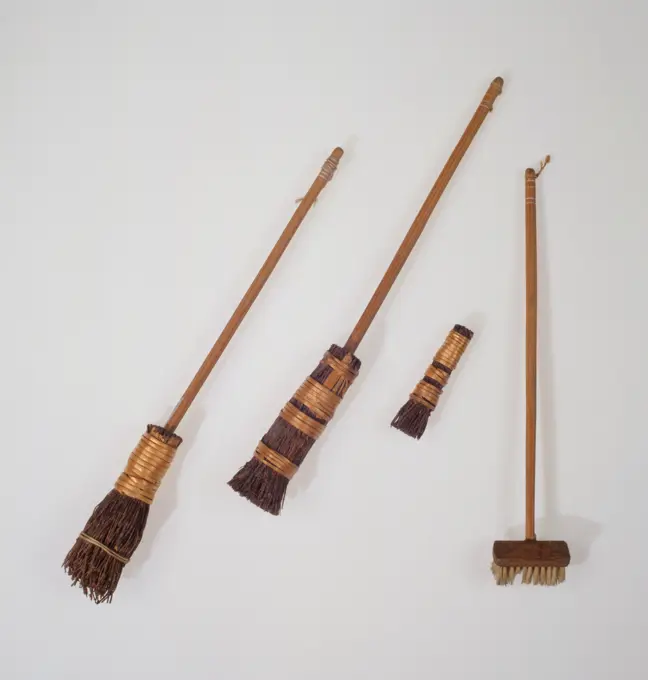
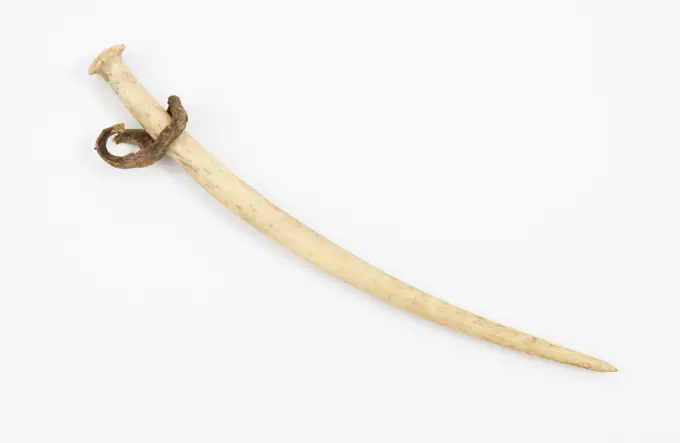
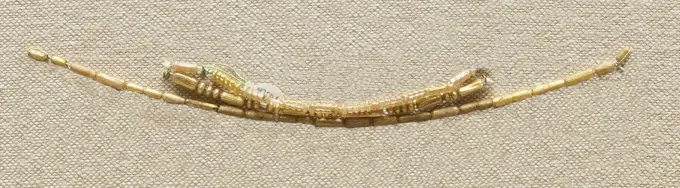
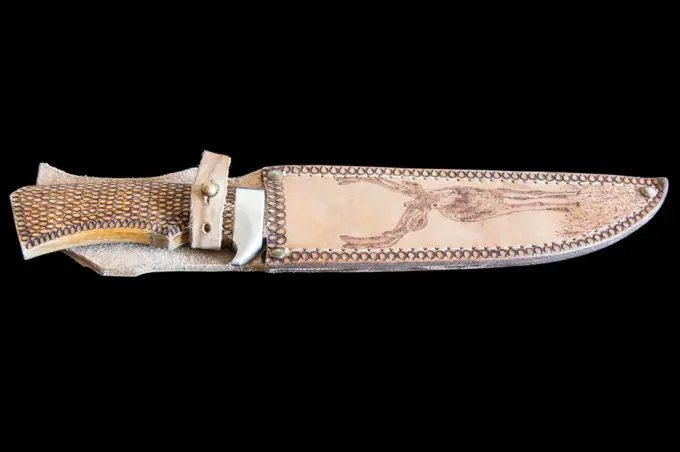
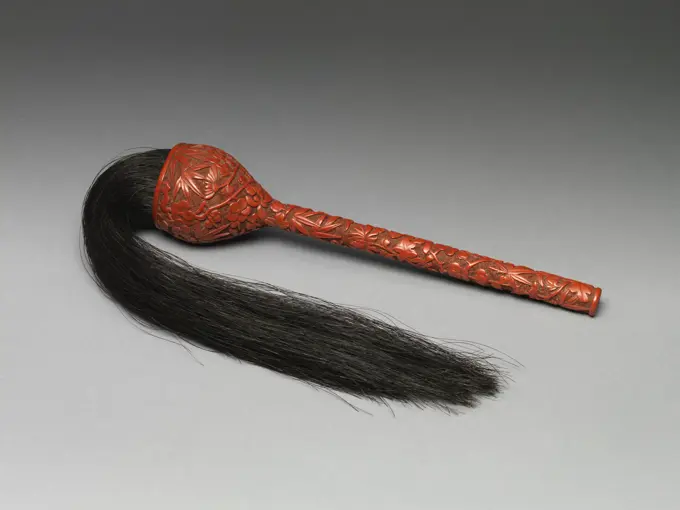
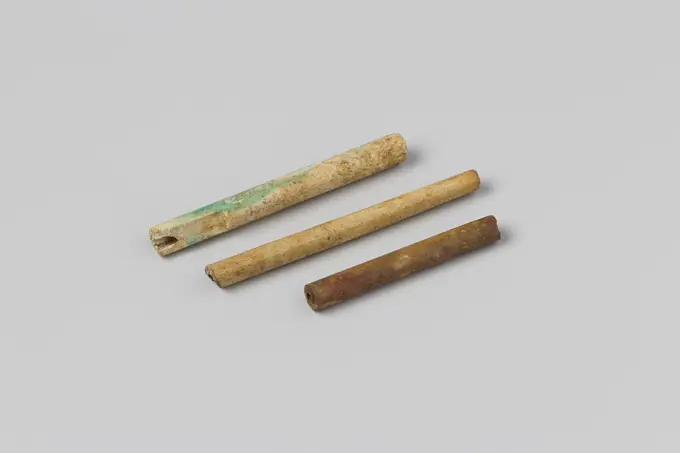
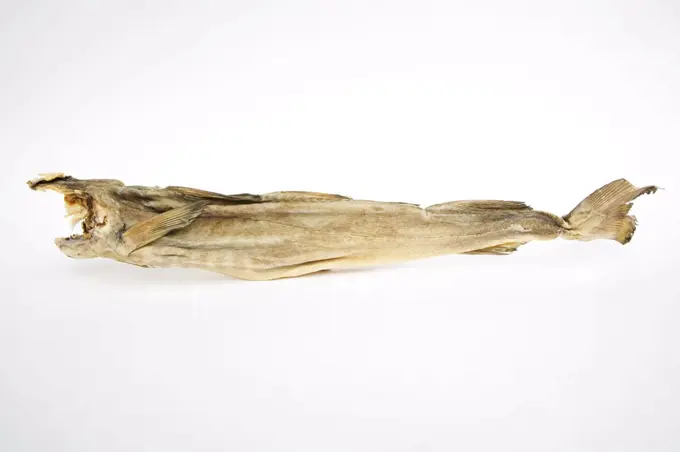
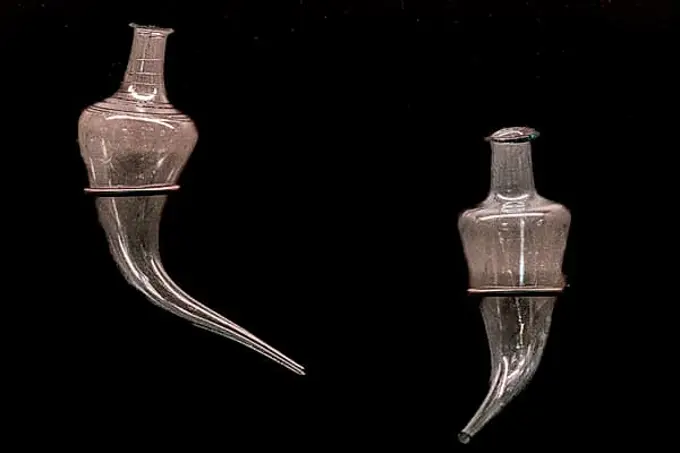
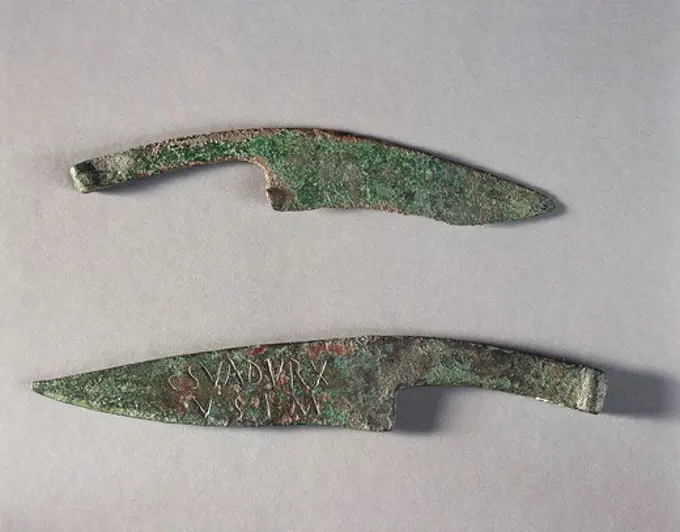
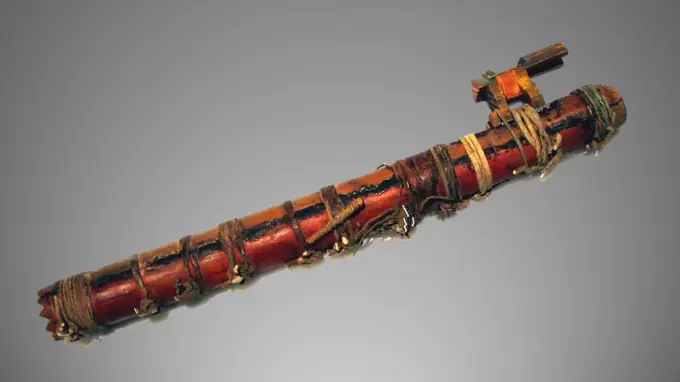
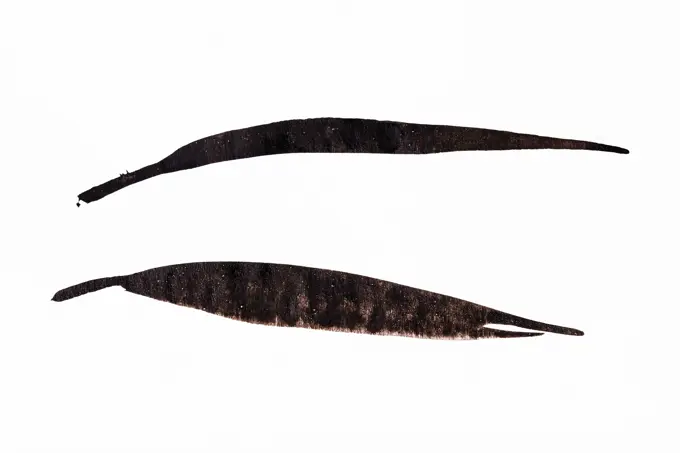
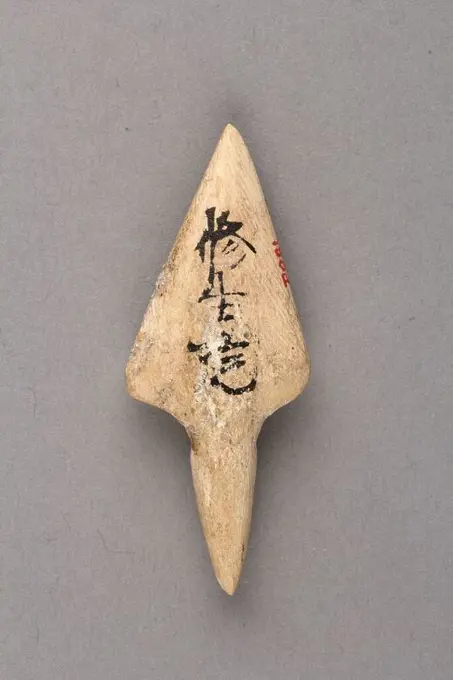
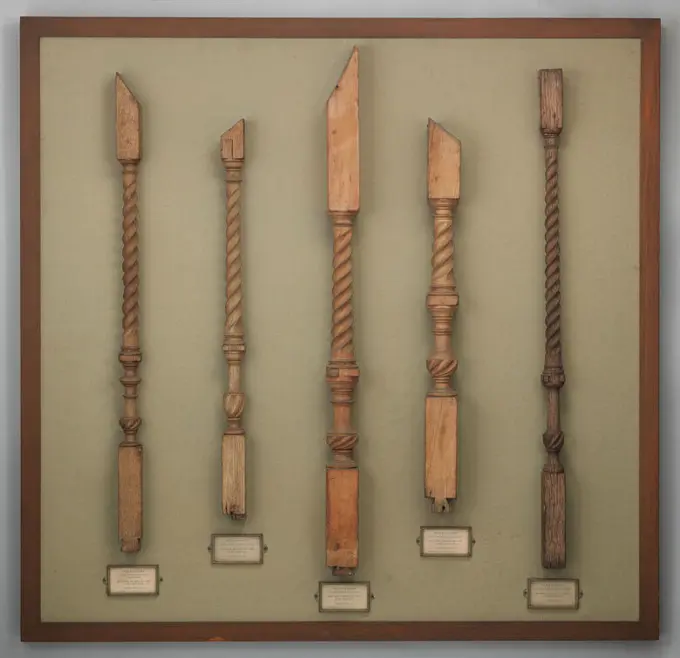
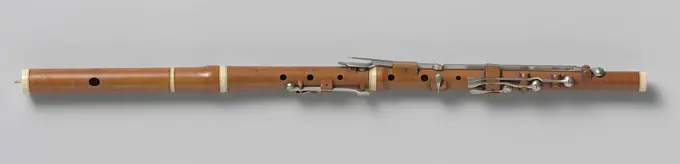
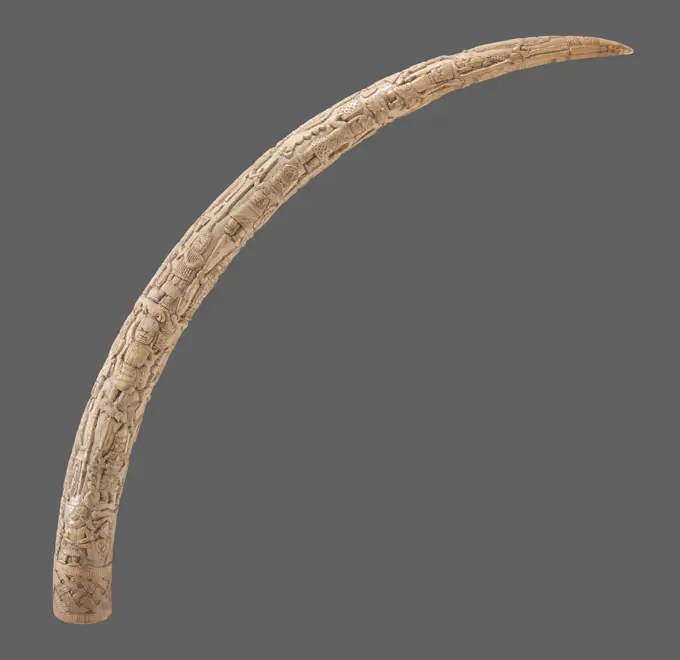
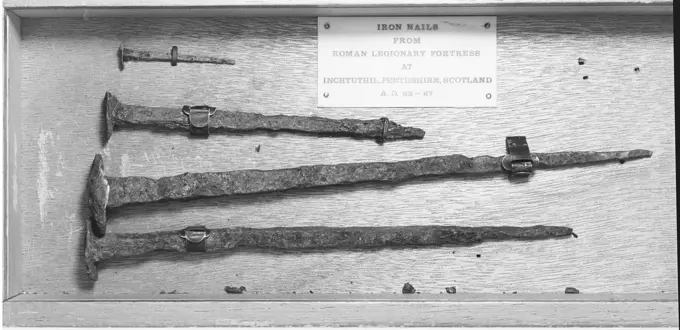
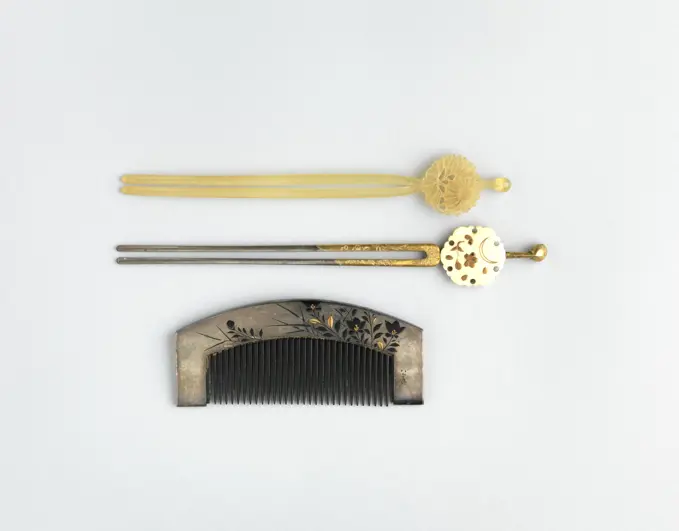
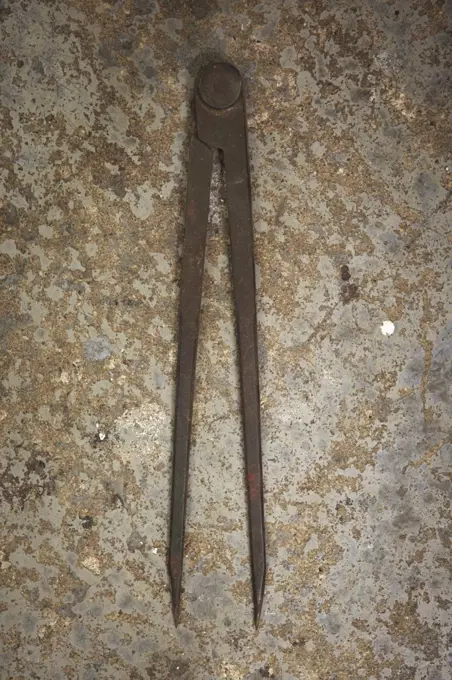
Ripple-flake Knife with Gold Handle. Egypt, Naqada III Period (3050 - 2920 BCE). Arms and Armor; knives. FlintHalf model or a 20-gun hulk.Polychromed block model (starboard) of a flat bottom, painted in red, black and white; No rig indicated. Twelve gunposes on one deck; Two rowing species or spuigeins between each pair of gunpaints. Round stern without fence or side gallery; Wide straight stir with large curl as roers head. Side ahead of something ascending, one Barkhout and one Reehout. Flat bottom.germanic lance tips with runic inscription, found in Brandenburg / germanische Lanzenspitzen mit Runenaufschrift, gefunden in Brandenburg, Historisch, historical, digital improved reproduction of an original from the 19th century / digitale Reproduktion einer Originalvorlage aus dem 19. Jahrhundert. Bronze spearhead Mycenaean, 1400-1300 BC Found at Kameiros, Rhodes, GreeceSilversmith: Baksteen en Middendorp, Silver trowel first stone foundation for statue of Piet Hein in Delfshaven, engraved with H. Lengkeek on the underside, trowel tool kit silver wood, cut cast engraved Rounded triangular blade upright stem (angle of 90 degrees) attached to black wooden baluster-shaped handle with ball knob at end leaf bottom (debossed) Piet Heyn Piet Hein Delfshaven first stone H. Lengkeek statue bricklayer trowel lime craft commemoration jubilee feast hero shipping silver fleet Rotterdam Used for first stone laying for statue of Piet Heyn in Delfshaven dated 1870.07.08.Knife (probably Germany), ca. 1730-40; bone, silver, steel; L x W: 15.1 x 1.7 cm (5 15/16 x 11/16 in.); The Robert L. Metzenberg Collection, gift of Eleanor L. Metzenberg; 1985-103-134-bPrescription Stick early 19th century Prairie Potawatomi. Prescription Stick 319104Messenheft from the wreck of the East Indians Hollandia, Anonymous, 1700 - in Or Before 1743  Knife, handle, cylindrical: tapering; id. NG 1979-403H, ferrules id. NG 1980-27H426. Netherlands wood (plant material)   SecondPartisan. Culture: Italian, probably Venice. Dimensions: L. 8 ft. 7 in. (261.6 cm); L. of head 21 3/4 in. (55.7 cm); W. 4 in. (10.2 cm); Wt. 4 lbs. 4 oz. (1927.8 g). Date: ca. 1500. Museum: Metropolitan Museum of Art, New York, USA.device, optical, wood, Germany, late 18th-early 19th century, Decorative Arts, device, opticalPowder Horn. Artist: A. Inman. Culture: American. Dimensions: Powder horn (a); L. 6 in. (15.2 cm); Diam. 1 3/4 in. (4.5 cm); Wt. 1 oz. (28.3 g); stopper (b); L. 1 1/2 in. (3.8 cm); Diam. 7/16 in. (1.1 cm). Date: 1813. Museum: Metropolitan Museum of Art, New York, USA.Three square arrow heads. Perse, Hurvin. IXEM-VIIIth centuries BC. Paris, Cernuschi museum. 35408-2 Armament, weapon, bronze, arrow, Carrea section, headMusket size. Musket size of brass, with leather sleeve and a leather lid. Bottom loose and broken string.Passe -Partout van Rollievering ,, 1868 - 1912 Passe-partout of roll painting with Japanese characters. Japan silk. paper. lanyards Passe-partout of roll painting with Japanese characters. Japan silk. paper. lanyardsScraper, elevated viewUSA, Alaska, St. Lawrence Island, Ancient bone spoons, Siberian Yupik Eskimo artifactKnife lift from the wreck of the East Indiesman Hollandia.knife, Handle, Cylindrical: tapering; ID. NG 1979-403H, Ferrule, ID. NG 1980-27H426.Folding measureAmputation saws and knife. The saws feature a bow-frame while the knife has a bone handle. Thought to be from Spain, 16th century.Sword with Scabbard 16th-19th century Korean. Sword with Scabbard. Korean. 16th-19th century. Steel, wood, bronze, gold, silver, iron, pigment, textile. SwordsSashes, from a two-piece set, 56 x 1 1/2 in. (142.24 x 3.81 cm) (a)59 x 1 3/4 in. (149.86 x 4.45 cm) (b), Cotton, metal, ChinaArrow or Javelin Point of Neferkhawet. Dimensions: L. 9.5 cm (3 3/4 in.); W. 1.6 cm (5/8 in.); Greatest thickness 0.4 cm (3/16 in.). Dynasty: Dynasty 18, early. Reign: reign of Thutmose I-early sole Thutmose III. Date: ca. 1504-1447 B.C.. Museum: Metropolitan Museum of Art, New York, USA.Mules 19th century. Mules 88829Flute (putorino). New Zealand (Aotearoa), Bay of Plenty Region, possibly Rotorua, Maori, Te Arawa People, Tuhourangi tribe, 18th century. Tools and Equipment; musical instruments. Wood, fiber, and Haliotis shellOboe Henri Brod French 1837-38 Henri Brod was a prominent performer, serving as first oboe of the Paris Opera and professor at the Conservatoire. In conjuction with his brother, he was also active as a maker. Brod is credited with various technical improvements to the instrument, two of which are found on this instrument: a rocking lever to connect the e'-flat and c' touchpiece and the d' half-hole key (still in use), which gives precise partial covering of the tone hole to facilitate overblowing in the upper octave. Despite technical developments that were increasingly being applied to the oboe and other woodwind imnstruments during the middle decades of the nineteenth century, Brod wrote that the oboe was most effective in slow, melodic passages.Techical description:Simple system oboe, stamped on all three sections with "BROD" (front) and "24" (rear side). The oboe is composed of three sections of boxwood and mounted with ivory sleeves. The wood shows weak burls in some areas of the Trumpet ca. 400-700 Teotihuacan Pottery trumpets were more widely distributed than bone and coexisted with trumpets of shell and gourd. The flared mouthpiece confirms that the maker was aware of facilitating a proper embouchure, or lip formation.. Trumpet. Teotihuacan. ca. 400-700. Pottery, polychrome. Pre-Columbian. Teotihuacan, Mexico. Aerophone-Lip Vibrated-trumpet / trombone17th-18th century. Scotch pistols. Pair of Snaphance-locks pistols. Scotland, signed, "Robert Allison Dundee", 1635. Wrought iron, engraved, brass, openwork. Unrifled, calibre: 13mm. From the former collection of the Moszynski family. National Museum of Krakow. Poland.iron dagger with curved edges and sheath iron dagger with curved edges and sheath, 2nd-1st century BC, La Carada necropolis, Espeluy, Iberian culture, Iberian Museum of Jaén, Andalusia, Spain Copyright: xZoonar.com/BartomeuxBalaguerxRotgerx 21704764Brass spoon. Culture: Roman. Dimensions: 4 7/16in. (11.2cm).From the Tivoli hoard, comprising thirty pieces in all, includes two decorated skyphoi (wine cups), a ladle, a trulla (spouted pitcher), and several spoons. Museum: Metropolitan Museum of Art, New York, USA.Double-sided wooden comb ca. 7th-9th century A.D. Alanic. Double-sided wooden comb 327562Hammered Silver Tube Ornament 8th-mid-16th century Peru; north coast (). Hammered Silver Tube Ornament 309176Broom, consisting of a Takekebos, bound together by Wilgenteen, in which stabbed a smooth stem of pine with at the top five profile rings (for strings), anonymous, c. 1690 - c. 1710 Broom consisting of Takekebossen, tied together by Wilgenteen, in which stabbed a smooth stem of pine wood with five profile rings at the top (for strings). One Takekebos rough, the other straight cut off. Amsterdam wood (plant material). pine (wood). Broom consisting of Takekebossen, tied together by Wilgenteen, in which stabbed a smooth stem of pine wood with five profile rings at the top (for strings). One Takekebos rough, the other straight cut off. Amsterdam wood (plant material). pine (wood).Fragment (Italy); linenKnife with a Bust of a Chinese Man on Porcelain Handle, porcelain, vitreous enamel, silver, steel, Blade has slightly curved upper edge. Lower edge tapering towards the point. Drop bolster, silver ferrule has horizontal bands. Tapering white porcelain handle with rounded top, flat sides. Handle decorated with kakiemon design in blue, green and yellow (underglaze) and red-brown overglaze. Silver button cap at the top of the handle., St. Cloud, France, ca. 1770, cutlery, Decorative Arts, knife, knifeBlood bag pin -Half Model of a Boyer, anonymous, c. 1400 - c. 1950 ship model. half model Round for ship. Primary sphere above the end vertically. Boiling is round. Voorzip is quite high rising and slanting to the sides. Round stern with falling stern (2/5 cm). A straight stirring overboard with tellows and very wide leaves that sticks slightly deeper at the bottom than the keel. The soil has a weak V-shape, rising in front and back. The mountain wood consists of three narrow corridors thicker than the skin corridors, walking from the rear stern to the vest. These three courses have not been applied as the other courses of the skin (partly). A seam in front and behind. The skin is completely closed with wide skin corridors. The third and fourth skin corridor stated at the front and aft ship. The fifth and sixth skin corridor completely oversail. Above the mountain wood a closed board indicated over a length of 43 cm. Model is mounted on a shelf. Netherlands wood (plant material)Scribal kniife of the Chief Steward Djehutyhotep. Dimensions: L. 14 cm (5 1/2 in). Dynasty: Dynasty 18. Reign: Joint reign of Hatshepsut and Thutmose III. Date: ca. 1479-1458 B.C.. Museum: Metropolitan Museum of Art, New York, USA.Alabastron (Container for Scented Oil). Greek, Hellenistic. Date: 200 BC-1 BC. Dimensions: 13 × 3.5 × 3.5 cm (5 1/8 × 1 3/8 × 1 3/8 in.). Glass, core-formed technique. Origin: Greece. Museum: The Chicago Art Institute, Chicago, USA. Author: ANCIENT GREEK.Grot włóczni. unknown, authorBeads, string 18th century or later African, made in Europe. Beads, string 320979String of 10 Beads 2nd century BC-2nd century AD Ptolemaic or Roman Period. String of 10 Beads. 2nd century BC-2nd century AD. Gilt glass. Ptolemaic or Roman Period. From EgyptRitual Dagger (Phur Pa) 19th century Tibetan. Ritual Dagger (Phur Pa). Tibetan. 19th century. Brass. DaggersPair of Ear Rods 8th-12th century Coclé (Macaracas). Pair of Ear Rods 312917Close up studio shot .223 rifle bullet cartridgePhoto of cold weapon on black backgroundDuster with the flowers of four seasons 16th century China This grouping of bamboo, chrysanthemums, orchids, and plum blossoms has rich symbolic meaning. Together, the plants represent both the passing of the seasons and virtues such as perseverance, modesty, purity, and nobility of spirit that were esteemed by the literati class. A member of that class would have used a whisk like this one.. Duster with the flowers of four seasons. China. 16th century. Carved red lacquer. Ming dynasty (1368-1644). LacquerVanilla podsNecklace ca. 1900 American or European. Necklace 80224USA, Alaska, Ivory and bone combs, Eskimo artifacts from St. Lawrence IslandFragments blowjob stem from the wreck of the East Indieschief Hollandia.Pipe, voice.Various cutlers. Knives. Enamelled gold. 18th century. Paris, Cognacq-Jay museum. 56642-12 Knife, cutlery, golden goldJapan, Honan, Cheng Chou, Dagger and engraved ko (halberd blade), found in 1954, Shang Dynasty, bronzeStockfishGlass bottles, 1st-4th century, National Archaeological Museum, Villa Cassis Faraone, UNESCO World Heritage Site, important city in the Roman Empire, Aquileia, Friuli, Italy, Aquileia, Friuli, Italy, EuropeFrance, Besancon, Bronze votive knife, from excavationsPib-be-gwun or Siyontanka 19th century Native American (Chippewa or Ojibwa) A Native American flute is divided by an internal plug into two chambers. The player's breath is routed out of the tube as it encounters the plug and is redirected to the second chamber by a thin metal spacer positioned under a block (often carved as an animal) secured by a cord. Formerly restricted to men in sacred ritual and courting contexts, it is today an instrument with a growing social and secular repertoire.. Pib-be-gwun or Siyontanka 501195cane leaves handpainted by black watercolors training drawing in sumi-e suibokuga style - cane leaves handpainted by black watercolors on white paper ,property released Copyright: xZoonar.com/ValeryxVoennyyx 13377408 ,model released, Symbolfoto ,property releasedArrowheads, needles, hooks and harpoons. Culture: Japan. Dimensions: W. 5/8 in. (1.6 cm); L. 1 5/8 in. (4.1 cm). Museum: Metropolitan Museum of Art, New York, USA.Vintage jointer on a metallic backgroundTwo clay pipes, double conical head and heel, heel mark and decorated handle, clay pipe smoking equipment smoke floor pottery ceramics pottery h 3,2, pressed shape finished baked Two pipes with double conical head and heel. Heel mark Decoration on the stem consists of fields of four diamond-shaped stamps in which fleur de lis heel mark: Tudorroos crowned in shield-shaped archaeological field Rotterdam railway tunnel pottery smoking tobacco Soil discovery: rail tunnel Rotterdam.Baluster. Culture: British. Dimensions: Height: 27 1/4 in. (69.2 cm). Date: mid-18th century. Museum: Metropolitan Museum of Art, New York, USA.Armlets, 1800s. Silesia, 19th century. Silver gilt; overall: 45.7 cm (18 in.).Night Signal, anonymous, c. 1860 - c. 1865 instrument The night signal consists of a stick with a Lonthouder at the end, over which a cylinder can be pushed, who extracts the flame from the eye. Russia wood (plant material). brass (alloy). iron (metal)   Siberiametal on wall metal on wall made in 3D Copyright: xZoonar.com/OxanaxRishnyakx 4356735Flute in C.Flute in c of palm wood with nine valves.Knife with Holder and Two Chopsticks late 17th century-early 18th century China. Knife with Holder and Two Chopsticks 40795PIPA INCA CON ANIMALES - ARTE DEL PERU PRECOLOMBINO. Location: MUSEO DE AMERICA-COLECCION. MADRID. SPAIN.Case duel with pistols and starter, france, 1850, Castle of San Carlos, seventeenth century, Palma, Mallorca, Spain.Ancestral Altar Tusk, c. 1820. Nigeria, Benin Kingdom, Ẹdo peoples, members of the Igbesanmwan (wood and ivory carvers) guild. Elephant ivory; overall: 197.4 cm (77 11/16 in.).Ball-Butted Miquelet-Lock Pistol, c. 1850. Caucasus, Daghestan, 19th century. Steel, brass, silver; gold inlay; overall: 53 cm (20 7/8 in.); barrel: 38.7 cm (15 1/4 in.); bore: 1.4 cm (9/16 in.).Group of Four Nails. UnknownLeg filling pencil, the middle part of which has the motif of a Scottish diamond. Leg filling pencil, the middle part of which has the motif of a Scottish diamond. A narrow round opening on the pointed side.Mummy of a KestrelsKnife Handle (Kozuka). Culture: Japanese. Dimensions: L. 3 13/16 in. (9.7 cm); W. 9/16 in. (1.4 cm); thickness 5/16 in. (0.8 cm); Wt. 1.5 oz. (42.5 g). Date: ca. 1615-1868. Museum: Metropolitan Museum of Art, New York, USA.Comb, late 19th-early 20th century, Unknown Japanese, 1 9/16 × 3 9/16 × 1/4 in. (3.97 × 9.05 × 0.64 cm), Metal, tortoise shell, ivory, Japan, 19th-20th centuryClose up of old circleCup and ball toy -Bracelet of Wah Middle Kingdom ca. 1981-1975 B.C. Wah's broad collar, anklets and bracelets were made as funerary ornaments for the burial and were found in the layers of linen wrapping that were closest to the body; the collar had been tied around the neck, and the bracelets and anklets had been laid over the lower arms and legs. They are all made of a ceramic material called Egyptian faience. Beaded jewelry sets of this type are illustrated in the object friezes that decorate many Middle Kingdom coffins, and fragmentary examples have been found in numerous tombs of the period. View more. Bracelet of Wah. ca. 1981-1975 B.C.. Faience, linen thread. Middle Kingdom. From Egypt, Upper Egypt, Thebes, Southern Asasif, Tomb of Wah (MMA 1102), Mummy, MMA excavations, 1920. Dynasty 12Africa, Ghana, Accra. National Museum, regarded as one of the finest museums in sub-Saharan Africa.Traditional hand carved walking sticks display.French Interior Forces (FFI), Red Cross Brassard of the CFLN health service - CNR - RF - FFI of the resistant Louis Auzoux (attributed title), 1944. Fabric, mechanical seams, ink, metal. Museum of the Liberation of Paris - General Leclerc Museum - Jean Moulin Museum.Australian boomerang Wooden Australian boomerang isolated over white background Copyright: xZoonar.com/IvonnexWierinkx 7833700Cheese scoop andbox.   Maker: Wendell and Roberts, American, 1865-1875