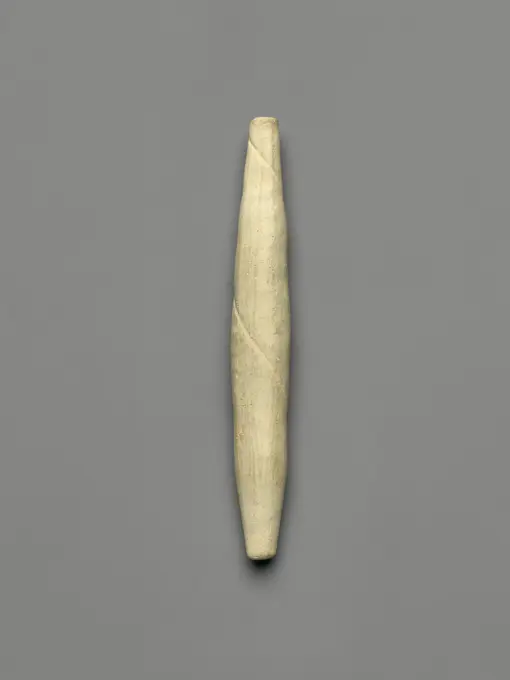
Historical Weaponry

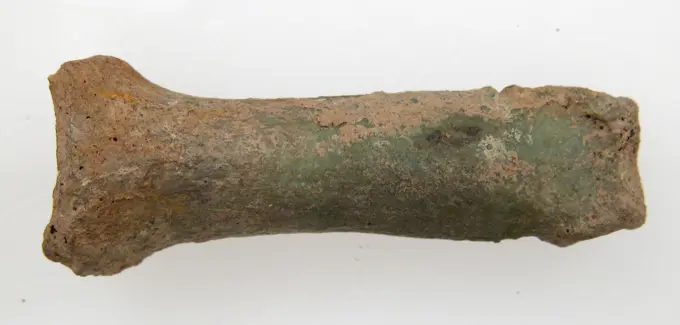
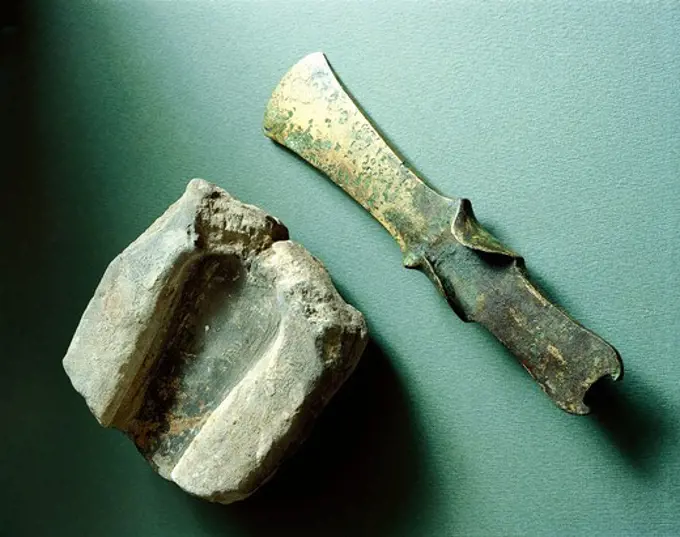
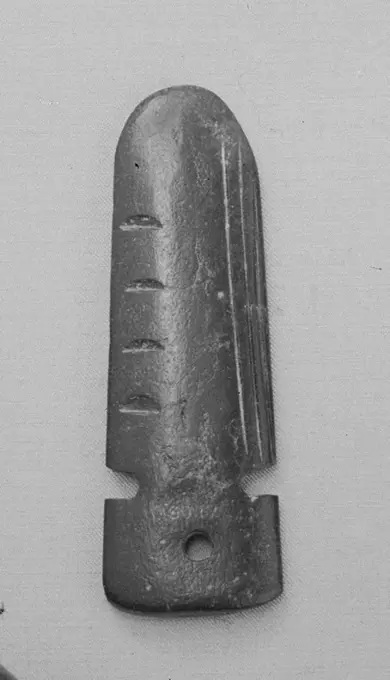
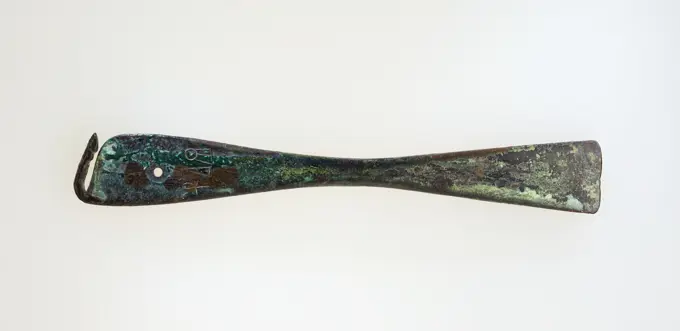
Artifacts of ancient weaponry including lance tips, chisels, and spearheads made from bronze and iron, showcasing details from different historical periods.
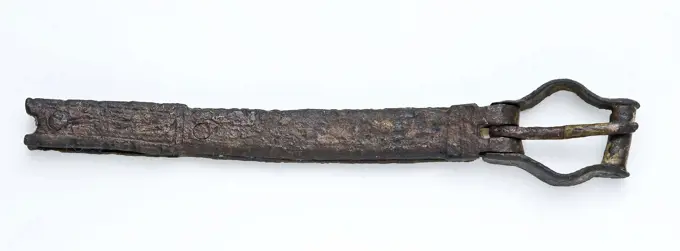
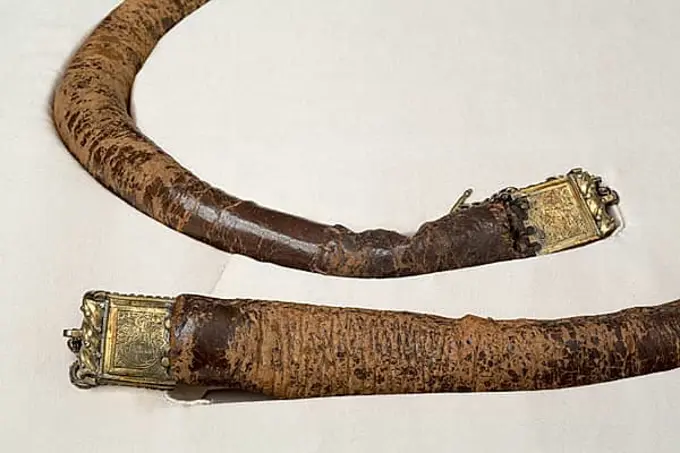
Buckle with leather fragments, long decorated strip and hinged stirrup buckle, buckle fastener part soil find bronze leather metal, At the base of the herd framed block in which engraved decoration archeology Rotterdam City Triangle Spaarbankstraat Market Binnenrotte Soil discovery Inner rotte between former Savings Bank and Market corner Spaarbankstraat .
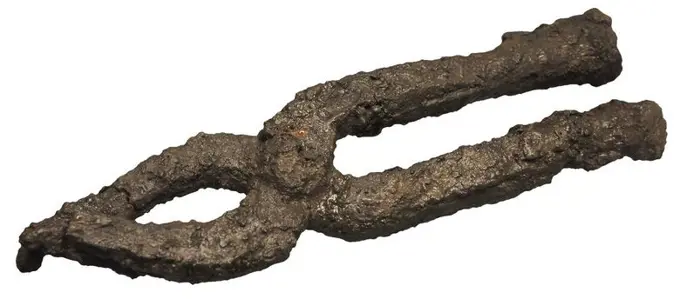
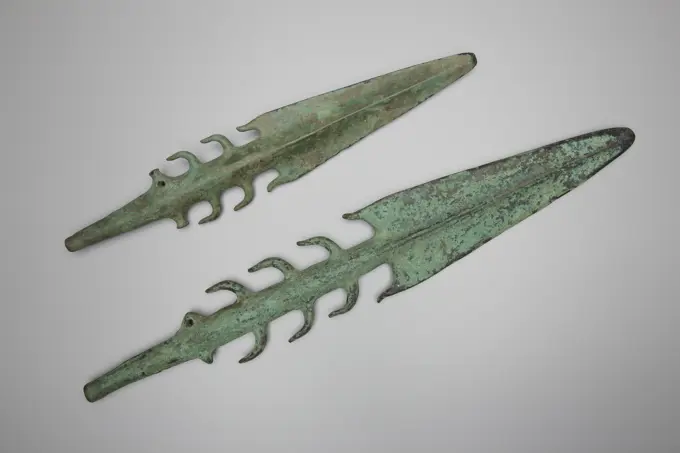
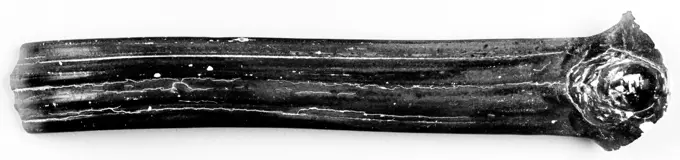
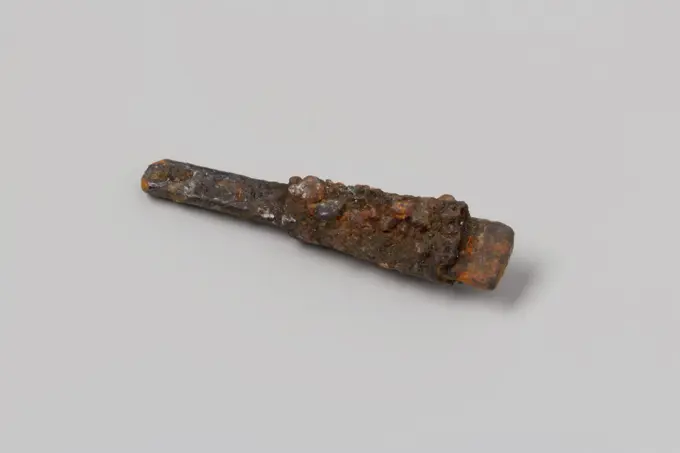
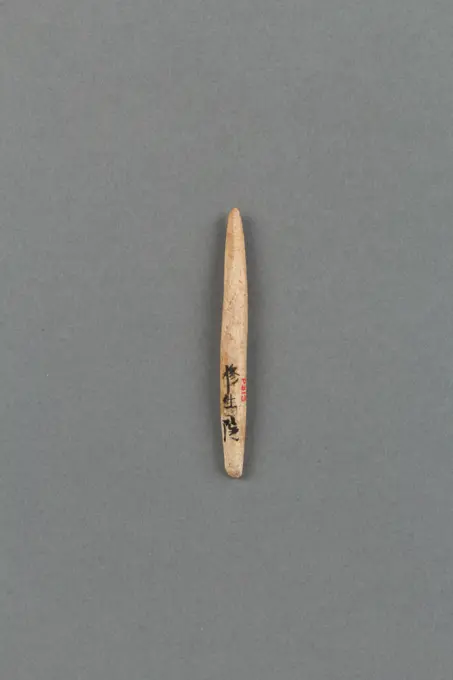
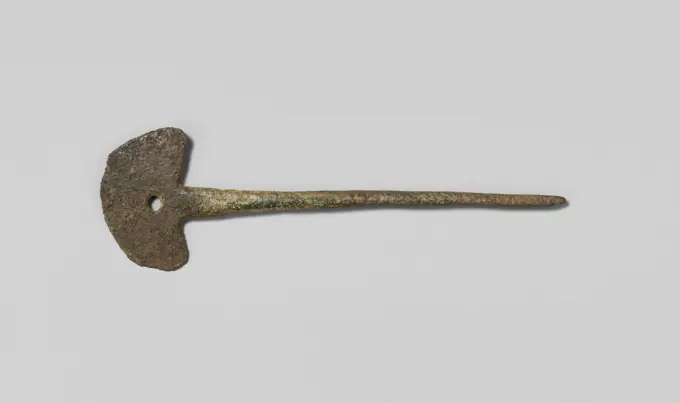
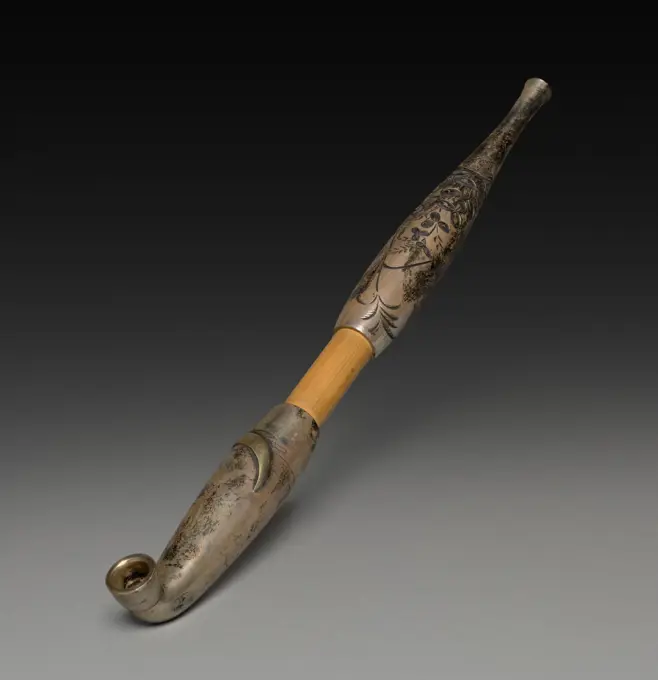
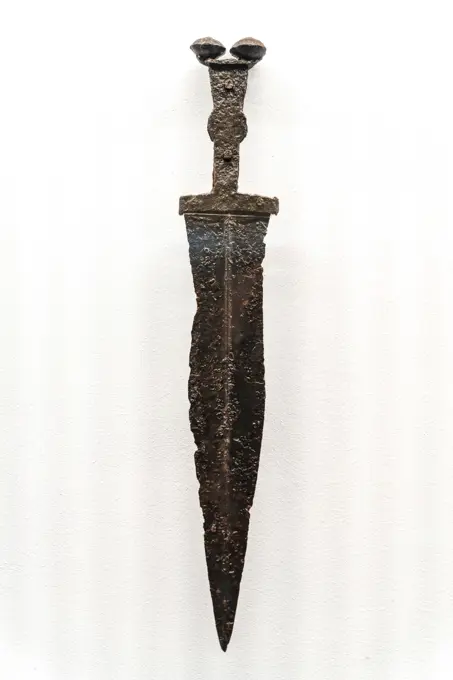
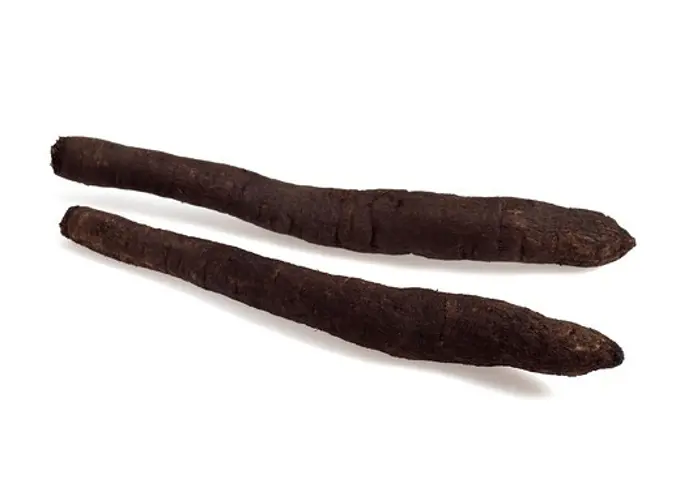
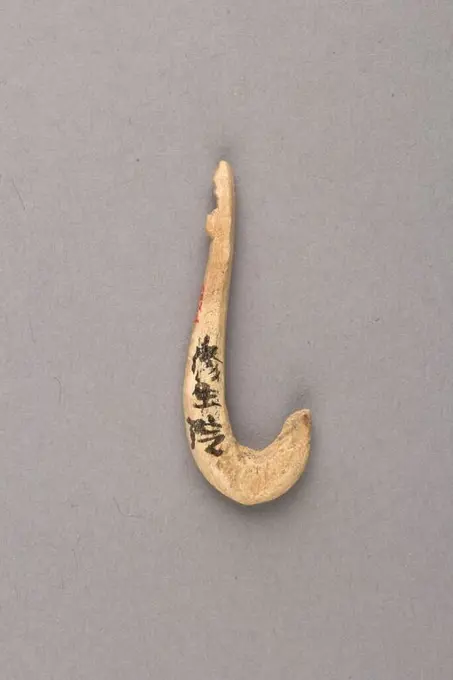
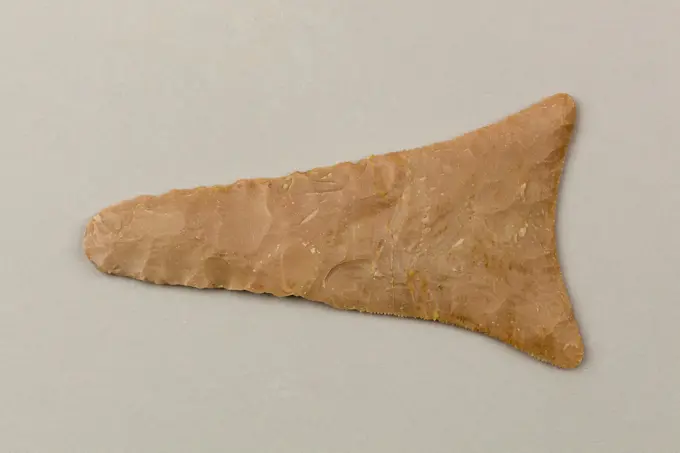
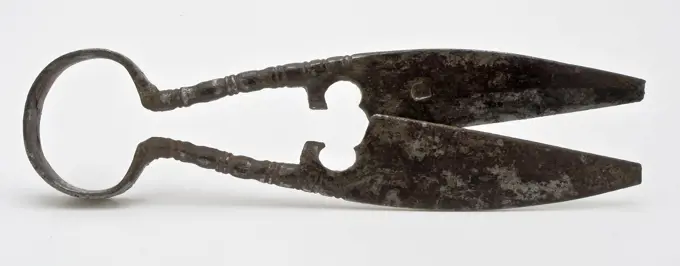
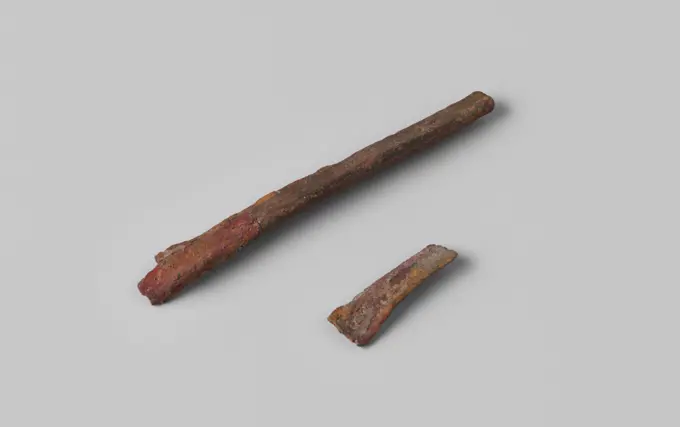
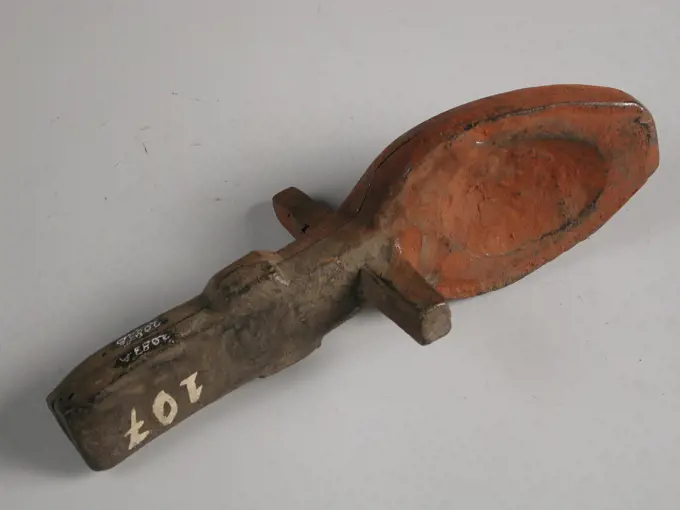
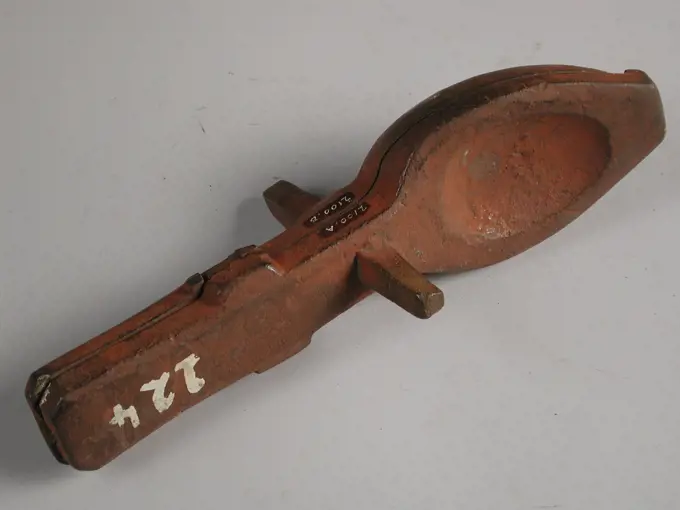
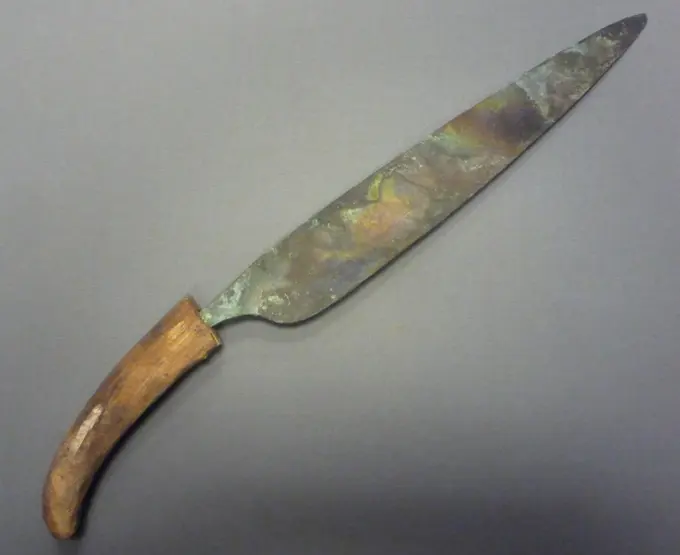
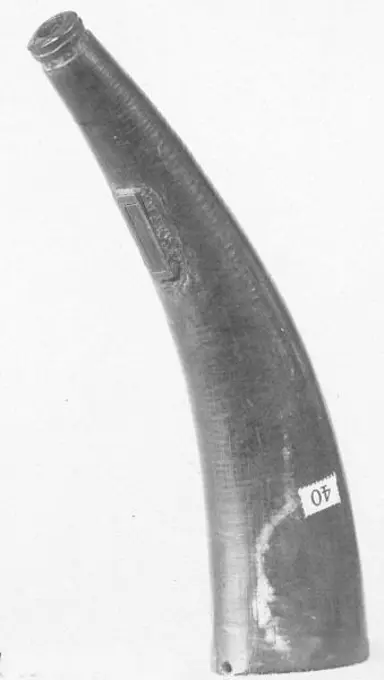
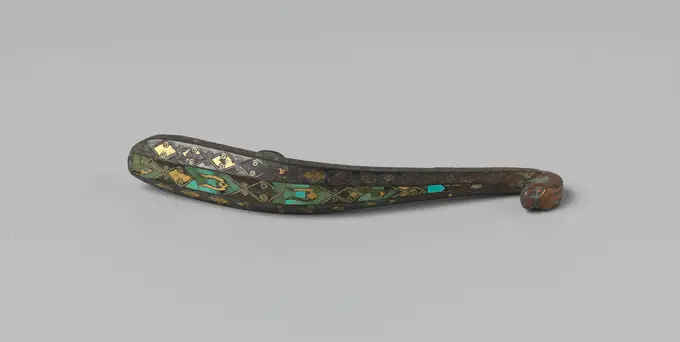
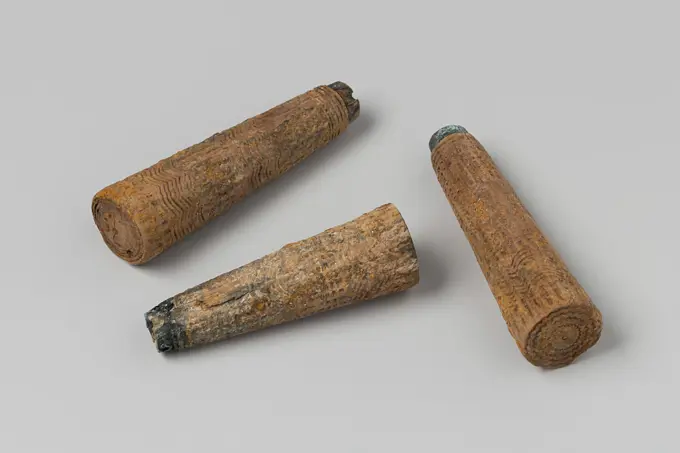
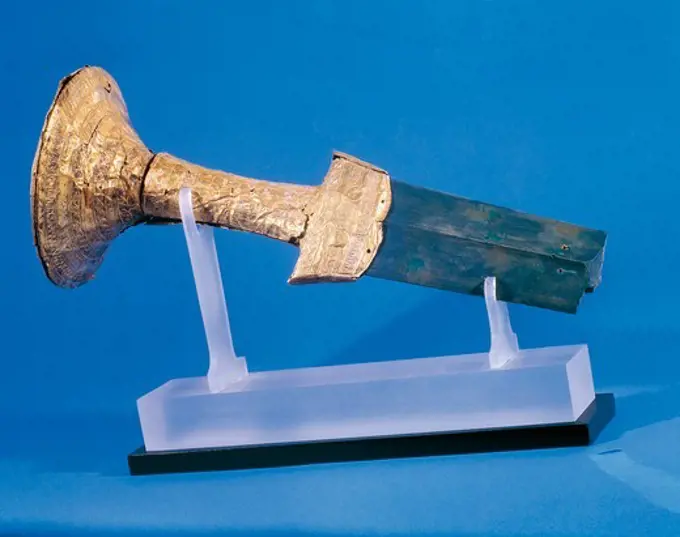
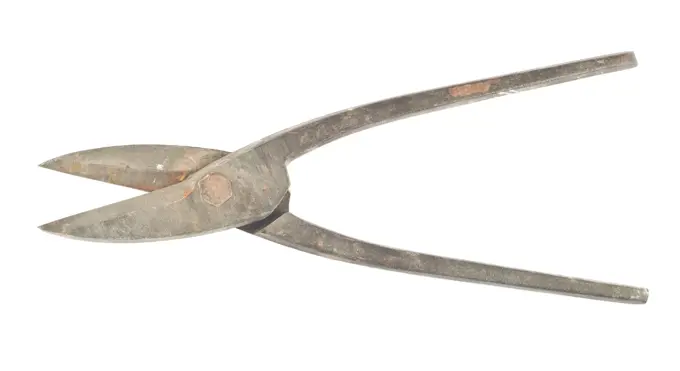
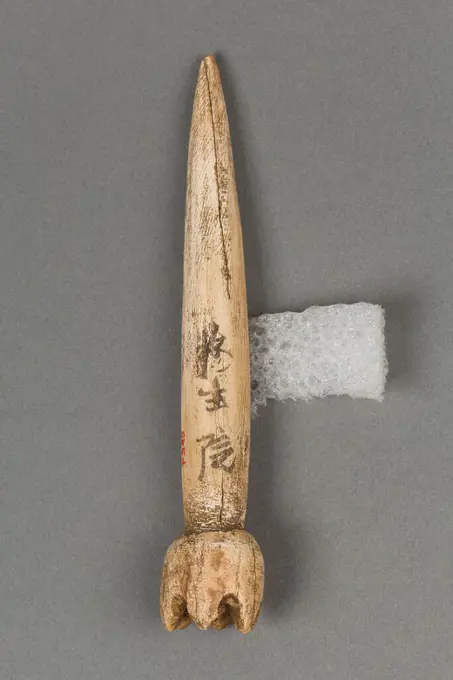
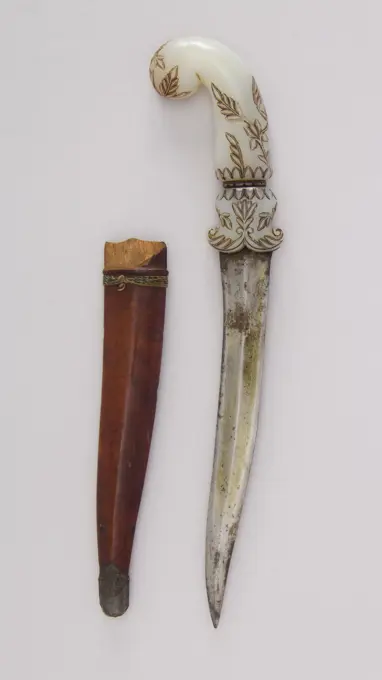
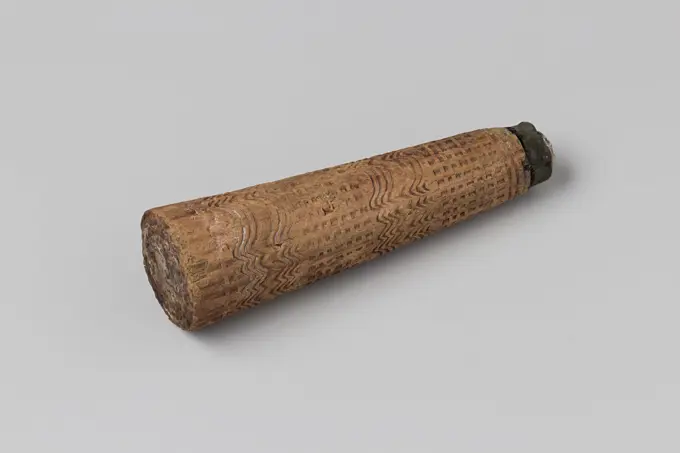
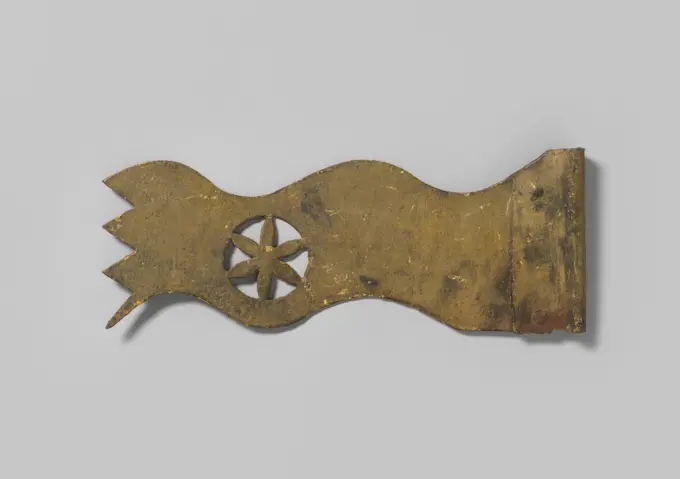
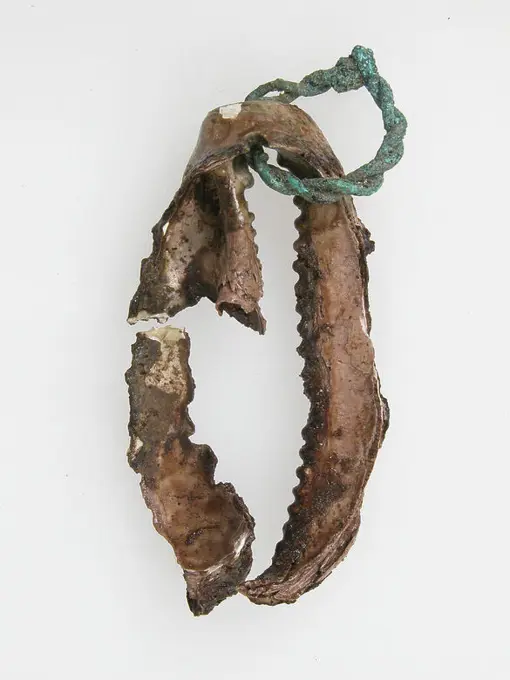
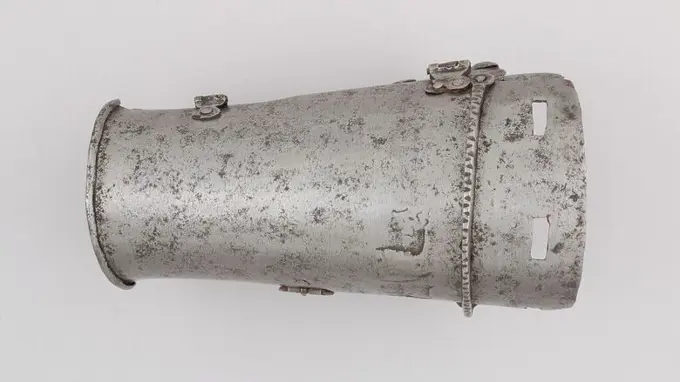
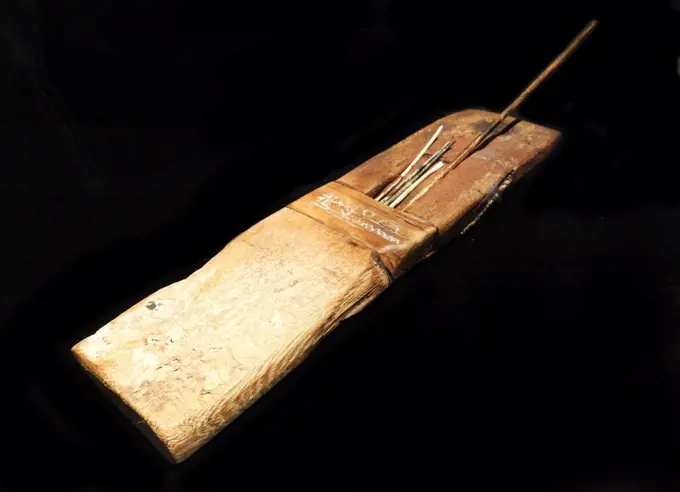
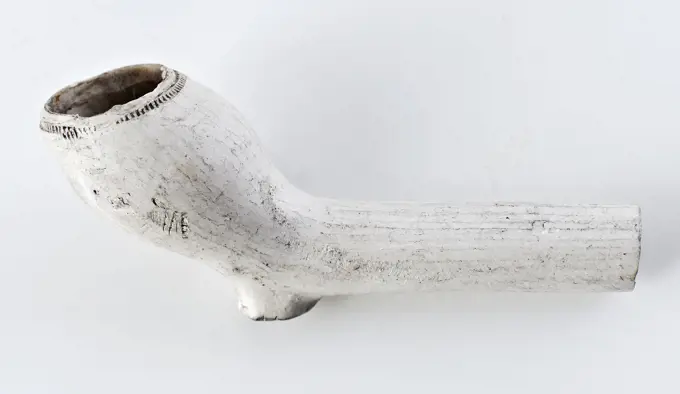
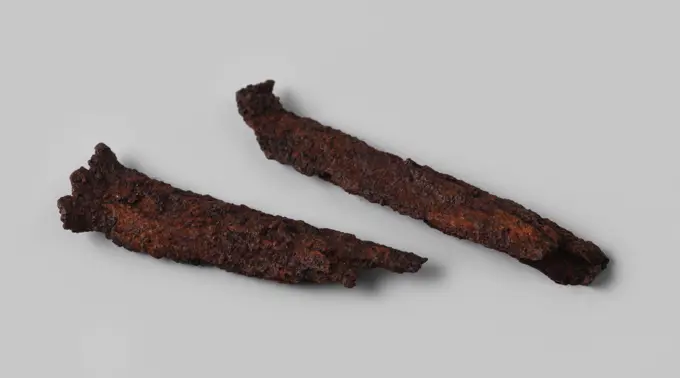
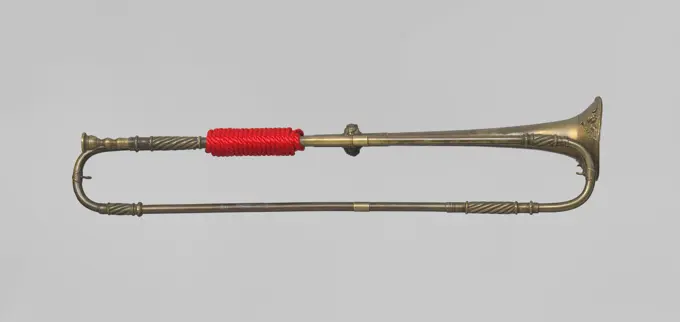
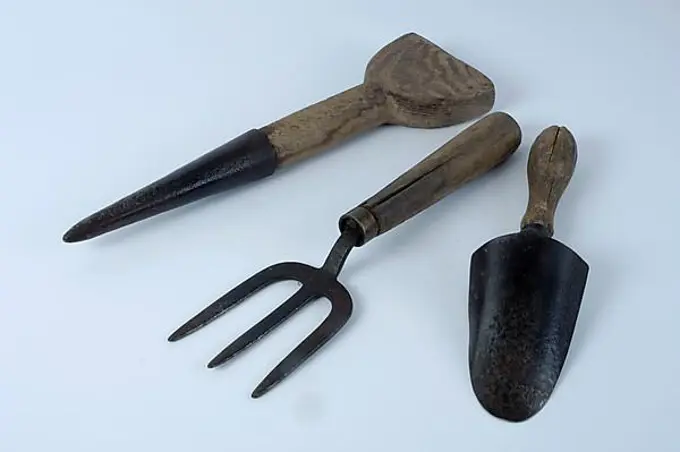
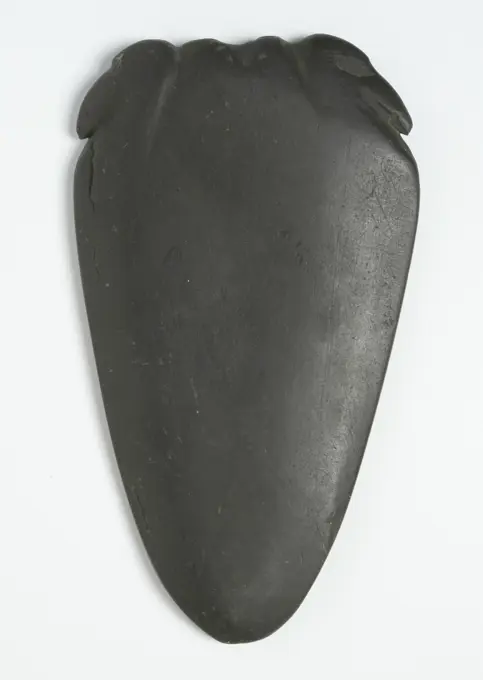
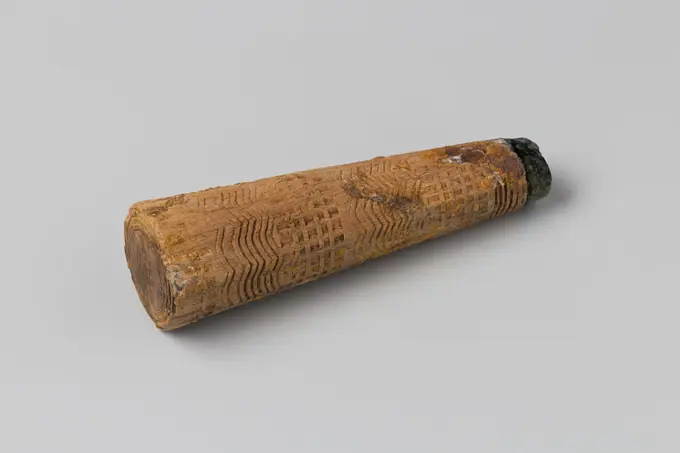
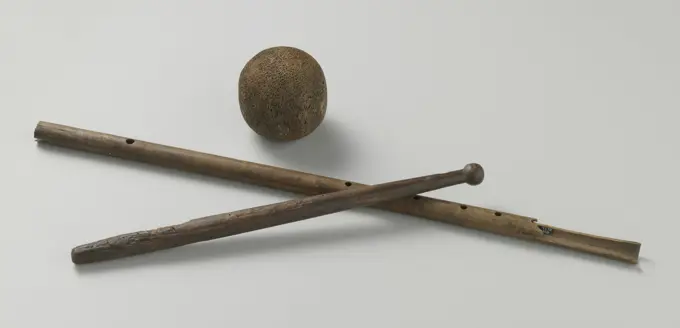
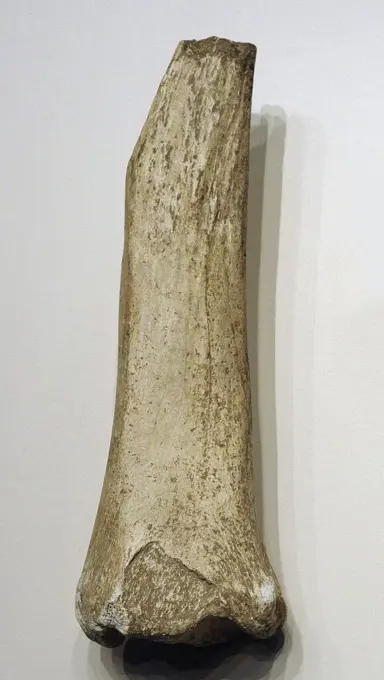
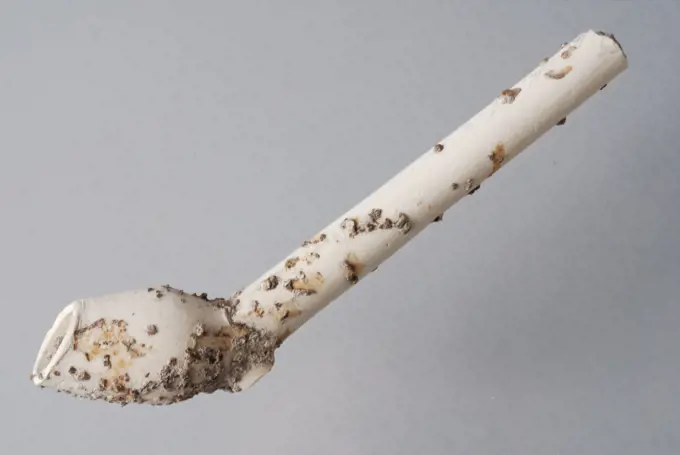
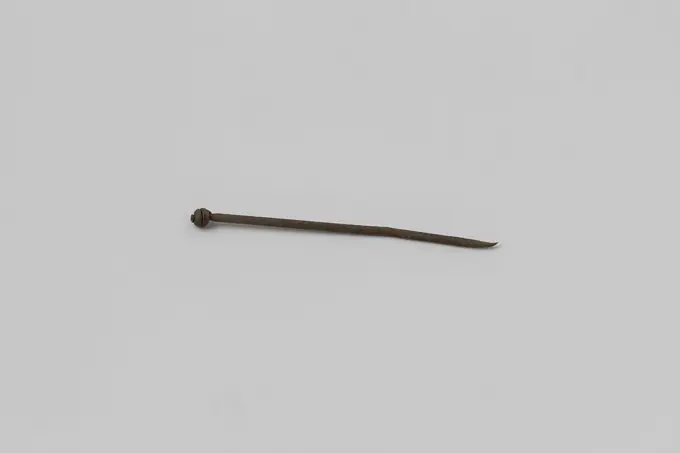
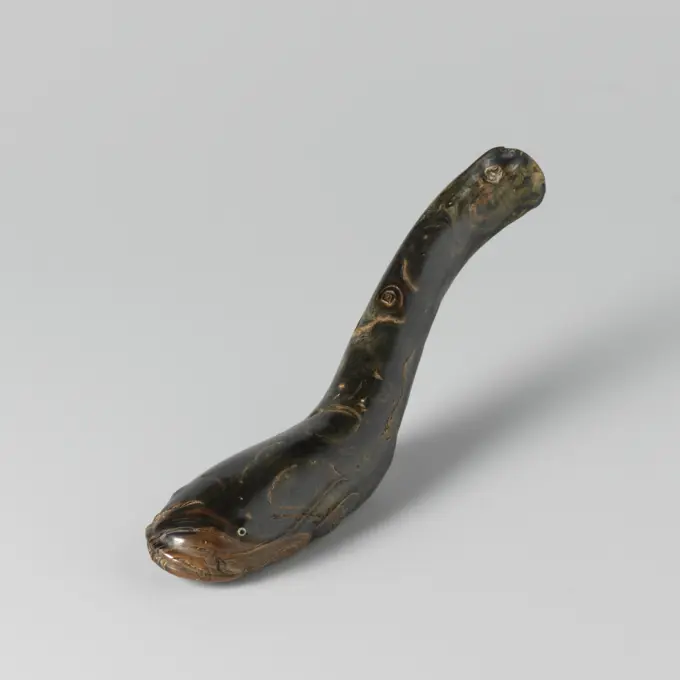
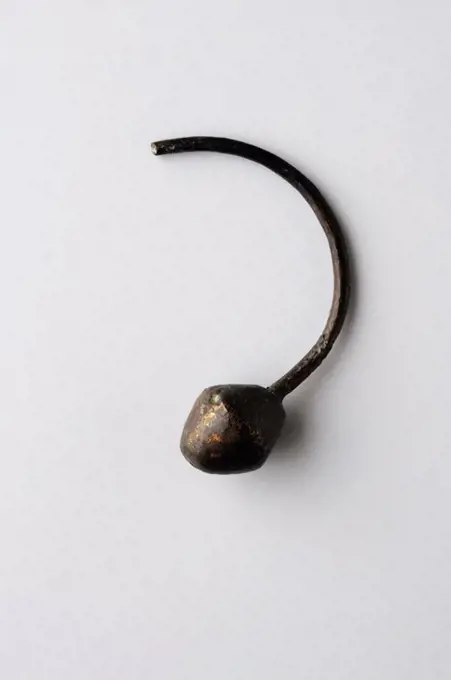
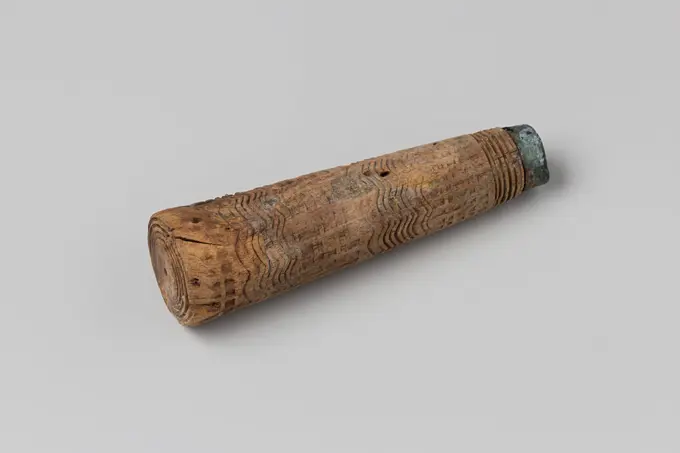
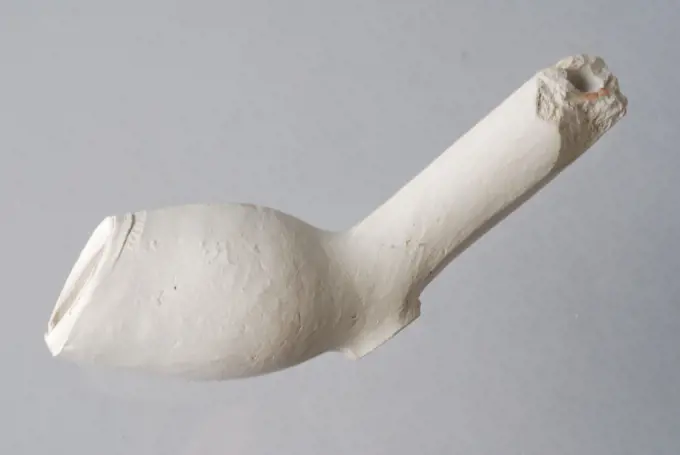
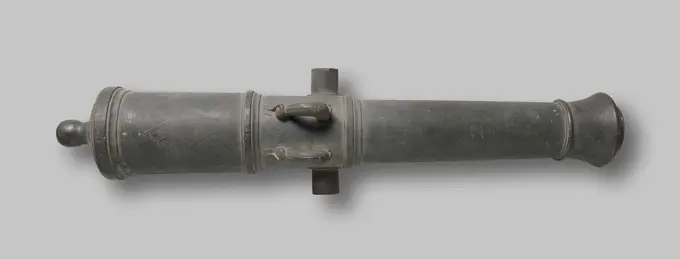
Excerpt copper sheet metal from the wreck of the East Indies Hollandia, Anonymous, 1700 - in Or Before 1743 fragment Varied parts or fragments, sheet metal fragments: worked, moulded or shaped; fragm, squashed; flat, irregular curving outline, one side semicircular, other side tapering, broken off, with straight core. Netherlands copper (metal)   SecondSacred Slit Gong (Waken) 19th century Iatmul people. Sacred Slit Gong (Waken). Iatmul people. 19th century. Wood. Papua New Guinea, Komindibit village, Middle Sepik River. Wood-Musical InstrumentsParts of a Belts Made 1501-1600 England. Leather .Blacksmith's pincers. Iron. Iron Age. Galicia, Spain. Archaeological and History Museum (San Anton Castle). A Corua, Galicia, Spain.Sash -HarpoonTipApulian Strap Handle Fragment. UnknownFragment Steel van Fork or Spoon from the wreck of the East Indians Hollandia, Anonymous, 1700 - in Or Before 1743 spoon Cutlery, fragment: stem of fork or spoon; fragm of flat stem. Netherlands silver (metal)   SecondAwl 4th millennium B.C.. Awl. 4th millennium B.C.. Bone. Late Chalcolithic. Iran, Pisdeli TepeMat From Foundation Deposit C, Hatshepsut's Temple ca. 1479-1458 B.C. New Kingdom. Mat From Foundation Deposit C, Hatshepsut's Temple 548766Screw plate from a musket from the wreck of the East Indies Flying Heart. Copper screw plate from a musket with the inscription 'Camera Zeeland'. Side Plate.Harpoon head Japan The Jmon period is the earliest period in Japanese history, lasting from roughly 14,000 to 300 BCE. The Jmon people were primarily hunter-gatherers, hunting land animals and gathering vegetables and nuts on the land as well as hunting and fishing at sea. Harpoon heads such as this one testify to the importance of seafood in the diets of some Jmon communities, especially those close to the sea. Fish bones found at Jmon archaeological sites indicate that the Jmon hunted fish not only close to the shore but also farther out in the open sea, where larger fish could be caught. There is even evidence that the Jmon ate pufferfish, a poisonous fish considered a delicacy in modern Japan.. Harpoon head. Japan. Bone. Final Jmon period (ca. 1000-300 B.C.). BoneGreave (Lower Leg Defense). Culture: German. Dimensions: H. 17 1/4 in. (43.8 cm). Date: 16th century. Museum: Metropolitan Museum of Art, New York, USA.Tupu (pin) A.D. 1400-1533 Inca This metal object is a pin typically referred to as a tupu (also spelled topo” or topu”), a Quechua term (pithu” in Aymara). It is made of copper or an alloy of copper given the green patina on some of the surface. This patina is a product of natural corrosion. Tupus consist of two parts: the head (cuerpo” or cabeza” to use the Spanish terms of Fernández 2015, 10) and the stem (alfiler” or espiga”). The head of this particular tupu is semi-circular, its lower edges pointing slightly downward. In profile, the head is especially thin. There is a circular perforation at the center of the head, in the lower half. Significantly thicker than the head of the tupu, its stem is broad near the top and then narrows to its end point. The stem features a circular cross section. Besides natural corrosion, the surface shows encrusted soil and pitting. The edges of the head are relatively rough, especially along the top. To make this object, metalworkers would havOriginal steam pipe of the Steamboat Princess Marianne, Erdegangh, after 1820 ship model. fully rigged model. show model Steam pipe of board paper, with iron necklace. Dordrecht iron (metal)   Rotterdam. MiddelburgTobacco Pipe, early to mid-1800s. Japan, Edo period (1615-1868). Bamboo, silver, and brass; overall: 26.6 cm (10 1/2 in.).Bow -antennae dagger, III before Christ, Doroño, Álava Armory Museum, Vitoria, Basque Country, SpainFinger Bone 7th century Frankish. Finger Bone. Frankish. 7th century. Bone. Made in Niederbreisig, Germany. Miscellaneous-BonePrehistoric winged axe and fragment of its mouldAmulet (Tongue) China. Amulet (Tongue) 42981Implement 30 B.C.-A.D. 364 Roman Period. Implement. 30 B.C.-A.D. 364. Copper alloy. Roman Period. From EgyptBone punch, from archaeological site of Lagozza di Besnate, province of VareseFresh Salsify Tragopogon Porrifolius Against White BackgroundBronze pin ca. 1st century B.C.-2nd century A.D. Greek or Roman The head of the pin is in the form of Aphrodite Anadyomene standing on a Corinthian capital.. Bronze pin 254439 Greek or Roman, Bronze pin, ca. 1st century B.C.2nd century A.D., Bronze, L. 4 1/2 in. (11.5 cm). The Metropolitan Museum of Art, New York. Rogers Fund, 1941 (41.162.269)Essen-Werden, Collegiate Church of St Ludgerus, TreasuryArrowheads, needles, hooks and harpoons. Culture: Japan. Dimensions: W. 1/2 in. (1.3 cm); L. 1 1/2 in. (3.8 cm). Museum: Metropolitan Museum of Art, New York, USA.Arrowhead  with tang. Arrowhead  with tang. Iron. Miscellaneous-IronImplement with Forked End. UnknownBRONZE SPATULAS (INV-TG-6027, 6928 AND 6929). FROM THE CASTLE OF TORREGROSSA, JIJONA (XII-XIII). (EXHIBITION THE SCIENTIFIC LEGACY OF AL-ANDALUS) (LOCATION: ARCHAEOLOGICAL MUSEUM OF ALICANTE).Fishtail Knife ca. 3850-2960 B.C. Predynastic Period. Fishtail Knife 574097Musketmaat without a cap, with ears and rope, anonymous, c. 1590 - c. 1596  Musket size without a cap, with ears and rope.  brass (alloy). leather. rope striking (metalworking)  Nova Zembla. Saving HuysCopper Lime Spoon with Bird Top 15th-16th century Inca. Copper Lime Spoon with Bird Top. Inca. 15th-16th century. Copper (cast). Peru. Metal-ImplementsPinch cutter with circle-curved handle with notches up to transition blades, pinch cutter scissor cutting tool soil find iron metal, w 4,3 forged Pinch cutter with strong to circular curved handle with notches up to transition blades. Decorated legs Marked on the cutting blades Front of the stamp bread-shaped in which undefined signs other leaves an entered 3 archeology metropolis Rotterdam Stadscentrum Stadsdriehoek Oostplein cut soil founding area Oostplein.HandleNail 15th-16th century European. Nail. European. 15th-16th century. Iron. Metalwork-IronMask.Sect Bridge Panntub.Sweden, Blekinge, Blekinge, Karlskrona, Karlskrona, External War Gogs (depicted, City)Mosaic one hundred;  2. PO. 4,000 BC (-3500-00-00--3001-00-00);Culture Uruk (approFragments of copper from the wreck of the East Indians Hollandia, 1700 - in Or Before 1743 fragment Varied parts or fragments, strips and strip-shaped fragments; fragm. Netherlands copper (metal)   SecondTwo-piece bronze mold for spoon, mold casting tool tools kit base metal bronze, cast Two-piece bronze mold for pouring spoon with an oval bowl that turns into shank with needle or rat tail the biche 'as the end Rotterdam tingieterij tinnegieter tin Meeuws Druy craft Forms come from the originally 18th century Rotterdam tinnegieter J Druy. The large molds that were not signed or dated were the property of the tinker guild and were rented to the small tin caster.Two-piece bronze mold for spoon, cast molding tool tools base metal bronze, cast Two-piece bronze mold for pouring spoon with rat tail or needle Rotterdam tin foundry tin stainer tin Meeuws Druy craft Shapes are from the van origins 18th century Rotterdam tinnegieter J Druy. The large molds that were not signed or dated were the property of the tinker guild and were rented to the small tin caster.Saw From a Foundation Deposit, Hatshepsut's Temple ca. 1479-1458 B.C. New Kingdom. Saw From a Foundation Deposit, Hatshepsut's Temple. ca. 1479-1458 B.C.. Wood, bronze or copper alloy. New Kingdom. From Egypt, Upper Egypt, Thebes, Deir el-Bahri, Temple of Hatshepsut, forecourt, Foundation Deposit 3 (C), MMA excavations, 1923-24. Dynasty 18Copper Lime Spoon in Snake Form 15th-16th century Inca (). Copper Lime Spoon in Snake Form 315426rhinoceros horn Horn late 19th century Burmese Horns fitted with a vibrating reed on their sides are found in Southeast Asia and are known by several names Kwai and among the Karen gweh (Myanmar), sneng (Cambodia), tödiap (Vietnam). Probably originally used in warfare and as alarms, they may be used in rituals and funerals. The pitch may be controlled by opening or closing the thumb hole or adjusting the larger opening with the hand.. Horn 500804Tobacco pipe. Fragment of tobacco pipe.Belt hook with plagued motifs in gold, silver and turquoise.Decorated with five jobs in the length filled with diamond motifs; Inserting With Silver, Gold and Turquoise.Tumpline -Knife lifting out of the wreck of the East India hollandia.knife, handle, cylindrical: tapering; ID. NG 1979-403H, Ferrules, ID. NG 1980-27H426.Messen Lifts from the wreck of the East Indians Hollandia, Anonymous, 1700 - in Or Before 1743  Knife, handle, cylindrical: tapering; id. NG 1979-403H, ferrule, id. NG 1980-27H426. Netherlands wood (plant material). copper (metal)   SecondGold sword hilt, from Skopelos, GreeceKnife with Sheath. Culture: Sumatran. Dimensions: L. with sheath 9 11/16 in. (24.6 cm); L. without sheath 8 7/16 in. (21.4 cm); W. 2 in. (5.1 cm); Wt. 2.5 oz. (70.9 g); Wt. of sheath 1.3 oz. (36.9 g). Date: 18th-19th century. Museum: Metropolitan Museum of Art, New York, USA.Wooden object from V.O.C. ship De 'Witte Leeuw', Before 1613 object Wooden object. Possibly button rod button. Consisting of a tapered part and a sphere with a button and a ball, connected by a ring, everything from one piece of wood turned. A hole on the bottom and a hole in the sphere. The wood is slightly weathered at the bottom.  wood (plant material)   Sint-HelenaOld rusty alligator shears Old alligator shears for metal isolated on white background Copyright: xZoonar.com/AndreyxEreminx 3625066Messenheft from the wreck of the East Indians Hollandia, Anonymous, 1700 - in Or Before 1743  Knife, handle, cylindrical: tapering; id. NG 1979-403H, ferrules id. NG 1980-27H426. Netherlands wood (plant material)   SecondPin late 4th-early 3rd millennium B.C.. Pin. late 4th-early 3rd millennium B.C.. Copper alloy. Southwestern IranChisel before 16th century Maya (). Chisel 317303Frontlet of gold leaf. Frontlet of gold leaf 242976White clay pipe, marked, smooth handle, clay pipe smoking equipment smoke floor pottery ceramics pottery, hand molded baked White clay pipe marked smooth handle. Heel mark. heel mark: heart over two crossed swords under crown archeology smoking tobaccoArrowheads, needles, hooks and harpoons. Culture: Japan. Dimensions: W. 7/8 in. (2.2 cm); L. 4 3/8 in. (11.1 cm).These implements--an arrowhead, fishhooks, needle, and harpoon--were skillfully carved from bone, a material worked by Japanese artisans since Paleolithic times. They were found in the Obara Shell Mound at Ofunato Bay in Iwate Prefecture. According to information gleaned from shell mounds, or middens, the people of the Jomon period relied on a variety of strategies to obtain food. The large number of fishhooks, fashioned with and without barbs, together with the rich array of marine remains found in these rubbish heaps since very early times indicate that some fifty species of fish and shellfish constituted an essential dietary staple. Toggle-head harpoons, a later innovation, facilitated the hunting of sea mammals. Attaching a line to the toggle allowed the hunter to draw in his prey once the toggle had broken away from the harpoon shaft. Further evidence gathered from theVertical photo of an old ball peen hammer on aged woodDagger (Khanjar) with Sheath 19th century Indian. Dagger (Khanjar) with Sheath 31829Awl ca. 3100-2900 B.C. (). Awl. ca. 3100-2900 B.C. (). Bone. Jemdet Nasr (). Mesopotamia, NippurKnife lift from the wreck of the East Indiesman Hollandia.knife, Handle, Cylindrical: tapering; ID. NG 1979-403H, Ferrule, ID.ng 1980-27H426.CeremonialBladeWindwijzer in the form of a banner with star, c. 1500 - c. 1900 Windswijzer belonging to the Torenkruis van wrought iron, executed in late Gothic style. Coming from Zeeland. unknown iron (metal) forging Windswijzer belonging to the Torenkruis van wrought iron, executed in late Gothic style. Coming from Zeeland. unknown iron (metal) forgingShell with wire ring. Culture: Frankish. Dimensions: Overall: 3 x 1 1/4 x 9/16 in. (7.6 x 3.2 x 1.5 cm)copper alloy wire ring: 3/16 x 13/16 in. (0.5 x 2.1 cm)chain and shell together: 8 1/4 x 1 1/4 x 9/16 in. (20.9 x 3.2 x 1.5 cm). Date: 6th-7th century. Museum: Metropolitan Museum of Art, New York, USA.Forearm Defense (Vambrace). Culture: Italian. Dimensions: H. 7 3/8 in. (18.7 cm); W. 4 1/4 in. (10.8 cm); D. 3 7/8 in. (9.8 cm); Wt. 1 lb. 1.1 oz. (484.8 g). Date: ca. 1450-70. Museum: Metropolitan Museum of Art, New York, USA.Powder Horn 1780 American This powder horn is engraved with a three-masted man-of-war, a fish, a mariner's compass, a gun carriage, the sun, the stars and mermaids among other images.. Powder Horn 29571Ancient Egyptian wooden palette belonging to a scribe. 1550-1070 BCWhite clay pipe, marked, smooth handle, clay pipe smoking equipment smoke floor pottery ceramic pottery, hand-formed baked White clay pipe marked smooth handle. Heel mark. heel mark: CC between the letters plant palm tree or burning torch torch archeology smoking tobaccoKey Handle 1st-7th century Roman. Key Handle 462916Fragment of iron strips from the wreck of the East Indians Hollandia, Anonymous, 1700 - in or before 1743 fragment Varied parts or fragments, strip and strip-shaped fragments; fragm, heavily eroded; broken, flat, straight. Netherlands iron (metal)   SecondTrumpet, Wolf Magnus Ehe, c. 1714 - in or before 1722 Nature trumpet of brass with cup decorated with three angels in relief. Name of the maker and the maker's brand are engraved on the cup between the angels. The body of the instrument is partly decorated with four twisted tube welding and floral motifs and is equipped with two eyes for a banner. It has decorated a ball -shaped thickening with three men's heads separated by Acanthus leaves. The red cord is not original. Nuremberg brass (alloy). lanyards hammering / engraving Nature trumpet of brass with cup decorated with three angels in relief. Name of the maker and the maker's brand are engraved on the cup between the angels. The body of the instrument is partly decorated with four twisted tube welding and floral motifs and is equipped with two eyes for a banner. It has decorated a ball -shaped thickening with three men's heads separated by Acanthus leaves. The red cord is not original. Nuremberg brass (alloy). lanyards hammering / Cinnamon, Ceylon cinnamon Cinnamomum verum Bark bark Nosy Be Madagascar MadagascarBar of a ree, found in 1724 at work in the Hillegommerbeek. Rod of a reegridge.Damascened daggers from Mycenae made of gold, silver and niello. Half-down fish. Signed "Miwa".Historical garden tools, shovel, hand shovel, hand fork, exempt, objectPalette. Egypt, Pre-Dynastic Period (circa 5500 - 3050 BCE). Tools and Equipment; palettes. SlateCaucasian knife with a scabbardKnife lift from the wreck of the East Indiesman Hollandia.knife, Handle, Cylindrical: tapering; ID. NG 1979-403H, Ferrules, ID. NG 1980-27H426.Knife (Piha Kaetta) with Stylus and Sheath 18th-19th century Sri Lankan. Knife (Piha Kaetta) with Stylus and Sheath 31557Personal effects, anonymous, c. 1590 - c. 1596  Whale bone, not perfectly round but somewhat oval with porous surface. The ball was probably used for the bastard.  bone (material) cutting  Nova Zembla. Saving HuysTwo Rabbet Planes, anonymous, c. 1818 demonstration model Two bronze drill shafts, one finished, the other in rough state. The top is an ordinary Avegaar without a handle. The finished model has a small iron chisel and a scrap: the chisel cuts a circle, which is then scraped off by the scrap. United Kingdom bronze (metal). iron (metal)Diaphysis and distal epiphysis of horse tibia (Equus caballus). Mousterian period. Found in Cueva de Hornos de la Pe-a (San Felices de Buelna, Cantabria). National Archaeological Museum. Madrid. Spain.Apostle with oval container, anonymous, c. 1400 - c. 1600 The cast spoon has a beaten oval container, a handle with a triangular attachment, transferring to a pillar with an apostle. West-Europa brass (alloy) casting / striking (metalworking) The cast spoon has a beaten oval container, a handle with a triangular attachment, transferring to a pillar with an apostle. West-Europa brass (alloy) casting / striking (metalworking)Funerary Cone of the Steward Abekh. Dimensions: H. 8.8cm (3 7/16 in.); W. 8.5 cm (3 3/8 in.)L. 29.8 cm (11 3/4 in.).. Dynasty: Dynasty 18. Date: ca. 1550-1295 B.C.. Museum: Metropolitan Museum of Art, New York, USA.Hendrick Jansz., Clay pipe, marked, from the waste from Rotterdam pipe making, clay pipe smoking equipment smoke floor earthenware ceramic pottery, pressed finished baked Clay pipe marked from the waste of Rotterdam pipe maker Decorated stem decoration consists of diamond-shaped fleur de lis stamps Misbaksel; part of boiler is jumped caked sintered material on the whole pipe. Heel brand heel: not readable archeology Rotterdam Hillegersberg-Schiebroek Hillegersberg Noord Hillegersberg Zuid Right Rottekade indigenous pottery craft workshop smoking tobacco Hendrick Jansz Soil discovery: Judge Rottekade Rotterdam at number 71 in 1976.Pin from the wreck of the East India Flying Heart. Copper pin with head. Something crooked. Pin.Earthquake Fish (Namazu), anonymous, c. 1600 - c. 1868 A Namazu, the mythical fish located under the islands of Japan that was supposed to cause earthquakes. A long fish with inserted eyes, a wide, flat mouth and beard threads. An inscription on the abdomen. Japan . A Namazu, the mythical fish located under the islands of Japan that was supposed to cause earthquakes. A long fish with inserted eyes, a wide, flat mouth and beard threads. An inscription on the abdomen. Japan .Over ripe banana, isolated on white backgroundBronze earring glans finished with traces of silver plate. Diameter 35 mm thickness 2 mm Weight 7, 370 gr ( 5th - 7 th CE ) - Visigoth period, from the "Afflicted Necropolis "- Archaeological site of Complutum in Alcalá de Henares ( Madrid ). SPAIN.Knife lift from the wreck of the East Indiesman Hollandia.knife, Handle, Cylindrical: tapering; ID. NG 1979-403H, Ferrule, ID. NG 1980-27H426.Antique skis. The shorter ski is lined reindeer leg skin, as also the bindings of both skis. 19th century. Pudasjarvi. The National Museum of Finland. Helsinki.Hendrick Jansz., Clay pipe, unnoticed, from the waste from Rotterdam pipe making, clay pipe smoking equipment smoking ground find ceramic pottery, pressed finished baked Clay pipe unnoticed from the waste of Rotterdam pipe making archeology Rotterdam Hillegersberg-Schiebroek Hillegersberg Noord Hillegersberg Zuid Rottekade indigenous pottery craft workplace smoking tobacco Hendrick Jansz archaeological find in the soil: Judge Rottekade Rotterdam at number 71 in 1976.Bronzen kanon, 3 ponder, VOC Amsterdam.Bronze cannon of 3 pounds, front loader, with the coat of arms of the VOC 1781. Smooth round grape, 2 taps, 2 dolphins, zund hole.Hammered Copper Pin (tupu) 8th-mid-16th century Peru; north coast (). Hammered Copper Pin (tupu) 309152Bead ca. 3100-2900 B.C.. Bead. ca. 3100-2900 B.C.. Ceramic. Jemdet Nasr. Mesopotamia, Nippurwhole Bourbon - Madagascar vanilla pod isolated whole Bourbon - Madagascar vanilla vanilla pod isolated on white background Copyright: xZoonar.com/ValeryxVoennyyx 17189546