Historical Weaponry

Artifacts of ancient weaponry including lance tips, chisels, and spearheads made from bronze and iron, showcasing details from different historical periods.
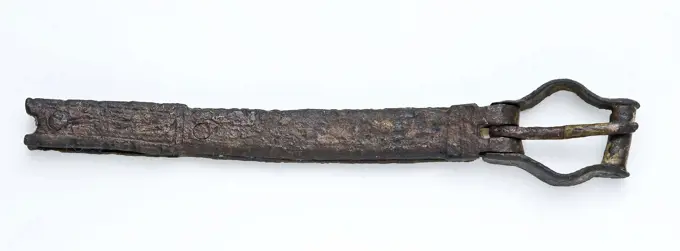
Buckle with leather fragments, long decorated strip and hinged stirrup buckle, buckle fastener part soil find bronze leather metal, At the base of the herd framed block in which engraved decoration archeology Rotterdam City Triangle Spaarbankstraat Market Binnenrotte Soil discovery Inner rotte between former Savings Bank and Market corner Spaarbankstraat .
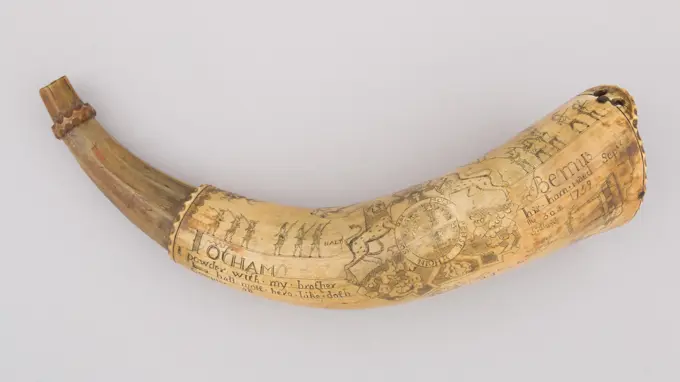
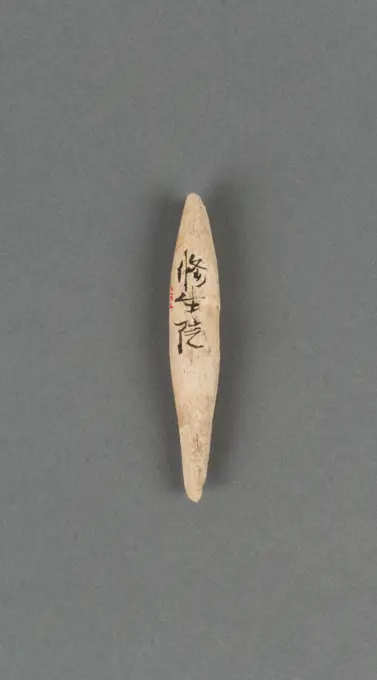
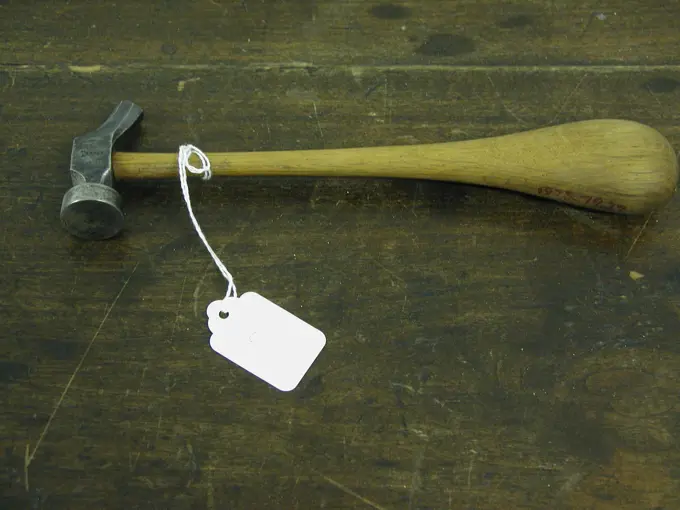
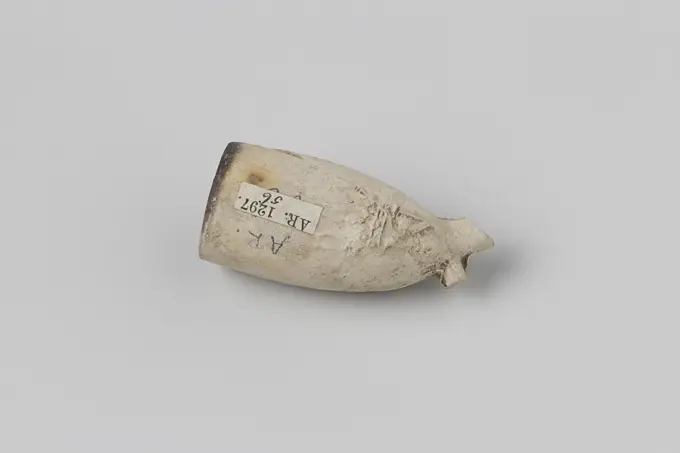
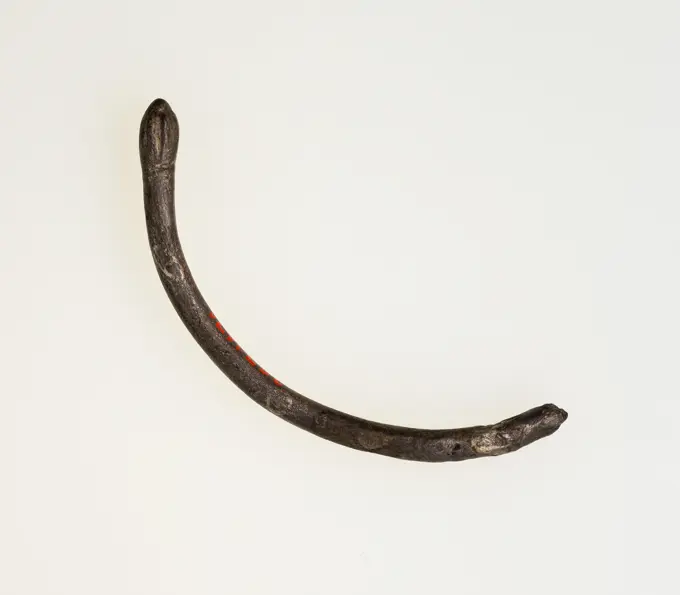
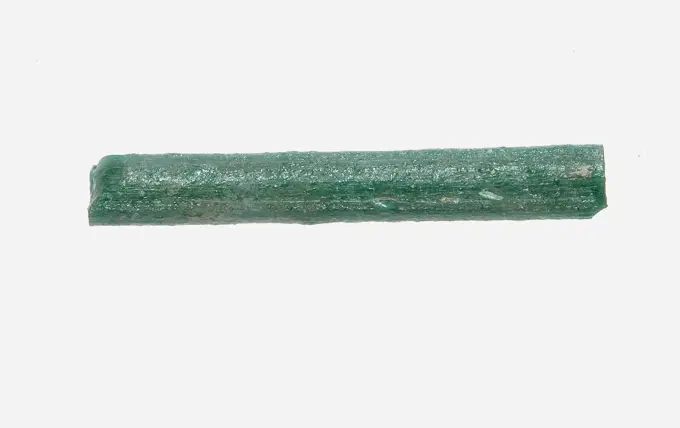
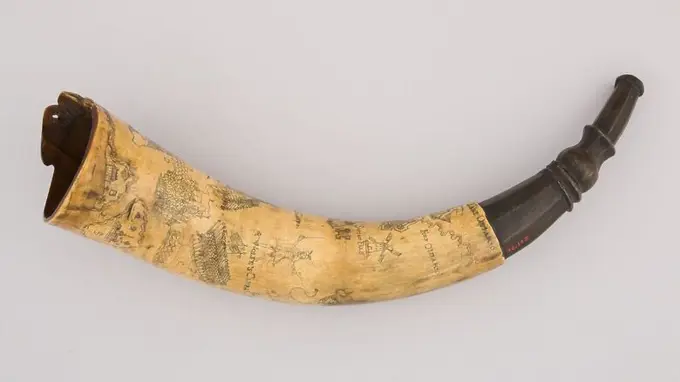
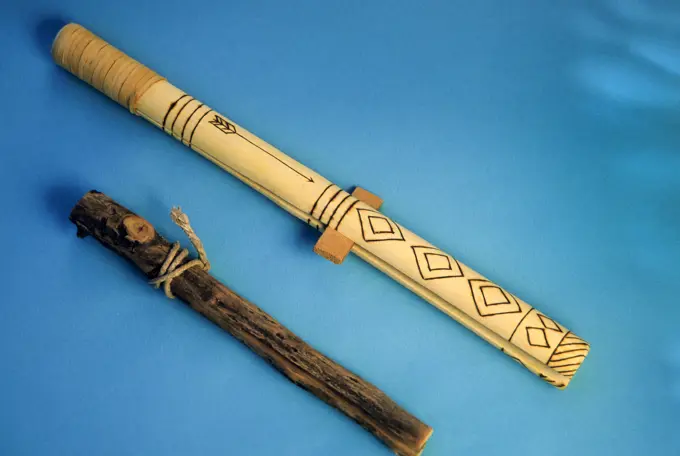
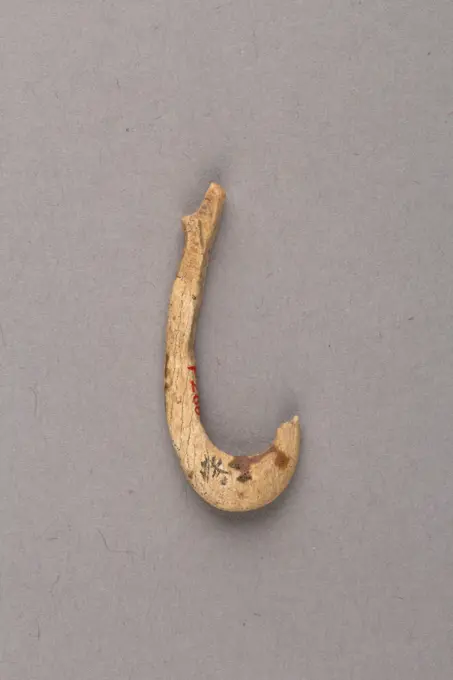
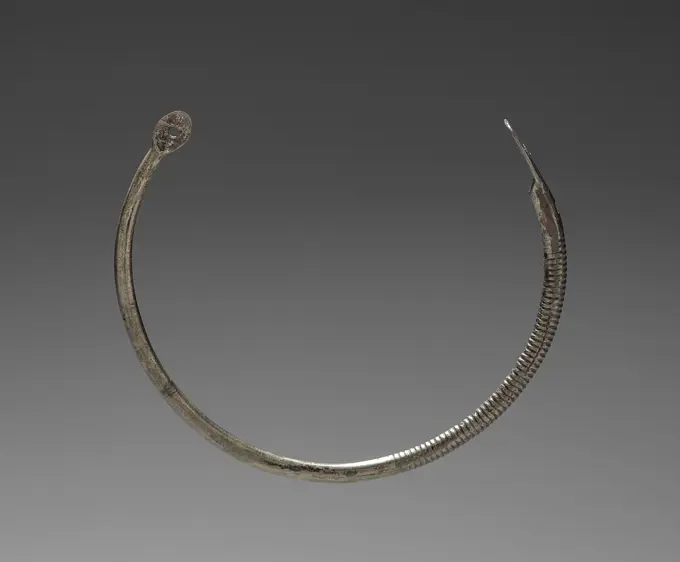
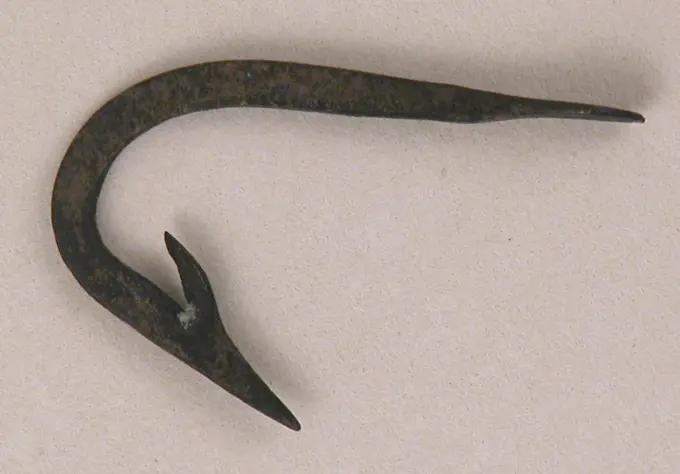
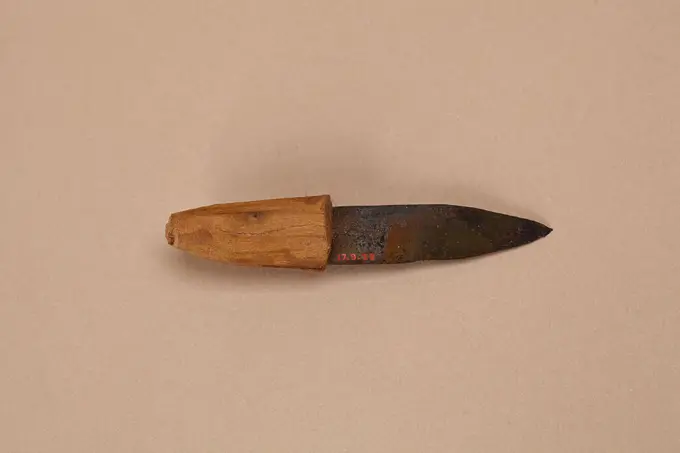
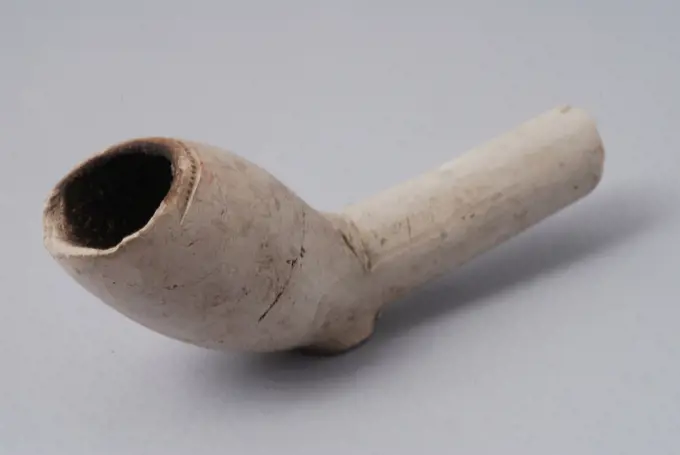
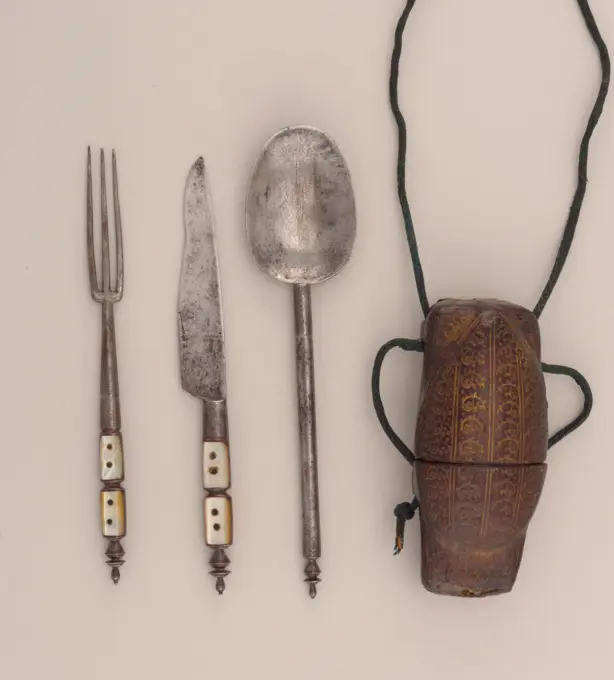
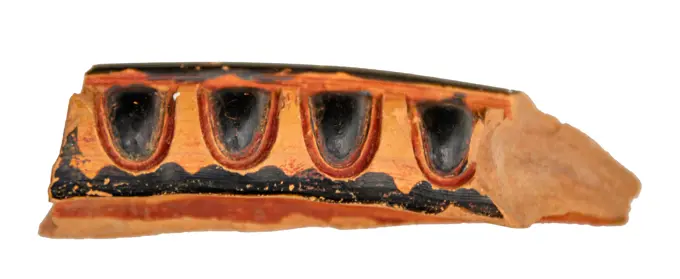
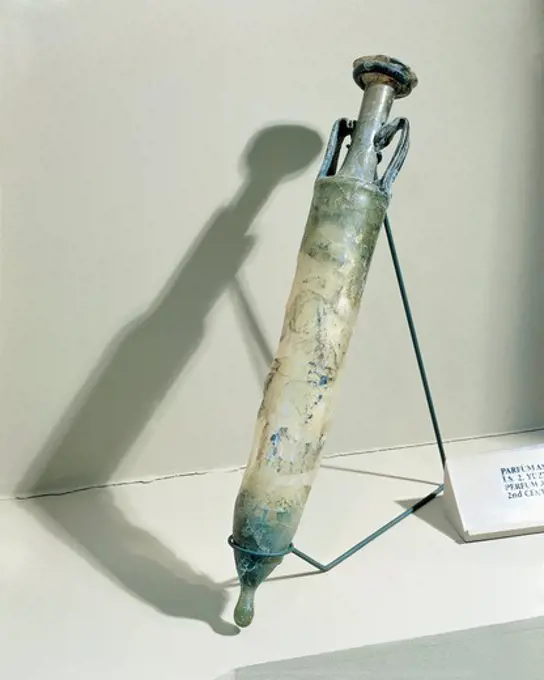
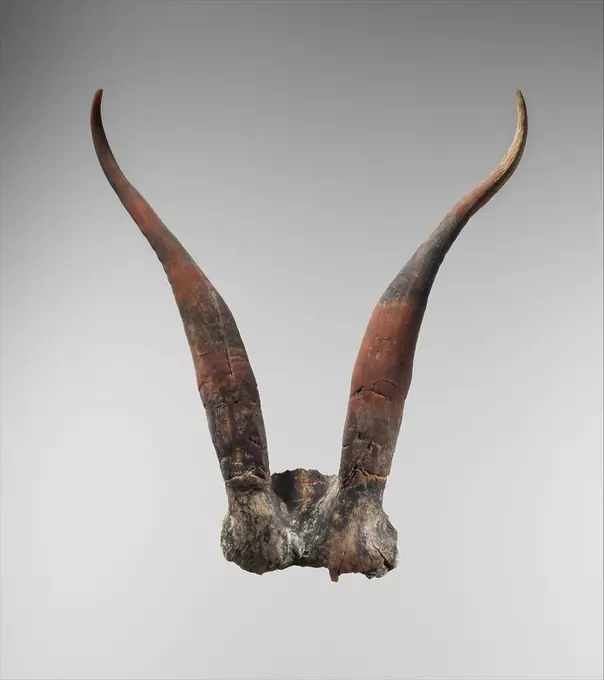
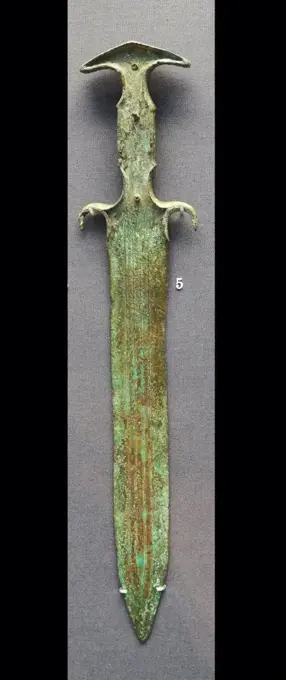
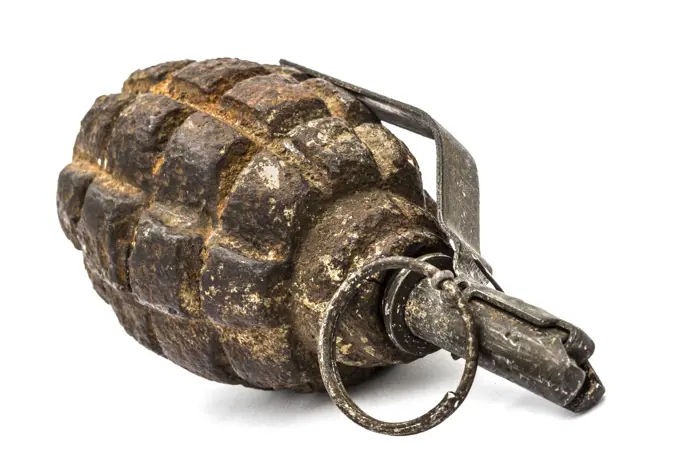
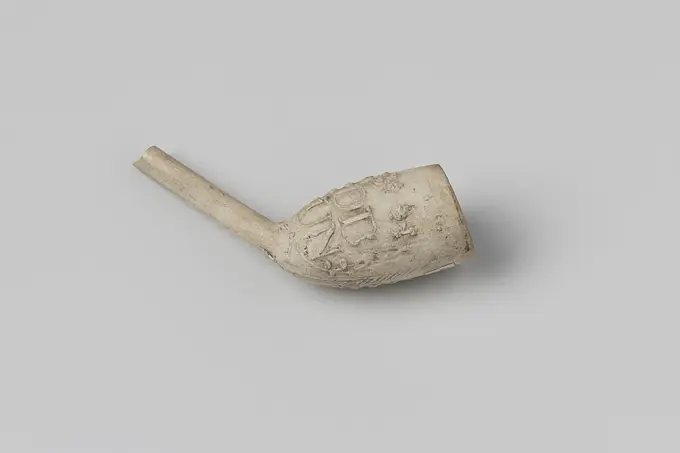
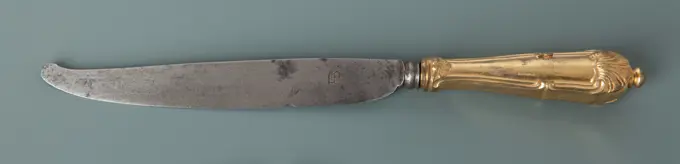
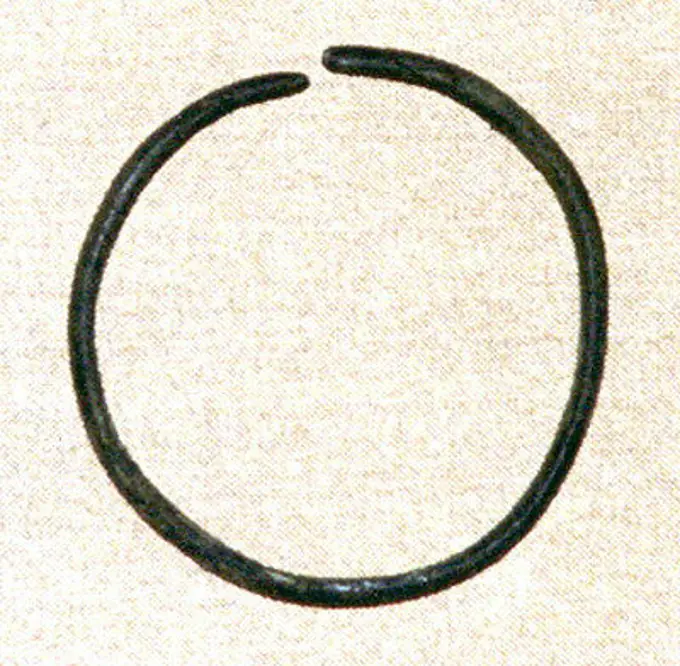
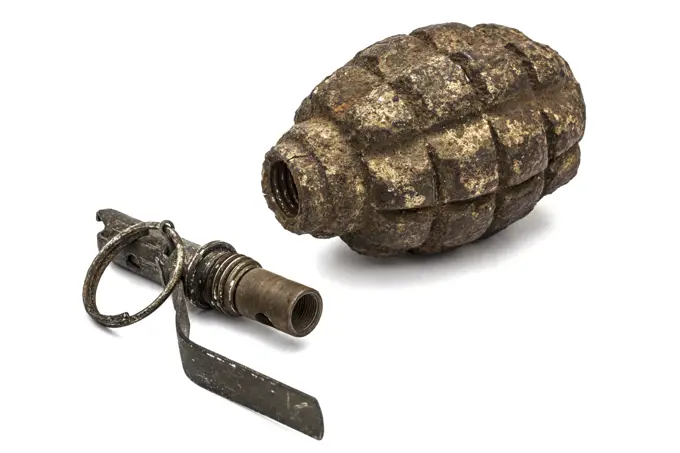
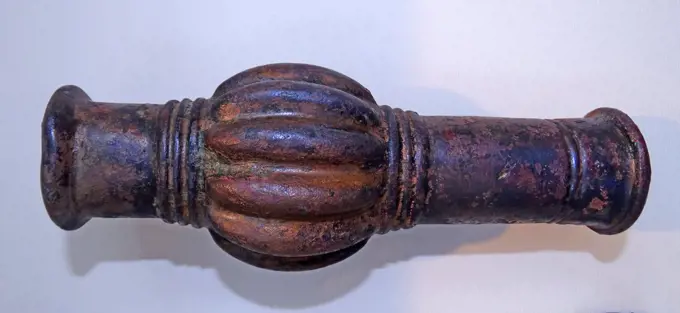
A tube decorated with grotesque features. Made from Luristan bronze. Dated 900 BCPowder Horn dated 1759 Jacob Gay American One of the most prolific horn carvers, Jacob Gay is thought to have relocated from Nova Scotia to New England in about 1755, settling in New Hampshire. This horn is engraved with a map of the Hudson Valley and the forts from Albany to the Great Lakes, the British coat of arms, and the name of the owner, Iotham Bemus.. Powder Horn 24649FRESH SALSIFY (tragopogon porrifolius) AGAINST WHITE BACKGROUNDFish Figurine 20th century Japan. Fish Figurine. Japan. 20th century. Bronze. MetalworkHarpoon head Japan The Jmon period is the earliest period in Japanese history, lasting from roughly 14,000 to 300 BCE. The Jmon people were primarily hunter-gatherers, hunting land animals and gathering vegetables and nuts on the land as well as hunting and fishing at sea. Harpoon heads such as this one testify to the importance of seafood in the diets of some Jmon communities, especially those close to the sea. Fish bones found at Jmon archaeological sites indicate that the Jmon hunted fish not only close to the shore but also farther out in the open sea, where larger fish could be caught. There is even evidence that the Jmon ate pufferfish, a poisonous fish considered a delicacy in modern Japan.. Harpoon head. Japan. Bone. Final Jmon period (ca. 1000-300 B.C.). Bonevintage serrated bread knife isolated over white background, clipping pathHorse or Moose. Western Siberia or Volga/Kama region, 4th-11th century A.D.. Tools and Equipment; horse trappings. Bronze, castFragments of pipe stems from the wreck of the East Indians' t Vliegend Hart ,, 1700 - 1735  Three pieces of stem from an earthen Goudse pipe, blue purple and pink colored. No decorations. Fragments of Bowls and Stems. Gouda pipe clayHorn (Oliphant) with Case. Culture: South Italian. Dimensions: Horn (a); 23 1/16 x 4 15/16 x 4 in. (58.6 x 12.5 x 10.2 cm); case (b); 22 5/8 x 5 7/8 x 5 7/16 in. (57.5 x 15 x 13.8 cm). Date: horn, 11th-12th century; case, 16th century. Museum: Metropolitan Museum of Art, New York, USA.old saw on wooden background. carpentry tools on a wooden backgroundRing -shaped fragment from the wreck of the East Indians Hollandia, Anonymous, 1700 - in Or Before 1743 fragment Varied parts or fragments, rings and ring-shaped fragments; eroded; circular, flat. Netherlands iron (metal)   SecondFragment van een bestekhandvat van tin.Fragment of tin. It is about the end of a cutlery handle (spoon or fork). The handle closes with a semicircular shape with two pointed protrusions on either side.Finial () ca. 9th century B.C. Iran. Finial () 325150Carved Weaving NeedleChasers hammerPipes head. Pipes head with a crown. Of the excavations at the Hofstede Arentsburg 1827-1831 under the supervision of professor Reuvens.Talon ax (title awarded). Bronze. Carnavalet museum, history of Paris.Part of a bangle () 304 B.C.-A.D. 364 Ptolemaic or Roman Period. Part of a bangle (). 304 B.C.-A.D. 364. Silver. Ptolemaic or Roman Period. From Egypt, Central Delta, Tell el-Balamun (Diospolis Inferior), Carnarvon/Carter excavations, 1913Rod of Opaque Green Glass ca. 1390-1353 B.C. New Kingdom. Rod of Opaque Green Glass. ca. 1390-1353 B.C.. Glass. New Kingdom. From Egypt, Upper Egypt, Thebes, Malqata, Palace of Amenhotep III, factories, MMA excavations, 1911-12. Dynasty 18Mallet hammer made of burl wood tools for used by carpenter in workshop on isolated white blackgroundParrying Gauntlet. Italian. Date: 1550-1590. Dimensions: L. 44.5 cm (17 1/2 in.). Steel, iron, linen textile, and leather. Origin: Italy. Museum: The Chicago Art Institute, Chicago, USA.Museo de Luxor.Powder Horn. Culture: American. Dimensions: L. 14 1/2 in. (36.8 cm); Diam. 3 1/4 in. (8.3 cm); Wt. 1 lb. 0.8 oz. (476.3 g). Date: ca. 1759. Museum: Metropolitan Museum of Art, New York, USA.Material of the painter Ernest Renoux: Shadow: upper element, foot, intermediate part and covers ". Museum of Fine Arts of the city of Paris, Petit Palais. 26987-3 Cover, materials, blacksmith, tool, painter, footBronze dragon-type fibula (safety pin) 7th-early 6th century B.C. Italic Dragon-type fibulae are a later variant of the serpentine type. With an elongated clasp and a bow embellished by pairs of bronze bud-like knobs separately made and attached to the bow by a central spike.. Bronze dragon-type fibula (safety pin). Italic. 7th-early 6th century B.C.. Bronze. Archaic. BronzesSpearhead of jade with bronze and turquoise. Shang Dynasty. 13C BC.Old objects with the tools of defenseHammered Copper Band A.D. 1450-1530 Peruvian. Hammered Copper Band 309092Knife (Barong) with Sheath 18th-19th century Philippine, Subanon. Knife (Barong) with Sheath. Philippine, Subanon. 18th-19th century. Steel, wood, cane (rattan). KnivesOrnament (). Culture: Japan. Dimensions: H. 2 1/8 in. (5.4 cm); W. 10 in. (25.4 cm). Date: 19th century. Museum: Metropolitan Museum of Art, New York, USA.Trough Zither late 19th century Malawian (possibly Tonga) This trough zither would have sat on a small gourd to give it increased resonance.. Trough Zither. Malawian (possibly Tonga). late 19th century. Wood, hemp, string. Malawi or Tanzania. Chordophone-Zither-pluckedTraditional clapper sticks are used by the Pomo singers and dancers. The stick instrument is split on one end and then slapped into the palm of the hand to keep a rhythm beat. (PR)End of bow. Dimensions: L. 17.5 cm (6 7/8 in.). Dynasty: Dynasty 11. Date: ca. 2120-1981 B.C..The cord here was found attached to this fragment from the end of a bow. There was no notch in the bow for stringing, so a loop was made in the end of the cord, which was then wrapped around the bow several times and secured with half hitches. Museum: Metropolitan Museum of Art, New York, USA.Fish hook Japan The Jōmon period is the earliest period in Japanese history, lasting from roughly 14,000 to 300 BCE. The Jōmon people were primarily hunter-gatherers, hunting land animals and gathering vegetables and nuts on the land as well as hunting and fishing at sea. Using implements such as this fishhook, Jōmon communities, especially those close to the sea, were able to consume a variety of fish. Fish bones found at Jōmon archaeological sites indicate that the Jōmon hunted fish not only close to the shore but also farther out in the open sea, where larger fish such as tuna could be caught. There is even evidence that the Jōmon ate pufferfish, a poisonous fish considered a delicacy in modern Japan.. Fish hook 62261bone harpoon with double row of teeth, Cantabrian type decorated and with perforation at the base, Magdalenian period, Museum of prehistory and archeology (MUPAC), Santander, Cantabria, SpainNose Ring, 20th Century. Indo-Chinese, made in France. Silver; overall: 9.9 cm (3 7/8 in.).Fish Hook 5th-8th century. Fish Hook 449201Model chisel. Dimensions: l. 8.5 cm (3 3/8 in). Dynasty: Dynasty 12. Date: ca. 1981-1802 B.C.. Museum: Metropolitan Museum of Art, New York, USA.Clamps from the wreck of the East Indians Hollandia, Anonymous, 1700 - in or Before 1743  Terminals; id. 75-52H1447. Netherlands copper (metal)Petal-Shaped Bead, c. 1391-1353 BC. Egypt, New Kingdom, Dynasty 18, reign of Amenhotep III. Faience; overall: 3 x 1 cm (1 3/16 x 3/8 in.).Hairpin, 20th century, 2 7/8 x 5/8 in. (7.3 x 1.59 cm), Bronze, Democratic Republic of Congo, 20th centuryKnife (Piha Kaetta) with Sheath 18th century Sri Lankan. Knife (Piha Kaetta) with Sheath 33278Kerite (Shop)White clay pipe, unnoticed, with smooth handle, clay pipe smoking equipment smoke floor earthenware ceramic pottery, pressed finished baked White clay pipe unnoticed with smooth handle Pipe has smooth transition from the front of the kettle to the handle with the heel the break of that line is Hole in the bottom steel archeology smoking tobaccoFork Handle (Northern Italy); steel, mother-of-pearl; L x W: 6.3 x 0.8 cm (2 1/2 x 5/16 in.); The Robert L. Metzenberg Collection, gift of Eleanor L. Metzenberg; 1985-103-253-fSpoon Bowl (Northern Italy); steel; L x W: 7.6 x 3.7 cm (3 x 1 7/16 in.); The Robert L. Metzenberg Collection, gift of Eleanor L. Metzenberg; 1985-103-253-bRight fish. Jade. Shang dynasty (1765-1122 BC), China. Paris, Cernuschi museum. 101270-10 Asian art, Chinese art, art of extreme orient, Shang dynasty, Yin dynasty, Shang time, iieme II 2nd 2 millennial, jade, fish23-cm Palliser Shot, Royal Laboratory, 1868 bullet (ammunition) 23 cm glass -hardened tot ball with three rings cams for a drawn run with six pulling fields and a flat bottom with a sharp edge. At the nose six shallow holes for the ammunition tap. This is a Palliser Shot MK I 9 inch RML. Woolwich iron (metal). bronze (metal). brass (alloy)Marrow spoon 19th century British. Marrow spoon 188221Walk of a rudder, anonymous, c. 1590 - c. 1596  Walk of a rudder, presumably a snaphaan rudder, with an iron loop, a square room, a mouth with an octagonal cross -section, a visor and two hafs on the bottom. The wooden pen in the barrel protrudes. The box-shaped room of the loop and the remarkable Dioptervizier give rise to the suspicion that this course belongs to the Snaphas lock NG-NM-7762-7763. The wooden pen in the barrel protrudes.  iron (metal). wood (plant material) forging  Nova Zembla. Saving HuysVolute-krater fragment ca. 360-340 B.C. Greek, South Italian, Apulian. Volute-krater fragment. Greek, South Italian, Apulian. ca. 360-340 B.C.. Terracotta; red-figure. Late Classical. VasesAntique sheep wool shears scissors vintage rusted on retro woodVaginal knowledgeGlass container in shape of amphora for storing perfumesBucrania skulls with antlers. Dimensions: w. of antlers 21.4 cm. (8 7/8 in). Dynasty: Dynasty 14-17. Date: ca. 1640-1550 B.C.. Museum: Metropolitan Museum of Art, New York, USA.Bronze dagger, Mycenaean, 1300-1100 BC From Ithaca, GreeceOld combat grenade isolated on a white background Old combat grenade isolated on a white background Copyright: xZoonar.com/OleksandrxKostiuchenkox 8905686Fragment tabakspijp.Fragment tobacco pipe with the letters d b u n enclosed by flour branches on two sides. Of the excavations at the Hofstede Arentsburg 1827-1831 under the supervision of professor Reuvens.Old leather gloveHammered Silver Miniature Scepter 8th-mid-16th century Peru; north coast (). Hammered Silver Miniature Scepter 309157KnifePin with Head Top 1st-mid-8th century Moche. Pin with Head Top. Moche. 1st-mid-8th century. Copper (cast). Peru. Metal-OrnamentsGlove from Glacéleer, short model, closure with three knots of mother -of -pearl, c. 1900 - c. 1925 Right glove from Glacéleer. At the wrist a split with three mother -of -pearl buttons. Three stitched lines on the hand. Netherlands (possibly) whole:. Buttons: Mother of Pearl Right glove from Glacéleer. At the wrist a split with three mother -of -pearl buttons. Three stitched lines on the hand. Netherlands (possibly) whole:. Buttons: Mother of PearlDagger 18th century China. Dagger. China. 18th century. Steel, nephrite. JadeHat, Fragment or Headband, Fragment Wari. , 1400-1532 or 600-1000 C.E. Cotton, camelid fiber, 1/2 × 1 9/16 in. (1.3 × 4 cm).   Arts of the Americas 1400-1532 or 600-1000 C.E.H-hinges,pairKnife C.K. Professional school in the wooden industryIsolated cattle bone used for feeding the dogCollection of knives from the 1st Century AD found in London. Drum 19th century Hopi Tribe; Shoshonean family. Drum 501244Bronze bangle ca. 7th-9th century A.D. Alanic. Bronze bangle 327569Old grenade and fuse, isolated on white background Old grenade and fuse, isolated on white background Copyright: xZoonar.com/OleksandrxKostiuchenkox 8905550