Historical Weaponry

Images of traditional weapons including daggers, spears, and arrowheads. Depicting intricate details and cultural significance.
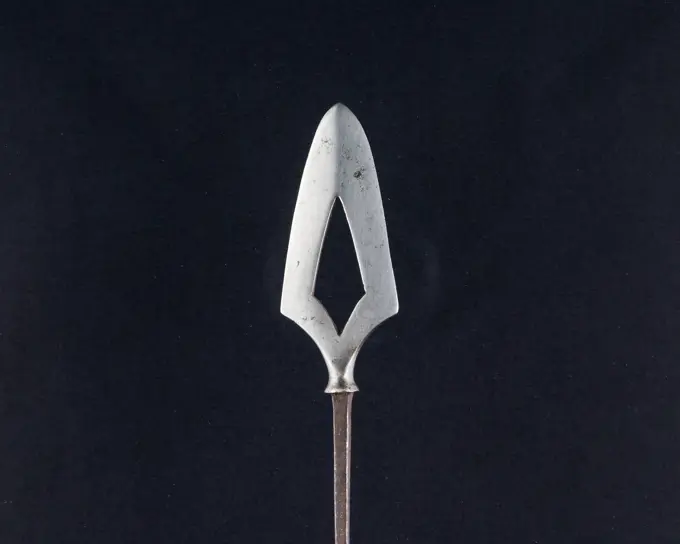
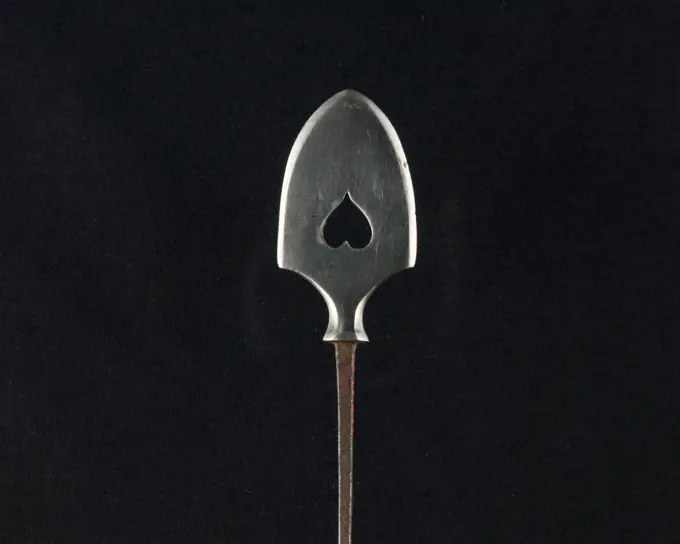
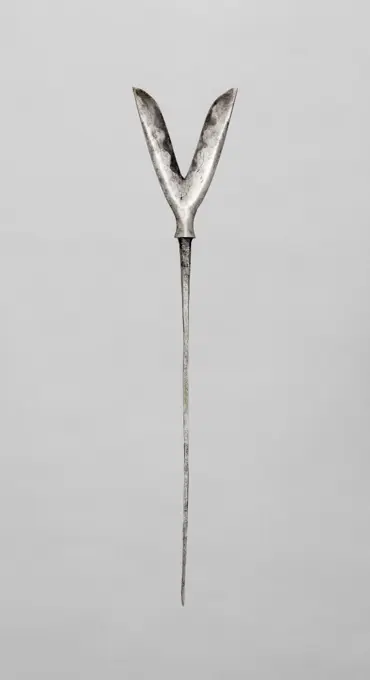
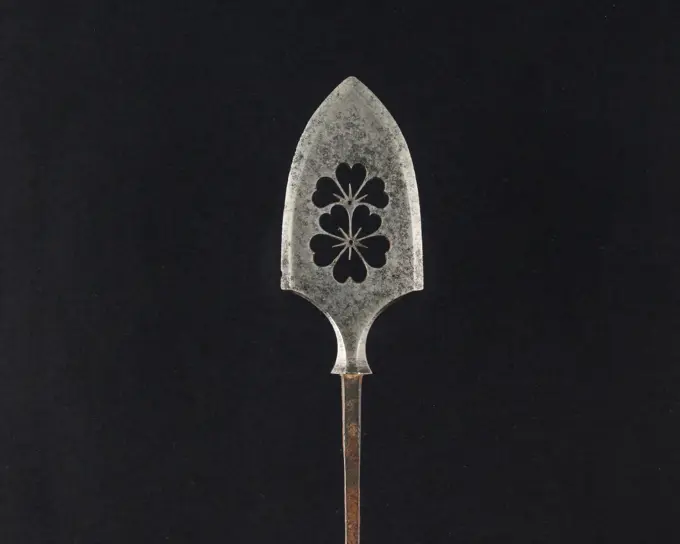
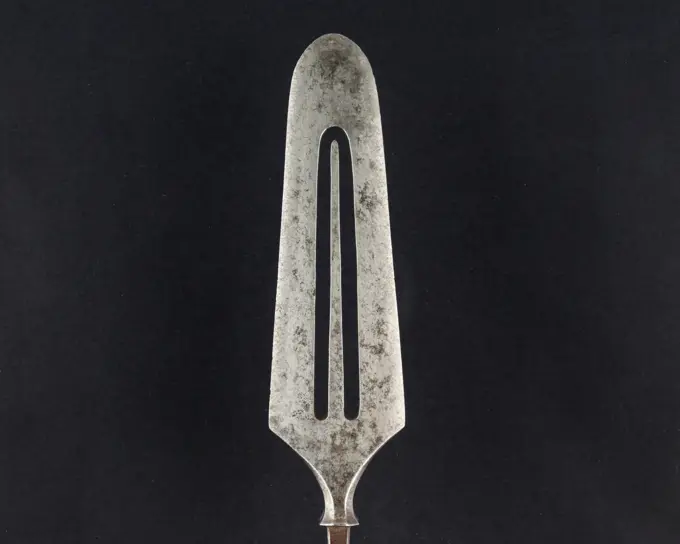
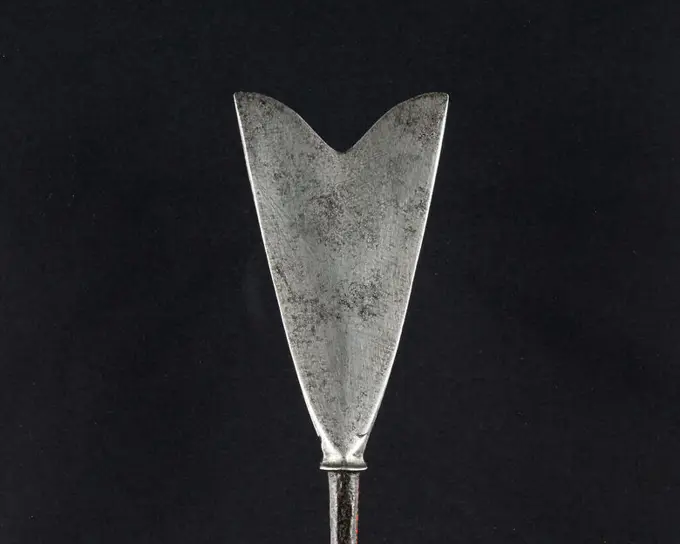
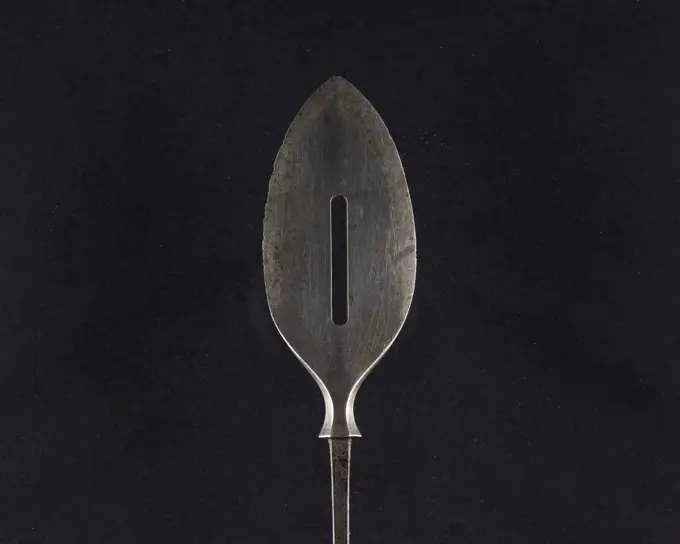
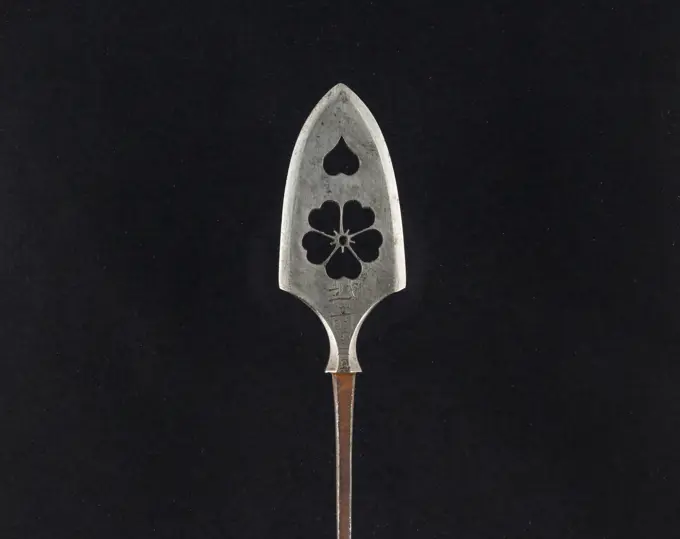
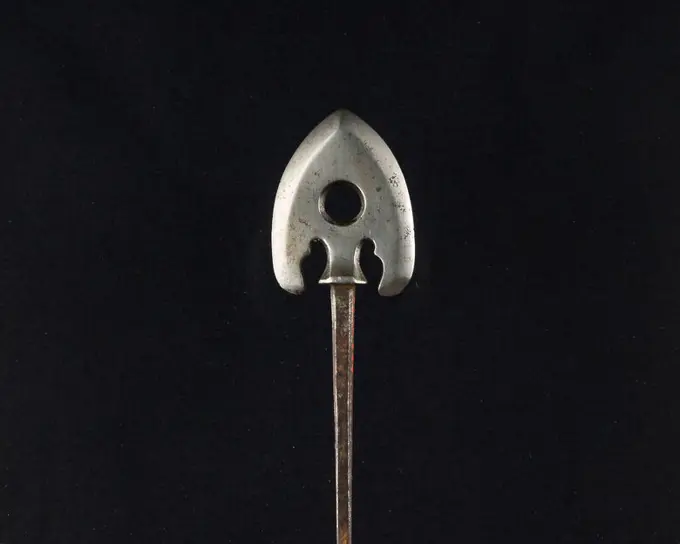
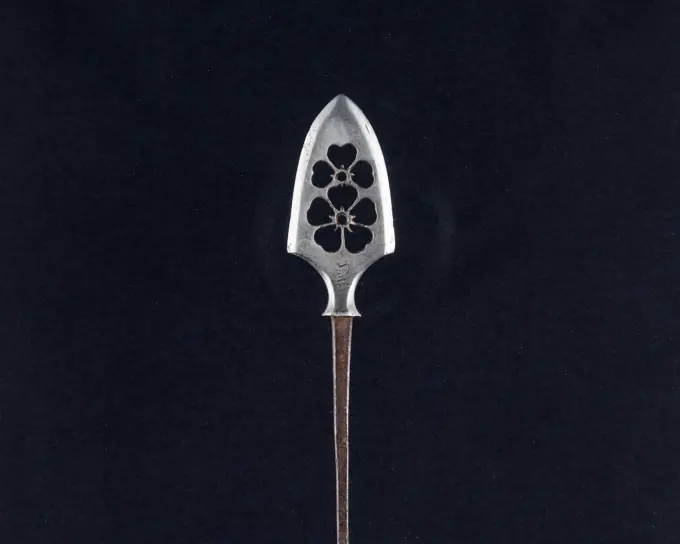
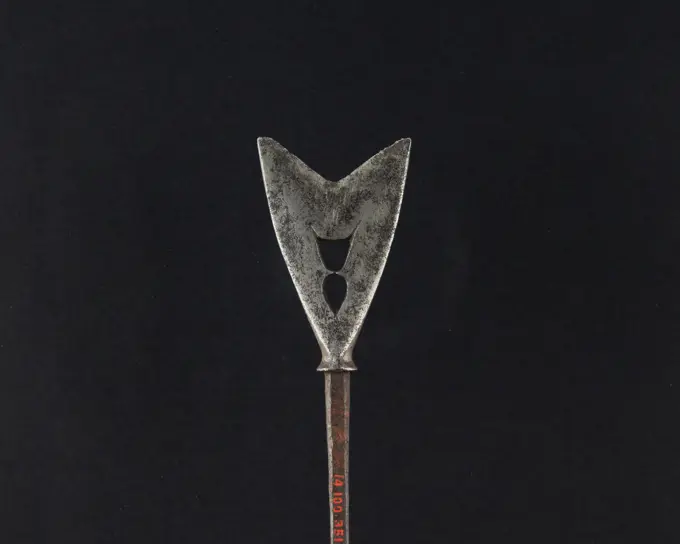
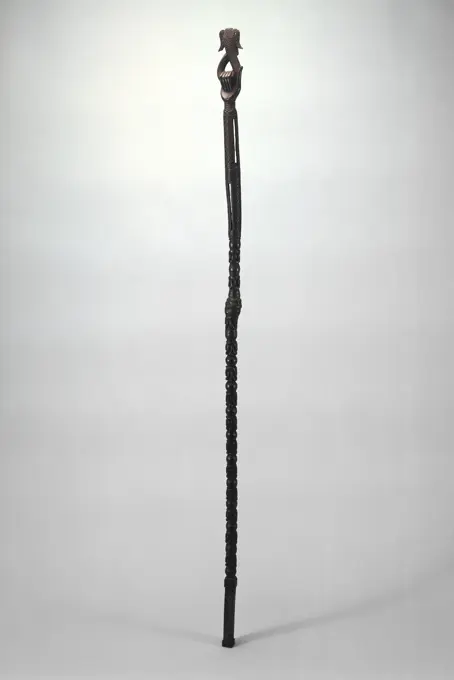
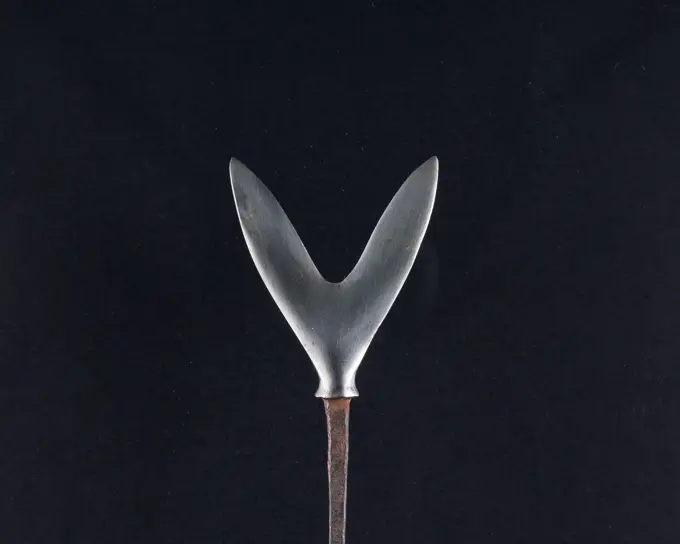
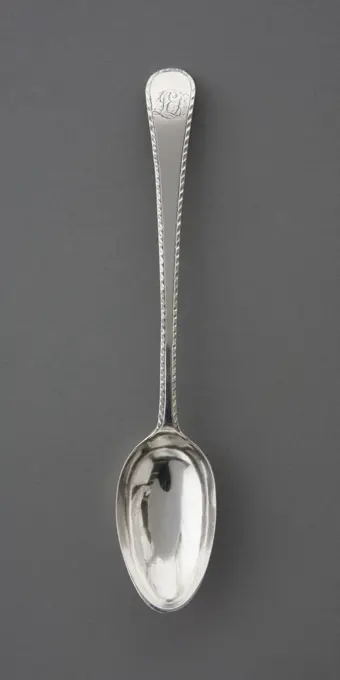
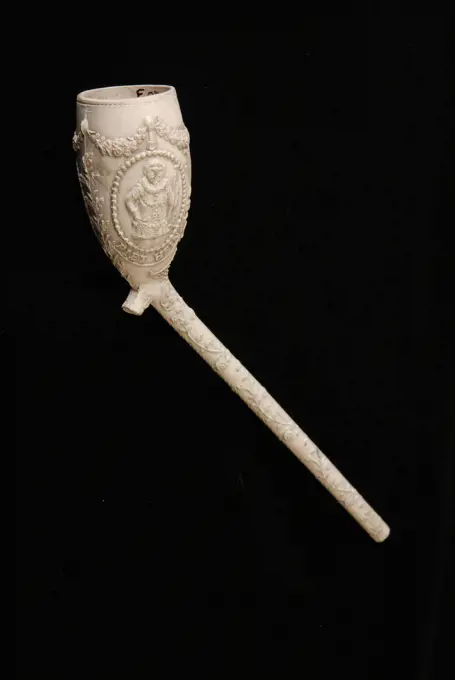
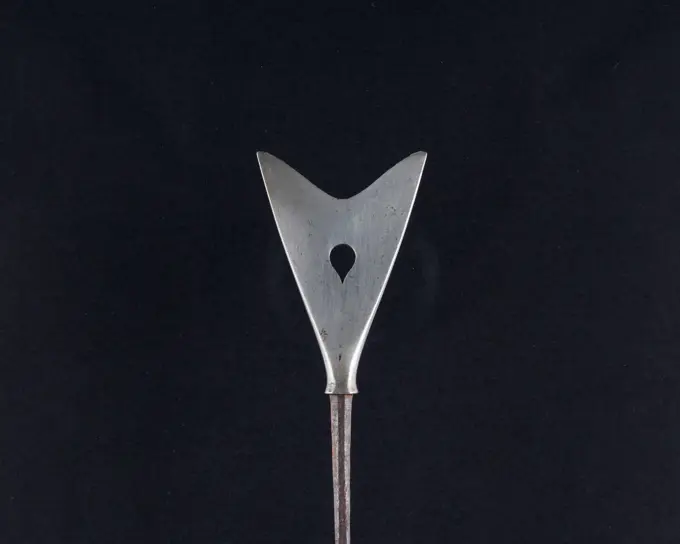
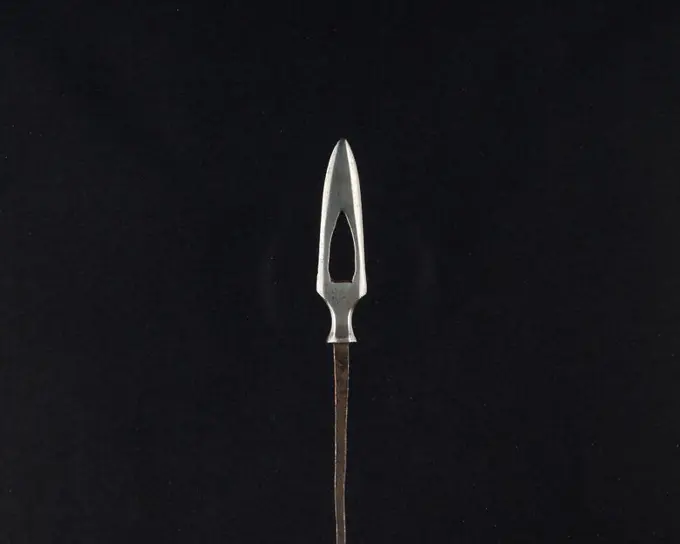
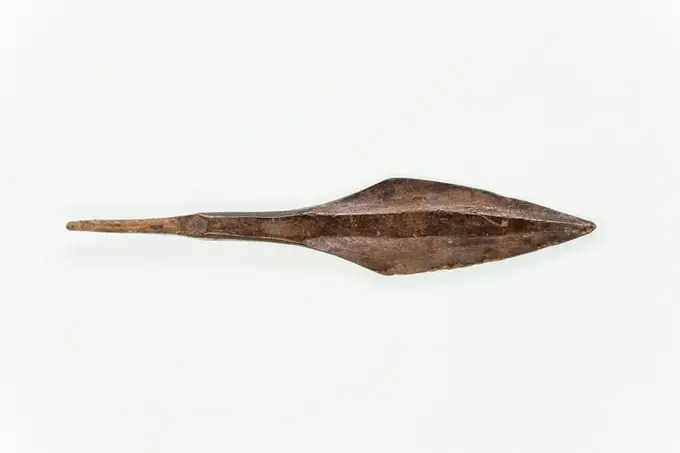
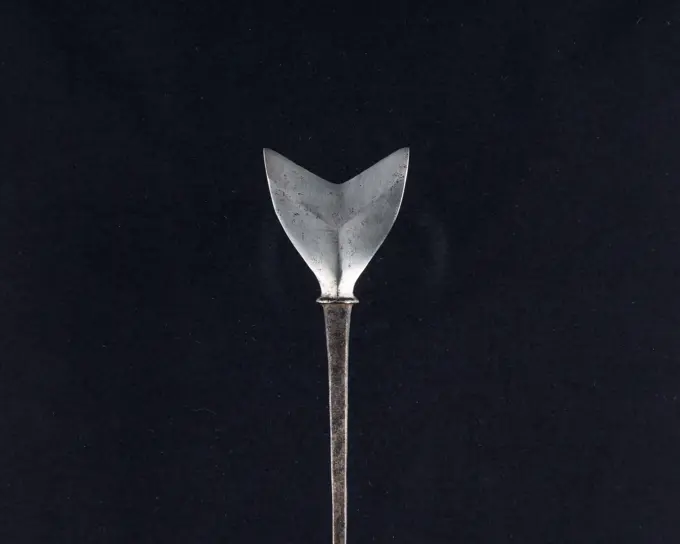
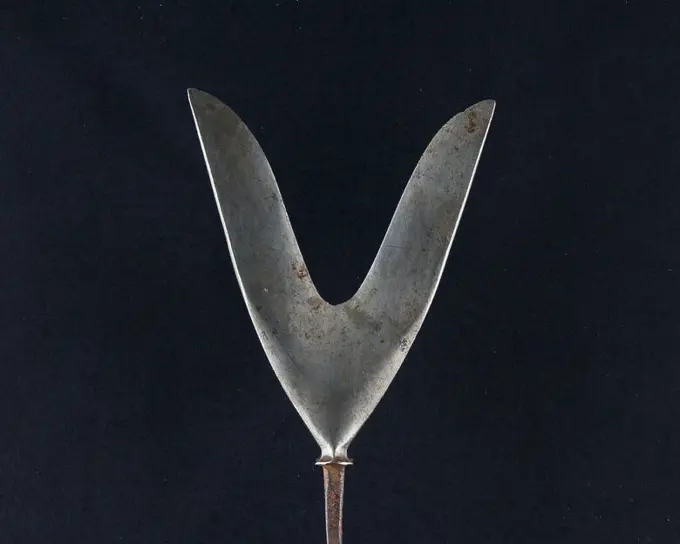
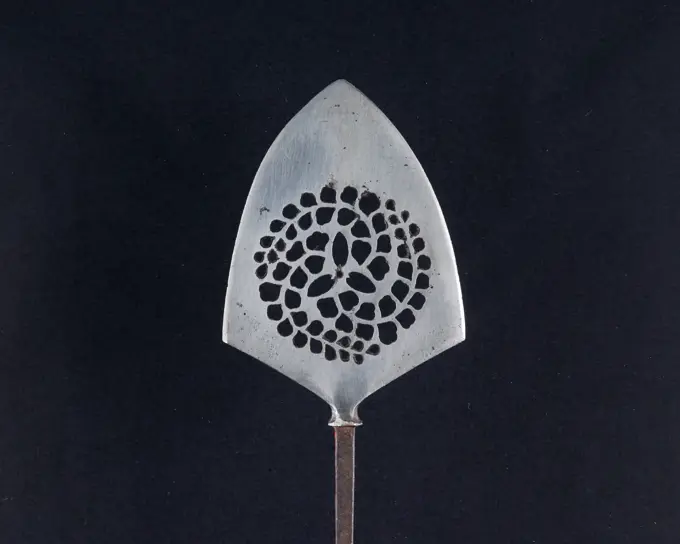
Arrowhead (Yanone) 18th century Japanese Although today Japanese warriors are renowned most for their swordsmanship, archery, especially from horseback, has been an essential part of samurai warfare and culture for centuries. Arrows were fitted with heads of varying shape according to their intended use in war, the hunt, or target practice. Arrowheads made for use on the battlefield incorporated different designs intended for specialized purposes such as the piercing of armor or to cause maximum damage to horses and unarmored personnel.Large arrowheads, pierced and elaborately chiseled with landscapes, birds, flowers, dragons, and Buddhist divinities, were created to be admired for the beauty of their metalwork and design rather than for use in archery. Such highly elaborate examples may have been made for presentation or as a votive offerings to a shrine.. Arrowhead (Yanone). Japanese. 18th century. Steel. Archery Equipment-Arrowheads
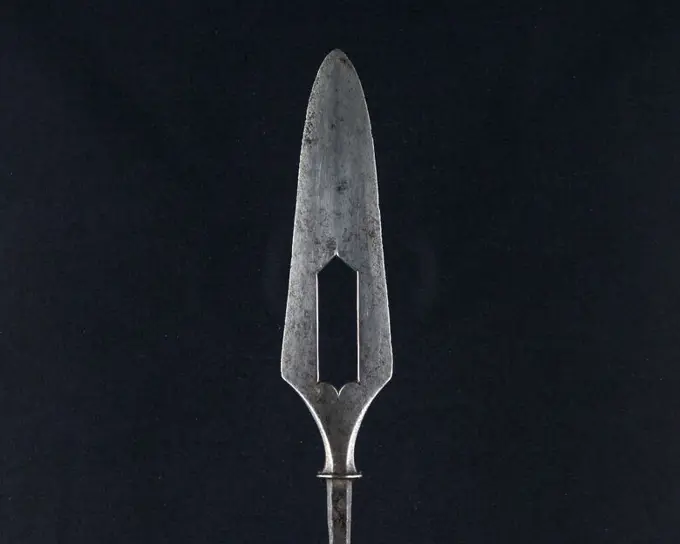
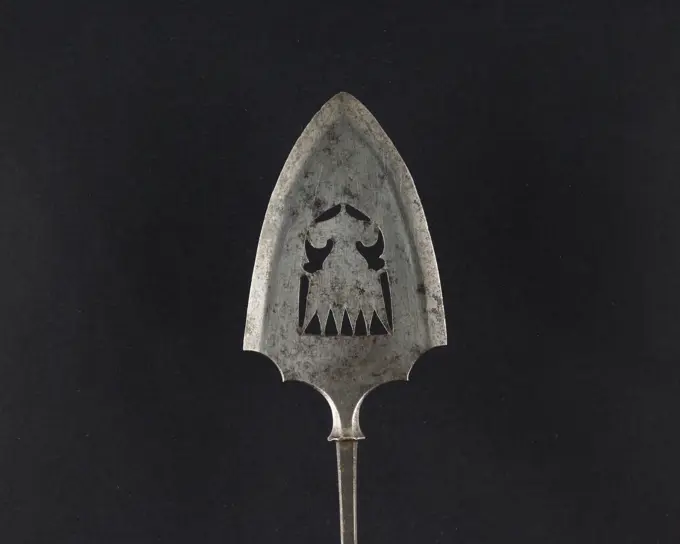
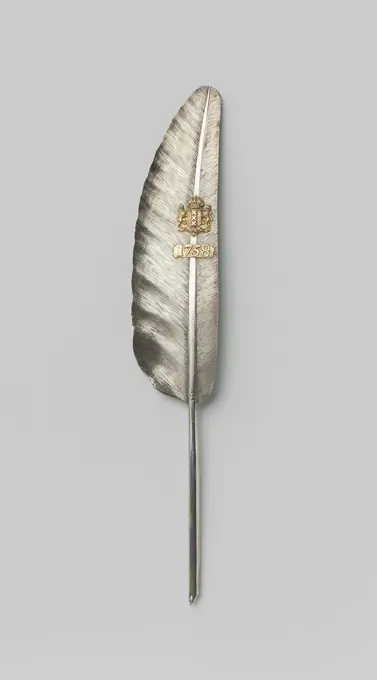
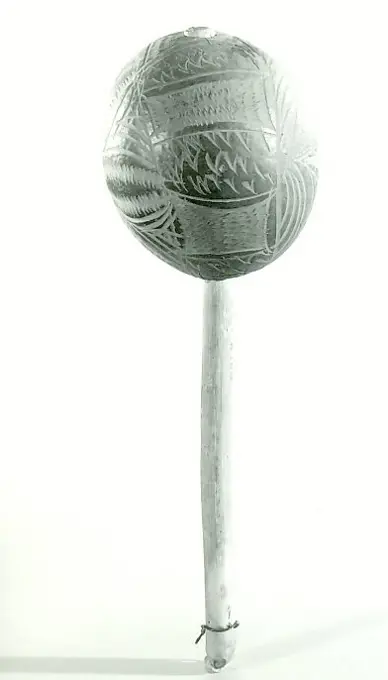
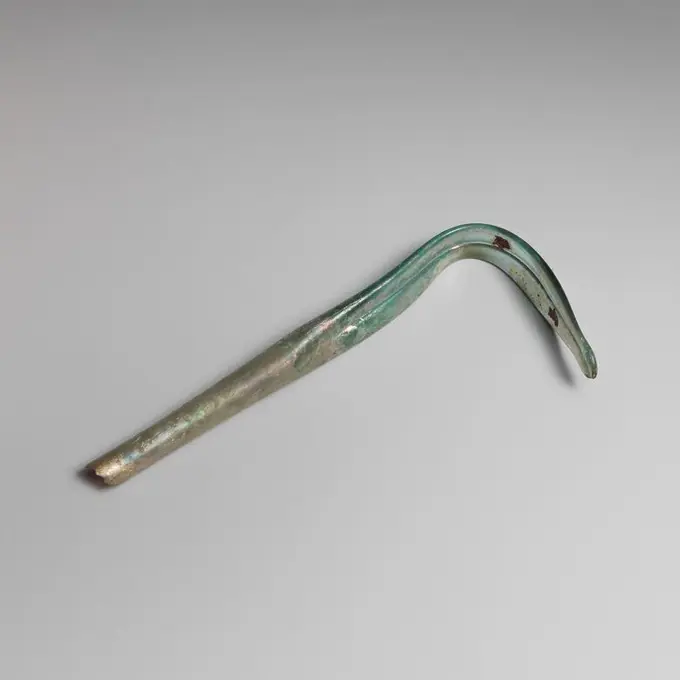
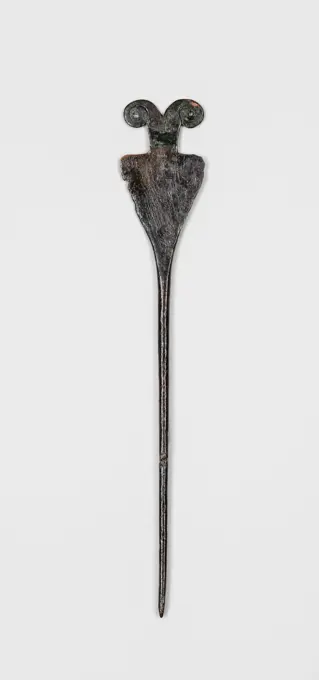
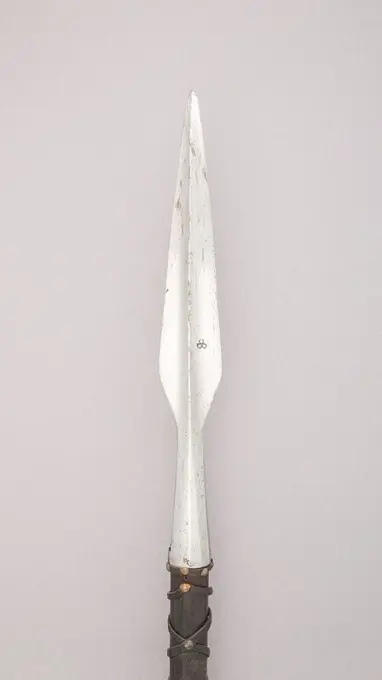
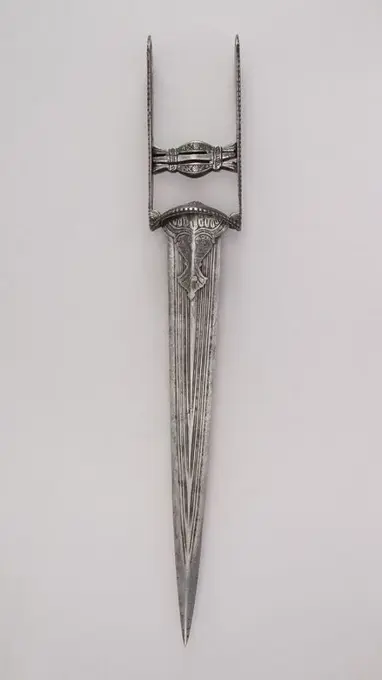
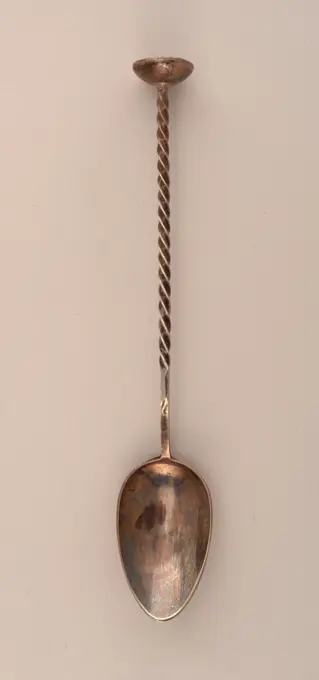
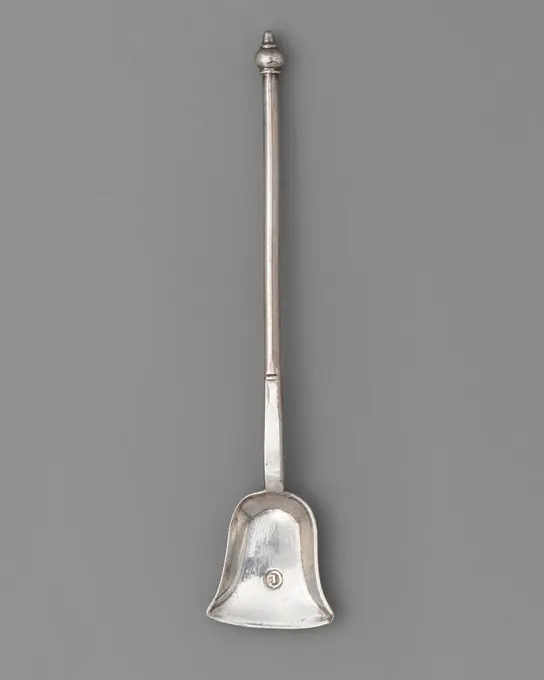
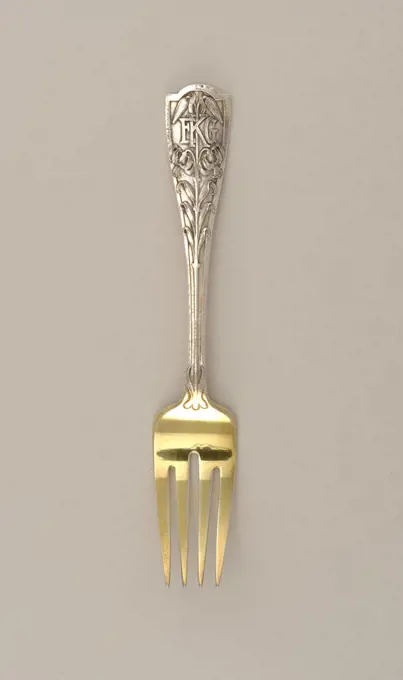
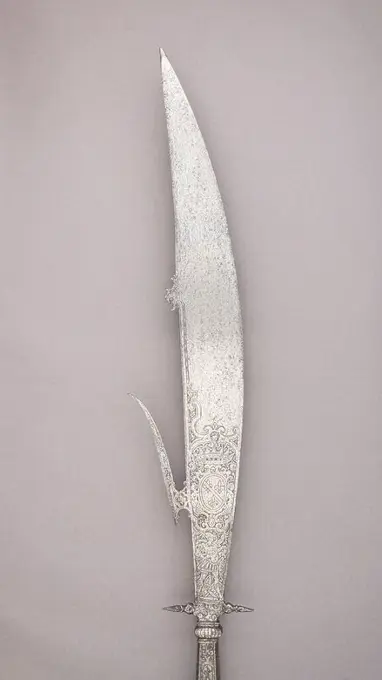
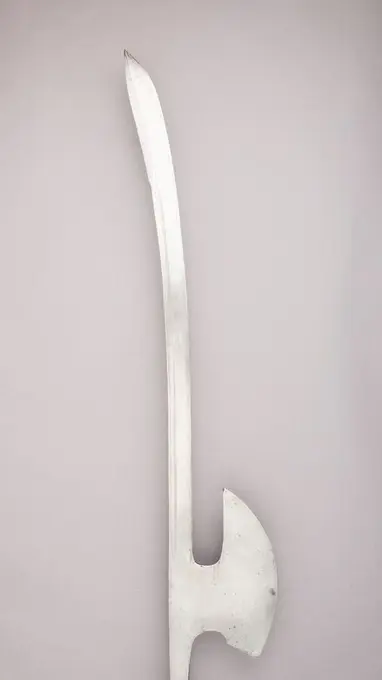
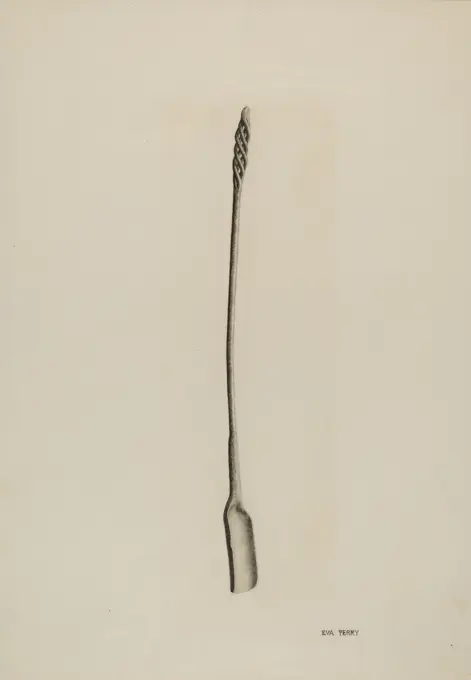
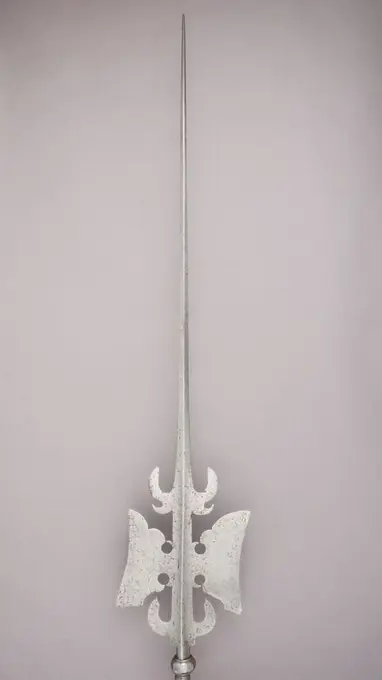
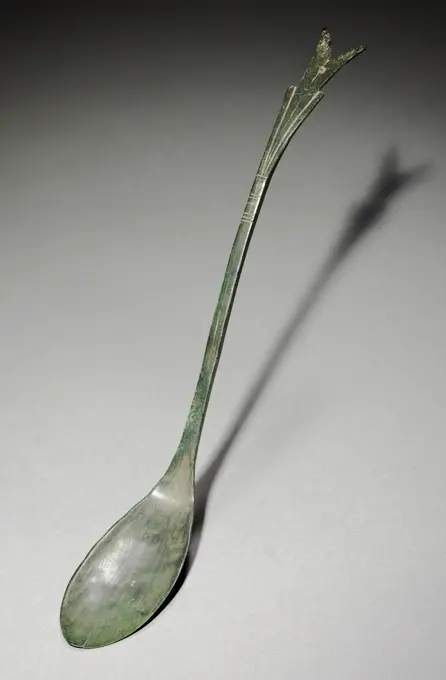
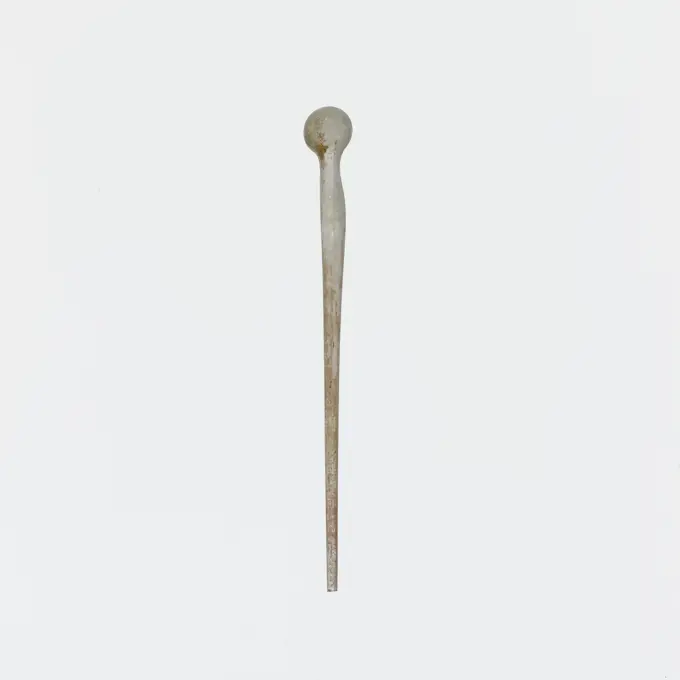
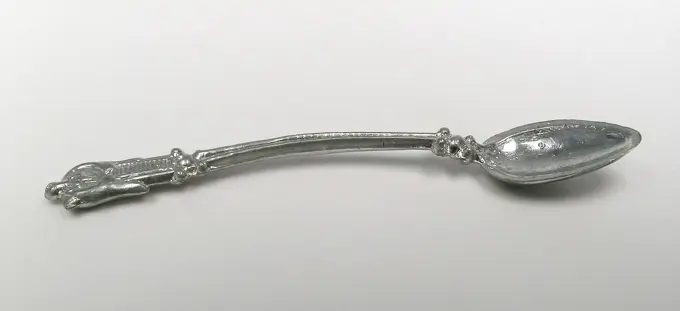
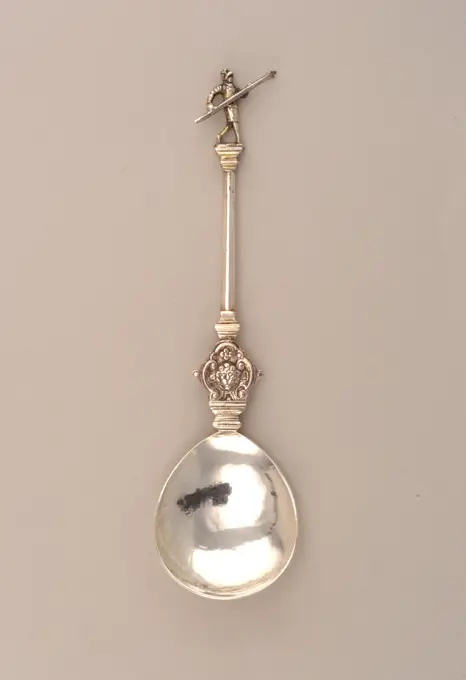
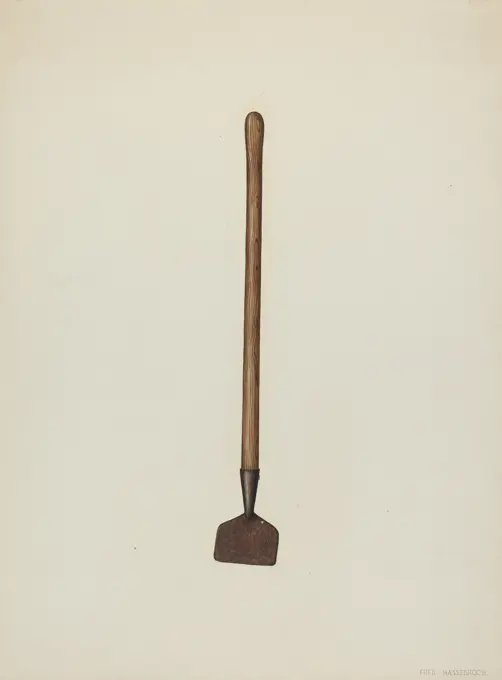
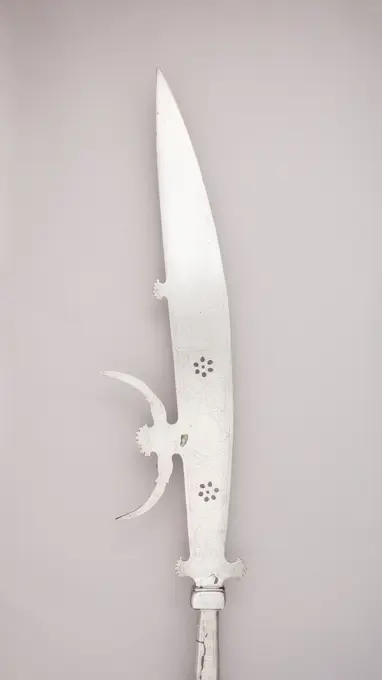
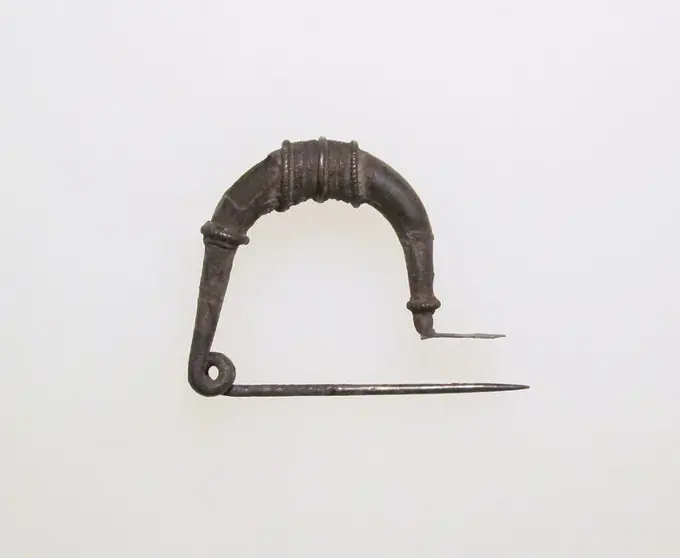
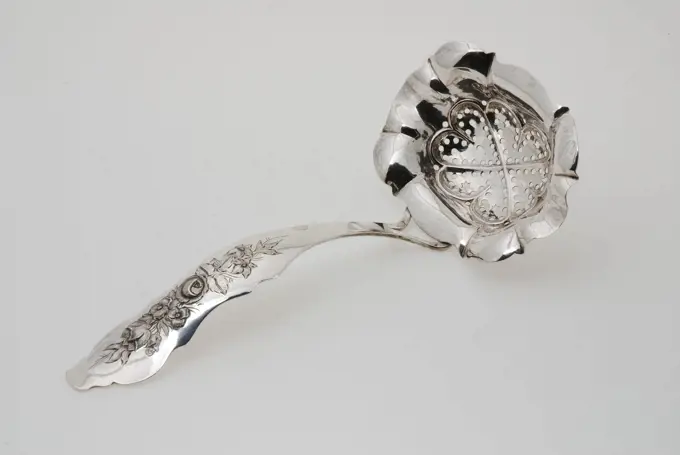
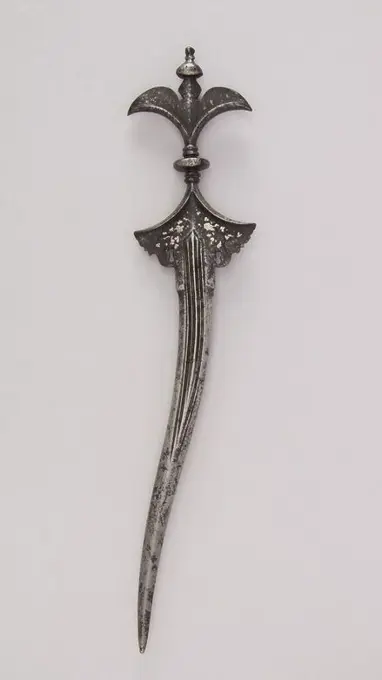
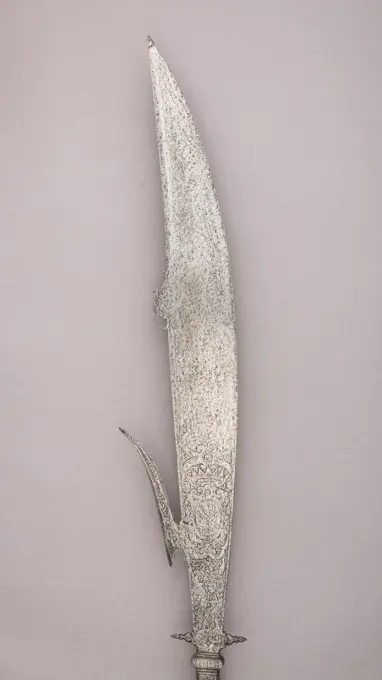
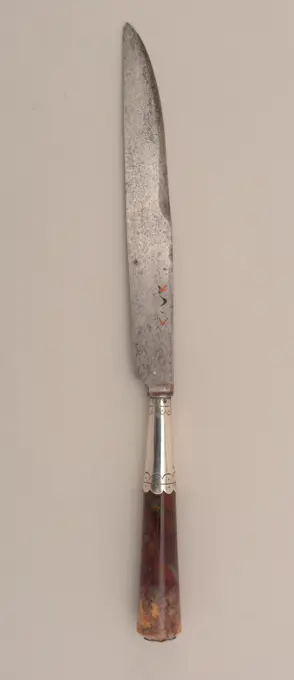
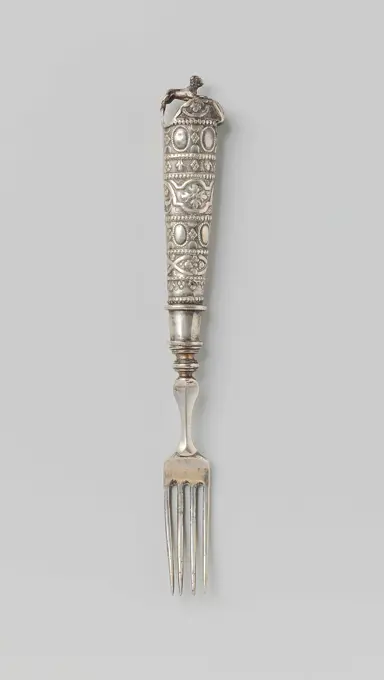
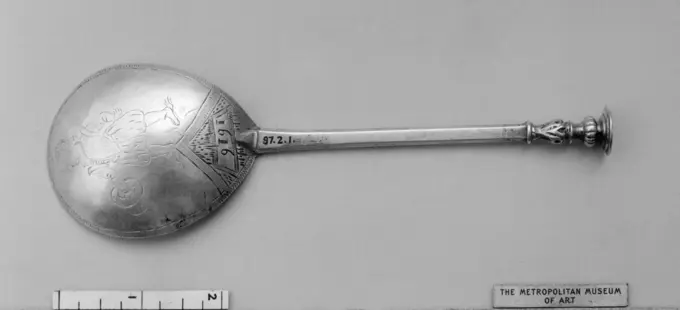
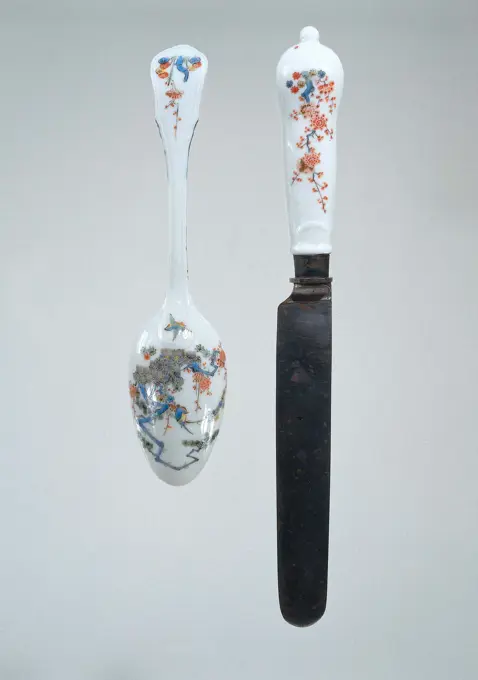
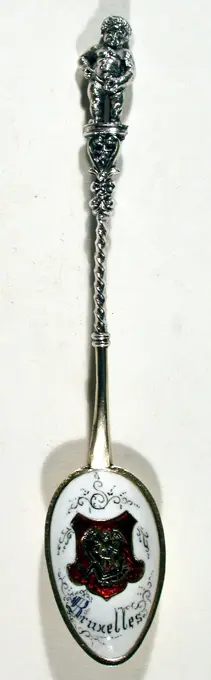
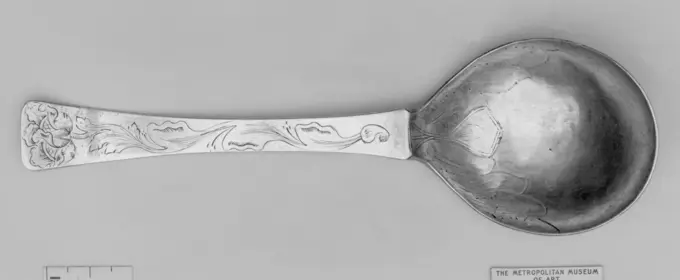
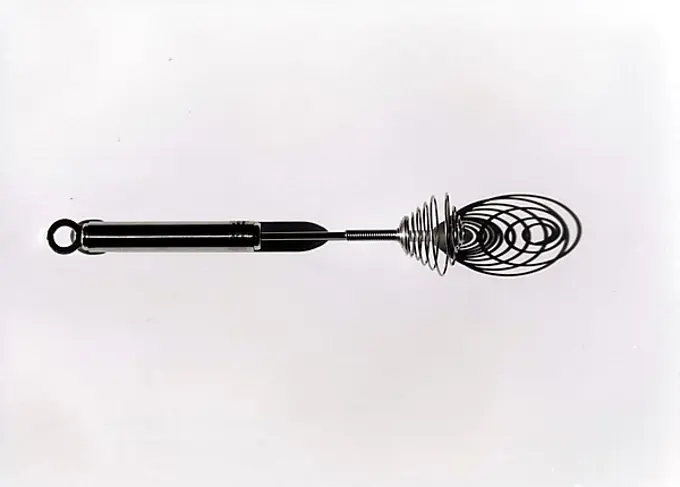
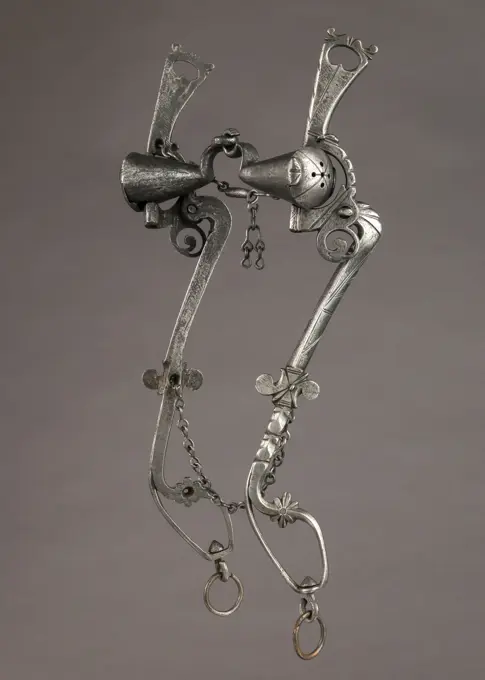
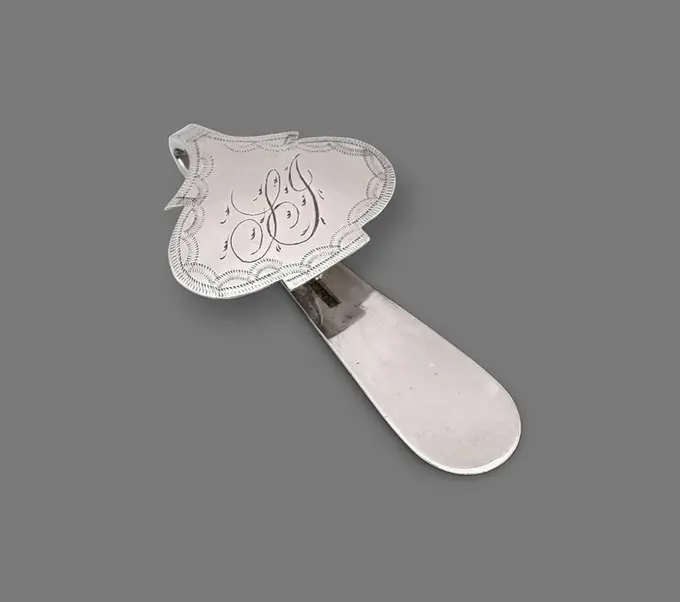
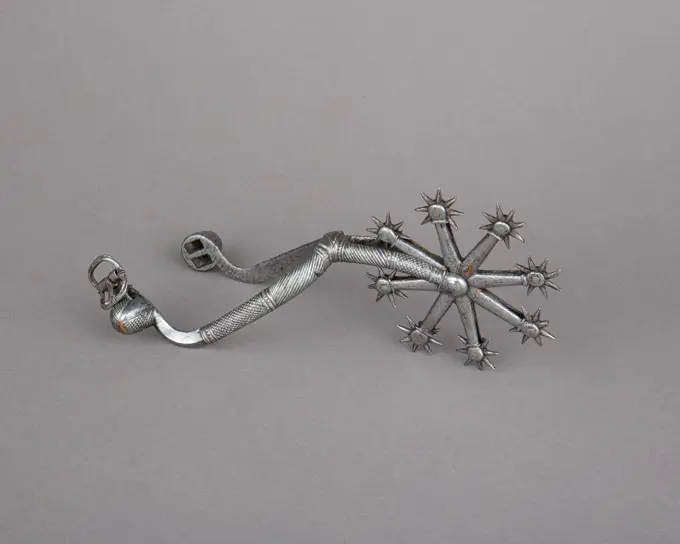
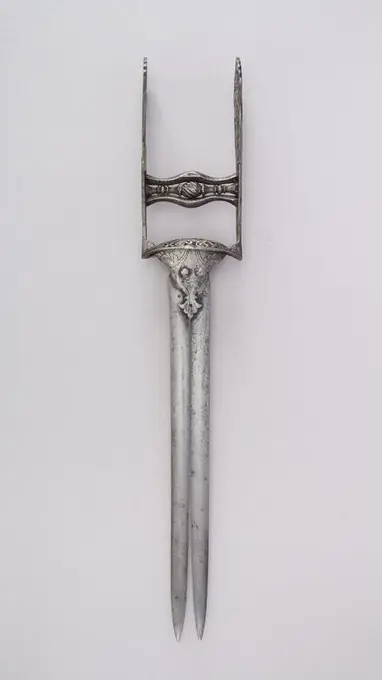
Dagger (Katar). Culture: Indian, Thanjavur; blades, European. Dimensions: L. 20 1/4 in. (51.4 cm); W. 3 5/16 in. (8.4 cm); Wt. 1 lb. 3.8 oz. (561.3 g). Date: Rapier blades, 16th century; sidebars, grip, 17th century. Museum: Metropolitan Museum of Art, New York, USA.Szpila. nieznany warsztat luristański, workshopBoar Spear. Culture: German. Dimensions: L. 90 1/4 in. (229.3 cm); L. of head 18 1/8 in. (46.1 cm); W. 2 1/2 in. (6.4 cm); Wt. 4 lbs. (1814.4 g). Date: 16th century. Museum: Metropolitan Museum of Art, New York, USA.Arrowhead (Yanone) 18th century Japanese Although today Japanese warriors are renowned most for their swordsmanship, archery, especially from horseback, has been an essential part of samurai warfare and culture for centuries. Arrows were fitted with heads of varying shape according to their intended use in war, the hunt, or target practice. Arrowheads made for use on the battlefield incorporated different designs intended for specialized purposes such as the piercing of armor or to cause maximum damage to horses and unarmored personnel.Large arrowheads, pierced and elaborately chiseled with landscapes, birds, flowers, dragons, and Buddhist divinities, were created to be admired for the beauty of their metalwork and design rather than for use in archery. Such highly elaborate examples may have been made for presentation or as a votive offerings to a shrine.. Arrowhead (Yanone). Japanese. 18th century. Steel. Archery Equipment-ArrowheadsSalad Server (spoon) (USA); Designed by Clara Barck Welles (American, 1868 - 1965); Executor: The Kalo Shop (United States); silver; L x W x D: 25.4 x 3.8 x 6.4 cm (10 x 1 1/2 x 2 1/2 in.)Arrow Point, 1700s. Japan, Edo period (1615-1868). Steel; overall: 22 cm (8 11/16 in.); head: 6.4 cm (2 1/2 in.).Arrowhead (Yanone) ca. 1615-1868 Japanese Although today Japanese warriors are renowned most for their swordsmanship, archery, especially from horseback, has been an essential part of samurai warfare and culture for centuries. Arrows were fitted with heads of varying shape according to their intended use in war, the hunt, or target practice. Arrowheads made for use on the battlefield incorporated different designs intended for specialized purposes such as the piercing of armor or to cause maximum damage to horses and unarmored personnel.Large arrowheads, pierced and elaborately chiseled with landscapes, birds, flowers, dragons, and Buddhist divinities, were created to be admired for the beauty of their metalwork and design rather than for use in archery. Such highly elaborate examples may have been made for presentation or as a votive offerings to a shrine.. Arrowhead (Yanone). Japanese. ca. 1615-1868. Steel. Archery Equipment-ArrowheadsArrowhead (Yanone) 18th century Japanese Although today Japanese warriors are renowned most for their swordsmanship, archery, especially from horseback, has been an essential part of samurai warfare and culture for centuries. Arrows were fitted with heads of varying shape according to their intended use in war, the hunt, or target practice. Arrowheads made for use on the battlefield incorporated different designs intended for specialized purposes such as the piercing of armor or to cause maximum damage to horses and unarmored personnel.Large arrowheads, pierced and elaborately chiseled with landscapes, birds, flowers, dragons, and Buddhist divinities, were created to be admired for the beauty of their metalwork and design rather than for use in archery. Such highly elaborate examples may have been made for presentation or as a votive offerings to a shrine.. Arrowhead (Yanone). Japanese. 18th century. Steel. Archery Equipment-ArrowheadsDagger (Katar). Culture: South Indian, Thanjavur. Dimensions: L. 21 1/2 in. (54.6 cm); W. 3 1/4 in. (8.3 cm); Wt. 1 lb. 6.5 oz. (637.9 g). Date: 17th century. Museum: Metropolitan Museum of Art, New York, USA.Arrowhead (Yanone) 18th century Japanese Although today Japanese warriors are renowned most for their swordsmanship, archery, especially from horseback, has been an essential part of samurai warfare and culture for centuries. Arrows were fitted with heads of varying shape according to their intended use in war, the hunt, or target practice. Arrowheads made for use on the battlefield incorporated different designs intended for specialized purposes such as the piercing of armor or to cause maximum damage to horses and unarmored personnel.Large arrowheads, pierced and elaborately chiseled with landscapes, birds, flowers, dragons, and Buddhist divinities, were created to be admired for the beauty of their metalwork and design rather than for use in archery. Such highly elaborate examples may have been made for presentation or as a votive offerings to a shrine.. Arrowhead (Yanone). Japanese. 18th century. Steel. Archery Equipment-ArrowheadsSpear 15th century Western European. Spear 26796Arrowhead (Yanone). Culture: Japanese. Dimensions: L. 19 1/4 in. (48.9 cm); L. of head 3 3/4 in. (9.5 cm); W. 2 in. (5.1 cm); Wt. 2.7 oz. (76.5 g). Date: 18th century. Museum: Metropolitan Museum of Art, New York, USA.Spoon (France); silver; L x W x D: 16.5 x 2.9 x 1.9 cm (6 1/2 x 1 1/8 x 3/4 in.)Arrowhead (Yanone) 18th century Japanese Although today Japanese warriors are renowned most for their swordsmanship, archery, especially from horseback, has been an essential part of samurai warfare and culture for centuries. Arrows were fitted with heads of varying shape according to their intended use in war, the hunt, or target practice. Arrowheads made for use on the battlefield incorporated different designs intended for specialized purposes such as the piercing of armor or to cause maximum damage to horses and unarmored personnel.Large arrowheads, pierced and elaborately chiseled with landscapes, birds, flowers, dragons, and Buddhist divinities, were created to be admired for the beauty of their metalwork and design rather than for use in archery. Such highly elaborate examples may have been made for presentation or as a votive offerings to a shrine.. Arrowhead (Yanone). Japanese. 18th century. Steel. Archery Equipment-ArrowheadsArrowhead (Yanone) 18th century Japanese Although today Japanese warriors are renowned most for their swordsmanship, archery, especially from horseback, has been an essential part of samurai warfare and culture for centuries. Arrows were fitted with heads of varying shape according to their intended use in war, the hunt, or target practice. Arrowheads made for use on the battlefield incorporated different designs intended for specialized purposes such as the piercing of armor or to cause maximum damage to horses and unarmored personnel.Large arrowheads, pierced and elaborately chiseled with landscapes, birds, flowers, dragons, and Buddhist divinities, were created to be admired for the beauty of their metalwork and design rather than for use in archery. Such highly elaborate examples may have been made for presentation or as a votive offerings to a shrine.. Arrowhead (Yanone). Japanese. 18th century. Steel. Archery Equipment-ArrowheadsArrowhead (Yanone). Culture: Japanese. Dimensions: L. 8 3/4 in. (22.2 cm); L. of head 1 3/4 in. (4.5 cm); W. 1 5/16 in. (3.3 cm); Wt. 1.5 oz. (42.5 g). Date: 18th century. Museum: Metropolitan Museum of Art, New York, USA.Arrow Point, 1700s. Japan, Edo period (1615-1868). Steel; overall: 24.4 cm (9 5/8 in.); head: 6.6 cm (2 5/8 in.).Miniature shovel (part of a set). Artist: David Clayton (British, active 1689). Culture: British, London. Dimensions: Length: 3 7/8 in. (9.8 cm). Date: ca. 1720-30. Museum: Metropolitan Museum of Art, New York, USA.Rockledge Silver Service, George Washington Maher, American, 1864-1926, Gorham Manufacturing Company, Providence, Rhode Island, USA, founded 1818, Ernest L. and Grace King, Silver, Of 'Martele' silver, the handle decorated with a native lily motif and initials E.K.G. conjoined., 1911-12, cutlery, Decorative Arts, Luncheon fork, Luncheon forkGlaive of the Bodyguard of Giovanni Battista Bourbon del Monte (1541-1615). Culture: Italian, Brescia. Dimensions: L. 85 3/8 in. (216.8 cm); L. of head 35 1/2 in. (90.1 cm); W. 6 1/4 in. (15.9 cm); Wt. 5 lbs. 14 oz. (2664.9 g). Date: ca. 1590-1600. Museum: Metropolitan Museum of Art, New York, USA.Saber-Halberd. Culture: German, Munich. Dimensions: L. 8 ft. 10 1/4 in. (269.9 cm); L. of head 42 in. (106.7 cm); W. 7 7/8 in. (20 cm); Wt. 7 lbs. 8 oz. (3401.9 g). Date: probably 19th century. Museum: Metropolitan Museum of Art, New York, USA.Arrowhead (Yanone) 18th century Japanese Although today Japanese warriors are renowned most for their swordsmanship, archery, especially from horseback, has been an essential part of samurai warfare and culture for centuries. Arrows were fitted with heads of varying shape according to their intended use in war, the hunt, or target practice. Arrowheads made for use on the battlefield incorporated different designs intended for specialized purposes such as the piercing of armor or to cause maximum damage to horses and unarmored personnel.Large arrowheads, pierced and elaborately chiseled with landscapes, birds, flowers, dragons, and Buddhist divinities, were created to be admired for the beauty of their metalwork and design rather than for use in archery. Such highly elaborate examples may have been made for presentation or as a votive offerings to a shrine.. Arrowhead (Yanone). Japanese. 18th century. Steel. Archery Equipment-ArrowheadsEva Perry, Fire Shovel, c 1941 Fire ShovelHalberd Made 1480-1520 Germany. Steel and wood .Glass fusiform bottle. Culture: Roman. Dimensions: H.: 18 3/8 in. (46.7 cm). Date: mid-3rd-4th century A.D..Translucent pale green.Slanting and uneven everted rim folded over and in; tall cylindrical neck joining with bulbous mid-section of body, then long concave side extending downward to thick, solid, rounded bottom.Intact; pinprick and larger bubbles, some elongated, with black streaky impurities in rim and bottom; dulling, slight pitting, creamy brown weathering, and iridescence.Long slender vase with bulge in the middle. Museum: Metropolitan Museum of Art, New York, USA.Spoon (Netherlands); silver; L x W x D: 18.4 x 4.5 x 1.7 cm (7 1/4 x 1 3/4 x 11/16 in.)Halberd. Culture: possibly Italian. Dimensions: L. 9 ft. 6 in. (290.2 cm); L. of head 44 3/4 in. (113.6 cm); W. 7 5/8 in. (19.4 cm); Wt. 7 lbs. 14 oz. (3570 g). Date: ca. 1550. Museum: Metropolitan Museum of Art, New York, USA.Spoon with Fish-Tail Design, 1200s. Korea, Goryeo period (918-1392). Bronze; overall: 26.5 cm (10 7/16 in.).Glass pin 1st-4th century A.D. Roman Colorless with slight greenish tinge.Solid globular head, tooled in on two sides at base; slender neck; broader, triangular shaft at top, with vertical tooling indents on two sides, tapering into cylindrical shape.Intact, except for end of pin where point may be missing; a few pinprick bubbles; dulling and slight creamy weathering with iridescence.Pin used for the hair, not as a dress pin.. Glass pin 239739Halberd ca. 1550 Italian. Halberd 26719Silversmith: Douwe Eysma, Silver fish shovel, fish scoop ladle spoon kitchenware silver, Silver fish shovel with openwork bowl with three fishes serveSpoon, silver, Oval bowl, shaped stem engraved with wrigglework, punching and lozenges with oval crusher terminal., Paris, France, 19th century, cutlery, Decorative Arts, SpoonMiniature shovel (part of a set). Culture: British, London. Dimensions: Length: 3 7/8 in. (9.8 cm). Maker: David Clayton (British, active 1689). Date: late 17th-early 18th century. Museum: Metropolitan Museum of Art, New York, USA.Toy incense spoon -George Spector, Meat Hook, c 1940 Meat HookSpoon (Netherlands); silver; L x W: 19.9 x 5.5 cm (7 13/16 x 2 3/16 in.); The Robert L. Metzenberg Collection, gift of Eleanor L. Metzenberg; 1985-103-243Arrowhead (Yanone). Culture: Japanese. Dimensions: L. 11 5/8 in. (29.5 cm); L. of head 4 1/4 in. (10.8 cm); W. 1 1/8 in. (2.9 cm); Wt. 1.5 oz. (42.5 g). Date: 18th century. Museum: Metropolitan Museum of Art, New York, USA.Arrowhead (Yanone) 18th century Japanese Although today Japanese warriors are renowned most for their swordsmanship, archery, especially from horseback, has been an essential part of samurai warfare and culture for centuries. Arrows were fitted with heads of varying shape according to their intended use in war, the hunt, or target practice. Arrowheads made for use on the battlefield incorporated different designs intended for specialized purposes such as the piercing of armor or to cause maximum damage to horses and unarmored personnel.Large arrowheads, pierced and elaborately chiseled with landscapes, birds, flowers, dragons, and Buddhist divinities, were created to be admired for the beauty of their metalwork and design rather than for use in archery. Such highly elaborate examples may have been made for presentation or as a votive offerings to a shrine.. Arrowhead (Yanone). Japanese. 18th century. Steel. Archery Equipment-ArrowheadsFisk knife, Silver-plated metal, ivorine, England or USA, ca. 1880, cutlery, Decorative Arts, Fisk knifeSilver Price Pen with the coat of arms of the city of Haarlem, Dirk van Dalen, 1783  Price pins of silver in the form of a goose spring with the cast weapon of the city of Haarlem. Haarlem silver (metal)  quill HaarlemLinstock ca. 1650 German. Linstock 26668Hinge..Apostle spoon: St. Philip 1592/93 William Cawdell The set (67.166.1-.13) includes a master spoon with a figure of Christ and twelve apostle spoons. Martin Hewitt who made the Saint Andrew spoon had served his apprenticeship under William Cawdell. Both were specialist spoonmakers.. Apostle spoon: St. Philip. British, London. 1592/93. Silver, partly gilded. Metalwork-SilverFred Hassebrock, Turpentine Scraper, c 1940 Turpentine ScraperHalberd ca. 1550 Swiss. Halberd. Swiss. ca. 1550. Steel, wood (ash). Shafted WeaponsMenat ca. 1353-1323 B.C. New Kingdom. Menat. ca. 1353-1323 B.C.. Wood, brown paint. New Kingdom. From Egypt, Upper Egypt, Thebes, Deir el-Bahri. Dynasty 18Wheel-Lock Spanner and Turnscrew 1600-1633 Austria. Iron, fretted and engraved .Arrowhead (Yanone) 13th-18th century Japanese Although today Japanese warriors are renowned most for their swordsmanship, archery, especially from horseback, has been an essential part of samurai warfare and culture for centuries. Arrows were fitted with heads of varying shape according to their intended use in war, the hunt, or target practice. Arrowheads made for use on the battlefield incorporated different designs intended for specialized purposes such as the piercing of armor or to cause maximum damage to horses and unarmored personnel.Large arrowheads, pierced and elaborately chiseled with landscapes, birds, flowers, dragons, and Buddhist divinities, were created to be admired for the beauty of their metalwork and design rather than for use in archery. Such highly elaborate examples may have been made for presentation or as a votive offerings to a shrine.. Arrowhead (Yanone). Japanese. 13th-18th century. Steel. Archery Equipment-ArrowheadsMiniature tongs (part of a set) 1690-91 Probably George Manjoy British. Miniature tongs (part of a set). British, London. 1690-91. Silver. Metalwork-Silver-MiniatureRattle Staff: Hand Holding Mudfish (Ukhurhe) 16th-19th century Edo peoples At its origins, the centralized city-state of Benin was founded by Edo-speaking peoples. The accounts by official court historians and descriptions provided by visitors evoke a vibrant cultural center continually redefined by its leadership through shifting internal and external power dynamics. According to oral tradition, circa 1300, Edo chiefs are reputed to have reached out to the leader of neighboring Ife, Oranmiyan, to establish a new divinely sanctioned royal dynasty. Since then, the investiture of Benins rulers to the title of obas has conferred upon them at once a role of chief priest officiating in important religious ceremonies and presiding over an elaborate structure of palace officials. During the fifteenth century reign of Oba Ewuare, Benins armies were formed and the fortification of its capital with a massive wall undertaken. In parallel, delegations of Portuguese traders assiduously sought to Kris 18th-19th century Philippine, Mindanao. Kris 31267Scoop with coal -shaped container, company Bennewitz and Zonen, 1827 The cylindrical, coal -shaped container has a flat, curved stem, which broadens to the tissue end and which is surrounded at the top by a traffic jam. Amsterdam silver (metal) The cylindrical, coal -shaped container has a flat, curved stem, which broadens to the tissue end and which is surrounded at the top by a traffic jam. Amsterdam silver (metal)Cup-Hilted Rapier. Italian. Date: 1640-1680. Dimensions: Overall L. 117 cm (46 1/16 in.)Blade L. 100 cm (39 3/8 in.)Wt. 2 lb. 6 oz. Steel. Origin: Italy. Museum: The Chicago Art Institute, Chicago, USA.Arrowhead (Yanone) 18th century Japanese Although today Japanese warriors are renowned most for their swordsmanship, archery, especially from horseback, has been an essential part of samurai warfare and culture for centuries. Arrows were fitted with heads of varying shape according to their intended use in war, the hunt, or target practice. Arrowheads made for use on the battlefield incorporated different designs intended for specialized purposes such as the piercing of armor or to cause maximum damage to horses and unarmored personnel.Large arrowheads, pierced and elaborately chiseled with landscapes, birds, flowers, dragons, and Buddhist divinities, were created to be admired for the beauty of their metalwork and design rather than for use in archery. Such highly elaborate examples may have been made for presentation or as a votive offerings to a shrine.. Arrowhead (Yanone). Japanese. 18th century. Steel. Archery Equipment-ArrowheadsMiniature tongs (part of a set) late 17th-early 18th century David Clayton British. Miniature tongs (part of a set). British, London. late 17th-early 18th century. Silver. Metalwork-Silver-MiniatureTassel, Medium: linen Technique: braided and knotted, Linen tassel, braided and knotted. Long braided cord attached to pear-shaped unit from which hang six knotted clusters., Italy, Europe, 17th century, trimmings, TasselJohn D. Germon, Set of Six Tablespoons, c. 1810-15, silver.White clay pipe with embossed relief on the head and stem, on the head medallions containing portrait of Piet Hein and the silver fleet and the coat of arms of Delfshaven, clay pipe smoking equipment smoke floor earthenware ceramic pottery, Inscription at medallions: Piet Hein Delfs Haven and Z. Fleet under arm 1828 heel mark: crowned pigeon mark on the side of the heel, coat of arms Gouda archeology Piet Heyn Piet Hein Delfshaven RotterdamToasting Fork. Dated: c. 1936. Dimensions: overall: 29.5 x 23.1 cm (11 5/8 x 9 1/8 in.). Medium: graphite on paper. Museum: National Gallery of Art, Washington DC. Author: Anna Aloisi.Fauchard ca. 1550 Italian. Fauchard 26794Fibula, bow-shaped. Culture: Etruscan. Dimensions: Other: 1 1/4 × 5/16 × 1 5/8 in. (3.1 × 0.8 × 4.1 cm). Date: 7th-6th century B.C.. Museum: Metropolitan Museum of Art, New York, USA.Guisarme 16th century Italian. Guisarme 32349Club -Rail of steel. Steel track with buckle, straight neck with large sprayed wheel.CRUCIFIJO DE PLATA S XVIII. Location: IGLESIA DE SANTA MARIA DEL CAMPO. Coruña. SPAIN.Silversmith: J. Lang & C. Koops, Silver spreader spoon, spoon cutlery silver, driven sawn engraved Shallow bin with convex wave point edge. Bake openwork with holes in pattern that reminds four hearts with the points towards each other. The handle is attached to the tray at an angle of 90 degrees by means of two rods. It initially runs straight but runs halfway through bend to the rear of the rear of the stem (smashed) sprinkling sugar sprinkles.Dagger (Chilanum). Culture: South Indian. Dimensions: H. 14 3/4 in. (37.5 cm); H. of blade 11 in. (27.9 cm); W. 3 in. (7.6 cm); Wt. 9.3 oz. (263.7 g). Date: 17th century. Museum: Metropolitan Museum of Art, New York, USA.Meat Fork 1700-1800. Meat Fork. 1700-1800. IronFauchard ca. 1590-1600 probably Italian. Fauchard 25092Fork; steel, mother-of-pearl, horn; L x W: 11.1 x 1 cm (4 3/8 x 3/8 in.); The Robert L. Metzenberg Collection, gift of Eleanor L. Metzenberg; 1985-103-99Knife (England); steel, silver, agate; L x W x D: 18 x 1.8 x 1.5 cm (7 1/16 x 11/16 x 9/16 in.); The Robert L. Metzenberg Collection, gift of Eleanor L. Metzenberg; 1985-103-115Fork. Fork with punched silver lift, on which a dogSeal-top spoon early 17th century British, probably Beccles, Norfolk. Seal-top spoon 188037 British, probably Beccles, Norfolk, Seal-top spoon, early 17th century, Silver, parcel gilt, Length: 6 7/8 in. (17.5 cm). The Metropolitan Museum of Art, New York. Gift of Mrs. Samuel P. Avery, 1897 (97.2.1)Arrowhead (Yanone) 18th century Japanese Although today Japanese warriors are renowned most for their swordsmanship, archery, especially from horseback, has been an essential part of samurai warfare and culture for centuries. Arrows were fitted with heads of varying shape according to their intended use in war, the hunt, or target practice. Arrowheads made for use on the battlefield incorporated different designs intended for specialized purposes such as the piercing of armor or to cause maximum damage to horses and unarmored personnel.Large arrowheads, pierced and elaborately chiseled with landscapes, birds, flowers, dragons, and Buddhist divinities, were created to be admired for the beauty of their metalwork and design rather than for use in archery. Such highly elaborate examples may have been made for presentation or as a votive offerings to a shrine.. Arrowhead (Yanone). Japanese. 18th century. Steel. Archery Equipment-ArrowheadsArrowhead (Yanone). Culture: Japanese. Dimensions: L. 5 3/4 in. (14.6 cm); L. of head 2 in. (5.1 cm); W. 1/2 in. (1.3 cm); Wt. 0.3 oz. (8.5 g). Date: 18th century. Museum: Metropolitan Museum of Art, New York, USA.Sugar pliersChatelaine c 1825-1835 Wilmington. Silver . Emmor JefferisDagger with Sheath 18th-19th century Indian, Mughal. Dagger with Sheath 24297Apostle with round container, 1650 - 1675 The cast spoon has a round container, which turns into a steel grooved past, on which an apostle. England brass (alloy). tin (metal) casting The cast spoon has a round container, which turns into a steel grooved past, on which an apostle. England brass (alloy). tin (metal) castingPothook -. Spoon from painted porcelain. The spoon is painted with the 'three friends', birds and tied hedges on the outside and with O.A. Prunus, bamboo and a bird on the inside. The latter decor is repeated on the back of the end of the handle; On the front a bird and flowers. The spoon has not been marked.Ladle. William Looker; English, active 1719; London, England. Date: 1719. Dimensions: L. 31.1 cm (12 1/4 in.). Sterling silver. Origin: London. Museum: The Chicago Art Institute, Chicago, USA.Meat Fork,  1806 - 1841Souvenir spoon with child of Brussels finial European late 19th centuryArrow or Javelin Point of Neferkhawet. Dimensions: L. 9.3 cm (3 11/16 in.); w. 1.5 cm (9/16 in.); Greatest thickness 0.5 cm (3/16 in.). Dynasty: Dynasty 18, early. Reign: reign of Thutmose I-early sole Thutmose III. Date: ca. 1504-1447 B.C.. Museum: Metropolitan Museum of Art, New York, USA.Spoon third quarter 17th century Thomas Nilsen. Spoon 192266Whisk and its shadowCurb Bit 17th century German According to contemporary equestrian manuals, this was a gentle-medium bit, good for horses with a good mouth but a thick tongue and sensitive bars (part of the horses jaw without teeth). The gooseneck canons of the mouthpiece were meant to give more freedom to the tongue. The banquets, the parts of the cheekpieces where the mouthpiece is attached, can be opened to switch out the mouthpiece, a feature particularly appreciated on dressage bits in Germany.If the very long shanks look impressive, and would logically add more leverage effect, and so more strength, they would actually have been blocked at some point by the horses chest, reducing their impact. Curb bits were also at this time used with a very light hand, the well-trained horses responding by anticipation to the slightest move of the reins.. Curb Bit. German. 17th century. Iron alloy. Equestrian Equipment-BitsArrowhead (Yanone) 18th century Japanese Although today Japanese warriors are renowned most for their swordsmanship, archery, especially from horseback, has been an essential part of samurai warfare and culture for centuries. Arrows were fitted with heads of varying shape according to their intended use in war, the hunt, or target practice. Arrowheads made for use on the battlefield incorporated different designs intended for specialized purposes such as the piercing of armor or to cause maximum damage to horses and unarmored personnel.Large arrowheads, pierced and elaborately chiseled with landscapes, birds, flowers, dragons, and Buddhist divinities, were created to be admired for the beauty of their metalwork and design rather than for use in archery. Such highly elaborate examples may have been made for presentation or as a votive offerings to a shrine.. Arrowhead (Yanone). Japanese. 18th century. Steel. Archery Equipment-ArrowheadsObject ID #18318657; Manufactured by Meissen Porcelain Manufactory (Germany); Workshop of Bartholomäus Seuter (German, 1676 - 1754); Germany; porcelain, vitreous enamel, gold, steel; L x W x D (a: knife): 22.8 × 2 × 1.7 cm (9 in. × 13/16 in. × 11/16 in.) L x W x D (b: fork): 18.6 × 1.5 × 2.2 cm (7 5/16 × 9/16 × 7/8 in.)Bone hairpin 1st-2nd century A.D. Roman The head is in the form of a pinecone.. Bone hairpin. Roman. 1st-2nd century A.D.. BoneChatelaine. Emmor Jefferis; American, 1804-1892; Wilmington, Delaware. Date: 1825-1835. Dimensions: 6.4 × 3.2 × 3.2 cm (2 1/2 × 1 1/4 × 1 1/4 in.). Silver. Origin: Wilmington. Museum: The Chicago Art Institute, Chicago, USA.Arrowhead (Yanone). Culture: Japanese. Dimensions: L. 9 5/8 in. (24.4 cm); L. of head 4 in. (10.2 cm); W. 3 3/8 in. (8.6 cm); Wt. 2.7 oz. (76.5 g). Date: 18th century. Museum: Metropolitan Museum of Art, New York, USA.Instruments on a metal stand in an operating theatre in a new hospital. Rowel Spur (Left) second half 16th century German This impressive spur is part of a group of oversized and lavishly decorated German spurs made in the second half of the 16th and the beginning of the 17th century, probably in Saxony. This example displays a large and extravagant eight-pointed rowel, each of the points holding a small rowel itself.Some types of spurs with several rowels were used in the 17th century with particularly difficult horses. However, on this spur it seems to be more an ornamental luxurious feature, for a pair worn like a piece of jewelry, rather than a truly equestrian improvement. Such examples of multi-rowel spurs are known in Germany since the mid-16th century. The impracticality of these spurs indicate that they were probably only used during parade and festive events, as a display of wealth and status. The width of the branches suggests they were worn over large cavalry boots.. Rowel Spur (Left). German. second half 16th century. Iron alloy, copper. EquesArrowhead (Yanone) 18th century Japanese Although today Japanese warriors are renowned most for their swordsmanship, archery, especially from horseback, has been an essential part of samurai warfare and culture for centuries. Arrows were fitted with heads of varying shape according to their intended use in war, the hunt, or target practice. Arrowheads made for use on the battlefield incorporated different designs intended for specialized purposes such as the piercing of armor or to cause maximum damage to horses and unarmored personnel.Large arrowheads, pierced and elaborately chiseled with landscapes, birds, flowers, dragons, and Buddhist divinities, were created to be admired for the beauty of their metalwork and design rather than for use in archery. Such highly elaborate examples may have been made for presentation or as a votive offerings to a shrine.. Arrowhead (Yanone). Japanese. 18th century. Steel. Archery Equipment-ArrowheadsPrice pen with the coat of arms of Amsterdam and 1758. Preparation of silver in the form of a goose feather with the appliqued gold-plated silver weapon of Amsterdam by 1758. In this year, as a price for good results received at the Latin school in Amsterdam, two students the Pen, NL Gerardus de Graaff and Joan Wern. Van Den Velden. This copy, on which the CIRT 4 is engraved, referring to the class in which the winner was, must be handed over to one of them.Maraca (gourd rattle) Native American (Puerto Rico) 19th century Street musicians in Puerto Rico and other West Indian islands use this type of rattle.Glass strigil (scraper). Culture: Roman. Dimensions: length 7 15/16 in. (20.2 cm); width 1 1/16 in. (2.7 cm). Date: 3rd-4th century A.D..Translucent blue green.Handle in the form of a long hollow cylinder, expanding slightly downwards; the curved blade or scrapper section has been tooled flat with a deep indent running down its length on the upper side, ending in a rounded tip.Top of handle broken and missing; pinprick and small elongated bubbles; dulling, pitting, and iridescent weathering, with some soil encrustation and thicker weathering on interior.A small number of glass strigils are known, including a group found in a tomb in Cologne, Germany. They were not practical scrapers for use at the baths but were symbolic gifts for the dead, who, it was believed, could use them in the afterlife. Museum: Metropolitan Museum of Art, New York, USA.Caddy spoon 1817-18 British, London. Caddy spoon 188201 British, London, Caddy spoon, 181718, Silver, Length: 3 1/4 in. (8.3 cm). The Metropolitan Museum of Art, New York. Gift of Mrs. Samuel P. Avery, 1897 (97.2.177)