Historical Weaponry

Images of traditional weapons including daggers, spears, and arrowheads. Depicting intricate details and cultural significance.
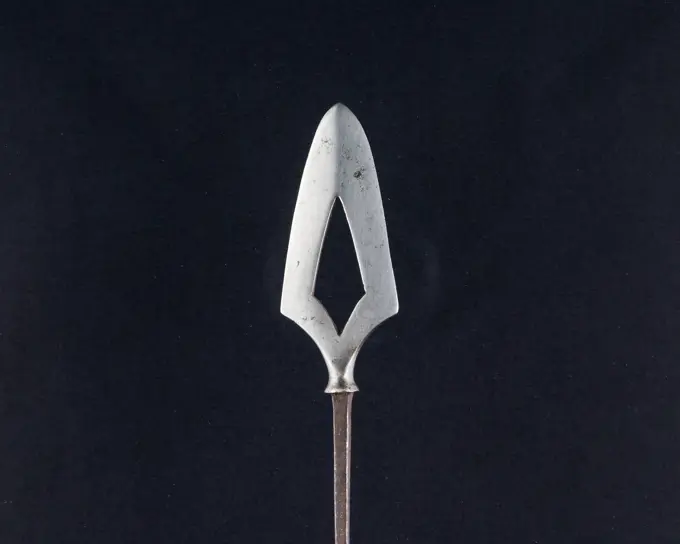
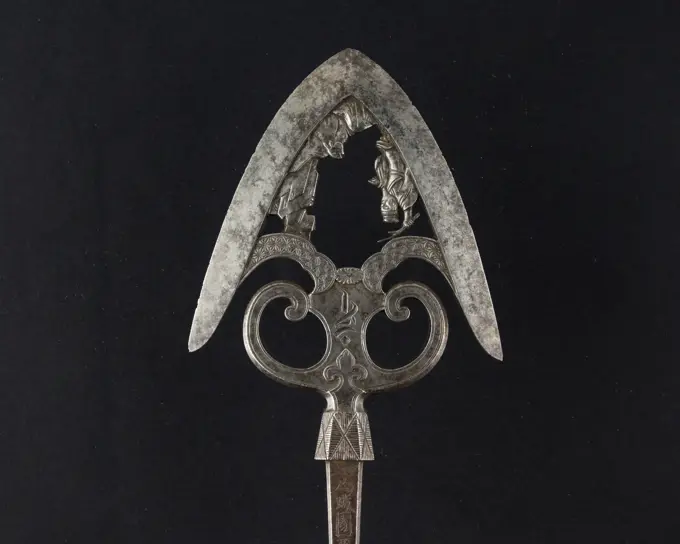
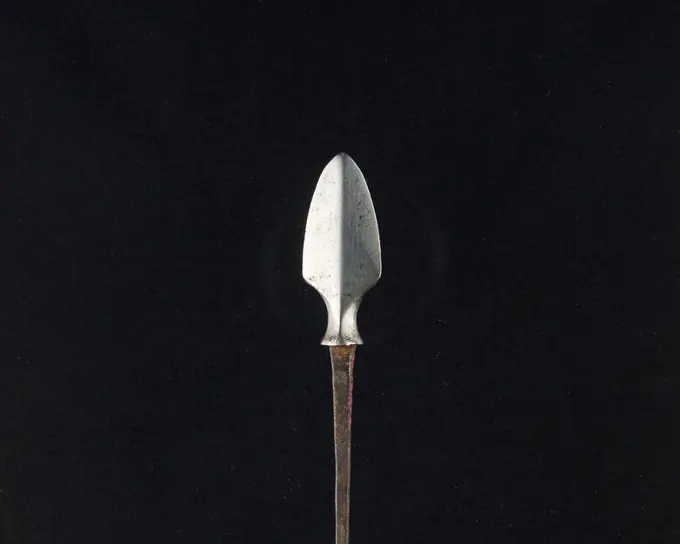
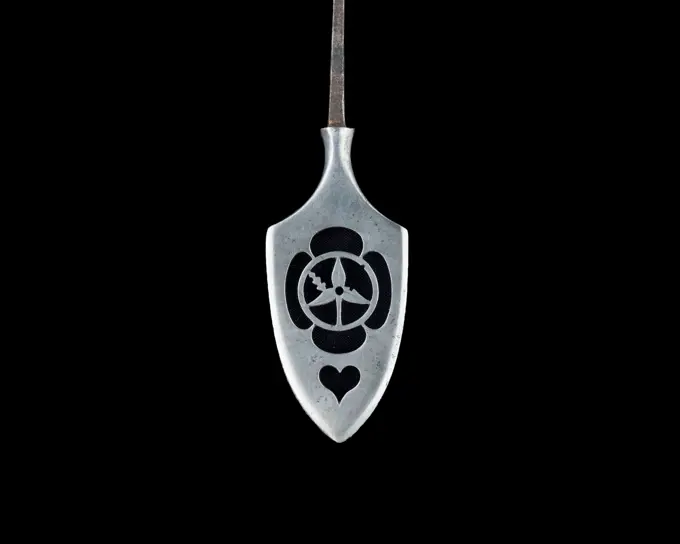
Arrowhead (Yanone) 18th century Japanese Although today Japanese warriors are renowned most for their swordsmanship, archery, especially from horseback, has been an essential part of samurai warfare and culture for centuries. Arrows were fitted with heads of varying shape according to their intended use in war, the hunt, or target practice. Arrowheads made for use on the battlefield incorporated different designs intended for specialized purposes such as the piercing of armor or to cause maximum damage to horses and unarmored personnel.Large arrowheads, pierced and elaborately chiseled with landscapes, birds, flowers, dragons, and Buddhist divinities, were created to be admired for the beauty of their metalwork and design rather than for use in archery. Such highly elaborate examples may have been made for presentation or as a votive offerings to a shrine.. Arrowhead (Yanone). Japanese. 18th century. Steel. Archery Equipment-Arrowheads
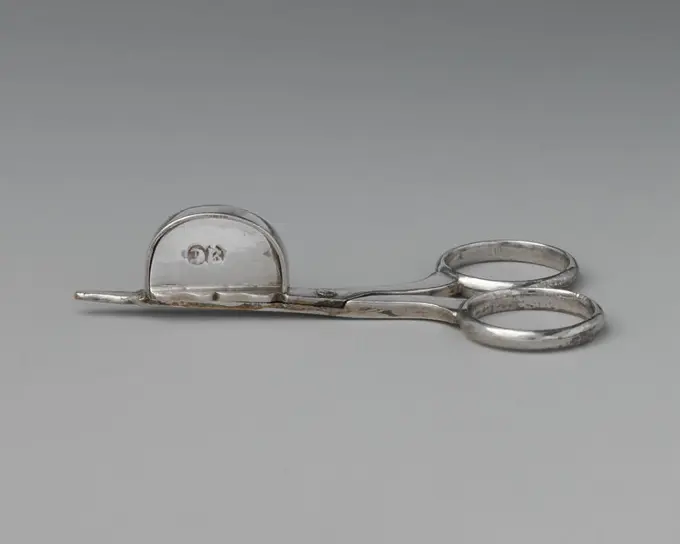
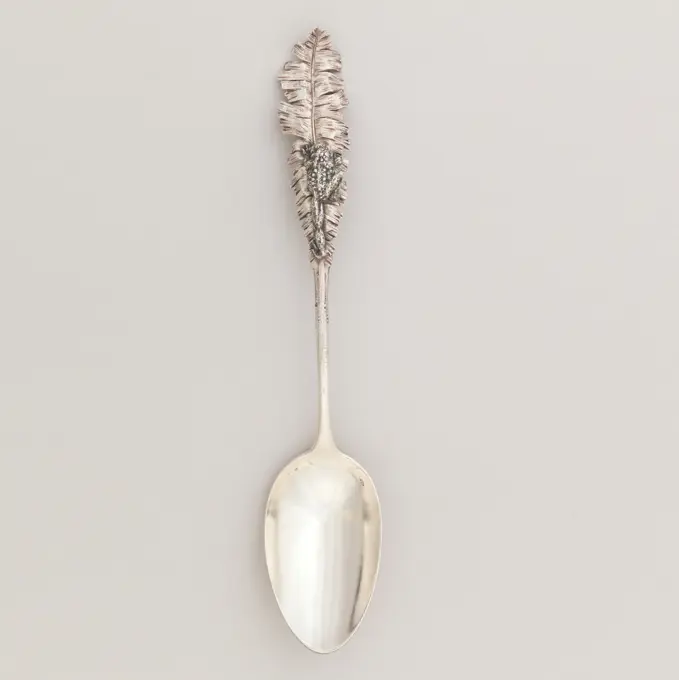
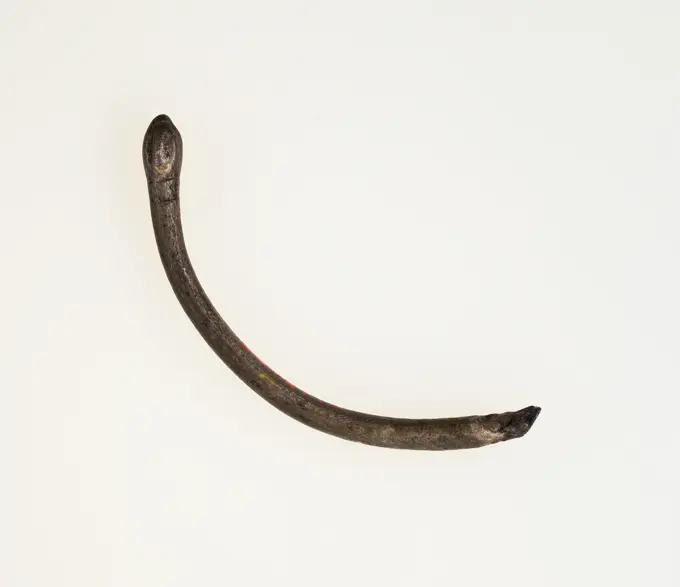
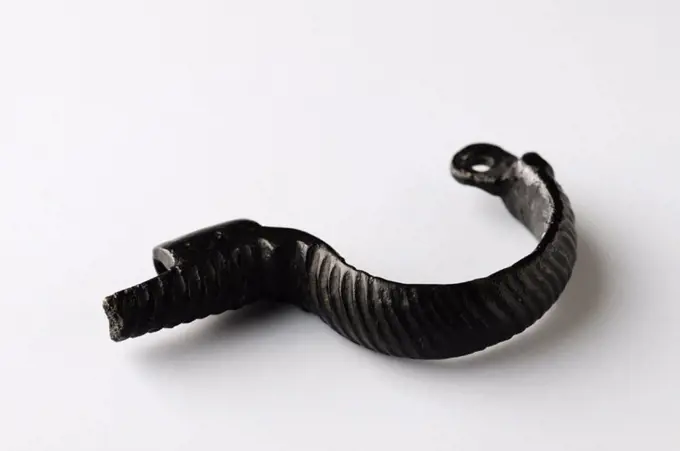
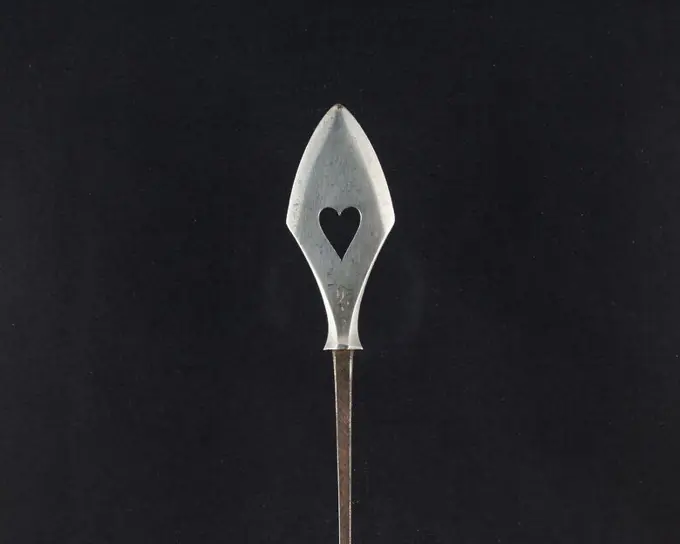
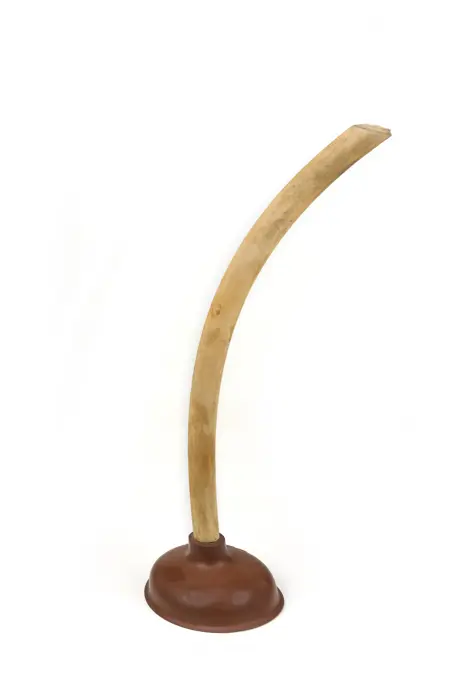
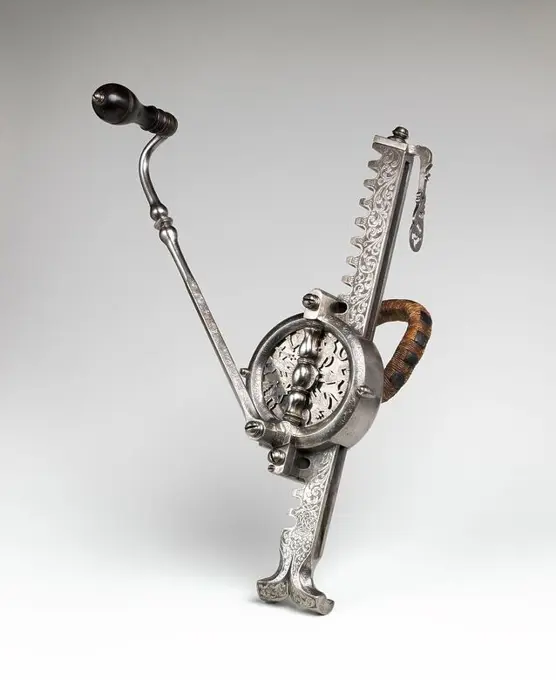
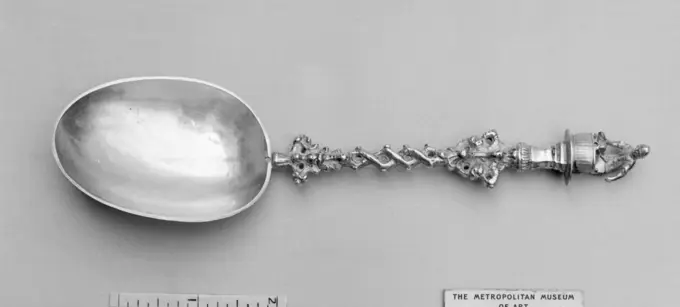
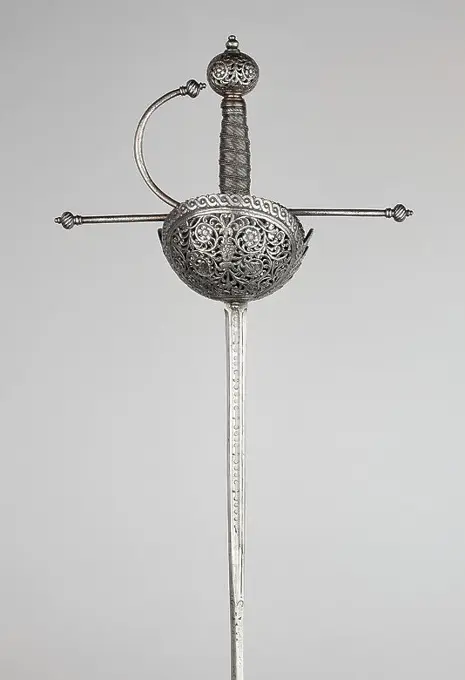
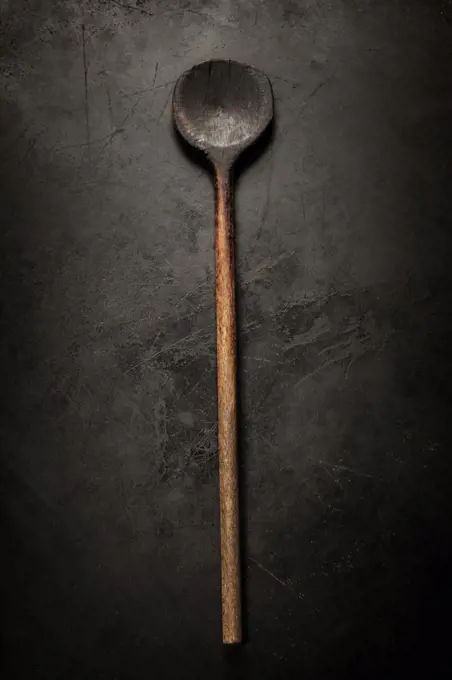
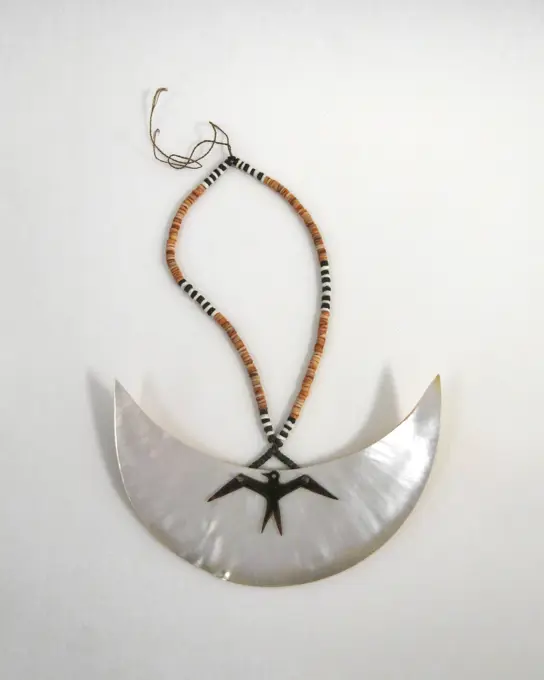
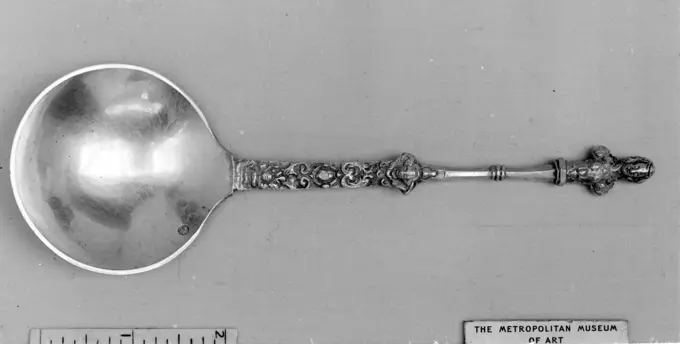
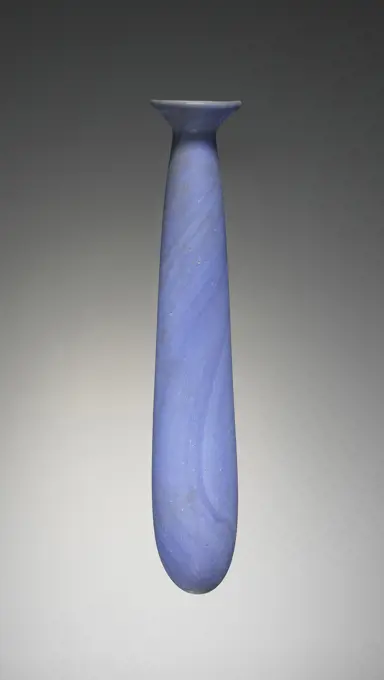
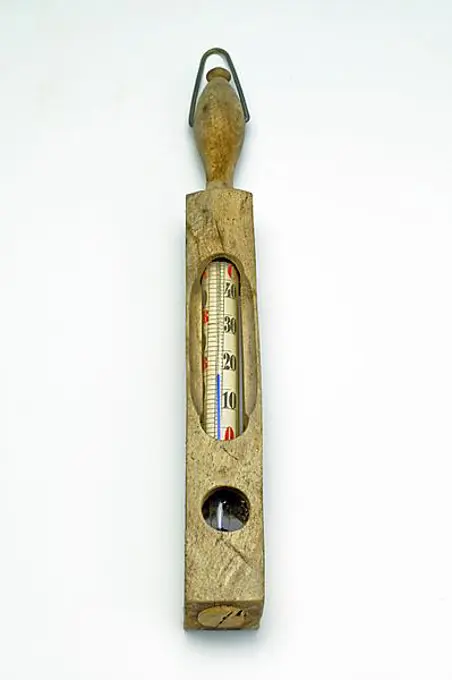
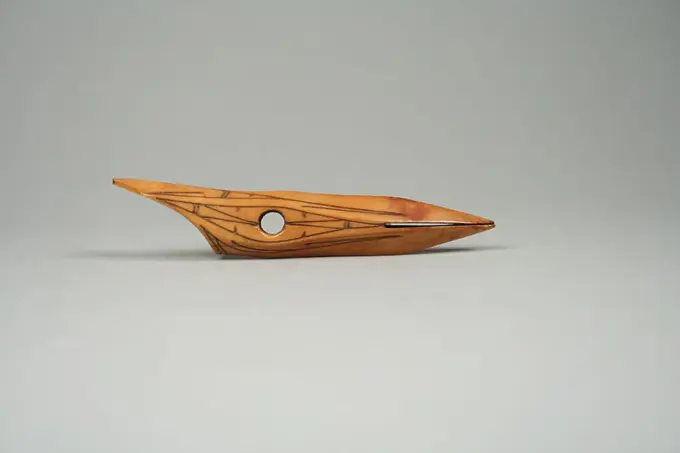
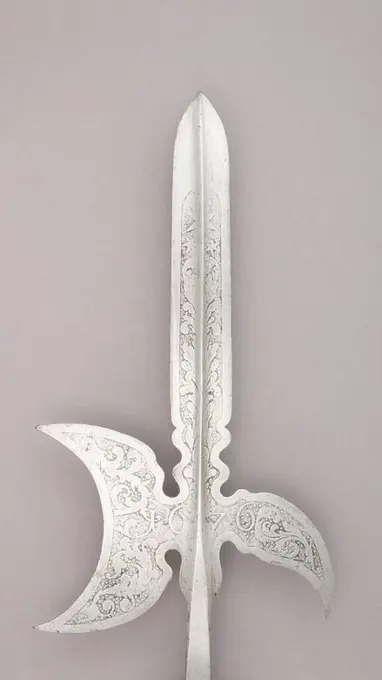
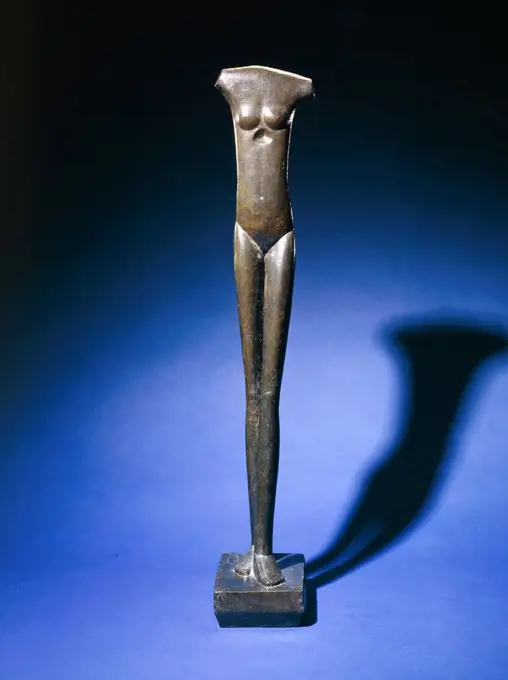
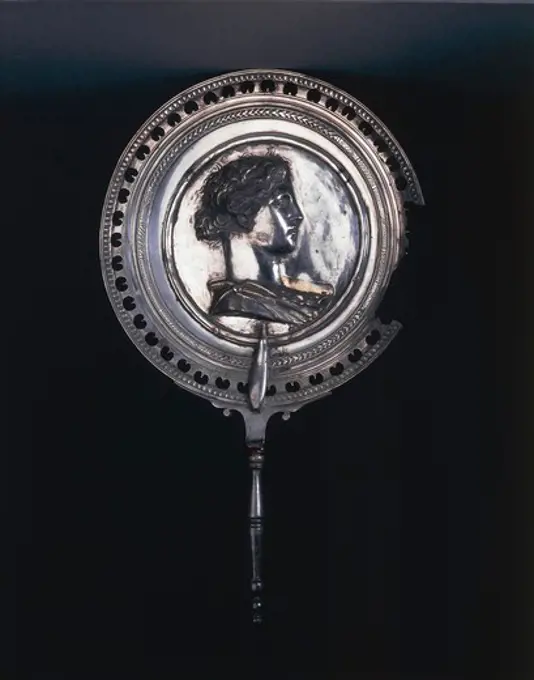
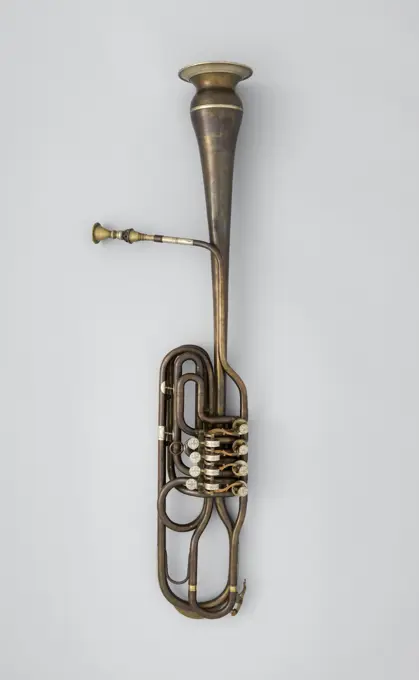
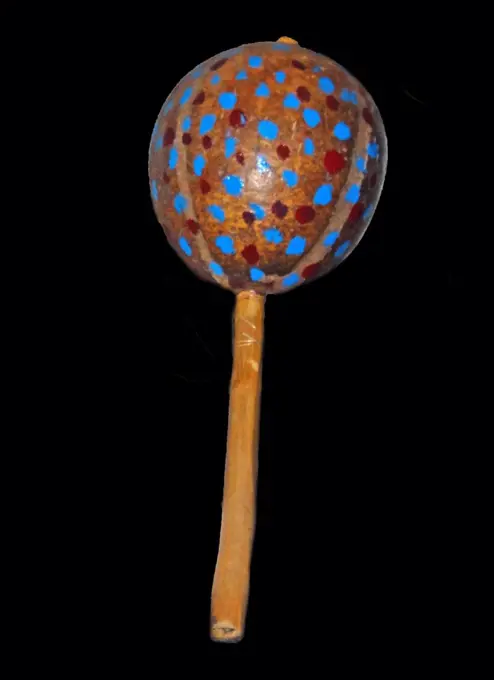
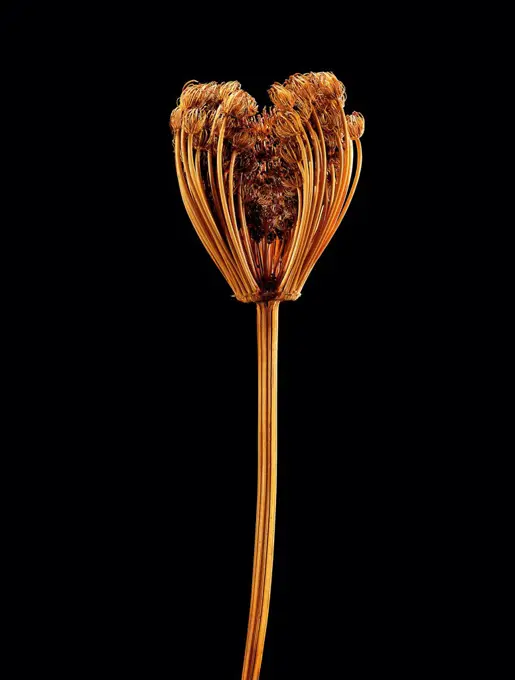
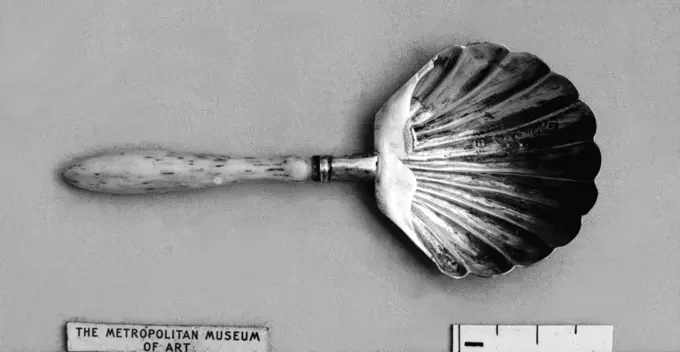
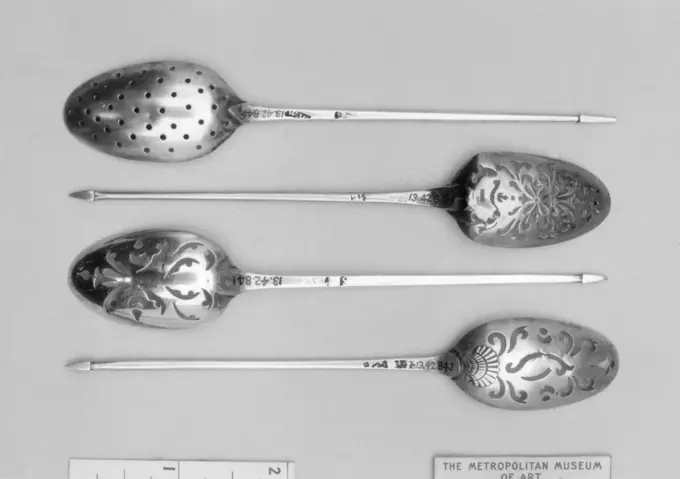
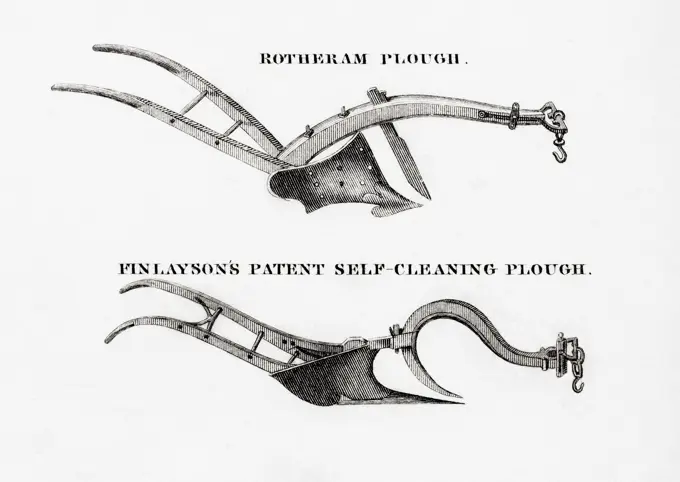
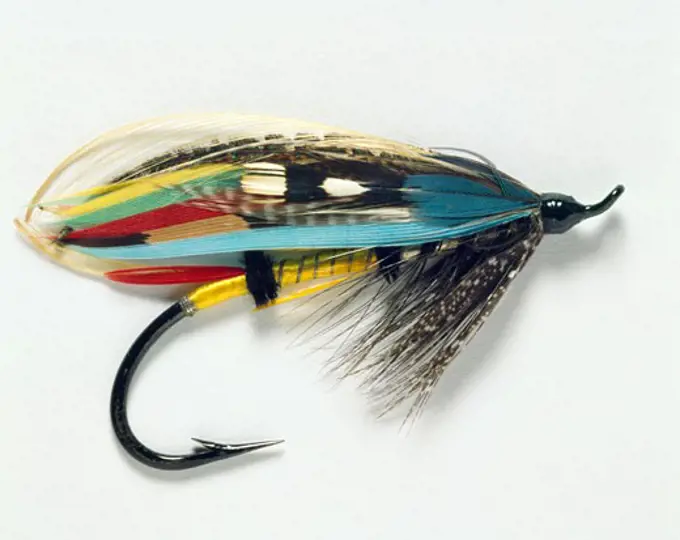
Silversmith: Gerard Caesar (), Spoon with bokkepoot on end of stem, goat spoon spoon cutlery silver, forged cast (handle end) Oval bowl of rippled stem with tipped bokkepoot and bundled leaf-like motifs rat tail Backside dish (smashed) foodArrowhead (Yanone) dated 1645 Japanese Although today Japanese warriors are renowned most for their swordsmanship, archery, especially from horseback, has been an essential part of samurai warfare and culture for centuries. Arrows were fitted with heads of varying shape according to their intended use in war, the hunt, or target practice. Arrowheads made for use on the battlefield incorporated different designs intended for specialized purposes such as the piercing of armor or to cause maximum damage to horses and unarmored personnel.Large arrowheads, pierced and elaborately chiseled with landscapes, birds, flowers, dragons, and Buddhist divinities, were created to be admired for the beauty of their metalwork and design rather than for use in archery. Such highly elaborate examples may have been made for presentation or as a votive offerings to a shrine.. Arrowhead (Yanone). Japanese. dated 1645. Steel. Archery Equipment-ArrowheadsMiniature snuffers. Artist: David Clayton (British, active 1689). Culture: British, London. Dimensions: Length: 2 1/2 in. (6.4 cm). Date: ca. 1720-30. Museum: Metropolitan Museum of Art, New York, USA.Dessert Spoon with Toad Spoon; Manufactured by Charles Victor Gibert (French); France; silver; L x W x D: 19.4 x 3.8 x 2.3 cm (7 5/8 x 1 1/2 x 7/8 in.)Proportional compass -Snuiter or Snuiterschaar with short and long leg on which oval -shaped eyes. On a short leg a bell -shaped valve with scalloped bottom edge, which fits into bottle -shaped snout room on long leg, Reynier de Haan, 1748 - 1749 Snuiter consists of a short and a long leg with oval -shaped eyes. On the straight part of the short leg is a bell -shaped valve with a scalloped bottom edge that fits in the snout room, which is attached to the long leg, which ends in a bottle shape. This includes a Blaker inv. No. (BK-15629-A) and a damper inv. No. (BK-15629-B). The Hague silver (metal) casting Snuiter consists of a short and a long leg with oval -shaped eyes. On the straight part of the short leg is a bell -shaped valve with a scalloped bottom edge that fits in the snout room, which is attached to the long leg, which ends in a bottle shape. This includes a Blaker inv. No. (BK-15629-A) and a damper inv. No. (BK-15629-B). The Hague silver (metal) castingHair Pin, 7 x 4 13/16 x 1/2 in. (17.78 x 12.22 x 1.27 cm), Silver, ChinaPart of a bangle () 304 B.C.-A.D. 364 Ptolemaic or Roman Period. Part of a bangle (). 304 B.C.-A.D. 364. Silver. Ptolemaic or Roman Period. From Egypt, Central Delta, Tell el-Balamun (Diospolis Inferior), Carnarvon/Carter excavations, 1913Bronze Fibula striated arc length 48 mm Width 9 mm ( 6th Ce ) -- Visigoth period, from the "Afflicted Necropolis "- Archaeological site of Complutum in Alcalá de Henares ( Madrid ). SPAIN.Salt spoon 19th century European. Salt spoon 188240Dessert fork, Charles Victor Gibert, French, Silver, gilt and enameled silver, Dessert fork with red enameled bug on a gilded compound leaf., ca. 1890, cutlery, Decorative Arts, Dessert forkArrowhead (Yanone). Culture: Japanese. Dimensions: L. 5 in. (12.7 cm); L. of head 1 3/4 in. (4.5 cm); W. 5/8 in. (1.6 cm); Wt. 0.7 oz. (19.8 g). Date: 18th century. Museum: Metropolitan Museum of Art, New York, USA.Salt spoon, creat -shaped with engraved stem and oval on the point, Jan Pieter Barbier (attributed to), c. 1400 - c. 1950 Four salt laps of silver. Create -shaped with engraved stalks, an oval on the point. Brand: The Hague (unreadable), Master sign i.p.b. (attributed to Jan Pieter Barbie (r)). Numbered A to D. The Hague silver (metal) Four salt laps of silver. Create -shaped with engraved stalks, an oval on the point. Brand: The Hague (unreadable), Master sign i.p.b. (attributed to Jan Pieter Barbie (r)). Numbered A to D. The Hague silver (metal)Przeszo Przyszoci unknownArrowhead (Yanone). Culture: Japanese. Dimensions: L. 10 in. (25.4 cm); L. of head 2 1/2 in. (6.4 cm); W. 1 in. (2.5 cm); Wt. 1.1 oz. (31.2 g). Date: 18th century. Museum: Metropolitan Museum of Art, New York, USA.Comb 1878 probably American. Comb 117656Rubber plunger with a long wooden handle Rubber plunger with a long wooden handle Copyright: xZoonar.com/OttoxxPleskax 19531130Cranequin (Crossbow Winder). Culture: German, probably Nuremberg. Dimensions: L. 14 3/4 in. (37.5 cm); W. 4 1/2 in. (11.5 cm); Wt. 6 lb. 8 oz. (2,942 g). Date: dated 1727.The etched decoration on the rack includes the crowned monogram CLR, indicating that the original owner, as yet unidentified, was a nobleman. Museum: Metropolitan Museum of Art, New York, USA.Figure-top spoon 1774 Dutch, Amsterdam. Figure-top spoon 188285 Dutch, Amsterdam, Figure-top spoon, 1774, Silver, 7 3/8 x 2 15/16 in. (18.7 x 7.5 cm). The Metropolitan Museum of Art, New York. Gift of Mrs. Samuel P. Avery, 1897 (97.2.262)Urn after 1885 Hecla Works. Urn 9186Sugar sifter 1780 Dutch, Amsterdam. Sugar sifter 188075 Dutch, Amsterdam, Sugar sifter, 1780, Silver, 6 5/16 x 3 1/4 in. (16.0 x 8.3 cm). The Metropolitan Museum of Art, New York. Gift of Mrs. Samuel P. Avery, 1897 (97.2.40)Rapier. Spanish or south Italian. Date: 1640-1680. Dimensions: Overall L. 123 cm (48 1/2 in.)Blade L. 104 cm (41 in.). Steel, iron, and wood. Origin: Italy. Museum: The Chicago Art Institute, Chicago, USA.Ladle.   Maker: Robert and William Wilson, American, active 1824-46Standing Woman. Alberto Giacometti; Swiss, 1901-1966. Date: 1956. Dimensions: 38.7 x 8.9 x 20.3 cm (15 1/4 x 3 1/2 x 8 in.). Bronze, from an edition of six. Origin: Switzerland. Museum: The Chicago Art Institute, Chicago, USA.Spoon with a porcelain handle. Korzec falsyfikat, Korzec (manufaktura porcelany ; 1790-1832), factoryGarden fork,  background in sketch styleEarring 5th-4th century B.C.. Earring. 5th-4th century B.C.. Silver. Classical. Gold and SilverDinner Fork, Baltimore Rose” pattern.  Manufacturer: Baltimore Silversmiths Manufacturing Company, American, 1903-1905Close-up of silver salad serversDagger (Katar) with Two Side Blades (Bichuwa). Culture: Indian. Dimensions: L. 19 3/4 in (50.2 cm); W. 18 5/16 in. (46.5 cm); Wt. 1 lb. 12.3 oz. (802.3 g). Date: 16th-17th century. Museum: Metropolitan Museum of Art, New York, USA.Maker's Mark JT, possibly Joseph Taylor, Caddy Spoon, 1831/32, silver.old wooden spoon on dark backgroundNecklace with Half-Moon Pendant, 20th century, 11-13/16 x 7-9/16 x 1-1/4 in. (30.0 x 19.2 x 3.2 cm), Shell, tortoise shell, string, Solomon Islands, 20th century, This shell pendant is a beautiful example of the unique blend of both Polynesian and Melanesian cultural elements found in the Santa Cruz Islands. The ornament is made of golden-lipped pearlshell, a rare material available only through trade with neighboring islands. The object's form also reflects outside cultural influences. Most pendants worn in the Solomon Islands are round, but use of the crescent shape originated in central Polynesia, and spread to the Santa Cruz Islands through trade with Polynesian whaling crews in the early 19th century. The tortoiseshell ornament on the front of the pendant represents a frigate bird, a sacred animal. These birds were honored for their skills at fishing, and were seen as powerful hunters; attributes admired by men from this area. Body ornaments such as this one were highly valued. EaScissors, isolated on white background, with clipping path Scissors, isolated on white background, with clipping path Copyright: xZoonar.com/OleksandrxKostiuchenkox 9747494Shutter Fastener. Dated: 1935/1942. Dimensions: overall: 35.6 x 24.5 cm (14 x 9 5/8 in.). Medium: watercolor and graphite on paper. Museum: National Gallery of Art, Washington DC. Author: American 20th Century.Retro look Parking meter Vintage looking London parking meter isolated over white background Copyright: xZoonar.com/ClaudioxDiviziax 5827464Bloemguirlande, 1600 - 1699 An iron flowerguirle.  iron (metal) An iron flowerguirle.  iron (metal)Belt hook in the shape of a bird. Belt hook in the shape of a bird, the hook-shaped part of which consists of a bird's head. With light green dull patina.Figure-top spoon 1879 Jan van Staaten. Figure-top spoon. Dutch, Hoorn. 1879. Silver. Metalwork-SilverBadge with the coat of arms of Łódź unknown labelBrooch. Alexander Calder; American, 1898-1976. Date: 1934-1942. Dimensions: 12.7 × 4.8 × 1.9 cm (3/4 × 5 × 1 7/8 in.). Brass. Origin: United States. Museum: The Chicago Art Institute, Chicago, USA.Chamberlain's key 18th century German. Chamberlain's key 187104 German, Chamberlain's key, 18th century, Gilt bronze, H. 6 5/8 in. (16.8 cm). The Metropolitan Museum of Art, New York. Gift of Henry G. Marquand, 1887 (87.11.637)Model of Anchor, G. de Bruijn, c. 1859 demonstration model Wooden model of a 'securitas' anchor. This anchor has no ordinary anchor stick; This has been replaced by a short stick at right angles to the cross of the arms. The arms and anchor sticks turn together in the forked end of the shaft, forcing the anchor stick into the ground; The stick is brought into the correct position by a rope on a harp near the Ankerkruis, with which the anchor can also be lifted. The hands are in the same surface as the arms. There is a harp at the top of the shaft. Scale 1: 5 (estimate). model maker: Netherlandsafter design by: Marseille wood (plant material)Alabastron; Workshop in the Eastern Mediterranean, Italy; 1st century B.C; Glass; 13.3 cm (5 1,4 in.)Wooden swimming thermometerPair of Sword-Grip Ornaments (Menuki) 19th century Japanese Menuki are a pair of ornamental sword fittings attached to either side of a sword hilt.. Pair of Sword-Grip Ornaments (Menuki). Japanese. 19th century. Silver, gold, copper-gold alloy (shakud). Sword Furniture-MenukiHarpoon Head. Culture: Punuk. Dimensions: H. 13/16 x W. 1/2 x D. 4 7/16 in. (2.1 x 1.3 x 11.2 cm). Date: 11th-12th century. Museum: Metropolitan Museum of Art, New York, USA.Halberd of Frederick of Hesse, Prince-Bishop of Breslau (reigned 1671-82). Culture: German. Dimensions: L. 8 ft. 9 3/8 in. (267.7 cm); L. of head 25 3/16 in. (64 cm); W. 12 3/16 in. (31 cm); Wt. 7 lbs. 2.6 oz. (3248.9 g). Date: dated 1676. Museum: Metropolitan Museum of Art, New York, USA.close-up view of a wooden spoon with clock hands and empty space for text. eating time conceptEdith Towner, Powder Horn, c 1940 Powder HornBeige Hoorn button in the form of a dog's head with pointed nose, gelria, c. 1900 - c. 1930 Beige Hoorn button in the shape of a dog head with pointed nose, pink -red colored eyes of glass. At the bottom a screw thread made of metal. Netherlands Button: Horn (Animal Material). thread: metal. Eyes: Glass cutting / casting / blow molding Beige Hoorn button in the shape of a dog head with pointed nose, pink -red colored eyes of glass. At the bottom a screw thread made of metal. Netherlands Button: Horn (Animal Material). thread: metal. Eyes: Glass cutting / casting / blow moldingWoman Walking; Femme qui Marche. Alberto Giacometti (1901-1966). Bronze with dark brown/black patina. Executed in plaster 1932-34 and cast in bronze by the Fiorini foundry circa 1955. 151cm high.Bilder von dreidimensionalen Fraktalen Bilder von dreidimensionalen Fraktalen Copyright: xZoonar.com/Dr.xNorbertxLangex 13534118The illustration here shows an ancient Greek couch with table and candelabrum.The illustration dates to 1882.Poll photo collection. Product photos; silverware. Spoon with woman in costume of the fa. Gerritsen & Van Kempen in Zeist. January 1, 1930. Utrecht (province), Zeistgolden safety pin                               Silver circular mirror with decorated frame, In backside of mirror, Apollonian female figure emblem, spindle-shaped handle, From PompeiiUSA, Arizona, Tumacacori National Historic ParkTwo views of a string instrument, possibly a Sitar or Bouzouki, Edouard Lièvre, 1863 print Numbered at the top right: pl. 12. Paris paper. etching cithern, mandolin, guitar, balalaikaHanging clock with profiled foot and cornice and flinged corner styles, on vase-shaped leaves, D. Engel (timepiece maker), c. 1700 Dutch hanging clock. Black wood, copper ornaments. Requesting faith, hope and love and the inscription "Now Elck are sin". On the sides the coat of arms of the city of Amsterdam. The name Ven The timepiece is: D. Engel van Westzanen. Westzaan wood (plant material). oak (wood). rosewood (wood). pear (wood). brass (alloy). iron (metal). lead (metal). glass. velvet (fabric weave) Dutch hanging clock. Black wood, copper ornaments. Requesting faith, hope and love and the inscription "Now Elck are sin". On the sides the coat of arms of the city of Amsterdam. The name Ven The timepiece is: D. Engel van Westzanen. Westzaan wood (plant material). oak (wood). rosewood (wood). pear (wood). brass (alloy). iron (metal). lead (metal). glass. velvet (fabric weave)Beautiful feather isolated on white backgroundClavicorno fagotto (brass bassoon) in B-flat ca. 1888 Italian The quest for loud, robust, bass wind instruments led to a number of interesting designs in the 19th century. While the bassoon was adept at playing bass lines, it was not well suited to outdoor band use because of its easily damaged reed and bocal. The clavicorno fagotto was a more durable brass instrument that strove to emulate the sound of the bassoon with its narrow bore and a unique mouthpiece system. The stem of the mouthpiece is notched to allow air to escape into a perforated chamber. This deliberate leakage of air was intended to recreate the buzzy, nasal timbre of the bassoon. The instrument never acheived widespread popluarity.. Clavicorno fagotto (brass bassoon) in B-flat. Italian. ca. 1888. Brass, nickel-silver. Italy. Aerophone-Lip Vibrated-hornDrinking horn isolated on white Drinking horn isolated on white Copyright: xZoonar.com/DrobzhevxEvgenyx 3228926South African Coin refashioned into gun pendant by Anglo-Boer War POW'sUmbrella;  around 1870 (1860-00-00-1880-00-00);umbrellaOld wood board texture isolated on white background with copy space for design or work.Shakers from St. Mary, Jamaica. Made for Dinki Mini music played mainly at funerals. Dated 2005Heike Biwa () ca. 1835 Japanese Influenced by the recitations of blind priests, the music of the heike biwa reflects the mood of the text.. Heike Biwa (). Japanese. ca. 1835. Wood, leather. Japan. Chordophone-Lute-plucked-frettedAlto saxhorn, Pierre Louis Gautrot, c. 1860 - c. 1880 musical instrument. wind instrument. saxhorn. alto saxhorn Altsaxhoorn was in use at the Kurassiers No. 9 of the Royal Netherlands Army. Marked on the cup with a weapon and text weapon: 'Gautrot Breveté a Paris'. And a monogram in an oval. The instrument has three pistons. One piston is missing and the mouthpiece is also missing. Paris copper (metal) casting / soldering / striking (metalworking)  NetherlandsDEU, 2009: White Veratrum (Veratrum album), root, studio picture.Parasol Mushroom (Macrolepiota procera)Fish Serving Knife and Fork, Dolphin” Pattern.  Manufacturer: Tiffany and Company, American, founded 1837Seagullbrooch. Maker, workshop of: Franklin Porter, American, 1869-1935Maker Assistant: Helen Louise Porter Philbrick, American, 1910-2011Dried inflorescence of ToothpickweedArtfully designed spout for drainage, Hanseatic City of Wismar, Mecklenburg-Western Pomerania, Germany, EuropeCaddy spoon 1811-12 J. L., Birmingham. Caddy spoon 188214 Maker: J. L., Birmingham, ca. 1811, Caddy spoon, 181112, Silver, ivory, Length: 3 3/8 in. (8.6 cm). The Metropolitan Museum of Art, New York. Gift of Mrs. Samuel P. Avery, 1897 (97.2.190)Festive spatulaDance mask "Springvieh" by Lavinia Schulz. .Opatat and a half -bowl for fish in the case; Werner and S-ka (Warsaw; Wytwórnia Z Otnicz; 1864-1939); 1896 (1896-00-00-1896-00-00);Arrowhead (Yanone) 16th-19th century Signed by Korai Japanese Although today Japanese warriors are renowned most for their swordsmanship, archery, especially from horseback, has been an essential part of samurai warfare and culture for centuries. Arrows were fitted with heads of varying shape according to their intended use in war, the hunt, or target practice. This arrowhead and others like it also in the Metropolitan Museum's collection (acc. nos. 32.75.489, .494, .503, .506, .519, .586, .591, .614, .657, .658, .659) were made for use on the battlefield, with different designs intended for specialized purposes such as the piercing of armor or to cause maximum damage to horses and unarmored personnel. On the other hand, highly elaborate examples (acc. nos. 32.75.318, .321, .327, .330, .334, .337, .339, .340, .398, .399, .403, .406, .409, 36.25.2616) were made as gifts or for ceremonial purposes.This willow-leaf” (yanagi-ha) shaped arrowhead is pierced with a design of a water plantaiStrainer spoon 18th century British. Strainer spoon 192218Waiting signShadow Puppet (Wayang Kulit) of Panah Biasa, from the set KyaiNugrohoShadow Puppet (Wayang Kulit) of Panah Biasa or Cemparing, from the set KyaiNugrohoRetro look Wrench spanner Vintage looking Wrench spanner tool Copyright: xZoonar.com/ClaudioxDiviziax 5827615Two types of plough. Top, Rotheram Plough. Bottom, Finlayson's Patent Self-Cleaning Plough.Smith Salmon Fly