Historical Weaponry

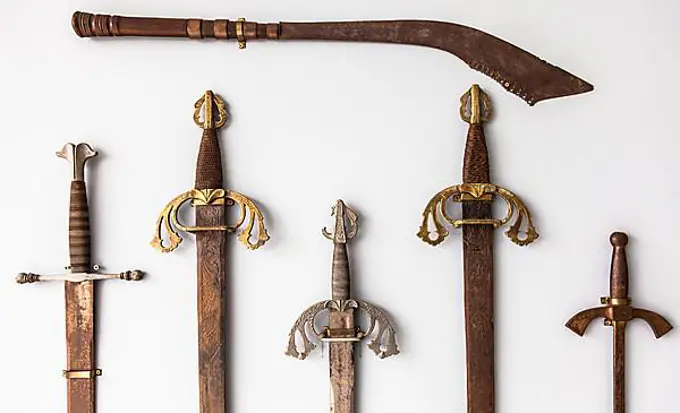
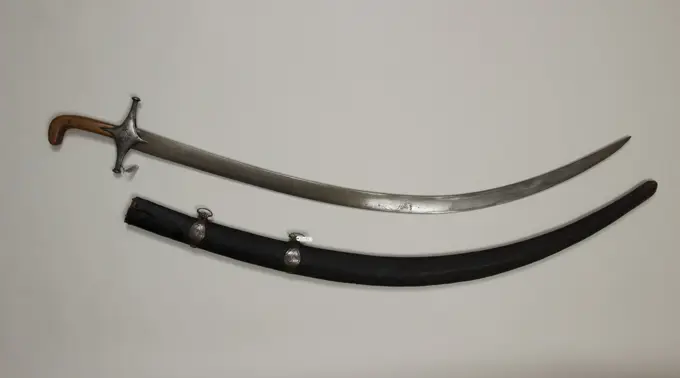
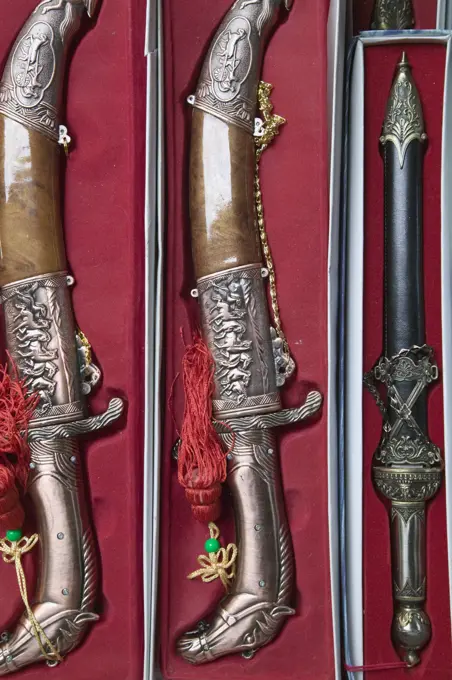
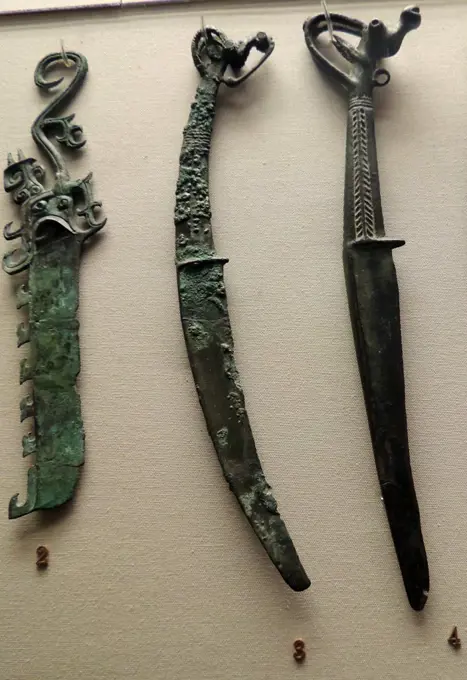
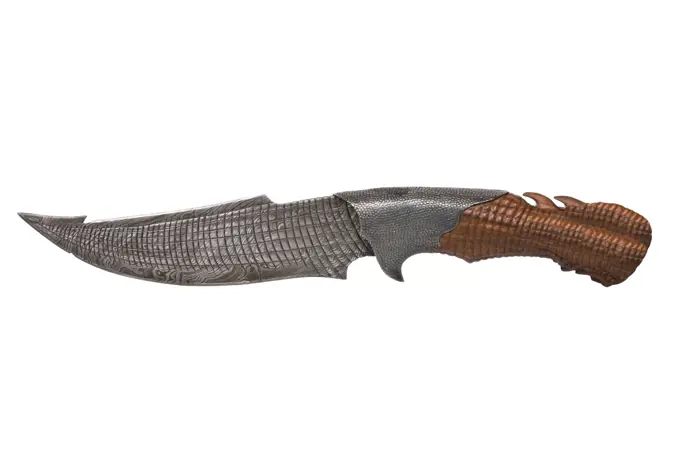
Diverse collection of ornate daggers and swords from various cultures, including Persian and Indian influences, showcasing intricate designs and historical significance.

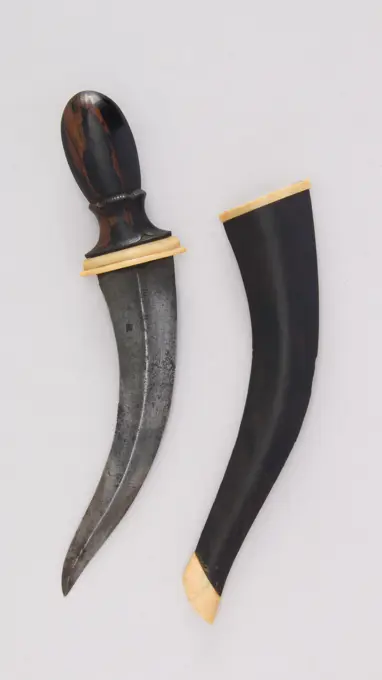
Dolk Aceh War, Anonymous, 1916 dagger Dagger with sheath. The sheath is made of black leather and has a steel word juice with a round carrier button. At the bottom of the dagger steel batter with a copper button. The dagger has a steel one -cut blade that ends in a somewhat curved point. The hilt has a downwarmed shell -shaped pare heart. The handle is made of wood in which three oval -shaped copper nails are stuck. The handcap is made of copper. Indonesia word of cracker, batter, blade: steel (alloy). Parear heart, handwood: copper (metal). Handle: Wood (Plant Material)   Aceh
Dolk Aceh War, Anonymous, 1916 dagger Dagger with sheath. The sheath is made of black leather and has a steel word juice with a round carrier button. At the bottom of the dagger steel batter with a copper button. The dagger has a steel one -cut blade that ends in a somewhat curved point. The hilt has a downwarmed shell -shaped pare heart. The handle is made of wood in which three oval -shaped copper nails are stuck. The handcap is made of copper. Indonesia word of cracker, batter, blade: steel (alloy). Parear heart, handwood: copper (metal). Handle: Wood (Plant Material) Aceh
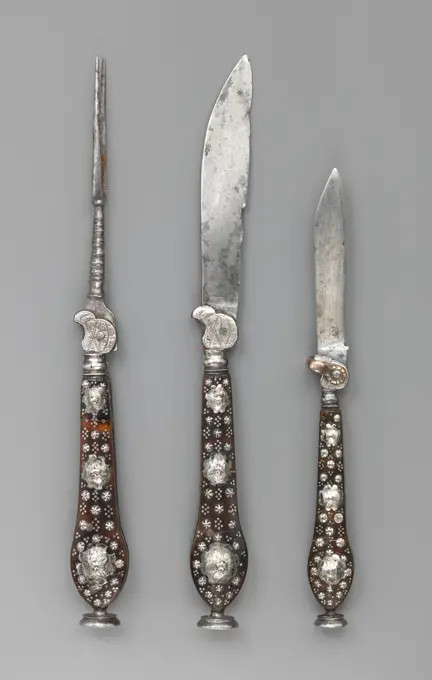
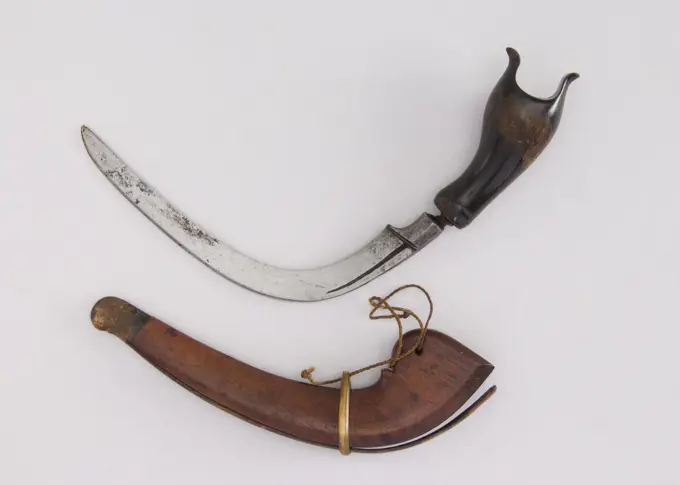
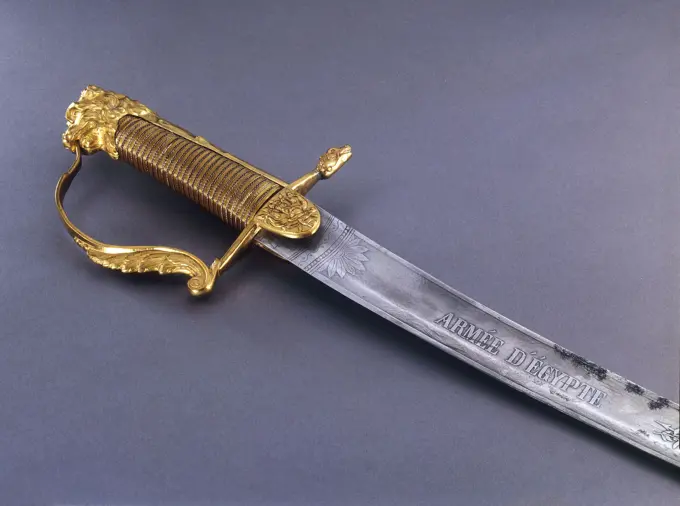
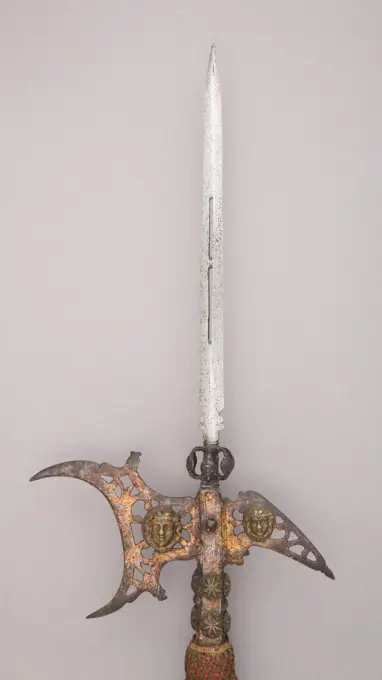
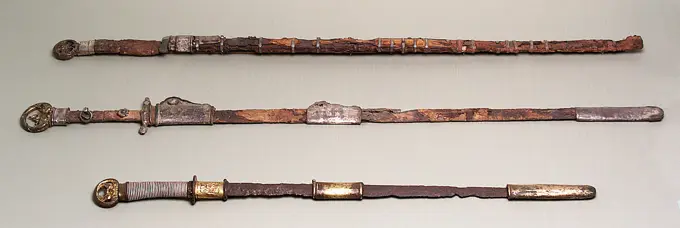
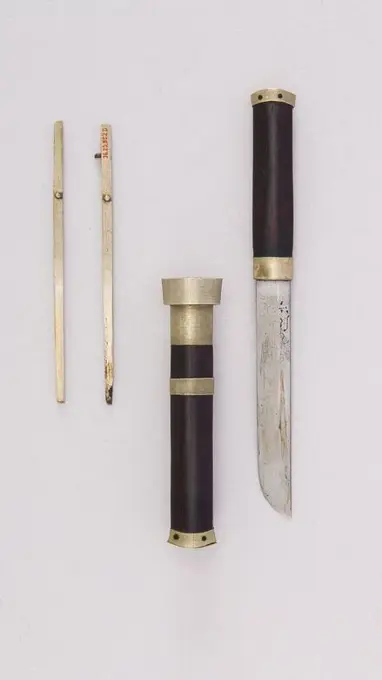
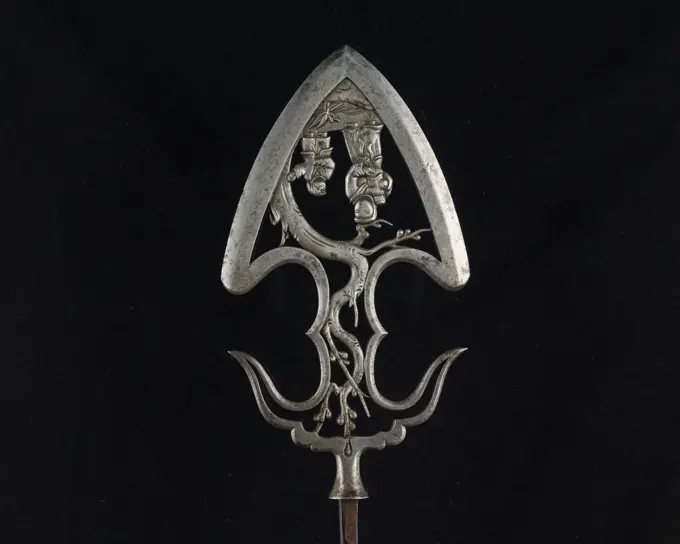
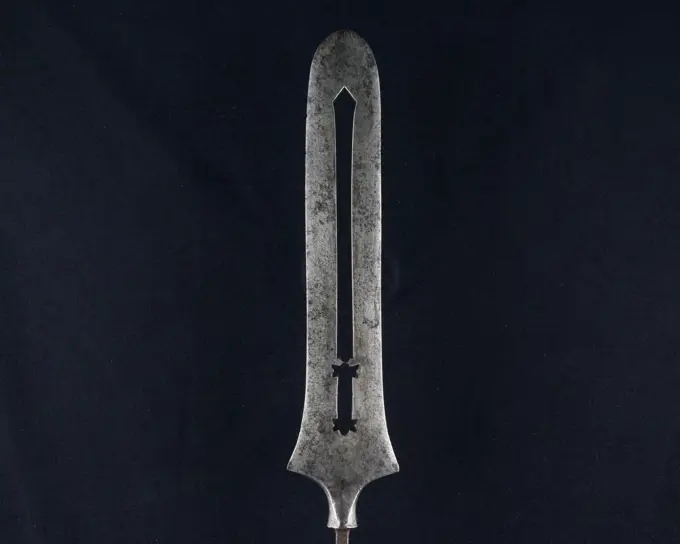
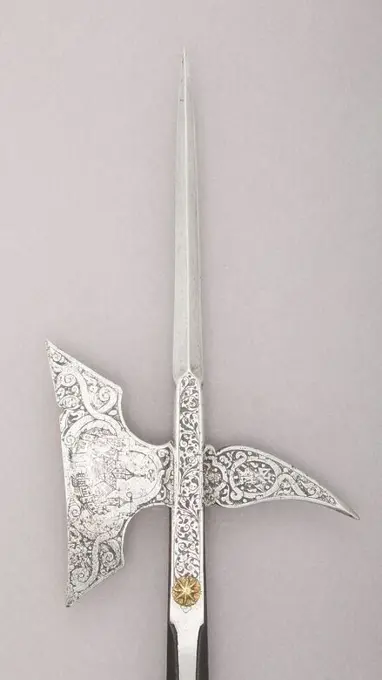
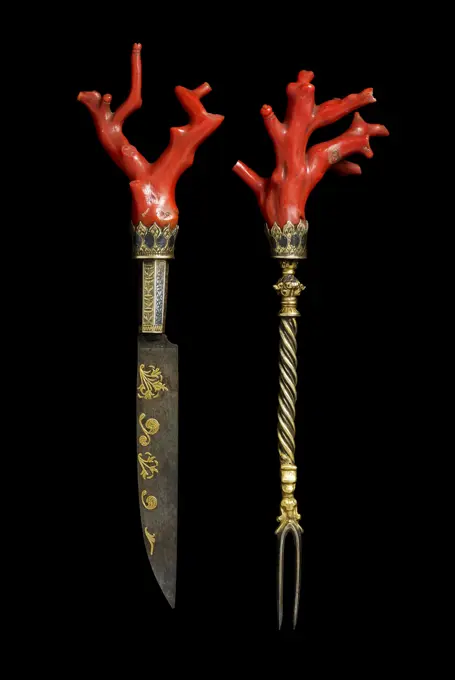
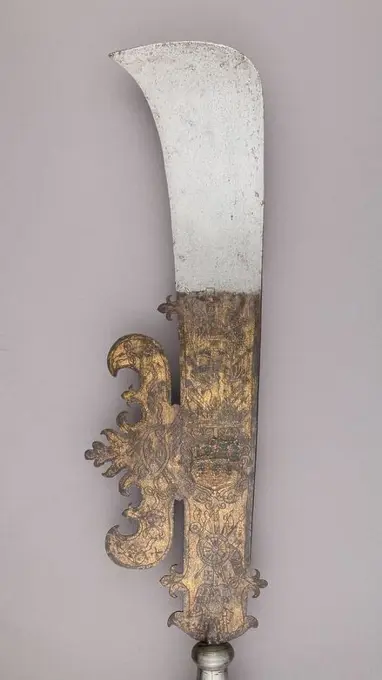
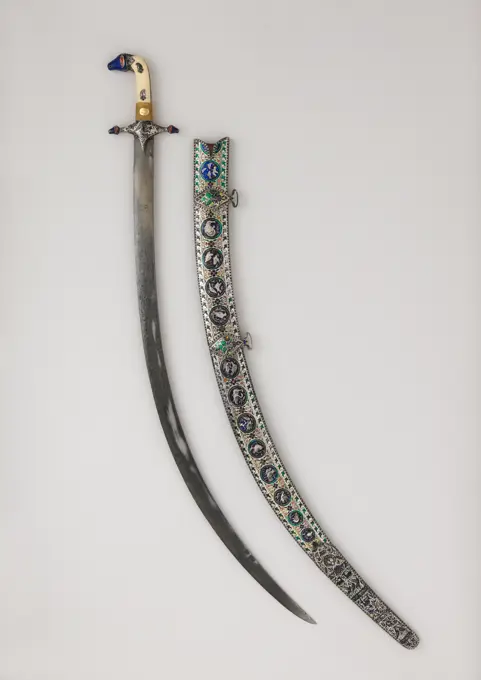
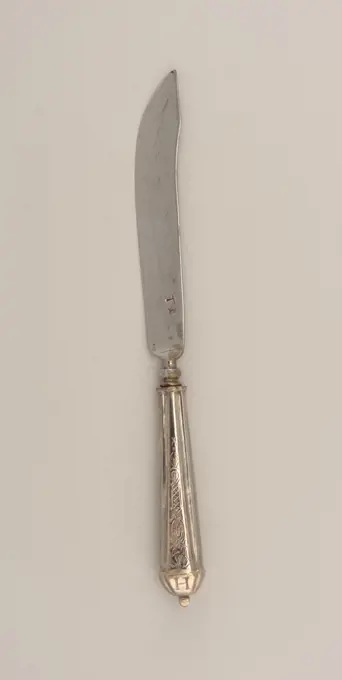
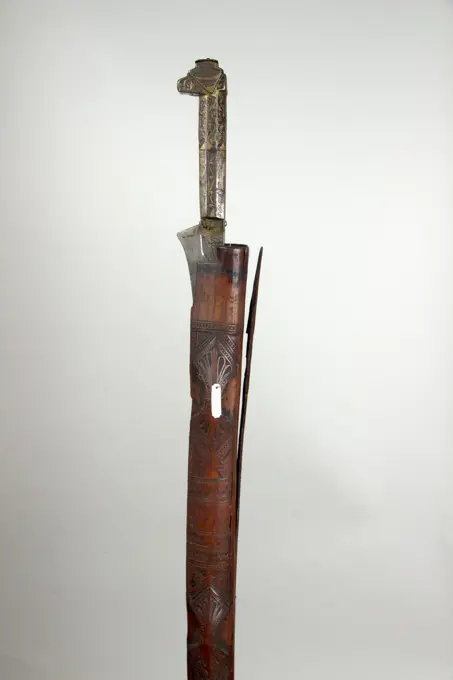
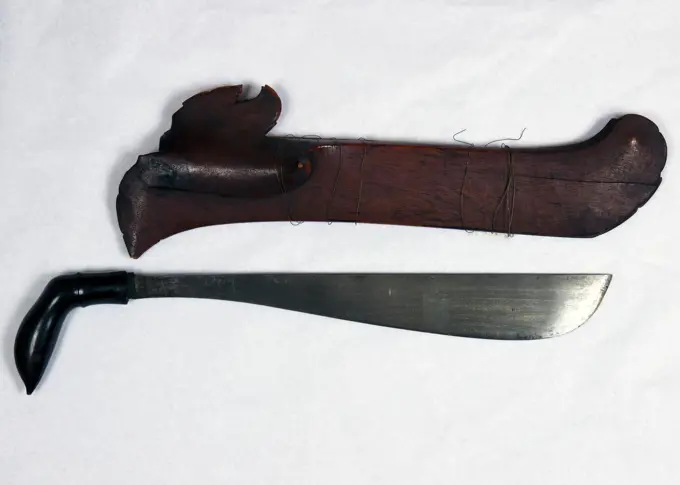
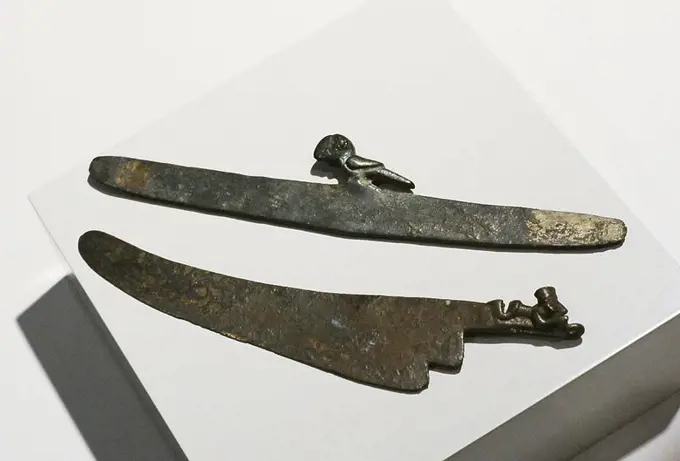
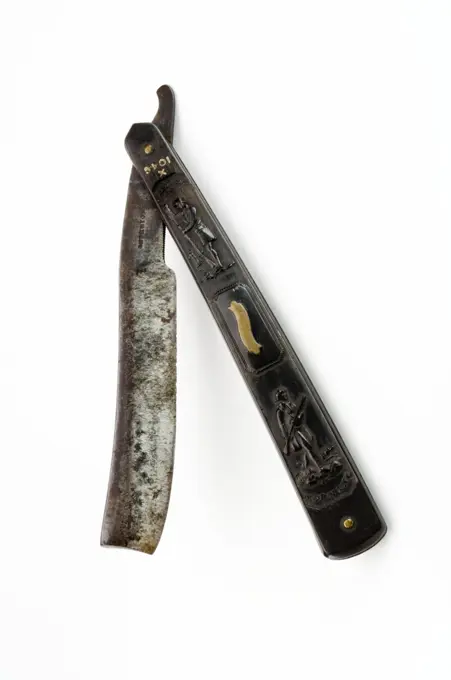
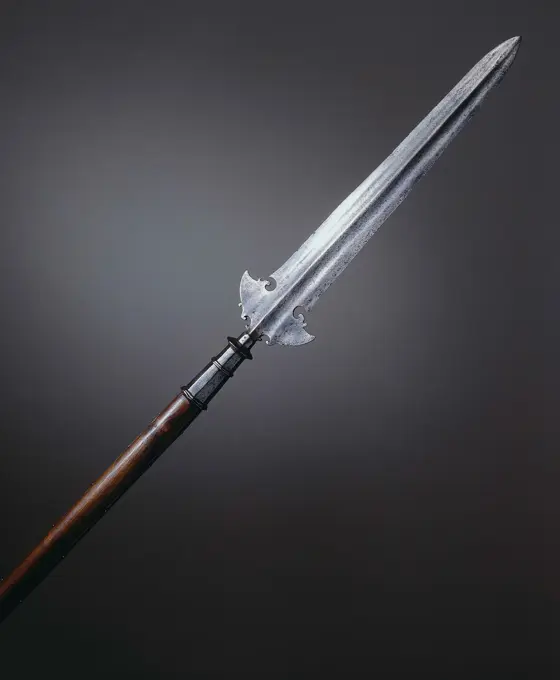
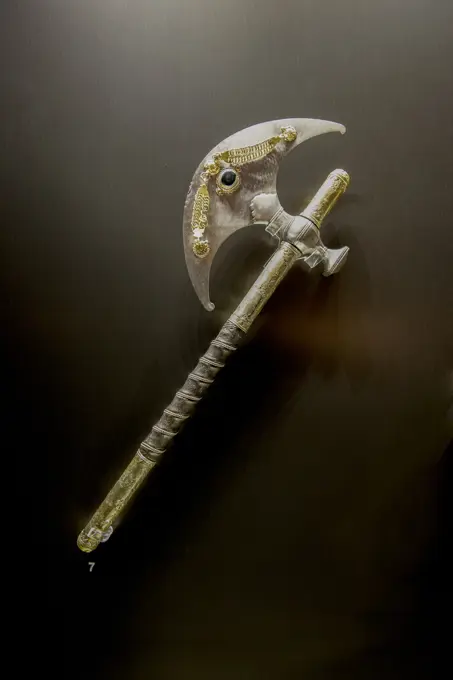
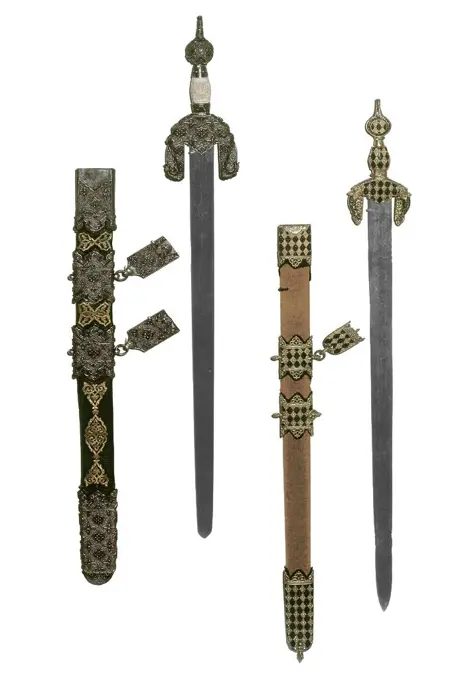
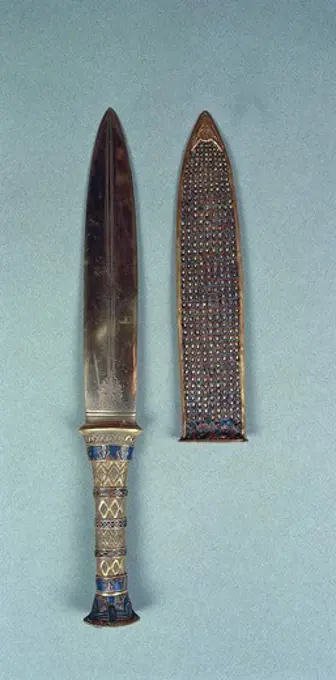
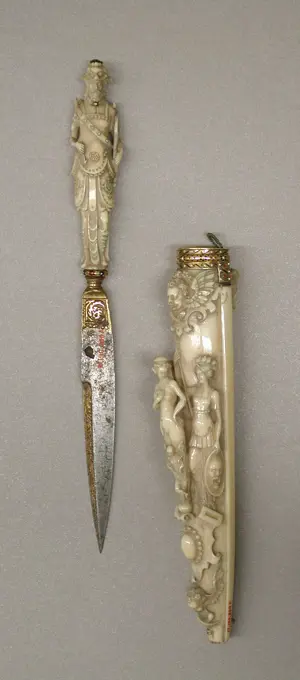
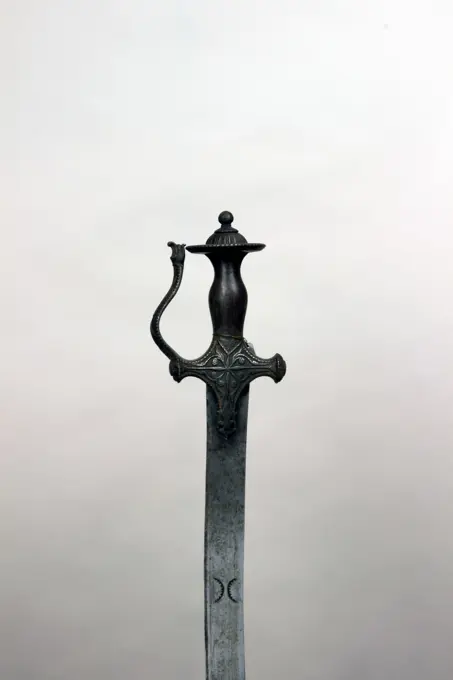
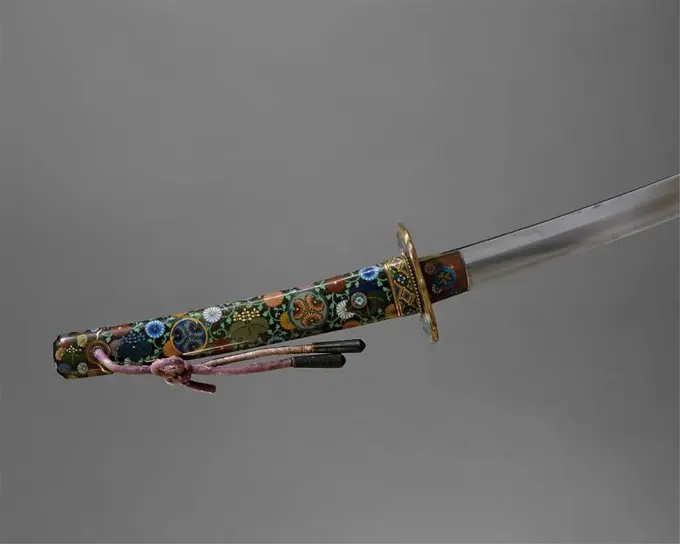
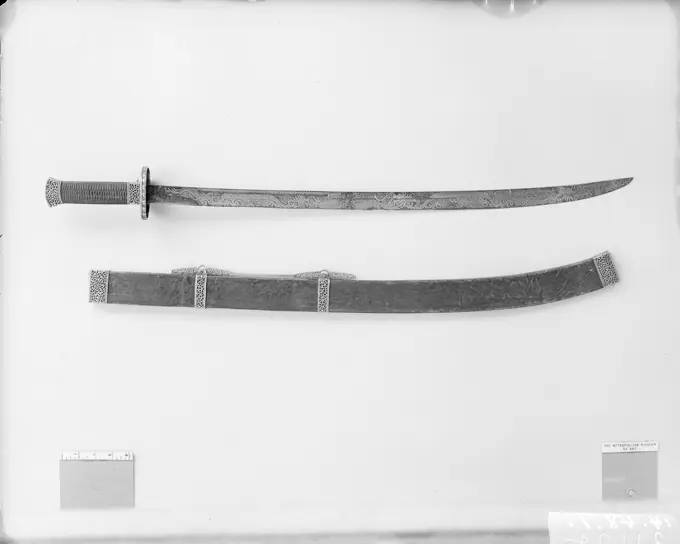
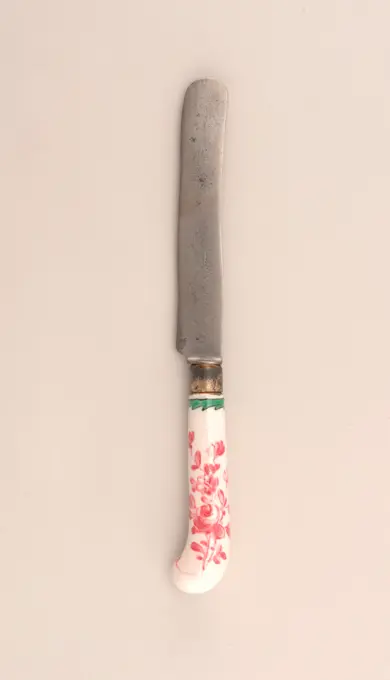
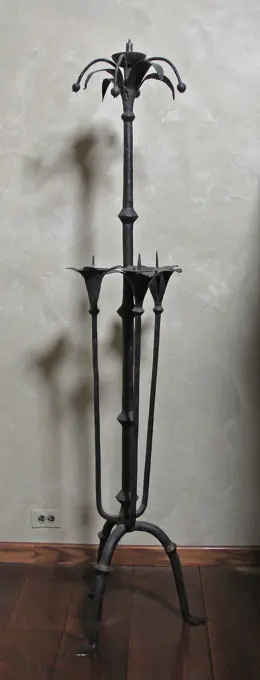
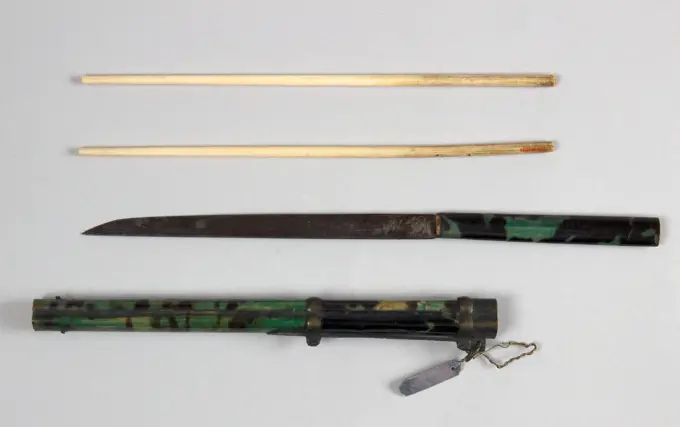
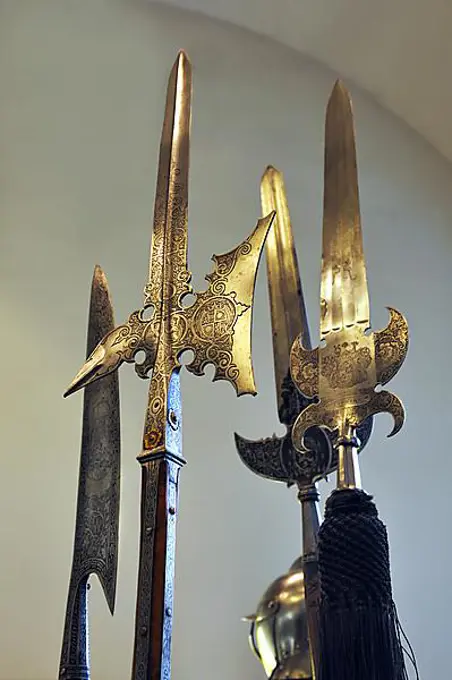
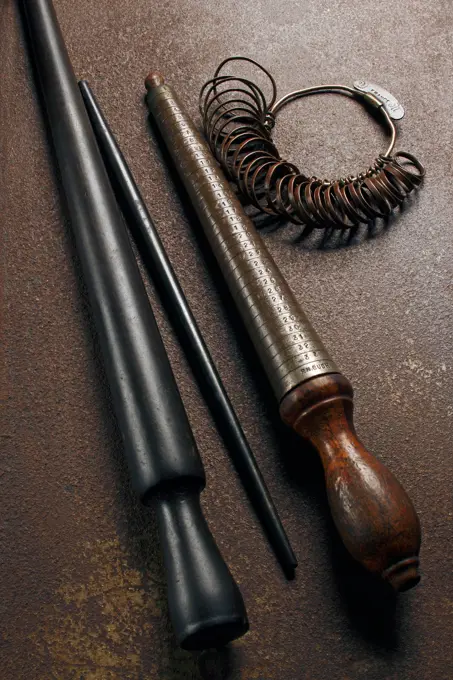
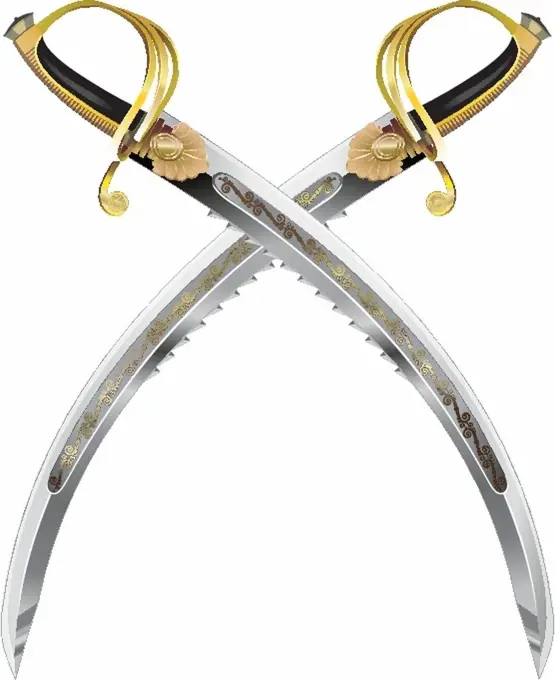
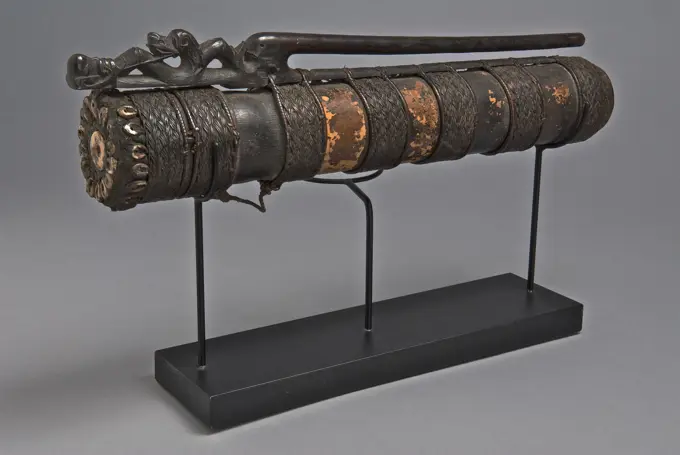
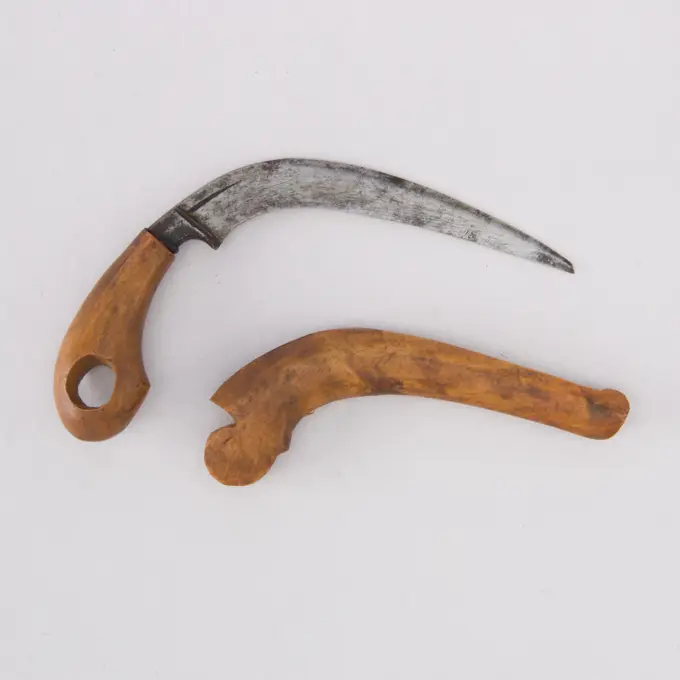
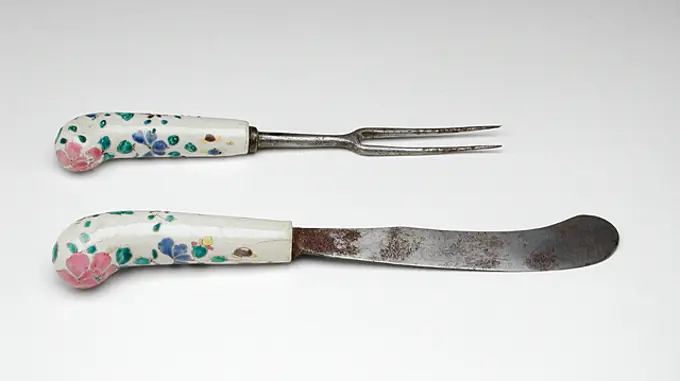
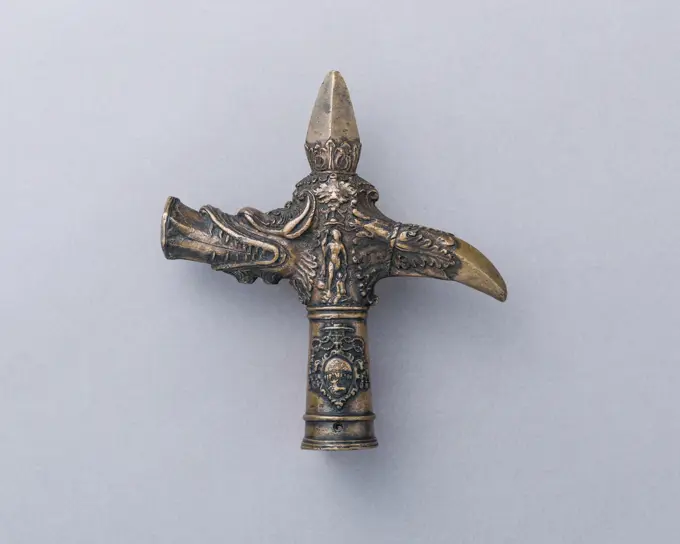
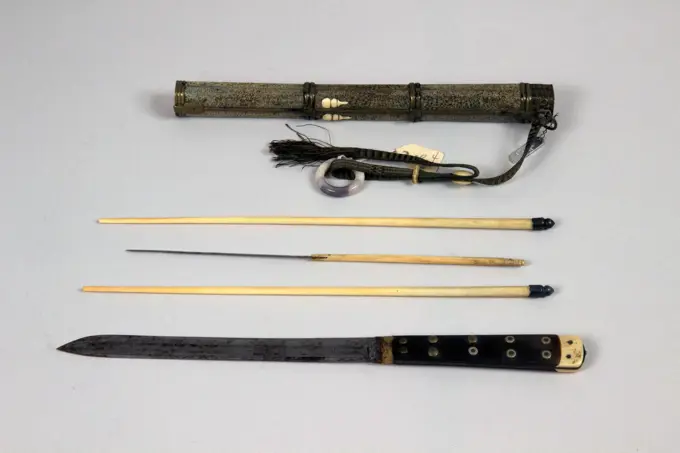
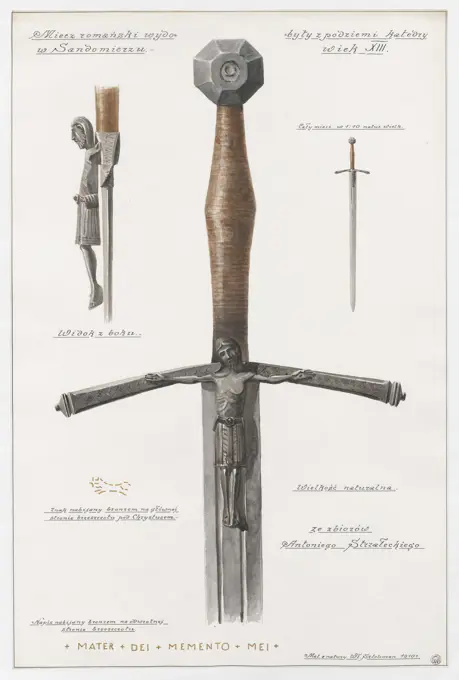
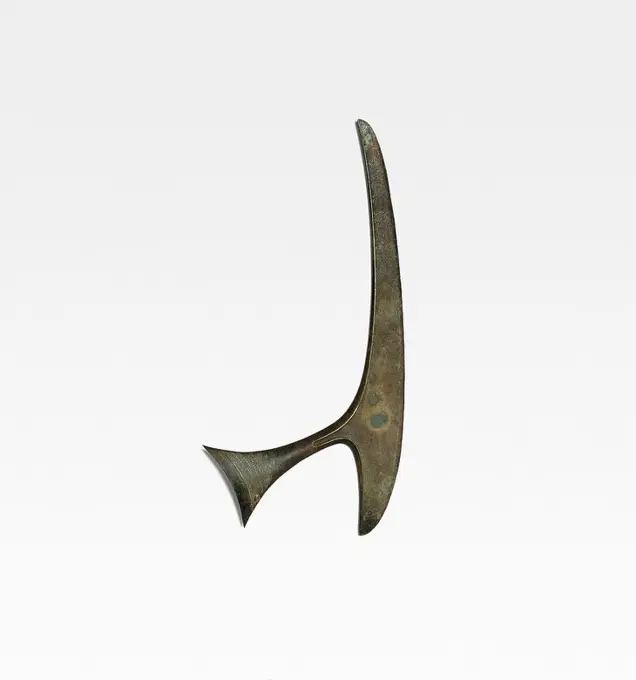
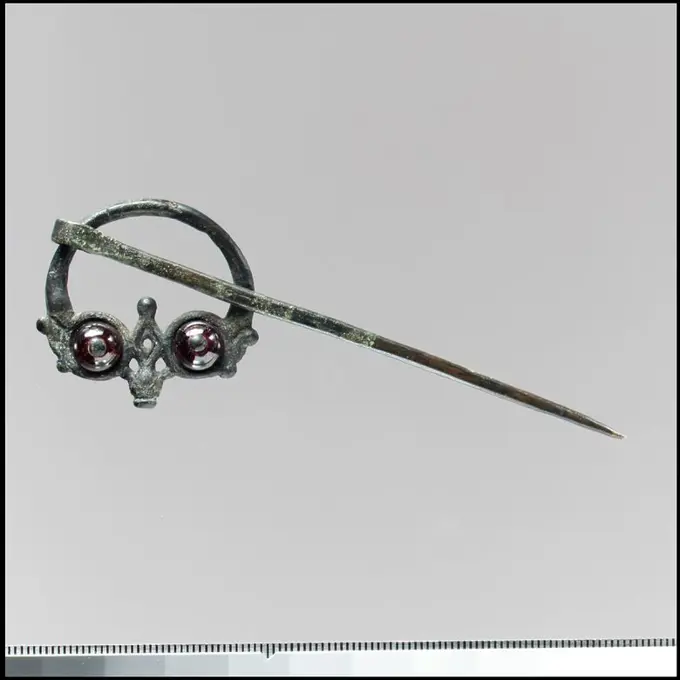
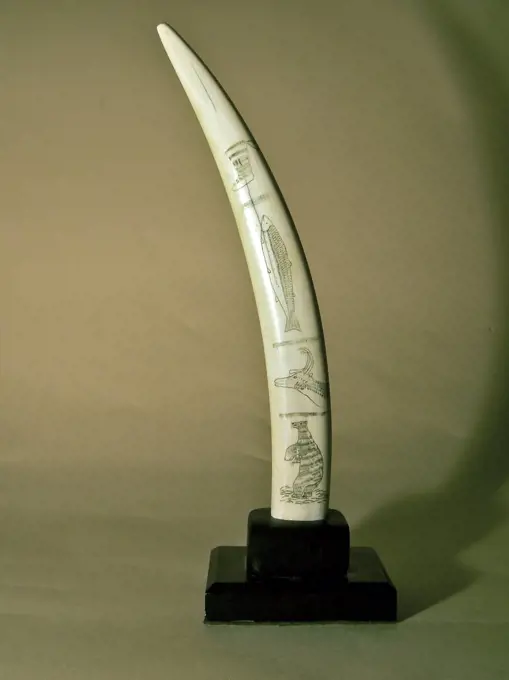
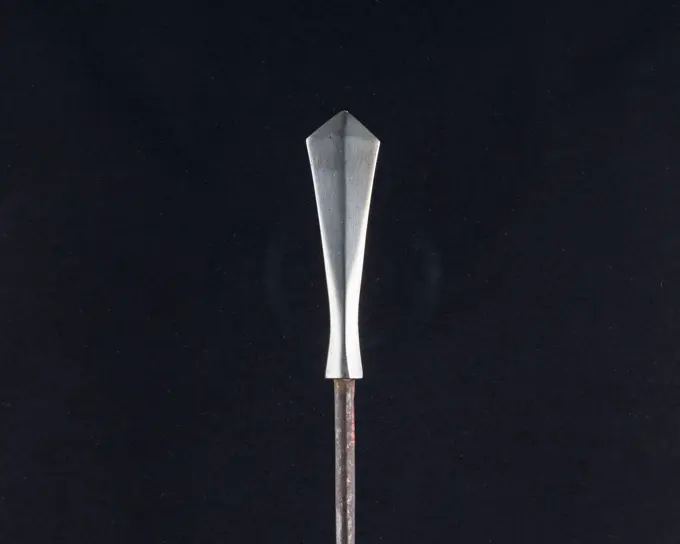
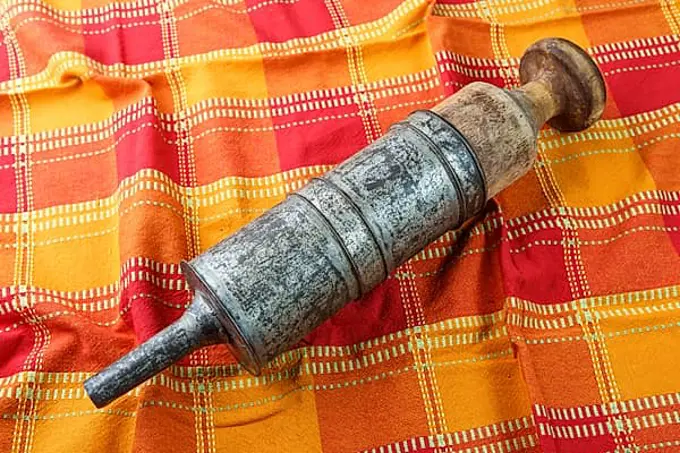
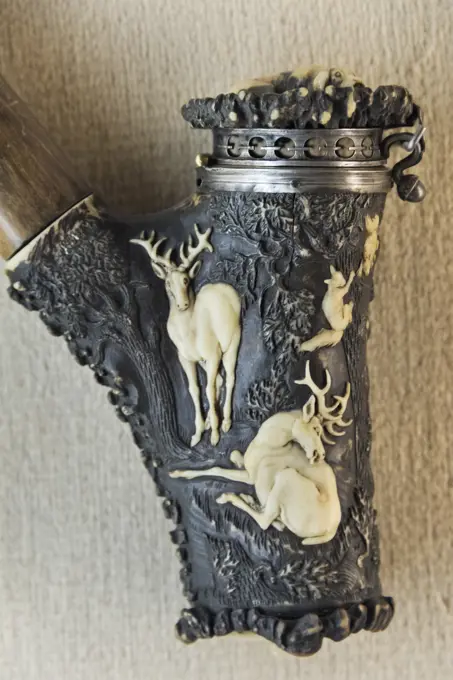
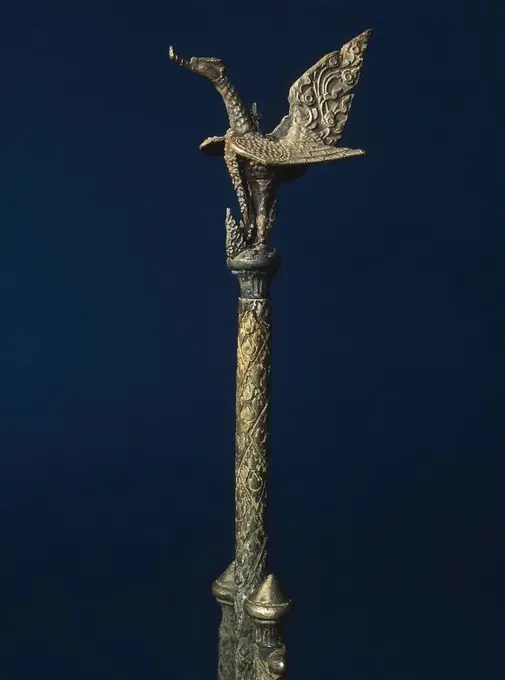
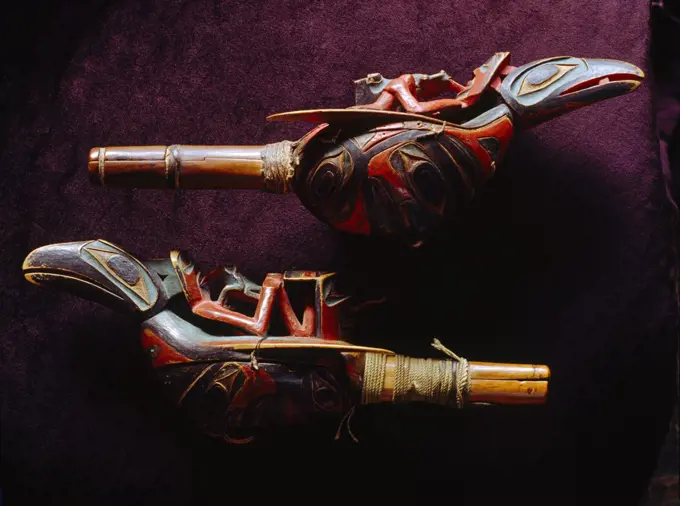
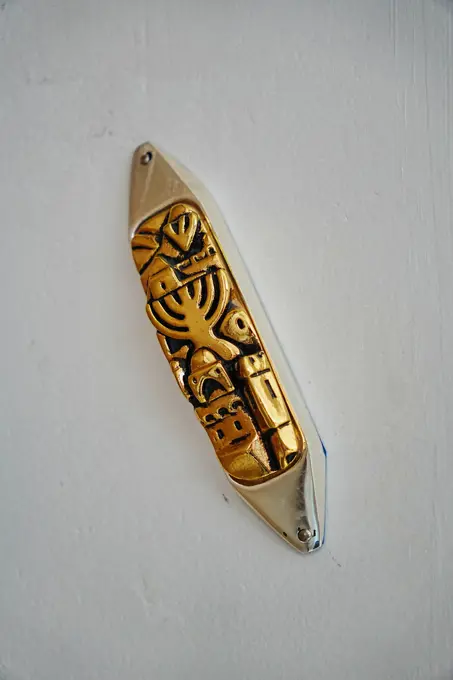
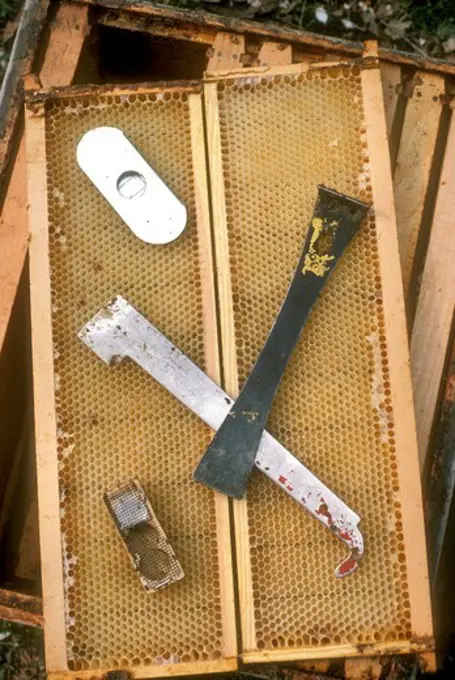
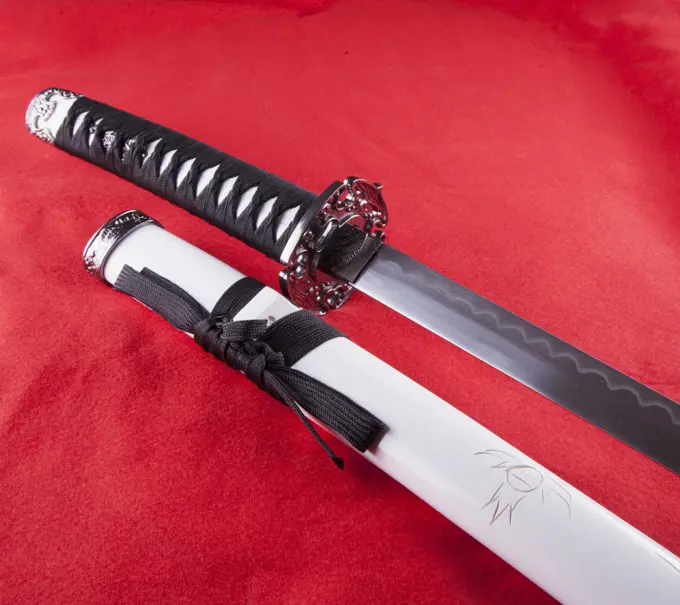
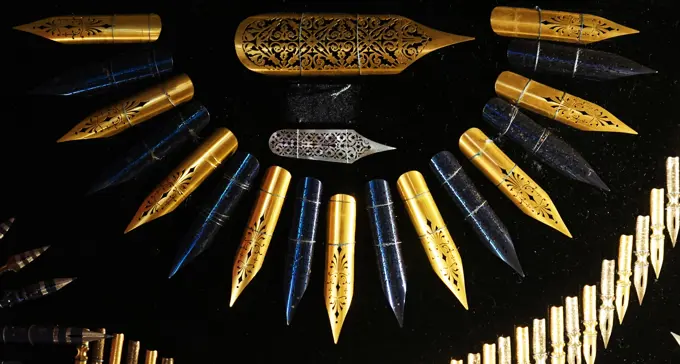
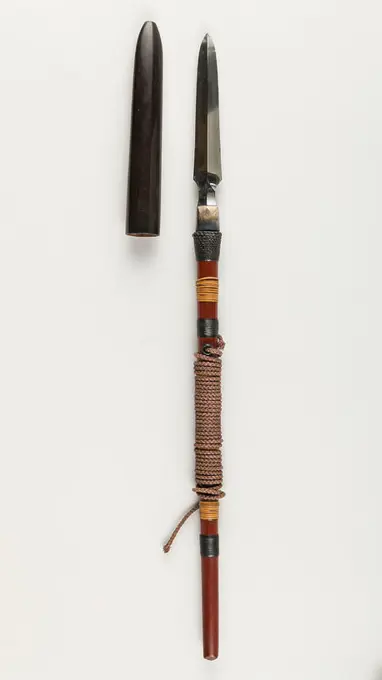
Hand Spear (Nage-yari) or Javelin (Te-yari) with Sheath. Culture: Japanese. Dimensions: L. (of blade excluding habaki) 4 23/32 in. (12.0 cm)L. overall excluding sheath 17 3/4 in. (45.1 cm). Date: 17th century. Museum: Metropolitan Museum of Art, New York, USA.Knife, fork, and pen knife 17th century German, Saxony. Knife, fork, and pen knife. German, Saxony. 17th century. Steel, tortoiseshell (or horn), silver. Metalwork-SteelKnife (Korambi) with Sheath 18th-19th century Indonesian, Sulawesi. Knife (Korambi) with Sheath 31659Sabre of General Napoleon Bonaparte ,C18Halberd ca. 1575 Italian. Halberd 26779Sword with Scabbard Mounts 6th century Japanese Ancient Japanese swords and swords imported from Asian mainland in ancient times are classified on the basis of the interpretation of their pommels, here interpreted in the form of an archaic lion (shishikami or shikami) whose upper jaw forms the lower edge of the pommel which borders to the hilt. Most such hilts were excavated in eastern Japan, primarily in Shizuoka and Gunma Prefectures, and the fact that no such specimen have yet been discovered in western Japan and Korea suggests that we are facing here an indigenous and rather local pommel interpretation.. Sword with Scabbard Mounts 23352Przeszo Przyszoci unknownCup-Hilted Rapier blade, German, Solingen; hilt, Spanish 17th century The rapier was the principal civilian sidearm throughout the sixteenth and seventeenth centuries. Designed for cut-and-thrust fencing of progressively complex techniques, the rapier is characterized by a double-edged blade with an acute point and an elaborate guard for the hand. The guards, usually of iron or steel, were subject to a variety of embellishment. They were engraved, chiseled, gilded, damascened, and encrusted in gold and silver in keeping with fashionable styles. Unless otherwise noted, the materials, attributions, and dating given here refer to the hilts. Rapier blades, invariably of steel, bear a variety of makers marks denoting their origin in the two principal centers of blademaking, Toledo in Spain and Solingen in Germany. View more. Cup-Hilted Rapier. blade, German, Solingen; hilt, Spanish. 17th century. Steel, wood, iron wire. SwordsKnife with Sheath and Chopsticks. Culture: Korean. Dimensions: Knife (a); L. with sheath 5 5/8 in. (14.3 cm); L. without sheath 5 1/2 in. (14 cm); W. 9/16 in. (1.4 cm); Wt. 0.7 oz. (19.8 g); sheath (b); Wt. 0.9 oz. (25.5 g); chopsticks (c, d); L. 3 5/8 in. (9.2 cm); W. 1/8 in. (0.3 cm); Wt. 0.2 oz. (5.7 g). Date: 19th century. Museum: Metropolitan Museum of Art, New York, USA.Arrowhead (Yanone) dated 17th century Japanese Although today Japanese warriors are renowned most for their swordsmanship, archery, especially from horseback, has been an essential part of samurai warfare and culture for centuries. Arrows were fitted with heads of varying shape according to their intended use in war, the hunt, or target practice. Arrowheads made for use on the battlefield incorporated different designs intended for specialized purposes such as the piercing of armor or to cause maximum damage to horses and unarmored personnel.Large arrowheads, pierced and elaborately chiseled with landscapes, birds, flowers, dragons, and Buddhist divinities, were created to be admired for the beauty of their metalwork and design rather than for use in archery. Such highly elaborate examples may have been made for presentation or as a votive offerings to a shrine.. Arrowhead (Yanone). Japanese. dated 17th century. Steel. Kyoto. Archery Equipment-ArrowheadsArrowhead (Yanone) 18th century Japanese Although today Japanese warriors are renowned most for their swordsmanship, archery, especially from horseback, has been an essential part of samurai warfare and culture for centuries. Arrows were fitted with heads of varying shape according to their intended use in war, the hunt, or target practice. Arrowheads made for use on the battlefield incorporated different designs intended for specialized purposes such as the piercing of armor or to cause maximum damage to horses and unarmored personnel.Large arrowheads, pierced and elaborately chiseled with landscapes, birds, flowers, dragons, and Buddhist divinities, were created to be admired for the beauty of their metalwork and design rather than for use in archery. Such highly elaborate examples may have been made for presentation or as a votive offerings to a shrine.. Arrowhead (Yanone). Japanese. 18th century. Steel. Archery Equipment-ArrowheadsHalberd. Culture: Italian. Dimensions: L. 98 in. (248.9 cm); L. of head 15 1/8 in. (38.4 cm); W. 8 5/8 in. (22 cm); Wt. 3 lbs. 12 oz. (1701 g). Date: ca. 1580. Museum: Metropolitan Museum of Art, New York, USA.Fork, from a two-piece cutlery set, late 16th century, 8 x 2 1/2 x 1 1/4 in. (20.32 x 6.35 x 3.18 cm), Coral, brass, niello, silver, iron, gold, Italy, 16th centuryFauchard. Culture: Italian, Venice. Dimensions: L. 9 ft. 6 1/4 in. (290.2 cm); L. of head 38 in. (96.5 cm); W. 10 in. (25.4 cm); Wt. 13 lbs. 7.5 oz. (6109.3 g). Date: early 17th century. Museum: Metropolitan Museum of Art, New York, USA.Dagger and Scabbard, 1800s. Metal; overall: 42.5 cm (16 3/4 in.); hilt: 6.4 cm (2 1/2 in.); scabbard: 31.2 cm (12 5/16 in.).Saber (Shamshir) with Scabbard hilt and scabbard, dated 1819; blade, 18th century probably Indian; hilt and scabbard, Indian, probably Lucknow The grip bears a gold plaque indicating that this saber was presented in 1819 to Captain Hugh Caldwell of the Bengal Army by his commander. The saber is mounted in engraved and enameled silver typical of Lucknow, where a distinctive school of enameled metalwork flourished starting in the late eighteenth century. The colorful zoomorphic decoration includes a pommel and tips of the guard formed as rams heads.. Saber (Shamshir) with Scabbard 31128Dinner Knife, silver, steel, Saber-shaped blade with concave bolster. Tapered silver handle with segmented panels to form rectangular profile. Front and back panels chased with decorative pattern fluted end with raised knop. Handle engraved at end with 'A' (converse) and 'H' (reverse)., possibly Germany, ca. 1730-40, cutlery, Decorative Arts, knife, knifeSword (Flyssa) with Scabbard 18th-19th century Algerian, Kabyle. Sword (Flyssa) with Scabbard. Algerian, Kabyle. 18th-19th century. Steel, brass, wood, iron. SwordsKnife (Parang) with Sheath 18th-19th century Malayan. Knife (Parang) with Sheath. Malayan. 18th-19th century. Horn, wood. KnivesCuchillo ceremonial decorado con figura humana. Bronce. Perú. Cuchillo ceremonial decorado con figura de pájaro. Plata Baja. Cultura Chimú, Período Intermedio Tardío (1100-1400 d. C.). Perú. Museo de América. Madrid. España.Dagger (Jambiya) with Sheath 18th-19th century Bornean. Dagger (Jambiya) with Sheath 31658Lord Nelson's razor, made of horn and steel.Arrow Head, 1600s. Japan, Edo period (1615-1868). Iron; overall: 28.6 cm (11 1/4 in.).Partican. Partican with serrated wings. Ring ornament. Round stick with two springs (33.5 cm). NOTE on the shaft. Condition good.Topkapi Museum pieces. Istanbul. Turkey.ESPADA Y VAINA DE BOABDIL O MUHAMMAD V (1459/1528) - ULTIMO REY MORO DE GRANADA. Location: ALCAZAR / MUSEO DEL EJERCITO-COLECCIÓN. Toledo. SPAIN.Dagger of the king containing semi-precious stones, with fox's head on top, from Treasure of TutankhamenKnife with Sheath early 19th century French, Dieppe. Knife with Sheath. French, Dieppe. early 19th century. Steel, ivory, diamond, ruby, enamel, gold. Dieppe. KnivesSword (Talwar) 18th-19th century Indian. Sword (Talwar). Indian. 18th-19th century. Steel, silver. SwordsBlade and Mounting for a Sword (Katana). Culture: Japanese. Dimensions: L. 43 1/4 in. (109.8 cm); L. of blade 35 15/16 in. (91.2 cm); L. of cutting edge 27 1/2 in. (69.9 cm); D. of curvature 5/8 in. (1.65 cm). Date: blade, 16th century; mounting, mid-late 19th century. Museum: Metropolitan Museum of Art, New York, USA.Spanish sword collection detail, sigle XVISaber (Peidao) with Scabbard late 18th-19th century Chinese. Saber (Peidao) with Scabbard 35726Sword (Shamshir) with Scabbard 19th century Persian. Sword (Shamshir) with Scabbard. Persian. 19th century. SwordsBosnia-Hercegovina - Mostar. Old Town Mostar Market- Souvenir Ottoman Era SwordsKnife (France); steel, tin-glazed earthenware (faience), brass; L x W: 20.3 x 1.8 cm (8 x 11/16 in.); The Robert L. Metzenberg Collection, gift of Eleanor L. Metzenberg; 1985-103-184One of a Pair of Candelabra 15th century French or Spanish. One of a Pair of Candelabra. French or Spanish. 15th century. Iron. Metalwork-IronKnife with Sheath and Chopsticks (Trousse) 18th-19th century Chinese. Knife with Sheath and Chopsticks (Trousse). Chinese. 18th-19th century. Steel, wood, brass, ivory. KnivesBronze knives with various heads. Shang Dynasty 11th-12th century.Hunting knife Illustration of a shiny new hunting knife Copyright: xZoonar.com/PaulxFleetx 812289Halberds, 16th Century, Bavarian National Museum, Prinzregentenstrasse 3, Munich, Bavaria, Germany, EuropePhoto of cold weapon on black backgroundOld tools, goldsmith s handmaid tools Copyright: xAnilxDave/DinodiaxPhotoxTwo crossbones pirate swordsPoison DartQuiverKnife (Korambi) with Sheath 18th-19th century Indonesian, Sulawesi. Knife (Korambi) with Sheath 31647Isolated Eastern Curved Dagger Or Sword An Isolated Middle-Eastern Curved Dagger Or Knife Or Weapon Copyright: xZoonar.com/RoyxHendersonx 22266337Arrowhead (Yanone). Culture: Japanese. Dimensions: L.17 in. (43.2 cm); L. of head 7 7/8 in. (20 cm); W. 1 in. (2.5 cm); Wt. 3.4 oz. (96.4 g). Date: 18th century. Museum: Metropolitan Museum of Art, New York, USA.Jagdmesser Table Top Copyright: xZoonar.com/Teamarbeitx 109664Arrowhead (Yanone). Culture: Japanese. Dimensions: L. 9 in. (22.9 cm); L. of head 3 1/4 in. (8.3 cm); W. 2 1/2 in. (6.4 cm); Wt. 1.7 oz. (48.2 g). Date: 18th century. Museum: Metropolitan Museum of Art, New York, USA.Hellebaard with fragment from Stok, Anonymous, c. 1590 - c. 1596 Halberd Hellebaard with fragment from Stok.  wood (plant material). iron (metal) cutting / forging  Nova Zembla. Saving HuysCannonball with barely visible casting seam, anonymous, c. 1590 - c. 1596 bullet (ammunition) Cannonball for cannon of 3 lb. The casting seam is hardly visible.  iron (metal) casting  Nova Zembla. Saving HuysRoman swords, 1st cent.Knife as a cold piercing and cutting weapon for a self-defenseknife on a white backgroundSmart dagger Smart dagger of the medieval soldier. It was used for hunting Copyright: xZoonar.com/VALERY-SIBRIKOVx 20043163dagger Smart dagger of the medieval soldier. It was used for hunting Copyright: xZoonar.com/ValeryxxSibrikovx 2421231Knife and Fork. England, Staffordshire, circa 1750. Furnishings; Serviceware. Salt-glazed stonewareHead of a Ceremonial War Hammer ca. 1550 or later probably Italian Although complete with a hammer and beak on the sides and a short spike on the top like many steel war hammers, this cast bronze example was designed to be used in a civic or religious ceremony as a symbol of authority, not as a weapon.. Head of a Ceremonial War Hammer. probably Italian. ca. 1550 or later. Bronze. Shafted WeaponsKnife with Sheath, Chopsticks, Pickle Spear and Toothpicks 18th-19th century Chinese. Knife with Sheath, Chopsticks, Pickle Spear and Toothpicks 31577Romanesque sword discovered among the foundations of the cathedral of Sandomierz, from the collection of Antoni Strzałecki ; drawing for the publication: Dominika Jeżewskiego Skarbiec Zabytków Polskich znajdujących się w prywatnych zbiorach Warszawy, malo. Sztolcman, Władysław Roman (1873-1950), painterCrescent-Shaped Ax Head (Chandrasa). Culture: Indonesia. Dimensions: Approx. L. 24 in. (61 cm). Date: ca. 500 B.C.-A.D. 300.The flamboyant curved blade and asymmetrically placed splayed socket of this piece are typical of works from Java and Sulewasi, produced in full size and as miniatures, and used as funerary gifts and for ceremony and display. Axes are often carried by the feathered warriors depicted on drums and situlae from the Dongson culture of Vietnam, and late Dongson ax heads with pediform or boat-like shaped are other thought to have provided prototypes for the exaggerated examples produced in Indonesia. Museum: Metropolitan Museum of Art, New York, USA.Penannular Brooch. Culture: Irish. Dimensions: Overall: 1 7/16 x 8 11/16 x 1/4 in. (3.6 x 22 x 0.6 cm). Date: 9th century. Museum: Metropolitan Museum of Art, New York, USA.Early eskimo scrimshaw on a walrus tusk. The scrimshander has depicted a polar bear, a reindeer, a fish, a snowboot, an eskimo wearing skins, a hooded eskimo and a seabird.Arrowhead (Yanone) 18th century Japanese Although today Japanese warriors are renowned most for their swordsmanship, archery, especially from horseback, has been an essential part of samurai warfare and culture for centuries. Arrows were fitted with heads of varying shape according to their intended use in war, the hunt, or target practice. Arrowheads made for use on the battlefield incorporated different designs intended for specialized purposes such as the piercing of armor or to cause maximum damage to horses and unarmored personnel.Large arrowheads, pierced and elaborately chiseled with landscapes, birds, flowers, dragons, and Buddhist divinities, were created to be admired for the beauty of their metalwork and design rather than for use in archery. Such highly elaborate examples may have been made for presentation or as a votive offerings to a shrine.. Arrowhead (Yanone). Japanese. 18th century. Steel. Archery Equipment-ArrowheadsOld kitchen tools for the production of meat products, filling sausagesBeautiful hunting knife on a white backgroundCarved ivory pipe in Trakai Island Castle, Lithuania'Khamsa Bird (Khong)'. Siam (now Thailand), 19th century. Dimensions: h. 29,5 cm. Museum: State Hermitage, St. Petersburg.Pair of Tlingit Raven rattles in the museum collection of Sitka National Historical Park, Sitka, Alaska.Mesusa Aktive Synagoge Bochum Mesusa Aktive Synagoge Bochum Copyright: xZoonar.com/HGVorndranx 22246353Beekeeping Tools Gillette, New JerseyKatana with white custody over red background, horizontal imagePen nibs manufactured in Birmingham England circa 1880