Historical Weaponry

A range of antique weapon parts and accessories, including swords and decorative blades, showcasing intricate craftsmanship and historical significance.

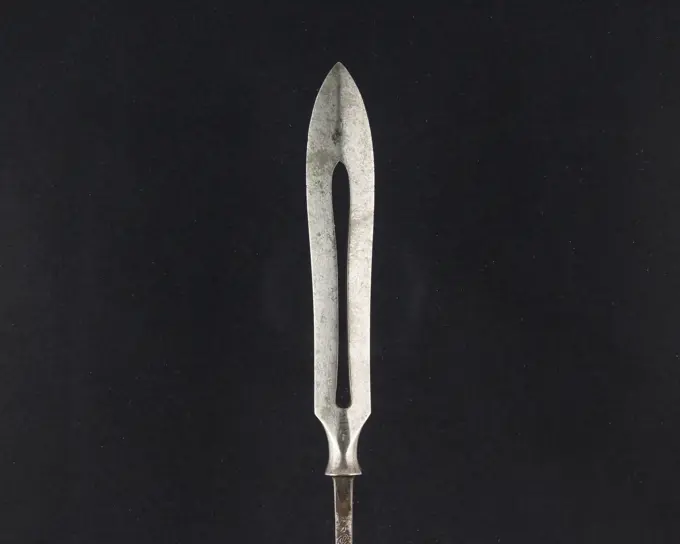
Iron blade of a double -edged sword, anonymous, c. 1300 - c. 1400  Iron blade of a double -edged sword, without a blood channel. The handle is missing. The blade has a sting, which contains a hole to confirm the handle. Some letters inlaid on either side of the blade in brass. According to tradition, dredged in the river near Sliedrecht. Netherlands iron (metal). brass (alloy)   Sliedrecht
Iron blade of a double -edged sword, anonymous, c. 1300 - c. 1400 Iron blade of a double -edged sword, without a blood channel. The handle is missing. The blade has a sting, which contains a hole to confirm the handle. Some letters inlaid on either side of the blade in brass. According to tradition, dredged in the river near Sliedrecht. Netherlands iron (metal). brass (alloy) Sliedrecht
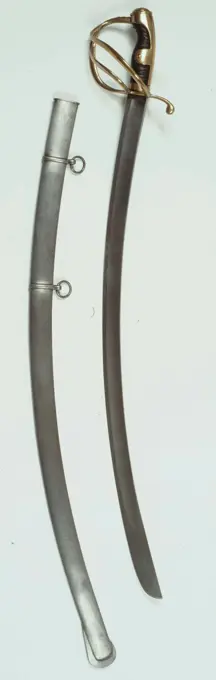
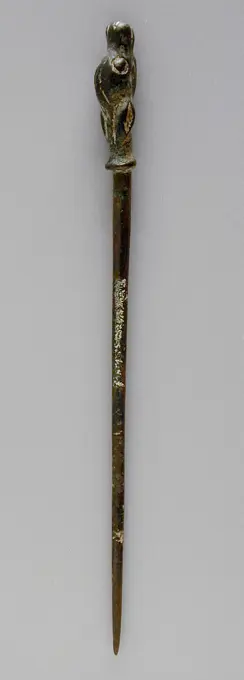
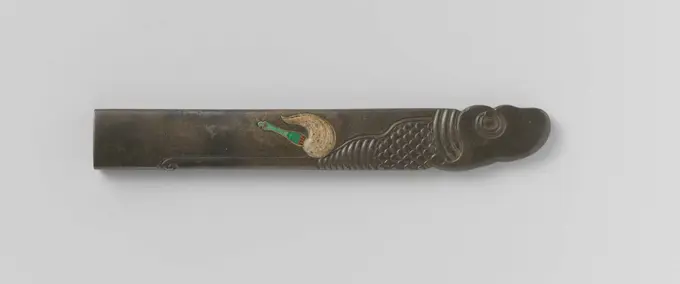
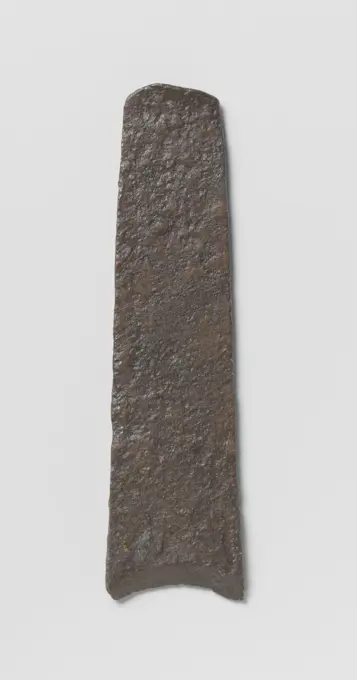
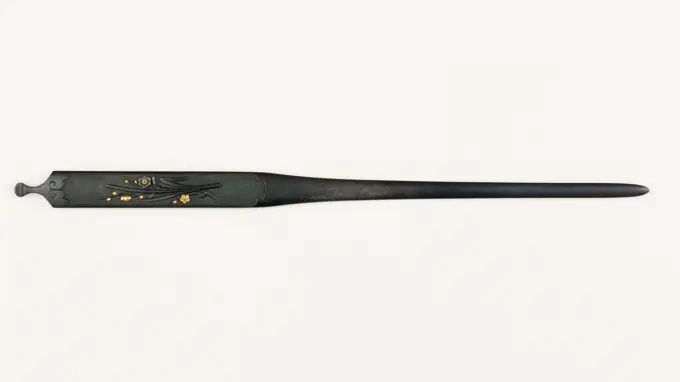
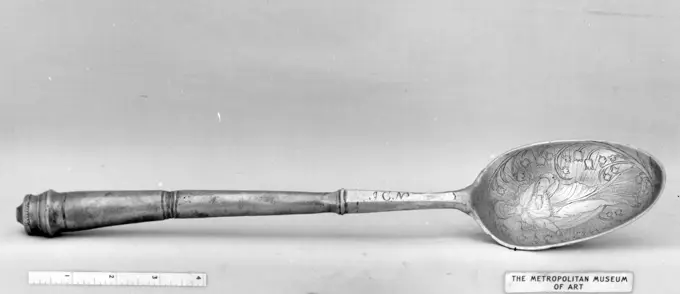
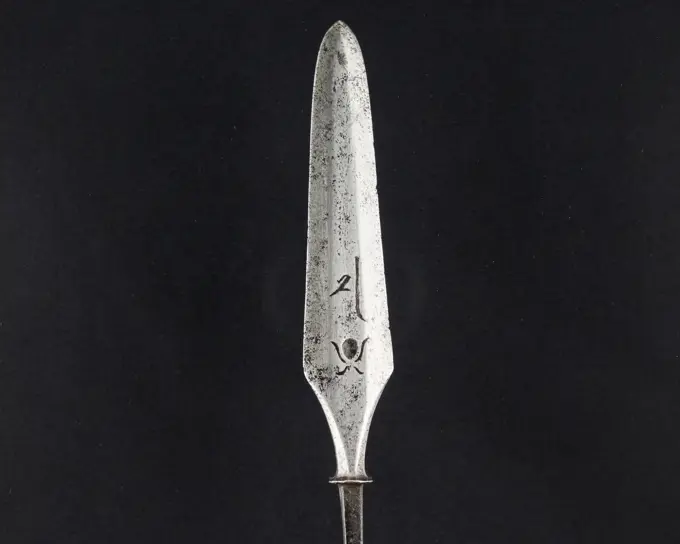
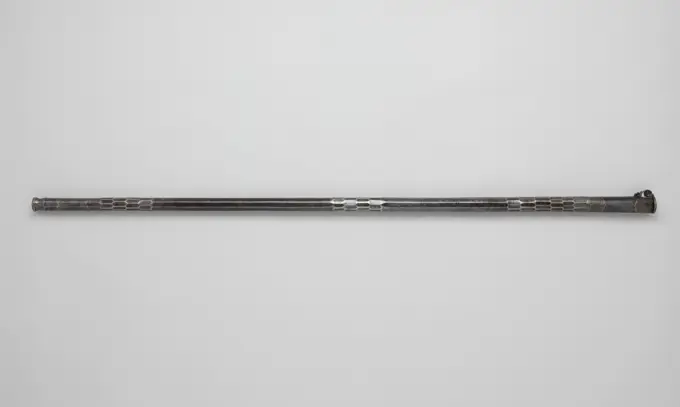
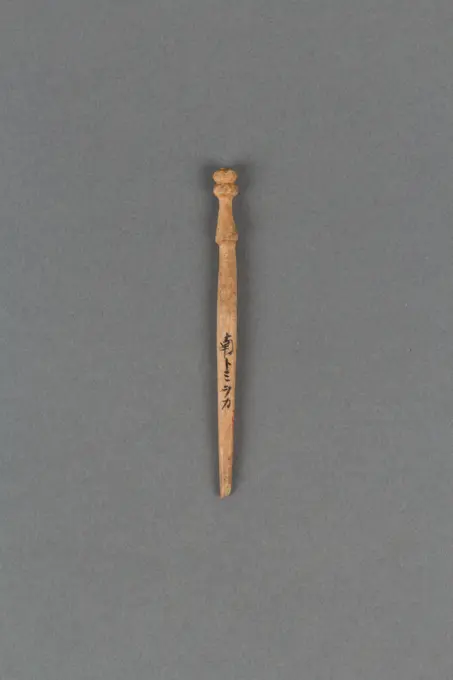
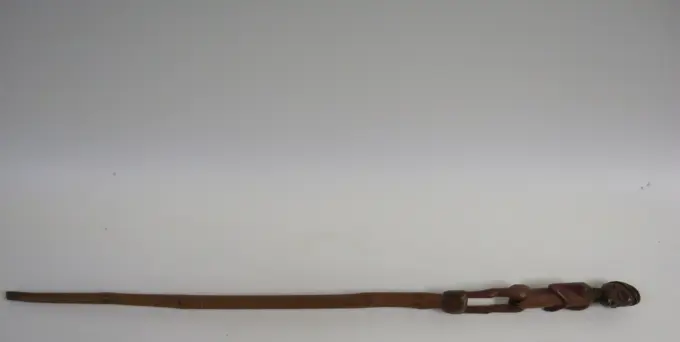
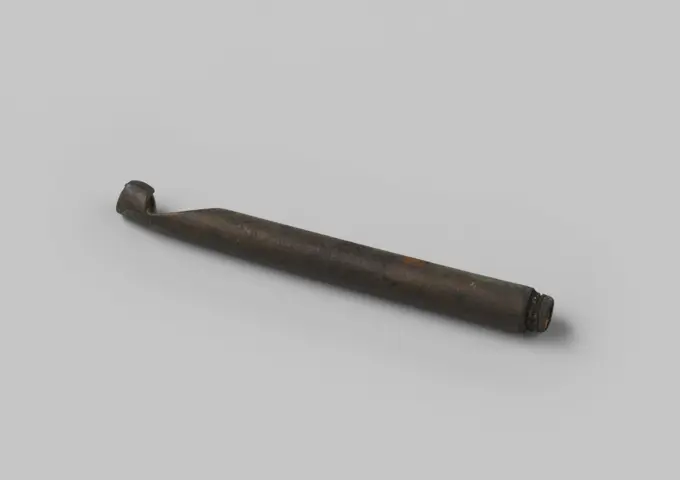
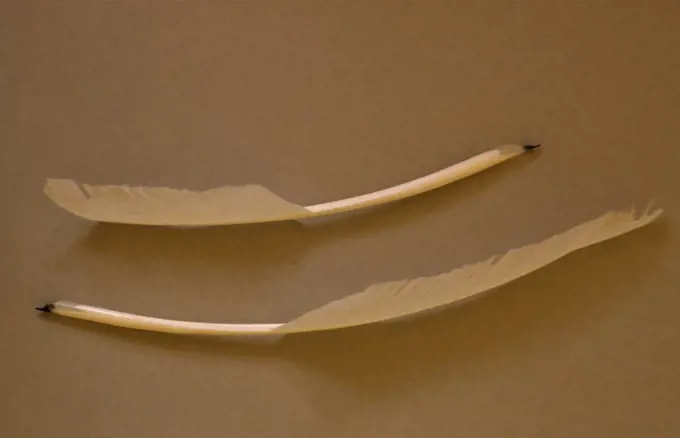
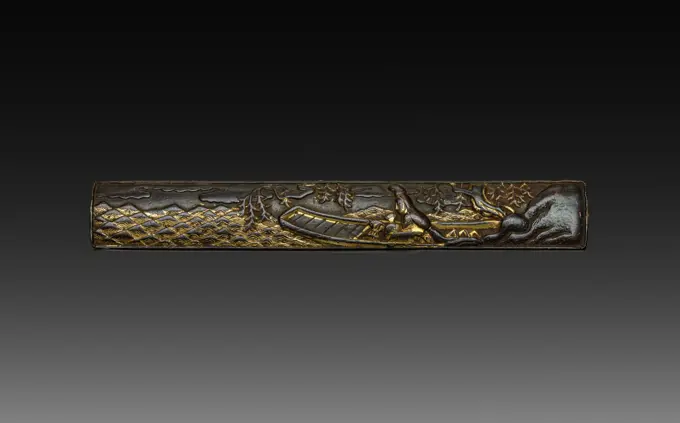
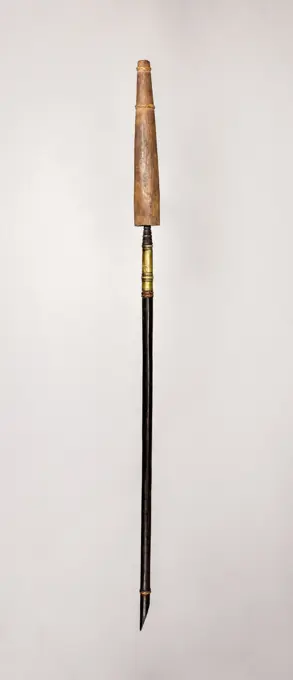
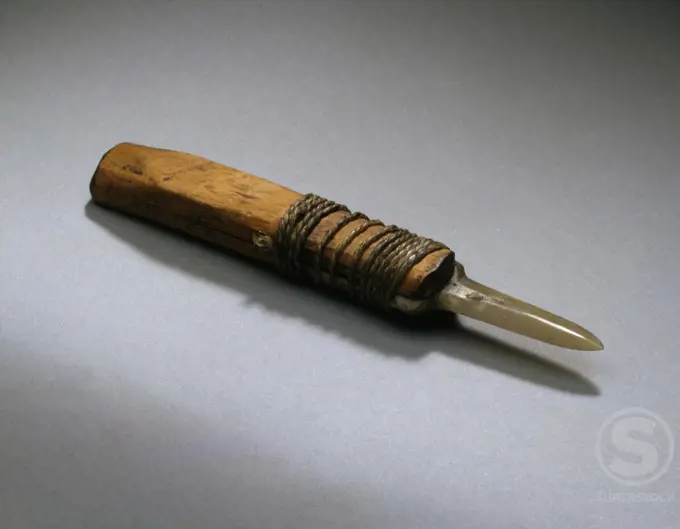
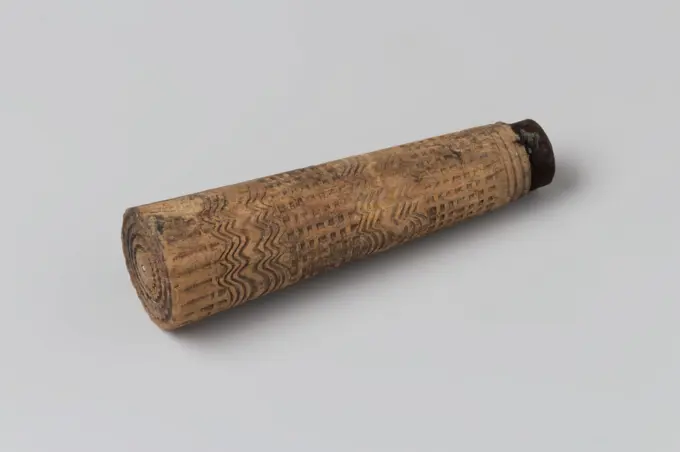
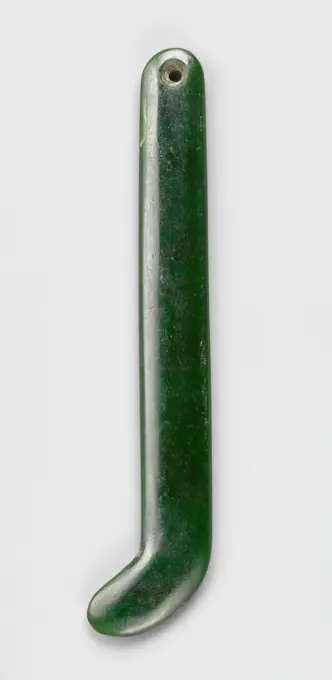
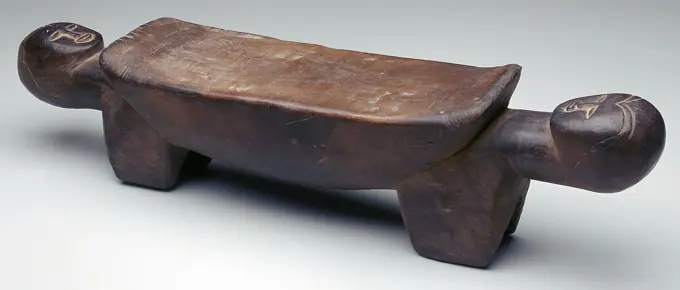
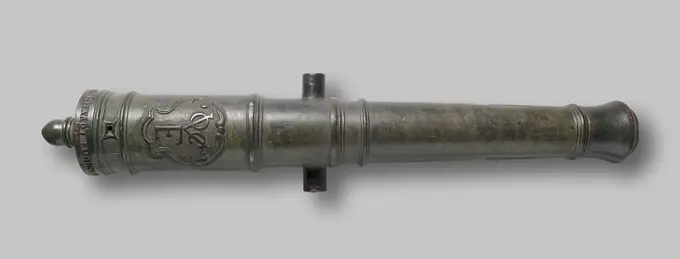
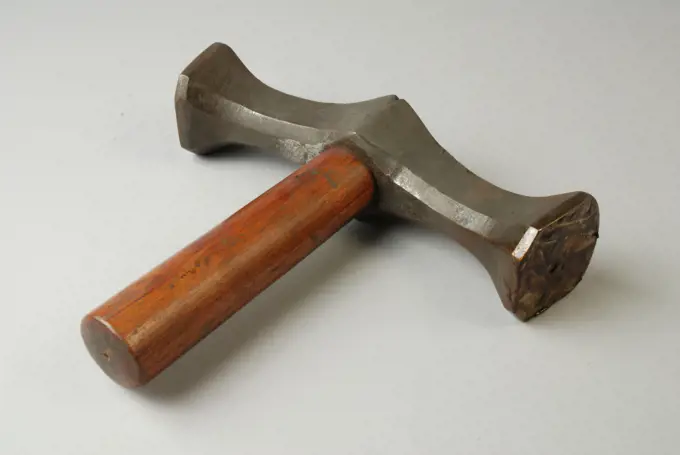
Pipe of white earth with losing figures with five lilies. Pipe of white earth with loose figures with five lilies.Sable light cavalry model no. 3, M.1814 with sheath.Sabel light cavalry model no. 3. Fixed side plate at the hilt. See NRS. 296 and 298.PinBlood bag pin -Antique knife for cutting thick leather in shoe production, on a white backgroundSpoon late 18th century Russian, Moscow. Spoon 188063 Russian (Moscow), Spoon, late 18th century, Silver, parcel gilt, 7 1/2 in. (19.1 cm). The Metropolitan Museum of Art, New York. Gift of Mrs. Samuel P. Avery, 1897 (97.2.27)Kohl Stick 1550 BCE-1295 BCE Egypt. Bronze . Ancient EgyptianYeah - Opatat to fish; W Admimir, Niko Aj Gawri (Fl. 1898-1917); 1888 (1888-00-00-1888-00-00);old rusty iron nail isolated on a white backgroundPerforated Cylinder. China. Date: 500 BC-400 BC. Dimensions: H. 15.9 cm (6 1/ 4 in.); diam. 1.9 cm (3/4 in.). Jade. Origin: China. Museum: The Chicago Art Institute, Chicago, USA.KOZUKA in the form of a pillar () With a fly range in email cloisonne.Blood bag pin -Schaafeitel with curved cut for hollow block plane, anonymous, c. 1590 - c. 1596  Schaafeitel with curved cut for hollow block plane.  iron (metal) forging  Nova Zembla. Saving HuysBone Weaving Bobbin 8th-mid-16th century Peru; north coast (). Bone Weaving Bobbin. Peru; north coast (). 8th-mid-16th century. Bone. Peru. Textiles-ImplementsTextile manufacturing tool. Dimensions: l. 17.6 cm (6 15/16 in). Dynasty: Dynasty 19-20. Date: ca. 1295-1070 B.C.. Museum: Metropolitan Museum of Art, New York, USA.vintage saw setting hammer isolated over white background, clipping pathTable knives (12) ca. 1720-35 French, Saint-Cloud. Table knives (12). French, Saint-Cloud. ca. 1720-35. Soft-paste porcelain. Ceramics-PorcelainHair Dressing Tool (Kogai) 16th century Japanese A kōgai is a hairdressing tool that is part of a sword mounting. The long slender implement is carried in a slot on the obverse of a katana scabbard, often with a matching kozuka (handle of a by-knife) in a slot on the reverse.. Hair Dressing Tool (Kogai) 27166Bridle Cutter Pike 1700-1800 Salzburg. Steel and wood (ash) .Hand carvedbow.  Artist: Bela Lyon Pratt, American, 1867-1917, Art School Certificate of Completion, 1888, B.F.A. 1899Spoon late 18th century possibly German. Spoon. possibly German. late 18th century. Pewter. Metalwork-PewterApostle spoon ca. 1610 British, possibly Taunton. Apostle spoon 192265The tube section and slider from a copper bastrombone of J. Verkrrom in 1830/32 at Kurassiers Regiment No. 9.Part of a Copper Wind instrument consisting of a double-free elongated oval with one valve and copper reinforcements. Between The Slide Two Brackets. Beaker and Mouthpiece are missing.FALCATA ESPADA. IBERICO. (DEPOSITO: MUSEO ARQUEOLOGICO NACIONAL).Needle 2nd century B.C.-A.D. 4th century Ptolemaic Period. Needle. 2nd century B.C.-A.D. 4th century. Iron. Ptolemaic Period. From Egypt, Upper Egypt, Thebes, Dra Abu el-Naga, Carnarvon/Carter excavationsFibula or Probe. UnknownRohrzange - Plumber wrench on white Rohrzange - Plumber wrench on white Copyright: xZoonar.com/lantapixx 7220622Nordic beam, for three strings. Current instrument, Z.G. Noordsche Balk, for three strings. Two screws are missing. Dated: 1608.Przeszo Przyszoci unknownPartisan. Culture: Italian. Dimensions: L. 95 in. (241.3 cm); L. of head 39 3/4 in. (101 cm); W. 2 1/2 in. (6.4 cm); Wt. 4 lbs. 15.7 oz. (2259.5 g). Date: late 15th century. Museum: Metropolitan Museum of Art, New York, USA.Leatherworking needle -MARE STRACT OF THE WRAK OF THE EAST EBSIVIA HOLLANDIA, Anonymous, 1700 - in Or Before 1743 measuring rod. measuring instrument Fragm; rectangular stick, one end broken, straight end fitted with 2 square plates, engraved scale with small nails on one side, straight engraved lines on other sides. Netherlands wood (plant material). copper (metal)   SecondArrowhead (Yanone) 18th century Japanese Although today Japanese warriors are renowned most for their swordsmanship, archery, especially from horseback, has been an essential part of samurai warfare and culture for centuries. Arrows were fitted with heads of varying shape according to their intended use in war, the hunt, or target practice. Arrowheads made for use on the battlefield incorporated different designs intended for specialized purposes such as the piercing of armor or to cause maximum damage to horses and unarmored personnel.Large arrowheads, pierced and elaborately chiseled with landscapes, birds, flowers, dragons, and Buddhist divinities, were created to be admired for the beauty of their metalwork and design rather than for use in archery. Such highly elaborate examples may have been made for presentation or as a votive offerings to a shrine.. Arrowhead (Yanone). Japanese. 18th century. Steel. Archery Equipment-ArrowheadsHairpin and Ear Scraper China. Hairpin and Ear Scraper. China. Silver. Ming dynasty (1368-1644). JewelryArmored Belt. Culture: Tibetan. Dimensions: L. 40 in. (101.6 cm). Date: 18th-19th century. Museum: Metropolitan Museum of Art, New York, USA.Musket Barrel 18th-19th century Tibetan. Musket Barrel 26599Table knife late 17th century German or Flemish. Table knife. German or Flemish. late 17th century. Steel, agate, pewter or Britannia metal. Metalwork-SteelHairpin Japan The Jmon period is the earliest period in Japanese history, lasting from roughly 14,000 to 300 BCE. Using materials such as bone, antlers, and stone, the Jmon people created not only utilitarian objects, such as harpoons and arrowheads, which supported their hunter-gatherer lifestyle, but also a variety of jewelry and objects used for religious purposes. Hairpins such as this one are relatively common, and may have had a spiritual as well as decorative purpose.. Hairpin. Japan. Bone. Final Jmon period (ca. 1000-300 B.C.). BoneKey 18th century German. Key 187102Knife, steel, silver, agate, Blade has straight lower edge, upper edge tapering towards the point, plain bolster. Silver ferrule has engraved decoration along the rims. Tapering agate handle, round in section, flower shaped metal mount on top of handle., England, late 17th century, cutlery, Decorative Arts, KnifeSilver hair or cap needle, anonymous, 1700 - 1800 A silver hair or cap needle, with a half moon at the end. Engraved with a performance of two dogs that hunt a hare in a net.  silver (metal) A silver hair or cap needle, with a half moon at the end. Engraved with a performance of two dogs that hunt a hare in a net.  silver (metal)An engraving depicting a Navigator's shovel. Dated 19th centuryStaff, 19th-20th century, 40 3/8 x 2 1/2 x 1 3/4 in. (102.6 x 6.4 x 4.4 cm), Wood, metal cord, Angola, 19th-20th centurySpoon mid-19th century Hippolyte Thomas. Spoon 188195Spear Point. Western Iran, circa 1000-825 B.C.. Arms and Armor; spears. BronzeOintment Stick Fragment 4th century Coptic. Ointment Stick Fragment 477762Mace 19th century, after 1766 original John Swift II This electrotype is after an eighteenth-century original (1766), at the time of reproduction the possession of Viscount Massereene and Ferrard.. Mace 191840PinWas scepter ca. 1981-1802 B.C. Middle Kingdom. Was scepter. ca. 1981-1802 B.C.. Wood. Middle Kingdom. From Egypt, Middle Egypt, Meir, Khashaba excavations, 1910-11; Probably from Tomb of Ukhhotep or Hapiankhtifi. Dynasty 12Rain Gutter Stirrup. Dated: 1939. Dimensions: overall: 28 x 22.8 cm (11 x 9 in.). Medium: watercolor, graphite, and colored pencil on paperboard. Museum: National Gallery of Art, Washington DC. Author: Harold Ballerd.Whether the stick is bent from having been leaned on or was carved this way is unknown. It is one of the few walking sticks from this period that is long and sturdy enough to have actually provided support.Knife (France); porcelain, silver, steel; L x W: 20.1 x 2 cm (7 15/16 x 13/16 in.); The Robert L. Metzenberg Collection, gift of Eleanor L. Metzenberg; 1985-103-238Tea Spoon 1810 Browne and Seal. Tea Spoon. American. 1810. Silver. Made in Philadelphia, Pennsylvania, United StatesPeg () 1st millennium B.C. Iran. Peg () 325689Chopstick, 918-1392. Korea, Goryeo period (918-1392). Bronze; overall: 24.5 cm (9 5/8 in.).Knife (Khyber) with Sheath. Culture: Afghan. Dimensions: L. with sheath 21 1/2 in. (54.6 cm); L. without sheath 20 1/16 in. (51 cm); L. of blade 14 1/2 in. (36.8 cm); W. 1 13/16 in. (4.6 cm); Wt. 13.5 oz. (382.7 g); Wt. of sheath 4.8 oz. (136.1 g). Date: 18th-19th century. Museum: Metropolitan Museum of Art, New York, USA.Schwegel in B 1750-70 G. Walch. Schwegel in B 504755Mahl stick belonging to JohnTrumbull.  Artist: UnknownPijp from the wreck of the East Indians Meresteijn, Anonymous, 1693 - 1702 pipe. pipe Pipe with thread. Netherlands brass (alloy)   Cape of Good HopeShojiDouble flute (flûte daccord), G. Walch, 1662 Agreement flute also known as double flute or harmonic flute. Made in 1662 by G. Walch. Berchtesgaden wood (plant material) Agreement flute also known as double flute or harmonic flute. Made in 1662 by G. Walch. Berchtesgaden wood (plant material)Fragment Pijp from the wreck of the East Indians Hollandia, Anonymous, 1700 - in Or Before 1743 pipe Pipe, bowl without heel: stamped decoration; fragment, imprint illegible. Netherlands pipe clay   SecondReligion, Judaism, ScribeS Quill Pen.Arrowhead (Yanone) 18th century Japanese Although today Japanese warriors are renowned most for their swordsmanship, archery, especially from horseback, has been an essential part of samurai warfare and culture for centuries. Arrows were fitted with heads of varying shape according to their intended use in war, the hunt, or target practice. Arrowheads made for use on the battlefield incorporated different designs intended for specialized purposes such as the piercing of armor or to cause maximum damage to horses and unarmored personnel.Large arrowheads, pierced and elaborately chiseled with landscapes, birds, flowers, dragons, and Buddhist divinities, were created to be admired for the beauty of their metalwork and design rather than for use in archery. Such highly elaborate examples may have been made for presentation or as a votive offerings to a shrine.. Arrowhead (Yanone). Japanese. 18th century. Steel. Archery Equipment-ArrowheadsHarold Ballerd, Rain Gutter Stirrup, 1939 Rain Gutter StirrupNeedle case and bobbin Korea. Needle case and bobbin 57444Wooden flute, flute musical instrument sound medium ground find wood, cut bored Wooden flute with seven tone holes at the top and one at the bottom archeology Rotterdam flutes play music archaeological find in the soil Rotterdam.Crooked knife -Dubbelloops vuursteendraailoopgeweer.The lock consists of two parts: the rear lock plate and two front lock plates; The rear plane plate has scanned relief decoration ending in the head of a sample; The lock is engraved with praise; De Haan has been edited ajour and engraved in bas-relief in the form of a dragon and a squirrel; The two front lock plates each operate one of the two running; One pre-lock plate is engraved Jan Kitzen: FT, the other à Maestricht. The two runs are mounted up each other and equipped with a filed ring; on top of stamped I * k above the double-headed eagle of Maastricht; Two glasses are winging the awning, the two sacrifices are of the same material; The tail of the loop is engraved with a dragon and praise. The flask consists of two parts, the flask and the vain sauce; The venoma is grooved on both sides of which a groove takes place for the loading stick, and ends in front in a hood of cow horn; The flask is branded with two curved fish above the stamped numSuona (吶 ) body 19th century Chinese. Suona (吶 ) body 502194Kris with Sheath 16th-19th century Javanese. Kris with Sheath 31305Close up of ink pen on the paperMallet hammer made of burl wood tools for used by carpenter in workshop on isolated white blackgroundSignalling Horn with Bellows, J. Stone & Co., 1850 - 1885 signalling horn Simple bellows with horn screwed to the mouth. Deptford wood (plant material). brass (alloy). iron (metal). leatherKnife Handle (Kozuka), c 1800s. Japan, Edo period (1615-1868). Inlaid bronze; overall: 1.3 cm (1/2 in.).Column 15th century Catalan (). Column. Catalan (). 15th century. Limestone. Made in Catalonia, Spain. Sculpture-ArchitecturalBowl -Djam scepter ca. 1981-1802 B.C. Middle Kingdom. Djam scepter. ca. 1981-1802 B.C.. Wood. Middle Kingdom. From Egypt, Middle Egypt, Meir, Khashaba excavations, 1910-11; Probably from Tomb of Ukhhotep or Hapiankhtifi. Dynasty 12Spear, Before 1922. Philippines. overall: 96.6 cm (38 1/16 in.); blade: 25.5 cm (10 1/16 in.).Hairpin, 400s BC. Greece, 5th Century BC. Ivory; overall: 7 cm (2 3/4 in.).Broken fragment of iron from the wreck of the East Indians Hollandia, Anonymous, 1700 - in or before 1743 fragment Varied parts or fragments, strip and strip-shaped fragments; fragm, heavily eroded, broken, flat, straight, bevelled rims. Netherlands iron (metal)   SecondProbe drain . Probe drain  250606 Probe drain , Bronze, Other: 2 1/4 in. (5.7 cm). The Metropolitan Museum of Art, New York. Rogers Fund, 1917 (17.230.73)Sacrificial Knife. Culture: Indian, Bengal () or Nepalese. Dimensions: L. 18 in. (45.7 cm); W. 4 1/2 in. (11.4 cm); Wt. 2 lb. 8.7 oz. (1153.8 g). Date: 19th century. Museum: Metropolitan Museum of Art, New York, USA.Muisca spear thrower with human head decoration, Colombia.Benares Vina 19th century Indian. Benares Vina 500779Miniature Koto () mid 19th-late 19th century Japanese. Miniature Koto () 500671Bloodletting knife of Northern Canadian Eskimo, Eskimo Art, InvaArrowhead. Dimensions: l. 9 cm (3 9/16 in). Dynasty: Dynasty 18. Reign: reign of Amenhotep III. Date: ca. 1390-1353 B.C.. Museum: Metropolitan Museum of Art, New York, USA.Prime with handle with curve and two stripes, anonymous, c. 1590 - c. 1596  Prime of which has a curve and at the thickest point a decoration of two stripes.  iron (metal). wood (plant material) forging / cutting  Nova Zembla. Saving HuysFile (England); Made by Asprey & Son Co. (United Kingdom)Sword (Firangi). Culture: hilt, Indian; blade, European. Dimensions: H. 42 in. (106.7 cm); W. 5 in. (12.7 cm); Wt. 2 lb. 14 oz. (1304.1 g). Date: 19th century. Museum: Metropolitan Museum of Art, New York, USA.Messenheft from the wreck of the East Indians Hollandia, 1700 - in or before 1743  Knife, handle, cylindrical: tapering; id. NG 1979-403H, ferrules, id. NG 1980-27H426. Netherlands wood (plant material). copper (metal)   SecondVertical photo of an old claw hammer on aged woodMessenheft from the wreck of the East Indians Hollandia, Anonymous, 1700 - in Or Before 1743  Knife, handle, cylindrical: tapering; id. NG 1979-403H, ferrules id. NG 1980-27H426. Netherlands wood (plant material)   SecondCurved Ear Ornament (Kapeu) 18th-early 19th century Maori people Highly prized ornaments such as this pendant carved from greenstone were markers of wealth and status (mana) for Mori. Fashioned and shaped by specialist carvers known as tohunga tarai pounamu, these experts aimed to reconcile the natural forces of the stone both within and without. This style of pendant is known as kapeu due to the subtle curve of its rounded lower tip. Thin and flattened in cross section, it has emerged from a section of dark green, yet translucent stone which has been polished and smoothed by meticulous grinding with natural abrasives. Given the extreme mobility of Mori, small items of value were often perforated and worn as a safeguard until they were next needed. This was particularly true of the nephrite blades used in small chisels but chips or offcuts of greenstone might also be shaped and polished before being attached to woven flax fiber cords and worn suspended from the ear, or around the necNeckrest, 5 1/8 x 3 15/16 x 19 9/16 in. (13.02 x 10 x 49.69 cm), Wood, Papua New GuineaBronzen kanon VOC E.Bronze cannon with five profiled tires. Kulasband with molded inscription. Between first and second band on top of course cartouche in high relief with initials. Something finished slightly. Round grape with plated tip and tire. Equipped with two taps. Around Zundgat rectangle with concave sides.Excerpt lid of a barrel from the wreck of the East Indians Hollandia, Anonymous, 1700 - in or before 1743 lid Barrel, lid; fragm, semicircular outline bevelled edge on both sides, V-shaped in section. Netherlands wood (plant material)   SecondCelt before 16th century Mexican. Celt 317252Pewter hammer, hammer from casting, hammer tool kit metal iron wood veneer, forged Hammer Short round wooden handle. Elongated and curved head with two striking surfaces constricted on both sides of the handle. The striking surfaces have bevelled corners and are slightly round at the top. Decorated with double grooves over the head. Struck marks struck initials of the owner: WP tin foundry tin pewter craft craft driving hammer polishing hammer metal processing Meeuws Originating from collection Meeuws.