Historical Weaponry and Tools

Various historical items including swords and digging sticks, showcasing craftsmanship and materials from different cultures and eras.
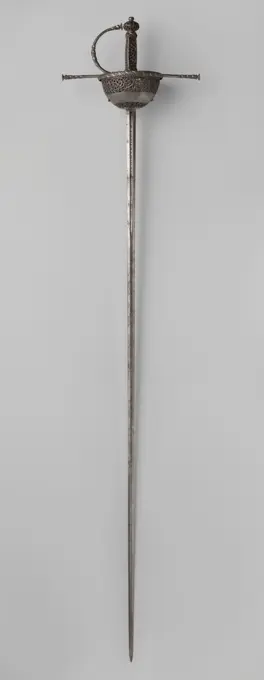
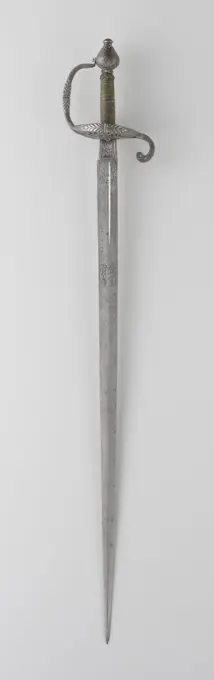
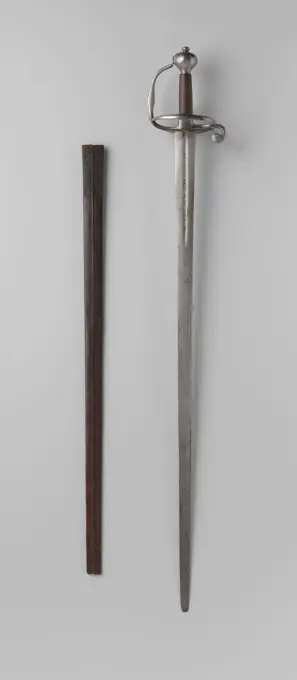
Rapier, anonymous, 1500 - 1600 rapier Rapier with hilt with geometric patterns and leaf motifs in à jour. The blade on top worked with row drilled holes.  iron (metal)
Rapier, anonymous, 1500 - 1600 rapier Rapier with hilt with geometric patterns and leaf motifs in à jour. The blade on top worked with row drilled holes. iron (metal)
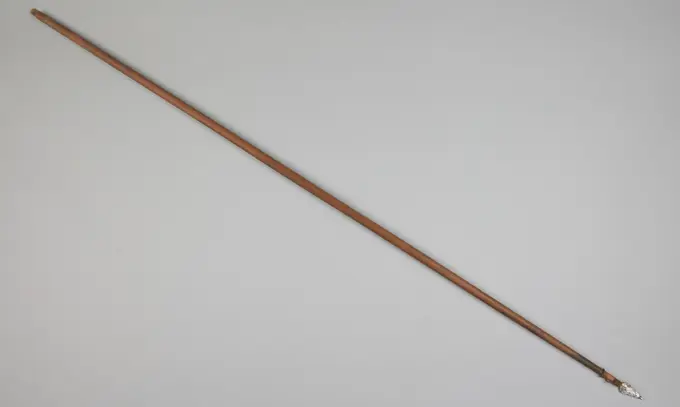
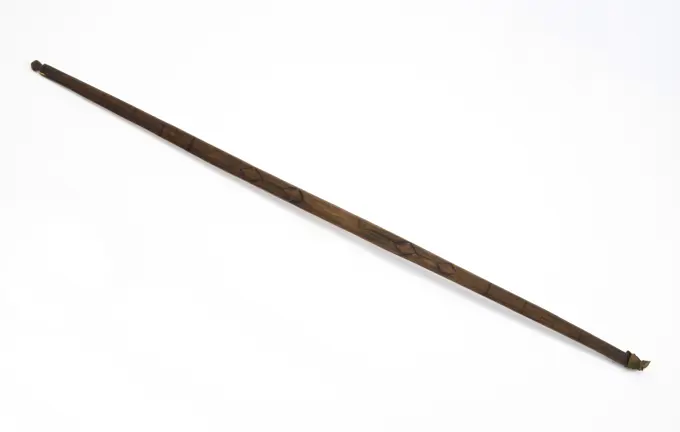
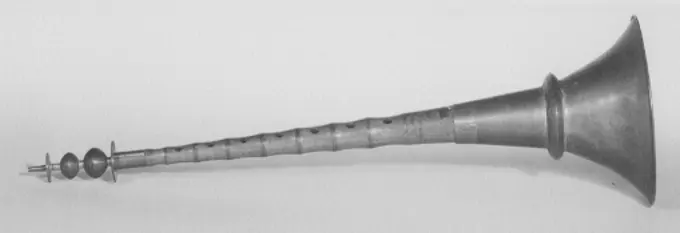
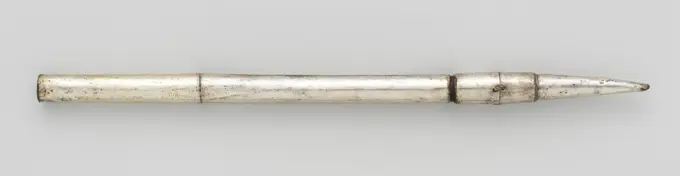
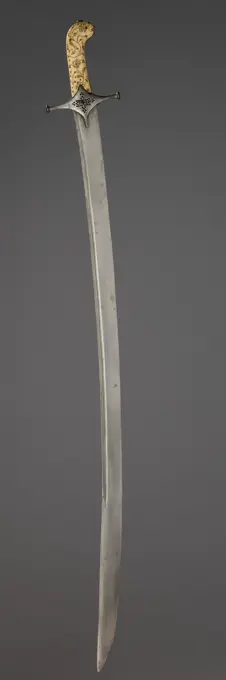
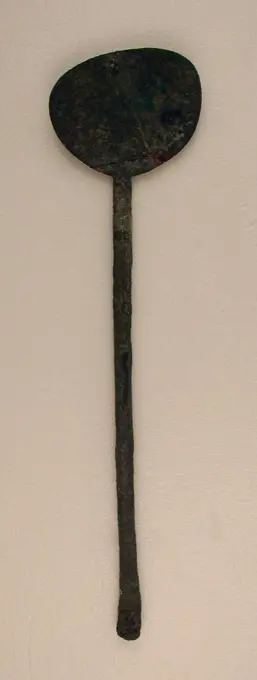
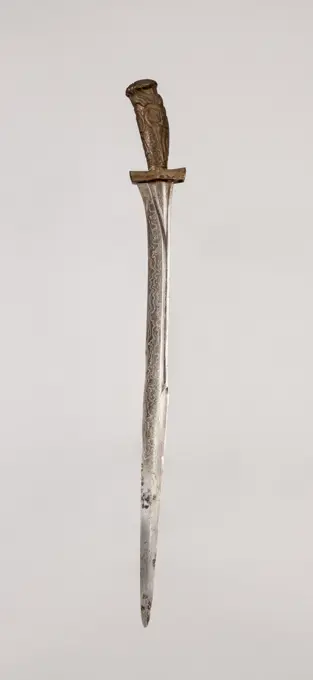
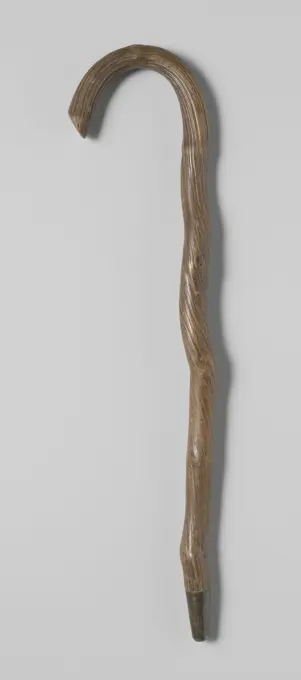
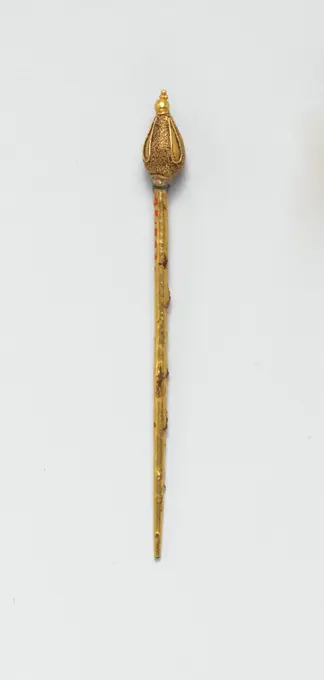
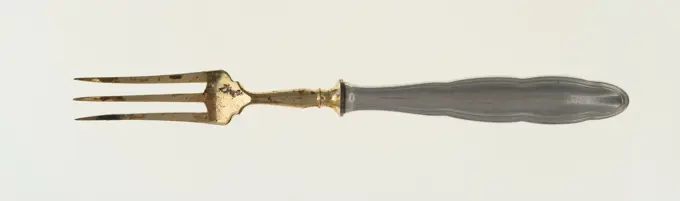
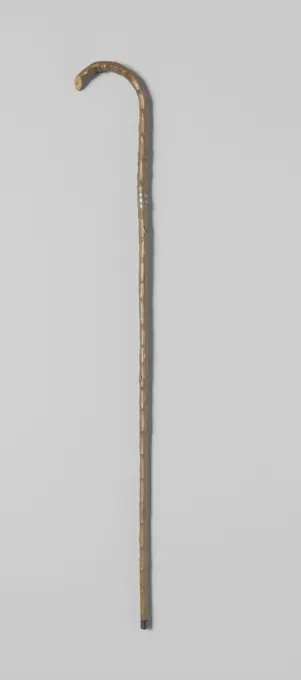
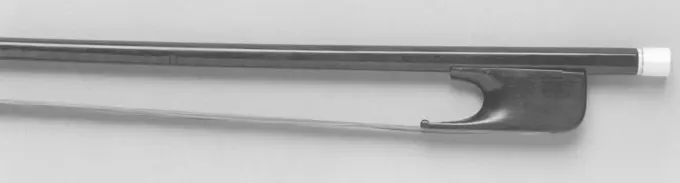
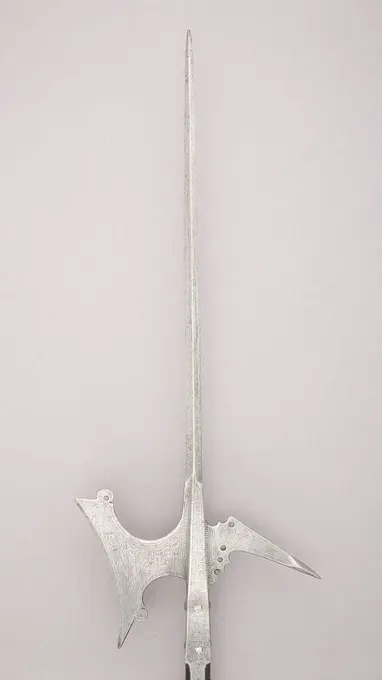
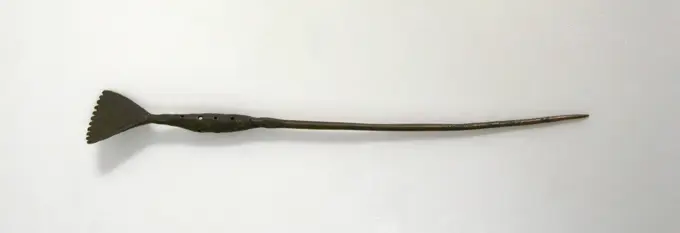
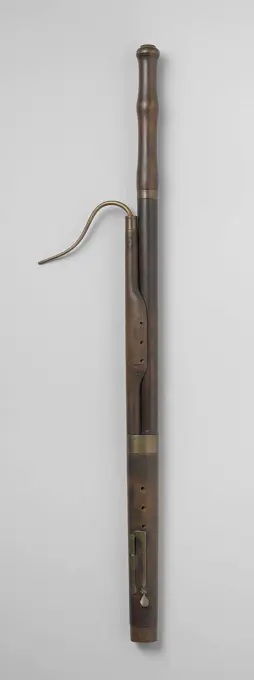
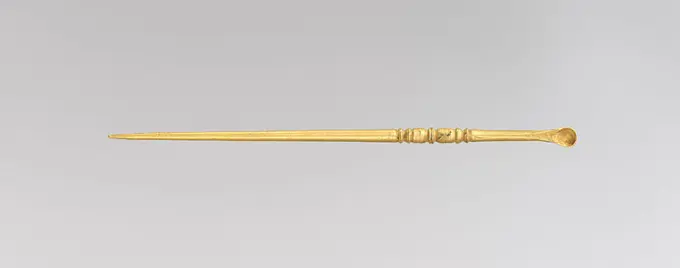
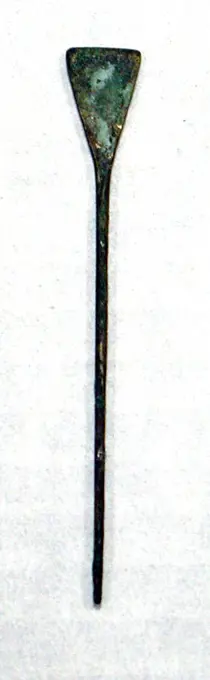
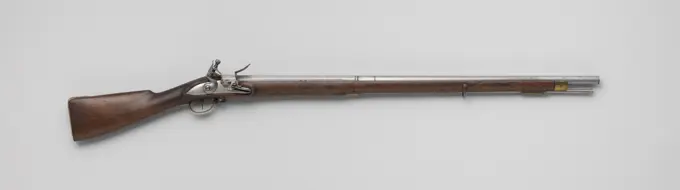
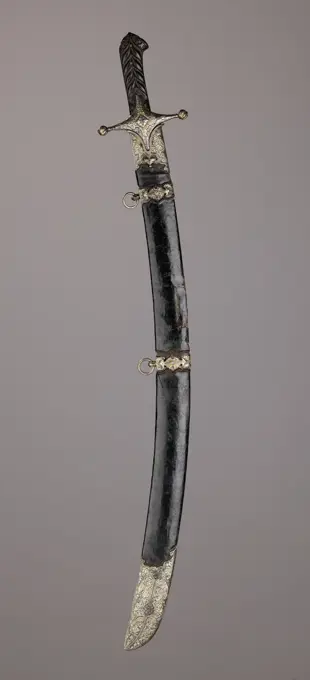
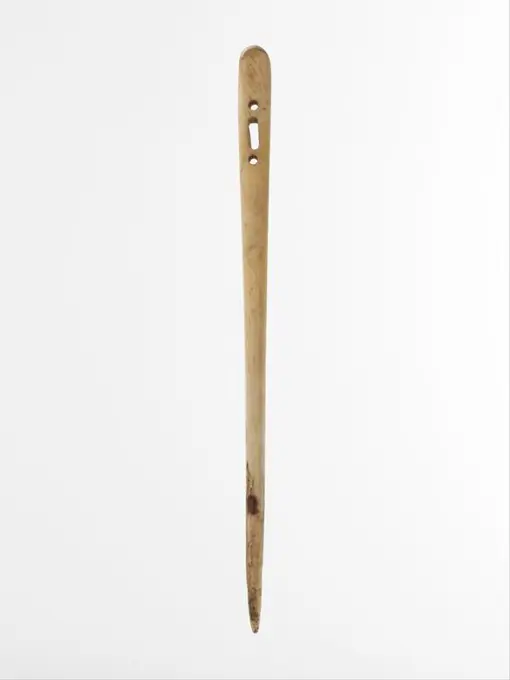
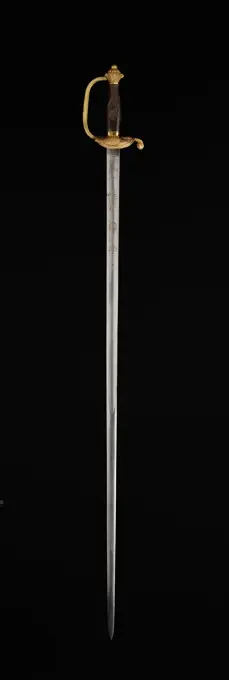
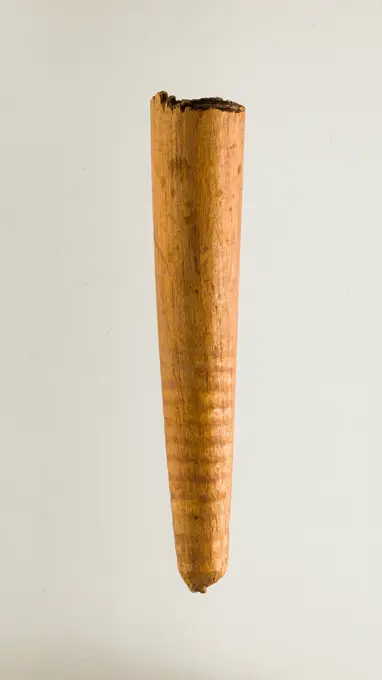
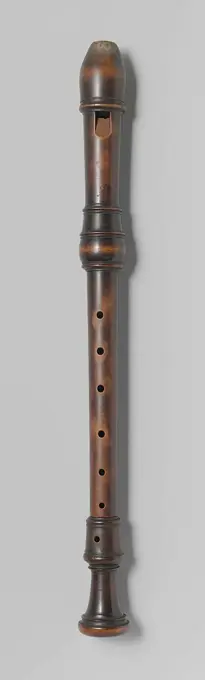
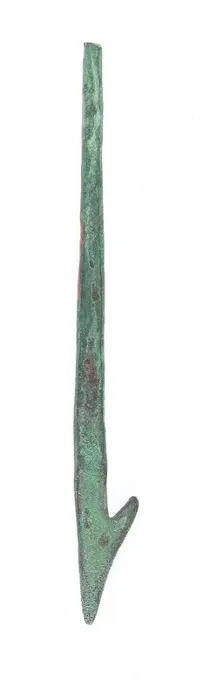
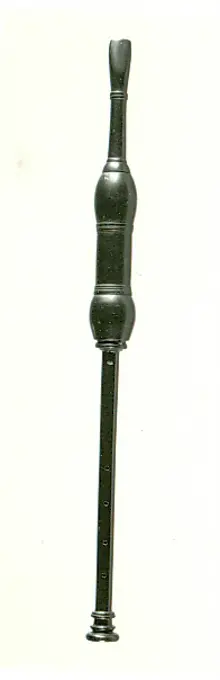
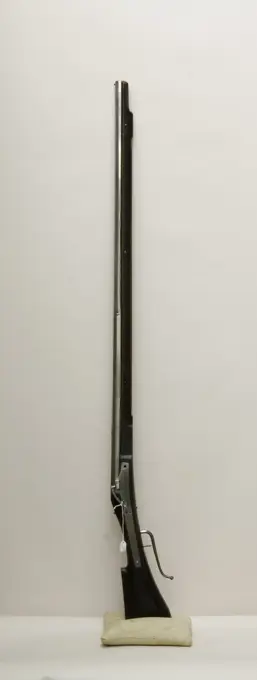
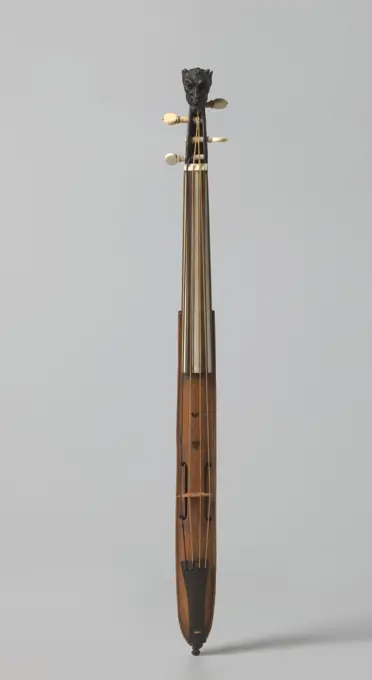
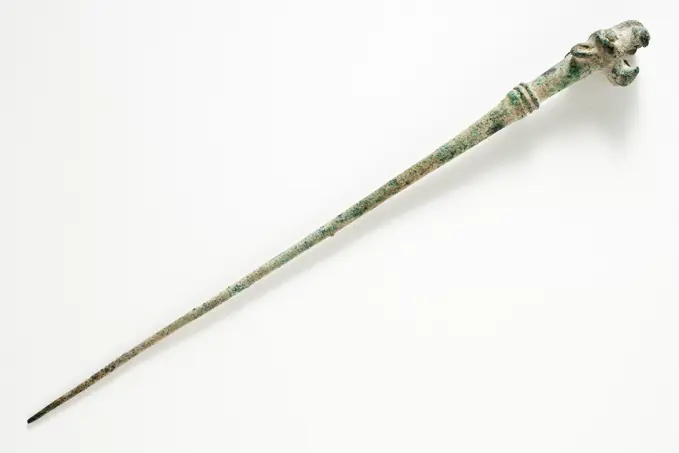
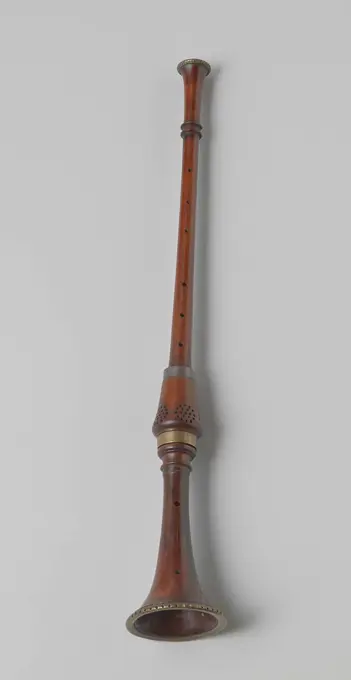
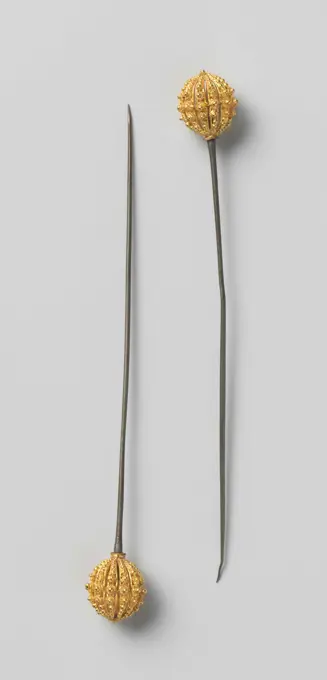
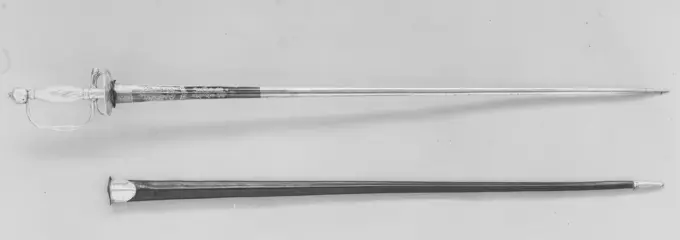
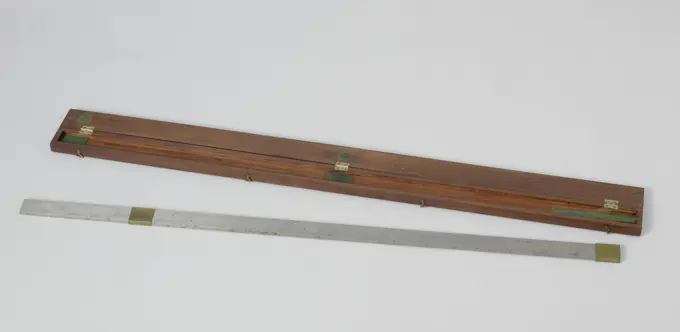
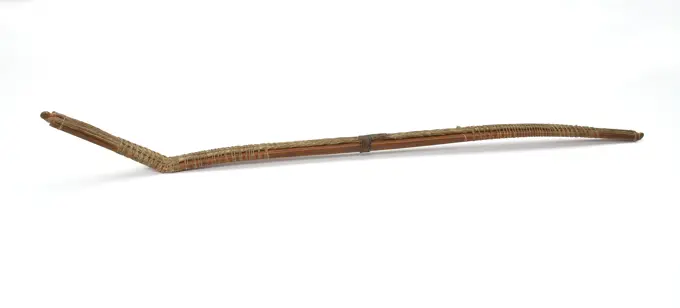
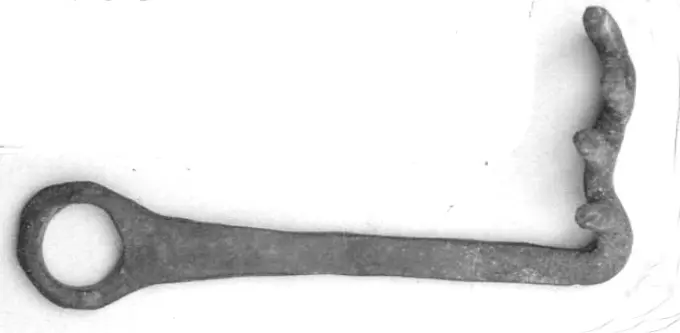
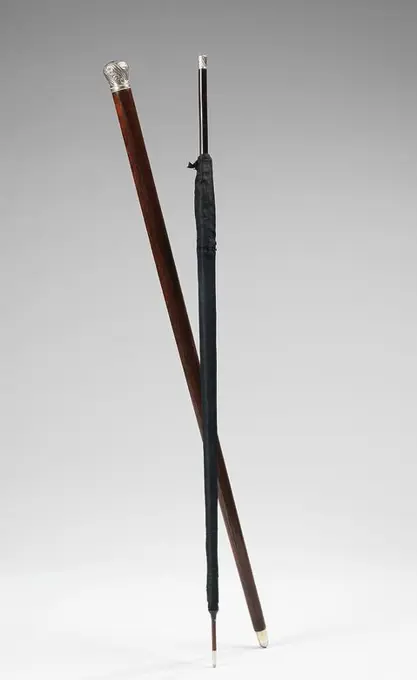
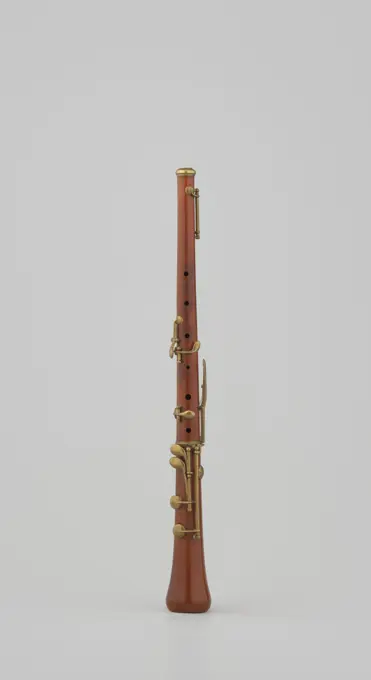
Sword of Burgomaster van der Werff or Leiden, Anonymous, 1544 sword Degen, iron ornamented; Button for bracket, donkehoef, half pare bracket, a-journey bust plate, hilt with copper wire Windle grip. Inscription and dating on the blade on one side in Spyt of that Mass Leiver tklenx as a papist, i.o.h.a.n.n.i. 1544, on the other side: W.V.W. Not Sonder Godt ick Hoop in Godt 1544, i.o.h.a.n.i. 1544. Netherlands iron (metal). silver (metal). copper (metal). brass (alloy)Suona ( ) late 19th century Chinese. Suona ( ). Chinese. late 19th century. rosewood, brass. China. Aerophone-Reed Vibrated-double reedDigging stick Chimú or Chancay 12th-15th century View more. Digging stick. Chimú or Chancay. 12th-15th century. Silver (hammered), wood. Peru. Metal-ImplementsPrzeszo Przyszoci unknownFurket.Furket or musket fork with wooden brown shaft. At the end of the shaft an iron square shoe that flows into a point. The fork is on both cartel-shaped.Spearhead ca. 8th-7th century B.C. Iran. Spearhead. Iran. ca. 8th-7th century B.C.. Bronze. Iron Age III. Northwestern Iran, Caspian regionMaker Unknown, Punch Ladle, c. 1760, silver and wood.Rapier, anonymous, 1500 - 1600 rapier Rapier with hilt with geometric patterns and leaf motifs in à jour. The blade on top worked with row drilled holes.  iron (metal)Mourn in white parchment sheaths and a Buine leather feat, anonymous, c. 1798 - c. 1809 Mourns (a) in white parchments Schede (B) and a Buine Leather Fedral (C). Paris Mourns (a) in white parchments Schede (B) and a Buine Leather Fedral (C). ParisSword or dagger ca. 2300-2000 B.C. Hattian. Sword or dagger. Hattian. ca. 2300-2000 B.C.. Bronze. Early Bronze Age III. Central AnatoliaPitchFlintlock Wall Piece, anonymous, c. 1825 - c. 1840 musketoon. flintlock gun Flint fortress (Walbuks) with battery lock; Profile band at room; elongated half oval iron visor grain; No visorkeep; Brand broke up at the bottom; flat lock plate and rooster with beveled sides; Bottom lock plate concave; Nutenhouten French flask; brass band around drawer; Four brass loading stickers whose front trumpet -shaped; wide round tractor bracket; brass flask; Iron cheststick with thicker front part; Brass counter -lock plate accolade shaped. In 1830 in use unknown Laadstok, lock, run: Iron (Metal). Batter: Brass (Alloy). Drawer, Kolf: Wood (Plant Material)Spoon 10th century While very few metal spoons were unearthed during the Metropolitan Museums excavations at Nishapur in eastern Iran, three types are represented among the finds. This spoon is of a type characterized by a long handle and a small, relatively shallow bowl. Other shapes include spoons with flat handles and flat bowls, and one with a deeper, ladle-like bowl. The typology and function of tableware in the early Islamic world is still being worked out, and archaeological excavations in domestic contexts like those conducted at Nishapur are particularly important for increasing our understanding of the history of household utensils.. Spoon 449143Awl Cypriot. Awl 244217Vase (USA); Made by Redlich and Co.; Retailed by Grogan Co.; silverSword, 1800s. Java. Iron and silver; overall: 58.2 cm (22 15/16 in.); blade: 46.7 cm (18 3/8 in.).Stick of a thick spot in turning grease with a copper shock cap, in which 'Samadi, Waspada Garoet' is engraved, anonymous, c. 1890 - c. 1910 Stick of a thick spot in spinning with a copper shock cap, in which 'Samadi, Waspada Garoet' is engraved. Bergstok. Indonesia whole: Wood (plant material). Shock cap: Copper (Metal) cutting / engraving  Garut Stick of a thick spot in spinning with a copper shock cap, in which 'Samadi, Waspada Garoet' is engraved. Bergstok. Indonesia whole: Wood (plant material). Shock cap: Copper (Metal) cutting / engraving  GarutDegen with chiseled iron hilt, Anonymous, 1662 sword The IJzeren hilt is chiseled in various places in bass relief with rows of piekiers, all seen from behind, and further with rows of riders with tulip tires in high-relief and dog heads; The bump plate is chiseled in high relief with riders and pikers for a fortress or city gate with the year 1662 on it; The wooden handle is wounded with twisted iron wire and has a braided handle ring on either side. The blade with coloremard shape is biling, has a diamond -shaped cross -section and is etched with arabesks.  iron (metal). wood (plant material). etchingRidderdegen, Hans von Salingen, c. 1609 sword Ridderdegen, Wolfskling (so named after the brand 1414) with inscription Me Fecit Salingen. Hamburg iron (metal)   NetherlandsGold pin late 6th-5th century B.C. Etruscan With pear shaped head ornamented with granules and filigree surmounted by five balls.. Gold pin. Etruscan. late 6th-5th century B.C.. Gold, iron . Late Archaic. Gold and SilverDessert fork; Würtembergische metallwarefabrik - WMF (Germany; Wytwónia Z Otnarz; 1880-1914); after 1880 (1890-00-00-1914-00-00);Kling voor Ruiterdegen, c. 1550 - c. 1900  Bemartende Degskling marked 'Sahagom' and equipped with on foot.  iron (metal)   NetherlandsWalking stick of a knots branch, with crooked hook, anonymous, c. 1795 - c. 1815 Walking stick of a knots branch, with a crooked hook. Metal picture - without inscription - opens. Netherlands (possibly) whole: Wood (plant material) cutting Walking stick of a knots branch, with a crooked hook. Metal picture - without inscription - opens. Netherlands (possibly) whole: Wood (plant material) cuttingSTOP fork; Gumpert, Georg Heinrich (Fl. 1850-1893); 2. PO. 19th century (1800-00-00-1810-00-00);Knife with a hand in the form of a man with musket and hunting dog, anonymous, c. 1600 - c. 1650 It consists of a men's figure cast in two parts in clothing from the 17th century with a musket and a hunting dog. Netherlands heft: brass (alloy). lemmet: steel (alloy) casting It consists of a men's figure cast in two parts in clothing from the 17th century with a musket and a hunting dog. Netherlands heft: brass (alloy). lemmet: steel (alloy) castingHeart catcher with Schede van Cornelis Tromp, Anonymous hunting hanger Hartvanger with sheath from Cornelis Tromp. A heart catcher with yellow -lying hilt on which high ornaments are attached. The handle is of one piece of agate. The agate is broken. Kling with wide back. No brands or inscriptions. There is probably a gilded fist -chain that the pare rod connected with the handcap. With leather sheath with copper fittings (not in the setup).  Estipated: Agate (Chalcedony). Schede: Leather. sheath, hilt: copper (metal)Officier -Wandelsabel Met Schede M 1912, E. & F. Hörster, 1912 small-sword Officer walking label M 1912. Chromed Sierdegen, black with gilded handle; On the inscription: 'IJzerhouwer'. The sword belongs to a sweetheart. Signed E. & F. Hörster. Netherlands chromium. gilding (material) gildingTransverse Flute in C 18th century () French. Transverse Flute in C 502616Carving knife 17th century German. Carving knife. German. 17th century. Steel, gold or gilded metal. Metalwork-SteelSkewer 1760-61 Samuel Herbert. Skewer 192100PinGamba Bow second half 18th century Unknown. Gamba Bow 503600Halberd. Culture: Italian. Dimensions: L. 8 ft. 10 7/8 in. (249.6 cm); L. of head 26 3/8 in. (67 cm); W. 10 5/8 in. (27 cm); Wt. 4 lbs. 13.3 oz. (2191.4 g). Date: ca. 1550. Museum: Metropolitan Museum of Art, New York, USA.Sword 13th century B.C. probably Central European The geographic span of the sites in which similar examples have been excavated suggest that this sword belongs to a very popular type in Middle Bronze Age Europe. Constructed of two separate cast elements, a blade and a grip that are riveted together, the sword is notable for the pattern of spiral ornament that adorns the grip and the pommel, of which many variants have been recorded.. Sword. probably Central European. 13th century B.C.. Bronze. SwordsHair Ornament, 10 3/8 x 1 3/8 x 1/2 in. (26.35 x 3.49 x 1.27 cm), Copper (), PeruFagot.Fagot of maple wood with four copper valves and with eight uncovered holes. Copper sample and copper rings whose lower ones are missing.Gold ear pick. Culture: Roman. Dimensions: Other: 3 1/2 in. (8.9 cm). Date: 1st century A.D..Such implements, which are common at sites of the Roman period and later, are usually made of bronze or bone. Museum: Metropolitan Museum of Art, New York, USA.Przeszo Przyszoci unknownPrzeszo Przysoci unknownDagger (brown leather case), 1700s-1800s. India. Silver inlay and leather; overall: 42 cm (16 9/16 in.).PitchObsidian blade ca. 2700-2200 B.C. Cycladic A small blade; the lower surface is straight, the upper surface rises to a flattened ridge at top.. Obsidian blade 632266Cosmetic Applicator or Pin. Afghanistan, 3rd century. Jewelry and Adornments; pins. IvorySpoon possibly 18th century probably Southern Italian or possibly Sicilian. Spoon. probably Southern Italian or possibly Sicilian. possibly 18th century. Bone, brass, coral, and mother-of-pearl. Natural SubstancesCrossbow Bolt, 1500s-1600s. Germany, 16th-17th century. Wood, leather, steel; average: 37.2 cm (14 5/8 in.).Chisel or tupu (pin) 200 B.C.-A.D. 850 Ciénaga or La Aguada. Chisel or tupu (pin) 309145Hairpin 1st-4th century Roman. Hairpin 465536 Roman, Hairpin, 1st4th century, Copper alloy, Overall: 3 9/16 x 3/16 x 1/8 in. (9.1 x 0.4 x 0.3 cm). The Metropolitan Museum of Art, New York. Gift of J. Pierpont Morgan, 1917 (17.193.216)Officer definitions. Though copper hilt, movable baffle plate and silver handle. The blade is brainted with gold-plated ornaments, unreadable inscription on a side, on another side: A Amsterdam. With sheath. Baron J.W.C. Van Ittersum, 2nd battalion hunters. Degen is broken and sheath is missing.Flint cadet rifle for the Staatse Army, Royal Rory Factory Culemborg, 1799 - 1809 flintlock gun The lock is unprocessed. The barrel is equipped with a double ring and a cut ring, but has no visoring device; A brand in the form of a rooster is stamped at the bottom and an unnoticed brand; On top is St.Z 25.G. Stamped, with to the left of DM. The flask is simply cut with, among other things, a cavity in the flask. The gold -lived -up batter consists of, among other things, a front loading tape, three angular loading stokkers, a screw plate in the shape of a J, a few iron hinged brackets and a steel cheer. Culemborg copper (metal). gilding (material). iron (metal). steel (alloy). wood (plant material) gilding / cuttingPrzeszo Przyszoci unknownCeremonial Knife (Tumi) 2nd-7th century Moche. Ceremonial Knife (Tumi) 315247ButterKnife.  Manufacturer: Albert Coles & Company, active ca. 1835-75Degen with iron hilt with a wallet and leather sheath, anonymous, c. 1675 - c. 1700 sword Iron. Hilt with a button and wrapped handle. Half pare bar, donkey hover and bumps. Triangular blade, narrowing, with etched inscription on one side: Fran van Demmeltraedt Zwaardveger in Nimegen. On the other side: Francois van Demmeltraed Fourbisseur A Nimegen. The whole in etched ornaments. With leather sheath with chain, supporting tires.  iron (metal). leatherUnicorn horns.For centuries, these three objects appeared on Catholic feast days on the high altar of the Mariakerk, Utrecht. Candlesticks were placed on their pointed ends. People believed the horns were those of a unicorn, a mythical creature then regarded as a symbol of the Virgins chastity. They are, in actual fact, the teeth of a narwhal, a type of whaleBone needle. Culture: Roman. Dimensions: H.: 5 in. (12.7 cm). Date: 2nd-5th century A.D..The exact purpose for which needles with triple perforations were used has not been determined, but they have been found most commonly at Roman sites of the mid-to-late Imperial period. Museum: Metropolitan Museum of Art, New York, USA.Halberd Made 1663-1681 Switzerland. Steel and wood . Lamprecht Koller (Maker)Sword with Schede, Anonymous, c. 1650 - c. 1660 sword Épée Wallonne with authentic Schede. The iron hilt consists of an enclosure button with a prominent angel button on it and the fist bracket screwed on to both the pare rod with a curl at the end and a small, four -leaf flower stamped on the end button, and in the parallel brackets filled with an ajour edited plate with circles and stars; equipped with a thumb; The wooden handle is thicker in the middle and wounded with twisted iron wire of different thicknesses and a braided handle ring on top and bottom. The straight blade is two -runs and has marked a groove on both sides with Sahagom and a running wolf under the groove; Stamped on the Angel with a crowned monogram BC, on one side under the weapon of Amsterdam. The wooden sheath is covered with oil cloth and equipped with an iron lock, a carrying ring on the right and an iron bottom tire. Wallonia wood (plant material). iron (metal). oilclothThe uniformed sword of the Republic of Poland unknown labelBow tip ca. 2120-1981 B.C. Middle Kingdom. Bow tip 561782Alto Recorder.Altotblute, labeled M. Beukers.Fruit Knife (France); Designed by F. Nicoud (French, active 1890); silver, steel, mother-of-pearl, gilding; L x W x D: 20 x 1 x 0.8 cm (7 7/8 x 3/8 x 5/16 in.)Umbrella at the same time parasol, a `and tout cas', with deck of plain dark blue side on a metal stick, on which a handle with incustations of silver in steel, anonymous, c. 1900 Umbrella at the same time parasol, a `and tout cas', from dark blue silk. Unsurbed, eight metal ribs. Steel stick, with wooden point and a steel shock cap. Handle with silver in steel incustations, konically, but flattened in diameter. Arabesken are inlaid on a blue steel long distance, as well as an inscription in Russian letters. With blue -gray cover. Russia (possibly) deck: Silk. Stok: Steel (Alloy). Handle: Steel (Alloy). Handle: Silver (Metal). Decoration: Silver (Metal). Point: Wood (Plant Material) casting / forging / cutting Umbrella at the same time parasol, a `and tout cas', from dark blue silk. Unsurbed, eight metal ribs. Steel stick, with wooden point and a steel shock cap. Handle with silver in steel incustations, konically, but flattened in diameter. Arabesken are inlaid on a blue steel long diHarpoon point. Dimensions: l. 10.5 cm (4 1/8 in). Dynasty: Dynasty 19-20. Date: ca. 1295-1070 B.C.. Museum: Metropolitan Museum of Art, New York, USA.Pin ca. 9th century B.C. Iran. Pin 325177Breech-Loading Rim-Fire Rifle in Form of a Walking Stick. American, New York. Date: 1858. Dimensions: L. 89.9 cm (35 3/8 in.)Wt. 1 lb. 10 oz.Caliber .50. Steel, brass, and iron. Origin: New York. Museum: The Chicago Art Institute, Chicago, USA."Assyrian Head" pattern Cheese Scoop; Designed by Rogers Brothers Silver; Manufactured by Meriden Brittania Company; USA; silver-plated metalFlageolet in D () 18th century French This two-section flageolet d’oiseau (“bird flageolet”) was a French novelty in the middle of the eighteenth century.. Flageolet in D () 505640Matchlock Gun late 16th-early 17th century German or Austrian Matchlocks were fitted to the majority of military long guns in the sixteenth and seventeenth centuries because they were easy and cheap to manufacture. This example is said to have come from the arsenal in Graz, Austria.. Matchlock Gun. German or Austrian. late 16th-early 17th century. Steel, wood. Firearms-Guns-MatchlockSpear withBarbsArrow, Before 1922. Philippines. Wood shaft; average: 91.5 cm (36 in.).Pochette, Georg Wörle, 1671  Augsburg wood (plant material).  Augsburg wood (plant material).Vaginal knowledgePin. Iran, Luristan, circa 1350-800 B.C.. Jewelry and Adornments; pins. Bronze, castShawm.The origins of double reed instruments lie in the mists of time. Those shown here represent the first 130 years of the development of the modern European oboe with, as oldest, shawms by the famous Amsterdam maker Richard Haka and later oboes, most of them Dutch.Blade and Mounting for a Dagger (Tant) blade, 16th century; mounting, dated 1870 Japanese A tant is a dagger or blade shorter than 30 cm.. Blade and Mounting for a Dagger (Tant). Japanese. blade, 16th century; mounting, dated 1870. Steel, wood, lacquer, rayskin (samé), thread, copper-gold alloy (shakud), gold. DaggersTeaspoon.   Maker: Lewis Heck, American, 1755-1817. A couple of gold hair needles. Made from a Filigree.Stylus or Hairpin Roman 2nd-3rd century View more. Stylus or Hairpin. Roman. 2nd-3rd century. Copper alloy. Metalwork-Copper alloySmallsword with Scabbard French ca. 1762 By the early seventeenth century, the rapier, a long slender thrusting sword, began to dominate as the gentlemans weapon of choice. During the course of the century, however, as civilian fencing techniques became more specialized and refined, the rapier developed into a lighter, trimmed-down weapon known by about 1700 as the smallsword. Smallswords, often richly decorated, remained an integral part of a gentlemans wardrobe until the wearing of swords in civilian settings went out of fashion at the end of the eighteenth century, at which time pistols were replacing swords as arms most frequently used in personal duels. The majority of smallsword hilts are made of silver or steel, but many also employ a wide variety of luxurious materials, such as gold, porcelain, and enamel. At their best, smallswords combine the crafts of swordsmith, cutler, and jeweler to create an elegant weapon that was also a wearable work of art.Wooden Arrow, First Intermediate period- Middle Kingdom, 2123- 1814 BC. Egypt, First Intermediate period- Middle Kingdom, 2123- 1814 BC. Wood; overall: 64.2 cm (25 1/4 in.).Case, shark skin, wood, Top, wooden lid covered with shagreen, slides on case., Europe, ca. 1700-1800, cutlery, Decorative Arts, CaseRail spike -Fork, Horn, gold, mother-of-pearl, steel, Fork has three straight pointed tines, rounded shoulder, tapering neck, round in section, baluster-shaped decoration. Pistol-shaped bone handle, octagonal in section, piqué with gold () wire and inlaid with mother-of-pearl, green stained ivory in bands of heart-shaped motifs, dots and rozettes; inlaid rozette at end of handle., probably Central Europe, ca. 1630, cutlery, Decorative Arts, ForkNeedle, netting. Needle, netting. Bronze. BronzesEarring or bonnet pendant China. Earring or bonnet pendant 42962Hiking, sword sword vest weapon ground find wrought iron bronze iron metal total, h 4.0 archeology militariaStandard Metre Rule, J.M. Kleman & Son, 1819  Iron meter with two brass slide in a wooden box with green sheet lining. The first decimeter is divided into millimeters. Stamped in 1819 by the first class committee of the Royal Netherlands Institute. Amsterdam wood (plant material). iron (metal). brass (alloy). clothSmall knife with a scabbardBow -Key 306-30 B.C. Ptolemaic Period. Key. 306-30 B.C.. Iron. Ptolemaic Period. From Egypt, Upper Egypt, Thebes, Dra Abu el-Naga, Carnarvon/Carter excavationsCane. Culture: American or European. Date: 1880-89.Canes were an elegant accessory in the 19th century, when the afternoon promenade gave members of the fashionable set occasion to display their finery and genteel manners. This novelty cane contains a miraculously slender umbrella, thus tripling its functionality for looking chic, walking steadily, and protecting the user from an inclement turn in the weather. Constructing an umbrella this slim required refined mechanical technology, an advancement on which umbrella manufacturers prided themselves in the late 19th century. While similar devices are still manufactured today, the beautifully slim and tapered line of the earlier pieces is no longer seen. Museum: Metropolitan Museum of Art, New York, USA.FAGOT BARROCO, SIGLO XVIII MUSEO DE LA MÚSICA, BARCELONA.Musette, Carnaud, c. 1850 - before 1900 Musette of Palmhout with seven brass valves. The oboe consists of two parts with a brass ring on both parts. Six holes on the front and one at the back. Marked on the upper part between the first and second hole: Carnaud / A / Paris (in an oval). Paris boxwood. copper (metal). brass (alloy). klep: leather Musette of Palmhout with seven brass valves. The oboe consists of two parts with a brass ring on both parts. Six holes on the front and one at the back. Marked on the upper part between the first and second hole: Carnaud / A / Paris (in an oval). Paris boxwood. copper (metal). brass (alloy). klep: leatherUntitled. Bruce Nauman; American, born 1941. Date: 1965. Dimensions: 243.8 x 25.4 x 12.7 cm (96 x 10 x 5 in. ). Fiberglass and polyester resin. Origin: United States. Museum: The Chicago Art Institute, Chicago, USA.Saber  TalwarRope detail Landscape Rope without knots as Cut in front of white background Landscape Copyright: xZoonar.com/AxelxKillianx 9897938Toasting fork 1561 possibly British, Norfolk One of only two known 16th-century toasting forks, this was used to toast apples, cheese, or "puddings" in front of a fire. The inlaid initials, outline of a railing, and a tun (a type of band) create a rebus that may refer to a member of the Railton family of Norfolk.. Toasting fork. possibly British, Norfolk. 1561. Silver, exotic hardwood. Metalwork-SilverBow -Needle. Dimensions: l. 10.7 cm (4 3/16 in). Dynasty: Dynasty 19-20. Date: ca. 1295-1070 B.C.. Museum: Metropolitan Museum of Art, New York, USA.Air pressure rifle, Mouchin, 1775 - 1800  Air pressure rifle. The lock is equipped with an iron visor and a signature. The Iron Loop has two eyes at the lock so that a strap can be used to screw the loop; The sight grain is made of a loader. The flask is covered with black leather and has a wide silver band at the front. Rotterdam iron (metal). brass (alloy). leather. silver (metal) engraving