Historical Weaponry and Tools

Various historical items including swords and digging sticks, showcasing craftsmanship and materials from different cultures and eras.
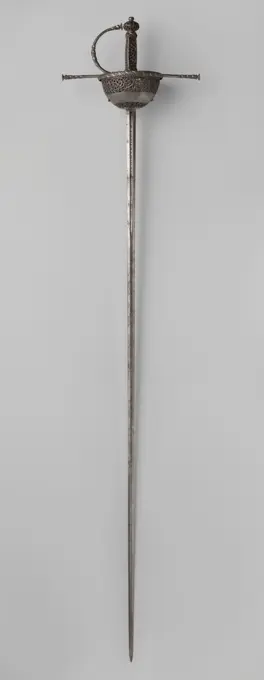
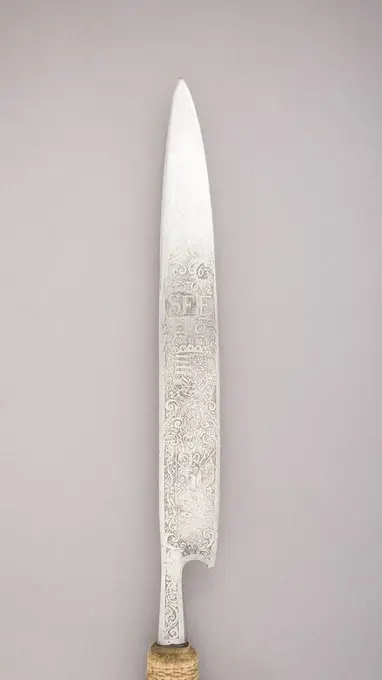
Rapier, anonymous, 1500 - 1600 rapier Rapier with hilt with geometric patterns and leaf motifs in à jour. The blade on top worked with row drilled holes.  iron (metal)
Rapier, anonymous, 1500 - 1600 rapier Rapier with hilt with geometric patterns and leaf motifs in à jour. The blade on top worked with row drilled holes. iron (metal)
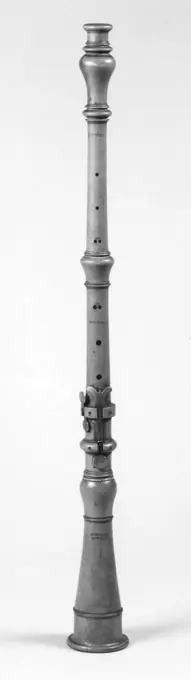
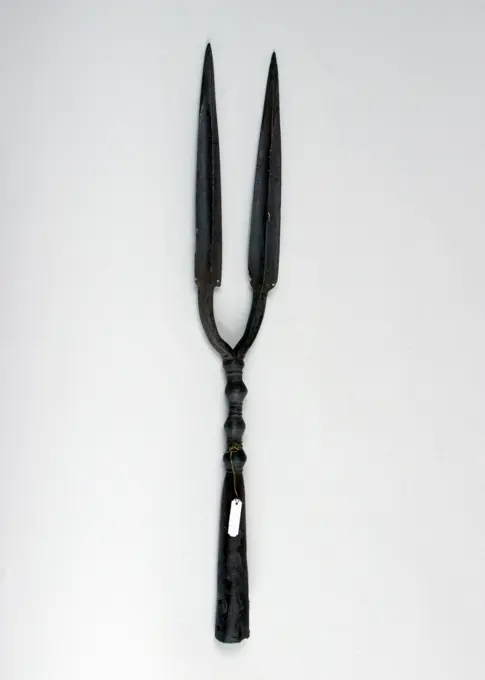
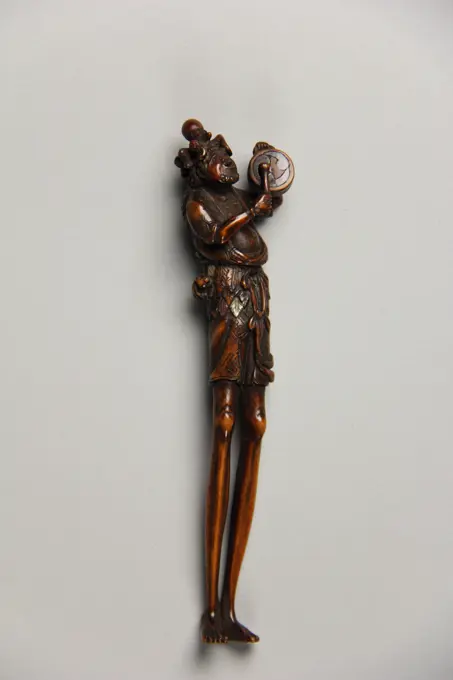
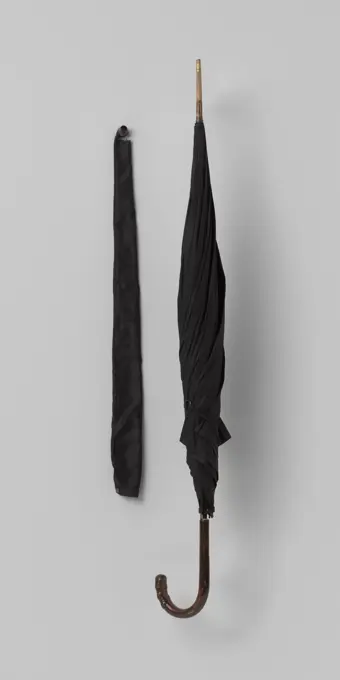
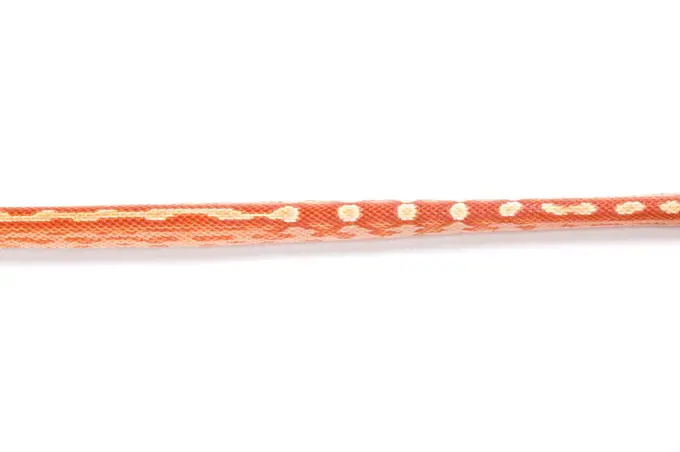
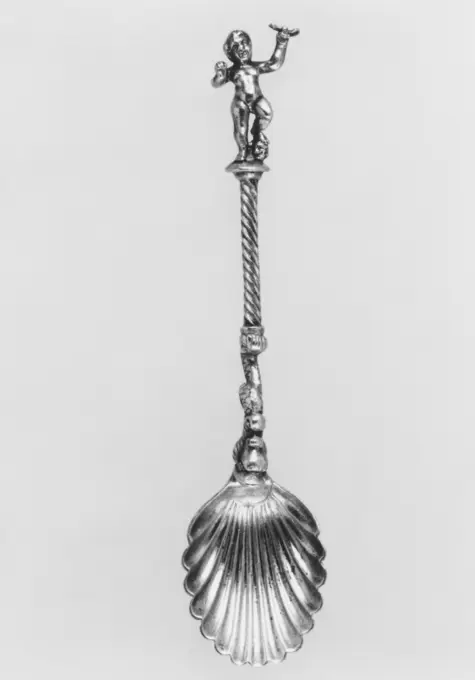
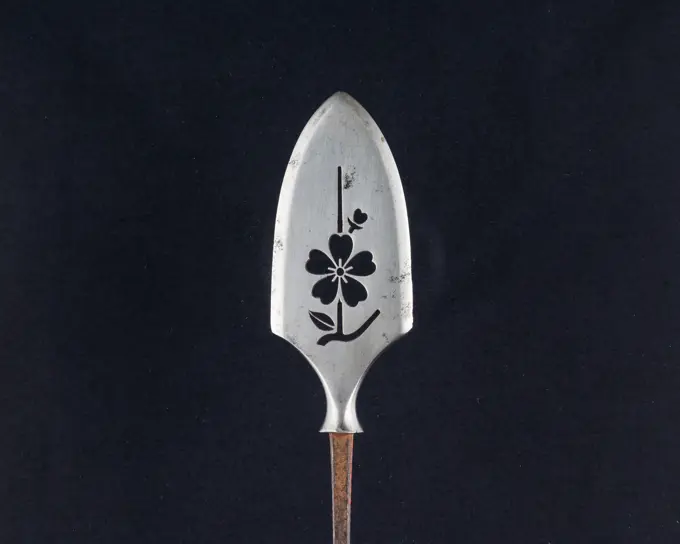
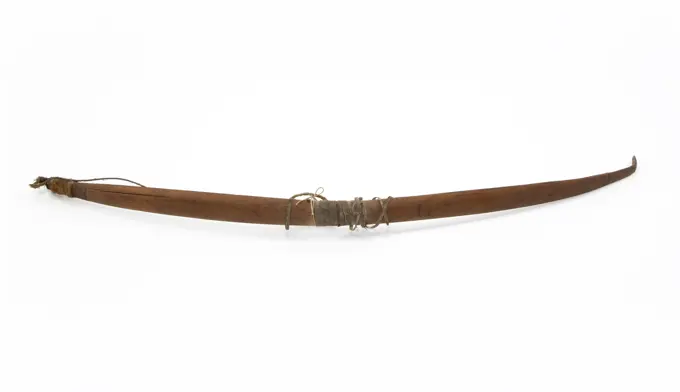
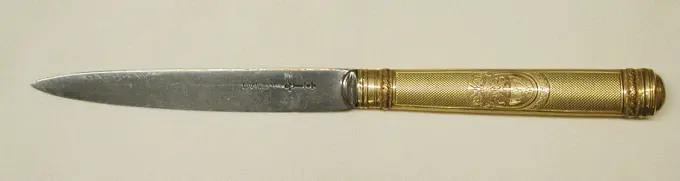
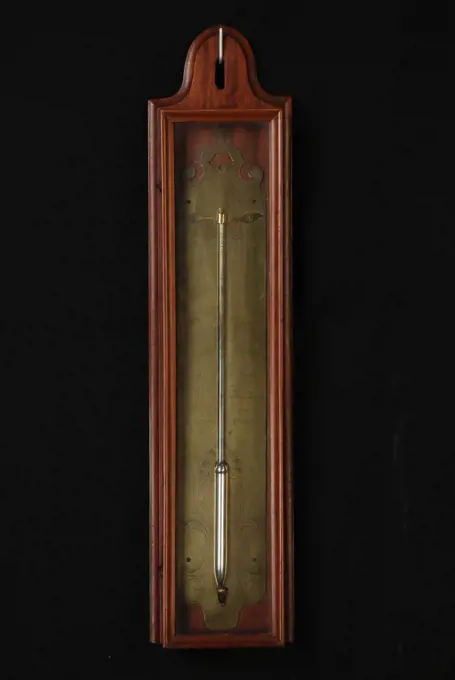
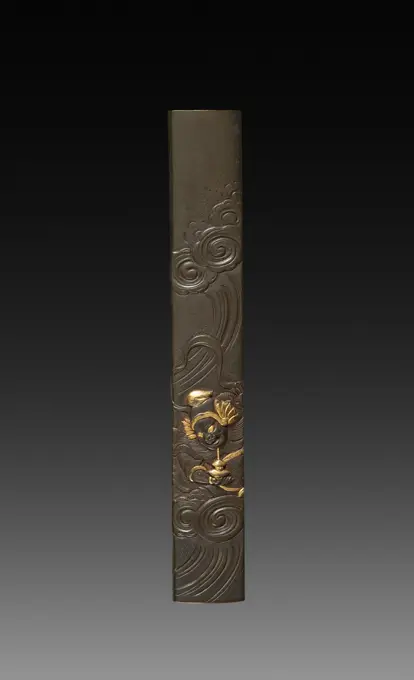
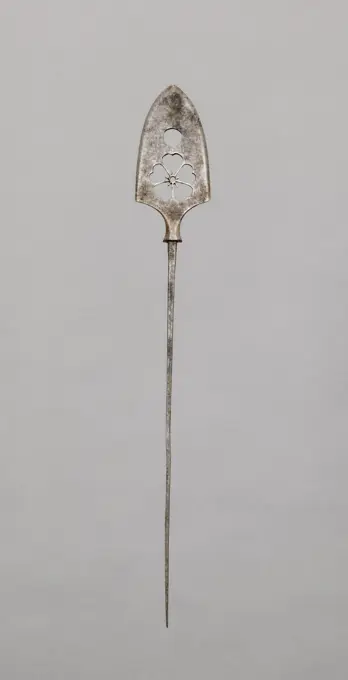
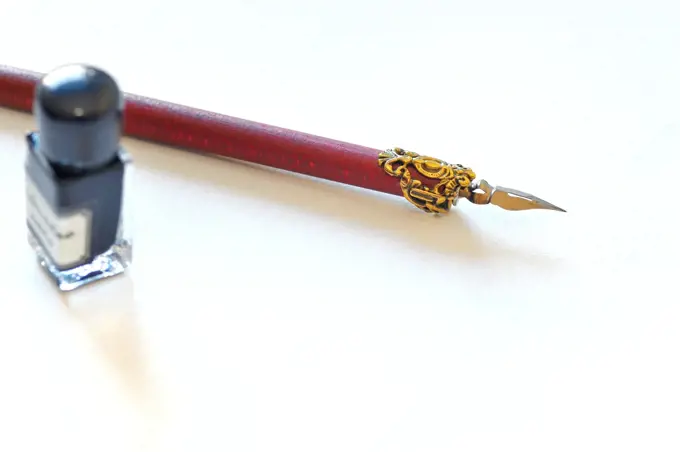
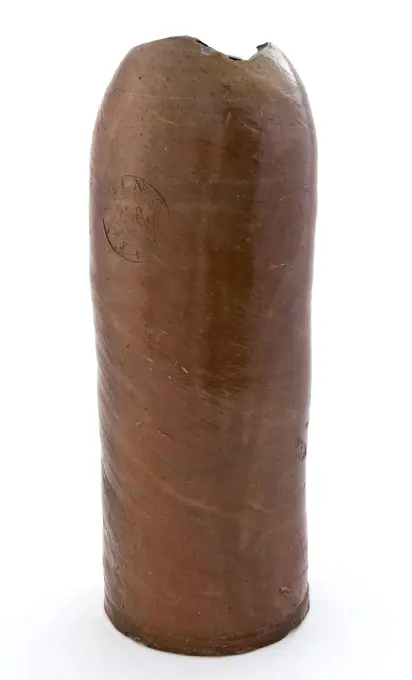
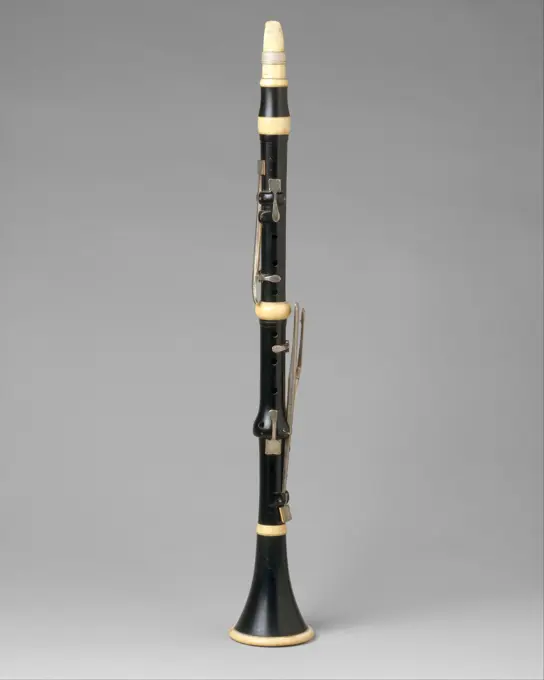
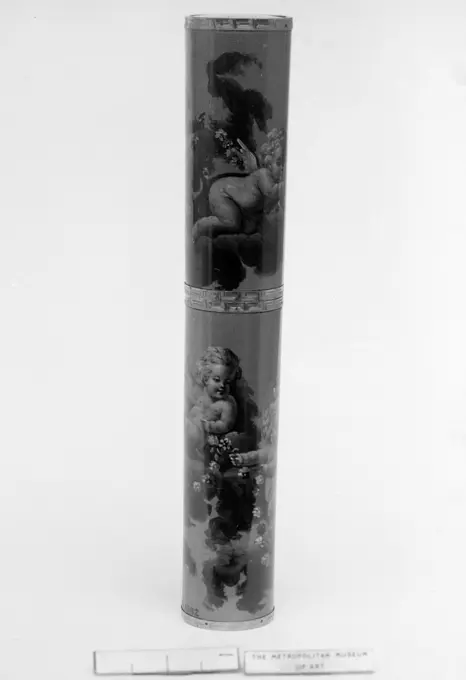
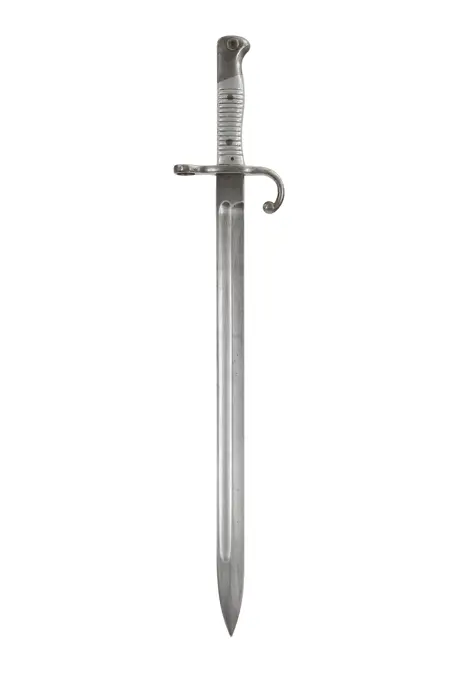
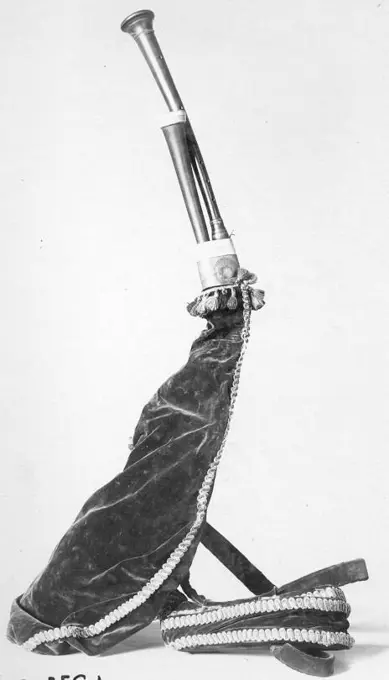
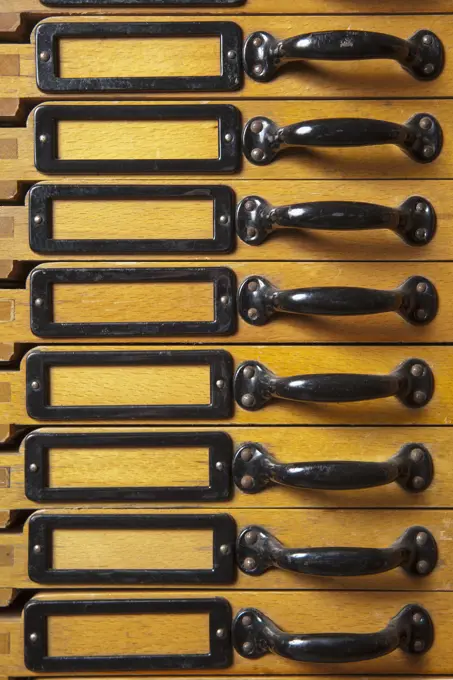
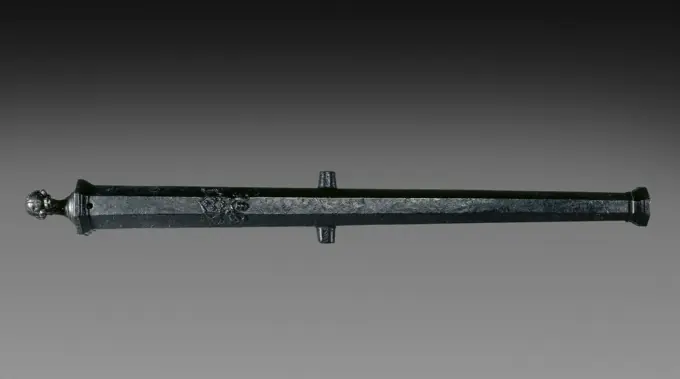
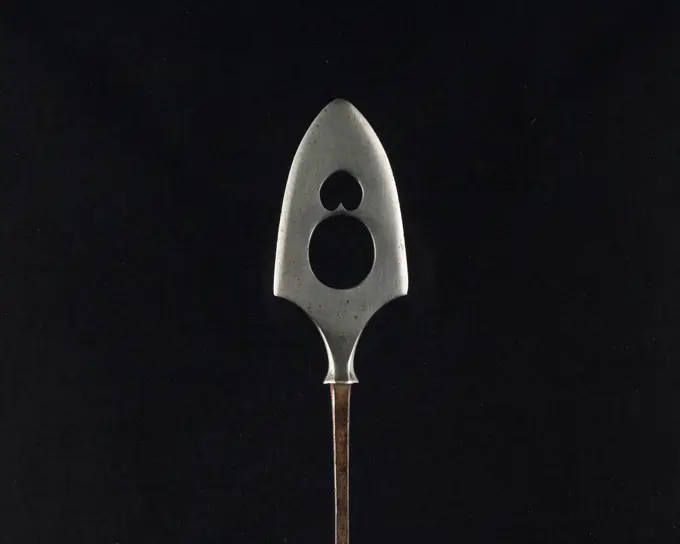
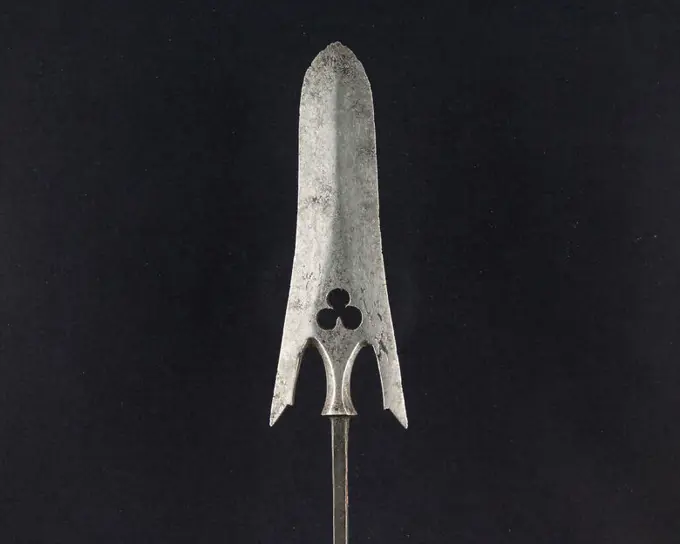
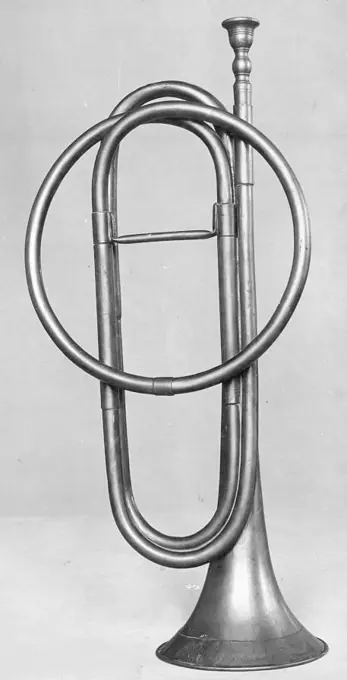
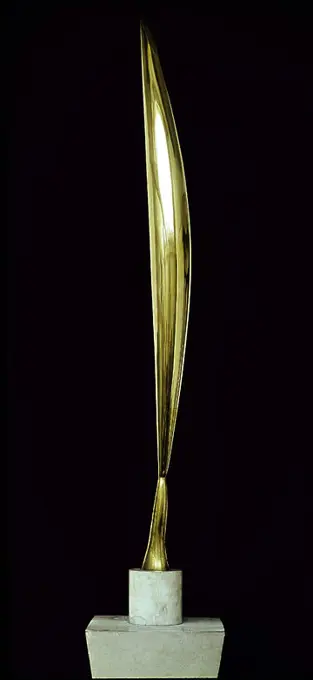
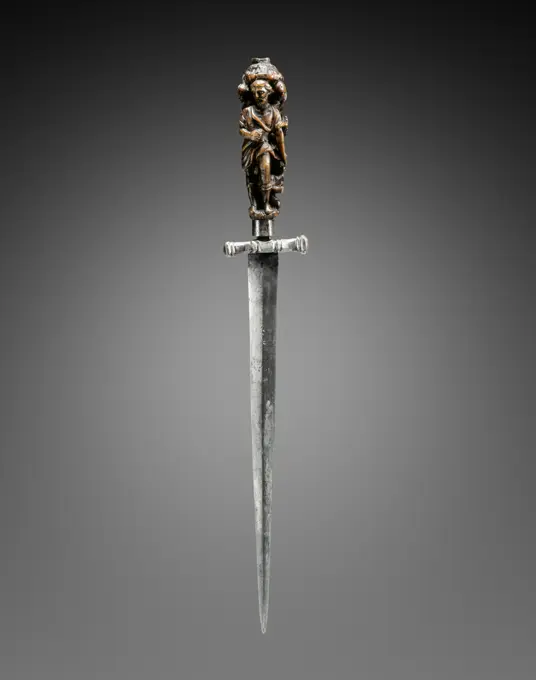
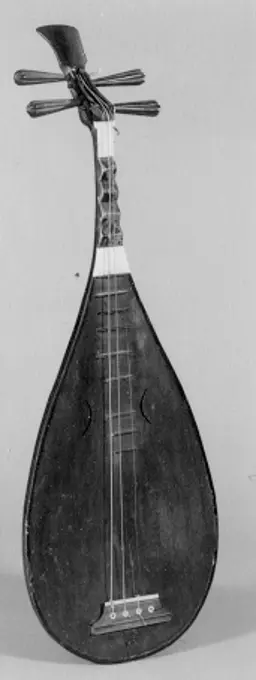
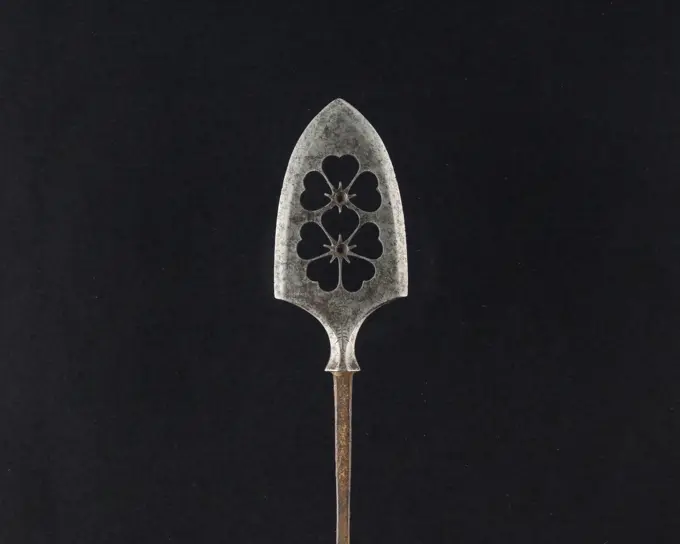
Fire Brush 1795-1815 American. Fire Brush 3635Oboe ca. 1770-88 Richard Milhouse British. Oboe 503368Cradle Frame Pieces () 12th-15th century Chimú. Cradle Frame Pieces () 312611Pair of Lappets (Joined). France or Flanders. Date: 1720-1739. Dimensions: 152 × 8.8 cm (59 7/8 × 3 1/2 in.). Linen, needle lace. Origin: France. Museum: The Chicago Art Institute, Chicago, USA.LANZAS PROCEDEN DE LA RIA DE HUELVA- EDAD DE LOS METALES- II MILENIO AC. Location: MUSEO ARQUEOLOGICO NACIONAL-COLECCION. MADRID. SPAIN.Fitting in the form of a candle. Fitting in the shape of a candle probably has been part of the wall armDrill for carving jade 20th century China These steel drills with blunt points (zhuangding or dingzi in Chinese), flat heads (tuozi), or curving heads (wazi) are used for high relief carving, undercutting, and fine shaping of small jade works. The craftsman holds the jade in one hand against the drill, which is mounted on a spinning shaft. He or she rotates the shaft using foot treadles, while continuously applying abrasives, usually sand mixed with water, to the tip of the drill, which cuts the jade.. Drill for carving jade. China. 20th century. Steel. HardstoneBelt -Knife, steel, enamel, silver, Blade, straight sided, upper edge tapering towards the point. Handle white enamel with multi-colored floral pattern in yellow, red and blue. Silver mounts on top of handle., possibly Germany, ca. 1670, cutlery, Decorative Arts, KnifeBronze spit ca. 550-525 B.C. Etruscan Square in section, ending above in a rounded plate, which is perforated in the center.. Bronze spit 247048Borders (France); block-printed paper, varnish; 76 x 25.5 cm (29 15/16 x 10 1/16 in.)Bident Head 19th century Turkish. Bident Head. Turkish. 19th century. Steel. Shafted WeaponsNecklace -in oman     the sky of   lantern    and   abstract illuminationNetsuke of Ashinaga and Octopus 19th century Japan. Netsuke of Ashinaga and Octopus 59370A metal fork with four sharp prongs stands upright against a plain white background. The wooden handle is aged and shows signs of wear, highlighting its use in agricultural tasksRodUmbrella with a deck of plain black silk, on metal stick on which a brown -liver wooden handle with five ridges in relief, anonymous, c. 1900 - c. 1925 Umbrella with a deck of plain black silk. Eight metal ribs. Metal stick to which a curved, browned wooden handle with five ridges in relief at the end. Long point with metal cap. Long black cover with a printer with lion in a coat of arms. Netherlands deck: Silk. Baleen: Metal. Stok: Metal. Handle: Wood (plant material). Hoes: Silk. Printer: Metal. Point: Metal casting / casting / cutting / lacquering / striking (metalworking) Umbrella with a deck of plain black silk. Eight metal ribs. Metal stick to which a curved, browned wooden handle with five ridges in relief at the end. Long point with metal cap. Long black cover with a printer with lion in a coat of arms. Netherlands deck: Silk. Baleen: Metal. Stok: Metal. Handle: Wood (plant material). Hoes: Silk. Printer: Metal. Point: Metal casting / casting / cutting / lacquering / striking (Clarinet in E-flat Steiner Söhne ca. 1830 Overall size: 478Bore: c-hole 10.4; f-hole 10.7Conical part: 98Technical description: Boxwood with horn ferrules and brass keywork. Six pieces: mouthpiece, barrel, upper section, middle section for the fingers of the right hand, lower section with keys, bell. Rosewood mouthpiece grooved for cord. Flask shaped unstamped barrel does not fit to tenon of upper section. Square wooden rings. Levers for L4, tone-hole and key for R4 mounted in a fusiform swelling. Guidance for straight F3/C5 lever. Integral wooden rim.L0:   T; speaker.L1:   T; throat A♮.L2:   T.L3:   T.L4:   E3/B♮4; F3/C5. R1:   T. R2:   T. R3:   T. R4:   T; G3/E♭5. Keyhead type: flat round. Keymount type: turned wooden rings and swelling. Inscribed on upper and lower section: asterisk /"STEINER / SÖHNE" / butterfly / asterisk; on bell: asterisk / butterfly / asterisk; on middle joint "Es". Playing accessories: one reed and cord (not original)(Heike Fricke, 2014)Red Corn Snake 'Motley Ultramel' on white backgroundSouvenir spoon British late 19th centuryArrowhead (Yanone) 18th century Japanese Although today Japanese warriors are renowned most for their swordsmanship, archery, especially from horseback, has been an essential part of samurai warfare and culture for centuries. Arrows were fitted with heads of varying shape according to their intended use in war, the hunt, or target practice. Arrowheads made for use on the battlefield incorporated different designs intended for specialized purposes such as the piercing of armor or to cause maximum damage to horses and unarmored personnel.Large arrowheads, pierced and elaborately chiseled with landscapes, birds, flowers, dragons, and Buddhist divinities, were created to be admired for the beauty of their metalwork and design rather than for use in archery. Such highly elaborate examples may have been made for presentation or as a votive offerings to a shrine.. Arrowhead (Yanone). Japanese. 18th century. Steel. Archery Equipment-ArrowheadsBow -Knife 1781 French, Paris. Knife 236071A. Reballio, Thermometer with engraved brass plate with glass thermometer tube and three different temperature scales from Réaumur, La Court and Fahrenheit, thermometer measuring instrument wood mahogany glass brass iron mercury h 60.0, cabinet thermometer An elongated mahogany cabinet with elongated glass door contains an engraved brass plate with glass mercury column on the plate shell - and leaf ornaments indications of temperature for which three different scales and signature At the scale in Fahrenheit at the respective temperatures are also experience types and location notifications where the relevant temperature occurred around the middle of the eighteenth century Top of the brass plate: THERMOMETER REBALLIO ROTTERDAM temperature measuring well-to-do citizens Rotterdam RotallioTibia 100 BC-200 AD  Italian (Ancient Roman). Tibia. Italian (Ancient Roman). 100 BC-200 AD . Bone, cement. Rome, Italy. Aerophone-Reed Vibrated-double reedA used soprano recorder, C-flute, woodenEtui Knife (probably Germany), ca. 1790; ivory, mother-of-pearl, pewter, steel; L x W: 18.4 x 1.7 cm (7 1/4 x 11/16 in.); The Robert L. Metzenberg Collection, gift of Eleanor L. Metzenberg; 1985-103-133-aKnife Handle (Kozuka), early to mid-1800s. Japan, Edo period (1615-1868). Inlaid bronze; overall: 1.4 cm (9/16 in.).Staff Weapon. Culture: Austrian. Dimensions: L. 99 5/8 in. (253 cm); L. of head 26 7/8 in. (68.2 cm); W. 3 in. (7.6 cm); Wt. 5 lbs. 10 oz. (2551.5 g). Date: dated 1663. Museum: Metropolitan Museum of Art, New York, USA.Knife Handle (Kozuka). Culture: Japanese. Dimensions: L. 3 13/16 in. (9.7 cm); W. 9/16 in. (1.4 cm); thickness 1/4 in. (0.6 cm); Wt. 1 oz. (28.3 g). Maker: Goto Renjo (Mitsutomo) (Japanese, 1628-1708, tenth-generation Goto master). Date: 17th century. Museum: Metropolitan Museum of Art, New York, USA.Arrow Point, 1700s. Japan, Edo period (1615-1868). Steel; overall: 25.2 cm (9 15/16 in.); head: 7.6 cm (3 in.).ancient sword on a white backgroundold fountain pen and inkPiccolo, anonymous, c. 1800 Piccolo of Palmhout with a valve. Top. Dresden wood (plant material). boxwood Piccolo of Palmhout with a valve. Top. Dresden wood (plant material). boxwoodBlade ca. 4000 B.C. Ubaid. Blade. Ubaid. ca. 4000 B.C.. Obsidian. Ubaid. Mesopotamia, NippurMascara white isolated. Smudged on paperBlank magnifying glass isolated on whiteStoneware mineral pitcher, cylindrical with round shoulder, sausage ear and short neck, mineral water pitcher jar product packaging container soil find ceramic stoneware glaze salt glaze approx., hand-turned glazed baked stoneware mineral pitchers cylindrical with round shoulder short neck and sausage ear. Stand area with traces of deduction and soul. Glazed. Marked under the ear and marked on the front with medallion Medallion in the medallion: FACHINGEN in the midfield left clawing lion archeology Rotterdam Kralingen-Crooswijk Struisenburg Oostmaaslaan Boslaan Buizengat advertising indigenous pottery import drinking water drinking medicine packaging Soil discovery: Buizengat Oostmaaslaan Boslaan Rotterdam an old landfill of urban waste.Pin from the wreck of the East Indies' t Vliegend Hart ,, 1700 - 1735  Copper pin with head. Pin. Middelburg copper (metal)brush brush Copyright: xZoonar.com/rgbx 847832Close up studio shot of .50 BMG bullet on brown backgroundPiccolo, anonymous, c. 1800 Piccolo of Palmhout with a valve. Dresden wood (plant material). boxwood Piccolo of Palmhout with a valve. Dresden wood (plant material). boxwoodClarinet in D 1820 or 1821 Astor & Co.. Clarinet in D 503664Scrollweight, one of a pair, 18th century, 11/16 x 1-1/16 x 11 in. (1.7 x 2.7 x 27.9 cm), Zitan, China, 18th centuryÉtui possibly 1772-73 French, Paris In eighteenth-century Europe, Paris led the production of high-quality luxury goods. Parisian goldsmiths made a wide range of small, personal articles such as snuffboxes; étuis to hold sealing wax, tweezers, or utensils for sewing; souvenirs, which contained thin ivory tablets for note taking; and shuttles for knotting lace. Gold snuffboxes and boxes decorated with portrait miniatures were prized and frequently given as royal gifts, often to ambassadors or members of the court in lieu of cash payments for their services. Coveted and admired, these boxes were produced from a variety of materials. The best were skillfully made of gold and embellished with diamonds, enameled decoration, lacquer, and other luxurious materials. By the middle of the century, the taking of snuff had become an entrenched social ritual, and the snuffbox, too, had become an important social prop. Snuffboxes were considered highly fashionable accessories, with some merchants adCosmetic vessel, 1st-5th century, 4 x 1 x 1in. (10.2 x 2.5 x 2.5cm), Glass, Ptolemaic Egypt, 1st-5th centuryWine Glass 1735-1785 England. Glass .Bayonet to the rifle, isolated on a white background, with clipping path Bayonet model 1891 to the rifle Mauser model 1891 Bayonet produced for the Army, Navy and Police of Argentina in Germany. Bayonets were made the company Weyersberg, Kirschbaum Cie in Solingen. Copyright: xZoonar.com/OleksandrxKostiuchenkox 3882309Dutr ca. 1860 Afghan (Turkmen) The dutr of Iran and Central Asia usually has two strings. This example is elaborately decorated with silver and brass appliqués that decorate the bowlback body and neck. Originally, the instrument was strung with silk, but today most dutrs have nylon strings.. Dutr. Afghan (Turkmen). ca. 1860. mulberry, bone, brass, silver, carnelian, turquoise. Northern, Afghanistan. Chordophone-Lute-plucked-frettedOld golden key isolated on white backgroundCornemuse 18th century French. Cornemuse 501468Germany, Bavaria, Chest of drawers of typesetting shop, close upHalf Model of a 1-Gun Schooner Gunboat, anonymous, c. 1803 ship model. half model. builder's model Polychromed mold model (starboard) of a two -mast. The skin above the barkwood is closed. The Scheg is low and gives room for a cannon on a role horse in the bow. The deck is closed and has notches for fifteen rowing benches, fifteen rowing rolls on the Dolboard; The aft deck is lowered and has a bench on the side like in a cabin. Flat mirror; Straight with tellows in the cabin. See to both ends ascending, a bark wood and a reehout. Peaked around, low and flat, sharp in front and aft ship. Netherlands wood (plant material)Needle sheath 17th-early 18th century Italian. Needle sheath. Italian. 17th-early 18th century. Wood. Textiles-Methods and MaterialsFalconet with Arms of Alessandro Farnese, Pope Paul III (1534-1549), 1534-49. Italy, 16th century. Bronze; diameter: 9.7 cm (3 13/16 in.); overall: 148.8 cm (58 9/16 in.); bore: 4.7 cm (1 7/8 in.).Arrowhead (Yanone) 18th century Japanese Although today Japanese warriors are renowned most for their swordsmanship, archery, especially from horseback, has been an essential part of samurai warfare and culture for centuries. Arrows were fitted with heads of varying shape according to their intended use in war, the hunt, or target practice. Arrowheads made for use on the battlefield incorporated different designs intended for specialized purposes such as the piercing of armor or to cause maximum damage to horses and unarmored personnel.Large arrowheads, pierced and elaborately chiseled with landscapes, birds, flowers, dragons, and Buddhist divinities, were created to be admired for the beauty of their metalwork and design rather than for use in archery. Such highly elaborate examples may have been made for presentation or as a votive offerings to a shrine.. Arrowhead (Yanone). Japanese. 18th century. Steel. Archery Equipment-ArrowheadsArrowhead (Yanone). Culture: Japanese. Dimensions: L. 12 1/8 in. (30.8 cm); L. of head 4 in. (10.2 cm); W. 1 1/2 in. (3.8 cm); Wt. 1.7 oz. (48.2 g). Date: 18th century. Museum: Metropolitan Museum of Art, New York, USA.A long musical instrument called flute vector color drawing or illustrationAlto ophicleide, anonymous, c. 1830 - c. 1850 Altophicleeid in Es. A ballot bracket in the winding of the stirring. Ten valves, the bottom of which is open with a set screw. The third valve is operated by the thumb of the left hand, the fifth and considered that of the right hand. The round, slightly convex valves, the ashes of which rest between two pillars on a support plate, close to tubes around the holes. France copper (metal) Altophicleeid in Es. A ballot bracket in the winding of the stirring. Ten valves, the bottom of which is open with a set screw. The third valve is operated by the thumb of the left hand, the fifth and considered that of the right hand. The round, slightly convex valves, the ashes of which rest between two pillars on a support plate, close to tubes around the holes. France copper (metal)Frame For Painting Frame for painting and photography Isolated on white Copyright: xZoonar.com/VictorxGladkiyx 7226359Cavalry Trumpet in C ca. 1800 Courtois père Listen to experts illuminate this artwork's story Listen Play or pause #9316. Cavalry Trumpet in C Supported by Bloomberg Philanthropies We're sorry, the transcript for this audio track is not available at this time. We are working to make it available as soon as possible.. Cavalry Trumpet in C 501680ESCULTURA - PAJARO EN EL ESPACIO - 1932-1940-1936 - 406,5X25X25. Author: CONSTANTIN BRANCUSI (1876-1956). Location: MUSEUM OF MODERN ART. NEW YORK.Dagger, early 1600s. Italy, early 17th Century. Steel and horn (associated grip and blade); overall: 27.6 cm (10 7/8 in.); blade: 19.1 cm (7 1/2 in.); quillions: 4 cm (1 9/16 in.). The carved grip of this dagger depicts the Old Testament story of the Sacrifice of Isaac.Thailand / China: A collection of hand carved wooden staffs used by Yao shaman. The Yao nationality (its majority branch is known as Mien) is a government classification for various minorities in China. They form one of the 55 ethnic minority groups officially recognized by the People's Republic of China, where they reside in the mountainous terrain of the southwest and south. They also form one of the 54 ethnic groups officially recognized by Vietnam. In the last census, they numbered 2,637,421 in China, and roughly 470,000 in Vietnam. In Thailand they number 40,000 and in Laos 20,000.Fan Dutch 19th centuryBow ca. 2030-1650 B.C. Middle Kingdom. Bow. ca. 2030-1650 B.C.. Wood. Middle Kingdom. From Egypt, Upper Egypt, Thebes, Asasif, East of Pabasa, Radim, MMA excavations, 1918-19. Dynasty 11-13Aegerine with Smoky Quartz, Mt. Malosa, Zomba, Malawi, AfricaComb 19th century probably German. Comb 99062Piccolo second half 19th century Louis Lot French. Piccolo. France. second half 19th century. Wood, metal. Paris, France. Aerophone-Blow Hole-side-blown flute (transverse)Attic Red-figure Cup Fragment. Epiktetos (Greek (Attic), active about 520 - 490 B.C.)Close up studio shot 8 x 57 bullet cartridge on brown backgroundPipa (琶 ) 19th century Chinese. Pipa (琶 ) 500627The pawn, chess piece isolated on a white backgroundWooden coffin on white backgroundHarp 18th century French. Harp 504731Arrowhead (Yanone) ca. 1615-1868 Japanese Although today Japanese warriors are renowned most for their swordsmanship, archery, especially from horseback, has been an essential part of samurai warfare and culture for centuries. Arrows were fitted with heads of varying shape according to their intended use in war, the hunt, or target practice. Arrowheads made for use on the battlefield incorporated different designs intended for specialized purposes such as the piercing of armor or to cause maximum damage to horses and unarmored personnel.Large arrowheads, pierced and elaborately chiseled with landscapes, birds, flowers, dragons, and Buddhist divinities, were created to be admired for the beauty of their metalwork and design rather than for use in archery. Such highly elaborate examples may have been made for presentation or as a votive offerings to a shrine.. Arrowhead (Yanone). Japanese. ca. 1615-1868. Steel. Archery Equipment-ArrowheadsEarring or bonnet pendant China. Earring or bonnet pendant 42960Corinthian Column Isolated Photo Front view corinthian column isolated on white background Copyright: xZoonar.com/DanielxFerreira-LeitesxCiccarinox 12216546Picture Frame from Adeline Guimards Bedroom at Hôtel Guimard, Paris, France Photo Frame; Designed by Hector Guimard ((French, 1867-1942)); France; brass, silver, plate glass, silk velvetBouquet holder of cut and open -up ivory decorated with sharpened steel beads, consisting of a handle with cannelures, a button of accanthus leaves and palmets on which spouting, pointed leaves that close with a loose ivory ring, anonymous, c. 1820 - c. 1830 Boeket holder (posyholter, Porte-Bouquet) of cut and openwork ivory decorated with sharpened steel beads, consisting of a handle with cannelures, a button of accanthus leaves and palmets on which spouting, pointed leaves that close with a loose ivory ring. Model: A straight stem comes with deeper and shallow cannelures from an ornament of accanthus leaves. Hereby a button that is composed of hanging accide leaves and raised palmets, above which a ring with pointed shields in which a three -pass. Between this ring and the round hole in the handle, six pointed leaves are placed, which are closed by a loose, decorated ring. Decoration: The ornament at the bottom of the stem, the button and the loose ring are set with small, faceted stBeautiful water splash mushroom isolated on whitePen Case 15th-16th century Eastern Tibet, Derge This gilt-steel container for writing instruments is inlaid with gold in the form of cartouches filled with abstracted foliate scrolls and lotus flowers, all set on a similarly patterned ground, including geometric patterns. This extremely fine example of Tibetan inlaid metal work is from the Derge kingdom of eastern Tibet.. Pen Case 39428Asia, Japan, Nikko. Toshogu Shrine, Daimvo GvoretsuPanel For A Fan Case (China); silk, metallic yarnsSouvenir of Józef Czapski  Pastel Pencil Pastel L.&C. Hardtmuthold tobacco pipe on a wooden backgroundMaker's mark