Historical Weaponry Artifacts

A range of antique weaponry including hunting swords and decorative sheaths, showcasing intricate designs and a variety of materials.

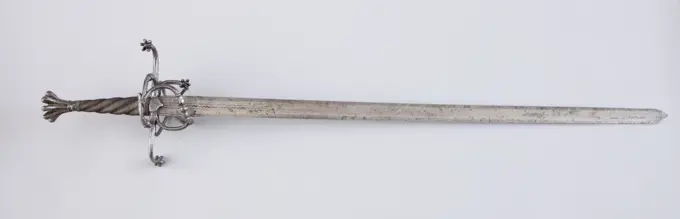
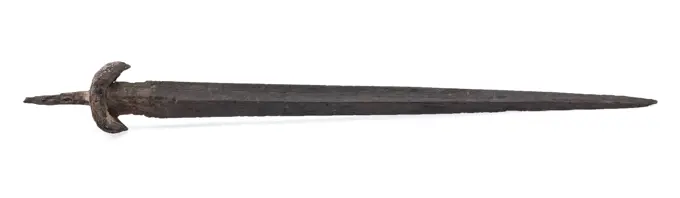
Ridderdegen, anonymous, c. 1850 - c. 1870 sword Iron. Korf with button, two brackets, donkehoef, half parent bar, bump plate with holes, wrapped handle. Kling with engraving of current Wolf (Wolfskling) and 1414 on both sides. On the heel of the blade on one side the PWB brand.  iron (metal).
Ridderdegen, anonymous, c. 1850 - c. 1870 sword Iron. Korf with button, two brackets, donkehoef, half parent bar, bump plate with holes, wrapped handle. Kling with engraving of current Wolf (Wolfskling) and 1414 on both sides. On the heel of the blade on one side the PWB brand. iron (metal).
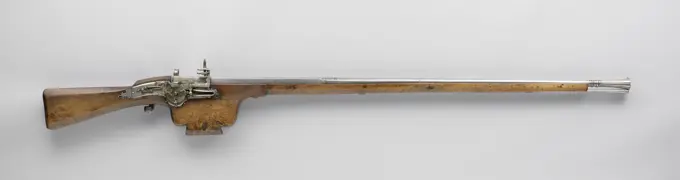
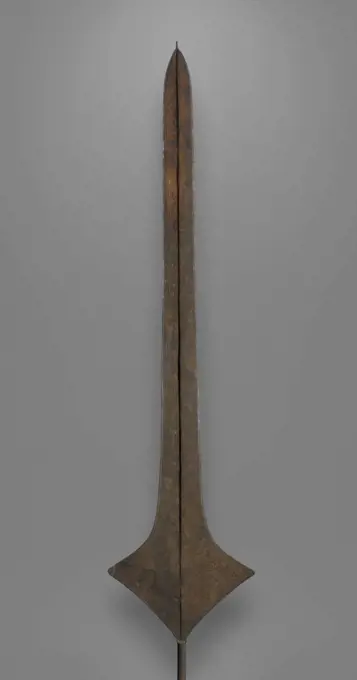
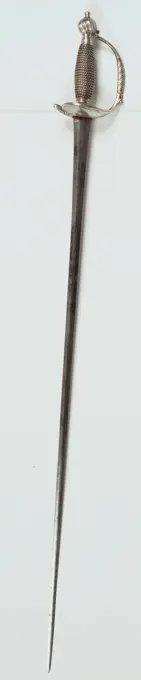
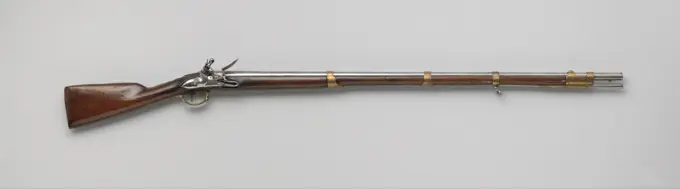
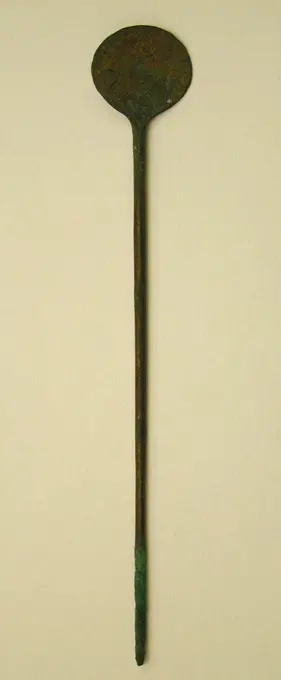
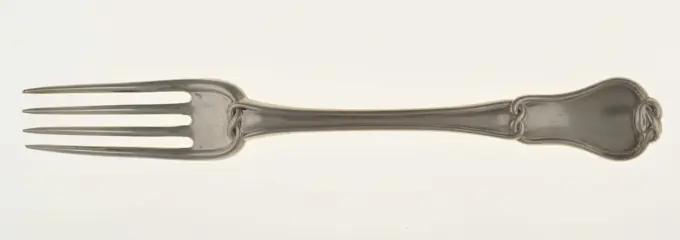
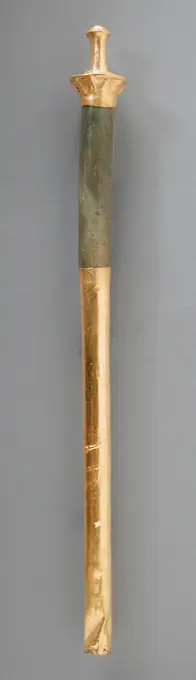
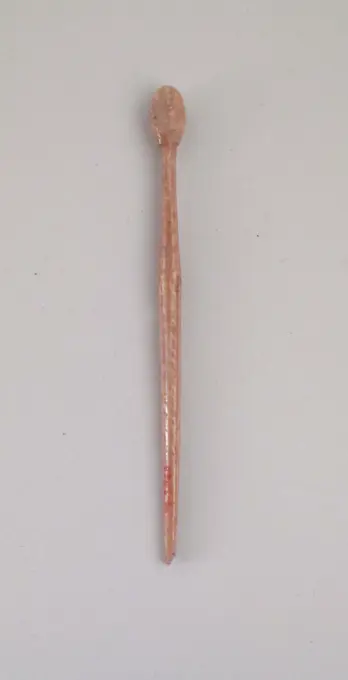
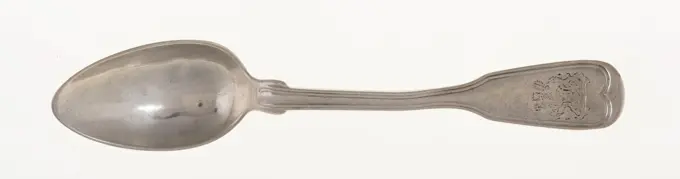
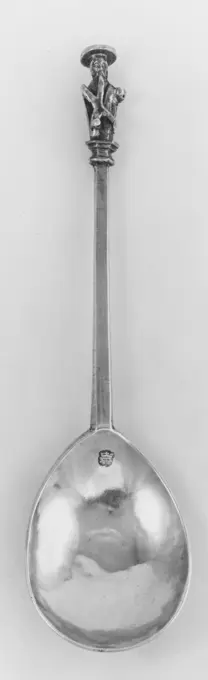
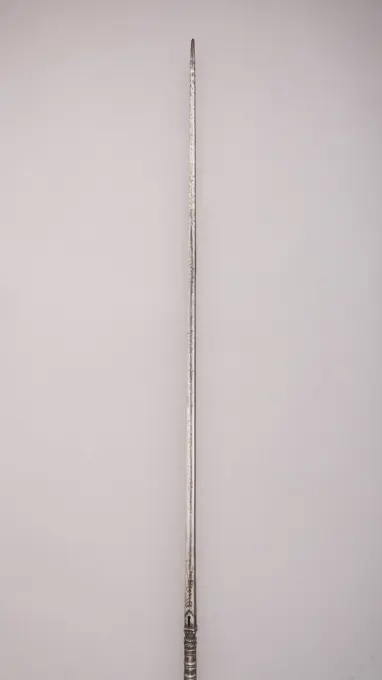
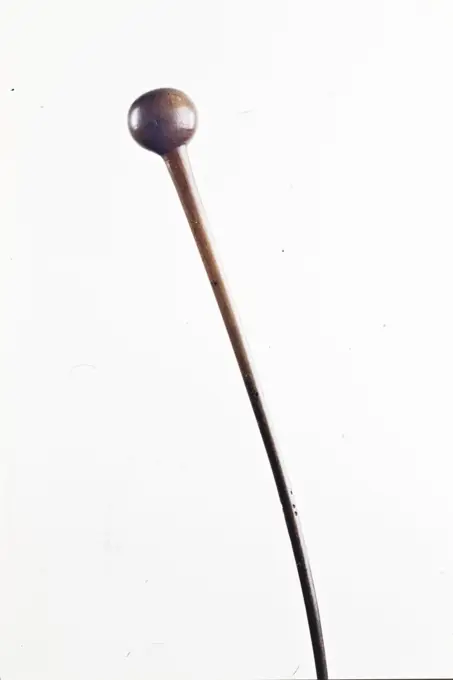
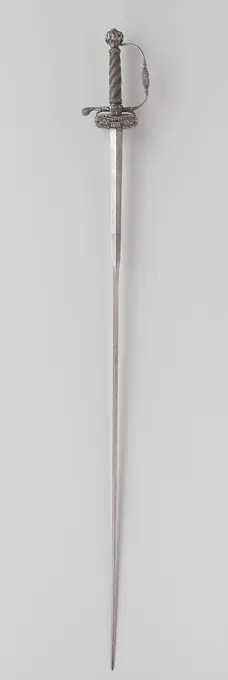
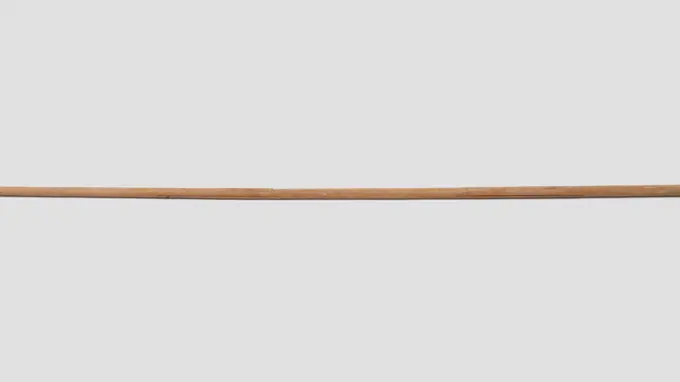
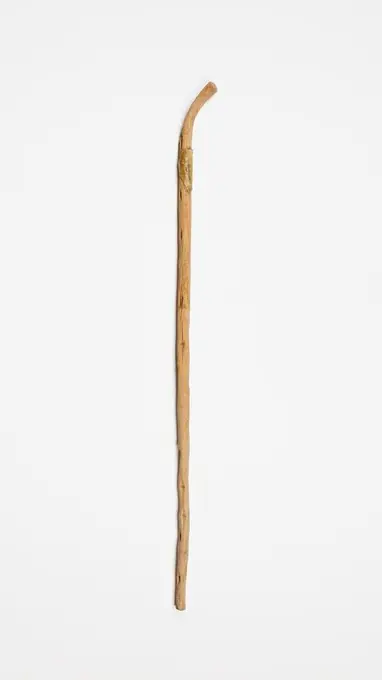
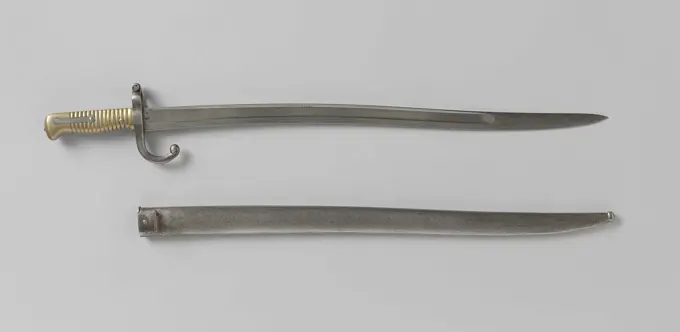
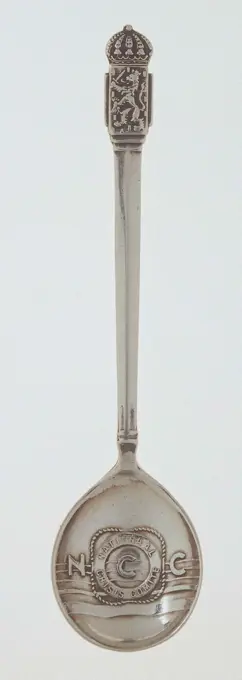
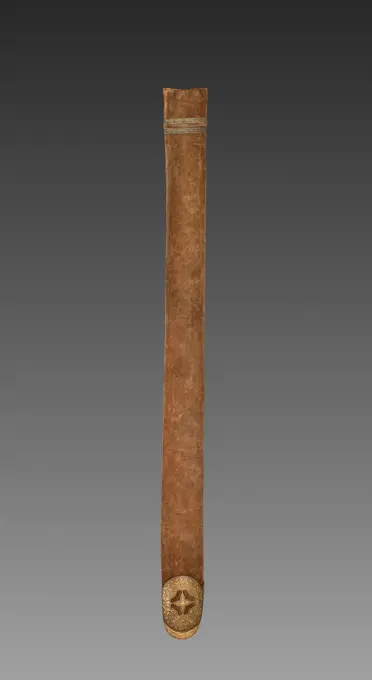
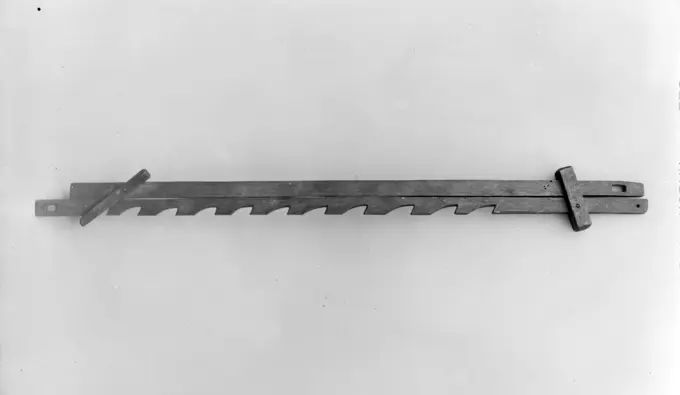
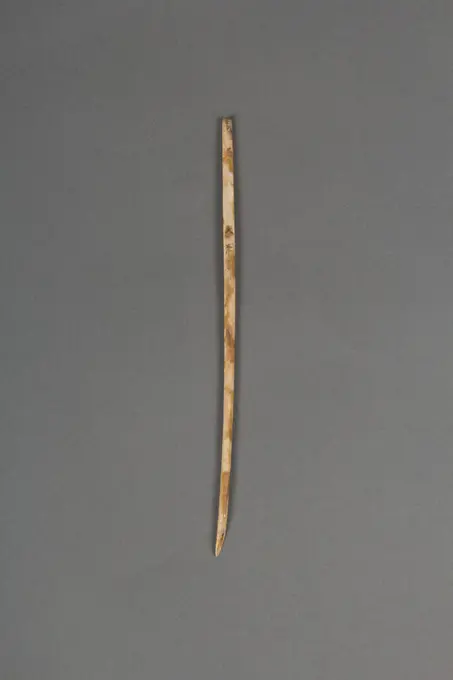
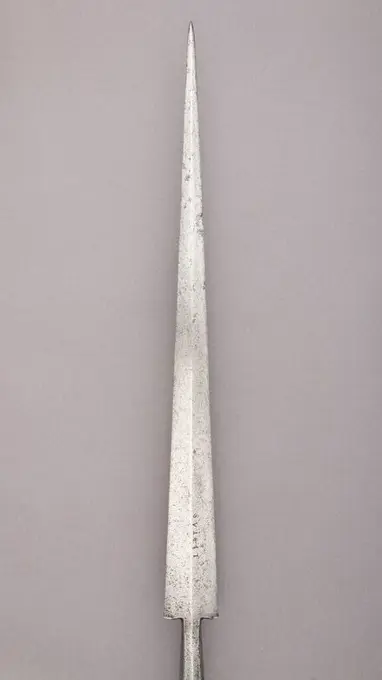
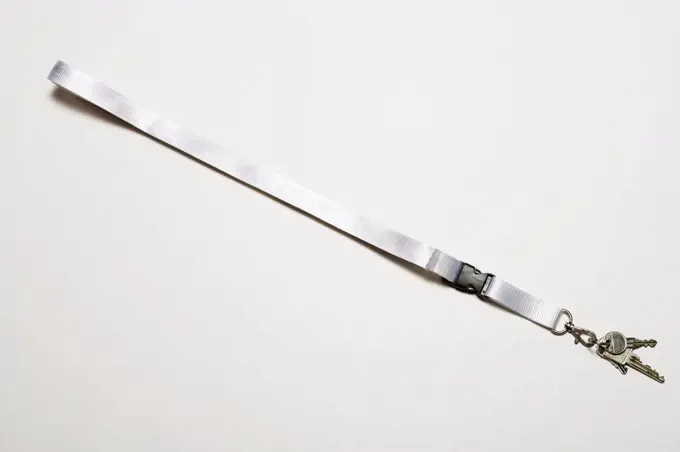
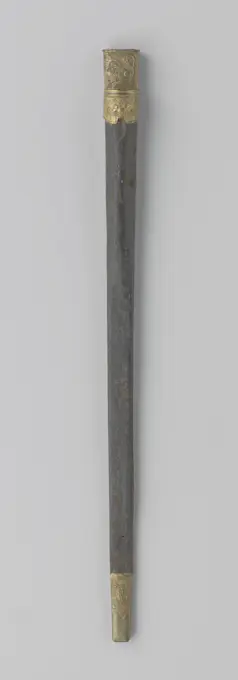
Schede van A Hartvanger, Anonymous, 1750 - 1800 sheath Leather sheath from a heart catcher with space for hunting cutlery on the sheath. Gold-up top and bottom tire with animal and plant motifs decorated.  schede: leather. copper (metal)Heart catcher with ebbenhout grip, anonymous, 1784 hunting hanger Heart catcher or hunting sword. The asymmetrical hilt is taught with a loader; The ebony grip has the shape of a handle, is vertically grooved and equipped with three buttons with smashed dots and lines; The straight pare rod is engraved in the same way as the buttons and has a battery -shaped edge; A gilded yellow -lying double chain runs from an eye at the top of the handle to the flat end of the pare rod. The single -cut blade with a light curve is etched on the outside with an inscription. West-Europa ornamenten: brass (alloy). greep: ebony (wood). greep: gilding (material). kling: iron (metal) striking (metalworking) / cutting / gilding / engraving / etchingBusk. Culture: French. Date: ca. 1660. Museum: Metropolitan Museum of Art, New York, USA.Ridderdegen, anonymous, c. 1850 - c. 1870 sword Iron. Korf with button, two brackets, donkehoef, half parent bar, bump plate with holes, wrapped handle. Kling with engraving of current Wolf (Wolfskling) and 1414 on both sides. On the heel of the blade on one side the PWB brand.  iron (metal).Swordhellebaard.Halberd, openwork, thickened points to the moon. Long, narrow duut. Openwork ax and hook with irregular notches on the edge. Smooth shaft with a coat of arms (illegible). Square stick with feathers over the entire length.Bamboo walking stick with pear -shaped button and copper point, anonymous, c. 1640 - c. 1675  Simple bamboo walking stick with pear -shaped button and copper point. Linen is clamped between the button and bamboo and the parchment label is attached to a thin wire. Marked; On label R.B.: 557A7. Inscription; On label: the married walking stick of / den Admiraal M. A. de Ruyter. Netherlands stok: bamboo. knop: ivory. punt: copper (metal). linen (material). yarn. parchment (animal material). ink forging / penSierdende from a substitute clerk, anonymous, c. 1909 - c. 1948 small-sword Sierdegen belonging to an official costume of a substitute clerk to wear at the court or with ceremonies where members of the Royal House were present.  kling: iron (metal). gevest, schede: brass (alloy). schede: leather. greep: mother of pearl. schede: felt (textile)   NetherlandsDegen met zilveren gevest.Ornamental degree. The hilt of cast silver is sloping slopidly; The fist bracket is screwed to the anti-assembly and stamped on the carrying side with a city center of Amsterdam, a monogram of a silversmith and a brand that probably proposes an ax; The pearl rod ends in a button with a small button on top, on the pearl block there are also two short finger brackets that finish just above the bump plate; The baffle plate is boot-shaped and equipped with a decorative bow on the back. The two-sided blade starts with an oval sectional view and runs out in hexagonal; etched with braid with a panel underneath with the address of the sword sweeper and braid, curls, flags, arabesque, flattened areas such as a flower and a row of round paternosters.Ellemaat, Anonymous, 1800  Length of 1 tbsp. Near the start of the size (the thickest part) on the side on which the distribution is also applied: some (illegible) stamps. Netherlands wood (plant material)   NetherlandsHairpin 5th-6th century Coptic. Hairpin 473121Yeah - Opatat to fish; W Admimir, Niko Aj Gawri (Fl. 1898-1917); 1890 (1888-00-00-1888-00-00);Walking stick of wood with a button on a button, anonymous, c. 1700 - c. 1750 IJzerhout walking stick (). The button consists of a sliced satek head connected to the stick by an ornament. Button and stick in one piece. Europe ironwood   Friesland IJzerhout walking stick (). The button consists of a sliced satek head connected to the stick by an ornament. Button and stick in one piece. Europe ironwood   FrieslandStylus . Stylus  251909 Stylus , Bronze, Other: 4 3/4 in. (12.1 cm). The Metropolitan Museum of Art, New York. Fletcher Fund, 1925 (25.78.129)Natural Trumpet from the wreck of the Dutch East India ship Hollandia, made by Georg Friedrich Steinmetz, Georg Friedrich Steinmetz, 1700 - 1735 musical instrument. wind instrument. trumpet. natural trumpet Trumpet with slowly flared tube. A wide -ranging chalice is placed at the bottom of the tube. The chalice is decorated with vegetable motifs and with a text (maker). At the top a wider tube has been put over the end of the trumpet. This short tube has a spherical shape in the middle. The short tube is decorated with diagonally running stripes and vegetable motifs.  brass (alloy)Silver Products Factory K.F. Malcza (Warsaw; Sreber label; 1828-1864), Malcz, Karol (1797-1867); 1887 (1887-00-00-1887-00-00);Flintlock Wall Piece, anonymous, c. 1825 - c. 1840 musketoon. flintlock gun Flint fortress (Walbuks) with battery lock; Profile band at room; elongated half oval iron visor grain; No visorkeep; At the bottom of an on -walk brand flat lock plate and rooster with beveled sides; Bottom lock plate concave; Nutenhouten French flask; brass band around drawer; Four brass loading stickers whose front trumpet -shaped; wide round tractor bracket; brass flask; Iron cheststick with thicker front part; Brass counter -lock plate accolade shaped. In use in 1830. Europe Laadstok, lock, run: Iron (Metal). Batter: Brass (Alloy). Drawer, Kolf: Wood (Plant Material)Sabel belonging to Cornelis Tromp, Anonymous, c. 1650 - c. 1679  Sabel with wooden sheath with a small knife. The handle of rye façade is wrapped with green silk, Pommel van Hoorn, Ferrule (mounting above Tsuba) has a decoration that is common in North Vietnam and also the wide-spreading shape towards the Tsuba is typical of Northern Vietnam. TSUBA has a shape of a chrysanthemum. Tempered steel blade. North Vietnam (Possible) copper (metal). mother of pearl. cypress (wood). silk. horn (animal material). steel (alloy)Button belonging to a walking stick. Button Belonging at Walking Stick.Sword. Culture: Eastern Tibetan. Dimensions: L. 38 1/2 in. (97.5 cm); L. of blade 32 3/8 in. (82.2 cm); W. 3 in. (7.6 cm); D. 3 1/4 in. (8.3 cm); Wt. 2 lb. 6 oz. (1077.3 g). Date: 18th-19th century. Museum: Metropolitan Museum of Art, New York, USA.Fire Tongs 1770-1830 American. Fire Tongs 3657Blade and baffle plate of kidney dagger with double-edged blade, kidney dagger dagger knife stab weapon weapon fragment soil finding iron metal, forged Knife with round metal baffle at the blade. The blade is double-edged and diamond-shaped in cross-section. The blade shape is in the front half well suited for bumping and to the heel also more suitable for cutting. The ironwork testifies to precision and craftsmanship. The steel is good quality archeology cave hunter whirlpool dagger cave dagger ball person decoration status symbol personal equipment defense clothing accessory militariaGoal gun, anonymous, c. 1620  Radslot rifle (disk shoot rifle); Round part run with three cannelures on top by profile band on which year: 1620 separated from square part; trumpet mouth grooved lengthwise; marker -shaped visor grain; With tail piece round visor ring; The bottom run a smashed unclear brand; Outdoor Rad, with three Y-shaped roosters; flat lock plate; rooster with rectangular curved shaft; sliding pandel; tractor protection mechanism; lock in square block that forms a whole with drawer; wave of wave; Diagonally grooved round cargo carriers; With front slot bolt round plate with three lips, with a hind final bolt pentagonal plate; vertically moving tractor.  iron (metal). wood (plant material)Robert Peppin, Skewer, 1824/25, silver.Stick of a banner of the armed civilian power. Value of the model of 13.2.1800. Ecru, in the middle an oval from two down curved laurel branches, which are kept up at the top by a large bow of red white-blue ribbon. The white job is wider than the other two. On this is in golden classic capitals: 3rd Batailon, and: 3rd half brigade. In the oval a ranging lion in natural color with three-quarters covered; A curved sword with yellow hilt in the right-raised right. He walks into a landscape under a light clouded blue sky. Parade side: DITO oval with laurel branches, bow and inscription. On the red oval in golden classic capitals: for the home and the law.Knife -CurrencyBlade, 18th-19thcentury, Iron, 67 1/4 × 15 5/8 × 7/8 in. (170.815 × 39.7 × 2.3cm), ILE2009.6.15 , Made in Democratic Republic of the Congo, Lokele, 18th-19thcentury, NumismaticsPin terminating in a male head ca. 1st century A.D. Parthian or Kushan. Pin terminating in a male head 327523Degen, gemerkt: FM.Degen, grip wrapped with rotated silver wire. Tested gold plated button with narrow gold-plated front bracket with oblique lines decorated. Bottom bracket widened to heart-shaped gold punched baffle plate. Marked FM (Frederik Mampieus). Iron blade.Kohl stick () ca. 1295-1070 B.C. New Kingdom, Ramesside. Kohl stick () 568361Flint rifle for the Harlingen militia, Lambertus Michaelis Thone, c. 1780 flintlock gun Flint rifle for the Harlingen militia. The final plate is engraved with the signature of the maker with the number A 1621 chiseled underneath; On the inside is D.III or D.M. Stamped. The Wapen van Amsterdam is stamped on the barrel; At the bottom are two brands that cannot be brought at home. The flask is simply cut and stamped with a cross pate. The yellow-leaking batter includes the battery-shaped screw plate, four sliding runs and a thumb plate engraved with 7 Q H Harlingen n = 8; The bunch of hinged brackets is made of iron and the steel chest of drawers is engraved with CN No. : 44. Amsterdam brass (alloy). iron (metal). steel (alloy). wood (plant material) engraving / cutting  HarlingenArrow Point, 1700s. Japan, Edo period (1615-1868). Steel; overall: 16.6 cm (6 9/16 in.); head: 5.8 cm (2 5/16 in.).Pina late 19th century Chinese. Pina 500632Vlaggenstok, anonymous, before 1822  Flagpole for a flag during the Boni expeditions, two penalty expeditions from the KNIL to Celebes, 1824-1825. For the flag see NG-1977-279-22-1. Indonesia wood (plant material). iron (metal)   Bone. WatamponeBOODE STAF OF THE WINE KOOPERS GILDE, Anonymous, 1675 - 1700  Round wooden stick with sections, decorated with wood carving. On top is a bacchus on a barrel with a drinking bowl in the right and a grape voucher in the left hand. Below that Adam and Eva before and after the fall, below that marriage (-saving) and a woman with two children. Below five smoking and drinking men who make a round dance. The staff ends in a grape vent. There should be silver rings between the scenes, of which only the lower one is still present. Netherlands ebony (wood). silver (metal) cutting / striking (metalworking)  NetherlandsMarine's Sword in Scabbard, anonymous, 1812 sabre Scheepssabel No. 2 in Schede. Curved blade with wide blood channel, yellow -lying hilt with a curved front bracket and hanging pare rod with end button. On both sides, an anchor is roughly engraved on the blade. De Schede has a brass bottom tire and upper tire with carrying button for the carrying tape. Netherlands iron (metal). brass (alloy). leatherHammered Copper Pin (tupu) 8th-mid-16th century Chimú (). Hammered Copper Pin (tupu). Chimú (). 8th-mid-16th century. Copper (hammered), gilt. Peru. Metal-OrnamentsA case with a stroke;  19th/20th century (1867-00-00-1918-00-00);STOP fork; Gumpert, Georg Heinrich (Fl. 1850-1893); 2. PO. 19th century (1800-00-00-1810-00-00);Chopstick, 918-1392. Korea, Goryeo period (918-1392). Bronze; overall: 24.5 cm (9 5/8 in.).Bow -STOP fork; Malcz, Karol (1797-1867), Silver Products Factory K.F. Malcza (Warsaw; Sreber label; 1828-1864); 1852 (1852-00-00-1860-00-00);Spoon 1671-72 Robert King. Spoon 192251Ear Rod. Panama, Cocle, Venado Beach, Coclé, 500-1550 CE. Metal. Jade and goldStylus. Stylus. Ivory or bonea hundred;  19th century (1800-00-00-1810-00-00);Fork, Horn, brass, steel, Long two-tined fork, decorated at the inside of the rounded shoulders; short baluster stem. Tapered wooden handle of oval section with beaked end; handle divided latually by bands of laminated horn, silver, gold; handle piqué and inlaid with rozettes and dots of different metals. Rozette on flat end., Germany or Austria, 1650-1700, cutlery, Decorative Arts, ForkPartisan ca. 1540 Italian. Partisan 25929Robert Jygges, Apostle Spoon: Saint Andrew, 1628/29, silver.Oboe, anonymous, c. 1720 - c. 1750 Hobo of boxwood wood, rich with silver mounted, with silver bracket, on which a ring. The silver valves are engraved. Six holes. The instrument consists of three separate pieces. The mouthpiece is missing. Amsterdam boxwood (hardwood). silver (metal). Hobo of boxwood wood, rich with silver mounted, with silver bracket, on which a ring. The silver valves are engraved. Six holes. The instrument consists of three separate pieces. The mouthpiece is missing. Amsterdam boxwood (hardwood). silver (metal).Degen labeled: G. .. ZIJZEN DEEN. Ornamented codes copper hilt. Louis XV style. Button with bracket, handle, pearer rod labeled GH (Gerrit Honig), Ezelshoef, Ricasso and bump plate. The whole in symmetrical princes. Bump plate is bent on one side in two curls. Iron three-sided claling with etched decorations. A remainder of gilding on the heel.Sword 18th-19th century Eastern Tibetan. Sword 26535Spear (Sang) 18th-19th century Indian. Spear (Sang) 30755Staff, 23 1/2 x 2 1/2 x 2 1/2 in. (59.7 x 6.4 x 6.4 cm), Wood, KenyaDegen met gebeiteld ijzeren gevest.The iron hilt is chiseled in various places in bas-relief with rows of porkiers, all viewed from behind, and continue with rows of riders with turbans in high relief and dog cups; The baffle plate is printed in high relief with riders and peakers for a fortress or city gate with the year 1662 on it; The wooden handle is wounded with rotated iron wire and has a braided grip ring on either side. The bling with a colothemarken shape is two-sided, has a diamond-shaped diameter and is etched with arabesque.Straight staff ca. 1981-1802 B.C. Middle Kingdom. Straight staff. ca. 1981-1802 B.C.. Wood. Middle Kingdom. From Egypt, Middle Egypt, Meir, Khashaba excavations, 1910-11; Probably from Tomb of Hapiankhtifi or Ukhhotep. Dynasty 12Walking stick. Dimensions: L. 113 cm (44 1/2 in.). Dynasty: Dynasty 11-18. Date: ca. 2124-1504 B.C.. Museum: Metropolitan Museum of Art, New York, USA.Crossbow bolt -Degen, Anonymous, c. 1600 - c. 1800 sword Degen with a button with grooves and one with copper wire was grabbed. The blade is marked on one side with four crowned heads in profile, five crowned heads on the other and a coat of arms with a vertical bar.  iron (metal). copper (metal)Straight staff. Dimensions: L. 159.2 cm (62 11/16 in.). Dynasty: Dynasty 12. Date: ca. 1981-1802 B.C.. Museum: Metropolitan Museum of Art, New York, USA.Sabelbajonet that can be attached to a rear charger with a BEAUMONT system. The bayonet has an iron blade with brass hilt. The baffle plate has a pearl rod with the weather button. The handle of the bayonet is ribbed. Belonging to the Bajonet an iron sheath.Spoon from the National Crisis Committee. Spoon from the National Crisis Committee with inscription. At the end is a crown with the weapon of the Dutch lion with sword and arrows below. In the hollow side of the spoon a lifebuoy with text engraved, golf behind it. Bolle side spoon two markets.Lans of the arms rack of governor-general J.C. Baron Baud, Anonymous, c. 1800 - c. 1900 pike Round wooden shaft with long narrow blade, which is gilded at the base and is decorated with leaf motifs. The top of the shaft has on the gilded iron cover with golden wire woven diamond -shaped motifs. There is a copper baluster -shaped button on the underside of the shaft. Java wood (plant material). iron (metal). cotton (textile). copper (metal) cutting / forging / gildingStaff, 19th-20th century, 47 13/16 x 3 1/4 x 2 3/4 in. (121.4 x 8.3 x 7 cm), Wood, Tanzania, 19th-20th centurySmallsword - Benjamin ThompsonUnderstop of parasol or umbrella of beech wood with a button of coconut palm and metal sphere on ring, Gustav Schnitzler, c. 1920 - c. 1940 Understock of parasol or umbrella of beech wood with a button of coconut palm and metal sphere on ring. Nijmegen Bol: Metal. Ring: Metal. knob:. Stok: Beech (Wood) Understock of parasol or umbrella of beech wood with a button of coconut palm and metal sphere on ring. Nijmegen Bol: Metal. Ring: Metal. knob:. Stok: Beech (Wood)Knife, Mother-of-pearl, brass, horn, steel, Straight-sided blade, the upper edge tapering downwards to the point. Decorative indentions on the upper edge. Plain bolster, handle square in section, flaring towards the end, cumulating in a stylized bird's head. Tang continues with scrolled edge, fitted with mother-of-pearl scales with three rivets, top of handle has horn scales. Two large brass buttons on each side., France or Italy, ca. 1580, cutlery, Decorative Arts, KnifeLegs with handles at the end, blade knife ground find leg, w 1,3 sawn turned Legs blade At the end button after narrowing Turns around the knob as decoration Gradually narrowing towards the base archeology underground pit Rotterdam City triangle Groenendaal indigenous product cutting cutlery eating table Soil discovery: underground pit Groenendaal 1977.Pin ca. late 3rd-early 2nd millennium B.C. Bactria-Margiana Archaeological Complex. Pin 326770Figure-top spoon second half 19th century Dutch. Figure-top spoon 188303Learning penny belonging to the Degen of the Official Costume of Mayor Hoytema, Anonymous, c. 1900 - c. 1977 civil servant's sword Learning penny belonging to the Degen of the Official Civil Code of Mayor Hoytema. Netherlands (possibly) leather   ScherpenzeelPen Case and Ink Well 19th century Japan. Pen Case and Ink Well 59976Spoon 1770-1800 John Burger. Spoon 7769Tweezer. UnknownPen. Dimensions: L. 16 cm (6 5/16 in.). Date: 30 B.C.-A.D. 364. Museum: Metropolitan Museum of Art, New York, USA.Bottle. Culture: Roman. Dimensions: H. 14 cm; diam. of rim 2 cm. Date: late 1st-3rd century. Museum: Metropolitan Museum of Art, New York, USA.Textile manufacturing tool ca. 1295-1070 B.C. New Kingdom, Ramesside. Textile manufacturing tool. ca. 1295-1070 B.C.. Bronze or copper alloy. New Kingdom, Ramesside. From Egypt, Memphite Region, Lisht North, MMA excavations. Dynasty 19-20Marrow spoon 1750-55 British, London. Marrow spoon. British, London. 1750-55. Silver. Metalwork-SilverFolding spoon German, Frankfurt late 17th centuryOboe.Hobo ebony with ivory edges and three silver valves.Model of a Main Topgallant Yard, anonymous, c. 1850 demonstration model Model of a large Bramra. Simple model of a ra. Netherlands wood (plant material)Zeze late 19th century Mombasa African bar zithers probably appeared in Madagascar, having originated in Southeast Asia during the first millennium a.d. They were further distributed throughout East and Central Africa via trade routes during the nineteenth century. Playing positions vary regionally, and the instrument commonly accompanies song and dance.. Zeze 501047Tobacco Pipe, 1800s-early 1900s. Japan, Edo period (1615-1868) to Meiji period (1868-1912). Metal; overall: 40 cm (15 3/4 in.).Souvenir spoon with finial in form of arms of England European late 19th centuryBlade and Mounting for a Dagger (Tant) blade, 16th century; mounting, 19th century Japanese A tant is a dagger or blade shorter than 30 cm.. Blade and Mounting for a Dagger (Tant). Japanese. blade, 16th century; mounting, 19th century. Steel, wood (rosewood), lacquer, gold. DaggersMedical Instrument with Spoon Finial. UnknownPersian sabre of Cornelis Tromp.This Persian sabre must have had a special significance for Cornelis Tromp, for he had himself immortalized in Roman dress with the weapon in a painting by Abraham Willaerts (in the centre of this display case). Such references to Classical antiquity were extremely common in this period.Scabbard, 1700s-1800s. India, perhaps Deccan. Velvet lining with leather straps; wooden scabbard with velvet case and metallic threads; overall: 99 cm (39 in.). Straight swords were typical of those used among military and aristocratic circles in the southern regions of the Deccan, in contrast to the curved swords favored by Central Asian equestrians. Increased contact between the Mughal north and the Deccan south during the 1600s led to the appearance of the Deccan-style sword in courtly portraits made during the time of Jahangir and Shah Jahan, and later.Sword or dagger ca. 2300-2000 B.C. Hattian. Sword or dagger 324456STOP fork; Fraget, Józef (Warsaw; Silver and Plated Products Factory; 1824-1945); Years of the 19th century (1880-00-00-1900-00-00);Trammel 1700-1800 American. Trammel. American. 1700-1800. Wood; Ash. Made in Pennsylvania, United StatesArrowheads, needles, hooks and harpoons. Culture: Japan. Dimensions: W. 1/4 in. (.6 cm); L. 8 5/8 in. (21.9 cm). Museum: Metropolitan Museum of Art, New York, USA.Hairpin 15th-16th century China. Hairpin. China. 15th-16th century. Jade (nephrite). Ming dynasty (1368-1644). JadeVuursteenjachtgeweer.The lock is engraved with edges and praise; The lock plate is signed. Polished loop, with a silver vizor grain in the form of a creeping dog; embossed with brords raft, engraved on the back with asymmetrical leaflets and on the tail of the loop with an acanthus sheet; Under top stamped with a unclear brand and on the left side with the brand in the form of a dagger of the city of Essen. The root nutshell flask is relieved with edges and leaves that exhausted in dragon heads; The charm plate is sliced with a dragon with leaves; Top-marked with a brand in the form of two curved fish above a stamped 5. The batter of polished iron consists, among other things, from a trigger bracket engraved on both sides and an Indian head, the trail of the flask and both sides walking out in a chiseled leaf; An Ajour processed screw plate consisting of tangles ending in a hose and a half mens-half leaf figure around a horse rider with a gun; and the thumb plate, embossed with a femScrewdriver on white backgroundPartisan. Culture: Italian, probably Bologna. Dimensions: L. 9 ft 3/4 in. (276.2 cm); L. of head 32 in. (81.3 cm); W. 2 1/2 in. (6.4 cm); Wt. 5 lbs. 13.4 oz. (2647.8 g). Date: last quarter 15th century. Museum: Metropolitan Museum of Art, New York, USA.Fork; Gumpert, Georg Heinrich (Fl. 1850-1893); 19th century (1800-00-00-1810-00-00);Neckstrap with keys, elevated viewPliers (common name), -276. Hammered copper alloy. Carnavalet museum, history of Paris.Al-Zahrawi's Surgical Tools for Bone Surgery.