Historical Weaponry Artifacts

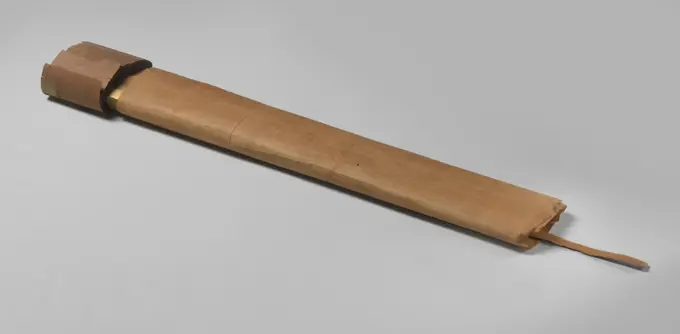
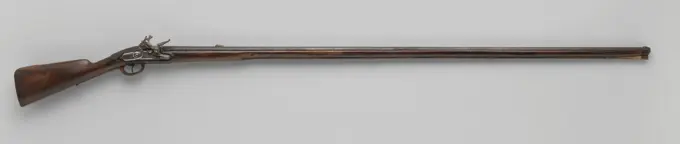
A range of antique weaponry including hunting swords and decorative sheaths, showcasing intricate designs and a variety of materials.

Ridderdegen, anonymous, c. 1850 - c. 1870 sword Iron. Korf with button, two brackets, donkehoef, half parent bar, bump plate with holes, wrapped handle. Kling with engraving of current Wolf (Wolfskling) and 1414 on both sides. On the heel of the blade on one side the PWB brand.  iron (metal).
Ridderdegen, anonymous, c. 1850 - c. 1870 sword Iron. Korf with button, two brackets, donkehoef, half parent bar, bump plate with holes, wrapped handle. Kling with engraving of current Wolf (Wolfskling) and 1414 on both sides. On the heel of the blade on one side the PWB brand. iron (metal).
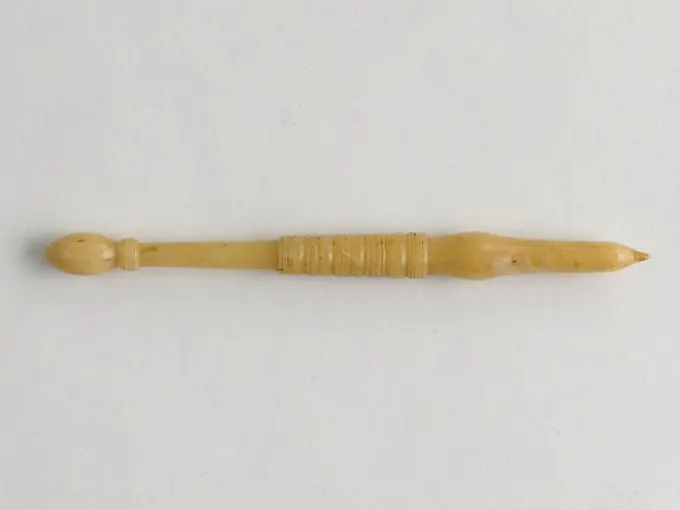
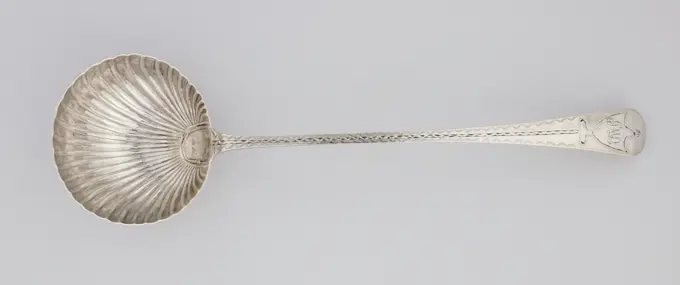
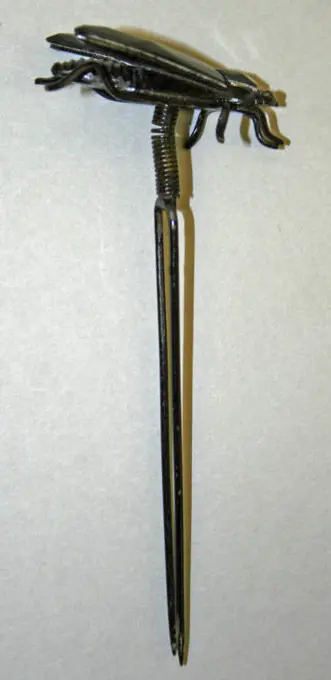
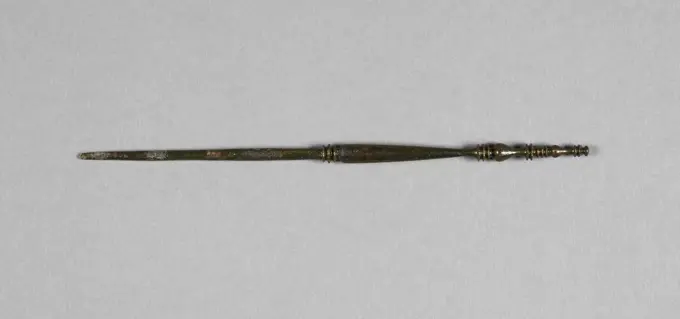
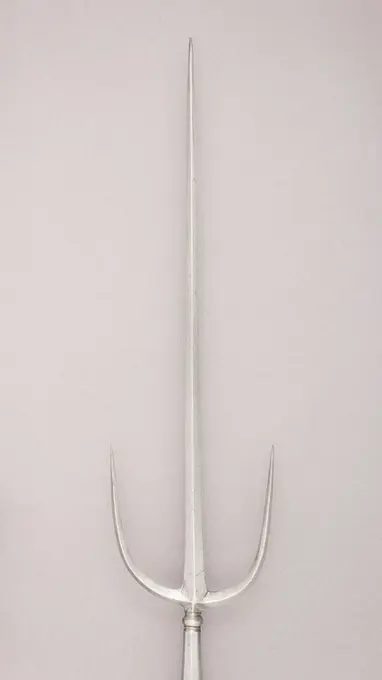
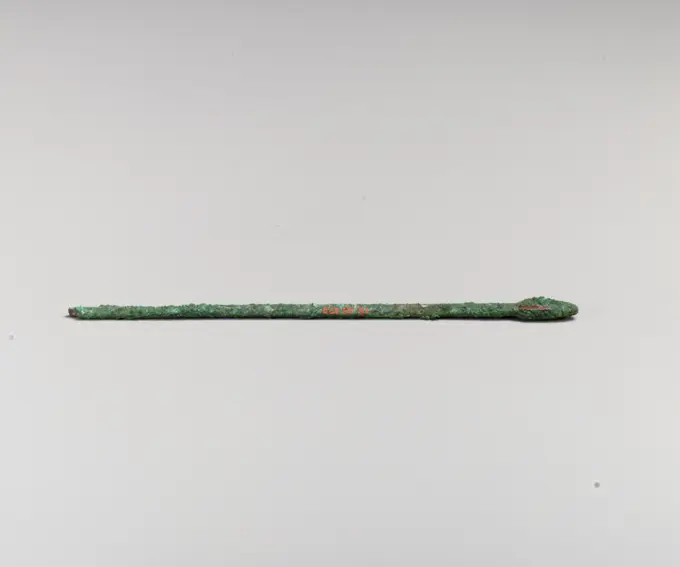
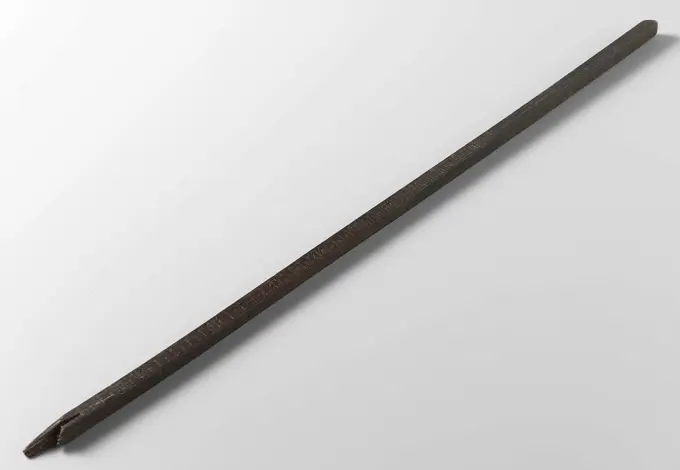
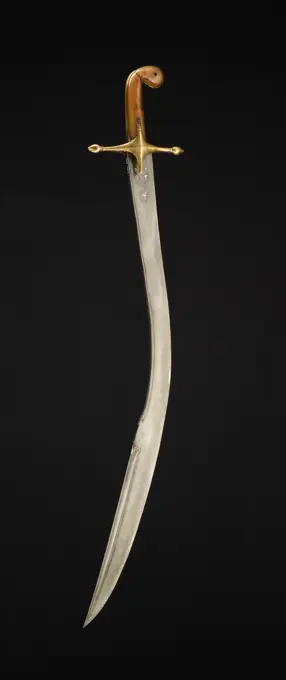
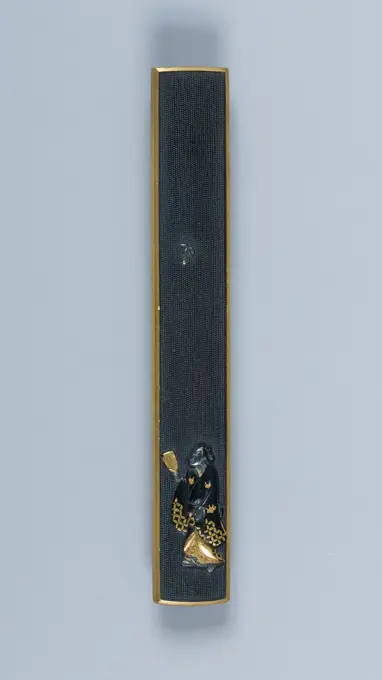
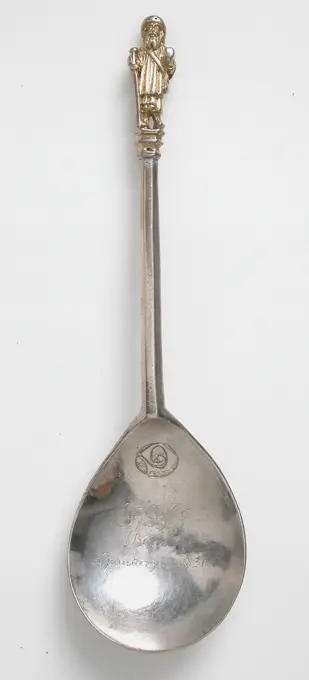
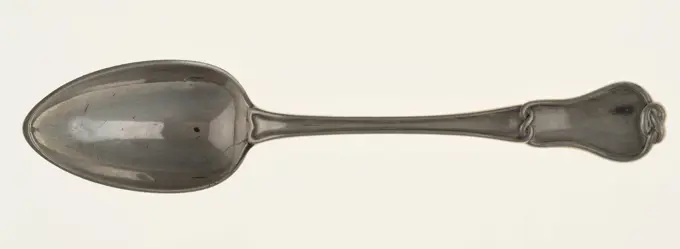
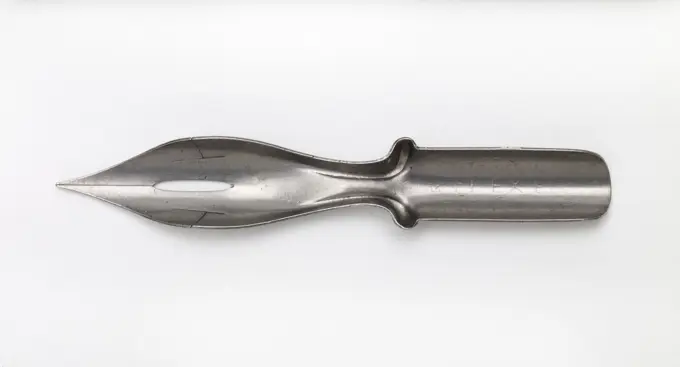
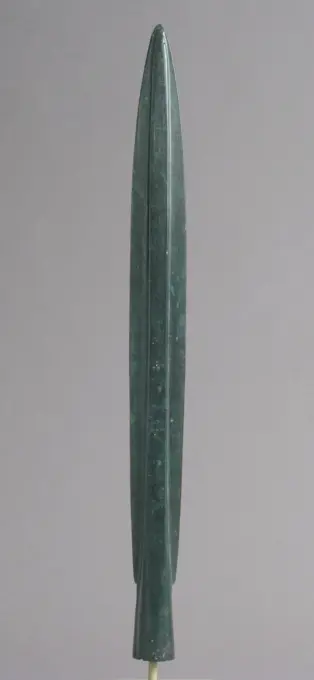
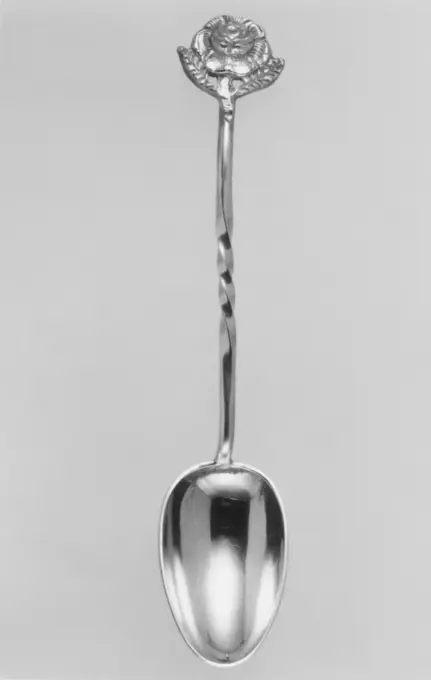
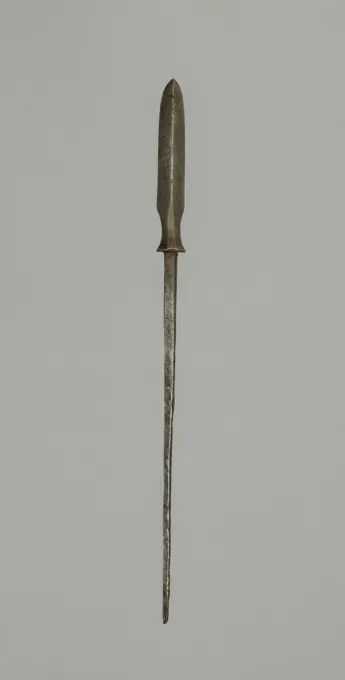
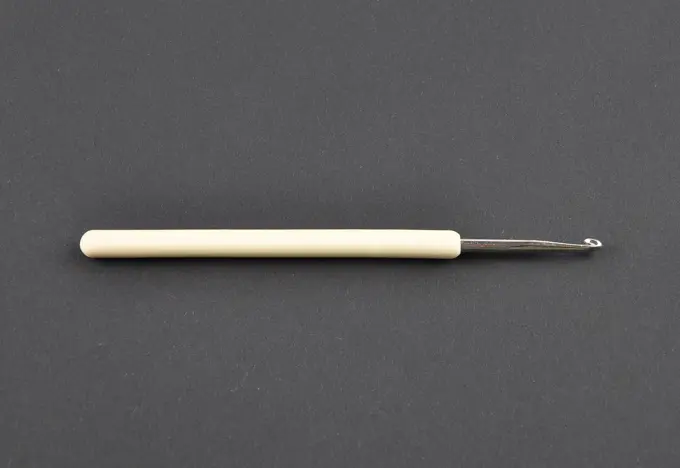
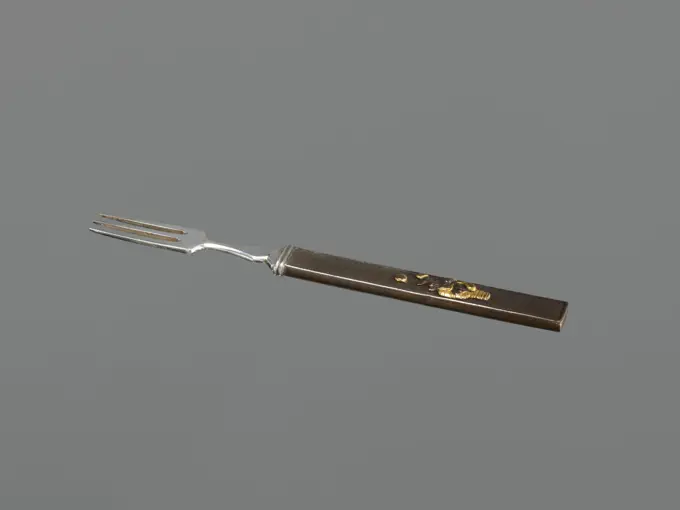
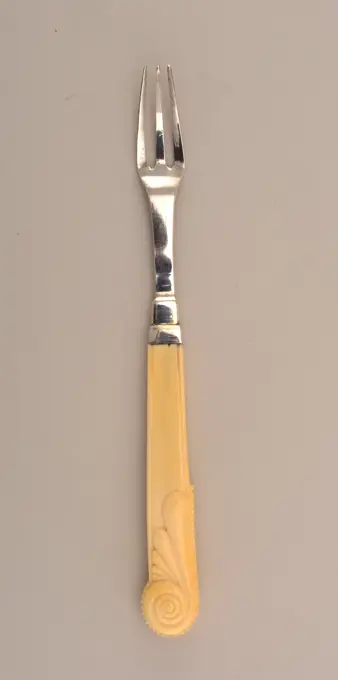
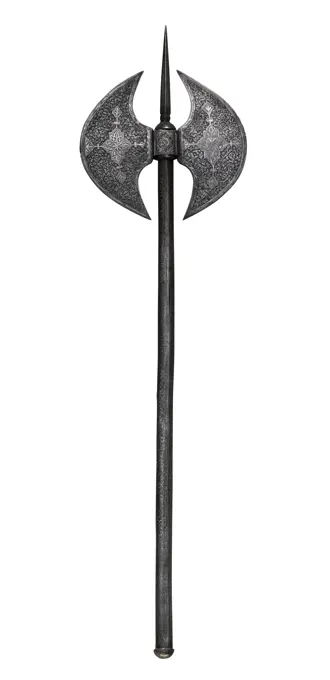
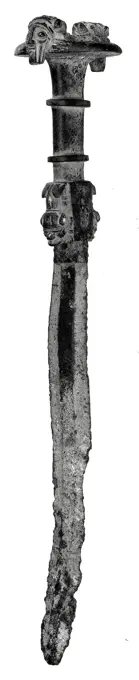
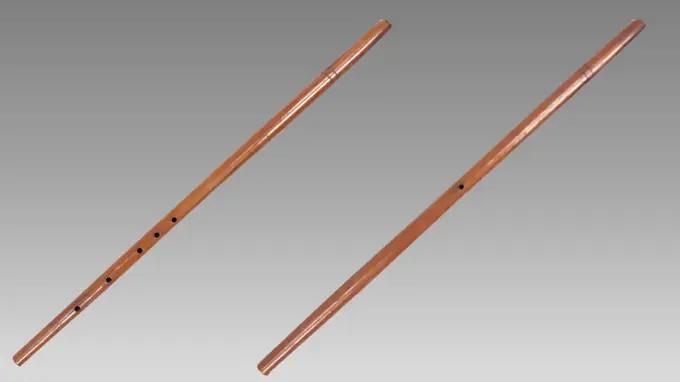
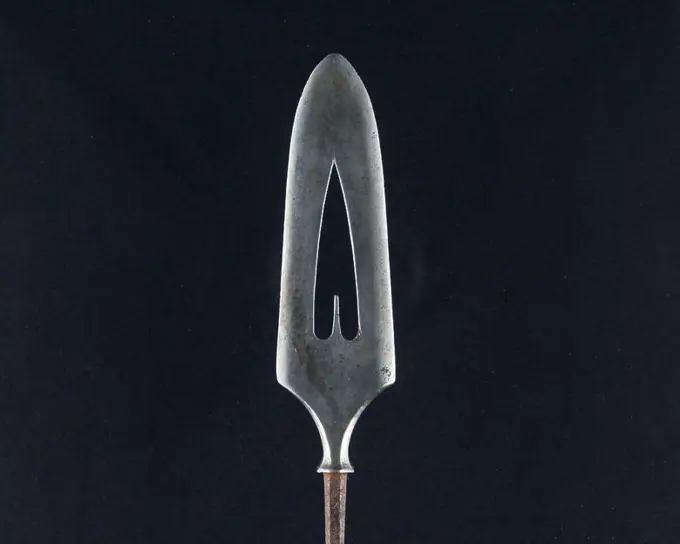
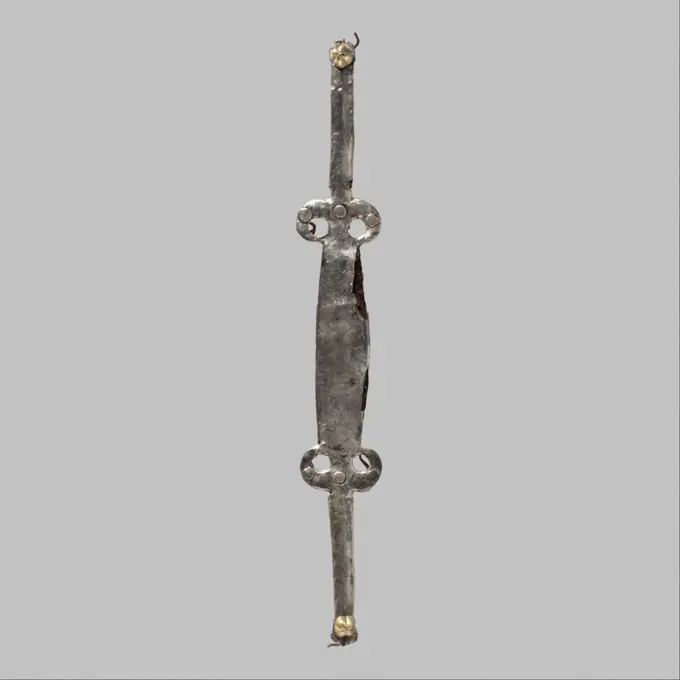
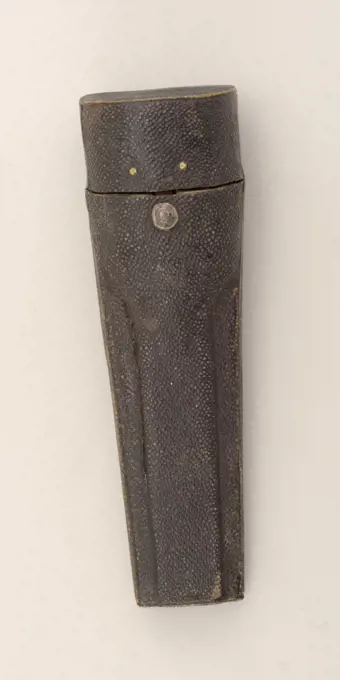
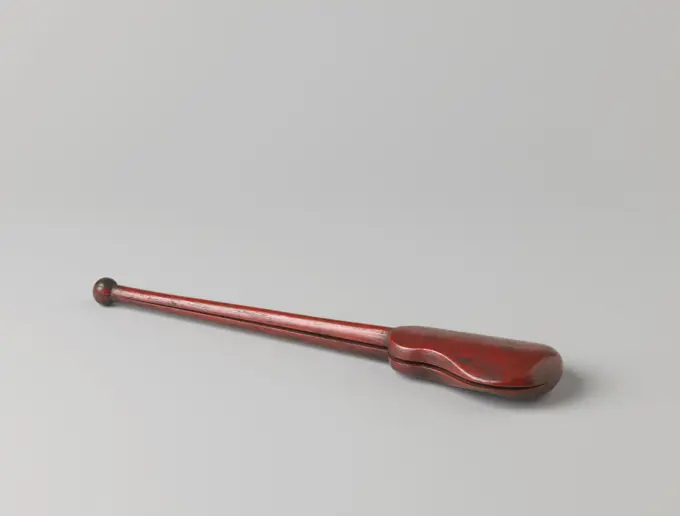
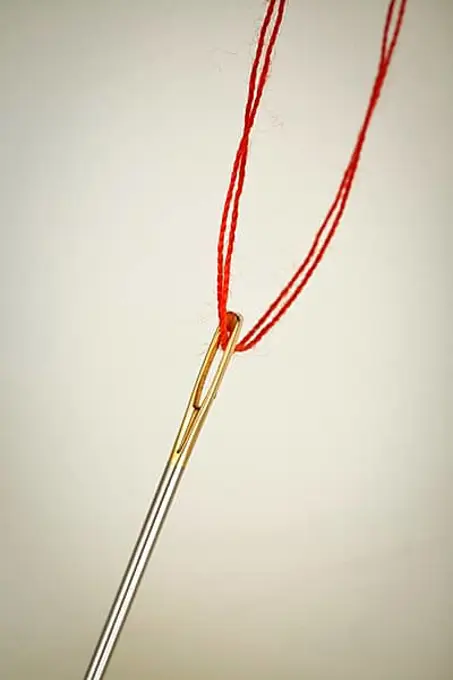
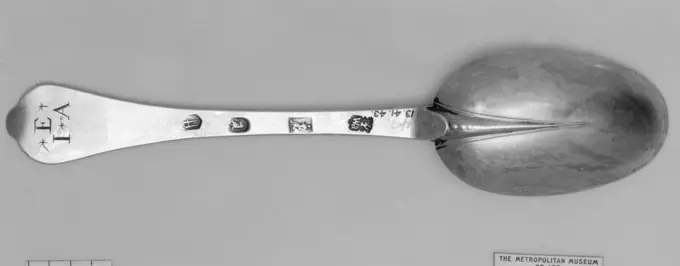
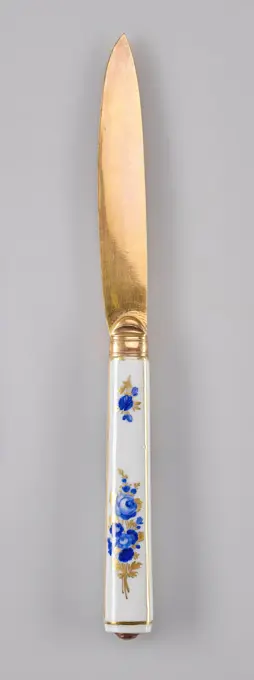
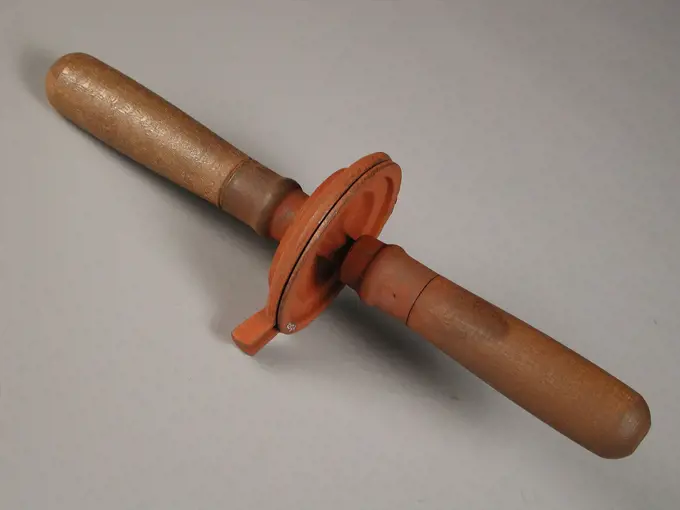
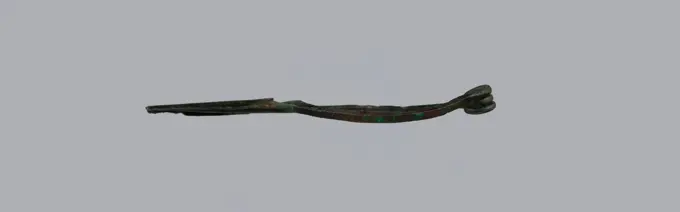
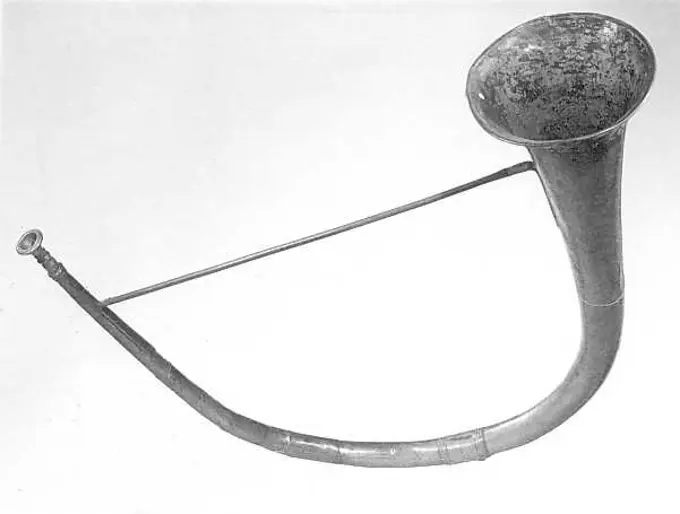
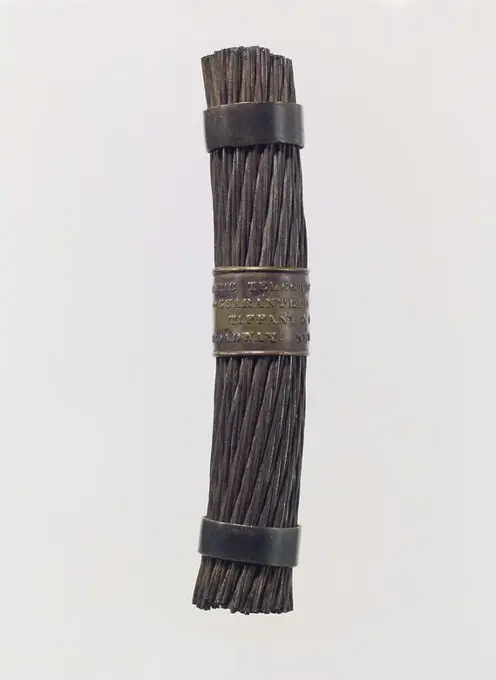
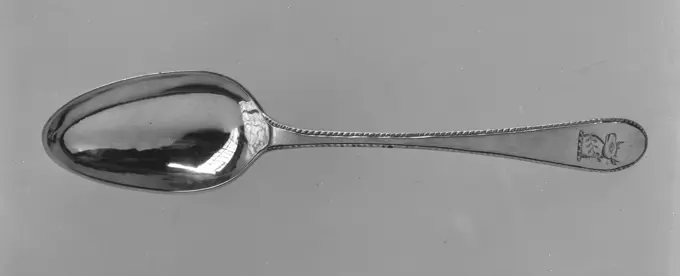
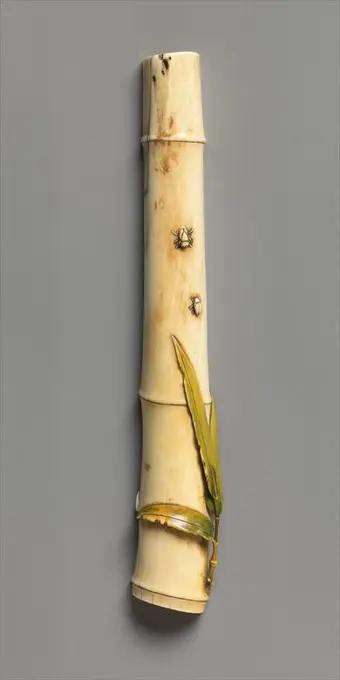
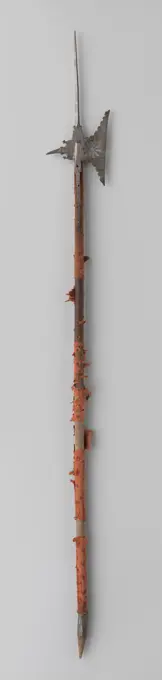
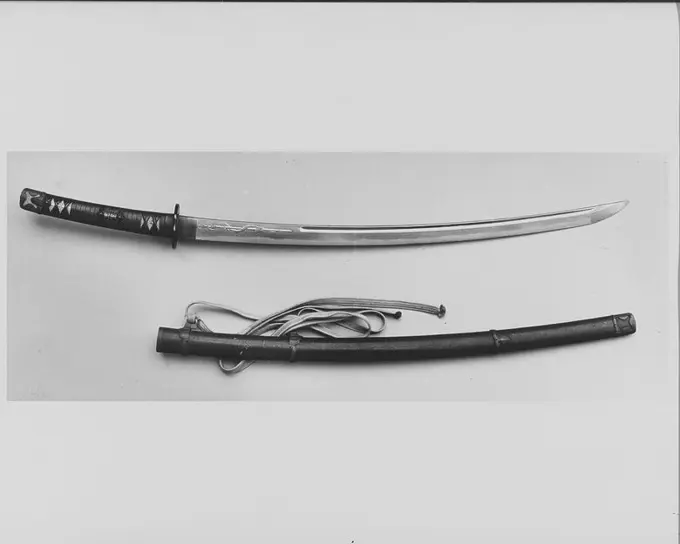
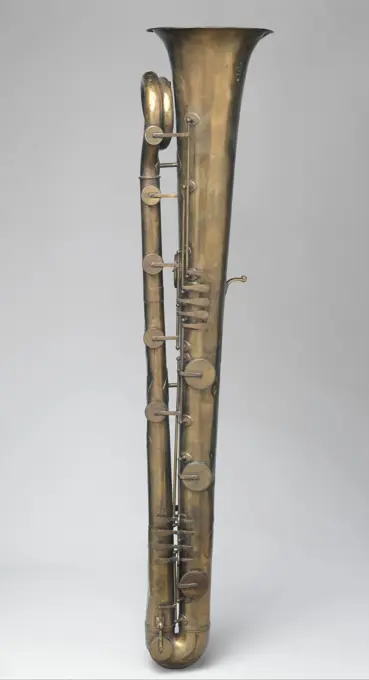
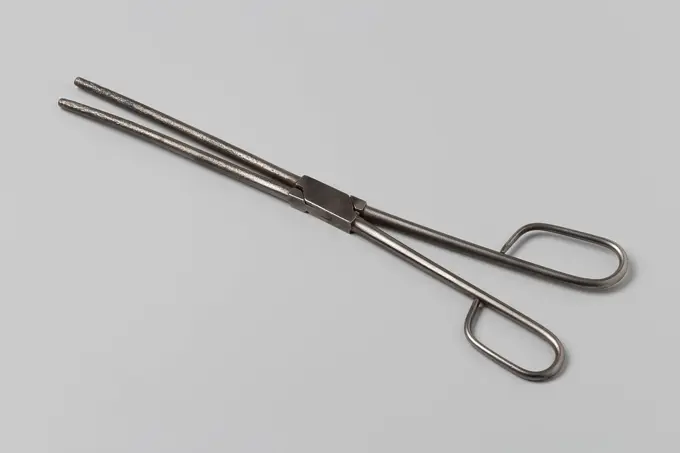
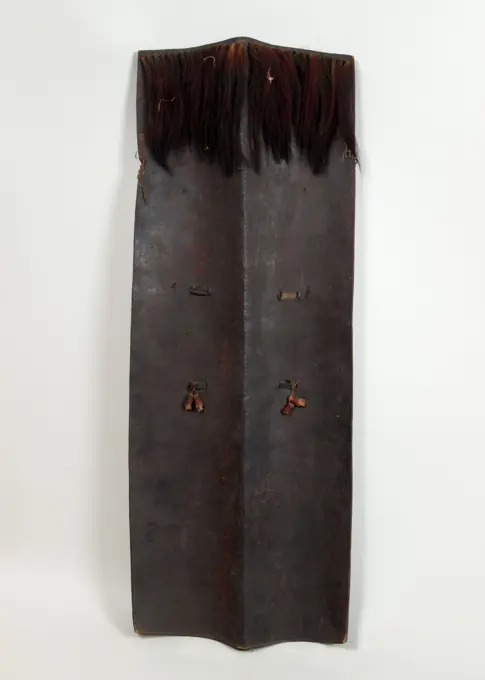
Drumstick -Spindle. Gallo-Roman. Bone. Paris, Carnavalet museum. The molded decor includes, in particular, parallel streaks in central part. Gallo-Roman time, zone, Gallo-Roman, bone, archeological vestigeSoup ladle, c. 1783, Paul Revere, Jr., American, 1734-1818, 2 1/2 x 14 1/2 x 4 1/8 in. (6.35 x 36.83 x 10.48 cm), Silver, United States, 18th century, This pair of ladles demonstrates an evolution in eighteenth-century serving utensils in Boston and Philadelphia. The Revere spoon's shell bowl showcases a popular neoclassical motif and was raised in the traditional manner. In contrast, the smooth bowl of Lownes's ladle was first cast and then applied to a sleek raised handle. Both display bright-cut and engraved decoration on their handles, also favored during this era.Hairpin 1870-89 American. Hairpin 117765old rusty iron nail isolated on a white backgroundPoint -shaped tool (usage name), -276. Hammered copper alloy. Carnavalet museum, history of Paris.Arrow Point, 1700s. Japan, Edo period (1615-1868). Steel; overall: 17.6 cm (6 15/16 in.); head: 5.2 cm (2 1/16 in.).Cosmetic spoon ca. 1550-1295 B.C. New Kingdom. Cosmetic spoon 546050Hairdeck with tangle parts. The object consists of the following molded parts: a tongs with handle, a rotated rotatable tongs a sounded eye. The tongs are twisted and have round flat ends. The handle is baluster-shaped.Hair Dressing Tool (Kogai). Culture: Japanese. Dimensions: L. 8 15/32 in. (21.5 cm); W. 1/2 in. (1.3 cm). Date: 16th century. Museum: Metropolitan Museum of Art, New York, USA.Military Fork. Culture: Italian. Dimensions: L. 8 ft. 4 7/8 in. (256.3 cm); L. of head 30 1/4 in. (76.8 cm); W. 7 1/4 in. (18.5 cm); Wt. 4 lbs. 6 oz. (1984.5 g). Date: ca. 1540. Museum: Metropolitan Museum of Art, New York, USA.dark brown wooden simple narrow picture frame with cut out canvas isolated on white backgroundFlint Donderbus, Anonymous, 1655 - 1660 flintlock weapon The loop has a round cross -section and becomes wider to the mouth; On top is the weapon of Amsterdam. The flask is marked with a 5. The brass batter consists of, among other things, the tractor bracket forgotten at the front with traces of gilding. Amsterdam brass (alloy). gilding (material) striking (metalworking) / gildingGouge for carving jade 20th century China These steel drills with blunt points (zhuangding or dingzi in Chinese), flat heads (tuozi), or curving heads (wazi) are used for high relief carving, undercutting, and fine shaping of small jade works. The craftsman holds the jade in one hand against the drill, which is mounted on a spinning shaft. He or she rotates the shaft using foot treadles, while continuously applying abrasives, usually sand mixed with water, to the tip of the drill, which cuts the jade.. Gouge for carving jade 62061Bow -Turned RodSpindle (Peru); wood shaft, ceramic whorl, paint, cotton yarnPin. Pin 249029Knife 18th-19th century Indian. Knife 31705Navigation. To determine the ships position and chart its course, the captain had an entire arsenal of instruments at his disposal. Among the items found on Nova Zembla are an astrolabium catholicum (universal astrolabe), a fragment of a copper sounding line, a cross staff, a sextant and a chart compass.SaberSet of Knife Handles (Kozuka) with Emblems of the Five Seasonal Festivals late 16th-early 18th century 45.24.16, .18, and .19 inscribed by Got Kenj Japanese 45.24.16 features a design of a young man playing hagoita (racket and shuttlecock) on the New Year's Festival (Jinjitsu, January 7).45.24.17 features a design of dolls, symbolic of the Girls' Festival (Jmi, March 3).45.24.18 features a design of miniature armor and a sword for the Boys' Festival (Tango, May 5).45.24.19 features a design of a curtain screen, a writing brush, an ink stone, a water container, and a harp for the Star Festival (Tanabata, July 7).45.24.20 features a design of flowers for the Chrysanthemum Festival (Chouyou, September 9).. Set of Knife Handles (Kozuka) with Emblems of the Five Seasonal Festivals. Japanese. late 16th-early 18th century. Copper-gold alloy (shakud), gold, silver, copper. Sword Furniture-KozukaHandle of wood, on which a curved button of black horn, ending in a dog head of beige Hoorn, Gelria, c. 1900 - c. 1930 Handle made of wood, with a curved button of black horn, ending in a dog head of beige Hoorn, with eyes of glass. A copper band between wood and horn. Netherlands Handle: Wood (plant material). Handle: Lacquer (coating). Button: Horn (Animal Material). Band: Copper (Metal). Eyes: Glass cutting / lacquering / forging / cutting / blow molding Handle made of wood, with a curved button of black horn, ending in a dog head of beige Hoorn, with eyes of glass. A copper band between wood and horn. Netherlands Handle: Wood (plant material). Handle: Lacquer (coating). Button: Horn (Animal Material). Band: Copper (Metal). Eyes: Glass cutting / lacquering / forging / cutting / blow moldingApostle Spoon ca. 1470-90 British. Apostle Spoon 471575Sword Scabbard. Culture: Persian. Dimensions: H. 31 in. (78.7 cm); W. 1 7/16 in. (3.7 cm); Wt. 8.5 oz. (241 g). Date: 19th century. Museum: Metropolitan Museum of Art, New York, USA.a hundred; Malcz, Karol (1797-1867), Silver Products Factory K.F. Malcza (Warsaw; Sreber label; 1828-1864); 1852 (1852-00-00-1860-00-00);a hundred; Malcz, Karol (1797-1867), Silver Products Factory K.F. Malcza (Warsaw; Sreber label; 1828-1864); 1852 (1852-00-00-1860-00-00);Pen nibs from Box of Perry Pen Nibs. Manufacturer: Josiah Mason. From card box containing 50 pen nibsFigure-top spoon second quarter 17th century Hans Bott. Figure-top spoon 188314 Maker: Hans Bott, r. 16271659, Figure-top spoon, second quarter 17th century, Silver gilt, Overall: 5 1/4  1 5/8 in. (13.3  4.1 cm). The Metropolitan Museum of Art, New York. Gift of Mrs. Samuel P. Avery, 1897 (97.2.291)Beulszwaard van het Gerechtshof, Den Haag.Expulsion sword with learning hilt, on both sides sharp cutting portion, top button, bottom protrusions. From the court, The Hague.Spearhead ca. 1200-900 B.C. Bronze Age. Spearhead 472729Souvenir spoon Scottish, Edinburgh late 19th century View more. Souvenir spoon. Scottish, Edinburgh. late 19th century. Silver. Metalwork-SilverArrow Point, 1700s. Japan, Edo period (1615-1868). Steel; overall: 18.4 cm (7 1/4 in.); head: 5.8 cm (2 5/16 in.).Throw Stick ca. 1635-1458 B.C. Second Intermediate Period-Early New Kingdom. Throw Stick 565772KordelasHäkelnadel auf schwarz - Crochet hook on black background Häkelnadel auf schwarz - Crochet hook on black background Copyright: xZoonar.com/lantapixx 12621158Scabbard Spear, 1880-1910. Africa, Sudan. overall: 31.2 cm (12 5/16 in.); blade: 19.9 cm (7 13/16 in.).Fork with a handle (goat);  18th century (1701-00-00-1800-00-00);Fork (France); ivory, silver; The Robert L. Metzenberg Collection, gift of Eleanor L. Metzenberg; 1985-103-198Ornate Antique Medieval Silver Axe A Beautiful Ornate Antique Medieval Silver Axe, Isolated On A White Background Copyright: xZoonar.com/RoyxHendersonx 22260145Wooden Spindle Made 1000-1476 Peru. Wood .Sword with figures on handle ca. 8th-7th century B.C. Iran. Sword with figures on handle. Iran. ca. 8th-7th century B.C.. Iron. Iron Age III. Iran, probably from LuristanNey late 19th century Iranian (Persian), Turkey. Ney 501053Transverse Flute in D ca. 1780-1837 Buhner & Keller. Transverse Flute in D 502847Wicker flute. Shreds flute with seven holes. Horse with two flutes (BK-NM-11430-67-A T / M BK-NM-11430-67-C).Arrowhead (Yanone). Culture: Japanese. Dimensions: L. 13 1/2 in. (34.3 cm); L. of head 4 1/2 in. (11.4 cm); W. 1 1/4 in. (3.2 cm); Wt. 2 oz. (56.7 g). Date: 18th century. Museum: Metropolitan Museum of Art, New York, USA.English horn, Stephan Koch, c. 1820 - before 1828 English horn (or althobo) of palmhout, mounted with ivory. Twelve brass valves and a brass ring for the cord. The third gap is double. Marked on the upper part: l with a crown above probably added later / double -headed eagle / s: koch / wien / three stars / inv: n ° 5 probably added later. Marked on the middle part: l with a crown above probably added later / double -headed eagle / s: koch / n ° 5 probably added later. Marked on the cup: L with a crown above probably added later / inv: N ° 5 probably added later double -headed eagle / s: Koch / Wien / three stars. In original suitcase, covered on the outside with leather and on the inside with velvet. The suitcase contains two bocals and an old reed. Vienna boxwood. ivory. brass (alloy). koffer: leather. koffer: velvet (fabric weave) English horn (or althobo) of palmhout, mounted with ivory. Twelve brass valves and a brass ring for the cord. The third gap is double. Marked on the upperShield Boss and Grip late 4th century Western European, Gallo-Roman (found in Vermand, France) The boss, or umbo, was originally attached over a hole in the center of a circular or oval wooden shield and protected the hand of the person holding it. The shield was carried by the grip, which was riveted across the hollow center of the shield on the inner side. These objects come from the tomb of a military official in Vermand, France, an area known in the fourth century as Gaul, which was then a province of the Roman Empire. Other finds from the same tomb, including a belt buckle, a decorative plaque, and the fittings from a spear shaft, are displayed in one of the Metropolitan Museums galleries of early medieval art.. Shield Boss and Grip. Western European, Gallo-Roman (found in Vermand, France). late 4th century. Iron, silver, gold, glass. Vermand. Miscellaneous-IronworkAgate-handled knife and fork, with sharkskin sheath, Wood, shark skin, metal, Small wooden case covered with shagreen. Two circular and one wide opening inside. Lid hinged to the lower part of the body., England, 1675-1700, cutlery, Decorative Arts, Sheath, SheathFork possibly Italian 19th century View more. Fork. possibly Italian. 19th century. Porcelain, steel. Ceramics-PorcelainBaton 1881 Koehler and Son Presentation batons such as this were conceived as commemorative pieces and function primarily as status objects and badges of office. This example was presented to Wilhelm Meyer Lutz, a composer and conductor of light music and director of the Gaiety Theatre in London.. Baton 505636Hatpin -Libra with weight in red pocket, c. 1400 - c. 1950 Libra with weight in red pouch.  wood (plant material). iron (metal) Libra with weight in red pouch.  wood (plant material). iron (metal)Passe-partouts of shield painting with six-armed Avalokiteshvara.Passe-partouts or old montage of shield painting with six-armed Avalokiteshvara.Sinclair saber Stantler, Christop (open at the beginning of the 17th century)Clarinet in C late 18th or 19th century possibly Swiss. Clarinet in C. possibly Swiss. late 18th or 19th century. Boxwood, brass, horn. Switzerland. Aerophone-Reed Vibrated-single reed cylindricalLong flint shot rifle with 18 -century drawer, anonymous, 1655 - 1675 flintlock gun The lock is unadversely except for chisel work on the fire sample and the Haan; The fire sample is equipped with a new steel plate on the barrier. The long barrel is equipped with chiseled and silver -stimulated arabesks in Ceylonese style and with three panels: the rear with Hindu deities, the middle one with large birds contained in arabesks and the panel near the tromp with leaflets; V-shaped visor, iron visor grain. Nutenhouten flask with a cheek piece; The front drawer is from Koehoorn. In addition to the wooden tractor bracket, the batter is made of iron and consists of four loading stickers with relief, an S-shaped screw plate decorated with a leaf drink and suite with the barrel, and a flask with a short, wide front piece that is decorated in the same way; The wooden chest of the chest is equipped with a cow horn. North Netherlands silver (metal). iron (metal). walnut (hardwood). horn (animal maMacro close up of a piece of woodWalking stick made of varnished wood with a flat copper button, in which rolled up map Paris, G. Dreyfus, 1889 Varnist Walked Wood Decorated with a flat copper button and metal edge, with rolled -up floor plan. Model: straight and tapered. Divided into three parts that d.m.v. A sliding connection and head nails are connected to each other. In the middle part a 26 cm long vertical slit of 5 mm wide, in which the fabric floor plan is rolled up. The metal point at the bottom of the stick is missing. Decoration: In the slit a print is printed with a spring and rolled cotton rolled up that is multi -colored on both sides. On the one hand, the map of the "Exhibition Universelle de 1889" is printed and on the other of that of the city of Paris. At the bottom of the cards the address: G. Dreyfus, 32 Rue de Paradis, Paris. Brand: Déposée Canne Plan. G.D. Paris Stok: Wood (plant material). Button: Copper (Metal). Ring: Metal. Map: Paper. Plovers: Printing Ink cutting / striking (metalworking) / Needle eye with red thread closeupPin key late 17th-18th century probably Italian. Pin key. probably Italian. late 17th-18th century. Wrought iron. Metalwork-IronSpoon 1701-2 Benjamin Watts. Spoon. British, London. 1701-2. Silver. Metalwork-SilverClarinet in C John R. Nickels American Alfred G. Badger American 1839-41 Alfred G. Badger (born Connecticut, 1815; died Brooklyn, NY, 8 Nov 1892) was an American flute maker. He was an apprentice to Ball & Douglass, flute makers, in Utica, New York. In 1838 he went to Buffalo, where he was a partner in the Nickels & Badger music store from 1839 to1841. (Mary Jean Simpson, "Badger, Alfred G.", in: Grove Music Online, 10/8/2014)Overall size: 589 Bore: c-hole 13.2; f-hole 13.2. Conical Part: 100 Technical description: Boxwood with ivory ferrules and brass keywork. Six pieces: mouthpiece, barrel, upper section, middle section for the fingers of the right hand, lower section with keys, bell. English style long tenon ebony mouthpiece grooved for cord. English style flask shaped barrel. Speaker liner projects almost to the centre of the bore, nevertheless there is also a small chimney on the back of the instrument. Speaker and throat A key mounted in turned wooden square rings; bascule key moRng-Gling ca. 1872 Tibetan. Rng-Gling 502011Table Spoon 1780-1800 John Burger. Table Spoon. American. 1780-1800. Silver. Made in New York, New York, United StatesWalking stick, anonymous, c. 1795 - c. 1810 Walking stick made of sliced nuts () Wood. The stick is equally thick everywhere and burned with rows of spots. Falled round button. Netherlands whole: Walnut (Hardwood). spots: walnut (hardwood) cutting Walking stick made of sliced nuts () Wood. The stick is equally thick everywhere and burned with rows of spots. Falled round button. Netherlands whole: Walnut (Hardwood). spots: walnut (hardwood) cuttingKnife, from a flatware dessert service, 18th century, Meissen Porcelain Factory, Meissen, Germany, est. 1710, Hard paste porcelain, gilt metal, Germany, 18th centuryWeight Vare, Anonymous, c. 1850 weight Wooden weight fork, locally covered with sheet. Netherlands wood (plant material)   NetherlandsTwo-piece bronze mold for plate, mold casting tool tools kit metal_metal bronze wood iron, cast turned Two-piece bronze mold for casting plate of puppets Rotterdam tinker tin tinnegieter tin Meeuws Druy craft Forms originate from the 18th century Rotterdam tinnegieter J Druy. The large molds that were not signed or dated were the property of the tinker guild and were rented to the small tin caster.Cane shootsArched fibula;  VII -VI century BC/ 4 exercise VIII - half of the VII century BC (Raczyńska) (-700-00-00--501-00-00);Half Moon (bugle or flügelhorn) in D 1813 Erdmuthe Juliane Liebel German One of the major tasks assigned to brass instruments was to signal and announce. The cavalry used trumpets while the infantry choose bugle horns for many military functions that included marking the time of day and alerting troops in the field. Bugles appear in many forms during the nineteenth century. Starting with the half moon, these forms incorporated a variety of coiled configurations for the tube, a feature that had no effect upon the tone quality. Mail-coach postmen in continental Europe used post horns, short coiled bugles, to signal the arrival and departure of the mail. This instrument was originally used for the hunt, half moons were also introduced to the military in the second half of the eighteenth century. Listen to experts illuminate this artwork's story Listen Play or pause #9317. Half Moon (bugle or flügelhorn) in D Supported by Bloomberg Philanthropies We're sorry, the transcript for this audioLength of Atlantic Cable. Artist: Tiffany & Co. (1837-present). Culture: American. Dimensions: H. 4 1/8 in. (10.5 cm); Diam. 3/4 in. (1.9 cm). Date: ca. 1858. Museum: Metropolitan Museum of Art, New York, USA.Dessert Spoon 1700-1800 John Burt Lyng. Dessert Spoon. American. 1700-1800. Silver. Made in New York, New York, United StatesModel mace ca. 1981-1802 B.C. Middle Kingdom. Model mace. ca. 1981-1802 B.C.. Wood. Middle Kingdom. From Egypt, Middle Egypt, Khashaba excavations, 1910-11; Probably from Meir, Tomb of Ukhhotep. Dynasty 12Bobbin (Italy); glassWooden Spindle Made 1000-1476 Peru. Wood .Arrow Point, 1700s. Japan, Edo period (1615-1868). Steel; overall: 16.8 cm (6 5/8 in.); head: 4.7 cm (1 7/8 in.).Brush Rest in Shape of Bamboo Stalk with Insects. Culture: China. Dimensions: L. 8 9/16 in. (21.7 cm); W. 1 3/8 (3.5 cm); H. 13/16 in. (2.1 cm). Date: 18th century. Museum: Metropolitan Museum of Art, New York, USA.Hem measure, William B. Kerr & Company, American, 1855 - 1927, Silver, Flat ruler surmounted by head of woman in 3/4 frontal view, her loose, flowing tresses entwined with large flowers; face of ruler marked with lines and dots at 1/8-inch intervals and the numbers 1, 2 and 3 at each full inch; square slide with central flower framed by scrolls on each side., Newark, New Jersey, USA, ca. 1894, metalwork, Decorative Arts, Hem measureHellebaard with hook decorated with two clover leaves, anonymous, 1500 - 1600 Halberd Hellaard composed of a rosette-shaped openwork ax with a straight cut and purple-wise top and bottom, a very decorative thorn-shaped point on a leaf with bent top and bottom, where the nod itself is accentuated with star-shaped crown, and a very slender, quadrante, quadrante Short with straight slices. These form a whole with the Konian house. The shaft springs are attached to the shaft covered with red velvet with alternating rivets and screws. The shaft has a shoe. West-Europa kling: iron (metal). schacht: wood (plant material). schacht: velvet (fabric weave) forging  West-EuropaFlageolet in F-sharp 18th century Belgium. Flageolet in F-sharp. Belgium. 18th century. Wood, ivory, brass. Belgium. Aerophone-Whistle Flute-flageoletMaker's Mark J.L., probably John Lawrence, Caddy Spoon, 1808/9, silver.Sweden, Blekinge, Blekinge, Karlskrona, Karlskrona, external marina (depicted, town).Sweden, Blekinge, Blekinge, Karlskrona, Karlskrona, External War Gogs (depicted, City)Dubbelloops vuursteendraailoopgeweer.The slot consists of three parts: an awning plane plate and two front lock plates, one for every course. The lock plate parts are decorated with flour and leaf, on the rear lock plate ending in a head and a dragon head; Engraved with Mastreck. The two runs are mounted above each other; provided with two filed rings; In the back engraved with portraits and profil from a man and a woman; The tail of the loop is engraved with praise; Under top stamped with a unclear brand, probably a D and an M. the flask consists of two parts: the handle, embossed with curls around the loop and a flask on the right with a shifter lid decorated with leafs and a back plate from Koehoorn ; and the grooved gourds, one of which contains the loading stick; In the bottom of the grip branded with a mark in the form of two curved fish above the stamped number 28. The iron attachment consists of three loading bokekokers, the trigger bracket with a slit for the blazing poll of tBenchery, Benchery ** Tinner Snips Ktn-JSABlade and Mounting for a Slung Sword (Tachi). Culture: Japanese. Dimensions: L. 39 13/16 in. (101.2 cm); L. of blade 35 5/16 in. (89.7 cm); L. of cutting edge 27 1/2 in. (69.8 cm); D. of curvature 1 1/16 in. (2.65 cm). Date: blade, 16th century; mounting mid 19th century. Museum: Metropolitan Museum of Art, New York, USA.Japanese sword takana isolated on whiteFlat vector painting tools in childish style. Hand drawn art supplies, paint brushes for acrylic, gouache. Clipart elements isolated on white backgroundBliżej Kultury unknownPanel from the Palace of Westminster. Culture: British. Designer: Designed by Augustus Welby Northmore Pugin (British, London 1812-1852 Ramsgate). Dimensions: Overall (confirmed): 25 × 11 3/8 × 5/8 in. (63.5 × 28.9 × 1.6 cm). Date: ca. 1847. Museum: Metropolitan Museum of Art, New York, USA.Bass Ophicleide in C () 1837-54 Bartsch. Bass Ophicleide in C (). French. 1837-54. Brass. France. Aerophone-Lip Vibrated-hornFOREIGN OLDNorth Mälarstrand.Neck mushrang of iron, in the model of a scissors, to bring the folds into a nip cap. Note mushrang of iron, in the model of a scissors, to make the folds in a nip hat. Signature: '2' and '1/2'.PIEZAS DE LA EXPOSICION "ARTE SIN ARTISTAS": FALO SOBRE BASTON PERFORADO DE HUESO, DE ROC DE MARCAMPS. PRIGNAC-ET-MARCAMPS, GIRONDA (FRANCIA). MAGDALENIENSE.Trombone, Johann Gottfried Halthof, c. 1830 - c. 1850 musical instrument. wind instrument. trombone Trombone was used at the Kurassiers No 9 department. marked on the cup 'G. HALENHOF / IN HANAUH 'Of which a standing lion with banderol is depicted on the left and right, all this within an oval. Brackets and mouthpiece are missing. Hanau copper (metal) casting / sawing / soldering / engravingShield (Dhàl) 19th century Indian, Assam, Naga Hills. Shield (Dhàl). Indian, Assam, Naga Hills. 19th century. Hide (buffalo), rattan, hair, polychromy. Assam. Shieldschocolate bar isolated on white backgroundWriting pen, writing pen soil find slate stone slate, Irregular hexagonal slate slate with pointed tips with Roman numeral incised On side: XXVI archeology