Historical Weaponry Artifacts

A range of antique weaponry including hunting swords and decorative sheaths, showcasing intricate designs and a variety of materials.

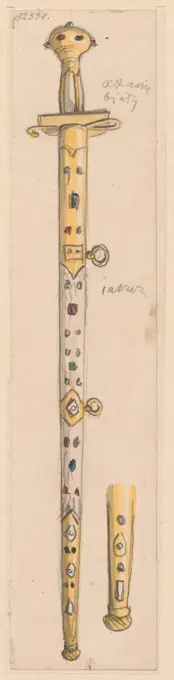
Ridderdegen, anonymous, c. 1850 - c. 1870 sword Iron. Korf with button, two brackets, donkehoef, half parent bar, bump plate with holes, wrapped handle. Kling with engraving of current Wolf (Wolfskling) and 1414 on both sides. On the heel of the blade on one side the PWB brand.  iron (metal).
Ridderdegen, anonymous, c. 1850 - c. 1870 sword Iron. Korf with button, two brackets, donkehoef, half parent bar, bump plate with holes, wrapped handle. Kling with engraving of current Wolf (Wolfskling) and 1414 on both sides. On the heel of the blade on one side the PWB brand. iron (metal).
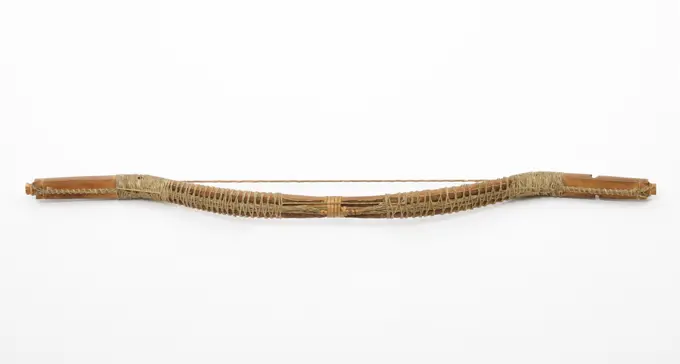
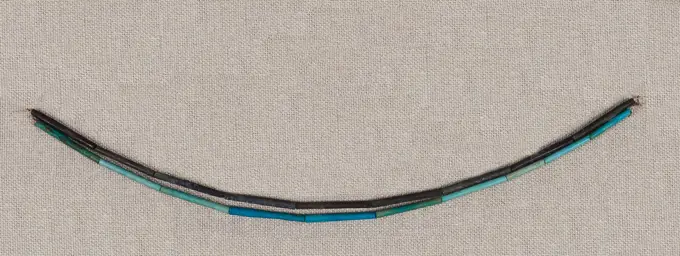
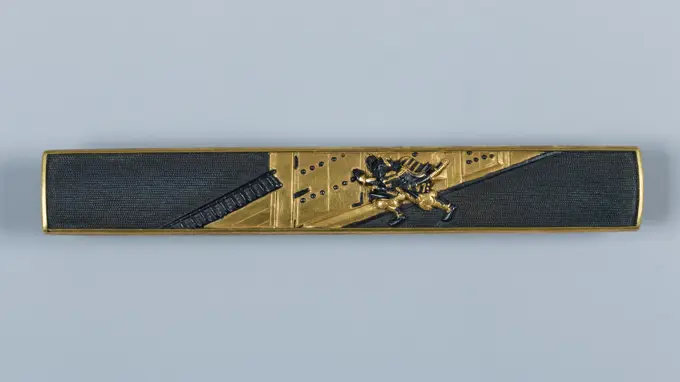
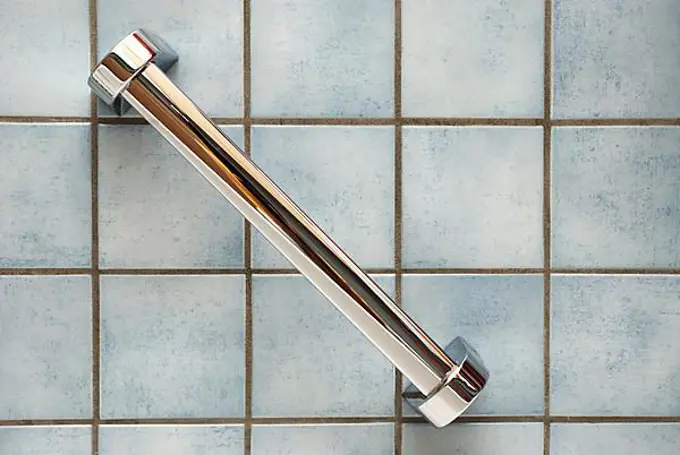
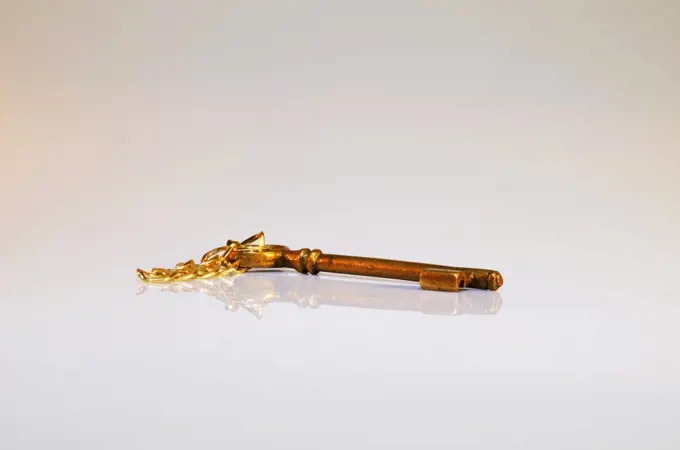
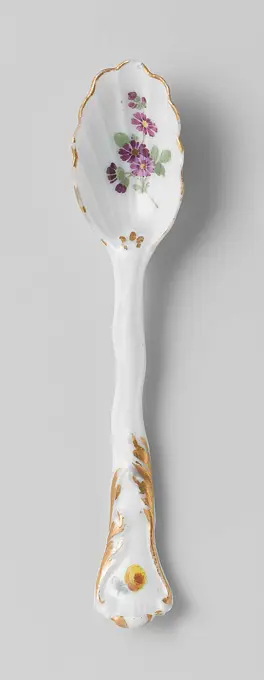
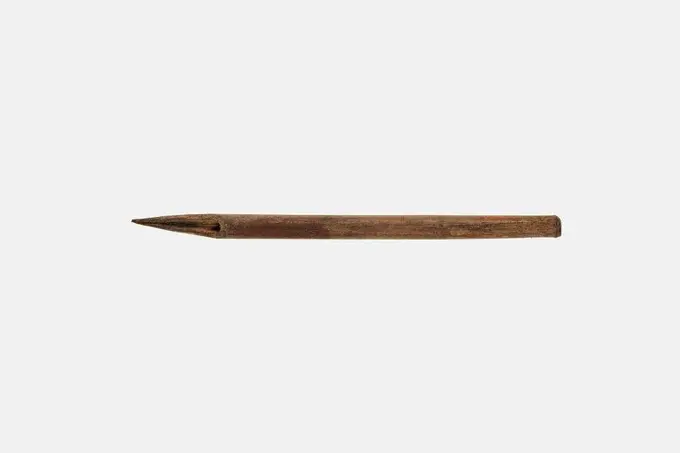
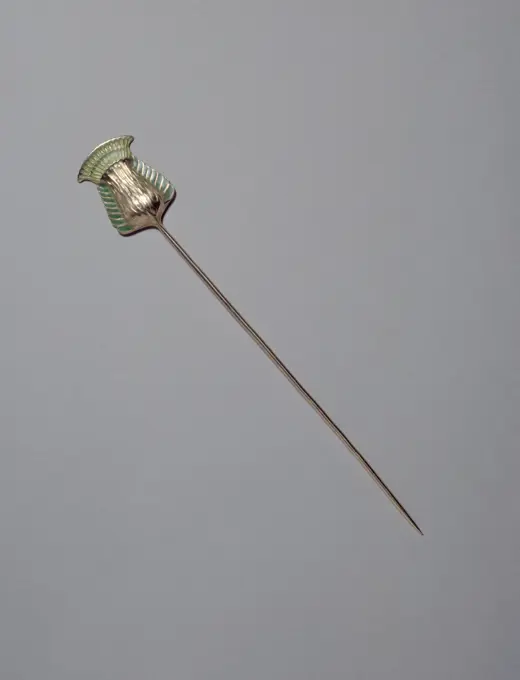
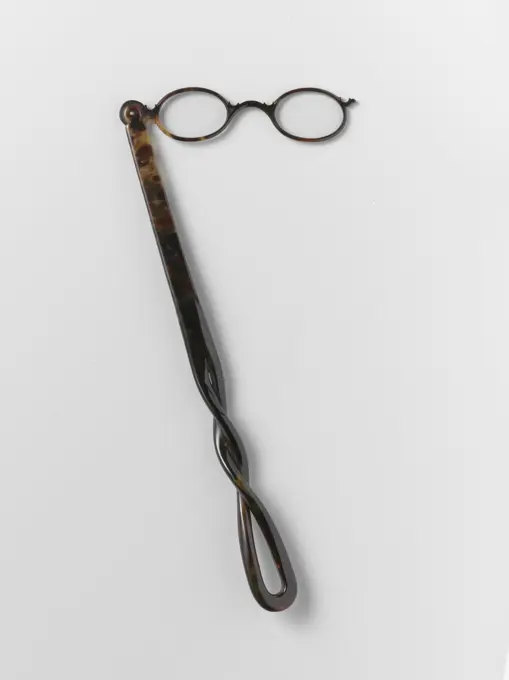
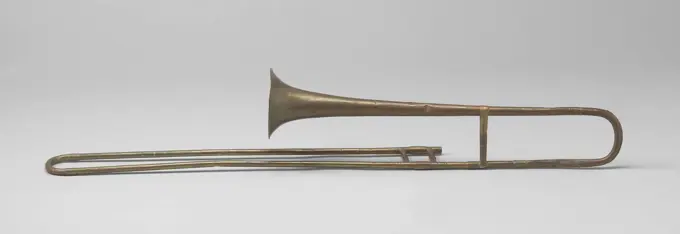
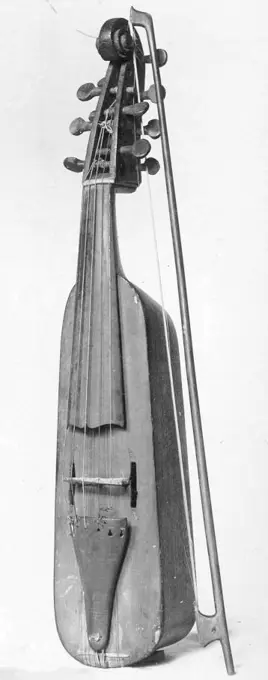
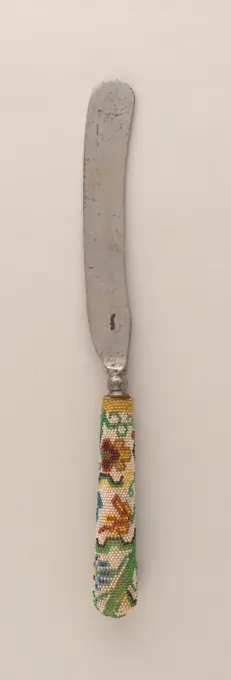
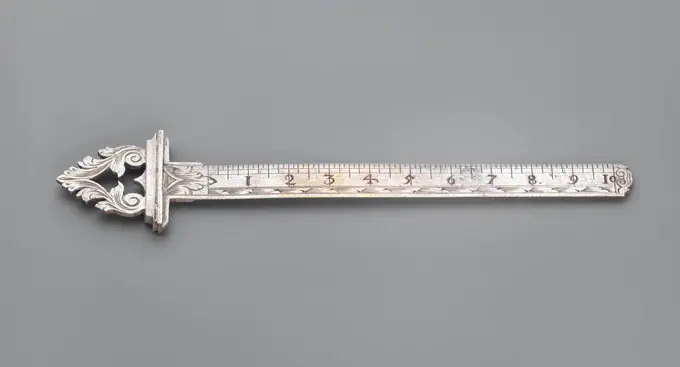
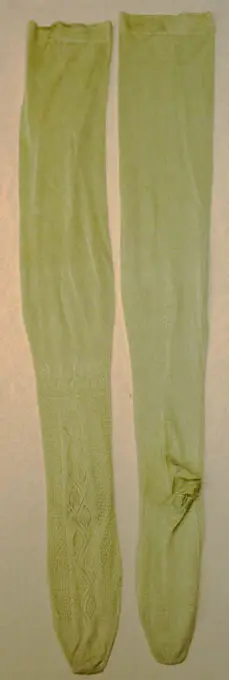
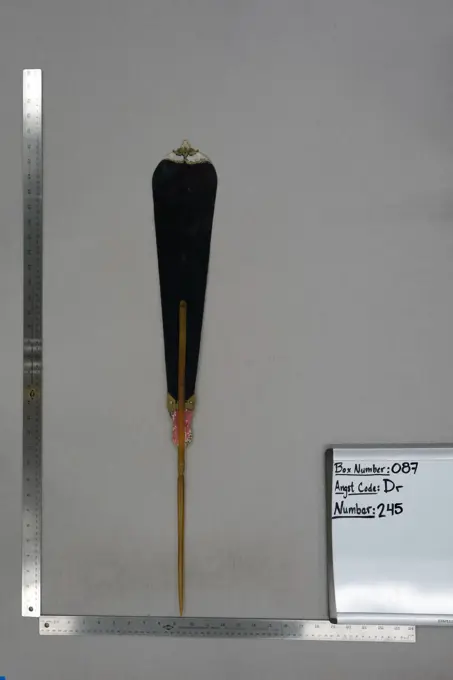
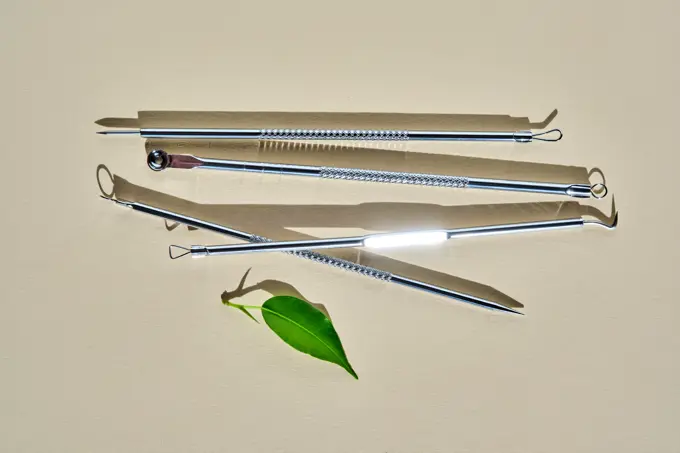
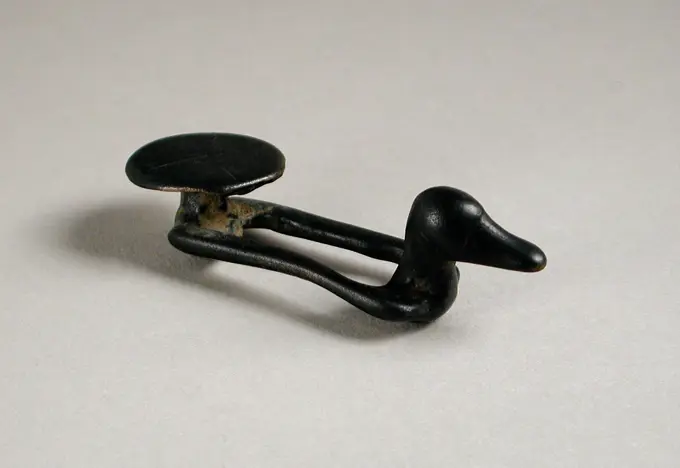
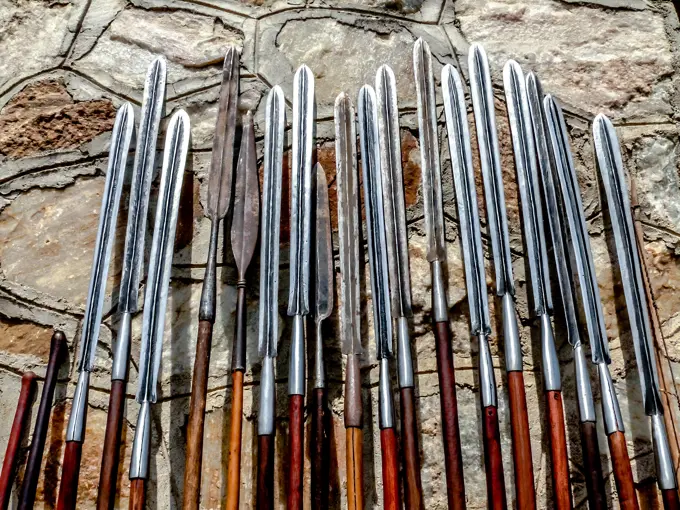
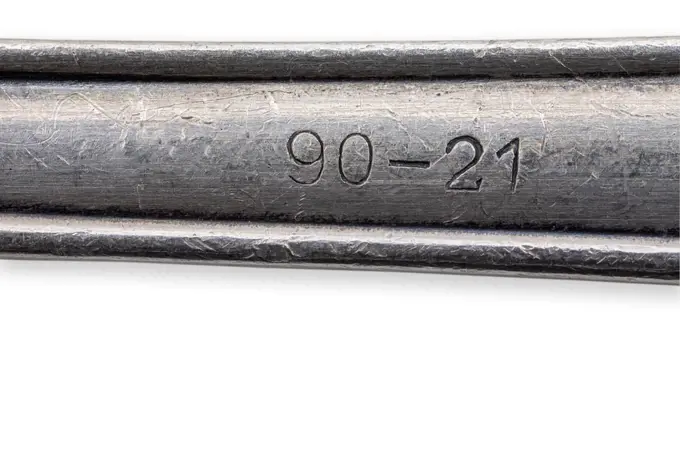
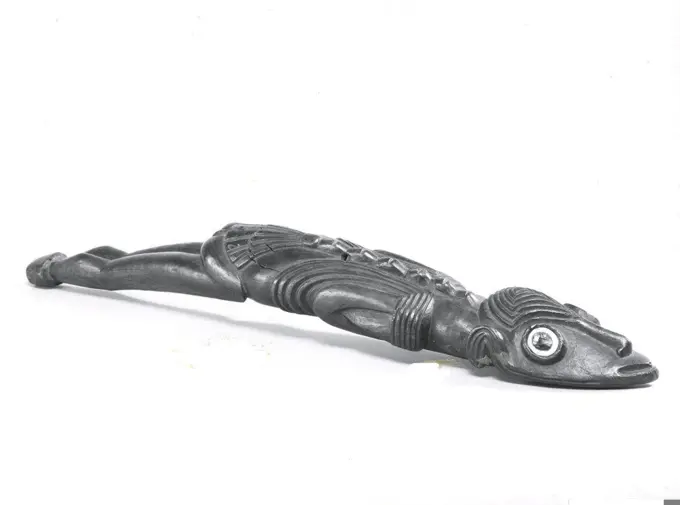
hallmark or official mark on an old silver spoon, certify the content of noble metalsPot Hooks. Dated: c. 1938. Dimensions: overall: 35.4 x 27.8 cm (13 15/16 x 10 15/16 in.). Medium: watercolor and graphite on paper. Museum: National Gallery of Art, Washington DC. Author: Fred Hassebrock.Child's bow -Necklace ca. 1981-1295 B.C. Middle Kingdom-Early New Kingdom. Necklace. ca. 1981-1295 B.C.. Black faience. Middle Kingdom-Early New Kingdom. From Egypt, Memphite Region, Lisht North, Cemetery, debris, MMA excavations. Dynasty 12-18Legs pointed with four barbs, pointed harpoon soil found leg, sawn cut ground Late stone age archeology Maglemose culture Rotterdam Maasvlakte prehistoric stone age late stone age fish catch fish nutrition hunt Soil discovery Maasvlakte Maglemose culture.Set of Sword Fittings (Mitokoromono) with Two Additional Knife Handles (Kozuka) and a Pair of Grip Ornaments (Menuki) 17th century Got Teij (Mitsumasa) Japanese The Got School of sword-fittings makers was founded in the fifteenth century by Got Yj, who is said to have been patronized by the shogun Ashikaga Yoshimasa (1435-1490). The work of the Got masters is characterized by painterly designs carved in high relief on a ground of shakud (an alloy of copper and gold chemically treated to turn a rich blue-black), finished in nanako (tiny circles punched regularly over the surface to give it a granular appearance) with colorful accents in gold and silver. The succeeding generations of Got masters continued to work in these soft metals and concentrated on the smaller sword fittings, such as kozuka (the handle of the small utility knife fitted into a slot on the back of a sword scabbard), kgai (a skewer-like hairdressing tool carried in the front of the scabbard), and menuki (a paTwo models or diagonal framing. Two models that demonstrate the crossbar between the guns according to Seppings. They consist of two roadside beams, between which gates and diagonal cravings, supports and keys are applied.Curling broom -stone columns and arch stone columns and arch made in 3D Copyright: xZoonar.com/StanislavxRishnyakx 2938357Lazio Roma Rome Museo degli Strumenti Musicali71. Hutzel, Max 1960-1990 German-born photographer and scholar Max Hutzel (1911-1988) photographed in Italy from the early 1960s until his death. The result of this project, referred to by Hutzel as Foto Arte Minore, is thorough documentation of art historical development in Italy up to the 18th century, including objects of the Etruscans and the Romans, as well as early Medieval, Romanesque, Gothic, Renaissance and Baroque monuments. Images are organized by geographic region in Italy, then by province, city, site complex and monument.Bathroom wall with blue tiles and a chrome handleOld Golden Key Lost In Time .Lepel, veelkleurig beschilderd met Deutsche Blumen, insekten en vruchten.Spoon from painted porcelain. The oval lobed bin is painted with Deutsche Blumen, insects and fruits. The handle and the end are decorated with a gold-plated Rocaille ornament and relief and decorated with Deutsche Blumen. The spoon belongs to a tableware (BK-17474-1 to BK-17474-253). The spoon has been marked.Close up of single .223 Remington bullet cartridge against brown backgroundFishing from the wreck of the East Indians Princesse Maria, Anonymous, 1682 - 1686  Copper (blackened) fishing hook with an eye at the top and bottom bent with a barb. Netherlands copper (metal)   Scilly IslandsPen. Dimensions: L. 12.6 cm (4 15/16 in.). Date: 30 B.C.-A.D. 364. Museum: Metropolitan Museum of Art, New York, USA.Hair comb or ridge of solid fine turtle and horn, with a long row of narrow teeth.Old drawing tools on graph paperDwarsfluit.Flute of yellow palm wood with ivory mounted and with one valve of copper and three spacers. The whole consists of six separate parts. Signature: P. Borkens, above which a crown and including a climbing lion. According to red leather case with yellow silk.Henri Vever (1854-1942). Hat Epingle (face). Museum of Fine Arts of the City of Paris, Petit Palais. 25792-11 Epingle, face, hatRanat Ek late 19th century Thai. Ranat Ek 500931Fragments Pipe stems from the wreck of the East Indians Hollandia, Anonymous, 1700 - in Or Before 1743  Pipe, stem; fragments with stamped decoration and inscription VSCHU, OUDA. Netherlands pipe clay   SecondLorgnet van Turtpad or Celluloid on a long stem in the form of a cord, anonymous, c. 1870 - c. 1900 Lorgnet van Turtpad or Celluloid. Long suspended stem, cut like in a loop laid cord. Small oval glasses in thin edges. Netherlands (possibly) frame:. Glasses: Glass cutting / grinding Lorgnet van Turtpad or Celluloid. Long suspended stem, cut like in a loop laid cord. Small oval glasses in thin edges. Netherlands (possibly) frame:. Glasses: Glass cutting / grindingTrombone in gebruik geweest bij de afdeling kurassiers No 9.Copper wind instrument marked on the cup 'G. Halenhof in Hanau 'from which left and right a standing lion with Banderol has been depicted, all this within an oval. Brackets and mouthpiece are missing.Kemangeh late 19th century Turkish. Kemangeh 501942Salt spoon 19th century possibly German. Salt spoon 188278Tower of coinsStream's hammer shaft.Archer's Shield (Pavise) 15th century Swiss. Archer's Shield (Pavise) 27252Mandola 1773 Antonius Vinaccia Italian (Naples). Mandola 500550Lans of the arms rack of governor-general J.C. Baron Baud, Anonymous, c. 1700 - c. 1800  Round wooden shaft painted in black, red, yellow and green with representations of boddhisattvas, human figures and geometric motifs. Underzijd Schacht has iron cone shape with scalloped edge and gathering in blunt square point. Wide blade ending in sharp point, with four lips. Kling is richly decorated in relief with boddhisattvas and flower and leaf motifs. Central to Kling vertical notches. India wood (plant material). iron (metal). silver (metal). paint (coating) cutting / forging / castingKnife (Germany); steel, glass beads, thread; L x W: 22.8 x 2 cm (9 x 13/16 in.); The Robert L. Metzenberg Collection, gift of Eleanor L. Metzenberg; 1985-103-57Image of three, donated to the canons of the Mariakerk in Utrecht in the eleventh century, horns of the unicorn Stooptand of a whale-like fish, the Narwal in the collection of the Rijksmuseum in Amsterdam.Traditional Burmese Harp, Burma, Myanmar. Southeast Asia. Travel to the kingdom of Ava, 1855 by Colonel Sir Henry Yule (1820-1889) Le Tour du Monde 1860One vanilla beanBone FluteFragmentLizard Man Figure (Moko) Rapa Nui people late 19th century View more. Lizard Man Figure (Moko). Rapa Nui people. late 19th century. Wood, obsidian, bone. Chile, Rapa Nui (Easter Island). Wood-SculptureDetail. >>3d rendering. Empty blank rustic metal sphere balance scale on white background.PeelFragment of a pipe stalk from the wreck of the East Indians' t Vliegend Hart ,, 1700 - 1735  Part of a stem of an earthen Goudse Pijp, blue and white in color. Fragments of Bowls and Stems. Gouda pipe clayRattle ca. 400-700 Teotihuacan. Rattle 503543Saber; Lesser, Aleksander (1814-1884); 1830-1884 (1830-00-00-1884-00-00);Kazimierz (Kraków - district), Lesser, Aleksander (1814-1884), Lesser, Wiktor Stanisław Zygmunt (Baron - 1853-1935), weapons, white weapons, gift (provenance), church of St. Jana (Vilnius), swords, military, craftsmanshiphistorical in  antique building door morocco      style africa   wood and metal rustyLine;  Ok. PO. 18th century (1746-00-00-1755-00-00);acanthus (ornament), gift (provenance), measuring instrumentsStockings 19th century French. Stockings 102371Shadow Puppet (Wayang Kulit) of Bindi, from the set KyaiDrajatVīnā (bīn) mid-19th century Indian Vīnā is an ancient term that once refered to Indian stringed instruments. Bīn, a term with various meanings throughout India, refers to this fretted stick zither in north (Hindustani) India. The frets are affixed by a resinous wax like substance. The bīn, is held at an angle with the pegs positioned above the left shoulder and the lower end lying within easy reach of the right hand which plucks the strings. Listen to experts illuminate this artwork's story Listen Play or pause #9366. Vina (bin) Supported by Bloomberg Philanthropies We're sorry, the transcript for this audio track is not available at this time. We are working to make it available as soon as possible.. Vīnā (bīn) 505237Tools for mechanical facial cleansing at home or at a cosmetologist on a beige background. High quality photo.Belt Buckle. Iran, circa 150 B.C.-A.D. 225. Costumes; Accessories. Bronze, castBottleCLARINETE.Spears Masai spears resting against a stone wall, made the original way as they have alwasy been made. Copyright: xZoonar.com/JacquesxJacobszx 6661180Cabrette 19th century Joseph Bechonnet French. Cabrette 501477Smoking pipe on a black