Historical Weaponry Collection

An assortment of historic weaponry artifacts, featuring swords, poleaxes, and other antique tools reflecting craftsmanship and design.

Officiersdegen, anonymous, c. 1400 - c. 1950 sword Degen with copper hilt, movable bump plate and silver grip. The blade is browned with gold -plated ornaments, on one side illegible inscription, on the other side: a Amsterdam. With sheath. From Baron J.W.C. van Ittersum, 2nd battalion hunters. Degen is broken and Schede is missing.  iron (metal). copper (metal). silver (metal). gilding (material) gilding
Officiersdegen, anonymous, c. 1400 - c. 1950 sword Degen with copper hilt, movable bump plate and silver grip. The blade is browned with gold -plated ornaments, on one side illegible inscription, on the other side: a Amsterdam. With sheath. From Baron J.W.C. van Ittersum, 2nd battalion hunters. Degen is broken and Schede is missing. iron (metal). copper (metal). silver (metal). gilding (material) gilding
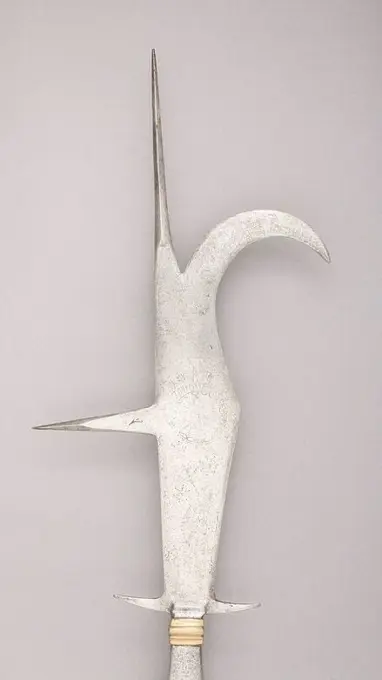
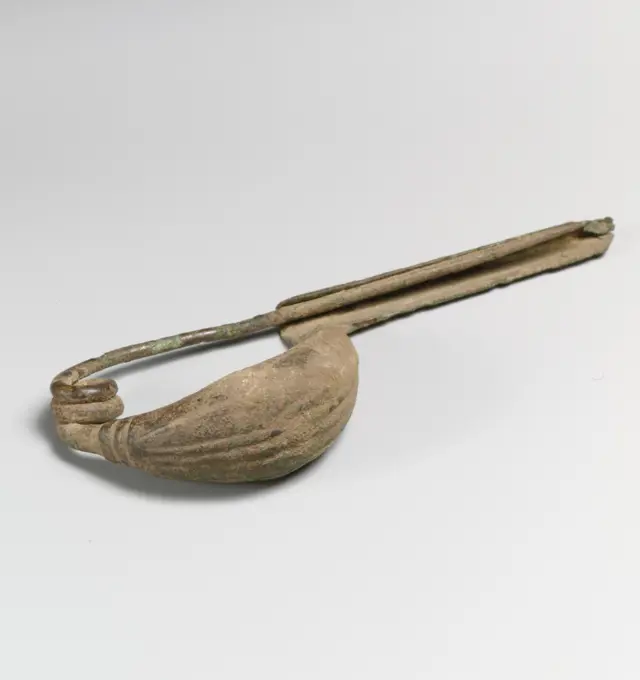
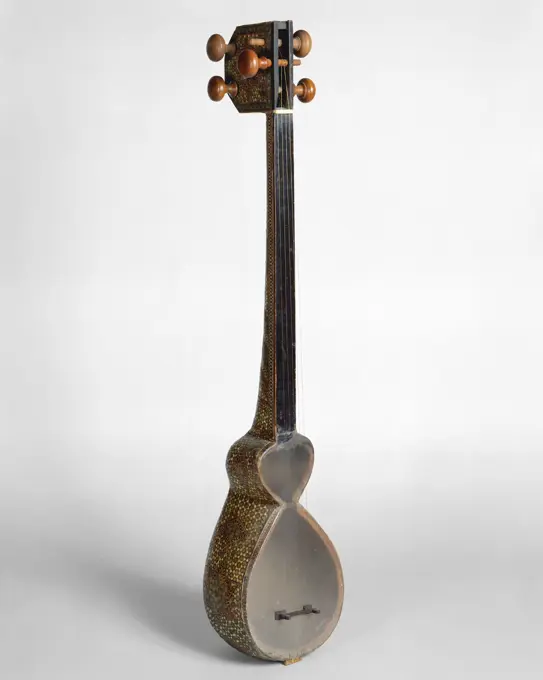
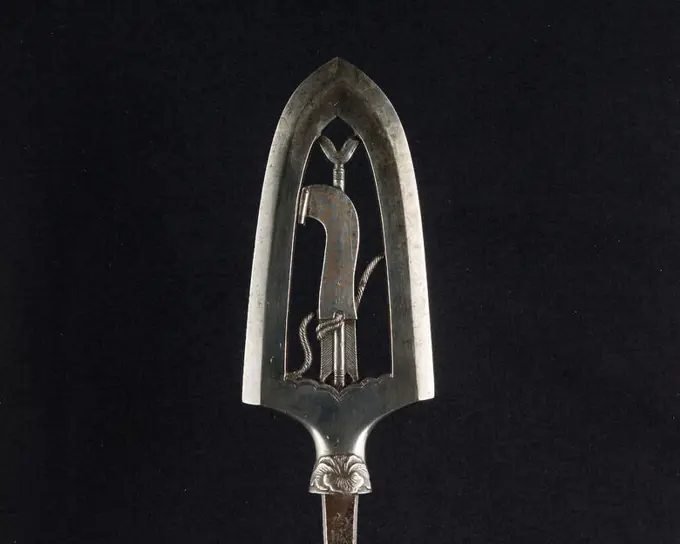
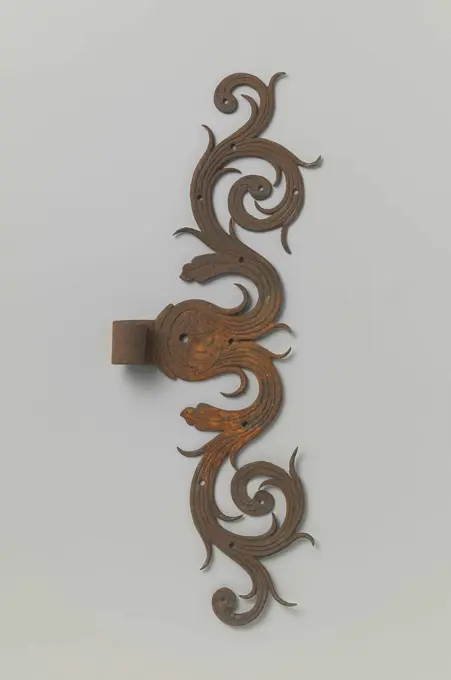
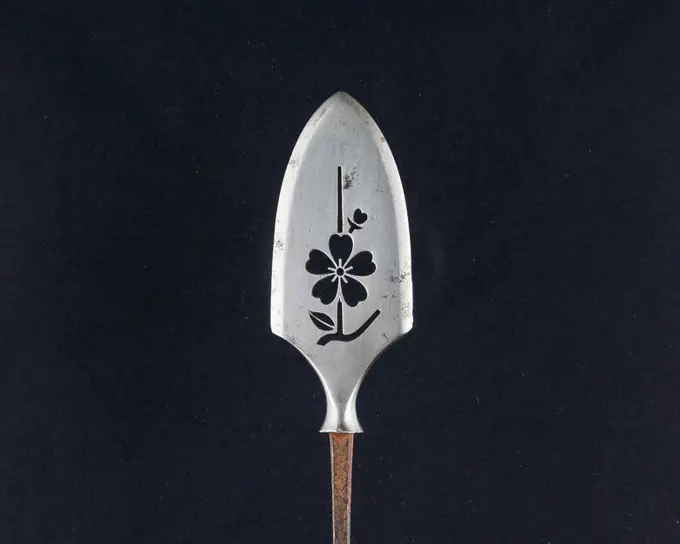
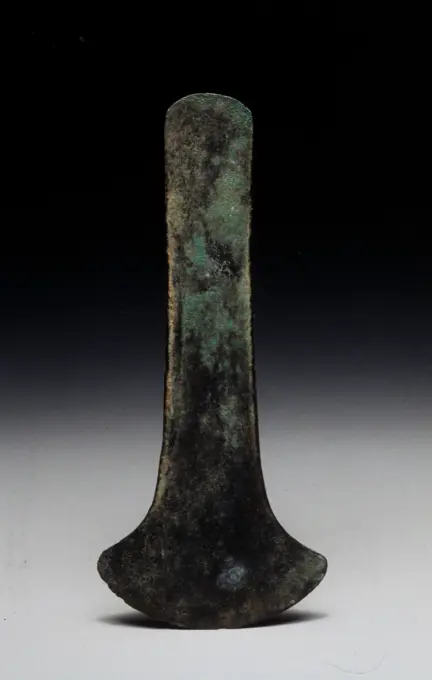
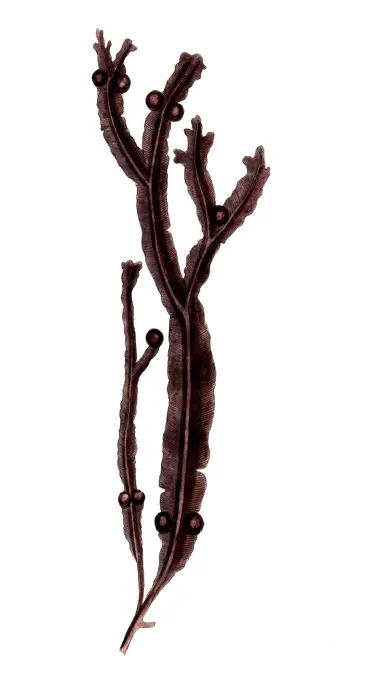
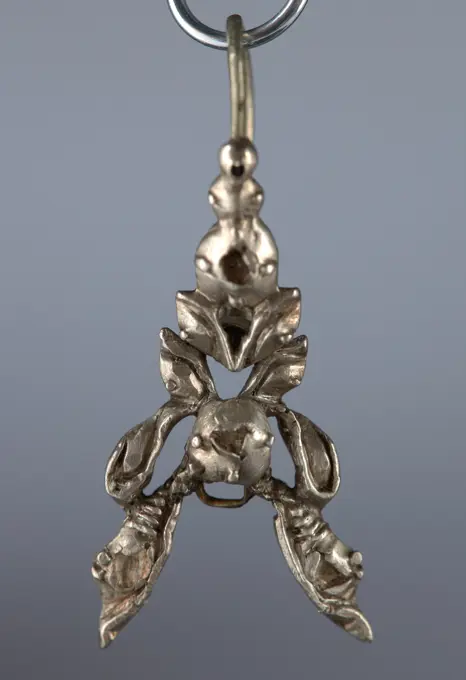
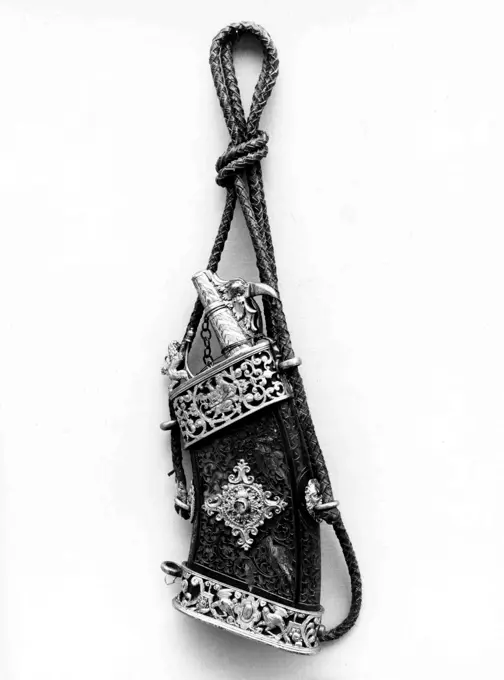
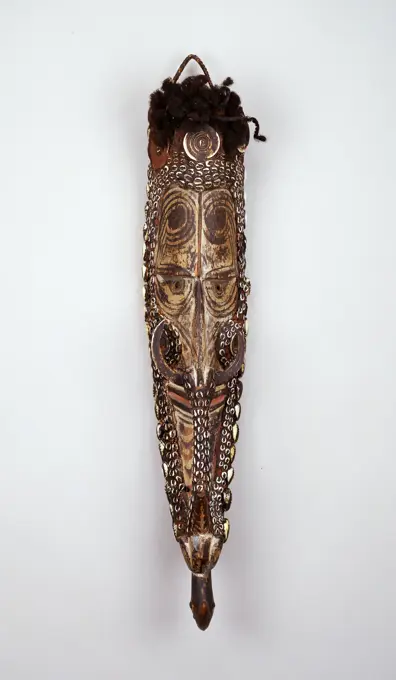
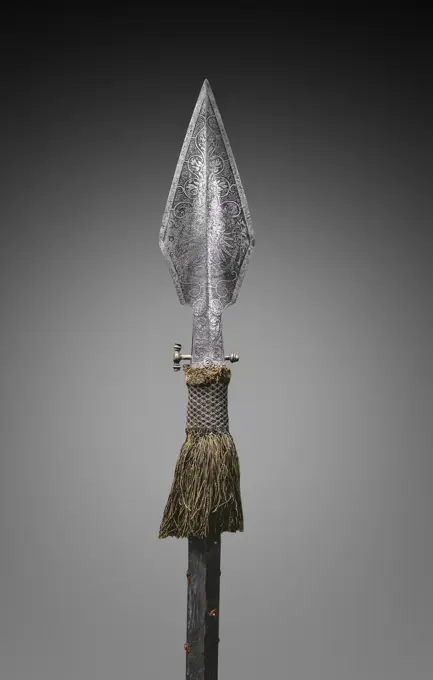
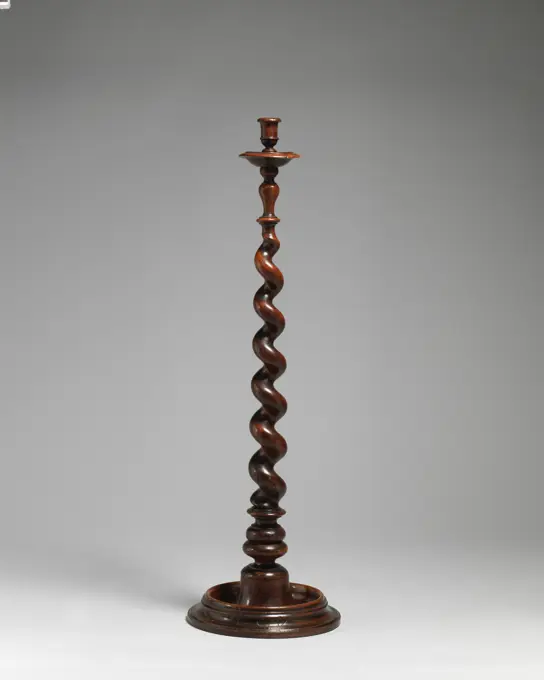
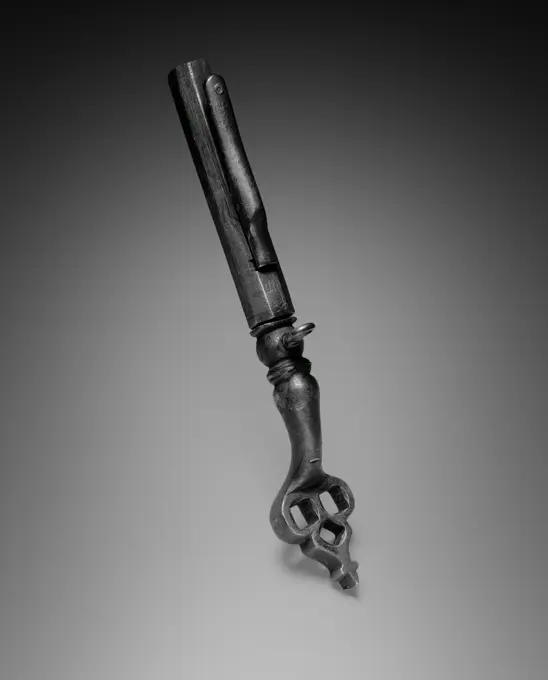
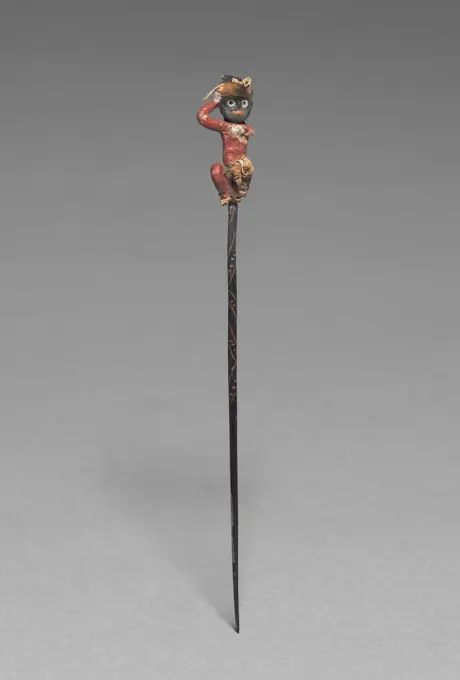
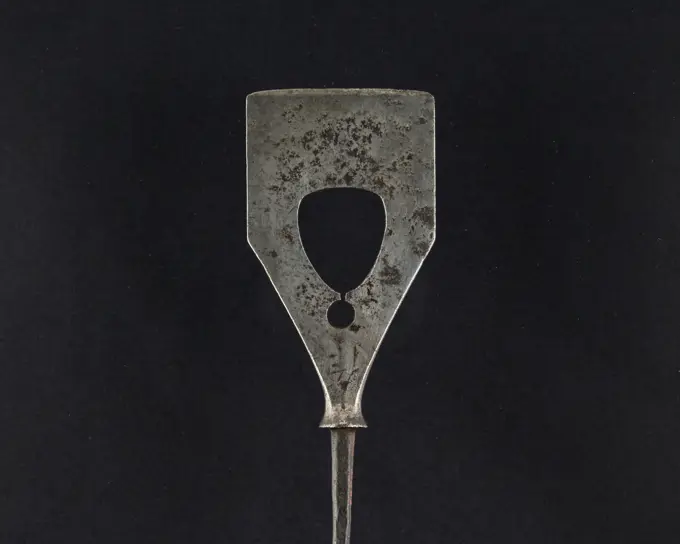
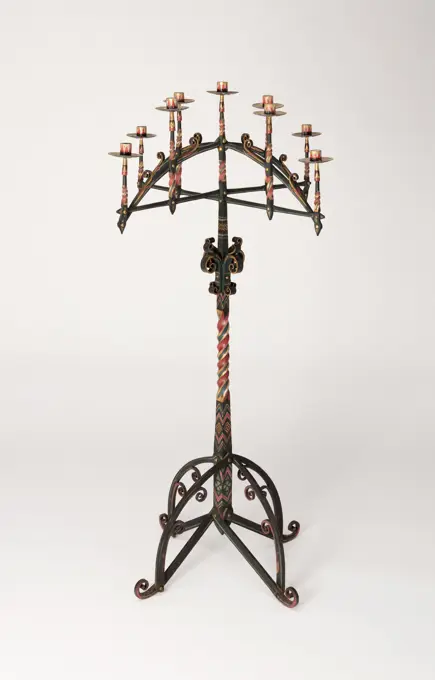
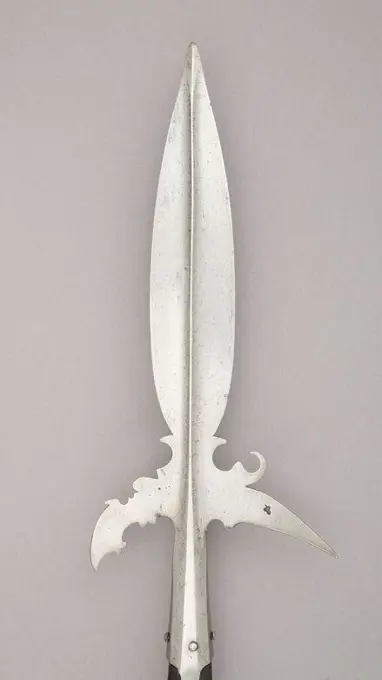
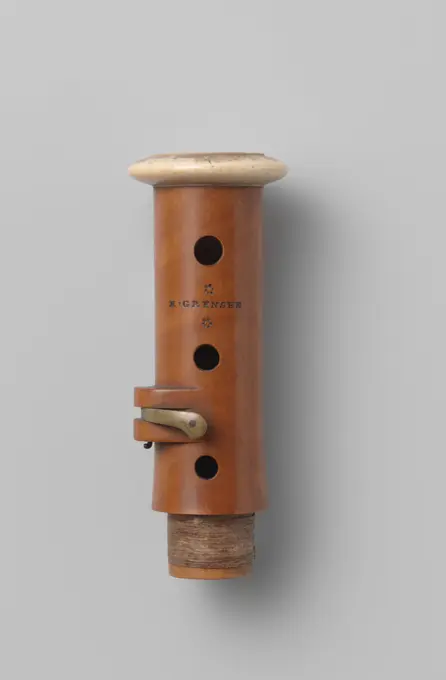
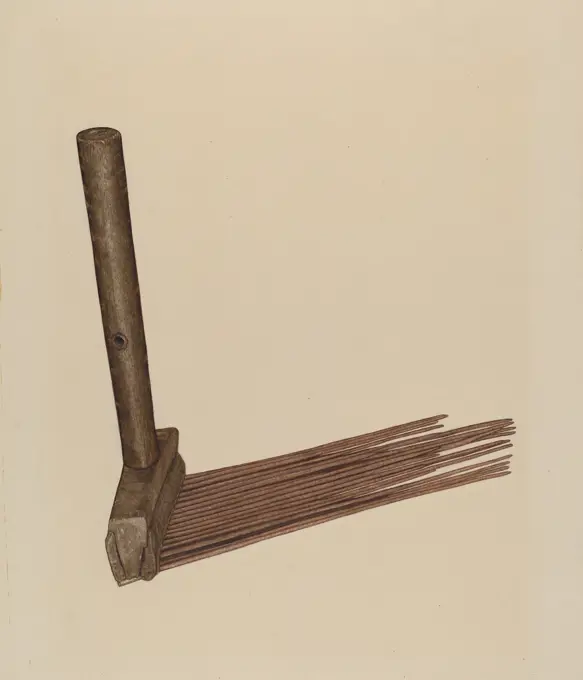
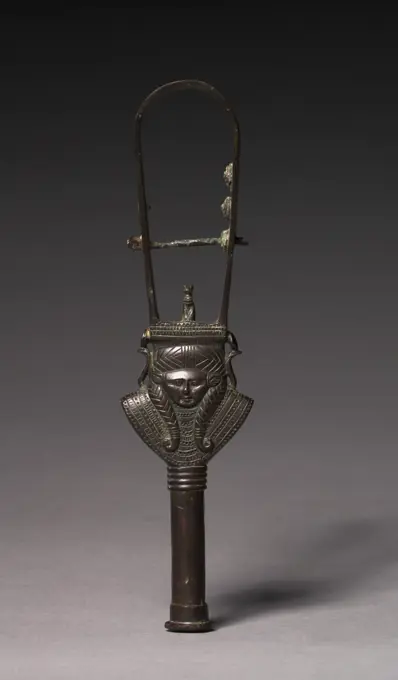
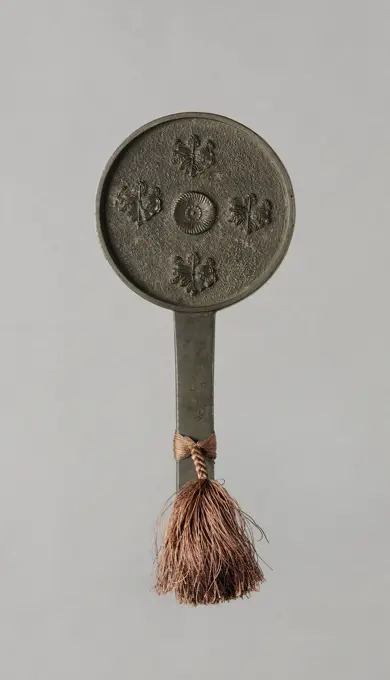
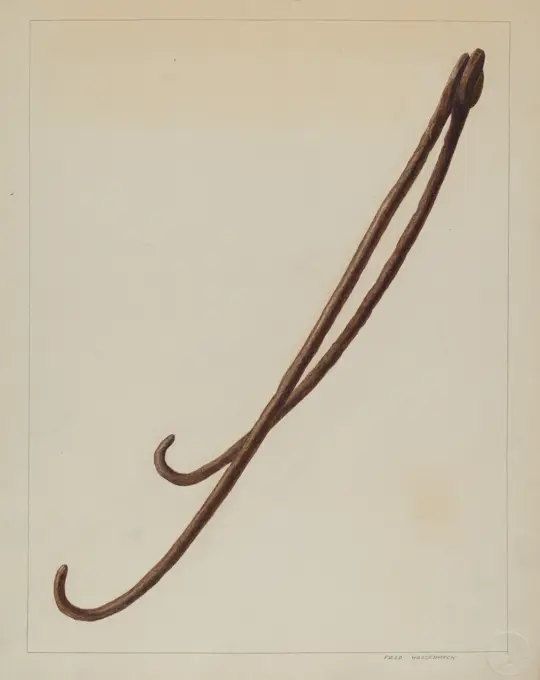
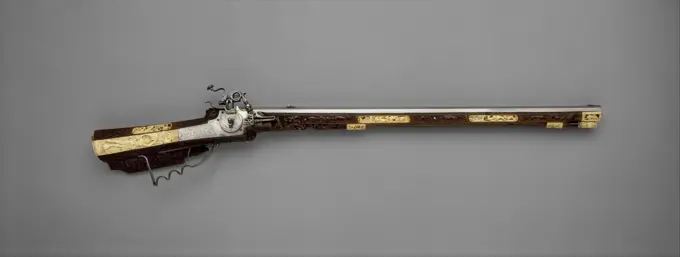
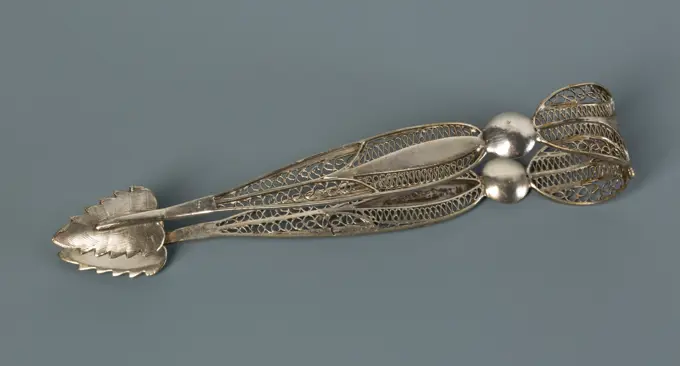
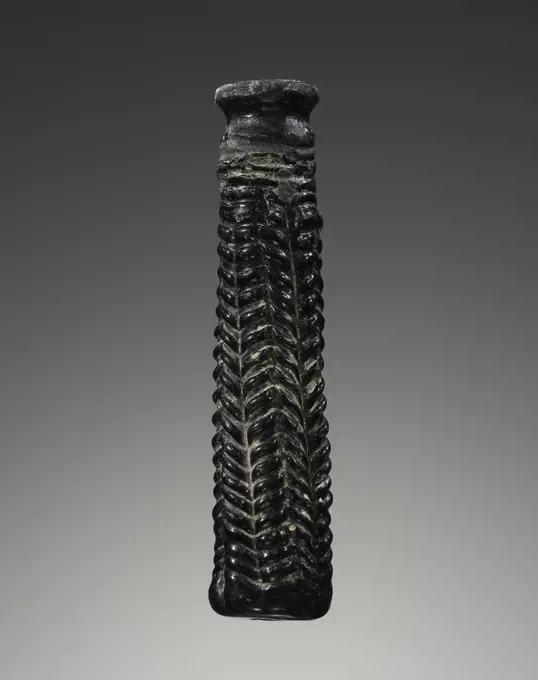
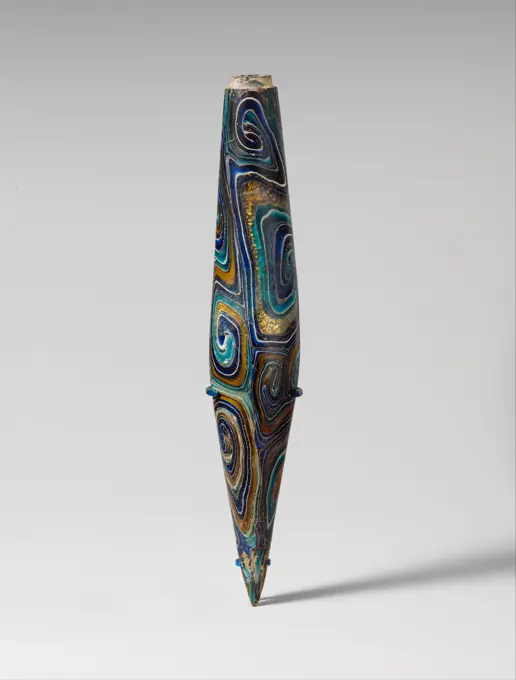
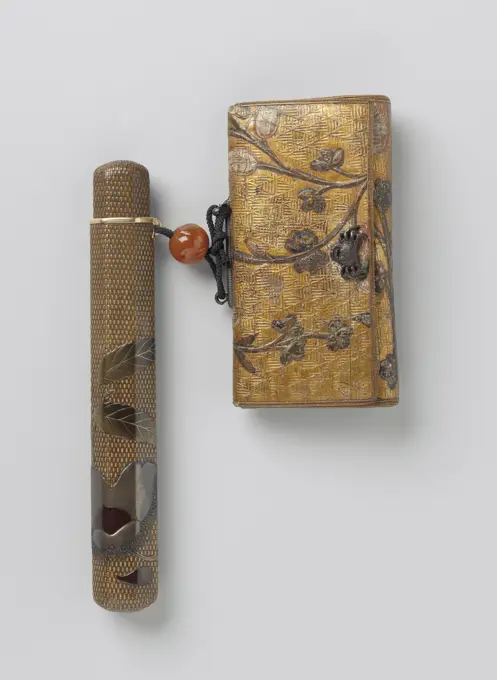
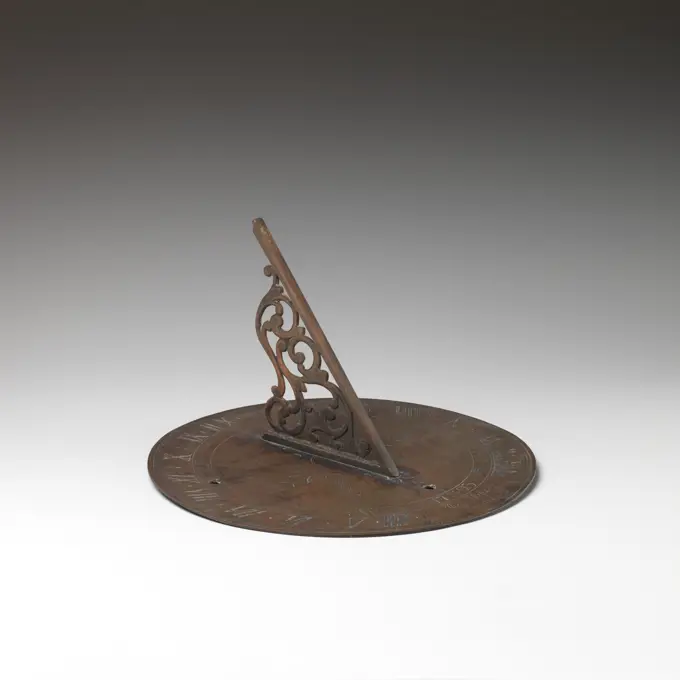
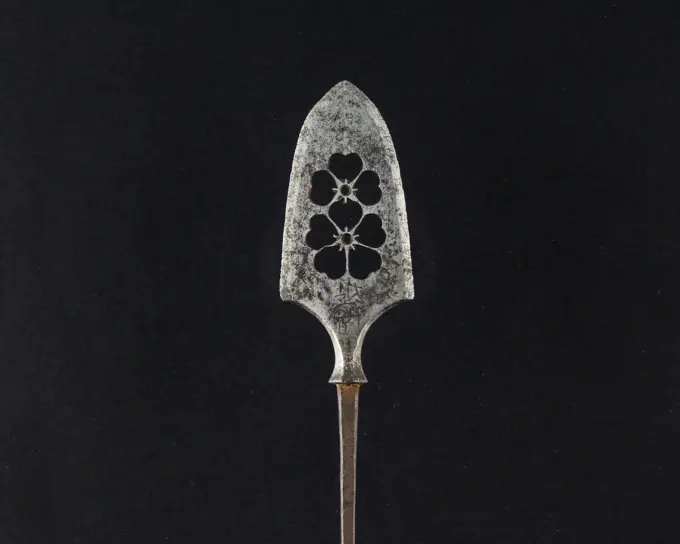
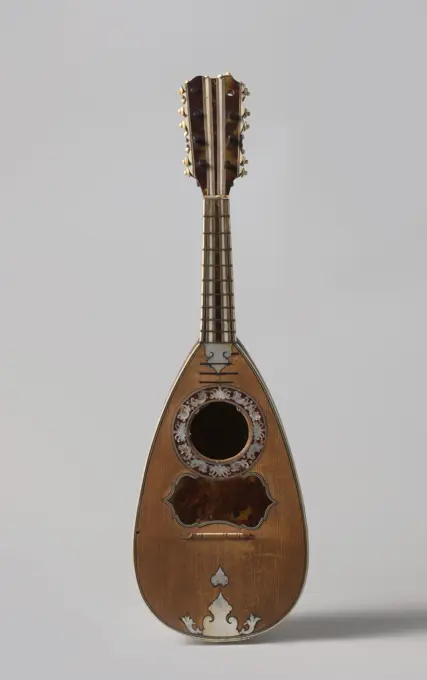
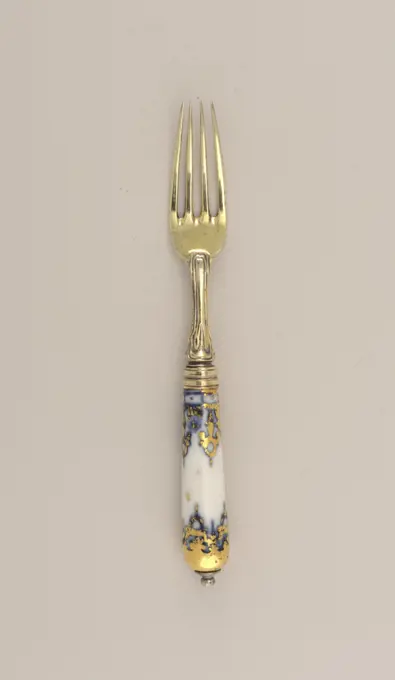
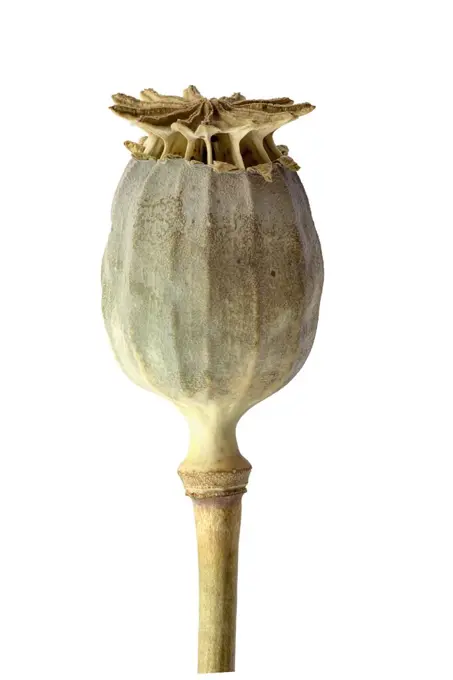
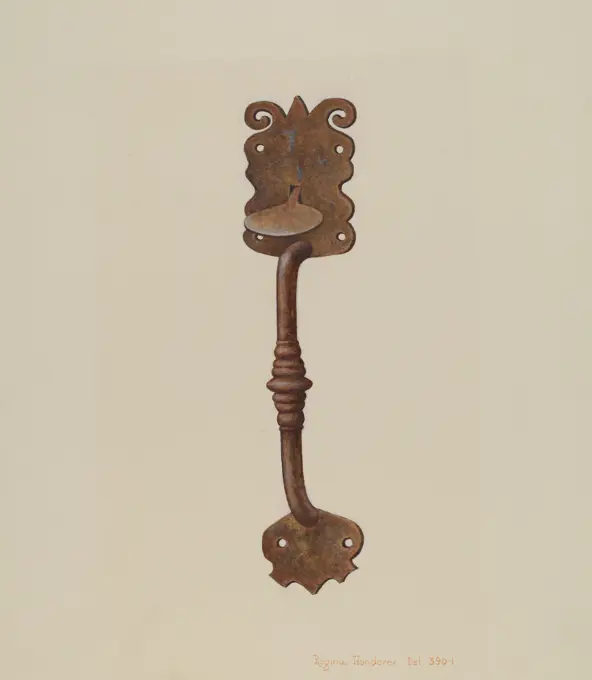
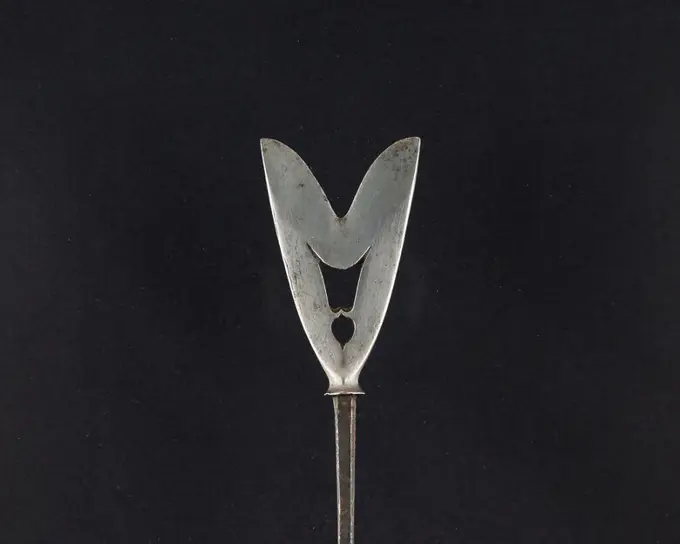
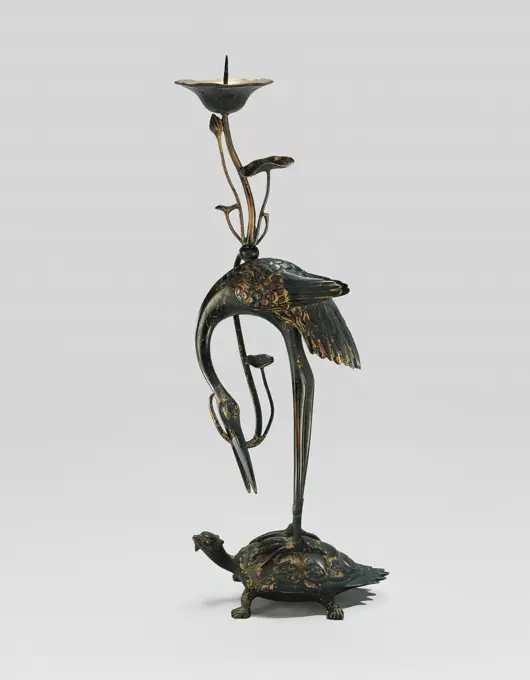
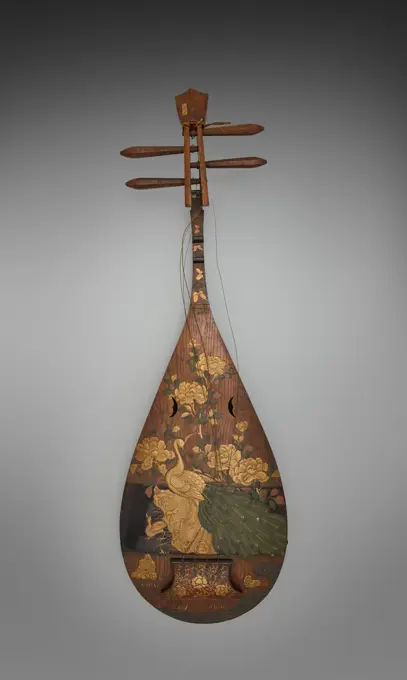
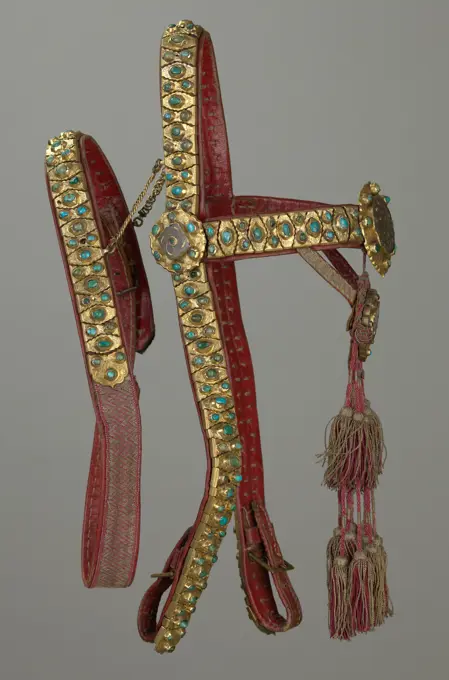
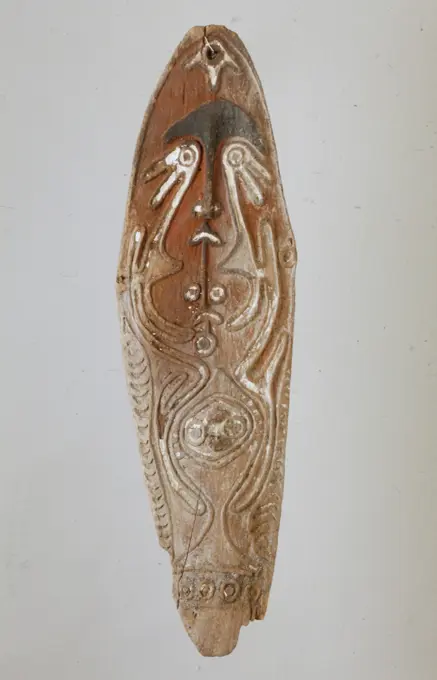
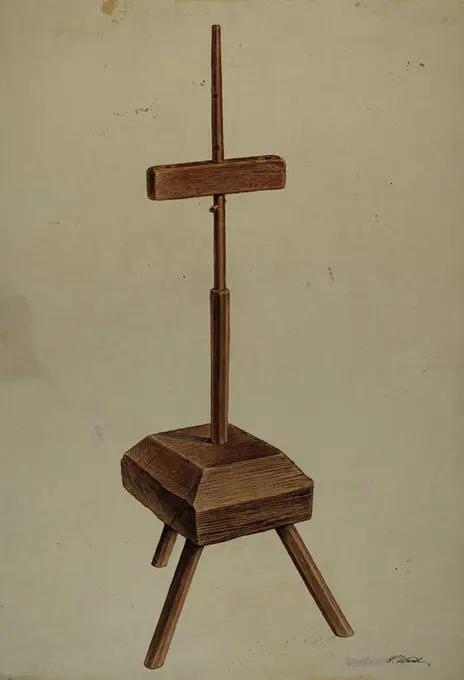
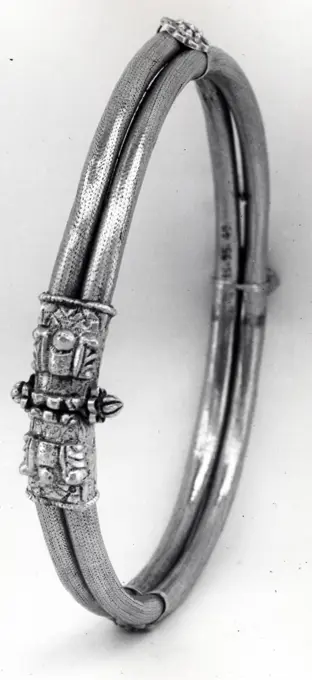
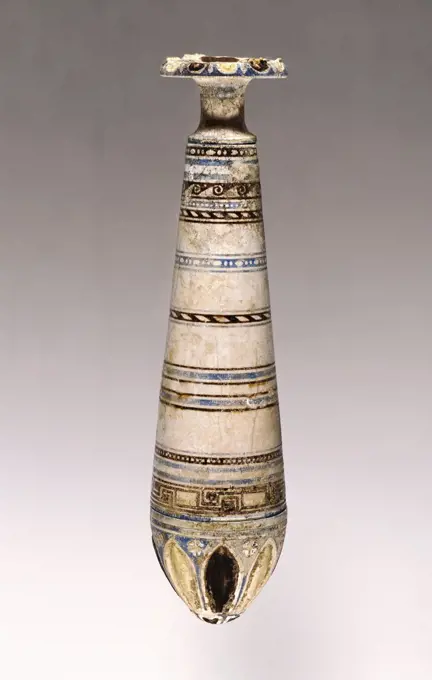
Sword, Before 1918. Indonesia, Sulawesi (Celebes). overall: 58.5 cm (23 1/16 in.); blade: 45.8 cm (18 1/16 in.).Cavalry Broadsword Made 1630-1660 England. Steel, wood, and copper .Skirt holder of gilded copper with hook and clamp, decorated with a motif of volutes and petals, anonymous, c. 1860 Rokop holder of gilded () Copper. A hook that is clamped over the waistband, with a large round eye that hangs the clamp with another oval eye. The clamp is closed by a slider. One of the ends has a protective piece of red velvet. On the waist hook a decoration of a drop -shaped bulge divided into three equal parts. The entire opor decorated with volutes and petals. Inside the clamp says: Registered 1 Jan. 1846. England (possibly) whole: copper (metal). Clamp: Velvet (Fabric Weave) forging Rokop holder of gilded () Copper. A hook that is clamped over the waistband, with a large round eye that hangs the clamp with another oval eye. The clamp is closed by a slider. One of the ends has a protective piece of red velvet. On the waist hook a decoration of a drop -shaped bulge divided into three equal parts. The entire opor decorated with volutes and petals. Inside the clamp sayGuisarme. Culture: Italian. Dimensions: L. 8 ft. 11 in. (271.8 cm); L. of head 28 1/4 in. (71.8 cm); W. 12 1/4 in. (31.1 cm); Wt. 5 lbs. 15.9 oz. (2718.7 g). Date: 16th century. Museum: Metropolitan Museum of Art, New York, USA.Abruzzo, L'Aquila, Sulmona, Museo Civico, Italy, 20th century, photo, photography, EuropeFibula, boat-shaped type 8th-6th century B.C. Italic The bow is hollow and open on its underside. The outer surface is decorated with incised lines.. Fibula, boat-shaped type. Italic. 8th-6th century B.C.. Bronze. BronzesFork with Porcelain Handle Fork; Manufactured by Meissen Porcelain Manufactory (Germany); Germany; porcelain, vitreous enamel, steel; L x W x D: 17.9 × 2 × 2 cm (7 1/16 × 13/16 × 13/16 in.)Tār (تار ) late 19th century Iranian (Persian) The tār first appeared around Shiraz and was quickly adopted in Afghanistan and Caucasia where it was modified. Iranian style tārs have bodies with two unequal heart-shaped openings which are covered by a thin lamb fetus membrane, a horn bridge and three double courses of strings. The skin belly is very responsive to the players touch and thus demands a high degree of virtuosity when plucked with a brass plectrum. In addition to lutes like the ūd, with large, vaulted backs, wood bellies, and relatively short, unfretted necks, the Middle East possesses a large number of long necked lutes. These may be identified by carved or carvel-built (strips of wood glued together) tear-shaped bodies, fretted necks, wooden bellies, and pegblocks which extend from the lute's neck (sāz, tanbūr types), or by bodies that incorporate a waist, bipartite, parchment-covered bellies and openwork pegboxes (tār type). Linguistic connections may be made between thSpoon. Korzec (manufaktura porcelany ; 1790-1832), factoryChandelier. Culture: South Netherlandish. Dimensions: 15 3/4 × 16 5/16 in. (40 × 41.5 cm). Date: mid-15th century. Museum: Metropolitan Museum of Art, New York, USA.Brace (Bit), 1600s-1700s. Europe, 17th-18th century. overall: 9 x 27.7 cm (3 9/16 x 10 7/8 in.).Ceremonial Arrowhead (Yanone). Culture: Japanese. Dimensions: L. 10 5/8 in. (27 cm); L. of head 4 1/8 in. (10.5 cm); W. 1 3/4 in. (4.5 cm); Wt. 3.5 oz. (99.2 g). Steel-chiseler: Umetada Motoshige (Japanese, Edo period, died 1675). Date: dated 1645.Large arrowheads, pierced and elaborately chiseled with landscapes, birds, flowers, dragons, and Buddhist divinities, were created to be admired for the beauty of their metalwork and design rather than for use in archery. This arrowhead is dated 1645 and signed by Umetada Motoshige (died 1675), a member of the Umetada school of swordsmiths, tsuba makers, and iron chiselers. It belongs to a group of more than thirty similarly signed and dated pieces in the Metropolitan Museum's collection (including acc. nos. 32.75.318, .321, .327, .330, .334, .337, .339-.340, .398-.399, .406, .409) that may have been made for presentation or as a votive offering to a shrine. Museum: Metropolitan Museum of Art, New York, USA.Handle of tinned iron with leaf motifs and volutes. Handle handle handle. At the bottom of a large, round opening of a hinge with a round turn. From there, two symmetrical leaf motifs, which go to the end split into two volutes, a large and a small one.Crane Crane Crane Crane unknownArrowhead (Yanone). Culture: Japanese. Dimensions: L. 10 1/8 in. (25.7 cm); L. of head 3 1/8 in. (7.9 cm); W. 1 1/4 in. (3.2 cm); Wt. 1.4 oz. (39.7 g). Date: 18th century. Museum: Metropolitan Museum of Art, New York, USA.Ceremonial Blade, 5 1/4 x 2 in. (13.34 x 5.08 cm), Copper, MexicoCrozier Head early 20th century (original dated 13th century) French. Crozier Head 463084LimeContainerFucus vesiculosus, bladderwrack, digital reproduction of a historical model, between 1790 and 1810, (Botanica Pharmaceutica by Andreas Friedrich Happe).cattails Vase; Manufactured by Fulper Pottery Company; USA; glazed stonewareGold Silla pendants, KOREA.Pole Top, 9th-5th century BCE, H.6-3/8 x W.4 in., Bronze, Persia (Iran), 9th-5th century BCEAnthropomorphic "fertility" tube ca. 8th-7th century B.C. Iran. Anthropomorphic "fertility" tube 324677Yam Mask, 20th century, 26 1/2 x 13 1/4 in. (67.31 x 33.66 cm), Fibers, pigment, Papua New Guinea, 20th centuryAndiron 14th century Italian. Andiron. Italian. 14th century. Iron. Metalwork-IronFragment of the upper part of the earringPowder Flask late 16th century German, possibly Nuremberg During the sixteenth century, German gunmakers set the European standard for continually improving firearms technology. The rifling of gun barrels (cutting of spiral grooves longitudinally on the interior of the barrel) was developed in Germany by the late fifteenth century and greatly improved the accuracy of hunting weapons. The wheellock remained the preferred firing mechanism in Germanic lands well into the eighteenth century. By then, its design and operation had been refined to the greatest possible extent.The earliest highly decorated firearms are of southern German origin. Throughout the sixteenth century, the German style of firearms ornament was the most influential in Europe, giving way to the French style only in the second quarter of the seventeenth century.. Powder Flask. German, possibly Nuremberg. late 16th century. Horn, bronze, gold. possibly Nuremberg. Firearms Accessories-Powder HornsMei Mask, 20th century, 21 x 4 1/2 in. (53.34 x 11.43 cm), Wood, pigments, cowry shells, hair, Papua New Guinea, 20th century, The Mei masks of the Iatmul people of New Guinea are not face masks, but are tied to a conical structure made of plaited fibers which covers the head and shoulders of a dancer. While similar in shape, the style and decoration of the masks vary by village throughout the Sepik River region. Mei masks usually appear in male and female pairs representing the ancestral sisters and brothers of a village clan. Each clan owns a pair, and when not in use, they are kept in the clan elder's house. The masks are also used in battle to frighten enemies into submission, and to impress young boys during initiation ceremonies. Since the 1960's many traditional villagers have supplemented their incomes by producing mei masks for sale to collectors and the new market opportunities created by growing tourism.Set of bronze strigils and carrying ring. Culture: Roman. Dimensions: Approx. height of ring with hanging strigils as now bent 11 1/2 in. (29.2 cm). Date: 1st century B.C.-2nd century A.D..Four strigils attached to a ring. Museum: Metropolitan Museum of Art, New York, USA.Parade Spear, c. 1570-1600. Germany, Augsburg, 16th century. Steel, etched; brass lugs; hexagonal wood haft with leather straps; woolen tassel; overall: 208.2 cm (81 15/16 in.); blade: 29.5 cm (11 5/8 in.). This weapon is etched with the imperial Hapsburg arms on one face and the Burgundian stave cross of St. Andrew on the other. In the 1500s, parade spears of this type became part of the insignia of infantry and light cavalry officers in the imperial army. In 1548 Titian painted an equestrian portrait of Emperor Charles V holding such a spear. At his abdication in 1556, Charles split the Hapsburg inheritance between his son, Philip II of Spain, to whom was awarded control of Burgundy, and his brother, Frederick, to whom went the imperial title and the family's central European lands. This spear probably belongs to this later period and its purpose was likely ceremonial.Anonymous, central part of a large Nazi metal eagle (taken at the Rathaus - Ortskommandantur - Erstein siege by the Spahi Roger Marion) (title awarded), 1933, metal (steel/iron/aluminum), museum of The Liberation of Paris - G MuseumCandlestand ca. 1710 British. Candlestand. British. ca. 1710. Walnut. Woodwork-FurnitureCombined Wheel-Lock Spanner and Powder Measure, c. 1625-1650. Germany, 17th century. Steel, trefoil top pierced with square holes; overall: 23.5 cm (9 1/4 in.); closed: 16.2 cm (6 3/8 in.).Candlestick. Dated: c. 1938. Dimensions: overall: 28.6 x 22.4 cm (11 1/4 x 8 13/16 in.) Original IAD Object: diam. of foot 4"x2" high. Overall height 8". Medium: wash and graphite on paperboard. Museum: National Gallery of Art, Washington DC. Author: Charles Garjian.Model of a Buoy.Model of a buoy with a conical body with a sharp bottom end and flat round top, where a pole protrudes. Such as a barrel she is composed of dolls and hoops. At the bottom of a long point there is an eye for the anchor chain. Marked with crossed anchors. Scale 1:10 (archive).Torenkruis, from the NH church in Geertruidenberg., In or Before 1881 A forged iron cross from the tower of the Reformed Church in Geertruidenberg. Geertruidenberg iron (metal) A forged iron cross from the tower of the Reformed Church in Geertruidenberg. Geertruidenberg iron (metal)Goldsmith's art, Germany, 16th century. Agate, enamel and gold spoon.Pin with Yarn Figure, c. 300 BC-AD 200. Peru, South Coast, Nasca style, Nasca style, 100 BC-AD 650. Wood, yarn, paint; overall: 12.6 cm (4 15/16 in.).Arrowhead (Yanone) 18th century Japanese Although today Japanese warriors are renowned most for their swordsmanship, archery, especially from horseback, has been an essential part of samurai warfare and culture for centuries. Arrows were fitted with heads of varying shape according to their intended use in war, the hunt, or target practice. Arrowheads made for use on the battlefield incorporated different designs intended for specialized purposes such as the piercing of armor or to cause maximum damage to horses and unarmored personnel.Large arrowheads, pierced and elaborately chiseled with landscapes, birds, flowers, dragons, and Buddhist divinities, were created to be admired for the beauty of their metalwork and design rather than for use in archery. Such highly elaborate examples may have been made for presentation or as a votive offerings to a shrine.. Arrowhead (Yanone). Japanese. 18th century. Steel. Archery Equipment-ArrowheadsGlass perfume bottle 2nd-3rd century A.D. Roman Candlestick unguentarium.Colorless with greenish tinge.Uneven rim folded out, over, and in, with lopsided mouth; slender, concave neck; sides of wide body expanding sharply outward; pushed-in bottom with central kick surrounded by traces of pontil scar. Broken on neck and repaired; hole around lower part of neck; bubbles; deep pitting and iridescent weathering.. Glass perfume bottle 239592Gueridón, attributed to Pieter van Somerwil (I), 1759Pair of engraved pewter candelabra from Chateau d'Ecouen (Ecouen castle)Knitting Sheath, 1600-1750. Knitting sheaths supported the weight of the knitting and stopped stitches slipping off the bottom of a double-ended needle. They were generally worn in the belt, on the right side, in a sloping position.They ranged from crudely whittled affairs to masterpieces of 'fine art', and were usually individually made and decorated by their makers to give as love tokens. This 18th century, boxwood, knitting sheath is widely acknowledged as a masterpiece of carving. It was probably made in France or Italy. The sheath does not appear to have been used and it has doubtless always been cherished as a work of art rather than as a functional object... Purchased from Edward H Pinto, 1965... .Candelabra (One of a Pair) 1855-1865 England. Painted bronze . William WhiteHalberd-Partisan. Culture: possibly Flemish. Dimensions: L. 81 3/4 in. (207.6 cm); L. of head 19 1/4 in. (48.9 cm); W. 8 1/16 in. (20.5 cm); Wt. 3 lbs. 15.2 oz. (1791.7 g). Date: ca. 1620. Museum: Metropolitan Museum of Art, New York, USA.Under apron (iinkciya), 1800s-1900s. Africa, Southern Africa, South Africa, Xhosa (South Nguni) maker. Leather, glass beads, and sinew; overall: 35.6 cm (14 in.).Fork with a handle of fighting animals, Anonymous, 1675 - 1725 It means an open stacking of fighting and corrosive animals. Germany ivory It means an open stacking of fighting and corrosive animals. Germany ivoryModel of a Sounding Lead, anonymous, c. 1800 - c. 1858 scale model Model of a low -plated, black painted, incomplete. It consists of a ball attached to a round rod. This rod hangs on a double line with two arms, which must be attached to the perpendicular; The arms fall as soon as the weight of the lead is lifted when it touches the ground. The poor have hooks that let go something as soon as they fall; According to Obreen's description, the ball was repelled as soon as the bottom was reached. At the bottom of the rod is a hole for taking soil samples. Probably the ball that formed the weight. United States of America wood (plant material). brass (alloy). rope. paint (coating)Clarinet (Lower Joint). Part of Clarinet of boxwood, with three holes, ivory tires and a brass valveModel of an Oscillating Pump, anonymous, 1821 demonstration model Model of a winding pump, on a tripod. It is a double -acting pump with two square pump pipes, which are connected to a single round pump tube below. The pump cleaners consist of a metal plate that is placed diagonally in the pump tube and on which two triangular, leather covered with leather; They are weighted with lead. Pump buckets of the same design are placed at the bottom of the square pump pipes. The pistons are connected by a chain that runs over a wheel in the pump bin; Outside a pendulum is attached to the axle of the wheel, and above a yoke for a chain or rope; With this yoke, the pendulum movement is started, so that the pistons are each pulled up and fall. model maker: Netherlands (possibly)after design by: United States of America wood (plant material). brass (alloy). iron (metal). lead (metal). leatherGarrote para atar gavillas. Museu Català de les Arts i Tradicions Populars.LeRoy Griffith, Hatchel (Flax Comb), c 1939 Hatchel (Flax Comb)candlestick to hang and to stand, anonymous, 1500 - 1700 Iron candlestick on three legs, which run down at a sharp angle and whose slightly wider, scanned ends curls. On the legs, the round, rod -shaped trunk sounds with a square plate in the shape of a leaf in between. Halfway through the trunk is a flat bar, which curls down in two semicircles. Above that, the hexagonal fat catcher is placed, with the candle holder on the edge and a rod in the middle, which ends in a hook at the top, so that the candlestick can also serve hanging. Germany iron (metal) forging Iron candlestick on three legs, which run down at a sharp angle and whose slightly wider, scanned ends curls. On the legs, the round, rod -shaped trunk sounds with a square plate in the shape of a leaf in between. Halfway through the trunk is a flat bar, which curls down in two semicircles. Above that, the hexagonal fat catcher is placed, with the candle holder on the edge and a rod in the middle, which ends in a hook at the topMagic Horn (BuliBuli)Revers pin of a propagandist of the Dutch Christian Radio Association (NCRV), NCRV, 1924 - 1994  Metal hexagon with rounded corners. The background is colored blue. Central The letters: N / C / V. The background has lines that follow the shape of the pin. The emblem is related to NG-1995-5-1, NG-1995-5-6 and NG-1995-5-7. Netherlands metal. textile materials   NetherlandsArched Sistrum, 380-343 BC. Egypt, Late Period, Dynasty 30. Bronze, hollow cast; overall: 21.4 x 5.3 cm (8 7/16 x 2 1/16 in.).Mirror with Paulownia Crests, 1392-1573. Japan, Muromachi period (1392-1573). Bronze; diameter: 8 cm (3 1/8 in.); overall: 16 cm (6 5/16 in.).Fred Hassebrock, Pot Hooks, c 1938 Pot HooksCandle of candle crown, c. 1475 - c. 1485 Candle arm belonging to a candle crown of three heights with Maria Chapel in the middle. The arm is bent twice and has eleven leaves. The fat catcher rests at the end, which has a vertical serrated edge with cruciferous motifs on the underside. The candle holder is six-flagged with a perforated side on the front and back and has a vertical ring-shaped lower piece. This is the second arm of the middle ring (center of the bars), numbered with 2 dots. Southern Netherlands brass (alloy) casting Candle arm belonging to a candle crown of three heights with Maria Chapel in the middle. The arm is bent twice and has eleven leaves. The fat catcher rests at the end, which has a vertical serrated edge with cruciferous motifs on the underside. The candle holder is six-flagged with a perforated side on the front and back and has a vertical ring-shaped lower piece. This is the second arm of the middle ring (center of the bars), numbered with 2 dots. Southern Wheellock Rifle ca. 1680-90 Johann Michael Maucher German Johann Michael Maucher was the most famous member of a Schwabian family of ivory, wood, and amber carvers. He specialized in decorating gunstocks in intricately carved walnut inlaid with panels of ivory worked in relief depicting hunting subjects and allegorical figures. Firearms with such luxurious decoration presumably were valued more for their artistic virtuosity than for their practical use as sporting arms.. Wheellock Rifle 24689Sugar pliersFork, from a flatware dessert service, 18th century, Meissen Porcelain Factory, Meissen, Germany, est. 1710, Hard paste porcelain, gilt metal, Germany, 18th centuryBalsamarium; Sarre Pole Sahab (perhaps), Azerbaijan; perhaps mid-1st millennium B.C; Glass; 6.8 × 1.6 cm (2 11,16 × 5,8 in.)Scissor-like candlestick, wax vent. Radecki, Jan (fl. 1815-1837), goldsmithIsolated Hookah Traditional eastern hookah on an isolated studio background Copyright: xZoonar.com/AndreyxSkatx 12582445Glass gold-band mosaic alabastron (perfume bottle) 1st century B.C. Greek, Eastern Mediterranean Translucent cobalt blue, colorless, translucent turquoise blue, translucent honey brown, opaque white, and gold leaf.Plain vertical rim, ground flat on top edge; recessed band below to receive neck and rim attachment; biconical body, expanding downwards to midway point, then slanting in to pointed bottom.Gold-band mosaic pattern formed from serpentine lengths of two different canes in combinations of blue and turquoise outlined in white, with one having a band in brown backed with white, the other having a band in colorless encasing shattered gold leaf. The gold-band canes are repeated twice over the body.Broken and repaired, with areas on fill around upper half of body; slight dulling, pitting of surface bubbles, faint iridescent weathering on body, and thick creamy weathering on rim, recessed band, and interior.This is an unusually large gold-band alabastron with a rare pointed shape. AttBracketPipe case with chestnuts and gilt leather tobacco pouch, Tsuzuki Kosai, c. 1900 - c. 1925 Pipe froulty of braided rattan with a decoration in Maki-e of chestnuts with and without bolster, with a twig. The Gold leather tobakkas with a decoration of blossom branches on a geometriceh ground. Iron batter in the form of a crab with golden eyes. In wooden box. Japan bamboo. lacquer (coating). paper. ojime: carnelian. beslag: iron (metal). haak, rand: gold (metal) Pipe froulty of braided rattan with a decoration in Maki-e of chestnuts with and without bolster, with a twig. The Gold leather tobakkas with a decoration of blossom branches on a geometriceh ground. Iron batter in the form of a crab with golden eyes. In wooden box. Japan bamboo. lacquer (coating). paper. ojime: carnelian. beslag: iron (metal). haak, rand: gold (metal)old key old key isolated on white background Copyright: xZoonar.com/RuslanxNassyrovx 7565233Stationary horizontal sundial 1793 Thomas Pipe. Stationary horizontal sundial. British, London. 1793. Brass. HorologyArrowhead (Yanone) ca. 1615-1868 Japanese Although today Japanese warriors are renowned most for their swordsmanship, archery, especially from horseback, has been an essential part of samurai warfare and culture for centuries. Arrows were fitted with heads of varying shape according to their intended use in war, the hunt, or target practice. Arrowheads made for use on the battlefield incorporated different designs intended for specialized purposes such as the piercing of armor or to cause maximum damage to horses and unarmored personnel.Large arrowheads, pierced and elaborately chiseled with landscapes, birds, flowers, dragons, and Buddhist divinities, were created to be admired for the beauty of their metalwork and design rather than for use in archery. Such highly elaborate examples may have been made for presentation or as a votive offerings to a shrine.. Arrowhead (Yanone). Japanese. ca. 1615-1868. Steel. Archery Equipment-ArrowheadsNeapolitan Mandolin, Giovanni Vinaccia (Possibly), c. 1770 - c. 1780 Mandolin of light and dark yellow (underside) wood, richly decorated with mother-of-pearl, turtle and ivory. Eight screws. Naples mother of pearl. ivory. wood (plant material) Mandolin of light and dark yellow (underside) wood, richly decorated with mother-of-pearl, turtle and ivory. Eight screws. Naples mother of pearl. ivory. wood (plant material)Knife, wood, ca. 1870-80, Decorative Arts, KnifeFork and Knife with Porcelain Handles, Meissen Porcelain Manufactory, German, active from 1710 to the present, hard paste porcelain, vitreous enamel, gold, steel, Knife (a): steel blade with up-curved tip with tapering tubular porcelain handle with blue arabesques on a white ground with painted gilt decoration; fork (b): four tine silver gilt with tapering tubular porcelain handle with blue arabesques on a white ground with painted gilt decoration., Germany, 1737-1739, cutlery, Decorative Arts, fork and knife, fork and knifeCurb Bit. Culture: Thracian or Celtic. Dimensions: H. 6 1/4 in. (15.9 cm); W. 4 1/4 in. (10.8 cm); Wt. 11.4 oz. (323.2 g). Date: 2nd-1st century B.C..The mouthpiece of this bit consists in two spindle-shaped links articulated in the middle. They are connected on either side to lyre-shaped attachments for the bridle's cheekpieces (partly broken). The two shanks, from which hooks hang for the reins, are connected by a horizontal bar acting as a curb. The curb bar would have pressed the horse's chin when reins were pulled back. The large lyre-shaped elements helped indicate the direction to the horse and held the bit in place in the mouth. The shape of these cheekpieces, as well as the rein hooks, are inspired from Hellenistic Greek and Macedonian bits, from which they evolved. This object is also an example of the earliest type of curb bit to have been invented. It seems to have developed in the Balkans among Thracian and Scordisci (Eastern Celts) cultures between the 3rd and 1st centuOpium poppy (Papaver somniferum), seed pod, Germany, EuropeRegina Henderer, Suffolk Latch, c 1939 Suffolk LatchArrowhead (Yanone). Culture: Japanese. Dimensions: L. 8 3/4 in. (22.2 cm); L. of head 2 3/4 in. (7 cm); W. 1 3/4 in. (4.5 cm); Wt. 1.5 oz. (42.5 g). Date: 18th century. Museum: Metropolitan Museum of Art, New York, USA.Double Curb Bit. Culture: South German. Dimensions: H. 17 in. (43.2 cm); W. 7 3/4 in. (19.7 cm); Wt. 5 lb. 8.6 oz. (2511.8 g). Date: first half 17th century.This kind of curb bit belongs to a rare type, typically German, already recorded in Saxony in the mid-16th century and still produced in the early 1600s. Instead of eliciting one pair of shanks (the levers on the sides of the bit to which the reins were attached), it has two, each one having a different effect on the horse. Pulling back the longest shanks with the reins would have an action on the purchase (the piece at the top of each cheekpiece), pressing on the sensitive poll area through the bridle attached to the bit's eyes, and pressing on the chin with the curb chain (missing, would have originally from the hooks). The second pair of shanks would only have an action on the port, the U-shape central part of the mouthpiece. Pulling this second pair of reins would swing forward the elongated piece at the top, and roll it againSpit Bracket. Culture: Spanish (). Dimensions: (H) 18 (45.7 cm) x (L) 13 3/8 (34 cm) x (gr. w.) 18 3/8 in. (46.7 cm). Date: 16th century. Museum: Metropolitan Museum of Art, New York, USA.Candlestand of a crane on a long-tailed tortoise, 18th century, Unknown Japanese, 15 15/16 × 5 7/8 × 3 3/8 in. (40.48 × 14.92 × 8.57 cm), Gilt bronze, Japan, 18th century, The crane and the tortoise, which here form the base and body of a candlestick, are both symbols of longevity. The crane is said to live for a thousand years and the tortoise for ten-thousand. Candle stands such as this one served as Buddhist ritual implements.Bugaku Biwa, early to mid-1800s. Japan, Edo period (1615-1868). overall: 85.8 cm (33 3/4 in.); widest end: 31.5 cm (12 3/8 in.).Folding knife and fork 18th century Southern German. Folding knife and fork. Southern German. 18th century. Steel; horn, silver, brass. Metalwork-SteelRattle 1700-1899 United States. Ivory .Przeszo Przyszoci unknownBasket-Hilted Broadsword (Schiavona). Italian; Venice. Date: 1775-1800. Dimensions: Overall L. 107.5 cm (42 5/16 in.) Blade L. 92.5 cm (36 7/16 in.) Wt. 2 lb. 14 oz. Steel, silver, wood, and coral. Origin: Venice. Museum: The Chicago Art Institute, Chicago, USA.Pendant in the Form of a Xi Tiger, 480-221 BCE, 4 1/8 x 1 x 3/16 in. (10.48 x 2.54 x 0.48 cm), Translucent tan jade, China, 5th-3rd century BCEGope Board, 20th century, 41 1/2 x 13 in. (105.41 x 33.02 cm), Wood, pigment, Papua New Guinea, 20th centuryCandle Stand. Dated: c. 1938. Dimensions: overall: 50.9 x 37.9 cm (20 1/16 x 14 15/16 in.) Original IAD Object: 36 1/2"high. Base: 8" x 9 1/2". See data sheet for dets.. Medium: watercolor, colored pencil, graphite, and pen and ink on paperboard. Museum: National Gallery of Art, Washington DC. Author: Paul Ward.Wall Plaque ca. 1895. Wall Plaque. ca. 1895. MetalFork with Porcelain Handle Fork; Germany; porcelain, vitreous enamel, silver, gold; L x W: 20.6 x 2.2 cm (8 1/8 x 7/8 in.); The Robert L. Metzenberg Collection, gift of Eleanor L. Metzenberg; 1985-103-186'Wine Vessel: KU', c12th to 3rd century BC, (1936). Artist: Unknown.lluis Ventós / "Moai", 2007, Sculpture, 65,5 x 28,5 x 13,5 cm.Bugle, c. 1820 musical instrument. wind instrument. flugelhorn A bugle of brass on a green cord, with brushes. The original cord is missing. Used by the infantry. The name of the manufacturer is engraved in the cup: L. Embach & Co. Amsterdam. Amsterdam copper (metal). textile materials. lanyards. brass (alloy)Sgabello probably 18th century Swiss. Sgabello. Swiss. probably 18th century. Walnut. Woodwork-FurnitureJennie Kamar, Cookie Cutter, c 1941 Cookie CutterNecklet (Musi) 18th-19th century. Necklet (Musi) 446747long mushroom umbrella isolated on white background top view close up long mushroom umbrella isolated on white background top view close up Copyright: xZoonar.com/gutaperx 17731141Ruiterspoor with a seven -pointed star, 1625 - 1675 A forged iron equestrian track, guild test; The stimulus in the form of a 7 pointed star, the heel decorated with ornament worked in the day, the track with volutes, in which lions. France (possibly) iron (metal) forging A forged iron equestrian track, guild test; The stimulus in the form of a 7 pointed star, the heel decorated with ornament worked in the day, the track with volutes, in which lions. France (possibly) iron (metal) forgingAlabastron; Unknown; East Greece; 2nd century B.C.; Faience; Object: H: 23 cm (9 1/16 in.). Diam.: 5.5 cm (2 3/16 in.)