Historical Weaponry Implements

An array of historical weapons including swords, halberds, and staffs, each showcasing intricate craftsmanship and design elements from different cultures.

Bergwerkwerkstok with ax or hammer and in the stick an open -up weapon with German text, Anonymous, 1785 Oval stick, turned up about 1/3 of the length at the top, a flat copper wire runs through the trench. At the top a copper decorative ax, upwards in a declining point, on which a cap. On the Bijtje engravings and an open worker in which two crossed hammers. On the one hand, the engravings present a man with a mountain worker stick and a man who is cutting stone on a mountain slope, on the other a man with a stick and inscription: ICHU Täglisch in der Erden Deine Wect: mit Freuden An Middle Europe wood (plant material). copper (metal). iron (metal) forging / engraving Oval stick, turned up about 1/3 of the length at the top, a flat copper wire runs through the trench. At the top a copper decorative ax, upwards in a declining point, on which a cap. On the Bijtje engravings and an open worker in which two crossed hammers. On the one hand, the engravings present a man with a mountain wor
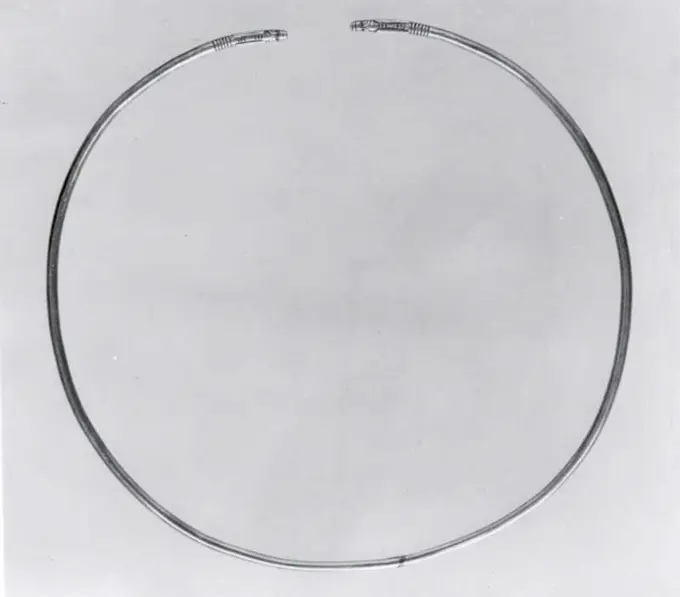
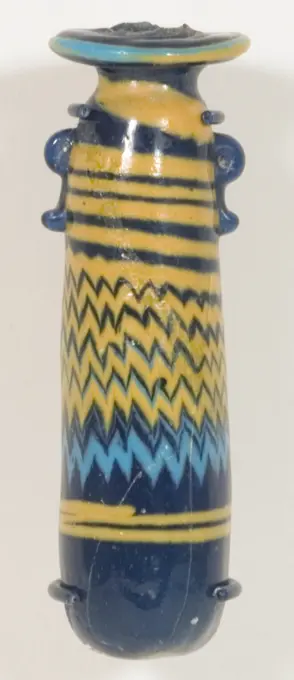
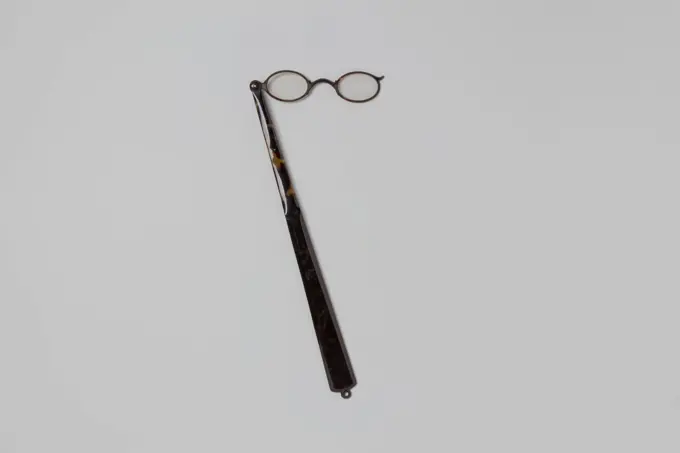
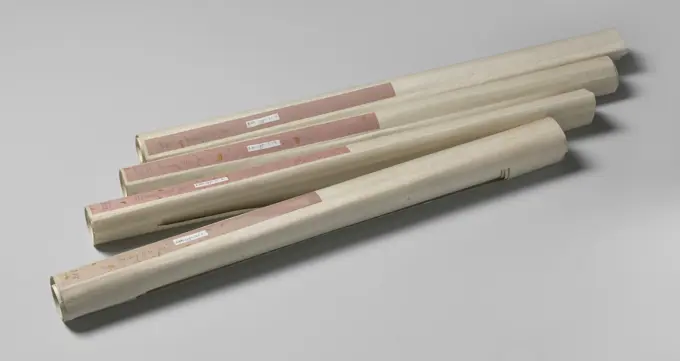
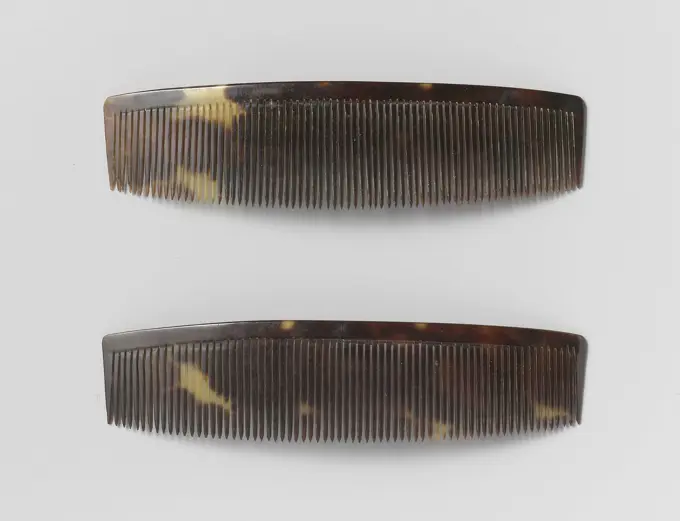
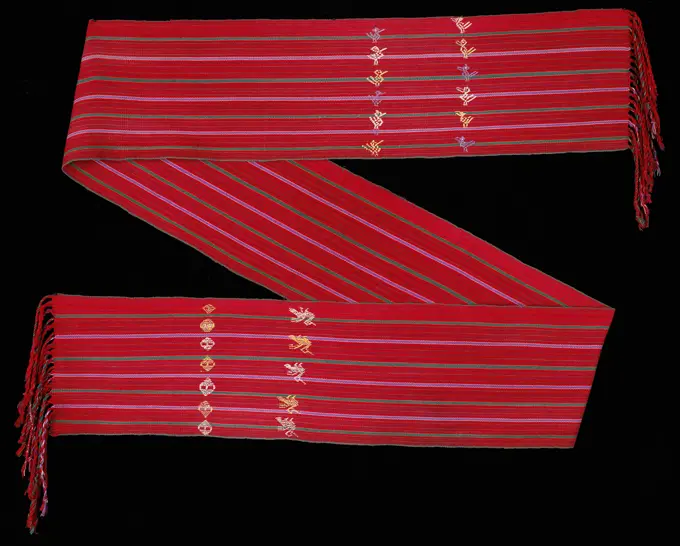
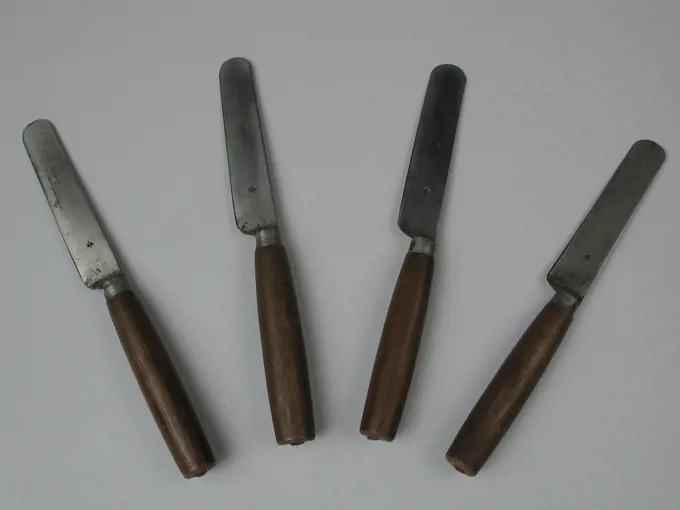
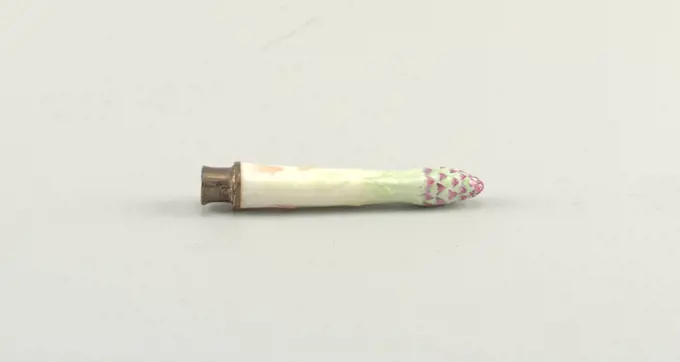
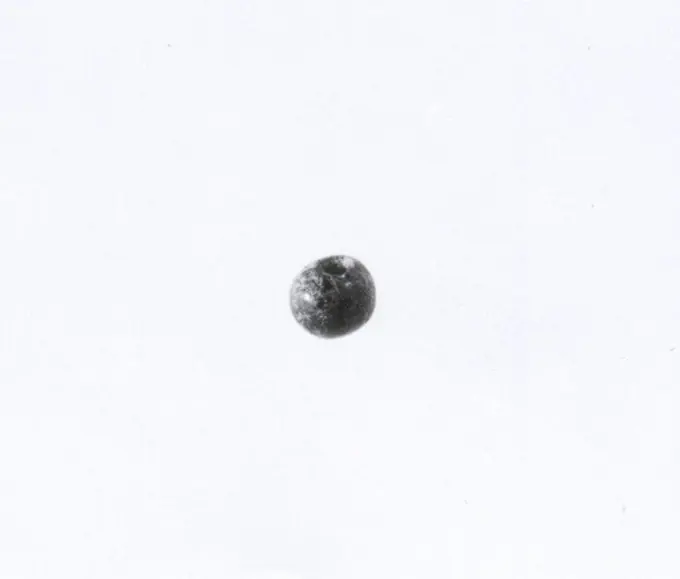
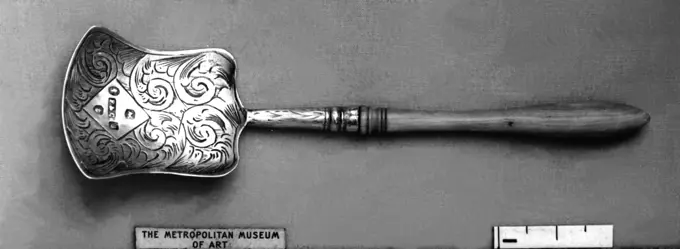
katana sword ninja weapon japanese warrior assassin vector illustration isolated on white backgroundmascara brush isolatedTorque 1st millennium B.C. Scythian. Torque 324022Alabastron (Container for Scented Oil) 550 BCE-350 BCE Eastern Mediterranean Region. The flaring rims of these alabastra functioned as applicators to spread the thick, scented oil over the skin. The vessels themselves fit comfortably in the userís hand.. Glass, core-formed technique . Ancient Eastern MediterraneanBliżej Kultury unknownPen to make a gun. .Old book Old standing book isolated over white background Copyright: xZoonar.com/IvonnexWierinkx 7552761Vintage rusty hacksaw on a metallic background.TonedGlass Fragment 14th-15th century European. Glass Fragment. European. 14th-15th century. Pot metal glass. Glass-StainedPiob Mhór 1887-1902 Robert MacKinnon Scottish. Piob Mhór 501474Scent flask, Cut glass, silver, Flattened ovoid body cut on one side with panel of diamonds, on other with fluted patera, at top and bottom with fan fluting and middle of edges with fluting; threaded neck, glass stopper, silver cap., Ireland, early 19th century, glasswares, Decorative Arts, Scent flaskPliersPocket Manicure. Dated: c. 1939. Dimensions: overall: 35.5 x 25 cm (14 x 9 13/16 in.). Medium: watercolor, pen and ink, graphite, and gouache on paper. Museum: National Gallery of Art, Washington DC. Author: Alfred Walbeck.Primitive Weapons made from Shark Teeth, Gilbert Islands, Illustration, 1885silver candle holder single silver candle holder over white brick wall background Copyright: xZoonar.com/FrancescoxPerrex 8035845Lorgnet of imitation turtle with long handle and eye, frame with oval cut glasses in box, c. 1880 - c. 1910 Lorgnet of imitation turtle with long handle and eye, frame with oval cut glasses. Netherlands (possibly) whole: celluloid (cellulosic). Glasses: Glass casting / grinding Lorgnet of imitation turtle with long handle and eye, frame with oval cut glasses. Netherlands (possibly) whole: celluloid (cellulosic). Glasses: Glass casting / grindingToastRack.   Maker: William Garret Forbes, American, 1751-1840Serpent mask, 20th century, 10 x 164 in. (25.4 x 416.56 cm), Wood, Burkina Faso, 20th century, This spectacular mask depicts a serpent, an animal with positive, protective qualities for the West African Bwa people. During masquerade performances, the serpent's head twists rapidly from side to side so that its long, flexible body appears to undulate - an effect reinforced by the irregular zigzag design of its towering, 13 foot tall structure. Harvest celebrations, funeral rites, initiation ceremonies, and community events all provide occasions for public masquerades. Accompanied by men's drumming and women's singing, the male dancers bring their acrobatic strength and choreographic skills to the performance.Opium Pipe, 1800s. China, Qing dynasty (1644-1911). Lacquer with silver decoration; overall: 56.6 cm (22 5/16 in.).Pleated fan, Alouïse van de Voord, Cotton bobbin lace leaf backed with silk, pierced and carved ivory sticks, silk tassel, Pleated fan. Leaf ofwhite cotton bobbin-made Valenciennes lace in floral design, backed with silk net. Sticks of pierced and carved ivory in floral design. Guards with figures of birds, cupids and insects. Metal loop at the rivet. Attached tassel., France, 1885-90, costume & accessories, Pleated fanEarring 7th century Frankish. Earring 465824 Frankish, Earring, 7th century, Silver, Overall: 1 3/4 x 3/16 in. (4.5 x 0.5 cm). The Metropolitan Museum of Art, New York. Gift of J. Pierpont Morgan, 1917 (17.193.96a, b)Fibula 9th-8th century B.C. Italic, Villanovan. Fibula. Italic, Villanovan. 9th-8th century B.C.. Bronze. Geometric. BronzesClassic flutesFour passe partouts for four hangers with landscapes. Cong passe-partouts for four pendants with landscapes in the style of the four of the four tangles, ink and light colors on paper. The four scenes: Wang Shimin (1592-1680), Wang Hui (1632-1717) and Yuangi (1642-1715). Manufactured on behalf of Kang Furen.Tweezer ca. 1295-1070 B.C. New Kingdom, Ramesside. Tweezer 568379Sewing needles, set. Hair comb or comb of solid fine turtle, with a long row of narrow teethMan's sash (Faja), c. 1960, 118 x 8 1/2 in. (299.72 x 21.59 cm) (includes fringe), Cotton; embroidery, Guatemala, 20th centurymetal worker: Gresnich, Four miniature knives with wooden handle, knife cutlery kitchen utensils miniature toy relaxant model metal steel wood, Table knives with brown wooden handle and steel blade knives on blade 1868 Sibilla van Embden play food cut kitchenOld rusty nail isolated on brown backgroundShadow Puppet (Wayang Kulit) of BedilRicikanDrizzle. Robert Rauschenberg (American, 1925-2008); published by Universal Limited Art Editions (American, founded 1955). Date: 1966-1967. Dimensions: 236 x 35 mm (image); 293 x 80 mm (sheet). Photolithograph in black with embossing from one stone and one plate on white wove paper. Origin: United States. Museum: The Chicago Art Institute, Chicago, USA.Ceramic Horn 19th century Italian. Ceramic Horn. Italian. 19th century. pottery. Italy. Aerophone-Lip Vibrated-hornShadow Puppet (Wayang Kulit) of a Prop (Ricikan), from the set KyaiDrajatTwo cigarsTrompe-l'Oeil Étui and Seal, Unknown, porcelain, vitreous enamel, gold, metal, Étui and seal (artifact) in the form of an asparagus stalk. Green stone intaglio with a profile bust, set into the hinged top., France, mid- 18th- late 18th century, ceramics, Decorative Arts, étui and seal (artifact), étui and seal (artifact)Bead ca. 1st century B.C.-1st century A.D. Parthian The round glass bead was excavated at Shahr-i Qumis in northern Iran, which has been identified as the ancient city of Hecatompylos, established by the Parthians as their capital by about 200 B.C. In Greek Hecatompylos means a hundred gates,’ suggesting that the city was quite large. Indeed, the modern archaeological site includes several mounds, only a few of which have been excavated, and a vast area covered with potsherds. This bead comes from Site VII, a building which may have originally been an elite residence but which was subsequently reused as a funerary structure.The excavations at Shahr-i Qumis by the British Institute of Persian Studies in 1967 were co-sponsored by the Metropolitan Museum of Art. However, this bead was not discovered until 1971, and it was acquired from the British Institute as a result of the Met’s financial contributions to the Institute’s excavations at Tepe Nush-i Jan, another site in Iran. At the timGift Tapp. >>Empty weathered bench covered in fresh snow.Trident. UnknownThe Lin Family Garden, Banqiao City, Taipei, Taiwan, Asia,Crack on the wallCaddy spoon 1850-51 F. & Co.. Caddy spoon 188207 Maker: F. & Co., Caddy spoon, 185051, Silver, ivory, Length: 5 in. (12.7 cm). The Metropolitan Museum of Art, New York. Gift of Mrs. Samuel P. Avery, 1897 (97.2.183)Atlantic salmon fly and brass scale, Canada.