Historical Weaponry

A selection of ornate historical weapons including spears and swords, showcasing intricate designs from different cultures.

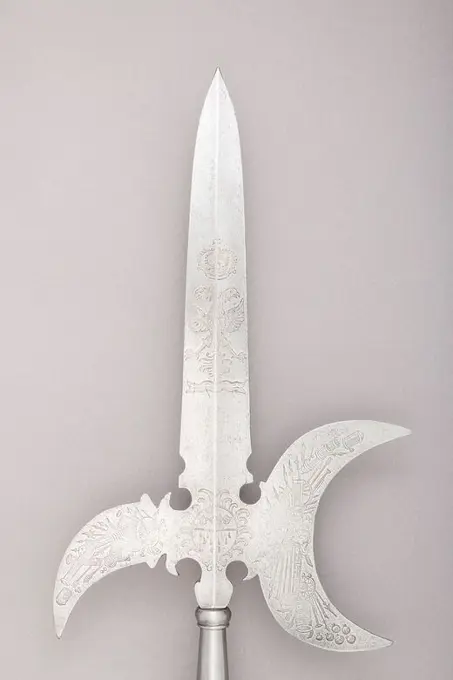
Halberd 17th century Italian. Halberd 25846
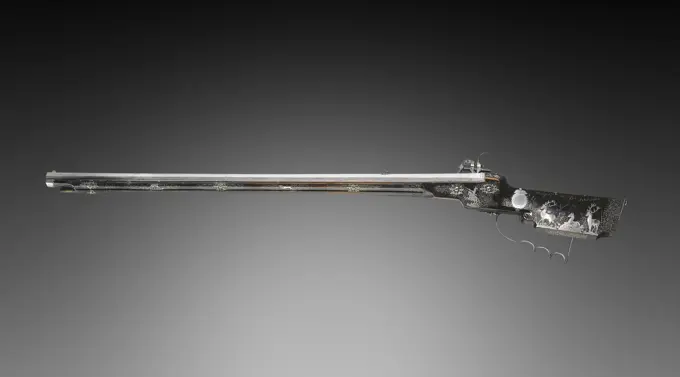
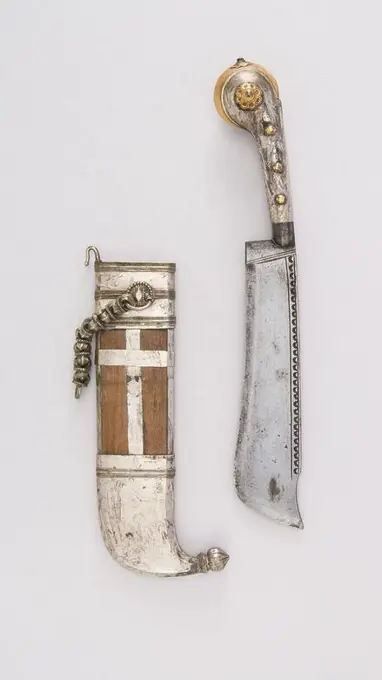
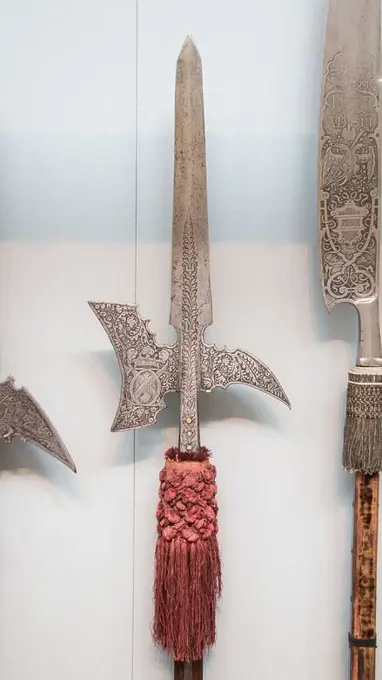
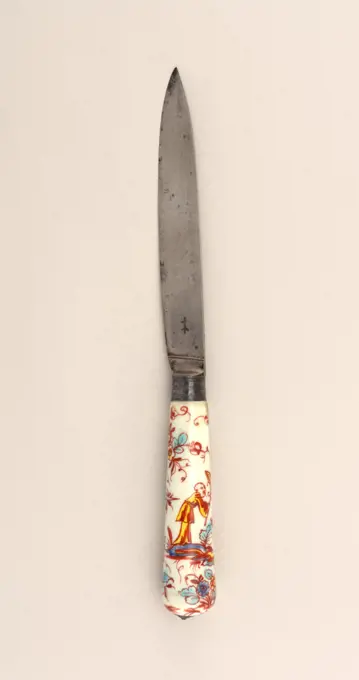
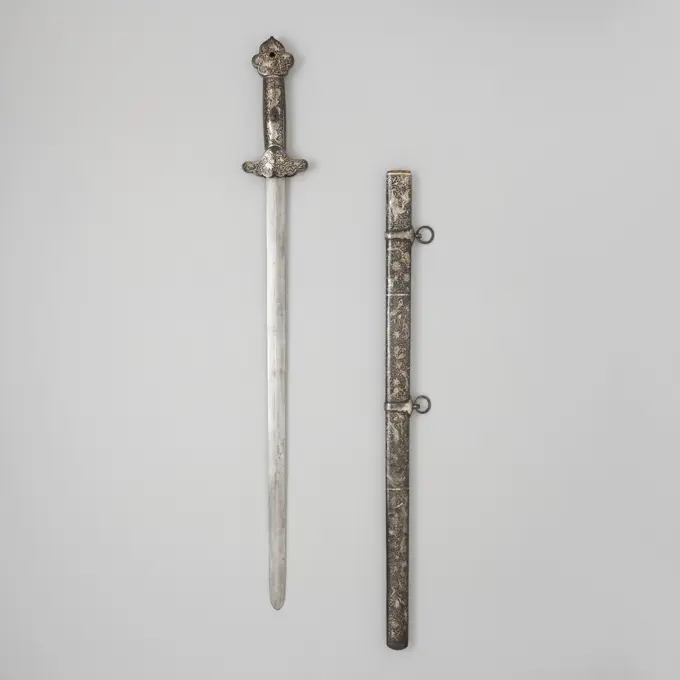
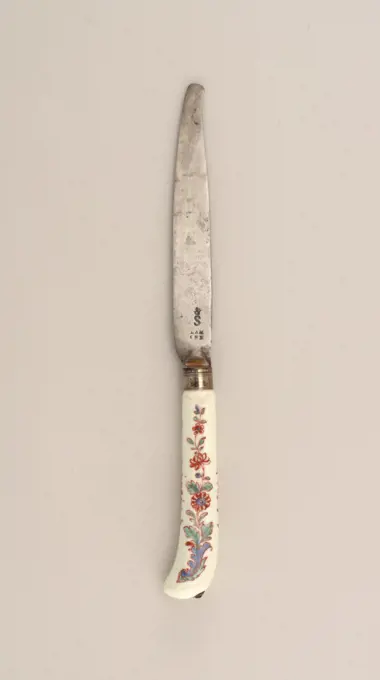
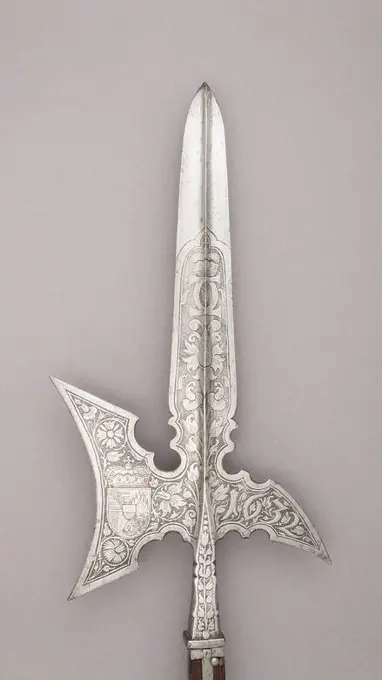
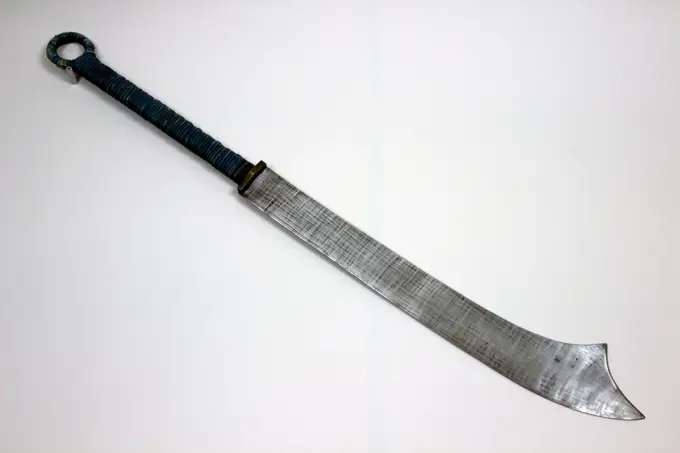
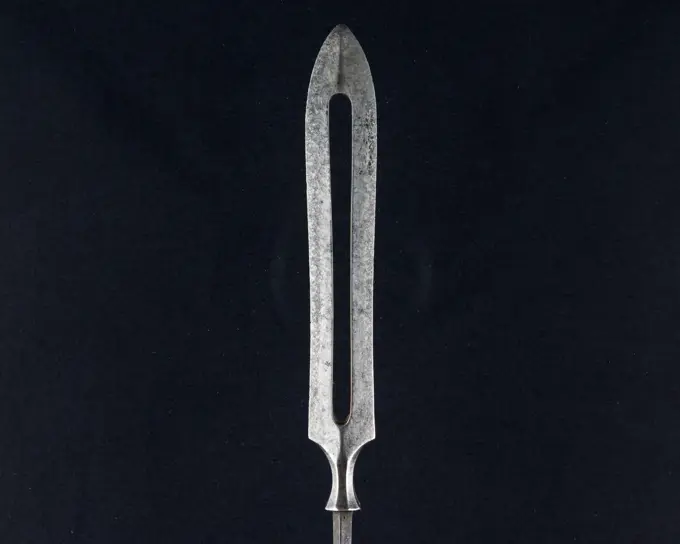
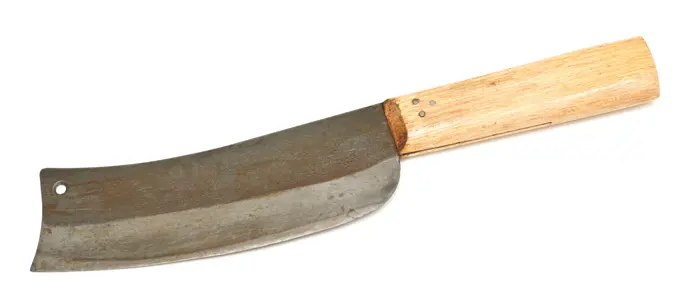
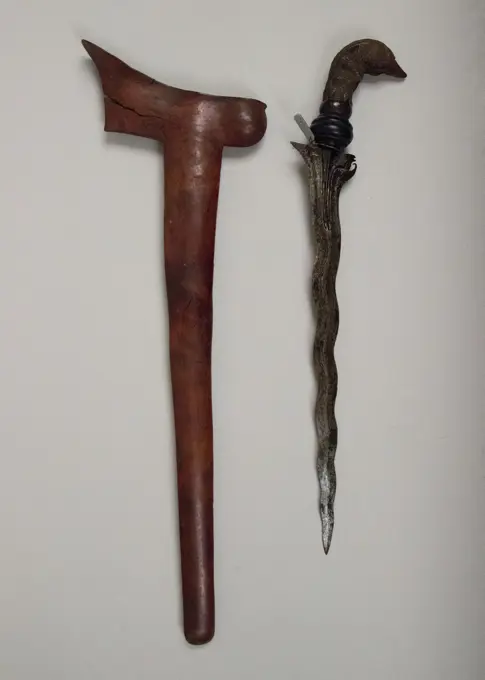
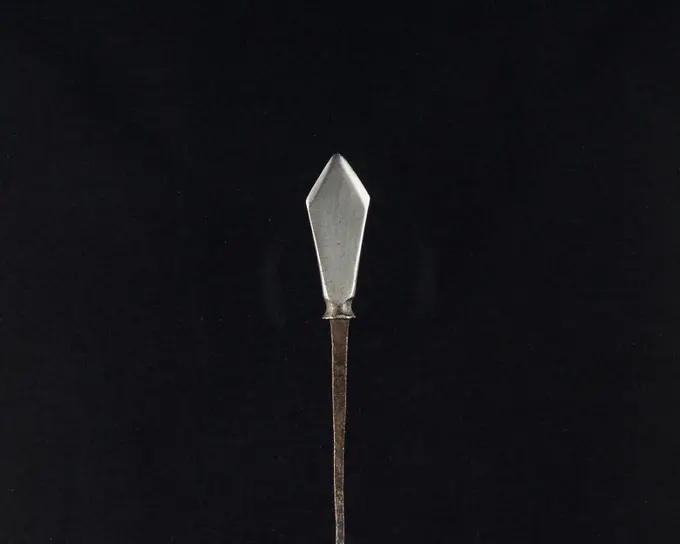
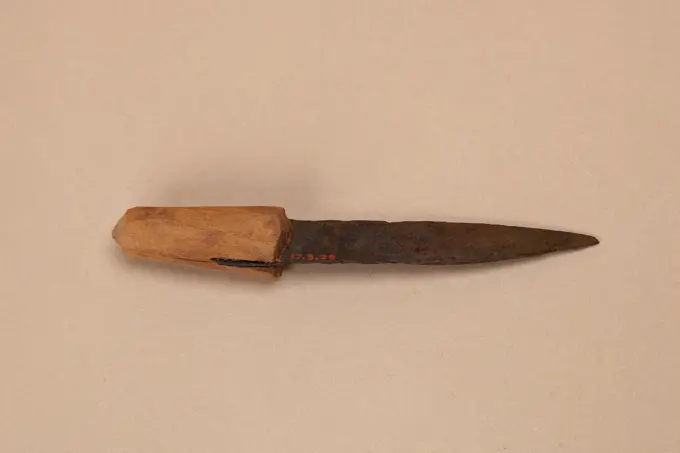
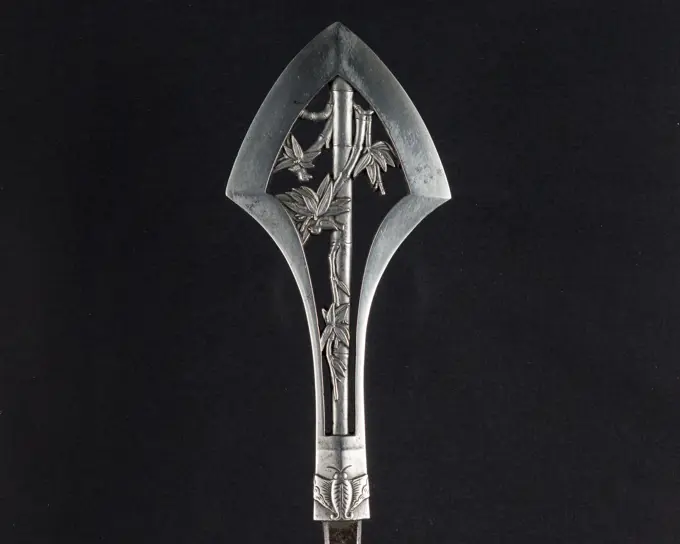
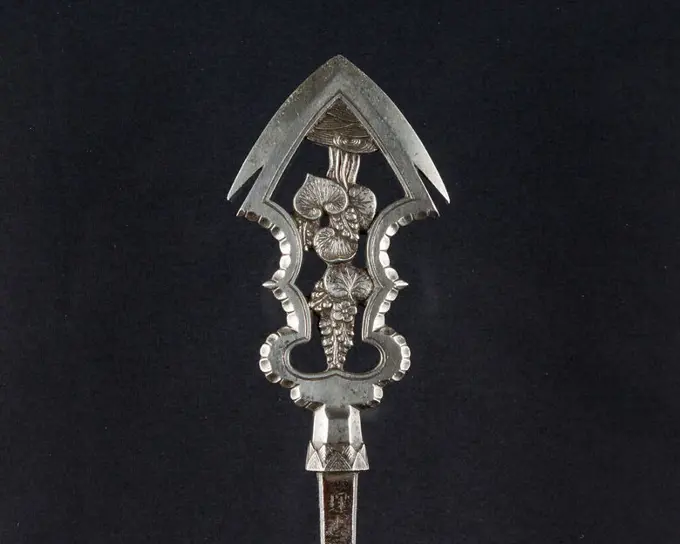
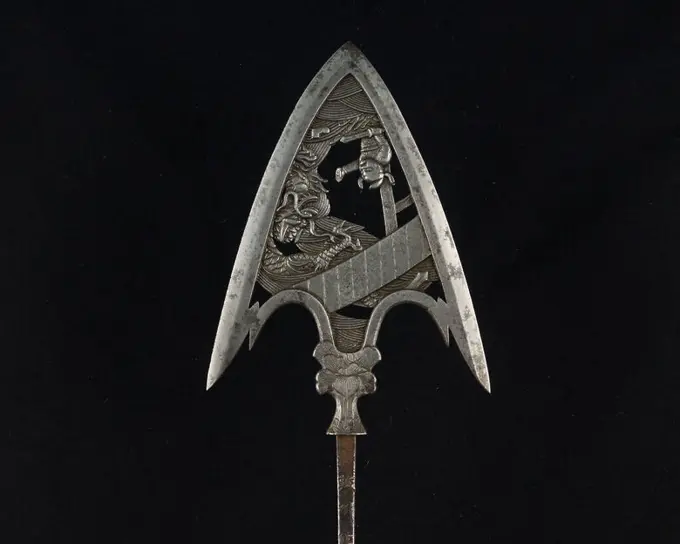
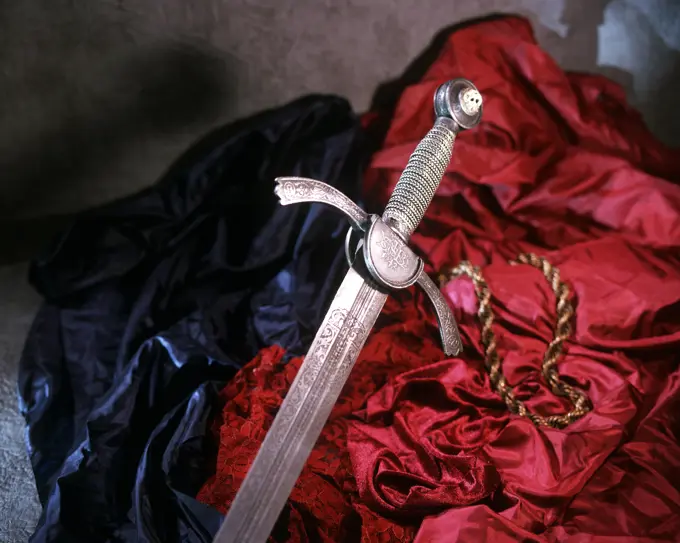
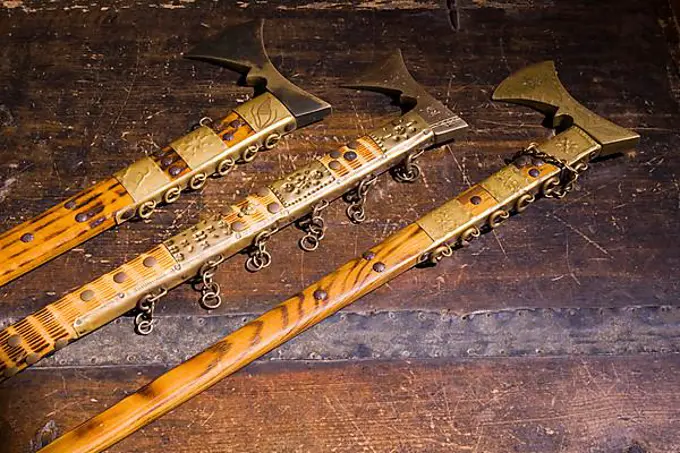
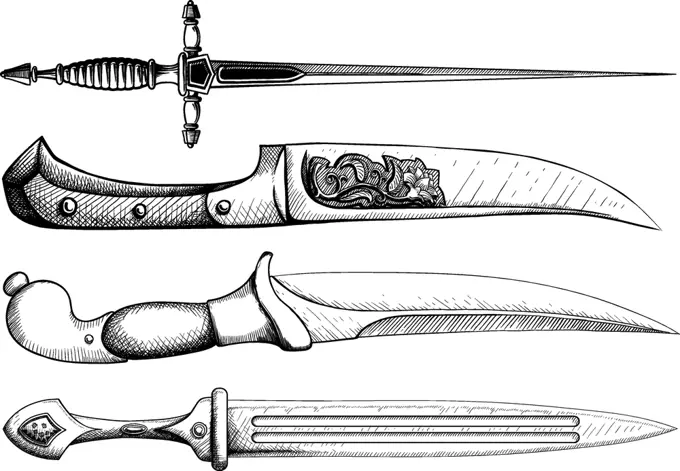
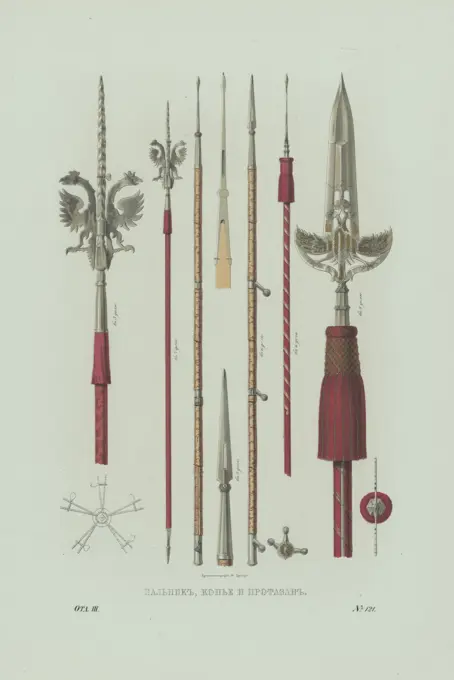
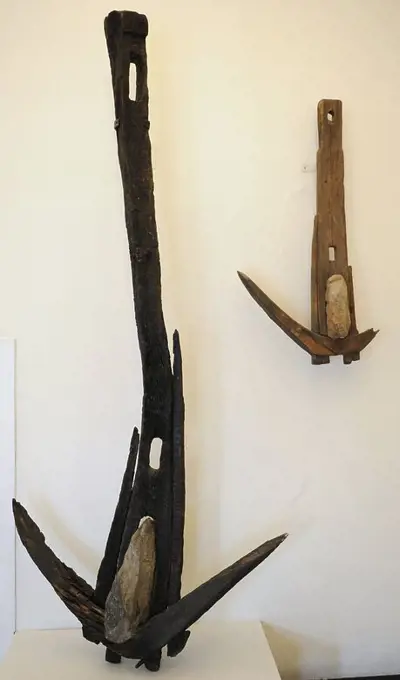
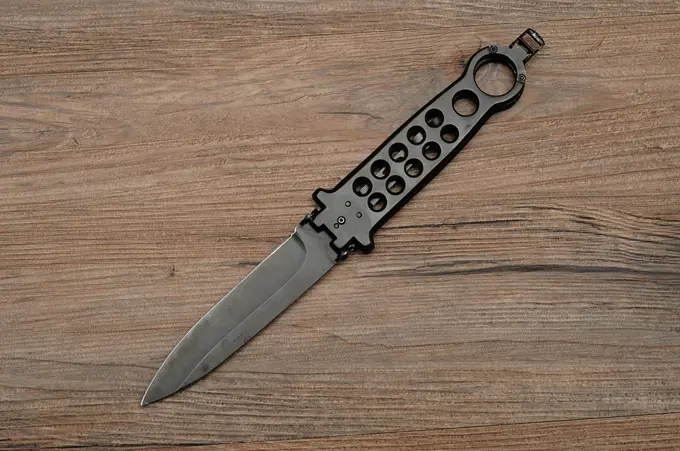
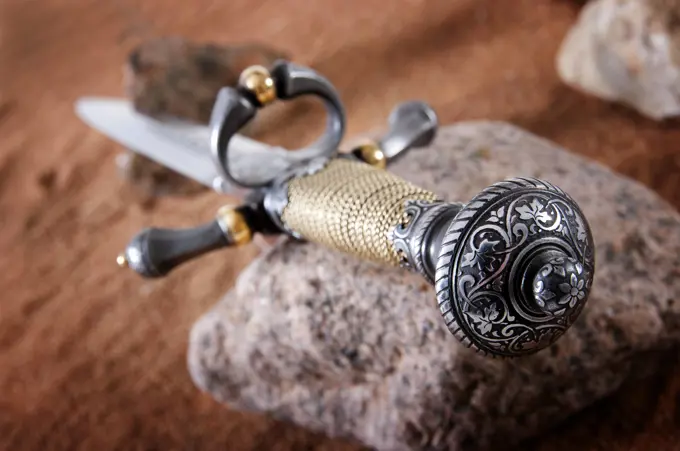
Old rusty file rasp on a metallic backgroundHalberd of Louis XIV's Swiss Guard 18th century Swiss. Halberd of Louis XIV's Swiss Guard 32354Partisan dated 1621 German. Partisan 32227Hand-and-a-Half Sword. Culture: probably German. Dimensions: L. 49 1/8 in. (124.8 cm); L. of blade 38 1/2 in. (97.8 cm); Wt. 3 lb. 7 oz. (1560 g). Date: ca. 1400-1430.This sword is an extremely well proportioned and elegant example of a type that was in use throughout Western Europe from the late fourteenth through the fifteenth century. The steeply pointed blade, indicating that it was primarily intended for thrusting (rather than cutting), coupled with the stiffness of the blade, made it sturdy enough for its primary function, to pierce armor. The sword's form is further enhanced by the slight horizontal reverse curve and dimpled decoration of the cross guard and the faceted and engraved outer face of the pommel, which bears the word "MARIA," a pious invocation to the Virgin Mary. The spherical shape of the pommel and reverse curve of the cross guard are very unusual and distinctive features for a sword of this period with this type of blade. Museum: Metropolitan Museum of Art, New Ancient sabre. A smart variant of the fighting weaponESPADA LLAMADA TIZONA DEL CID CAMPEADOR - DETALLE. Location: ALCAZAR / MUSEO DEL EJERCITO-COLECCIÓN. Toledo. SPAIN.Wheel-Lock Hunting Rifle, mid-1600s. Hans Schmidt (Austrian, 1669). Steel, varnished wood (walnut) stock decorated with inlaid silver wire and appliqués; overall: 110.2 cm (43 3/8 in.); butt: 8.6 cm (3 3/8 in.); barrel: 83.2 cm (32 3/4 in.); bore: 1.3 cm (1/2 in.). The barrel of this hunting piece is marked with the letters "GS" within a shield, the likely initials of the owner, who was probably a member of the Order of the Golden Fleece as indicated by the escutcheon on the stock.Knife (Pichangatti) with Sheath. Culture: Indian, Kodagu (Coorg). Dimensions: H. with sheath 12 13/16 in. (32.5 cm); H. without sheath 11 1/2 in. (29.2 cm); H. of blade 7 in. (17.8 cm); W. 1 7/8 in. (4.8 cm); Wt. 10.5 oz. (297.7 g); Wt. of sheath 5.6 oz. (158.8 g). Date: 18th-19th century. Museum: Metropolitan Museum of Art, New York, USA.Sword (Kris), 19th century. Philippines, 19th century. overall: 69.9 cm (27 1/2 in.); blade: 54.3 cm (21 3/8 in.).Halberd of Prince Karl I of Liechtenstein (1569-1627). Culture: German. Dimensions: L. 93 in. (236.22 cm); L. of head (excluding straps) 22 1/4 in. (56.52 cm); W. 9 3/4 in. (24.77 cm); Wt. 5 lb. 2 oz. (2325 g). Date: ca. 1620-23. Museum: Metropolitan Museum of Art, New York, USA.Halberd ca. 1550 Italian The Medici coat of arms and the Florentine fleur-de-lis are prominently featured in pierced designs on this halberd. It is a classic example of the period, characterized by a head with an ax-like blade balanced by a pointed rear beak, both surmounted by a narrow straight spear blade or spike, all mounted on a long wooden shaft.. Halberd 25853Milanese rapier sword hilt, 15th century, Álava Armory Museum, Vitoria, Basque Country, Spain.Knife with Chinese Figure on Porcelain Handle, Chantilly Porcelain Manufactory, French, active ca. 1725 - ca. 1789, porcelain, vitreous enamel, silver, steel, Leaf-shaped blade with staright sides. Plain bolster. Silver ferrule with horizontal bands. Tapering white porcelain handle with kakiemon design in green, blue and yellow (underglaze) and red-brown overglaze. End of handle rounded with silver button cap., France, ca. 1735, cutlery, Decorative Arts, knife, knifeSword with Scabbard 16th-19th century Korean. Sword with Scabbard 25110Sword with intricate design and polished blade in 3D rendering Sword with intricate design and polished blade in 3D rendering Copyright: xZoonar.com/MuharremxAdakx 23048767Knife with Floral Porcelain Handle, Chantilly Porcelain Manufactory, French, active ca. 1725 - ca. 1789, porcelain, vitreous enamel, steel, silver, Sabre-shaped blade with drop bolster. Plain silver ferrule with horizontal band. Pistol-shaped white porcelain handle, octagonal in section. Floral design in green, blue and brown-red. Silver button cap at the top of the handle., France, ca. 1740, cutlery, Decorative Arts, knife, knifeFauld, c.1550-1570. Germany, 16th century. Iron, steel, leather and brass rivets; overall: 34.5 x 20 x 31.2 cm (13 9/16 x 7 7/8 x 12 5/16 in.).Halberd with the Arms of Liechtenstein Family. Culture: Austrian. Dimensions: L. 93 3/4 in. (238 cm); L. of head 23 1/2 in. (59.7 cm); W. 11 3/16 in. (28.4 cm); Wt. 6 lbs. 12 oz. (3060 g). Date: dated 1632. Museum: Metropolitan Museum of Art, New York, USA.Sword 18th-19th century Chinese. Sword 31116Arrowhead (Yanone) 18th century Japanese Although today Japanese warriors are renowned most for their swordsmanship, archery, especially from horseback, has been an essential part of samurai warfare and culture for centuries. Arrows were fitted with heads of varying shape according to their intended use in war, the hunt, or target practice. Arrowheads made for use on the battlefield incorporated different designs intended for specialized purposes such as the piercing of armor or to cause maximum damage to horses and unarmored personnel.Large arrowheads, pierced and elaborately chiseled with landscapes, birds, flowers, dragons, and Buddhist divinities, were created to be admired for the beauty of their metalwork and design rather than for use in archery. Such highly elaborate examples may have been made for presentation or as a votive offerings to a shrine.. Arrowhead (Yanone). Japanese. 18th century. Steel. Archery Equipment-ArrowheadsDagger (Jambiya) with Sheath. Culture: South Indian. Dimensions: H. with sheath 13 11/16 in. (34.8 cm); H. without sheath 12 9/16 in. (31.9 cm); H. of blade 8 3/8 in. (21.3 cm); W. 2 7/16 in. (6.2 cm); Wt. 7.9 oz. (224 g); Wt. of sheath 2.5 oz. (70.9 g). Date: 19th century. Museum: Metropolitan Museum of Art, New York, USA.smart dagger of the medieval soldier. It was used for huntingagricultural grunge background, scythe on wooden wallThai kitchen knife Thai kitchen knife isolated on white background Copyright: xZoonar.com/RuslanxNassyrovx 13569566Kris with Sheath 18th-19th century Malayan. Kris with Sheath 31230Arrowhead (Yanone). Culture: Japanese. Dimensions: L. 5 in. (12.7 cm); L. of head 1 1/2 in. (3.8 cm); W. 5/8 in. (1.6 cm); Wt. 0.5 oz. (14.2 g). Date: 18th century. Museum: Metropolitan Museum of Art, New York, USA.13th century key with two attached chimera figures. The Arts of the Middle Ages and at the Period of the Renaissance by Paul Lacroix, 1874Crooked knife with sheath, c. 1820-1860, 9 9/16 × 1 11/16 × 3 1/2 in. (24.29 × 4.29 × 8.89 cm), Wood, metal, leather, United States, 19th centuryMes with Haken ending in the head of a bird or dragon, anonymous, 1575 - 1625 Blade of iron. The copper lens decorated with leaf motifs from email ends in the head of a bird or dragon. Southern Netherlands heft: copper (metal). heft:. lemmet: iron (metal) Blade of iron. The copper lens decorated with leaf motifs from email ends in the head of a bird or dragon. Southern Netherlands heft: copper (metal). heft:. lemmet: iron (metal)Model chisel ca. 1981-1802 B.C. Middle Kingdom. Model chisel. ca. 1981-1802 B.C.. Copper, wood. Middle Kingdom. From Egypt, Middle Egypt, Asyut (Lykopolis), Tomb of Ankhef (Tomb 9), Khashaba excavations. Dynasty 12Sword (Talwar). Culture: Indian. Dimensions: H. 33 1/4 in. (84.5 cm); W. 4 in. (10.2 cm); D. 2 3/8 in. (6 cm); Wt. 2 lb. 4.3 oz. (1029.1 g). Date: 18th-19th century. Museum: Metropolitan Museum of Art, New York, USA.Chauve-Souris ca. 1510-30 Italian. Chauve-Souris 23212smart dagger of the medieval soldier. It was used for huntingTrench Knife and Sheath. Dated: c. 1941. Dimensions: overall: 46 x 56.9 cm (18 1/8 x 22 3/8 in.). Medium: watercolor, graphite, and colored pencil on paper. Museum: National Gallery of Art, Washington DC. Author: William Ludwig.Halberd with the Arms of the City of Cologne. Culture: German. Dimensions: L. 94 7/8 in. (240.9 cm); L. of head 23 3/8 in. (59.4 cm); W. 13 1/4 in. (33.6 cm); Wt. 6 lbs. 9 oz. (2980 g). Date: 17th century. Museum: Metropolitan Museum of Art, New York, USA.Ceremonial Arrowhead (Yanone) dated August 1645 Umetada Motoshige Japanese Large arrowheads, pierced and elaborately chiseled with landscapes, birds, flowers, dragons, and Buddhist divinities, were created to be admired for the beauty of their metalwork and design rather than for use in archery. This arrowhead is dated 1645 and signed by Umetada Motoshige (died 1675), a member of the Umetada school of swordsmiths, tsuba makers, and iron chiselers. It belongs to a group of more than thirty similarly signed and dated pieces in the Metropolitan Museum's collection (including acc. nos. 32.75.318, .321, .327, .330, .334, .337, .339, .398-.399, .403, .406, .409) that may have been made for presentation or as a votive offering to a shrine.. Ceremonial Arrowhead (Yanone). Japanese. dated August 1645. Steel. Archery Equipment-ArrowheadsDoes not SquadCeremonial Arrowhead (Yanone). Culture: Japanese. Dimensions: L. 11 3/4 in. (29.9 cm); L. of head 3 7/8 in. (9.8 cm); W. 2 1/8 in. (5.4 cm); Wt. 4.3 oz. (121.9 g). Steel-chiseler: Umetada Motoshige (Japanese, Edo period, died 1675). Date: dated 1645.Large arrowheads, pierced and elaborately chiseled with landscapes, birds, flowers, dragons, and Buddhist divinities, were created to be admired for the beauty of their metalwork and design rather than for use in archery. This arrowhead is dated 1645 and signed by Umetada Motoshige (died 1675), a member of the Umetada school of swordsmiths, tsuba makers, and iron chiselers. It belongs to a group of more than thirty similarly signed and dated pieces in the Metropolitan Museum's collection (including acc. nos. 32.75.318, .321, .327, .330, .334, .337, .340, .398-.399, .403, .406, .409) that may have been made for presentation or as a votive offering to a shrine. Museum: Metropolitan Museum of Art, New York, USA.Sabre (Kriegsmesser). German or Swiss. Date: 1520-1560. Dimensions: Overall L. 118.5 cm (46 5/8 in.)Blade L. 97.8 cm (38 1/2 in.)Wt. 3 lb. Iron and steel. Origin: Germany. Museum: The Chicago Art Institute, Chicago, USA.MasonicswordFan Holder 18th-19th century China. Fan Holder 68836Two-Handed Sword. Culture: Indian, Assam, Naga. Dimensions: L. 46 3/8 in. (117.8 cm); W. 3 3/4 in. (9.5 cm); D. 9/16 in. (1.4 cm); Wt. 2 lb. 7 oz. (1105.6 g). Date: 19th century. Museum: Metropolitan Museum of Art, New York, USA.Djambiya, Yemen, 18th century, Castle of San Carlos, seventeenth century, Palma, Mallorca, Spain.Sweden, Blekinge, Blekinge, Karlskrona, Karlskrona, external marina (depicted, town).Sweden, Blekinge, Blekinge, Karlskrona, Karlskrona, External War Gogs (depicted, City)Photo of cold weapon on black backgroundJesse W Skeen, Knife and Sheath, c 1936 Knife and SheathArrowhead (Yanone). Culture: Japanese. Dimensions: L. 18 3/4 in (47.6 cm); L. of head 4 in. (10.2 cm); W. 2 7/8 in. (7.3 cm); Wt. 2.7 oz. (76.5 g). Date: likely 16th century. Museum: Metropolitan Museum of Art, New York, USA.Vector illustration of a daggerfreehand drawn black and white cartoon swordSabre of Tadeusz Kościuszko unknownKatanaModel of the old dagger with a white background, souvenirJagdmesser mit Scheide - Hunting knife with leather sheath Jagdmesser mit Scheide - Hunting knife with leather sheath Copyright: xZoonar.com/lantapixx 7236784Retro cartoon with texture. Isolated on White.tanto dagger ninja weapon japanese warrior assassin vector illustration isolated on white backgroundSmart sword Smart sword of the knight of the Middle Ages Copyright: xZoonar.com/ValeryxxSibrikovx 2525417Handcrafted hatchets at a museum in Zdiar, High Tatra Mountains, Slovakia, EuropeSet of Oriental and European DaggersPal'nik, kop'e i protazan. Khromolitografiia F. Dregera., 1849 - 1853. Solntsev, F. G. (Fedor Grigorʹevich), 1801-1892., 1849 - 1853., Moskva. Publisher, Tip. A. Semena. Russian, ChromolithographsAnchors of a ships. 13th-14th centuries. Museum of History and Navigation. Riga. Latvia.Steel butterfly knife (balisong)Wag with a golden thorn crown chopstick with a golden thorn crownAnglo Saxon flag 53, swords 54,55, slingshot 56, magisterial staffs 57,58, 74, lances 59-63, daggers 64,65, double headed axe of the Danes called a Bipennis 66, Danish axes 67,68, Anglo Saxon scepters 69-73, and an Anglo Saxon sword with bejeweled handle and scabbard 75. Handcoloured copperplate engraving by Paul Weindl from Robert von Spalart's "Historical Picture of the Costumes of the Principal People of Antiquity and of the Middle Ages," Chez Collignon, Metz, 1810.Ancient sabre. A smart variant of the fighting weaponCross. Dated: c. 1937. Dimensions: overall: 30.6 x 22.9 cm (12 1/16 x 9 in.). Medium: watercolor, graphite, and colored pencil on paper. Museum: National Gallery of Art, Washington DC. Author: Carl Keksi.A stainless steel kitchen knifeAncient sabre Ancient sabre. A smart variant of the fighting weapon Copyright: xZoonar.com/ValeryxxSibrikovx 5812408smart dagger smart dagger of the medieval soldier. It was used for hunting Copyright: xZoonar.com/ValeryxxSibrikovx 6664355Close-up of ink brush in a rowKnife, fork, and skewer needle with case 18th century possibly Flemish. Knife, fork, and skewer needle with case. possibly Flemish. 18th century. Steel, shagreen, silver, horn or ivory. Metalwork-Steel