Historical Weapons

A variety of historical weapons including spears, swords, and halberds, highlighting their intricate designs and craftsmanship.
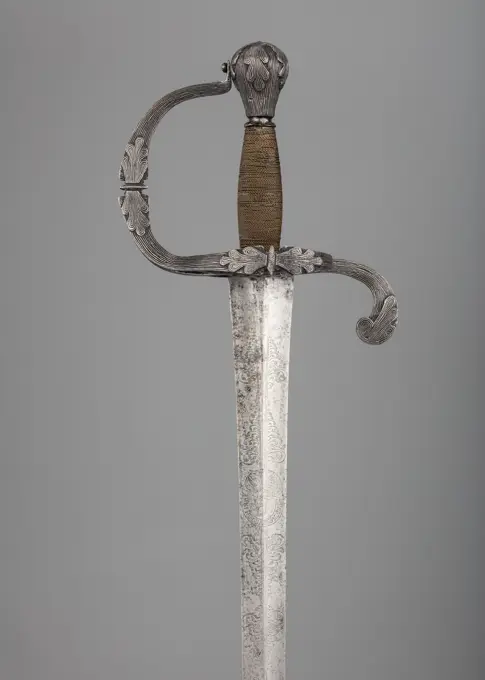
Rapier ca. 1625-50 German The blade is decorated with a portrait of Emperor Ferdinand II (1578-1637).The rapier was the principal civilian sidearm throughout the sixteenth and seventeenth centuries. Designed for cut-and-thrust fencing of progressively complex techniques, the rapier is characterized by a double-edged blade with an acute point and an elaborate guard for the hand. The guards, usually of iron or steel, were subject to a variety of embellishment. They were engraved, chiseled, gilded, damascened, and encrusted in gold and silver in keeping with fashionable styles. Unless otherwise noted, the materials, attributions, and dating given here refer to the hilts. Rapier blades, invariably of steel, bear a variety of makers marks denoting their origin in the two principal centers of blademaking, Toledo in Spain and Solingen in Germany.. Rapier. German. ca. 1625-50. Steel, wood, copper alloy. Swords
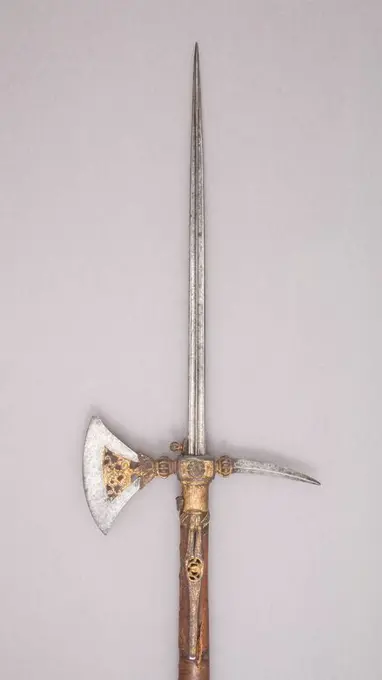
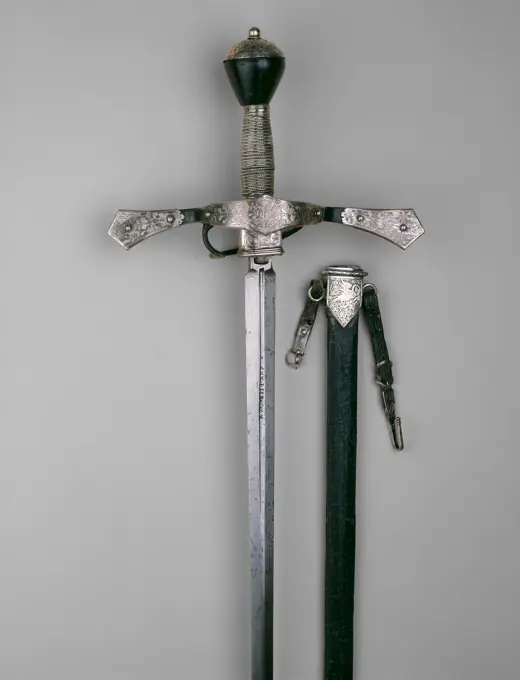
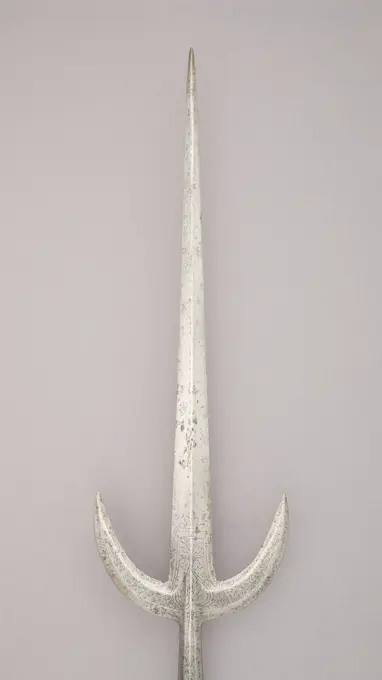
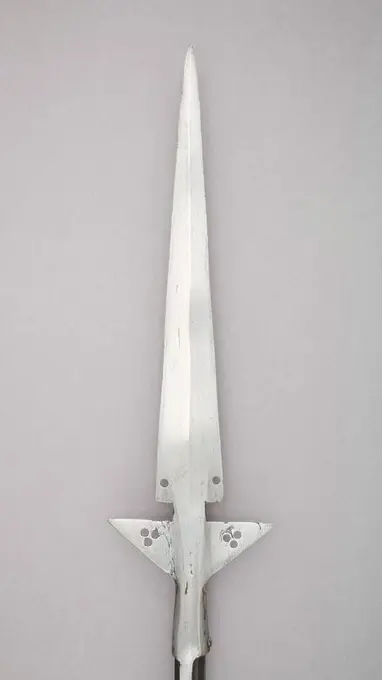
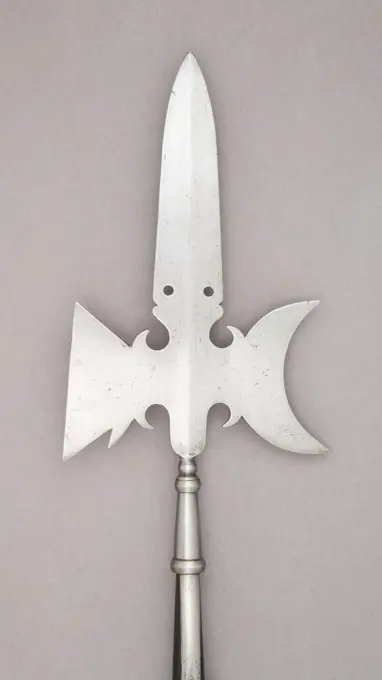
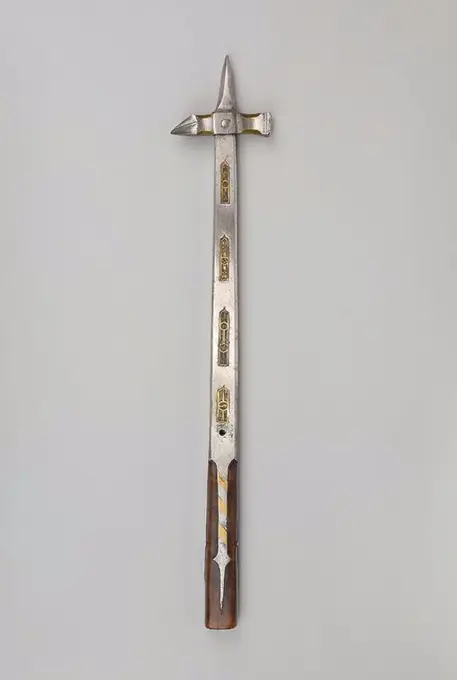
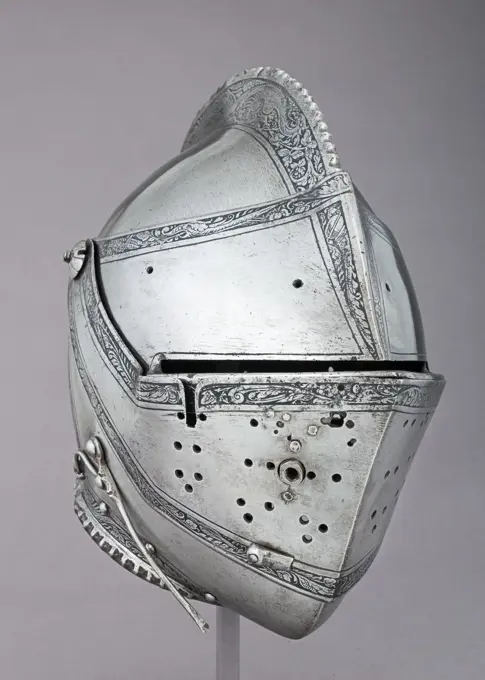
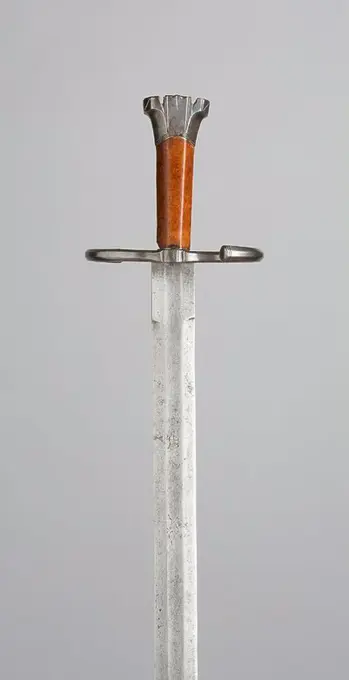
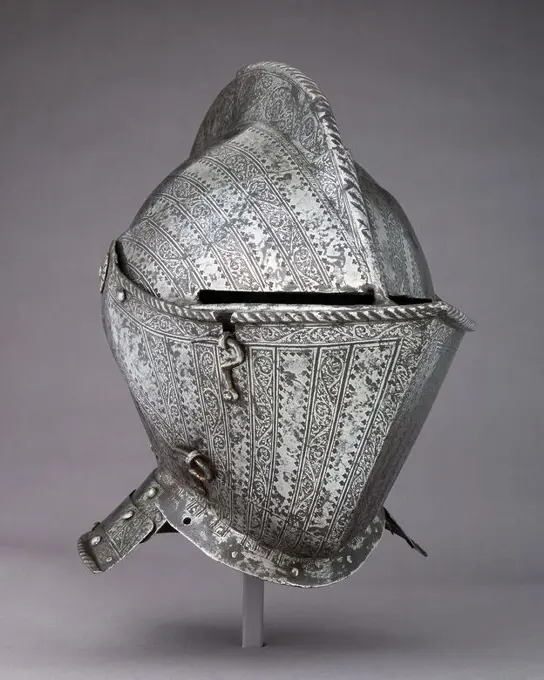
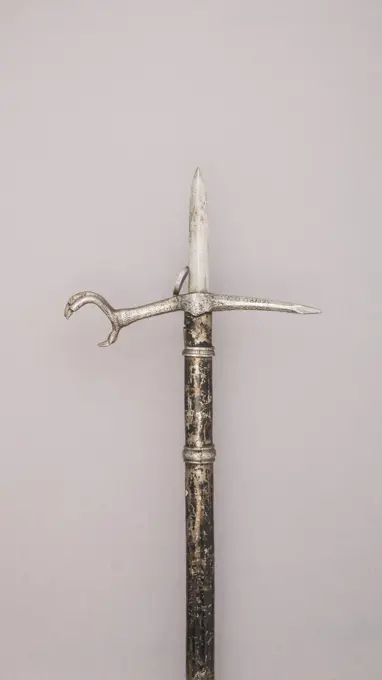
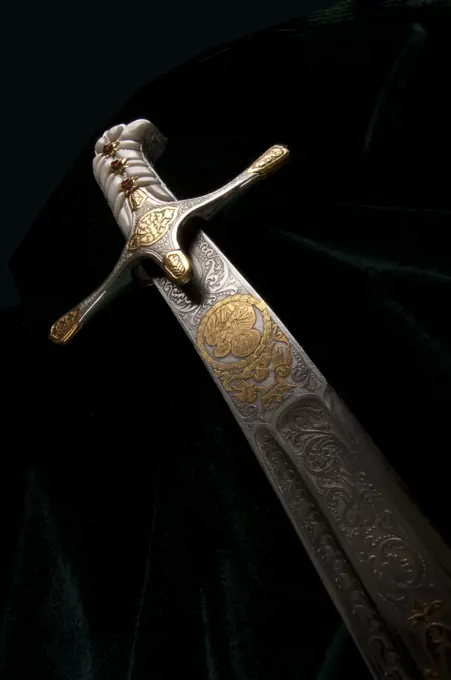
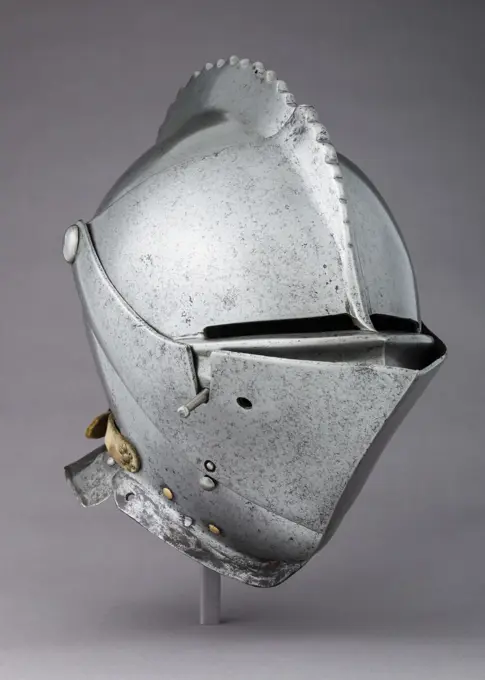
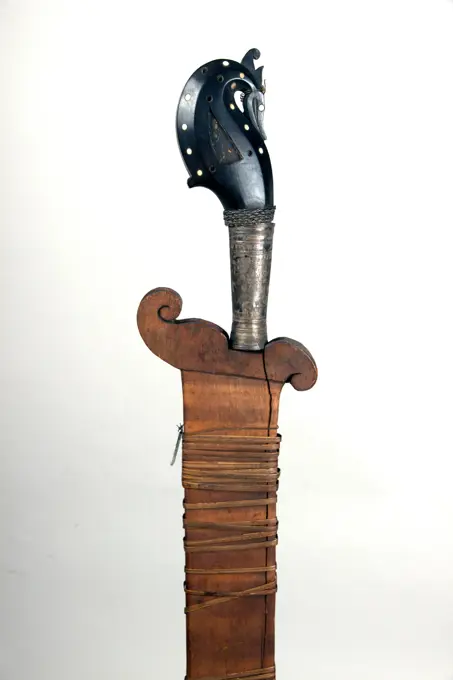
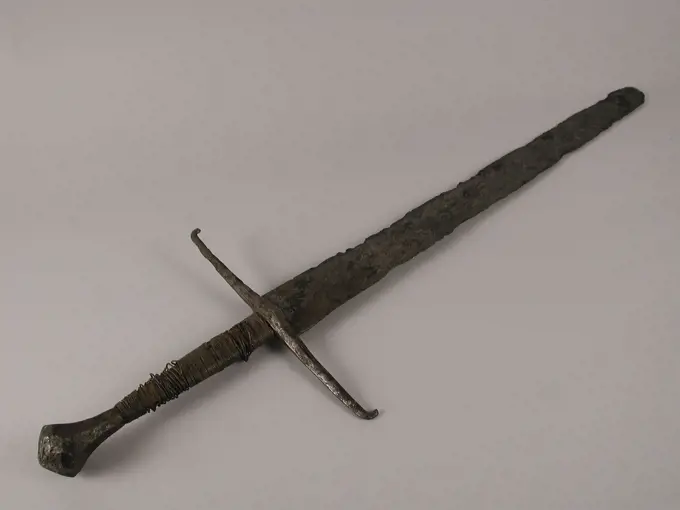
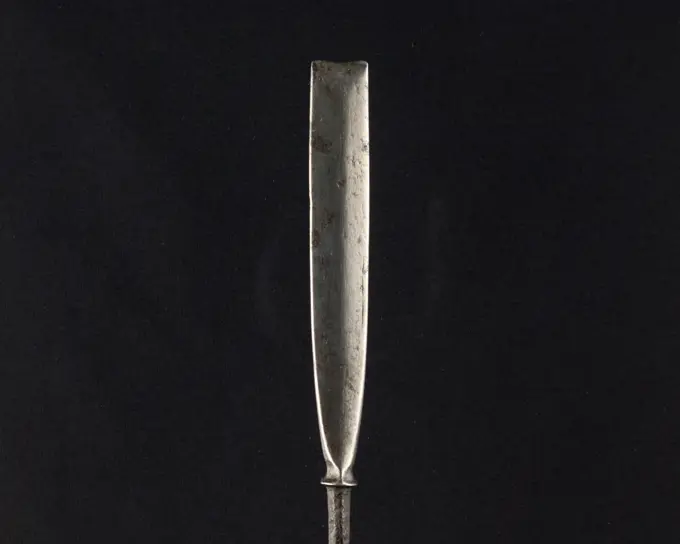
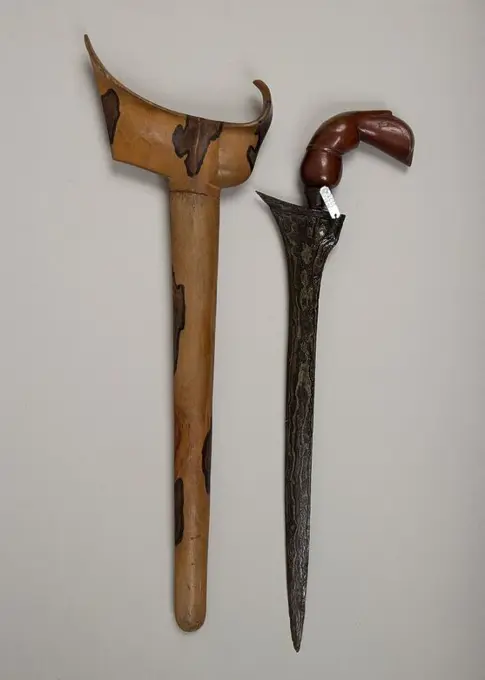
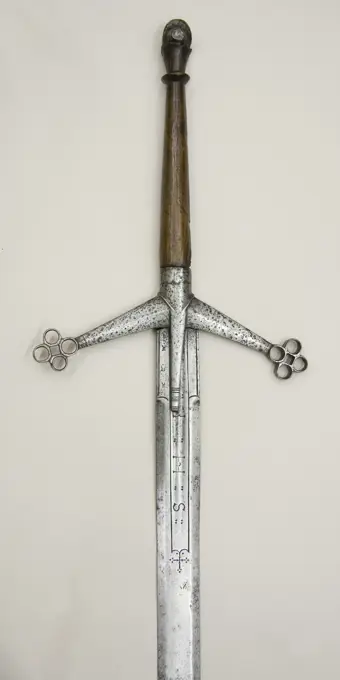
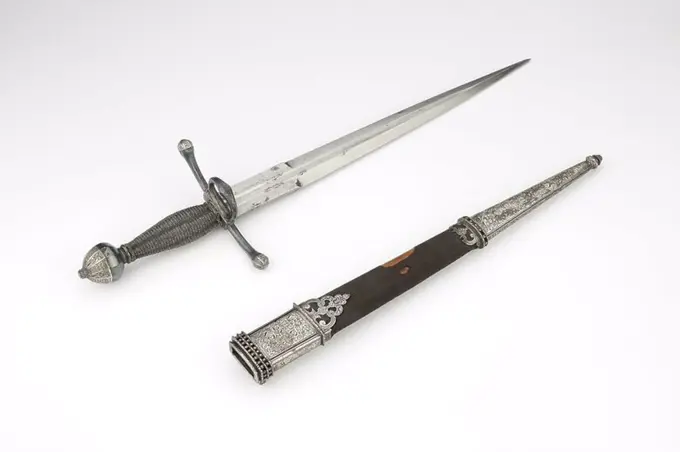
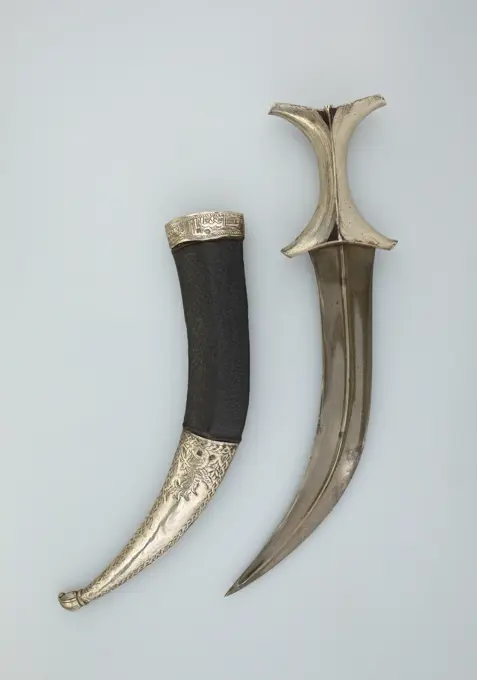
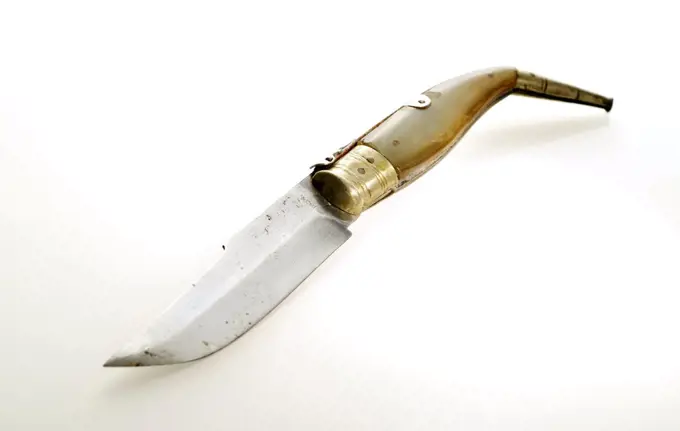
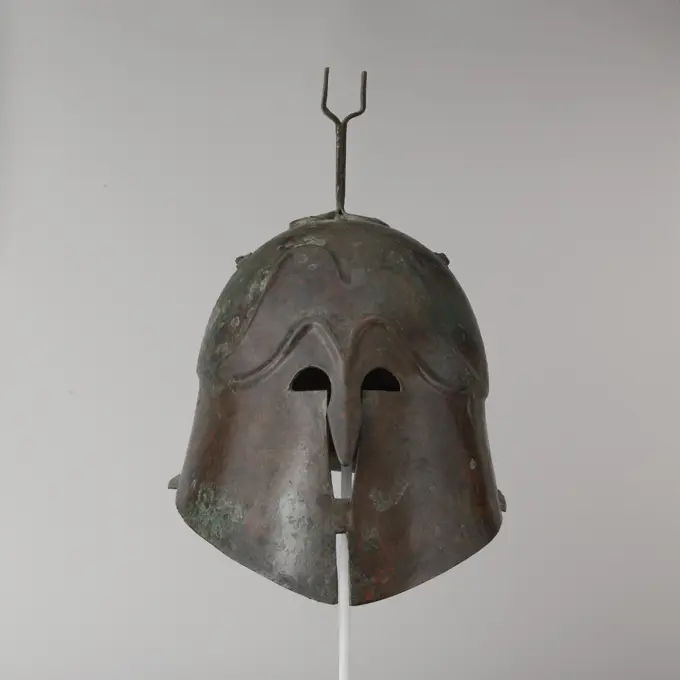
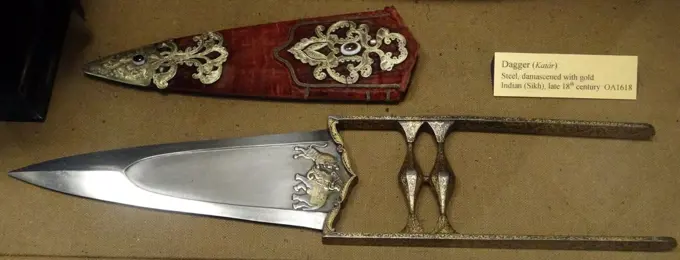
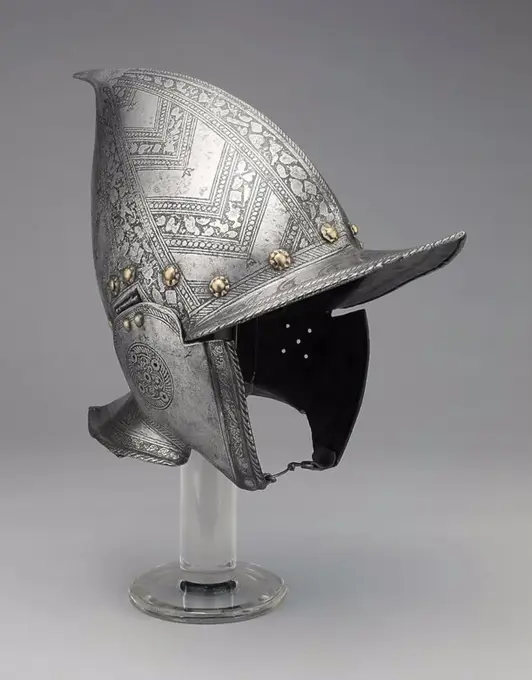
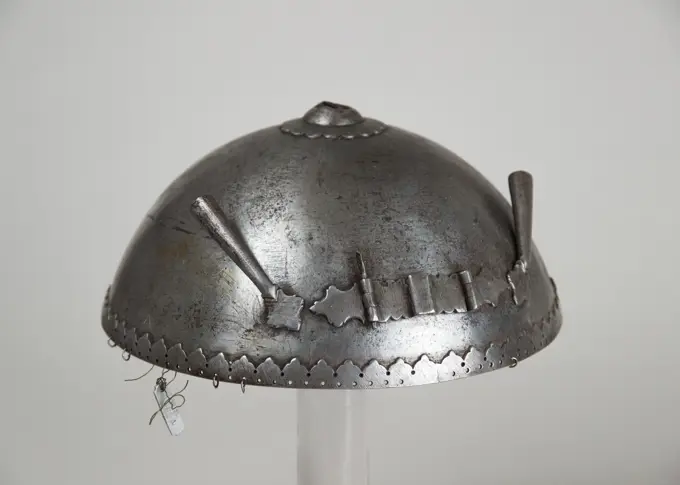
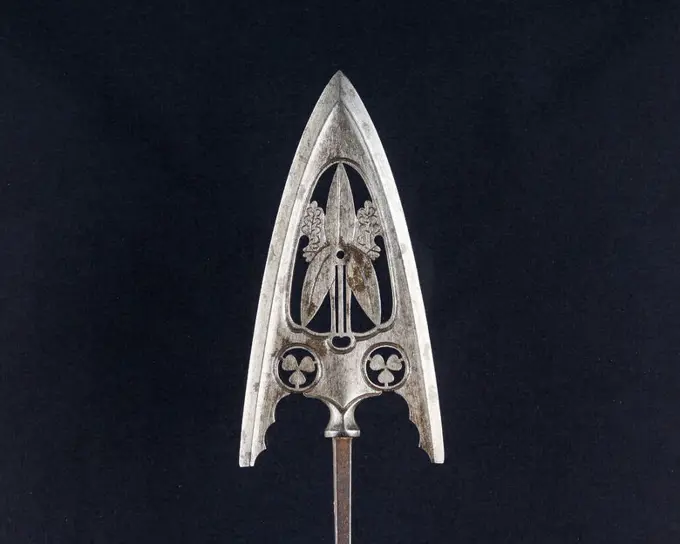
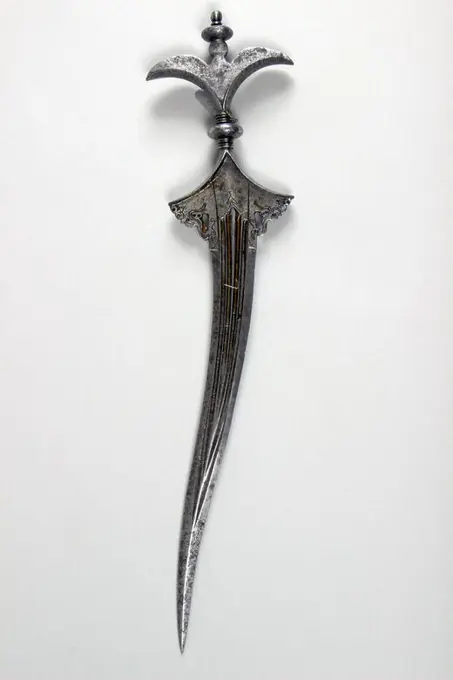
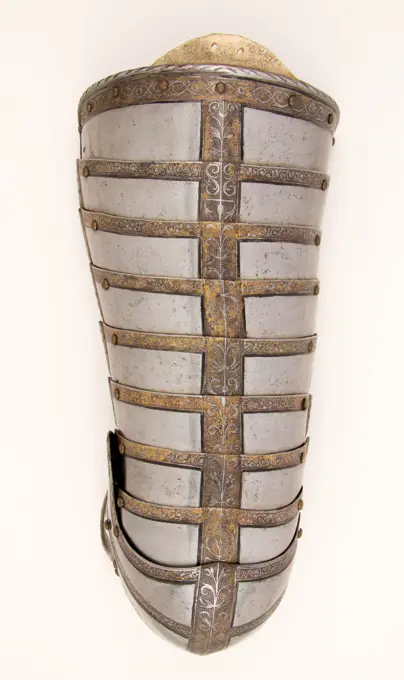
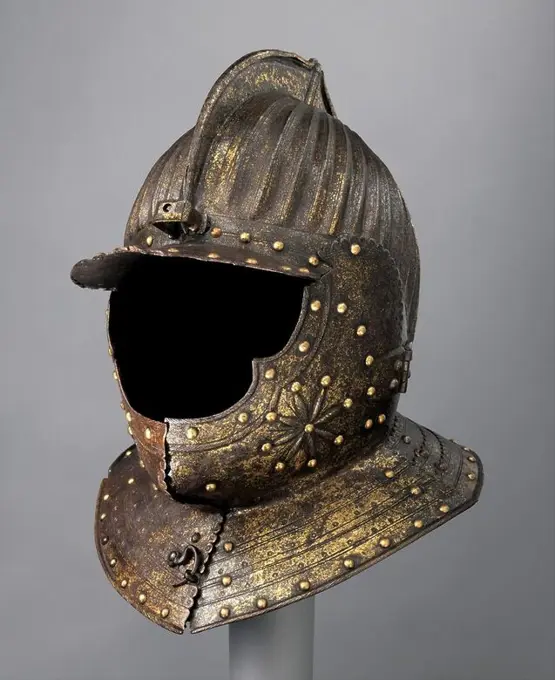
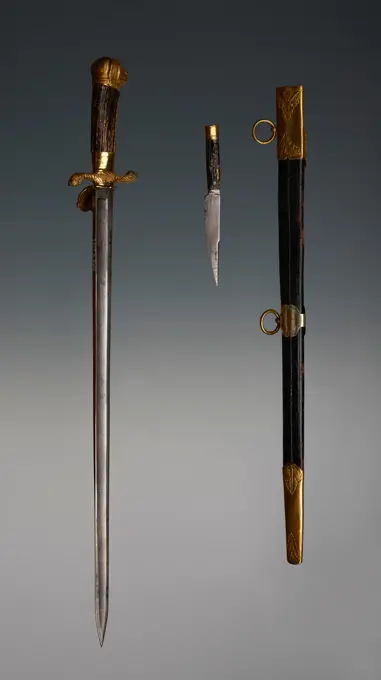
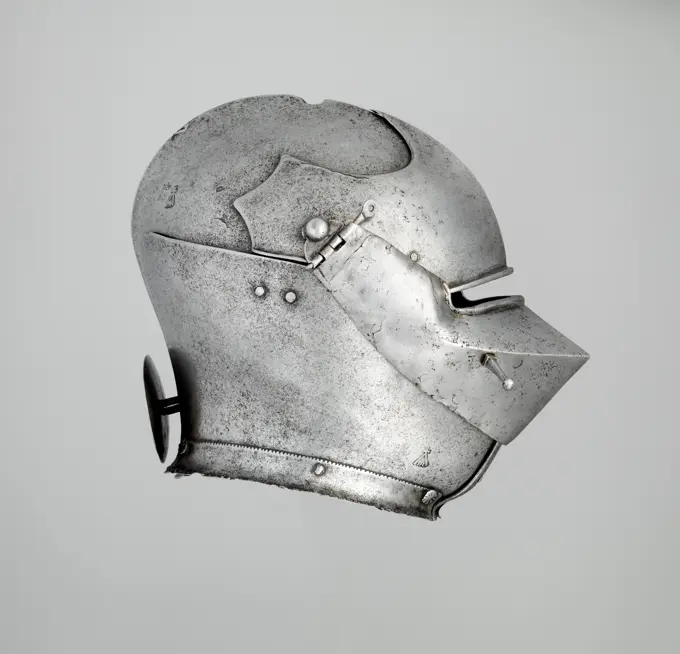
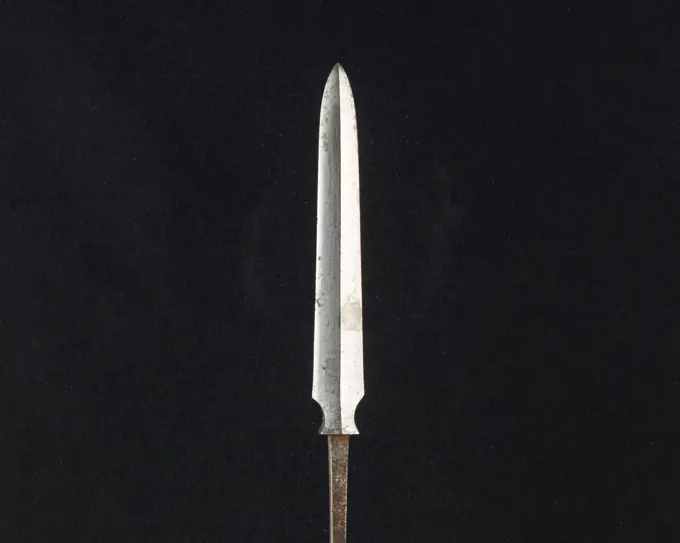
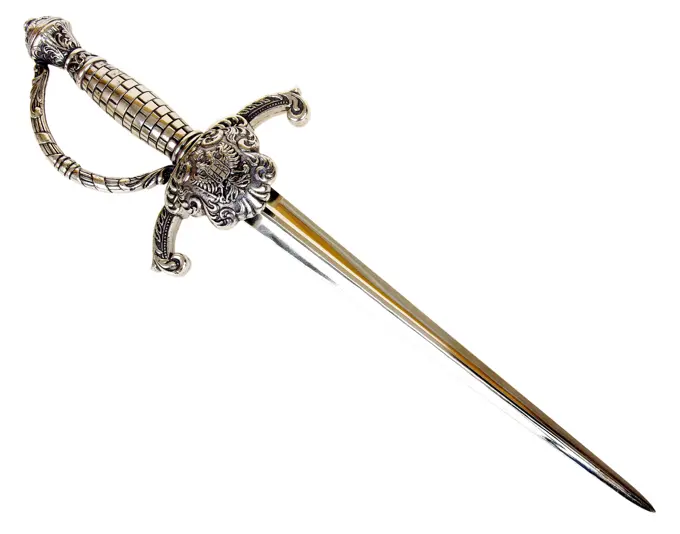
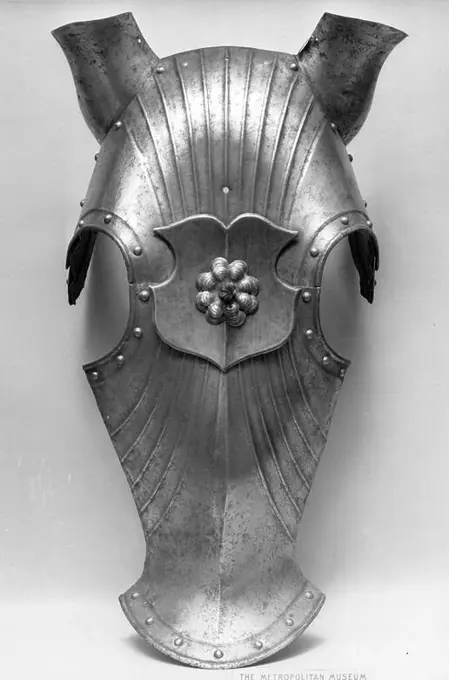
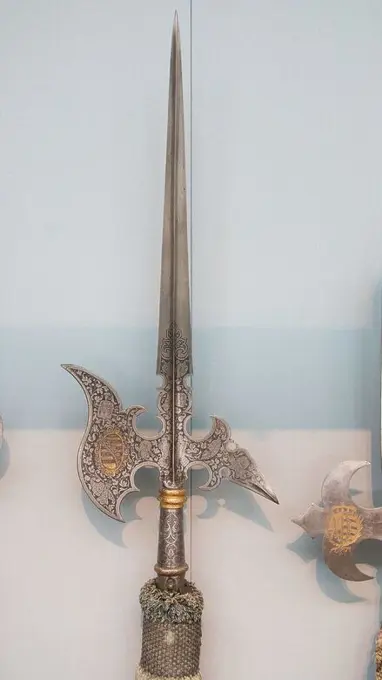
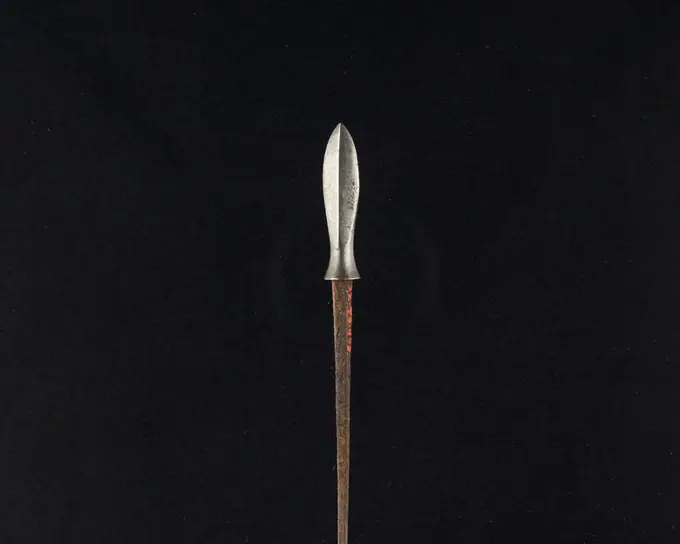
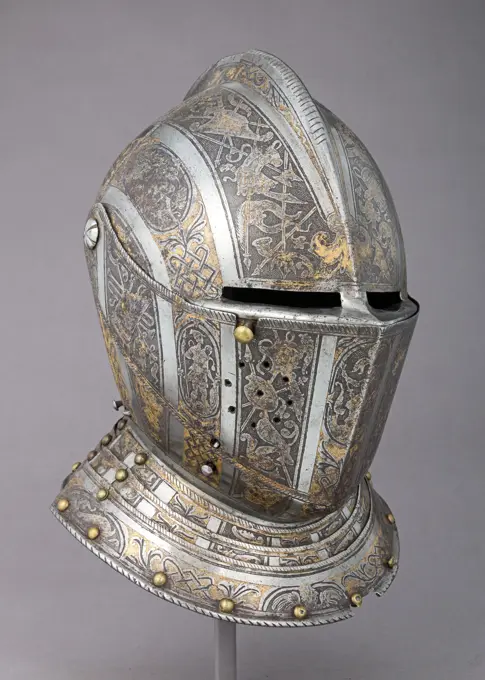
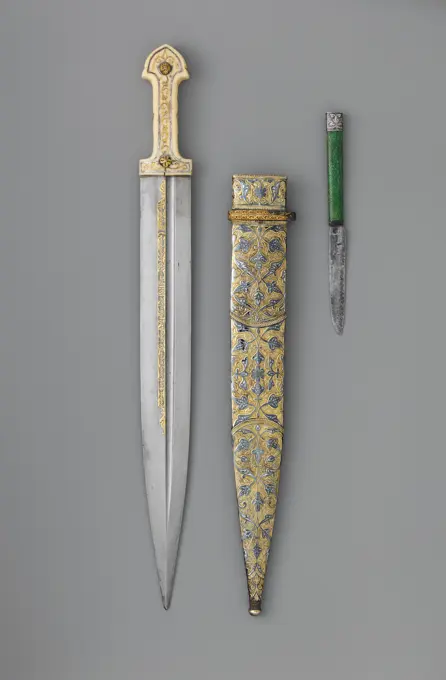
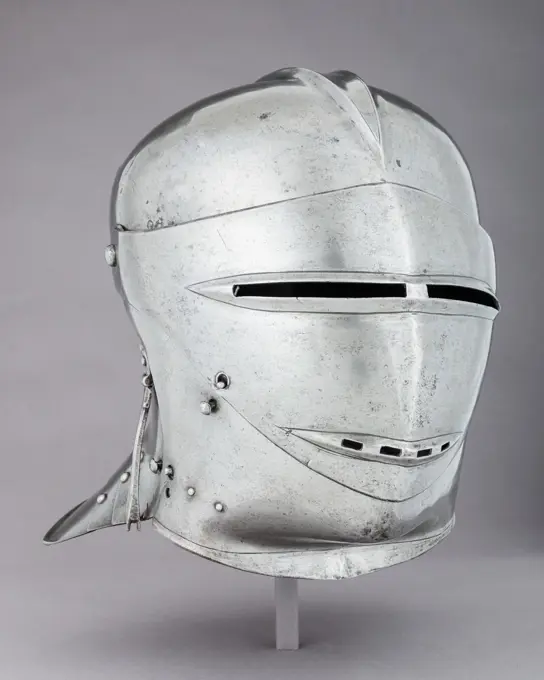
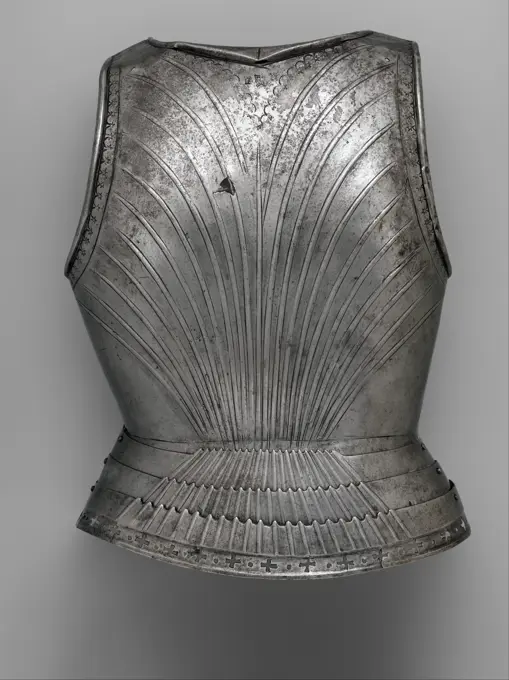
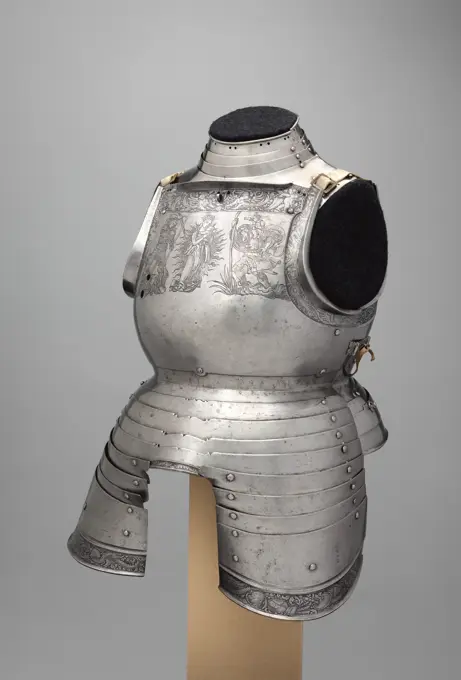
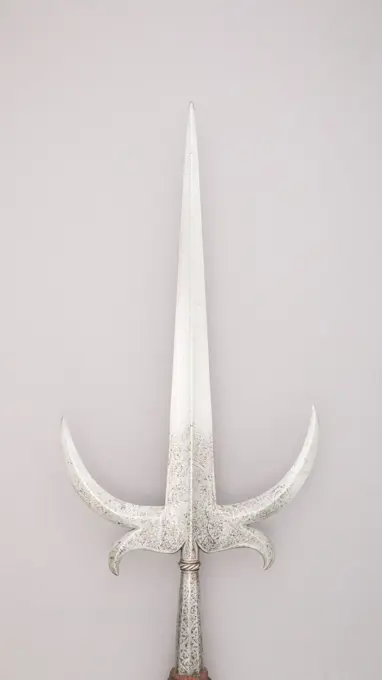
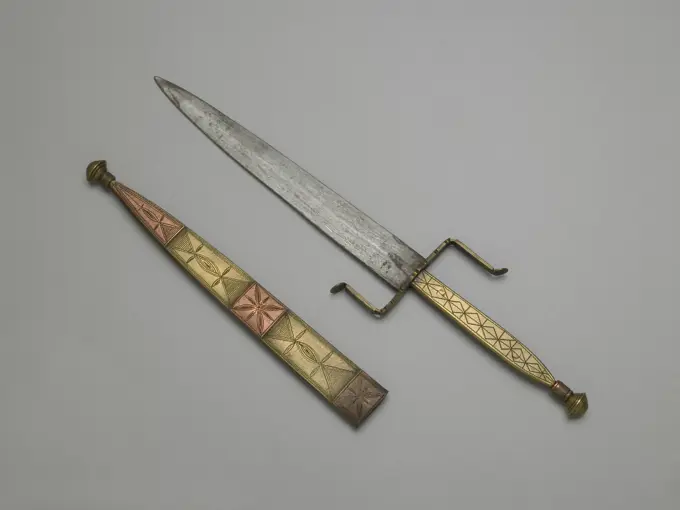
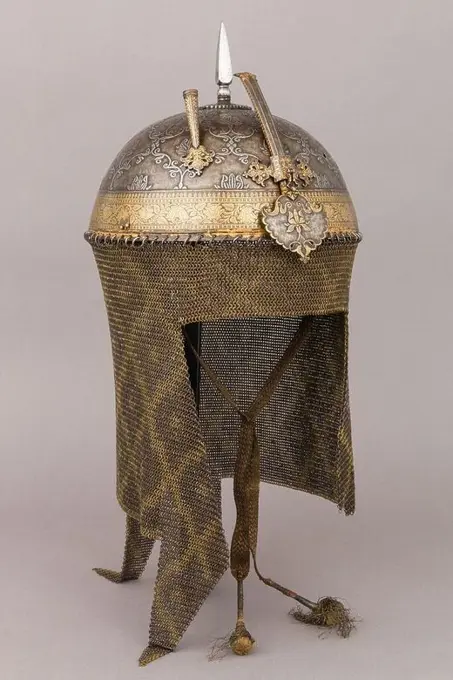
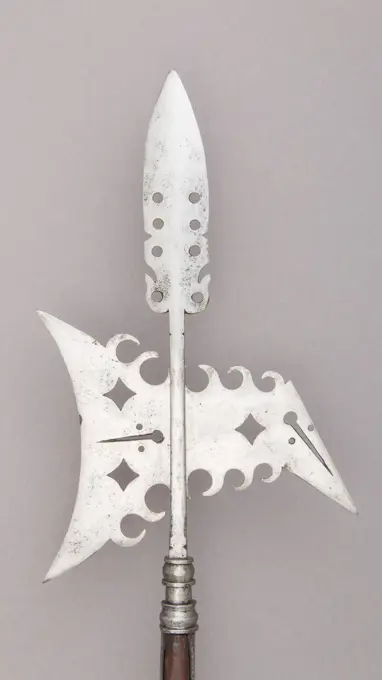
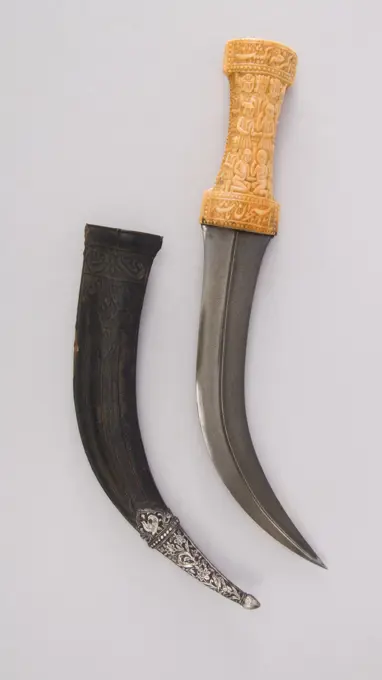
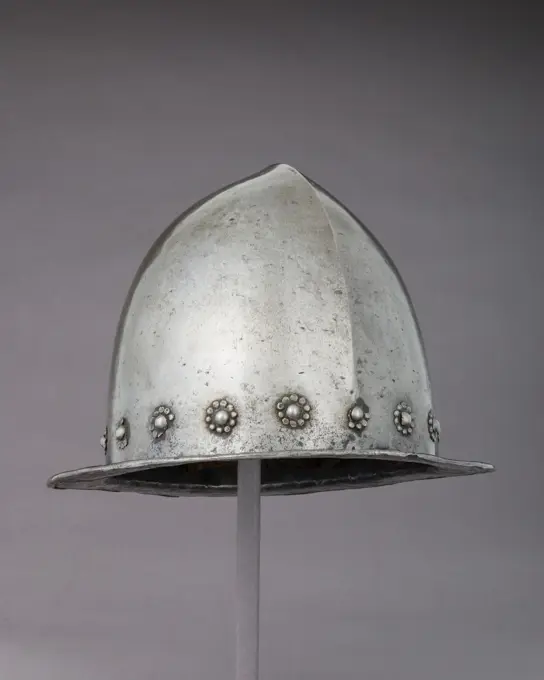
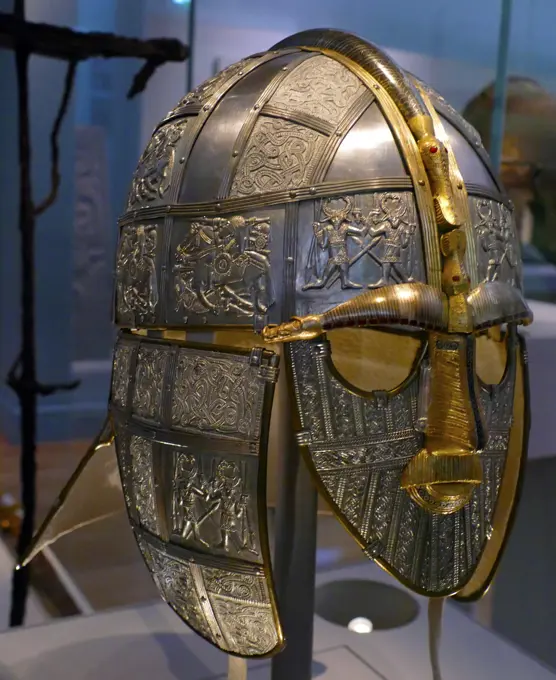
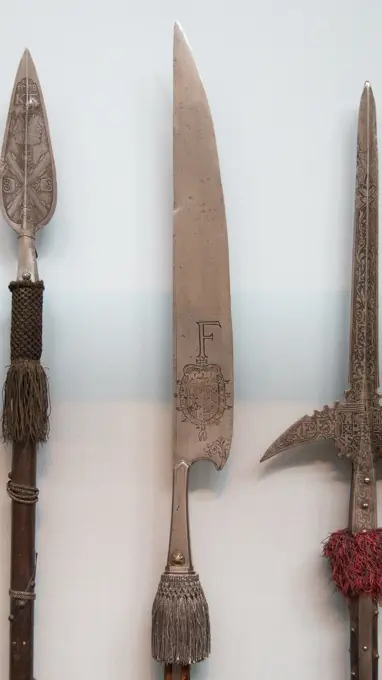
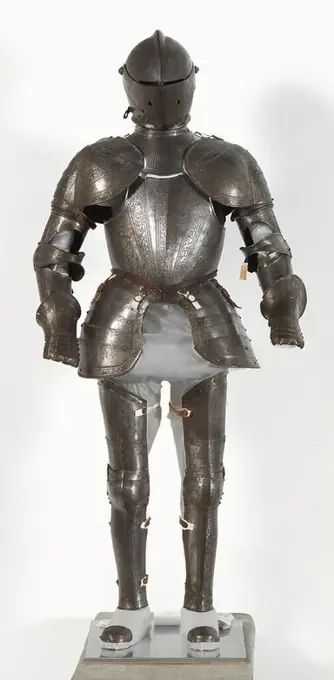
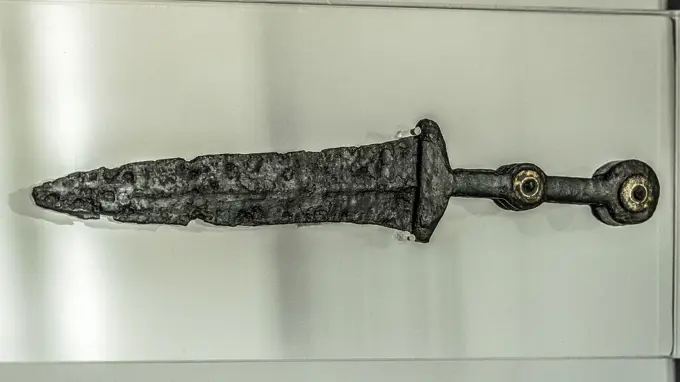
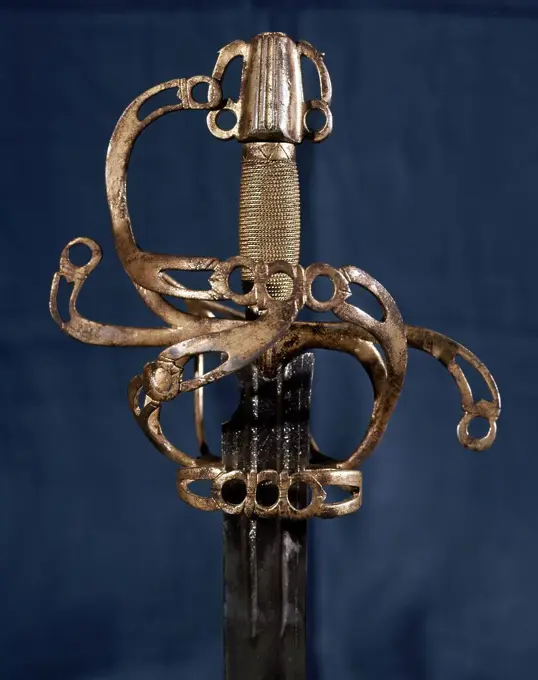
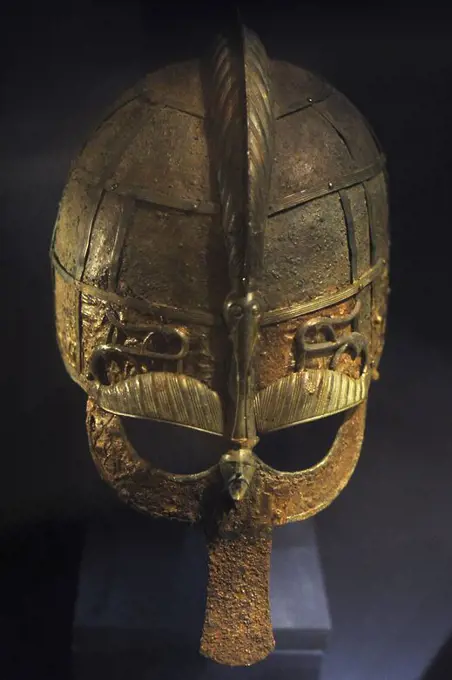
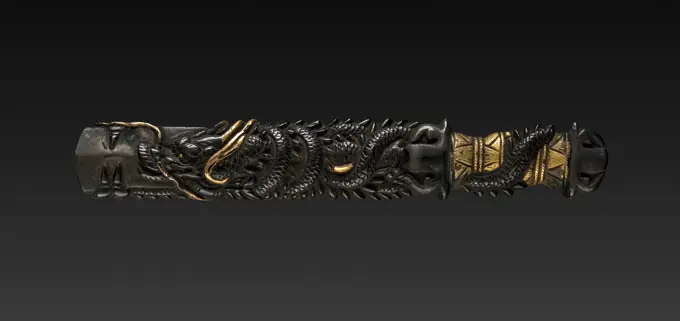
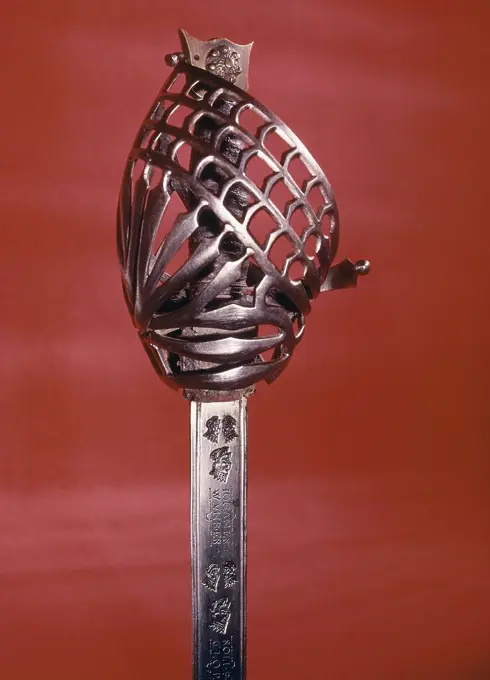
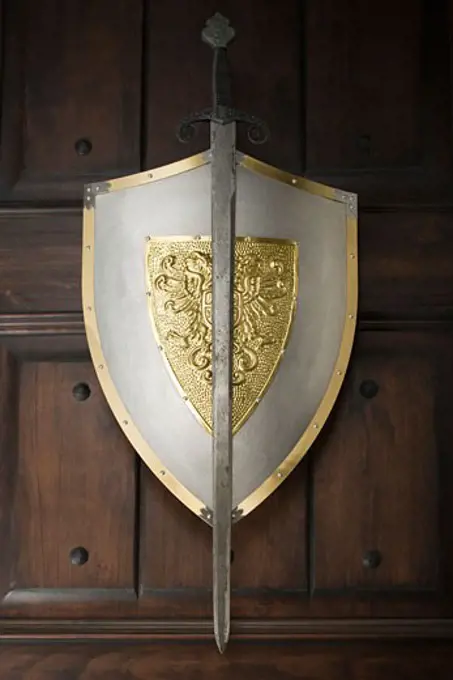
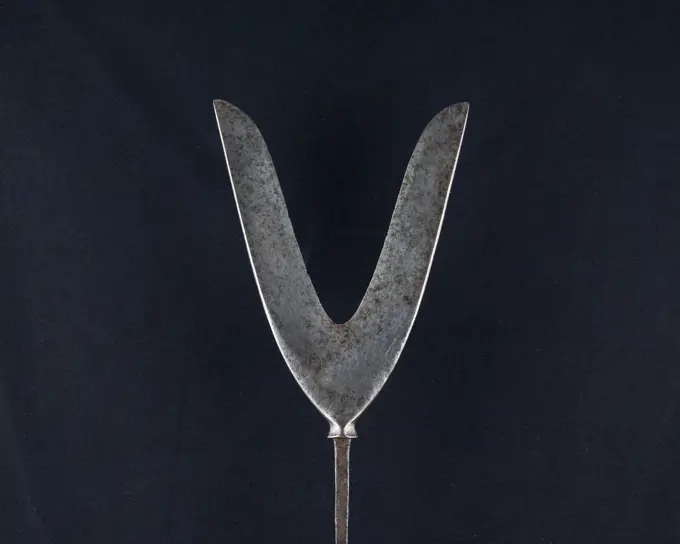
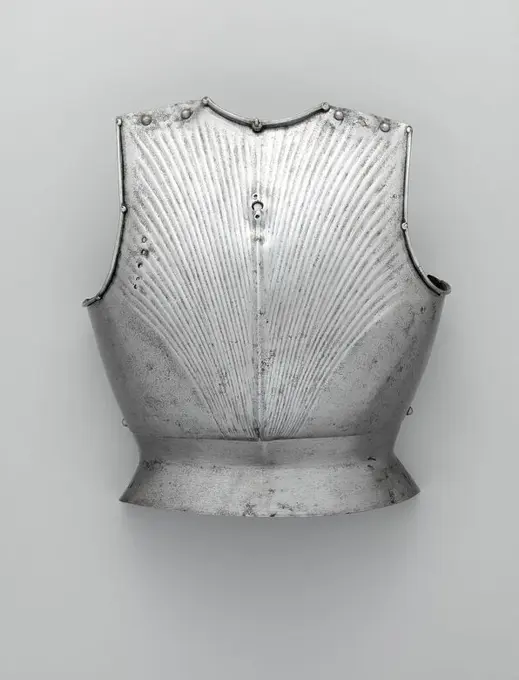
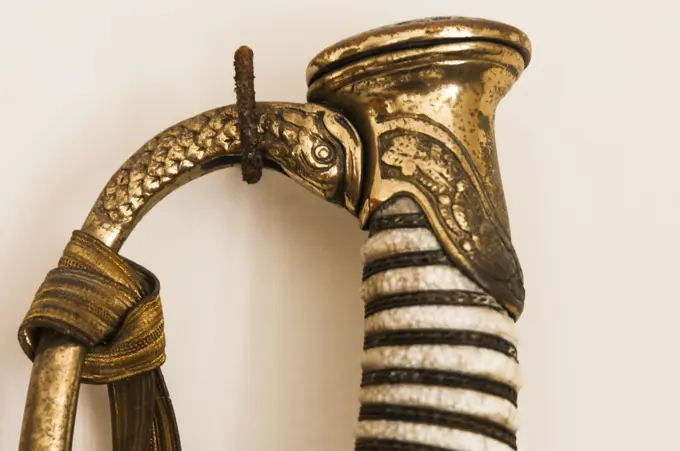
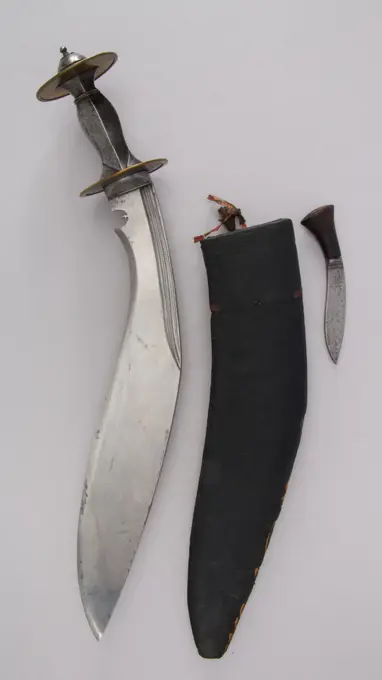
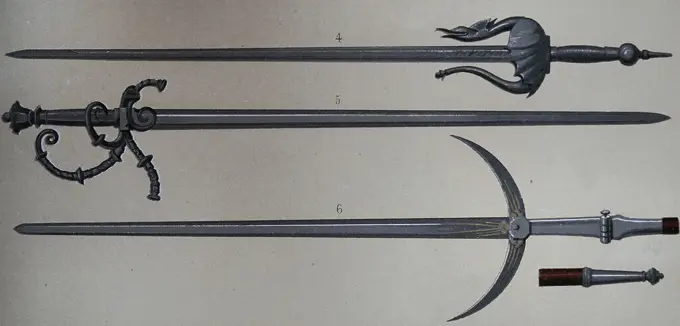
Partisan 16th century Italian. Partisan 25089Staff Weapon. Culture: Italian. Dimensions: L. 41 1/2 in. (102.9 cm); L. of head 18 1/2 in. (47 cm); W. 10 in. (25.4 cm); Wt. 3 lbs. 4 oz. (1474.2 g). Date: ca. 1590. Museum: Metropolitan Museum of Art, New York, USA.Sword with Scabbard for an Officer in the Bodyguard of the Elector of Saxony Made 1570-1610 Dresden. Steel, silver, wood, and leather . Urban SchneeweissHalberd. German. Date: 1580-1600. Dimensions: . Steel, iron, and wood. Origin: Germany, East. Museum: The Chicago Art Institute, Chicago, USA.Javanese Kris.Slein Kris, original grip has been lost.Friuli Spear. Italian. Date: 1470-1490. Dimensions: L. 243.8 cm (96 in.)Blade and socket L. 84.2 cm (33 1/8 in.)Wt. 5 lb. 11 oz. Steel and wood (oak). Origin: Italy. Museum: The Chicago Art Institute, Chicago, USA.Runka ca. 1530 Italian. Runka 26091Rapier ca. 1625-50 German The blade is decorated with a portrait of Emperor Ferdinand II (1578-1637).The rapier was the principal civilian sidearm throughout the sixteenth and seventeenth centuries. Designed for cut-and-thrust fencing of progressively complex techniques, the rapier is characterized by a double-edged blade with an acute point and an elaborate guard for the hand. The guards, usually of iron or steel, were subject to a variety of embellishment. They were engraved, chiseled, gilded, damascened, and encrusted in gold and silver in keeping with fashionable styles. Unless otherwise noted, the materials, attributions, and dating given here refer to the hilts. Rapier blades, invariably of steel, bear a variety of makers marks denoting their origin in the two principal centers of blademaking, Toledo in Spain and Solingen in Germany.. Rapier. German. ca. 1625-50. Steel, wood, copper alloy. SwordsCostume sabre Jirmann, K., Wytwórnia: Jirmann K.Iron Indian crossbow headsWing Spear (Fluegellanze). Culture: Western European. Dimensions: L. 89 1/4 in. (226.7 cm); L. of head 24 in. (61 cm); W. 6 3/4 in. (17.1 cm); Wt. 3 lbs. 15 oz. (1786 g). Date: ca. 1500. Museum: Metropolitan Museum of Art, New York, USA.Halberd 1650-1700 German. Halberd 25908War Hammer. German. Date: 1480-1520. Dimensions: L. 59 cm (23 3/16 in.) Wt. 2 lb. 6 oz. Steel, iron, brass, and beechwood. Origin: Germany. Museum: The Chicago Art Institute, Chicago, USA.Close Helmet for the Tourney dated 1552 Ornament copied from a design by Daniel Hopfer German The ornament on the comb is copied from a design by the Augsburg printmaker and armor etcher Daniel Hopfer (ca. 1470-1536), whose published prints were very influential in the development of a recognizably Augsburg style of armor decoration, which was emulated in Innsbruck and elsewhere in Austria and South Germany.. Close Helmet for the Tourney 23214Dagger (Khanjarli) 17th-18th century Indian. Dagger (Khanjarli) 31460Katzbalger (Infantry Sword). Swiss or German. Date: 1500-1515. Dimensions: 88.9 × 17.8 cm (35 × 7 in.). Steel, brass, and walnut burl. Origin: Switzerland. Museum: The Chicago Art Institute, Chicago, USA.Close-Helmet for the Field. Culture: Italian. Dimensions: H. 11 3/4 in. (29.8 cm); W. 9 1/4 in. (23.5 cm); D. 15 1/2 in. (39.4 cm); Wt. 9 lb. 15 oz. (4515 g). Date: ca. 1560-70. Museum: Metropolitan Museum of Art, New York, USA.Kris with Sheath. Culture: Javanese. Dimensions: L. with sheath 19 1/8 in. (48.6 cm); L. without sheath 17 1/4 in. (43.8 cm); L. of blade 13 in. (33 cm); W. 3 5/8 in. (9.2 cm); Wt. 6.1 oz. (172.9 g); Wt. of sheath 3.7 oz. (104.9 g). Date: 16th-19th century. Museum: Metropolitan Museum of Art, New York, USA.Staff Weapon ca. 1580 Italian. Staff Weapon 26731Guisarme ca. 1525 Italian. Guisarme 25905Ancient sabre. A smart variant of the fighting weaponArmet 16th century German. Armet 34262Estoc Made 1510-1550 Germany. Steel, wood, and leather .Sword (Klewang) with Scabbard 18th-19th century Malayan. Sword (Klewang) with Scabbard. Malayan. 18th-19th century. SIlver, bone. SwordsShort two-hand sword with brass braiding of the hilt, sword, sheathed weapon, soil found, iron, brass metal, lg, 79.0, w 28.8, forged, cut, drawn, two-hand sword. Double-edged Long hilt with thickening at the end with facets brass braid of the iron hilt archeology weapon war armor stabbing hewnKnife with Sheath. Culture: Indonesian, Sulawesi (possibly Phillipine). Dimensions: L. with sheath 9 in. (22.9 cm); L. without sheath 8 1/4 in. (21 cm); W. 3 3/16 in. (8.1 cm); Wt. 1.7 oz. (48.2 g); Wt. of sheath 1 oz. (28.3 g). Date: 18th-19th century. Museum: Metropolitan Museum of Art, New York, USA.Clip.  Manufacturer: Trifari, American, founded 1925Kris with Sheath 16th-19th century Javanese. Kris with Sheath 31250Wagada sword with Żabka and Tardlak to the uniform of a bachelor of Maltese after Otmar ŁazarskiDagger (Jambiya) with Sheath and Belt. Culture: Indian, Mysore. Dimensions: H. with sheath 12 1/4 in. (31.1 cm); H. without sheath 11 9/16 in. (29.4 cm); W. 3 1/4 in. (8.3 cm); Wt. 8.6 oz. (243.8 g); Wt. of sheath 5.5 oz. (155.9 g). Date: 19th century. Museum: Metropolitan Museum of Art, New York, USA.Dagger, 1700s - 1800s. Transcaucasian, Georgian. overall: 52.1 cm (20 1/2 in.); blade: 35.9 cm (14 1/8 in.).Halberd Made 1620-1650 Flanders. Compared with the rugged pole arms of the previous century, used to pull down horsemen, this halberd is more delicate. The ax-head is little more than a crescent shape, and the pierced fluke or hook is mostly ornamental. Still, the central point remains a functional blade. Military officers would have used halberds like this to lead and press their men into formation.. Steel, iron, and wood .Partisan. Culture: Flemish. Dimensions: L. 98 3/8 in. (249.9 cm); L. of head 26 1/4 in. (66.7 cm); W. 10 1/2 in. (26.7 cm); Wt. 4 lbs. 10.9 oz. (2123.4 g). Date: ca. 1530. Museum: Metropolitan Museum of Art, New York, USA.Arrowhead (Yanone) 18th century Japanese Although today Japanese warriors are renowned most for their swordsmanship, archery, especially from horseback, has been an essential part of samurai warfare and culture for centuries. Arrows were fitted with heads of varying shape according to their intended use in war, the hunt, or target practice. Arrowheads made for use on the battlefield incorporated different designs intended for specialized purposes such as the piercing of armor or to cause maximum damage to horses and unarmored personnel.Large arrowheads, pierced and elaborately chiseled with landscapes, birds, flowers, dragons, and Buddhist divinities, were created to be admired for the beauty of their metalwork and design rather than for use in archery. Such highly elaborate examples may have been made for presentation or as a votive offerings to a shrine.. Arrowhead (Yanone). Japanese. 18th century. Steel. Archery Equipment-ArrowheadsIron helmet Iron helmet of the medieval knight. Very heavy headdress. Copyright: xZoonar.com/VALERY-SIBRIKOVx 7538356Kris with Sheath 19th century Balinese. Kris with Sheath. Balinese. 19th century. Steel, wood, gold, semiprecious stones. Bali. DaggersKris with Sheath. Culture: Javanese. Dimensions: L. with sheath 18 1/4 in. (46.4 cm); L. without sheath 16 1/4 in. (41.3 cm); L. of blade 13 3/4 in. (34.9 cm); W. 4 5/8 in. (11.7 cm); Wt. 9.1 oz. (258 g); Wt. of sheath 3.7 oz. (104.9 g). Date: 16th-19th century. Museum: Metropolitan Museum of Art, New York, USA.Partisan 1720-40 Austrian. Partisan 25013Claymore 16th-17th century hilt, Scottish; blade, German, Solingen This is a rare complete example of the classic form of two-handed sword used in the Scottish Highlands, called a claymore (literally, "great sword"). The term is also applied to the basket-hilted sword characteristic of Scotland from at least the eighteenth century onward.. Claymore. hilt, Scottish; blade, German, Solingen. 16th-17th century. Steel, wood. Solingen. SwordsSmall Sword, c.1650-60. Netherlands, 17th century. Steel, wood, copper wire; chiseled hilt; engraved blade; overall: 95.3 cm (37 1/2 in.); blade: 78 cm (30 11/16 in.); grip: 11.8 cm (4 5/8 in.); guard: 8.3 cm (3 1/4 in.).Parrying Dagger with Scabbard. German; Dresden. Date: 1590-1600. Dimensions: Overall L. 38.8 cm (15 1/4 in.) Blade L. 28 cm (11 in.)Wt. 11 oz.Scabbard Wt. 4 oz. Steel, silver, and wood; silvered hilt and silver-mounted scabbard. Origin: Dresden. Museum: The Chicago Art Institute, Chicago, USA.Kanjar with a scabbardHistorical Spanish knife, close-upSmallsword with Portraits of Monarchs from the Bourbon Dynasty Made 1760-1790 France. Iron, steel, silver, and wood .Bronze helmet of Apulian-Corinthian type mid-4th-mid-3rd century B.C. Greek, South Italian These helmets represent South Italian adaptations of the Greek type known as Corinthian. The general shape is more open at the bottom, and the articulation of the face includes marked ridges above the eyes and at the "hairline." The example with the plume holder (2003.407.4) also has lightly traced ornament and the figure of a horse.. Bronze helmet of Apulian-Corinthian type 257635Steel, damascened with gold, katar dagger. From India. Dated 18th CenturyBurgonet. Northern Italian. Date: 1560-1590. Dimensions: H. 24.5 cm (10 5/8 in.). Steel. Origin: Northern Italy. Museum: The Chicago Art Institute, Chicago, USA.Helmet (Top) and Arm Guards (Dastana) 16th century Indian. Helmet (Top) and Arm Guards (Dastana) 32112Arrowhead (Yanone). Culture: Japanese. Dimensions: L. 11 3/8 in. (28.9 cm); L. of head 4 in. (10.2 cm); W. 2 1/8 in. (5.4 cm); Wt. 1.8 oz. (51 g). Date: 18th century. Museum: Metropolitan Museum of Art, New York, USA.Crossbows. Grandmaster Palace. Armoury. Valletta, Malta.Rüstung Armour of the medieval knight. Metal protection of the soldier against the weapon of the opponent Copyright: xZoonar.com/ValeryxxSibrikovx 2494296Partisan 1670 German, Saxony. Partisan 34300Dagger (Chilanum). Culture: Indian. Dimensions: H. 15 1/4 in. (38.7 cm); W. 3 1/2 in. (8.9 cm); Wt. 9.3 oz. (263.7 g). Date: possibly 17th century. Museum: Metropolitan Museum of Art, New York, USA.Right Thigh and Knee Defense (Cuisse and Poleyn) for the Armor of Sir John Scudamore (1541 or 1542-1623) dated 1913 Daniel Tachaux French This leg piece, a superb example of hammerwork, etching, and gilding, was made by Daniel Tachaux in 1913, as part of his comprehensive restoration of the late sixteenth-century Scudamore armors (on permanent display at the Metropolitan Museum, gallery 371, accession numbers 11.128.1, .2). These two armors were incomplete and badly damaged when acquired by the Museum in 1911. Despite their condition, Arms and Armor Department founding curator Bashford Dean recognized their importance and rarity and gave Tachaux the challenging assignment of restoring them to their original appearance. In addition to making missing pieces, such as this, Tachaux skillfully cleaned, repaired, and reassembled all the surviving original parts. When the original right thigh and knee defense unexpectedly appeared at auction in 1922, it was reunited with the armor, replacing Door knocker ca. 1500 Italian, Florence. Door knocker. Italian, Florence. ca. 1500. Bronze. Metalwork-BronzeSmallSword.  Maker: William Cowell, Jr., American, active ca. 1713 - 1761Ancient sabre Ancient sabre. A smart variant of the fighting weapon Copyright: xZoonar.com/ValeryxxSibrikovx 2424001Burgonet. Culture: French. Dimensions: H. 14 5/16 (36.4 cm); W. 11 1/2 (29.2 cm); D. 13 1/2 in. (34.3 cm); Wt. 4 lb. 15 oz. (2237 g). Date: ca. 1610.This helmet ranks among the best examples of a type that was fashionable in France and the southern Netherlands in the early seventeenth century. It is remarkable for the excellence of its workmanship, particularly the symmetrically radiating fluting of the bowl, the precise embossed and engraved ornamentation, and the preservation of most of its gilding. Museum: Metropolitan Museum of Art, New York, USA.Hunting cordlas with a vagina and a knifeArmet ca. 1475 Italian, Milan This is a particularly good example of the fully developed form of Italian armet about fifty years after the style was created. It is stamped with marks used by the Missaglia workshop from 1452 to 1496.. Armet. Italian, Milan. ca. 1475. Steel. Milan. HelmetsArrowhead (Yanone) 18th-19th century Japanese Although today Japanese warriors are renowned most for their swordsmanship, archery, especially from horseback, has been an essential part of samurai warfare and culture for centuries. Arrows were fitted with heads of varying shape according to their intended use in war, the hunt, or target practice. Arrowheads made for use on the battlefield incorporated different designs intended for specialized purposes such as the piercing of armor or to cause maximum damage to horses and unarmored personnel.Large arrowheads, pierced and elaborately chiseled with landscapes, birds, flowers, dragons, and Buddhist divinities, were created to be admired for the beauty of their metalwork and design rather than for use in archery. Such highly elaborate examples may have been made for presentation or as a votive offerings to a shrine.. Arrowhead (Yanone). Japanese. 18th-19th century. Steel. Nigata. Archery Equipment-Arrowheadsdagger Souvenir medieval dagger. An exact copy made of modern materials Copyright: xZoonar.com/ValeryxxSibrikovx 2421209Helmet (Top) and Arm Guards (Dastana). Culture: Indian. Dimensions: Helmet (a); H. 3 7/8 in. (9.8 cm); Diam. 8 in. (20.3 cm); Wt. 1 lb. 5.6 oz. (612.3 g); arm guard (b); L. 12 13/16 in. (32.5 cm); W. 3 7/8 in. (9.8 cm); Wt. 1 lb. 7 oz. (652 g). Date: 16th century. Museum: Metropolitan Museum of Art, New York, USA.Composite Dagger 1500-1600 Turkey. Nephrite, bloodstone, turquoise, gold, and copper alloy .Shaffron (Horse's Head Defense). Culture: German. Dimensions: H. 23 in. (58.4 cm); W. 11 in. (28 cm); D. 9 in. (22.9 cm); Wt. 3 lb. 15 oz. (1786 g). Date: 16th century. Museum: Metropolitan Museum of Art, New York, USA.Halberd of Christian I (reigned 1586-91) or Christian II of Saxony (reigned 1601-11). Culture: German. Dimensions: L. 106 1/2 in. (270.5 cm); L. of head (excluding straps) 31 1/4 in. (79.4 cm); W. 12 in. (30.5 cm); Wt. 8 lb. 9 oz. (3884 g). Date: ca. 1590-1610.This staff weapon was carried by the bodyguards of the Prince-Electors of Saxony. Museum: Metropolitan Museum of Art, New York, USA.Arrowhead (Yanone). Culture: Japanese. Dimensions: L. 6 in. (15.2 cm); L. of head 1 1/2 in. (3.8 cm); W. 3/8 in. (1 cm); Wt. 0.5 oz. (14.2 g). Date: 18th century. Museum: Metropolitan Museum of Art, New York, USA.Close Helmet ca. 1585 Attributed to Pompeo della Cesa Italian. Close Helmet 22239Dagger (Jambiya) with Sheath. Culture: Indian. Dimensions: H. with sheath 10 in. (25.4 cm); H. without sheath 9 5/16 in. (23.7 cm); H. of blade 5 1/2 in. (14 cm); W. 2 1/16 in. (5.2 cm); Wt. 6.5 oz. (184.3 g); Wt. of sheath 8.1 oz. (229.6 g). Date: 19th century. Museum: Metropolitan Museum of Art, New York, USA.Dagger (Qama) with Sheath and Utility Knife dated A.H. 1273 / A.D. 1856-57 and 1861 Caucasian, probably Tbilisi, Georgia Daggers with straight blades similar to this one first appeared in the Middle and Near East in the Bronze and Iron Ages. However, this particular type of dagger, called a qama and characterized by its large size, I-shaped grip, and straigh, double-edged blade, is relatively modern, the earliest examples dating from the eighteenth century. The type may have originated in Georgia, and it gained popularity throughout the Caucasus as well as in Turkey, the Balkans, and Iran. A nimble weapon and convenient tool, the qama had by the mid-1800s also become a requisite dress accessory, worn angled, in the front of the belt by men, with some examples lavishly embellished.This richly decorated qama was probably made in Tbilisi, an important trade and cultural center famous for its sword makers, possibly by a Degastani master. The hilt is formed of a single piece of walrus ivoryClose Helmet ca. 1500 German. Close Helmet 25397German armor with engraving of Santiago, 17th century, Álava Armory Museum, Vitoria, Basque Country, Spain.Backplate ca. 1505-10 Probably by Francesco Negroli Italian Judging by the maker's marks stamped on it, this backplate appears to be the only surviving identifiable work by Francesco Negroli, a member of a leading family of Milanese armorers, which, in the next generation, became internationally renowned for their sculpturally embossed armors all'antica (in the antique style). The backplate is in a style known as alla tedesca (in the Germanic fashion), suggesting that it was made for a client north of the Alps.. Backplate 639897Cuirass and Tassets (Torso and Hip Defense) ca. 1510-20 Attributed to Kolman Helmschmid German The decoration of this armor is an outstanding example of German figural etching, inspired by contemporary print sources, as it was used to embellish armor. The etching has been attributed to Daniel Hopfer, a noted printmaker and armor etcher. Hopfer may have pioneered the technique of making prints from an etched metal plate, which revolutionized printmaking in the sixteenth century.The figures on the breastplate depict major Christian saints and include the Virgin and Child flanked by Saint George and Saint Christopher. On the backplate, Saint Anne with the Virgin and Child is flanked by Saint James the Great and Saint Sebastian. The figure of Saint Sebastian pierced by arrows is copied from a woodcut made about 1507 by Hans Baldung Grien (1484 or 1485-1544). Listen to experts illuminate this artwork's story Listen Play or pause #4404. Cuirass and Tassets (Torso and Hip Defense) Supported bRunka ca. 1540 Italian. Runka 26711Knife withSheathCecil Smith, Sword and Sheath, c 1938 Sword and SheathHelmet and Arm Guards. Culture: Indian. Dimensions: Helmet (a); H. including mail 19 1/2 in. (49.5 cm); H. including nasal 9 3/4 in. (24.8 cm); H. excluding mail and nasal 6 1/8 in. (15.6 cm); W. 8 in. (20.3 cm); D. 8 11/16 in. (22.1 cm); Wt. 2 lb. 13.1 oz. (1278.6 g). Date: 16th century. Museum: Metropolitan Museum of Art, New York, USA.Dagger (Jambiya) with Sheath 18th century Indian. Dagger (Jambiya) with Sheath 31447Halberd ca. 1750 American, Walpole, Massachusetts. Halberd 27482Dagger (Jambiya) with Sheath 19th century Persian, Qajar. Dagger (Jambiya) with Sheath 31452Cabasset 17th century Italian. Cabasset 27094reconstruction of the Sutton Hoo helmet, a decorated Anglo-Saxon helmet discovered during the 1939 excavation of the Sutton Hoo ship-burial. Buried around 625 AD. it is believed to have been the helmet of King Raedwald; for whom its elaborate decoration may have given it a secondary function almost akin to a crown.Glaive of the Bodyguard of Archduke Ferdinand of Austria, later Emperor Ferdinand II (1578-1637) 1590-1617 German. Glaive of the Bodyguard of Archduke Ferdinand of Austria, later Emperor Ferdinand II (1578-1637) 22191Knife with a handle of faience, anonymous, 1695 - 1720 Knife with a handle of faience. Multicolored painted with flowers and lambrequins. Delft . Knife with a handle of faience. Multicolored painted with flowers and lambrequins. Delft .Anonymous / 'White armour'. XVI century. Museum: Museo del Prado, Madrid, España.Dagger and scabbardBiglobular dagger, Carratiermes Necropolis, 2nd-1st century BC, Museum of the Tiermes Archaeological Site, Soria, Castile and Leon, Spain.EMPUNADURA DE ESPADA DE D ALVARO DE BAZAN,PRIMER MARQUES DE SANTA CRUZ(1526/88). Location: MUSEO NAVAL / MINISTERIO DE MARINA. MADRID. SPANIEN.Viking helmet from Vendel, Uppland. Sweden. Dated to the 7th century. Boat grave. Vendel era. He was buried in a boat with his valuable possessions around him. Swedish History Museum. Stockholm.Knife Handle (Kozuka), early to mid-1800s. Japan, Edo period (1615-1868). Iron and gold; overall: 9 cm (3 9/16 in.).EMPUÑADURA DE ESPADA DE 089 CM DE LARGO. Location: Museo Stibbert. Florenz. ITALIA.Medieval helmet, illustration, vector on white background.Half Armor ca. 1600; cheekplates of helmet and part of left gauntlet thumb, probably 19th century Italian. Half Armor. Italian. ca. 1600; cheekplates of helmet and part of left gauntlet thumb, probably 19th century. Steel, brass. Armor for Man-1/2 Armormedieval sword and shieldArrowhead (Yanone) 18th century Japanese Although today Japanese warriors are renowned most for their swordsmanship, archery, especially from horseback, has been an essential part of samurai warfare and culture for centuries. Arrows were fitted with heads of varying shape according to their intended use in war, the hunt, or target practice. Arrowheads made for use on the battlefield incorporated different designs intended for specialized purposes such as the piercing of armor or to cause maximum damage to horses and unarmored personnel.Large arrowheads, pierced and elaborately chiseled with landscapes, birds, flowers, dragons, and Buddhist divinities, were created to be admired for the beauty of their metalwork and design rather than for use in archery. Such highly elaborate examples may have been made for presentation or as a votive offerings to a shrine.. Arrowhead (Yanone). Japanese. 18th century. Steel. Archery Equipment-ArrowheadsBreastplate (Kastenbrust). Culture: German. Dimensions: H. 16 in. (40.6 cm); W. 14 1/2 in. (36.8 cm); D. 9 1/4 in. (23.5 cm); Wt. 5 lb. 4.4 oz. (2392.7 g). Date: ca. 1450.Although it was in wide use across Europe by the early fifteenth century, very little plate armor survives from that period. This breastplate is one of the earliest German examples in existence. It is almost identical to the breastplate on a statue of Emperor Friedrich III (1415-1493), dated 1453, and represents the latest innovation in German armor design and technology of the time. Unfortunately, it is not known where Dean acquired this piece. Museum: Metropolitan Museum of Art, New York, USA.US Virgin Islands, St. Croix, Christiansted. Mango Hill Greathouse, military swordsKnife (Kukri) with Sheath, Small Knife and Pouch 19th century Indian or Nepalese, Gurkha. Knife (Kukri) with Sheath, Small Knife and Pouch 31627Medieval times. 13th-14th century. Weapons. 4, 5: sword. 6: partisan. Crown of Castile. Spain.