Historical Weapons

A variety of historical weapons including spears, swords, and halberds, highlighting their intricate designs and craftsmanship.
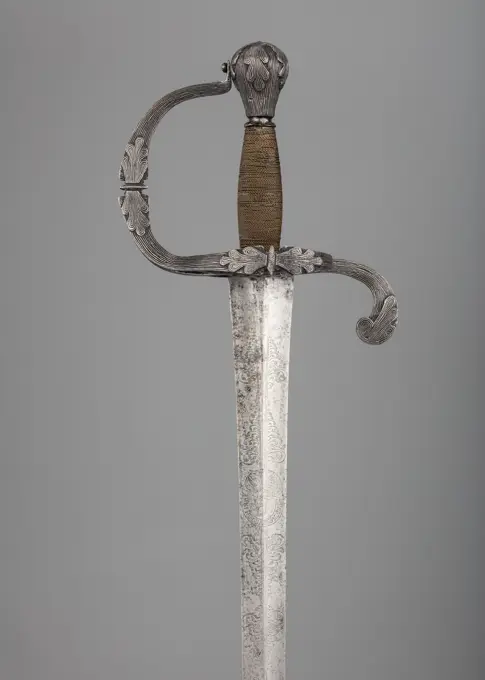
Rapier ca. 1625-50 German The blade is decorated with a portrait of Emperor Ferdinand II (1578-1637).The rapier was the principal civilian sidearm throughout the sixteenth and seventeenth centuries. Designed for cut-and-thrust fencing of progressively complex techniques, the rapier is characterized by a double-edged blade with an acute point and an elaborate guard for the hand. The guards, usually of iron or steel, were subject to a variety of embellishment. They were engraved, chiseled, gilded, damascened, and encrusted in gold and silver in keeping with fashionable styles. Unless otherwise noted, the materials, attributions, and dating given here refer to the hilts. Rapier blades, invariably of steel, bear a variety of makers marks denoting their origin in the two principal centers of blademaking, Toledo in Spain and Solingen in Germany.. Rapier. German. ca. 1625-50. Steel, wood, copper alloy. Swords
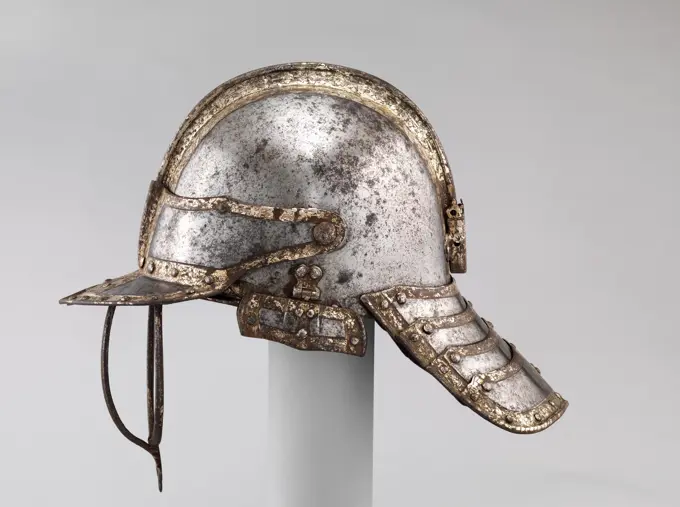
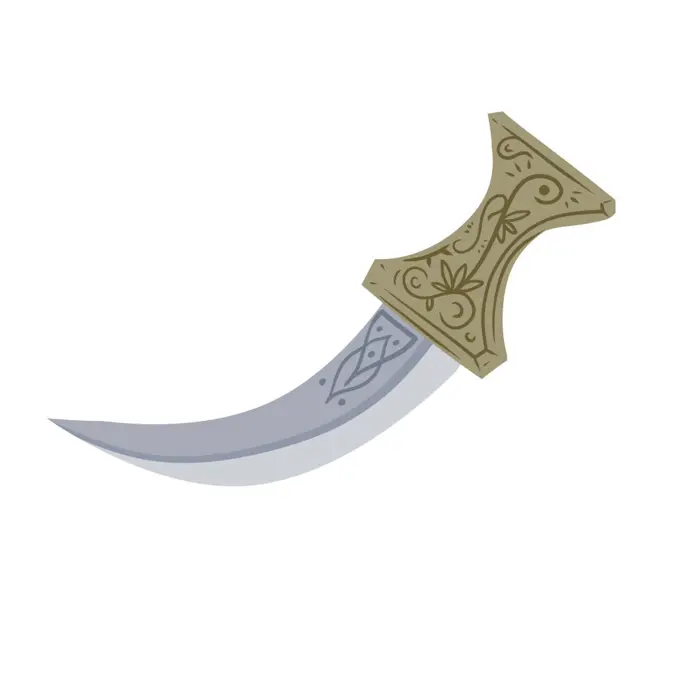
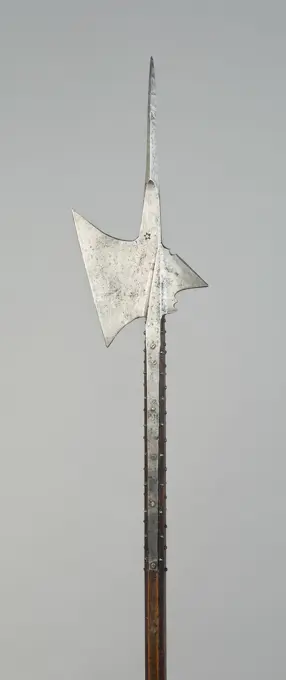
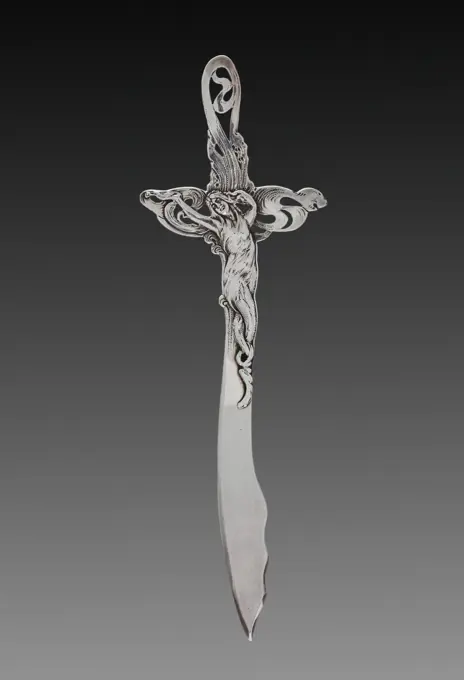
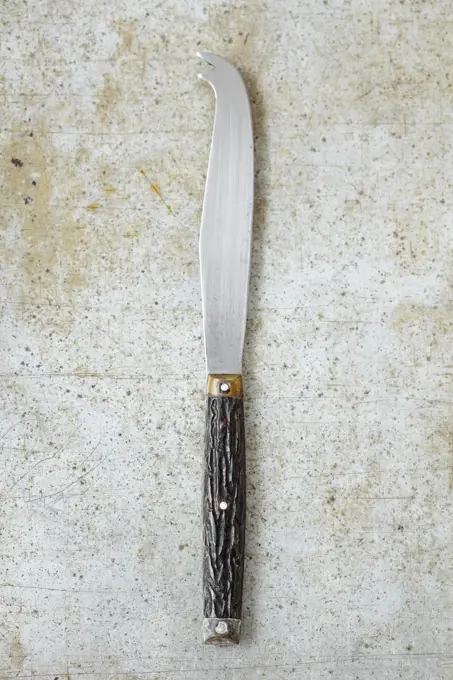
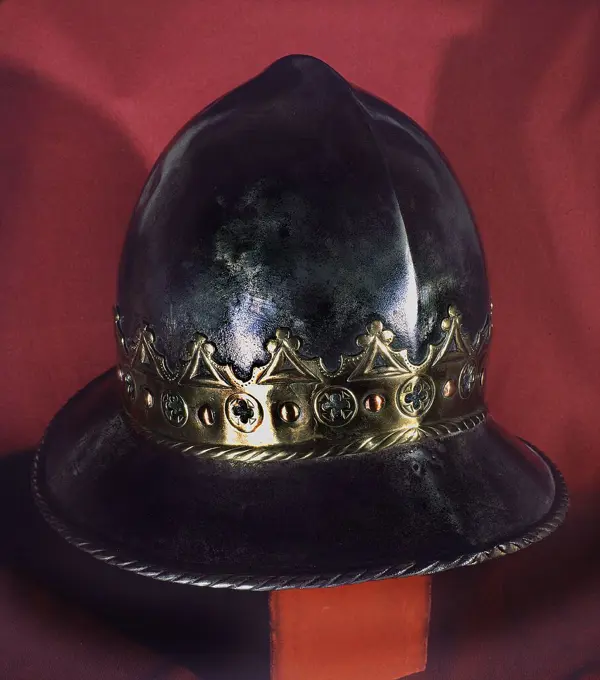
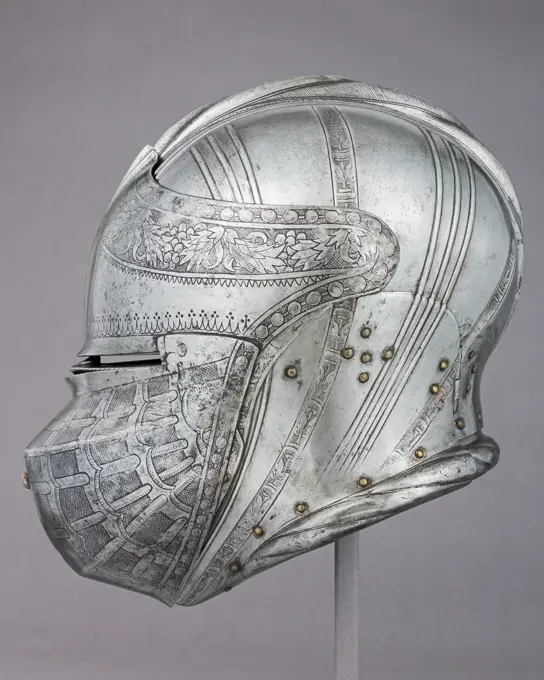
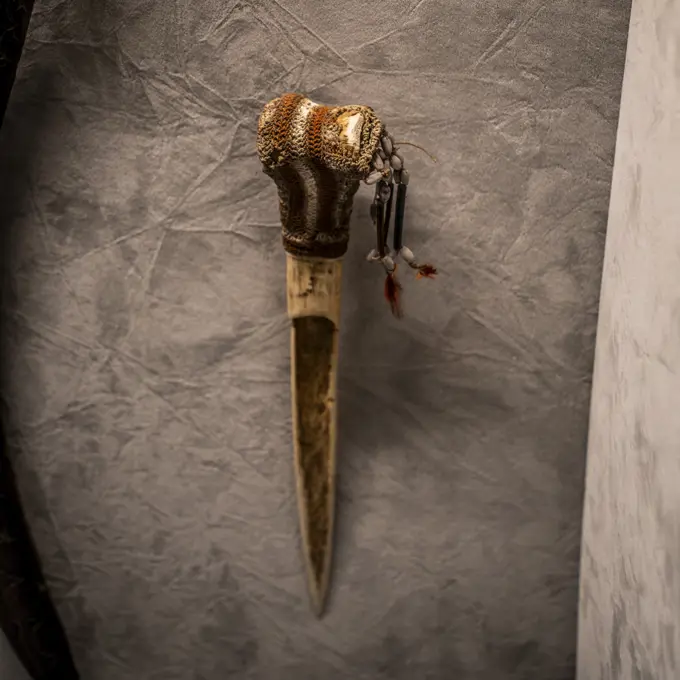
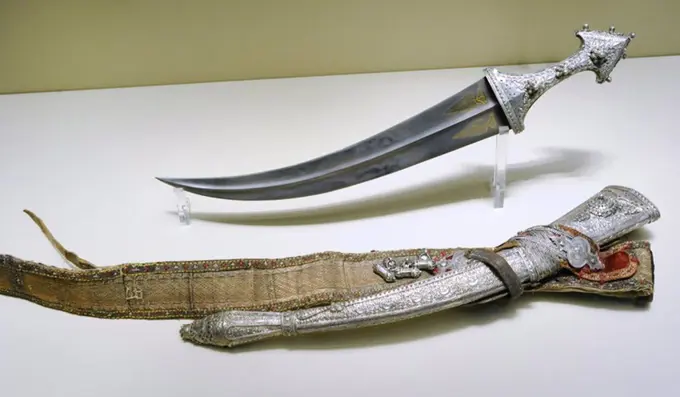
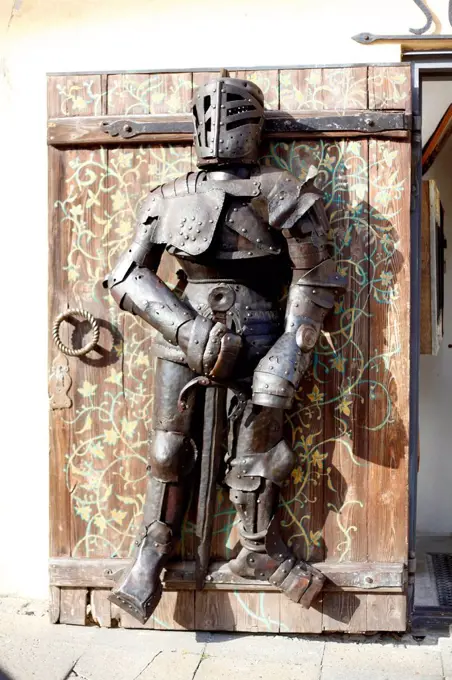
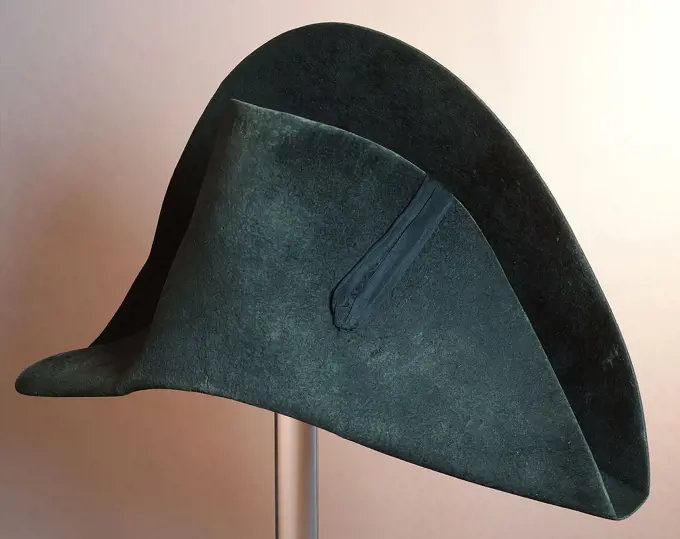
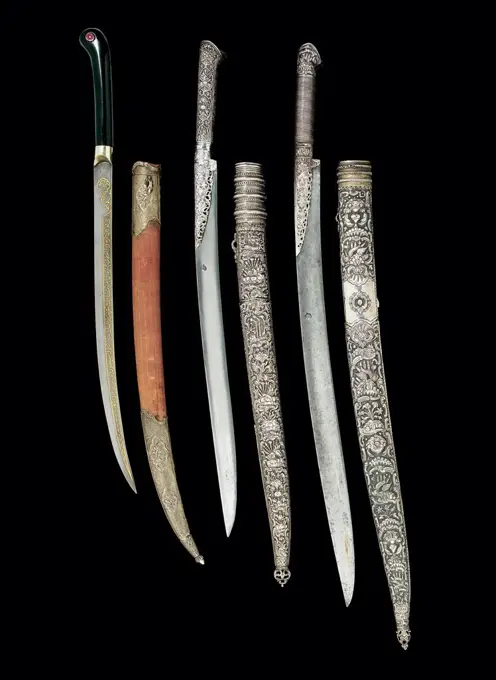
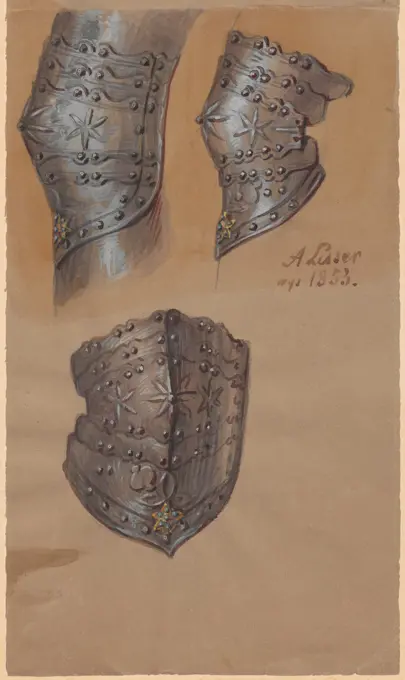
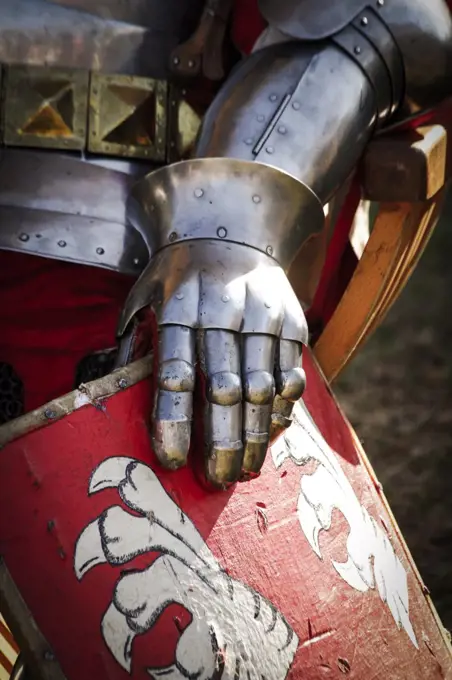
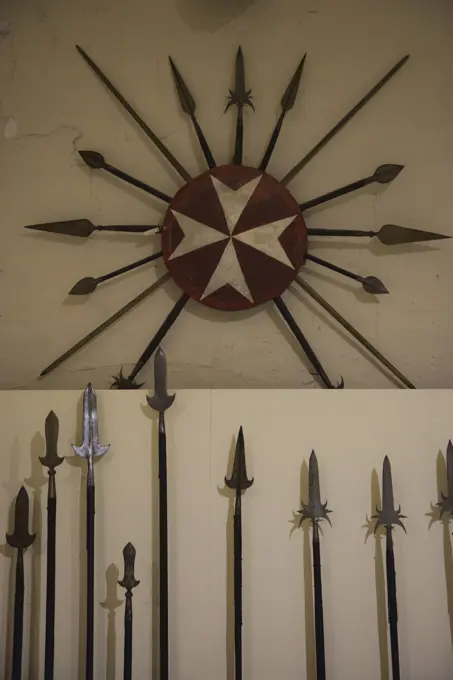
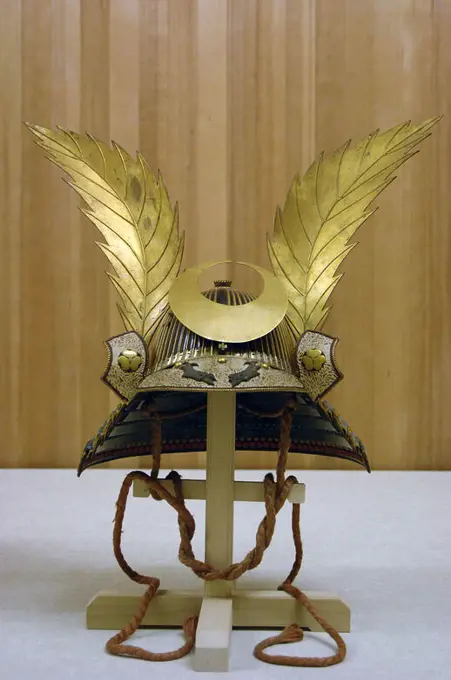
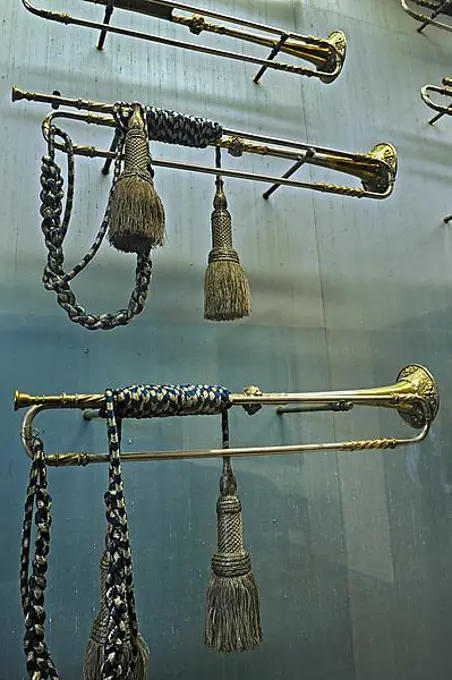
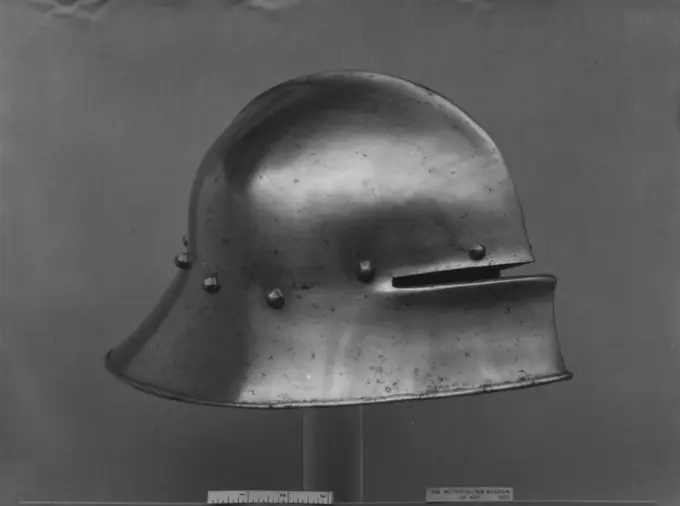
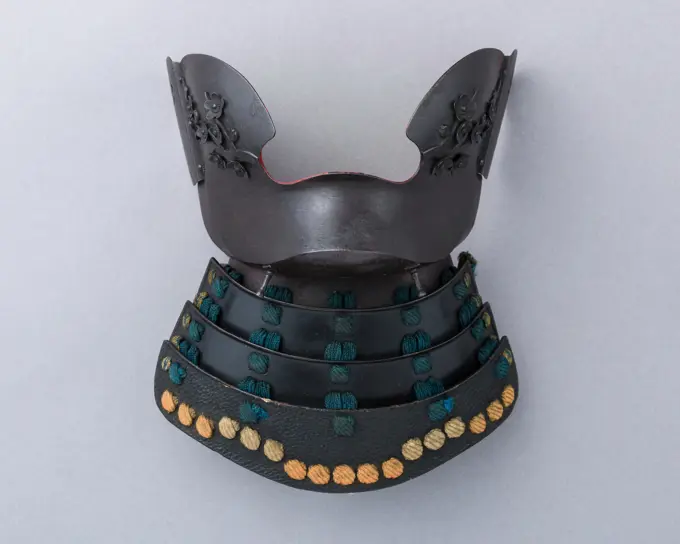
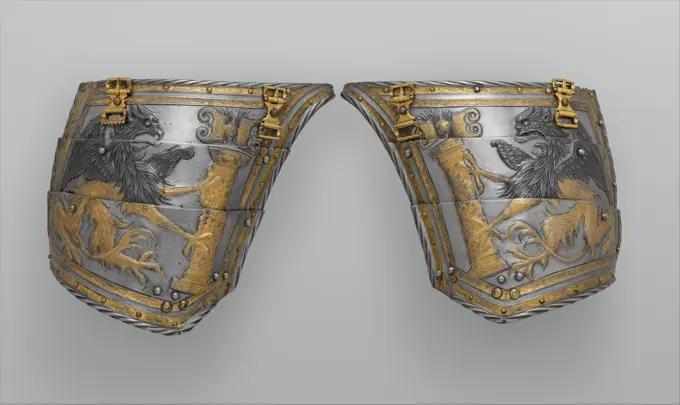
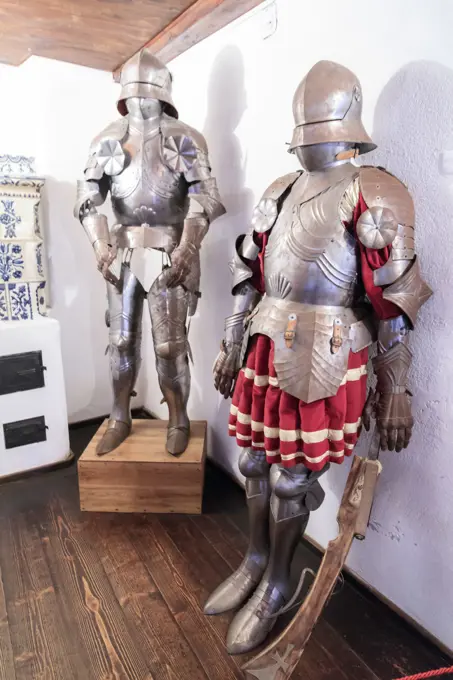
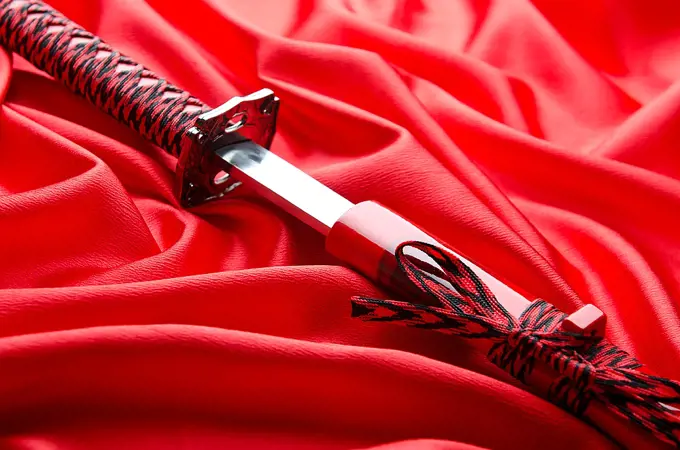
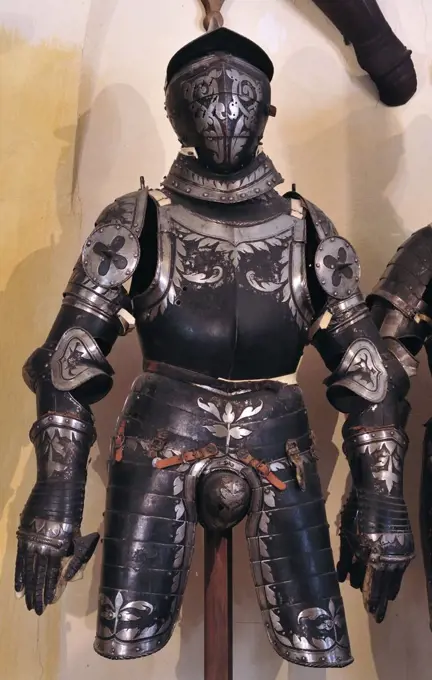
Armour Armour of the medieval knight. Metal protection of the soldier against the weapon of the opponent Copyright: xZoonar.com/ValeryxxSibrikovx 2470311Sword. Culture: Sri Lankan. Dimensions: H. 27 1/4 in. (69.2 cm); W. 2 in. (5.1 cm); D. 1 1/16 in. (2.7 cm); Wt. 11.6 oz. (328.9 g). Date: 18th-19th century. Museum: Metropolitan Museum of Art, New York, USA.Mitten Gauntlet for the Right Hand. Southern German, probably Nuremberg. Date: 1530-1560. Dimensions: . Steel and brass, etched. Origin: Nuremberg. Museum: The Chicago Art Institute, Chicago, USA.dagger Smart dagger of the medieval soldier. It was used for hunting Copyright: xZoonar.com/ValeryxxSibrikovx 2421225Arab dagger with curved blade. Omani culture and weapons. Yemeni knife with ornament. Flat illustration isolated on white.. Arab dagger with curved blade. Omani culture and weapons. Yemeni knife with ornament.Close Burgonet Made 1590-1620 Milan. Steel .Pair of Arm Guards. Culture: Indian. Dimensions: L. 20 in. (50.8 cm). Date: 18th--19th century. Museum: Metropolitan Museum of Art, New York, USA.Armour Armour of the medieval knight. Metal protection of the soldier against the weapon of the opponent Copyright: xZoonar.com/ValeryxxSibrikovx 2425281Halberd Made 1500-1550 Germany. Steel and wood .Paper Knife, c. 1900. George W. Shiebler & Co. (American), Cowell and Hubbard Co. (American, Cleveland, 1879-1981). Silver; overall: 32.5 x 10.5 x 0.5 cm (12 13/16 x 4 1/8 x 3/16 in.). During the 1890s a new style emerged that reflected naturalistic and symbolic motifs found in Japanese and other Asian design. This movement rejected the historicism that had dominated architecture and design during the previous decades and took hold across Europe and America too. In France the style was known as "Art Nouveau," after the name of the gallery belonging to its chief proponent Siegfried Bing, the Maison de L'Art Nouveau (House of the New Art). This paper knife by the American silver company George W. Shiebler & Co. typifies Art Nouveau style with its flowing lines enveloping a young woman, revered as the ideal natural beauty. The composition resolves into a pointed dagger, suggesting a tragic end to life itself. Art Nouveau reached its apex at the 1900 world's fair in Paris, which was intenIron helmet Iron helmet of the medieval knight. Very heavy headdress Copyright: xZoonar.com/ValeryxxSibrikovx 2454270Stiletto, c. 1650. Italy, Brescia, 17th century. Steel; overall: 23.4 cm (9 3/16 in.); blade: 14.3 cm (5 5/8 in.); quillions: 6 cm (2 3/8 in.).Halberd. German. Date: 1500-1533. Dimensions: L. 220.35 cm (86 3/4 in.)Blade L. 44.2 cm (17 3/8 in.) Wt. 5 lb. 3 oz. Steel and wood (walnut). Origin: Germany. Museum: The Chicago Art Institute, Chicago, USA.Rhodos, GreklandA vintage cheese knifeMilitary hat 1860-64 J.H. McKenney & Company. Military hat 173485Bronze statuette of armed warrior, from Sardinia region, ItalyMalay Kris, 19th century, Álava Armory Museum, Vitoria, Basque Country, Spain.CAPACETE DEL REY CATOLICO. Location: PRIVATE COLLECTION. MADRID. SPAIN.Armet for the Tourney ca. 1515-20 Attributed to Kolman Helmschmid German The visor is fitted with an unusual reinforce depicting the type of grille defense that might be used on a helmet intended for a tournament with swords or clubs. This suggests it was originally part of a garniture that included exchangeable pieces for battle and tournament use.. Armet for the Tourney 23090Bronze helmet of Corinthian type. Greek. 7th-6th century B.C. Metropolitan Museum of Art. Ny. USA.cassowary dagger, 20th century, Indonesia, Álava Armory Museum, Vitoria, Basque Country, SpainMedieval long swords drawn art line style. Set of simple vector imagesfigurine a medieval knight isolated on white backgroundDjambiya with scabbard and belt, Yemen, 18th century, Castle of San Carlos, seventeenth century, Palma, Mallorca, Spain.Knife. Blade. England, Second Half of the 19th C. Handle, scabbard, mounting: Arabian Peninsula. Late 19th C. The State Hermitage Museum. Saint Petersburg. Russia.knight's armor in front of a house at the cathedral mountain, Tallinn, Estonia, EuropeBlack felted two-sided stitch, bicorne, with black ribbon, bicorne stitch hat headgear clothing hair felt cotton, to textile Black bicorne stitch bicorne of fur felt. Great model bicorne was called corsair. Carried until around 1810. On the left-hand side of the stored front, ribbon was sewn up with traces of missing cocarde headmedieval sword set cartoon. steel sharp, knife knight, old handle medieval sword sign. isolated symbol vector illustration. medieval sword set cartoon vector illustrationSwords vector imagevintage razor and blade with reflection isolated on gray backgroundThorns on a white backgroundA Group Of Small Ottoman Swords, Turkey, Early 19th Century Islamic Art AntiqueMetal axe isolated on the white backgroundFragments of armor ("Nakolanek") from the collection of the HR Armory. Krasich in Warsaw; Lesser, Aleksander (1814-1884); 1853 (1853-00-00-1853-00-00);Kazimierz (Kraków - district), Krasińscy (Warsaw) - collections, Lesser, Aleksander (1814-1884), Lesser, Emiljan Stanisław (Baron - 1847-1912), Lesser, Emiljan Stanisław (Baron - 1847-1912) - collection, Lesser , Wiktor Stanisław Zygmunt (Baron - 1853-1935), Dar (provenance), Church of St. Jana (Vilnius), Militaria, Crafts, Armaments, Knight's armorJapanese armorGauntlet and forearm armour of a medieval soldierHelmet for a Harquebusier ca. 1630-40 Probably made in the Royal Workshops at Greenwich British Harquebusiers were the last type of cavalry to wear armor in England before it went out of use in the mid- to late seventeenth century. This harquebusier's helmet is rare and important for its richly engraved bands of decoration covered in silver and for the high quality of its workmanship overall. These features suggest it was made in the royal workshops at Greenwich, which were established by Henry VIII in 1511 and were in service until the 1640s.. Helmet for a Harquebusier 35782Suit of armor on a white wall, catering, knight's dinner, Burg Linz Castle, Linz am Rhein, Rhineland-Palatinate, Germany, in Europe, EuropeMalta, Valletta, Grand Master's Palace, military museum, military weaponsax with flower engraving, middle east, 18th century, Álava Armory Museum, Vitoria, Basque Country, Spain.Bow Arrow Quiver Archery KitA close-up of an ancient carved sword against painted background. A closeup view of the handle and the blade design of a Slavic dagger from 19th century.ARTE JAPONES. CASCO SAMURAI. Museo de Arte Nelson-Atkins (The Nelson-Atkins Museum of Art). Kansas City. Estado de Missouri. Estados Unidos.Natural trumpets from Nuremberg, created between 1676 and 1792, Bavarian National Museum, Munich, Bavaria, Germany, EuropeClassical greek helmetOld and used metal army helmet on a white Old and used metal army helmet on a white Copyright: xZoonar.com/OttoxxPleskax 19872828Clay pot of manual work. It is possible to store milk or other liquidSallet late 15th century German. Sallet 26664unsichtbares gesicht in einer kapuze mit messer invisible face in a hood with knife LicenseRF ,model released, Symbolfoto Copyright: xZoonar.com/MilanxVasicekx 1885245 ,model released, Symbolfoto ,property releasedPrzeszo Przyszoci unknownHelmet (Hoshi Kabuto) in the 13th Century Style. Culture: Japanese. Dimensions: H. 15 in. (38.1 cm); Diam. with earguards extended 20 in. (50.8 cm). Date: late 17th or early 18th century.During the Edo period (1615-1868), there was a conscious revival of medieval armor fashions, and this helmet is an instructive example. It was fashioned in the thirteenth-century style, and it certainly was made to accompany an armor of medieval yoroi fashion. The metal fittings on the helmet include the badge of the Hota family, daimyo of Sakura. Museum: Metropolitan Museum of Art, New York, USA.figurine a medieval knight isolated on white backgroundMask for the Lower Face (Hanho-Ate) late 18th-early 19th century Japanese Masks have long played an important role in Japanese culture: in religious ceremonies, dance, Noh theater, and military costume. For samurai, masks served as a principal face defense and helped secure the helmet to the head more firmly.The majority of masks were half-length (mempo), covering the nose and the face below the eyes. Their iron surfaces are either lacquered or a dark russet finish; the interiors are usually lacquered red. In addition to half masks, the Metropolitan Museum's collection is unusual in possessing numerous full masks (somen). The majority date from the peaceful Edo period. During that time, armorers like the Mychin clan took pride in making ever more varied masks as a demonstration of their creativity and their famous metalworking skills.. Mask for the Lower Face (Hanho-Ate). Japanese. late 18th-early 19th century. Iron, lacquer, textile (silk). Armor Parts-MasksPair of Tassets of Emperor Charles V of Austria (1500-1558) ca. 1530-40 Kolman Helmschmid German These tassets originally were part of a very elaborate armor. Their decoration features the pillars of Hercules, supported by griffins, and the firesteel of Burgundy, which were badges of Charles V.. Pair of Tassets of Emperor Charles V of Austria (1500-1558) 23085Austrian Spider firefighter's helmet, "Feuer und Flamme - Die Feuerwehr von 1850 bis heute", an exhibition of 150 years of Lauf Fire Department, Lauf Industrial Museum, Lauf an der Pegnitz, Middle Franconia, Bavaria, Germany, EuropeRealistic swords and knives set different types Vector ImageDagger sword illustration weapon vector icon. Blade knife design art warrior symbol. Fantasy medieval flat battle signdiary and feather with a bottle of rum Vintage objects on old wooden shabby retro background concept ,model released, Symbolfoto Copyright: xZoonar.com/AleksandrxKichiginx 9786561 ,model released, Symbolfoto ,property releasedARTE MINOICO. GRECIA. DOBLES HACHAS DE BRONCE. Civilización Minoica de los Nuevos Palacios. Creta oriental (1700-1450 a. C.). Museo Arqueológico de Heraklio. Creta.Scale model of russian tankGladiator with sword isolated on whiteComposed Armor. Culture: European, Italy, Spain, and Germany. Dimensions: Wt. approx. 40 lb. (18.14 kg); 29.156.66g (tasset); H. 9 1/16 in. (23 cm); W. 9 1/16 in. (23 cm); D. 1 7/8 in. (4.8 cm); Wt. 9.3 oz. (263.7 g); 29.156.66l (right elbow defense); H. 8 3/16 in. (20.8 cm); W. 4 3/8 in. (11.1 cm); D. 8 1/2 in. (21.6 cm); Wt. 15.7 oz. (445.1 g); 29.156.66q (leg defense); H. 20 in. (50.8 cm); W. 6 7/16 in. (16.4 cm); D. 8 1/4 in. (21 cm); Wt. 4 lb. 3.9 oz. (1924.9 g); 29.156.66s (greave); H. 15 1/4 in. (38.7 cm); W. 5 in. (12.7 cm); D. 5 7/8 in. (14.9 cm); Wt. 2 lb. 9 oz. (1162.3 g). Date: ca. 1480 and later. Museum: Metropolitan Museum of Art, New York, USA.Bran, Romania. Interior Castle Bran. Suits of armor.The young man in carnival coat with sword isolated on white. Young man in carnival coat with sword isolated on whiteJapanese sword takana on red satin backgroundPair of deer antlers isolated on a white backgroundvector colorful wood textured flat design medieval various cold weapon collection shield, dagger, sword, lance, battle axes isolated illustration gray background
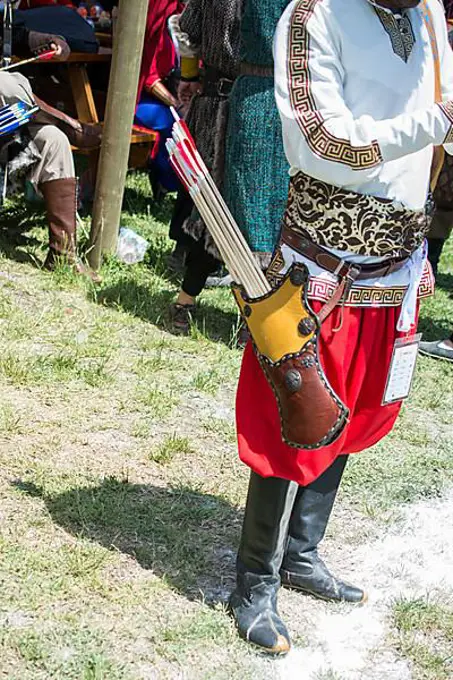
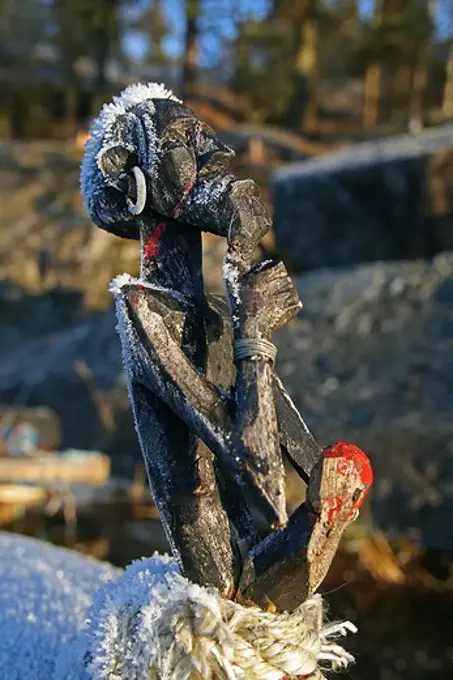
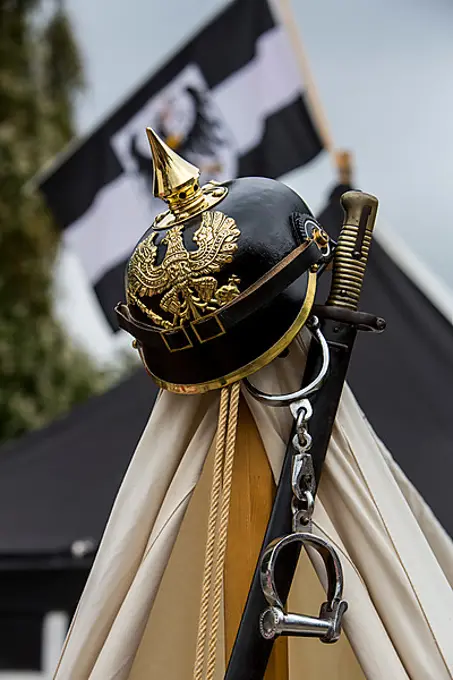
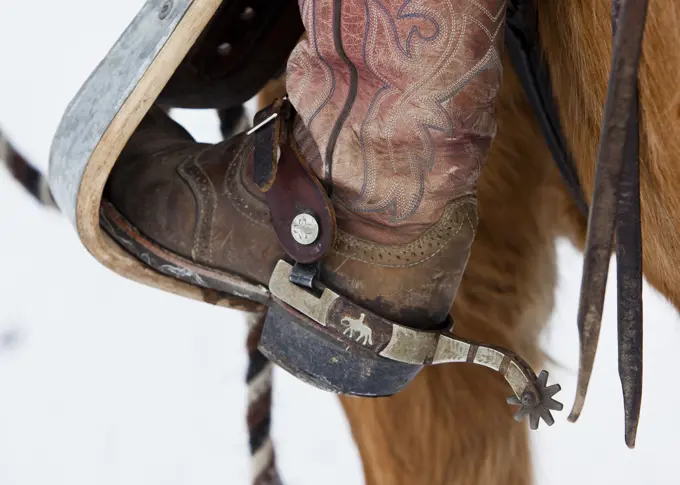
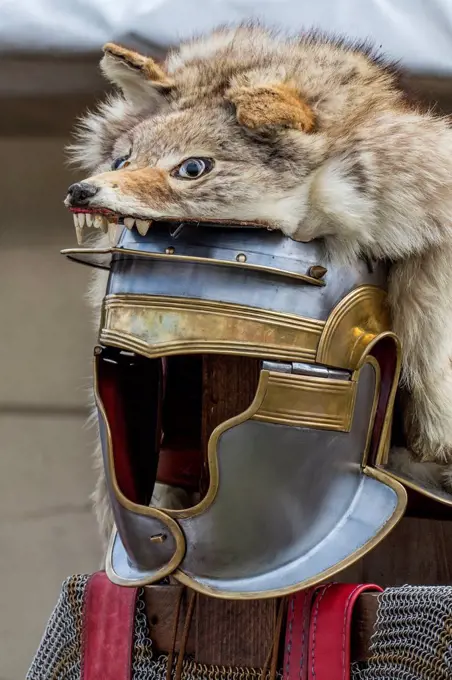
Oman, General, Detail Of Traditional Silver Curved Dagger Or Khanjar Worn At The Waist By Omani Men.Japanese sword takana on red satin backgroundSpain, Toledo. Swords on display in a shopSperm Whale weather vane on the dock in Monterey Harbor, CaliforniaGladiator holding ax isolated on whiteOld style wooden arrows in the case of an archerSet of hand drawn various weapon. Vector illustration.Gladiator with hammer isolated on whiteCarved wooden tribal statue on a boat, Drevviken, SKnights' armors, Altes Schloss old castle, Meersburg castle, Meersburg on Lake Constance, administrative district of Tuebingen, Bodenseekreis district, Baden-Wuerttemberg, Germany, EuropeArmor in the Armory of Churburg Castle, the largest private armory in the world, 1260, Schluderns, Bolzano, Trentino-Alto Adige, Italy.Roman soldierGerman spiked helmet put up on a tent, Prussian military camp, at a meeting of historical re-enactment performers, Oberhausen, North Rhine-Westphalia, Germany, EuropeDiving suit helmet Middle shot old diving suit helmet isolated photo Copyright: xZoonar.com/DanielxFerreira-LeitesxCiccarinox 19512002Detail shot of Cowboy BootRoman Festival, Biriciana, fort area, Weissenburg, GermanyEngland, Yorkshire, Leeds, The Royal Armouries Museum, Display of Medieval ArmourClose-up of a Range Rider toy, 1930