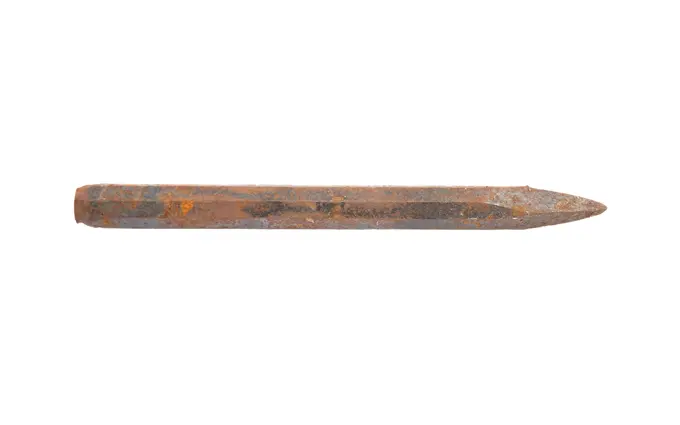
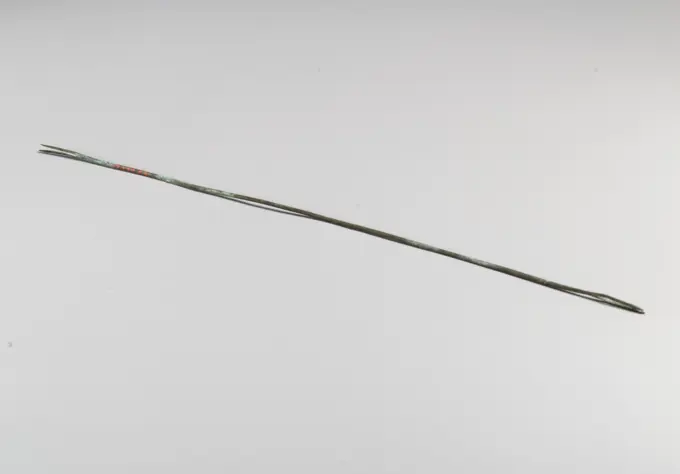
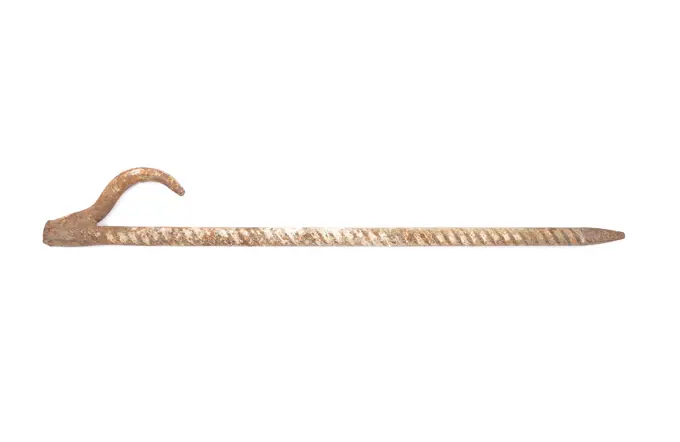
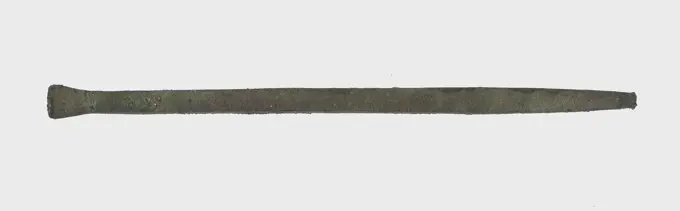
Historical Weapons

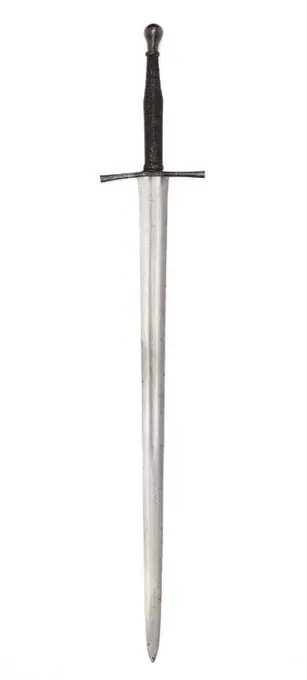
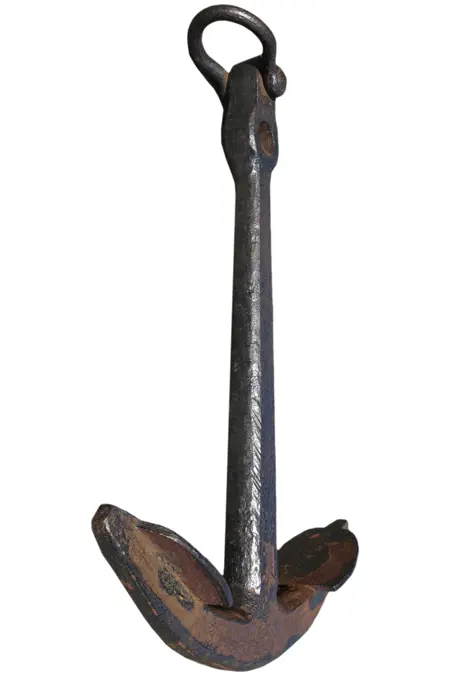
An array of historical weapons and tools, including bayonets and ceremonial swords, presented in a minimalist style, emphasizing their craftsmanship and historical significance.
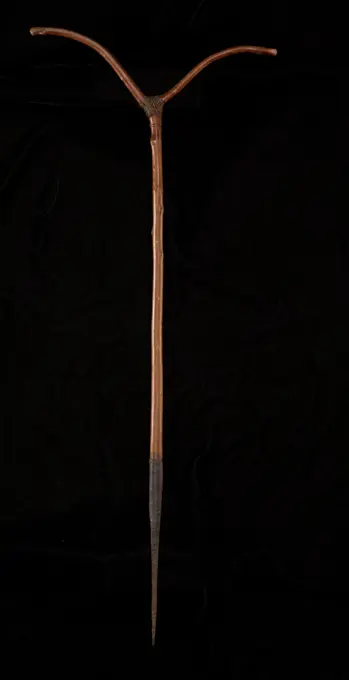
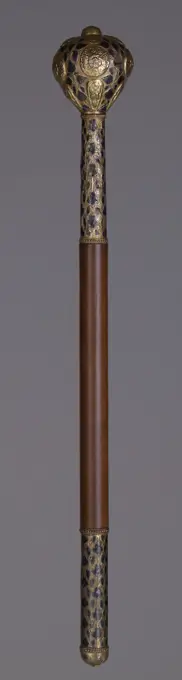
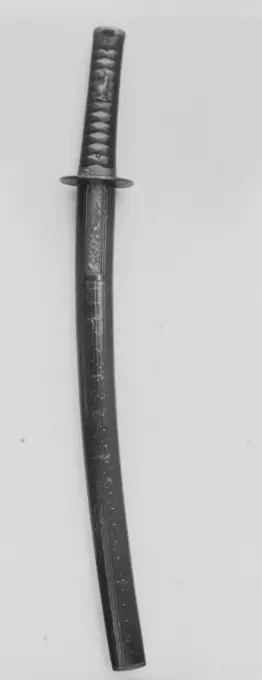
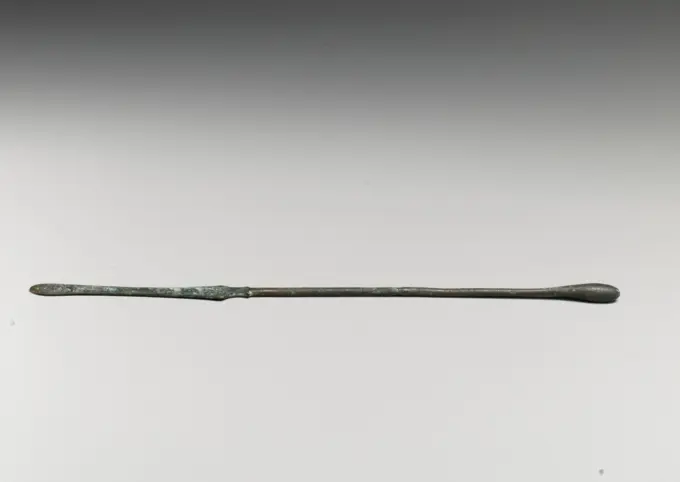
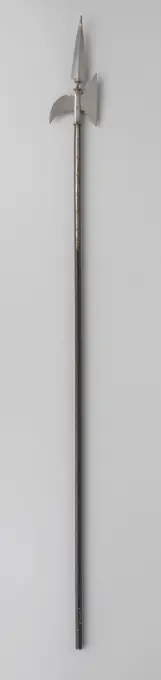
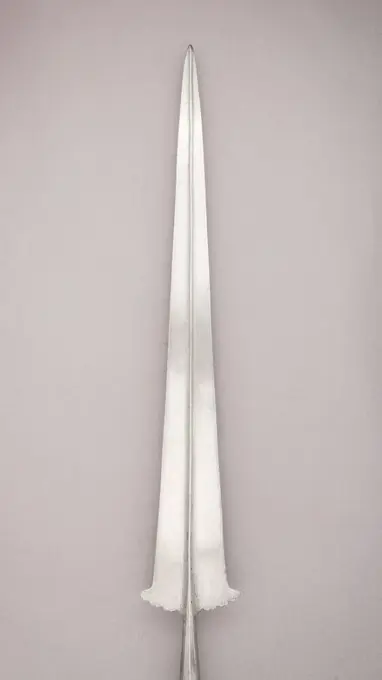
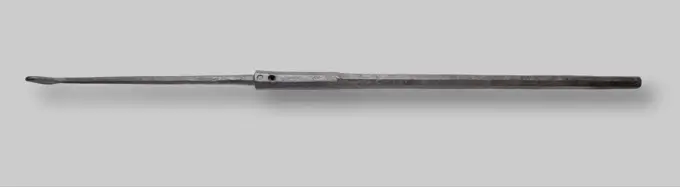
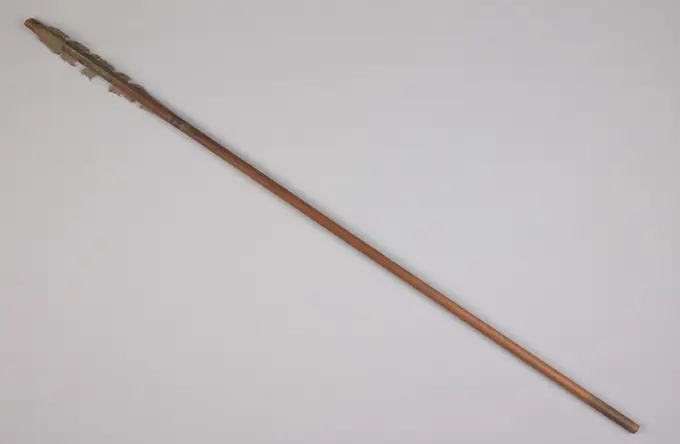
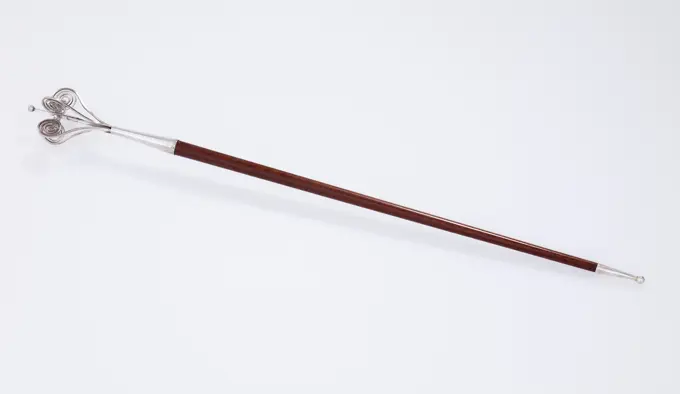
Staff, 1900-1950, 38 × 14 9/16 × 1 in. (96.52 × 36.99 × 2.54 cm), Wood, metal, Ethiopia, 20th century
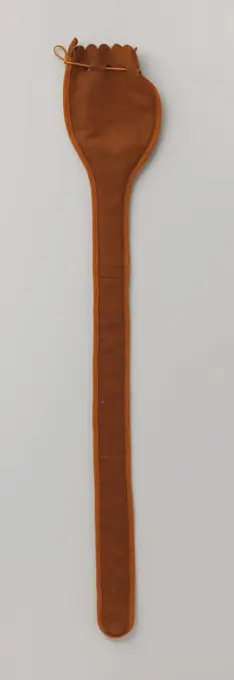
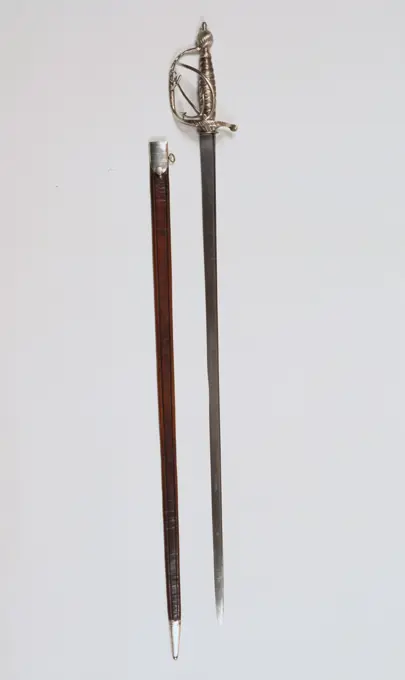
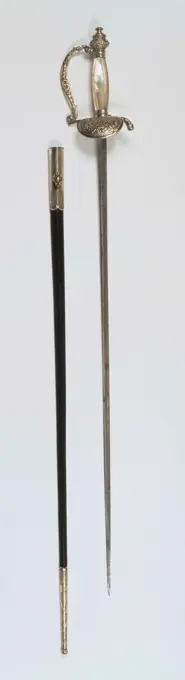
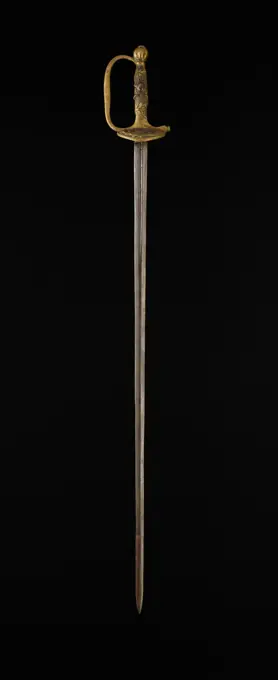
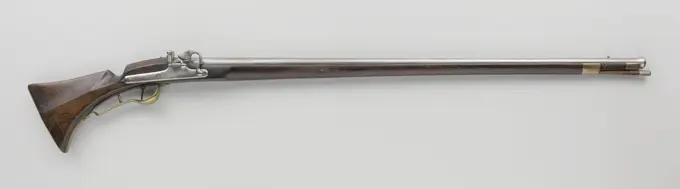
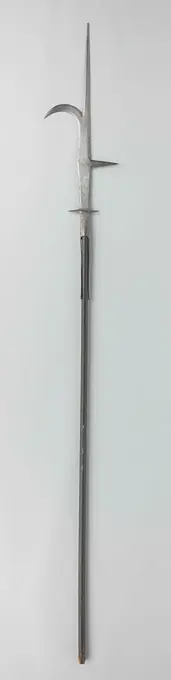
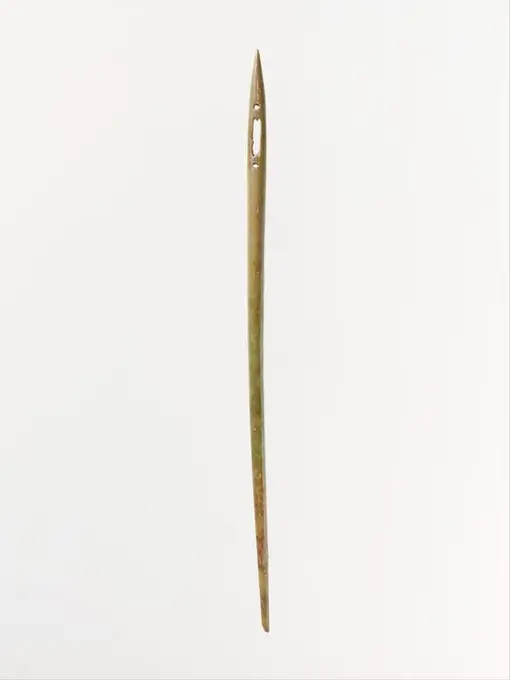
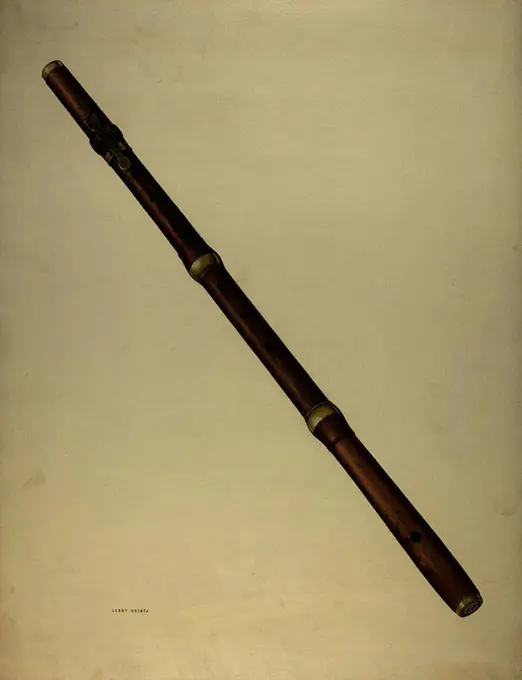
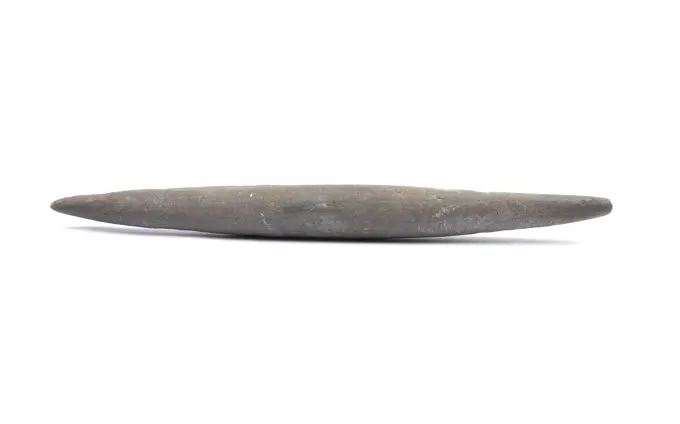
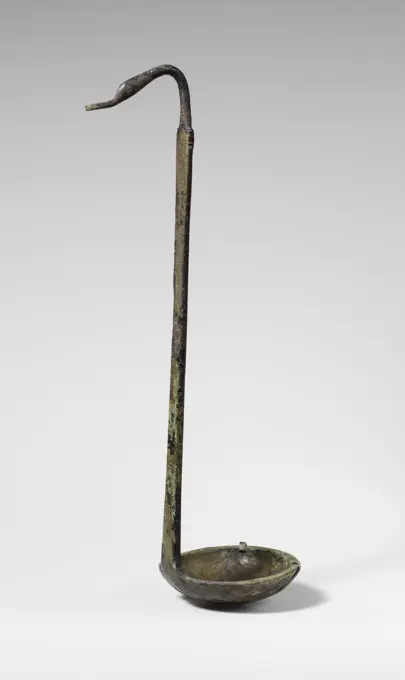
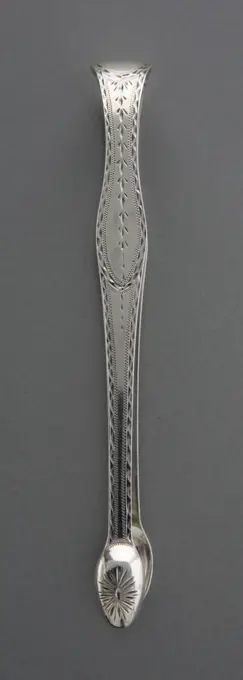
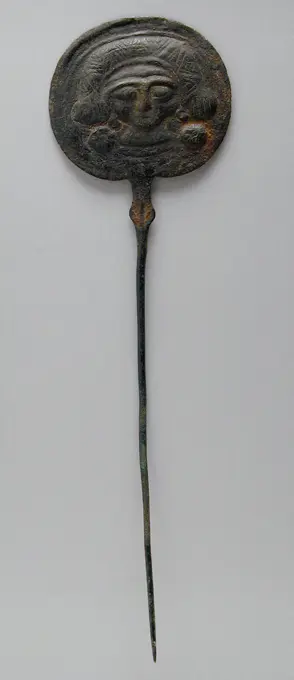
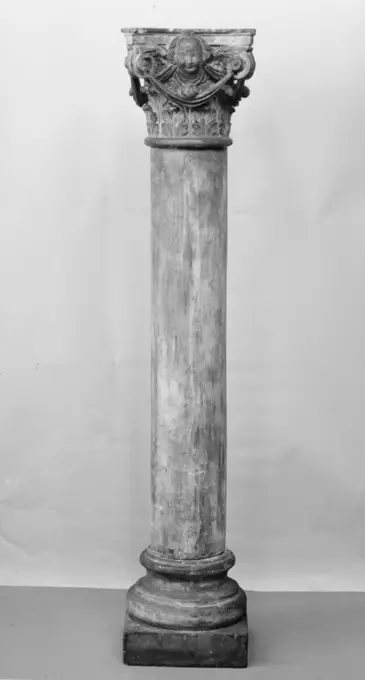
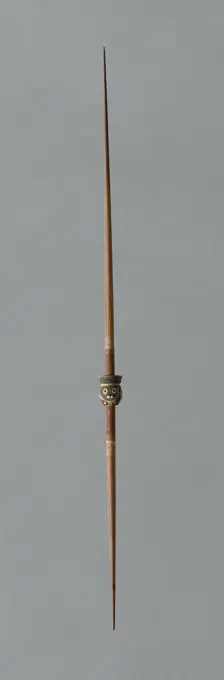
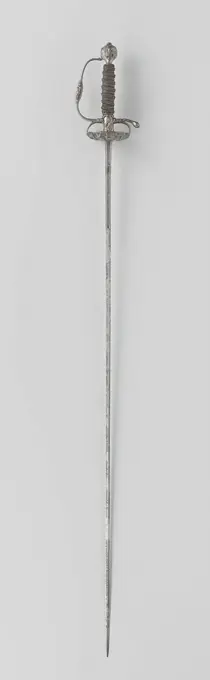
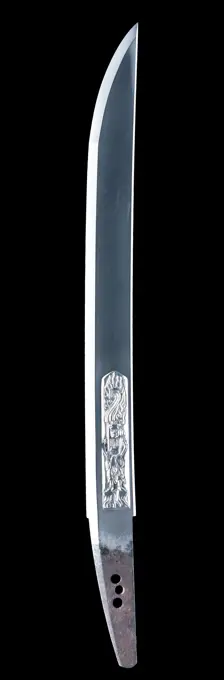
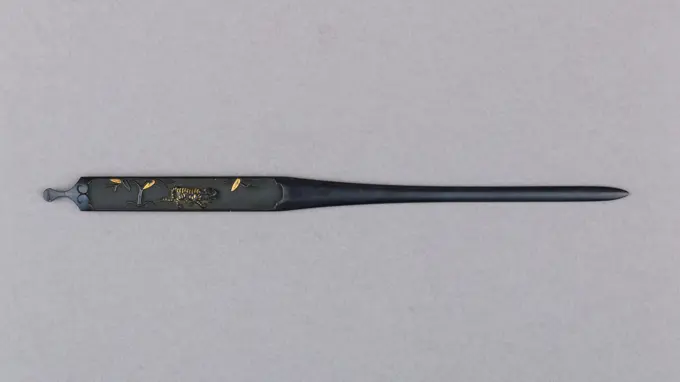
Bayonet with sheath, horizing a flint rifle for Staatse Army, Lambertus Michaelis Thone, c. 1795 - c. 1806 bayonet Bayonet with leather sheath, horizing a flint rifle in front of the State army; Identical to the French model 1777. Amsterdam iron (metal). leatherKick of iron, anonymous, c. 1400 - c. 1950 A kick.  iron (metal) A kick.  iron (metal)Endui for Degen in Schede belonging to the office costume of Dr. A.H.J. Lovink, fa. Frans Pauwels, c. 1850 - c. 1950 dress sword Velt Euui For Degen in Schede belonging to the official costume of Dr. ir. A.H.J. Lovink. The Hague felt (textile)   Dutch East Indies, ThePen Case and Inkwell 19th century Objects like this pen case and inkwell were typically stored in open niches in reception rooms of upper-class Syrian residences during the Ottoman period.. Pen Case and Inkwell 443578Cornetto in A 17th century German Composed of two carved-out wooden halves, wrapped with embossed leather. The mouthpiece is missing.. Cornetto in A 503950ka; Hempel, brothers (Warsaw; Wytwórnia Z Otnicz; 1894-1944); 1908-1917 (1908-00-00-1917-00-00);Degen with sheath reminding of the conquest of St. Lucie by Lieutenant W. O. Bloys van Treslong, Anonymous, 1800 sword Straight sword with slender one -cut blade, pare ring with openwork abstract motifs, bump plate openly with anchor, round oval pommel with sloping ridges. Brown leather sheath with silver point and one support ring. Marked: on the front bracket: Amsterdam; R (annual letter 1800); Idm. Inscription: On the front bracket: Dienenke for the conquest of the French Cannon: Brik La St. Lucie for Lillo on March 20, 1793. Inscription: On the back of the blade: illegible. Amsterdam Kling: Iron (Metal). hilt, funnel, bus: Silver (Metal). Schede: Leather forging / striking (metalworking) / engraving / sewing  LilloAxe 18th-19th century Indian. Axe. Indian. 18th-19th century. Steel, wood, iron, brass. Shafted WeaponsSabel, anonymous, c. 1600 - c. 1699 sabre Sabel with curved blade, iron hilt and legs handle, choir 76 1/2 cm on which engraved a sun, a moon and armed arm.  iron (metal). gevest: bone (material)Staff, 1900-1950, 38 × 14 9/16 × 1 in. (96.52 × 36.99 × 2.54 cm), Wood, metal, Ethiopia, 20th centuryPilgrim pole of wood, decorated with relief cut ornaments, anonymous, c. 1500 - c. 1600 Pilgrim pole of wood, decorated with relief cut ornaments, including contiguous diamond shapes with a flower in the middle of a flower. Netherlands (possibly) whole: Wood (plant material) cutting Pilgrim pole of wood, decorated with relief cut ornaments, including contiguous diamond shapes with a flower in the middle of a flower. Netherlands (possibly) whole: Wood (plant material) cuttingDigging stick Chimú or Chancay 12th-15th century View more. Digging stick. Chimú or Chancay. 12th-15th century. Silver (hammered), copper, wood. Peru. Metal-ImplementsPoint or end of a sweetheart. Point or end of a sweetheart.Degen van Mr Ch. J. M.A. van Rooy, gouverneur van Limburg.Degen with sheath with the "your maintrai", gold-colored. Associated with the officer of C.J.M.A. Van Rooy, Governor Van Limburg.Black lacquered Schede with Nashiji from Malachite-Groene Pulver, Seki school, c. 1500 - c. 1700  Japan metal. lacquer (coating)  Japan metal. lacquer (coating)Openwork PinLans belonging to Cornelis Tromp, Anonymous, c. 1650 - c. 1679 pike Lans with lacquered wooden stick, yellow -cut shoe, curved blade with yellow and red -copper batter. The blade of the lance has a Japanese shape, but misses a hole in the sting for the attachment of the blade to the stick. The Angel has a rough surface that was rubbed with resin and so fixed in the hole of the stick. This way of assembling is characteristic of stick weapons and white weapons from Southeast Asia. North Vietnam (Possible) Japan copper (metal). brass (alloy). cypress (wood). lacquer (coating). steel (alloy)Tongs; Hilscher, Carl Gottlieb (Fl. 1812-1849); 1822-34 (1822-00-00-1834-00-00);Pitch Hernandez, Sebastian (fl. 1550 1600)Weaving tool ca. 1295-1070 B.C. New Kingdom, Ramesside. Weaving tool. ca. 1295-1070 B.C.. Wood. New Kingdom, Ramesside. From Egypt, Memphite Region, Lisht North, Late New Kingdom Settlement, MMA excavations, 1920-22. Dynasty 19-20Arrow Point, 1700s. Japan, Edo period (1615-1868). Steel; overall: 17.4 cm (6 7/8 in.); head: 3.2 cm (1 1/4 in.).Musket, anonymous, c. 1625 - c. 1650 matchlock rifle Musket with wick lock: flat, narrow and rectangular lock plate, fixed with two lock screws. Loop is octagonal, with visor (tube) and openwork grain. On the drawer leaf decoration of inlaid brass wire and pieces of mother -of -pearl. Two dense brass drawer bands. On the flask leaf rank decoration of inlaid brass wire and pieces of mother -of -pearl, the largest of which with engraved branches. Kolfplaat. Marked lock plate. Renewed tractor bracket. Low Countries iron (metal). walnut (hardwood). brass (alloy). mother of pearl forging / cutting / striking (metalworking) / engraving ornaments ~ artHandle-Shaped Jade 2000 BCE-1000 BCE China. Jade .Musket, Jan Knoop, c. 1637 - c. 1688 matchlock rifle Slot: Lontslot. Lightly roasted, narrow lock plate, from behind with spent bulge, secured with three lock screws. Walk: round, with a thickening around the tromp. Grain of brass. Drawer: unadorned. Two dense brass drawer bands. Kolf: copper flask. Signed: Jan Knoop Utrecht/Slotplaat. Utrecht iron (metal). wood (plant material). walnut (hardwood). brass (alloy). copper (metal) forging / cutting / striking (metalworking)Flauta travesera. Siglo XVIII. Museo de la Música, Barcelona.Przeszo Przyszoci unknownPaardenschender of gleve.The blade splits itself at the top in a long narrow triangular blade and a sideway crooked hook. About halfway the blade (on the other side of the hook) a horizontal point. At the bottom there are two small, pointed protrusions on either side. On the blade a gravering with a soldier's representation and a Sagittarius on the downside.Sabel Officer Lichte Cavalry Model NR. 1 Met Schede, Bodyguards, 1814, Anonymous, c. 1814 - C. 1815 sabre In use with dragoons. Flat sharply curved blade. Steel sheath, two separate rings, one of which is missing. Coming from and worn by Mr Braams as Garde de Corps of the Souvereine Vorst (1812-1814). Netherlands Schede: Steel (Alloy). Kling, handle hood, bump: Iron (metal). Beugel, Schede: Iron (Metal). Handle: Leather. grip:   NetherlandsMeter with handle for textile industry, Hendrik Aeneae (attributed to), c. 1800  Meter with division into decimeters. From point to 3 cm for handle is 100 cm; Last decimeter at handle divided into cm and half decimeters. Handle has diagonal notches. Netherlands wood (plant material)   NetherlandsCandelabra 15th century French or Spanish. Candelabra 468084Ivory needle. Culture: Roman. Dimensions: H.: 5 13/16 in. (14.8 cm). Date: 2nd-3rd century A.D..Ivory needle. Museum: Metropolitan Museum of Art, New York, USA.Forket ,, c. 1599 - c. 1799  Furket or musket fork with wooden brown shaft. At the end of the shaft an iron square shoe which flows into a point. The fork is on both cartel -shaped. Low Countries Fork, shoe: Iron (metal). Shaft: Wood (Plant Material)Breikoker, Th.C. Moot, c. 1812 - c. 1830 Brekikoker with tube with hook made of silver. The hook is missing. Utrecht silver (metal) Brekikoker with tube with hook made of silver. The hook is missing. Utrecht silver (metal)Sheath of LANs belonging to arms race from Cornelis Tromp.Black Lacquered Wooden Sheath of Lans, with selector battered.Blade and Mounting for a Short Sword (Wakizashi) blade, 16th century; mounting, early-mid 19th century Japanese A wakizashi is a short sword with a blade between 30 and 60 cm long, usually worn in tandem with a full-length sword (katana). Wakizashi were fashionable in the Muromachi period (1392-1573) and later.. Blade and Mounting for a Short Sword (Wakizashi). Japanese. blade, 16th century; mounting, early-mid 19th century. Steel, wood, lacquer, silk, rayskin (samé), baleen, iron, gold. SwordsBronze specillum (probe) 1st-2nd century A.D. Roman Such instruments have been found in sets of Roman surgical instruments and may have been used as probes. However, it is believed that they also were used for mixing and applying medicines, cosmetics, and paint pigments.. Bronze specillum (probe) 250623 Roman, Bronze specillum (probe), 1st2nd century A.D., Bronze, Other: 4 5/8 in. (11.8 cm). The Metropolitan Museum of Art, New York. Rogers Fund, 1917 (17.230.96)Sergeantshellebaard, 1650 - 1700 Halberd Short blade with a strong tapered shape with a sharp middle bone; At the bottom of two porters. Hexagonal tapered house with a disc -shaped button and a ring -shaped profile below. The house has a right through gap through which the ax and hook, which are forged into one, are stabbed through. This whole is secured with two flat -filed rivets. Both the ax and the hook have committed cutting out. Ramped feathers. Round (ash wood) stick (black -yellowed) without shoe. Low Countries wood (plant material). iron (metal)   Low CountriesBore Measuring Rod, Rijkswerf Fijenoord, 1843 measuring rod. artillery accessories Bat with a brass yardstick on one side and a round wooden disc at one end. The end where the disk is has been completed to follow the bottom of the room of the cannon. The yardstick is classified in 100 cm at the other end. RotterdamYellow meat steward, four-part end, meat stalk soil found copper metal, struck sawn Copper peg pen Conical in shape with sharp point. Tip cross-cut so that four parts are created to clamp decoration material in archeology Rotterdam Stadscentrum Stadsdriehoek Oudehaven serve serve to decorate feast meal Soil discovery: Oude HavenCombined Walking-Cane, Gun, Pistol, Sword, and Dagger Made 1830-1870 India subcontinent. Wood, iron, steel, and silver .Partisan. Culture: Italian. Dimensions: L. 8 ft. 8 7/8 in. (266.4 cm); L. of head 36 1/4 in. (92 cm); W. 5 3/4 in. (14.6 cm); Wt. 5 lbs. 4 oz. (2381.4 g). Date: ca. 1550. Museum: Metropolitan Museum of Art, New York, USA.Haakbus, anonymous, 1400 - 1450  Crochet bus with an octagonal run in a seven -sided rod. The octagon jumps at 91 cm from the mouth. Zundgat on top of the loop. The blacksmith's brand is applied to the left side of the hook, and the room behind the Zundgat has 3 plot marks. The rod ends in a vertical ring. Doetinchem iron (metal) casting / forging  DoetinchemMustard Spoon,  1806 - 1841Stick from the tooth of a narwal with a gilded copper button and eye, with copper point, anonymous, c. 1775 - c. 1800 Stick from Witas of a narwal with a gilded copper button and eye. With copper point. A edge decoration is engraved above and below along the button. Netherlands (possibly) stok: tooth (material). knop: copper (metal). ring: copper (metal). punt: copper (metal) gilding / striking (metalworking) / striking (metalworking) Stick from Witas of a narwal with a gilded copper button and eye. With copper point. A edge decoration is engraved above and below along the button. Netherlands (possibly) stok: tooth (material). knop: copper (metal). ring: copper (metal). punt: copper (metal) gilding / striking (metalworking) / striking (metalworking)Zoar Flute Recorder. Dated: c. 1938. Dimensions: overall: 63.3 x 49.4 cm (24 15/16 x 19 7/16 in.). Medium: watercolor, graphite, and pen and ink on paperboard. Museum: National Gallery of Art, Washington DC. Author: Jerry Guinta.Crochet hook from bone, anonymous, c. 1900 - c. 1925 Crochet hook from leg. Netherlands whole: Bone (Material) cutting / polishing Crochet hook from leg. Netherlands whole: Bone (Material) cutting / polishingSpear 18th-19th century Indian, Rajput. Spear. Indian, Rajput. 18th-19th century. Steel, brass. Shafted WeaponsWetzstein - Sharpening stones on white Wetzstein - Sharpening stones on white Copyright: xZoonar.com/lantapixx 7042858Przeszo Przysoci unknownLeatherworking needle -Bow -Fan box of cardboard covered with gray/beige crushed paper and lined with speckled beige paper, anonymous, in or after 1897 - in or before 1919 Fan box of cardboard covered with gray/beige crushed paper and lined with speckled beige paper. Netherlands (possibly) Completely: Cardboard. whole: Paper. lining: Paper Fan box of cardboard covered with gray/beige crushed paper and lined with speckled beige paper. Netherlands (possibly) Completely: Cardboard. whole: Paper. lining: PaperPencilShovel 18th century View more. Shovel. 18th century. Iron. Possibly made in England; Possibly made in United StatesWalking stick with button of gold, anonymous, after Juste Aurèle Meissonnier, c. 1695 - c. 1750  Walking stick with a twisted gold button with a star at the top. Istanbul gold (metal). textile materials. wood (plant material) castingCaduceus-form, Cast and granulated gold, carved ivory, Hair ornament in the form a caduceus (wand of the god Mercury), with two winged, entwined dragon heads in gold on a tapering ivory shaft., Rome, Italy, ca. 1875, jewelry, Decorative Arts, Hair ornament, Hair ornamentSergeantshellebaard, 1650 - 1700 Halberd Short blade with a strong tapered shape with a sharp middle bone; At the bottom of two porters. Hexagonal tapered house with a button at the top consisting of three discs and a ring -shaped profile below. The house has a right through gap through which the ax and hook, which are forged into one, are stabbed through. This whole is secured with a flat -filed rivet in the middle. Both the ax and the hook have committed cutting out. Two ramped feathers. Round (Esshouten) Stick (black -painted) with pointed shoe. Low Countries wood (plant material). iron (metal)   Low CountriesDegenstok, Solingen, c. 1500 - c. 1900 sword Degenstok with square blade. The handle and button are made of wood with circles. Marked: A. Solingen and mark. Schede is missing. Solingen iron (metal). wood (plant material)Bronze ladle with handle ending in a duck's head 5th century B.C. Etruscan. Bronze ladle with handle ending in a duck's head 251123 Etruscan, Bronze ladle with handle ending in a duck's head, 5th century B.C., Bronze, H.: 11 1/4 in. (28.6 cm) Diam.: 2 7/8 in. (7.3 cm). The Metropolitan Museum of Art, New York. Rogers Fund, 1921 (21.88.130)Joseph Richardson Jr., Sugar Tongs, c. 1790, silver.Disc - headed Pin. Iran, Luristan, Luristan bronzes, circa 1000-650 B.C.. Jewelry and Adornments; pins. Bronze, hammeredRed Corn Snake 'Pewter' on white backgroundShovel 18th century. Shovel. 18th century. Iron. Possibly made in England; Possibly made in United StatesOpenwork PinMeissel - Chisel on white Meissel - Chisel on white Copyright: xZoonar.com/lantapixx 7204082Needle, netting. Needle, netting 250601 Needle, netting, Bronze, Other: 7 3/4 in. (19.7 cm). The Metropolitan Museum of Art, New York. Rogers Fund, 1917 (17.230.68)Eisenstange - Iron rod on white Eisenstange - Iron rod on white Copyright: xZoonar.com/lantapixx 7084469Carpenter's Chisel ca. 1390-1353 B.C. New Kingdom. Carpenter's Chisel. ca. 1390-1353 B.C.. Bronze or copper alloy. New Kingdom. From Egypt, Upper Egypt, Thebes, Malqata, Houses G-K, MMA excavations, 1910-11. Dynasty 18Chocolate muddler, c. 1760, 16 3/8 x 1 5/8 x 1 5/8 in. (41.59 x 4.13 x 4.13 cm), Silver, wood, England, 18th centuryHand-and-a-Half Sword. German, Passau. Date: 1500-1533. Dimensions: Overall L. 123 cm (48 3/8 in.)Blade L. 93.3 cm (36 3/4 in.)Wt. 3 lb. 10 oz. Steel, iron, cord, and wood. Origin: Germany. Museum: The Chicago Art Institute, Chicago, USA.Bone pin. Culture: Roman. Dimensions: H.: 8 7/16 in. (21.4 cm). Date: mid-1st-3rd century A.D..The length of this pin suggests that it may have been used in a woman's elaborate coiffure. Museum: Metropolitan Museum of Art, New York, USA.Anchor An anchor to attach ships to the bottom of the sea - isolated over white background Copyright: xZoonar.com/ClaudioxDiviziax 1625135Mustard spoon 1797 John Emes. Mustard spoon 208875Silver Products Factory K.F. Malcza (Warsaw; Sreber label; 1828-1864), Malcz, Karol (1797-1867); 1887 (1887-00-00-1887-00-00);Close-up of modern standard lampSword, Wallonia, Anonymous, 1650 - 1675 sword Épée Wallonne derivative. The Iron Sterk consists of an encling button with a prominent angel button on it and the fist bracket screwed on to both the pare bar with a curl at the end and in the parallel brackets that are filled with an irregularly arranged plate with circles and a few multi -pointed stars; equipped with a thumb; The wooden handle is thicker in the middle and wounded with twisted iron wire of different thicknesses and a braided handle ring on top and bottom. The straight blade is biling; marked on both sides with a running wolf flanked by an inverted 14 and on the outside of the Angel O T under a crown. Wallonia iron (metal). wood (plant material).PunchLadle.   Maker: William S. Burdick, American, active ca. 1812-1814hammer on a white backgroundHalf of a sawn -through tie pin, 1998 Half of a sawn -through tie pin in wire work; The other half of the tie pin is incorporated into a pendant composed of sawn jewelry on the cord chain of silver. The sawn -through jewelry comes from Marjan Unger's mother. maker: NetherlandsBussum metal sawing Half of a sawn -through tie pin in wire work; The other half of the tie pin is incorporated into a pendant composed of sawn jewelry on the cord chain of silver. The sawn -through jewelry comes from Marjan Unger's mother. maker: NetherlandsBussum metal sawingExample of tools used to make the Staffordshire Hoard. Dated 7th CenturyBox -Rifle, anonymous, 1600 - 1649 matchlock rifle Rifle with wick lock, marked with crowned N. de Haan is missing.  loop, slot: iron (metal). kolf, lade: wood (plant material)Frame mirror Wooden mirror frame isolated included clipping path Copyright: xZoonar.com/Baloncicix 14290245Column (one of a pair) ca. 1500 Italian. Column (one of a pair). Italian. ca. 1500. Limestone. Sculpture-ArchitecturalWooden Spindle Made 1000-1476 Peru. Wood .Pair of Lappets (Joined) Made 1850-1875 Bayeux. Silk, bobbin straight lace .Understop of parasol or umbrella of rotting with alpaca ball on ring and with blunt, metal point, gustav schnitzler, c. 1920 - c. 1940 Understop of parasol or umbrella of rotting with alpaca ball on ring and with blunt, metal point. Nijmegen Bol: German Silver. Ring: metal. Stok: Rattan. Punt: Metal Understop of parasol or umbrella of rotting with alpaca ball on ring and with blunt, metal point. Nijmegen Bol: German Silver. Ring: metal. Stok: Rattan. Punt: MetalHandel van Vertind IJzer, Anonymous, 1600 - 1800 Handen of Vertind iron. Consisting of four parts, connected by one -sweet hinges. The parts are successively: a trapeza shape; An elongated cross; A long plate with two wide, square ends; A long plate with a wide, square end on one side and culminating on the other side in the form of a Greek Y.  iron (metal). tin (metal) Handen of Vertind iron. Consisting of four parts, connected by one -sweet hinges. The parts are successively: a trapeza shape; An elongated cross; A long plate with two wide, square ends; A long plate with a wide, square end on one side and culminating on the other side in the form of a Greek Y.  iron (metal). tin (metal)Italy, Pisa Province, Volterra, Bronze statue depicting figure making offeringJade perforator form the Olmec period. Dated 4th Century BCPencil closeup on white backgroundChatelaine, Silver, Italy, early 19th century, jewelry, Decorative Arts, ChatelaineHairpin 7th century Frankish. Hairpin 465423 Frankish, Hairpin, 7th century, Bronze, Overall: 6 1/2 x 3/16 in. (16.5 x 0.4 cm). The Metropolitan Museum of Art, New York. Gift of J. Pierpont Morgan, 1917 (17.193.116)Przeszo Przyszoci unknownPassement of linen and yellow side in diamond pattern, anonymous, c. 1700 - c. 1899 Passement of linen and yellow side in a pattern of windows in windows. BK-NM-12186-20-A, BK-NM-12186-20-B and BK-NM-12186-21 have the same pattern. Europe silk. linen (material) Passement of linen and yellow side in a pattern of windows in windows. BK-NM-12186-20-A, BK-NM-12186-20-B and BK-NM-12186-21 have the same pattern. Europe silk. linen (material)Degen met gebeiteld ijzeren gevest met scènes uit het Oude Testament en ruiters uit de klassieke oudheid.The hilt is chiseled with classical warriors and a woman; On top of the baffle plate is an image of Susanna and the elders and Sint Joris and the dragon, on top of an unidentified scene from the Bible or mythology with a seated man and woman; The wooden handle is wounded with iron wire, probably ever blackened, and has braided handle rings on top and top. The double-sided knling has a hexagonal cross-section through in diamond-shaped and is etched with leaf drinks and a male head under a blossom branch with an arm expressed from a cloud that holds a curved sword under the inscription Soli deo gloria.Alto Recorder. Culture: British. Dimensions: Height: 20 9/16 in. (52.3 cm). Maker: Joseph Bradbury (Stapleford / Hertfordshire, England ca. 1670-early 18th century). Date: ca. 1700. Museum: Metropolitan Museum of Art, New York, USA.Blade and Mounting for a Short Sword (Wakizashi) blade, late16th-early 17th century; mounting, 19th century Blade unsigned, attributed to Sadakuni A wakizashi is a short sword with a blade between 30 and 60 cm long, usually worn in tandem with a full-length sword (katana). Wakizashi were fashionable in the Muromachi period (1392-1573) and later.. Blade and Mounting for a Short Sword (Wakizashi). Japanese. blade, late16th-early 17th century; mounting, 19th century. Steel, wood, lacquer, ray skin (samé), malachite, leather, gold, copper-gold alloy (shakud), copper-silver alloy (shibuichi),. SwordsBlade with push-button for ornamental weighing, blade sword sword vest arm part soil find wrought iron metal total h 83.0 blade h 66.0 angel h 17,0 push button, Passauer armor brand de Rennende Wolf and IN MINI in the trench archeology militaria Rotterdam Stocking Maas archaeological find in the soil baggervondst de Kous Rotterdam 1913.Hair Dressing Tool (Kogai) 17th century Japanese A kōgai is a hairdressing tool that is part of a sword mounting. The long slender implement is carried in a slot on the obverse of a katana scabbard, often with a matching kozuka (handle of a by-knife) in a slot on the reverse.. Hair Dressing Tool (Kogai) 35062