Historical Weapons

An array of historical weapons and tools, including bayonets and ceremonial swords, presented in a minimalist style, emphasizing their craftsmanship and historical significance.
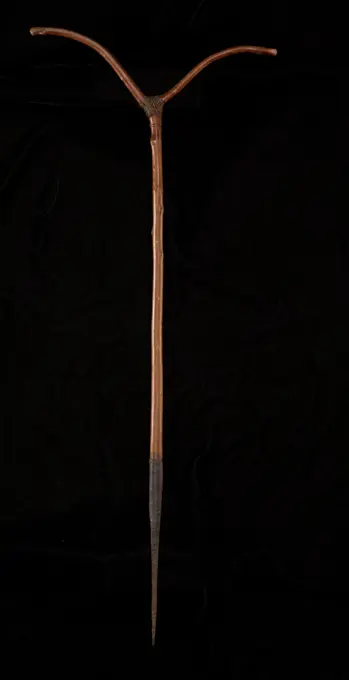
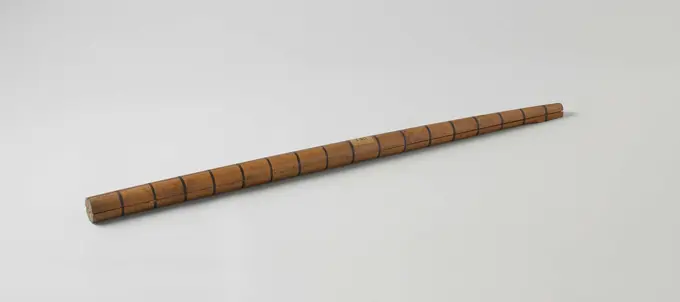
Staff, 1900-1950, 38 × 14 9/16 × 1 in. (96.52 × 36.99 × 2.54 cm), Wood, metal, Ethiopia, 20th century
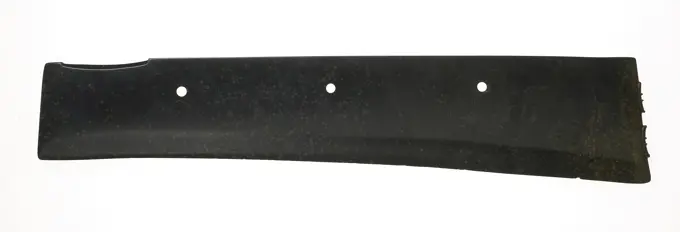
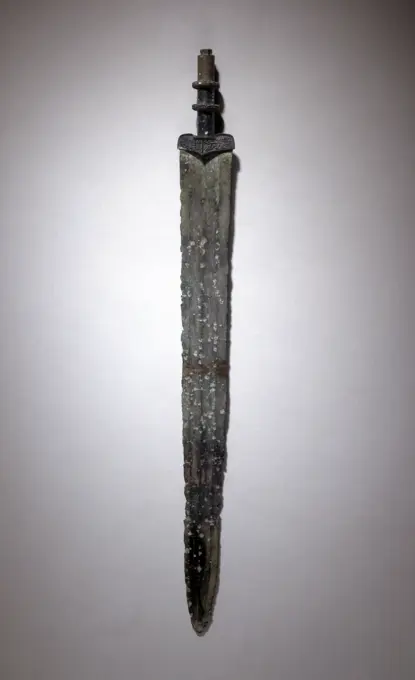
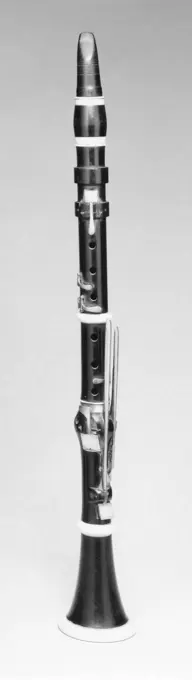
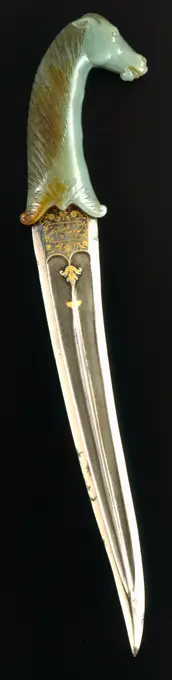
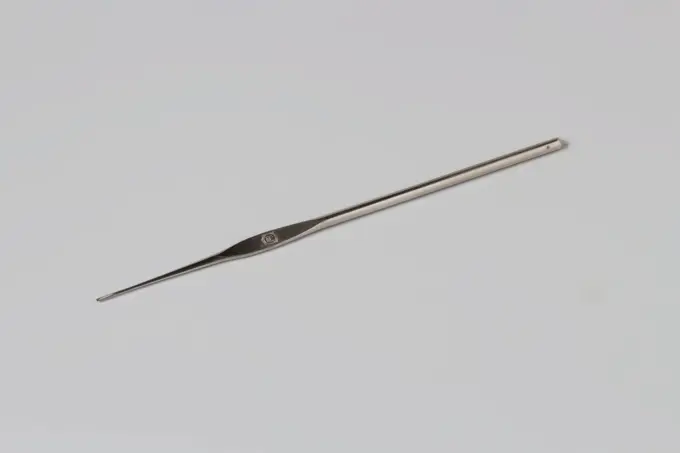
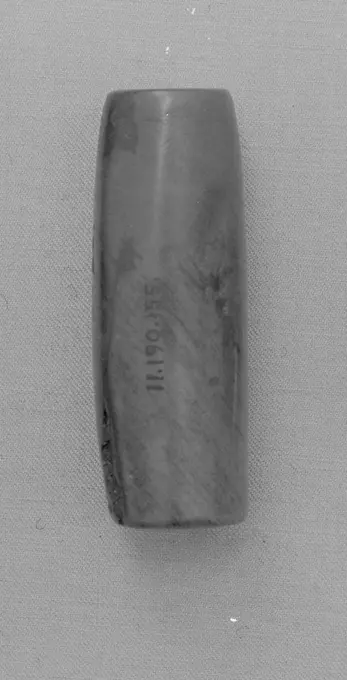
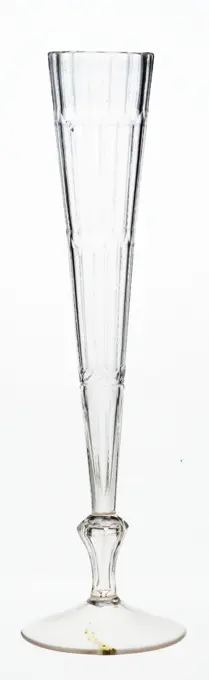
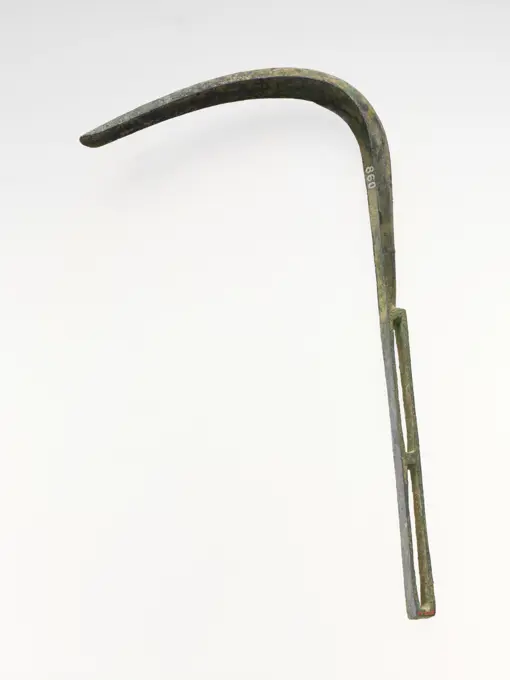
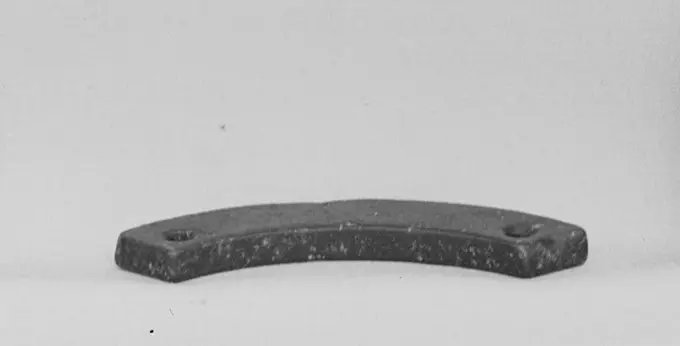
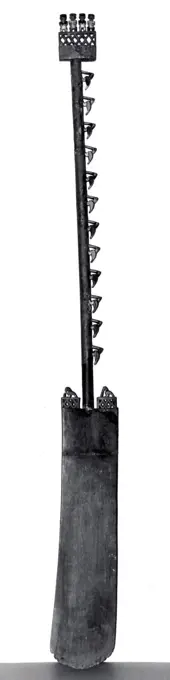
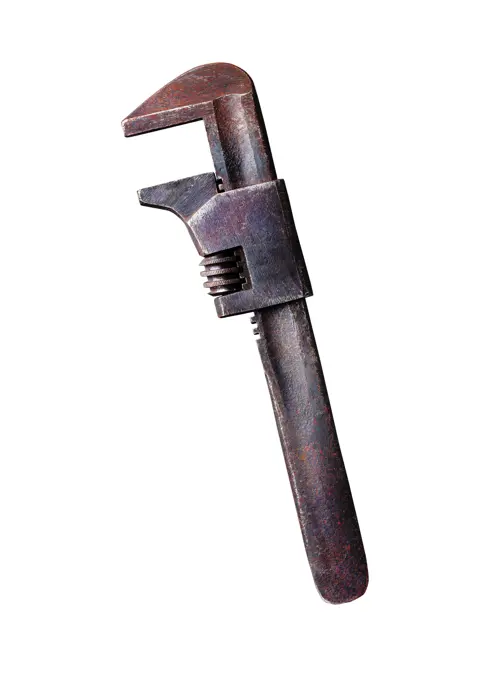
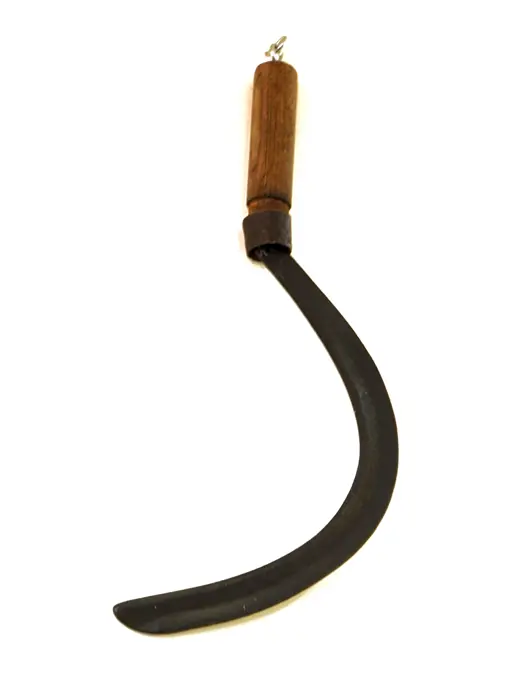
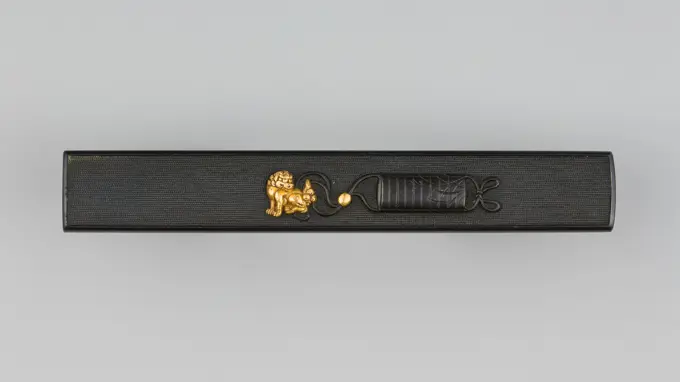
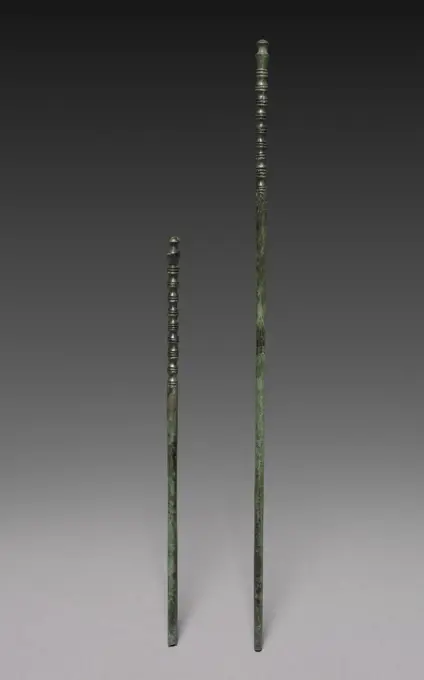
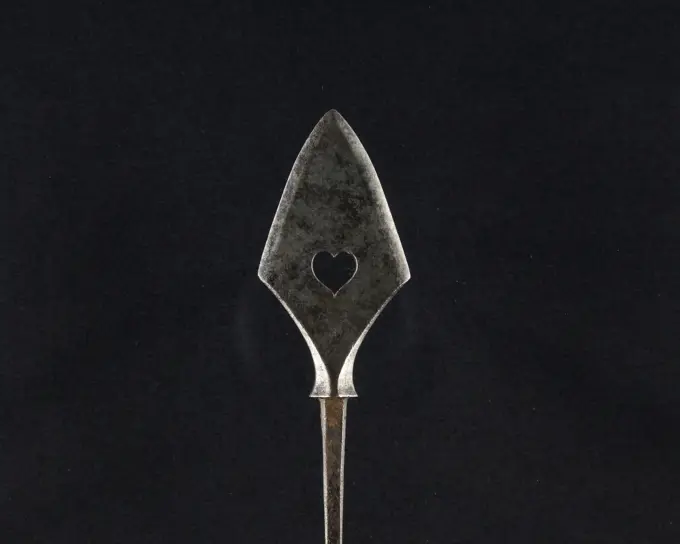
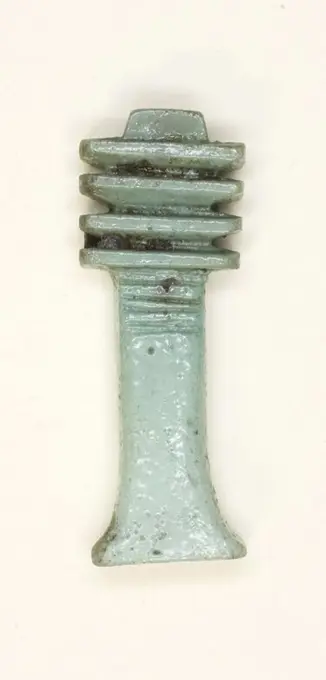
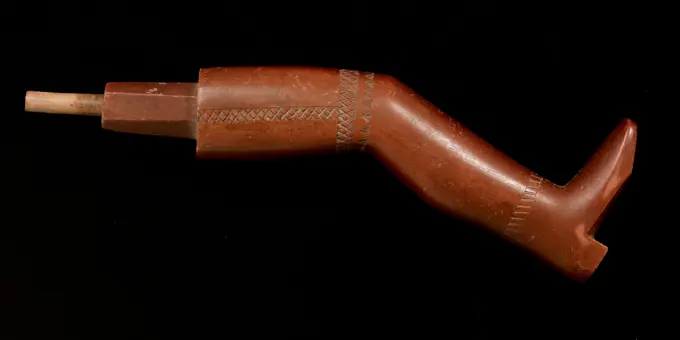
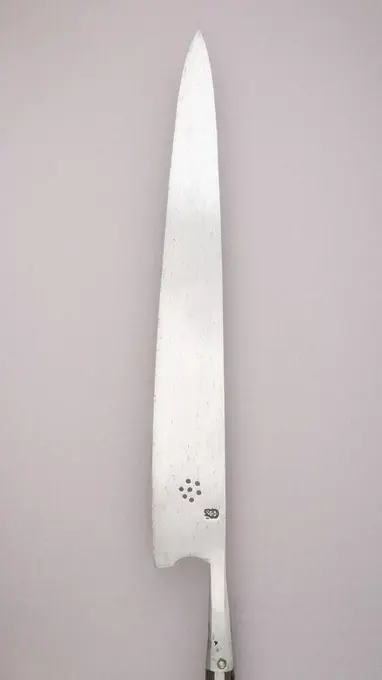
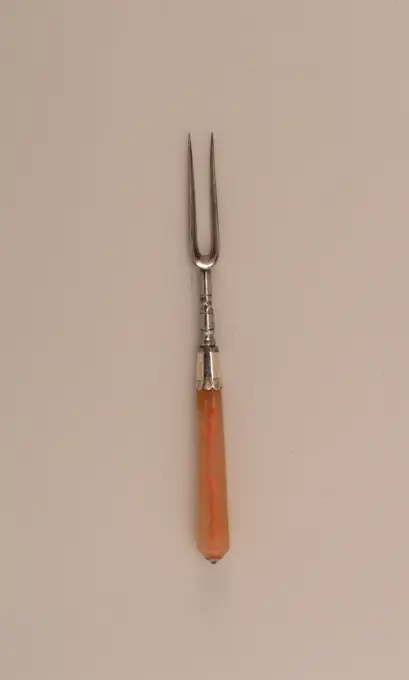
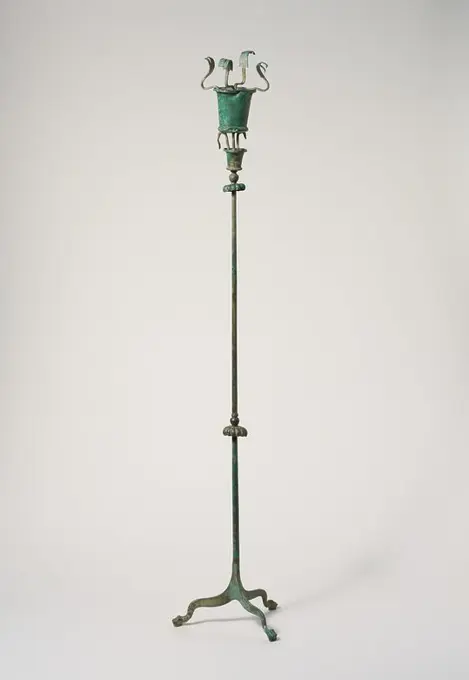
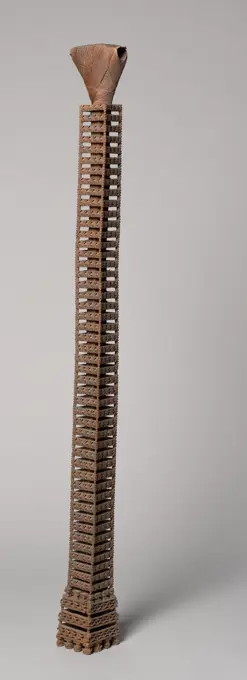
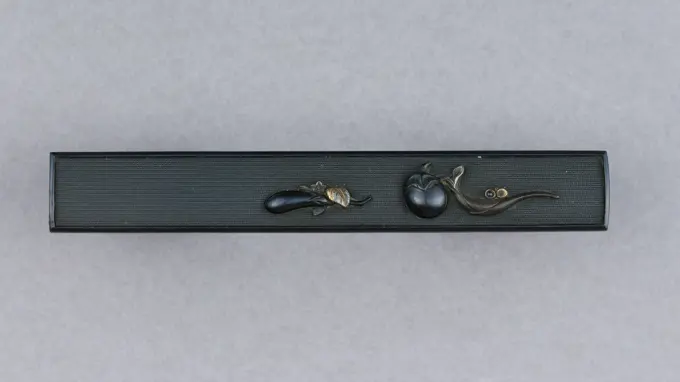
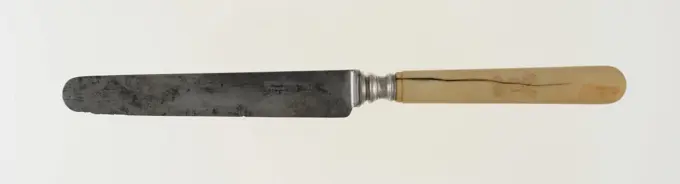
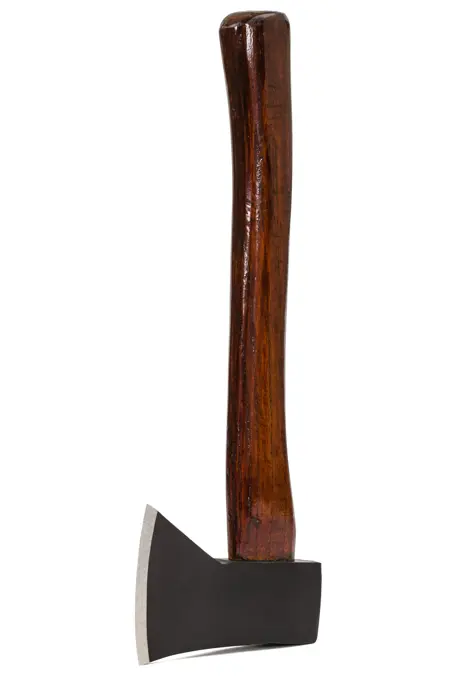
Pallasch with scabbard after prince Józef Poniatowski unknownSpoon possibly 18th century Southern Italian or Northern African. Spoon. Southern Italian or Northern African. possibly 18th century. Wood, coral, mother-of-pearl, brass and wax. Natural SubstancesExtendable copper tube for parasol, anonymous, c. 1825 Extendable copper tube for umbrella, yellowy. It looks like the narrowest part is missing. Netherlands copper (metal) forging / painting  Netherlands Antilles Extendable copper tube for umbrella, yellowy. It looks like the narrowest part is missing. Netherlands copper (metal) forging / painting  Netherlands Antillesdried brown rolled Cinnamon stick isolated dried brown rolled Cinnamon stick isolated on white background Copyright: xZoonar.com/ValeryxVoennyyx 14264006Molding; wood, carved; 1917-12-1White clay pipe, unnoticed, with smooth handle, clay pipe smoking equipment smoking ground find ceramics pottery, hand molded baked White clay pipe unnoticed with smooth handle Heel is messy finished archeology smoking tobaccoPIEZAS DE ARMONIO POR DONDE SE PRODUCE EL SONIDO.Hairpin 1870s American. Hairpin 117766Hu Trapezoidal Blade, 1122-722 BCE, 17 1/16 x 3 9/16 x 1/4 in. (43.34 x 9.05 x 0.71 cm), Mottled black jade, spotted with yellow sparkles, China, 12th-8th century BCEBobbin Lace Lappets and Edging for Cap, 18th century. Belgium, Binche, 18th century. Lace, bobbin: linen; overall: 188.4 x 10.5 cm (74 3/16 x 4 1/8 in.).A peak with scy -shaped hook, anonymous, c. 1599 - c. 1799  Peak with iron scythe -shaped hook on a dark brown wooden shaft. The blade is two -edged and splits in the middle. One half walks in a point of which a cutting side enters in a point. The other half bends and therefore has the shape of a scythe. Before the split point, an in -grained inscription of a wheel with five spokes and a sign that consists of a semicircular circle with two continuous lines. The blade is attached to the shaft with two springs with two rivets on each side. The shaft is painted black and has no foot. Europe Kling, nails: Iron (metal). Shaft: Wood (Plant Material)   EuropeCurly black telephone cord.Tweezers. Dimensions: L. 5 cm (1 15/16 in). Dynasty: Dynasty 18. Reign: reign of Amenhotep III. Date: ca. 1390-1353 B.C.. Museum: Metropolitan Museum of Art, New York, USA.Fan Holder 18th-19th century China. Fan Holder 68832Double Clarinet 19th century Indian. Double Clarinet. Indian. 19th century. Reed, wax, string. India. Aerophone-Reed Vibrated-single reed cylindricalAmerican 20th Century, Steel Spatula, c 1940 Steel SpatulaOld hammer isolated on a white background shadow below. Old hammer isolated on a white background shadow below. Copyright: xZoonar.com/BorysxShevchukx 1446138Glaive in bronze, China, the time of the combatant kingdoms. Paris, Cernuschi museum. 34984-1 Weapon, bronze, China, fighter kingdoms, swordModel of a Made Bowsprit. Model of a round bow pegs from four pieces consisting, which are connected inside with connected liplasses. The end is flattened at the top. The tub tires have been eliminated.Bagpipe chanter, anonymous, c. 1850 - c. 1896 Pip of a bagpipe England wood (plant material) Pip of a bagpipe England wood (plant material)white pencil on black paper white color drawing pencil on black paper Copyright: xZoonar.com/FuroxLxFelixx 7285878Souvenir spoon with arms of Lucerne European late 19th centuryClarinet in C ca. 1825-50 Josef Karl Anton "Charles" Felchlin Swiss. Clarinet in C 503395Curved wiper ..Cane, Malacca (rattan), ivory, brass, iron, Slightly tapering stick, trimmed with ivory. Brass ferrule and iron tip., France, 18th century, costume & accessories, Decorative Arts, CaneEsrāj 19th century Indian. Esrāj 500735Spontoon of the Holstein Regtiment 1700-1800 Sweden. Steel and wood (ash) .High floor lamp on long leg with fabric top. Cartoon decoration for interior design of room. Room lighting element isolated in white background. Lighting device in flat design. Interior floor lamp. High floor lamp on long leg with fabric top. Room lighting interior device vector illustrationTransverse Flute in F early 19th century British. Transverse Flute in F 501530Cosmetic Applicator. Ancient Mediterranean. Date: 301 AD-600 AD. Dimensions: L. 10.8 cm (4 1/4 in.); diam. 0.6 cm (1/4 in.). Glass. Origin: Mediterranean Region. Museum: The Chicago Art Institute, FLORENCIA, USA.Bow -Joiners nailSword or dagger ca. 2300-2000 B.C. Hattian. Sword or dagger 324457Wooden Spindle Made 1000-1476 Peru. Wood .Old yellow crowbar on a white backgroundLamp Post Street Road Light PoleNeedle. Needle 251916 Needle, Bronze, Other: 3 in. (7.6 cm). The Metropolitan Museum of Art, New York. Fletcher Fund, 1925 (25.78.136)Fishing hook isolated over whiteMeasurement, Metric, Tools, Wooden Metre Ruler With Measurements In Centimetreseasy open strip on cardboard packet red easy open strip on corrugated cardboard packet Copyright: xZoonar.com/ClaudioxDiviziax 19144108Arrow, 1800s. Japan, Edo period (1615-1868) to Meiji period (1868-1912). Bamboo shaft tipped with metal point and heeled with feathers; average: 85.1 cm (33 1/2 in.).Glass ligula (ear pick) 1st century A.D. or later Roman Translucent greenish yellow, with applied bowl in same color.Long rod as handle with square cross section in middle and spirally twisted at both ends; a small circular, almost flat bowl applied at one end.Broken at one end with point missing; iridescent weathering.Similar implements, often described as cosmetic spoons, were made in metal and bone; some examples are also displayed in Gallery 171, Case 17.. Glass ligula (ear pick). Roman. 1st century A.D. or later. Glass; drawn, twisted, and tooled. Imperial. GlassHairpin 7th century Frankish. Hairpin 464914 Frankish, Hairpin, 7th century, Copper alloy, Overall: 7 5/8 x 3/16 in. (19.3 x 0.4 cm). The Metropolitan Museum of Art, New York. Gift of J. Pierpont Morgan, 1917 (17.191.213)Sword (Shamshir). Culture: Indian. Dimensions: H. 33 5/8 in. (85.4 cm); W. 4 1/4 in. (10.8 cm); Wt. 1 lb. 11.7 oz. (785.3 g). Date: 19th century. Museum: Metropolitan Museum of Art, New York, USA.Spoon 18th century Swedish. Spoon 188225 Swedish, Spoon, 18th century, Silver, parcel gilt, 6 1/2 in. (16.5 cm). The Metropolitan Museum of Art, New York. Gift of Mrs. Samuel P. Avery, 1897 (97.2.201)Table knife 19th century Belgian. Table knife. Belgian. 19th century. Steel, ivory. Metalwork-SteelBANOTS DE MADERA (JABALINAS DE MADERA). Location: ARCHAEOLOGICAL MUSEUM. SANTA CRUZ DE TENERIFE. TENERIFFA. SPAIN.Fork (probably Netherlands); silver, steel; L x W: 16.9 x 1.5 cm (6 5/8 x 9/16 in.); The Robert L. Metzenberg Collection, gift of Eleanor L. Metzenberg; 1985-103-3Dagger (khanjar) of Emperor Aurangzeb (reigned 1658-1707) and sheath. India, Mughal empire, Dated 1660-1661. Arms and Armor; daggers. Light green nephrite jade hilt; steel blade inlaid with gold; wood sheath covered in velvet with metallic threadMedical Instrument with Fork Finial. UnknownBow Drill. Culture: Punuk. Dimensions: H. 3/4 x W. 20 in. (2 x 50.8 cm). Date: 10th century. Museum: Metropolitan Museum of Art, New York, USA.Steel hook with flattened handle, Imra, c. 1900 - c. 1950 A steel hook with flattened handle. Address: Imra / Geschützt. Germany (possibly) whole: Steel (Alloy) A steel hook with flattened handle. Address: Imra / Geschützt. Germany (possibly) whole: Steel (Alloy)Bead China. Bead 43147Chalice - flute; Crystal glassworks (Naliboki; 1722-1862); 3 18th century (1760-00-00-1780-00-00);Paintbrush with red paintBronze strigil 1st-2nd century A.D. Roman The blade is bent to an acute angle. The handle, which is in one piece with the blade, is in the form of a rectangular loop with a cross-piece in the middle. On the back of the handle are incised lines.. Bronze strigil. Roman. 1st-2nd century A.D.. Bronze. Imperial. BronzesSix pewter fragments possibly from carrier badges, or toys, artefact fragment soil find tin metal, cast Six fragments of fragile pewter objects various shapes. Possibly from toys miniatures or insignias archeology Rotterdam railway tunnel adornment Soil discovery: trajectory Rotterdam tunnel.Albert Geuppert, Hay Fork, 1938 Hay ForkHairpin Part 1st-4th century Roman. Hairpin Part 465118 Roman, Hairpin Part, 1st4th century, Bone, Overall: 2 9/16 x 1/8 in. (6.5 x 0.3 cm). The Metropolitan Museum of Art, New York. Gift of J. Pierpont Morgan, 1917 (17.191.69)Headpiece for girdle pendant China. Headpiece for girdle pendant 43073PresentationTrumpetCurling tongs, hinged, pliers tools equipment soil find iron metal, forged Long narrow pliers with round jaws Curling iron for machining linen lace and hair Unevenly shaped eyes archeology curls hair lace collarFunerary Staff 15th-16th century Inca This imposing sculpted board, made from algarrobo wood (Prosopis chilensis), features a plain lower section terminating in a rounded, paddle-like lower edge. A shaft with seabirds carved along one side links the lower section to a square upper section with openwork ornamentation and four figures. Two seabirds, perched atop openwork rectangles, were carved on the top of the paddle section, on either side of the shaft. Portions of the implement were once covered with a metal overlay. Remains of this sheeting can be seen from the upper part of the paddle section to the top of the top of the object, including silver on the figures headdresses. Traces of red, yellow, and green pigment also remain.All of the scientifically excavated examples of these digging boards have been found in the Chincha and Ica valleys on Perus South Coast and date to the 15th-16th century. The function of these objects has been a lively topic of discussion among scholars for Skewer  -Crochets, double-mouth key, fork key, mouth key, screw key ** Adjustable Wrench, Wrench, Adjustable Wrenchs, Wrenchs Ktn-JxoFarming tool used by the Tolpuddle Martyrs. Dated 19th CenturyKnife Handle (Kozuka) late 18th-early 19th century Japanese A kozuka is a handle of a by-knife that is part of a sword mounting. It is kept in a slot on the reverse of a katana scabbard, often with a matching kgai (hairdressing tool).. Knife Handle (Kozuka). Japanese. late 18th-early 19th century. Copper-gold alloy (shakud), gold. Sword Furniture-KozukaTool, Wood, steel, brass, Numbered VIII on handle., ca. 1870, Decorative Arts, ToolLower leg bones (tibia and fibula), computer artwork.Pair of Chopsticks, 918-1392. Korea, Goryeo period (918-1392). Bronze; overall: 20.3 cm (8 in.). In Korea, chopsticks made of metal such as brass, silver, and gold were excavated from ancient tombs and ruins dated to the 6th century at the earliest. Burial goods often include utilitarian objects such as table wares and utensils because the dead were believed to need them in the afterlife.Superworm on white backgroundArrowhead (Yanone) 18th century Japanese Although today Japanese warriors are renowned most for their swordsmanship, archery, especially from horseback, has been an essential part of samurai warfare and culture for centuries. Arrows were fitted with heads of varying shape according to their intended use in war, the hunt, or target practice. Arrowheads made for use on the battlefield incorporated different designs intended for specialized purposes such as the piercing of armor or to cause maximum damage to horses and unarmored personnel.Large arrowheads, pierced and elaborately chiseled with landscapes, birds, flowers, dragons, and Buddhist divinities, were created to be admired for the beauty of their metalwork and design rather than for use in archery. Such highly elaborate examples may have been made for presentation or as a votive offerings to a shrine.. Arrowhead (Yanone). Japanese. 18th century. Steel. Archery Equipment-ArrowheadsAmulet of a Djed Pillar. Egyptian. Date: 1069 BC-30 BC. Dimensions: 2.2 × 0.8 × 0.4 cm (7/8 × 3/8 × 1/8 in.). Faience. Origin: Egypt. Museum: The Chicago Art Institute, Chicago, USA. Author: Ancient Egyptian.Pipe Stem, 6 3/8 x 2 1/16 x 1 1/16 in. (16.19 x 5.24 x 2.7 cm), Pipestone (catlinite), United StatesHEAD SCREW with Shank, Steel Screw, Machine Screw, Key Screw 1100403962Stack of coins isolated on the whiteFragment of a Band (2 of 2), late 1000s. Italy, Sicily, end of 11th century. Tablet weave; silk and gold metal thread; overall: 21.5 x 3.8 cm (8 7/16 x 1 1/2 in.).Axe against white background, close upCouse. Culture: French. Dimensions: L. 8 ft. 8 in. (264.2 cm); L. of head 29 1/2 in. (75 cm); W. 3 1/2 in. (9 cm); Wt. 6 lbs. 4.7 oz. (2854.8 g). Date: last quarter 15th century. Museum: Metropolitan Museum of Art, New York, USA.Fork (England); Made by William Boswell; agate, steel, silver; (a,b) L: 16.3 x W: 1.5 x D: 1.5 (c) L: 15.8 x W: 1.4 x D: 1.4 (d) L: 15.4 x W: 1.5 x D: 1.5 (e) L: 15 x W: 1.1 x D: 1.1Bronze candelabrum. Culture: Etruscan. Dimensions: H. 47 1/2 in. (120.6 cm). Date: ca. 550 B.C..Base in shape of three feet ending in paws; shaft surmounted by two vase-shaped receptacles; from upper edge four curved stems. Museum: Metropolitan Museum of Art, New York, USA.Turtle walking stick with gold-plated copper driven button.Throw Stick New Kingdom ca. 1400-1295 B.C. The throw sticks 19.2.19-27a, b are usually displayed with the game box 12.182.72a, b.Throw sticks like this one were used as counters, like dice, to determine the moves of board games such as senet and twenty squares. The throw sticks 19.2.19-27a, b are usually displayed with the game box of Taia. View more. Throw Stick. ca. 1400-1295 B.C.. Ivory (tinted). New Kingdom. From Egypt. Dynasty 18, second halfStrijker, Anonymous, 1796  Oak string, v.z.v. Dates and labels. Amsterdam oak (wood)   Amsterdambamboo stick on a green backgroundStylus. UnknownHaft from a Ceremonial Adze, 1800s. Polynesia, Mangaia, Cook Islands, 19th century. Wood, fiber; overall: 10.2 cm (4 in.). Before European contact, Polynesian carving tools were fashioned from bone, shell, stone, or teeth. The introduction of iron tools facilitated carving, while the demand of European sailors and missionaries for souvenirs provided a new market for craft products. Ceremonial adzes probably represented gods or spirits. The wooden handle of this example is carved with the characteristic K motif. The stone adze blade is lashed to the handle with finely plaited sennit fiber cord. According to legend, the distinctive pattern formed by the sennit lashing was taught to Mangaian craftsman by the gods.Pin Shank 800 BCE-600 BCE Thessaly. This precious bronze object is a votive, or devotional gift, made as an offering to the gods. They come in many forms, such as animals, beads and brooches. Many seem once to have been attached to something else. Votives were hung from sacred trees or placed in sanctuaries around Greece. Once a shrine was full, the votives were ceremonially buried to make room for more offerings.. Bronze . Ancient GreekKnife Handle (Kozuka) 18th century Japanese A kozuka is a handle of a by-knife that is part of a sword mounting. It is kept in a slot on the reverse of a katana scabbard, often with a matching kōgai (hairdressing tool).. Knife Handle (Kozuka) 35052This ilustration, which dates to 1882, shows an oriflamme (French for "golden flame") that was traditionally used as the battle standard for the king of France during the period known as the Middle Ages.Clarinet in C Astor & Co. ca. 1800-1814 The Astor workshop was established in London by the two brothers Georg (George) Peter Astor (born Waldorf/Heidelberg, Germany, 28 April 1752; Died London December 1813) and Johann (John) Jacob Astor (born Waldorf 17 July 1763; died New York 28/29 March 1848) around 1780. In 1783 John Jacob left for Baltimore. The workshop was at the address 79 Cornhill between 1797/8 and 1814. (Waterhouse, NLI, 12).Overall size: 590Bore: c-hole 13.4; f-hole 13.6.Conical part: 106Technical description: Boxwood with ivory ferrules and brass keywork. Six pieces: mouthpiece, barrel, upper section, middle section for the fingers of the right hand, lower section with keys, bell. Long tenon ebony mouthpiece grooved for cord. English-style flask shaped barrel. Speaker liner projects almost to the centre of the bore. Pins at the blocks in order to avoid cracking. Levers for L4, tone-hole and key for R4 mounted in a bell-shaped swelling. Zig-zag F3/C5 lever guided in a rBusk 17th century French Inscribed S*P on the back, this busk is decorated with leaf scrolls, flowers, a profile head, a sun, and a heart pierced by arrows.. Busk 85406empty white metal hangers hang on a chrome bar, white background, close upMedical Instrument. UnknownToe stall ca. 1479-1425 B.C. New Kingdom. Toe stall 553261Yeah one hundred; Tauron-Parisot (couples; Factory; 1839-); 1. PO. 19th century (1850-00-00-1850-00-00);Axe with wooden handle isolated on white background Axe with wooden handle isolated on white background Copyright: xZoonar.com/OleksandrxKostiuchenkox 10031054P Chaw () late 19th century Thai One of the members of the Thai quadruple reed oboes.. P Chaw (). Thai. late 19th century. Ivory. Thailand. Aerophone-Reed Vibrated-double reed