Historical Weapons

An array of historical weapons and tools, including bayonets and ceremonial swords, presented in a minimalist style, emphasizing their craftsmanship and historical significance.
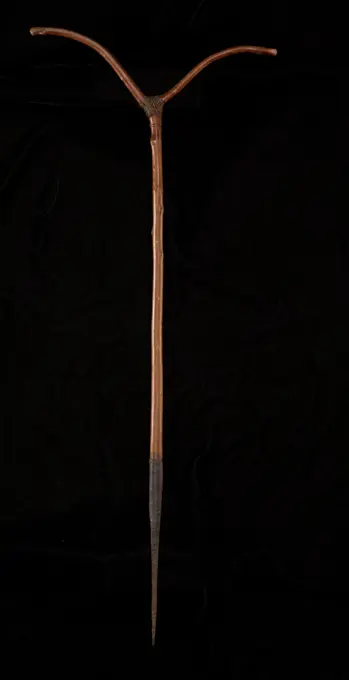
Staff, 1900-1950, 38 × 14 9/16 × 1 in. (96.52 × 36.99 × 2.54 cm), Wood, metal, Ethiopia, 20th century
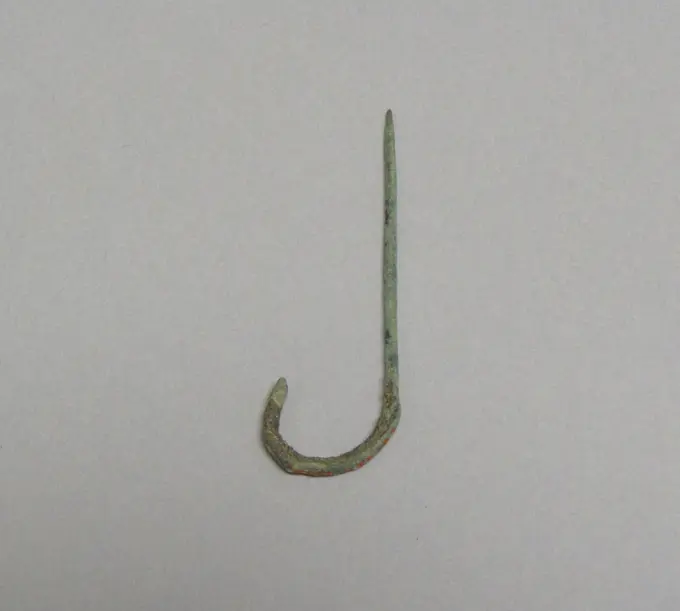
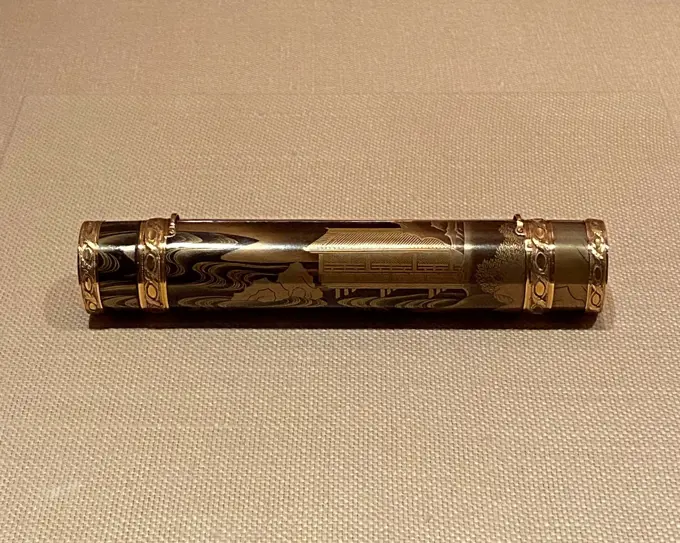
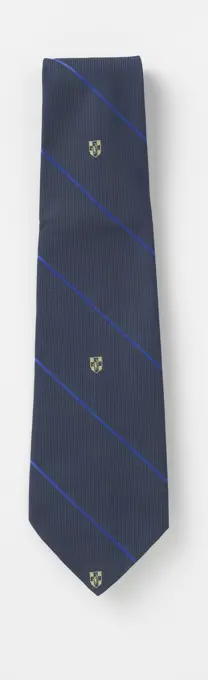
Close-up of an ice hockey stick with a hockey puckFirescreenred tandem canoe with wood seats isolated on white with a clipping path, side viewEnglish horn, Miksa Pliverics, 1900 English horn (or althobo) of pallisander wood with sixteen silver valves, three open rings, a silver finger support and a ring for a cord. Marked on the upper and middle part: Pliverics M. / Budapest. Marked on the back of all three parts: D. V. Z. (in an oval) / 24. In a wooden briefcase covered with leather on the outside and green velvet on the inside. Marked on the velvet of the lid: Pliverics Miksa / Lier in a Lauwerenkrans / Budapest. In the suitcase there is a mouthpiece and a box for wicker, containing 1 reed, covered with leather and textiles. Marked: Pliverics M. / Budapest. Budapest rosewood (wood). silver (metal) English horn (or althobo) of pallisander wood with sixteen silver valves, three open rings, a silver finger support and a ring for a cord. Marked on the upper and middle part: Pliverics M. / Budapest. Marked on the back of all three parts: D. V. Z. (in an oval) / 24. In a wooden briefcase covered with leather on the outside and gBone filled pencil, the middle part of which has the motif of a Scottish window, anonymous, c. 1925 Bone filled pencil, the middle part of which has the motif of a Scottish window. A narrow round opening on the pointed side. Scotland Point and button: Bone (Material). Middle part: Wood (plant material). Middle part: Paper. Middle part: Lacquer (coating) cutting / cutting / lacquering Bone filled pencil, the middle part of which has the motif of a Scottish window. A narrow round opening on the pointed side. Scotland Point and button: Bone (Material). Middle part: Wood (plant material). Middle part: Paper. Middle part: Lacquer (coating) cutting / cutting / lacqueringHook 500 B.C.-A.D. 300 Thailand. Hook. Thailand. 500 B.C.-A.D. 300. Bronze. Bronze and Iron Age period. MetalworkMessage Case with Landscape mid-18th century Japan and France This tube-like message case, intended to hold precious documents, could be attached to a chain and carried as a pendant. A very unusual work, it was created in France using a Japanese lacquer object and French gilded mounts bearing the mark of discharge (décharge) for the city of Paris from about 1768 to 1774. Its maki-e decoration depicts a landscape with a house and rocky shore. As Japanese lacquers were rare and precious in Europe due to limited Western contact with the isolated island country, such objects were often repurposed and refurbished with the addition of expensive gold or gilded mounts, which were thought to enhance their beauty and significantly increased their value.. Message Case with Landscape. Japan and France. mid-18th century. Lacquered wood with gold and silver hiramakie and togidashimakie, with gilded mounts. Edo period (1615-1868). LacquerTracksClose-up of an art representation of a bull, Arrazola, Oaxaca State, MexicoDas of the personal staff of Prince Bernhard van Tonny van Renterghem, 1st Lieutenant, 1945 - c. 1947  Dark blue tie with light blue sloping stripes and golden emblems with the Dutch lion. Netherlands textile materials   Netherlands2006 Morgan Aero 8 showing the badge logo