Historical Weapons and Artifacts

Images of antiquated weapons and utensils including a saber and decorative fork. Crafted from metal and ivory, showcasing historical craftsmanship.

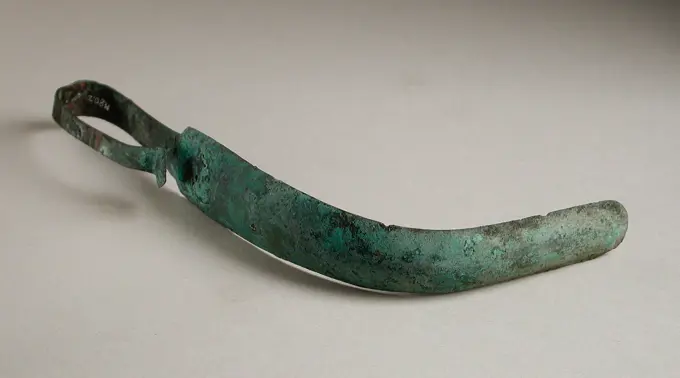
Sabel of the Minister Cavalerie No. 2, Anonymous, 1815 sabre Sabel der Heavy Cavalry No. 2, Right with one groove and half kling. With iron hilt with two side brackets. Marked: AKN 2 E 65 and A 2 N 876, 1815. The sheath is missing and the blade is shortened.  Kling, bracket, handle hood: Iron (metal). Handle: Leather   Netherlands
Sabel of the Minister Cavalerie No. 2, Anonymous, 1815 sabre Sabel der Heavy Cavalry No. 2, Right with one groove and half kling. With iron hilt with two side brackets. Marked: AKN 2 E 65 and A 2 N 876, 1815. The sheath is missing and the blade is shortened. Kling, bracket, handle hood: Iron (metal). Handle: Leather Netherlands
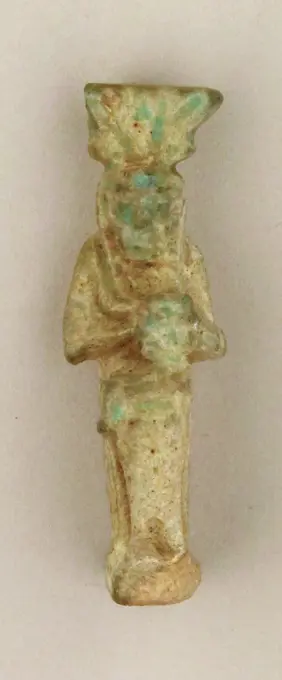
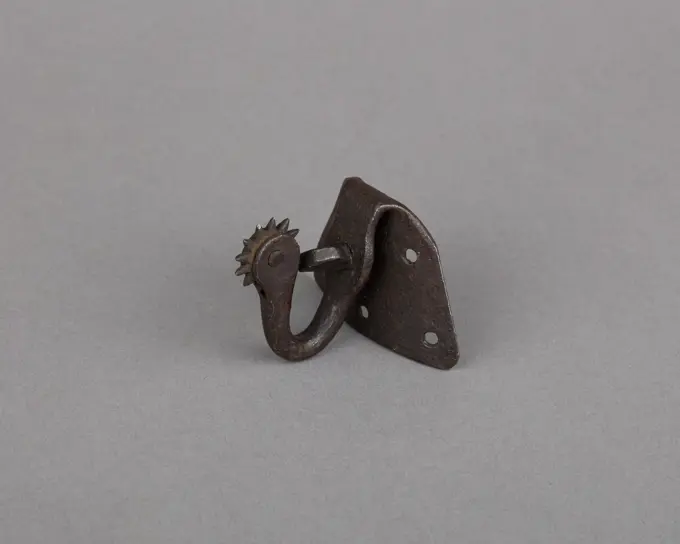
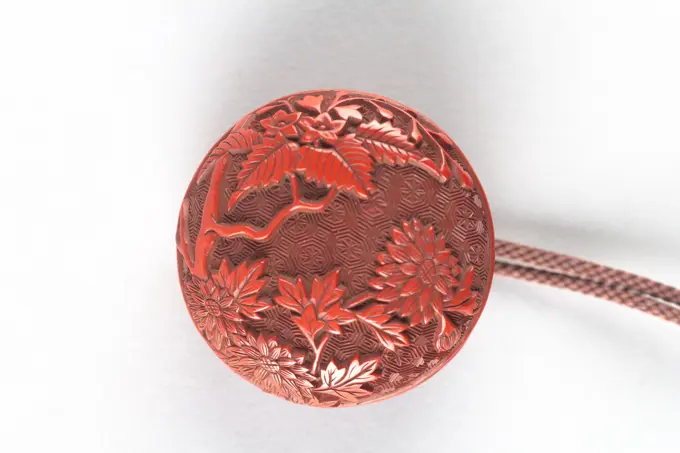
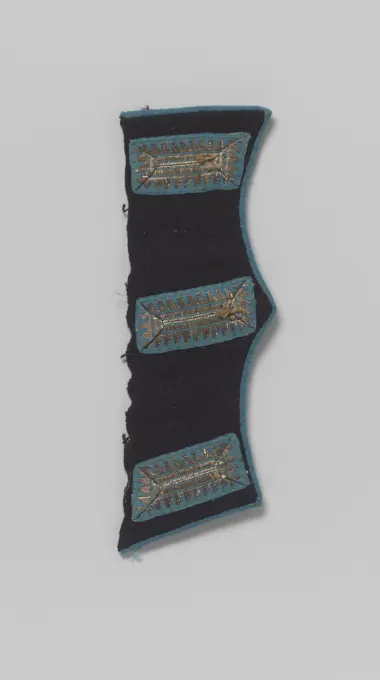
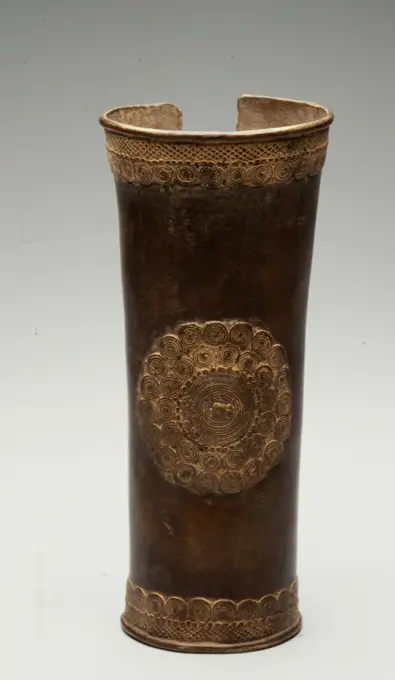
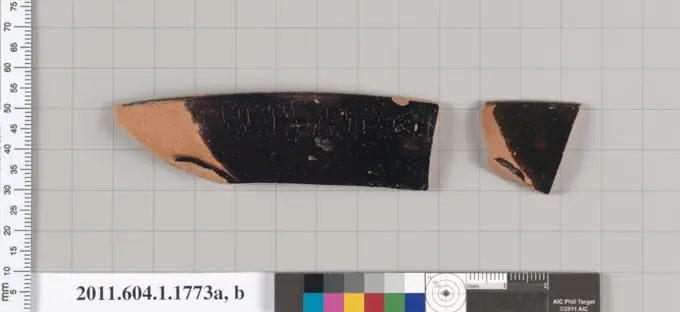
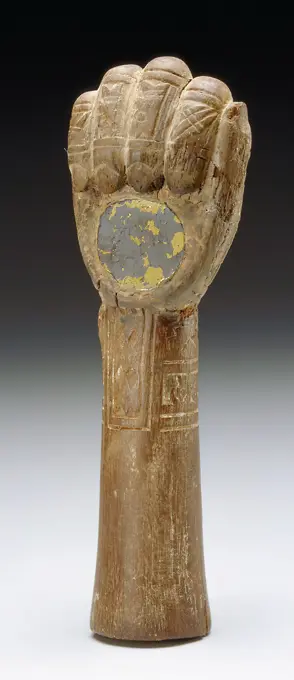
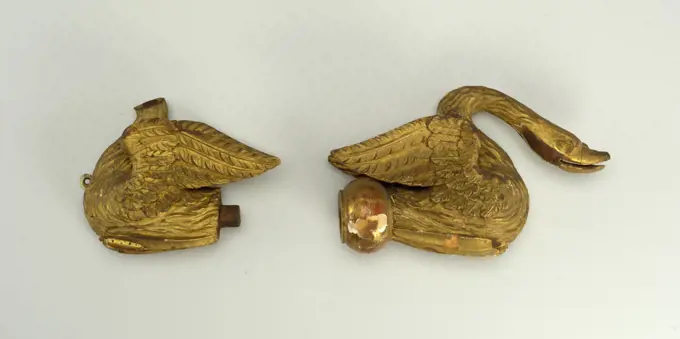
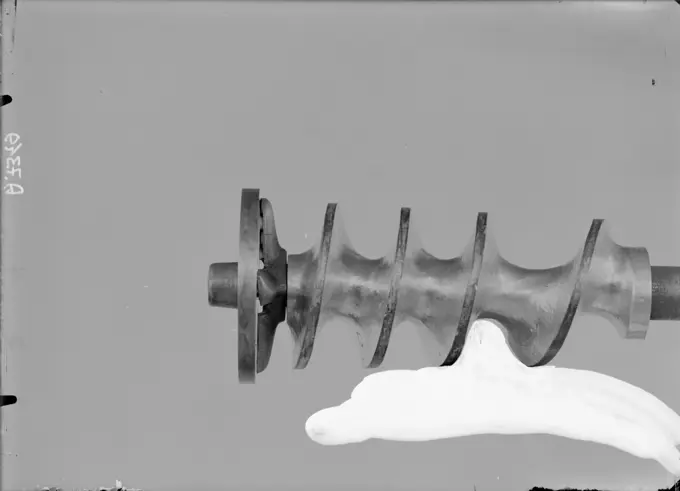
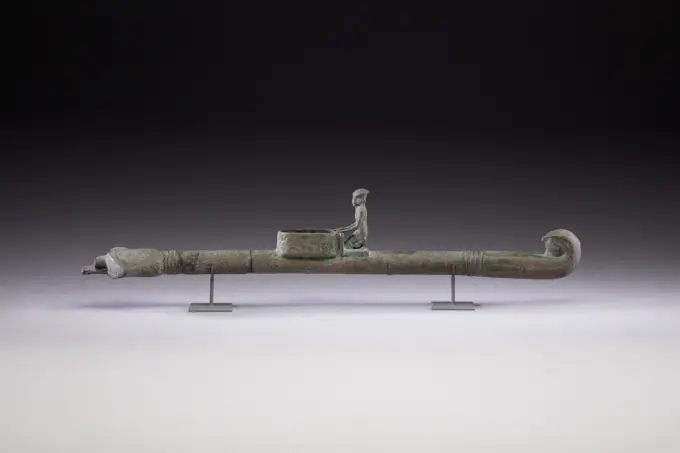
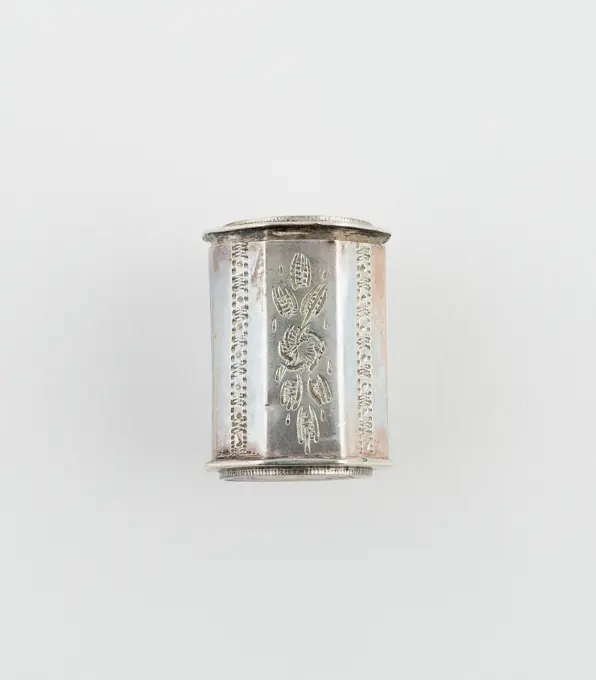
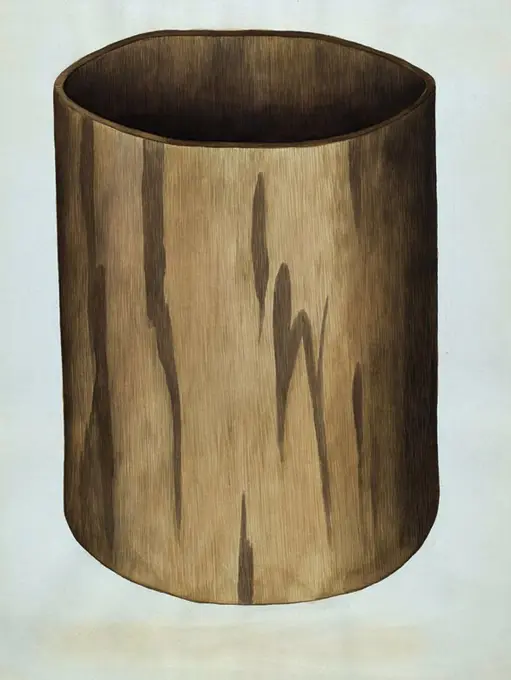
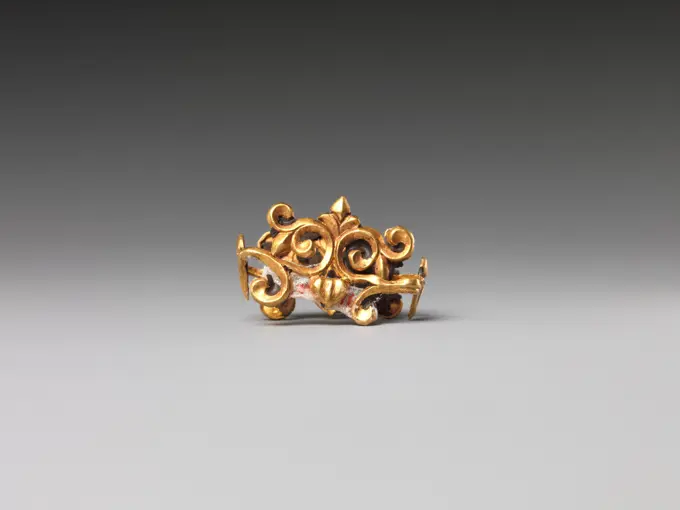
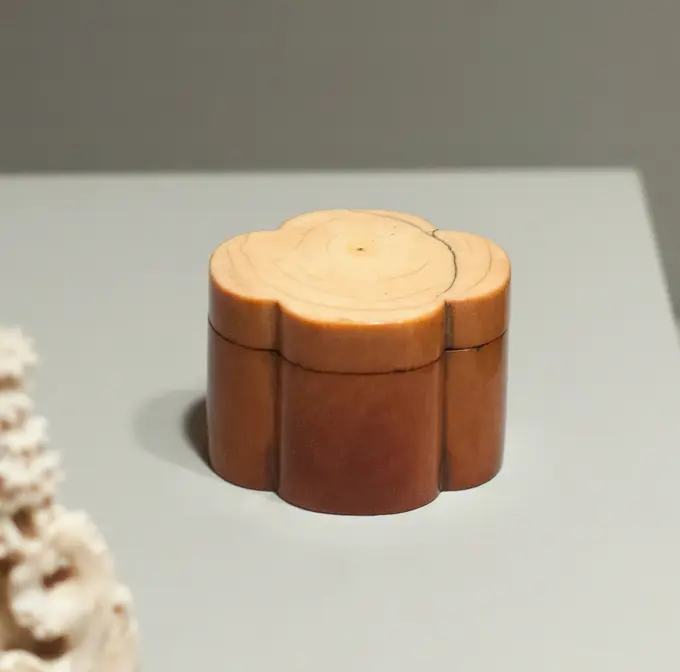
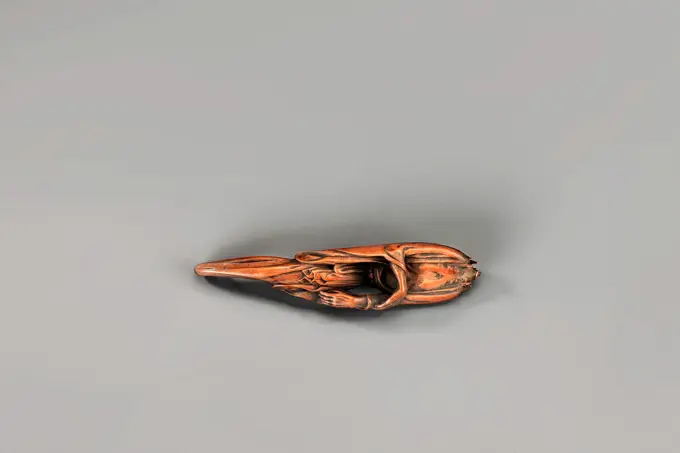
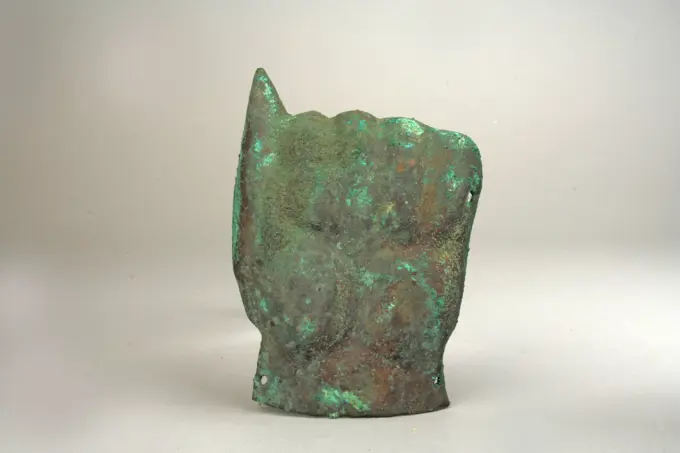
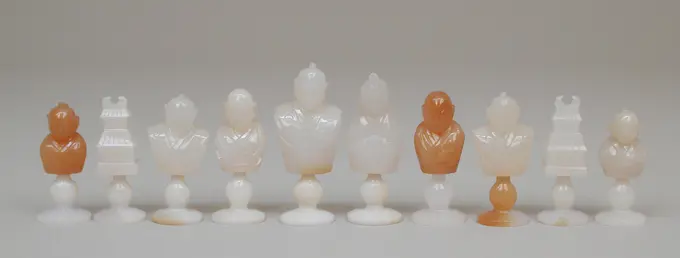
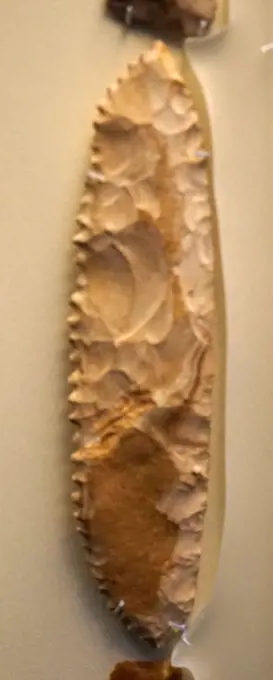
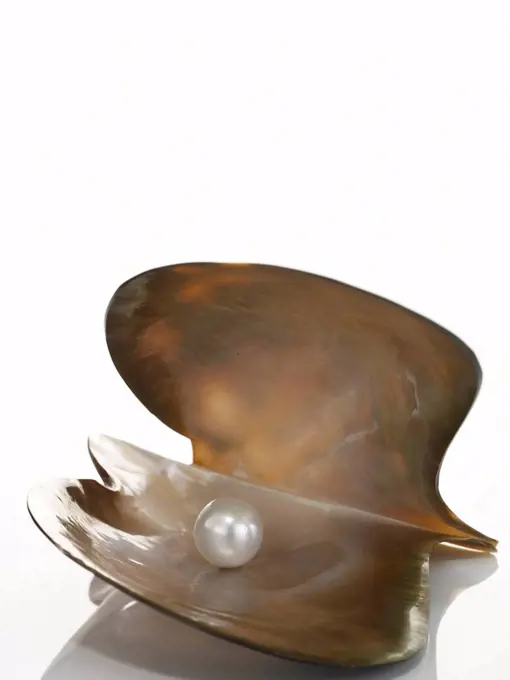
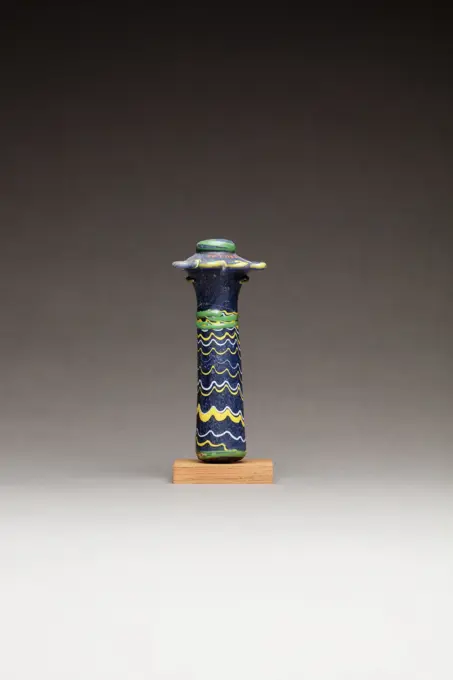
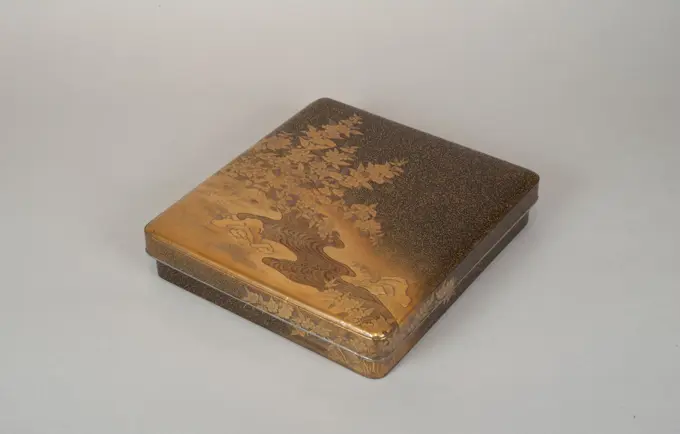
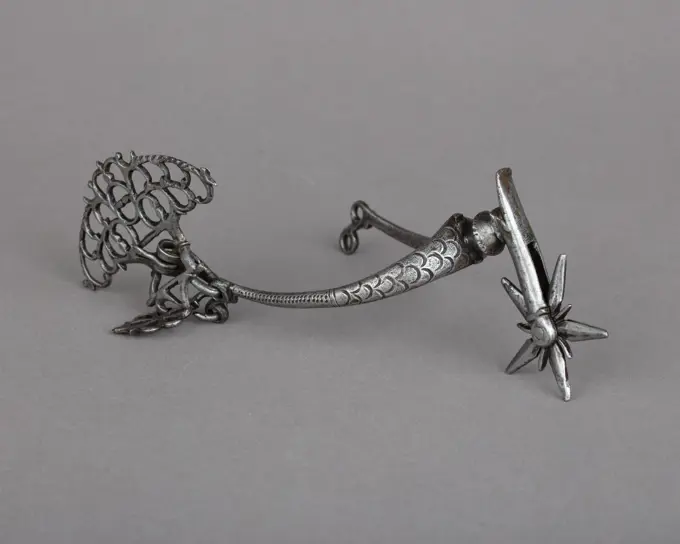
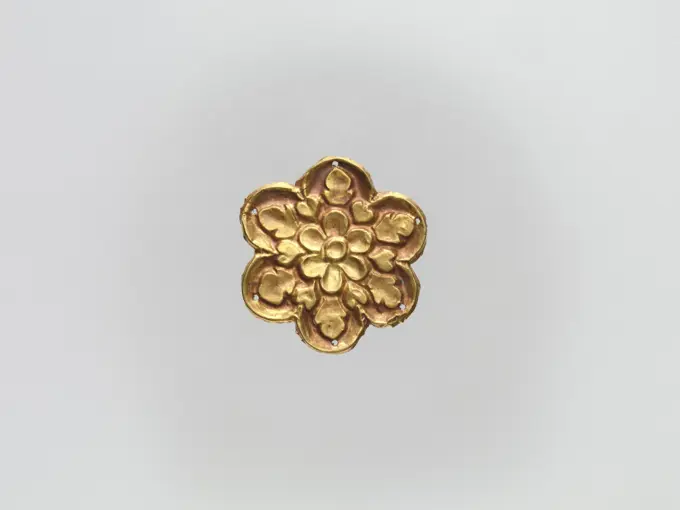
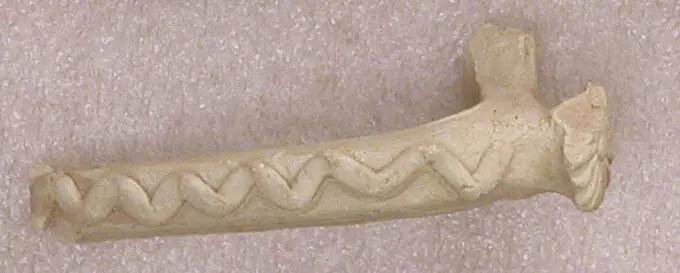
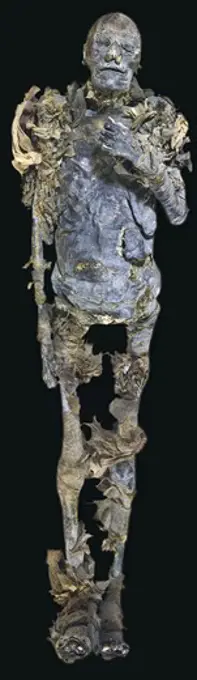
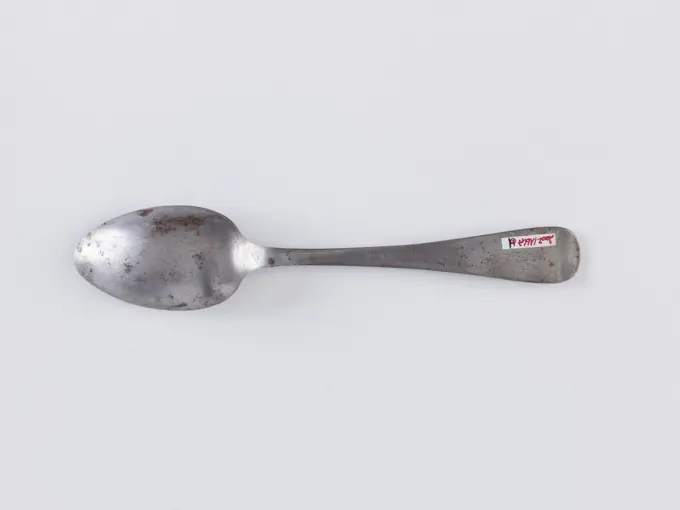
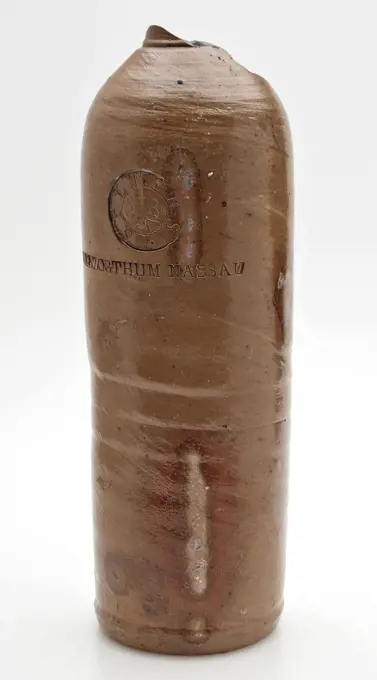
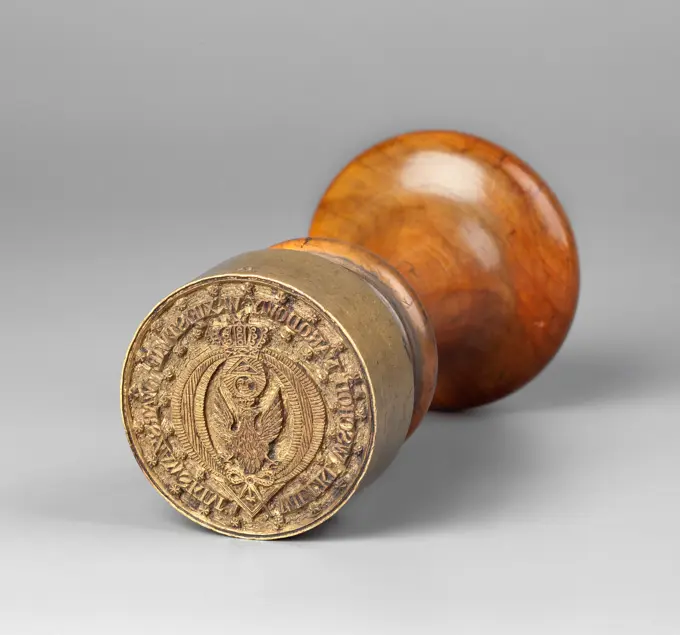
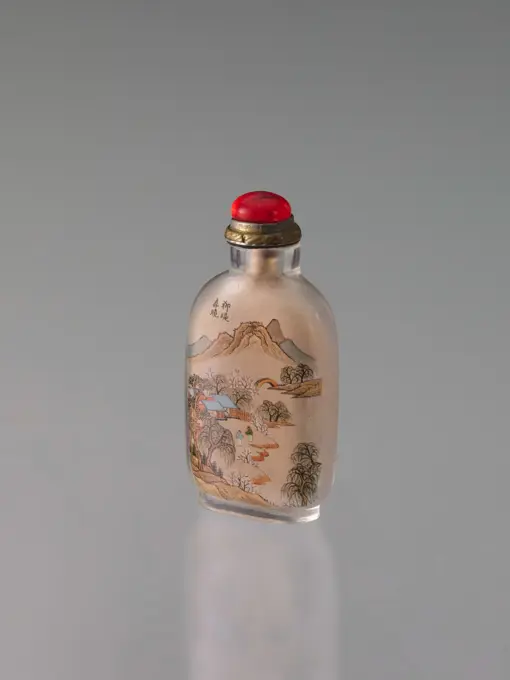
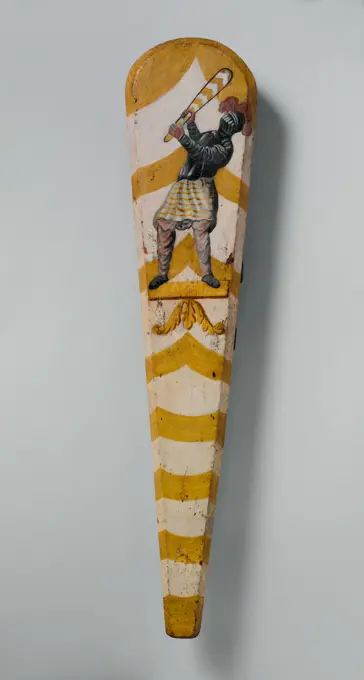
Shield (Targone) dated 1807 Italian, Pisa Each combatant in the gioco del ponte was equipped with a targone, a sturdy clublike shield that was unique to the event. The shields were decorated with the insignia of the squadrons that took part in the mock combat or, in rare instances such as this, with an image of a fully armed contestant.. Shield (Targone) 26831Carnavalet Museum, Medals CollectionSilver, native element, from Sarrabus, Cagliari, Italy.Goblet, Favrile glass, a&c) Inverted bell-shaped cups with deep blue upper portion and milky blue-white rims shading into clear glass; domed foot with white rim and eight white tapered pinwheel forms radiating form base of stems. b) The same except that milky blue-white forms more definite frame around leaf pattern on cup and arched foot is almost fully covered by whitish pinwheel design., New York, USA, ca. 1900, glasswares, Decorative Arts, GobletAmulet, Thueris. Amulet, Thueris. Clay, glazed. Gold and SilverRowel Spur 18th century German or Italian This is a branchless spur that could be attached directly at the back on a regular shoe, for occasional and casual riding. The screw on the neck was used for tightening it to the shoes leather.This type of spur, particularly popular in the Germanic lands, is described in the entry Eperon in the Swiss Encyclopédie d'Yverdon published in 1772 by Fortuné Barthélemy de Félice. It is said that "these spurs not being maintained by any kind of tie, they can be lost very easily [.... We leave them to doctors, barbers, village priests, and monks. They are known in some countries and by some spur-makers by the name 'Carthusian spurs' (éperons à la chartreuse).". Rowel Spur. German or Italian. 18th century. Iron alloy. Equestrian Equipment-SpursPair of tassels 17th century Italian. Pair of tassels 221321Stone Celt before 16th century Costa Rica. Stone Celt 317169Wallow, painted on side with stripes, strict bouquets, interspersed with loose flowers and upright slender with leaves and flower variations, anonymous, c. 1750 - c. 1800 A wall compartment with painted wallpaper on the side. The cream-white soil in rip binding is per track by two gray-blue stripes in satin binding, divided into a wide middle section and narrower side sections. On the blue bouquets were painted with loose flowers painted, a raised slender with leaves and flower variations in pink, lilac and blue and a narrower slender with flowers on the sides. In later time, the wallpaper was put on paper and on jute. Northern Netherlands (possibly)Netherlands (possibly) silk. paint (coating). paper. A wall compartment with painted wallpaper on the side. The cream-white soil in rip binding is per track by two gray-blue stripes in satin binding, divided into a wide middle section and narrower side sections. On the blue bouquets were painted with loose flowers painted, a raised slender Netsuke with Chrysanthemum Design 19th century Japan. Netsuke with Chrysanthemum Design. Japan. 19th century. Wood. Edo (1615-1868) or Meiji period (1868-1912). NetsukePocket valve of dark blue sheet with three blind buttonholes around which is embroidered with silver thread, c. 1800 - c. 1825 Pocket valve of dark blue sheet with three blind buttonholes around which is embroidered with silver wire. Uniform fragment for livrei or militia () Netherlands cloth. silver thread embroidering Pocket valve of dark blue sheet with three blind buttonholes around which is embroidered with silver wire. Uniform fragment for livrei or militia () Netherlands cloth. silver thread embroideringAnklet, 20th century, 9 11/16 x 4 1/4 in. (24.61 x 10.8 cm), Bronze, Burkina Faso, 20th centuryTerracotta rim fragments of kylikes(drinking cups) 5th century B.C. Greek, Attic Two rim fragments with right half of handle patch. Terracotta rim fragments of kylikes(drinking cups) 683361Fragment Tabakspijp, Unknown, 1750 - 1780 Fragment tobacco pipe with a crown and the letters I g. Of the excavations on the Hofstede Arentsburg 1827-1831 under the supervision of Professor Reuvens. Schoonhoven (Possible) pipe clay Fragment tobacco pipe with a crown and the letters I g. Of the excavations on the Hofstede Arentsburg 1827-1831 under the supervision of Professor Reuvens. Schoonhoven (Possible) pipe clayVase; glassHand-forged blade with short baffle with angel, marked on blade with crowned V, blade knife cutlery ground find iron metal, mark on blade with crowned V archeology underground pit Rotterdam City center Stadsdriehoek Oostplein Soil discovery: underground pit Oostplein 11061976. Silver player with legs or ivory handle and screw cap, in tube of brown leather. Round lenses with harmonica learning connected, flattened flat against each other, by turning two metal rods apart. Address (in elegant letters on the nose piece): E. Petitpierre Optician du Roi à Berlin. Silver brands: Tête de Bièrre, harekopje, (France, checkmark after 1888) and a difficult merchandise that also indicates France.Toilet box (one of a pair) (part of a set). Culture: British, London. Dimensions: Overall (confirmed): 2 x 5 1/16 x 3 5/8 in. (5.1 x 12.9 x 9.2 cm). Maker: John Parker (British, active 1759-77); Edward Wakelin (British, active before 1748, died 1784). Date: 1766.These boxes were part of a toilet service sold by the leading London retailers Parker and Wakelin to John Heathcote, who, a few years earlier, had married the heiress Lydia Moyer. Parker and Wakelin's accounts for the sale show that the service included eight such boxes, a pair of candlesticks, two "essence pots," a looking glass, a "jewells trunk," and a pair of octagonal pierced trays. The cost for gilding the service was more than £56--roughly equal to the annual wage of a successful artisan--and the entire bill came to more than £300. There was a further charge of £6 6s for a "red morocco leather case with a drawer & 2 cushions.". Museum: Metropolitan Museum of Art, New York, USA.Canopic Jar Lid. Jackal headed god AnubisHuggeststones met pasteoral scène, c. 1550 - c. 1575 Hearing stone with pastoral scene. In the foreground two shepherds (one of which plays on a bagpipe) on either side of a fountain; On the hilly background a herd of sheep, a few trees and a temple. Southern Netherlands earthenware Hearing stone with pastoral scene. In the foreground two shepherds (one of which plays on a bagpipe) on either side of a fountain; On the hilly background a herd of sheep, a few trees and a temple. Southern Netherlands earthenwareTile Fragment 1334-1434. Tile Fragment 450559USA, Tennessee, Nashville. Ryman Auditorium, famous as the first home of the Grand Old Opry (1943-1974). Eddy Arnold hat and tooled leather guitar strap.Hand with Mirror, 1100, 5 7/16 x 2 x 1 1/8 in. (13.81 x 5.08 x 2.86 cm), Wood, metal, Peru, 12th century, The Kingdom of Chimor dominated the north coast of Peru from about 900. The massive capital city Chan Chan, comprised of more than 10,000 adobe structures, was the largest city in the ancient Americas with 60,000 inhabitants at its height. The grandeur of Chimu architecture was complemented by the intimacy of personal prestige objects like this naturalistically carved wooden mirror. The craftsmanship of Chimu artists was so highly regarded that, after their conquest by the Inka in 1470, the most skilled were sent to the new capital of Qosqo (Cuzco) to work for the Inka elite.Charm of silver from a mill, c. 1953 - c. 1970 Charm of silver from a mill. Maarn silver (metal) Charm of silver from a mill. Maarn silver (metal)Goldweight Antelope, 19th-20th century, 1 x 1/2 x 1 3/4 in. (2.54 x 1.27 x 4.45 cm), Brass, Ghana, 19th-20th centuryFragment of Shoulder Band 5th-6th century. Fragment of Shoulder Band 444029terminal, wood, gilded, transcribed from tag ' 19th c. U.S.A, about 1830,pair of finials. The Misses Hewitt', USA, ca. 1830, Decorative Arts, terminalHandle of a Clasp-Knife with a Beggar-Woman, anonymous, 1650 - 1700 The bought begging holds a NAP in her left hand and a spoon in her right. A drinking bottle hangs on a belt around her waist. Antwerp boxwood (hardwood) The bought begging holds a NAP in her left hand and a spoon in her right. A drinking bottle hangs on a belt around her waist. Antwerp boxwood (hardwood)Carnavalet museum, tokens collectionFork (possibly Germany); ivory, silver, steel; L x W: 18 x 2.2 cm (7 1/16 x 7/8 in.); The Robert L. Metzenberg Collection, gift of Eleanor L. Metzenberg; 1985-103-172Button from the wreck of the East Indians Hollandia, Anonymous, 1700 - in or before 1743 button Knoop. (1) fragm, domed, octagonal faceted bevelled rim, (1.6d, 0.6t), applied base, slightly convex, hollow, shank missing Netherlands copper (metal)   SecondPlanets-manager. Cornalet Collection Sites 2013-2016. Numismatic.Weight Representing a Llama 1450-1532 Peru. Limestone with pigment . IncaTripod;  XVIII/19th century (1785-00-00-1825-00-00);Suffolk Latch. Dated: c. 1939. Dimensions: overall: 28.5 x 22.6 cm (11 1/4 x 8 7/8 in.). Medium: watercolor, graphite, and goauche on paperboard. Museum: National Gallery of Art, Washington DC. Author: Regina Henderer.Przeszo Przyszoci unknownInfantry shoulder (sapper) unknown labelStrigil. Egypt, Roman Period (30 BCE - 395 CE) or later. Tools and Equipment. BronzePart to the meat grinder.Lazio Roma Grottaferrata Museo94. Hutzel, Max 1960-1990 German-born photographer and scholar Max Hutzel (1911-1988) photographed in Italy from the early 1960s until his death. The result of this project, referred to by Hutzel as Foto Arte Minore, is thorough documentation of art historical development in Italy up to the 18th century, including objects of the Etruscans and the Romans, as well as early Medieval, Romanesque, Gothic, Renaissance and Baroque monuments. Images are organized by geographic region in Italy, then by province, city, site complex and monument.Screw in dowelSwiss military manner model 1898 for officers unknown labelTray late 13th-early 14th century This tray has concentric bands of decoration around a central Sun disk. Included in the bands are personifications of the six planets and the twelve signs of the Zodiac, coursing animals, and an inscription (the titles of a Mamluk official) with medallions containing a falconer, polo players, and seated musicians.In the Arabic tradition, the constellation of Sagittarius was known as al-rami, "the archer," while the corresponding Zodiac sign was known as al-qaws, "the bow." As a result, representations of the Zodiac sign, a centaur shooting an arrow from his bow, combine aspects of the two. The image of the centaur here also has the upper body of the mythical beast, which can be interpreted as an image of Jupiter, Sagittarius' Planetary Lord.. Tray. late 13th-early 14th century. Brass; engraved and inlaid with silver and black compound. Made in Egypt. MetalEls with sliced and decorated handle, anonymous, 1590 - 1596  Round pointed blade, round wooden button with incised decoration. Netherlands iron (metal). wood (plant material) forging / cutting  Nova Zembla. Saving HuysCenser 525-332 B.C. Late Period Cast in the shape of an arm with a falcon-headed terminal, this ritual object takes the form of the hieroglyph for "present, give," Incense would have been placed on an outstretched hand, now missing, at the end of the shaft, and offered to a deity. The small figure of a king in the blue crown kneels beside the cartouche-shaped pellet cup on the top of the shaft. This emphasizes the connection of the censer with the king, who was regarded as the primary officiant before the gods.. Censer. 525-332 B.C.. Leaded bronze. Late Period. From Egypt. Dynasty 27-30Coin Container 1871-1882 Netherlands. Silver .Stone Temple Model 1st-8th century Mezcala. Stone Temple Model 317506Skein ca. 1840 British. Skein 229734Glass pendant in the form of a bunch of grapes late 2nd-1st century B.C. Greek, Eastern Mediterranean Colorless.Pendant shaped like an elongated bunch of grapes; integral large suspension loop at top with horizontal hole through one half of mold. Vertical mold seams visible at sides and over loop.Intact, but chipped at top of sides; dulling and some soil encrustation.. Glass pendant in the form of a bunch of grapes. Greek, Eastern Mediterranean. late 2nd-1st century B.C.. Glass; cast in a two-part mold. Late Hellenistic. GlassFlour Barrel. Dated: c. 1938. Dimensions: overall: 36.9 x 27.4 cm (14 1/2 x 10 13/16 in.) Original IAD Object: 26 1/2" high; 23" wide; 3/4" thick. Medium: watercolor and graphite on paper. Museum: National Gallery of Art, Washington DC. Author: Wilbur M Rice.Tulip Fork; Designed by Heinrich Vogeler (German, 1872 - 1942); Manufactured by M.H.Wilkens & Sohne (Germany); Germany; silver; L x W x D: 14.2 x 1.6 x 1 cm (5 9/16 x 5/8 x 3/8 in.)Shell Inscribed with the Cartouche of Senwosret I ca. 1981-1550 B.C. Middle Kingdom or later. Shell Inscribed with the Cartouche of Senwosret I. ca. 1981-1550 B.C.. Shell. Middle Kingdom or later. From Egypt; Said to be from Southern Upper Egypt, Gebelein (Krokodilopolis). Dynasty 12azadas cuernoPOLONIA. GDANSK. MUSEO ARQUEOLOGICO.Slippers 1831-33 French. Slippers 110194Console of white and gold painted Lindehout, Anonymous, 1740 - 1760 Console of white and gold painted lindenhout, furniture fragment. The cover plate is surrounded by a semicircular list, caught between two profile lists. On the left this plate rests on a broken C-Volute, around which Acanthusblad; On the right on a stretched S and C volute, surrounded by rose branches. The connection between the aforementioned volutes is formed by a crested shell, surrounded by rose branches. The console ends in asymmetrical acanthus leaves. This console may come from a buffet cupboard. Northern Netherlands wood (plant material). linden. gilding (material) gilding Console of white and gold painted lindenhout, furniture fragment. The cover plate is surrounded by a semicircular list, caught between two profile lists. On the left this plate rests on a broken C-Volute, around which Acanthusblad; On the right on a stretched S and C volute, surrounded by rose branches. The connection between the aforementioStove Pipes, Top And Bottom; tin-glazed earthenwareBead Roman. Bead. Roman. Glass. GlassOpenwork Fitting 7th-9th century China (Xinjiang Autonomous Region, Central Asia) The nomadic communities of Central Asia used such plaques to embellish clothing and horse trappings. As these nomadic cultures herded animals and were constantly moving, their artistic production was expressed in portable objects that marked the wearers status and wealth. The outstanding preservation of these fragile ornaments suggests they were used in conjunction with burials, where the body was aggrandized with valuable textiles and augmented with gold. Although it is difficult to date and place these objects geographically, their presence in Central Asia and has a long, established history.. Openwork Fitting 65324Planets-manager. Cornalet Collection Sites 2013-2016. Numismatic.Ink Box, 18th century, 1 3/8 x 1 7/8 x 1 1/2in. (3.5 x 4.8 x 3.8cm), Ivory, China, 18th centuryOiwa; netsuke. unknown, sculptorShards of wine bottles from the wreck of the East Indians' t Vliegend Hart ,, 1700 - 1735  Shards of onion -shaped wine bottles of green glass that has been in red (port) wine. Netherlands .Ornament 6th-7th century Moche (Loma Negra). Ornament 313425Chess set Japanese late 19th century The king, knights, and pawns are all warriors, the queen, a lady, and the bishops shaven priests. Exceptionally, there is no suggestion of a horse in the knights. The rooks consist of square towers surmounted by two incurving hornlike projections, which on Chinese and Japanese buildings are sometimes in the form of fish. These same details appear on the top of one of the towers borne by the elephants in another set, 48.174.160a-p, aa-pp (q.v.). The cutting of the ball element of the pedestals suggests the cutting common in Chinese ivory sets. The set was acquired in Shanghai between 1920 and 1939 and probably was made in Japan for Chinese re-export. View more. Chess set. Japanese. late 19th century. Carnelian and white chalcedony. Chess SetsWitch ball stand 1801-1900 United States. Glass . Artist unknownSpheroconical Vessel 9th-10th century. Spheroconical Vessel. 9th-10th century. Earthenware; incised and unglazed. Excavated in Iran, Nishapur. CeramicsRibbon on roll, army green, with woven stripes in the middle in Magenta, black, yellow and light blue, the edges are lined with light blue and magenta respectively, in or before 1926 Ribbon on roll, army green, with woven stripes in the middle in Magenta, black, yellow and light blue, the edges are lined with light blue and magenta respectively. NijmegenFrance (possibly) textile materials. cardboard. paper embroidering Ribbon on roll, army green, with woven stripes in the middle in Magenta, black, yellow and light blue, the edges are lined with light blue and magenta respectively. NijmegenFrance (possibly) textile materials. cardboard. paper embroideringBroker's stick of Diemer- or Watergraafsmeer, Daniël Le Feber (attributed to), c. 1794  Brown wooden stick with a silver cachet on one side. On the other hand, the corresponding cachet is missing. Dated: on the edge of the cachet: AO. 1794. marked: on the edge of the cachet: Dlp. On the cachet inscription. Amsterdam silver (metal). kingwood (wood) engraving / striking (metalworking)  AmsterdamSheet, linen mark, coarse spin, medium weave ca. 1492-1473 B.C. New Kingdom. Sheet, linen mark, coarse spin, medium weave 549013Pijpenkop from the wreck of the East Indians Hollandia, Anonymous, 1700 - in Or Before 1743  Pipe, bowl, heelmark: crowned 47; 2hsm1,2. Netherlands pipe clay   SecondTools from ancient Egypt. Dated 7th Century BCPearl in shellKohl Tube in the Form of a Papyrus Column New Kingdom ca. 1400-1352 B.C. View more. Kohl Tube in the Form of a Papyrus Column. ca. 1400-1352 B.C.. Glass. New Kingdom. From Egypt. Dynasty 18Writing Box with Yellow Rose Flowers and Rushing Stream 18th century Japan The lid of this box is decorated with yellow kerria rose blossoms (yamabuki ) in arching sprays with bright green leaves. These flowers are associated with the Ide no Tamagawa (Jewel River) near Kyoto, a link that may have been formed after the respected poet and official Tachibana no Moroe (684-757)planted them on the banks of the river. The Ide no Tamagawa has long been featured in Japanese poetry:The bottom of the Tama River at IdeReflecting the image above,Is so clear that flowers of theYellow kerria add layer upon layerFujiwara no Shunzei (1114-1204). Writing Box with Yellow Rose Flowers and Rushing Stream 57928Rowel Spur (Left) ca. 1650 Netherlandish or Spanish Despite its simple shape this spur is delicately engraved and its large buckle and remaining tab are skillfully pierced with foliage and a rosette. Necks like this, bent at an angle, were popular in Europe between 1630 and 1660.. Rowel Spur (Left). Netherlandish or Spanish. ca. 1650. Iron alloy. Equestrian Equipment-SpursFragment ca. 1150-ca. 1250 European or Middle Eastern. Fragment 694308Benjamin H. Tisdale, Tablespoon, c. 1824, silver.Flower-Shaped Clothing Plaque 7th-9th century China (Xinjiang Autonomous Region, Central Asia) The nomadic communities of Central Asia used such plaques to embellish clothing and horse trappings. As these nomadic cultures herded animals and were constantly moving, their artistic production was expressed in portable objects that marked the wearers status and wealth. The outstanding preservation of these fragile ornaments suggests they were used in conjunction with burials, where the body was aggrandized with valuable textiles and augmented with gold. Although it is difficult to date and place these objects geographically, their presence in Central Asia and has a long, established history.. Flower-Shaped Clothing Plaque 65218Fragment of a Handle with Wavy Band and Rosette-Shaped Thumb Rest 9th-11th century This ceramic fragment was excavated in Ctesiphon, the Sasanian metropolis and administrative capital conquered by Arab Muslim armies in 637. The city was known in Arabic as al-Madain, or "the cities", for its extended area. Arab historians indulge in describing al-Madain/Ctesiphons grand monuments, which obsessed Muslim rulers and may have acquired a symbolic meaning related to its imperial past. This was the case of the Taq-i Kisra, an impressively-sized ivan (a vaulted hall with one side open) partially dismantled to reuse its bricks in caliphal buildings in the new capital Baghdad. Finds like this fragment, which was excavated at a site named Selman Pak III, attest to the continued occupation of Ctesiphons urban area in the early Islamic period. The handle would have originally belonged to a ewer. Similar features could have thumb rests in the shape of an animal or a turban, a creative practice thEgypt, Thebes, Luxor, Valley of the Kings, Mummy, Tomb of Amenhotep IIJames Sowerby, 1756-1822, British, A Bird's Egg, undated. Watercolor over graphite on medium, slightly textured, cream wove paper.old saw blade old used rusty saw blade on wooden table Copyright: xZoonar.com/FuroxLxFelixx 7106626Ring for the attachment of bath implements 1st-2nd century A.D. Roman A similar ring, with four strigils, one ointment bottle, and one saucer attached, was found at Pompeii.. Ring for the attachment of bath implements 246910Vase Gallè, omileArrangement of arrows and spears, Amber Fort, Jaipur, IndiaPoleaxe Made 1401-1700 Venice. Steel, iron, brass, wood, and textile .Bobbin ca. 1840 British. Bobbin. British. ca. 1840. Wood. Textiles-Methods and MaterialsArrowhead (Yanone) 18th century Japanese Although today Japanese warriors are renowned most for their swordsmanship, archery, especially from horseback, has been an essential part of samurai warfare and culture for centuries. Arrows were fitted with heads of varying shape according to their intended use in war, the hunt, or target practice. Arrowheads made for use on the battlefield incorporated different designs intended for specialized purposes such as the piercing of armor or to cause maximum damage to horses and unarmored personnel.Large arrowheads, pierced and elaborately chiseled with landscapes, birds, flowers, dragons, and Buddhist divinities, were created to be admired for the beauty of their metalwork and design rather than for use in archery. Such highly elaborate examples may have been made for presentation or as a votive offerings to a shrine.. Arrowhead (Yanone). Japanese. 18th century. Steel. Archery Equipment-ArrowheadsAnonymous, metal spoon of Waffen-SS (common name), 1942, ferrous metal, Paris Liberation Museum-General Leclerc Museum-Jean Moulin Museum.Footstool.   Maker: J. W. Netterville, American, active ca. 1833-1867Architectural Fragment from a Retable, Tabernacle, or Tomb. Culture: French. Dimensions: Overall: 7 1/16 x 2 3/4 x 2 1/16 in. (18 x 7 x 5.2 cm). Date: ca. 1400. Museum: Metropolitan Museum of Art, New York, USA.Small piece of cut wood log in hand backgroundstatue of an Egyptian official called Hori. made from Greywacke; Middle Kingdom (2040-1640 BC)Mug (England); 4.8 x 6.5 x 5 cm (1 7/8 x 2 9/16 x 1 15/16 in.); Bequest of Jane M. Epstine; 2006-20-11Raster of iron with a copper button ..Bracelet 3rd-11th century Bura peoples. Bracelet 318379Stoneware mineral pitcher, cylindrical with round shoulder, sausage ear and short neck, mineral water pitcher jar product packaging container soil find ceramic stoneware glaze salt glaze approx., hand-turned glazed baked Stoneware mineral pitchers cylindrical with round shoulder short neck and sausage ear. Stand area with traces of deduction and soul. brown glazed. Marked under the ear and marked on the front with medallion and text. Chalkboard in medallion: SELTERS in the midfield leftwing claw lion archeology Rotterdam Kralingen-Crooswijk Struisenburg Oostmaaslaan Boslaan Buizengat advertising indigenous pottery import drinking water drinking medicine medicine packaging Soil discovery: Buizengat Oostmaaslaan Boslaan Rotterdam an old landfill of urban waste.About the baked "of the" Great National East in Warsaw's book ";  1807 (1850-00-00-1850-00-00);The Duchy of Warsaw (1807-1815), the Grand East of Poland (Masonic Association-1812-1821), Freemasonry Lodge, Freemasonry, FreemasonrySJEES, Jacobus van Tricht, 1767 SJEES without a hood, pulled by two horses. In the Sjees is a man with a hat. In his right hand the man has a stick and in his left hand he has the lines. The image is marked: stk. = Dordrecht, Jrl. = N (1767), Mt. = Jacobus van Tricht, a crowned V in a shield, twice an eight -pointed flower or star and a boar head. Dordrecht silver (metal) SJEES without a hood, pulled by two horses. In the Sjees is a man with a hat. In his right hand the man has a stick and in his left hand he has the lines. The image is marked: stk. = Dordrecht, Jrl. = N (1767), Mt. = Jacobus van Tricht, a crowned V in a shield, twice an eight -pointed flower or star and a boar head. Dordrecht silver (metal)Tabakierka z zatyczką. Ma, Shaoxuan (1869-1939)