Historical Weapons and Artifacts

Images of antiquated weapons and utensils including a saber and decorative fork. Crafted from metal and ivory, showcasing historical craftsmanship.

Sabel of the Minister Cavalerie No. 2, Anonymous, 1815 sabre Sabel der Heavy Cavalry No. 2, Right with one groove and half kling. With iron hilt with two side brackets. Marked: AKN 2 E 65 and A 2 N 876, 1815. The sheath is missing and the blade is shortened.  Kling, bracket, handle hood: Iron (metal). Handle: Leather   Netherlands
Sabel of the Minister Cavalerie No. 2, Anonymous, 1815 sabre Sabel der Heavy Cavalry No. 2, Right with one groove and half kling. With iron hilt with two side brackets. Marked: AKN 2 E 65 and A 2 N 876, 1815. The sheath is missing and the blade is shortened. Kling, bracket, handle hood: Iron (metal). Handle: Leather Netherlands
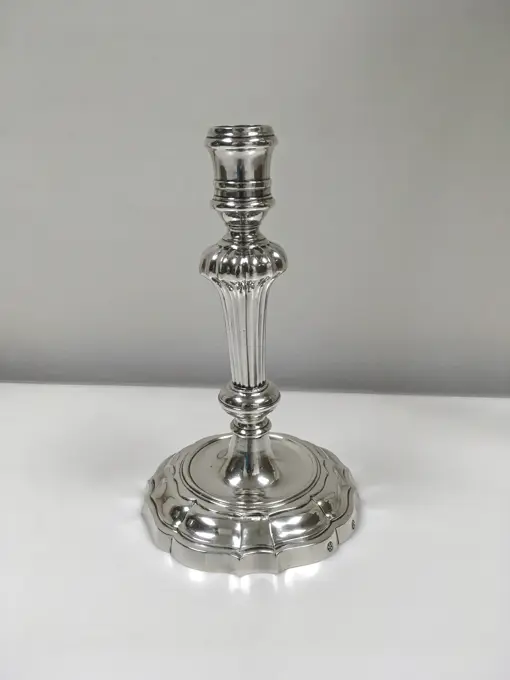
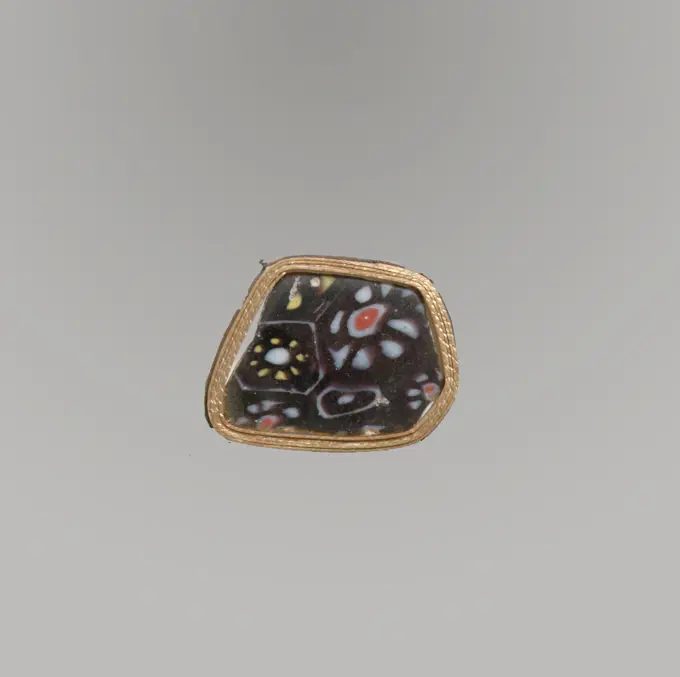
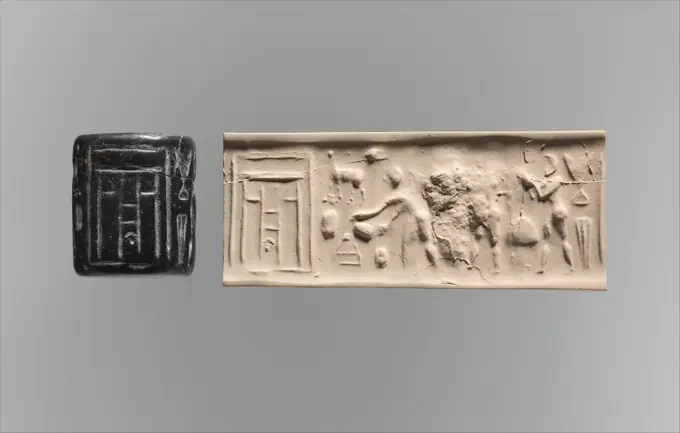
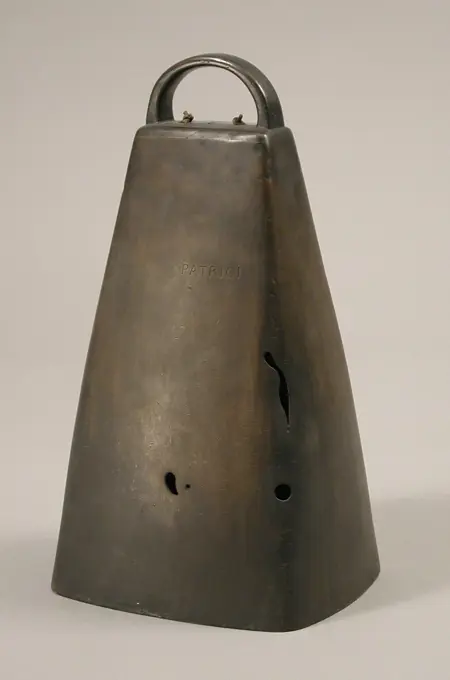
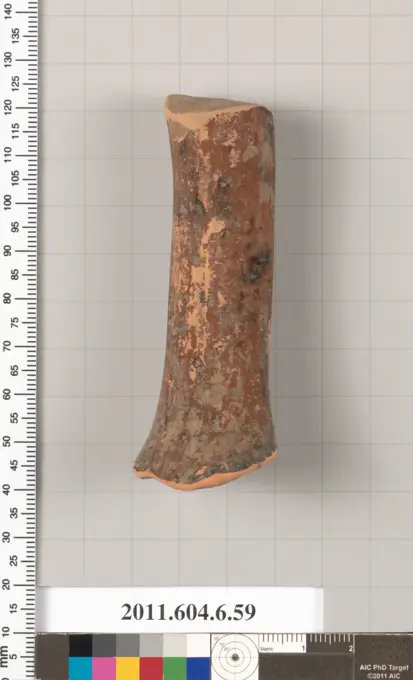
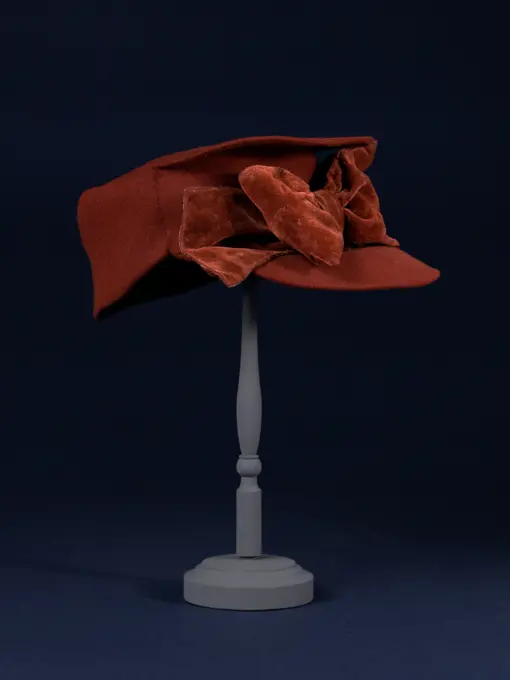
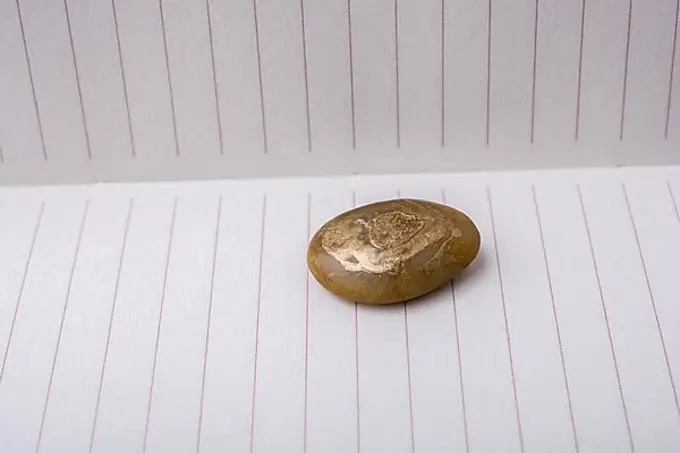
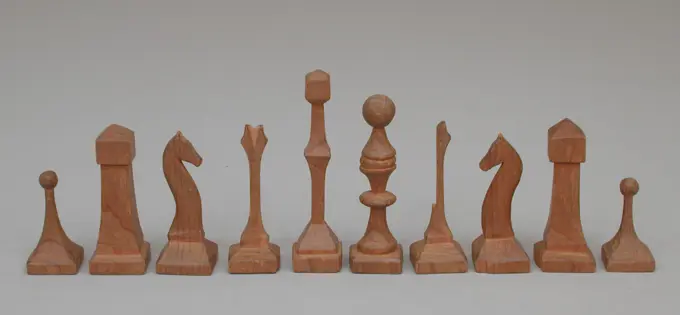
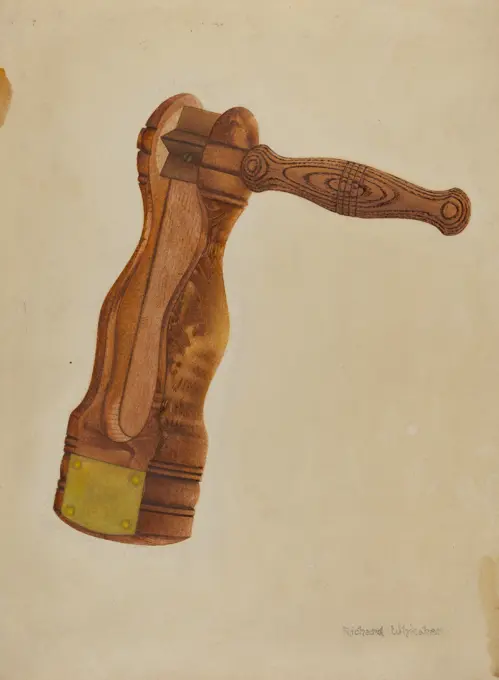
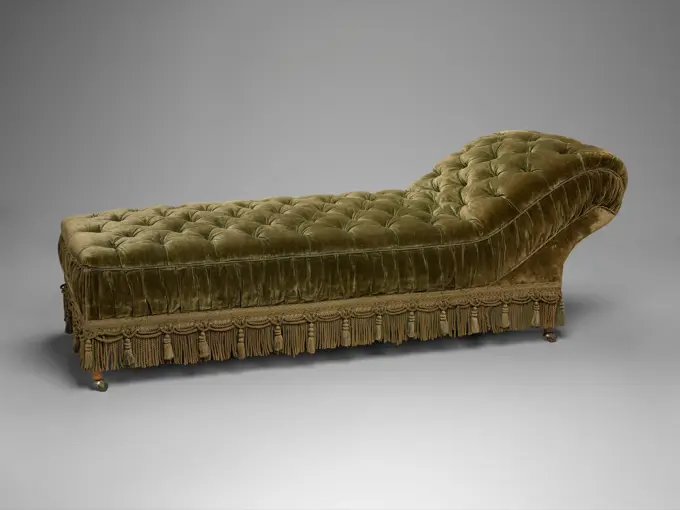
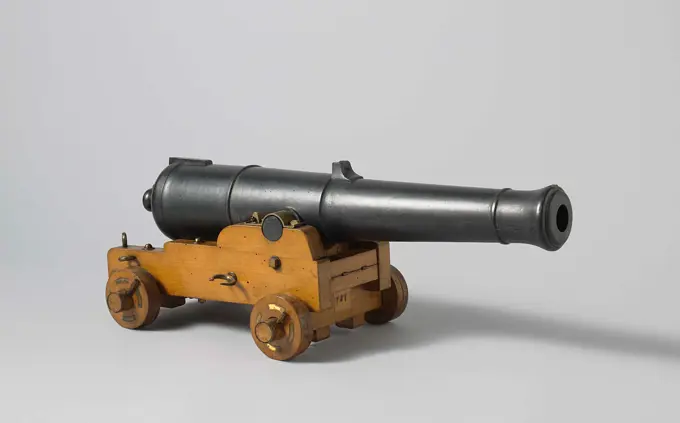
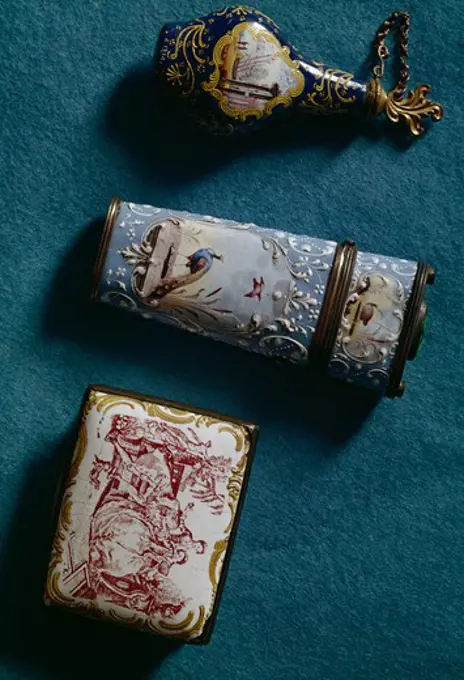
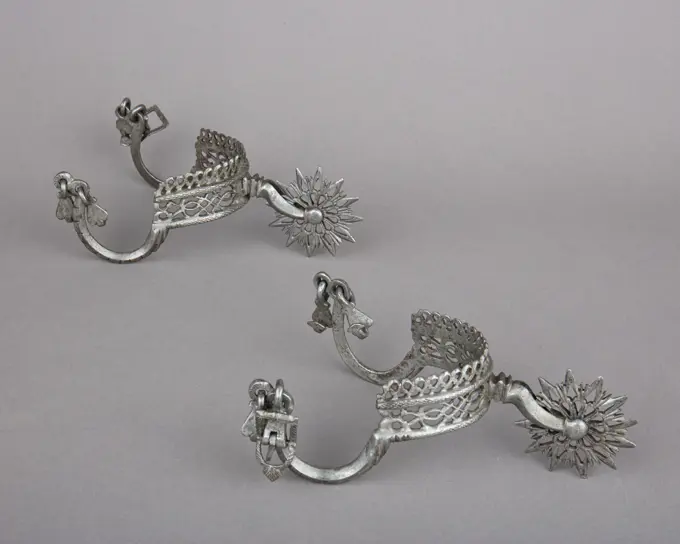
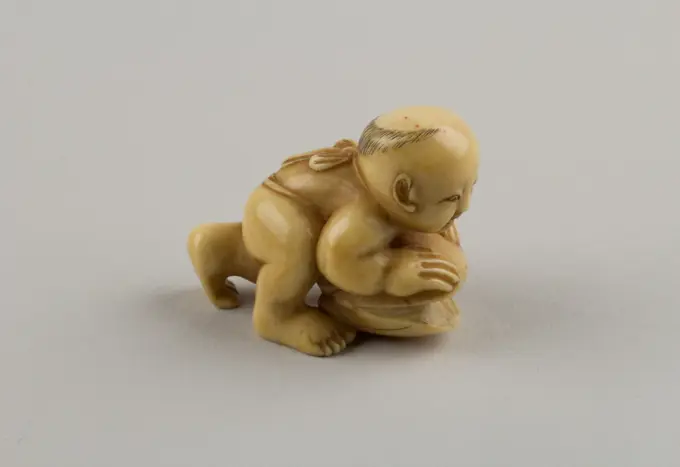
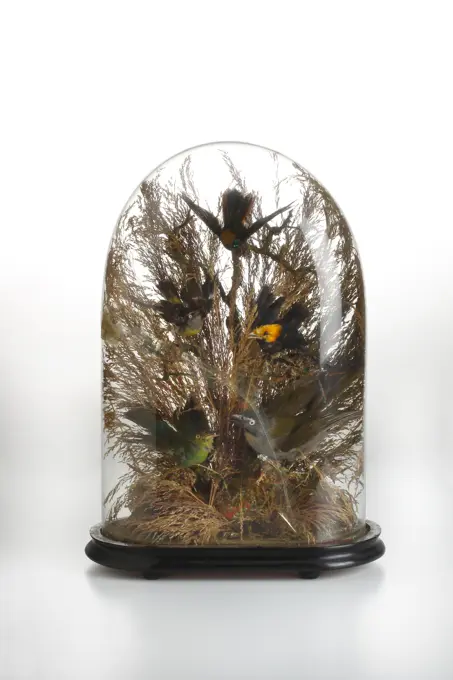
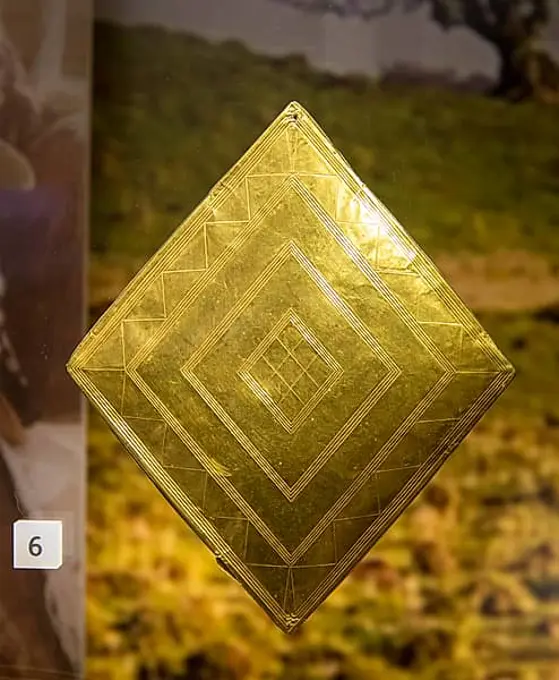
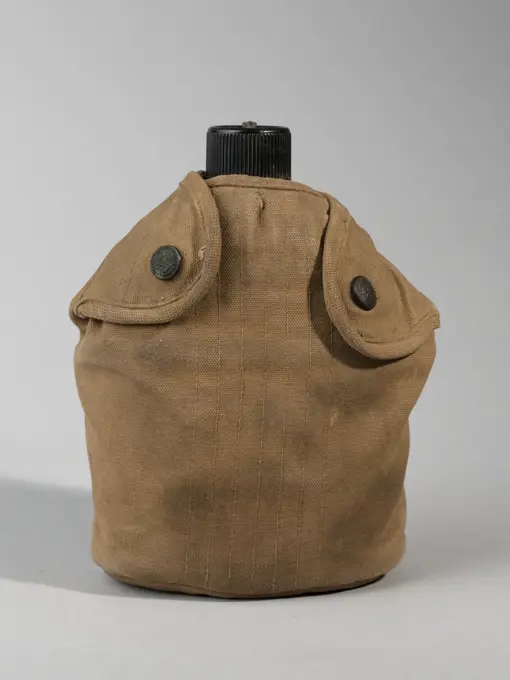
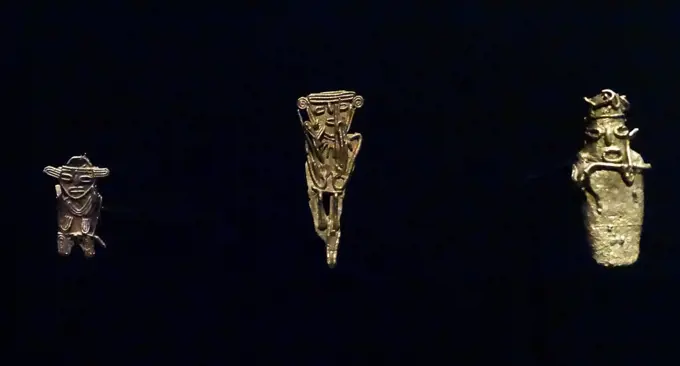
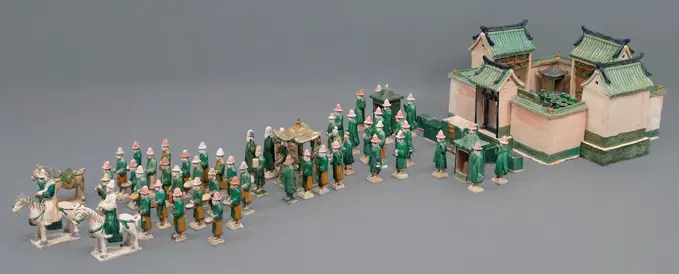
Epolets with General Trips of Micha  1831 (1831-00-00-1831-00-00);Coin fromPersia.  Mint: Persia Artist: UnknownTassel French 18th-19th centuryGlass mosaic box (pyxis) fragment. Culture: Roman. Dimensions: Other: 1 1/16 x 1 in. (2.6 x 2.6 cm). Date: late 1st century B.C.-early 1st century A.D..Translucent streaky purple, turquoise blue, partially mixed with opaque yellow and appearing green, opaque white, yellow, and red.Vertical side to cylindrical body, curving in to flat bottom.Mosaic pattern formed from polygonal sections of two canes: one in a purple ground outlined in white and surrounding a circular cluster of green rods outlined in yellow; the other in a purple ground with a white circle and a central yellow dot surrounded by red.Polished exterior; slight pitting of surface bubbles on exterior; dulling and creamy weathering on interior and jagged edges. Museum: Metropolitan Museum of Art, New York, USA.Studio shot of old-fashioned itemShards of signs from V.O.C. ship De 'Witte Leeuw', Anonymous, Before 1613 plate (dishes) Shards of two plates from V.O.C. ship De 'Witte Leeuw'. Jingdezhen bone china (material)   Sint-HelenaVintage Photograph. Christmas still life of burning candle next to holly leaves with bows and bellsCandlestick, one of a pair, c. 1745, 7in. (17.8cm), Silver, Italy, 18th century. Hat, completely covered with brown iridescent hanister and orange and green-poet round feathers. Turban form, with a high-rising side left. On top of a stripe colorful feathers. Address: Han de Vries / Telf. 14417 - Hilversum.Glass mosaic bowl fragment late 1st century B.C.-early 1st century A.D. Roman Translucent purple, opaque white, yellow, and brick red.Shallow convex curving side.Composite mosaic pattern formed from polygonal sections of three canes: one in a purple ground with a white circle and a central white rod; a second in a purple ground outlined in white and with a circle of yellow dots around a central white rod; a third in a purple ground with a circle of white rods surrounding a central red rod within a white circle.Polished exterior; pitting of surface bubbles on exterior; deep pitting and iridescent weathering on interior and jagged edges.. Glass mosaic bowl fragment. Roman. late 1st century B.C.-early 1st century A.D.. Glass; cast. Early Imperial. GlassCylinder seal and modern impression: ritual scene before a temple facade ca. 3500-3100 B.C. Although engraved stones had been used as early as the seventh millennium B.C. to stamp impressions in clay, the invention in the fourth millennium B.C. of carved cylinders that could be rolled over clay allowed the development of more complex seal designs. These cylinder seals, first used in Mesopotamia, served as a mark of ownership or identification. Seals were either impressed on lumps of clay that were used to close jars, doors, and baskets, or they were rolled onto clay tablets that recorded information about commercial or legal transactions. The seals were often made of precious stones. Protective properties may have been ascribed to both the material itself and the carved designs. Seals are important to the study of ancient Near Eastern art because many examples survive from every period and can, therefore, help to define chronological phases. Often preserving imagery no longer extant inBell of Clogher early 20th century (original dated 5th century) Irish. Bell of Clogher 463588Miniature figurine, 1500 BCE, 1 3/4 in. (4.4 cm), Earthenware, Mexico, Pre-ClassicMantle clock, c. 1902, Attributed to Archibald Knox; Retailer: Liberty & Company, Manx, 1864-1933, 13 1/2 x 7 1/2 x 3 3/4in. (34.3 x 19 x 9.5cm), Pewter, abalone shell, Isle of Man, Arts and CraftsTerracotta fragment of a column-krater (bowl for mixing wine and water) 6th/5th centuries B.C. Greek, Attic Black glazed handle from a column-krater. Terracotta fragment of a column-krater (bowl for mixing wine and water). Greek, Attic. 6th/5th centuries B.C.. Terracotta; Black glaze. Archaic/Classical. VasesHand holding a small wooden clothespin in handA vessel in a bull;  1300-1200 BC (-1300-00-00--1200-00-00);Aviator" cap with red felt, double visor garnished with a large velvet noud of the same tone, 1943-1944. Galliera, fashion museum of the city of Paris. Aviator Accessory, aviator, cap, female, woman, haute couture, knotVegetableLittle gold color stone on with a backgroundUS quarter coin on shiny levitating stone against black backgroundChessmen (30) and box ca. 1863-65 Carved by Byron W. Stanton. Chessmen (30) and box. American. ca. 1863-65. Wood. Chess SetsNetsuke Aku Noh mask, 20th century, Unknown Japanese, 1 3/4 x 1 5/16 x 3/4in. (4.4 x 3.3 x 1.9cm), Boxwood, Japan, 20th centuryRichard Whitaker, Watchman's Rattle, c 1937 Watchman's RattleA tantric lingam stone, from Onkar Mandhata on the Narmada River in central India. These chalcedony stones are fashioned into a standard shape and must have a red patch on their surface in order to be highly valued. The stone is the male element and the red patch the female element.TurkishCouchModel or a 30-pounder gun and carriage. Model of a gun on rolling horse. The 49 cm long wooden loop is black-dyed and has a 30 mm caliber. The peling ring is open, the bracket is missing, the loop has a lock hardener with a visor, a visor on the front tap band and one on the tulip. The crossover of the affruit with two almost parallel cheeks, is formed by a sloping calf with breastpiece with breast valve, the front ash, and the soleplate that immediately serves as a rear ball. The sole plate has a trail for the adjusting block and has been extended with a bar with the front asal; However, adjusting block and adjusted are replaced by an elevation screw. On the inside of the cheeks behind its brackets for two baking irons. Square pillows are placed under the axes. The wooden wheels are double and equal diameter. The model has eye bolts, steady lids and others. Scale 1: 5 (Scale on model).Pair of Sword-Grip Ornaments (Menuki) 18th century Japanese Menuki are a pair of ornamental sword fittings attached to either side of a sword hilt.. Pair of Sword-Grip Ornaments (Menuki). Japanese. 18th century. Gold. Sword Furniture-MenukiJewelry from Indian Arts and Crafts Board displayParfum Bottle, Etui' and Tobak Box, circa 18th century, UK, London, London MuseumJewelry from Indian Arts and Crafts Board displayPair of Rowel Spurs ca. 1600 German This pair of spurs is entirely adorned with geometrical chiseled and pierced decoration, giving them a rich lacework aspect. They were certainly worn and kept as pieces of jewelry as much as being used as practical equestrian objects.This type of chiseled and pierced decoration was used by the spur makers in eastern Germany in the 16th and 17th centuries. Despite their name, spur makers not only made spurs, but also all the small equestrian hardware like bits, stirrups, muzzles, cavessons or curry-combs, sometimes adorned with the same intricate decoration.. Pair of Rowel Spurs. German. ca. 1600. Iron alloy, tin. Equestrian Equipment-SpursBaret of moss green felt decorated with woolen Scottish tub and a plume feathers, Caroline Reboux, c. 1945 - c. 1948 Beret of moss green felt decorated with woolen scottish tubes covered with a ribbon brown velvet and a plume feathers. Paris felt (textile). band: wool. lint: velvet (fabric weave) Beret of moss green felt decorated with woolen scottish tubes covered with a ribbon brown velvet and a plume feathers. Paris felt (textile). band: wool. lint: velvet (fabric weave)Netsuke of Child with a Shell 19th century Japan. Netsuke of Child with a Shell 59892Bell jar -Turtle Matchsafe; Manufactured by T. Johnson; England; plated brass, celluloid, enamel; 5.9 x 4.9 x 1.4 cm (2 5/16 x 1 15/16 x 9/16 in. )Seals 9th-11th century. Seals. 9th-11th century. Bronze; cast. Excavated in Iran, Nishapur. MetalWine Cooler with Cover. Dated: c. 1937. Dimensions: overall: 30.4 x 22.8 cm (11 15/16 x 9 in.) Original IAD Object: 14"high; 24"in diameter. Medium: watercolor, colored pencil, pen and ink, and graphite on paper. Museum: National Gallery of Art, Washington DC. Author: Samuel Fineman and Gordon Saltar.Gold lozenge-shaped sheet from the Bush Barrow chieftain burial site. With permission of Wiltshire Museum, Devizes, England, UKClassic lion head door knobUS M-42 can with a USMC cover. Canvas and felt sewn machine, black painted brass, iron, aluminum, stainless steel, plastic. 1910-1943. General Leclerc Museum of Hauteclocque and the Liberation of Paris, Jean Moulin Museum. 78980-17 American army, US M-42 can, military equipment, felt, gourd, war 1939-1945, war 39-45, Second World War, canvasgold alloy, copper and silver votive figurines. MexicanNeedle case 17th century Italian or French. Needle case. Italian or French. 17th century. Ivory. Textiles-Methods and MaterialsBride from Wedding Procession, 1368-1644, 5 1/16 x 2 1/4 x 1 1/2 in. (12.86 x 5.72 x 3.81 cm), Carved and molded earthenware with yellow and green glaze and pigments, China, 14th-17th century, The Chinese considered weddings to be joyous and auspicious occasions. Marriage was central to the strong Confucian values of family unity and continuity. Within a well-furnished tomb, a ceramic procession such as this would replicate an important and festive occasion for the deceased in their afterlife.Eingelegte Anchovis in Dose Pickled salted anchovies fillet in oil in open tin can over white marble background. Flat lay, copy space Copyright: xZoonar.com/NatashaxBreenx 23137495