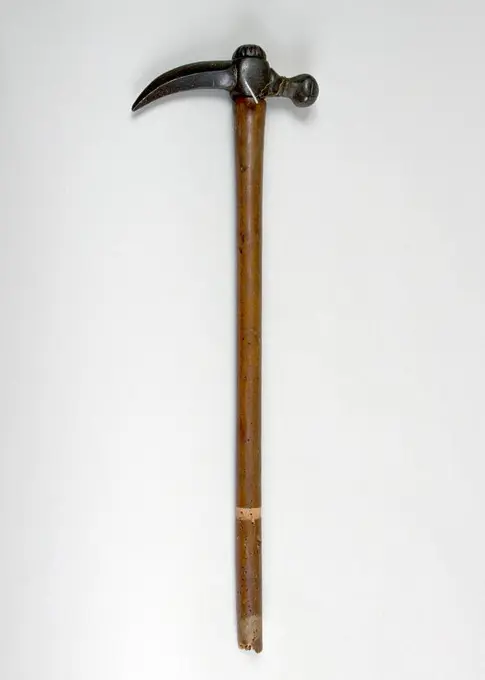
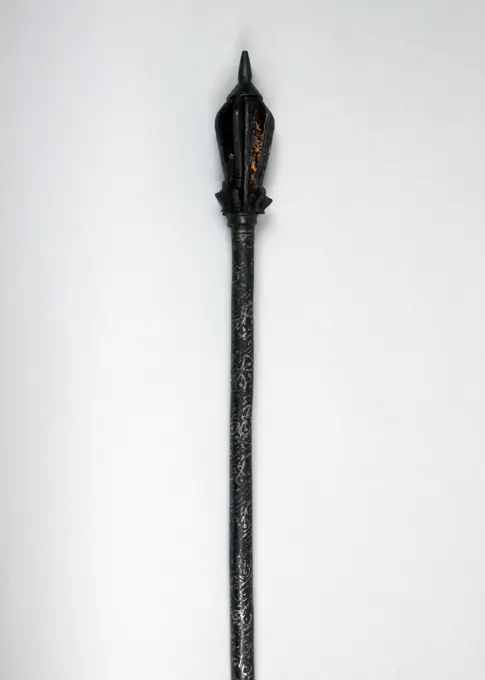
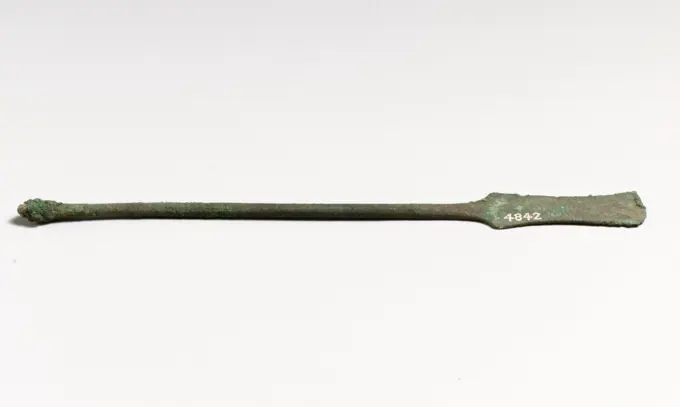
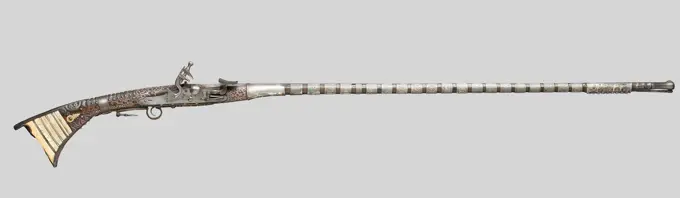
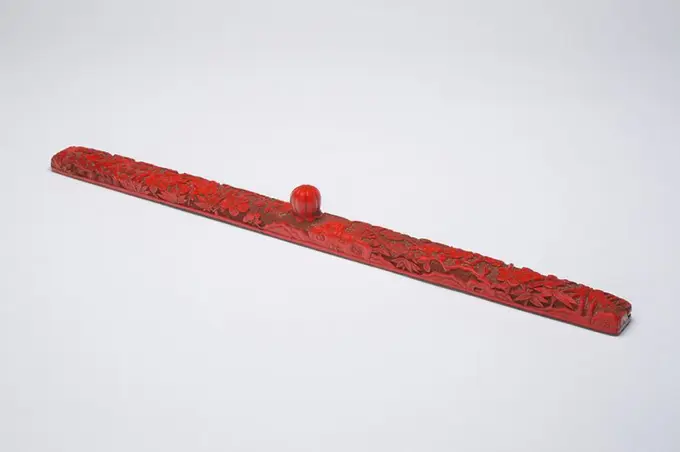
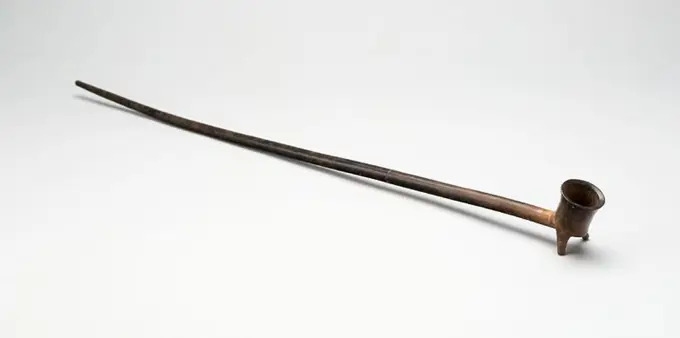
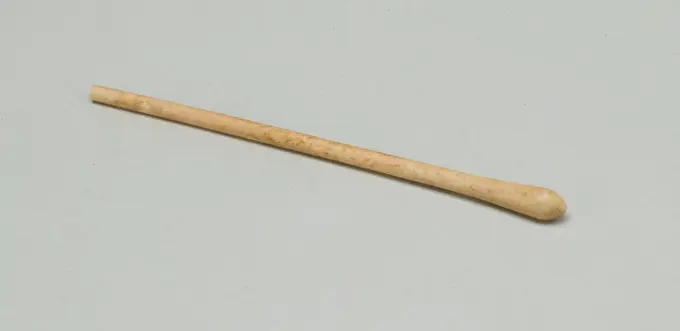
Historical Weapons and Pins

Artifacts including ancient pins and ornamental swords from various cultures, showcasing intricate designs and rich historical significance.

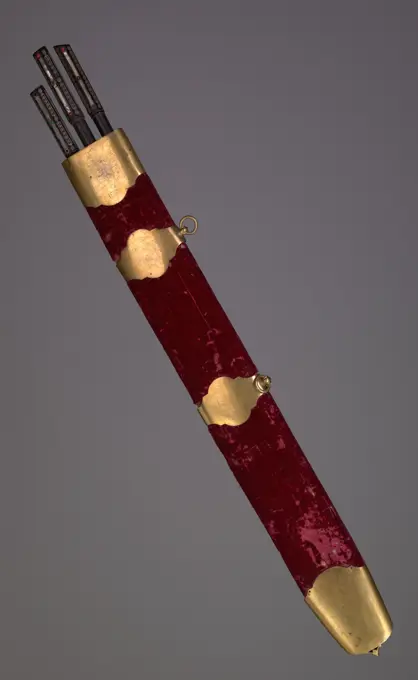
Pendant or Johannes van Leenen, Anonymous, c. 1675 - c. 1700 sword. cutlass Houwer or Statiwaard by Johannes van Leenen. De Houwer has an hilt of Suassa: a precious alliage of fire gilt copper, gold and arsenic. The hilt is richly decorated with performances of birds, butterflies, flowers, branches of plum trees and a pagoda. The black surfaces are treated with paint. The Dutch blade is etched with flower vines on both sides. The wooden sheath is exaggerated with shark sheet and has an upper and top tire from Suassa. The hook tire of the top strap is missing. Japan iron (metal). wood (plant material). sharkskin.  ornaments ~ art Iran. Persia
Pendant or Johannes van Leenen, Anonymous, c. 1675 - c. 1700 sword. cutlass Houwer or Statiwaard by Johannes van Leenen. De Houwer has an hilt of Suassa: a precious alliage of fire gilt copper, gold and arsenic. The hilt is richly decorated with performances of birds, butterflies, flowers, branches of plum trees and a pagoda. The black surfaces are treated with paint. The Dutch blade is etched with flower vines on both sides. The wooden sheath is exaggerated with shark sheet and has an upper and top tire from Suassa. The hook tire of the top strap is missing. Japan iron (metal). wood (plant material). sharkskin. ornaments ~ art Iran. Persia
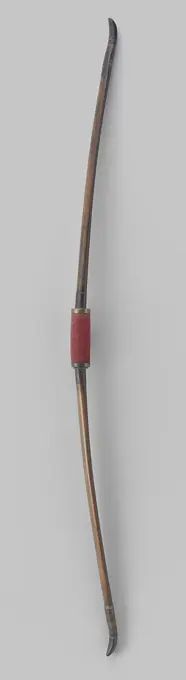
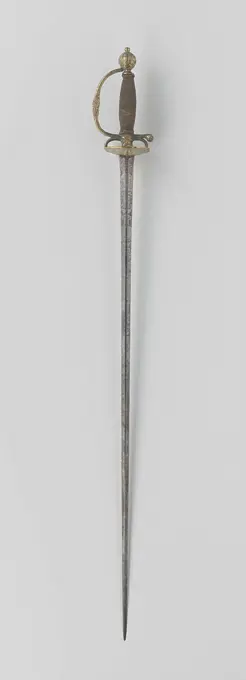
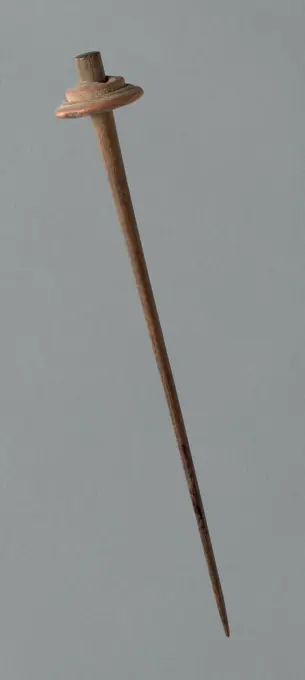
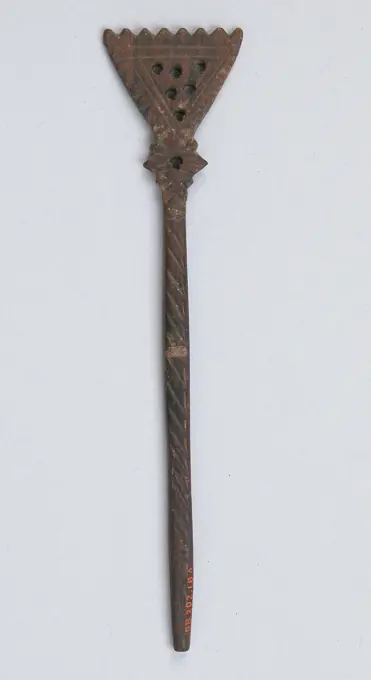
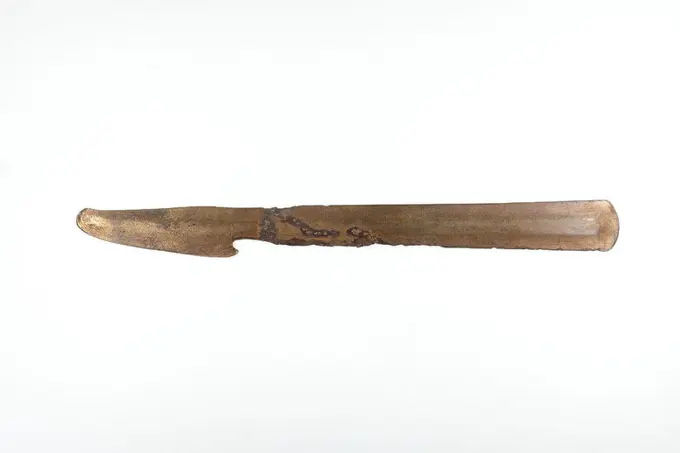
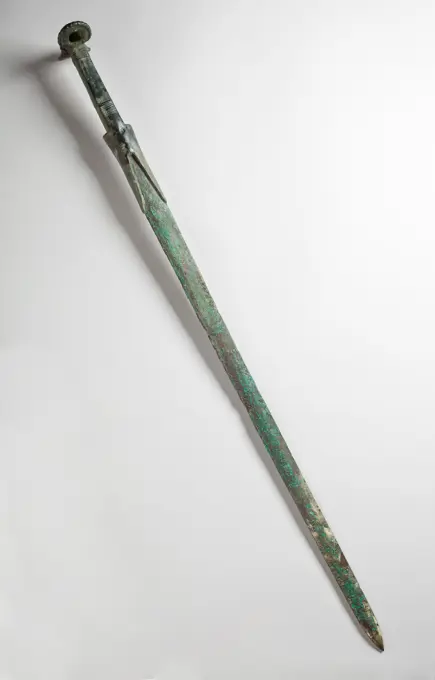
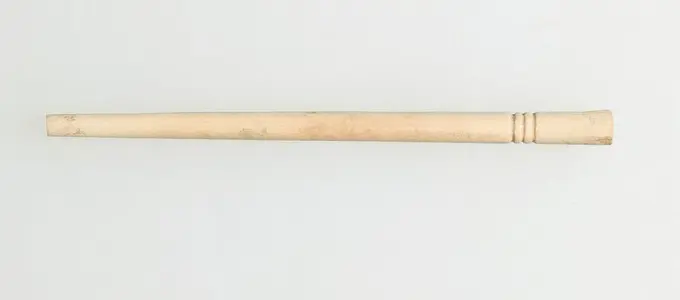
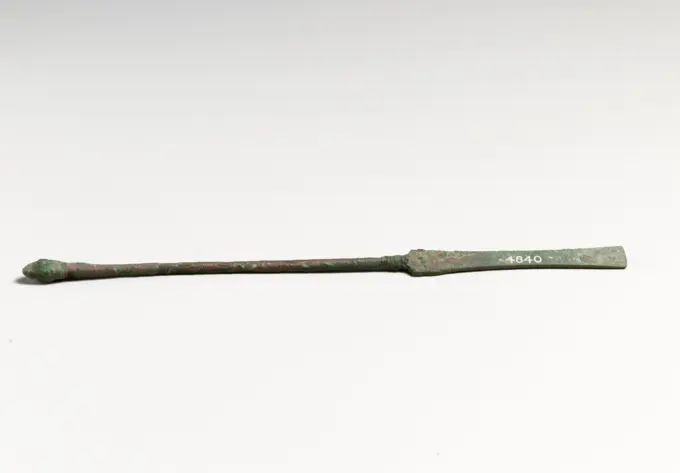
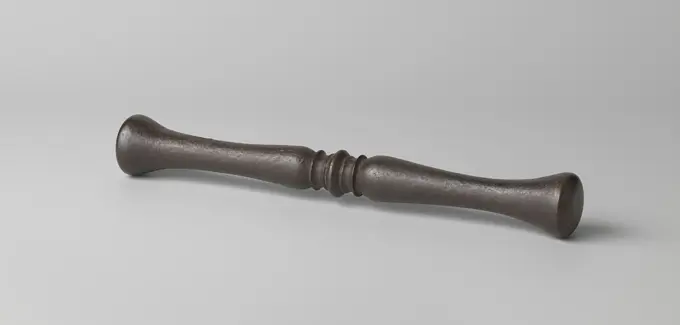
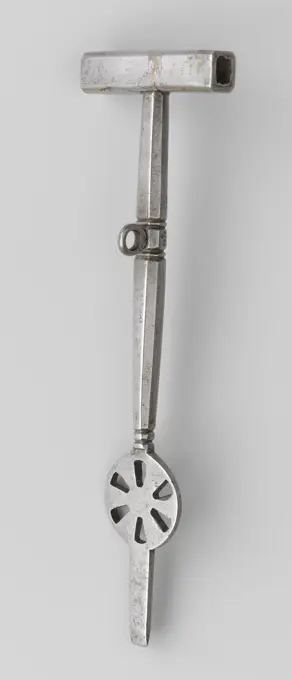
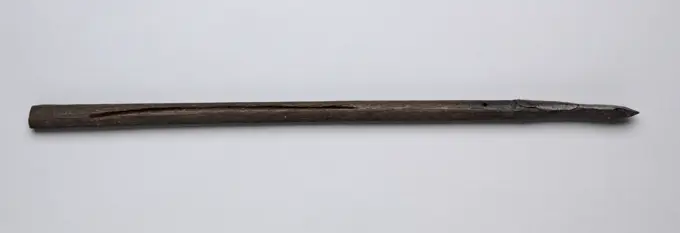
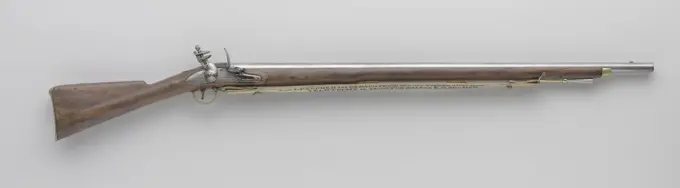
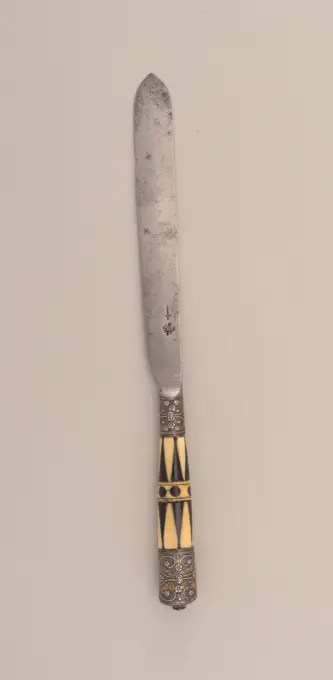
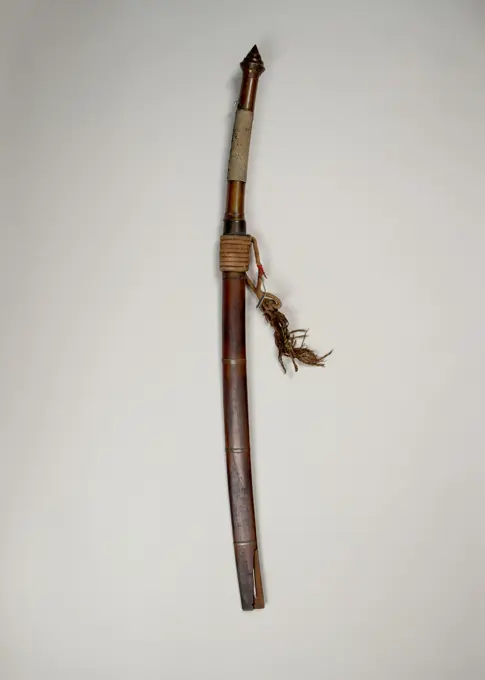
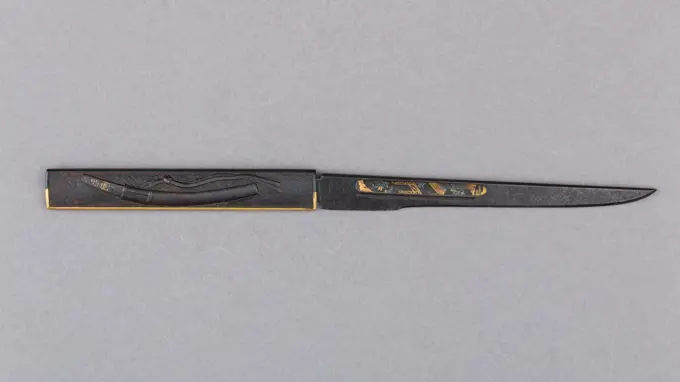
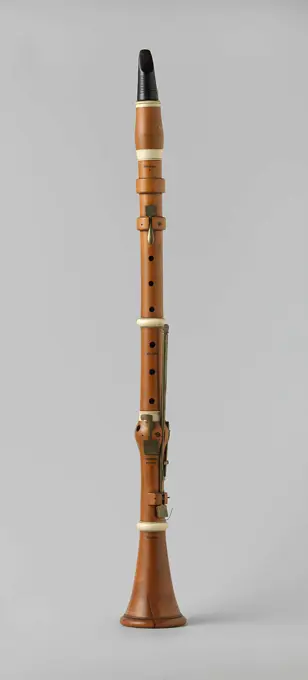
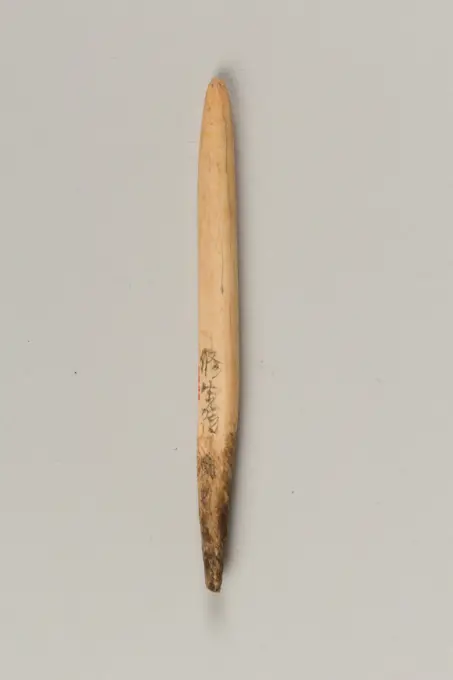
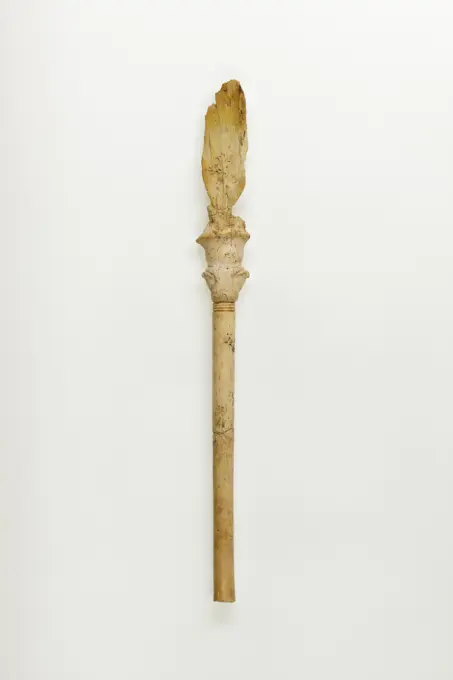
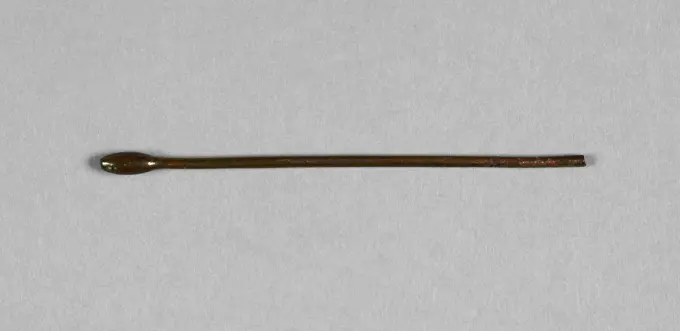
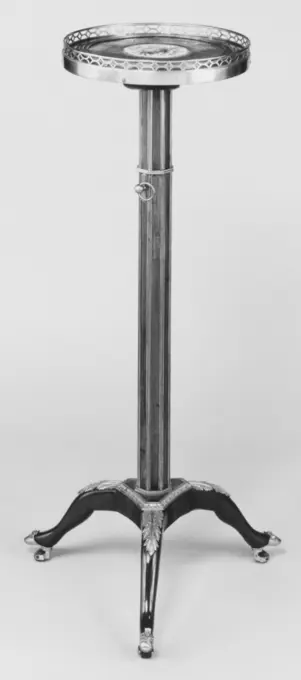
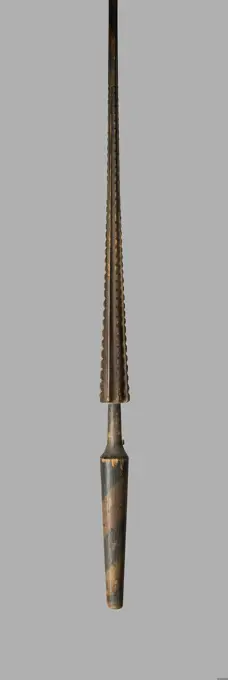
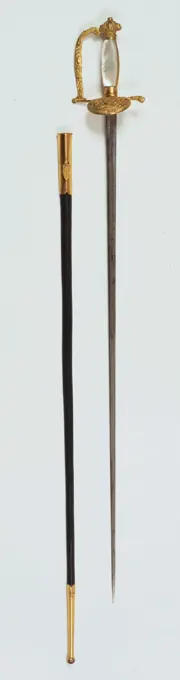
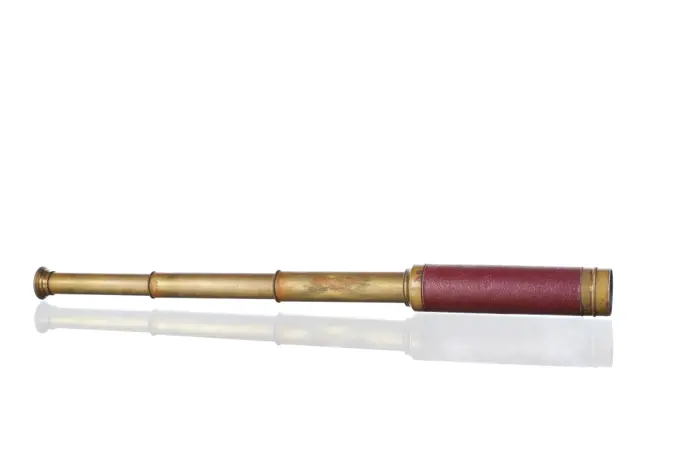
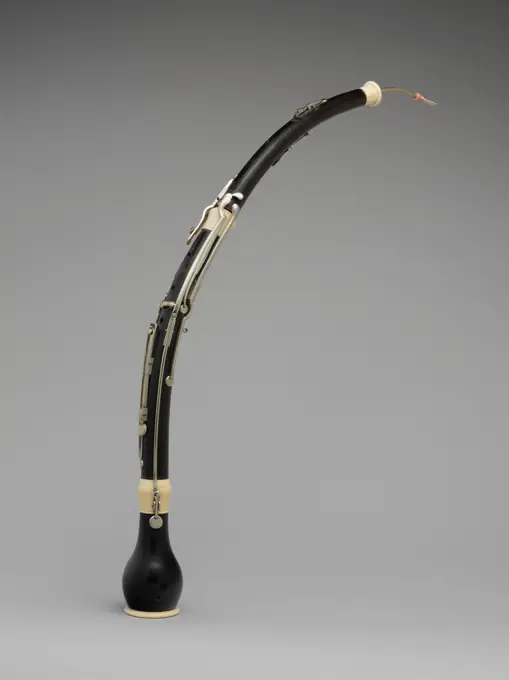
Pin 10th century Irish. Pin 468284Pendant or Johannes van Leenen, Anonymous, c. 1675 - c. 1700 sword. cutlass Houwer or Statiwaard by Johannes van Leenen. De Houwer has an hilt of Suassa: a precious alliage of fire gilt copper, gold and arsenic. The hilt is richly decorated with performances of birds, butterflies, flowers, branches of plum trees and a pagoda. The black surfaces are treated with paint. The Dutch blade is etched with flower vines on both sides. The wooden sheath is exaggerated with shark sheet and has an upper and top tire from Suassa. The hook tire of the top strap is missing. Japan iron (metal). wood (plant material). sharkskin.  ornaments ~ art Iran. PersiaThe Kingdom of the Netherlands, Anonymous, 1800 - 1899 sword Degen with fire -gilt -gilt copper hilt, consisting of: button, front bracket, grabbing two mother -of -pearl plates. Half pare bar with button. Two bumps, one of which is large. On a shot: w with a crown surrounded with laurel wreath and trophy. Six -flawed partly bluated iron blade with fire guld etched trophies and floral/vegetative decorations. On the heel the initials s.v.j., downside: à solingen. Solingen kling: iron (metal). gevest: copper (metal). greep: mother of pearl forging / gilding / etching / inlay (process)  SolingenHair Pin. Korea, Joseon (1392-1910), 19th century. Jewelry and Adornments; pins. Silver-plated cast bronze with gildingBayonet.The bayonet has a knling triangular in diameter and a fastening method similar to the regular bayonet closure, incomplete. Rifle and Bayonet are found separately, but brought together due to accurate steps.WeavingSwordBoog behorend bij wapenrek van Cornelis Tromp.Arch consisting of two, relatively short, pitch arms, with cams (the ends) that come together in a handle covered with red sheet. The cams and grabbed its European form. The pitch arms are made of horn, which is a sturdy but heavy material. The arms are probably made up of 3 layers, like a sandwich: a layer of horn, a layer of wood in the middle and another layer of handset. In this way you could use the strength of the horn, but prevent the arc that became too heavy to handle. The tendons, often made of linen or silk, are missing.Sword of Jacob Cabeljauw, anonymous, before 1573 two-handed sword The pare bar of the cross -shaped hog ends after a curl in the middle of a second curl; The side brackets have two buttons; The rack button of cast iron has the shape of a mushroom and is decorated with two cods; The leather -covered handle is made of wood and has three grooves in the middle. The straight blade is biling and has a diamond -shaped cross -section with two curved pare hooks; An inscription is painted with black letters on a white surface on the blade surface. With a inscription concerning Siege of Alkmaar 1573. Netherlands iron (metal). wood (plant material). leather. paint (coating) casting / painting  AlkmaarMourning Deaf with cut silver hundred, Anonymous, 1795 Mourn in a grabbing silver rigid with a handle and fist bracket with facets and a triangular, partly blank sharpened and partly blazed and gilded blade. Brands on the handle and on the bracket: a. A women's head with 1 b. A Roman head with 5 (both EN-FACE) c. A rooster and 1 d. Unclear, ao, among other things, is an illegible masters. On seizure of the sheath: an ax in phases collection (= Paris). A, B and C: Paris, 1st content (1798-1809). Brand: Paris 1795 (on hilt). Paris silver (metal). gilding (material) gilding Mourn in a grabbing silver rigid with a handle and fist bracket with facets and a triangular, partly blank sharpened and partly blazed and gilded blade. Brands on the handle and on the bracket: a. A women's head with 1 b. A Roman head with 5 (both EN-FACE) c. A rooster and 1 d. Unclear, ao, among other things, is an illegible masters. On seizure of the sheath: an ax in phases collection (= Paris). A, B and C: Paris, 1sRegimentsdegen voor officier.Regiment degree for officer. The hilt of cast selector is vis-à-vis relief with getting trophies and rococo curlwork against a granular surface; The wooden handle is wrapped with a chronder wire and has braided handle rings from finer material on the top and bottom. The double-sided knling has a hexagonal diameter and is etched with the coat of arms of the house of orange inside a panel with up and down, and a panel with vivat p: V: o under a fruit garland and above a stylized festoon; The swordsger address is under the weapon.Wooden Spindle with Ceramic Whorl Made 1000-1476 Peru. Wood .Pot hook Ptolemaic Period 332-30 B.C. View more. Pot hook. 332-30 B.C.. Bronze. Ptolemaic Period. From Egypt, Upper Egypt, Thebes, Asasif, Birabi, MMA excavations, 1915-16Forket ,, c. 1675 - c. 1725  The fork is wide; Both teeth are horizontal bent at the ends, thicken there and are also split into two sheets, which can be written to each other by a hoarse, which ends with a double wing. The very light wooden stick is blackened () And affected by woodworm. No point at the bottom. Low Countries Fork: Iron (Metal). Shaft: Wood (Plant Material)Arrow Point, 1700s. Japan, Edo period (1615-1868). Steel; overall: 15.2 cm (6 in.); head: 3.8 cm (1 1/2 in.).Mace 1550 Germany. Iron .Hairpin 5th-6th century Coptic. Hairpin 473119Baki's Razor-Knife. Dimensions: L. 19.4 cm (7 5/8 in.); W. 1.8 cm (11/16 in.); Greatest th. 0.3 cm (1/8 in.). Dynasty: Dynasty 18, early. Reign: reign of Thutmose I-early sole Thutmose III. Date: ca. 1504-1447 B.C.. Museum: Metropolitan Museum of Art, New York, USA.AncestorPostHair pin ca. 1850-1700 B.C. Middle Kingdom. Hair pin. ca. 1850-1700 B.C.. Ivory. Middle Kingdom. From Egypt, Memphite Region, Lisht North, south of Tomb of Nakht (493), south cemetery, Pit 453, MMA excavations, 1913-14. Dynasty 12, late-13 to 1700 B.C.Sword. Iran, Luristan, 1200-800 B.C.. Arms and Armor; swords. BronzeHair pin. Dimensions: l. 8.5 cm (3 3/8 in). Dynasty: Dynasty 12, late-13 to 1700 B.C.. Date: ca. 1850-1700 B.C.. Museum: Metropolitan Museum of Art, New York, USA.Ahlspiess 1490-1510 Europe. Steel, wood (chestnut), and brass .Dagger ca. 8th-7th century B.C. Iran. Dagger. Iran. ca. 8th-7th century B.C.. Bronze. Iron Age III. Northwestern Iran, Caspian regionBronze scalpel/dissector 1st-3rd century A.D. Roman, Cypriot The instrument is a typical example of a Graeco-Roman surgeon's scalpel. One end serves as a leaf-shaped dissector, while the other forms a rectangular handles with a central wedge-shaped slot that originally held the iron or steel scalpel blade.. Bronze scalpel/dissector 244390Dagger. Iran, circa 1350-1000 B.C.. Arms and Armor; daggers. Bronze with bone inlayStamper van brons met geprofileerde nodus.Molded pestle of bronze with a profiled nodus in the middle. The handle is slightly wide on both sides.Pair of wheellock rifles with spanner from Cornelis Tromp, anonymous, c. 1650 - c. 1690 gun accessories Key belonging to the Radslot Buks of Cornelis Tromp. Danzig iron (metal)Sergeantshellebaard, 1650 - 1700 Halberd Short blade with a strong tapered shape with a sharp middle bone. Hexagonal tapered house with a disc -shaped button and a ring -shaped profile below. The house has a right through gap through which the ax and hook, which are forged into one, are stabbed through. Both the ax and the hook have committed cutting out. Two short -rank feathers. Round (ash wood) stick (black -yellowed) without shoe. Low Countries wood (plant material). iron (metal)   Low CountriesDark wood handle for an umbrella or umbrella, with a leg button; with carrying strap, Gustav Schnitzler, c. 1910 - c. 1920 Dark wood handle for an umbrella or umbrella, with a leg button. The handle is pierced in the middle; A belt is strung by the hole, which is covered with leg. Nijmegen Handle: Wood (plant material). Button: Bone (Material) Dark wood handle for an umbrella or umbrella, with a leg button. The handle is pierced in the middle; A belt is strung by the hole, which is covered with leg. Nijmegen Handle: Wood (plant material). Button: Bone (Material)Sleges in the form of a Degen, Johannes Schiotling, 1791 Silver meats, in the form of a sword. Amsterdam silver (metal) Silver meats, in the form of a sword. Amsterdam silver (metal)Transverse Flute Melanesian (Bismarck Archipelago, Papua New Guinean) late 19th centuryCrossbow Bolt, 1500s-1600s. Germany, 16th-17th century. Wood, leather, steel; average: 37.2 cm (14 5/8 in.).Degen with Schede, Peter Knecht, c. 1798 - c. 1852 sword Dutch Officiersdegen General Model M 1820  iron (metal). copper (metal). leather engraving  AmsterdamDegen with Schede, Anonymous, c. 1699 - c. 1799 sword Statiedegen with gilded hilt. The blade is gilded and ornamented. Point of Kling broken off. In bad shape. Schede is missing. Europe Kling, hilt: Iron (Metal) gilding / engraving  EuropeHorseman's Axe 1600-1700 Western Europe. Steel, wood (oak), leather, and brass .Erxian 19th century Golden Tone Workshop. Erxian 500619L.P. Zocher, Anonymous rifle Rifle with bayonet with carrying strap with inscription: to L.P. Zocher in memory of the ten -day campaign in August 1831 by K.G. Zocher.  iron (metal). wood (plant material)   BelgiumOboe, George Astor, c. 1800 Hobe of palmhout with two round brass valves. The third and fourth gap are double. Marked on all three parts: G. Astor / London. London boxwood. kleppen: brass (alloy) Hobe of palmhout with two round brass valves. The third and fourth gap are double. Marked on all three parts: G. Astor / London. London boxwood. kleppen: brass (alloy)Ellemaat with handle, anonymous, 1797  Length of 1 tbsp with handle. V.z.v. stamp. Netherlands wood (plant material)   NetherlandsKnife (England); steel, silver, gold, ivory, bone; L x W: 22.5 x 1.7 cm (8 7/8 x 11/16 in.); The Robert L. Metzenberg Collection, gift of Eleanor L. Metzenberg; 1985-103-86Fork 1780-90 British. Fork. British. 1780-90. Sheffield plate. Metalwork-SilverplateSword (Dha) with Scabbard 19th century Burmese. Sword (Dha) with Scabbard 31083Iron peak with copper band, anonymous, 1600 - 1699  Official peak, stick weapon composed of a tapered house, with four rivets attached to the shaft, a noud-de-corps and a two-cut blade with very convene cuts.  kling: iron (metal). schacht: wood (plant material) forgingNative Indian fishing hook made from made from bone. decorated, Eskimo, (Inuit). Canada 1870Shovel 1770-1830. Shovel. 1770-1830. Brass, steelSpeaking Trumpet early 19th century. Speaking Trumpet. early 19th century. Brass. Aerophone-Lip Vibrated-trumpet / tromboneHandle. Culture: Muisca (). Dimensions: H. 5 7/8 x Diam. 3/8 in. (14.9 x 1 cm). Date: 10th-16th century. Museum: Metropolitan Museum of Art, New York, USA.Run from a percussion weather, anonymous, c. 1801 rifle Running a percussion weather, European with Indonesian or Indian ornaments; Smooth, round loop, which turns into an octagonal part to the room. There is a percussion room on the right side of the Chamber (the percussion inspection is missing). There is a visor grain on the front part of the loop. At the bottom of the loop is a long flat strip, with a hollow on the narrow side for the cargo and two cargo carriers; The whole is attached to the barrel by means of bolts. Originally completely glowed steel. The mouth, the flat strip, the chest of the carpenter and the room have been attacked with copper in the form of flower and leaf motifs, meander band and the year 1801. EuroDeindiaindia whole: Iron (metal). Copper (Metal)   LombokSzahk  XXW. (1901-00-00-2000-00-00);Knife Handle (Kozuka) with Blade 17th century Japanese A kozuka is a handle of a by-knife that is part of a sword mounting. It is kept in a slot on the reverse of a katana scabbard, often with a matching kgai (hairdressing tool).. Knife Handle (Kozuka) with Blade. Japanese. 17th century. Iron, copper-gold alloy (shakud), gold, silver. Sword Furniture-KozukaDegen of J.R. Thorbecke, Anonymous, c. 1850 civil servant's sword Degen belonging to official costume of J.R. Thorbecke as Minister of the Interior. The blade of the swing of the swing is three -handed. De Schede is made of black leather with a brass mouthpiece. The hilt is made of brass and with decorated with floramotives. On the shot a shield with two lions on both sides. The handle is of mother -of -pearl. The handle button is decorated with rosettes all around. Netherlands Kling: Iron (Metal). Established, mouth juice: Brass (Alloy). Handle: Mother of Pearl. Schede: Leather. Felt (Textile) etchingOboe, c. 1810 Oboe with five valves Germany (possibly) Fruitwood. Ivory. Valves: Metal Oboe with five valves Germany (possibly) Fruitwood. Ivory. Valves: MetalClarinet.Clarinet of yellow wood with white legs tires and five copper valves.Fork with lift with fine relief on granulated ground.fork with lifting or silver. The Lifting is Equipped With Fine Relief Drinks On Granulated Soil.Harpoon head Japan The Jōmon period is the earliest period in Japanese history, lasting from roughly 14,000 to 300 BCE. The Jōmon people were primarily hunter-gatherers, hunting land animals and gathering vegetables and nuts on the land as well as hunting and fishing at sea. Harpoon heads such as this one testify to the importance of seafood in the diets of some Jōmon communities, especially those close to the sea. Fish bones found at Jōmon archaeological sites indicate that the Jōmon hunted fish not only close to the shore but also farther out in the open sea, where larger fish could be caught. There is even evidence that the Jōmon ate pufferfish, a poisonous fish considered a delicacy in modern Japan.. Harpoon head 62283Model of a Made Bowsprit, Mauritzen, 1828 demonstration model Model of a cobbled bicons. Model of a round bowsprit from four pieces consisting of lip bags and neuten inside. The ends are octagonal. The tub tires have been painted. Scale 1:12 (scale on model). Java wood (plant material). paint (coating)Cosmetic spoon ca. 1550-1295 B.C. New Kingdom. Cosmetic spoon 546049Knife Switzerland. Knife 43579Pin Cypriot. Pin 244386Tool (usual name), -276. Hammered copper alloy. Carnavalet museum, history of Paris.Hammer of a Janissary. Culture: Turkish. Dimensions: L. 18 in. (45.7 cm); W. 5 3/4 in. (14.6 cm); Wt. 1 lb. 0.1 oz. (456.4 g). Date: 17th century. Museum: Metropolitan Museum of Art, New York, USA.Iron peak, c. 1599 - c. 1899  Iron peak on a stick. The blade of the peak has the shape of a triangle, in the middle a roared middle bone which extends to the tip. The blade has a short narrow neck and then broadens cylindrical -shaped where a rivet holds the shaft and the blade together. Netherlands (possibly) kling: iron (metal). schacht: wood (plant material)   EuropeButt end of arrow ca. 2051-2000 B.C. Middle Kingdom. Butt end of arrow 561783Mace 18th-19th century Persian. Mace. Persian. 18th-19th century. Iron, silver. Shafted WeaponsBassoon in C 1750-70 Johannes Scherer, Jr. German. Bassoon in C 501497Degen, marked: FM, Frederik Mampaus, c. 1777 sword Degen, grabbed wrapped with twisted silver thread. Torched gold -plated button with narrow gilded front bracket with sloping lines decorated. Bottom bracket broadens to heart-shaped gilded shot with button. Marked FM (Frederik Mampaus). Iron Kling. Amsterdam kling: iron (metal). gevest: silver (metal)Spatula Cypriot. Spatula 244391Souvenirs of Józef Czapski  Pastel Pencil Pastel I told ParisPendant with Daoist divinities 19th century China Both sides of this fruit pit are meticulously carved with images of Daoist immortals, including the fairy Magu with her deer attendant and Shoulao, God of Longevity. The small size and hard surface of fruit stones (usually ganlan, also known as Chinese olives”) make them extremely difficult to carve, which is why this craft was highly valued. Very few of these objects were created and even fewer survived.. Pendant with Daoist divinities. China. 19th century. Fruit stone. Qing dynasty (1644-1911). SculptureSnaphance Gun 1800-1900 Morocco. Wood, steel, silver, enamel, and bone .Knife with Porcelain Handle, porcelain, gilding, steel, Leaf-shaped gilded blade, plain bolster. Banded ferrule, white porcelain handle, rectangular in section with polychrome decoration of birds on branches and butterflies, surrounded by a decorative pattern in gold., Germany, 1850-1900, cutlery, Decorative Arts, knife, knifeScroll Weight. China. Date: 1400-1599. Dimensions: 36.6 × 2.4 × 3.1 cm (14 7/16 × 15/16 × 1 1/4 in.). Carved cinnabar lacquer. Origin: China. Museum: The Chicago Art Institute, Chicago, USA.Long-Stem Pipe. Colima; Colima, Mexico. Date: 100 AD-300 AD. Dimensions: L. 58.4 cm (23 in.). Ceramic and pigment. Origin: Colima state. Museum: The Chicago Art Institute, Chicago, USA.Kohl Stick ca. 1783-1640 B.C. Middle Kingdom-Second Intermediate Period. Kohl Stick. ca. 1783-1640 B.C.. Ivory. Middle Kingdom-Second Intermediate Period. From Egypt, Upper Egypt, Thebes, Asasif, Carnarvon/Carter excavations. Dynasty 13-17Brush belonging to Suzuribako, Anonymous, 1850 - 1900 Brush belonging to Suzuribako. Gold. Japan wood (plant material). lacquer (coating) Brush belonging to Suzuribako. Gold. Japan wood (plant material). lacquer (coating)Ponjaard, parrot rod ending in hands, Jacobus Coenraads (senior), c. 1810 - c. 1830 poniard Ponjaard or Hartvanger. The cross -shaped hilt is attached with gilded yellow buyer; The ebony grip has the shape of a handle; The hinge button ends in a long handle ring and is decorated with radiating lines, engraved cross flowers and acanthus leaves in relief; The handle is grooved crosswise, underneath is a band with overlapping circles in relief; The rectangular pare block is engraved with crucifixes and ends in a straight pare rod with arms in the form of vast hands with a wreath around the wrist and on one side a ring around the index finger from where a chain as a fist bracket to a bracket ring soldered to the rag button runs. The one -sided blade with a curve has been sanded hollow and has a narrow groove à la Montmorency; with cut point; Etslasted with an arrow on the back and an oval panel on both sides with the address of the sword swepra framed by braid with a hussar on horseback waLans from the arms rack of governor-general J.C. Baron Baud, Anonymous, c. 1800 - c. 1900 pike Round wooden shaft with iron cover on the bottom of a cone -shaped point. Top of shaft is wrapped with rope around which an iron ring. Short narrow blade, ending in a pointed point. Decoration (rooted steel) on blade. Kalimantan wood (plant material). iron (metal). rope cutting / forging / castingKnife with Masked Figure 2nd-7th century Moche. Knife with Masked Figure 315485Mace Head with Socket Handle. Culture: Persian. Dimensions: H. 9 1/2 in. (24.1 cm); W. 2 1/4 in. (5.7 cm); Wt. 1 lb. 7 oz. (652 g). Date: 16th century. Museum: Metropolitan Museum of Art, New York, USA.ClubWood walking stick around which turtle and on which a gold-plated button, decorated with mythological representations embossed. Metal point.Candlestand ca. 1780 Porcelain plaques by Sèvres Manufactory French This adjustable candlestand was intended to support a freestanding candlestick or candelabrum. The ring on the side of the pillar controls a spring-operated lever, which engages in a steel ratchet and allows the top to be set at any height up to 45-1/4 in. (114.8 cm). Inset in the top is a circular plaque of Sèvres soft-paste porcelain. The plaque is painted with a broad apple-green border around a white reserve, which is framed by a gold band with branches and leaves; a composition of flowers and grapes is painted on the white reserve. The plaque is unmarked but can be dated about 1780 on stylistic grounds. The legs are a distinctive feature of this candlestand: each is a stylized human leg and terminates with a gilt-bronze mount in the form of a shoe tied with a ribbon.Martin Carlin made a number of candlestands with Sèvres plaques, often with the addition of a second marquetried tray below the top and a pair of giltLance for the Carousel (Running at the Ring) 1500-1600 Dresden. Iron, wood, and paint .Marinegeweer with flint lock, Johan George Erel, after 1728 - in or before c. 1795 flintlock gun Marine flint rifle with round iron loop, iron flint lock. The drawer and flask are made of walnut. End of the loop a mopper visor grain, an iron haft at the bottom of the loop. Under the drawer an iron chest of drawers with a conical head. The flask hood is made of copper. Amsterdam Walk, lock, chest of drawers: Iron (metal). drawer tape, flask hood: copper (metal). Drawer, Kolf: Wood (Plant Material)EVENTAIL. "Tomb of Frédéric II". Paper, gouache engraving, openwork ivory frame. Paris, Carnavalet museum. Eventail: tomb of Frédéric II Fashion accessory, EventailSpear-Thrower, 600-1000. Peru, South Coast, Middle Horizon, 6th-10th Century; modern assembly of ancient parts. Wood, metal, bone, thread, sinew; overall: 52.8 cm (20 13/16 in.).Jachmer. An iron yacht hammer. The hexagonal stem is connected to the conical upper by a baluster, which carries the head. This is decorated with engraving, as well as the upper part of the handle. On the claw of the head a frame of leafwork, in which a deer on one side. On the stem spirals geometric and leaf ornaments.Jeweler's Hammer, 1600s. Europe, 17th century. overall: 26.7 x 5.8 cm (10 1/2 x 2 5/16 in.).Forked Staff of Harmose ca. 1479-1458 B.C. New Kingdom. Forked Staff of Harmose. ca. 1479-1458 B.C.. Wood. New Kingdom. From Egypt, Upper Egypt, Thebes, Sheikh Abd el-Qurna, Tomb of Senenmut (TT 71), below, burial of Singer Harmose, at left side of coffin, MMA excavations, 1935-36. Dynasty 18Przeszo Przyszoci unknownDegen van Gala costume of honorary guard during the inauguration of Queen Juliana. Those in black leather sheath with hilt of brass and mother-of-pearl in cover. Worn by Ernst Hartmann, member honorary council, during the inauguration of Queen Juliana on September 6, 1948.Screw bullet extractor 17th century French or German. Screw bullet extractor 192688Hairpin 200-500 Roman. Hairpin 465105 Roman, Hairpin, 200500, Copper alloy, Overall: 2 3/16 x 3/16 in. (5.6 x 0.4 cm). The Metropolitan Museum of Art, New York. Gift of J. Pierpont Morgan, 1917 (17.191.57)Dessert Knife (France); mother-of-pearl, silver; L x W x D: 18.7 x 2 x 1 cm (7 3/8 x 13/16 x 3/8 in.)Silver kyathos (cup-shaped ladle) late 4th century B.C. Greek, South Italian In 1895 the tomb of a Gallic warrior was excavated in a necropolis at Montefortino, about thirty miles west of Ancona in central Italy. The cemetery is that of Gauls who in the fourth century B.C. began to invade central Italy and to stage raids as far south as Apulia. The tomb contained iron weapons, bronze and terracotta vessels, and also a gold ring and five silver vessels that must have been brought as loot from another part of Italy. The hoard includes a silver jug (08.258.51), a silver bowl with swinging handles (08.258.50), a pair of stemless silver cups decorated on the inside with a complex floral pattern (08.258.52-.53), and a silver kyathos (cup-shaped ladle) with a handle that terminates in a duck's head (08.258.54).. Silver kyathos (cup-shaped ladle). Greek, South Italian. late 4th century B.C.. Silver. Hellenistic. Gold and SilverSkewer (France); silverModel of a Made mast. Round mast with square top. The mast itself consists of an octagonal mast king surrounded by eight cheeks. The parts are held together by tub tires. At the height of the homer and the march the mast becomes square; In addition, the corners have been completed slightly. This model can be exploited.Fork with the inscription: I won't let me like to seba unknownantique brass telescope. Isolated on white backgroundEnglish Horn in G ca. 1840 Carl Theodor Golde German Listen to experts illuminate this artwork's story Listen Play or pause #9468. English Horn in G Supported by Bloomberg Philanthropies We're sorry, the transcript for this audio track is not available at this time. We are working to make it available as soon as possible.. English Horn in G 503999