Historical Weapons and Tools

Artifacts including spears, swords, and hairpins, representing historical metalwork and design from various cultures.

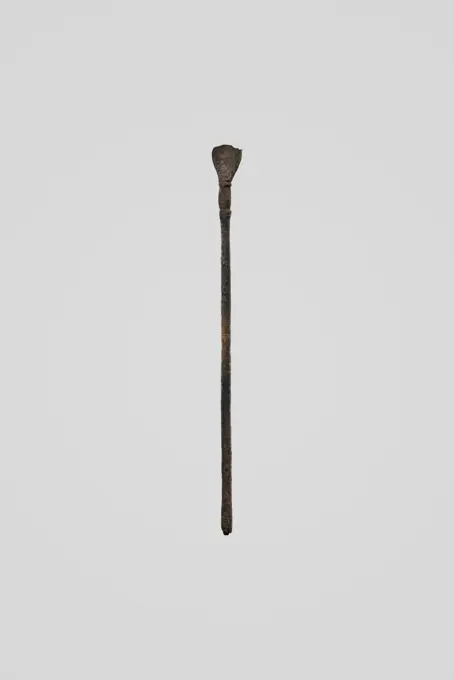
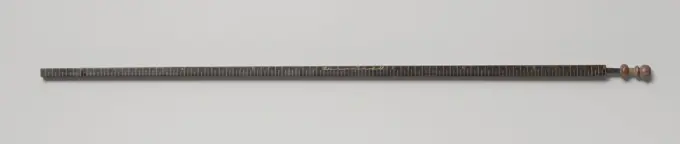
Tamboerstok from W. de Vries, Corporal Tamboer 2nd Bat in 1830/32. V. Department of Amsterdamsche Schutterij, 1814 - 1830  Tamboerstok or Tambour-Maître Stok from Pitriet. Bottom copper, partly steel profiled point. Two holes at the top, so that copper wire is applied, turned into hooks on both sides. A white metal chain around the stick. Top on both sides a hole, finished with white metal all around. On top of the stick a copper profiled ring, above which a silver ball with profile rings and vegetative ornaments. Silver brands in edge. From W. de Vries, in 1830/32 Corporal Tamboer 2nd Bat. V. Department of Amsterdamsche Schutterij.  silver (metal). copper (metal). metal sawing / drilling / casting / soldering / engraving
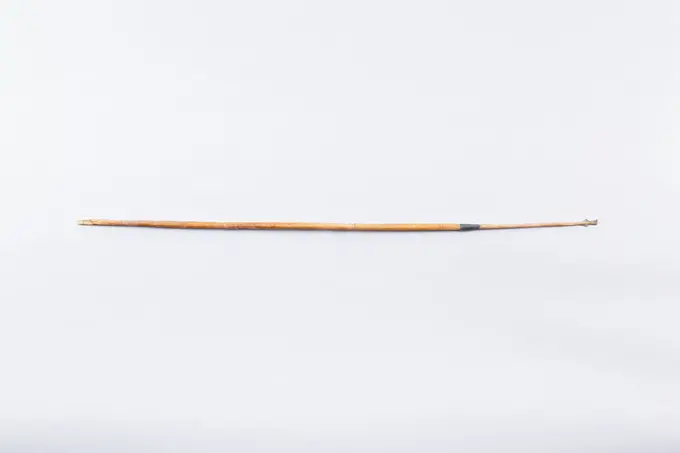
Tamboerstok from W. de Vries, Corporal Tamboer 2nd Bat in 1830/32. V. Department of Amsterdamsche Schutterij, 1814 - 1830 Tamboerstok or Tambour-Maître Stok from Pitriet. Bottom copper, partly steel profiled point. Two holes at the top, so that copper wire is applied, turned into hooks on both sides. A white metal chain around the stick. Top on both sides a hole, finished with white metal all around. On top of the stick a copper profiled ring, above which a silver ball with profile rings and vegetative ornaments. Silver brands in edge. From W. de Vries, in 1830/32 Corporal Tamboer 2nd Bat. V. Department of Amsterdamsche Schutterij. silver (metal). copper (metal). metal sawing / drilling / casting / soldering / engraving
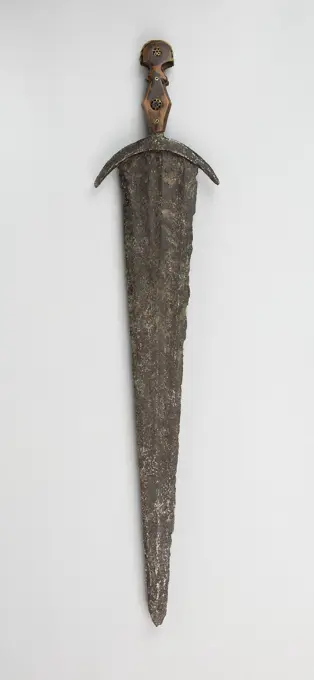
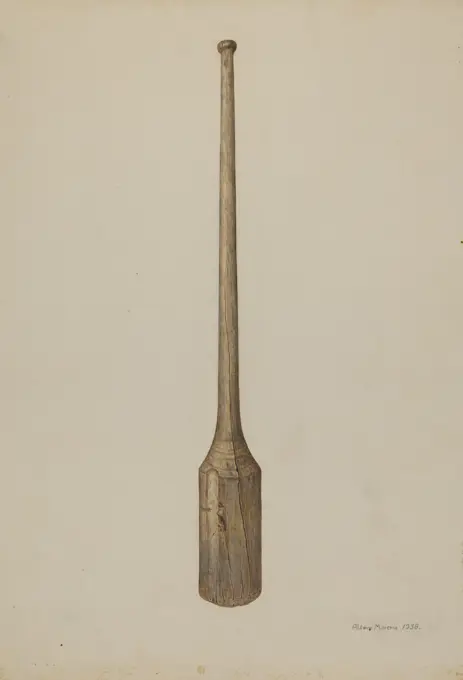
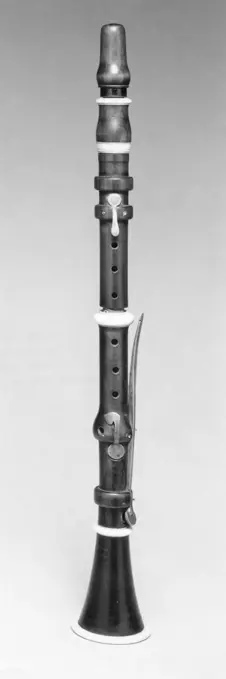
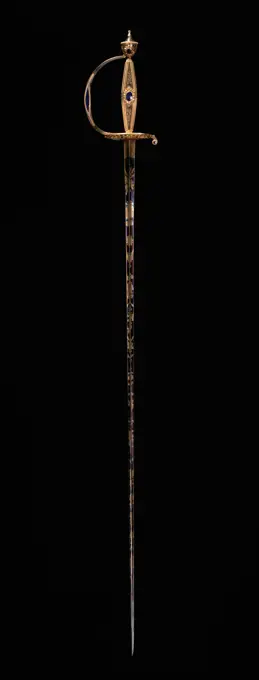
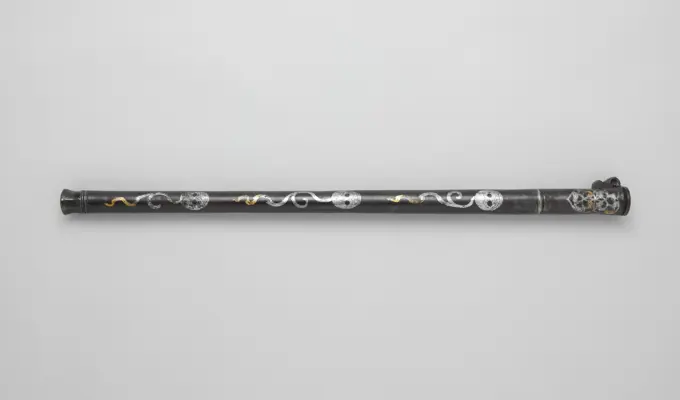
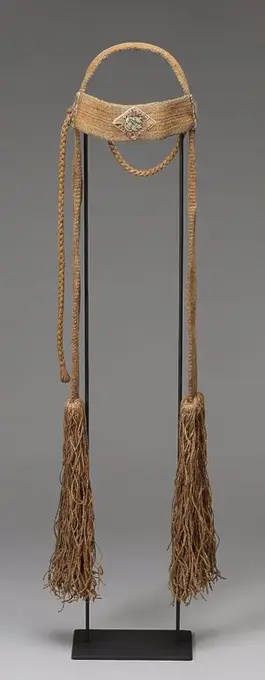
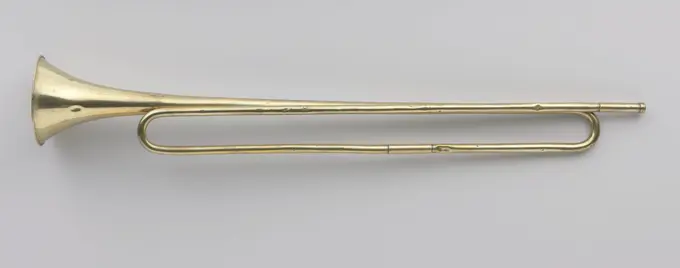
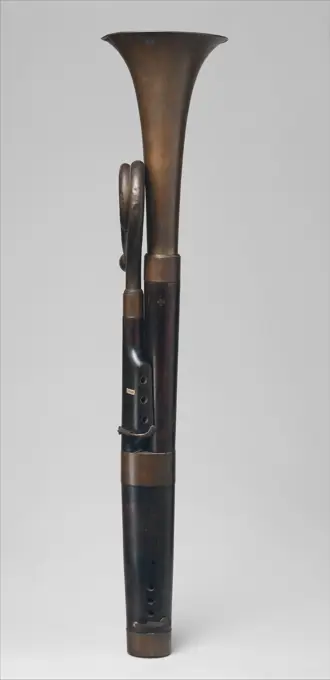
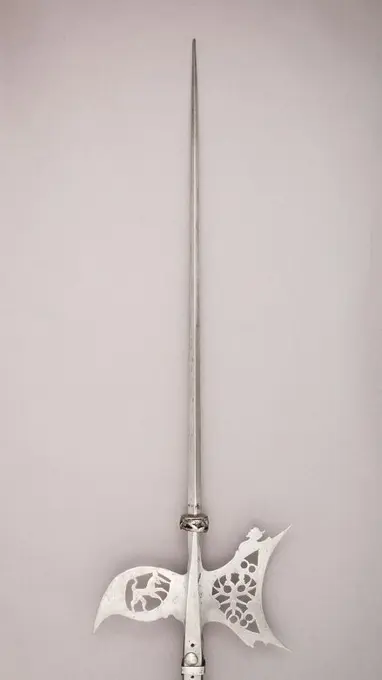
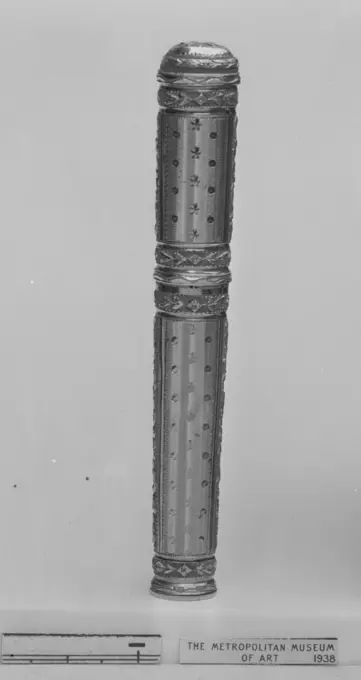
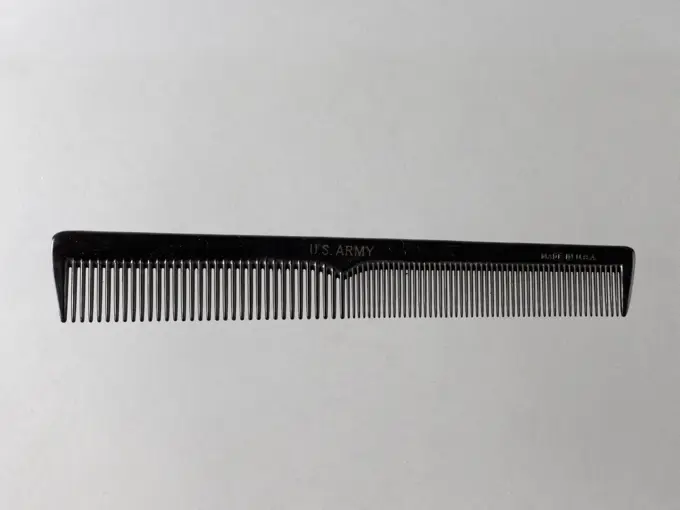
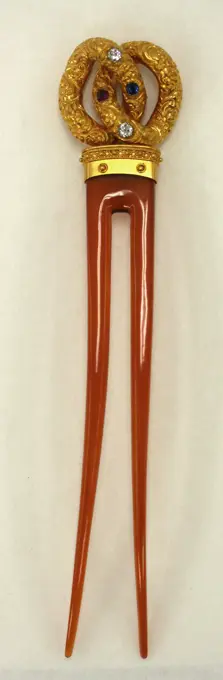
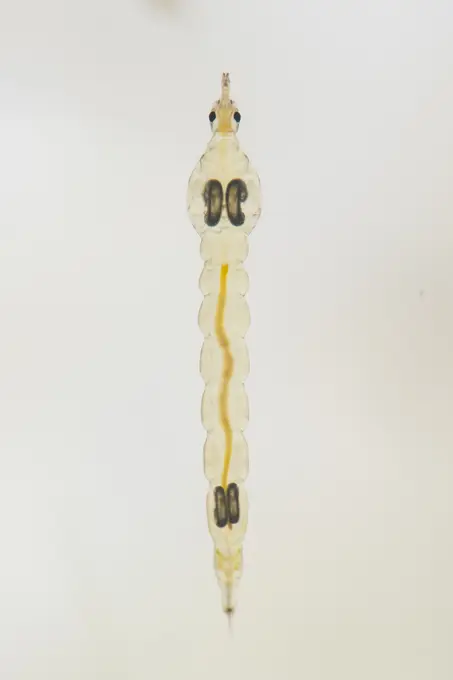
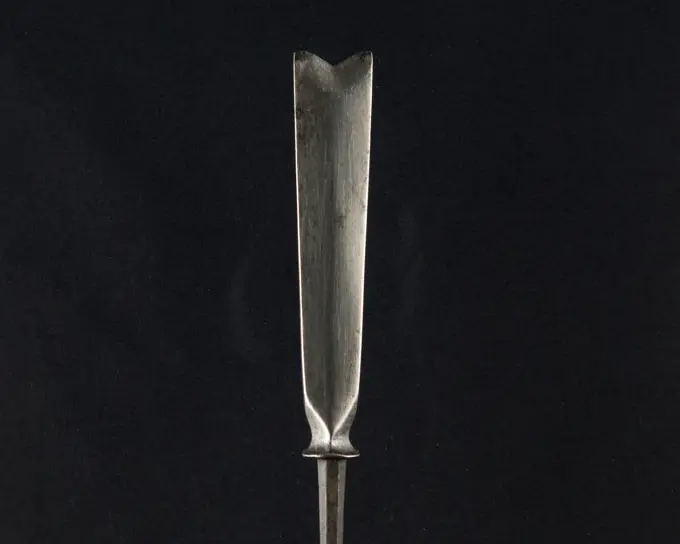
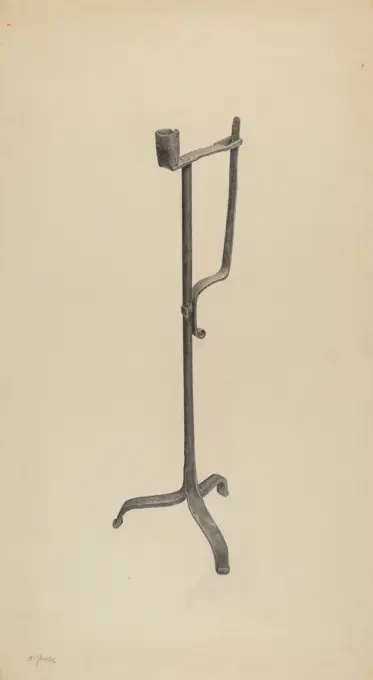
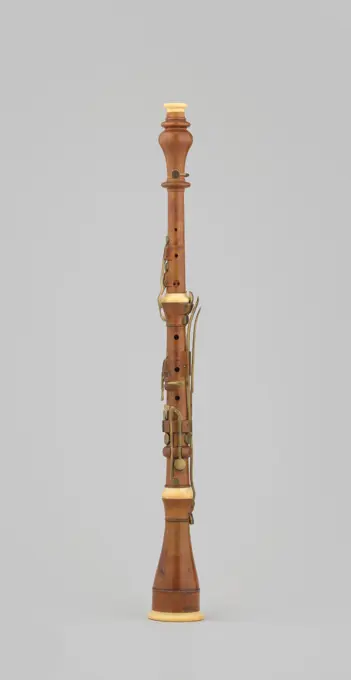
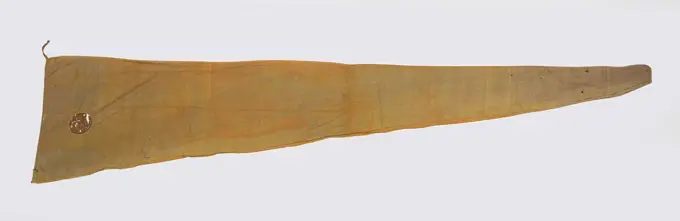
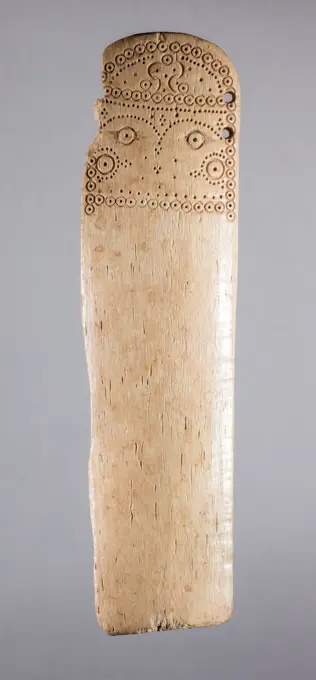
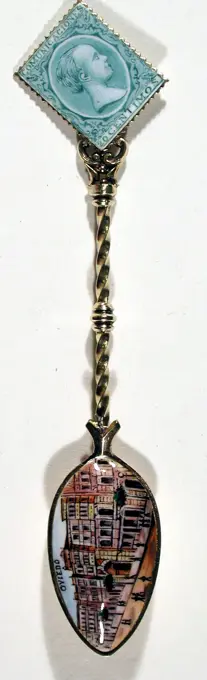
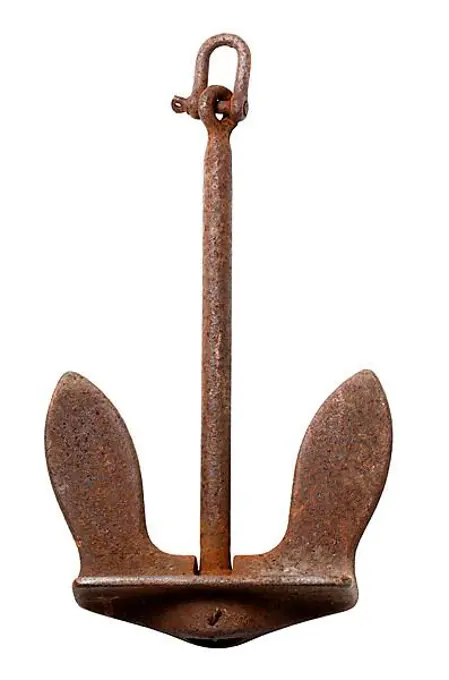
Pipe of red pipe earth. Pipe of red pipe earth.Guenbri late 19th century Saudi Arabian. Guenbri 500568Cinquedea 1800-1900 Italy. Steel, bone, and bronze .Alfonso Moreno, Wine Masher, 1938 Wine MasherKnife with elongated iron blade and wooden handle, consisting of two plates, knife cutlery soil find iron wood metal, archeologyOboe, anonymous, c. 1800 Hobo of Palmhout with three ivory rings and four valves. Germany (possibly) boxwood (hardwood). ivory. brass (alloy) Hobo of Palmhout with three ivory rings and four valves. Germany (possibly) boxwood (hardwood). ivory. brass (alloy)Hand drawn cartoonStylus or Hairpin 2nd-3rd century Roman. Stylus or Hairpin 465322 Roman, Stylus or Hairpin, 2nd3rd century, Copper alloy, Overall: 6 7/16 x 1/2 x 1/4 in. (16.4 x 1.2 x 0.7 cm). The Metropolitan Museum of Art, New York. Gift of J. Pierpont Morgan, 1917 (17.192.252)Clarinet in E-flat 19th century Henry H. Prentiss American. Clarinet in E-flat 503392Violin bow isolated on white backgroundSmall-Sword, c. 1790-1800. Switzerland, Geneva() (blade: Germany, Solingen, early 18th c.), late 18th Century. Hilt: gold with blue translucent enamel; blade: etched, blued and gilded steel; overall: 97 cm (38 3/16 in.); blade: 81 cm (31 7/8 in.); hilt: 16.5 cm (6 1/2 in.). This example shows the small-sword at its latest and most refined stage of development. Though highly reflective of French taste, it was probably fashioned in a Swiss workshop under French influence or by a French craftsman working in Switzerland. Worn publicly as an emblem of social rank, this sword was likely custom-made for an affluent individual to use on formal or court occasions. So-called because of its short blade, the small-sword emerged as the light and quick weapon of choice for aristocratic civilians during the 1700s. Such a sword was traditionally suspended at about mid-thigh from the left side of a belt, the hilt exposed through the opening of the gentleman's coat. Highly visible, the hilt invited laBarrel from a Ceremonial Musket 17th-19th century Tibetan. Barrel from a Ceremonial Musket 27815Bow ca. 1981-1802 B.C. Middle Kingdom. Bow. ca. 1981-1802 B.C.. Wood. Middle Kingdom. From Egypt. Dynasty 12Rod, presumably belonging to a meat wreath. Rid of hook-shaped ends, probably belonging to a meat wreath.Chisel China. Chisel 42752Letter Opener And Magnifying Glass; Manufactured by Barrett and Sons; silver, glasstop view of wooden salt spoon with fine Sea Salt top view of wooden salt spoon with fine ground Sea Salt isolated on white background Copyright: xZoonar.com/ValeryxVoennyyx 13600035Crutch icon support equipment vector illustration helpful tool for disabled people, orthopedic instrument that aids to walk, colorful medical banner. Crutch Icon Support Equipment Vector IllustrationCeremonial Headdress. Japan, Hokkaido, Ainu. Date: 1801-1850. Dimensions: 91 x 20 cm (36 x 7 3/4 in.). Bast fiber, gilt-paper-wrapped silk, silk and wood. Origin: Hokkaido. Museum: The Chicago Art Institute, Chicago, USA.Aeolian Harp late 19th century British. Aeolian Harp 502221Souvenir spoon with green postage stamp and postmark for Wiesbaden European late 19th centuryParts frame made of metal at a four-poster bed. Frame made of metal consisting of a triangular frame, three metal bars, two metal strips and two metal sticks. This frame belongs to the so-called Rosendaelbed.Natural trumpet (signal trumpet), anonymous, c. 1800 - c. 1830 musical instrument. wind instrument. trumpet. natural trumpet Trumpet of J. Passier, in 1830-1832 Trumpetter department Kurassiers nr. 9, Knight Military William Order 4th class. Netherlands copper (metal) casting / soldering / sawing  BelgiumDagger (Pisau Raut). Culture: Dyak. Dimensions: H. 17 1/2 in. (44.5 cm); W. 5/8 in. (1.6 cm); Wt. 3.4 oz. (96.4 g). Date: 18th-19th century. Museum: Metropolitan Museum of Art, New York, USA.lamp post . street lampost. streetlight collection. isolated on white background. lamp post . street lampost. streetlight collection. isolated on white background. ,model released, Symbolfoto Copyright: xZoonar.com/KonstantinxKamenetskiyx 9558485 ,model released, Symbolfoto ,property releasedArrowhead (Yanone). Culture: Japanese. Dimensions: L. 7 1/8 in. (18.1 cm); L. of head 1 3/4 in. (4.5 cm); W. 3/8 in. (1 cm); Wt. 0.9 oz. (25.5 g). Date: 18th century. Museum: Metropolitan Museum of Art, New York, USA.Blank paper with mechanical pencil isolated on whiteHand drawing isolated illustration of old street lamp in black color on white backgroundGlass sprayer on profiled foot, anonymous, c. 1700 - c. 1900 The object made mainly from copper plate and composed of many parts consists of a round tube placed on a profiled and perforated pedestal, against which a round is nasar at the top of the foot. They are connected by a flat rod at the top. In the vertical tube is the round piston of pine, which has a twisted handle at the top and a notch filled with rope at the bottom, which acts as a piston. Amsterdam brass (alloy). pine (wood) striking (metalworking) / perforating The object made mainly from copper plate and composed of many parts consists of a round tube placed on a profiled and perforated pedestal, against which a round is nasar at the top of the foot. They are connected by a flat rod at the top. In the vertical tube is the round piston of pine, which has a twisted handle at the top and a notch filled with rope at the bottom, which acts as a piston. Amsterdam brass (alloy). pine (wood) striking (metalworking) / perforatingbattle spear medieval stock vector illustration isolated on white backgroundStick pin, Gold, pearl, rubies, Straight pin surmounted by jeweled crown form surrounding large baroque pearl., France, 19th century, jewelry, Decorative Arts, Stick pinDrill bit isolated on white backgroundOrnamental Detail, late 1700s. France, late 18th century. Gilt bronze; overall: 1 cm (3/8 in.).Mount; bronze (gilt); L x W: 40.5 x 0.4 cm (15 15/16 x 3/16 in.)Arrow Middle Kingdom ca. 2030-1640 B.C. View more. Arrow. ca. 2030-1640 B.C.. Wood. Middle Kingdom. From Egypt, Upper Egypt, Thebes, Deir el-Bahri, Tomb MMA 106, MMA excavations, 1926-27. Dynasty 11Arrow. Dimensions: L. 70 cm (27 9/16 in). Dynasty: Dynasty 18. Reign: Joint reign of Hatshepsut and Thutmose III. Date: ca. 1479-1458 B.C.. Museum: Metropolitan Museum of Art, New York, USA.Hunting Sword, c. 1630. Clemens Willems (German). Steel and wood, scroll ornaments; overall: 84.5 cm (33 1/4 in.); blade: 71.2 cm (28 1/16 in.); grip: 12.8 cm (5 1/16 in.); hilt: 11.8 cm (4 5/8 in.).Dagger (Katar) 17th century South Indian, Thanjavur; blade, European. Dagger (Katar). South Indian, Thanjavur; blade, European. 17th century. Steel. Thanjavur, Tamil Nadu. DaggersBone Object, 700s - 900s. Iran, early Islamic period, 8th - 10th century. Bone, incised; overall: 14.1 x 3.8 x 0.4 cm (5 9/16 x 1 1/2 x 3/16 in.).Cosmetic Applicator or Pin. Afghanistan, 3rd century. Jewelry and Adornments; pins. IvoryUvete Melanesian (Nggela Islands, Solomon Islands) late 19th century View more. Uvete. Melanesian (Nggela Islands, Solomon Islands). late 19th century. Bamboo. Nggela Islands (formerly Florida Islands), Solomon Islands. Aerophone-Blow Hole-end-blown flute (vertical)Russian Bassoon in C ca. 1800-1825 Cuvillier French. Russian Bassoon in C 505446Halberd. Culture: probably German. Dimensions: L. 8 ft. 6 in. (259 cm); L. of head 37 3/4 in. (95.9 cm); W. 11 3/4 in. (29.8 cm); Wt. 5 lbs. 2 oz. (2320 g). Date: ca. 1560. Museum: Metropolitan Museum of Art, New York, USA.Étui 1789-90 Etienne Pierre Rousselet In eighteenth-century Europe, Paris led the production of high-quality luxury goods. Parisian goldsmiths made a wide range of small, personal articles such as snuffboxes; étuis to hold sealing wax, tweezers, or utensils for sewing; souvenirs, which contained thin ivory tablets for note taking; and shuttles for knotting lace. Gold snuffboxes and boxes decorated with portrait miniatures were prized and frequently given as royal gifts, often to ambassadors or members of the court in lieu of cash payments for their services. Coveted and admired, these boxes were produced from a variety of materials. The best were skillfully made of gold and embellished with diamonds, enameled decoration, lacquer, and other luxurious materials. By the middle of the century, the taking of snuff had become an entrenched social ritual, and the snuffbox, too, had become an important social prop. Snuffboxes were considered highly fashionable accessories, with some merchants Wheel-Lock Hunting Rifle, c. 1650. Italy, Sardinia, 17th century. Steel; pierced and chiseled mounts, walnut stock; overall: 122.7 cm (48 5/16 in.); butt: 12.7 cm (5 in.); barrel: 90.8 cm (35 3/4 in.); bore: 1.1 cm (7/16 in.).General Leclerc Museum of Hauteclocque and the Liberation of Paris, Jean Moulin Museum. 76525-28 American army, war 1939-1945 39-45, Hygiene, object, comb, Second World War, Daily LifeOsobuki 19th century Japanese. Osobuki. Japanese. 19th century. Bamboo. Japan. Aerophone-Whistle Flute-whistleHair accessory ca. 1860 American or European. Hair accessory 104858Phanton midge (Chaoborus sp) nymph, Jardin botanique Jean-Marie Pelt, Nancy, Lorraine, Francechili powder spices on white backgroundOpium Pipe, 1800s. China, Qing dynasty (1644-1911). Green stem decorated with enamel; overall: 54.6 cm (21 1/2 in.).Rectangular stone column isolated on white - renderingArrowhead (Yanone) 18th century Japanese Although today Japanese warriors are renowned most for their swordsmanship, archery, especially from horseback, has been an essential part of samurai warfare and culture for centuries. Arrows were fitted with heads of varying shape according to their intended use in war, the hunt, or target practice. Arrowheads made for use on the battlefield incorporated different designs intended for specialized purposes such as the piercing of armor or to cause maximum damage to horses and unarmored personnel.Large arrowheads, pierced and elaborately chiseled with landscapes, birds, flowers, dragons, and Buddhist divinities, were created to be admired for the beauty of their metalwork and design rather than for use in archery. Such highly elaborate examples may have been made for presentation or as a votive offerings to a shrine.. Arrowhead (Yanone). Japanese. 18th century. Steel. Archery Equipment-ArrowheadsLooking Glass 1762-67 John Elliott Sr.. Looking Glass 4875Benjamin Resnick, Rush Light and Candle Holder, c 1938 Rush Light and Candle HolderHandle-Shaped Jade 2000 BCE-750 BCE China. Jade .stick for the safe removal of acne isolationArmor plate ca. late 8th-late 7th century B.C. Assyrian. Armor plate 324775Bracelet Fragment. UnknownPluriarc late 19th century African American (Brazil - Afro-Brazilian). Pluriarc 501319Steel walk stick icon. Realistic illustration of steel walk stick vector icon for web design isolated on white background. Steel walk stick icon, realistic stylePrzeszo Przyszoci unknownDagger 1st millennium B.C. Iran. Dagger 326145Telegraph cable, Anonymous, 1865 - 1875Fork; horn, brass, steel; L x W: 18.2 x 1.9 cm (7 3/16 x 3/4 in.); The Robert L. Metzenberg Collection, gift of Eleanor L. Metzenberg; 1985-103-37Leaf, plantHalberd Made 1600-1625 Switzerland. Steel and wood . Hans Ulrich HermannPin ca. 8th-7th century B.C. Iran This cast bronze pin has a head in the form of a horned animal, possibly an antelope, with a tubular snout and pointed ears. It was excavated at Surkh Dum, a settlement site in Luristan in the Zagros Mountains of western Iran. It was found in a structure interpreted as a sanctuary and was thus probably an offering to a god. Such pins were probably used to fasten clothing and as objects of adornment in their own right. Many have been attributed to Luristan, but this is one of the few examples from an archaeological excavation.. Pin. Iran. ca. 8th-7th century B.C.. Bronze. Iron Age III. Iran, Luristan, Surkh DumTriangular scraper isolated on white, vintage engraved illustration. Trousset encyclopedia (1886 - 1891).Oboe, anonymous, c. 1820 Hobo of Palmhout with twelve round brass valves with round plates and a cut wooden finger support at the back. Four ivory rings (on the upper part, in the middle and on the lower part). The third gap is double. The upper part shows similarity with oboos by Bohrmann and Lener. The upper part is marked with number 3, which probably means that the number 3 is of 3 interchangeable parts. Germany boxwood. kleppen: brass (alloy). klep: leather Hobo of Palmhout with twelve round brass valves with round plates and a cut wooden finger support at the back. Four ivory rings (on the upper part, in the middle and on the lower part). The third gap is double. The upper part shows similarity with oboos by Bohrmann and Lener. The upper part is marked with number 3, which probably means that the number 3 is of 3 interchangeable parts. Germany boxwood. kleppen: brass (alloy). klep: leatherBottle late 19th century possibly Antonio Salviati Italian. Bottle 460727Pennant.Long yellow pennant, rectangular triangle with truncated item, with a (originally blue) circle at the pants.Model of a Main Topmast.Model of the Great Steng belonging to NG-MC-126. The steng is made round and out of a piece, with a thick square heel with Lothouthole, an octagonal homer and square top.Jubilee Badge of the 50th anniversary of the Physical Education Academy in Krakow unknown labelFigurine, 700s - 900s. Iran, early Islamic period, 8th - 10th century. Bone, incised; overall: 11.2 x 3.1 x 0.6 cm (4 7/16 x 1 1/4 x 1/4 in.).Handle Fragment from a Small Vessel. UnknownHat pin with a button of a small silver -plated ball caught in copper skewers, anonymous, c. 1905 Hat pin with small silver -plated sphere contained in pointed copper skewers. Netherlands (possibly) pen: Steel (Alloy). Button: Copper (Metal). button: Glass forging / forging / blow molding Hat pin with small silver -plated sphere contained in pointed copper skewers. Netherlands (possibly) pen: Steel (Alloy). Button: Copper (Metal). button: Glass forging / forging / blow moldingFork (England); Possibly by Chelsea Porcelain Manufactory (United Kingdom); Probably Bow Porcelain Manufactory (England, GB, United Kingdom); steel, silver, porcelain; L x W: 21.2 x 2 cm (8 3/8 x 13/16 in.); The Robert L. Metzenberg Collection, gift of Eleanor L. Metzenberg; 1985-103-207Blade and Mounting for a Dagger (Tant) blade, possibly 14th century; mounting, 19th century Japanese A tant is a dagger or blade shorter than 30 cm.. Blade and Mounting for a Dagger (Tant). Japanese. blade, possibly 14th century; mounting, 19th century. Steel, wood, lacquer, gold, silver, copper-gold alloy (shakud), abalone shell. DaggersTube: Emblem of Earth China. Tube: Emblem of Earth. China. Jade. Han dynasty (206 B.C.-A.D. 220). JadeTabor Pipe in B 19th century French. Tabor Pipe in B. French. 19th century. Wood. France. Aerophone-Blow Hole-end-blown flute (vertical)Knife, from a flatware dessert service, 18th century, Meissen Porcelain Factory, Meissen, Germany, est. 1710, Hard paste porcelain, gilt metal, Germany, 18th centuryCurled paper towel or parchmentSouvenir spoon with street scene in Oviedo and finial in form of a postage stamp European late 19th centuryHammer vector isometric style illustrationVase 1879-82 Christopher Dresser British, Scottish. Vase 208140Old rusty boat anchor isolated on whiteFork with a handle (goat);  18th century (1701-00-00-1800-00-00);Nail of the true cross, Vatican. Rome. Italy, drawing by Benoit Bonnafoux (1823-1885) Holy Week in Rome, 1863 by Ludovic Celler (1828-1909) Le Tour du Monde 1867Harpoon head Japan The Jōmon period is the earliest period in Japanese history, lasting from roughly 14,000 to 300 BCE. The Jōmon people were primarily hunter-gatherers, hunting land animals and gathering vegetables and nuts on the land as well as hunting and fishing at sea. Harpoon heads such as this one testify to the importance of seafood in the diets of some Jōmon communities, especially those close to the sea. Fish bones found at Jōmon archaeological sites indicate that the Jōmon hunted fish not only close to the shore but also farther out in the open sea, where larger fish could be caught. There is even evidence that the Jōmon ate pufferfish, a poisonous fish considered a delicacy in modern Japan.. Harpoon head 62265Palette torc. Gold. Late Bronze Age. El Viso, province of Cordoba, Andalusia, Spain. National Archaeological Museum. Madrid. Spain.Shirt isolated on the whiteEarspoon ca. 3rd-7th century A.D. Sasanian Made of bronze, this small ear spoon has a thin handle. It is undecorated except for two small rings flanking a bulb near the bowl. It was excavated at the Taq-i Kisra bath in the Ctesiphon area. The city of Ctesiphon was located on the east bank of the Tigris River, 20 miles (32 km) south of modern Baghdad in Iraq. It flourished for more than 800 years as the capital of the Parthians and the Sasanians, the last two dynasties to rule the ancient Near East before the Islamic conquest in the seventh century. Systematic excavations in the Ctesiphon area were undertaken by an expedition in 1928-29 sponsored by the German Oriental Society (Deutsche Orient-Gesellschaft). The Metropolitan Museum of Art and the Staatliche Museen, Berlin, undertook a joint expedition for one season in 1931-32. Several excavations were conducted, including at the main palace (Taq-i Kisra), in a small fortified area south of the palace at Tell Dheheb, at multiple houses Flat vector painting tools in childish style. Hand drawn art supplies, paint brushes for acrylic, gouache. Clipart elements isolated on white backgroundEl or bat, anonymous, 1800 - 1825  Black lacquered bat, with a different length of length on each side: Amsterdam EL; Bataviasche El; Rhijnlandse feet; Palms of the Dutch El. Matstick that makes a comparison possible between three non-metal sizes and the meter.  wood (plant material) lacqueringka; Warnberger, Erhard II (Fl. 1694-1733); 1695-1700 (1790-00-00-1810-00-00);Fragment of copper strip from the wreck of the East Indians Hollandia, 1700 - in or before 1743 fragment Varied parts or fragments, strips and strip-shaped fragments; fragm. Netherlands copper (metal)   SecondMeijiwiz late 19th century Syrian. Meijiwiz. Syrian. late 19th century. Bamboo. Syria. Aerophone-Reed Vibrated-single reed cylindricalAnonymous, Epée (common name), -453. Cernuschi Museum, Asia Museum of Asia in the city of Paris.