Historical Weapons and Tools

Artifacts including spears, swords, and hairpins, representing historical metalwork and design from various cultures.

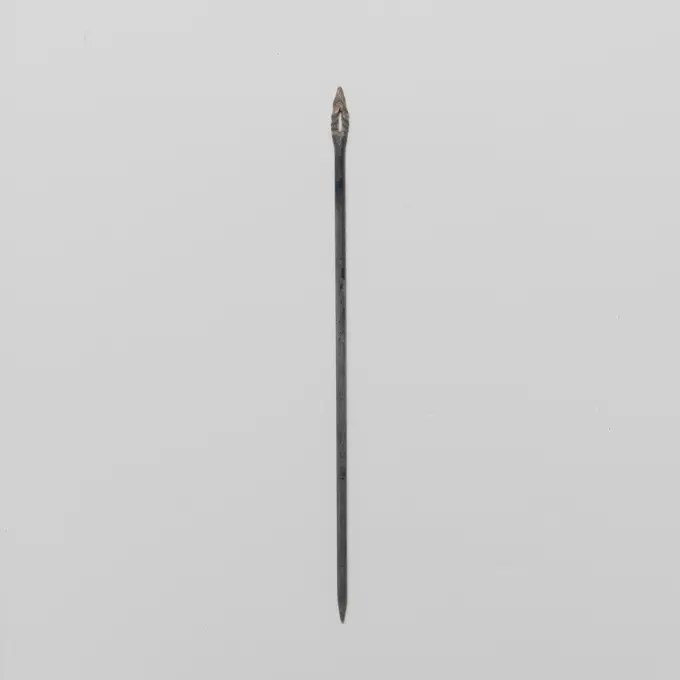
Tamboerstok from W. de Vries, Corporal Tamboer 2nd Bat in 1830/32. V. Department of Amsterdamsche Schutterij, 1814 - 1830  Tamboerstok or Tambour-Maître Stok from Pitriet. Bottom copper, partly steel profiled point. Two holes at the top, so that copper wire is applied, turned into hooks on both sides. A white metal chain around the stick. Top on both sides a hole, finished with white metal all around. On top of the stick a copper profiled ring, above which a silver ball with profile rings and vegetative ornaments. Silver brands in edge. From W. de Vries, in 1830/32 Corporal Tamboer 2nd Bat. V. Department of Amsterdamsche Schutterij.  silver (metal). copper (metal). metal sawing / drilling / casting / soldering / engraving
Tamboerstok from W. de Vries, Corporal Tamboer 2nd Bat in 1830/32. V. Department of Amsterdamsche Schutterij, 1814 - 1830 Tamboerstok or Tambour-Maître Stok from Pitriet. Bottom copper, partly steel profiled point. Two holes at the top, so that copper wire is applied, turned into hooks on both sides. A white metal chain around the stick. Top on both sides a hole, finished with white metal all around. On top of the stick a copper profiled ring, above which a silver ball with profile rings and vegetative ornaments. Silver brands in edge. From W. de Vries, in 1830/32 Corporal Tamboer 2nd Bat. V. Department of Amsterdamsche Schutterij. silver (metal). copper (metal). metal sawing / drilling / casting / soldering / engraving
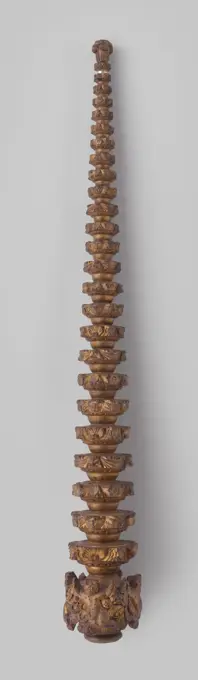
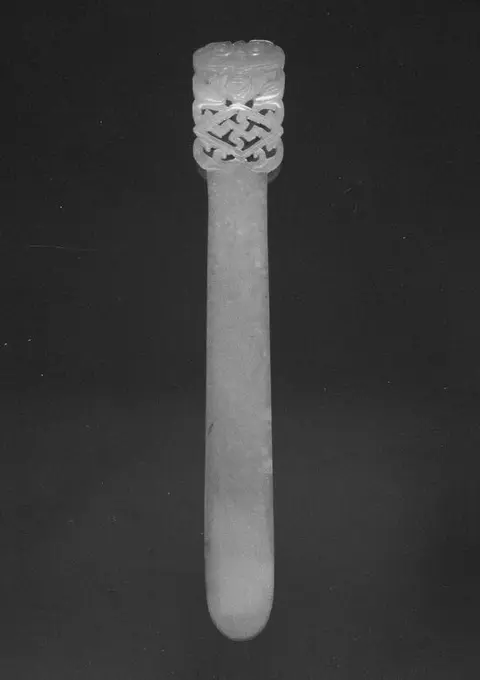
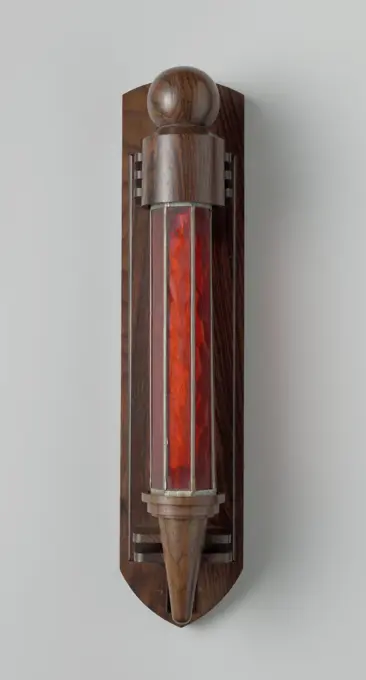
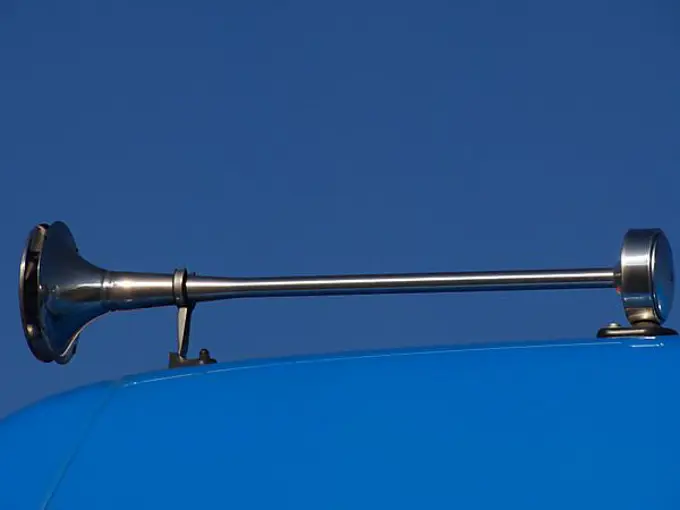
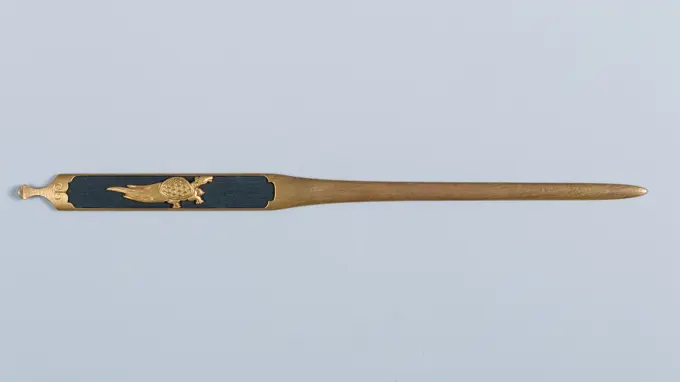
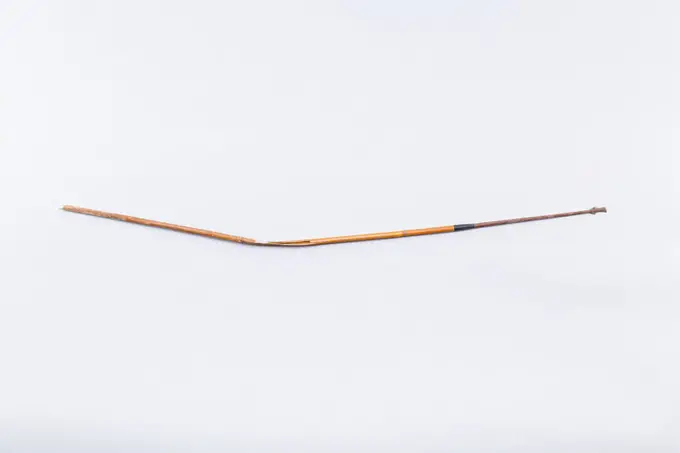
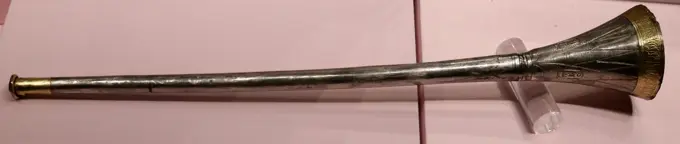
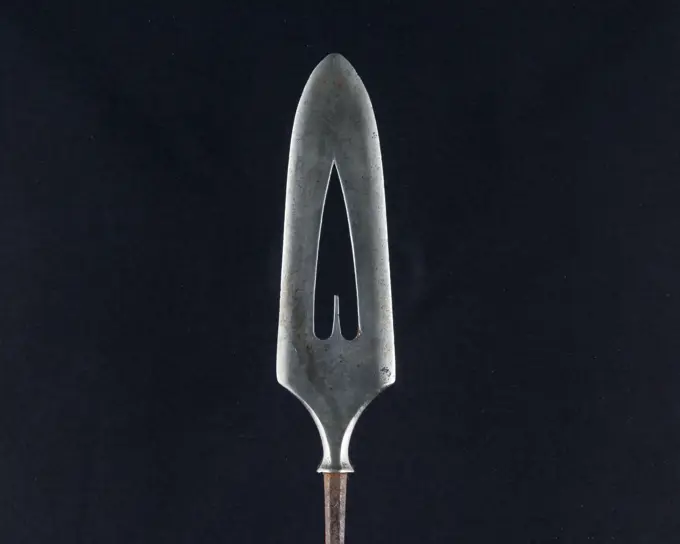
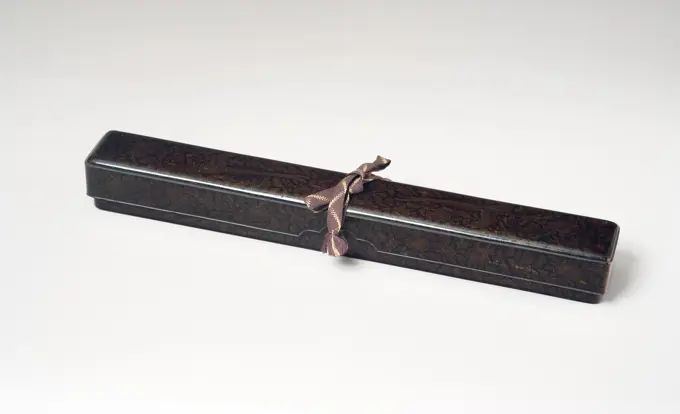
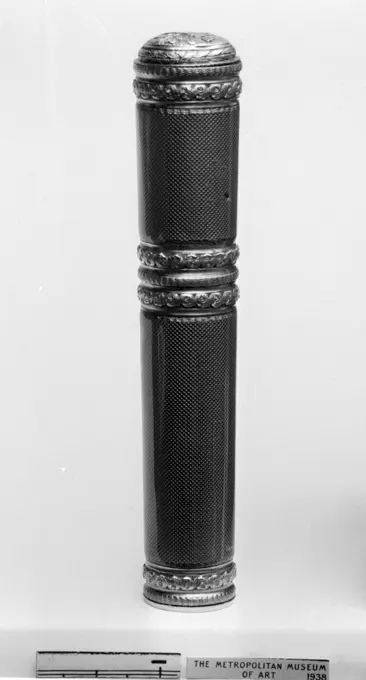
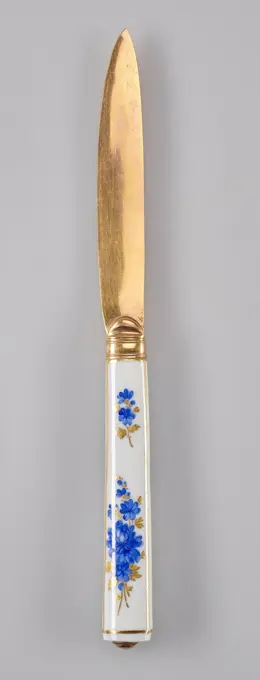
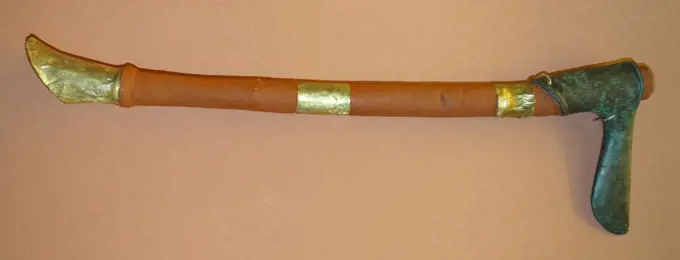
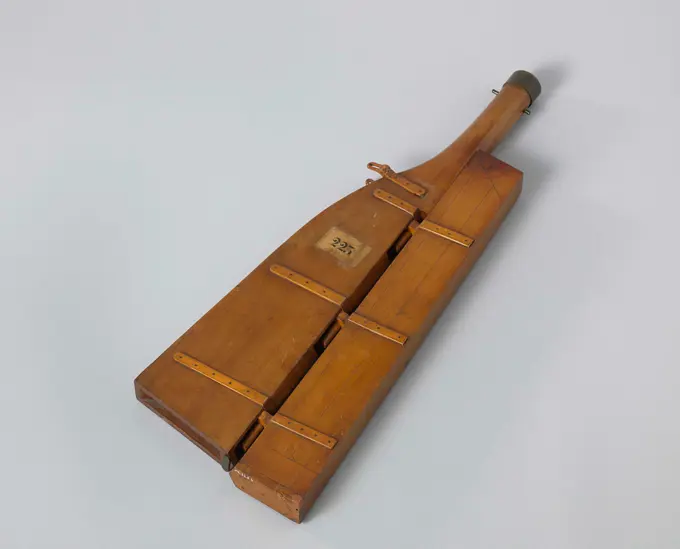
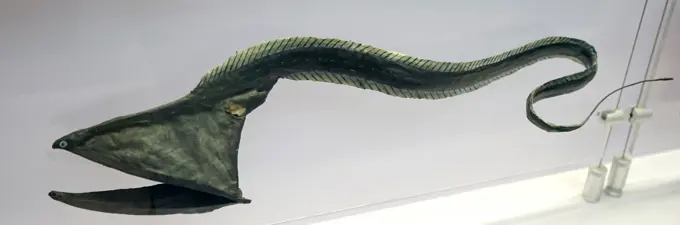
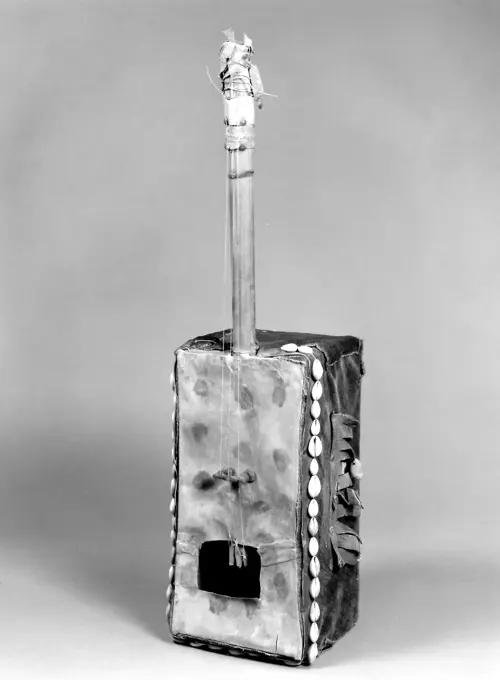
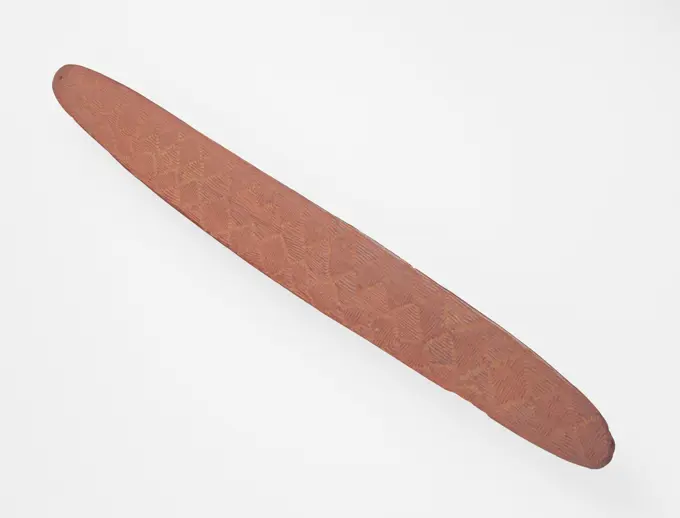
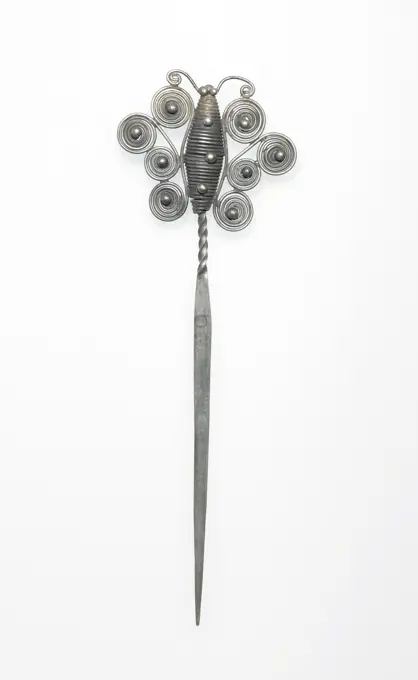
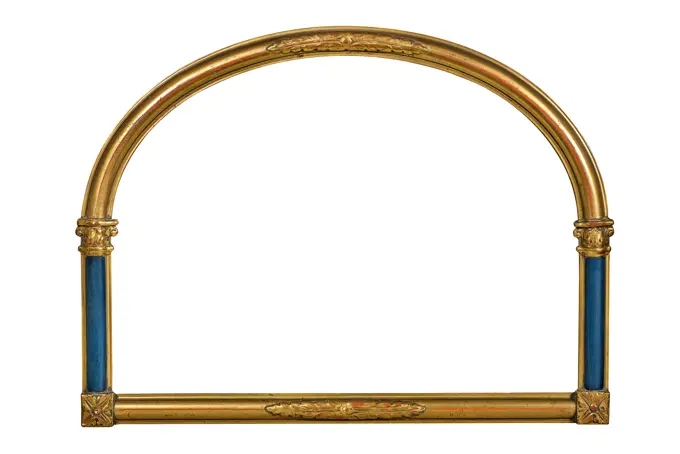
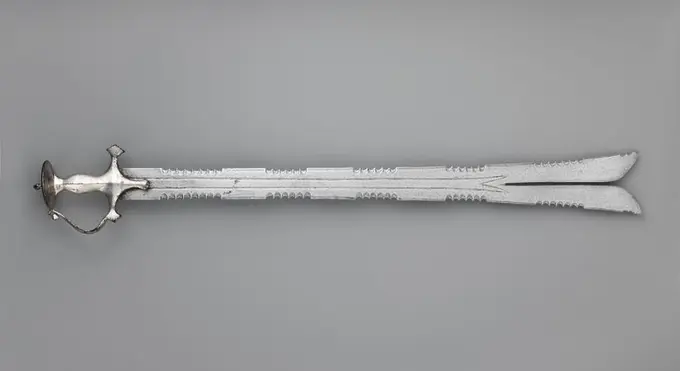
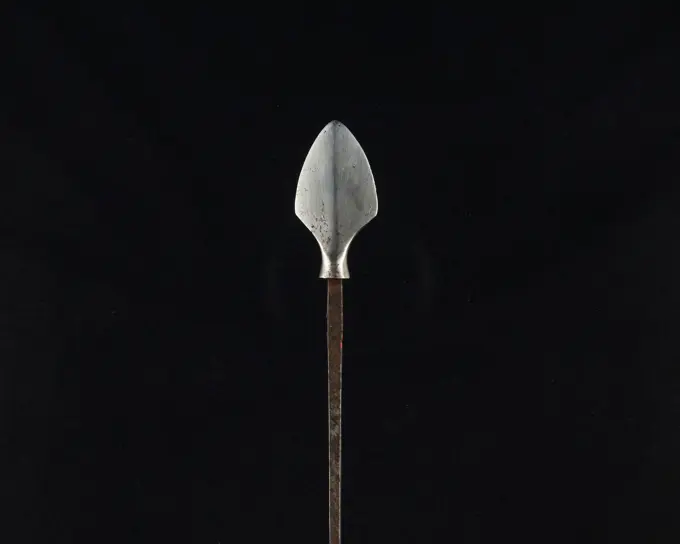
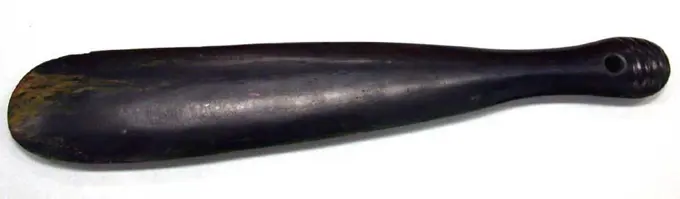
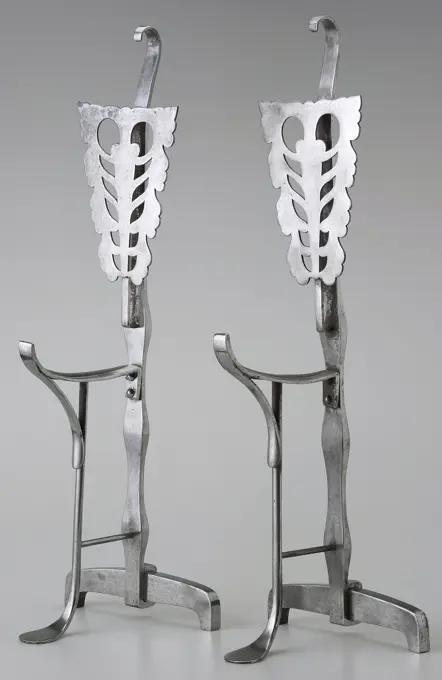
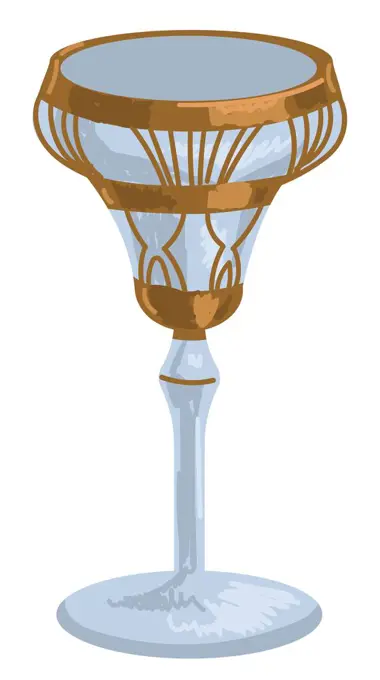
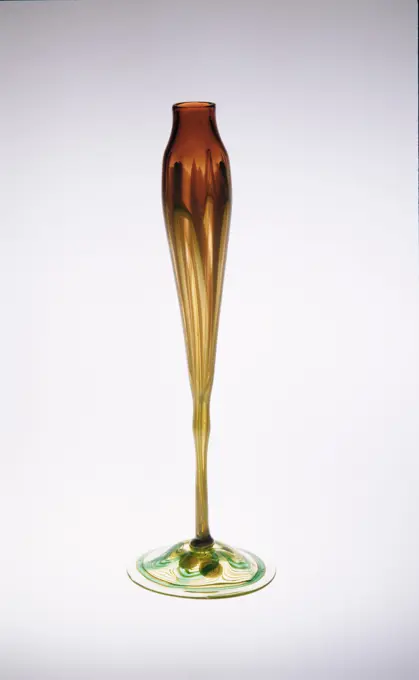
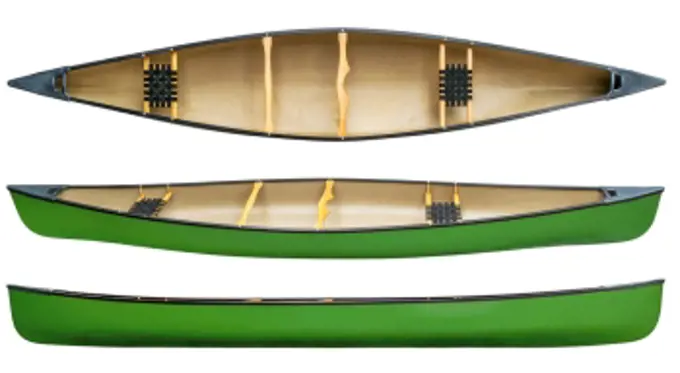
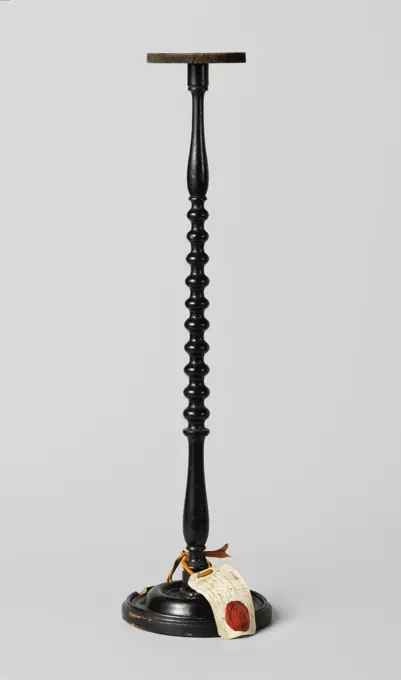
Standard of the branch of the horse Alice that was ridden by the Prince of Orange on 12 August 1831, Anonymous, 1831 stand (support object) Wooden black painted standards consisting of one long and two shorter parts with a wide round pedestal and a narrower round top piece between which a circumcised stake is attached. On the standard is a paper with a wax stamp and a description of the origin of the object. On the above date at Bautersem, the horse was shot by a cannonball. Netherlands wood (plant material)   Boutersemropes with knot isolated on white backgroundA big paint brush with black handle and orange bristles vector color drawing or illustrationMast root of a Boeier, Anonymous, 1700 - 1800  Gilded mast root with 16 sections. The lower (damaged) consists of 4 putti with the arms up, the others from stylized plant motifs. The 3rd, 7th, 11th, 14th and 17th are equipped with 4 putcups. At the bottom around hole; At the top of a crown of bunch feathers. Netherlands wood (plant material). gilding (material). iron (metal) cutting / gilding  NetherlandsA vase with stemsCavalry saberArrow Middle Kingdom ca. 2030-1640 B.C. View more. Arrow. ca. 2030-1640 B.C.. Wood. Middle Kingdom. From Egypt, Upper Egypt, Thebes, Deir el-Bahri, Tomb MMA 106, MMA excavations, 1926-27. Dynasty 11Bronze spoon (cochlear) . ( 1 st - 3 rd CE ) - Roman period, from the archaeological site of Complutum in Alcalá de Henares ( Madrid ). SPAIN.Hair Pin, 8 3/8 x 2 3/4 x 5/16 in. (21.27 x 6.99 x 0.79 cm), Silver, ChinawishbonePochette early 18th century possibly French Dancing was an expected aristocratic accomplishment. Instruction was given at home by a visiting dance master, who played a small fiddle to provide music for the lessons. The compact, slender shape of these instruments made them easy to transport and gave them the name pochette, which suggests that they were carried in one's coat pocket. Elaborately decorated pochettes made of precious materials were often seen and collected as art objects in their own right.. Pochette. possibly French. early 18th century. Wood, ivory. France. Chordophone-Lute-bowed-unfrettedHairpin. Culture: China. Dimensions: L. 5 1/2 in. (14 cm); W. 3/4 in. (1.9 cm). Date: 19th century. Museum: Metropolitan Museum of Art, New York, USA.Souvenir spoon with row boat in grotto with high ceiling of rocks at Capri European late 19th centuryCosmetic container ca. late 3rd-early 2nd millennium B.C. Bactria-Margiana Archaeological Complex. Cosmetic container 326788Glass needle 1st century A.D. Roman Translucent light blue, with opaque white trail.Solid rod, circular in cross section, tapering at one end to point, the other worked into two prongs to form the eye of the needle and then joined and drawn up to a point.The head of the needle is decorated with an opaque trail, applied at point and wound spirally down, ending just below the eye.Intact, except for tip of the head of the needle; most of surfaces covered with thin whitish weathering.Although examples have been found in Roman contexts at sites spread across the entire Empire, their precise purpose remains unclear. They may have served as hairpins or, possibly, cosmetic applicators. They are unlikely to have been used as real needles.. Glass needle 239741Club -Wall lamp, E.G.C. SCHUBAD, 1910 - 1927  Netherlands rosewood (wood). glass. metal  Netherlands rosewood (wood). glass. metalSilver-coloured fanfare on the roof of a blue truck, blue sky in the backgroundSpatula. unknown, authorWildflower in dark grey. In 1647 Prince William II succeeded his father Frederick Henry as stadtholder. The princes arms are engraved on the back of the glass.Set of Sword Fittings (Mitokoromono) mid-18th century Inscribed by Got Mitsutaka (Enj) Japanese This mitokoromono features a design of the four signs of good fortune: the tortoise, phoenix, kirin, and dragon.. Set of Sword Fittings (Mitokoromono). Japanese. mid-18th century. Copper-gold alloy (shakud), goldArrow. Dimensions: L. 74 cm (29 1/8 in). Dynasty: Dynasty 18. Reign: Joint reign of Hatshepsut and Thutmose III. Date: ca. 1479-1458 B.C.. Museum: Metropolitan Museum of Art, New York, USA.Tweezers ca. 1295-1070 B.C. New Kingdom, Ramesside. Tweezers 568362Trumpet of King Tutankhamun. In silver and gold, found in the Valley of the Kings. Tutankhamun, commonly referred to as King Tut, was an ancient Egyptian pharaoh who was the last of his royal family to rule during the end of the 18th Dynasty (ruled c. 1332 - 1323 BC) during the New Kingdom of Egyptian historyArrowhead (Yanone) 18th century Japanese Although today Japanese warriors are renowned most for their swordsmanship, archery, especially from horseback, has been an essential part of samurai warfare and culture for centuries. Arrows were fitted with heads of varying shape according to their intended use in war, the hunt, or target practice. Arrowheads made for use on the battlefield incorporated different designs intended for specialized purposes such as the piercing of armor or to cause maximum damage to horses and unarmored personnel.Large arrowheads, pierced and elaborately chiseled with landscapes, birds, flowers, dragons, and Buddhist divinities, were created to be admired for the beauty of their metalwork and design rather than for use in archery. Such highly elaborate examples may have been made for presentation or as a votive offerings to a shrine.. Arrowhead (Yanone). Japanese. 18th century. Steel. Archery Equipment-ArrowheadsDistaff. UnknownHoe Blade. China. Date: 3000 BC-1000 BC. Dimensions: 27.62 × 7.46 × .95 cm (10 7/8 × 2 15/16 × 3/8 in.). Jade. Origin: China. Museum: The Chicago Art Institute, Chicago, USA.Table late 16th-early 17th century Italian. Table 195522Embalmer's Needle Late Period 664-332 B.C. Roughly whittled from wood, this large needle was discovered in a cache of embalming material buried in the Theban necropolis. It had been stuck into the edge of a grass mat that had been made into a basket. USE View more. Embalmer's Needle. 664-332 B.C.. Wood (tamarisk). Late Period. From Egypt, Upper Egypt, Thebes, Asasif, East of Pabasa, Embalmers' Cache B, MMA excavations, 1918-19. Dynasty 26-30candle twisted green candle twisted green a white background Copyright: xZoonar.com/LucaxCattaneox-xStudioxDiecidodicix-xBgx 14293139Maniple unknownScroll box with incised design of Phoenix, 18th century, Unknown Japanese, 2 × 16 3/16 × 2 3/8 in. (5.08 × 41.12 × 6.03 cm), Lacquer with incised gold, Japan, 18th centurySealing wax case (étui) 1777-78 Nicolas-Jean-Baptiste Choconain-Delauney In eighteenth-century Europe, Paris led the production of high-quality luxury goods. Parisian goldsmiths made a wide range of small, personal articles such as snuffboxes; étuis to hold sealing wax, tweezers, or utensils for sewing; souvenirs, which contained thin ivory tablets for note taking; and shuttles for knotting lace. Gold snuffboxes and boxes decorated with portrait miniatures were prized and frequently given as royal gifts, often to ambassadors or members of the court in lieu of cash payments for their services. Coveted and admired, these boxes were produced from a variety of materials. The best were skillfully made of gold and embellished with diamonds, enameled decoration, lacquer, and other luxurious materials. By the middle of the century, the taking of snuff had become an entrenched social ritual, and the snuffbox, too, had become an important social prop. Snuffboxes were considered highly fashionablKnife, from a flatware dessert service, 18th century, Meissen Porcelain Factory, Meissen, Germany, est. 1710, Hard paste porcelain, gilt metal, Germany, 18th centuryESCULTURA. Author: Julio Gonzalez. Location: FUNDACION JUAN MARCH COLECCIÓN. MADRID. SPAIN.Lampstand. Iran, second half of 16th century. Metal. Brass, engravedApostle spoon 19th century Dutch. Apostle spoon 188139Joss sticksSumerian Copper alloy axe, with gold binding 2600 BC. The handle has been restored, the original handle was coated in a red pigment. Axe carried by soldiers seen on the Standard of Ur, IraqModel of a Rudder for paddle steamers. Model of a stir and stern. The helm has a round rhythm (Soetermeer version; see NG-MC-219, NG-MC-220 and NG-MC-221) and is a piece shorter than the stern. The head has no hole for a stir-up pin, but a short pin sticks through it. Three wooden stiries and a wooden bodywork with two eyes. The stirring blade has so far and down. Under against the stirrer, there is a rotating lip, which turns into an opening in the stern and hinders the rudder up.Model of a Pelican eel, a deep-sea fish. Dated 20th CenturyGuinbri 19th century possibly Sudanese. Guinbri 501016Ceremonial Bull Roarer, c. 1900, 29 15/16 x 3 7/16 x 7/16 in. (76.04 x 8.73 x 1.11 cm), Wood, Australia, 19th-20th century, Bull roarers were used in Aboriginal ceremonies to represent the voices of the spirits. They were swung rapidly around the head on a string, creating a loud humming sound. The incised designs on the surface are a classic form in Aboriginal art, but their specific interpretation is known only to the object's creator and those associated with its ceremonial use. Specific clans and individuals own and control particular patterns, and rarely share the meaning of these designs with outsiders.Sawed timber wood striped prepare for the craftsHair Pin, 8 1/8 x 2 3/4 x 3/4 in. (20.64 x 6.99 x 1.91 cm), Silver, ChinaMatchstick, elevated viewantiker goldener Bilderrahmen mit blauen Säulen antique golden picture frame with blue pillars Copyright: xZoonar.com/BorisxZerwannx 7005982Sword. Culture: South Indian, possibly Deccan. Dimensions: L. 34 in. (86.5 cm); L. of blade 29 3/8 in. (74.5 cm); Wt. 2 lb. (916 g). Date: possibly late 17-18th century.This sword represents an Indian interpretation of Dhu'l Fiqar. The disk-shaped pommel and recurved knuckle guard are distinct features of Indian talwars, a type of saber. The scalloped, notched pattern running along the edges of the blade could refer to the historic belief of Dhu'l Fiqar's original appearance, as well as the derivation of the name; faqar means "vertebrae" or "notch.". Museum: Metropolitan Museum of Art, New York, USA.Arrowhead (Yanone) 18th century Japanese Although today Japanese warriors are renowned most for their swordsmanship, archery, especially from horseback, has been an essential part of samurai warfare and culture for centuries. Arrows were fitted with heads of varying shape according to their intended use in war, the hunt, or target practice. Arrowheads made for use on the battlefield incorporated different designs intended for specialized purposes such as the piercing of armor or to cause maximum damage to horses and unarmored personnel.Large arrowheads, pierced and elaborately chiseled with landscapes, birds, flowers, dragons, and Buddhist divinities, were created to be admired for the beauty of their metalwork and design rather than for use in archery. Such highly elaborate examples may have been made for presentation or as a votive offerings to a shrine.. Arrowhead (Yanone). Japanese. 18th century. Steel. Archery Equipment-ArrowheadsOboe (with 11 keys) in its original case, Guillaume Triébert, c. 1840 Hobo van Ebony with eleven silver valves. The third and fourth gap are double. Marked on all parts: Triebert / A Paris. In original veneered Rozenhout suitcase with the initials of the player (X.R.) in brass. The suitcase has a red leather upholstery on the inside and a handle of brass. In the suitcase is a green rectangular reed box made of leather (with two old wickers) and a small silver lesson standard in the shape of a winch. Paris ebony (wood). silver (metal). koffer: rosewood (wood). koffer: leather. koffer: brass (alloy) Hobo van Ebony with eleven silver valves. The third and fourth gap are double. Marked on all parts: Triebert / A Paris. In original veneered Rozenhout suitcase with the initials of the player (X.R.) in brass. The suitcase has a red leather upholstery on the inside and a handle of brass. In the suitcase is a green rectangular reed box made of leather (with two old wickers) and a small silver lWarclub New Zealand. Warclub 43703Pestle Late Period, Saite 664-610 B.C. This flat lead element was apparently found with the lead integrated vessel model 26.3.161. Although it has been called a pestle, it is conceivable it belongs to the set of model Opening of the Mouth equipment also. View more. Pestle. 664-610 B.C.. Lead. Late Period, Saite. From Egypt, Upper Egypt, Thebes, Deir el-Bahri, Tomb of Nespekashuty (TT 312, MMA 509), MMA excavations, 1922-23. Dynasty 26Galeon. Culture: Melanesian. Dimensions: "Longest pipe 25.4 cm (10 in.), Shortest pipe 6.4 cm (2-1/2 in.)"; also written, "Longest tube 48.3 cm (1 ft. 7 in.), shortest tube 4.1 cm (1 ft. 5/8 in.)". Date: late 19th century. Museum: Metropolitan Museum of Art, New York, USA.Schieblehre aus Edelstahl mit Skala Schieblehre aus Edelstahl mit Skala Copyright: xZoonar.com/Dr.xNorbertxLangex 14150244Arrowhead (Yanone) 18th century Japanese Although today Japanese warriors are renowned most for their swordsmanship, archery, especially from horseback, has been an essential part of samurai warfare and culture for centuries. Arrows were fitted with heads of varying shape according to their intended use in war, the hunt, or target practice. Arrowheads made for use on the battlefield incorporated different designs intended for specialized purposes such as the piercing of armor or to cause maximum damage to horses and unarmored personnel.Large arrowheads, pierced and elaborately chiseled with landscapes, birds, flowers, dragons, and Buddhist divinities, were created to be admired for the beauty of their metalwork and design rather than for use in archery. Such highly elaborate examples may have been made for presentation or as a votive offerings to a shrine.. Arrowhead (Yanone). Japanese. 18th century. Steel. Archery Equipment-ArrowheadsModel of the monument in honor of Stanisław August Poniatowski Raspe, Rudolf Erich (1737 1794)Burnt matchstickWooden Spindles with Ceramic Whorls Made 1000-1476 Peru. Wood and ceramic .Clairon de Guerre in E-flat late 19th century Attributed to Association Générale des Ouvriers. Clairon de Guerre in E-flat. French. late 19th century. Brass. Paris, France. Aerophone-Lip Vibrated-trumpet / tromboneFour on the rock base under the bowl Sacred; Unknown Roman workshop; The end of the second century (191-00-00-200-00-00), 260-300/310 (260-00-00-310-00-00);Collection of ancient art, scenes.gal.lec.Funerary FaceCoverRed Corn Snake 'Butter Motley' on white backgroundgolden candlestick with candle isolated on white backgroundSword. Culture: Indian. Dimensions: H. 27 5/8 in. (70.2 cm); W. 5 15/16 in. (15.1 cm); D. 2 3/16 in. (5.6 cm); Wt. 1 lb. 12.8 oz. (816.5 g). Date: 18th-19th century. Museum: Metropolitan Museum of Art, New York, USA.Handle (Kozukka);  19th century (1801-00-00-1900-00-00);Ornamental Details, late 1700s. France, late 18th century. Gilt bronze; overall: 1 cm (3/8 in.).Ceremonial Waist Sash (ikak pinggang) Made 1801-1900 Sumatra. Cotton, silk, and gilt-metal-strip-wrapped cotton, bands of weft-faced warp ribbed plain weave, plain weave with supplementary patterning wefts, and bands of slit tapestry weave; ends of wool, plain weave; fulled; edged with tape of cotton and gilt-metal-strip-wrapped cotton, and gilt-metal strip; plain weave with secondary binding warps and supplementary patterning wefts; underlaid with tape of cotton, plain weave with extended paired weft and gilt-metal coil fringe . MinangkabauFried shrimp in dark chopsticks over white wooden background.Ruler on white background, close upShadow Puppet (Wayang Kulit) of Keris, from the set KyaiDrajatScart lead isolated in whiteFiredog, one of a pair, 1893, George Jack; Maker: Longden and Co., American (lived in England), American (lived in England), 1855-1932, 30 15/16 x 10 11/16 x 9 1/2 in. (78.6 x 27.1 x 24.1 cm), Steel, England, 19th centuryGrass mat ca. 1479-1458 B.C. New Kingdom. Grass mat. ca. 1479-1458 B.C.. Reed. New Kingdom. From Egypt, Upper Egypt, Thebes, Deir el-Bahri, Temple of Hatshepsut, Foundation Deposit 3 (C), MMA excavations, 1923-24. Dynasty 18part ancient Asian stringed musical instrument on black background with backlight. national musical instrument of AsiaShadow Puppet (Wayang Kulit) of a Prop (Ricikan), from the set KyaiDrajatWood Screw Cross Section Showing ThreadsShadow Puppet (Wayang Kulit) of Gada, from the set KyaiDrajatFlag pole Very high flag pole in venice Copyright: xZoonar.com/MarkoxBericx 6752701Vintage cup with ornaments of gold, gilded decoration on crystal or metal goblet. Retro antique mug for drinks and beverages. Metallic or silver material, museum exponent. Vector in flat style. Crystal or metal goblet with ornaments vintage cupLarge, long-handled spoon 1895 Russian. Large, long-handled spoon 207831Vase 1893-96 Designed by Louis Comfort Tiffany American This object forms part of a group of over forty given to the Museum in 1896 by Louisine and Henry Osborne Havemeyer (96.17.9-.56). The gift was the first American glass to enter the Museum's collection. Most likely prompted by Louis Comfort Tiffany, the Havemeyers presented their collection of Tiffany Favrile glass to the Museum only three years after Tiffany started making decorative blown-glass vessels. The shapes, colors, and finishes of Tiffany's vases and plaques were inspired by the natural world and ancient glass. Tiffany's vases in the shapes of flowers are among his most fanciful creations. Some of the earliest were tall attenuated vases reminiscent of buds, like this example. They vary in their coloration from a pale green and white to darker, more opaque greens and reds.. Vase 9410 sewing push pin isolated on white background. with clipping pathSpiky plant leaf on black surface.green tandem canoe with wood seats isolated on white - top and side viewsBoyle’s Law, vintage engraved illustration. Dictionary of Words and Things - Larive and Fleury - 1895Mechanical metronome, front view. 3D rendering Mechanical metronome, front view. 3D rendering isolated on white background Copyright: xZoonar.com/alexlmxx 21223891Twoo bamboo flutesDA-SC-89-09770. Base: Unknown