Historical Weapons Collection

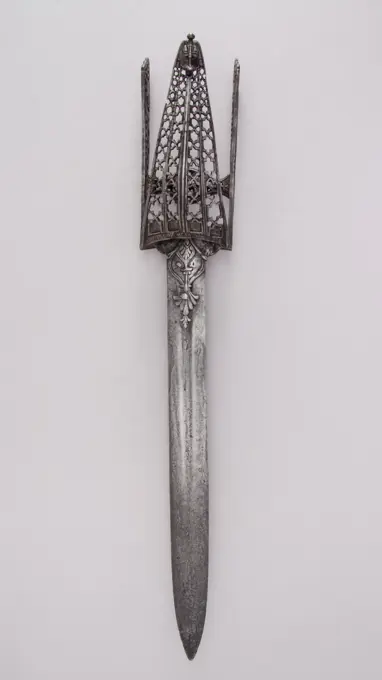
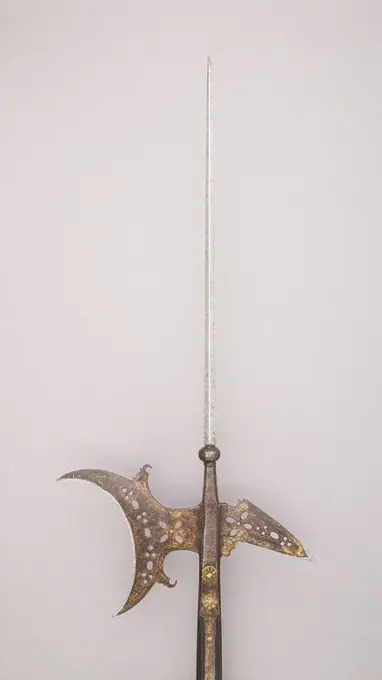
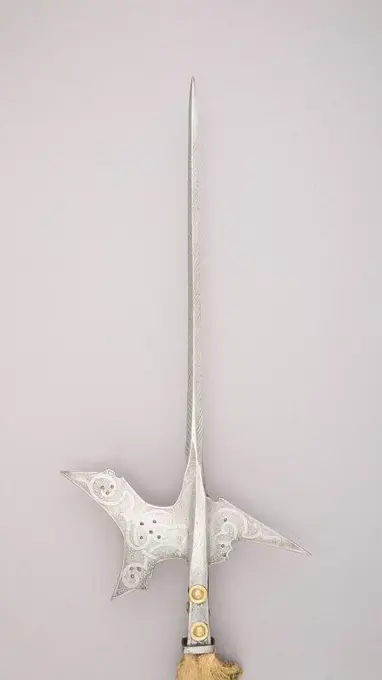
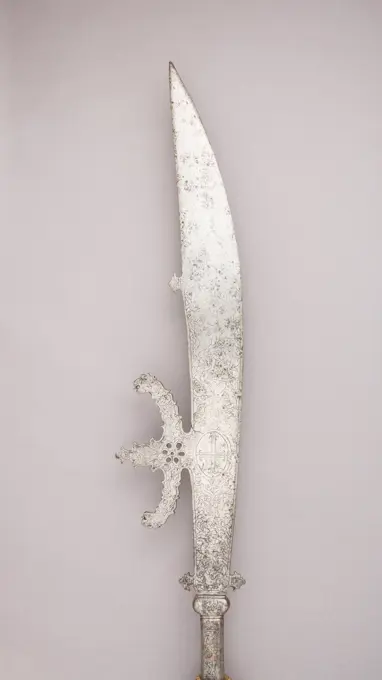
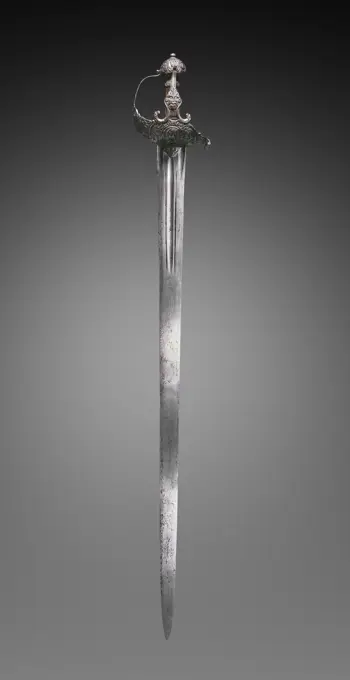
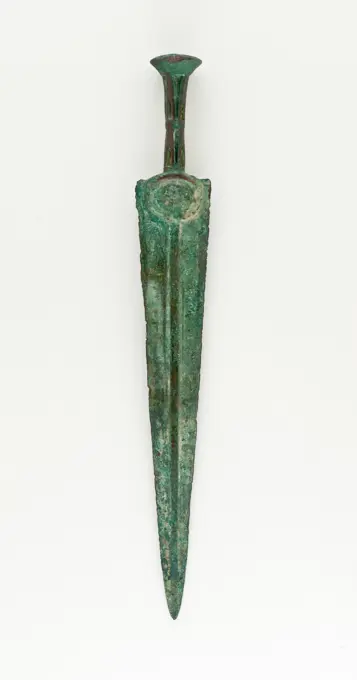
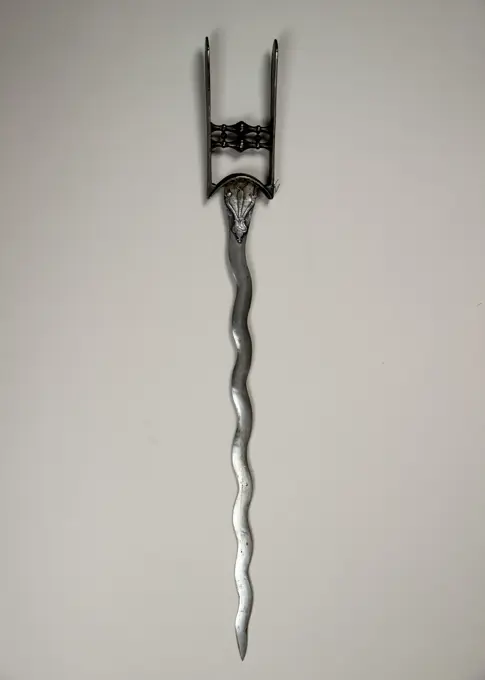
A variety of historical weapons, including a sword with an ornate hilt, a dagger, and different styles of halberds, showcasing intricate designs and craftsmanship.
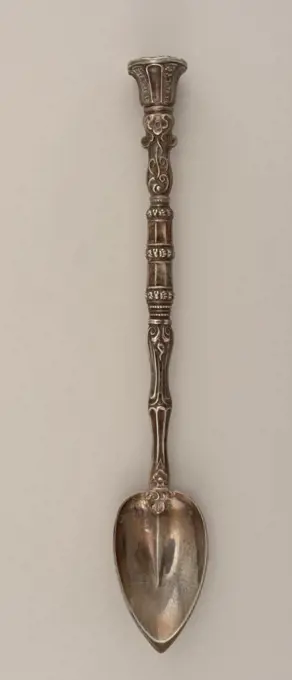
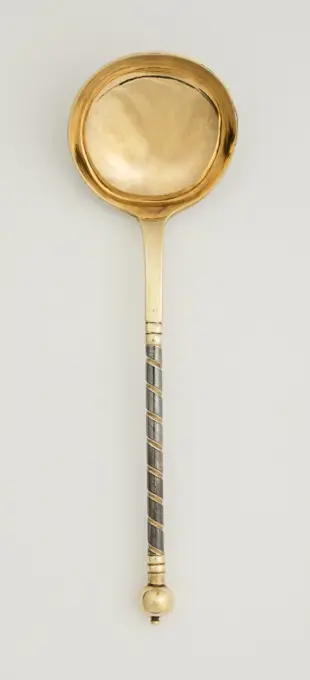
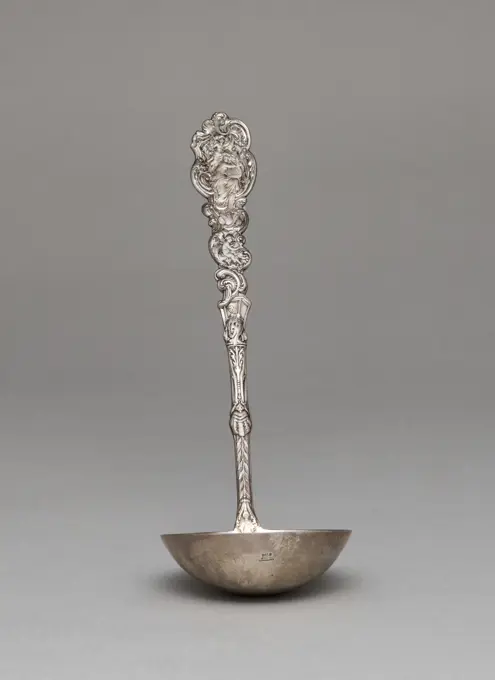
Spoon, silver, Pointed, heart-shaped oval bowl with central rib, shaped stem embossed with scrolled and panelled sections, fluted terminal below the circular crusher., France, 19th century, cutlery, Decorative Arts, Spoon
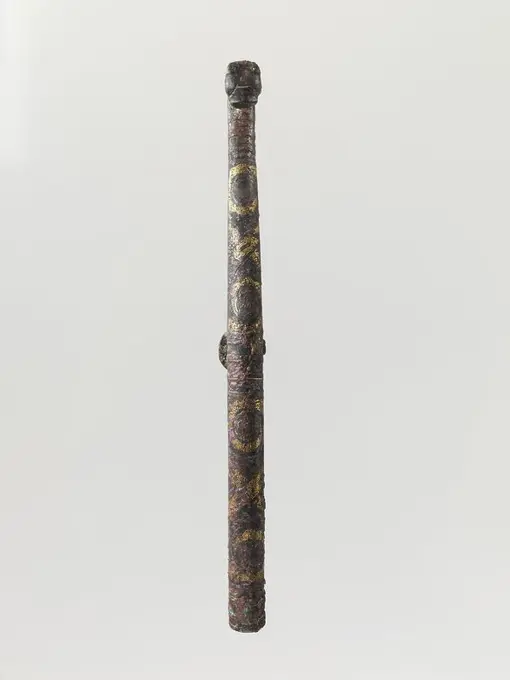
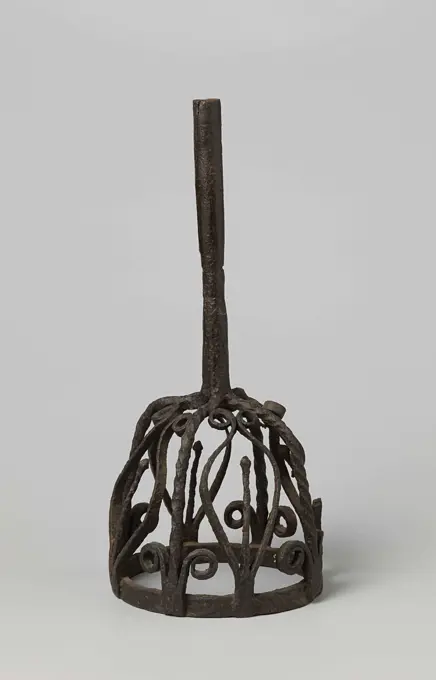
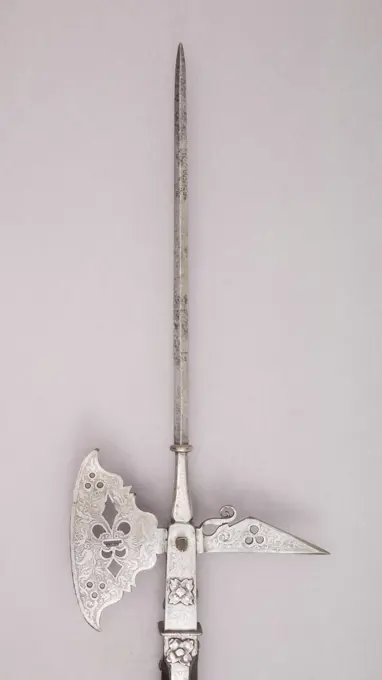
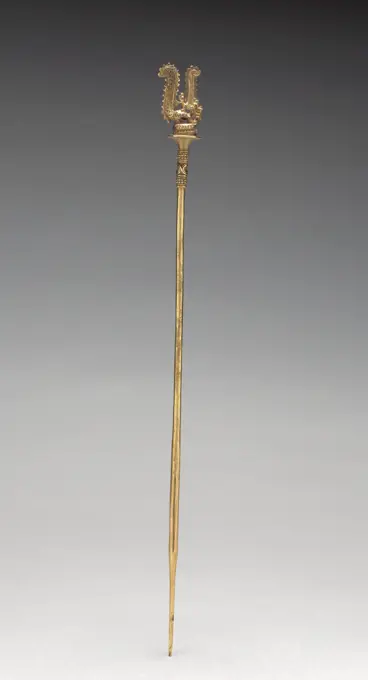
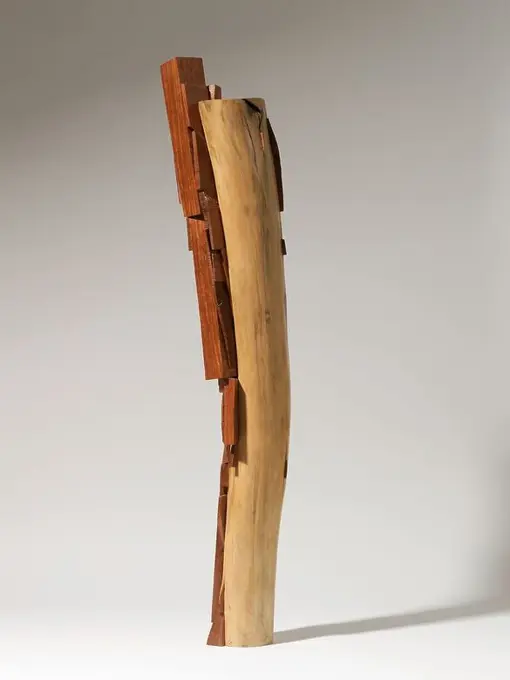
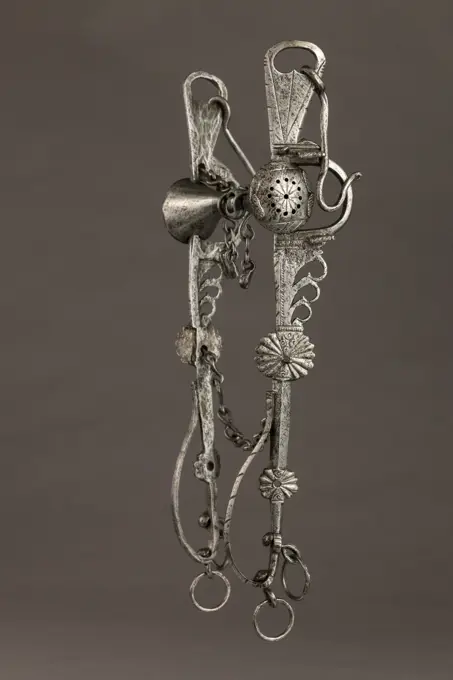
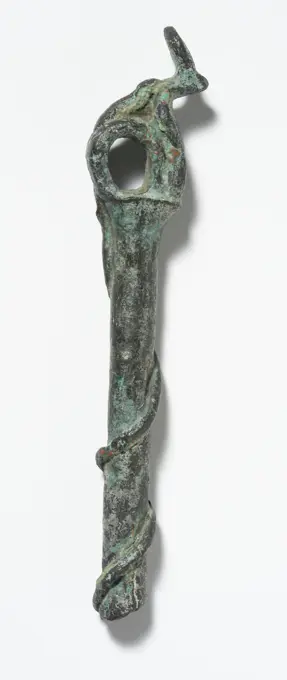
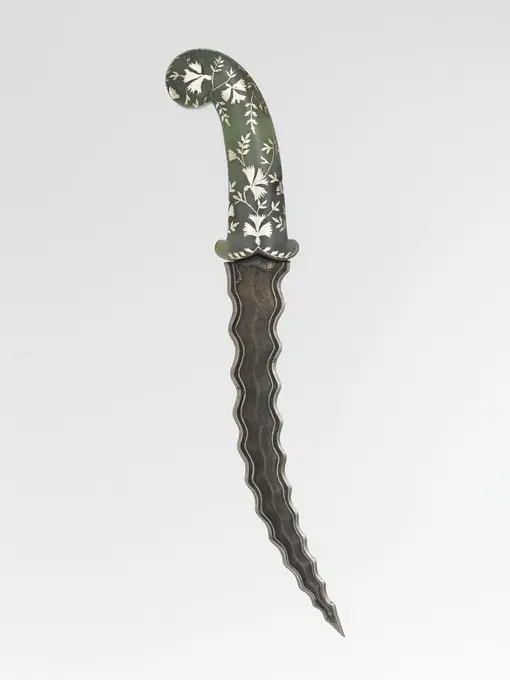
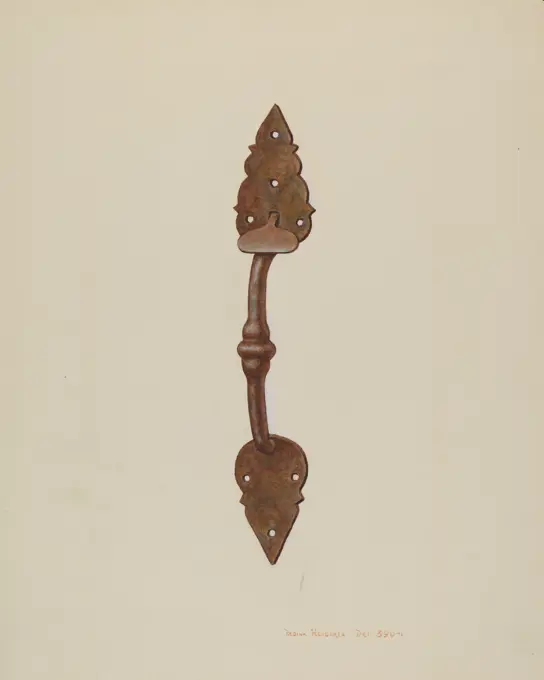
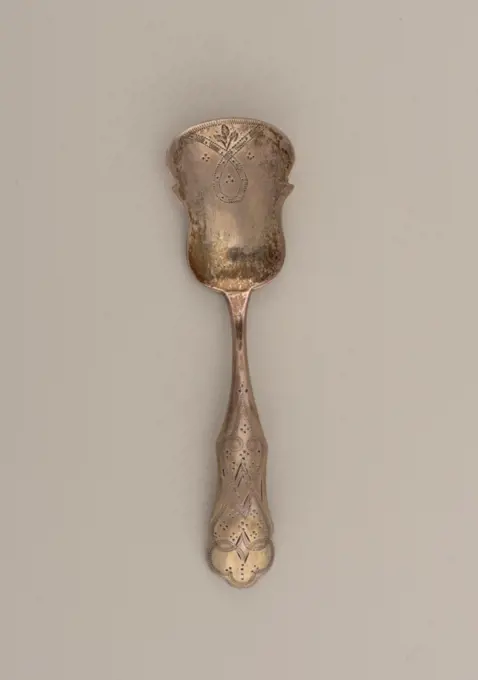
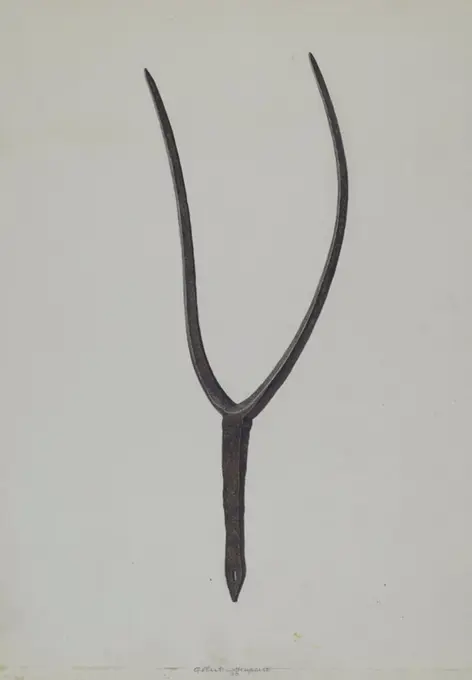
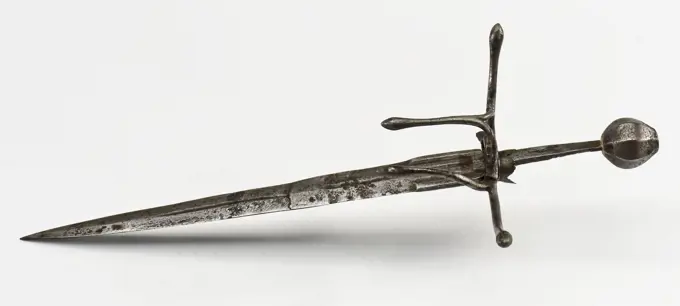
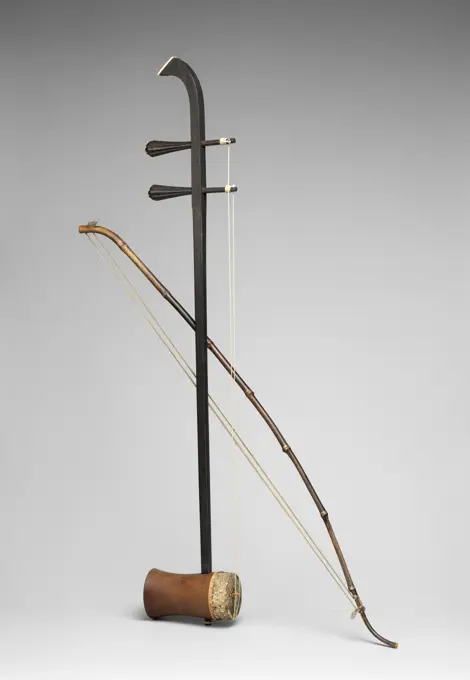
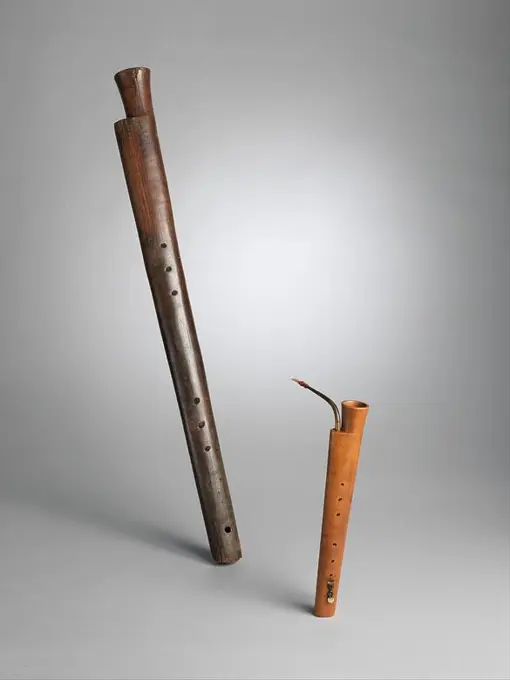
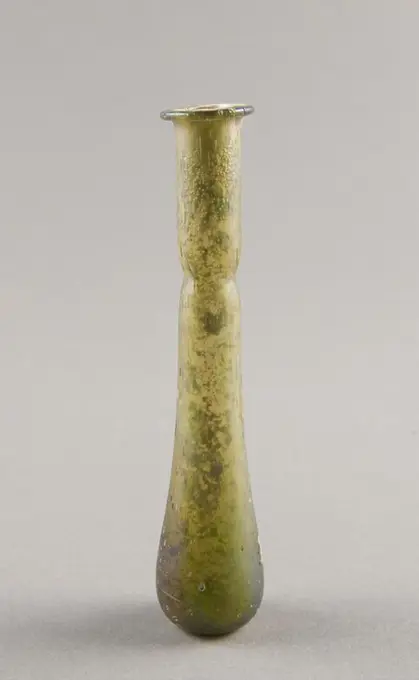
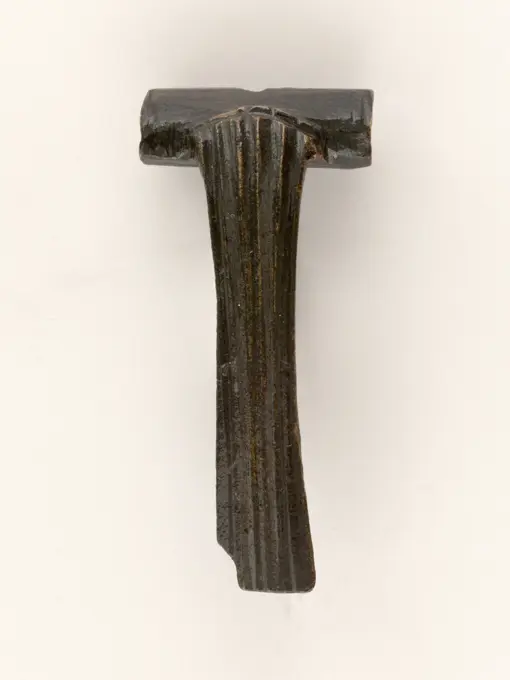
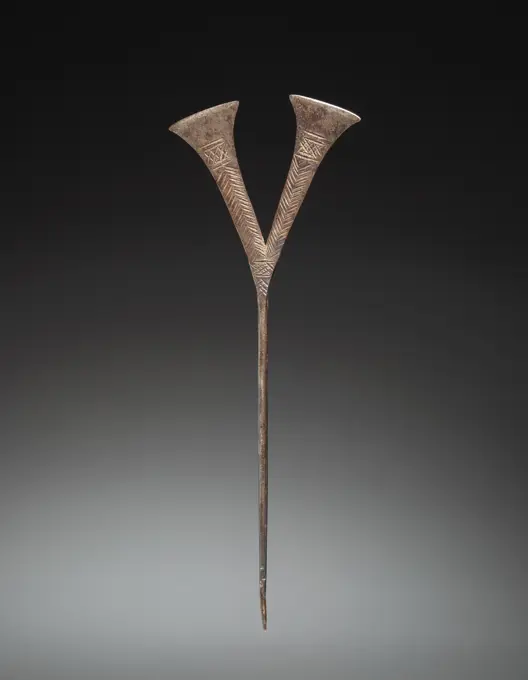
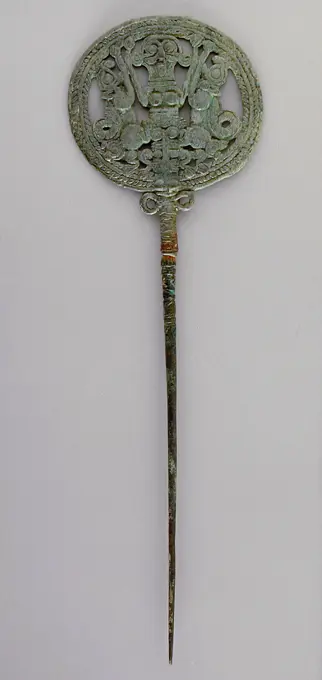
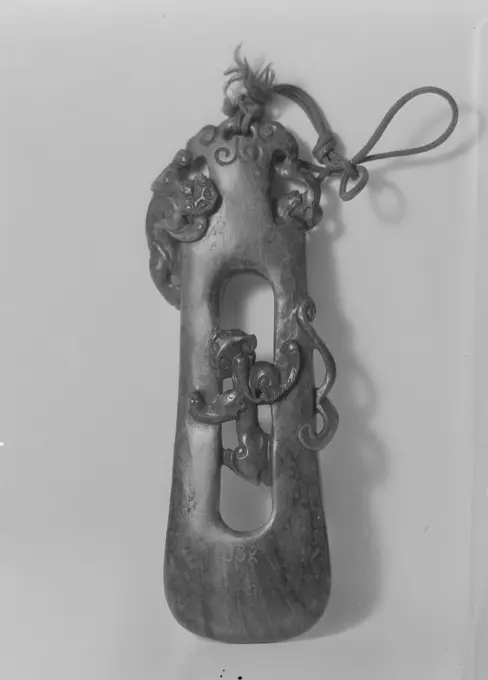
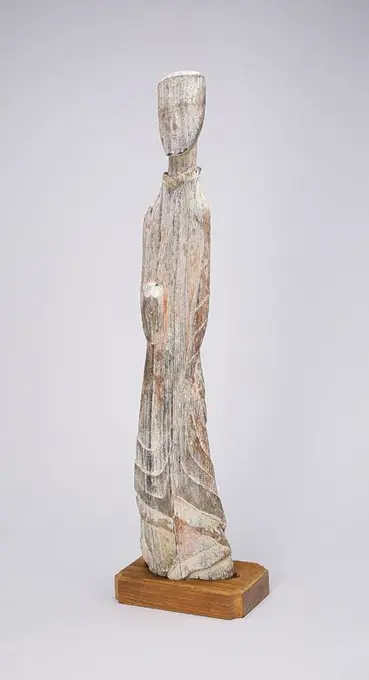
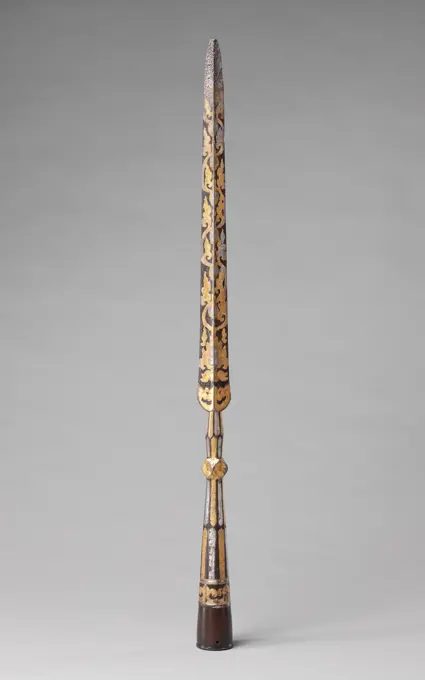
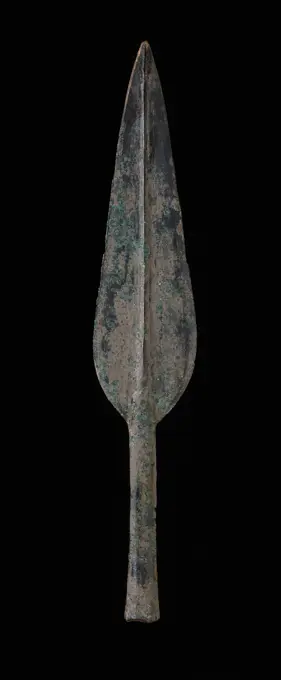
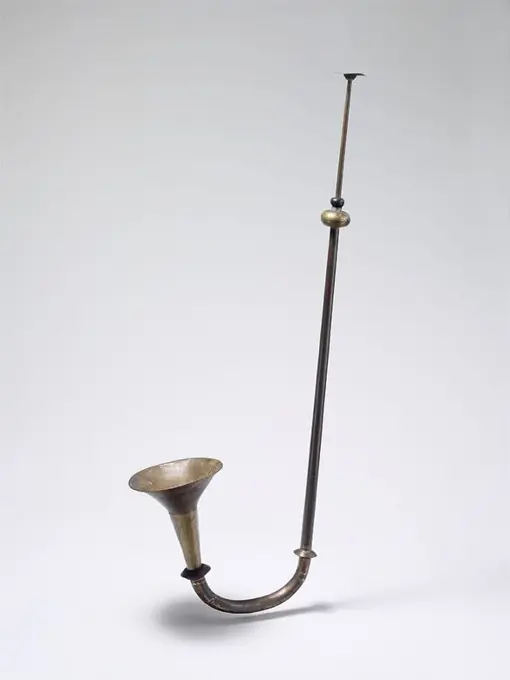
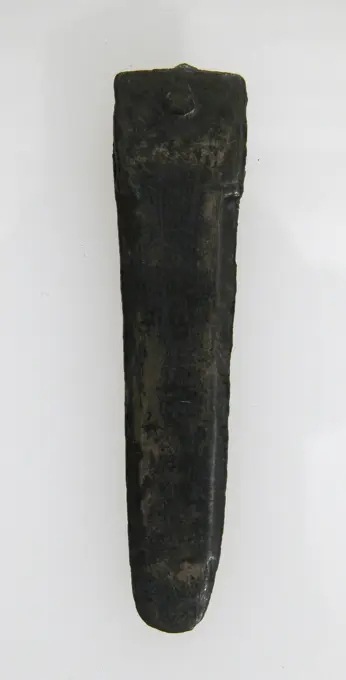
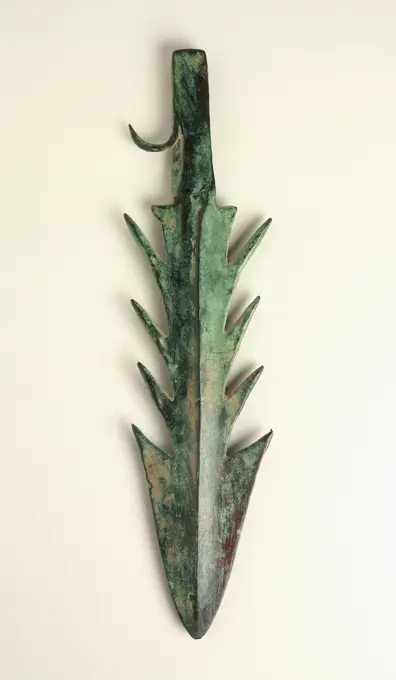
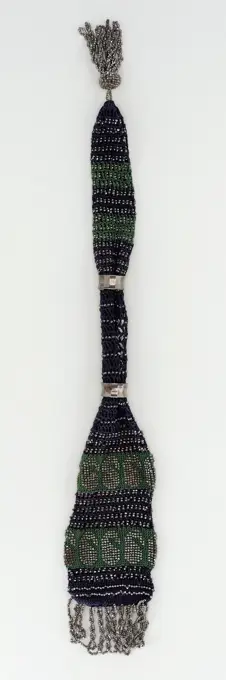
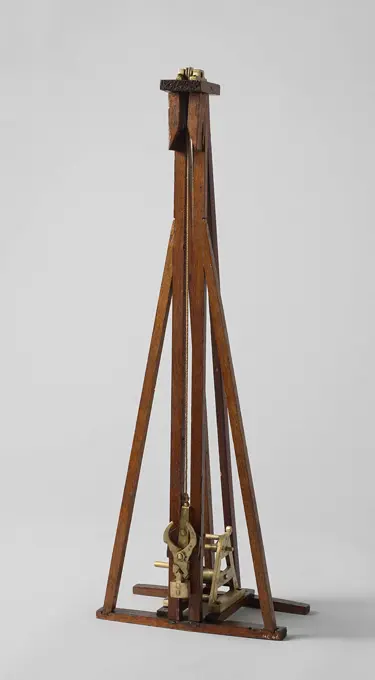
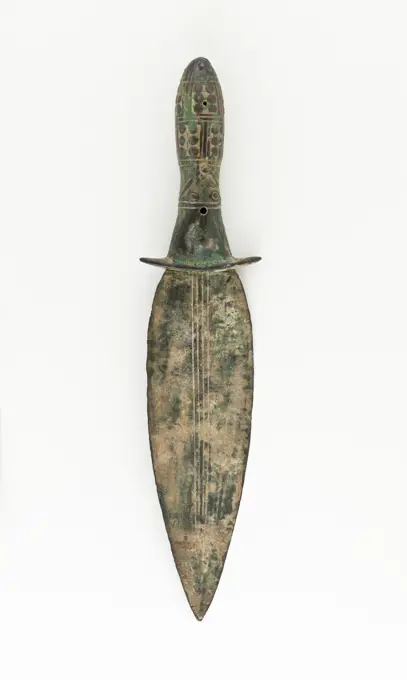
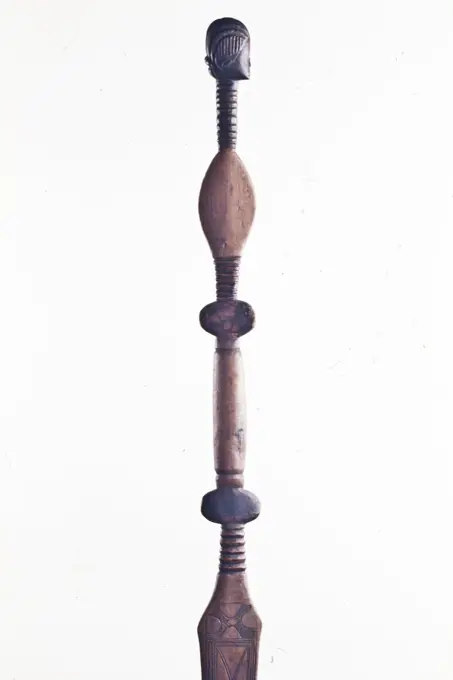
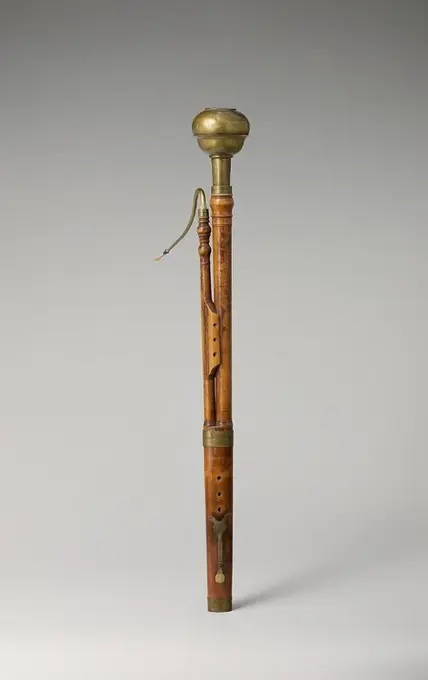
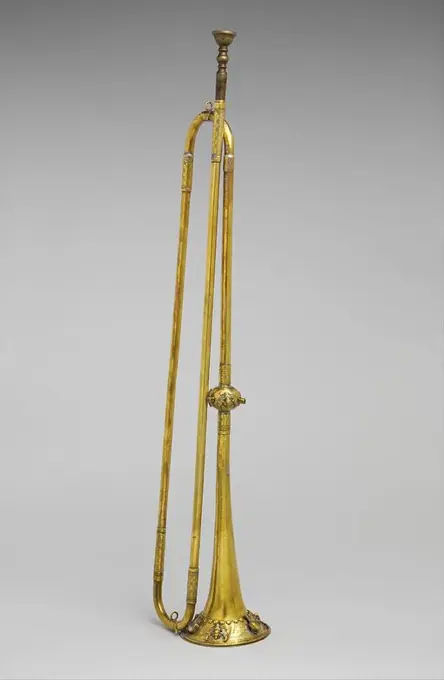
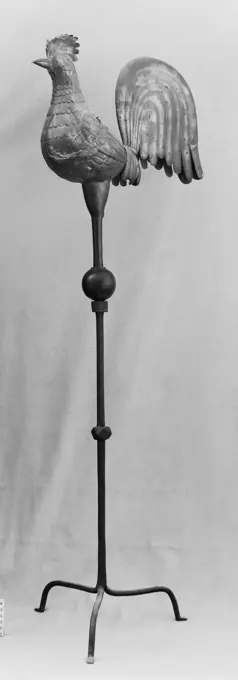
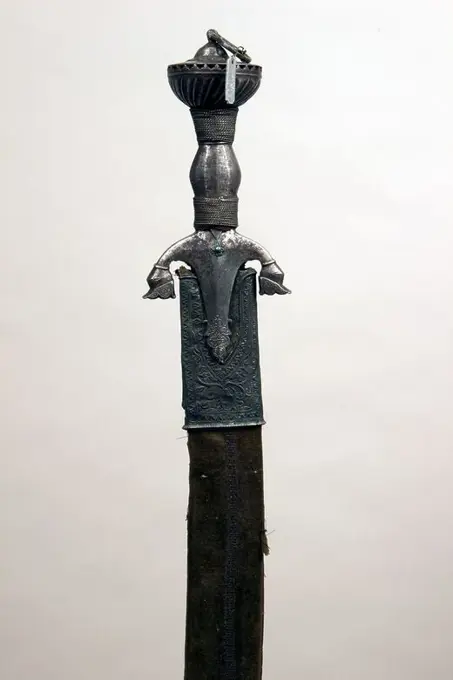
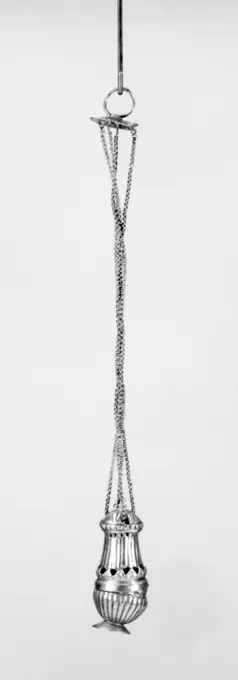
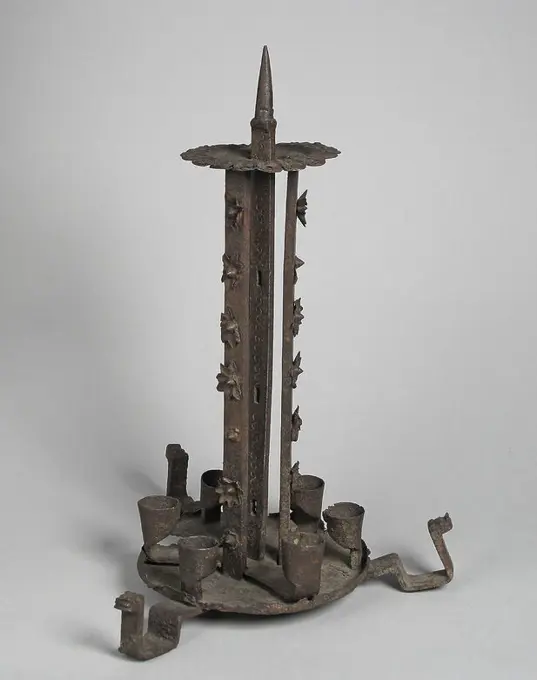
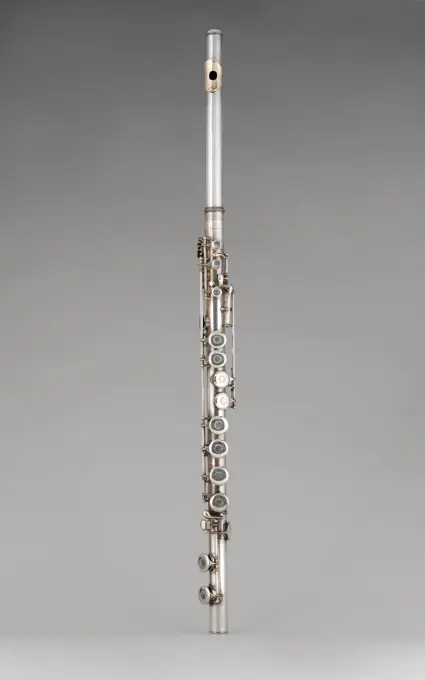
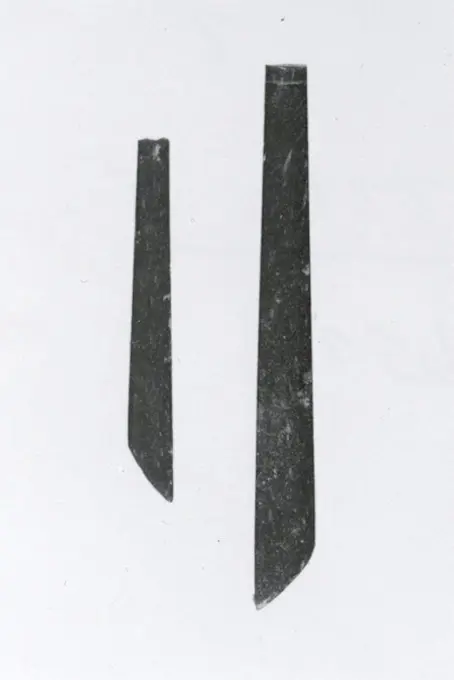
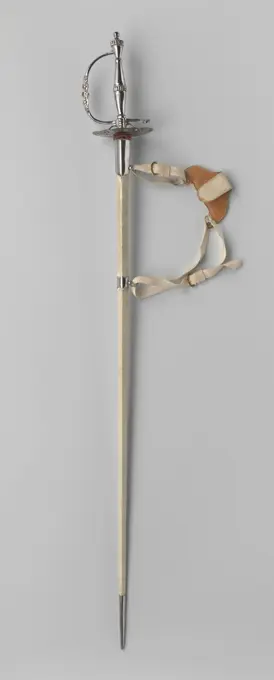
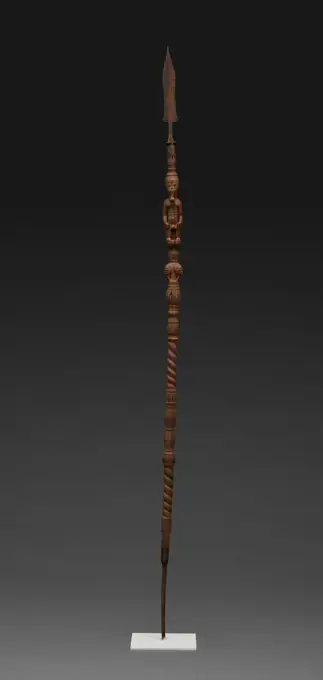
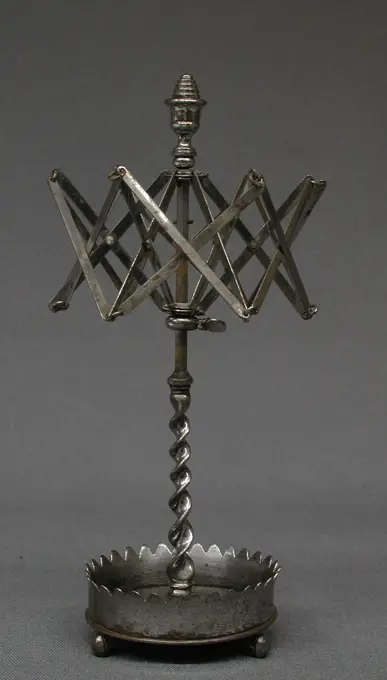
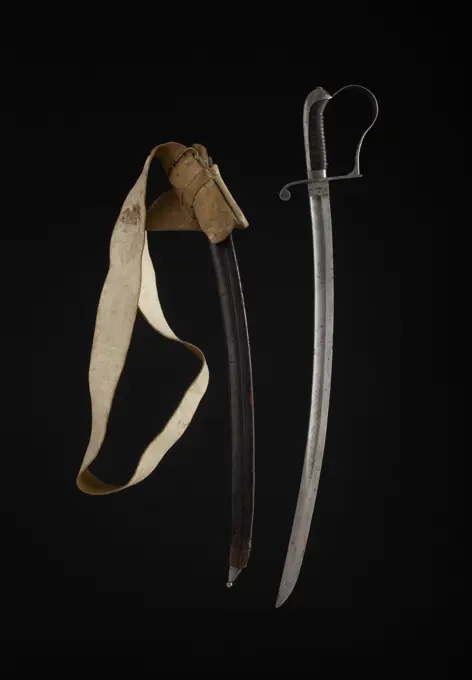
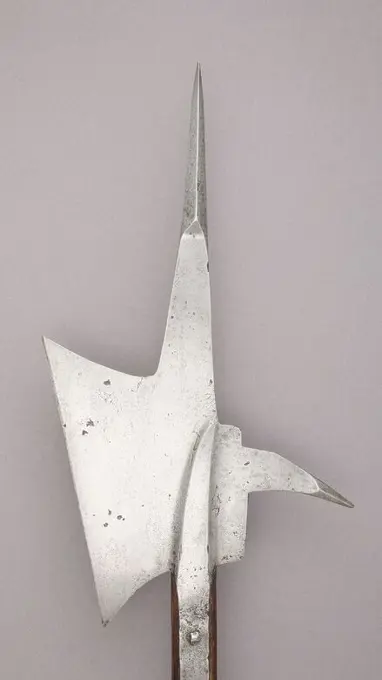
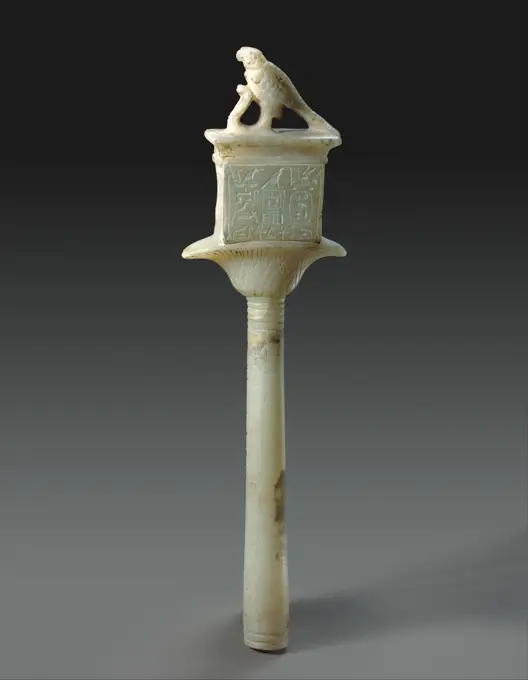
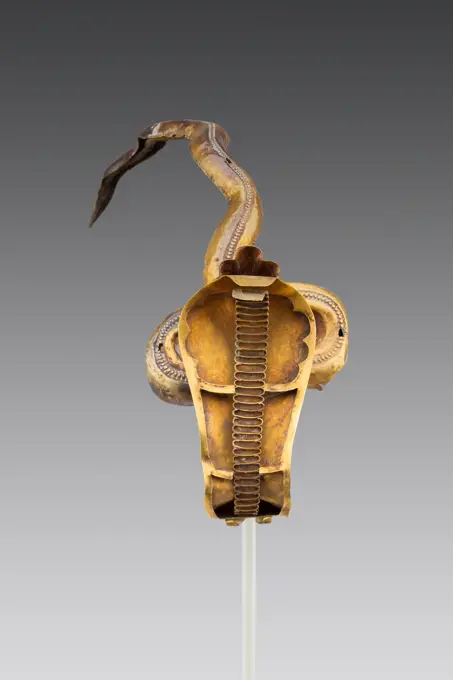
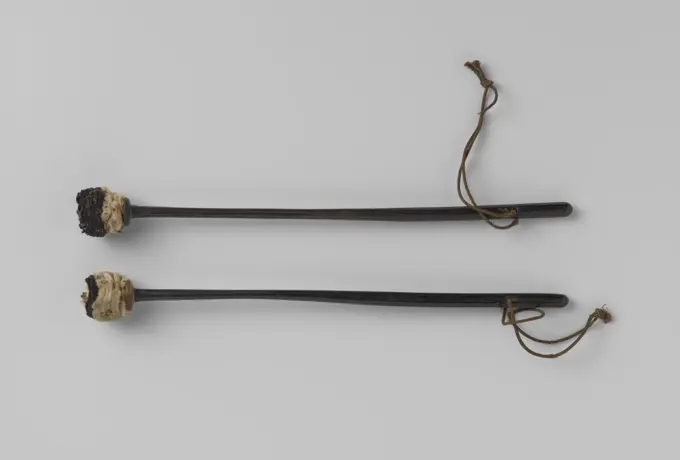
Sword and Scabbard (sword), 1700s. Java, 18th century. Steel and ivory; blade: 83.2 cm (32 3/4 in.); hilt: 13.4 cm (5 1/4 in.); scabbard: 83.8 cm (33 in.).Belt Hook. Culture: China. Dimensions: H. 1 1/4 in. (3.2 cm); L. 7 3/4 in. (19.7 cm). Date: 3rd century B.C.. Museum: Metropolitan Museum of Art, New York, USA.Guarded Dagger (Katar) 17th century Indian, Thanjavur; blade, European. Guarded Dagger (Katar) 31413Halberd ca. 1520 Italian, Venice. Halberd 25020Halberd. Culture: French. Dimensions: L. 97 1/2 in. (247.1 cm); L. of head 26 in. (66.1 cm); W. 12 3/4 in. (32.4 cm); Wt. 4 lbs. 4 oz. (1930 g). Date: ca. 1630. Museum: Metropolitan Museum of Art, New York, USA.Standard for a fire pot without foot. .Halberd ca. 1590 French. Halberd 25082Spoon, silver, Pointed, heart-shaped oval bowl with central rib, shaped stem embossed with scrolled and panelled sections, fluted terminal below the circular crusher., France, 19th century, cutlery, Decorative Arts, SpoonHairpin 200-500 Roman. Hairpin 465103 Roman, Hairpin, 200500, Copper alloy, Overall: 2 1/4 x 3/16 in. (5.7 x 0.5 cm). The Metropolitan Museum of Art, New York. Gift of J. Pierpont Morgan, 1917 (17.191.55)Hat pin with iron pen and crown -shaped button in which two parts white leg, anonymous, c. 1930 - c. 1940 Hat pin with iron pen and engraved crown -shaped button in which two parts of white leg. Netherlands (possibly) pen: iron (metal). knop: iron (metal). knop: bone (material) forging / engraving / cutting Hat pin with iron pen and engraved crown -shaped button in which two parts of white leg. Netherlands (possibly) pen: iron (metal). knop: iron (metal). knop: bone (material) forging / engraving / cuttingLime Dipper, c. 1-800. Colombia, Calima region, Yotoco style, 1st-9th Century. Gold;Spontoon. Culture: French. Dimensions: L. 93 1/2 in. (237.5 cm); L. of head 13 1/8 in. (33.4 cm); W. 3 1/8 in. (cm); Wt. 2 lbs. 8 oz. (1134 g). Date: 17th century. Museum: Metropolitan Museum of Art, New York, USA.Spoon (Netherlands), 1877; silver; L x W x D: 11 x 3 x 1.1 cm (4 5/16 x 1 3/16 x 7/16 in.)Sword. Culture: Indian, South Indian. Dimensions: L. 39 1/2 in. (100.3 cm); W. 6 1/2 in. (16.5 cm); D. 2 3/4 in. (7 cm); Wt. 1 lb. 11.4 oz. (776.8 g). Date: 17th century. Museum: Metropolitan Museum of Art, New York, USA.Lluis Ventós / "Toromiro", 2005, Sculpture (wood), 101,5 x 16,5 x 15 cm.Curb Bit early 17th century German This was considered as a gentle bit for starting young horses with the curb bit (bit with a leverage effect). Indeed, according to contemporary equestrian manuals, the long straight shanks (the levers on the sides of the bit to which the reins were attached) and the jointed mouthpiece with simple canons made for the most gentle combination in a curb bit. If the long shanks look impressive, their length in fact reduces their reaction time and would actually have been blocked at some point by the horses chest. Curb bits were also at this time used with a very light hand, the well-trained horses responding by anticipation to the slightest move of the reins. The elegant pierced decoration is typical of East German spur makers workshops during the 16th and 17th centuries. Despite their name, spur makers made not only making spurs, but also small equestrian hardware like bits, stirrups, muzzles, cavessons or curry-combs.. Curb Bit. German. early 17th centSpoon 13th-11th century B.C. Northwest China. Spoon 58531Figurine of a Cobra Uraeus on a Papyrus Standard. Late Period - Ptolemaic Period (664 - 30 BCE). Sculpture. BronzeOboe, anonymous, c. 1720 - c. 1744 HOO, probably from gushed palm wood with silver batter, consisting of mouthpiece with punched leaf ornament and pearl edge, ring with ditto pearl edge, to which a silver chain, ring decorated with ditto pearl edge and with engraved leaf ornament, which extends over a pounded leaf eagle, three silver valves with met Engraved Louis XV ornament while on the valve cap between engraved palm branches, mm 1744 is indicated; Then two corresponding wider rings. The woodwork turned and decorated with rings and ojives. Netherlands boxwood. silver (metal) HOO, probably from gushed palm wood with silver batter, consisting of mouthpiece with punched leaf ornament and pearl edge, ring with ditto pearl edge, to which a silver chain, ring decorated with ditto pearl edge and with engraved leaf ornament, which extends over a pounded leaf eagle, three silver valves with met Engraved Louis XV ornament while on the valve cap between engraved palm branches, mm 1744 is indicDagger. Culture: Indian, Deccan, possibly Hyderabad. Dimensions: H. 13 13/16 in. (35.1 cm); H. of blade 9 in. (22.9 cm); W. 2 13/16 in. (7.1 cm); Wt. 13.1 oz. (371.4 g). Date: 17th to 18th century.Daggers with curled "pistol-grip" pommels became popular in the court of Mughal emperor Aurangzeb (r. 1658-1707) around 1660 and regularly appeared in the portraits of Mughal and Deccani officials thereafter. The jade grip of this dagger is inlaid with silver foliate motifs set flush with the surface, a technique that recalls contemporary Bidri ware (from Bidar, in the Deccan), cast zinc vessels that are similarly inlaid with silver and gold. Museum: Metropolitan Museum of Art, New York, USA.Regina Henderer, Suffolk Latch, c 1939 Suffolk LatchSpoon, silver, Shallow, bell-form, shovel-like bowl, engraved with wrigglework and loop. Slightly curved stem issuing shaped rounded terminal engraved with interlacing wrigglework bands and punching., Netherlands, 1877, cutlery, Decorative Arts, SpoonHay Fork. Dated: 1938. Dimensions: overall: 35.6 x 24.9 cm (14 x 9 13/16 in.). Medium: watercolor, graphite, and colored pencil on paperboard. Museum: National Gallery of Art, Washington DC. Author: Albert Geuppert.Gauntlet Sword (Pata) 18th-19th century Indian. Gauntlet Sword (Pata) 31155Żeleźce toporka. nieznany warsztat fenicki, workshopLeft hander, left hand dagger knife stab weapon weapon fragment soil found cast iron wrought iron metal, cast forged Left hand with over the top 4.7 cm from the shoulders three trenches over the double-edged flat blade. The middle channel runs through 22.0 cm. Three sword-breakers - hanging rods - are mounted on the outwardly curved rifles. The middle is combined with an open parer ring. The upper sword breaker is broken at the foot. The handle is hexagon-shaped and is also rivet. On the stalk is also the foot crown of the handlebar archeology Rotterdam knife rapier sword decoration status symbol personal equipment defense clothing accessory militaria archaeological find in the soil dredging Rotterdam.Reef Band with a Toggle. Braided reefknuttel with wooden toggle at an end.Huqin 19th century Chinese Two-stringed fiddles (huqin) were introduced into China by nomadic Mongols during the Yuan dynasty (1280-1368). (The presence of "hu" in the name of an instrument indicates that it was a foreign import.) Bow hairs passing between the huqin's strings may reflect the Mongol's need to secure the bow to his instrument while on horseback. Huqin are played vertically on the knee, fingered with the left hand and bowed with the right. In earlier times, there existed a greater variety of local fiddles, but today, as with the European family of violins, certain standard sizes prevail.Although this nineteenth-century example has an hourglass-shaped body, the erhu more typically has a round or hexagonal sound box and a snakeskin belly. It is heard in traditional ensembles, modern orchestras, and solo performances. In the opera, it either doubles the melody of a higher-pitched fiddle (jinghu) an octave lower or accompanies female roles. In southern China and Taiwan, it isDulzian. Culture: possibly Spanish. Dimensions: Height: 35 13/16 in. (91 cm). Date: 17th century. Museum: Metropolitan Museum of Art, New York, USA.Bottle. Roman, Levant or Syria. Date: 201 AD-400 AD. Dimensions: H. 11.1 cm (4 3/8 in.); diam. 2.2 cm (7/8 in.). Glass, blown technique. Origin: Syria. Museum: The Chicago Art Institute, Chicago, USA. Author: ANCIENT ROMAN.Fibula. Copper alloy. Gallo-Roman. Paris, Carnavalet museum. 51463-10 Staple, copper alloy, attachment, Gallo-Roman time, fibula, Gallo-RomanSkewers (France); silver; L x W x D (a): 18 x 2.8 x 0.4 cm (7 1/16 x 1 1/8 x 3/16 in.) L x W x D (b): 17.8 x 3 x 0.4 cm (7 in. x 1 3/16 in. x 3/16 in.)Hair Ornament, Unassigned, before 1915. Africa, Central Africa, Democratic Republic of Congo, Luba, 20th century. Iron; overall: 12 cm (4 3/4 in.).Bronze ladle terminating in two ducks' heads 5th century B.C. Etruscan With certain utensils such as ladles, especially when they have no figural decoration, the Greek and Etruscan examples are virtually indistinguishable.. Bronze ladle terminating in two ducks' heads 248323Openwork PinheadArrow Point, 1700s. Japan, Edo period (1615-1868). Steel; overall: 12.2 cm (4 13/16 in.); head: 2 cm (13/16 in.).Girdle ornament China. Girdle ornament. China. Nephrite. Han dynasty (206 B.C.-A.D. 220). JadeStanding Attendant (Tomb Figurine). China. Date: 400 BC-201 BC. Dimensions: 52.0 × 10.3 × 5.3 cm (20 1/2 × 4 1/16 × 2 1/16 in.). Wood with traces of polychrome pigments. Origin: China. Museum: The Chicago Art Institute, Chicago, USA.Spearhead and Ferrule 17th-18th century Tibetan. Spearhead and Ferrule 26629Spearhead. Thailand, Ban Chiang culture, 300 B.C.-150 A.D.. Arms and Armor; spears. Copper alloyBasset Horn in F mid-19th century Anton Fischer Hungarian. Basset Horn in F 505308Silver spoon stalk ending in apostle figure, anonymous, c. 1600 - c. 1625 Spoon stalk of silver with the gilded image of an apostle at the end Germany silver (metal) gilding Spoon stalk of silver with the gilded image of an apostle at the end Germany silver (metal) gildingColumn 18th century British Blue John, also known as Derbyshire Spar, is a rare semi-precious mineral, which can be found only in Britain, primarily in Derbyshire. This neo-classical urn and columns are highly evocative of eighteenth-century British taste for hardstones fashioned into classical forms.. Column. British. 18th century. Derbyshire spar "Blue John", marble. Natural SubstancesZhajiao (Trumpet). Culture: Chinese. Dimensions: 48 3/16 × 6 × 13 in. (122.4 × 15.2 × 33 cm)Diameter (Of bell): 6 in. (15.2 cm). Date: mid 19th-late 19th century. Museum: Metropolitan Museum of Art, New York, USA.Ferret 6th-7th century Frankish. Ferret 464871 Frankish, Ferret, 6th7th century, Silver, Overall: 1 15/16 x 7/16 x 1/8 in. (4.9 x 1.1 x 0.3 cm). The Metropolitan Museum of Art, New York. Gift of J. Pierpont Morgan, 1917 (17.191.176)Harpoon Head. India, Uttar Pradesh, Ganges River Valley, circa 1500-1000 B.C.. Arms and Armor; harpoons. Copper alloyWoman's Miser's Purse. United States, 19th century. Costumes; Accessories. Silk, metal, cut steel beadsSgra-Snyan Unknown Maker late 19th century View more. Sgra-Snyan. Tibetan. late 19th century. Wood, hide, wire, polychrome. Tibet. Chordophone-Lute-plucked-unfrettedFork, Anonymous, 1700 - 1725 Fork with gestmented silver lifts, on which a dog  silver (metal) Fork with gestmented silver lifts, on which a dog  silver (metal)Model of a Pile driver. Simple heater, almost identical to NG-MC-45. The pile block is caught by scissors and lifted with a winch to the top, where it is released automatically.Dagger. Iran, Luristan, circa 2600-2350 B.C.. Arms and Armor; daggers. Bronze, castStaff, 37 x 3 1/4 x 2 3/16 in. (94 x 8.3 x 5.6 cm), Wood, Sierra LeoneHalberd. Culture: German. Dimensions: L. 92 5/8 in. (235.2 cm); L. of head 27 in. (68.5 cm); W. 12 7/8 in. (32.7 cm); Wt. 5 lbs. 1 oz. (2300 g). Date: dated 1574. Museum: Metropolitan Museum of Art, New York, USA.Silversmith: J.H. Carstens, Silver s-shaped dustpan, dustpan sweeper silver, inserted Curved handle attached to curved brush in different direction (sea-like shape) top handle: tablewareBassoon in C. Culture: Swiss. Dimensions: Length (end to end) 1146 mm, Length of tube +/-2438 mm including crook and reed, Diameter of bell (opening) 76 mmLength of crook +/- 366 mmLength of wing section +/- 495 mm without tenonLength of butt section 425 mmLength of long section +/- 530 mm without tenonLength of bell 215 mm. Maker: Jeanneret workshop (Swiss, La Chaux-du-Milieu before 1764-after 1786 Le Locle). Date: 1771.A special Swiss version of the bassoon, featuring a metal d'amore bell and only one key (F) in addition to three sound holes in the bass joint. There are no D- and B-flat keys. This kind of bassoon was used in churches only to accompany psalm singing, which did not descend lower than F. Museum: Metropolitan Museum of Art, New York, USA.Natural Trumpet in D. Culture: German. Dimensions: Height (Perpendicular to bell): 26 7/16 in. (67.2 cm)Diameter (Of bell): 4 5/8 in. (11.7 cm). Maker: Andreas Naeplaesnigg (Germany, active Jettingen ca. 1790). Date: 1790.The instrument follows the Nuremberg tradition of trumpet making with its structural setup and decoration of cast brass putti of angels, embossed and engraved ferrules and garlands, glass stones, et cetera. Toward the end of the eighteenth century, Nuremberg lost its former significance, and trumpet making shifted to other places. Originally pitched in C, the tube was shortened to a higher pitch in the nineteenth century. Museum: Metropolitan Museum of Art, New York, USA.Rapier 1800-1900 Spain. Steel, bronze with enamel .Weathercock and Stand 15th century French. Weathercock and Stand. French. 15th century. Copper-gilt, iron stand. Metalwork-CopperKnife, before 1916. Africa, Central Africa, Democratic Republic of Congo or Central African Republic, early 20th Century. Iron and copper; overall: 39 cm (15 3/8 in.); blade: 31.3 cm (12 5/16 in.).Betty Lamp 1600-1700. Betty Lamp 507Sword with Scabbard. Culture: hilt, Indian; blade, Persian. Dimensions: H. with scabbard 37 3/16 in. (94.5 cm); H. without scabbard 36 in. (91.4 cm); W. 3 5/8 in. (9.2 cm); D. 2 1/4 in. (5.7 cm); Wt. 2 lbs. 2.9 oz. (989.4 g); Wt. of scabbard 9.8 oz. (277.8 g). Date: possibly 18th century. Museum: Metropolitan Museum of Art, New York, USA.Triple, 1675 - 1700 A forged iron standard, three -foot, defective here and there.  iron (metal) forging A forged iron standard, three -foot, defective here and there.  iron (metal) forgingSpoon (Russia); Made by "P. Ya"; silver, niello, gilt; L x W x D: 18.5 x 5.5 x 3.3 cm (7 5/16 x 2 3/16 x 1 5/16 in.)Busk. Culture: French. Date: 17th century.This busk was made for Anne-Marie-Louise d'Orléans (1627-93), Duchesse de Montpensier, daughter of Gaston d'Orléans. On the front, the arms of the Duchesse d'Orléans with fleur-de-lis and crown are accompanied by the text: "How I envy you the happiness that is yours, resting softly on her ivory white breast. Let us divide between us, if you please, this glory. You will be there the day and I shall be there the night." At the portrait head of a woman, the text reads, "Whether I live or die, I want my heart to be thine." On the back, the text accompanying clasped hands reads, "Faithfulness is above all." At the portrait of a man, the text reads, "My eyes to everyone; my heart to you.". Museum: Metropolitan Museum of Art, New York, USA.Censer second half 18th century Italian, Naples In 1964, Loretta Hines Howard generously presented to the Museum over 140 Neapolitan crèche figures, dating from the second half of the eighteenth century. The varied assortment includes figures from the three traditional scenes of a complete Neapolitan presepio: the Nativity, with angels, shepherds, and sheep; the procession of the three Magi, with their colorful retinue of attendants; and the varied and gay crowd of country and town people thronging the tavern, or inn, of Bethlehem  the diversorium mentioned by St. Luke, where on the Holy Night there was no place for Mary and Joseph. Averaging between twelve and fifteen inches in height, according to the position they were to take in perspective in the stage set, the figures are pliable and can be given poses at will, according to their facial expressions. Their bodies are made of tow and wire, their arms and legs are finely carved of wood, and their heads and shoulders are modeled of Fire Tool Stand. Culture: American. Dimensions: 31 1/4 x 8 x 8 in. (79.4 x 20.3 x 20.3 cm). Date: 1770-1830. Museum: Metropolitan Museum of Art, New York, USA.Handle with Face Terminal. UnknownFauchard ca. 1540 Italian, Venice. Fauchard. Italian, Venice. ca. 1540. Steel, wood, textile. Venice. Shafted WeaponsBuccin, Charles Kretzschmann, c. 1830 musical instrument. wind instrument. trombone. buccin Bazuin belonged to J. Willers, in 1830-32 staff musician at the Grenadiers and Jagers Regiment. The cup is in the form of a monster (with tongue) and painted in green, red and white (eyes and teeth). A signature has been taken on the neck side of the cup: 'Charles Kretzschmann a Strasbourg'. The sliding section is a reconstruction. Strasbourg (France) copper (metal). paint (coating). tin (metal) casting / soldering / sawing / paintingCranequin (Winder) for a Sporting Crossbow 1500-1600 Switzerland. Steel, wood, and cord .Candlestick. Culture: European. Dimensions: Gr. W.: 7 1/2 in., H. closed: 11 3/4 in., H. opened: 19 1/2 in.. Date: 15th-16th century. Museum: Metropolitan Museum of Art, New York, USA.Alto Flute ca. 1880 Boehm & Mendler, German German. Alto Flute 505641Vase 18th-19th century Japan. Vase. Japan. 18th-19th century. Pottery decorated with glaze (Seto ware). Edo period (1615-1868). CeramicsDagger, 1980-1648 BC. Egypt, Middle Kingdom, Dynasty 12-13, or later. Bronze blade with handle of wood, and copper alloy; overall: 5.9 cm (2 5/16 in.).Basket-Hilt Broadsword ("Mortuary Sword"), hilt: c. 1640-50; blade: 1700s. Hilt: England; Blade: Germany, Solingen (), Hilt: 17th Century; Blade: 18th Century. Steel, chiseled; inlaid gilt- silver foil; wood and wire grip; overall: 101.6 cm (40 in.); blade: 85.2 cm (33 9/16 in.); hilt: 13 cm (5 1/8 in.). The decoration on this sword's hilt includes an image of King Charles I of England (beheaded in 1649). Because the image resembles the king's death mask, this sword is known as a "mortuary sword." It may have belonged to Sir Thomas Fairfax, a general of the Parliamentary cavalry during the English Civil War (1642-51). Large, double-edged broadswords, designed for heavy cavalry use, were common from the 1600s through the 1800s.Flagpole holder. Flag rod holder decorated with four flat and five cone-shaped spirals and a metal plate in which the letter 'ss' are looked out. With two arranged rings, in which the flagpole can be inserted. On the holder remains of bronze color.Dagger. Northern Iran, about 1350-1000 B.C.. Arms and Armor; daggers. Bronze, castDagger (Katar) 18th century Indian. Dagger (Katar) 31498Inlay ca. 8th-7th century B.C. Assyrian. Inlay 325578Sierdegen with steel -rings and three concave sides, S&J, c. 1815 - c. 1830 Sierdegen with steel -rag and three concave sides, partly stated with gold; Marked: S&J Solingen. With white buckle. Possible court clothing. Solingen steel (alloy). gold (metal). leather Sierdegen with steel -rag and three concave sides, partly stated with gold; Marked: S&J Solingen. With white buckle. Possible court clothing. Solingen steel (alloy). gold (metal). leatherSweden, Stockholm, dagger from SegerstadChandelier, Anonymous, 1700 - 1800 Chandelier with six arms, from brass and iron. Northern Netherlands iron (metal). wood (plant material) casting / forging Chandelier with six arms, from brass and iron. Northern Netherlands iron (metal). wood (plant material) casting / forgingBracketBottle 1 CE-300 CE Syria. Glass, blown technique . Ancient RomanLadle, c. 1905. Gorham Manufacturing Company (American, founded 1831). Silver; overall: 31.8 x 10.4 cm (12 1/2 x 4 1/8 in.).Figural Staff 1875-1900 Côte d'Ivoire. Until the 1950s, along the eastern edge of the Baule region carved staffs like this example were made to honor important ancestors. That practice has given way to rituals focusing on stools and gold inherited from deceased family members. In the example displayed here an idealized male figure is seated on a stool, with three faces below him that may symbolize wealth in the form of wives. The drum carved farther down likely alludes to success in battle.. Wood and iron . BauleThread winder early 19th century Russian, Tula Swifts had to open and shut in the same way as an umbrella. The axis spoke or central rod facilitates this movement. The strips are joined with steel rings, and a thumbscrew set on the lower shaft keeps the swift in the desired position. A skein of silk thread or tapestry yarn was wrapped tautly around its extended frame, which would then rotate as the thread was wound around a sewing spool.Tula is a region in Russia in the Srednerossky hills to the south of Moscow whose capital town of Tula has been famous for the remarkable metalwork it has produced since the construction of the armoury by Peter the Great in 1712. The mastery of the craftsmen and their diamond cutting of the steelworks of art, as well as arms and armour, was unrivalled throughout Europe.. Thread winder 238661Austrian infantry saber wz. 1836 with a pendentSword, Before 1918. Indonesia, Sulawesi (Celebes). overall: 58.5 cm (23 1/16 in.); blade: 46.4 cm (18 1/4 in.).Pen with which the documents of laying the memorial of orange lice and the opening of the port of IJmuiden are undertaken. Pen, consisting of an eagle feather, a silver handle with plant motifs and a golden point. The pen stands in a standard of braided metal wire, soldered in one place. Signature: illegible. Inscription: Attention: Morton / New York / 1st Quality No. 6.Halberd. Culture: Swiss. Dimensions: L. 75 in. (190.4 cm); L. of head 16 7/8 in. (42.8 cm); W. 10 3/8 in. (26.3 cm); Wt. 6 lbs. 1 oz. (2750 g). Date: ca. 1510-20. Museum: Metropolitan Museum of Art, New York, USA.Pedestal. unknown, creatorSistrum Inscribed with the Names of King Teti ca. 2323-2291 B.C. Old Kingdom The carved handle of this beautiful object appears to be an elegant papyrus stalk crowned with an umbel bloom supporting a small naos (shrine), surmounted by a cavetto cornice. A falcon stands proudly at the top directly behind a rearing cobra with open hood. This is a royal object, as is shown by the inscriptions naming Teti, first sovereign of Dynasty 6. On the preserved face of the naos, the pharaoh's five names appear framed by the sign for "sky," supported by two was scepters: from center to left, his Horus name, then his Two Ladies and Horus of Gold names; on the right his King of Upper and Lower Egypt and his Son of Re names combined as usual at this name, Teti. A long vertical inscription runs down the handle: "The King of Upper and Lower Egypt, Son of Re, Teti, beloved of Hathor, Lady of Dendara, may he live eternally."This is not a decorative object, but a musical instrument specific to pharaonic EgyMount; bronzeUraeus 945-712 BC Third Intermediate Period The cobra represents the goddess Wadjet, a very ancient goddess who is associated with royalty. When the snake is worn over the king's brow, its head raised and hood dilated ready to attack if needed, it is called a uraeus. The uraeus constitutes the consummate symbol of royalty. As time passes it is also worn by royal women and certain gods.This uraeus is assembled from hammered gold and electrum sheets and strips; the snake's head and hood form one component, which was inserted into the coils and tail that form a second. The separate head element and inlays of the first component are now missing.The uraeus hood was probably originally inlaid in colors of red, turquoise, and dark blue. Traces of Egyptian blue suggest that material may have been used for some of the inlays. The long shallow curve of the tail would seem to suit a funerary mask, but the uraeus had been deformed and was restored, so the shape is not original.The uraeus was said Pedestal ca. 1880 American. Pedestal 5558Sword(Telögu)Sarangi, 1800s. India. overall: 59.1 x 13.1 cm (23 1/4 x 5 3/16 in.).Tamper stick of wood. Tamper stick of wood. Horse with three cyst sticks (BK-NM-11430-125-A T / M BK-NM-11430-125-D).Model of a Cat Block. Model of a three-disc block with cut-away house; The discs are wheels with four spokes. On top of it is a large hook mounted, which can turn into two directions.