Historical Weapons Collection

A variety of historical weapons, including a sword with an ornate hilt, a dagger, and different styles of halberds, showcasing intricate designs and craftsmanship.
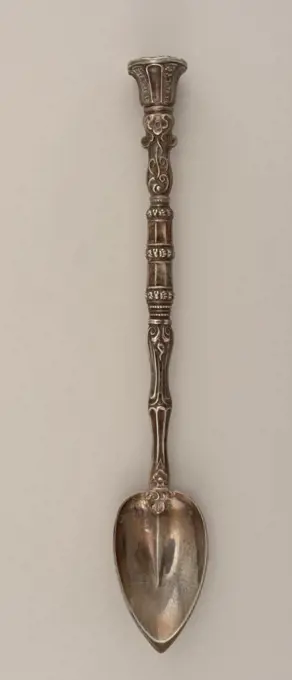
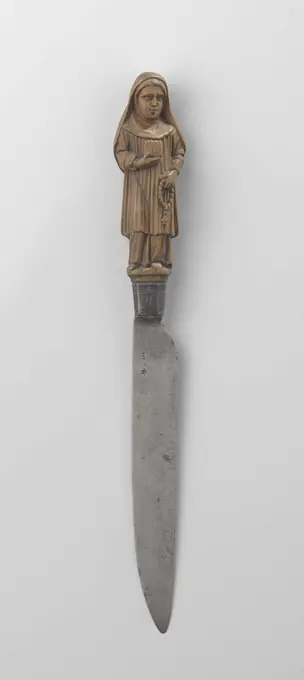
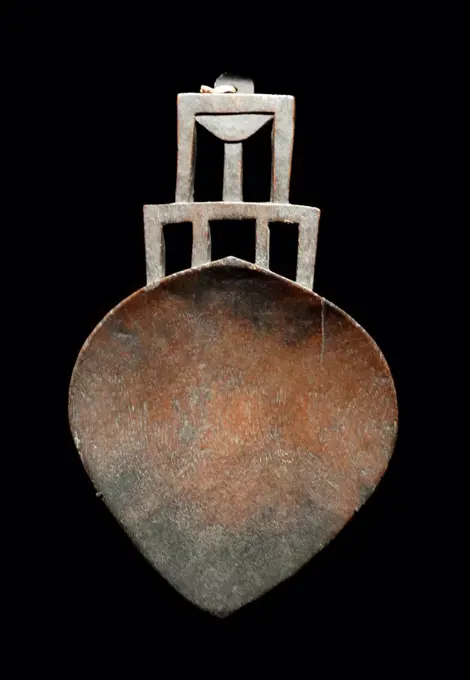
Spoon, silver, Pointed, heart-shaped oval bowl with central rib, shaped stem embossed with scrolled and panelled sections, fluted terminal below the circular crusher., France, 19th century, cutlery, Decorative Arts, Spoon
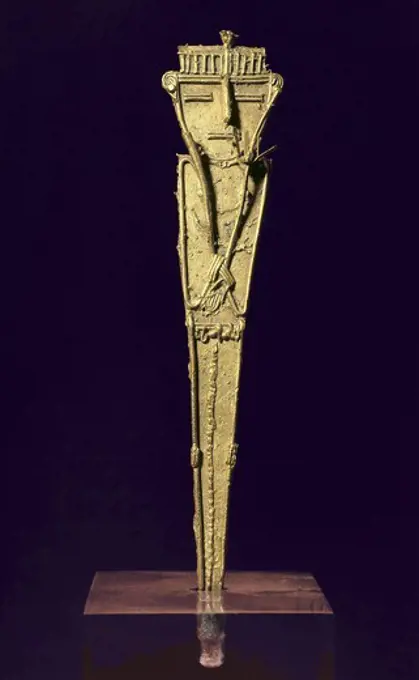
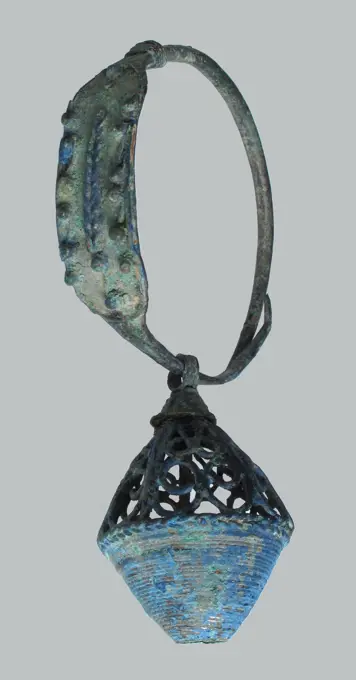
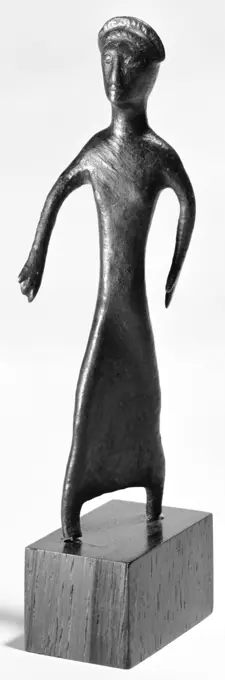
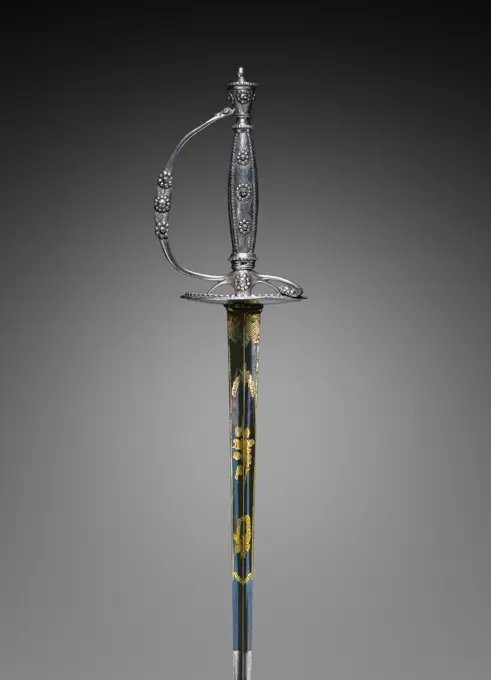
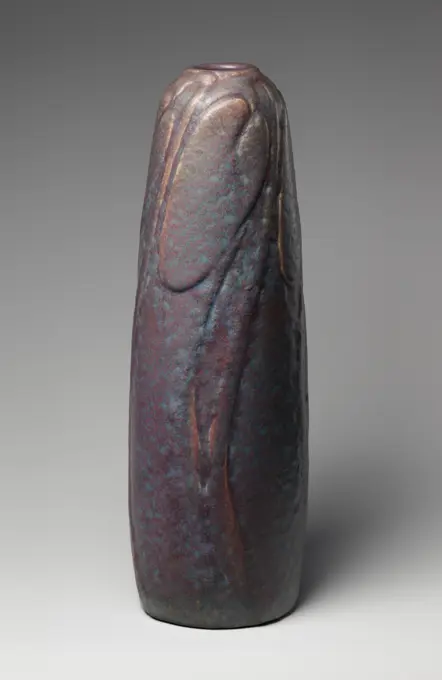
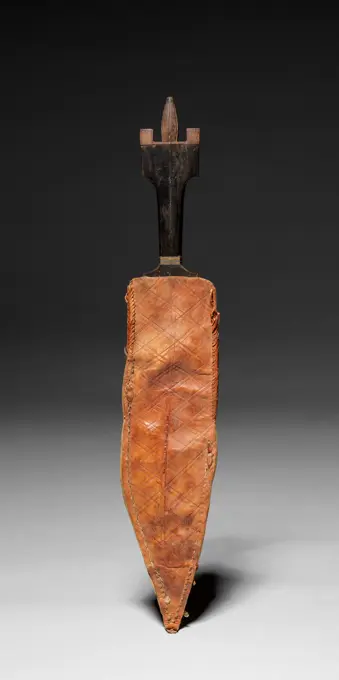
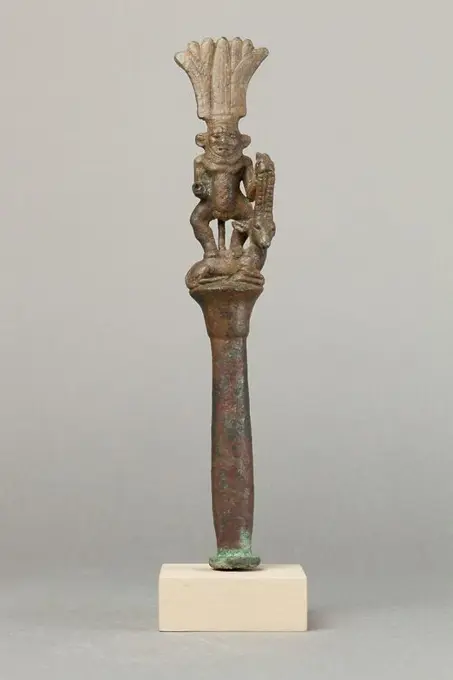
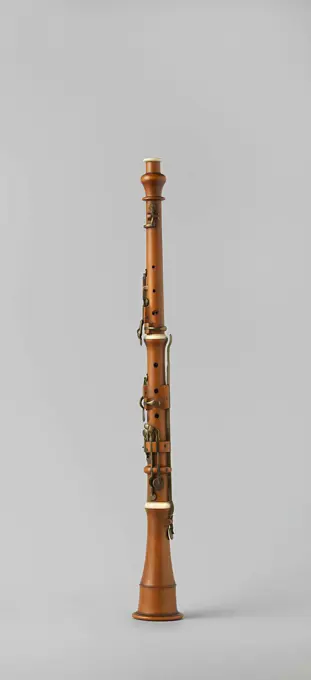
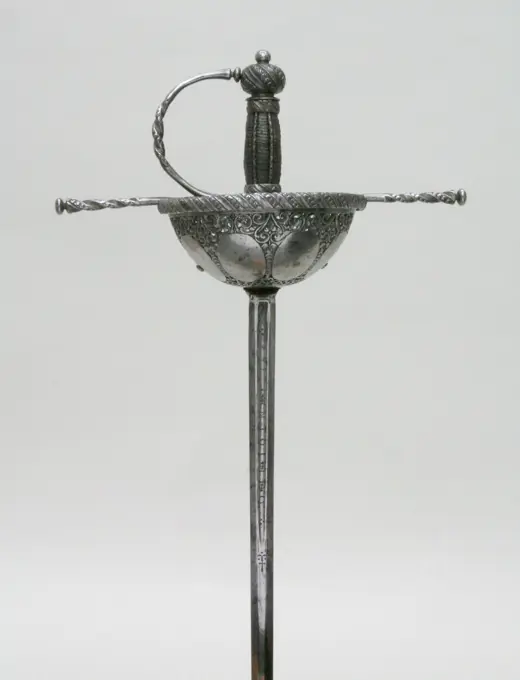
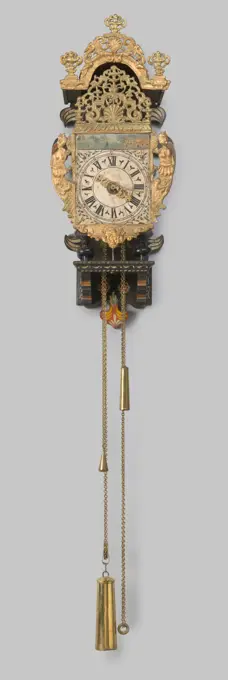
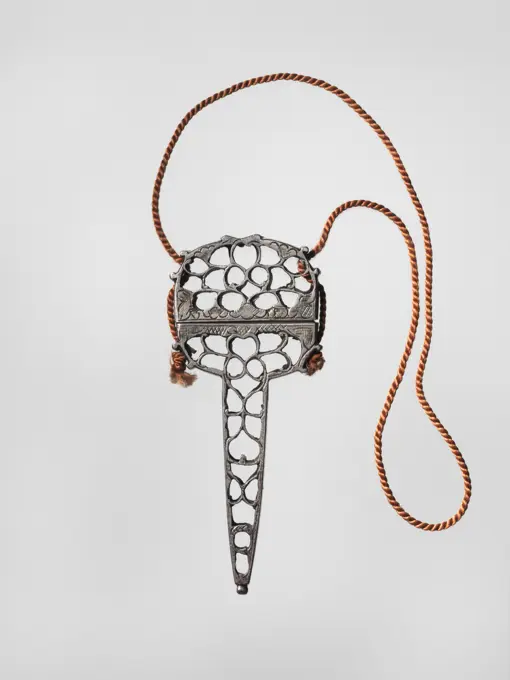
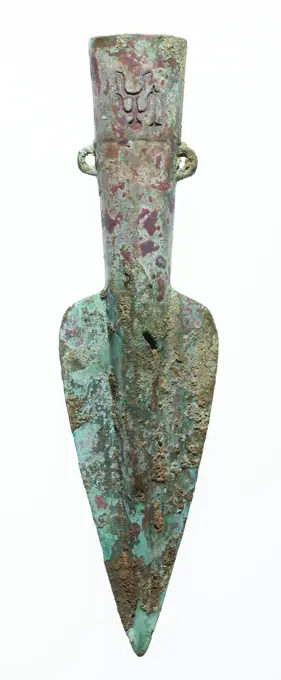
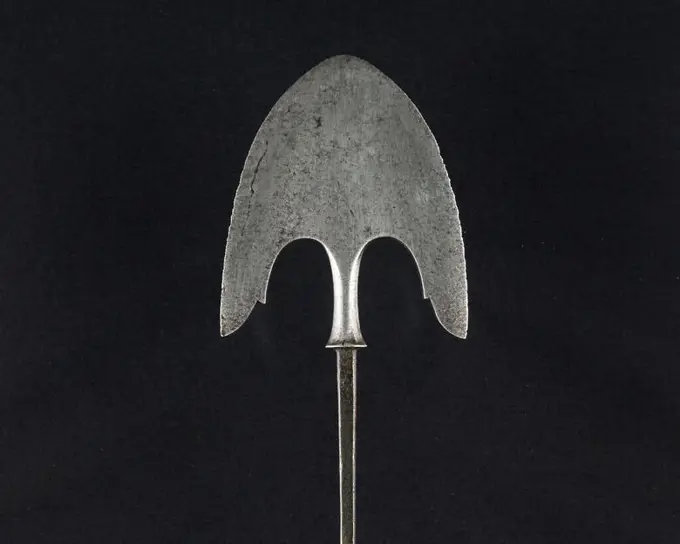
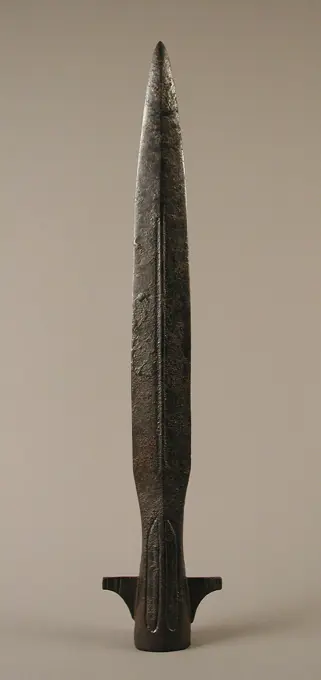
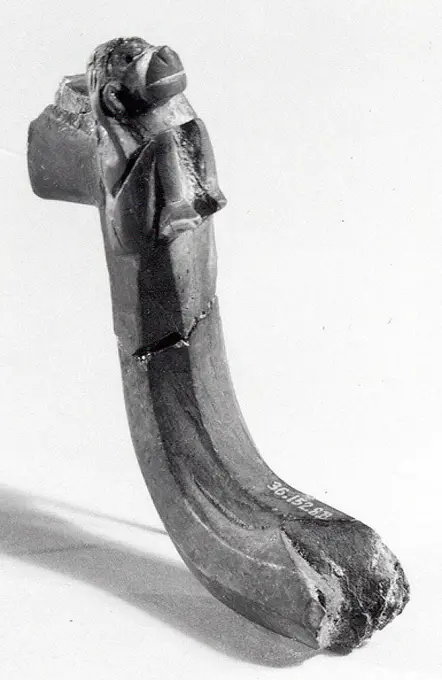
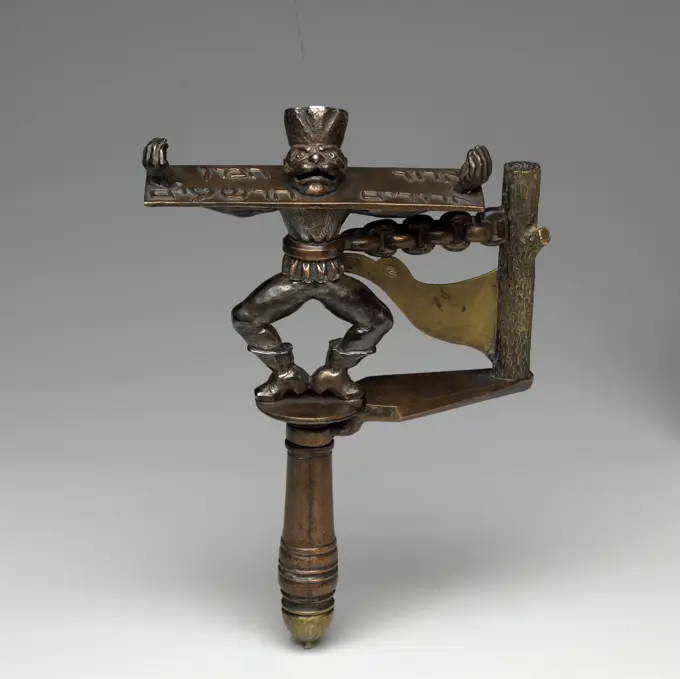
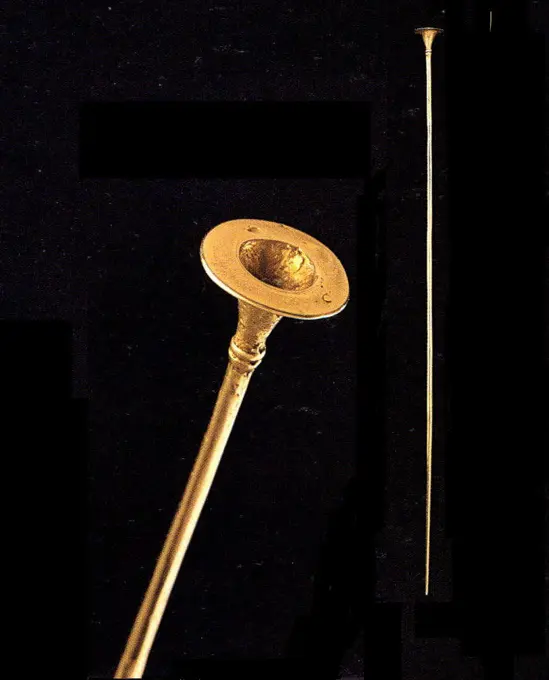
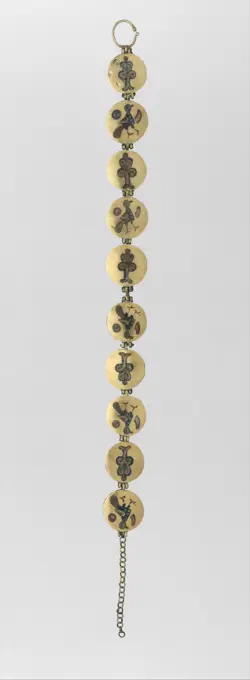
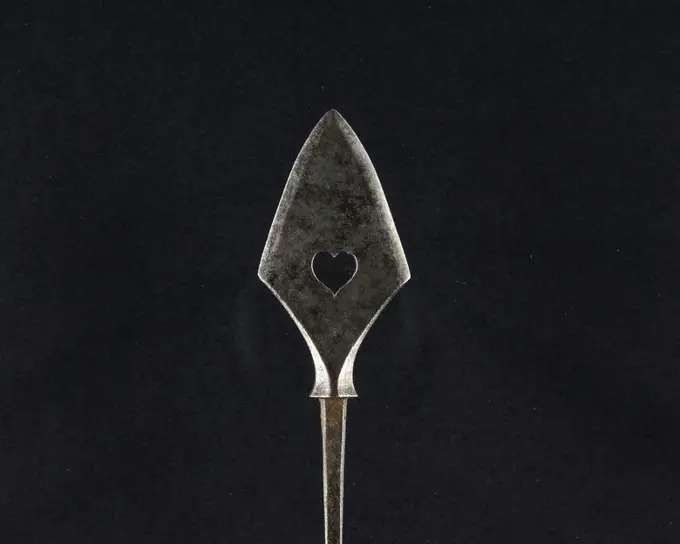
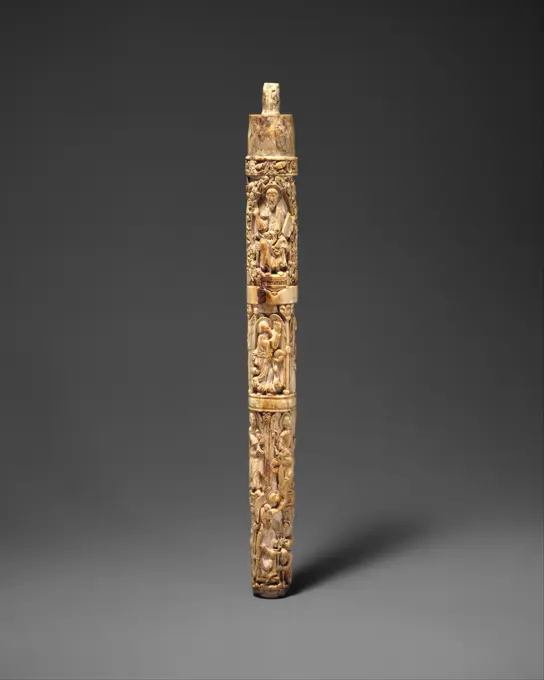
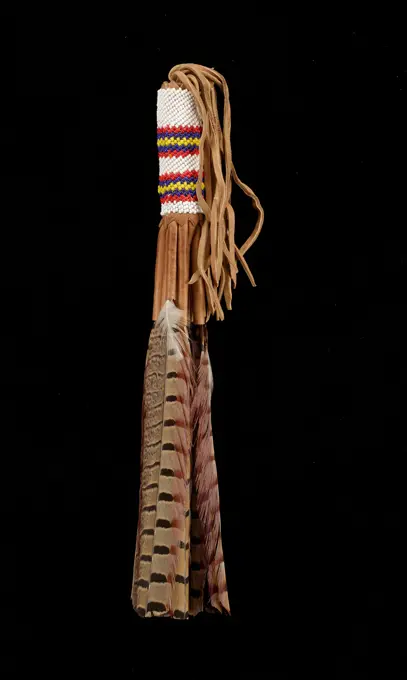
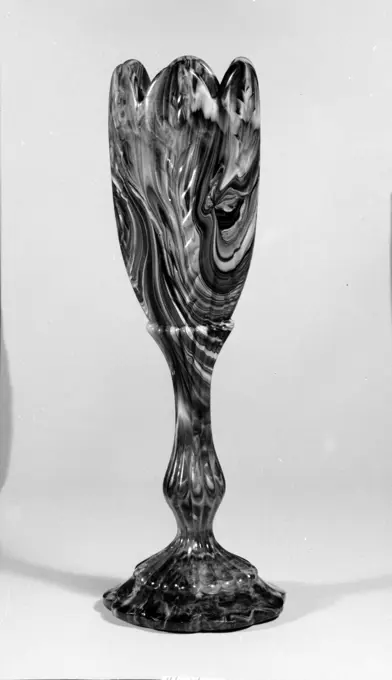
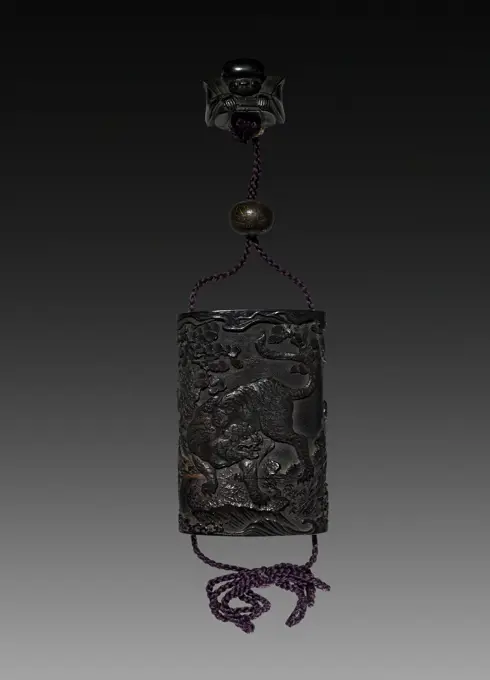
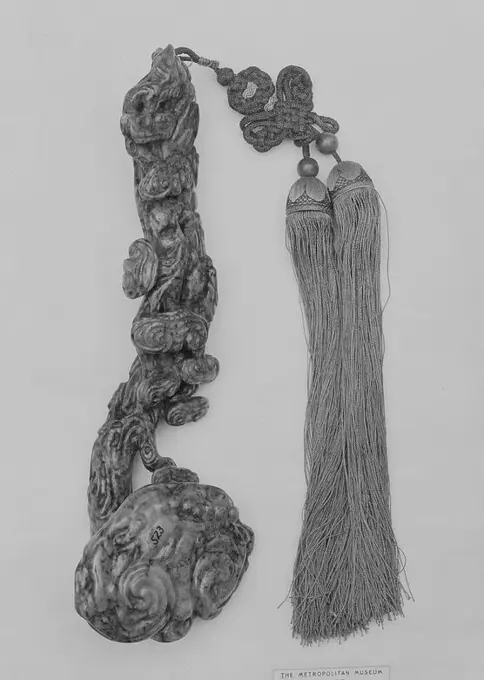
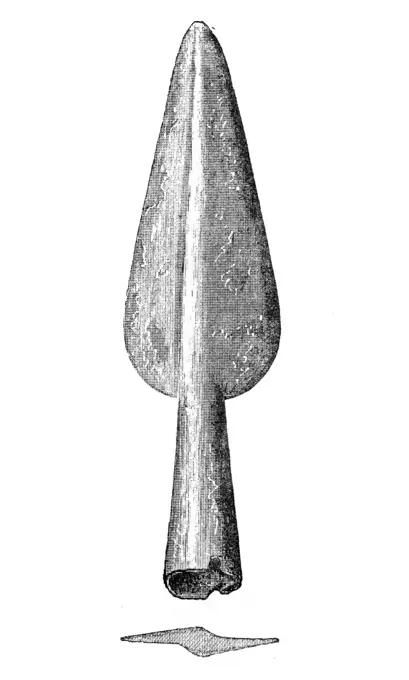
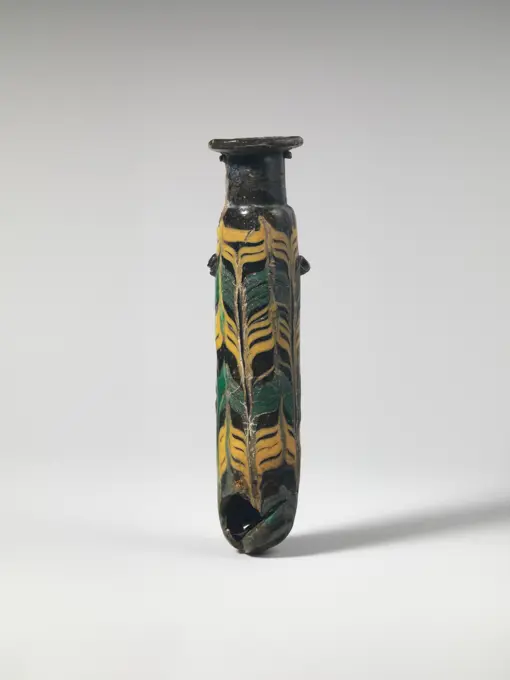
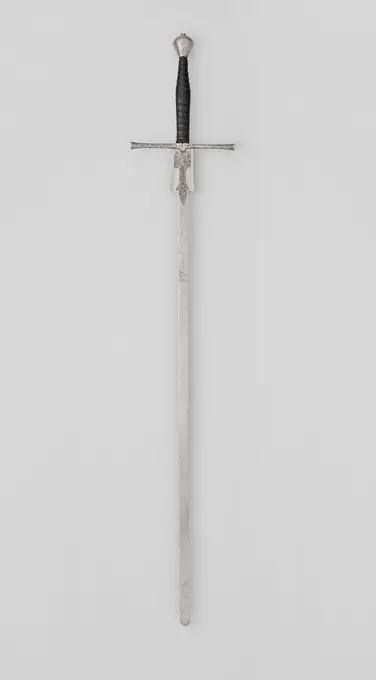
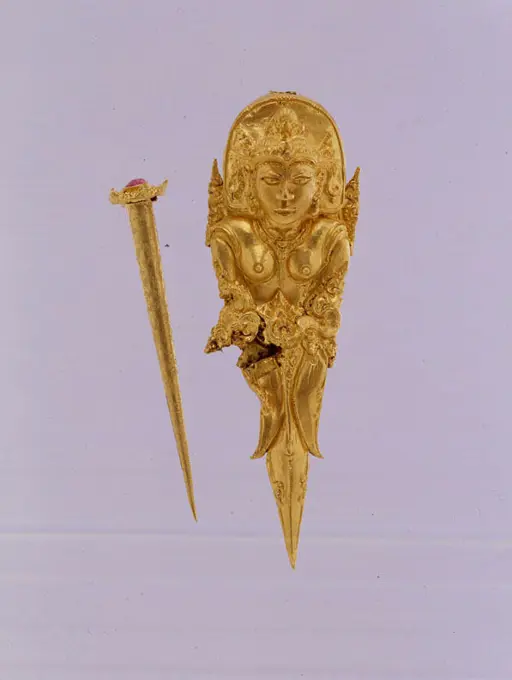
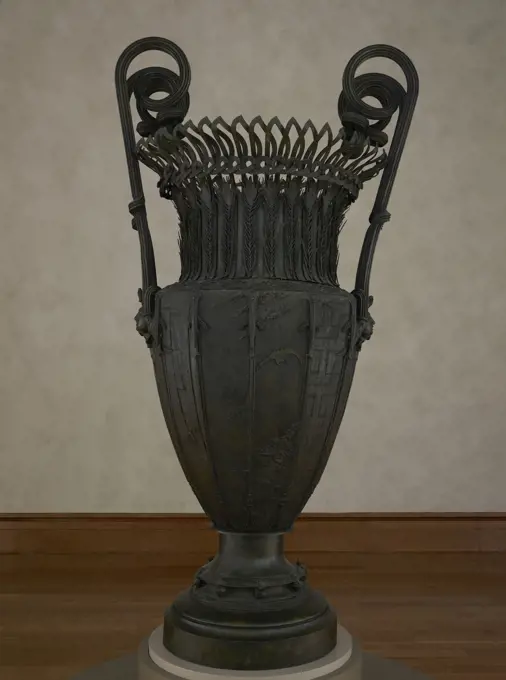
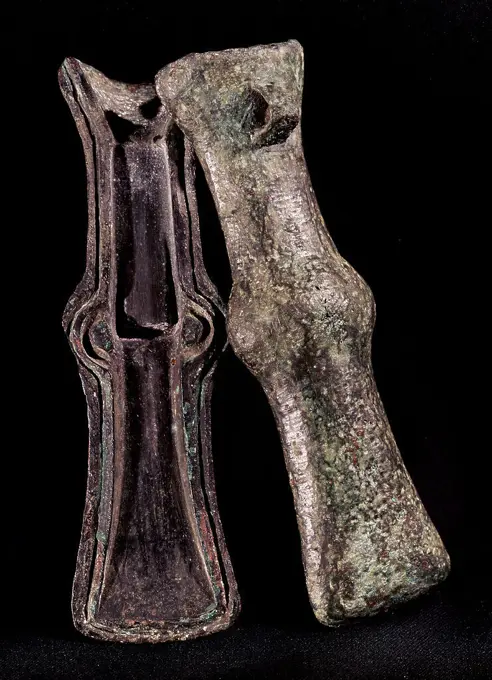
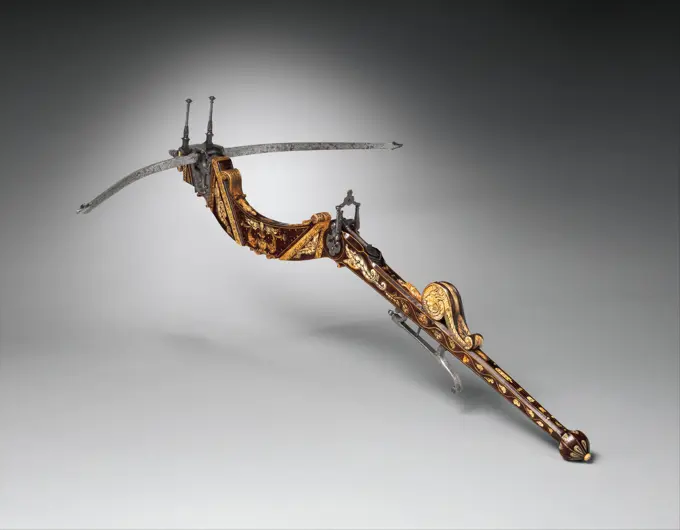
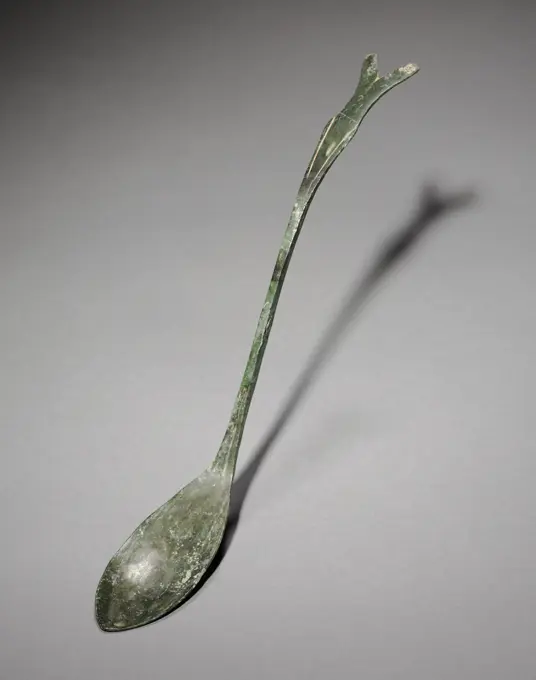
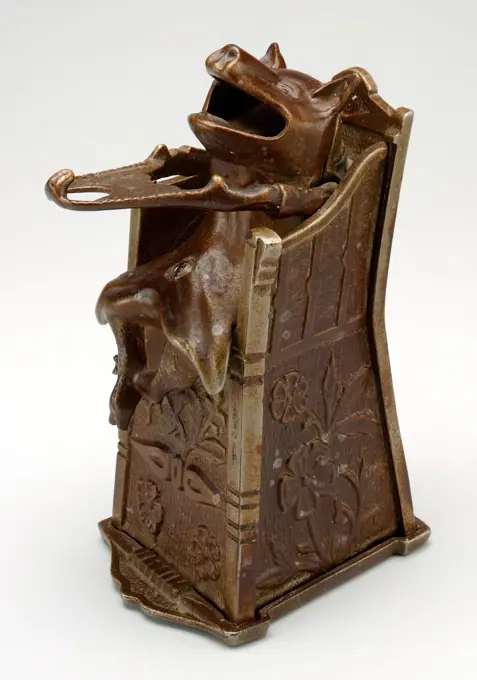
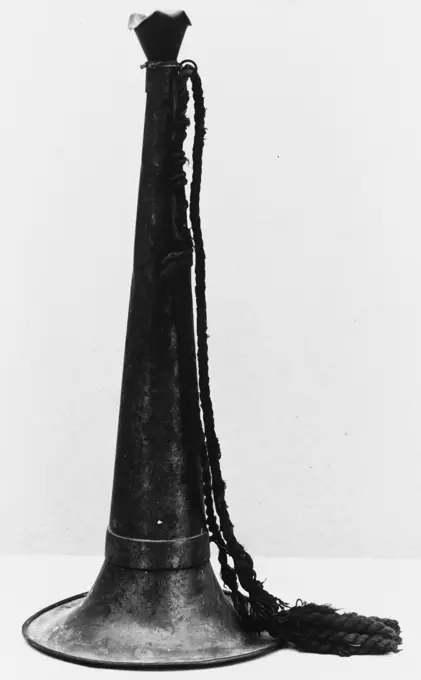
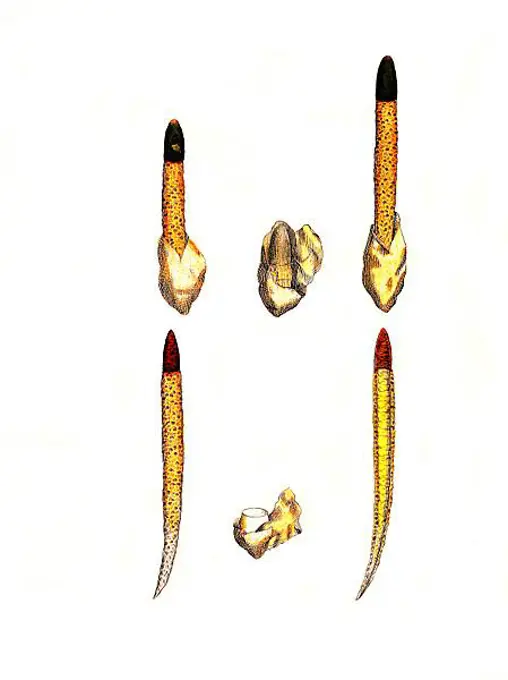
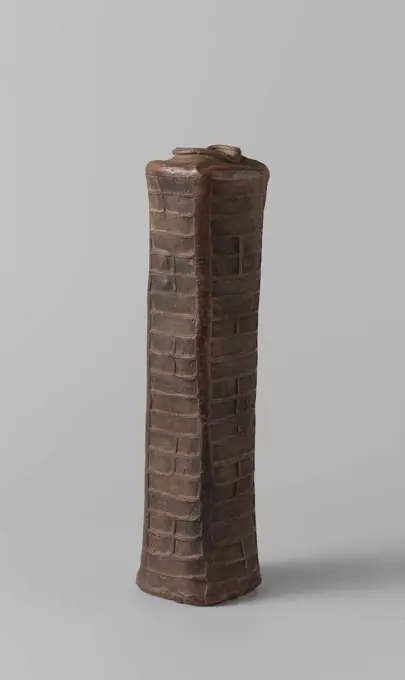
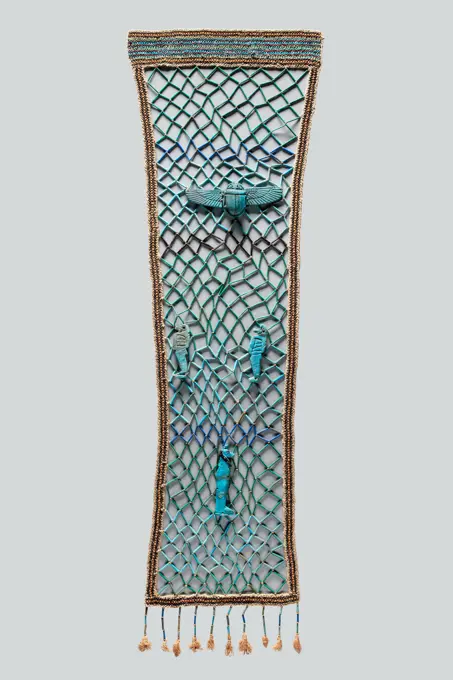
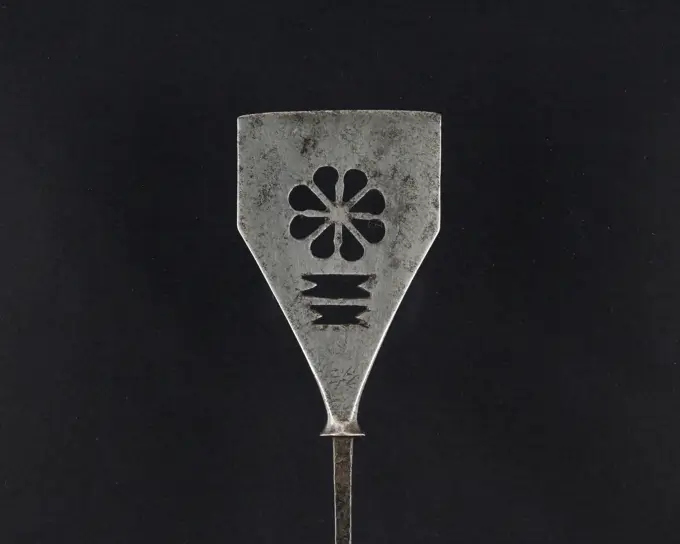
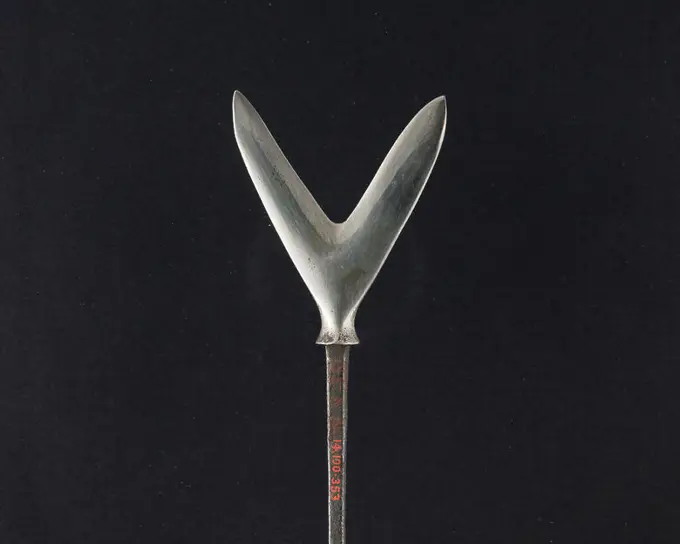
Arrowhead (Yanone). Culture: Japanese. Dimensions: L. 7 1/2 in. (19.1 cm); L. of head 2 3/8 in. (6 cm); W. 2 in. (5.1 cm); Wt. 1.1 oz. (31.2 g). Date: 13th-18th century. Museum: Metropolitan Museum of Art, New York, USA.Muisca gold pendant. The tunjo of a warrior with tapering legs, reed-like, bent arms, one hand clasping an axe, solely adorned with a headdress and jewelry. 1300-1500. Chibcha art. Jewelry. COLOMBIA. CUNDINAMARCA. Bogot. Gold Museum.Earring 8th-9th century Avar. Earring. Avar. 8th-9th century. Copper alloy sheet, filigree, and granulation all with "tinned" surface. Metalwork-CopperCurrencyBladeModel or a figureehead. Model of a shipment against a back plate; The image itself is missing.Statuette of a Woman. UnknownVase with stylized flower and leaf decorations, the porcelaine bottle, c. 1880 - c. 1920 Vase of earthenware, square foot and rejuvenating trunk with square nodus. Top part of the trunk becomes even narrower and is crowned on either side by two openwork ornaments. Painted with stylized flower and leaf work in the colors blue, green and red. Delft earthenware. glaze Vase of earthenware, square foot and rejuvenating trunk with square nodus. Top part of the trunk becomes even narrower and is crowned on either side by two openwork ornaments. Painted with stylized flower and leaf work in the colors blue, green and red. Delft earthenware. glazeCourt Sword, c. 1790. England, London or Birmingham, late 18th Century. Steel; silver hilt, polished and faceted; blade partially blued and gilded; overall: 99.7 cm (39 1/4 in.); blade: 82.9 cm (32 5/8 in.); guard: 8.3 cm (3 1/4 in.). The hilt of this sword is finely finished with cut or faceted steel burnished to resemble cut stones. The neoclassical urn shape of the pommel was especially fashionable in England after 1780 up to the turn of the century. The upper portion of this blade is blued and gilded to provide a feel of great luxury. By the end of the 1700s, civilians no longer regularly wore swords nor used them as weapons. The court sword (or "small" sword as it was known in England) had become a piece of costume jewelry to be worn only with court dress or by military officers in dress uniform. The hilt and often the upper part of the blade became lavishly decorated as is illustrated by this example.Vase with leaves 1903 Designed by Artus Van Briggle Artus Van Briggle began his career in ceramics at the Rookwood Pottery, but because of respiratory issues, moved to Colorado, where, with his wife Anna Van Briggle, he established his own pottery in Colorado Springs in 1901. The Van Briggles and some other designers produced models from which molds were made, and the vases were then slip-cast in multiple forms. They were particularly noteworthy for their glazes in satiny soft textures in unusual colors, sometimes one or more combine on a single piece. Like many American artists, Artus Van Briggle had traveled to and studied in Paris in the late 1890s and was much influenced by not only the artistic ceramics he saw there, but much of the French art that was on exhibition. Van Briggles early work often exhibits the stylistic characteristics of the Art Nouveau, especially in the sinuous curves of the stems on his floral-decorative vases. As seen in this vase, the botanic identity of theKnife, early 1900s. Africa, Somali, 20th century. Iron, rawhide or leather, and horn; scabbard: 7.7 cm (3 1/16 in.); knife including handle: 6.1 cm (2 3/8 in.).Papyrus pillar surmounted by Bes with an antelope. Dimensions: H. 19.1 cm (7 1/2 in.); W. 3.4 cm (1 5/16 in.); D. 2.6 cm (1 in.). Date: 664-30 B.C.. Museum: Metropolitan Museum of Art, New York, USA.Oboe.Hobo of boxwood with three ivory rings and ten valves.Awl -Virgin lamp on high pedestal. 1898, Middle EastGuitar early 19th century Russian. Guitar. Russian. early 19th century. Wood, gut, metal. Russia. Chordophone-Lute-plucked-unfrettedMountCup-Hilted Rapier ca. 1670 Francesco Maria Rivolta Italian, Milan The rapier was the principal civilian sidearm throughout the sixteenth and seventeenth centuries. Designed for cut-and-thrust fencing of progressively complex techniques, the rapier is characterized by a double-edged blade with an acute point and an elaborate guard for the hand. The guards, usually of iron or steel, were subject to a variety of embellishment. They were engraved, chiseled, gilded, damascened, and encrusted in gold and silver in keeping with fashionable styles. Unless otherwise noted, the materials, attributions, and dating given here refer to the hilts. Rapier blades, invariably of steel, bear a variety of makers marks denoting their origin in the two principal centers of blademaking, Toledo in Spain and Solingen in Germany.. Cup-Hilted Rapier. Italian, Milan. ca. 1670. Steel, iron wire, wood, textile (felt). Milan. SwordsPipe in caseStoelklok, anonymous, c. 1785 - c. 1800 Chair clock, with a chair of oak, dark green painted with colored leaf and floral motifs. A chair with twisted legs is resting on a console at the bottom. Decorations on lead. The iron timepiece cabinet has two doors with glass windows on the sides. Green leaf motifs and a landscape with houses are painted on the copper dial. Furthermore, plates of plates with shell, band work, vases, bird motifs and mooring on the sides with leaf work against a checkered background. Northern Netherlands wood (plant material). oak (wood). cardboard. lead (metal). iron (metal). glass gilding Chair clock, with a chair of oak, dark green painted with colored leaf and floral motifs. A chair with twisted legs is resting on a console at the bottom. Decorations on lead. The iron timepiece cabinet has two doors with glass windows on the sides. Green leaf motifs and a landscape with houses are painted on the copper dial. Furthermore, plates of plates with shell, band workScissors case 17th century French Like another scissors case in the Museum's permanent collection (see 2014.737.1), this object illustrates a rite of passage for womenin this case engagement and marriage. While this example does not include the more elaborate imagery and inscription, it is nonetheless representative of the modest, carefully designed objects that were part of everyday life in the seventeenth century. The small hearts imbedded in the scrolls and tendrils in the bottom compartment allude to the social tradition of giving scissors cases to women upon engagement or marriage. The cord on this object is modern, but in original use the case may have been hung or worn on the body from a belt.[Ellenor M. Alcorn, 2014. Scissors case. French. 17th century. Steel. Metalwork-SteelLadle. UnknownOfficial's Scepter (Ruyi) with Deer, Cranes, and a Bat. China, Qing dynasty, probably Qianlong period, 1730-1795. Jewelry and Adornments; scepters. Carved red and yellow lacquer on wood core (ticai)Pendant 500-600 Frankish. Pendant 465771 Frankish, Pendant, 500600, Copper alloy (rings & cap), glass (beads), Overall: 7 5/16 x 1 3/16 x 3/8 in. (18.5 x 3 x 1 cm). The Metropolitan Museum of Art, New York. Gift of J. Pierpont Morgan, 1917 (17.193.52)Linstock with Arms of Franz Lothar, Count von Schönborn, Archbishop of Mainz and Elector (1695-1729) late 17th century German. Linstock with Arms of Franz Lothar, Count von Schönborn, Archbishop of Mainz and Elector (1695-1729) 32225Spearhead (mao), late 13th century BCE, 7 3/4 × 2 1/16 × 1 1/16 in. (19.69 × 5.24 × 2.7 cm), Bronze, China, 13th century BCE, Two inscribed Shang dynasty bronze spearheads dating to the Anyang period (thirteenth to mid-eleventh century BCE). Each has a flat, leaf-shaped blade with a single point and double edges on a tapered, hollow socket with a pair of loops above the reinforced rim for fixing to a shaft. Spearheads resembling this pair were excavated from tomb M54 at Huayuanzhuang-dong in Anyang, datable to Phase II of the Anyang period which is contemporary to the famous Tomb of Fuhao, the consort of King Wuding, who died around 1200 BCE. The ears on the bronze spearheads were used to fix them onto a shaft. From the Western Zhou onward, perforations and nail holes were used as the principal method of fastening. Bronze spears were prevalent during Shang times since battles were primarily fought on foot, but they became less common in the Western Zhou and later as chariot warfare becArrowhead (Yanone). Culture: Japanese. Dimensions: L. 10 3/4 in. (27.3 cm); L. of head 3 in. (7.6 cm); W. 2 1/2 in. (6.4 cm); Wt. 1.9 oz. (53.9 g). Date: dated 1647. Museum: Metropolitan Museum of Art, New York, USA.Figure, 100 BCE - 500 CE, 1 1/2 in. (3.8 cm), Ivory, United States, 1st century BCE - 6th century CELance Head ("Flügellanz") ca. 9th-10th century Carolingian or Ottonian This flanged lance head, or "flügellanz,"has a long tapering blade with a central rib on each face. The socket is flared, has a double lozenge motif on each face, and at each side there is an integral triangular flange. A hole found about each flange was for a nail to attach the lance head to a wooden shaft.. Lance Head ("Flügellanz") 473657Pin with a Dove Finial. UnknownFurniture element with a monkey ca. 18th century B.C. Old Assyrian Trading Colony This fragment belongs to a group of carved ivories, mostly furniture elements, probably found at the site of a palace at Acemhöyük in central Anatolia. Like most of the ivories from Acemhöyük, this object depicts imagery borrowed and transformed from Egyptian sources. A curved leg for a small piece of furniture is decorated with a seated monkey carved nearly in the round. The monkeys posture is compact, with bent knees pulled up to the chest and hands on the head. Its mouth is slightly open, showing a row of teeth. Monkeys were beloved by the ancient Egyptians, and their representations in Egyptian art show them both as mischievous pets, and as symbols of fecundity and magical sexual powers in the afterlife when depicted on scarabs and amulets.. Furniture element with a monkey 323575Clarinet.Clarinet with ten copper valves.Cavalry Broadsword. English. Date: 1630-1660. Dimensions: Overall L. 103 cm (40 1/2 in.)Blade L. 87.5 cm (34 1/2 in.)Wt. 1 lb. 14 oz. Steel, wood, and copper. Origin: England. Museum: The Chicago Art Institute, Chicago, USA.Grogger (noise maker), 20th century, 10 x 7 x 1 1/2 in. (25.4 x 17.78 x 3.81 cm), Copper alloy, 20th century, The Hebrew inscription on the top of this grogger translates, 'Cursed be Haman, cursed be all the evil people.' Here Haman is depicted as a Cossack, a group that carried out brutal pogroms against the Jews in Russia.Lime dipper or pin 5th-10th century () Calima. Lime dipper or pin 318977Dagger with Scabbard 1700-1900 Turkey. Steel, jade, silver, wood, agate, and leather .Chain with Birds and Trees of Life 1000-1200 Kievan Rus' Chains, called riazni, were created from small cloisonné enamel medallions. The chains may have joined layers of dress, been worn as necklaces or bracelets, or used to suspend circular or crescent-shaped pendants known as temple pendants or kolti. Rus' women wore temple pendants in pairs, suspended beside the face, at the temple, as part of their elaborate headdress.. Chain with Birds and Trees of Life 464579Arrowhead (Yanone). Culture: Japanese. Dimensions: L. 9 1/4 in. (23.5 cm); L. of head 2 1/2 in. (6.4 cm); W. 1 5/16 in. (3.3 cm); Wt. 1.2 oz. (34 g). Date: 18th century. Museum: Metropolitan Museum of Art, New York, USA.Segment of a Crozier Shaft late 12th century North Spanish Croziers, occasionally made of ivory, were important symbols of Church authority. This section formed part of the shaft of a crozier that was surmounted by either a crook or a tau cross (T-shaped cross). The section is divided into four bands. At the top is Christ enthroned surrounded by Elders of the Apocalypse; the enthroned Virgin and Child appear on the opposite side. Angels dressed as deacons populate the two central registers. In the lowest register, the installation of the bishop, for whom this crozier perhaps was made is depicted. The richly animated drapery and technical virtuosity of the carving are almost without parallel in Romanesque ivories. Elements of its style and iconographysuch as the highly unusual inhabited mandorla surrounding Christcan be found in Northern Spanish art.. Segment of a Crozier Shaft 469860Incan Effigy Head Beaker Pre-Columbian Sage fan, 17 1/2 × 1 1/8 × 1 1/8 in. (44.45 × 2.86 × 2.86 cm), Feathers, beads, leather, United StatesENSAMBLAJE SIN IDENTIFICAR. Author: JORGE GALINDO. Location: GALERIA SOLEDAD LORENZO. MADRID. SPAIN.Model of a Lighthouse.Messing model of the lighthouse of Scheveningen, on wooden base. Twelve-slated closed lighthouse with two doors and sixteen windows; The doors and windows have spitces with triple lobes. An inscription is applied above every door. De Kuip has a dome shaped roof with wind vane. Scale 1:30 (derived).Vase 1880-90. Vase. 1880-90. Pressed purple marble glass. Made in EnglandGlass stirring rod. Culture: Roman. Dimensions: H. 5 13/16 in. (14.8 cm); diameter 1 3/16 in. (3.1 cm). Date: ca. 1st-2nd century A.D..Translucent pale blue green.Cylindrical rod, tightly twisted to produce spiral fluting; one end tooled into a flat disk, the other is formed into a loop or ring handle by bending the rod round a full 360 degrees and attaching it to the top of the straight shaft of the rod.Broken and repaired on handle, with minor losses at top of loop; dulling, iridescence, and patches of creamy weathering.Bluish rod with handle and knob. Museum: Metropolitan Museum of Art, New York, USA.Inro, 1615-1868. Japan, Edo period (1615-1868). Lacquer; overall: 10 x 6.8 cm (3 15/16 x 2 11/16 in.).Halberd 17th century possibly Flemish. Halberd 26674Courting flute (siyotanka) Native American (Sioux) ca. 1850-1900 This endblown flute, commonly known as a courting flute, has a cylindrical, hollowed body of red pipestone or catlinite, so named for George Catlin, the American author and painter known for his work in the American West, who mentioned the pipestone quarries in his travelogue of 1835. This unusual example carved from pipestone has lead metal inlays around the circumference of the body near the embouchure hole, a decorative element often found in pipe stems during this time period. With six fingerholes oriented along the front of the flute and four-directional floral designs at the base, this flute represents a sounding mechanism unique to North American Indians, the external duct. The air stream exits the shaft of the flute above the stylized canine saddle, passes through a narrow channel, and splits on the voicing edge below the saddle. Saddles, or blocks as they are sometimes called, are unique to each flute, typically Prijspen with the coat of arms of Amsterdam and the year 1754. Preparation of silver in the form of a goose feather with the appliqued gold-plated silver weapon of Amsterdam by 1754.Staff, 20th century, 59 x 3 3/4 x 2 in. (149.9 x 9.5 x 5.1 cm), Wood, Democratic Republic of the Congo, 20th centuryTrim, 19th century, 12 x 1 in. (30.48 x 2.54 cm), Metallic fringe; passementerie, Spain, 19th centuryBed Warming Pan. Dated: 1935/1942. Dimensions: overall: 60.6 x 45.2 cm (23 7/8 x 17 13/16 in.). Medium: watercolor and graphite on paperboard. Museum: National Gallery of Art, Washington DC. Author: Sarkis Erganian.Two branch candelabrum with globular ending, from Padua, Veneto Region, ItalySceptre. Culture: China. Dimensions: H. 10 9/16 in. (26.8 cm); W. 3 3/4 in. (9.6 cm); L. 2 5/16 in. (5.9 cm). Museum: Metropolitan Museum of Art, New York, USA.Spearhead from Homblières, Aisne, France, 1893. Artist: UnknownGlass alabastron (perfume bottle) late 4th-early 3rd century B.C. Greek, Eastern Mediterranean Translucent pale yellowish green with darker blue green streaks, with handles in same color; trails in opaque yellow and opaque turquoise blue.Horizontal rim-disk; tall cylindrical, slanting neck; small sloping shoulder; straight-sided cylindrical body, with slight upward taper; convex bottom but with off-center pointed tip; on body, two lug handles, applied over trail pattern; one with a tooled upward horizontal indent, the other with a sideways vertical indent.On body yellow and turquoise blue trails tooled in six alternating bands into a widely spaced feather pattern with five vertical panels of upward and downward strokes, ending around edge of bottom.Weathered and encrusted chip in rim; broken and repaired around lower body with one large hole; dulling, slight pitting, and iridescence, with one patch of brownish encrustation on rim-disk and neck.. Glass alabastron (perfume bottle) 24575Practice Sword ca. 1575 Ulrich Diefstetter Purposely made with dull edges and blunt tips, this practice sword and another similar example in The Met's collection (acc. no. 14.25.1111) are descendants of knightly war swords, which were made to be wielded with either one hand or two. Known simply as the long sword, this type was a specialty of the German school, which continued to practice its use long after it had been abandoned elsewhere.. Practice Sword. German, Munich. ca. 1575. Steel, leather, wood, brass. Munich. SwordsAmulet of a Necklace Counter Weight. Egyptian. Date: 1070 BC-656 BC. Dimensions: 6 × 2.25 × .5 cm (2 3/8 × 7/8 × 3/16 in.). Faience. Origin: Egypt. Museum: The Chicago Art Institute, Chicago, USA. Author: Ancient Egyptian.Model of a car in four wheels. Model of a car in four wheels, with cut walls. The car is painted and deposited with vermilion. Toys.Kensington Museum, Wrought iron chandelier of the seventeenth century, vintage engraved illustration. Magasin Pittoresque 1878.The non holds a book in her right hand.Oboe, Berthold & Sӧhne, 1900 Hobo of Palmhout with thirteen silver valves, three open rings and a finger support. Marked on the upper and middle part: star consisting of stripes / Berthold & Sӧhne / C. Marked on the cup: star consisting of stripes / Berthold & Sӧhne / C. / 9255. Paris boxwood. silver (metal) Hobo of Palmhout with thirteen silver valves, three open rings and a finger support. Marked on the upper and middle part: star consisting of stripes / Berthold & Sӧhne / C. Marked on the cup: star consisting of stripes / Berthold & Sӧhne / C. / 9255. Paris boxwood. silver (metal)Morocco, Potted cactus standing in front of wallFauchard. Culture: Italian. Dimensions: L. 8 ft. 11 3/4 in. (273.7 cm); L. of head 35 7/16 in. (90 cm); W. 6 11/16 in. (17 cm); Wt. 7 lbs. 7.7 oz. (3393.4 g). Date: ca. 1575. Museum: Metropolitan Museum of Art, New York, USA.Hair Ornament with Pin 8th-early 10th century Indonesia (Java). Hair Ornament with Pin 40140Shieldschlüsselanhänger werkzeug schlüsselanhänger werkzeug LicenseRF Copyright: xZoonar.com/ClaudioxDiviziax 23193480Ratchet late 19th century Cuban. Ratchet 501275Gold oinochoe, from the treasure of Pietroasa, Romania. Jewellery. Dacian-Roman Civilization, 5th-4th Century BC.Fragment armbedekking, anonymous, 1600 - 1800 Arm cover as a Malienkolder with appliques decorated; Up to the top consists of a wide center piece and hinged side pieces. Japan iron (metal). gold (metal). silver (metal) Arm cover as a Malienkolder with appliques decorated; Up to the top consists of a wide center piece and hinged side pieces. Japan iron (metal). gold (metal). silver (metal)Vase; Jean-Désiré Ringel d'Illzach (French, 1847 - 1916); Belgium; 1889; Bronze and copper; 273 x 103 cm, 493.06 kg (107 1,2 x 40 9,16 in., 1087 lb.)MOLDES DE HACHAS DE BRONCE - EDAD DEL BRONCE- 1800 A 1600 a JC - CULTURA DEL ARGAR. Location: MUSEO PROVINCIAL. LUGO. SPAIN.Ladle ca. 1860 Tlingit. Ladle. Tlingit. ca. 1860. Wood, horn. United States, Alaska. Wood-SculptureHeadFlaskPellet and Bolt Crossbow dated 1573 Northern Italian or French, probably Savoy. Pellet and Bolt Crossbow. Northern Italian or French, probably Savoy. dated 1573. Steel, wood (cherry, mahogany), staghorn, ivory (probably elephant). Archery Equipment-CrossbowsAustria, Hallstatt, Half moon bucklet, bronzeAlabastron (Container for Scented Oil) 550 BCE-250 BCE North Africa. The flaring rims of these alabastra functioned as applicators to spread the thick, scented oil over the skin. The vessels themselves fit comfortably in the userís hand.. Glass, core-formed technique . Ancient Eastern MediterraneanSpoon with Fish-Tail Design, 918-1392. Korea, Goryeo period (918-1392). Bronze; overall: 24.8 cm (9 3/4 in.).Lyre 19th century East African. Lyre. East African. 19th century. Wood, skin, various materials. Chordophone-Lyre-pluckedPig in High Chair' mechanical bank, c. 1897, Peter Adams; Manufacturer: J. & E. Stevens Company, Cromwell, Connecticut, 1843-1950s, American, 5 1/2 x 2 3/16 x 3 3/8 in. (13.97 x 5.56 x 8.57 cm), Metal, pigment, 19th-20th centuryOil lamp(Fitula)Beadwork apron of Senebtisi. Dimensions: Apron: L. without buckle: 51.9 cm (20 7/16 in.), L. at center back with tail 47 cm (18 1/2 in.). Dynasty: Dynasty 12, late-early 13. Date: ca. 1850-1775 B.C.. Museum: Metropolitan Museum of Art, New York, USA.Garment of Senebtisi ca. 1850-1775 B.C. Middle Kingdom This garment has a narrow waist because it was intended to adorn only a mummy. Although the design was based on an actual royal ritual outfit, in the late Middle Kingdom this version was also used for elite burials in royal cemeteries such as Dahshur and Lisht. The distinctive lily and papyrus beads signify Upper and Lower Egypt. The royal nature of the outfit connected the deceased with the king and therefore to Osiris, lord of the afterlife.. Garment of Senebtisi. ca. 1850-1775 B.C.. Light and dark green, blue and black faience, paint. Middle Kingdom. From Egypt, Memphite Region, Lisht North, Tomb of Senwosret (758), Pit 763, burial of Senebtisi, MMA excavations, 1906-07. Dynasty 12, late-early 13Rouletteman, Hendrik Duller, 1783 Round table with a smooth leg that ends in a four -leg. A twelve -pointed star is engraved on the top of the table with the numbers 1 to 12. On the center of the table top there is a straight cylindrical tribe on which a man balances on his left foot. The man is stuck to an arc with pear -shaped ends. The table is marked. Amsterdam silver (metal) Round table with a smooth leg that ends in a four -leg. A twelve -pointed star is engraved on the top of the table with the numbers 1 to 12. On the center of the table top there is a straight cylindrical tribe on which a man balances on his left foot. The man is stuck to an arc with pear -shaped ends. The table is marked. Amsterdam silver (metal)Fireman's Trumpet 1800-1850. Fireman's Trumpet 3671wooden oil dish belonging to a Melanesian tribal priest from Fiji, in the pacific. mid 19th centuryFire-Making Tool Element (LotingSantik)Art Deco decoration still preserved at the King David Hotel, Jerusalem, Israel dating to its' opening in 1931Krzyż procesyjny. nieznany warsztat etiopski (1400-1970), authorPhallus caninus, dog stinkhorn (Mutinus caninus), mushroom, digitally restored reproduction of an original from the 19th century, exact original date not known. Narrow, irregular shaped square vase of stoneware. The four walls embossed decorated with a sangi (calculus sticks) motif. BIZEN.Neptune's Trident, at the Neptune Fountain Berlin AlexanderplatzPitch Ernandez, SebastianoSiatka mumiowa z uskrzydlonym skarabeuszem i Synami Horusa. unknown, authorEmblem(Edan)Goldweight Double Bladed Sword, 20th century, 2 1/2 x 1 3/4 in. (6.35 x 4.4 cm), Bronze, Ghana, 20th centuryPassementerie 17th century French. Passementerie 225099DETALLE DEL ESCUDO DE CARLOS V EN LA CULATA DE LA PISTOLA DE CARLOS V - SIGLO XVI. Location: PALACIO REAL-REAL ARMERIA DE MADRID. MADRID. SPAIN.harpoon decorated with signs and geometric motifs, Upper Magdalenian, El Pendo, Escobedo,Museum of prehistory and archeology (MUPAC), Santander, Cantabria, Spainthree dimensional mixed media composition by French-Algerian artist Yves Baume; Born 1933Arrowhead (Yanone) 18th century Japanese Although today Japanese warriors are renowned most for their swordsmanship, archery, especially from horseback, has been an essential part of samurai warfare and culture for centuries. Arrows were fitted with heads of varying shape according to their intended use in war, the hunt, or target practice. Arrowheads made for use on the battlefield incorporated different designs intended for specialized purposes such as the piercing of armor or to cause maximum damage to horses and unarmored personnel.Large arrowheads, pierced and elaborately chiseled with landscapes, birds, flowers, dragons, and Buddhist divinities, were created to be admired for the beauty of their metalwork and design rather than for use in archery. Such highly elaborate examples may have been made for presentation or as a votive offerings to a shrine.. Arrowhead (Yanone). Japanese. 18th century. Steel. Archery Equipment-Arrowheads