Historical Weapons Collection

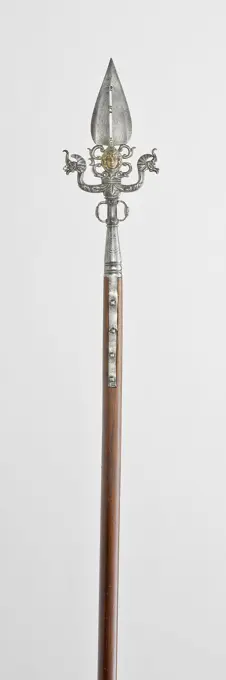
An assortment of antique weapons including swords, sabers, and halberds, made from iron and wood, reflecting craftsmanship from various historical periods.
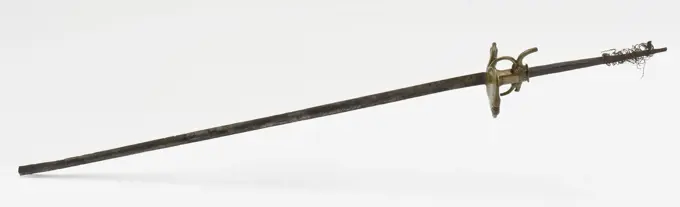
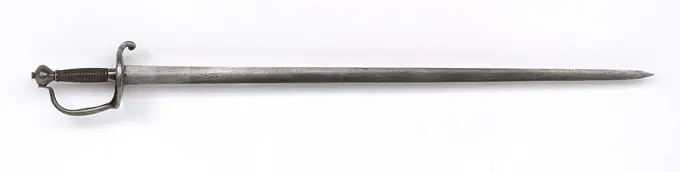
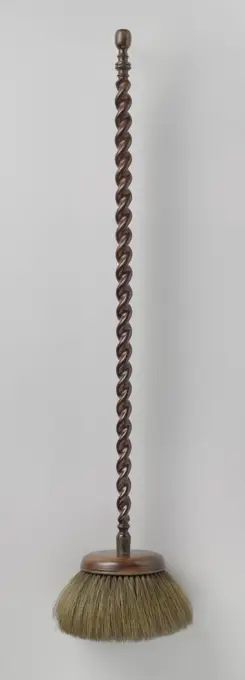
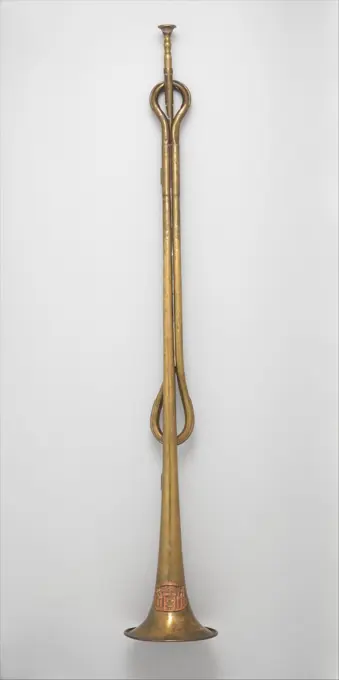
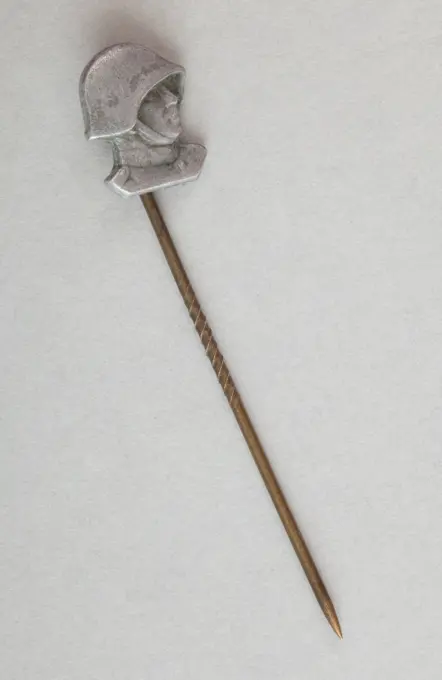
Early Dutch-style decorative dunes from the end of the seventeenth century, ornamental swords sword weapon weapon fragment soil find bronze wrought iron metal, cast forged Decorative dies Raised with more than four parts and made of bronze wood and metal wire wound and braided in different ways. In the cast parts decoration relief. The baffle plate is solid and dense. The blade is triangular eroded three-edged archeology knife saber sword decoration status symbol personal equipment defense clothing accessory militaria
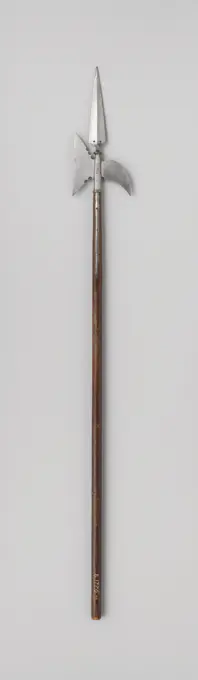
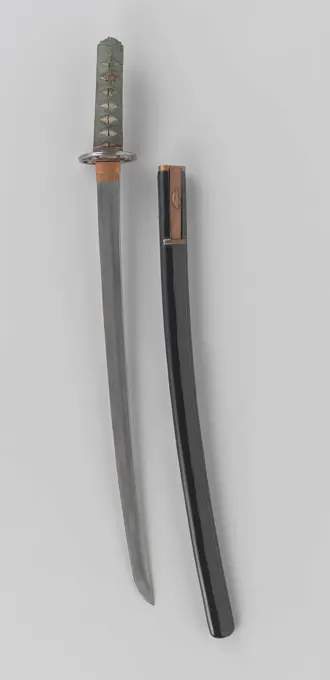
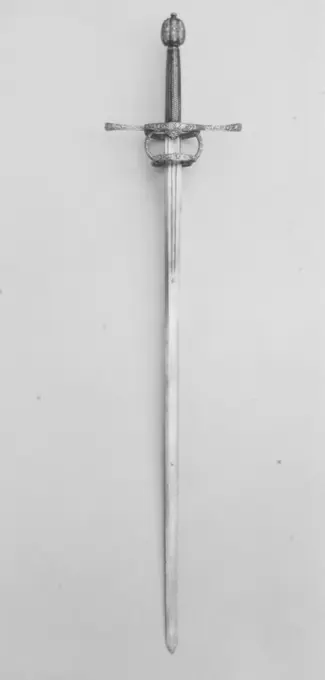
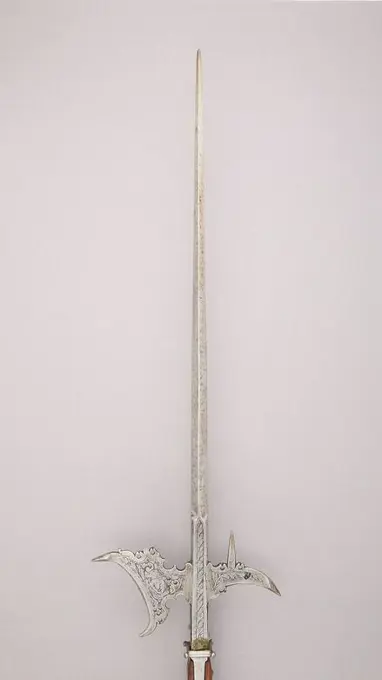
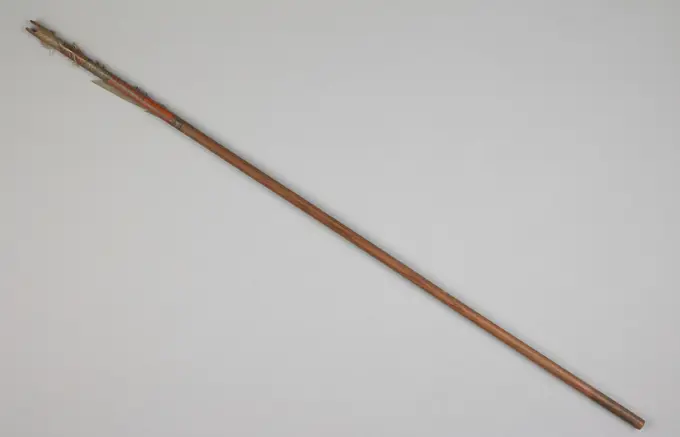
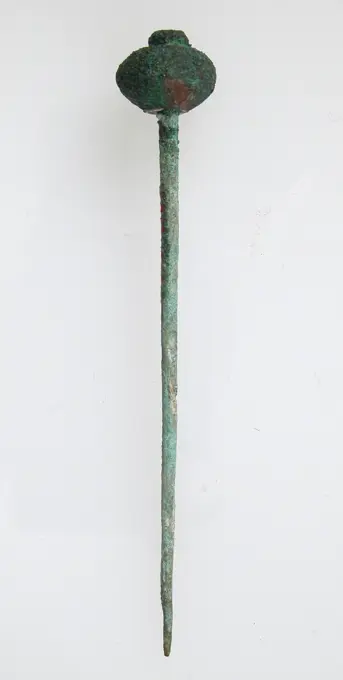
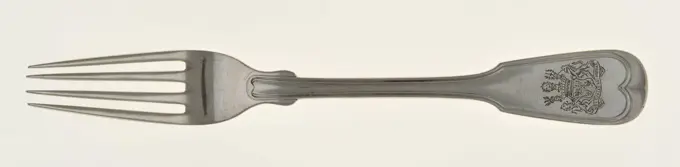
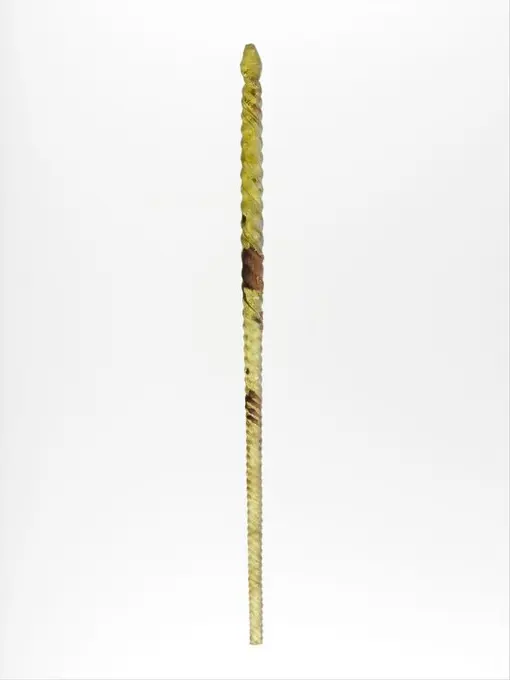
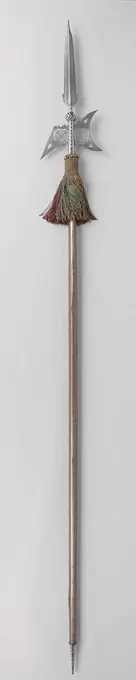
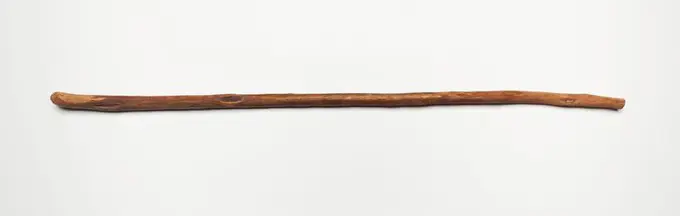
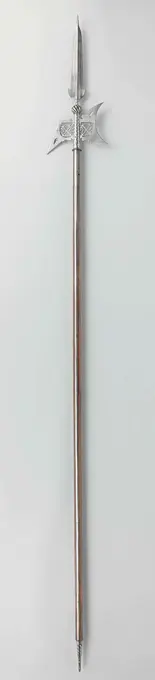
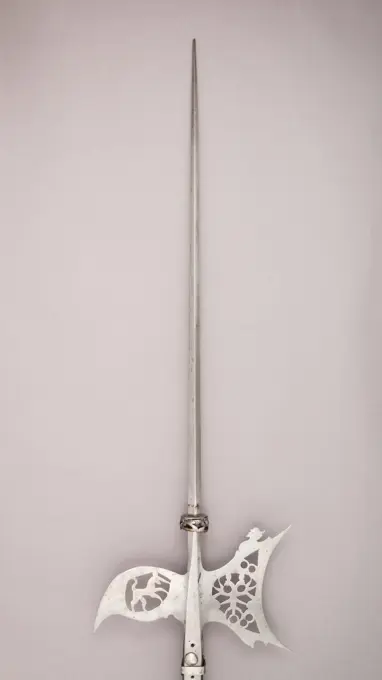
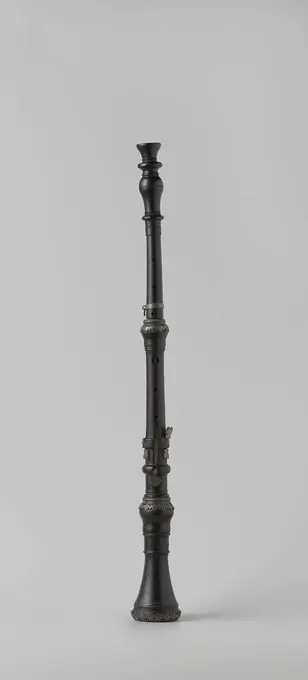
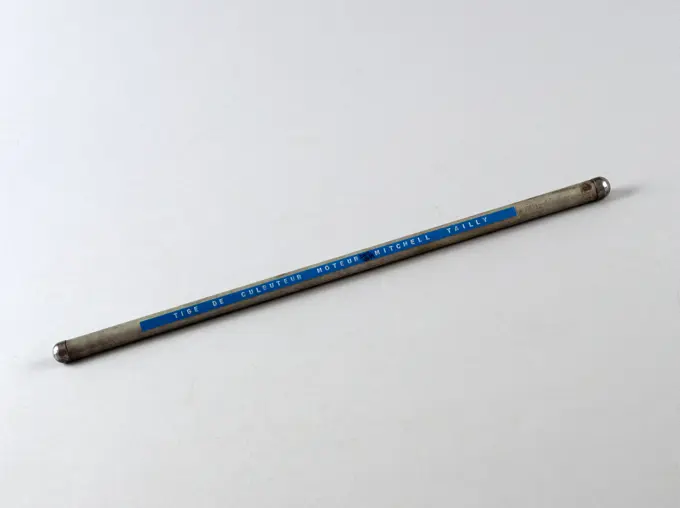
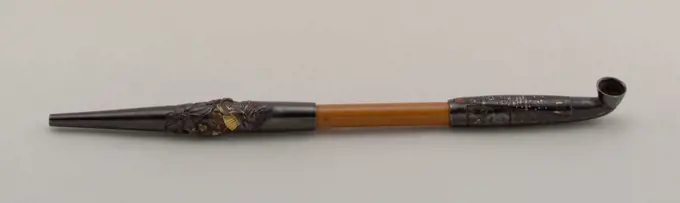
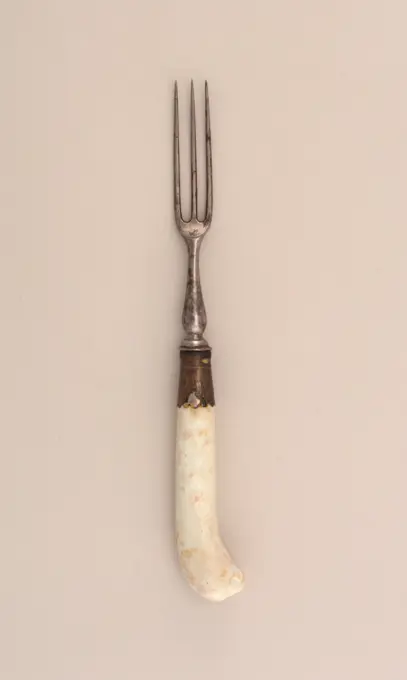
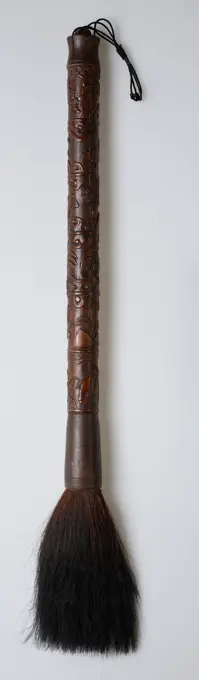
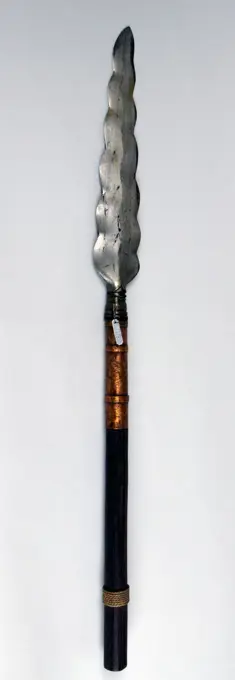
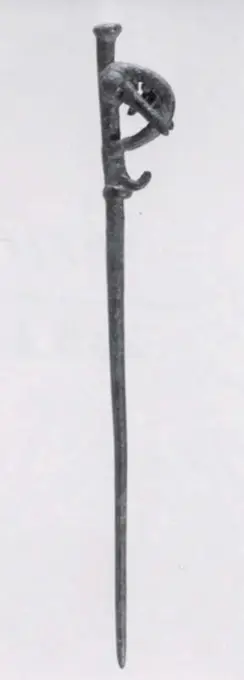
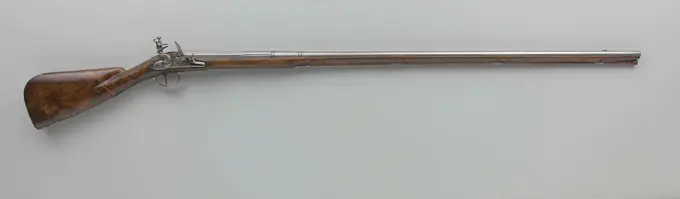
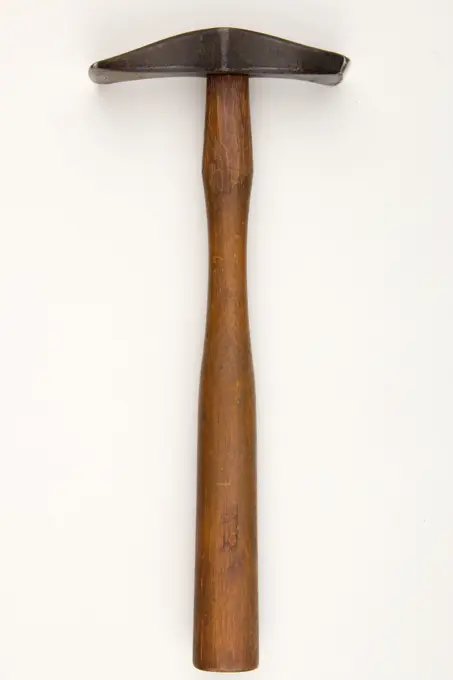
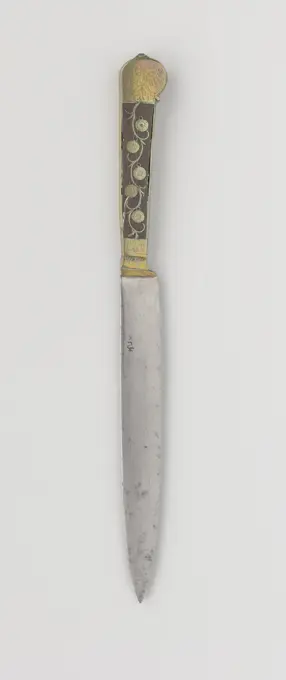
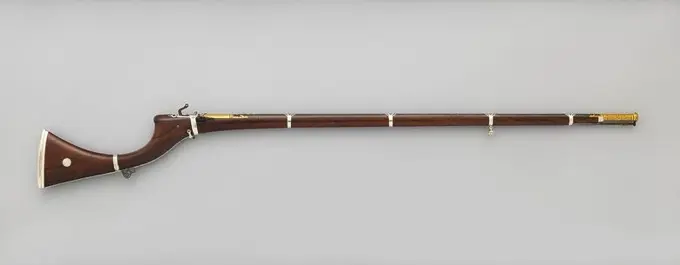
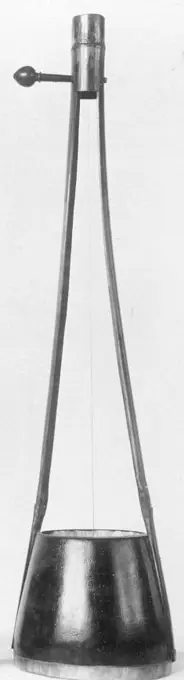
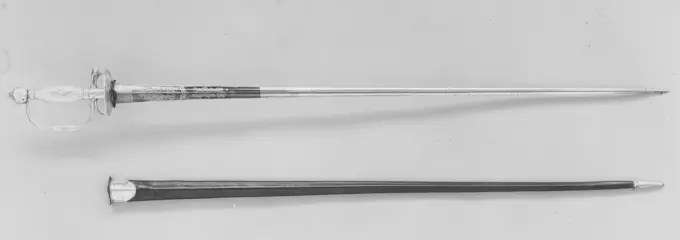
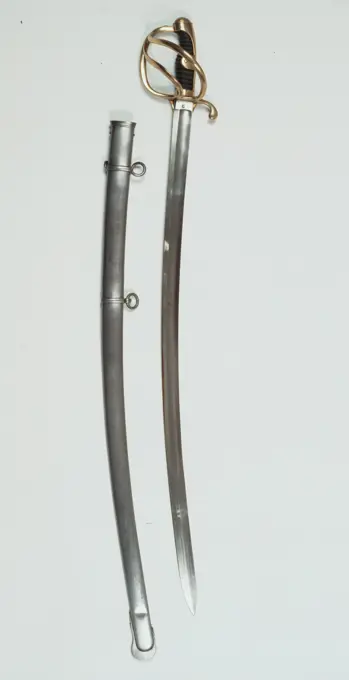
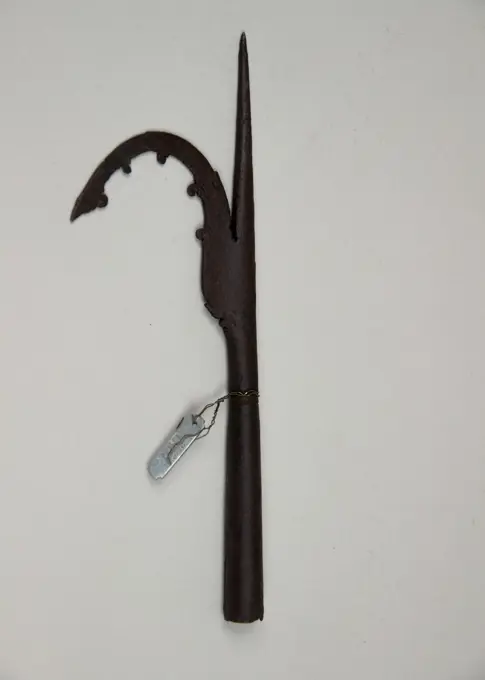
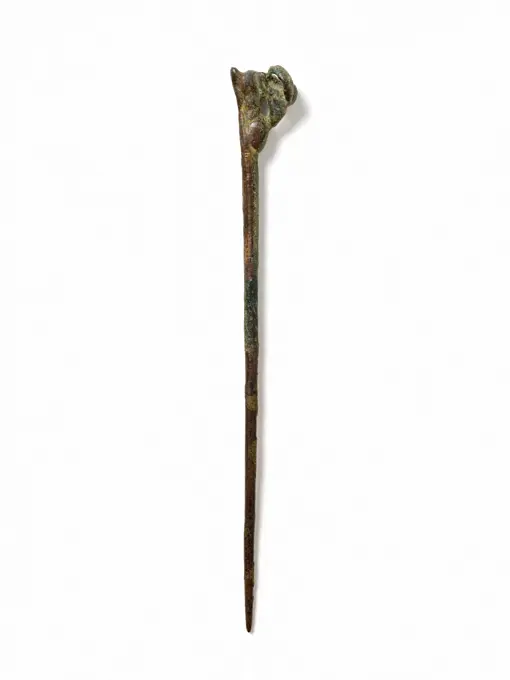
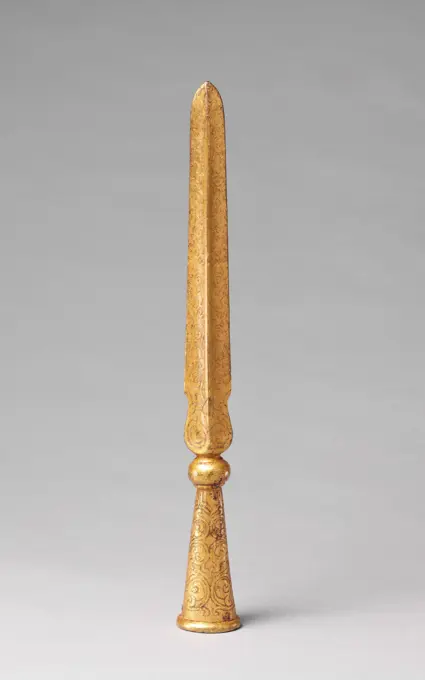
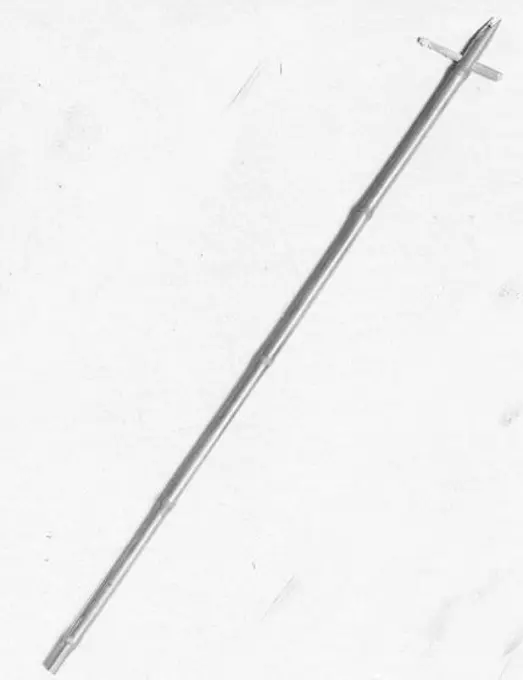
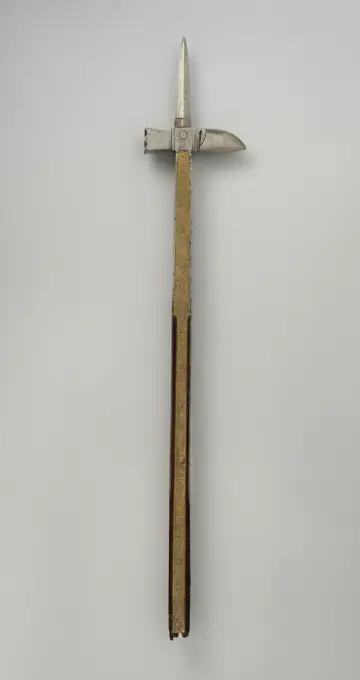
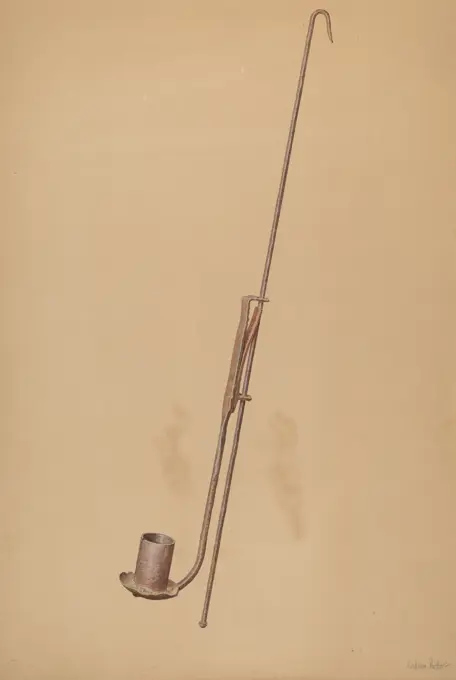
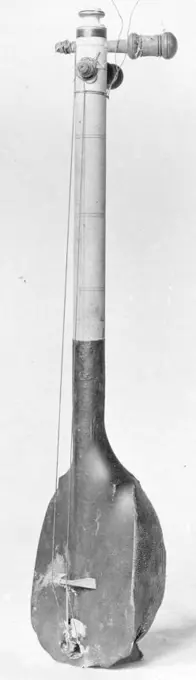
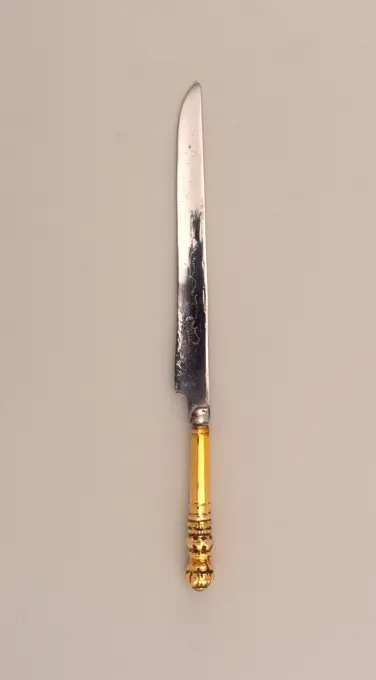
Sabel, anonymous, c. 1600 - c. 1700 sabre. cutlass Sabel with ivory hilt. Button in the form of Leeuwenkop and gilt -lane rod.  iron (metal). ivory. brass (alloy) forging / cutting / etchingAir pressure rifle, Joseph Jacob Groothuijs, c. 1770  The mechanism of the lock is mounted outside against an iron plate that in turn is attached to a gilded yellow-cut lock cabinet, the left side of which also acts as a (removable) screw plate, is engraved with praise in rococo style, a banderole in the Lodewijk-XVI -Stijl and an oval medallion with an acclaimed men's head and profil; A loop -shaped tractor bracket is screwed to the lock cabinet; On top of the lock cupboard, praise is engraved and a signature. The loop can be screwed up; Cautional in a circular wooden sleeve with yellow -lying collars at both ends. The iron flask is screw -up and at the same time serves as an air reservoir; The Kolfhals is equipped with a yellow -leaking collar; The cheeks are reinforced with a separately raised iron plate; A rod was soldered to the feeding on the soldered iron flask hood to set up feeding during pumping. Amsterdam iron (metal). gilding (material). brass (alloy). wood (plant material)Iron sword, anonymous, c. 1500 - c. 1550 sword Iron sword, double -edged, the blade over the full length on both sides with a ledge, next to one side at the top of a small Greek cross. The handle, which ends in a seven ... decorated flattened button, is rotated with black -made rope. The pare rod is torn, ends in five-part flattened buttons and is faint s-shaped bent. One side has an oval conveyor belt by way of bump. Europe Kling, bump, handle button: Iron (metal). Handle: Rope. Handle: Wood (Plant Material)Sergeantshellebaard, 1650 - 1700 Halberd Short blade with a strong tapered shape with a sharp middle bone; At the bottom of two porters. Hexagonal tapered house with a disc -shaped button and a ring -shaped profile below. The house has a right through gap through which the ax and hook, which are forged into one, are stabbed through. Both the ax and the hook have committed cutting out. Two ramped feathers. Round (ash wood) stick, cut off from below. Low Countries wood (plant material). iron (metal)   Low CountriesRiding whip of brown leather on which a smooth button of silver, 1898 Riding whip of brown leather on which a smooth button of silver. Great Britain (possibly) Whip: Leather. Handle: Leather. Button: Silver (Metal) braiding / casting Riding whip of brown leather on which a smooth button of silver. Great Britain (possibly) Whip: Leather. Handle: Leather. Button: Silver (Metal) braiding / castingSabel behorend bij wapenrek van Cornelis Tromp.A Japanese saber, Wakizashi type, with black lacquered wooden sheath. The handle of Roggevel is wrapped with green silk. In wrapping a menuki with a male is in a rowing boat. Montering of saber and sheath with red copper, tsuba of blank steel.Broadsword early 17th century Northern European, possibly Switzerland. Broadsword. Northern European, possibly Switzerland. early 17th century. Steel, silver, wood. SwordsArrow, Before 1922. Philippines. Reed shaft, metal tip; average: 104.1 cm (41 in.).Halberd. Culture: Italian. Dimensions: L. 96 in. (243.8 cm); L. of head 29 1/8 in. (74 cm); W. 9 7/16 in. (24 cm); Wt. 5 lbs. 13.6 oz. (2653.5 g). Date: ca. 1575. Museum: Metropolitan Museum of Art, New York, USA.Early Dutch-style decorative dunes from the end of the seventeenth century, ornamental swords sword weapon weapon fragment soil find bronze wrought iron metal, cast forged Decorative dies Raised with more than four parts and made of bronze wood and metal wire wound and braided in different ways. In the cast parts decoration relief. The baffle plate is solid and dense. The blade is triangular eroded three-edged archeology knife saber sword decoration status symbol personal equipment defense clothing accessory militariaSierdegen voor een kind.The small length of the blade indicates that this is a girl for a young man or child. The brackets for the fingers are also much too small for an adult man. The term ornamental degen is what misleading: a stab of a weapon like this could certainly be deadly.Przeszo Przysoci unknownKling for Ruiterdegen, Anonymous, c. 1550 - c. 1900  Kling voor Ruiterdegen with inscription: Sahagom and image of a running animal.  iron (metal)   NetherlandsHairpin 200-500 Roman. Hairpin 464997 Roman, Hairpin, 200500, Copper alloy, Overall: 3 3/4 x 9/16 in. (9.6 x 1.4 cm). The Metropolitan Museum of Art, New York. Gift of J. Pierpont Morgan, 1917 (17.191.289)PinClub -STOP fork; Gumpert, Georg Heinrich (Fl. 1850-1893); 2. PO. 19th century (1800-00-00-1810-00-00);Natural Horn 1790-1830 Probably John Köhler British. Natural Horn. Probably John Köhler (British, born Germany ca. 1770-ca.1870 London). British. 1790-1830. brass, leather. London, England, United Kingdom. Aerophone-Lip Vibrated-trumpet / tromboneSkewer, 1700s. England, 18th century. Silver; overall: 26.5 cm (10 7/16 in.).Rapier with iron bracket and flat blade, anonymous, c. 1590 - c. 1596 rapier Rapier with iron bracket and flat blade. The blade has a shallow groove on either side of the length. The hilt has two fist brackets and has a spherical faceted button. The wooden handle shows traces of an original length of brass wire. The parade rod has largely disappeared, no brands are visible. The lower brackets of the hilt that protect the Ricasso have been fully preserved.  iron (metal). wood (plant material) forging / cutting  Nova Zembla. Saving HuysPinaka late 19th century Indian. Pinaka. Indian. late 19th century. Wood, string. India. Chordophone-Musical BowShovel 1800-1825. Shovel. 1800-1825. IronYad, Silver, wood, Round, dark wood shaft sheathed in silver at each end with small, movable, scalloped and incised finger rest in the center. Pointer terminates in right hand with index and middle fingers extended; rumpled cuff above wrist. Sheath on grasping end is pierced for suspension., Italy or France, ca. 1800, appliances & tools, Decorative ArtsBronze kyathos (ladle) with duck-head terminal. Culture: Etruscan. Dimensions: H.: 17 7/8 x 2 in. (45.4 x 5.1 cm). Date: ca. 400 B.C..Deep, oval bowl with long, four-sided handle curved at upper end terminating in the head of a duck. Museum: Metropolitan Museum of Art, New York, USA.Glass rod. Culture: Roman. Dimensions: H.: 10 5/16 in. (26.2 cm). Date: ca. 1st century A.D..Translucent yellowish green.Long rod, spirally twisted, tapering towards one end, and tooled into a biconical knob at the other.Broken at both ends, but otherwise complete; dulling, pitting, iridescence, and some patches of thick brown encrustation and weathering.The rod is unusually large and heavy, but it may be compared with the intact stirring rods also displayed in Gallery 171, Case 17. Museum: Metropolitan Museum of Art, New York, USA.Hellebaard met ronde stok en ijzeren punt.Halberd with iron blade in a point with a basic middlebone, two upward wings at the bottom of the blade. Under the blade An iron sphere with diagonally adjacent recesses. The ax has the shape of a half moon and has recesses in the shape of two crossed anchors on the sheet on both sides. The house is ribbed. The shaft has four sides over the entire length. The shoe is made of iron and descending into a point.Borstel.Brush with long stem. The end of the handle at the brush has been profiled and kinked. The brush has not been marked.Staff. Dimensions: l. 144.6 cm (56 15/16 in.). Dynasty: Dynasty 12. Reign: reign of Amenemhat I, early. Date: ca. 1981-1975 B.C.. Museum: Metropolitan Museum of Art, New York, USA.Halberd.Halberds acquired a more ceremonial function by the late 16th century. The spike changed from a solid, four-sided point, ideal for stabbing, into a flat blade, while the axe head became fuller in outline. These larger areas were well suited to openwork decoration. The crossed anchors and the letters A on this halberd refer to the Admiralty of Amsterdam.Violoncello Bow early 19th century Probably James Dodd II British James Dodd (II) was from the most important family of British bow makers. His father James (I) and uncle Thomas Dodd were both important builders. James (II) worked with his brother Edward (III) for much of his life. Members of the family typically stamped their bows simply with the name DODD. Octagonal pernambuco stick with camber cut in, corner facets broader than square ones, silver and black leather wrapping, French tip with trapezoidal mortise, ivory headplate, stained fruitwood liner, ebony frog with prismatic guide, German silver underside, floral incised silver ferrule, mother-of-pearl slide, floral incised silver heelplate, octagonal ebony button with 2 silver bands.. Violoncello Bow 503154vase; Silver Products Factory K.F. Malcza (Warsaw; Sreber label; 1828-1864), Malcz, Karol (1797-1867); 1852 (1850-00-00-1855-00-00);Ladle ca. 3rd-7th century A.D. Sasanian This is a small bronze ladle. It has a straight handle with several thin collars and a loop at the top. The handle widens at the bottom where it meets the hemispherical bowl. The ladle is now badly corroded, and the handle is broken into several pieces. The handle and bowl were probably cast separately.This ladle was excavated at Qasr-i Abu Nasr, near modern Shiraz, Iran, a small Sasanian town with a fortress. The ladle was found in the fortress in what was probably a storeroom. Several other implements for eating and drinking were recovered from the fortress, indicating that in addition to being a military installation it was also a residence, where soldiers, and perhaps also their families, lived. Presumably the ladle was used for serving rather than eating, much like its modern counterparts.. Ladle 323053Bow -Halberd ca. 1560 probably German. Halberd 26207Rifle donated by Prince Willem V to J.A. Zoutman, Thiermay, c. 1720 - c. 1730 flintlock gun Flint rifle with battery lock; Walk around, after eight -sided room covered with silver plate; elongated silver visor grain; in room and visor grain ornaments; top loop inscription: T. Thaiermay, bottom looped brand; flat rooster and lock plate with silver plate with leaf motifs; screw of the rooster with wide cross head; locking plate inscription: T. Thiermay; Nutenhouten French flask with carved leaf motifs; 4 round silver wirers; At the final plate Acanthus leaf motif around an oval; elongated plate with leaf motifs instead of tractor bracket; Duimplaat in the form of crowned cartouche with inscription: 1781- Hedden to the through-airen hero Johan Arnold Zoutman Gul. V P.D.O. France iron (metal). walnut (hardwood). silver (metal)   DoggersbankOboe.Hobo from boxwood, rich with silver mounted, with silver bracket, to which a ring. The silver valves are engraved. Six holes. The instrument consists of three loose pieces. The nozzle is missing.Club -Arrow Point, 1700s. Japan, Edo period (1615-1868). Steel; overall: 22.2 cm (8 3/4 in.); head: 6.1 cm (2 3/8 in.).War 1939-1945. North American B-25 Mitchell North American robbird in which Leclerc died. General Leclerc Museum of Hauteclocque and the Liberation of Paris, Jean Moulin Museum. 76891-30 American army, plane, bomber, rocker, war 1939-1945, war 39-45, object, mechanical piece, Second World WarPochette 18th century European. Pochette 502151Opium Pipe, silver, gold, bronze, bamboo, Japan, probably 19th century, metalwork, Decorative Arts, Opium PipeZwaard, Wallonië.Épée wallonne derivative. The iron hilt consists of an anti-clock with a prominent angel button on it and the fist bracket to be screwed into both the pearl rod with a curl at the end as in the parallel brackets filled with an irregular ajour processed plate with laps and a few bottles of stars; provided with a thumb bow; The wooden handle is thicker in the middle and wounded with a challenge wire of different thicknesses and a braided grip ring on top and bottom. The straight blade is doubt; Marked on both sides with a running wolf flanked by a reverse 14 and on the outside of the Angel o t under a crown.Broom or ragebol with a torped stem crowned with a button, anonymous, 1700 Benema of mahogany with a tormented stem and the original hair. The stem ends at the top in a double profile with a round button; A break in the stem at the transition to the back is reinforced with a copper strap. The back of the broom is flat circular and has a profile edge at the bottom. Northern Netherlands wood (plant material). mahogany (wood). copper (metal) Benema of mahogany with a tormented stem and the original hair. The stem ends at the top in a double profile with a round button; A break in the stem at the transition to the back is reinforced with a copper strap. The back of the broom is flat circular and has a profile edge at the bottom. Northern Netherlands wood (plant material). mahogany (wood). copper (metal)Fanfare trumpet in E-flat 1856 Adolphe (Antoine Joseph) Sax Belgian, active France The form of this parade trumpet was inspired by the ceremonial trumpets of ancient Greece and Rome. Sax initially devised the instrument in 1852 for use in L'Escadron des Cent Gardes of Emperor Napoleon III. This instrument was part of a set of parade trumpets supplied to Wynendaele Castel in Tourhout, Belgium that probably consisted of at least 15 instruments. Four other instruments from this set survive in the Musical Instruments Museum in Brussels. All of these instruments bear a bas-relief copper badge on the bell depicting Wynendale Castle and have been engraved with a large initial M. This refers to the Belgian banker Josse-Pierre Matthieu, who purchased Wynendaele Castle in 1833 and restored it after its destruction by the French Revolutionary Army, or to his son Joseph Louis Matthieu, who remodeled the castle in 1877. The parade trumpet at the Metropolitan Museum is the only one of these instrumeA badge in the shape of a Swiss soldier's head in a helmet Kramer, PaulLime Dipper or Pin 5th-10th century Tiwanaku. Lime Dipper or Pin. Tiwanaku. 5th-10th century. Silver (cast). Bolivia. Metal-OrnamentsLong-Stem Pipe 100 CE-300 CE Colima state. Ceramic and pigment . ColimaFork (England); Possibly by Chelsea Porcelain Manufactory (United Kingdom); Probably Bow Porcelain Manufactory (England, GB, United Kingdom); steel, silver, porcelain; L x W: 17.3 x 1.9 cm (6 13/16 x 3/4 in.); The Robert L. Metzenberg Collection, gift of Eleanor L. Metzenberg; 1985-103-206Calligraphy brush, late 19th century, 24 × 3 × 3 in. (60.96 × 7.62 × 7.62 cm) (without hanging cord), Bamboo, hair, China, 19th century, In Chinese literati culture, the brush, a writing implement, is known as one of the 'four treasures of the study' along with the inkstick, inkstone, and paper. Brush handles are commonly constructed from bamboo, but some brushes have handles of sandalwood, jade, carved bone or ivory, and other precious materials as demonstrated by these examples. During late imperial times, artists catered to the tastes of gentlemen collectors and elaborated brushes with motifs derived from folklore, legends, superstitious beliefs as well as religious subjects from Confucianism, Buddhism, and Daoism.STOP fork; Gumpert, Georg Heinrich (Fl. 1850-1893); 2. PO. 19th century (1800-00-00-1810-00-00);Ellemaat with handle, anonymous, 1800  Length of 1 tbsp with handle and metal dived. V.z.v. stamp. NetherlandsGermany Wood (plant material). Dook: Metal   Netherlands. GermanySpearhead 18th-19th century Philippine. Spearhead. Philippine. 18th-19th century. Steel, wood, copper. Shafted WeaponsPin ca. 8th-7th century B.C. Iran. Pin. Iran. ca. 8th-7th century B.C.. Bronze. Iron Age III. Iran, probably from LuristanFlight yacht.The lock plate is easily embossed with tendrils and provided with a signature. The loop has an iron vizier grain. The root nutshell flask is easily cut and stamped with two fish above a stamped 4 behind the trigger bracket. The iron attachment includes four loading booms, a screw plate in the form of a sea hose, an ajour processed, crowned thumb plate framed by tenders and a toe plate at the bottom of the grip with entangled tendrils ending in a three-leaf.Armorer's Hammer 18th-19th century German or French This hammer is among the 644 pieces that make up the very specialized outillage (set of tools) brought from Paris to New York by the armorer Daniel Tachaux (1857-1928) in 1909, when he was hired to repair and maintain the Museums arms and armor collection. Hammer heads and stakes of many different sizes, shapes, and weights are necessary to create the complex forms of different weapons and pieces of armor. Tachaux trained in Paris under the German armorer Ludwig Klein (about 1830-1882) and inherited his teachers tools, which he combined with his own. The set, possibly the most complete of its kind in existence, was purchased by the Metropolitan Museum in 1912 at the request of the Arms and Armor Department's founding curator Bashford Dean.. Armorer's Hammer 35893PitchFour knives and a fork belonging to Emperor Charles V, anonymous, 1532 Pre -cutting knife with a handle of ebony and mounted with copper and engraved with the coat of arms of Karel V. Italy copper (metal). ebony (wood). iron (metal) Pre -cutting knife with a handle of ebony and mounted with copper and engraved with the coat of arms of Karel V. Italy copper (metal). ebony (wood). iron (metal)Weaver's Shuttle New Kingdom, Ramesside ca. 1295-1070 B.C. View more. Weaver's Shuttle. ca. 1295-1070 B.C.. Wood. New Kingdom, Ramesside. From Egypt, Memphite Region, Saqqara, Teti Pyramid Cemetery, Egyptian Antiquities Service excavations, 1926Sword 1725-50 Edward Winslow American. Sword 8038Matchlock Rifle. Culture: Indian, Sind (now Pakistan). Dimensions: L. 60 in. (152.4 cm); L. of barrel 44 3/8 in. (112.6 cm); Cal.53 in. (13 mm); Wt. 7 lb. 4 oz. (3291 g). Date: second quarter of the 19th century.The deeply curved butt of this hunting gun is characteristic of firearms made in the Sind region of northwest India (now Pakistan). The fine workmanship, particularly the forge-welded barrel with its complicated twist pattern and delicate gold-damascened ornament, reflects the revival of the decorative arts sponsored by the Talpur dynasty that ruled Sind from 1783 to 1843. The barrel is inscribed with the name of one of the ruling family, Sarkar Mir Muhammad Nasir Khan Talpur (d. 1845). Museum: Metropolitan Museum of Art, New York, USA.Gopyantra late 19th century Indian. Gopyantra. Indian. late 19th century. Wood and skin. Bengal or Orissa, India. ChordophoneBasblokfluit.Bass block flute with one valve and mounted with copper.Sugar pliers;  XIXW. (1801-00-00-1900-00-00);Smallsword with Scabbard ca. 1762 French By the early seventeenth century, the rapier, a long slender thrusting sword, began to dominate as the gentlemans weapon of choice. During the course of the century, however, as civilian fencing techniques became more specialized and refined, the rapier developed into a lighter, trimmed-down weapon known by about 1700 as the smallsword. Smallswords, often richly decorated, remained an integral part of a gentlemans wardrobe until the wearing of swords in civilian settings went out of fashion at the end of the eighteenth century, at which time pistols were replacing swords as arms most frequently used in personal duels. The majority of smallsword hilts are made of silver or steel, but many also employ a wide variety of luxurious materials, such as gold, porcelain, and enamel. At their best, smallswords combine the crafts of swordsmith, cutler, and jeweler to create an elegant weapon that was also a wearable work of art.. Smallsword with ScabbardBow: cloth, early to mid-1800s. Japan, Edo period (1615-1868).Club -Sabel Officier Licht Cavalerie Model no. 3, M.1814 Met Schede, Carl Reinhard Kirschbaum, 1814 - 1858 sabre Public label Light Cavalerie Model No. 3. Right with movable side plate. See no. 298. De Schede has 2 skulle tires with a fixed eye on the upper tire. On the Kling the brand "Ridderhelm" by Carl Reinhard Kirschbaum (1848-58). On the back of the blade is the sword sweeper J.F. Seegers (from Breda) and Eisenhauer. Breda Kling, Schede: Iron (Metal). hilt: copper (metal). grip:. grip:   NetherlandsBlade for a Spear (Su-yari) 16th century Japanese. Blade for a Spear (Su-yari) 30843Pin 9th-10th century. Pin 449669Epingle with a lying -shaped head -shaped head. Bronze, Luristan. 1150-900 BC, Paris Museum. Bouquetin layer, bronze, cervid, cervid, emper, luristan, lying ibex, pineWeapons. Naturally, Barentszs ship and his crew were well armed. They had to be able to repel pirates, European rivals andpotentially hostile Asian ships. On Nova Zembla the men used the weapons chiefly to defend themselves fromaggressive polar bears.Spearhead (Mdung Rtse) 17th-18th century Tibetan The decoration of this spearhead is crisply engraved and its entire exterior surface is finely crosshatched and damascened in gold, including the undecorated areas. The motifs include a symmetrical arrangement of stylized flames running up both sides of the blade, with a simplified version of the Sword of Wisdom along the central ridge.. Spearhead (Mdung Rtse). Tibetan. 17th-18th century. Iron, gold. Shafted WeaponsMouth Bow Mexican 19th century View more. Mouth Bow. Mexican. 19th century. Cane, string. Mexico. Chordophone-Musical BowWar Hammer or Pollaxe 15th century German Weapons of this type were used in arranged combats between two fully armored men fighting on foot in an enclosure. The brass side straps are engraved with figures of Saint George and Saint Catherine and inscriptions in Latin and German.. War Hammer or Pollaxe. German. 15th century. Steel, copper alloy, wood, bone. Shafted WeaponsCushman Parker, Candle Pendant, c 1940 Candle PendantGunibri late 19th century Moroccan Gunibri is a oval or rectangular plucked lute with a oval or rectangular body covered with skin which is often decorated. The body may be wood, gourd or torotise shell. Towards the lower end an opening in the skin belly reveals the forked end of the wood neck to which the strings are attached. These folk instruments, distributed from Northwest Africa (Senegal and Morroco) across North Africa, resemble ancient Egyptian lutes.. Gunibri 501890Fork, Steel, brass, Long two tined fork, rounded shoulder, elongated facetted neck. Hexagonal, pistol-shaped handle tapered with baluster joint at bolster. Handle facets engraved and punched with foliate scrolls and dots. Hexagonal knop at end of handle., probably Northern Germany, late 17th century, cutlery, Decorative Arts, ForkFigure-top spoon ca. 1890 Dutch. Figure-top spoon 192277Da Tongjiao (Trumpet) late 19th century Chinese. Da Tongjiao (Trumpet). Chinese. late 19th century. brass. China. Aerophone-Lip Vibrated-trumpet / tromboneArrow Point, 1700s. Japan, Edo period (1615-1868). Steel; overall: 13.8 cm (5 7/16 in.); head: 3.6 cm (1 7/16 in.).Knife (possibly Greece); silver, leather, brass, steel; L x W: 19.2 x 1.8 cm (7 9/16 x 11/16 in.); The Robert L. Metzenberg Collection, gift of Eleanor L. Metzenberg; 1985-103-101-bSword knife hilt, Shigemitsu (possibly), 1500 - 1900 Presentation with a hut on a river or road with pine trees and a silver moon; Signed Shigemitsu (). Japan gold (metal). silver (metal) Presentation with a hut on a river or road with pine trees and a silver moon; Signed Shigemitsu (). Japan gold (metal). silver (metal)Spoon mid-19th century French. Spoon 188193 French, Spoon, mid-19th century, Silver, Length: 7 1/2 in. (19.1 cm). The Metropolitan Museum of Art, New York. Gift of Mrs. Samuel P. Avery, 1897 (97.2.169)Yeah dessert; Würtembergische metallwarefabrik - WMF (Germany; Wytwónia Z Otnarz; 1880-1914); after 1880 (1880-00-00-1905-00-00);Ladle, Charles Victor Gibert, French, Silver, Ladel handle with entwined flowering vine and perched dragonfly., ca. 1890, cutlery, Decorative Arts, LadleFlint rifle for the Staatse Army, Royal Rifle Factory Culemborg, 1770 - 1780 flintlock gun Flint rifle or musket. The lock is unprocessed, except for a stamp with the Wapen van Culemborg. The loop also bears a stamp with the Culemborg weapon and the inscription generality; There is a bayonethaft under the tromp. The flask is simply cut; In front of the tractor bracket is in red paint pr75: 48. The iron batter consists of three sliding running loops, held in place by feathers, the second of which has a hard-solder eye, the J-shaped screw plate and the steel seam with an illegible stamp on the head. Culemborg iron (metal) cutting / painting / solderingWandelstok van palissanderhout, met geledingen en met sporen van polychromie.Walking stick or staff of rosewood. Round to under the tapered stick shows three and at the bottom of one zodia. Traces of polychromy.Executioner's Kris with Sheath. Culture: Malaysian, Johor. Dimensions: L. with sheath 25 5/16 in. (64.3 cm); L. without sheath 23 7/8 in. (60.6 cm); L. of blade 20 3/8 in. (51.8 cm); W. 3 1/2 in. (8.9 cm); Wt. 7.4 oz. (209.8 g); Wt. of sheath 4 oz. (113.4 g). Date: 18th-19th century. Museum: Metropolitan Museum of Art, New York, USA.Wooden Spindle Made 1000-1476 Peru. Wood .Silver Products Factory K.F. Malcza (Warsaw; Sreber label; 1828-1864), Malcz, Karol (1797-1867); 1887 (1887-00-00-1887-00-00);Hammered Silver Miniature Spear Thrower 8th-mid-16th century Peru; north or central coast (). Hammered Silver Miniature Spear Thrower 309192Openwork PinWeapons of the Saxon conquest of Britain including axe heads, 8th Century AD.Lans of the arms rack of governor-general J.C. Baron Baud, Anonymous, c. 1700 - c. 1800  Very large partizan, the shaft painted in black, red, yellow and green with representations of elephants, boddhisattvas, human figures and geometric motifs on the point and the batter in relief boddhisattvas, tubs, human figures and monster heads. At the top of the shaft, three silver tires with rubies used. India wood (plant material). iron (metal). copper (metal). silver (metal). ruby (mineral). paint (coating) cutting / forging / casting / inlay (process)Sarkis Erganian, Bed Warming Pan, 1935 1942 Bed Warming PanSword with Scabbard. Culture: Tibetan. Dimensions: L. without scabbard 31 in. (78.7 cm); L. of blade 26 1/8 in. (66.4 cm); W. 2 1/2 in. (6.4 cm); Wt. 1 lb. 12.4 oz. (805.1 g); Wt. of scabbard 1 lb. 7.7 oz. (671.9 g). Date: 17th-19th century. Museum: Metropolitan Museum of Art, New York, USA.Nyastaranga ca. 1885 Indian. Nyastaranga 500767Bill ca. 1450 British. Bill 26186Arrow Point, 1700s. Japan, Edo period (1615-1868). Steel; overall: 15.3 cm (6 in.); head: 3.8 cm (1 1/2 in.).Gunner's Linstock (Matchholder) combined with Spear 1600-1635 Italy. Pole arms (staff weapons) were used not only in warfare and hunting, but also in sporting combat and ceremonies. The term refers to a family of edged weapons attached to wooden staffs. With the exception of the lance, which remained the weapon of the mounted knight, all other staff weapons were wielded by men on foot by 1600. With the development of firearms and their introduction as infantry weapons, pole arms lost their importance on the field, and from the mid-16th century, they were reserved for use in sporting contests and by princely bodyguards for ceremony and parade. The blades lent themselves to embellishmentóengraving, etching, or other forms of decorationóand provided a perfect surface for the coats of arms of noble or princely families. The ceremonial use of staff weapons continues to this day with the Swiss Guards at the Vatican and Britainís Yeomen of the Royal Guard.. Steel, wood (oak), bronze, and iron