Historical Weapons Collection

An assortment of antique weapons including swords, sabers, and halberds, made from iron and wood, reflecting craftsmanship from various historical periods.
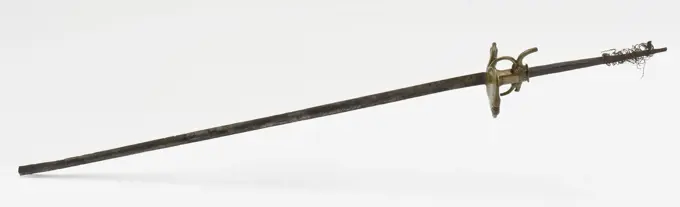

Early Dutch-style decorative dunes from the end of the seventeenth century, ornamental swords sword weapon weapon fragment soil find bronze wrought iron metal, cast forged Decorative dies Raised with more than four parts and made of bronze wood and metal wire wound and braided in different ways. In the cast parts decoration relief. The baffle plate is solid and dense. The blade is triangular eroded three-edged archeology knife saber sword decoration status symbol personal equipment defense clothing accessory militaria
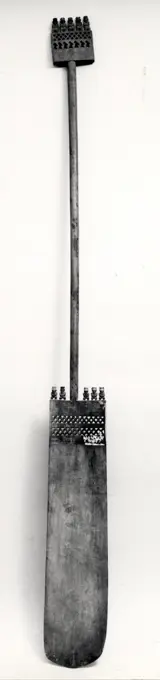
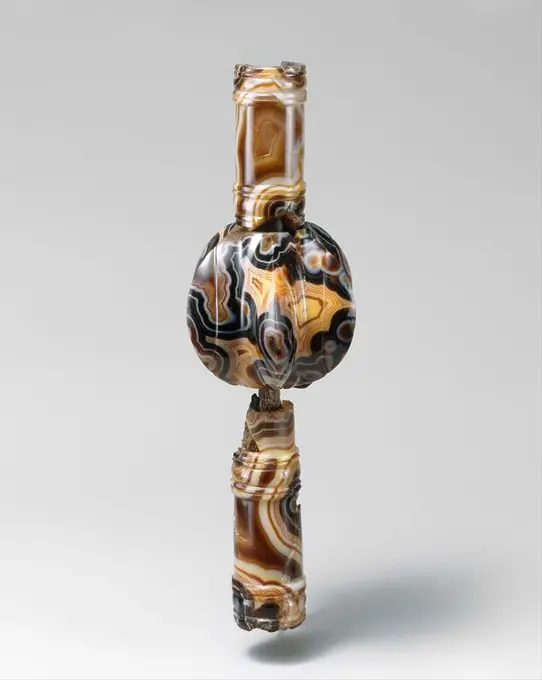
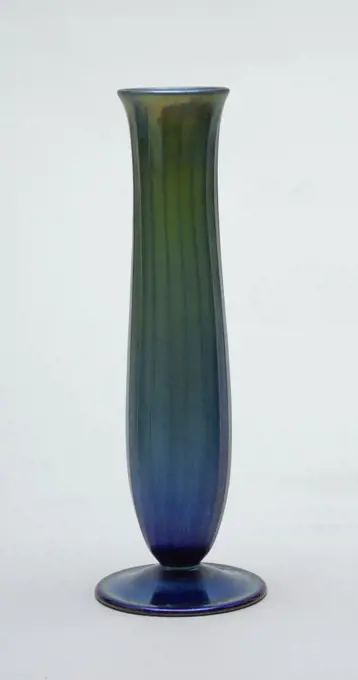
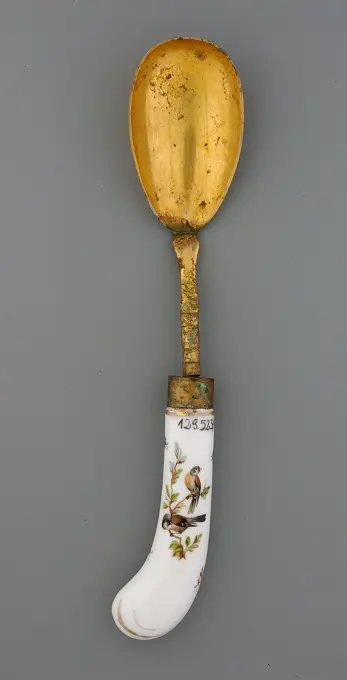
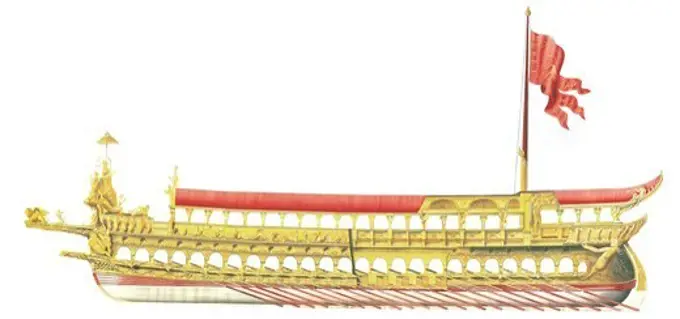
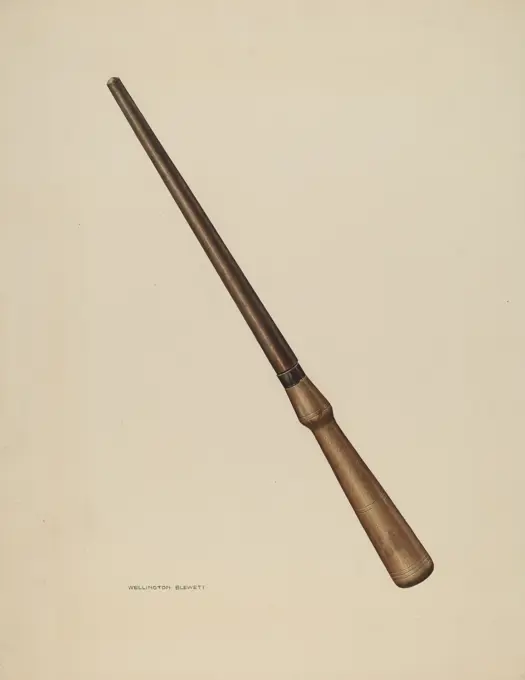
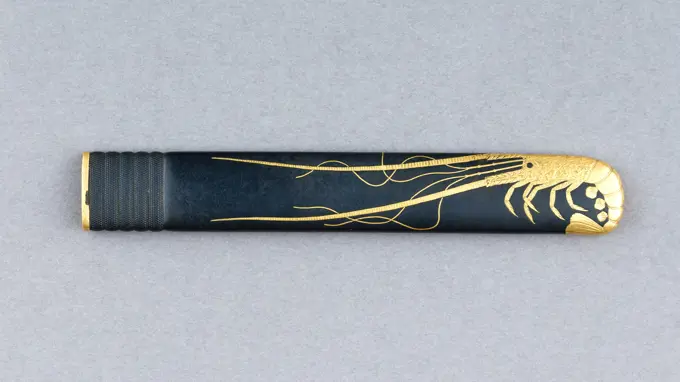
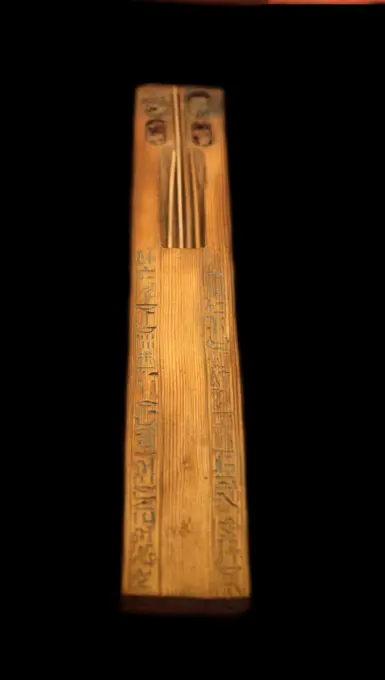
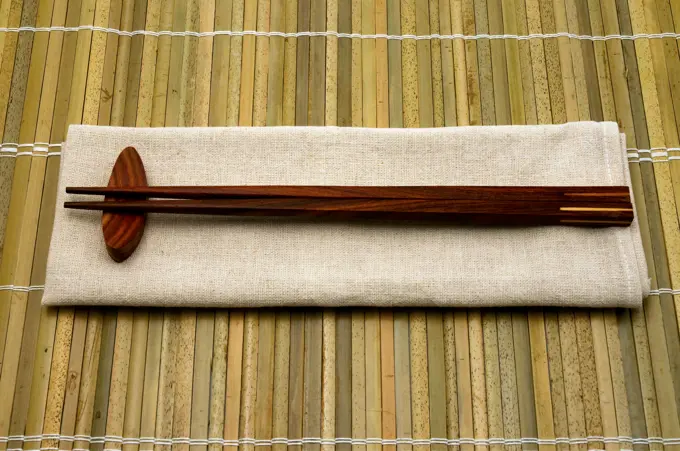
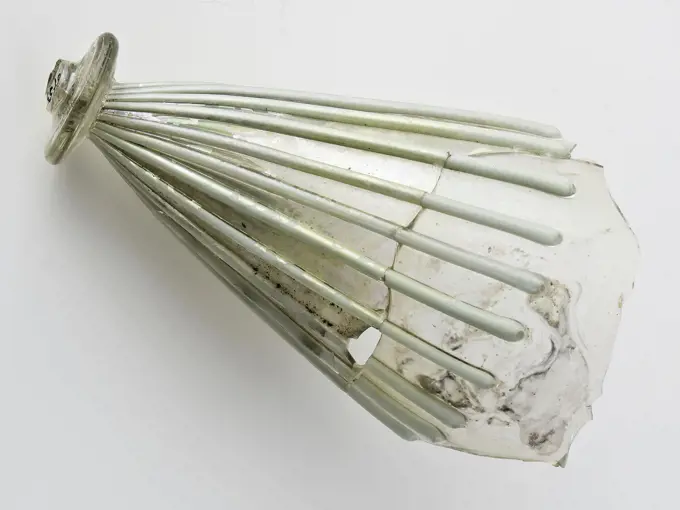
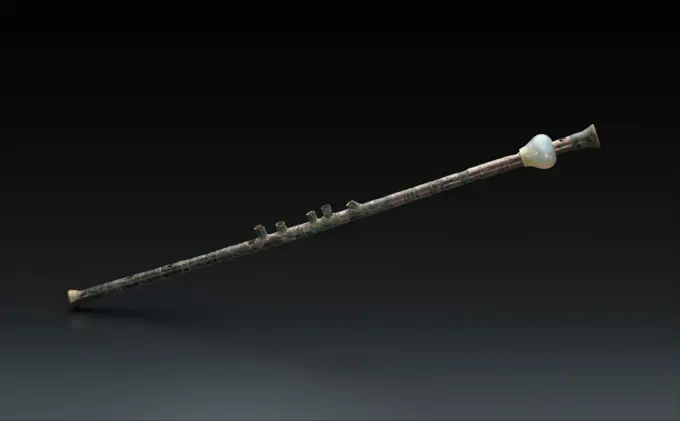
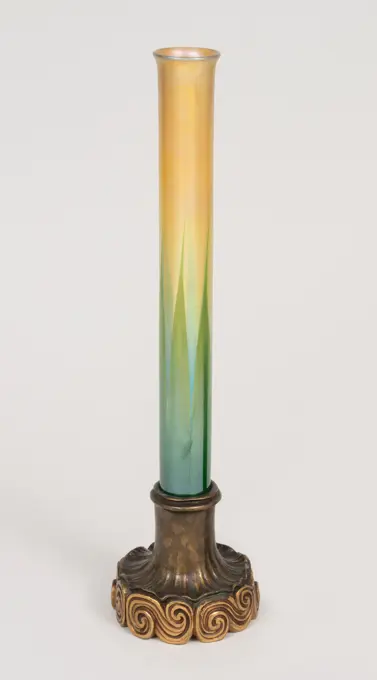
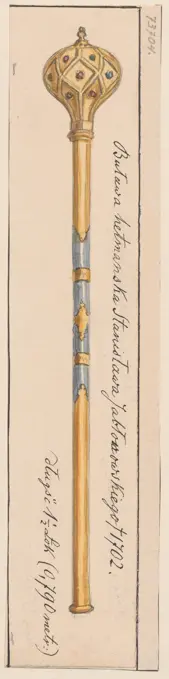
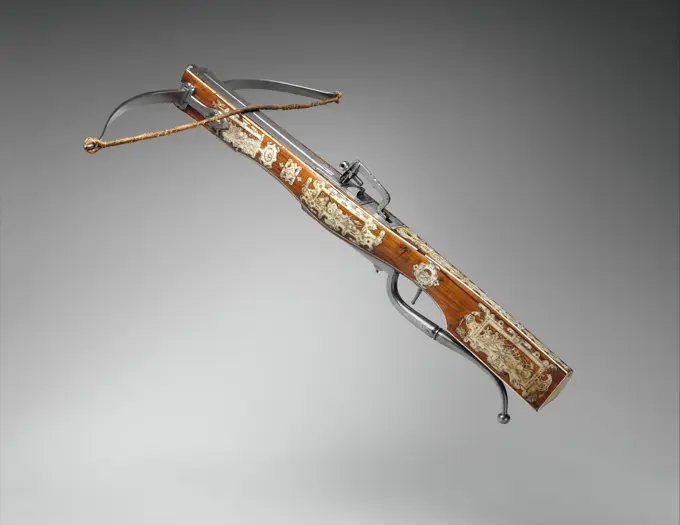
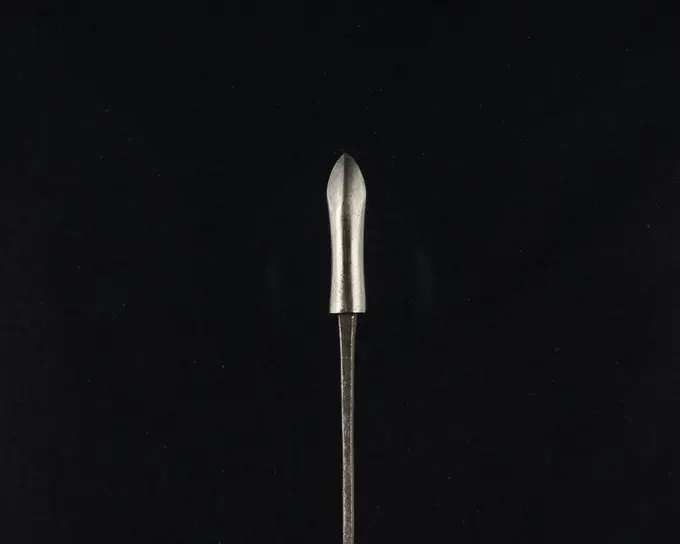
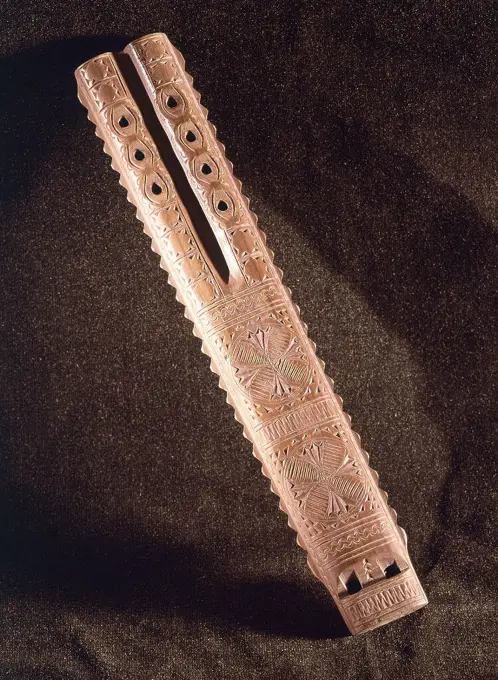
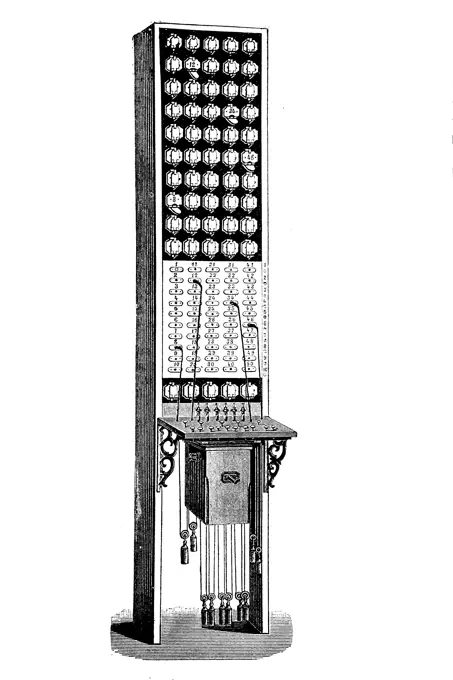
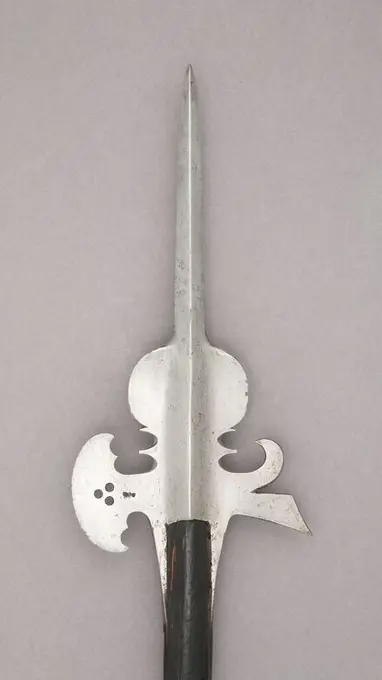
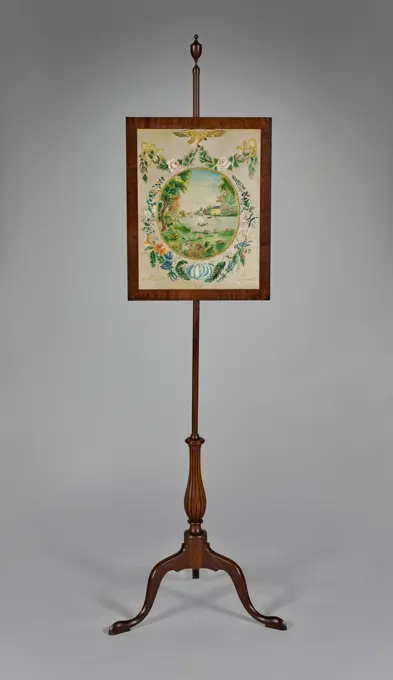
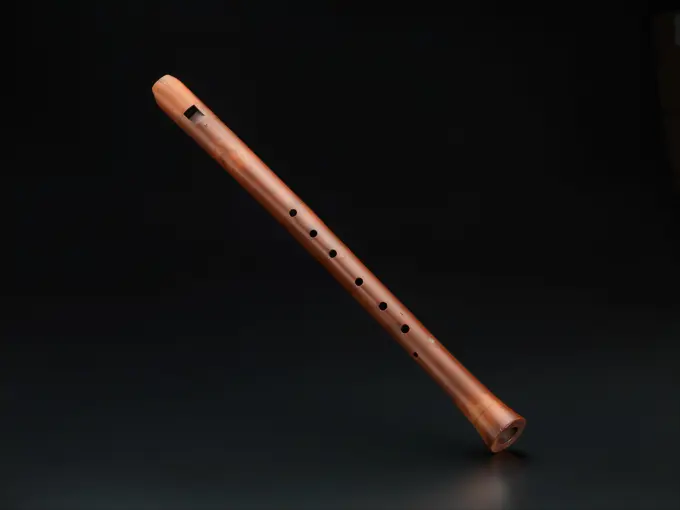
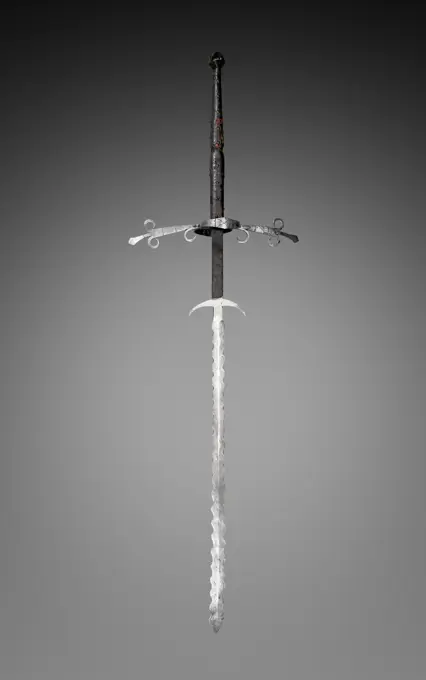
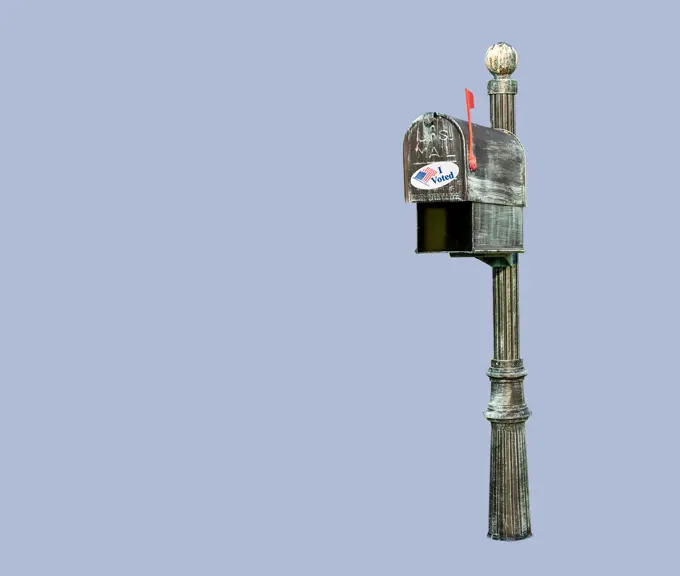
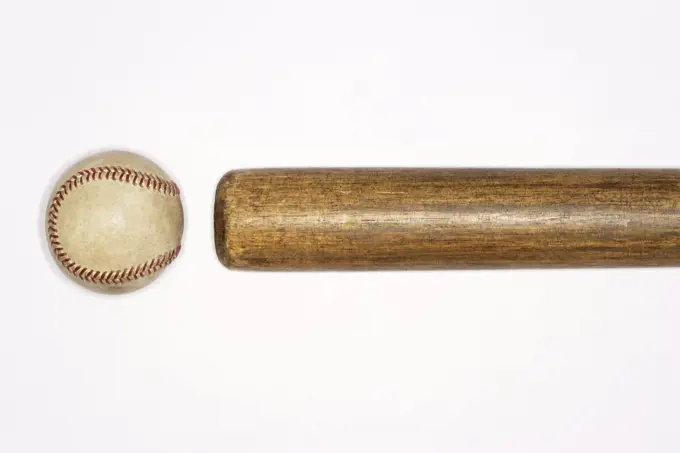
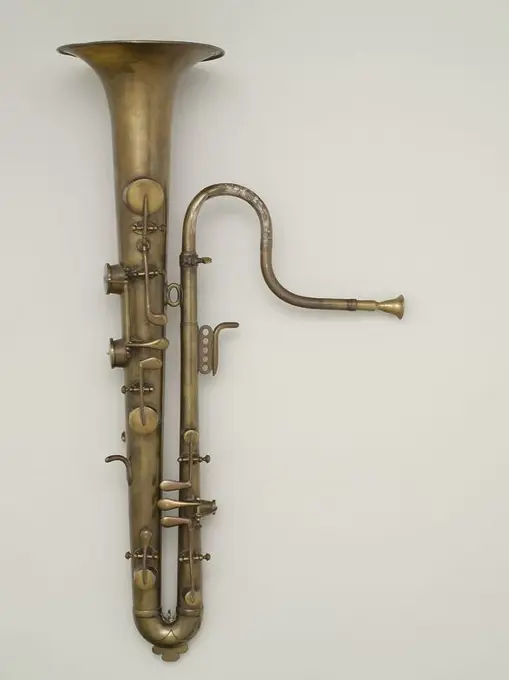
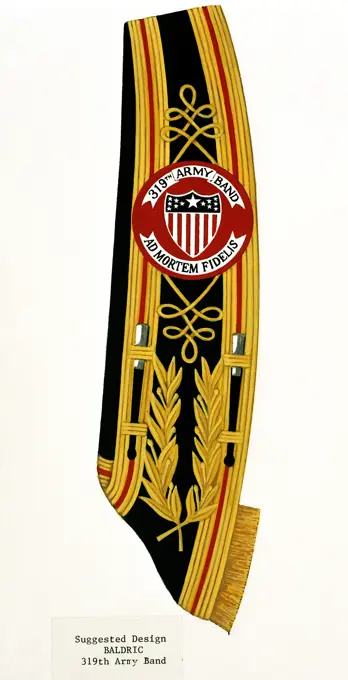
Needle for Making Fish Net ca. 1550-1295 B.C. New Kingdom. Needle for Making Fish Net 554472Nuragic civilization. Bronze model of the Nuraghe of Olmedo.CorkscrewFunerary Staff 15th-16th century Inca This imposing ceremonial implement was carved from a single piece of algarrobo wood (Prosopis chilensis). The implement consists of two carved sections joined by a pole-like handle. The bottom section terminates in a flattened and rounded end and has openwork near its top composed of triangular and diamond shapes. The openwork is surmounted by five small figures with silver headdresses. The top section also features openwork bands surmounted by five figures. There is evidence of what was once a silver covering from right below the openwork decoration on the bottom section, up the pole, to the top (excluding the figures, of which only the headdresses are silver).Similar implements in the Mets collection include examples embellished with pigment (MMA accession number 1979.206.1025), and elegant openwork designs (MMA accession number 1979.206.1027). All of the scientifically excavated examples of these implements have been found in the Chincha and IcAgate scepter head. Culture: Cypriot. Dimensions: length 6 in. (15.2 cm). Date: ca. 950 B.C..Scepter and mace heads are well-attested Cypriot implements, but this example is exceptional in the magnificence of its material, which is matched by the precision of its execution. The head itself is set on an iron shaft. During the Late Geometric and Archaic periods, rulers of the major centers of Cyprus gained considerable wealth from natural resources, notably copper, and from active trade, in which the Phoenicians were conspicuous. The luxurious and finely wrought objects with which these kinds surrounded themselves are particularly well represented by this scepter and by the bowls in precious metals exhibited nearby. Museum: Metropolitan Museum of Art, New York, USA.Vase, Tiffany Glass and Decorating Company, American, 1892 - 1900, Mold-blown favrile glass, Long tall cylindrical and footed vase in iridescent purple to green glass., New York, NY, USA, ca. 1900, glasswares, Decorative Arts, VaseSpoon. Koenigliche Porzellanmanufaktur, Meissen (1807/14-1918), manufactureold home key for pin tumbler lock old home key for pin tumbler lock isolated on white background Copyright: xZoonar.com/ValeryxVoennyyx 5660519Knife (one of a set) late 16th century Antonio Gentili (Antonio da Faenza) Italian Designed to sit comfortably in the hand, the handles consist of ornamented bases supporting half figures of satyrs. Crisp details, such as the snakes that frame the spoons shell-shaped bowl, contribute to the utensils sculptural quality. The sets precious material and sophisticated decoration indicate that it was made for an affluent household. (See also companion fork and spoon, 47.52.2 and .3.). Knife (one of a set) 199797Model of A Breech-Loading Gun, Rijkswerf Amsterdam, 1863 demonstration model Wooden model of the course of a 1 pound rear loader. The black -painted loop runs tapered and has only one thickening. Furthermore, the taps and the Zundgat are indicated. The Kulas is open and is closed by a final piece that slides sideways in it. Shifted to the left, the entrance to the room is accessed; Both in closed and in the open position, the Seaty is guaranteed by a pen with a spring from above. The final piece runs to the right taper, so that it gets stuck in closed position; It has a handle on the back. The access to the room is equipped with a brass ring with smaller opening than the caliber of the piece; The function of this is unclear. Scale 1: 2. model maker: Amsterdamafter design by: Essen wood (plant material). brass (alloy). iron (metal). ivoryStandHalf Model of a Screw Steamer.Polychromed, completely covered molds model (starboard) of a three-mounted screw steam vessel. Eight gunpaints on the upper deck. The sheek image is a gold-plated curl. Elliptical fence with national arms; Stir with round roaring (American rudder) and rounded stir sheet; The model has a screw sleeve for a screw light device. Sollect almost flat, one Reehout. V-shaped underwater ship with round kimps. Scale 1:40 (Scale by model).Marine transportation - 18th century. Republican Venice doge's galley Bucentaur 'Bucintoro'. Color illustrationWellington Blewett, Curling Iron, c 1939 Curling IronBastón de Betren, siglo XX. Museu Català de les Arts i Tradicions Populars.Guitar (plectrum), early to mid-1800s. Japan, Edo period (1615-1868). overall: 96.8 cm (38 1/8 in.); widest end: 21 cm (8 1/4 in.).Pupa Galanga late 19th century Melanesian. Pupa Galanga. Melanesian. late 19th century. Bamboo. Nggela Islands (formerly Florida Islands), Solomon Islands. Aerophone-Lip Vibrated-trumpet / tromboneKnife Handle (Kozuka) ca. 1615-1868 Japanese A kozuka is a handle of a by-knife that is part of a sword mounting. It is kept in a slot on the reverse of a katana scabbard, often with a matching kōgai (hairdressing tool).. Knife Handle (Kozuka) 34668Spool of yellow thread with a needle stuck in it.Hair accessory 1800-1850 American or European. Hair accessory 117486Necklace 20th century China. Necklace. China. 20th century. Jade, diamond clasp. JadeSeed head of a Grape hyacinth (Muscari) on white background, studio shot, Germany, EuropePaint palette of the scribe Pay 1300 B.C.Vase Vase; Manufactured by Arnhem Faience Factory; Netherlands; earthenware; 2.7 x 13.1 cm (8 15/16 x 5 3/16 in.)Close up shot of japanese chopsticksFragment of stem and calyx of chalice, drinking glass drinking utensils tableware holder soil find glass, free blown and formed glass application Fragment of remains of stem and chalice of chalice in clear colorless and opaque white glass in façon de Venise style. Slight remainder of massive narrow trunk to flat sharp knot. Funnel shaped chalice (glued) with 18 vertical all-round light counterclockwise bending opaque-white glass wires to approximately 6.0 cm archeology Rotterdam IJsselmonde drinking wine serve beer Soil discovery: IJsselmonde Castle 1 and 2. Rotterdam 1972.08.30.Taupe feather, ink and blank sheet of old paperwooden door,Europe black wooden door with a white handle Copyright: xZoonar.com/MassimoxLamax 11155477 lombardy  arsago seprio    castellanza blur   abstract   rusty brass brown knocker in a  door curch  closed wood italy   crossOpen air gaugeThin stick (badine) of wood glued with turtle and has a knob of white porcelain, decorated with black leaf ornaments, put in a gold-plated edge. With copper ring.Arrow with decorative feathers. Native indian weapon sketchTibia ca. 1-500 Syrian The tibia was sounded with a double reed, and two pipes would have been played simultaneously. The small tubes or chimneys projecting from the side of this instrument and the rings encircling its body were likely part of a complex mechanical system designed to increase the number of notes and modal scales that could be played on a single instrument.Often played in pairs, tibia were widespread throughout the Mediterranean world. They varied in length and construction and were used in many contexts: funerals, sacrificial rites, banquets, boxing matches, marriages and games.. Tibia 503699Transverse Flute in D after 1855 Gautrot aîné French. Transverse Flute in D. French. after 1855. wood, nickel-silver. Paris, France. Aerophone-Blow Hole-side-blown flute (transverse)Amulet (Tongue) China. Amulet (Tongue) 42971Bud Vase (USA); Produced by Tiffany Glass and Decorating Company; Design Director: Louis Comfort Tiffany (American, 1848-1933); mold-blown favrile glass, cast bronzeThe hetma of Stanisa's hetma of Jab Onzowski from the end of the 17th century, from the collections of the Jasna Góra Treasury in Cz Stochów; Lesser, Aleksander (1814-1884); 1830-1884 (1830-00-00-1884-00-00);Jabłonowski Stanisław, Jabłonowski, Stanisław Jan (1634-1702) - iconography, Kazimierz (Kraków - district), Lesser, Aleksander (1814-1884), Lesser, Wiktor Stanisław Zygmunt (Baron - 1853-1935), Skarbiec Jasna Góra (Częstochowa - Jasna - Jasna - Jasna - Jasna Góra), 17th century, weapon, former weapon, Buły, Dar (provenance), Church of St. John (Vilnius), Craft, artistic crafts, militaryPellet and Bolt Crossbow Combined with a Wheel-Lock Gun ca. 1570-1600 Decoration based on designs by Jacob Floris The inlay of polished and engraved staghorn featuring trophies of arms is based on designs by Jacob Floris (1524-1581), which were published in Antwerp in 1564. The bow is a later replacement.. Pellet and Bolt Crossbow Combined with a Wheel-Lock Gun. Central European; possibly Southern German or Austrian. ca. 1570-1600. Steel, wood (cherry), staghorn, hemp, felt. Archery Equipment-CrossbowsPowder horn -Key with Kroksztyn - Wyżczeszka Lusarska;  1 PO. 18th century (1700-00-00-1750-00-00);Tongan Flutes, 1906 - 1926, by James McDonald.Spindle 2nd-7th century Nasca. Spindle 315780Zurna late 19th century North Coast Africa. Zurna. North Coast Africa. late 19th century. wood, various materials. Aerophone-Reed Vibrated-double reedHammer Kuchenreuter, Johann Andreas, I (1716 1795)Spindle 2nd-7th century Nasca. Spindle 315780Bracelet (USA); hair (human), gold, citrine; L x W x D: 10.2 x 1.7 x 0.2 cm (4 x 11/16 x 1/16 in.)Bar Wind Chimes at Black Background 1104311245Kora 19th century Senegambia. Kora 501115Pair of StrapHingesArrowhead (Yanone). Culture: Japanese. Dimensions: L. 6 5/8 in. (16.8 cm); L. of head 1 1/2 in. (3.8 cm); W. 3/8 in. (1 cm); Wt. 0.8 oz. (22.7 g). Date: 18th century. Museum: Metropolitan Museum of Art, New York, USA.Bass trombone, Pierre Colbert, 1593 Bass trombone of brass with one winding. To the cross connection of the slider a hold for the right hand. A wreath has been laid around the cup, in which engraving between geometric motifs 'Pierre Colbert M'a Faict A Reims 1593'. Mood: G. Reims brass (alloy) Bass trombone of brass with one winding. To the cross connection of the slider a hold for the right hand. A wreath has been laid around the cup, in which engraving between geometric motifs 'Pierre Colbert M'a Faict A Reims 1593'. Mood: G. Reims brass (alloy)Log Timer.Vaart meter in the form of a stop to put hourglass. The upper portion contains the sand apple bottle in a round brass sleeve. With a lever this bottle can be opened so that the sand can walk to the lower part, where a long viewing glass with a scale is arranged next to it. The hourglass is stopped when finishing a measurement.Textile Swatches Onondaga Silk Company, Inc. (1925-1981). , 1948-1959. 47 silk, 36 nylon, 17 metal, 23 1/2 x 21 in. (59.7 x 53.3 cm).    1948-1959Shadow Puppet (Wayang Kulit) of a Prop (Ricikan), from the set KyaiDrajatINSTRUMENTO MUSICAL YUGOSLAVO-FLAUTA.Telephone switchboard, telegraph service, switchboard, telephone-hand switch  /  Telephone switchboard, Telegraphenwesen, Klappenschrank, Fernsprech-Handvermittlungseinrichtung, Historisch, historical, digital improved reproduction of an original from the 19th century / digitale Reproduktion einer Originalvorlage aus dem 19. Jahrhundert. Halberd. Culture: Swedish. Dimensions: L. 90 in. (228.7 cm); L. of head 12 in. (30.6 cm); W. 6 3/8 in. (16.3 cm); Wt. 3 lbs. 4 oz. (1474.2 g). Date: early 16th century. Museum: Metropolitan Museum of Art, New York, USA.Pin from the wreck of the East Indies' t Vliegend Hart ,, 1700 - 1735  Copper pin with head. Pin. Middelburg copper (metal)PoleScreen.   Maker: Maria Holmes Leavitt, 1798-1878Maker, attributed to: Daniel Clay, 1770-1848Tenor Recorder ca. 1600 Bassano Italian A rare example of a Renaissance tenor recorder made of a single piece of boxwood. As is typical of early woodwind instruments, there are seven tone holes, six down the center and a pair of holes at the bottom that sound the same pitch. This arrangement allows a player to choose their own hand placement for the top and bottom holes. There is a single thumb hole on the back of the instrument. The recorder bears the mark of the Bassano family, a moth, which appears once below the window, and twice on the bottom edge of the instrument. Members of the Bassano family were active as musicians and woodwind makers in both Venice and London from the 1530s to the 1650s.. Tenor Recorder. Italian or British. ca. 1600. Boxwood. Italy; United Kingdom. Aerophone-Whistle Flute-recorderTwo-Handed Sword with Flamboyant Blade, 1550-1600. Germany, second half 16th Century. Steel, leather and wood grip with brass rivets; bronze pommel; overall: 168.9 cm (66 1/2 in.); blade: 118.7 cm (46 3/4 in.); quillions: 50.5 cm (19 7/8 in.); grip: 49.2 cm (19 3/8 in.); ricasso: 26.7 cm (10 1/2 in.). The two-handed sword, originally a weapon of war for specialist infantry, is so named because two hands were required to wield it. By the late 1600s, these enormous swords assumed a largely ceremonial or bodyguard function.Food samples in test tubesMask of the Shumai'koli of the Zenith, Zuni nation. Chromolithograph by August Hoen from John Wesley Powell's 23rd Annual Report of the Bureau of American Ethnology, Washington, 1904.thermometers India Asia Copyright: xAnirudhaxCheoolkar/DinodiaxPhotoxA sash from the funeral of Adam Mickiewicz in Krakow on July 4, 1890USPS metal mailboxes for rural homes with I voted sticker for vote by mail Metal mailbox for rural homes with I Voted sticker as concept for voting by mail or absentee ballot paper on blue background Copyright: xZoonar.com/StevexHeapx 15339705'Bassoon', 1895. Creator: Unknown.Close-up of a dendendaikoBaseball bat and ballShadow Puppet (Wayang Kulit) of PanahRicikanSitar's and Vína. The Sitar was a favourite instrument of Upper India and the Vína was the most ancient and finest Indian instrument and one of the most difficult to play.Vertical Duct Flute in D 19th century H. Boulanger et Cie. Vertical Duct Flute in D. French. 19th century. porcelain. Choisy-le-Roi, France. Aerophone-Blow Hole-end-blown flute (vertical)Soprano ophicleide in B-flat. Culture: French. Dimensions: 25 11/16 × 6 13/16 × 11 1/2 in. (65.2 × 17.3 × 29.2 cm). Maker: Adolphe (Antoine Joseph) Sax (Belgian, Dinant, Belgium 1814-1894 Paris). Date: mid-19th century.The ophicleide is a low brass instument that was used in bands and orchestras during the nineteenth century. It was replaced by the tuba.In seeking to create a loud, low woodwind instrument, Adolphe Sax experimented with placing a bass clarinet mouthpiece on an ophicleide. This idea spawned the first saxophone. Museum: Metropolitan Museum of Art, New York, USA.Souvenir of Józef Czapski  Pastel Pencil Pastel L.&C. HardtmuthHard bait for fishing squid and cephalopodShadow Puppet (Wayang Kulit) of Keris, from the set KyaiNugrohoShadow Puppet (Wayang Kulit) of Panah Cakra, from the set KyaiNugrohoShadow Puppet (Wayang Kulit) of Panah Nogoposo, from the set KyaiNugrohoDA-SC-85-01182. Country: Unknown