Historical Weapons Collection

A variety of historical weapons, including a sword with an ornate hilt, a dagger, and different styles of halberds, showcasing intricate designs and craftsmanship.
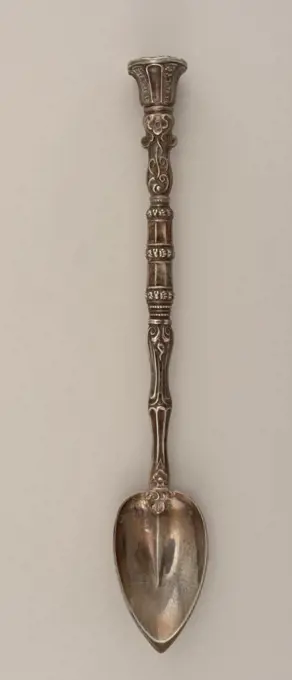
Spoon, silver, Pointed, heart-shaped oval bowl with central rib, shaped stem embossed with scrolled and panelled sections, fluted terminal below the circular crusher., France, 19th century, cutlery, Decorative Arts, Spoon
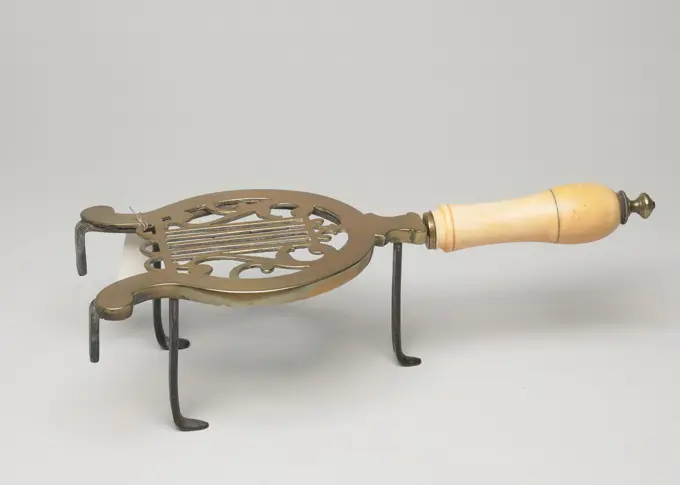
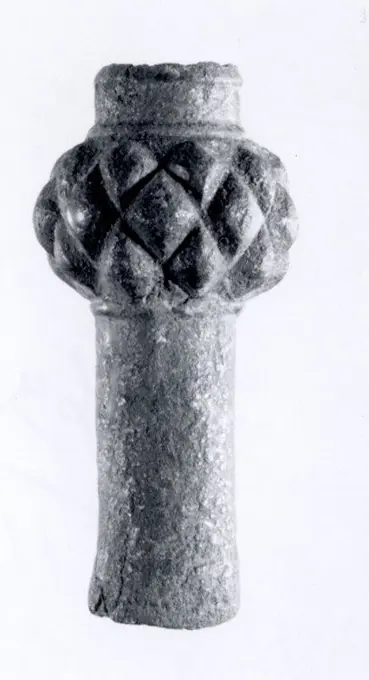
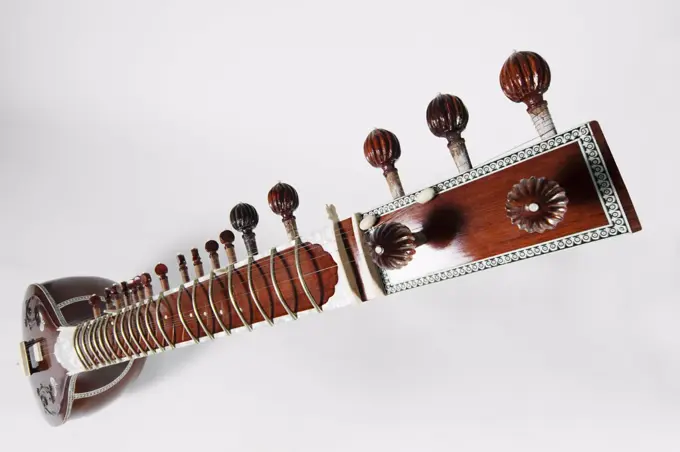
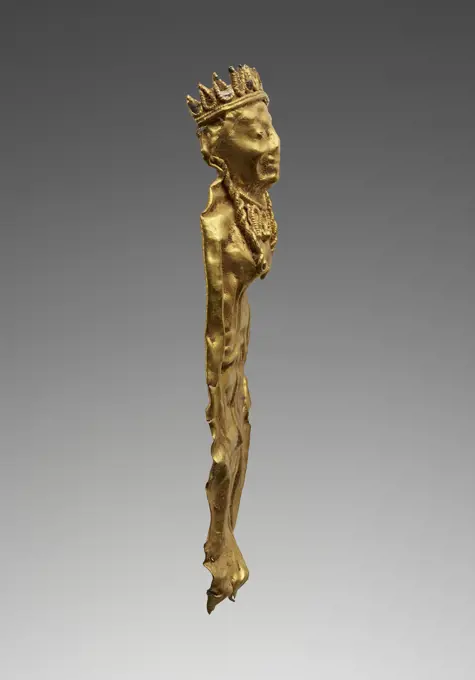
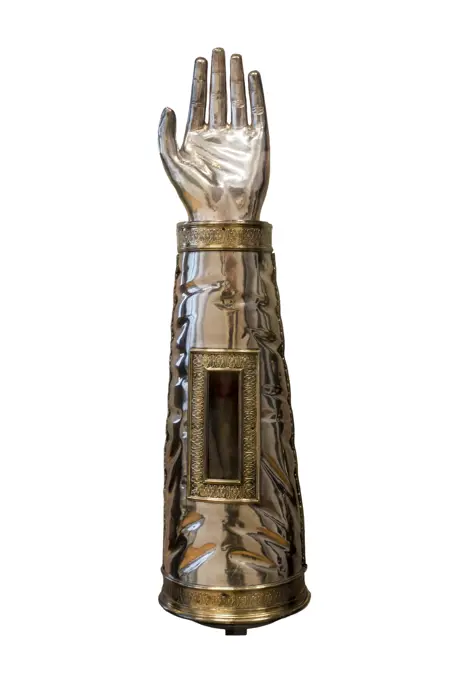
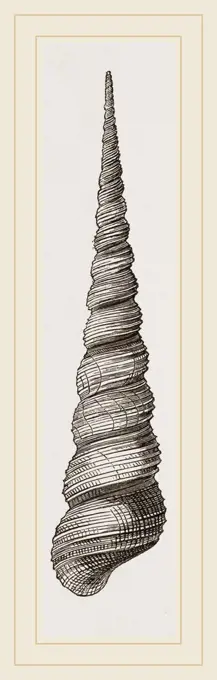
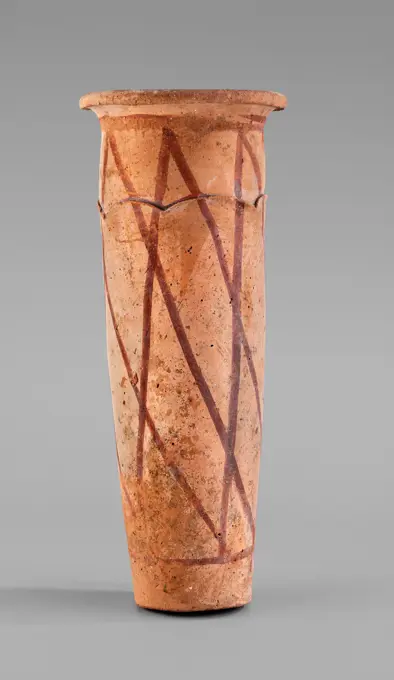
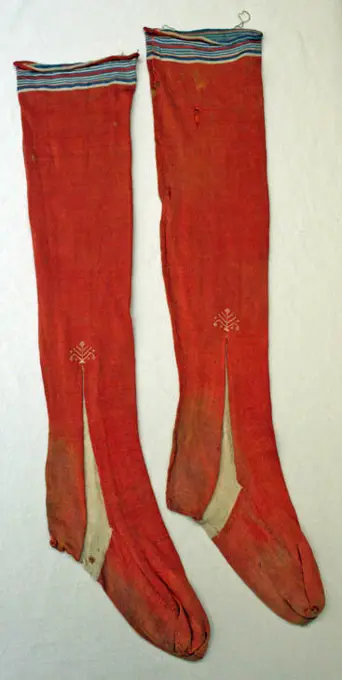
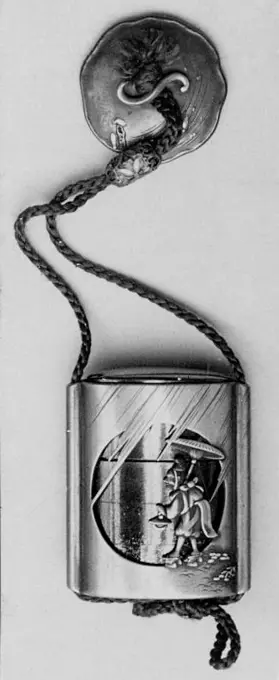
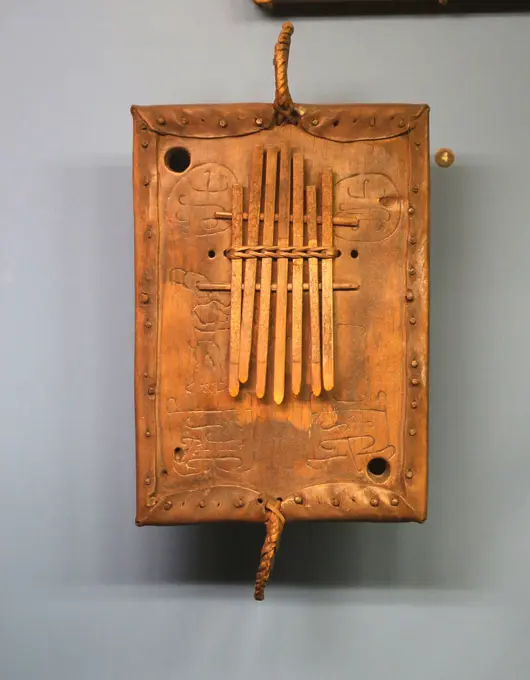
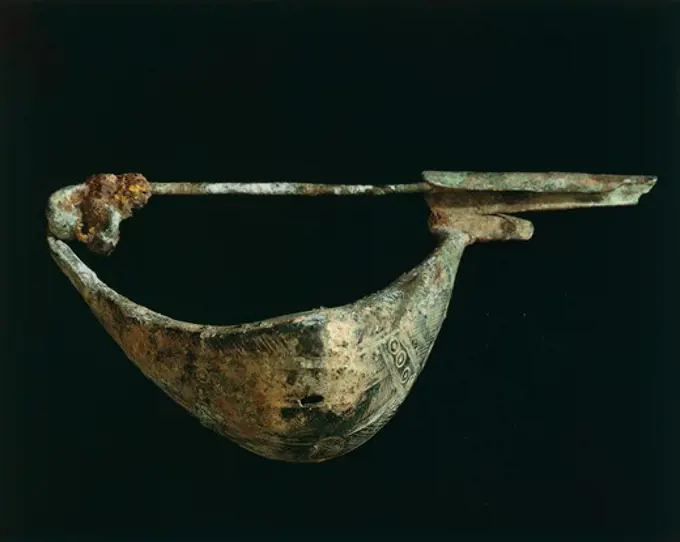
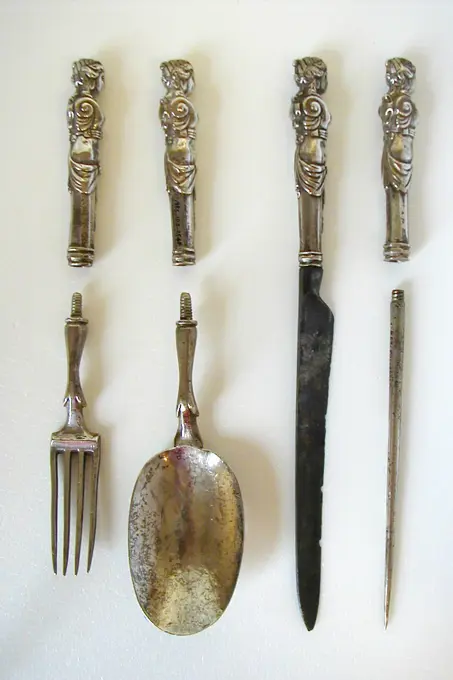
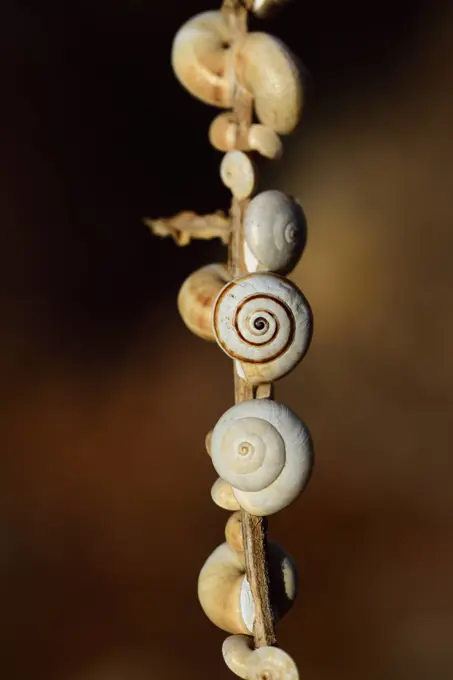
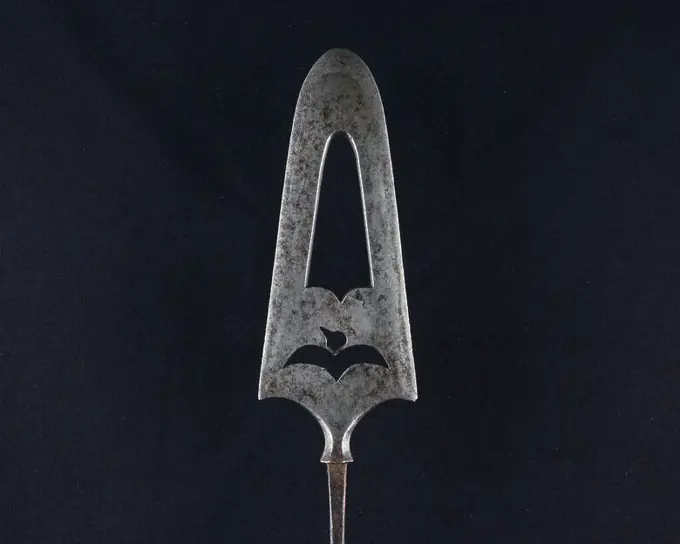
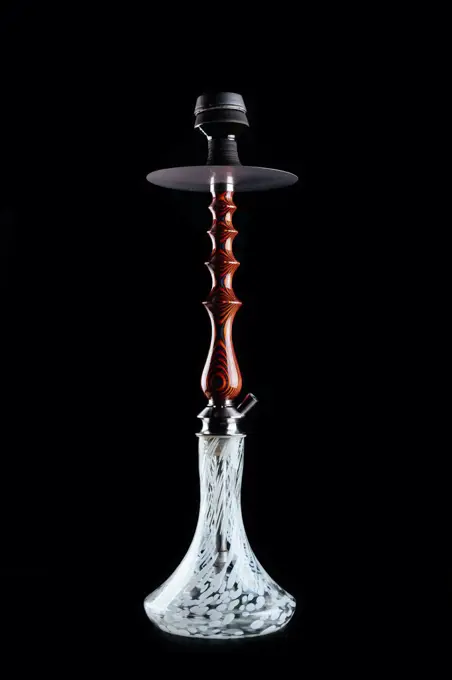
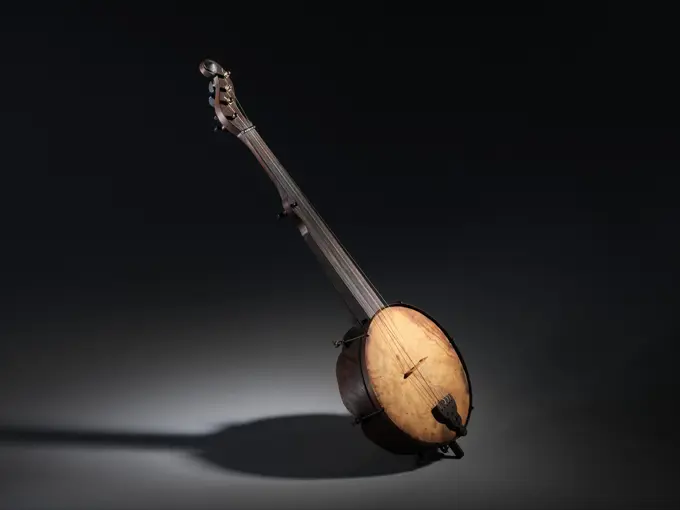
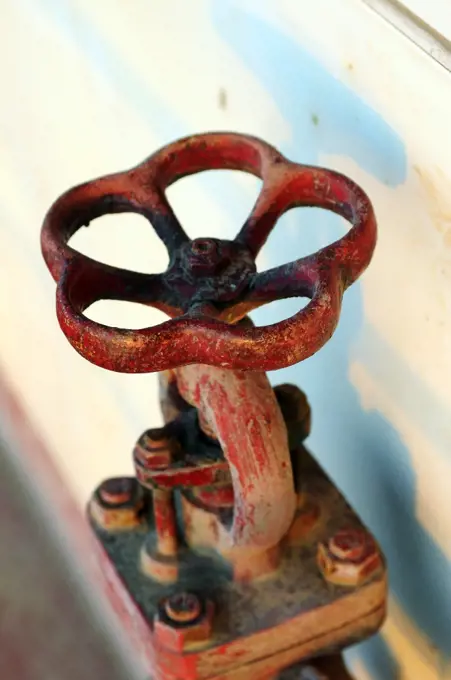
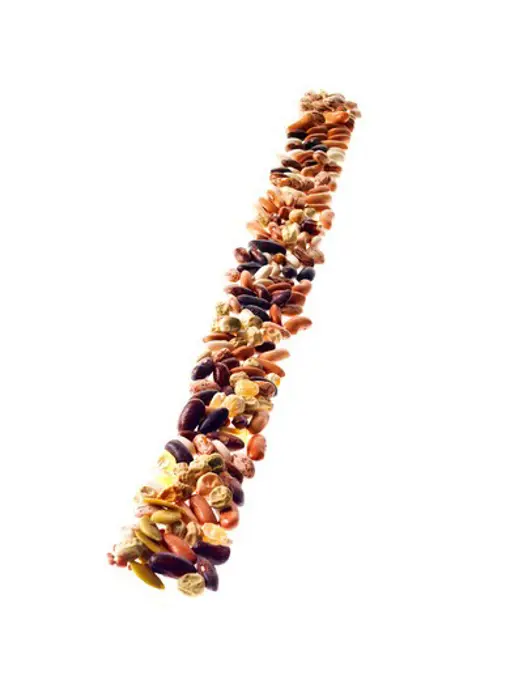
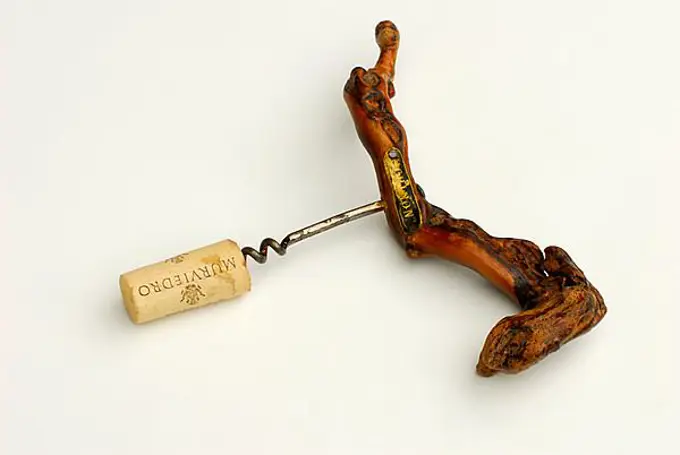
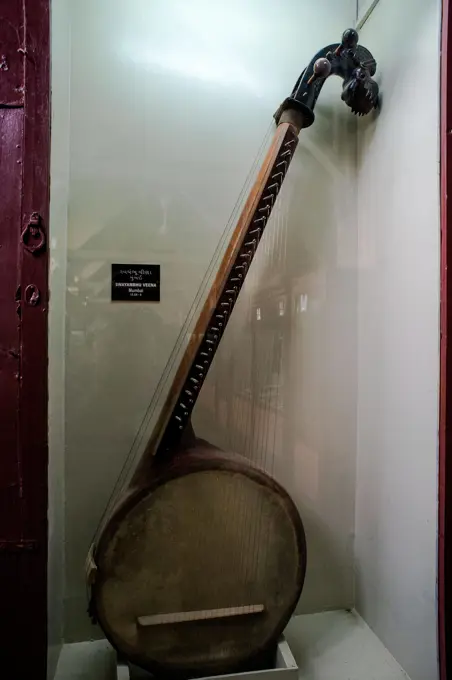
Shield 18th-19th century Philippine, Bagobo. Shield. Philippine, Bagobo. 18th-19th century. Wood, hair (human or animal), rope, pigment. ShieldsDragon/sea monster ,, 1850 - 1875 Dragon/sea monster, consisting of two parts, connected to a wooden rod. The dragon stands on its lower jaw, the tail rises. Blue, brown, red and white glazed and painted. China earthenware. glaze. dye vitrification Dragon/sea monster, consisting of two parts, connected to a wooden rod. The dragon stands on its lower jaw, the tail rises. Blue, brown, red and white glazed and painted. China earthenware. glaze. dye vitrificationEar of multicolored Indian corn against black background.Fire tools third quarter 16th century Italian, Florence. Fire tools 839005Majolica plate with lotus flowers, symbol of the Nile delta in Lower Egypt, from the Palace of Seti I at QantirTrivet, 18th century, 3 3/4 x 14 x 6in. (9.5 x 35.6 x 15.2cm), Brass, United States, 18th centurySalt spoon 19th century possibly German, Darmstadt. Salt spoon 188249A sitar Mace head ca. 8th-7th century B.C. Iran. Mace head 325551A sitarpolychrome wooden figure Ubanga Nyama Lengola, Republic of the Congo, Sa Bassa Blanca Museum (msbb). Yannick Vu and Ben Jakober , Alcudia, Majorca, Spain.Gilt ball with eight flames (one loose, in two), anonymous, 1500 - c. 1900   iron (metal). wood (plant material)   iron (metal). wood (plant material)Italy, prehistory, Celtic civilization, Early Hallstatt period, Dagger and swords,Applique; Cerveteri, Etruria; 525 - 500 B.C; Gold and glass; 4.1 × 1 × 0.5 cm (1 5,8 × 3,8 × 3,16 in.)object on black - tool magnifying glassReliquary arm / shrine holding bone of the holy St Margaret, against white background.Left Gauntlet, c.1550-1570. Germany, 16th century. Iron, steel, leather and brass rivets; overall: 34.5 x 20 x 31.2 cm (13 9/16 x 7 7/8 x 12 5/16 in.).Awl shaped TurritellaBlade of grass tied to wooden pole at ChristmasNaczynie cylindryczne z kreskowaną dekoracją. unknown, authorStockings 19th century European. Stockings 121498Rebec. Culture: Cretan. Dimensions: W. 6 × L.19 1/2 in. (15.2 × 49.5 cm). Date: 19th century.This "old-style" Cretan lira is a minstrel instrument played with a bow to which jingles are attached. Museum: Metropolitan Museum of Art, New York, USA.Case (Inr) 19th century Japan. Case (Inr). Japan. 19th century. Brown nashiji in an openwork bronze holder; metal netsuke. Edo (1615-1868) or Meiji period (1868-1912). InrExhibition 5 designers, sculpture by Jupp Ernst (Werkbund)African. Sanza or Hand piano. Ngala. Nigeria.American Museum of Natural History. New York. Unites States.Italic civilizations, Piceni, 7th century b.C. Large bronze fibula in the shape of a boat.Ale Glass, 1750-1799. England, 18th century. Glass; diameter: 5 cm (1 15/16 in.); overall: 17.5 x 7 cm (6 7/8 x 2 3/4 in.).Knife (probably Italy), late 17th century; silver, steel; L x W: 21.7 x 1.5 cm (8 9/16 x 9/16 in.); The Robert L. Metzenberg Collection, gift of Eleanor L. Metzenberg; 1985-103-254-gClose-up of a dry branch with many different snail shells hanging against a brown background in vertical format Close-up of a dry branch with many different snail shells hanging against a brown background in vertical format Copyright: xZoonar.com/UlrikexLeonex 22297534Arrowhead (Yanone). Culture: Japanese. Dimensions: L. 16 3/4 in. (42.6 cm); L. of head 6 in. (15.2 cm); W. 2 1/4 in. (5.7 cm); Wt. 4 oz. (10.2 g). Date: 18th century. Museum: Metropolitan Museum of Art, New York, USA.Letter opener, Ivory, An ivory letter opener with a figure on the handle wearing a cape., France, 19th century, appliances & tools, Decorative Arts, Letter openerHunting Horn ca. 1800 European. Hunting Horn 503947Joseph Levol, Jug and Cover, 1788, silver.handmade hookah on a black backgroundBanjo ca. 1845 William Esperance Boucher, Jr. The 1840s was a pivotal decade in American music. The blackface minstrel show, which was first was performed in New York City in 1843, became Americas most popular form of theatrical entertainment. The 5-string banjo was an intrinsic part of the minstrel performance and soon became an immensely popular instrument. Baltimore drum maker William Boucher began producing banjos around1845 and is credited with being one of the first professional banjo makers. His first banjos consisted of a banjo neck attached to a drum-like steam-bent wood hoop with two skin membranes, one stretched over the top and the other over the bottom of the hoop. He soon dispensed with the second skin head. Boucher claimed that he invented the first metal screw-type mechanism for tightening banjo heads. While this is questionable, the tightening system on this banjo is elegantly simple and fuctional. Wingnuts tighten metal hooks attached to a metal band that stretches tFeathered Ornament 11th-15th century () Central or south coast (). Feathered Ornament 310507Closeup view of a red gate valveStudio shot of Mixed Seeds on white backgroundA 17th-century iron hat with a nose guard. worn by Charles I. from the book *The British Army*. 1868. Historical. digitally restored reproduction from a 19th-century originalThree -Koning, Daniël van Strant (attributed to), 1750 Epiphany group on a sea lobby. The plate is on three bol legs and has a roared diamond pattern. On the plate there are three figures with crowns on the head. One of the figures holds a twisted pole to which an eight -pointed star is attached. The star can be turned around by a cord that has one of the figures in hand. The image is marked: stk. = Amsterdam, Jrl. = Q (1750) and Mt. = Daniel van Strant. Amsterdam silver (metal) Epiphany group on a sea lobby. The plate is on three bol legs and has a roared diamond pattern. On the plate there are three figures with crowns on the head. One of the figures holds a twisted pole to which an eight -pointed star is attached. The star can be turned around by a cord that has one of the figures in hand. The image is marked: stk. = Amsterdam, Jrl. = Q (1750) and Mt. = Daniel van Strant. Amsterdam silver (metal)English corn dolly known as a 'Border fan'. Made by straw-plaiter Veronica Main of Hazelmere in Bucingham in the 1980s.Beautiful floral decoration showcases twisted stems against a dark backdrop, enhancing the atmosphere of a sophisticated gathering in the eveningSouvenir spoon with view of an old building in a town and arms of Denmark European late 19th century View more. Souvenir spoon with view of an old building in a town and arms of Denmark. European. late 19th century. Silver, parcel-gilt and enamel. Metalwork-SilverWarriorVestInk pen with black feather, isolate on white backgroundClarinet in B-flat Buffet, Crampon & Cie. French ca. 1860-65 Clarinet in B-flat. Ebony, with hallmarked silver garland, ferrules and keywork. Three pieces: upper section with integral barrel, lower section, bell. Speaker liner projects almost to the centre of the bore. L4 levers on a single pivot. 17 keys, 6 rings. The keywork is very similar to modern Boehm system clarinets. On the upper joint, the register key is straight and does not wrap around.” The keywork bridges the connection between upper and lower joints to allow the upper and lower joints to be separated. The lower joint has a single post for the left-hand extension keys.The Instrument bears three Buffet-Crampon logos: One at the top of the upper joint, above the A-G sharp throat tone key assembly; the second at the bottom of the lower joint below the extension rod, and the third on the bell. The second and third appear identical. The logo on the upper joint includes the following: BREVETÉS S.G.D.G.” The instrument bears Arrowhead (Yanone). Culture: Japanese. Dimensions: L. 12 3/4 in. (32.4 cm); L. of head 4 in. (10.2 cm); W. 3 in. (7.6 cm); Wt. 3.4 oz. (96.4 g). Date: 18th century. Museum: Metropolitan Museum of Art, New York, USA.Isolated wood mace as symbol of powerCorkscrew with cork, wine cork, cut-out, objectSwayambhu Veena in Baroda Museum and Picture Gallery, Gujarat, India, Asia Copyright: xAnilxDave/DinodiaxPhotoxRock crystal with rutileTin-bronze scepter head ca. 1450-1050 B.C. Cypriot The scepter head is topped by three mold-made bull's heads. Bull's heads are common in the art of Late Bronze Age Cyprus. The eyes are inlaid with glass that is not original. On the forehead of each bull is a crescent-shaped inlay; two are carnelian and one is green glass paste. Another tubular piece of the scepter, now missing, was originally above the three bull's heads.. Tin-bronze scepter head. Cypriot. ca. 1450-1050 B.C.. Bronze, tin. Late Cypriot II-III. BronzesCollection of Arabian cold steel in Dubai. DUBAI, UAE - DECEMBER 4, 2017: Collection of Arabian knives in entertainment center Global VillageShadow Puppet (Wayang Kulit) of Tre SulaRicikanShadow Puppet (Wayang Kulit) of Wenara or Monyet membawa buahdurianBronze steelyard with weight shaped as head of young girl, from PompeiShadow Puppet (Wayang Kulit) of Gada, from the set KyaiNugrohoShadow Puppet (Wayang Kulit) of Panah Biasa, from the set KyaiNugrohoModel Spear Middle Kingdom ca. 1981-1802 B.C. This model spear, one of seven found with a model spear case (17.9.4), is made of wood, with a copper head that was merely slotted into the end of the shaft. A real spear, which would have been about the same length, would have had a flint or metal head and was meant for use in close-quarter combat. (See also 17.9.3.1-related.) View more. Model Spear. ca. 1981-1802 B.C.. Wood, copper. Middle Kingdom. From Egypt, Middle Egypt, Asyut (Lykopolis), Khashaba excavations. Dynasty 12