Historical Weapons Display

A collection of various historical weapons including swords and forks, showcasing their intricate designs and craftsmanship.

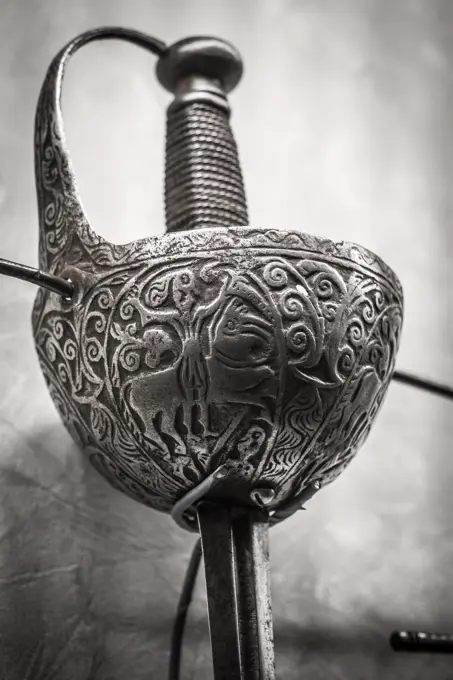
Rapier Spanish late 16th century The rapier was the principal civilian sidearm throughout the sixteenth and seventeenth centuries. Designed for cut-and-thrust fencing of progressively complex techniques, the rapier is characterized by a double-edged blade with an acute point and an elaborate guard for the hand. The guards, usually of iron or steel, were subject to a variety of embellishment. They were engraved, chiseled, gilded, damascened, and encrusted in gold and silver in keeping with fashionable styles. Unless otherwise noted, the materials, attributions, and dating given here refer to the hilts. Rapier blades, invariably of steel, bear a variety of makers marks denoting their origin in the two principal centers of blademaking, Toledo in Spain and Solingen in Germany. View more. Rapier. Spanish. late 16th century. Steel, wire, gold. Swords
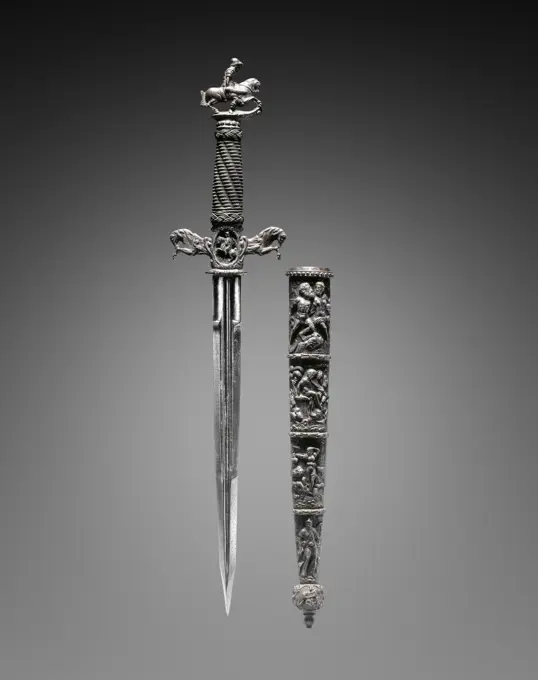
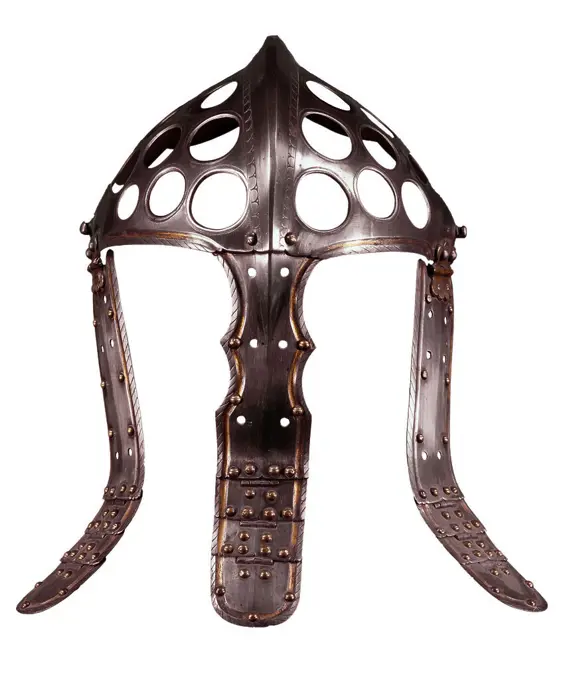
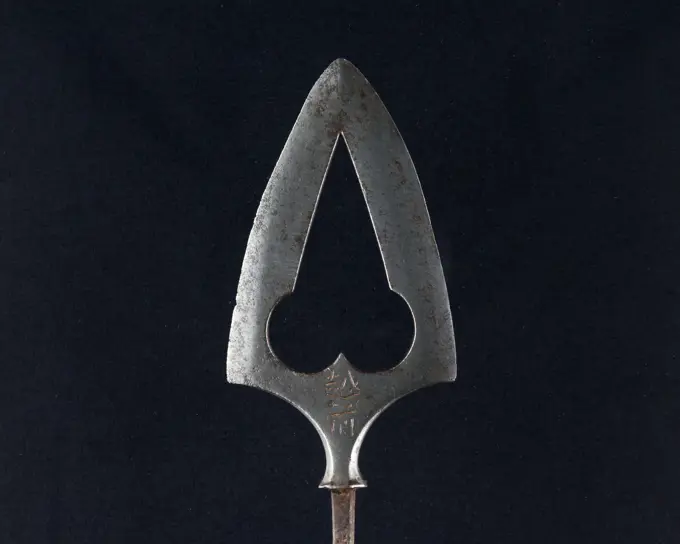
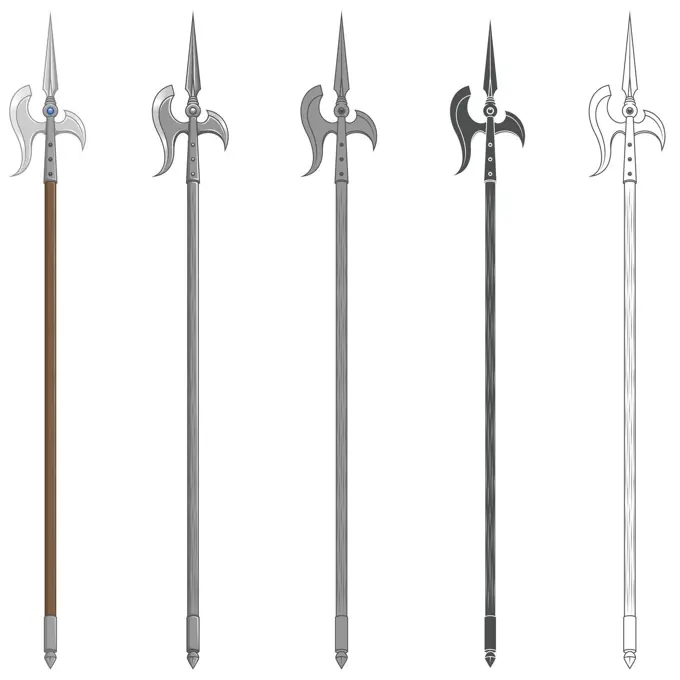
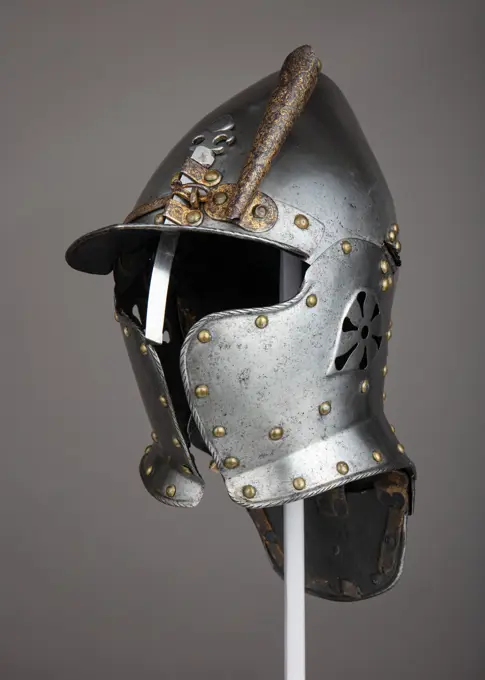
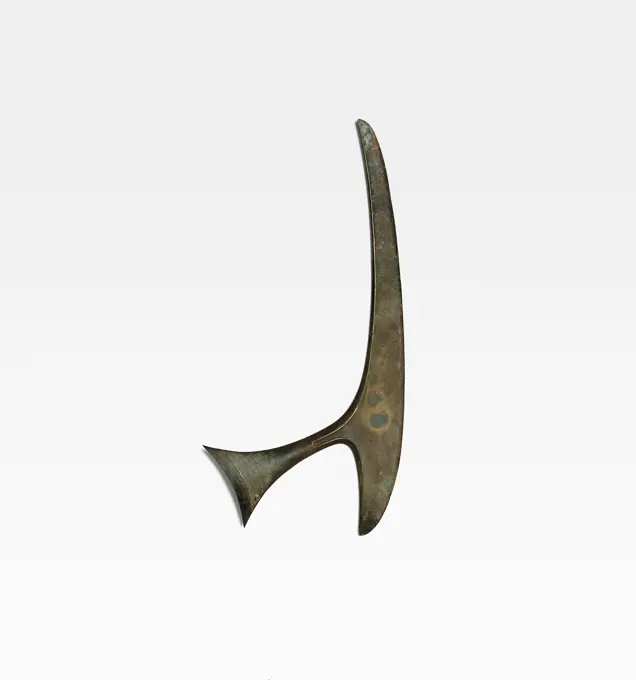
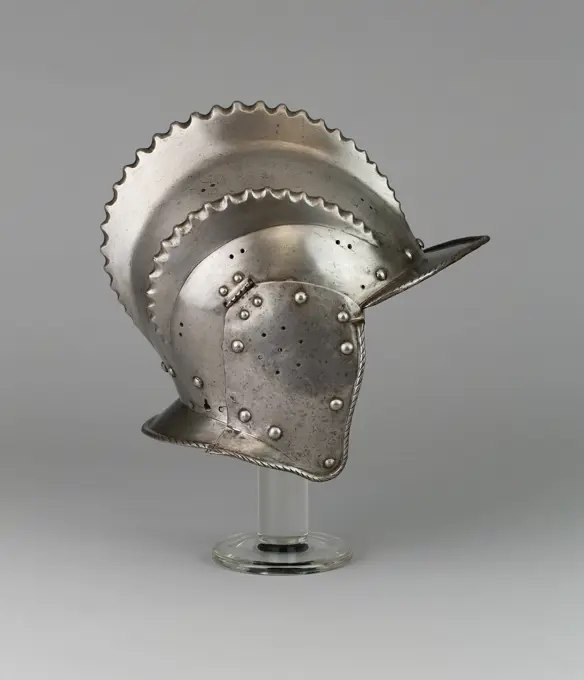
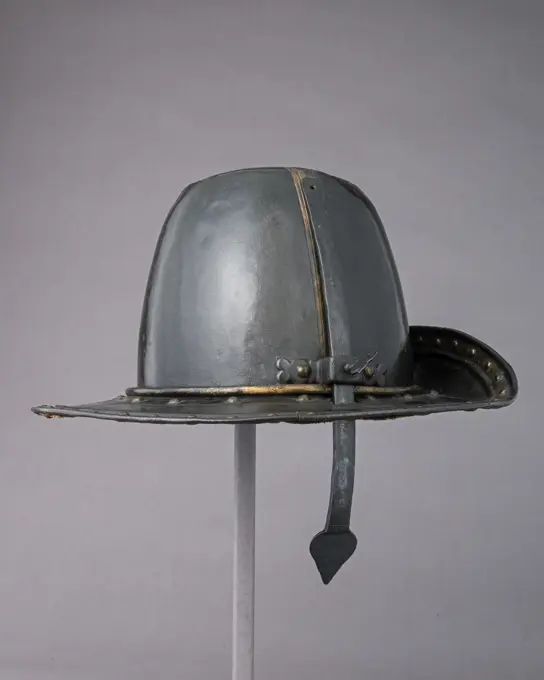
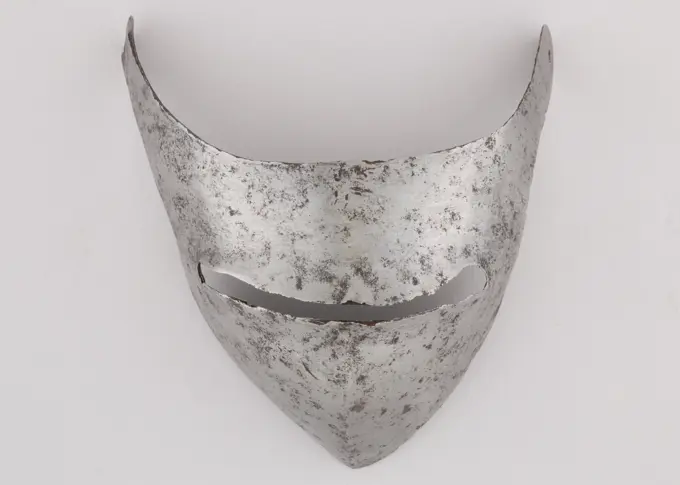
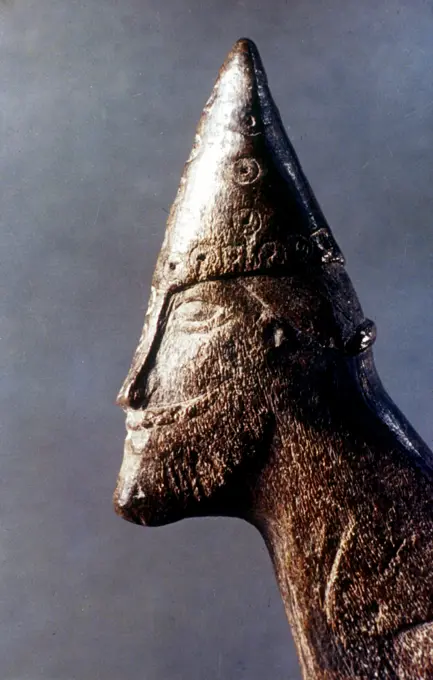
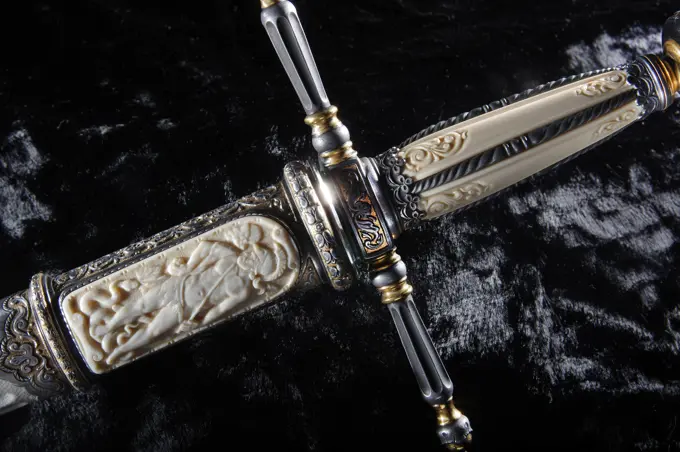
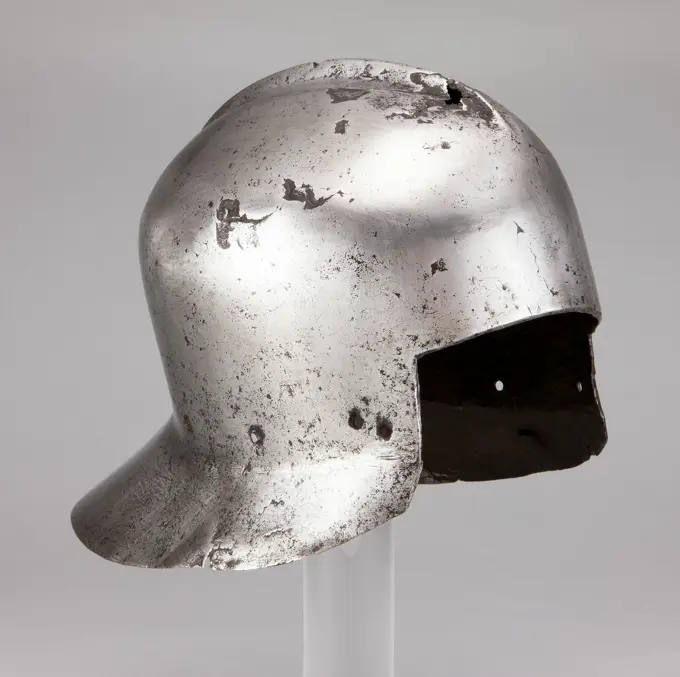
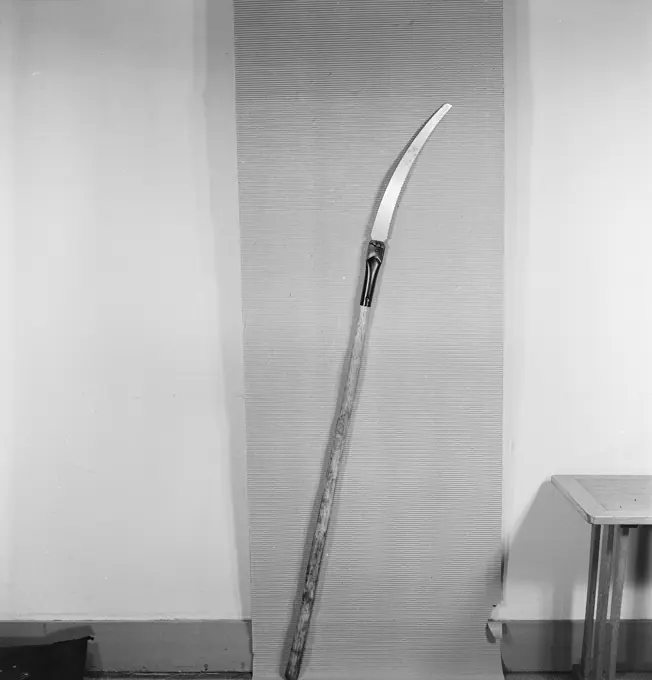
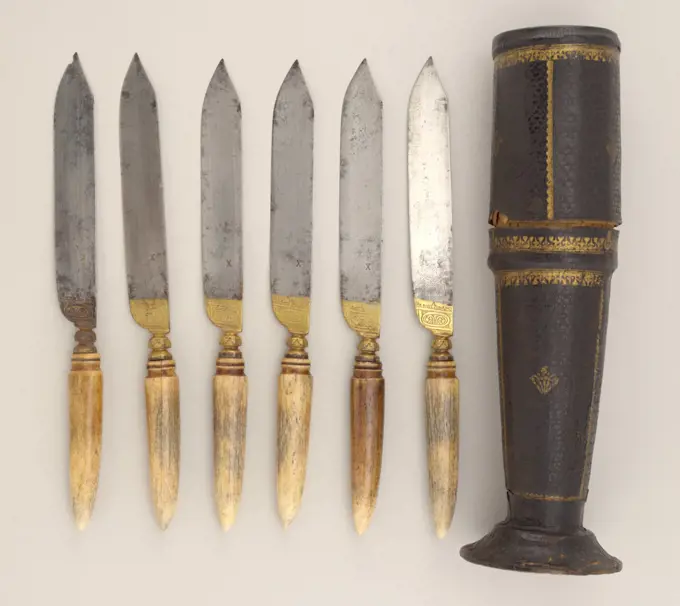
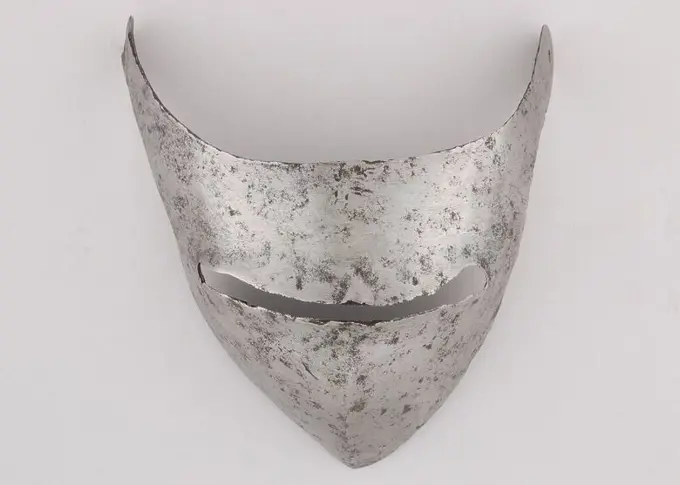
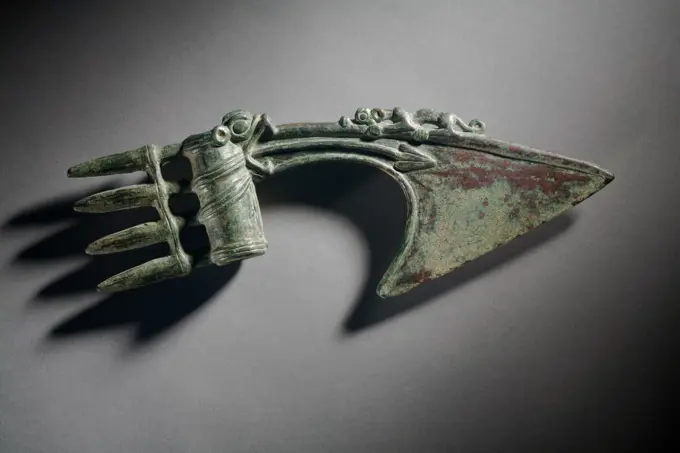
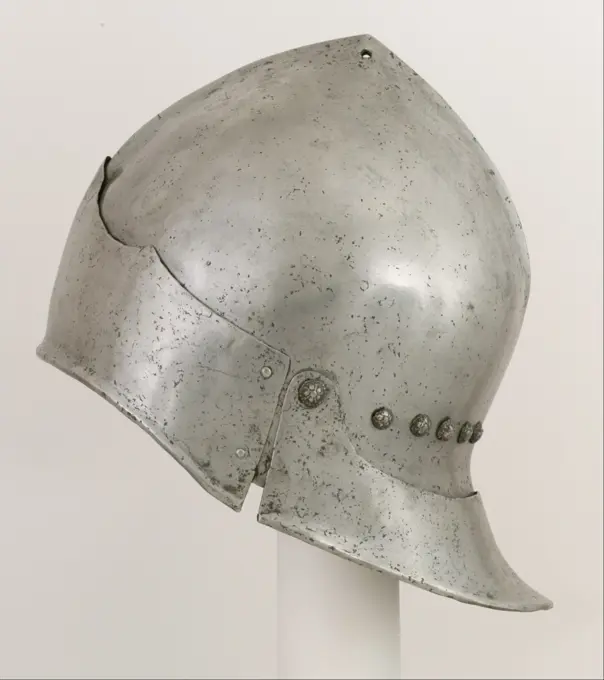
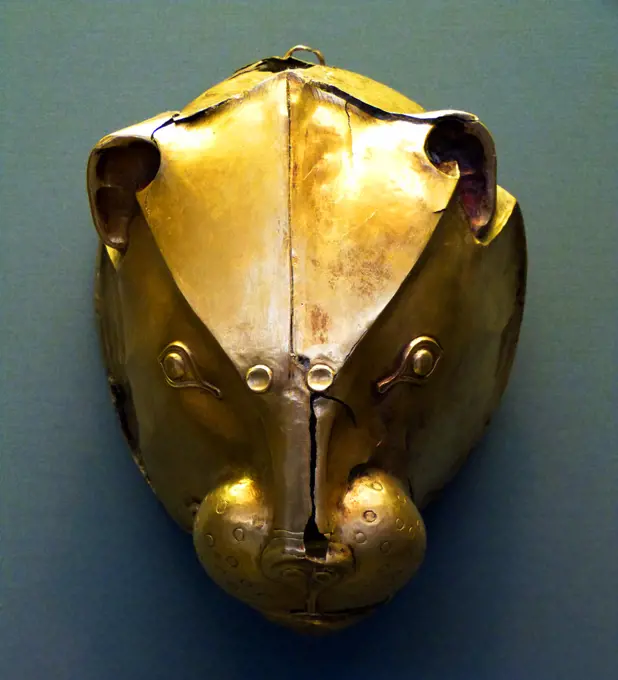
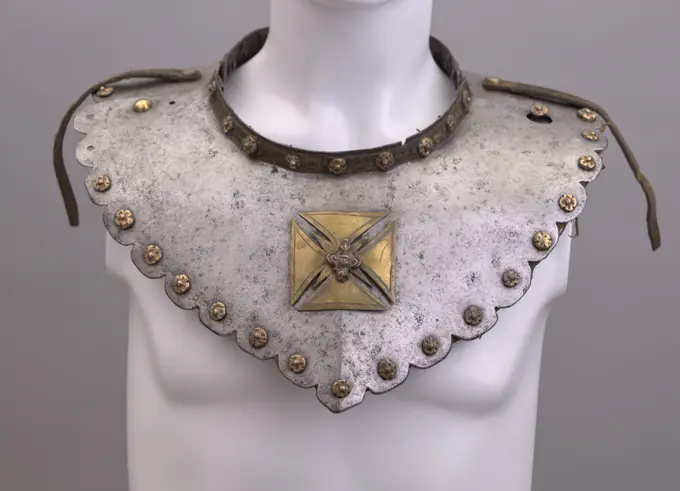
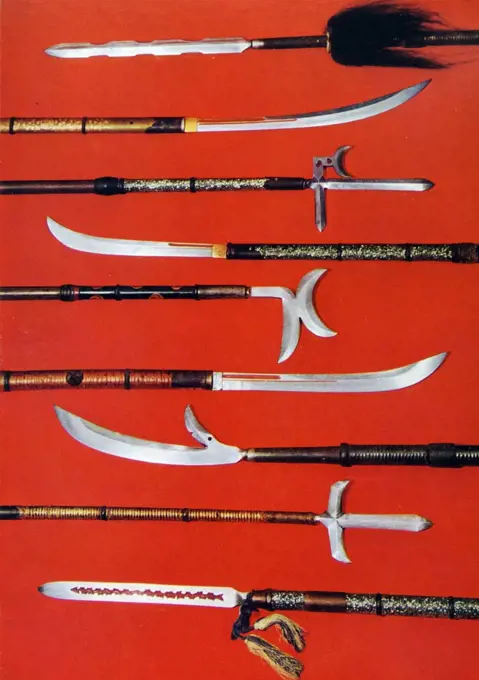
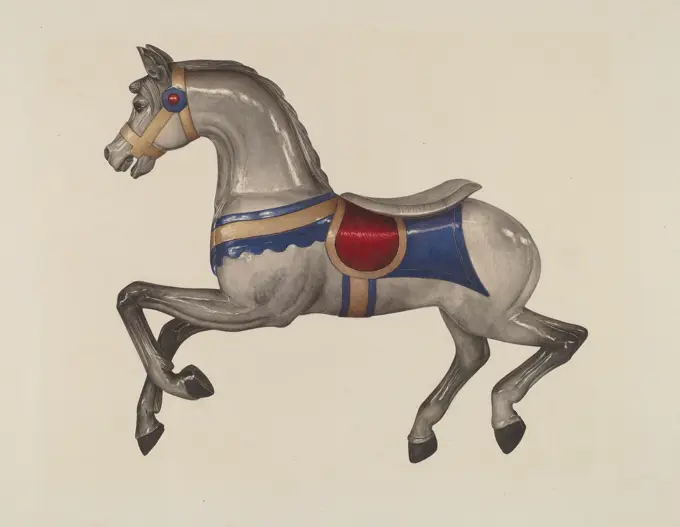
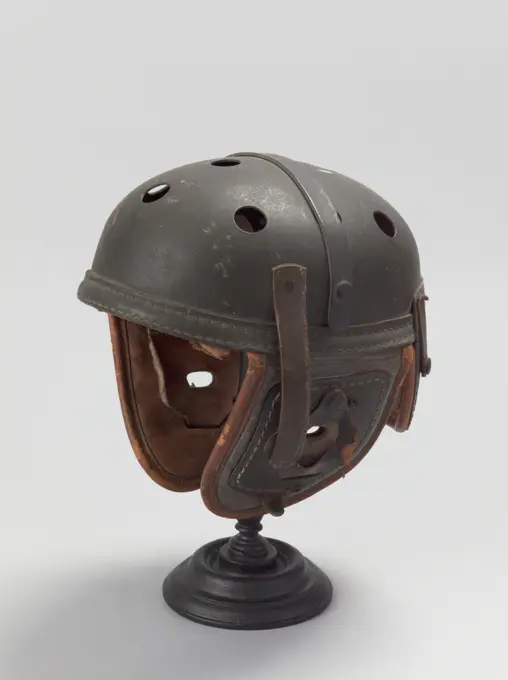
Ceremonial axe, Democratic Republic of the Congo. Sankura culture. 19th century wood, copper alloy and ironDagger, 1600s (1500s blade). Switzerland and/or France, 17th century (16th century blade). Steel and wire; chiseled quillions and pommel; overall: 44.3 cm (17 7/16 in.); quillions: 9.2 cm (3 5/8 in.).Helmet or Hairdress made of metal links. Madrid, Royal Armoury. Location: PALACIO REAL-REAL ARMERIA DE MADRID. MADRID. SPANIEN.Ancient sword over wooden table, 3d render, square imageFlight gun. Part of a couple. The lock is engraved with animals that are part of hunting; There is a signature on the lock plate. The loop has a trunk engraved with praise, is stamped with the weapon of Utrecht and wears the signature. The flask has simple carving. The batter is made of iron and includes an ajour processed screw plate with praise and a running dog, an incredible thumb plate framed by Ajour processed leaflets and two supports in the form of classic winged women's figures, and the kolf cap with a chiseled mask.Arrowhead (Yanone) 18th century Japanese Although today Japanese warriors are renowned most for their swordsmanship, archery, especially from horseback, has been an essential part of samurai warfare and culture for centuries. Arrows were fitted with heads of varying shape according to their intended use in war, the hunt, or target practice. Arrowheads made for use on the battlefield incorporated different designs intended for specialized purposes such as the piercing of armor or to cause maximum damage to horses and unarmored personnel.Large arrowheads, pierced and elaborately chiseled with landscapes, birds, flowers, dragons, and Buddhist divinities, were created to be admired for the beauty of their metalwork and design rather than for use in archery. Such highly elaborate examples may have been made for presentation or as a votive offerings to a shrine.. Arrowhead (Yanone). Japanese. 18th century. Steel. Archery Equipment-Arrowheadsswords isolatedmetal and stone background metal and stone background Copyright: xZoonar.com/OxanaxRishnyakx 5164557Extract from the Heroic Currencies and Emblems of Claude Paradin, vintage engraved illustration. Magasin Pittoresque 1841.Vuursteen gun, Jan van Wijk ( -1729), c. 1700 flintlock pistol Part of a couple. The lock is engraved with animals that are part of hunting; There is a signature on the final plate. The loop has a tromp engraved with praise, is stamped with the Wapen van Utrecht and bears the signature. The flask has simple cutting work. The batter is made of iron and includes an ajour processed screw plate with praise and a running dog, an unpleasant thumb plate framed by ajour -edited leaf vines and two supports in the form of classic winged female figures, and the butt with a chiseled mask. Utrecht iron (metal) engraving / cutting  UtrechtPair of hunting whellock pistolsLeft Vambrace, 1801-1900. Germany, 19th century. Steel with black paint; overall: 27.3 x 33 cm (10 3/4 x 13 in.).Halberd medieval horned weaponbattle dagger medieval stock vector illustration isolated on white backgroundLobster-Tail Burgonet 16th century German. Lobster-Tail Burgonet. German. 16th century. Steel, leather, gold, brass. HelmetsIce Auger Small 10 cm / 4 inch hand operated ice auger used in ice fishing Copyright: xZoonar.com/J.xSandvikx 7048359Crescent-Shaped Ax Head (Chandrasa) ca. 500 B.C.-A.D. 300 Indonesia The flamboyant curved blade and asymmetrically placed splayed socket of this piece are typical of works from Java and Sulewasi, produced in full size and as miniatures, and used as funerary gifts and for ceremony and display. Axes are often carried by the feathered warriors depicted on drums and situlae from the Dongson culture of Vietnam, and late Dongson ax heads with pediform or boat-like shaped are other thought to have provided prototypes for the exaggerated examples produced in Indonesia.. Crescent-Shaped Ax Head (Chandrasa). Indonesia. ca. 500 B.C.-A.D. 300. Bronze. Bronze and Iron Age period. MetalworkSword (Ayda Katti). Culture: Indian, Coorg. Dimensions: L. 13 1/8 in. (33.3 cm); W. 1 in. (2.5 cm); Wt. 1 lb. 5.3 oz. (603.8 g). Date: 19th century. Museum: Metropolitan Museum of Art, New York, USA.weapon medieval sword cartoon. battle steel, sharp knife, knight old weapon medieval sword sign. isolated symbol vector illustration. weapon medieval sword cartoon vector illustrationsword with cup handle sword with cup handle, Solingen-Germany, 17th century, Álava Armory Museum, Vitoria, Basque Country, Spain Copyright: xZoonar.com/Tolox 21366505Alcázar, Toledo. Panoplia de espadas de varias épocas, siglos XVI-XVII.Triple-Combed Burgonet Made 1530-1565 Augsburg. Steel . German SchoolAR Tolman, Sword, 1935 1942 SwordHelmet in the Shape of a Cavalier's Hat ca. 1630-50 probably British Like costume armors that were in vogue a century earlier, this helmet mimics in steel a style of hat that was popular in the early to mid-seventeenth century.. Helmet in the Shape of a Cavalier's Hat 22776Breastplate of Cuirass. French. Date: 1670-1700. Dimensions: Breastplate Wt. 13 lb. 7 oz.Backplate Wt. 14 lb. 5 oz. Steel, iron, and brass. Origin: France. Museum: The Chicago Art Institute, Chicago, USA.Visor for a Bascinet ca. 1400 Italian This is part of a large find of medieval armor discovered in 1840 in the ruins of the fortress of Chalcis, on the Greek island of Euboea (then a Venetian colony called Negroponte). The fortress had been captured and destroyed by the Turks in 1470. Now divided largely between the Ethnological Museum, Athens, and The Metropolitan Museum of Art, the Chalcis hoard contains many rare and unusual elements of fourteenth- and fifteenth-century armor. Of particular importance are the variety of headpieces and the many fragments of brigandines (armor for the torso constructed of small plates riveted to layers of fabric), some of which retain portions of their original velvet covering. The Chalcis armor provides a unique picture of the armament used in the Aegean, one of the easternmost military outposts of the Venetian empire.. Visor for a Bascinet 27649Head of a Viking warrior, c9th-11th century. Artist: UnknownSmart dagger Smart dagger of the medieval soldier. It was used for hunting Copyright: xZoonar.com/VALERY-SIBRIKOVx 20043123Sallet Made 1480-1520 Spain. Steel .Collection Dutch Heidematschappij. woodworking, tools. undatedKnife, Steel, horn, gilding, Sabre-shaped blade, the shoulder etched and gilded. Waisted bolster, octagonal, engraved with stylized leaves. Horn handle tapering towards the point, oval in section, carved horizontal bands near bolster., probably Germany, early 18th century, cutlery, Decorative Arts, KnifeKnife with Sheath 18th-19th century Indonesian, Sulawesi (possibly the Philippines). Knife with Sheath 31664Visor for a Bascinet. Culture: Italian. Dimensions: H. 5 3/4 in. (14.6 cm); W. 7 1/4 in. (18.4 cm); D. 6 in. (15.2 cm); Wt. 9.4 oz. (266.5 g). Date: ca. 1400. Museum: Metropolitan Museum of Art, New York, USA.Iron helmet of the medieval knight. Very heavy headdressSpike - butted Axehead. Iran, Luristan, circa 1350-1200 B.C.. Arms and Armor; axes. BronzeSet of illustrations of knight swords. Design element for logo, label, sign, emblem, poster. Vector illustrationSallet in the Franco-Burgundian Style late 15th century possibly Italian This sallet is one of the few surviving examples in the Franco-Burgundian fashion. Although constructed in the contemporary Italian manner, with separate brow and tail plates, the pointed bowl is characteristic of sallets illustrated in French and Burgundian manuscripts and tapestries and of several surviving examples preserved in English churches. The generally similar sallet preserved at Coventry Cathedral bears Milanese-style marks thought to be those of an Italian armorer working in Bruges who is also recorded as having an English clientele. Reportedly found in a river in France (the Somme and Meuse are both cited as its source), this sallet was deeply corroded and has been extensively repaired.. Sallet in the Franco-Burgundian Style 26451katana sword ninja weapon japanese warrior assassin vector illustration isolated on white backgroundWeapon collection, medieval weaponsold hammer and a rusty nail on a blackboardIron helmet Iron helmet of the medieval knight. Very heavy headdress Copyright: xZoonar.com/ValeryxxSibrikovx 2449801Gold rhyton made of hammered sheet metal in the shape of an impressive lion's head with distinctive details, such as the muzzle (which has a pouring hole) and mane.Albert Geuppert, Toy Cannon, 1938 Toy CannonHalberd ca. 1760 American, Hinsdale, New Hampshire This halberd was given to John Colby by Indians, when he was their prisoner at Hinsdale Fort, New Hampshire, between 1755 and 1760.. Halberd 34321Weapon collection, medieval weaponsArmor. Culture: Italian. Dimensions: H. 66 1/2 in. (168.9 cm), Wt. 41 lb. (18.6 kg). Date: ca. 1400-1450 and later.This armor was assembled and restored under the direction of Dr. Bashford Dean in the 1920s, when it was part of his private collection. It consists of elements mostly from Chalcis, such as those exhibited in the vitrines to the left and right. Dean's intent was to present a full armor of the style worn about 1400, a period from which no complete armors survive. Distinctive features are the early form of brigandine (a torso defense constructed of plates riveted inside a doublet) and the brass borders on the edges of the exposed plates of the other parts of the armor. Portions of the brass at the top edge of the left cuisse (thigh defense), the lower edges of the right greave (lower leg defense), and the visor are genuine; the remainder of the brass is restored. The helmet, a visored bascinet, is not from Chalcis. The velvet covering of the brigandine is a restoration of tNorth of Iran. Iron Age I and II. 14th -6th BCE. Sword (bronze). Disc decorated with inscriptions (Bronze and carnelian) Talish (). Louvre Museum, Paris.metal on wall metal on wall made in 3D Copyright: xZoonar.com/OxanaxRishnyakx 4426906Iron helmet of the medieval knight. Very heavy headdressPair of Sword-Grip Ornaments (Menuki) 18th century Japanese Menuki are a pair of ornamental sword fittings attached to either side of a sword hilt.. Pair of Sword-Grip Ornaments (Menuki). Japanese. 18th century. Copper-gold alloy (shakud), gold. Sword Furniture-MenukiPrzeszo Przyszoci unknownCollection of 14th Century Japanese Naginatas.Gray umbrella in snowPoseidon tridents, marine God Neptune weapon of gold, silver and bronze colors. Sharp pitchforks decorated with ornamental forgery. Isolated forks on black background. Realistic 3d vector illustration. Poseidon tridents, marine God Neptune weapons setDorothy Handy, Carousel Horse, c 1939 Carousel Horse'Officer of the Life Guards Caucasian Mountain Squadron of the His Majesty`s Own Escort'. Russia, Early 20th century. Dimensions: h. 58 cm. Museum: State Hermitage, St. Petersburg.Japanese sword takana on red satin backgroundStatuette 17th century China. Statuette 61586Troyan armour, 20th century room, Menorca Military Museum, old barracks of Cala Corb, central square of Es Castell, built by the British in 1771, Menorca, balearic islands, Spain.Wilson Athletics Goods Manufacturing Company. (US). Metal helmet, paint, canvas sewn mechanically, vulcanized fiber, leather, 1941-1944. General Leclerc Museum of Hauteclocque and the Liberation of Paris, Jean Moulin Museum. American army, helmet, war 1939-1945, war 39-45, Second World War, Tankist, tankTraditional Sami knife and Scandinavian cup, wooden guksi, kuksa, kasa filled with harvested European blueberries, bilberries in autum, Sweden, EuropeBorder Fragment, Figure 2nd century B.C. Nasca. Border Fragment, Figure. Nasca. 2nd century B.C.. Camelid hair. Peru. Textiles-Sculpture