Historical Women's Headwear

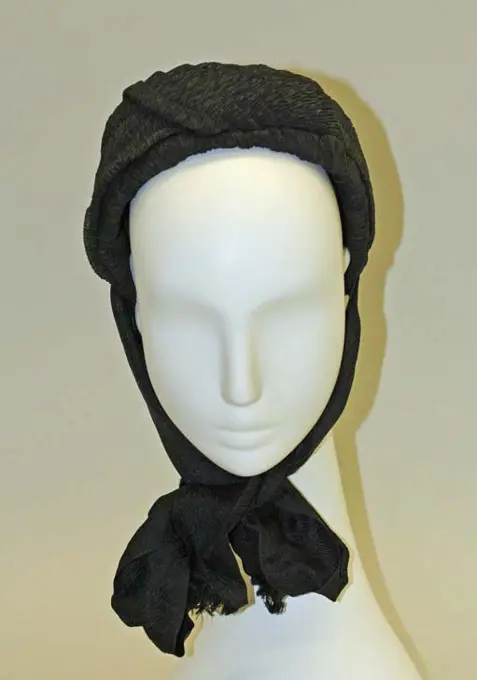
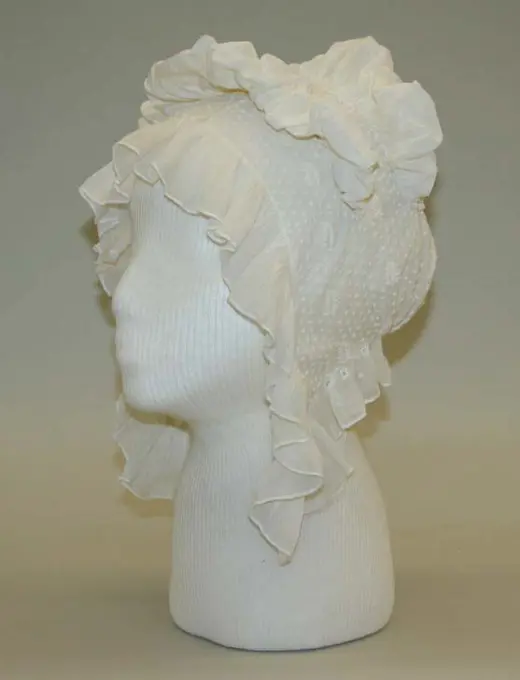
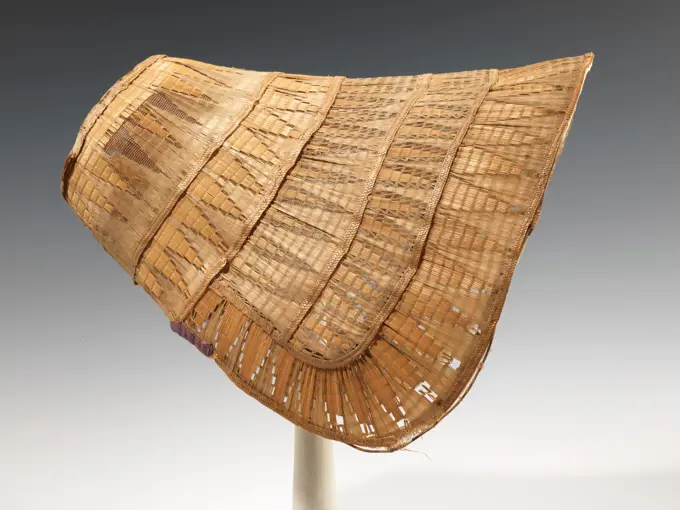
A variety of decorative caps from different eras, showcasing intricate embroidery and textile techniques in a vintage style.
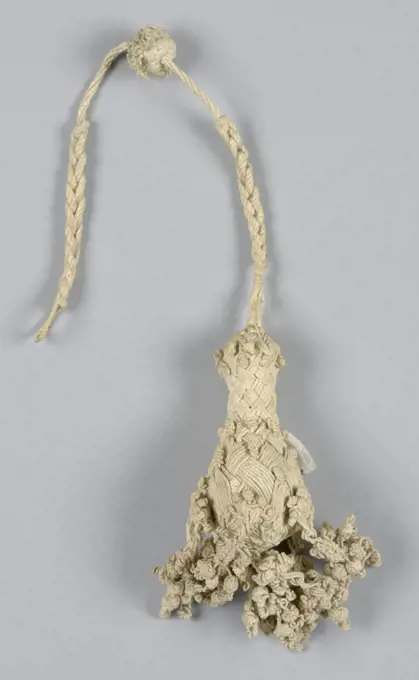
Tassel, Medium: linen Technique: braided and knotted, White linen braided cord terminating in a pear-shaped form from which hang six units of braided and knotted threads., Italy, Europe, late 16th-early 17th century, trimmings, Tassel
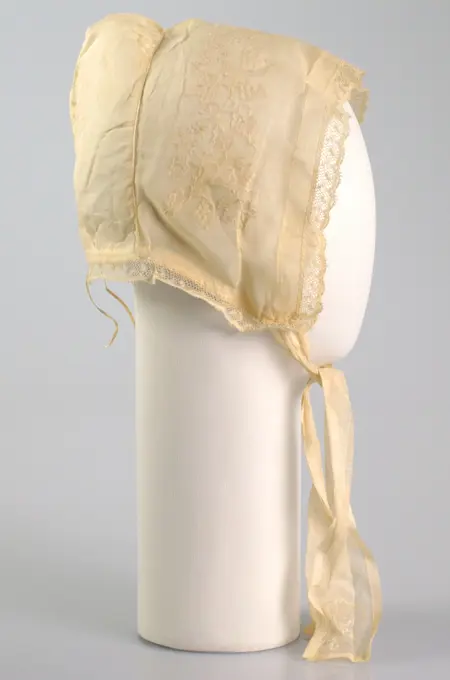
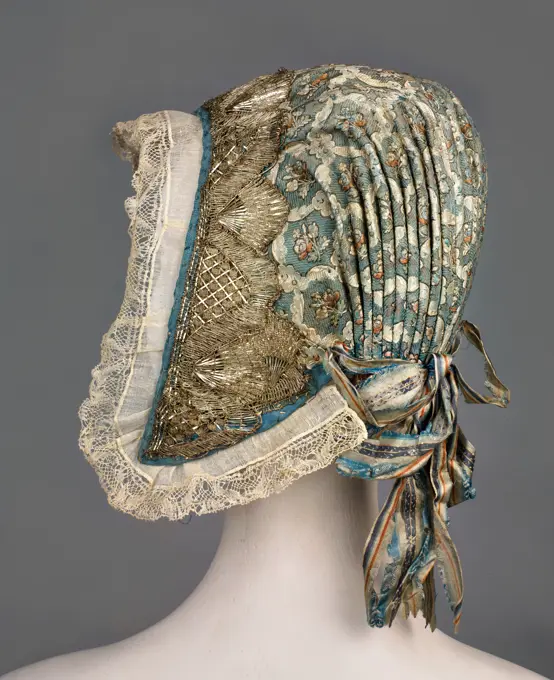
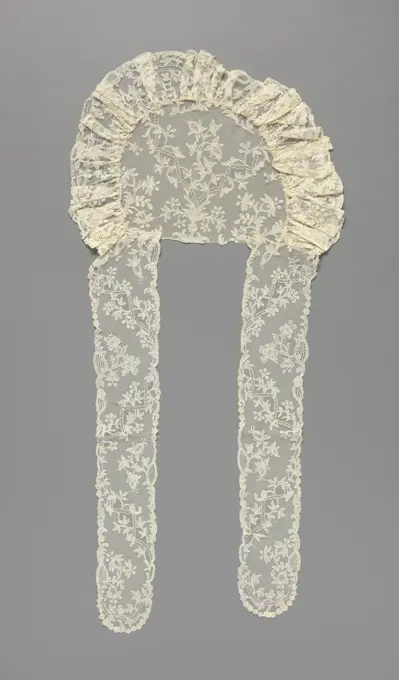
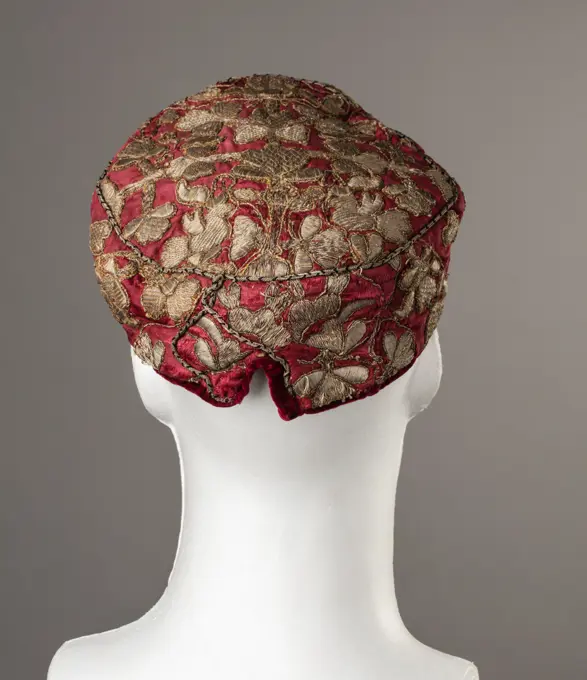
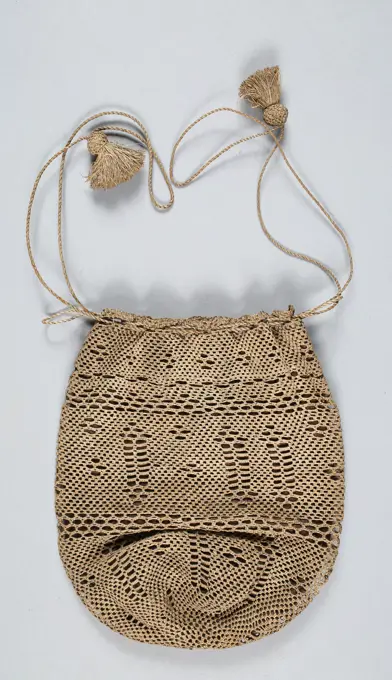
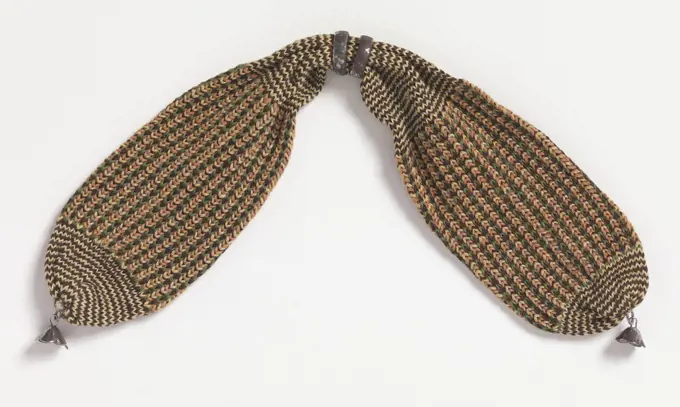
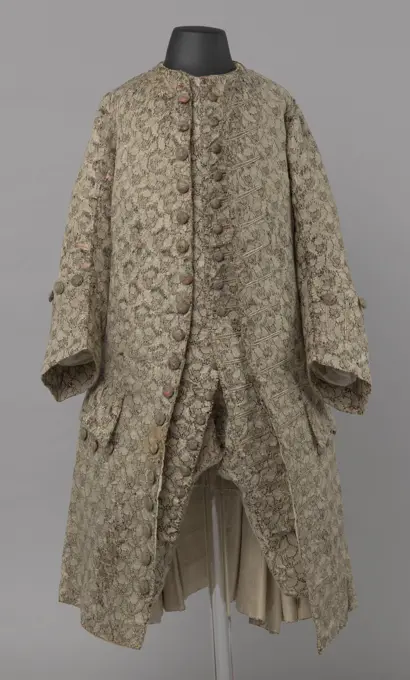
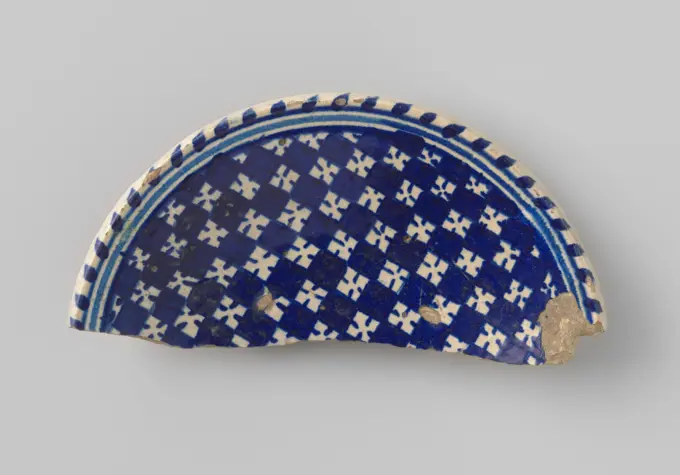
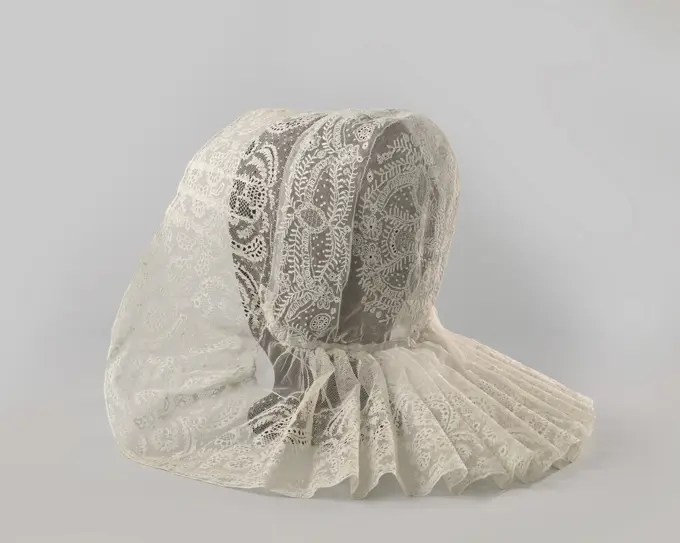
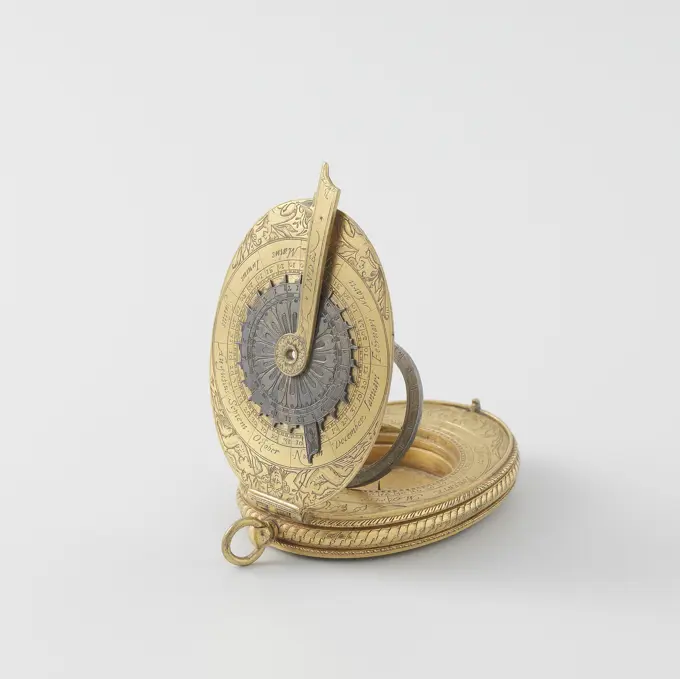
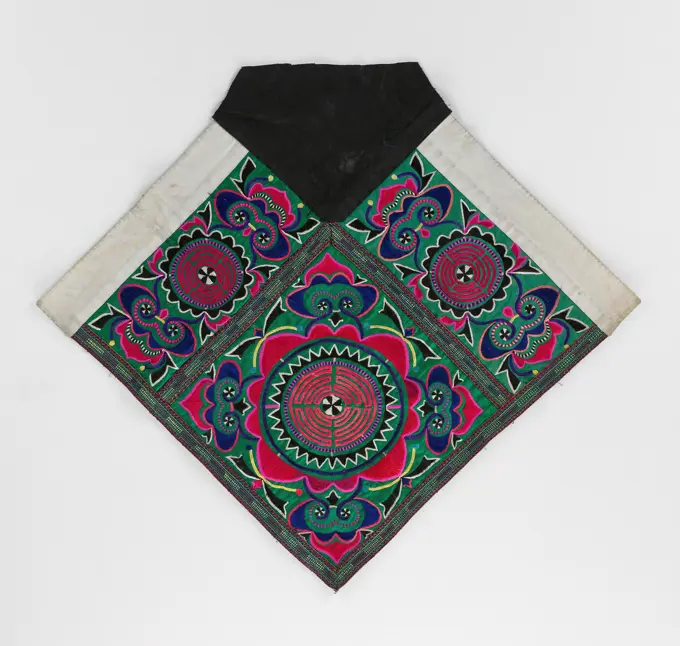
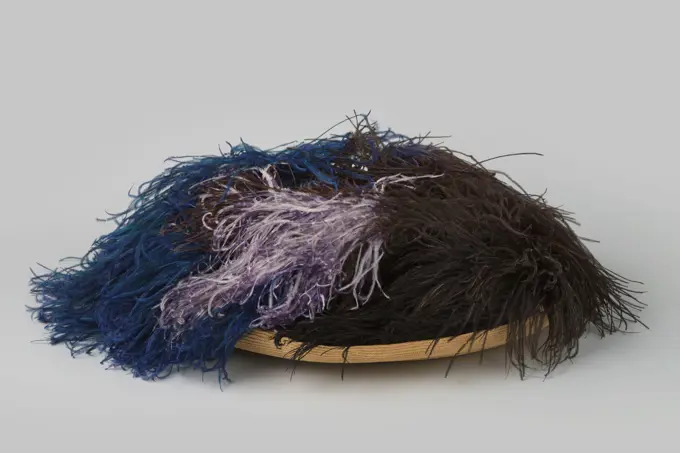
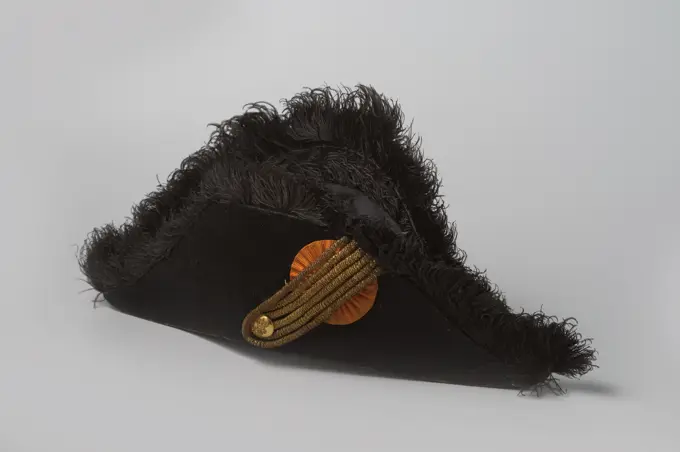
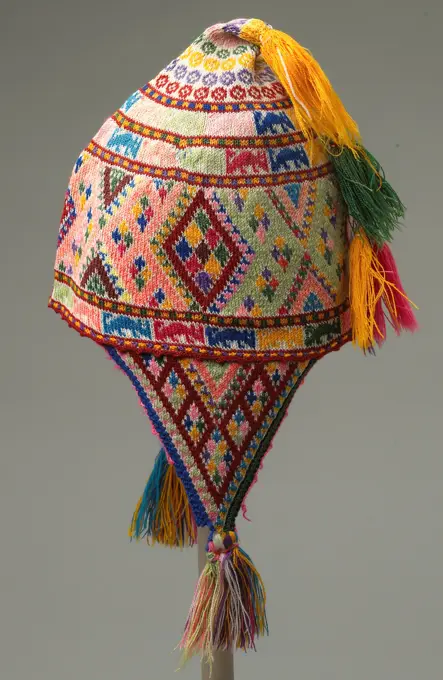
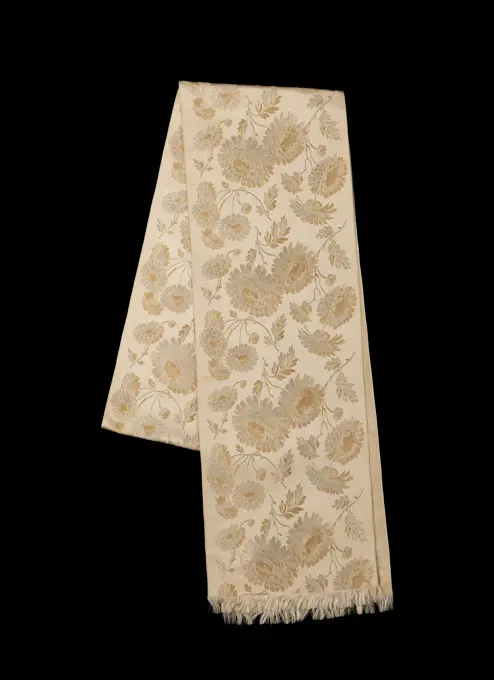
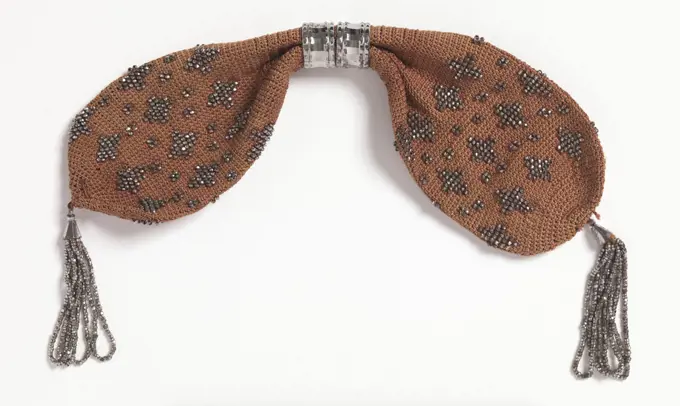
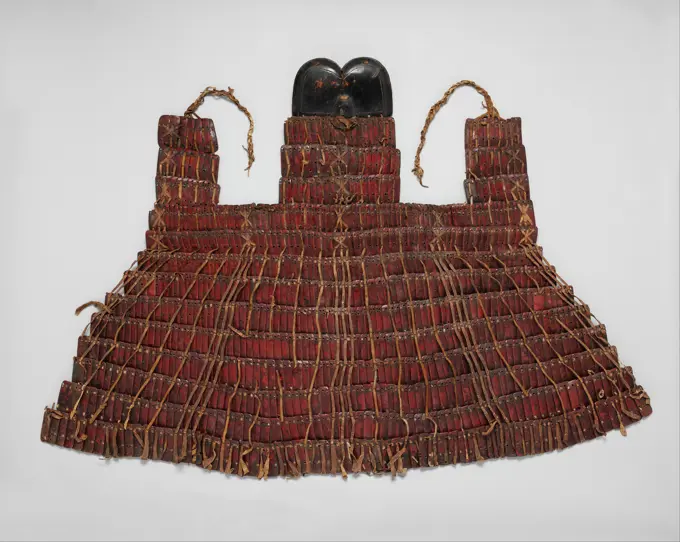
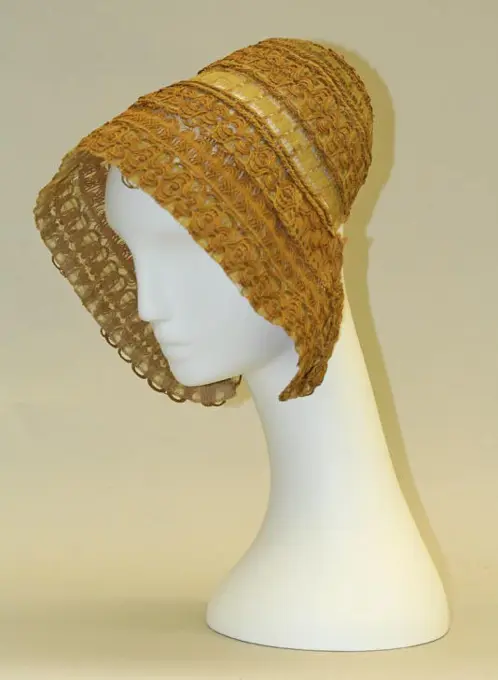
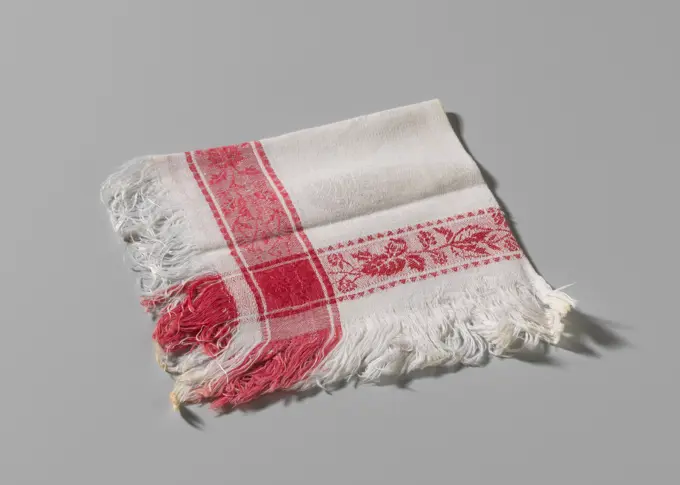
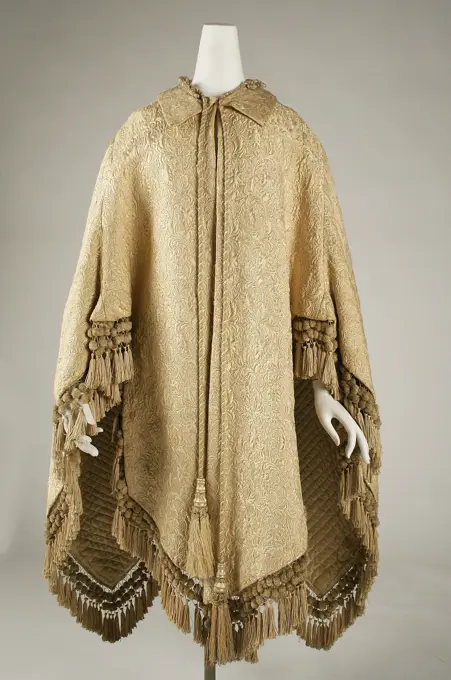
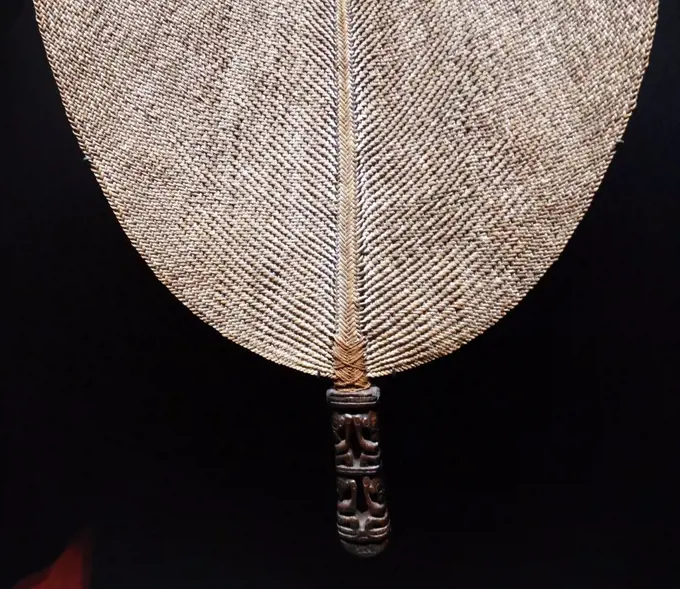
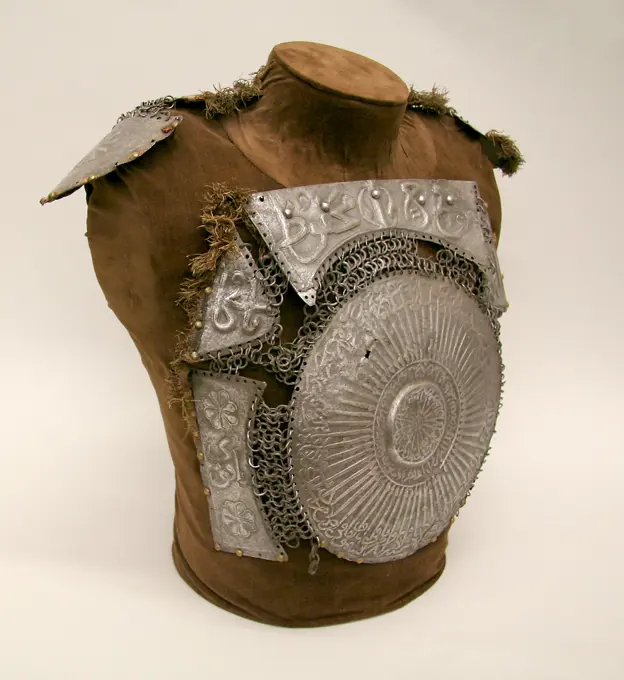
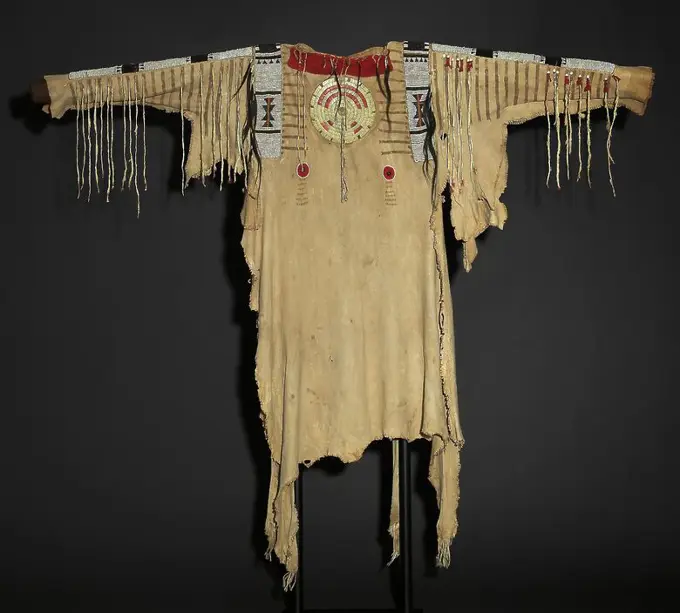
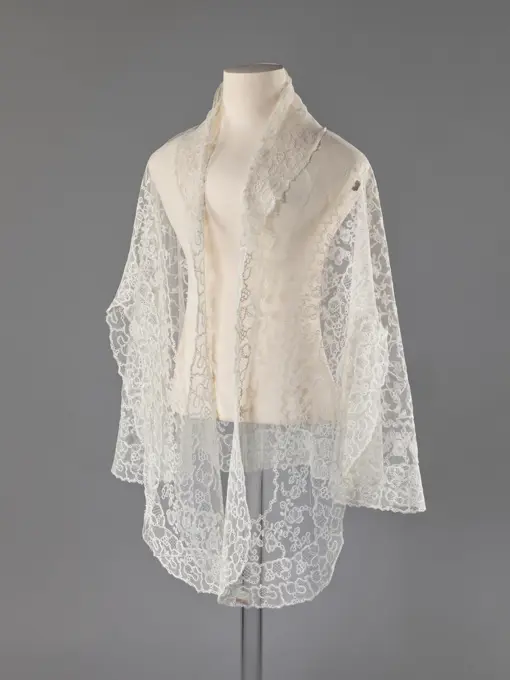
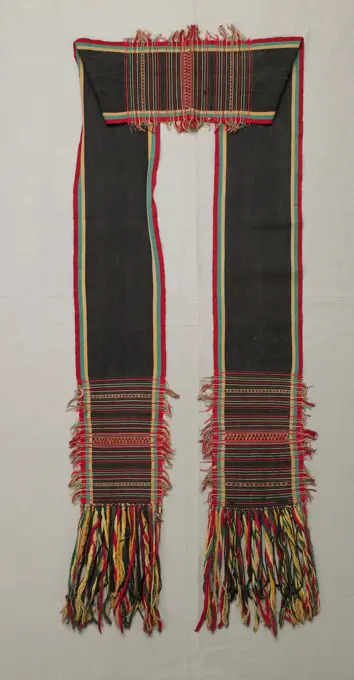
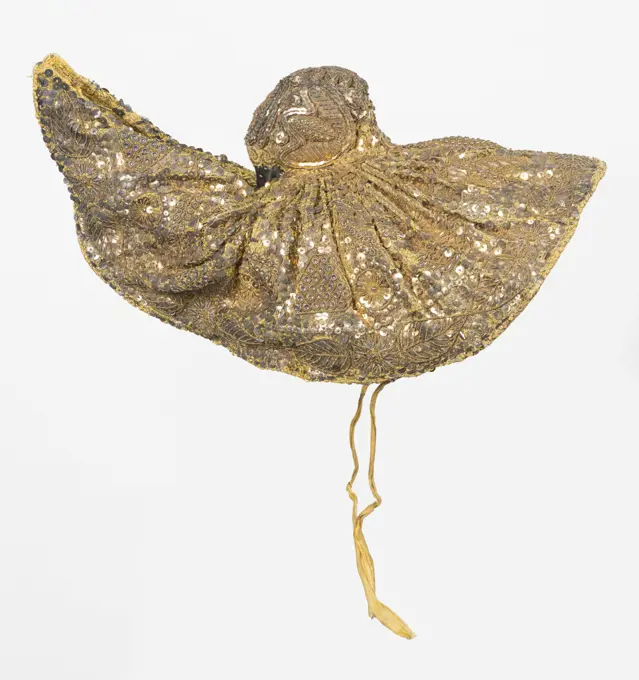
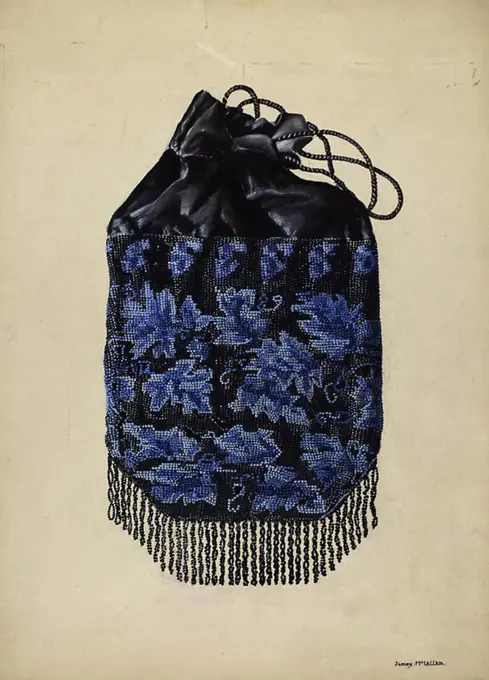
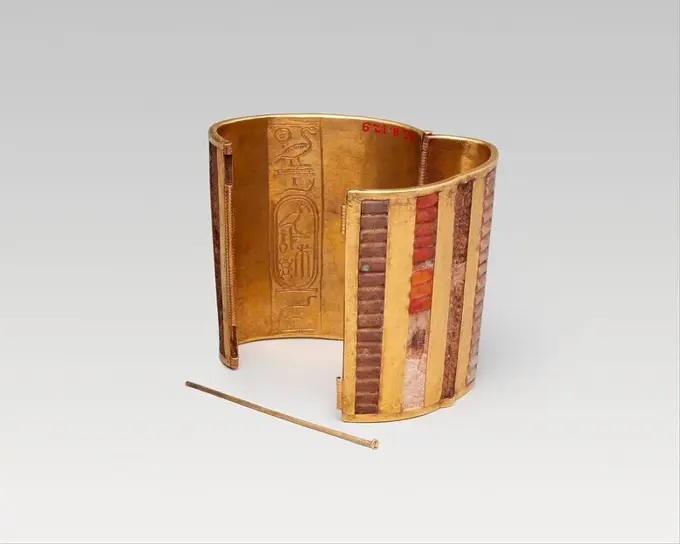
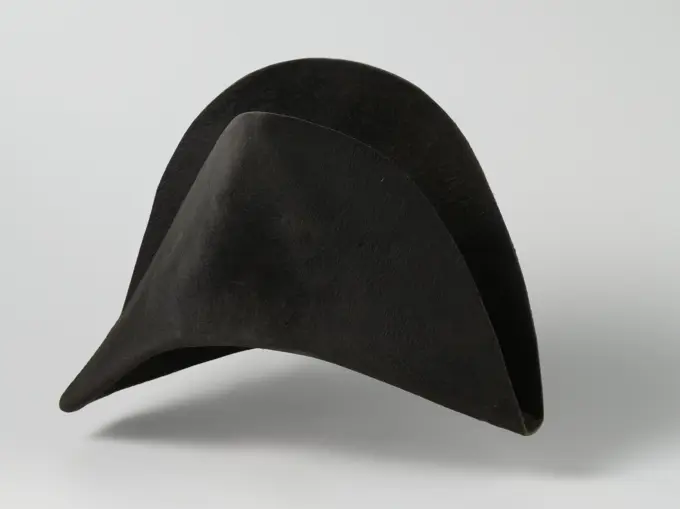
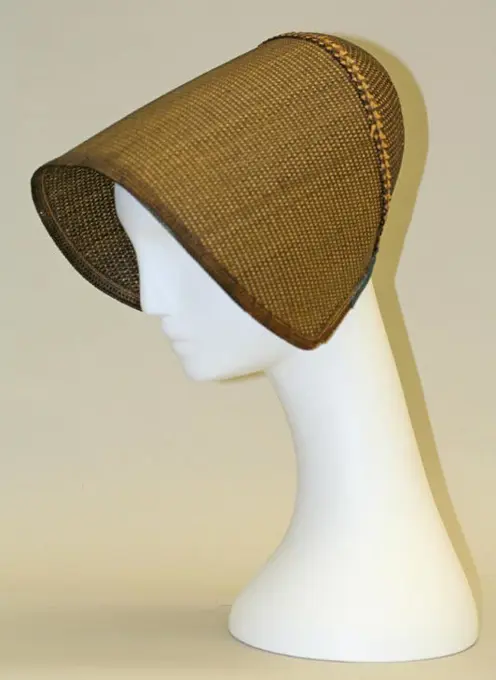
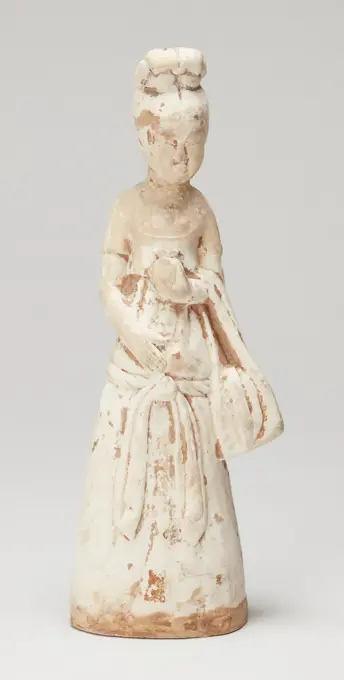
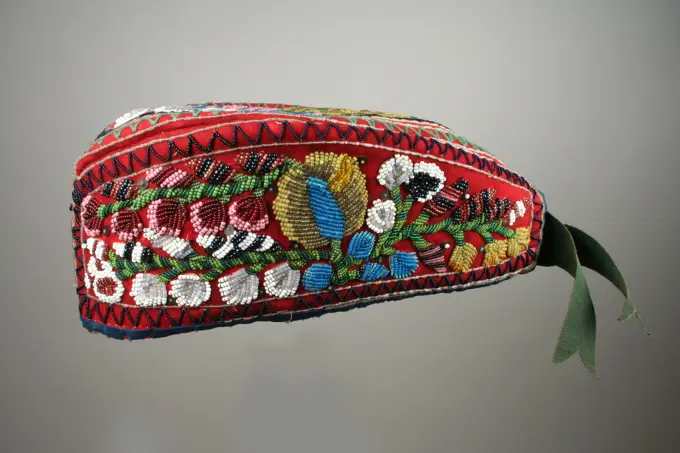
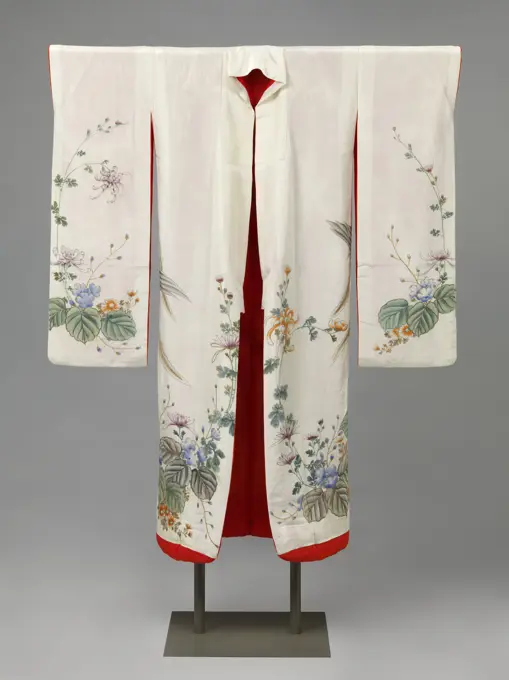
Woman's cap 1500-1525 Italian, Venice. Woman's cap 219857Cap ca. 1850 American. Cap 169171Woman's cap. Culture: Italian, Venice. Dimensions: L. 9 x W. 7 3/4 inches (22.9 x 19.7 cm). Date: 1500-1525. Museum: Metropolitan Museum of Art, New York, USA.Pelerine ca. 1830 British. Pelerine. British. ca. 1830. silkMiser's purse, Medium: silk, metal Technique: crochet, Purse or long sac of crocheted dark green silk, ornamented evenly with gold beads; opening at side controlled by two rings. Small round gold drop at each end., France, early 19th century, costume & accessories, Miser's purseShoes 1730s, maybe earlier French. Shoes 98277Czepiec macked;  End of the 18th century (1791-00-00-1800-00-00);cap, purchase (provenance)Loincloth (probably), Tie, Fragment , 1532-1700 or 1000-1400. Cotton, camelid fiber, 3 9/16 x 9 1/16 in. (9 x 23 cm).   Arts of the Americas 1532-1700 or 1000-1400Retro handmade natural flax purseTassel, Medium: linen Technique: braided and knotted, White linen braided cord terminating in a pear-shaped form from which hang six units of braided and knotted threads., Italy, Europe, late 16th-early 17th century, trimmings, TasselHapslip van Kloskant with Zigzag-Rivière, Anonymous, c. 1750 - c. 1760 Capslip of natural -colored Brussels bobbin side. A rivière in Zigzaglijn is crossed by spiral ranks, which enclose fan -shaped medallions. The motives are connected by a drachel soil. A coarser hexagonal soil has been used in the Rivières. On the fields that are bordered by the Rivière, there are twigs on which flowers in the form of pomegranates, pears or winged insects. Brussels linen (material) bobbin lace / Brussels bobbin lace Capslip of natural -colored Brussels bobbin side. A rivière in Zigzaglijn is crossed by spiral ranks, which enclose fan -shaped medallions. The motives are connected by a drachel soil. A coarser hexagonal soil has been used in the Rivières. On the fields that are bordered by the Rivière, there are twigs on which flowers in the form of pomegranates, pears or winged insects. Brussels linen (material) bobbin lace / Brussels bobbin laceVestee 1850s European. Vestee 119091Bliżej Kultury unknownPeaked cap -Chasuble unknownSilver mesh bag with chain, 1900-1910, fashion accessories, Italy, 20th century.Bag. Culture: American. Date: third quarter 19th century. Museum: Metropolitan Museum of Art, New York, USA.Tobacco pouch. 1900. GAL2004.286.XBeadwork Apron (Guyana); cotton, glass, china beads, wool ()Mitt, Medium: silk Technique: knitted, Mitt of very fine black silk knitted lace., early 19th century, costume & accessories, MittChest, Wood, metal, Marquetry chest and lock, Germany, 16th-17th century, furniture, Decorative Arts, ChestCoverlet. Dated: 1935/1942. Dimensions: overall: 57.6 x 48.6 cm (22 11/16 x 19 1/8 in.) Original IAD Object: 81" long; 71" wide. Medium: watercolor and graphite on paper. Museum: National Gallery of Art, Washington DC. Author: American 20th Century.Tassel. Nazca; Peru, south coast, Probably Nazca Valley. Date: 500 AD-900 AD. Dimensions: 34.3 x 21.3 cm (13 1/2 x 8 3/8 in.). Wool (camelid), top: cross-knit looping; band: oblique twill interlacing; bottom: double cloth of double oblique twining. Origin: Peru. Museum: The Chicago Art Institute, Chicago, USA.Brocade with Djeiran Gazing at the Moon, 1115-1234. China, Jin dynasty (1115-1234). Silk and gold thread; tabby, brocaded; overall: 109.8 x 38.5 cm (43 1/4 x 15 3/16 in.). The mysterious image of a deerlike animal gazing up at the moon among clouds has been variously interpreted over many centuries. The animal, lying down with one foreleg extended and looking back, originated as a djeiran, or Central Asian antelope. Commonly appearing on Sogdian silver from the 600s onward, the motif migrated via the trade routes to northern China. There, during the Jin and Yuan (1279-1368) dynasties, it was very popular and always depicted with the moon supported by clouds. Chinese writers often identify the djeiran as the mythical rhinoceros (xi'niu) that is said to gaze at the moon, or as the cow of Wu "panting upon seeing the moon."Miser's purse, Medium: cotton, steel rings and ornaments Technique: knitted, Knitted miser's purse in green, pink, brown and white, with steel rings and bell-shaped ornaments at each end., USA, early-mid-19th century, knotted, knitted and crocheted textiles, Miser's purseSzystokor;  1750-1775 (1750-00-00-1775-00-00);Bonnet 1840-59 American. Bonnet 113259Excerpt of a dish, anonymous, 1600 - 1610 Fragment of a round dish of earthenware. The soft yellow-white shard is on front with light gray tinglaze, covered with lead glaze at the rear. On this, the front with dark blue is painted in such a way that an ongoing ornament has been created of alternating blue and white, square compartments. The white compartments have often become leaves due to the subscription of blue lines. The whole is enclosed by two narrow, blue circle lines and a border of blue stripes. Northern Netherlands, Delft Coming from Cologne. Northern Netherlands earthenware. lead glaze. tin glaze Fragment of a round dish of earthenware. The soft yellow-white shard is on front with light gray tinglaze, covered with lead glaze at the rear. On this, the front with dark blue is painted in such a way that an ongoing ornament has been created of alternating blue and white, square compartments. The white compartments have often become leaves due to the subscription of blue lines. Poke bonnet ca. 1860 American. Poke bonnet 98074Two-year stitch (marked) associated with Consul-General Daniël Jan Steyn Parvé officer. Sat inaturally in iron box.Hat van Kloskant with a hat of Tuledoorstopwerk, Anonymous, c. 1850 - c. 1899 Hat of natural -colored bobbin: Beverse side. The Tulle hat ball is decorated with embroidery with a pattern of rosettes, studs and long branches with leaves, formed as arcs. Along the forehead and the chin, a side strip is turned on smoothly. The strip has pleats in the neck. The lace pattern is asymmetrical and has spring -shaped leaves that enclose a large flower, mosques and pins (large openings). Beaver cotton (textile) bobbin lace Hat of natural -colored bobbin: Beverse side. The Tulle hat ball is decorated with embroidery with a pattern of rosettes, studs and long branches with leaves, formed as arcs. Along the forehead and the chin, a side strip is turned on smoothly. The strip has pleats in the neck. The lace pattern is asymmetrical and has spring -shaped leaves that enclose a large flower, mosques and pins (large openings). Beaver cotton (textile) bobbin laceCap 1830-50 Slovak. Cap 157080Bonnet ca. 1863 American. Bonnet 110150Hat early 1890s American. Hat 116531A Multifunctional Timepiece, anonymous, c. 1600 - c. 1650  Oval nocturlabium with hinged lid and rotating bearing eye with a bearing ring. On the lid engraved 2 naked female figures (above) and 2 sfynxes (below). Furthermore, a rotating degree disc and a narrow wiser are applied, which also serves as a closure. On the inside of the lid is engraved 'a René Descartes' and a list of names of European cities. Inside, a deepened hole has a compass installed. The needle is missing. A hinged ring is attached to the edge with rotatable cross. Inscription and marked. France gold (metal). silver (metal) forging / engraving  FranceHat van Tulle fell off with Rijssel side; The ball of tulle decorated with trumpet work is trimmed with a strip of Rijssel side, folded along the forehead, anonymous, c. 1800 - c. 1900 Hat van Tulle trimmed with Rijssel side. The ball of tulle decorated with trumpet work is trimmed with a strip of Rijssel side, which is folded along the forehead. maker: FrieslandLille whole: Linen (Material). bobbin lace / Lille lace Hat van Tulle trimmed with Rijssel side. The ball of tulle decorated with trumpet work is trimmed with a strip of Rijssel side, which is folded along the forehead. maker: FrieslandLille whole: Linen (Material). bobbin lace / Lille lacePartial Apron, 25 x 28 in. (63.5 x 71.12 cm) (length to center bottom point, width between side points), Cotton, silk, ChinaHat of straw with brown, lilac, blue-green and black pleureuses, ostriches, anonymous, c. 1905 - c. 1915 Hat of fine, but rough, straw. Dark brown, lilac, blue-green and black pleureuses, ostrich. Black voile with large openings and filled with cubes. Flat, round sphere with wide edge, which rings slightly to wear the pleureuses. Yellow hat ribbon whole, and the hat ball, partially invisible under the lilac, brown and blue feathers, which hang over the edge. Black ferry rests from the inside against the edge, where half the voile hangs. Paris (possibly) whole:. whole: Hat of fine, but rough, straw. Dark brown, lilac, blue-green and black pleureuses, ostrich. Black voile with large openings and filled with cubes. Flat, round sphere with wide edge, which rings slightly to wear the pleureuses. Yellow hat ribbon whole, and the hat ball, partially invisible under the lilac, brown and blue feathers, which hang over the edge. Black ferry rests from the inside against the edge, where half the Stick black silk velvet decorated with an orange chocked, an iris of gold thread and provided with a black ostrich, anonymous, c. 1885 - c. 1899 Stick black silk velvet decorated with an orange chocked, a lis of gold thread and provided with a black ostrich spring. Netherlands whole: velvet (fabric weave). galon:. feathers:   Amsterdam. The Hague Stick black silk velvet decorated with an orange chocked, a lis of gold thread and provided with a black ostrich spring. Netherlands whole: velvet (fabric weave). galon:. feathers:   Amsterdam. The HagueHat, 20th century, 22 1/2 x 10 1/2 in. (57.15 x 26.67 cm), Acrylic, cotton, Peru, 20th centuryWedding sash 1883 American. Wedding sash 157150Miser's purse, Medium: silk, steel beads Technique: crocheted, Crocheted miser's purse of pink silk with pattern and tassels of steel beads., France, 19th century, costume & accessories, Miser's purseStockings early 19th century American. Stockings. American. early 19th century. cottonMiser's Purse (France); silk, steelLeather Lamellar Armor 15th-17th century Eastern Tibetan, probably Kham. Leather Lamellar Armor. Eastern Tibetan, probably Kham. 15th-17th century. Leather, shellac, gold, pigments. Armor for ManLaken for cradle, of fine linen (batist), with tilted strip of dumpling. Laken for crib, very fine linen (batist), on three silk narrow soils, at headboard wide zoom with tilted strip of clusters. Sewing to bedspread.Jacket, ChinaBox -Cloth evening bag with gilded beige pattern, metal frame and knob clasp, 1920, fashion accessories, Italy, 20th century.Bonnet 1800-1875 American or European. Bonnet 113076Cotton damask finger cloth with rose pattern and trimmed with a red border, c. 1900 Finger cloth of cotton damask with red edges, with roses and a neo-Louis XIV ornament. The canvas has a Franjerand. Ten finger cloths (BK-1973-200-A to BK-1973-200-K) and a tablecloth (BK-1973-199) belong to the canvas. Belgium (possibly) cotton (textile) damask Finger cloth of cotton damask with red edges, with roses and a neo-Louis XIV ornament. The canvas has a Franjerand. Ten finger cloths (BK-1973-200-A to BK-1973-200-K) and a tablecloth (BK-1973-199) belong to the canvas. Belgium (possibly) cotton (textile) damaskMitaine of white chamois leather decorated with green, pink, white and yellow silk, c. 1750 - c. 1800 Right mitaine of white chamois leather decorated with pleated green and pink silk and fringes of green, pink, white and yellow silk. With a separate open thumb and an open seam on the inside of the arm. Netherlands (possibly) whole: Silk. whole: Chamois (Animal Material) Right mitaine of white chamois leather decorated with pleated green and pink silk and fringes of green, pink, white and yellow silk. With a separate open thumb and an open seam on the inside of the arm. Netherlands (possibly) whole: Silk. whole: Chamois (Animal Material)Police field cap MODUSCape 1850-79 American. Cape 107806Garment For An Ecclesiastical Figurine; cotton (for outer jacket); silk (for lining); metallic threadBube woven from colored glass beads in brown, beige and white, equipped with a turned silk drawstring and six rings of ivory. Pouch of colored glass beads in brown, beige and white with a stylized image. The pouch is finished at the top with a brown crochet edge, to which six rings made of ivory, through which a twisted silk pull cord that closes the pouch. Lined with shine cotton.Rut, Upan, index belt; Unknown, workshop of Karol Stanis Awa Radziwi (s Uck; Pasów label; Ca 1767-1790), Mad Anski, Jan (fl. Ante 1757-Ca 1800); The end of the 18th century (1791-00-00-1800-00-00), XVIII/19th century (1790-00-00-1810-00-00), 1767-1780 (1767-00-00-1780-00 -00);Eysmond, Franciszek Teodor (painter - 1859-1931) - collection, Godyńska, Maria (fl. Ca 1946) - collection, Januszewski, Marian (Flow. Ca 1920) - collections, Radziwiłł, Karol Stanisław (Vilnius Voivodeship - 1734-1790 ), Subise-Bisier, Gustaw Wilhelm (1849-1937)-collection, gift (provenance), bipartite heads, men's fashion, geometric ornaments, plant ornaments, four-way belts, Polish belts, semi-lone belts, Polish (culture), rosette (ornamentation ), Polish clothing, Polish clothing, purchase (provenance)Head protector 18th century probably Swiss When children were learning to walk they wore padded crowns to protect their tender heads from harm if they fell. The caps were made of rings of horsehair covered with leather or fabric and trimmed with colored ribbons. In England, these caps were called "puddings" because of their shape. According to A. Varron, a costume historian, the term "in pudding and pinner pinafore" was a metaphor expressing extreme youth.. Head protector 93945Silver mesh bag with chain, 1905-1910, fashion accessories, Italy, 20th century.Fan made from wood and vegetable fibres, Isle of Nuku Hiva in Polynesia.Portions of a Cuirass late 16th-17th century Turkish Armors with circular breastplates appeared in the Middle East in the late fifteenth century and were used by the Ottoman heavy cavalry throughout the sixteenth century. This example has plates embossed in high relief lettering with several different verses from the Koran praising God.. Portions of a Cuirass. Turkish. late 16th-17th century. Steel, iron, copper alloy, textile. Armor Parts-BackplatesBelt with buckle, Medium: silk, wool, silver Technique: compound plain weave with supplementary weft, White ribbon with blue and red floral design. Silver buckle has a design of conventionalized flowers., China, 19th century, woven textiles, Belt with buckleBliżej Kultury unknownWar Shirt. Upper Missouri River Tribe; Missouri, United States. Date: 1830-1840. Dimensions: Appro×. 101.6 × 50.8 cm (40 × 20 in.). Deer hide, ermine tails, glass pony beads, hair, porcupine quills, and trade cloth. Origin: Missouri. Museum: The Chicago Art Institute, Chicago, USA.colorful traditional asian skullcap cap on a dark background. traditional asian skullcapCape;  19th century (1801-00-00-1900-00-00);Man's shoulder sash, mid 20th century, 73 3/4 x 5 3/4 in. (187.33 x 14.61 cm) (without fringe), Cotton; needlework, India, 20th centuryEnsemble 1890 American. Ensemble 104999Box -Baby's Cap (France); silk. In former times, when houses were unheated, it was customary to wear a nightcap in bed. This one has aknitted, scalloped edge with a repeating pattern of a potted shrub. On the crown, birds with long tail feathersface each other. A small knitted tab on the top of the cap serves as ornamentation.Cap, Medium: silk, metal spangles, beads, and threads Technique: embroidered, Austria, late 19th century, costume & accessories, CapCap with striped inscribed silk, 1300s. Egypt or Syria, Mamluk period, probably Sultanate of Nasir al-Din Muhammad, 1293-1341. Lampas: silk; overall: 11.4 x 16.5 x 16.5 cm (4 1/2 x 6 1/2 x 6 1/2 in.). Blue and white silk has been pieced to form a hat with the joins concealed by pink plaited ribbons. Bands of crescent moons alternate first with band of running deer and lions and then with band of Arabic inscriptions written in Naskhi script.Banyan 1725-99 American. Banyan 81664Womans beretComb 13th-11th century B.C. China. Comb 45175Hat of Spanish Hertog Crown, Gift from Charles II to M.A. De Ruyter. Cap serving the fading of the disappeared duke crown by the king of Spain to M. A. de Ruyter honored. Printed canoptic shape and manufactured from orange / brown velvet, occupied with figuration of flowers and leaves, consisting of pearls and green stones. Folded in five compartments, each with three flowers. Coarse linen interior. A label is attached to the top with the text: NM 1004.Hat, 20th century, 7 1/4 x 7 1/4 x 7 1/8 in. (18.42 x 18.42 x 18.1 cm), Cotton, metallic threads; needlework, Afghanistan, 20th centuryBliżej Kultury unknownBelt, 50 11/16 x 2 in. (128.75 x 5.08 cm) (without tassels), Cotton, pearls (), ChinaWig (uyembe matota, wiyembe, or pulumba), early to mid 1900s. Central Africa, Democratic Republic of the Congo or Angola, Chokwe, early to mid 20th century. Plant fiber, pelt, and clay; overall: 12.7 x 24.8 x 27.3 cm (5 x 9 3/4 x 10 3/4 in.).Bag. Dated: c. 1941. Dimensions: overall: 53.5 x 41.1 cm (21 1/16 x 16 3/16 in.). Medium: watercolor and graphite on paperboard. Museum: National Gallery of Art, Washington DC. Author: Georgine E. Mason.Beaded Bag. Dated: c. 1936. Dimensions: overall: 40 x 29.2 cm (15 3/4 x 11 1/2 in.). Medium: watercolor and gouache on paperboard. Museum: National Gallery of Art, Washington DC. Author: James McLellan.Mourning shawl 1840-60 American. Mourning shawl 169254Mourning bonnet ca. 1870 American or European. Mourning bonnet 116505Cap 1810s American. Cap 82055Fan. Artist: Christiana Hummer. Culture: American. Date: 1837. Museum: Metropolitan Museum of Art, New York, USA.Sailor hat. Culture: American. Date: 1883.This fine example of a sailor hat belonged to Juliette Geneva Hollenback (1881-1917), the youngest daughter of prominent financier and philanthropist John Welles Hollenback (1834-1923). While their primary residence was in the Brooklyn neighborhood of Clinton Hill, the Hollenback family spent summers at their mountaintop retreat in Glenn Summit (Pocono Mountains). Worn in the summer of 1883, Juliette likely wore the hat for formal teas, luncheons and lawn parties. Museum: Metropolitan Museum of Art, New York, USA.Poke bonnet ca. 1835 American Because of its inherent fragility, the intricate fancy weave worked on this bonnet is rare, as examples like this usually do not survive. The striking color and design of the straw added an additional decorative touch to the bows, corsages, and ruffles that would have originally decorated the bonnet.. Poke bonnet 156339Hinged Cuff Bracelet. Dimensions: H. 7 cm (2 3/4 in); diam. at top 6 cm (2 3/8 in); diam. at bottom 4.8 cm (1 7/8 in); carnelian bead l. 0.7 cm; w. 0.3 mm. Dynasty: Dynasty 18. Reign: reign of Thutmose III. Date: ca. 1479-1425 B.C..These hinged bracelets (26.8.129, 26.8.130) are made of burnished gold inlaid with carnelian and glass that was originally turquoise and dark blue, but has faded. Each is inscribed on the inner surface with the cartouches and epithets of Thutmose III. They were worn on the wrist or upper arm with the king's name close to the woman's skin. Museum: Metropolitan Museum of Art, New York, USA.Two-cornered hat (bicorne), anonymous, c. 1789 - c. 1810 Stitch (corsaire) of black hair felt. Model: two -pointed stitch with round ball. One leaf is flat and high; The other leaf is bent and lower. With an entrance of lacquered beef leather. With accompanying hat box (B). Netherlands (possibly) whole:. headband:. Lining Bol: Silk lacquering Stitch (corsaire) of black hair felt. Model: two -pointed stitch with round ball. One leaf is flat and high; The other leaf is bent and lower. With an entrance of lacquered beef leather. With accompanying hat box (B). Netherlands (possibly) whole:. headband:. Lining Bol: Silk lacqueringBonnet 1840s American. Bonnet 113293Fire mand dress, 1650 - 1950 Fire basket of blue silk damask with asymmetrical pattern of large flowers. Paid with fringe and passion that has been laid in volute ranks, flowers and candle -bug motifs.  silk Fire basket of blue silk damask with asymmetrical pattern of large flowers. Paid with fringe and passion that has been laid in volute ranks, flowers and candle -bug motifs.  silkContainer 1700-1899 Angola. Basketwork boxes decorated with interlocking geometric patterns were produced in the Congolese region and adjacent Angola well into the 20th century. Such containers were used for the storage of luxury wares including raffia textiles and ivory accessories. Some were exported to Europe as early as the mid-17th century and became part of the collections of royals and wealthy aristocrats.. Rattan, wood, and twine . KongoLady Holding a Jar, one of a pair, 618-907, 9 5/8 x 3 in. (24.4 x 7.62 cm), Terracotta, white slip and traces of earth, China, 7th-10th centuryGlengarry style cap ca. 1880 Haudenosaunee (Iroquois). Glengarry style cap 319023VaseUchikake with Feniks, Paulownia and Chrysanthemums, 1920 - 1940 Said bridal kimono (uchikake), decorated on the backs with a large phoenix (Hoo), with paulownia and chrysanthemum flowering on the sleeves. White silk with painted Yuzen Decoration in blue, brown, green, red and purple. Red silk lining. Three family weapons (Mon) from bamboo leaf. Japan silk painting Said bridal kimono (uchikake), decorated on the backs with a large phoenix (Hoo), with paulownia and chrysanthemum flowering on the sleeves. White silk with painted Yuzen Decoration in blue, brown, green, red and purple. Red silk lining. Three family weapons (Mon) from bamboo leaf. Japan silk paintingSpencer 1819-22 British. Spencer 84433Mitaine from white kepper cotton and linen. Left mitaine from white chopper cotton and linen. Pierced tip that falls over the hand and inserted thumb without a great. On the inside an open split closed by means of flannel stitches. Decorated with red embroidery. On the back a double flower branch with leaves and a sun. The seams are trimmed with red flannel stitches.