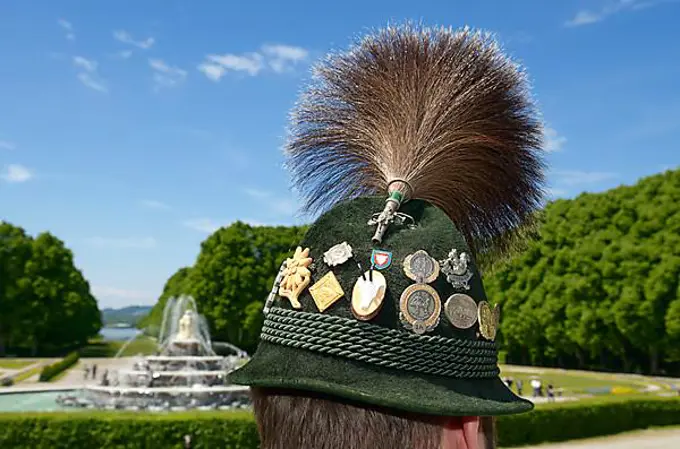
Historical Women's Headwear

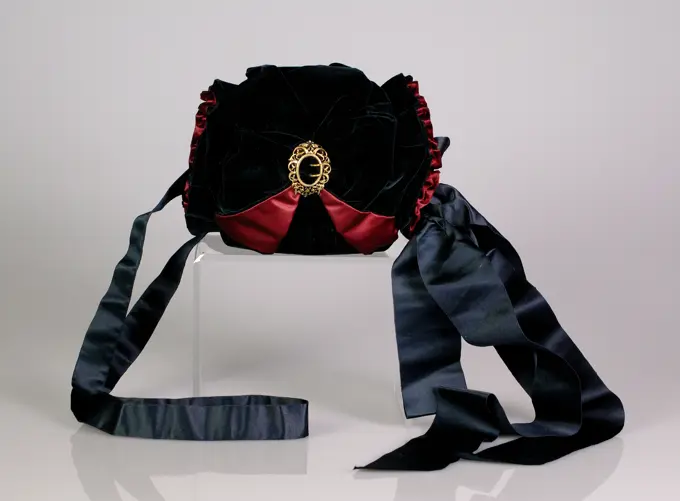
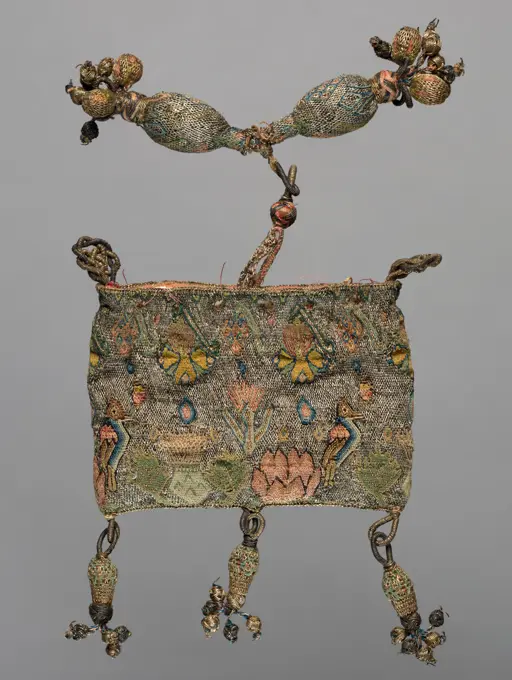
A variety of decorative caps from different eras, showcasing intricate embroidery and textile techniques in a vintage style.
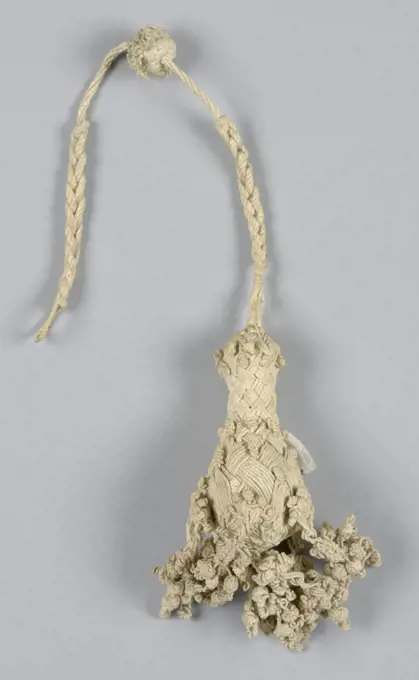
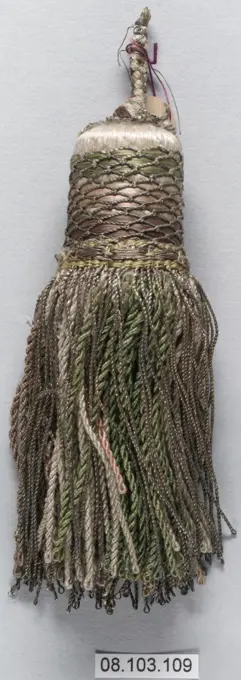
Tassel, Medium: linen Technique: braided and knotted, White linen braided cord terminating in a pear-shaped form from which hang six units of braided and knotted threads., Italy, Europe, late 16th-early 17th century, trimmings, Tassel
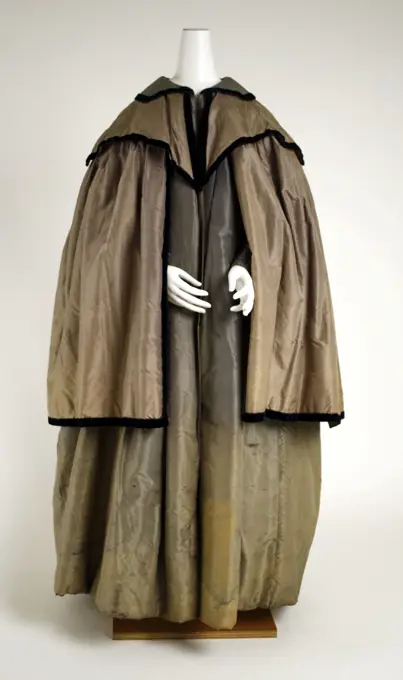
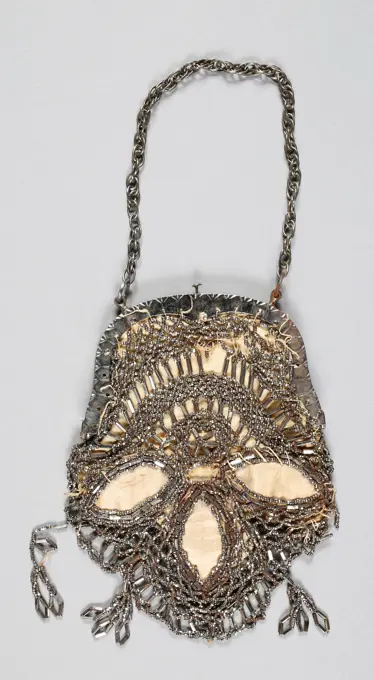
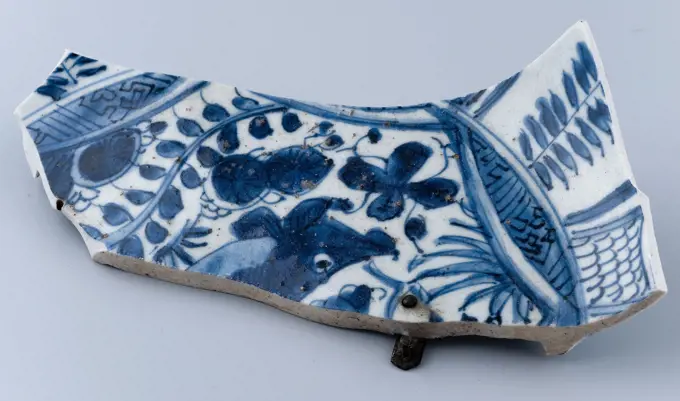
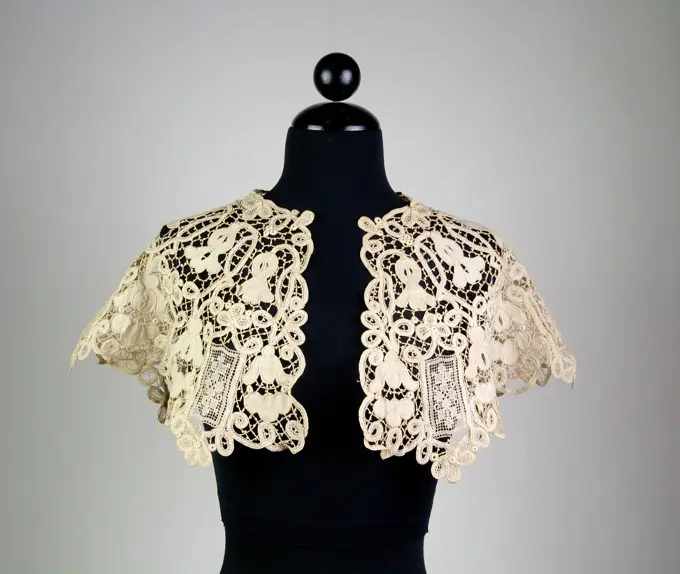
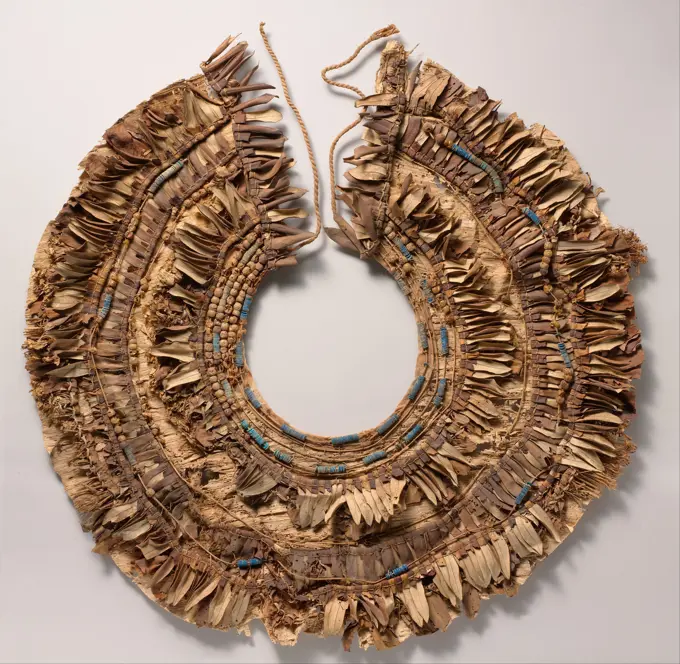
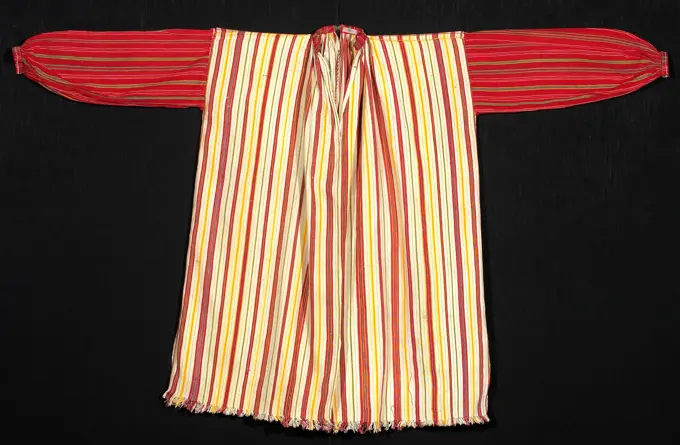
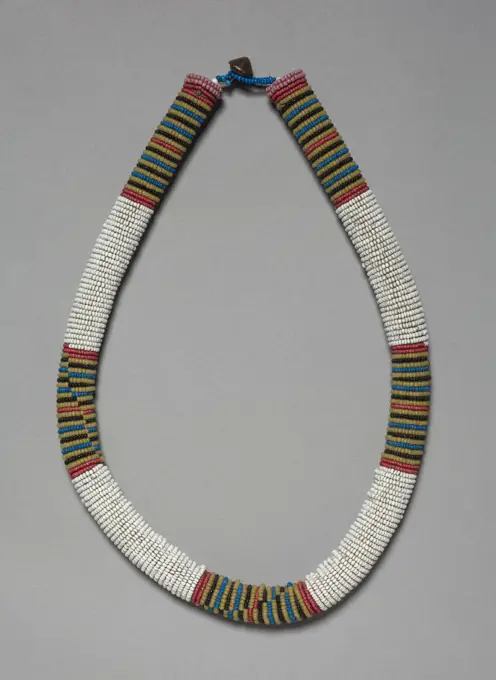
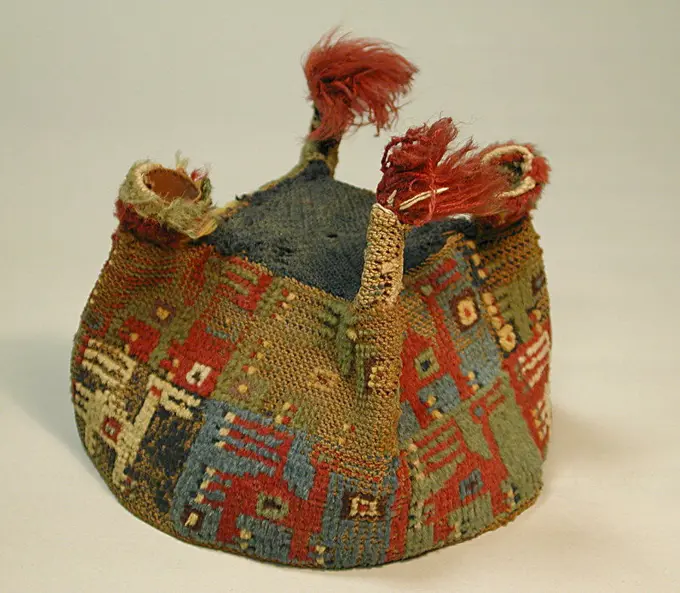
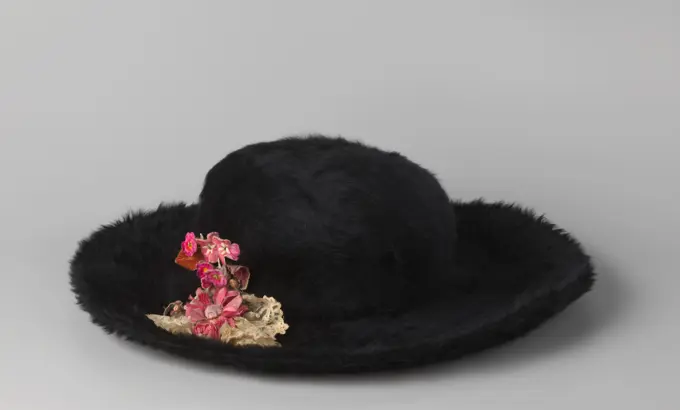
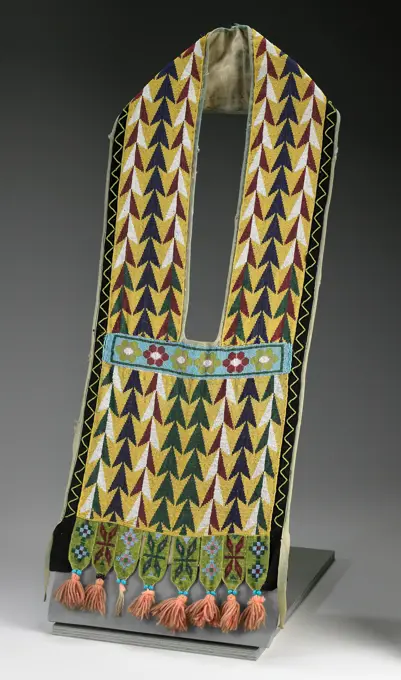
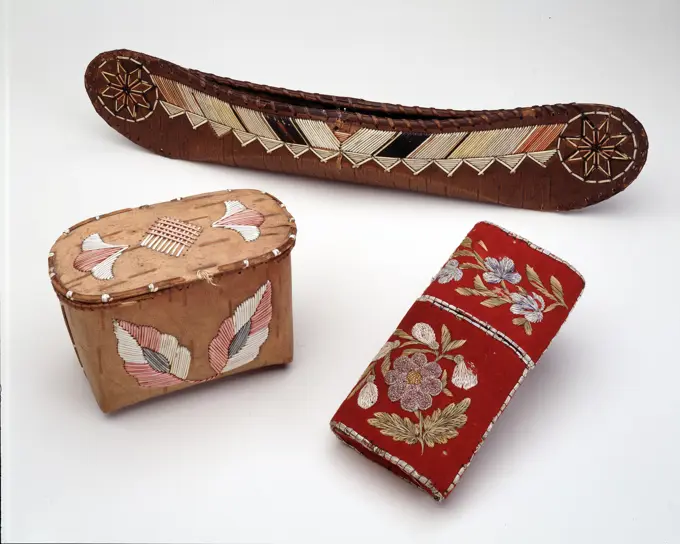
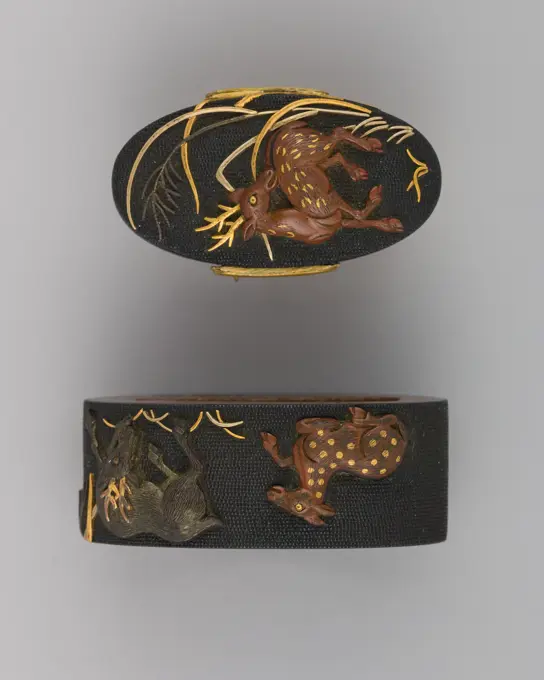
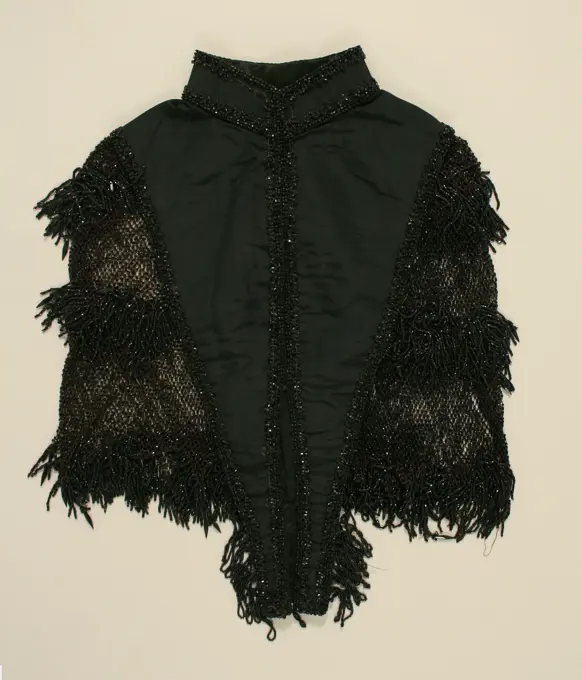
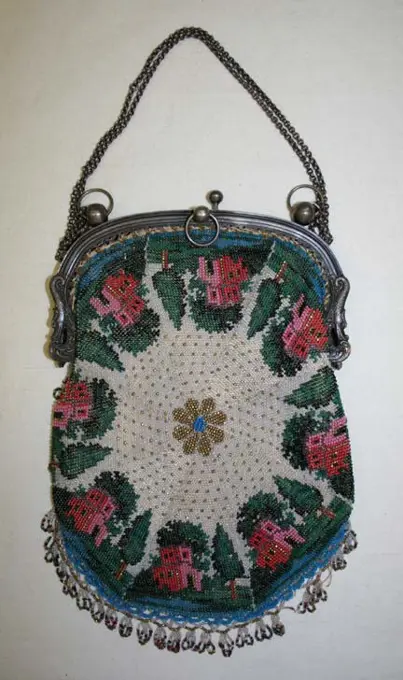
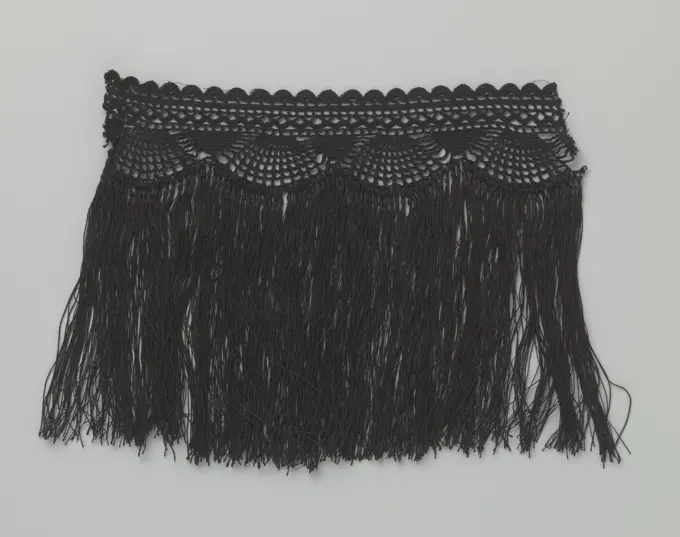
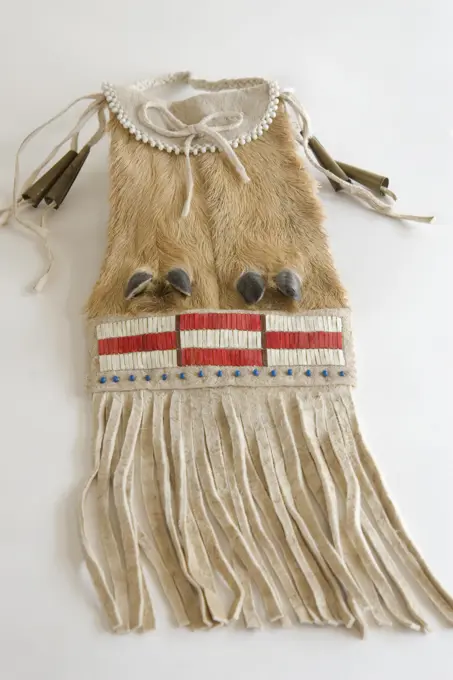
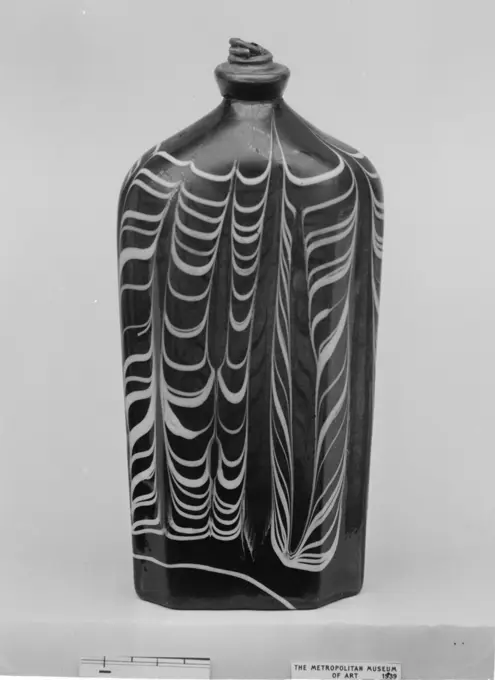
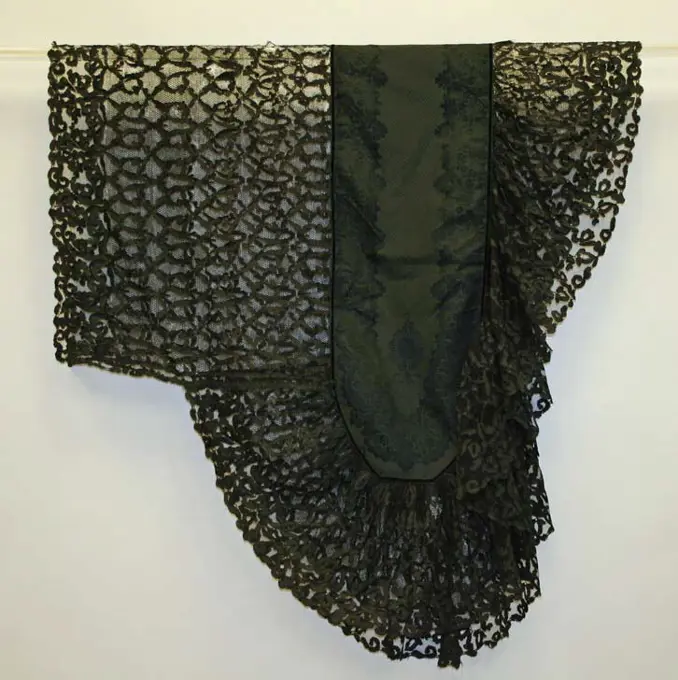
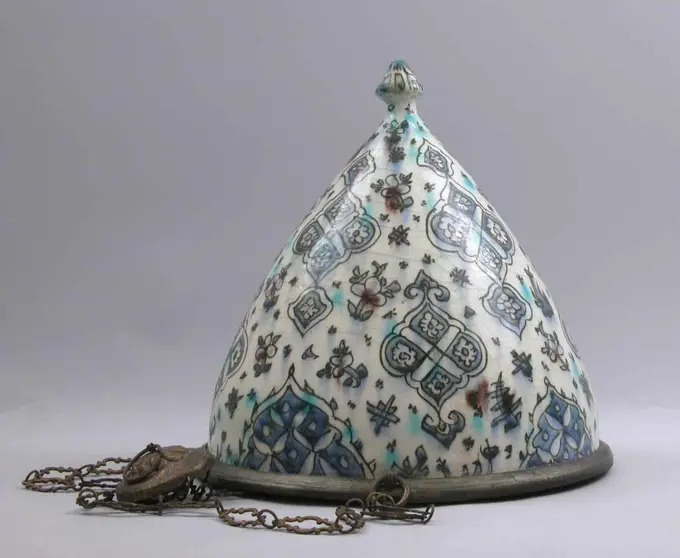
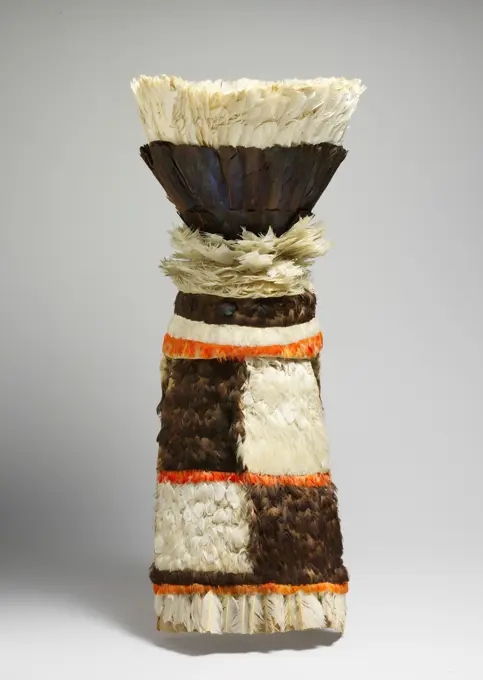
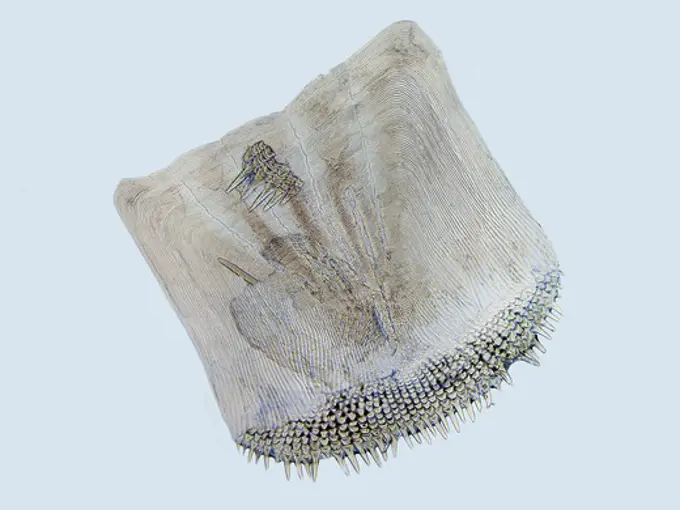
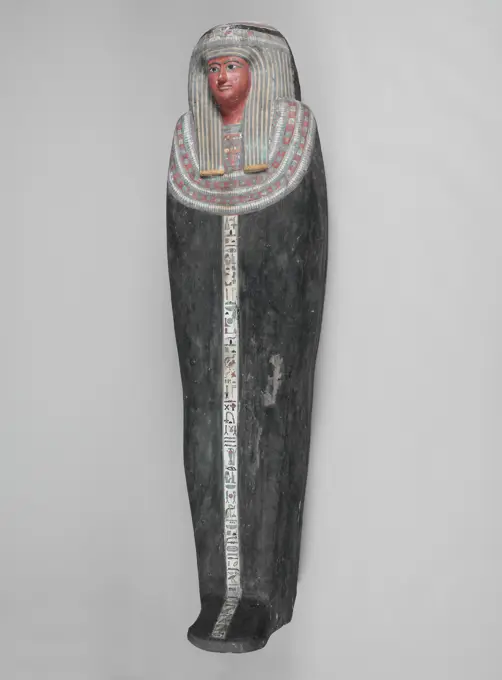
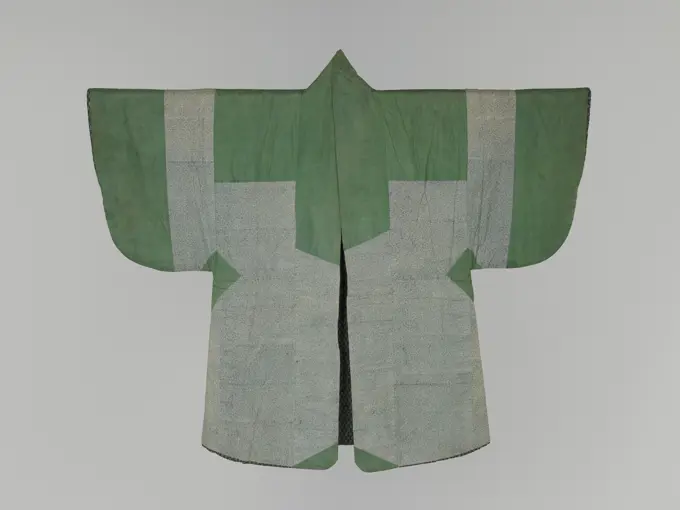
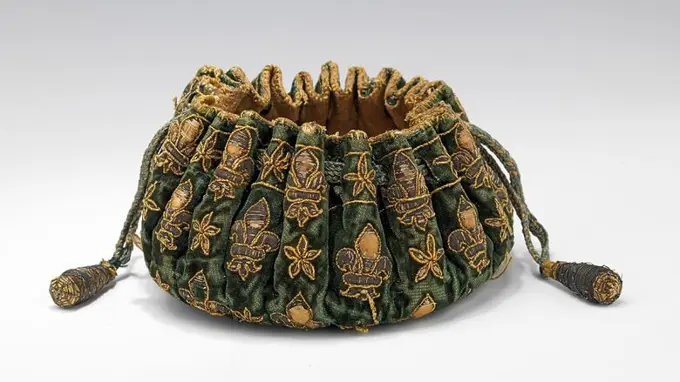
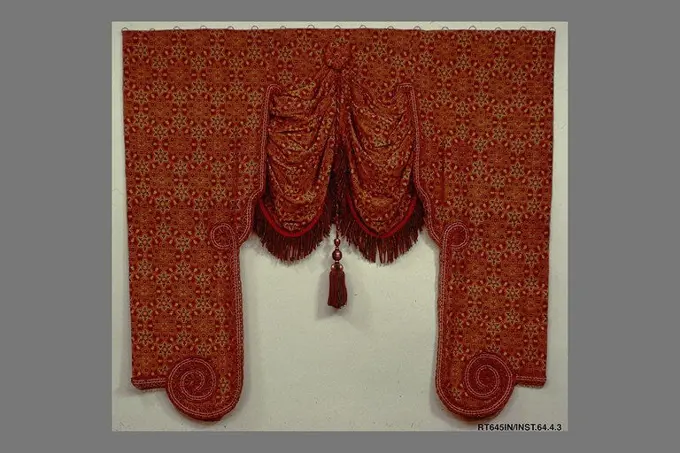
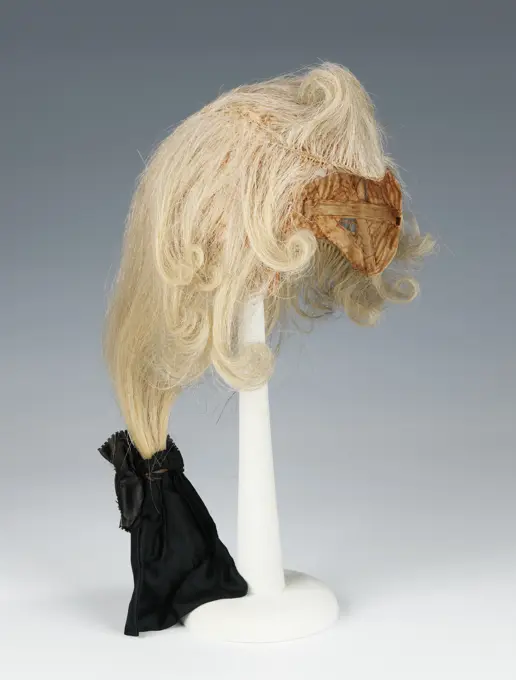
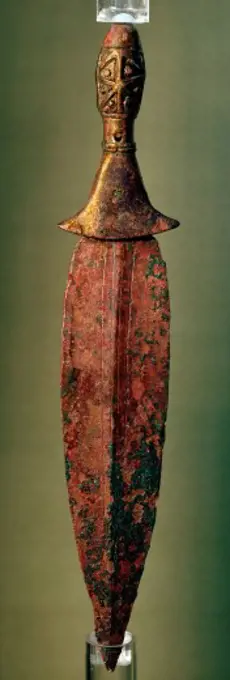
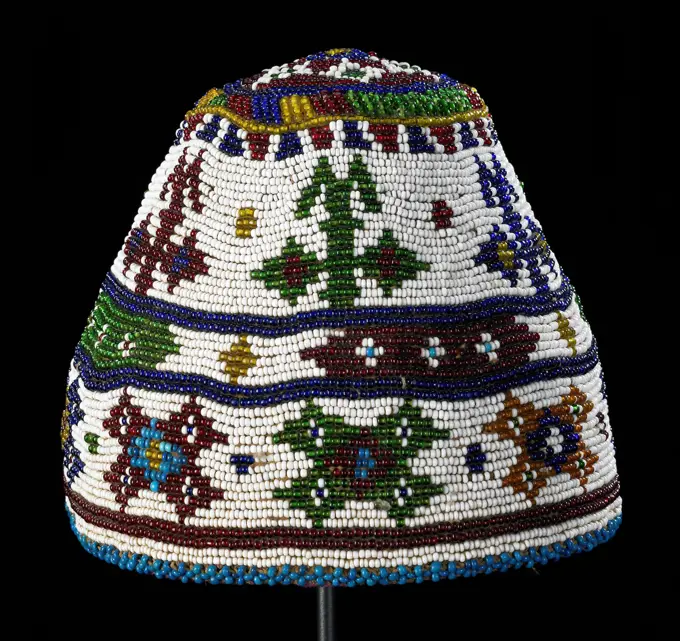
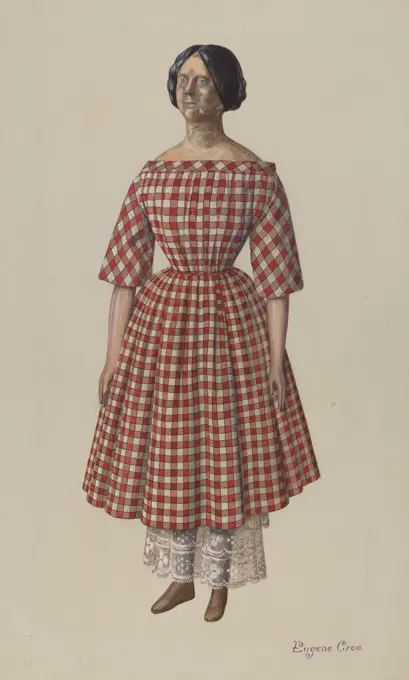
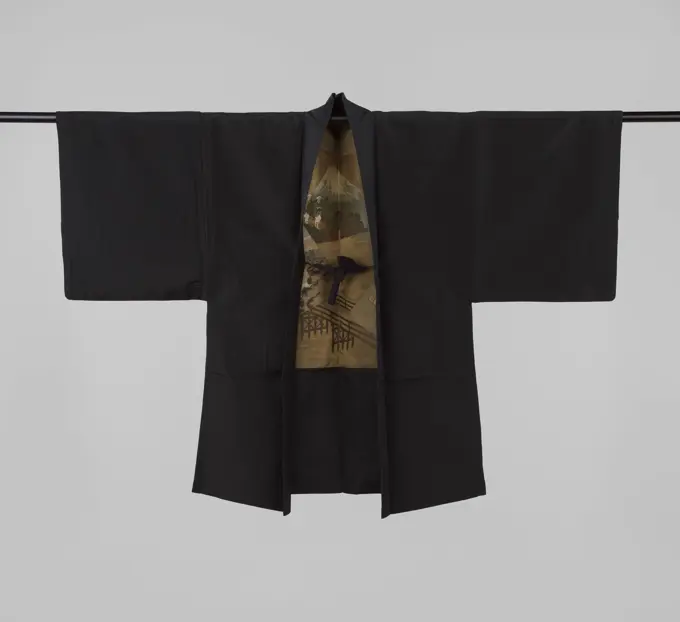
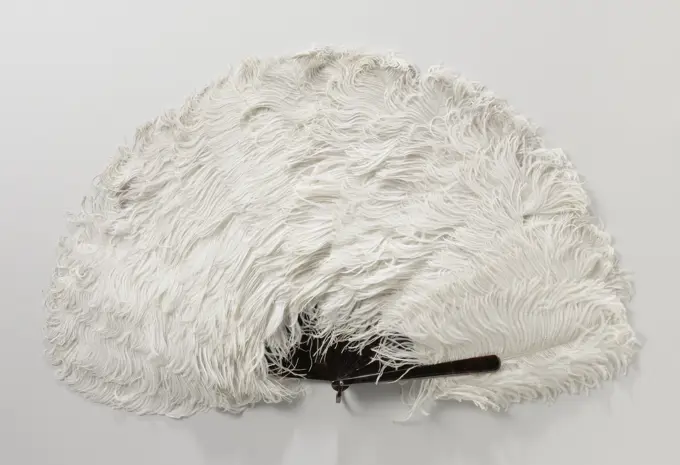
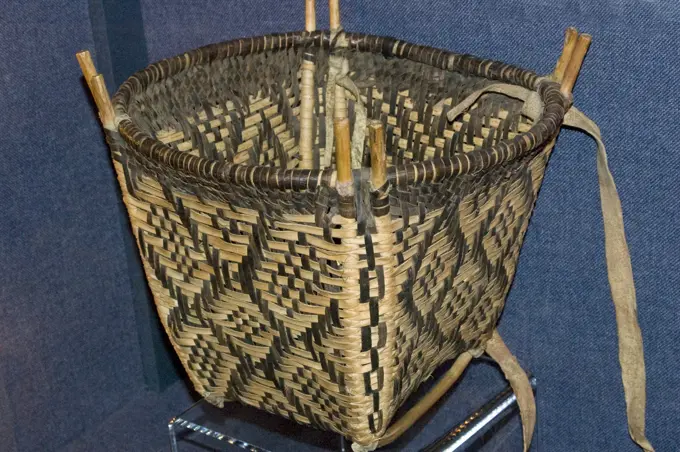
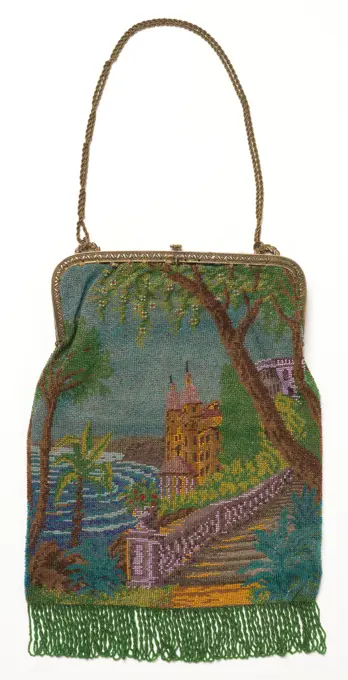
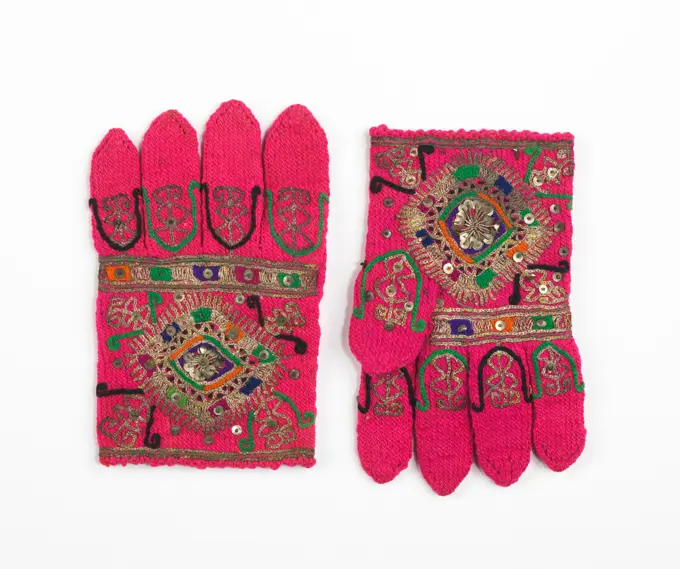
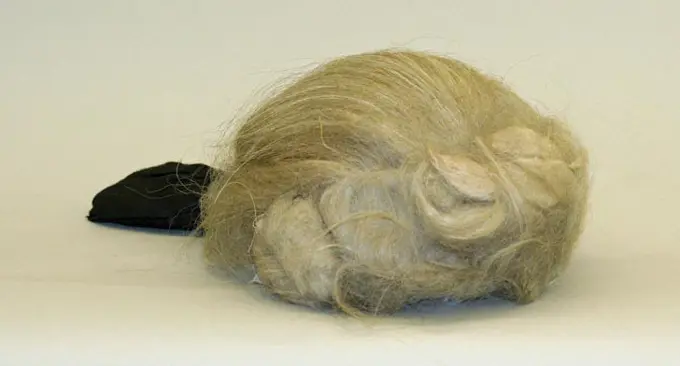
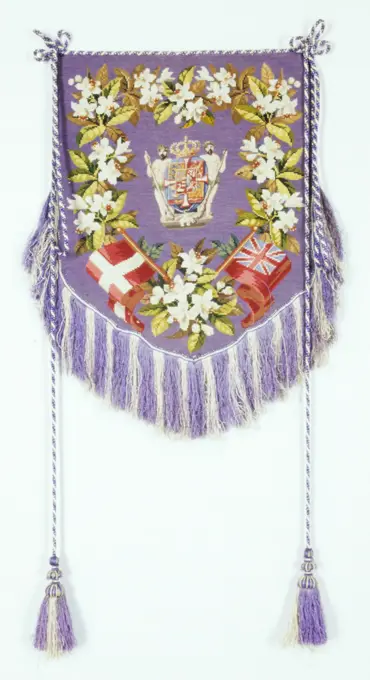
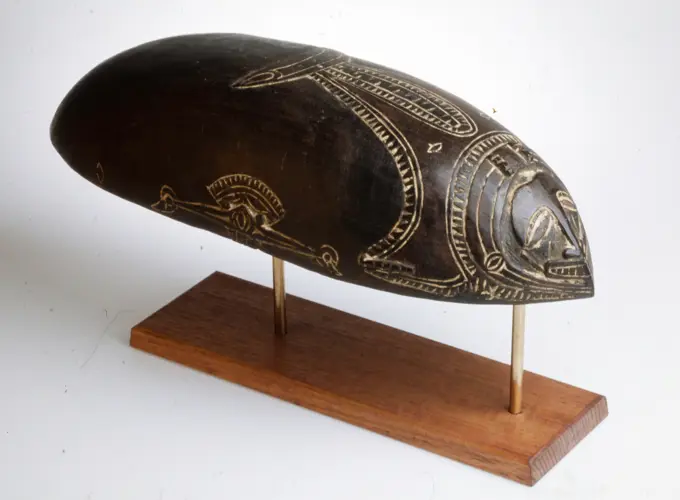
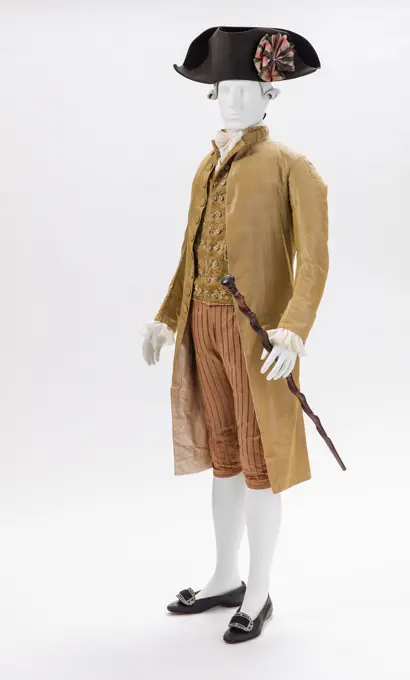
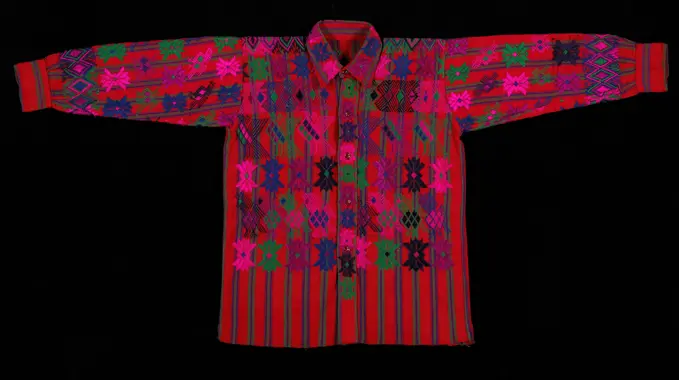
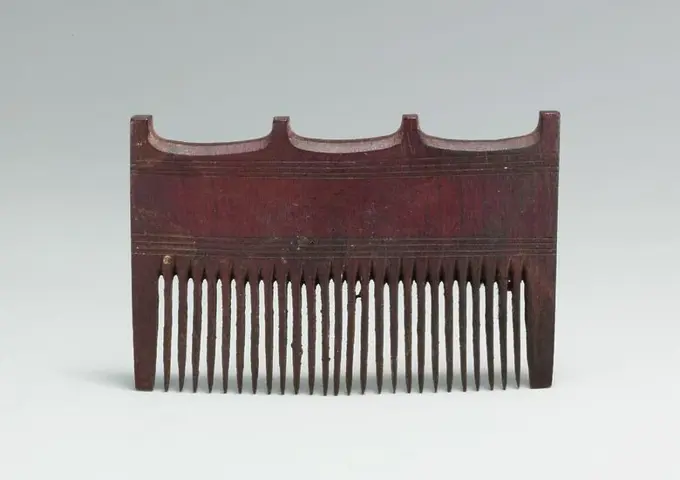
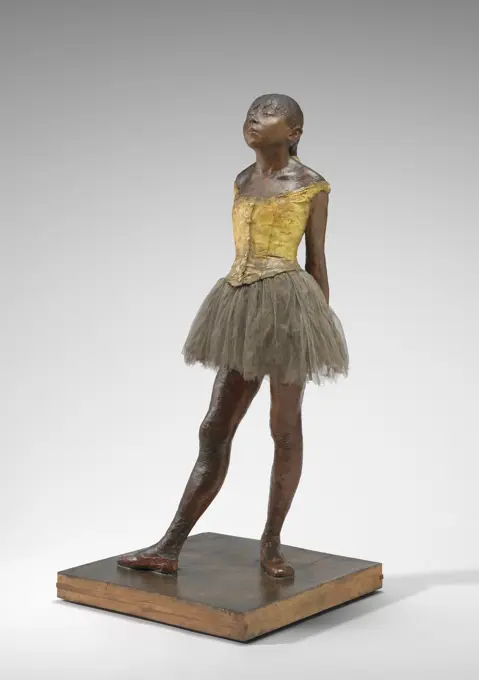
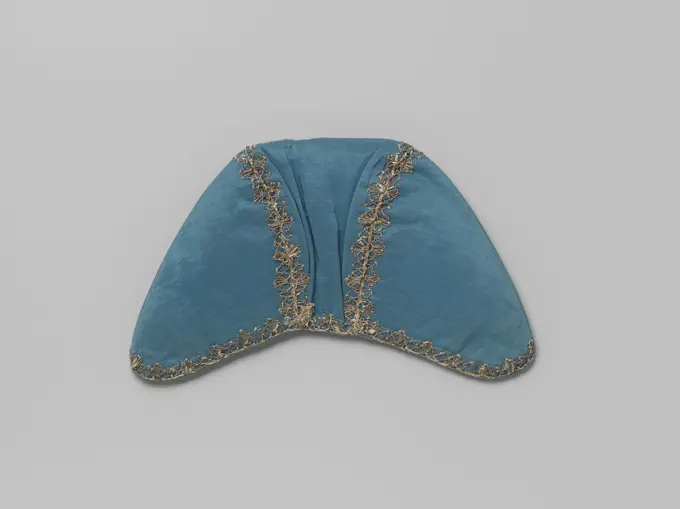
Hat of blue silk with silver wire, anonymous, c. 1785 - c. 1800 Hat on blue silk with silver thread. Europe silk. silver thread Hat on blue silk with silver thread. Europe silk. silver threadMantle 1840s American or European. Mantle 108042Main cap with lace, c. 1800 - c. 1999 Main cap with lace.  . Main cap with lace.  .Reticle. 1850. Gal1959.18.7Bliżej Kultury unknownFragment Chinese porcelain dish repaired with staples, plate dish crockery holder soil find ceramic porcelain brass copper metal, w 8.6 hand turned decorated glazed baked Bottom fragment of large porcelain dish Decor in blue on white background. Chinese garden in wanli style. fish and leaf tendrils in the mirror cassetterand Gritty material baked in glaze. Repaired with staples brass nails in connecting piece to hold the dish together after breakage. Usually few windings with copper wire were used for this. The dish retained its decorative value archeology Rotterdam Gedempte Slaak indigenous porcelain import smoking tobacco serve repair repair Soil discovery: Gedempte Slaak Rotterdam.Purse (Belgium); Designed by Eleanor Mabel Sarton (English, 1878-1950)Bourse. GAL1985.84.2Collar ca. 1895 Irish. Collar 169613Bonnet 1880s American. Bonnet 113355Pelerine. Dated: 1935/1942. Dimensions: overall: 38.3 x 30.3 cm (15 1/16 x 11 15/16 in.). Medium: watercolor, graphite, and heightening on paper. Museum: National Gallery of Art, Washington DC. Author: Virginia Berge.Bonnet 1830s American or European. Bonnet. American or European. 1830s. strawFloral collar from Tutankhamun's Embalming Cache ca. 1336-1327 B.C. New Kingdom This remarkably well preserved floral collar illustrates how the broad collars so frequently depicted in Egyptian tomb paintings were made. Alternating rows of flower petals and blossoms, leaves, berries, and blue faience beads were sewn to a papyrus backing, and linen ties secured the collar around the wearer's neck. Some of the flora used in the Tutankhamun collars have been identified as olive leaves, cornflowers, nightshade berries, and poppies. Several collars in the cache were bound around the edge with red cloth, and the resulting combination of red, blue, black, and green must have been very colorful and similar to the polychrome decoration on some of the pottery jars in the same deposit.The collars were probably worn during a ceremony that took place when Tutankhamun was buried in the Valley of the Kings. After the ceremony, they were stuffed into a group of large pottery jars that were buried in aBra;  19th century (1801-00-00-1900-00-00);Man's Shirt (Camisa), c. 1940, 36 x 62 in. (91.44 x 157.48 cm), Guatemala, 20th centuryMiao bag, 20th century, 34 1/2 x 9 1/2 in. (87.6 x 24.1 cm) (including handle, pendants, fringe), Cotton, silk, beads, sequins, embroidery, China, 20th centuryYam Mask, c. 1975, 14 1/16 x 8 9/16 x 8 in. (35.72 x 21.75 x 20.32 cm), Plant fibers, pigment, Papua New Guinea, 20th centuryBonnet 1804-15 American. Bonnet. American. 1804-15. silk, cotton, metalBlanket strip -Beaded Necklace, by 1921. Southern Africa, South Africa, Zulu. Plant fibers, glass beads, possibly sinew, and copper alloy button; overall: 57.8 cm (22 3/4 in.).Hat of black straw covered with black moiré side and decorated with tins and ostriches, anonymous, c. 1910 Hat of black straw. Model: Toque model, with inner hat with sprinkle edge. Decoration: A draped moiré side is attached to the whole. Before an extra investment piece in tulle, full of fords in wavy lines. The edge is covered on the inside with black velvet and a rough of tulle in the rear half of the entrance. From behind an elastic job with a ball. Europe whole:. Decoration: Silk. springs:. Hat of black straw. Model: Toque model, with inner hat with sprinkle edge. Decoration: A draped moiré side is attached to the whole. Before an extra investment piece in tulle, full of fords in wavy lines. The edge is covered on the inside with black velvet and a rough of tulle in the rear half of the entrance. From behind an elastic job with a ball. Europe whole:. Decoration: Silk. springs:.GORRO EJERCITO NACIONAL CUERPO DE SEGURIDAD. Location: EXPOSICION DE LA GUERRA CIVIL ESPAÑOLA. MADRID. SPAIN.Box -Four-Cornered Hat 7th-9th century Wari Finely woven, brightly colored hats, customarily featuring a square crown, four sides, and four pointed tips, are most frequently associated with two ancient cultures of the Andes: the Wari and the Tiwanaku. The Wari Empire dominated the south-central highlands and the west coastal regions of what is now Peru from 500-1000 A.D. The Tiwanaku occupied the altiplano (high plain) directly south of Wari-populated areas around the same time, including territory now part of the modern country of Bolivia. The cultures not only developed and flourished as contemporaries, but also occupied adjacent lands for nearly four centuries. A Wari ceremonial center called Cerro Baúl was located a mere five miles from Tiwanaku-settled fields in the Moquegua Valley of Peru. The two cultures likely encountered each other at Cerro Baúl and elsewhere, but the nature of these interactions remains largely unknown. Four-cornered hats from both the Wari and the Tiwanaku were Man's sash, 20th century, 81 1/4 x 5 3/4 in. (206.38 x 14.61 cm), Cotton; needlework, Thailand, 20th centuryHat of black castor, wagon wheel model, feeding cap with input tape, anonymous, c. 1910 - c. 1915 Hat of black castor, or long -haired felt. Model: wagon wheel. Fairly high round ball, very wide edge. Standing inner wall in the sphere, from double laiton. Black Voeringskap with input band. West-Europa whole:. whole: Felt (textile). whole: Hat of black castor, or long -haired felt. Model: wagon wheel. Fairly high round ball, very wide edge. Standing inner wall in the sphere, from double laiton. Black Voeringskap with input band. West-Europa whole:. whole: Felt (textile). whole:Bandolier Bag, c. 1890, 35 3/4 x 14 3/4 in. (90.81 x 37.47 cm) (including pendants, without tassels), Beads, cotton, wool, United States, 19th century, Located throughout the Plains and Upper Midwest and into Canada, the Potawatomi have an artistic tradition similar to that of the Anishinabe, and both tribes made bandolier bags. According to traditional stories, the Potawatomi are related to the Anishinabe. This object is a classic example of a Potawatomi bandolier bag. Characteristics of the style are symmetrical straps, a large loom-beaded central panel, and repeat patterning. This bandolier bag was probably made by the band of the Potawatomi located in Michigan.Miniature canoe -. Range with frame of an unforced turtle on which black ostriches mounted, equipped with metal fan ring that brushes black silk. 16 Continuous legs, held together by black satin ribbonSword-Hilt Collar and Pommel (Fuchigashira) 18th century Japanese A fuchigashira is a pair of matching sword fittings comprising the fuchi (collar at the base of the grip of the sword hilt) and kashira (pommel cap at the end of a sword hilt).. Sword-Hilt Collar and Pommel (Fuchigashira). Japanese. 18th century. Copper-gold alloy (shakud), copper, gold, silver. Sword Furniture-Fuchi-KashiraIkebana flower vase. Kuhn & Komor (wytwórnia sreber ; 1869-1919), goldsmiths companyCape ca. 1885 American. Cape 100555Hat unknownDrum, 1838 musical instrument. percussion instrument. drum Trom of the militia. The brass kettle is equipped with a veal sheet on both sides, held by a hoop and tense by means of a tension with tractors and screws. Both hoops are decorated with a motif of triangles in the colors red, white and blue. With engraved numbers: 1838-20. Netherlands Kettle: Brass (Alloy). Hoop: Wood (Plant Material). Team resorts: RopeFragment of woven cotton; At one of the ends the threads are tied to brushes, c. 1500 - c. 1999 Fragment of woven cotton. At one of the ends the threads are tied into brushes. West-Europa cotton (textile) Fragment of woven cotton. At one of the ends the threads are tied into brushes. West-Europa cotton (textile)Basket, 20th century, 3 1/8 x 3 1/8 in. (7.9 x 7.9 cm), Natural plant fibers, United States, 20th centuryBag 1820-30 French. Bag 102697Strip of black crocheted side with frills, anonymous, c. 1850 - c. 1899  Strip of black crocheted side with frills. The crocheting is reminiscent of the nozzle due to the fan -shaped motifs. Europe cotton (textile) crochetingPurse, Medium: silk, glass beads Technique:, Rounded bag with drawstring top, fringed at bottom. Floral pattern of violets against a silver ground at top; orange roses against a black ground at bottom., Europe or USA, late 19th century, costume & accessories, PurseTassel 18th century French. Tassel. French. 18th century. Silk and metal thread. Textiles-TrimmingsAnimal skin pouch made from deer decorated with jingle cones, dew claws, fringe and porcupine quillwork. (PR)Bottle 18th century German. Bottle. German. 18th century. Glass; pewter. GlassMantilla mid-19th century Spanish. Mantilla. Spanish. mid-19th century. silkMosque Lamp 17th century The Ottoman program for replacing the seventh-century tiles on the exterior of the Dome of the Rock in Jerusalem revived the Syrian ceramics workshops. Afterwards, potters in Damascus continued to create tiles for Ottoman buildings throughout the region and in Istanbul. Although in Syria, potters adopted the floral motifs developed in the main Ottoman ceramics center of Iznik, the range of colors differ from those produced in Anatolia. In Syria, they were unable to produce the characteristic bole-red of Iznik wares, and relied instead on blue, turquoise, and bright green with touches of manganese purple, as seen in this mosque lamp here.. Mosque Lamp. 17th century. Stonepaste; polychrome painted under transparent glaze. Made in Syria. CeramicsGloves last quarter 19th century probably American. Gloves 121228Cap made of glass batist with embroidery, an Entre-Deux of Machinale Valenciennes side and a frowned strip, anonymous, c. 1850 - c. 1900 Cap made of glass batist. The bulb is decorated with whitework in the form of rosettes, and Entre-Deux from Machinale Valenciennes side. At the front a wrinkled strip that is trimmed with a machine side on two sides. The hat has two throat tires. West-Europa whole:. Valenciennes lace Cap made of glass batist. The bulb is decorated with whitework in the form of rosettes, and Entre-Deux from Machinale Valenciennes side. At the front a wrinkled strip that is trimmed with a machine side on two sides. The hat has two throat tires. West-Europa whole:. Valenciennes laceFeathered Headdress 15th-early 17th century Chimú. Feathered Headdress 310463wig from a royal statue, faience, 1550-1069 BC, possibly from Thebes, Egypt, collection of the British Museum.Ctenoid fish scale showing characteristic serrated edge and annuli, magnification 40xPainted Wooden Coffin of Nesiamun ca. 730-664 B.C. Third Intermediate Period Discovered by the Metropolitan Museum during its 1922-23 excavations in Thebes, this coffin holds the remains of a man named Nesiamun. A CAT (computer-assisted tomography) scan revealed that Nesiamun sustained several serious injuries before death, including a broken left shoulder and fractures of his pelvis and skull. This trauma may have been the result of an accident involving a horse and chariot, and perhaps even occured in battle. However, it is also possible that Nesiamun was injured while working on a building project. The inscription down the center of the lid is an offering prayer asking for food, incense, and other afterlife necessities. It identifies Nesiamun as the son of Bakenamun and Tahathor, but gives no clue to his occupation.. Painted Wooden Coffin of Nesiamun. ca. 730-664 B.C.. Wood, paint, resin. Third Intermediate Period. From Egypt, Upper Egypt, Thebes, Deir el-Bahri, Complex of MentuhotePair of gloves. Culture: British. Dimensions: L. 13 1/4 x W. 8 inches (33.7 x 20.3 cm). Date: first half 17th century.The wide wrist gauntlets of this pair of gloves are decorated with stitches and motifs also found on purses of the period. In addition, the gold and silver bobbin lace trim is also similar to that found on some embroidered jackets. The delicacy of the decoration on these gloves emphasizes the fact that they were intended as decorative accessories rather than practical gloves for protection from severe weather. Museum: Metropolitan Museum of Art, New York, USA.Jacket for Tea Ceremony (chabaori) late 18th-mid-19th century Japan. Jacket for Tea Ceremony (chabaori). Japan. late 18th-mid-19th century. Paper, silk. Edo period (1615-1868). CostumesEvening muff 1880-89 American. Evening muff 169736Lid from V.O.C.-ship De 'Witte Leeuw', Before 1613 lid Lid from V.O.C. ship the 'Witte Leeuw'. Jingdezhen porcelain   Sint-HelenaBonnet 1850 American. Bonnet 113373Piedra vestida, Joan Amades, siglo XX. Museu Català de les Arts i Tradicions Populars.Purse, early 1600s. England, early 17th century. Embroidery; silk and silver filé on linen ground; overall: 11.4 x 10.2 x 7 cm (4 1/2 x 4 x 2 3/4 in.).Gaming purse. Culture: French. Date: late 17th century.A new level of card game mania swept Europe during the 17th century. Gambling with cards or "gaming" was a favored pastime for both men and women of all ages and classes. Several examples of luxury gaming purses in the Brooklyn Museum collection reflect the fashion for a specific type of bag in which to hold one's coins or counters won in games like "Put" or "La Bête." Made of velvet or brocade, the bags are often heavily embroidered with silver and gold metallic threads. This example has a band of embroidered fleur-de-lis motifs, indication of a French origin. Like other fashionable accessories, the bag served more than just a functional purpose. It conveyed a message about the owner's nationalistic sympathies and allowed even the unlucky to appear stylish at the gaming table. Museum: Metropolitan Museum of Art, New York, USA.Overdrapery 1865-80 American. Overdrapery 13726Hat ca. 1900 Scottish. Hat 113051Bag, Medium: wool, cotton Technique: cross-stitch embroidery on compound weave, Flat square bag with top opening. Black and white strap with plaited ending on either side of opening. Tassels on bottom. All-over design in solid wool of diamonds framing stylized rosettes in green, gray, purple on salmon ground., Mexico, 19th century, costume & accessories, BagApron, 28 x 25 in. (71.12 x 63.5 cm), Cotton, ChinaWig 1780-1800 French The style and materials of this horsehair wig are consistent with a late-18th century date. Wigs of this period are very rare.. Wig. French. 1780-1800. silk, metal, linen, leather, horsehairTassel (Spain); silk, copper wire, linen, wooden coreCape ca. 1830 French. Cape 84300Band (Peru); woolBasket with Raffle Top (lid), before 1929. Northwest Coast, Tlingit, 20th century. Twined; overall: 2.3 x 18.5 cm (7/8 x 7 5/16 in.).Parasol of striped side with frills. Parasol of beige striped side with ditto fringe; White silk lining. Copper stick with ivory point and button.  silk. ivory. copper (metal) Parasol of beige striped side with ditto fringe; White silk lining. Copper stick with ivory point and button.  silk. ivory. copper (metal)fine arts, ancient world, Lorestan, sculpture, laurel dagger, bronze, 3rd millenium BC, State Archeological Collection, Munich,Hat, 20th century, 6 9/16 x 7 x 6 3/8 in. (16.67 x 17.78 x 16.19 cm), Beads, cotton, wool; needlework, Afghanistan, 20th centuryBag 1850-60 British. Bag 221609wig from a royal statue wig from a royal statue, faience, 1550-1069 BC, possibly from Thebes, Egypt, collection of the British Museum Copyright: xZoonar.com/Tolox 21630051Eugene Croe, Doll  Rose Anne, c 1937 Doll: Rose AnneHat ca. 1811 French. Hat. French. ca. 1811. silkSame bag Johan de Witt. Bag of red velvet, with red cords and tassels, reinforced at the top with wooden slats. According to tradition from Johan de Witt, can be intended for the Grand Stamp of the States. Large stamp keeper bag.Men Haori with scenes around Edo, 1920 - 1940 Haori for a man with a decoration on the lining of three partially overlapping rectangular surfaces against the background of a bridge, with representations of processing dough for rice cake (Mochi), women who wear firewood at Mount Fuji, and Collecting shells on the coast. The bridge is over the EDO river. Black rough silk (tsumugi) with brokaat woven decoration. Japan silk Haori for a man with a decoration on the lining of three partially overlapping rectangular surfaces against the background of a bridge, with representations of processing dough for rice cake (Mochi), women who wear firewood at Mount Fuji, and Collecting shells on the coast. The bridge is over the EDO river. Black rough silk (tsumugi) with brokaat woven decoration. Japan silkFan with a support part of white ostriches on a turtle (), Anonymous, c. 1900 - c. 1910 Fan with a support part of white ostriches on a turtle frame (). The frame consists of twenty contiguous legs; With a support part of white ostriches. Netherlands (possibly) sheet:. frame:. fan ring: Fan with a support part of white ostriches on a turtle frame (). The frame consists of twenty contiguous legs; With a support part of white ostriches. Netherlands (possibly) sheet:. frame:. fan ring:Close-up of an antique jewelry boxWillow burden basket used for gathering and harvesting crops by the Mandan on display at the On-A-Slant Indian Village museum, SDSewing instruction book samples, USA, 1829, sample books, Sewing instruction book samplesTraditional fabric shop, Weavers Studio, Calcutta, West Bengal, India Copyright: xBxPxMaiti/DinodiaxPhotoxPurse; glass beads, silk, metalGloves fourth quarter 19th century European, Eastern The bright pink of these knitted gloves denotes the use of synthetic dye. The dense embroidery and applique includes multiple images of the goddess figure and patterning that is evocative in shape of the protective eye common to many cultures. It is important to note that while this object is identified as being from Yugoslavia, that entity in the Balkan region did not exist until after World War I--first as the Kingdom of the Serbs, Croats, and Slovenes, then, after 1929, as Yugoslavia (land of south Slavs").. Gloves 158410Textile Fragment, undetermined or possible Headband, Fragment Coastal Wari. , 600-1000 C.E. Camelid fiber, 5 1/2 x 1in. (14 x 2.5cm).   Arts of the Americas 600-1000 C.E.venice carnival mask on white backgroundBasket with Raffle Top, before 1929. Northwest Coast, Tlingit, 20th century. Twined; overall: 9.5 x 19 cm (3 3/4 x 7 1/2 in.).Wrapper early 1860s American or European. Wrapper 107783Wig mid-18th century Italian Fine wigs were made of human hair that was "neither too coarse, nor too slender, the bigness rendering it less susceptible of the artificial curl and disposing it rather to frizzle, and the smallness making its curl too short." Less expensive wigs, like this servants wig from Venice, were made of horsehair, goats hair or even feathers. Wigs were powered with scented flour, which adhered to the hair by means of grease or pomatum. The process of powdering was very messy, so special "power rooms" were designed. Wigs could also be sent to the local wig maker to be recurled and powdered. Gentlemen must have always had a sprinkling of flour on the shoulders of their garments, a flaw usually omitted in contemporary portraits.. Wig 98379Needlepoint Firescreen, late 19th century, 22 x 15 1/2 in. (55.9 x 39.4 cm) (overall, without tasseled cords), Silk, wool; needlework, England, 19th centuryBowl, 20th century, 4 1/2 x 7 3/4 x 19 3/4 in. (11.43 x 19.69 x 50.17 cm), Wood, Papua New Guinea, 20th century, Tami Island is famous for the wooden food bowls carved by highly skilled men. In the past, the bowls were traded extensively to surrounding regions and were an important part of the island's economy. Tami food bowls are fashioned into oblong canoe shapes from hard wood and were traditionally carved using stone, bone, or ivory tools. Lime is used to fill in the carved out areas of the decoration and the bowls may have once been painted with a red earth pigment.Bowls such as this one are probably used in ceremonial and feast contexts. While the meaning of the animal iconography on some Tami bowls is unknown, it is certain that the human faces and figures represent spirits associated with families, clans, or villages.Purse (USA); glass beads, metal frame, silkShort Coat. Japan. Date: 1801-1850. Dimensions: a: 125 x 124.1 cm (49 5/8 x 48 7/8 in.)b: 65.4 x 39.4 cm (25 3/4 x 15 1/2 in.). Wool, plain weave, fulled (gorofukuren); appliquéd with silk, plain weave with supplementary pile warps forming solid velvet; embroidered with silk, gilt-strip-wrapped-silk; silk and gilt-paper-strip, twill weave with secondary binding warp and patterning weft; lined with silk, plain weave; edged with silk and gilt-paper-strip, twill weave with secondary binding warps and patterning wefts. Origin: Japan. Museum: The Chicago Art Institute, Chicago, USA.Roach headdress -Walking Stick. Europe, circa 1790. Costumes. WoodCeremonial man's shirt, c. 1960, 28 x 55 in. (71.12 x 139.7 cm), Cotton, silk; supplementary weft patterning, Guatemala, 20th centuryComb. Dimensions: H. 5 cm (1 15/16 in.); w. 7.1 cm (2 13/16 in.); th. 1.1 cm (7/16 in.). Dynasty: Dynasty 18, early. Reign: reign of Ahmose-Joint reign. Date: ca. 1550-1458 B.C..This beautifully preserved comb has three neatly carved shallow indentations at the top to allow the fingers a secure grip. The flat area between the undulated top and the comb's teeth is embellished with groups of perfectly straight incised, parallel lines. The comb does not show wear and thus cannot have been used for long, if at all, before it was deposited in the burial for use in the next world.The comb was excavated by the Earl of Carnarvon and Howard Carter in the Lower Assasif area of the Theban necropolis on the west bank of the Nile opposite modern Luxor. It was acquired by Carnarvon in the division of finds with the Egyptian Antiquities Service. Lord Carnarvon's collection was sold to the Museum after his death in 1923. Three similar combs were found by the Museum's Egyptian Expedition during excavFair of Groen Vuweel with drawstring and trimmed with gold thread on a box in the form of scissors (pallus) Of ditto velvet and passion, with two metal eyes, anonymous, after 1580 At first glance, the object seems to be a firal for scissors with a small pouch on the front, lined with leather and with a drawstring of braided gold thread. However, the firal cannot be opened and the pouch is so small that there are hardly any coins. Of the three examples preserved in the Netherlands (R.M., A.H.M. inv. KA-18660, Oranje-Nassau Museum), two are covered with plain velvet and the third embroidered with river pearls and gold thread. The copies in France (Musée de Cluny, Paris) and Italy (Bargello, Florence) are identical to the Dutch. The shape is also similar to that of a phallus and possibly the grant had an erotic connotation; Three coins (including one from 1591) were found in the copy in the Amsterdam Historical Museum. Netherlands (possibly) upholstery: velvet (fabric weave). Interior: CaEdgar Degas, Little Dancer Aged Fourteen, 1878 1881 Edgar Degas (French, 1834 - 1917), Little Dancer Aged Fourteen, 1878-1881, pigmented beeswax, clay, metal armature, rope, paintbrushes, human hair, silk and linen ribbon, cotton faille bodice, cotton and silk tutu, linen slippers, on wooden base, Collection of Mr. and Mrs. Paul Mellon 1999.80.28USA, Tennessee, Nashville. Country Music Hall of Fame. Minnie Pearl red plaid costume and display.Traditional Bavarian hat with a goat brush, Schloss Herrenchiemsee Castle, Chiemsee, Chiemgau region, Upper Bavaria, Bavaria, Germany, Europe