Inca and Egyptian Figurines

Metal and faience figurines depicting humans from different ancient cultures, showcasing traditional attire and cultural details.
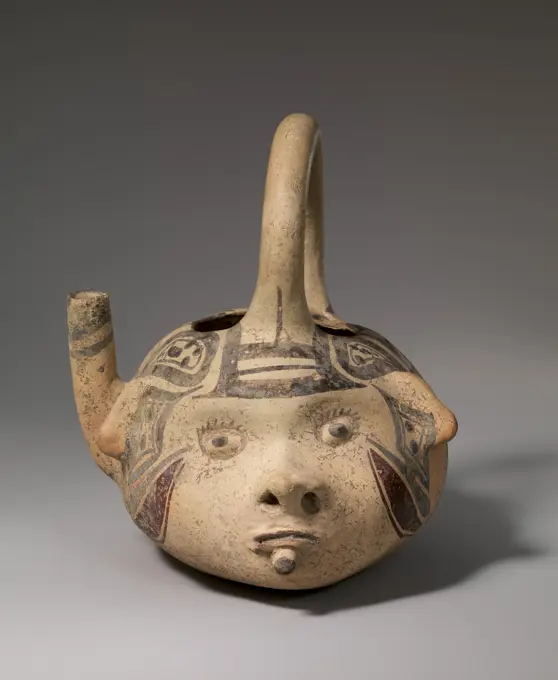
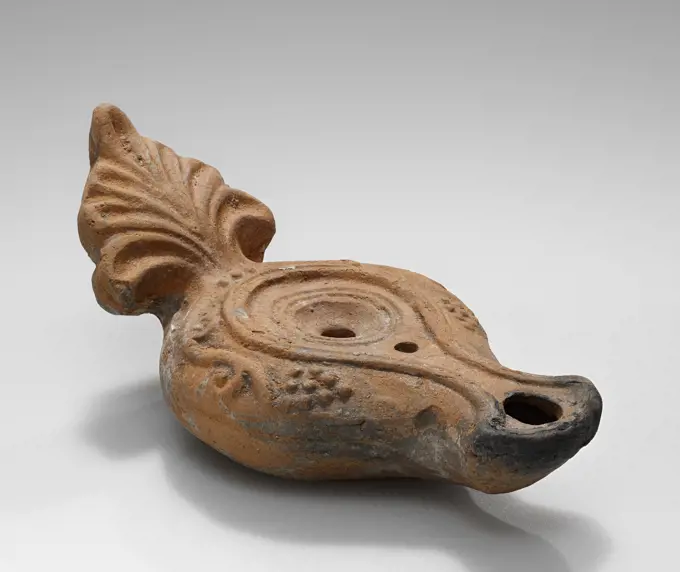
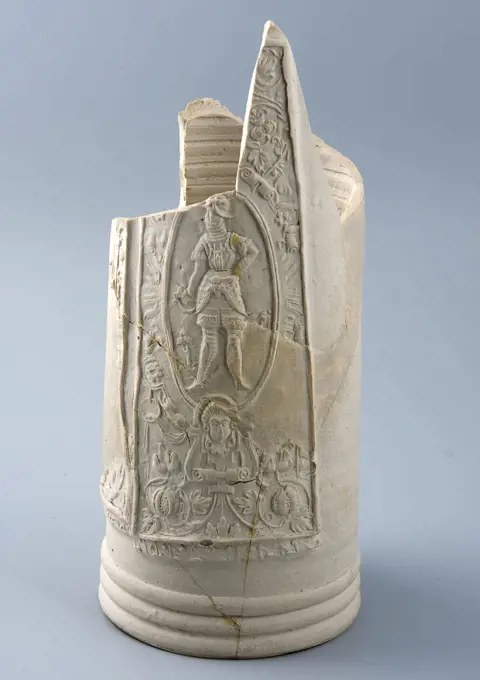
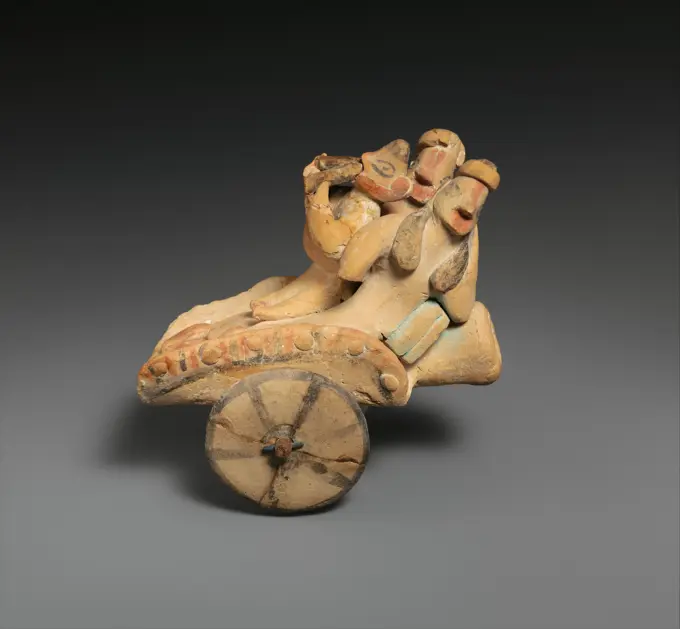
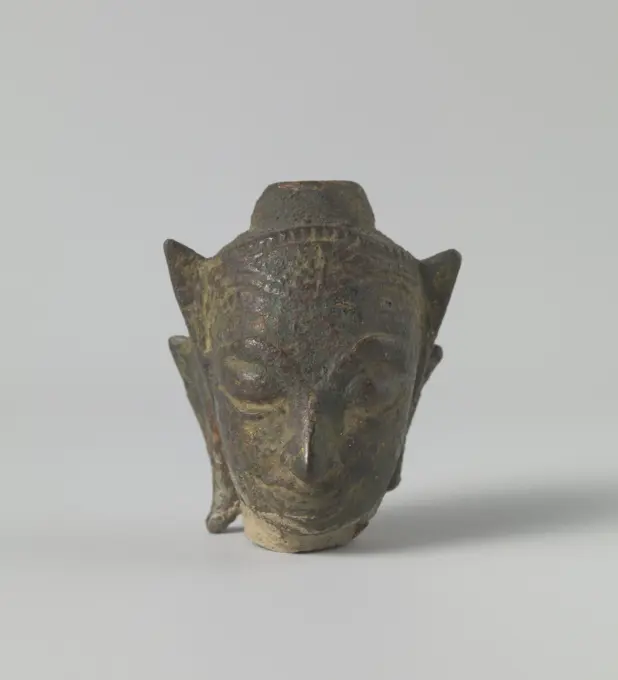
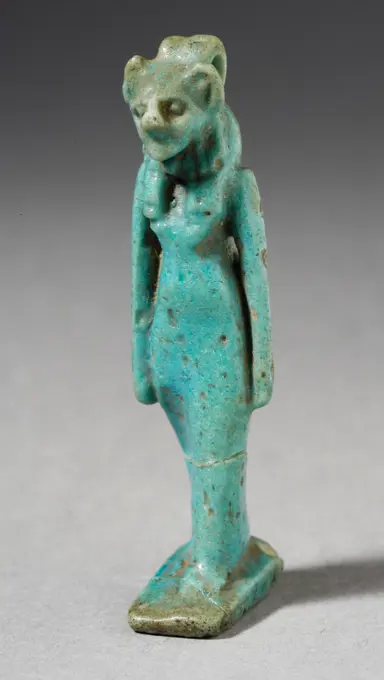
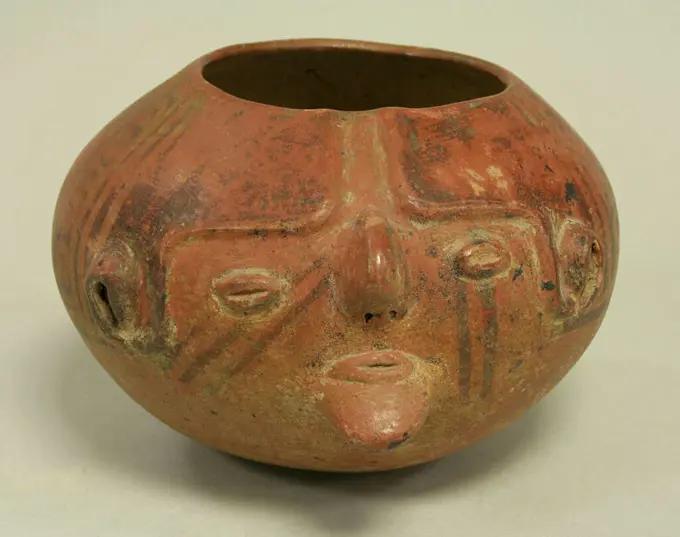
Spouted Vessel 13th-15th century Huastec The vessel is in the shape of a human head with wide open, staring eyes, a small pug nose, and closed mouth. A lip plug is worn in the lower lip. A handle extends from the forehead to the back of the head. On the right side behind the ear projects a single spout pointing upward. On the sides of the face and back of the head the cream-colored surface is covered with geometric motifs including dots, circles, diamonds and crosses in dark brown and purple.. Spouted Vessel. Huastec. 13th-15th century. Ceramic. Mexico, Mesoamerica, Veracruz. Ceramics-Containers
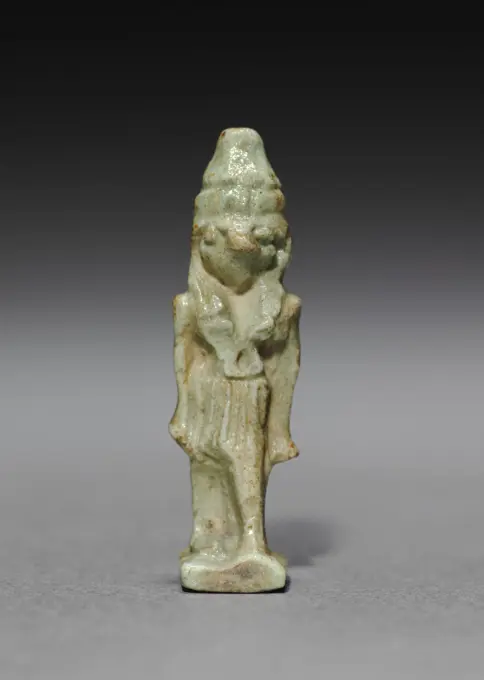
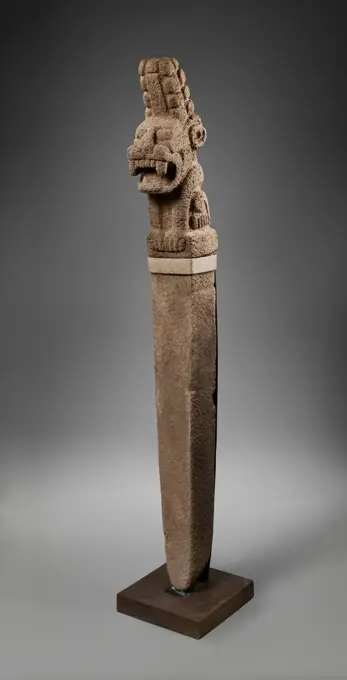
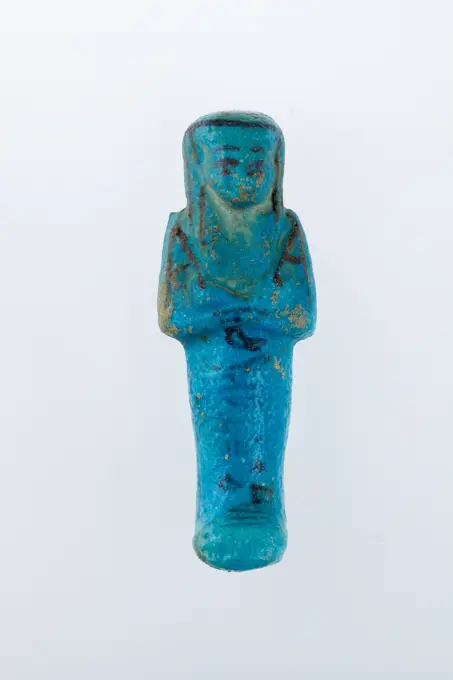
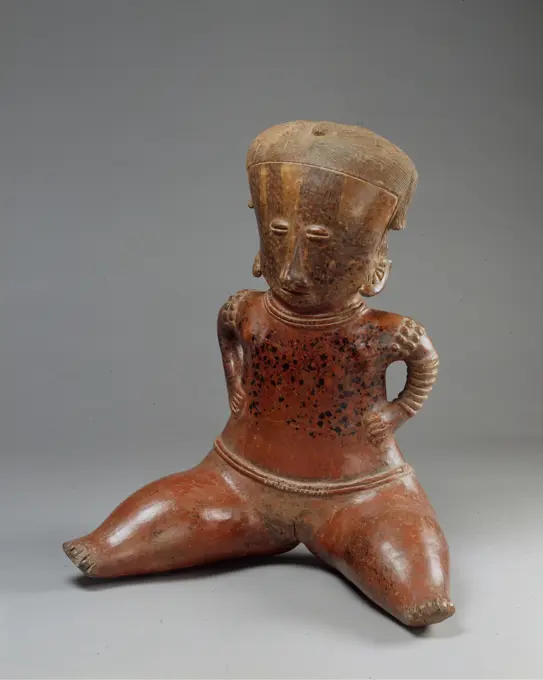
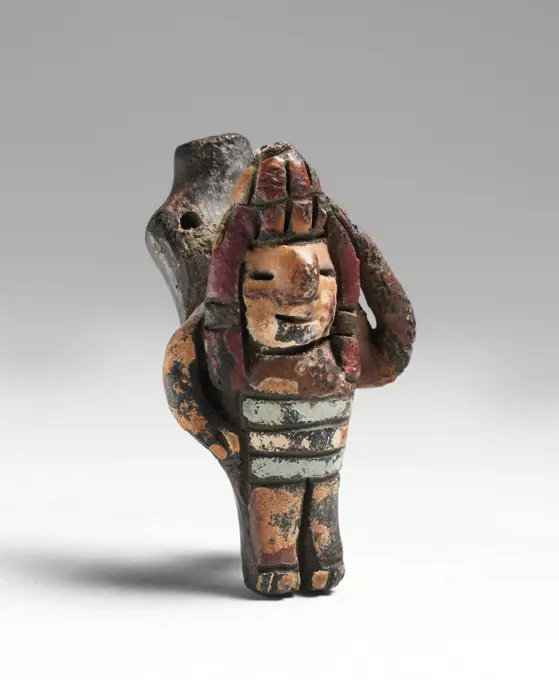
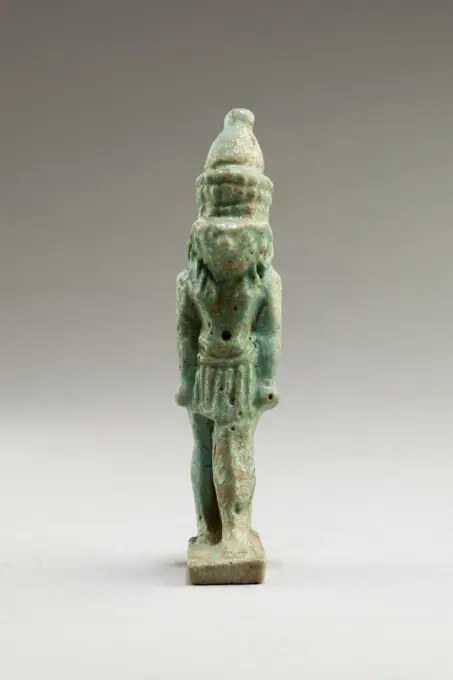
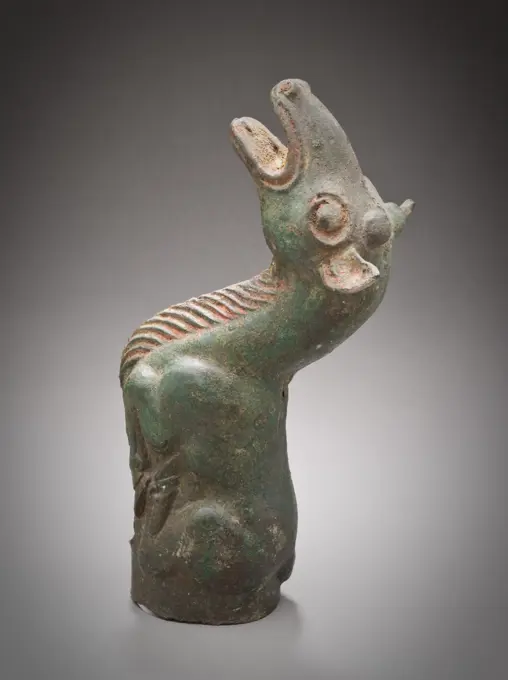
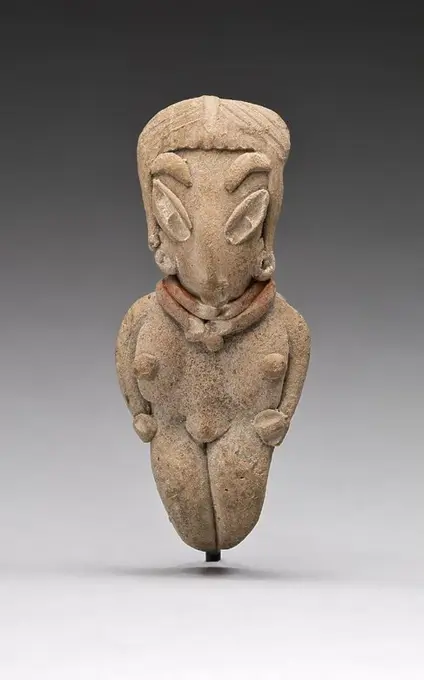
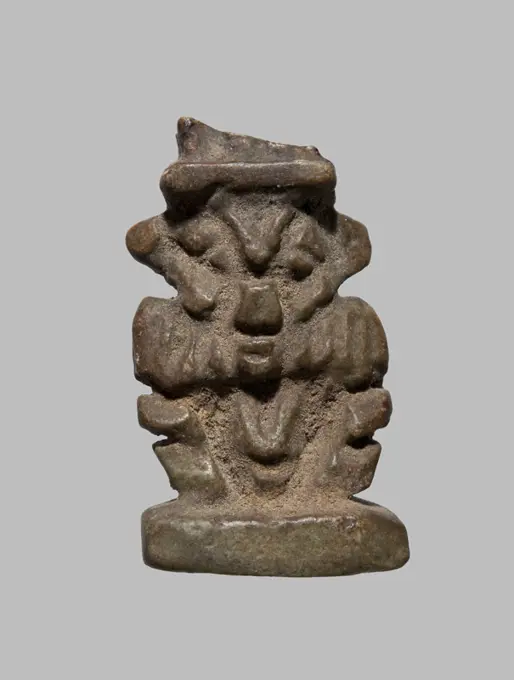
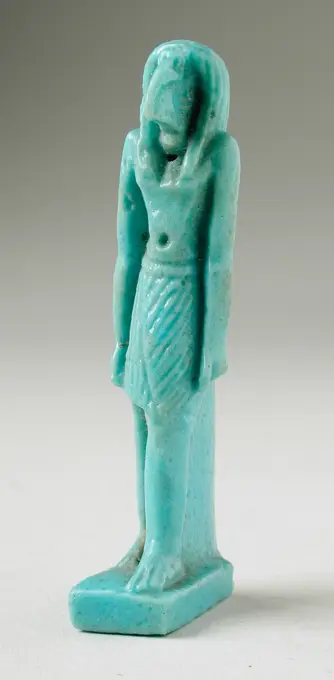
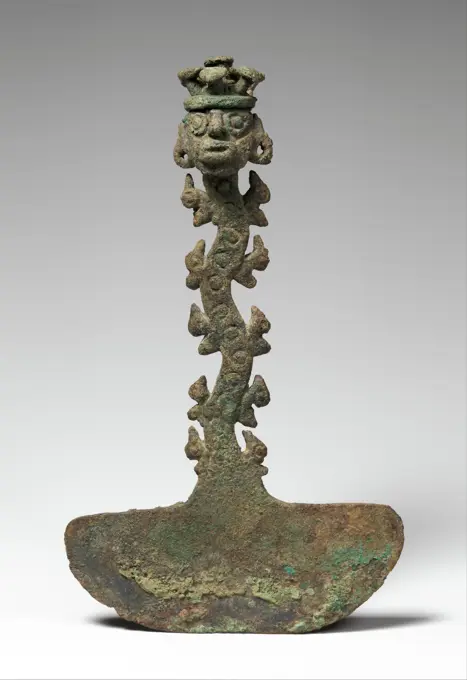
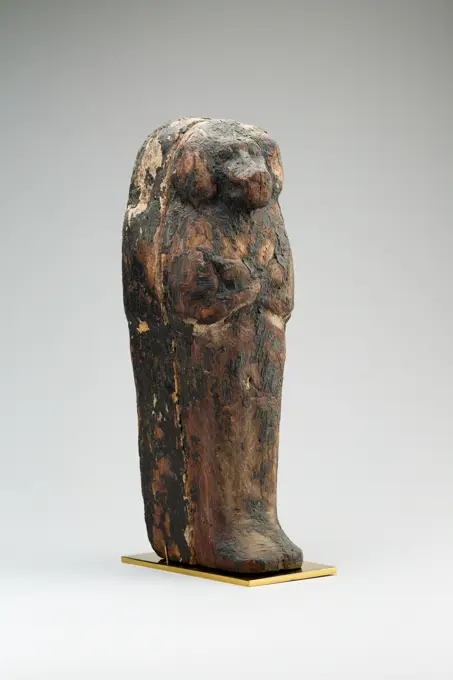
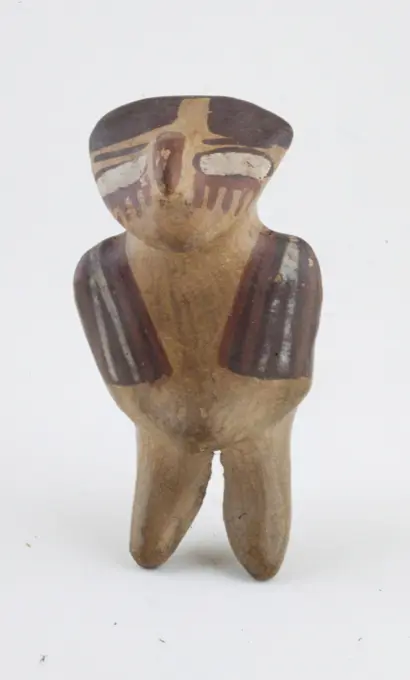
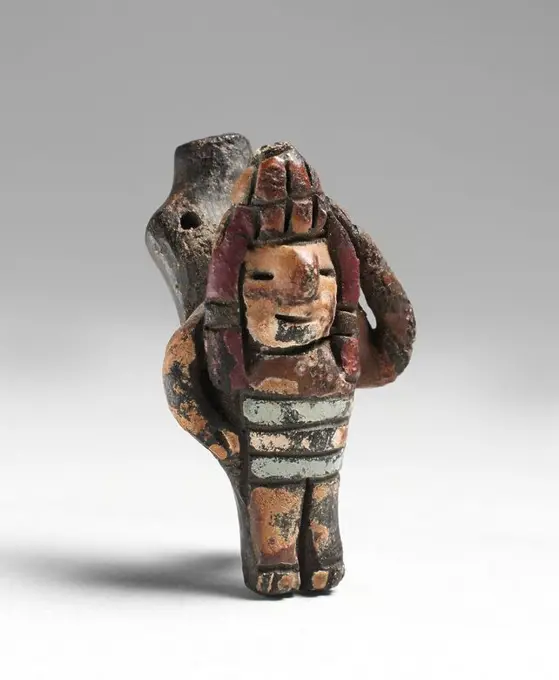
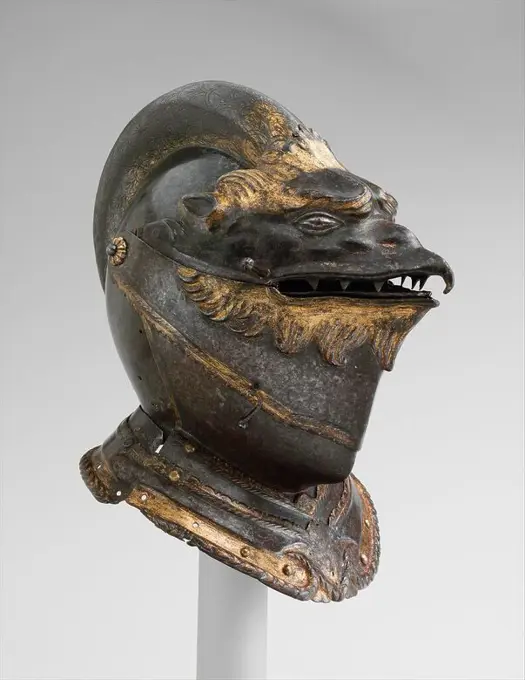
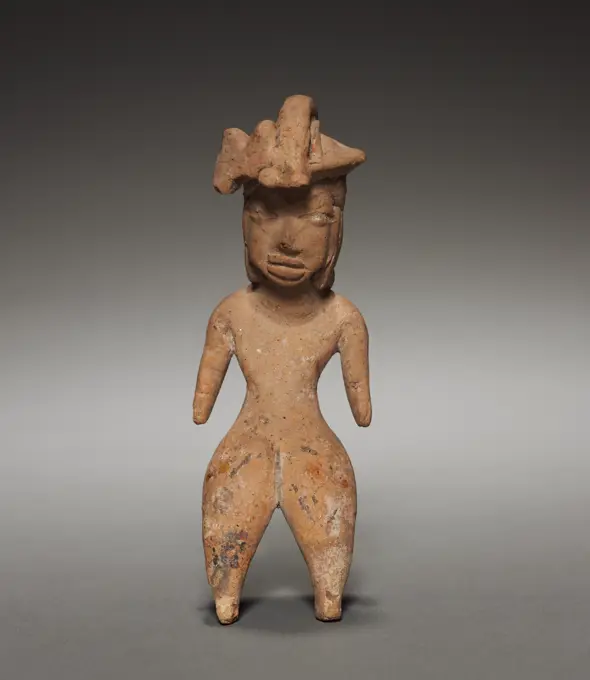
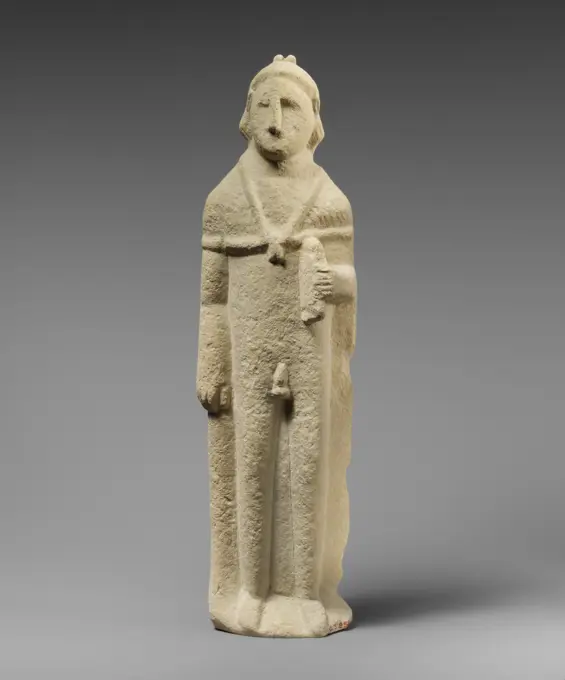
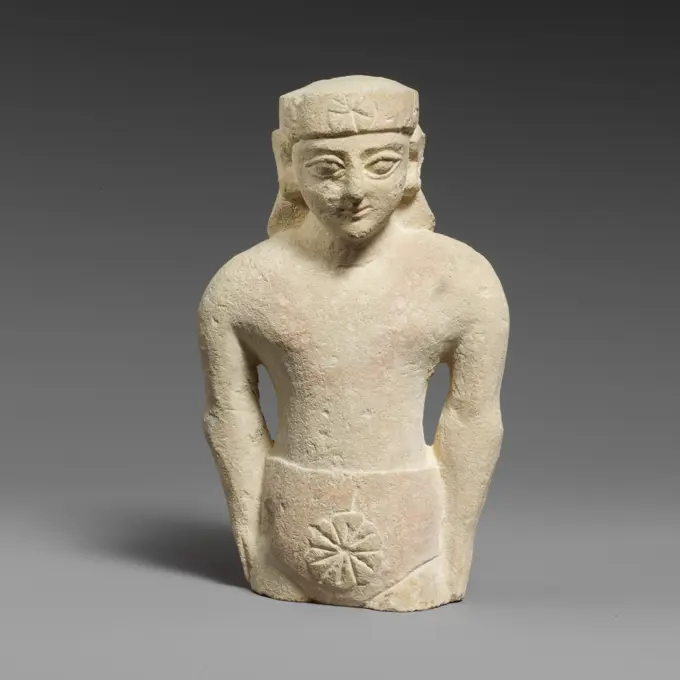
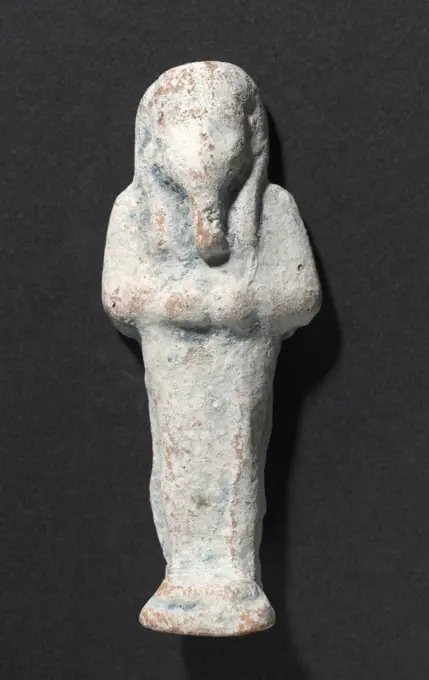
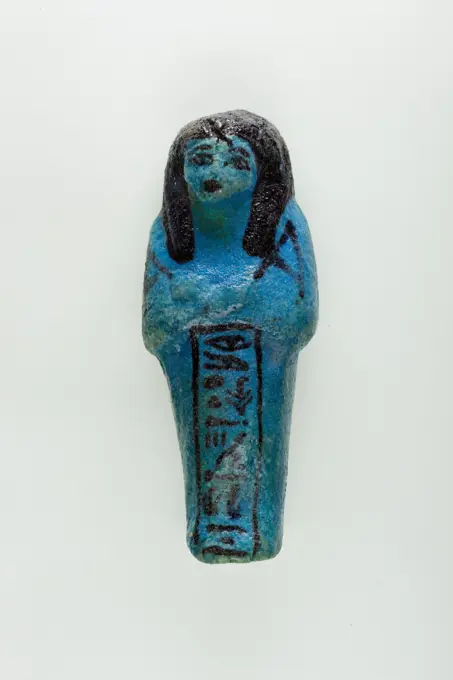
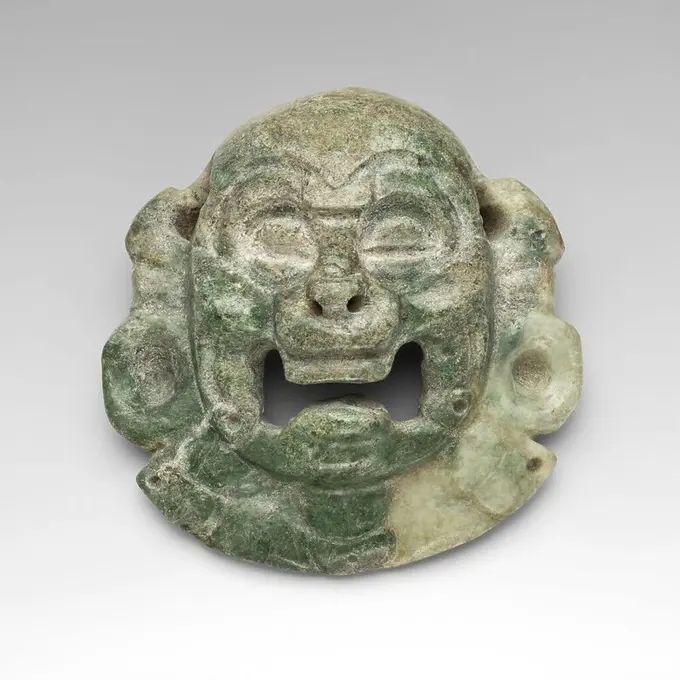
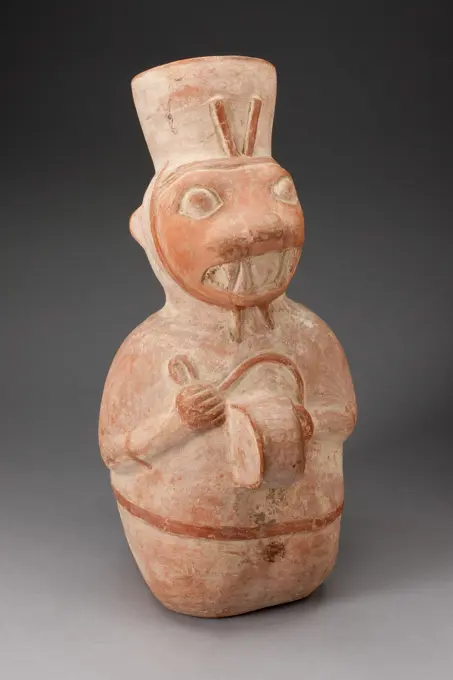
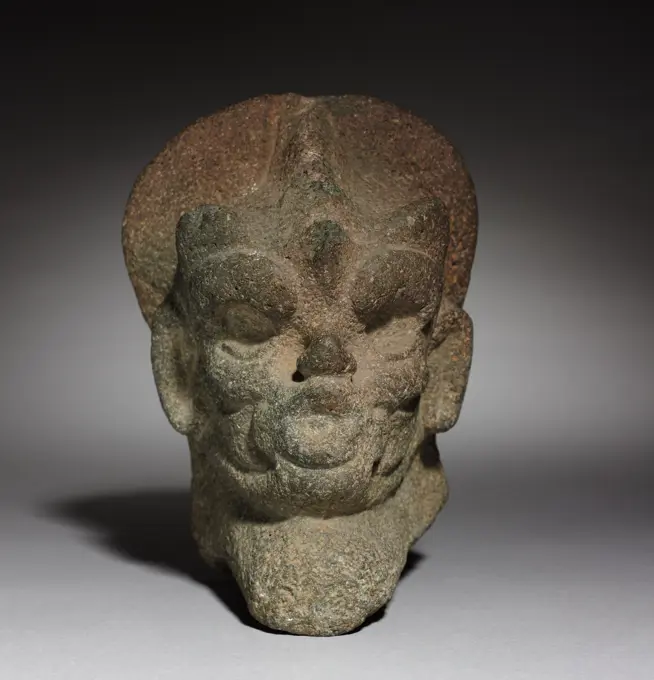
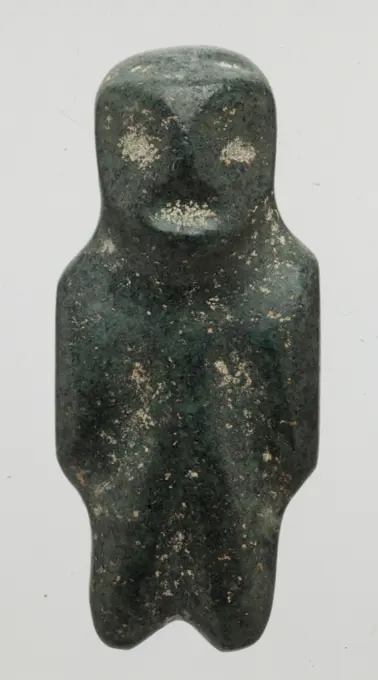
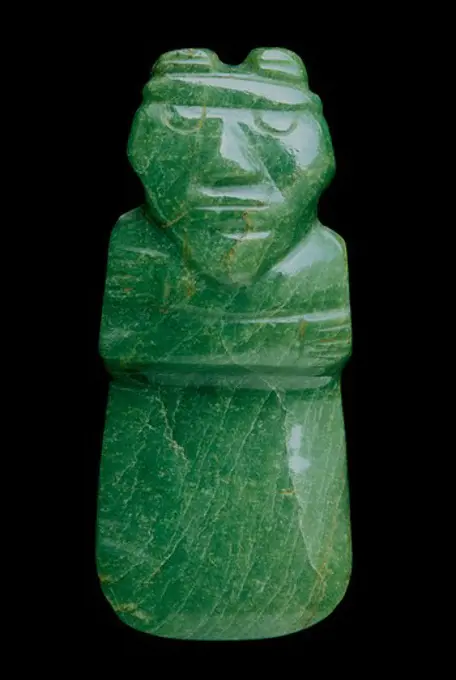
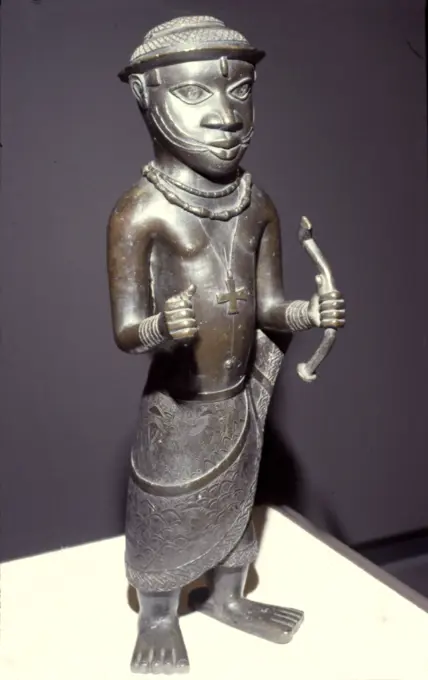
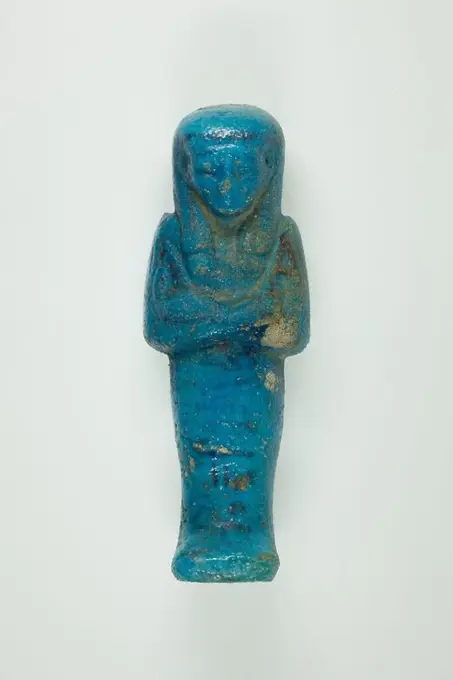
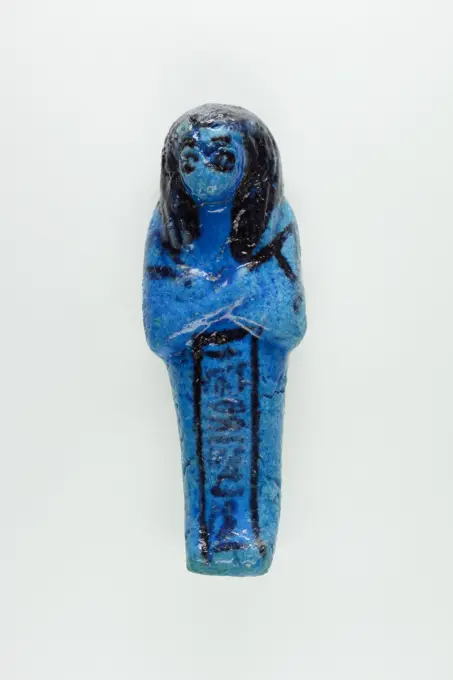
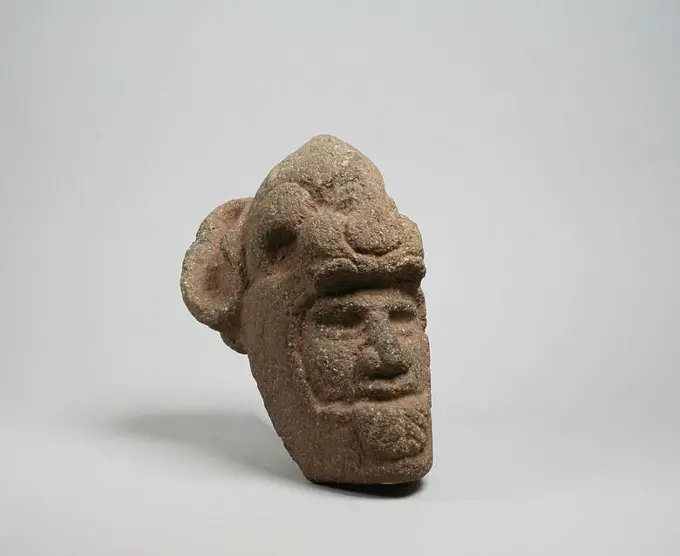
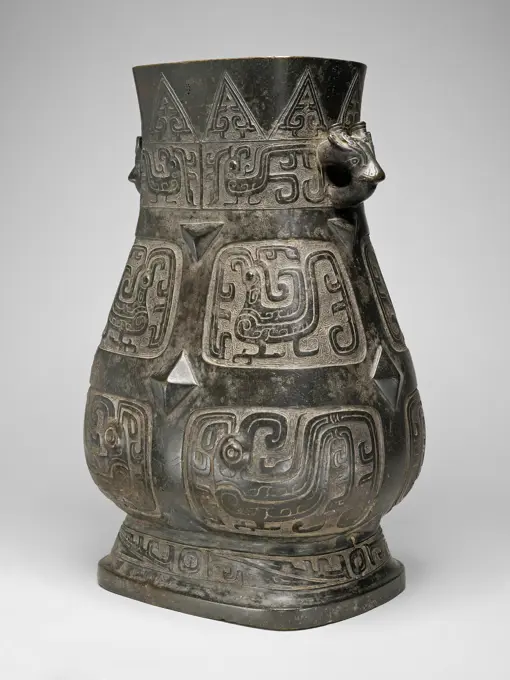
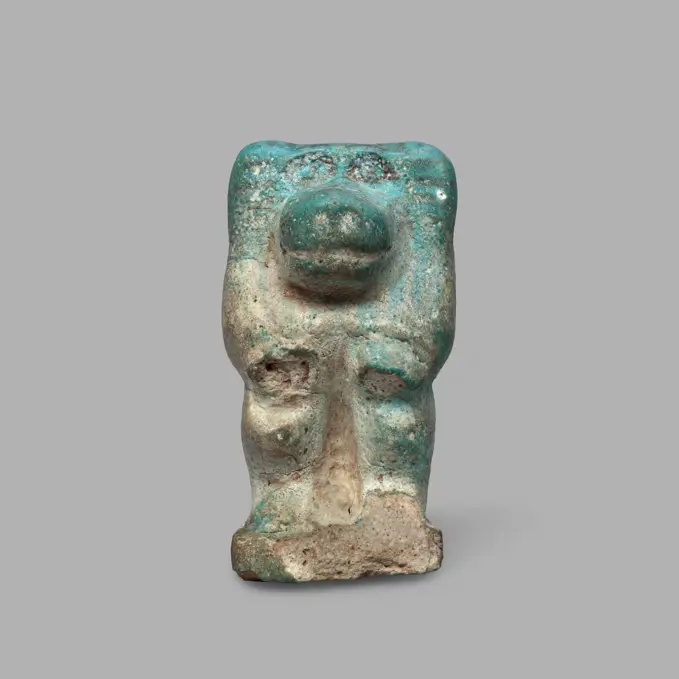
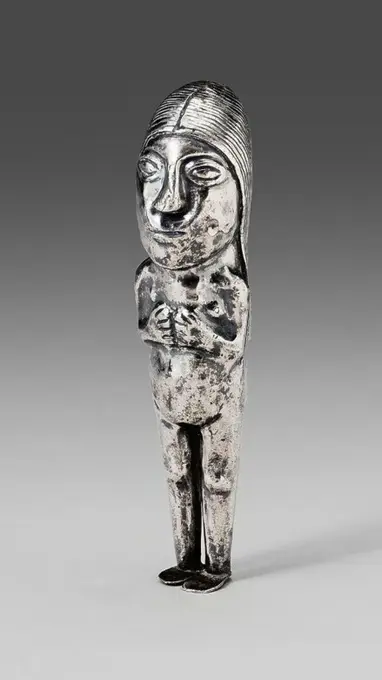
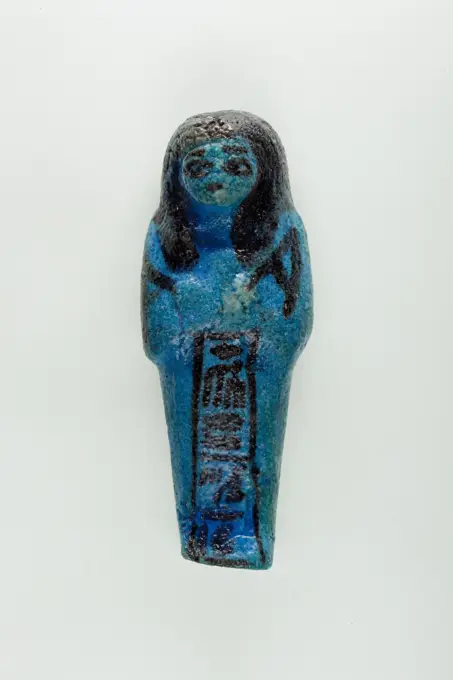
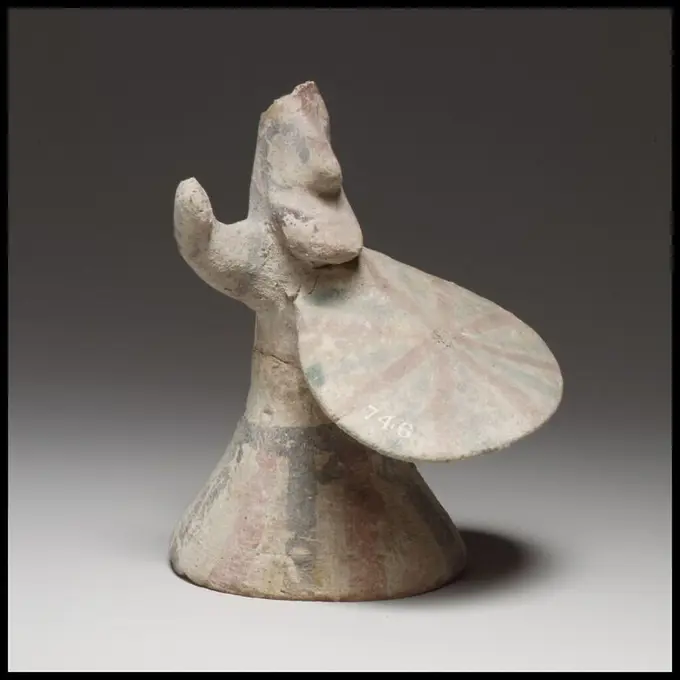
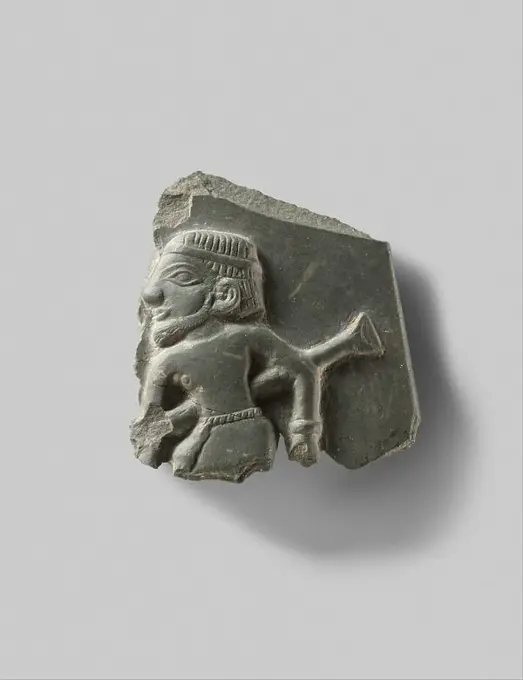
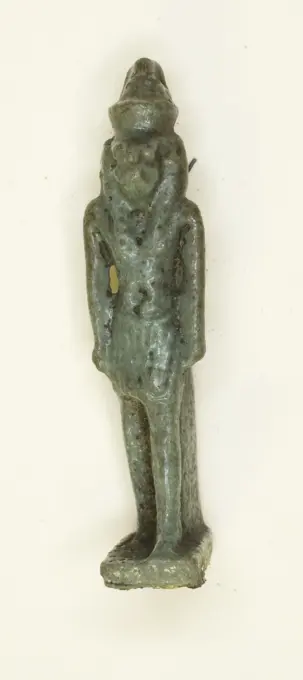
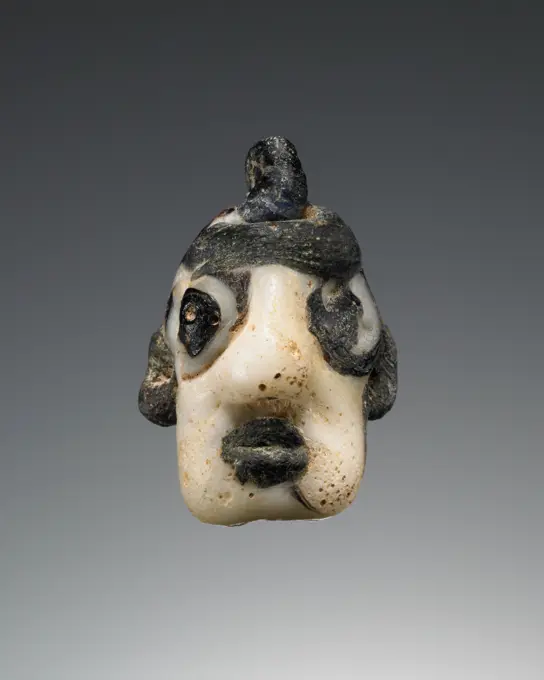
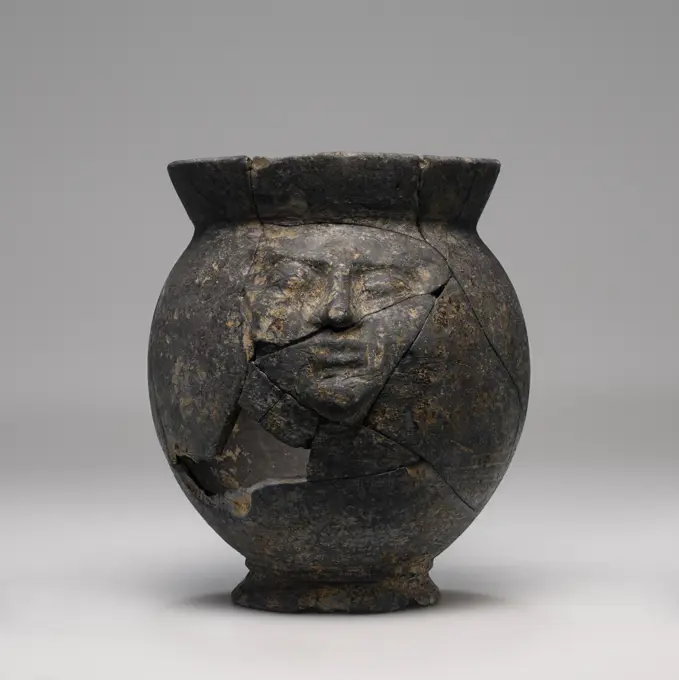
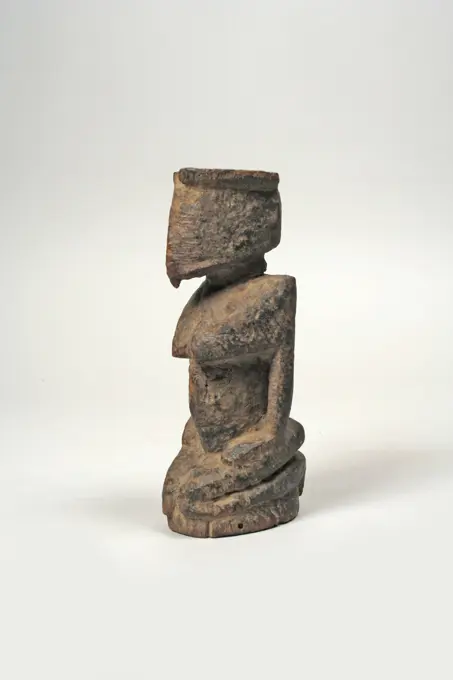
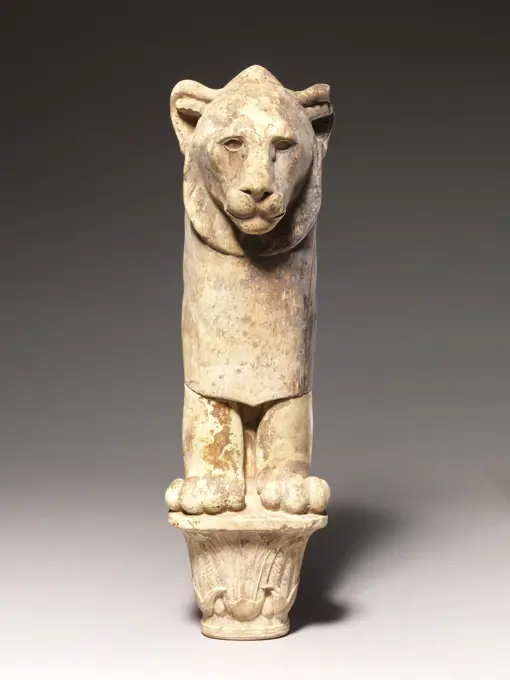
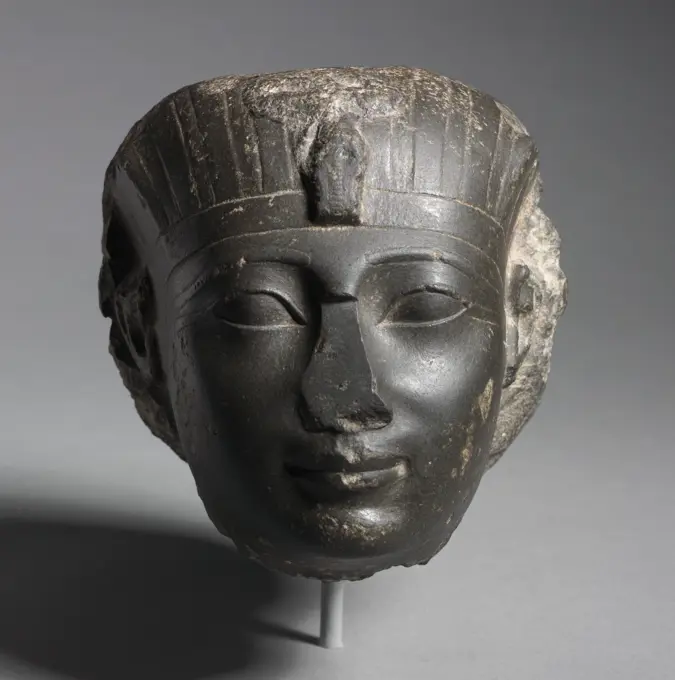
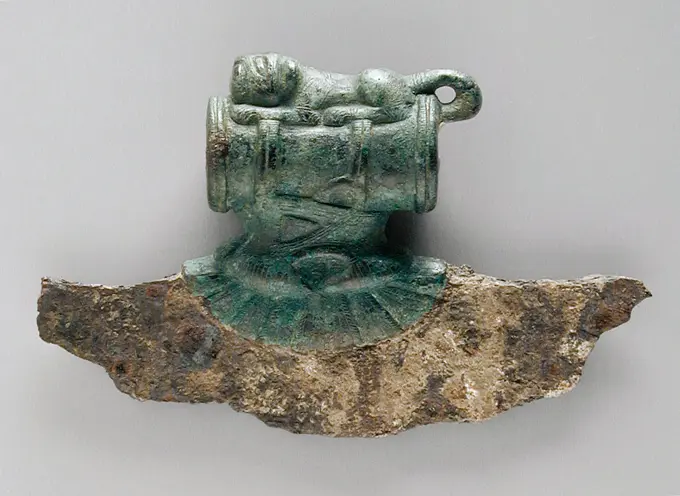
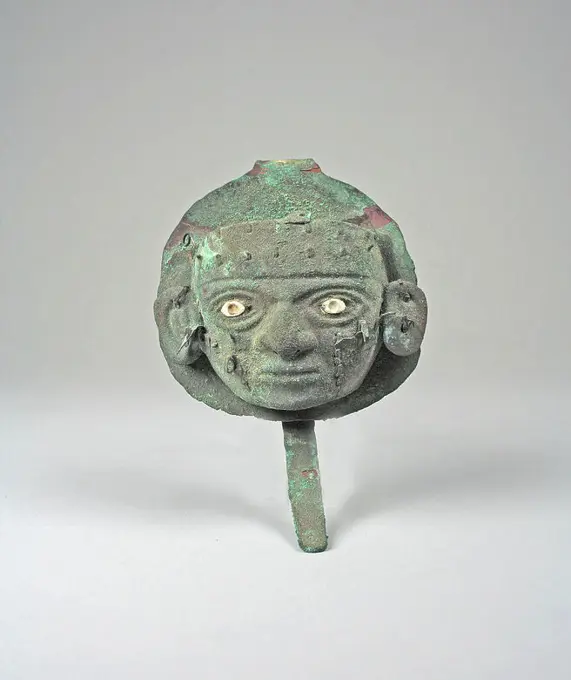
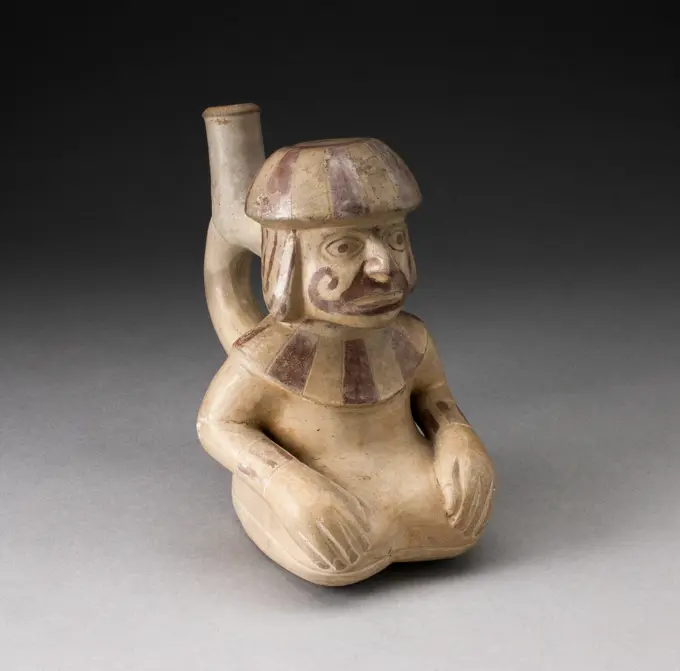
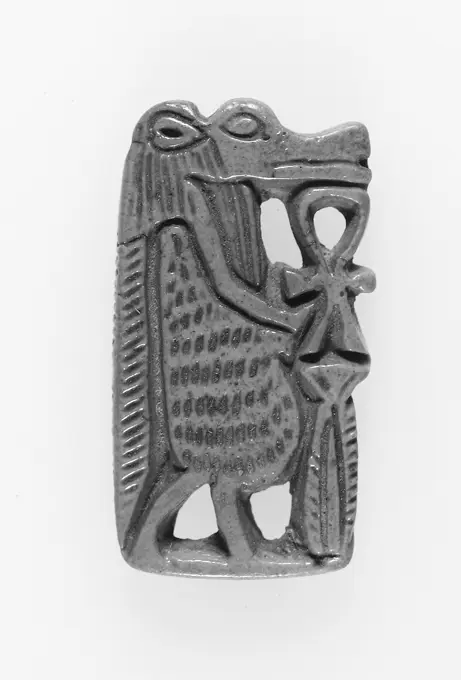
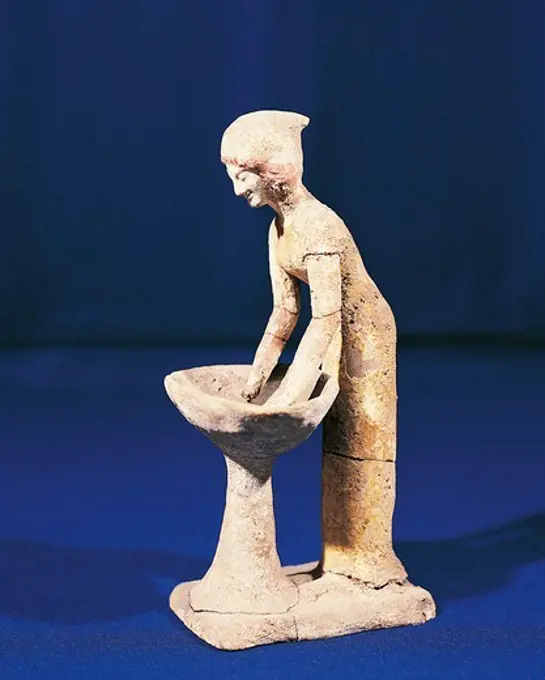
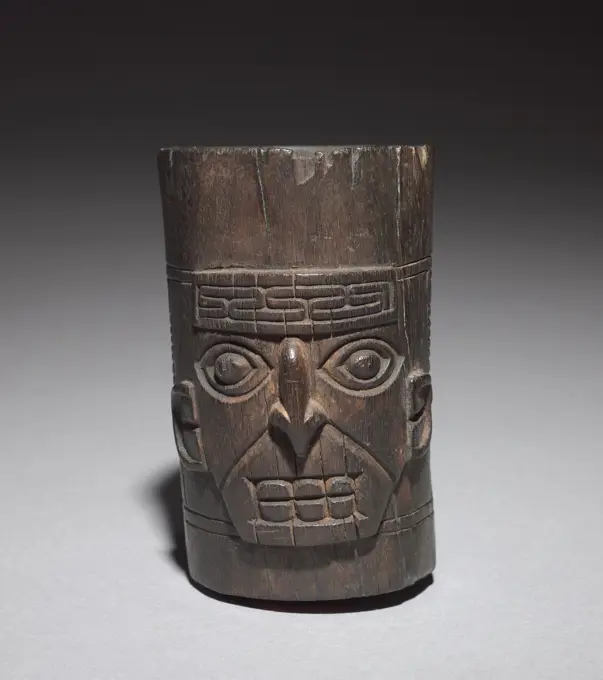
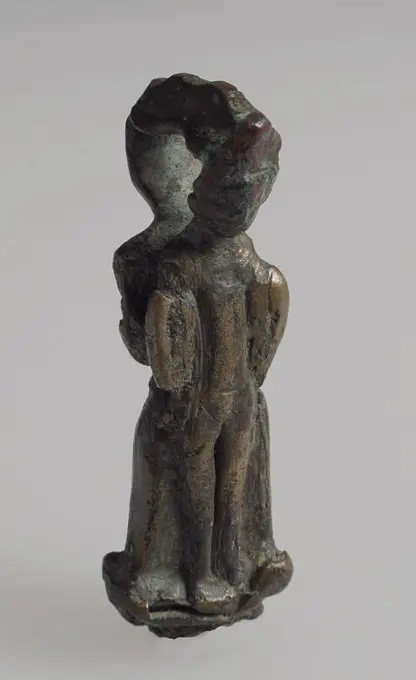
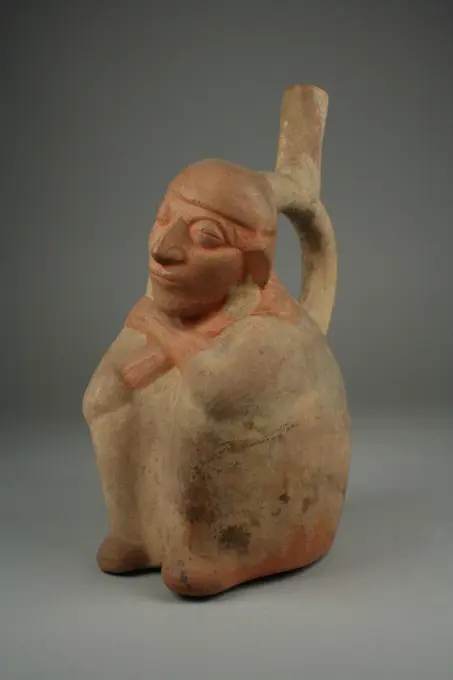
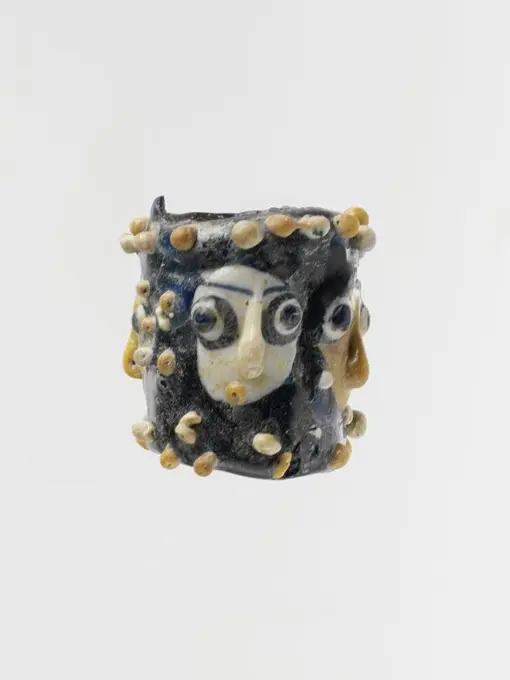
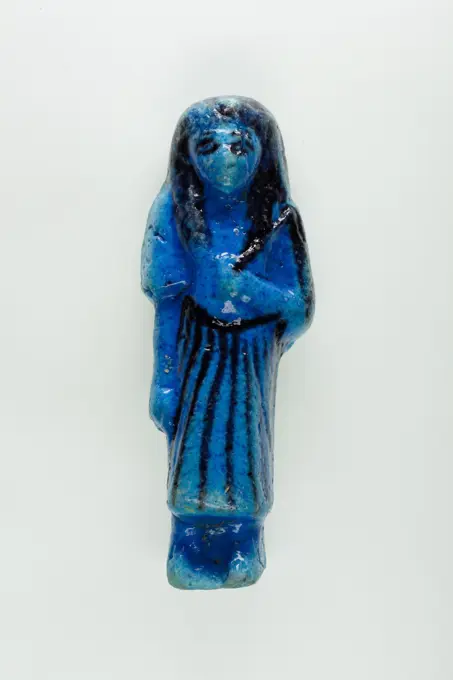
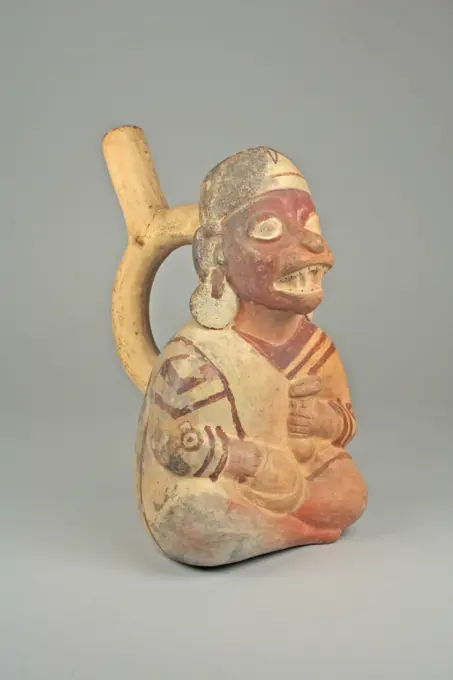
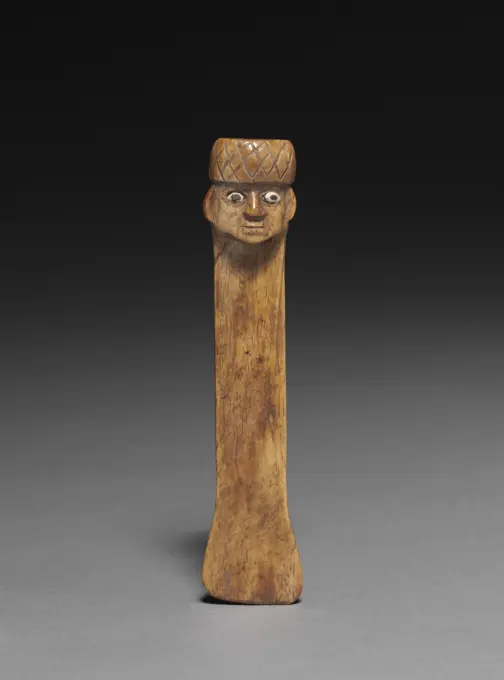
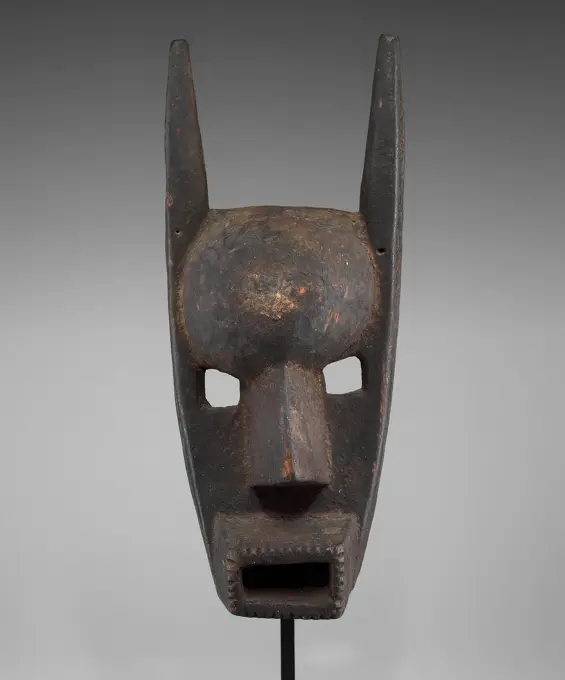
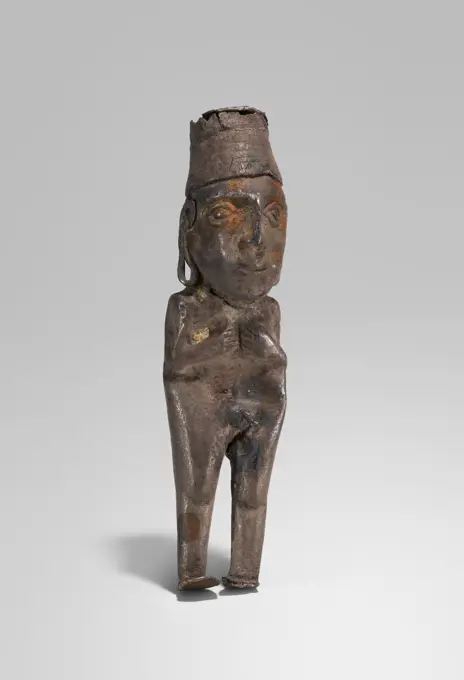
Male Figurine 1400-1533 Inca This hollow figurine is comprised of eight pieces of metal sheet that have been joined together. It depicts a man standing upright, dressed only in a llautu, a braided headdress that was worn by the Inca ruler and nobles; otherwise, he is shown naked. The details of his eyes, nose, and mouth, along with extended earlobes that suggest they could have accommodated spools, and pose with arms and hands tucked into the chest, are all standard among Inca human male figurines made of metal. Furthermore, there is a quid of coca represented as a small, raised, circular region to the proper left of the mouth. The presence of this feature and its location is consistent among Inca male figurines in metal. Coca chewing and blowing is a process through which Andean peoples strengthened relationships with the natural environment and among themselves (Allen 2002). These figurines are considered sacred beings, or huacas in the Quechua and Aymara languages, that may have beeAmulet of Horus (), 380-30 BC. Egypt, Dynasty 30 to Ptolemaic Dynasty. Gray green faience; overall: 3.3 cm (1 5/16 in.).Pedestal Sculpture with SeatedFeline.  Artist: UnknownWorker Shabti of Henettawy (C), Daughter of Isetemkheb ca. 990-970 B.C. Third Intermediate Period See 25.3.19.. Worker Shabti of Henettawy (C), Daughter of Isetemkheb 591093Statuette: Seated Mummiform Deity, 664-525 BC. Egypt, Late Period, Dynasty 26 or later. Bronze, solid cast; overall: 20.1 x 9.2 x 13.2 cm (7 15/16 x 3 5/8 x 5 3/16 in.).Seated Female Figure 1st-3rd century Lagunillas. Seated Female Figure 318986Whistle 300-200 B.C. Paracas. Whistle 505628Spouted Vessel 13th-15th century Huastec The vessel is in the shape of a human head with wide open, staring eyes, a small pug nose, and closed mouth. A lip plug is worn in the lower lip. A handle extends from the forehead to the back of the head. On the right side behind the ear projects a single spout pointing upward. On the sides of the face and back of the head the cream-colored surface is covered with geometric motifs including dots, circles, diamonds and crosses in dark brown and purple.. Spouted Vessel. Huastec. 13th-15th century. Ceramic. Mexico, Mesoamerica, Veracruz. Ceramics-ContainersStatuette of Osiris, 1295-1069 BC. Egypt, New Kingdom, Dynasties 19 (1295-1186 BC) -20 (1186-1069). Painted terracotta; overall: 17.2 x 5.6 x 3.2 cm (6 3/4 x 2 3/16 x 1 1/4 in.).Horus amulet 664-30 B.C. Late Period-Ptolemaic Period. Horus amulet 570313Finial (Cervid). Western Inner Mongolia, 5th-3rd century B.C.. Architecture; Architectural Elements. BronzeStanding Female Figurine. Chupícuaro; Guanajuato or Michoacán, Mexico. Date: 500 BC-300 BC. Dimensions: H. 6 cm (2 3/8 in.). Ceramic and pigment. Origin: Chupícuaro. Museum: The Chicago Art Institute, Chicago, USA.Amulet - Bes. unknown, authorThoth Amulet. Egypt, Late Period - Ptolemaic Period (724 - 30 BCE). Jewelry and Adornments; amulets. Faience light blueCeremonial Knife (Tumi) 12th-15th century Chimú The Moche people of northern Peru (first-seventh century) were among the first to use copper, often with the addition of arsenic to harden the metal and improve the quality of the cast. Moche metalworkers hammered most of their precious metalsgold and silverinto objects of sheet metal, but many works in copper were cast by the lost-wax technique. The Chimú people, who made this ceremonial knife, inherited the rich cultural and artistic traditions developed by the earlier Moche. Clearly a ritual object, indicated by the delicate, projecting details and attractive silhouette, the knife has a semicircular blade. The flat undulating shaft is embellished with circles in relief; stylized birds project from its sides. At the top is a human head wearing a headdress with mushroom shapes. The detailed facial featureswide staring eyes and open mouth framed by age wrinklesgive the face a startled look. The holes in the earlobes once held ornamentCanopic Coffin in the form of Hapy ca. 924-889 B.C. Third Intermediate Period. Canopic Coffin in the form of Hapy 559931Figurine, 2nd-8th century, 4 1/4 x 2 1/2 x 2 in. (10.8 x 6.35 x 5.08 cm), Earthenware, Peru, 2nd-8th centuryWhistle. Culture: Paracas. Dimensions: H: 5.9cm (2 5/16in.). Date: 300-200 B.C.. Museum: Metropolitan Museum of Art, New York, USA.Close Helmet. Culture: Italian, Milan or Brescia. Dimensions: H. 11 3/4 in. (29.9 cm); W. 14 in. (35.6 cm); D. 14 in. (35.6 cm); Wt. 6 lb. 14 oz. (3128 g). Date: ca. 1550.The fantastic appearance of this helmet, with its visor shaped like a griffin's head and the comb of the bowl raised into the form of a serpent's body, indicates that it was part of an elaborate pageant armor. Museum: Metropolitan Museum of Art, New York, USA.Female Figurine with Headdress, 1200-900 BC. Mexico, Tlatilco, type D1. Pottery with traces of white and red pigment; overall: 11.2 x 3.7 x 4.2 cm (4 7/16 x 1 7/16 x 1 5/8 in.).Women's head - a fragment of the figurine;  III-II century BC () (-300-00-00--201-00-00);Spuier in the form of a Makara, 975 - 1025 Spuier in the form of a Makara with a representation of a mourning sitting woman in his mouth and a monkey between the rocks. Indonesia extrusive rock. andesite Spuier in the form of a Makara with a representation of a mourning sitting woman in his mouth and a monkey between the rocks. Indonesia extrusive rock. andesiteHead of a Female. Preclassic period; Mexico or Guatemala. Date: 650 BC-550 BC. Dimensions: . Ceramic and pigment. Origin: Mexico. Museum: The Chicago Art Institute, USA.Mask 1st-8th century Mezcala. Mask 314592Male Head. Afghanistan, 4th-5th century. Sculpture. TerracottaGreek art. Spain. Catalonia. Oenochoe, wine jug. Found in Empuries. 5th century BC. Archaeological Museum of Catalonia. Girona.Stirrup Spout Bottle with Seated Figure. Culture: Moche. Dimensions: Overall: 8 7/8 x 5 1/8 in. (22.54 x 13 cm)Other: 5 1/8 in. (13 cm). Date: 5th-7th century. Museum: Metropolitan Museum of Art, New York, USA.Fragment (from the altar cabinet); (possibly) belonging to the retable of Soest ..Woman figurine;  5th century BC (-500-00-00--401-00-00);Figure of Entertainer. Culture: China. Dimensions: H. 3 1/2 in. (8.9 cm).The musical instruments depicted among this group of pottery figures (36.12.1, .2, .10-.13, .16) are typical of those used in popular music of the Han period (206 B.C.-A.D. 220). The instruments all had long histories, having existed for centuries, in the case of the zither, or millennia, in the case of the flute (now missing from the figure of the flutist). Museum: Metropolitan Museum of Art, New York, USA.Limestone statuette of Pan Cypriot A schematic nebris, knotted on the chest, covers the shoulders. There are goat ears and small horns.. Limestone statuette of Pan 242284anthropomorphic idol anthropomorphic idol, 2600-2300 BC, ivory, Perdigoes, Reguengos de Monsaraz, Évora, Portugal, Huelva Museum, Huelva, Andalusia, Spain Copyright: xZoonar.com/TOLOxBALAGUERx 21720734Limestone statuette of a male votary with Cypriot shorts and a diadem 2nd quarter or middle of the 6th century B.C. Cypriot Votary with Cypriot loin-cloth on which there is a rosette.. Limestone statuette of a male votary with Cypriot shorts and a diadem 242119Lamp, Anatolia; 1st century B.C. - 4th century A.D; Terracotta; 3 x 7 x 13 cm (1 3,16 x 2 3,4 x 5 1,8 in.)Jar Stopper(Guri-Guri)Worker Shabti of Henettawy (C), Daughter of Isetemkheb ca. 990-970 B.C. Third Intermediate Period See 25.3.19.. Worker Shabti of Henettawy (C), Daughter of Isetemkheb 591033Seated FigureShawabty of Ditamenpaankh, 715-656 BC. Egypt, Late Period, Dynasty 25. Terracotta; overall: 6.8 x 2.6 x 1.6 cm (2 11/16 x 1 x 5/8 in.). High demand for shawabtys in the Late Period, a time when as many as 400 or more shawabtys were placed in the tomb with the deceased, gave rise to a specialized container for storing them: the shawabty box. This example is inscribed for the lady of the house, Ditamenpaankh, and was probably one of a pair originally made for her. The single-masted boat on the box's lid is perhaps an allusion to the pilgrimage of the deceased to the holy city of Abydos, the cult city of Osiris, king of the dead. The shawabtys inside are crude, mass-produced examples cast in an open mold. Made of terracotta, their blue paint imitates more costly shawabtys made of faience. As for the shawabty spell, it has been removed from its traditional location on the shawabty's front and relocated onto the sides of box, where it needed only to be written once, thus expediting productWorker Shabti of Nany ca. 1050 B.C. Third Intermediate Period See 30.3.26.1a, b. Worker Shabti of Nany 625731Pectoral. Classic Maya; Mexico or Guatemala. Date: 200 AD-800 AD. Dimensions: 7 × 7 cm (2 3/4 × 2 3/4 in.). Jadeite. Origin: Mexico. Museum: The Chicago Art Institute, Chicago, USA.Jar in the Form of an Anthropomorphic Seal Playing a Drum Made 100 BCE-500 CE North Coast. Ceramic and pigment . MocheHead, 600-1100. Mexico, Classic Veracruz (Totonac or Tajin). Stone; overall: 18.4 x 13 x 11.6 cm (7 1/4 x 5 1/8 x 4 9/16 in.).Figure, 300 BCE - 300 CE, 3 7/8 x 1 3/4 x 1 in. (9.8 x 4.4 x 2.5 cm), Dark green stone with black speckling, Mexico, 3rd century BCE - 4th century CEpre-columbian jade pendant, national jade museum in san jose, costa rica date: 16.12.2008 ref: zb993_126351_0151 compulsory credit: nhpa/photoshotMessenger with royal insignia, cap, cross, staff, cat whiskers. Benin Bronze, 16th cent. Nigeria.Worker Shabti of Henettawy (C), Daughter of Isetemkheb. Dimensions: h. 11.9 × w. 4.2 × d. 3.3 cm (4 11/16 × 1 5/8 × 1 5/16 in.). Dynasty: Dynasty 21. Date: ca. 990-970 B.C.. Museum: Metropolitan Museum of Art, New York, USA.Hen, 1900s. Nigeria, Benin Kingdom, Ẹdo peoples, member(s) of the Igbesanmwan (wood and ivory carvers) guild. Wood; overall: 47.6 cm (18 3/4 in.).Worker Shabti of Nauny ca. 1050 B.C. Third Intermediate Period See 30.3.26.1a, b. Worker Shabti of Nauny 625694Hacha, Head. Culture: Veracruz. Dimensions: H. 8 11/16 x W. 5 1/2 x D. 6 1/4 in. (22 x 14 x 15.9 cm). Date: 7th-10th century. Museum: Metropolitan Museum of Art, New York, USA.Jar (hu) Made 927 BCE-850 BCE China. Bronze .Pavian figurine;  around 1985 1795 BC ; Pahu, 12 dynasty (-1990-00-00--1790-00-00);Scene.gal.g ), peacocks, holy animalsAnthropomorphicHead, ca.300-1200, Stone, 19 1/4 × 7 1/4 in. (48.895 × 18.415cm), Country Niger, Bura, 4th-13thcentury, SculptureKris Hilt 16th-19th century Javanese, possibly Madura. Kris Hilt 31356Head from a Figurine of a Child 1301-1500 Eastern Java. Terracotta .Stone Temple Model 1st-8th century Mezcala. Stone Temple Model 317489Female Figurine. Inca; South coast or southern highlands, Peru. Date: 1450-1532. Dimensions: 6.4 × 1.6 cm (2 1/2 × 5/8 in.). Silver. Origin: Peru. Museum: The Chicago Art Institute, USA.Worker Shabti of Nany ca. 1050 B.C. Third Intermediate Period See 30.3.26.1a, b. Worker Shabti of Nany 625668Shield bearer. Culture: Cypriot. Dimensions: H. 4 7/8 in. (12.4 cm). Date: ca. 750-600 B.C..The lower part of the figurine is wheel-made, hollow, and bell-shaped; the upper body and the head are handmade. There is a perforation at either side of the waist for the attachment of movable legs. Museum: Metropolitan Museum of Art, New York, USA.Fragment of a ceremonial palette illustrating a man and a type of staff. Dimensions: H: 5.2 cm (2 1/16 in.); w: 4.7 cm (1 7/8 in.). Date: ca. 3200-3100 B.C.. Museum: Metropolitan Museum of Art, New York, USA.Amulet of the God Horus ( ) with Double Crown 664 BCE-332 BCE Egypt. Faience . Ancient EgyptianMask Bead. UnknownFace Mug. UnknownFigure: Kneeling Female 16th-19th century Dogon or Tellem peoples (). Figure: Kneeling Female. Dogon or Tellem peoples (). 16th-19th century. Wood. Mali. Wood-SculptureLion furniture leg 4th century B.C. Late Period Made in fine, dense faience, the frontal part of a lion was made to slot onto another piece of furniture probably of wood. Furniture legs formed from the body and head of a lion conveyed an exalted status in Egyptian tradition. Here the fragile material and form indicate the piece may have adorned a low funerary bed on which the coffin or mummy of a deceased rested, or perhaps a stool intended to hold funerary items in the tomb.. Lion furniture leg. 4th century B.C.. Faience. Late Period. From Egypt; Possibly from Eastern Delta, HihyaFigure 2nd-4th century Punuk. Figure 314374Lamp pedestal - a woman's figurine;  1. PO. 20th century (1901-00-00-1950-00-00);Flamed-worked Face bead. UnknownWorker Shabti of Nauny ca. 1050 B.C. Third Intermediate Period See 30.3.29.1a, b. Worker Shabti of Nauny. ca. 1050 B.C.. Faience. Third Intermediate Period. From Egypt, Upper Egypt, Thebes, Deir el-Bahri, Tomb of Meritamun (TT 358, MMA 65), first corridor, burial of Nauny, MMA excavations, 1928-29. Dynasty 21Head of Queen Hatshepsut (), c. 1479-1457 BC. Egypt, New Kingdom, Dynasty 18, reign of Hatshepsut, 1479-1457 BC. Graywacke; overall: 16.2 x 14.9 x 17.8 cm (6 3/8 x 5 7/8 x 7 in.).Shabti of Djedhor Late Period-Ptolemaic Period ca. 360-300 BC This small funerary figure (shabti) comes from the tomb of a wealthy family. The patriarch, the Priest ("God's Father") Djedhor, was buried with his wife Nebtaihet and two other individuals in one chamber, with their three sons in the second..At the head of Djedhor's stone sarcophagus were two shabti boxes, one containing 198 figures and the second holding 196. These shabtis were of two different sizes (the larger ones as here and smaller ones, see 02.4.151). They are all mummiform, with back pillars and pedestals. Each wears a curved "divine" beard, and holds a pick in the left hand and a hoe in the right. Slung over the left shoulder is a round-bottomed basket, held there by a rope in the right hand. Some, like 02.4.159, are inscribed with black ink. A large number of additional shabtis, much cruder in form than these, were found under one of the shabti boxes View more. Shabti of Djedhor. ca. 360-300 BC. Faience. Late PeriCrescentic Axehead. Iran, Luristan, circa 1350-1000 B.C.. Arms and Armor; axes. Bronze, castFace Mask Ornament. Culture: Moche (Loma Negra). Dimensions: H. 5 1/2 x W. 3 9/16 in. (14 x 9 cm). Date: 390-450. Museum: Metropolitan Museum of Art, New York, USA.Handle Spout Vessel in the Form of Seated Man with Tatooed or Painted Face 100 BCE-500 CE North Coast, Peruvian. Ceramic and pigment . MocheFragment stoneware shrill, embossed with warrior and king with harp, schnelle drinking cup drinking utensils holder soil find ceramic stoneware, hand turned stamped baked baked Fragment bottom body of white stoneware Siegburg goblet. Warriors in oval surfaces surrounded by floral motifs medallions people and lion's heads Striking is the representation of the crowned person with sword and harp Entire embossing in relief within high narrowing frames. Three profile rings around the sidewall above the ground militaria archeology Rotterdam City Triangle Groenendaal underground pit indigenous pottery import serve beer drink king David bible Soil discovery: underground pit Rotterdam Groenendaal in black layer at 190 m from Mariniersweg ca 2m-NAPTerracotta model of a "cart" ca. 600-480 B.C. Cypriot Three figures are shown reclining on a horizontal surface with wheels. The larger figures, man and woman, support themselves on cushions while the third, smaller person plays the double flute. The representation immediately suggests the musical contingent of an ancient Cypriot "hayride." However, it is well to remember the wheeled carts that participated in Athenian processions; most notable was the wheeled ship in the festival of the Anthesteria dedicated to Dionysos. The "cart" here is a wheeled couch, perhaps representing a special conveyance used under special circumstances.. Terracotta model of a "cart". Cypriot. ca. 600-480 B.C.. Terracotta; hand-made. Cypro-Archaic II. TerracottasHead of a Buddha image, anonymous, 1600 - 1699 Fragment (head) of Buddha with crown; seriously damaged. Thailand bronze (metal) Fragment (head) of Buddha with crown; seriously damaged. Thailand bronze (metal)Amulet of Sekhmet. Egypt, Late Period - Ptolemaic Period (724 - 30 BCE). Jewelry and Adornments; amulets. Turquoise faienceIncense Burner with Seated MaleTaweret Amulet ca. 1070-664 B.C. Third Intermediate Period or later. Taweret Amulet 552601Clay figurine of woman kneadingFunerary Container for FoodOfferingsBowl with Face. Culture: Puruha. Dimensions: H. 4 x Diam. 5 1/2 in. (10.2 x 14 cm). Date: 6th-16th century. Museum: Metropolitan Museum of Art, New York, USA.Terracotta oil lamp ca. A.D. 550-650 Roman, Ephesian Broneer Type 29, Group 3. Mold-made. Unpierced handle. Flat, plain discus: a large central filling hole with raised lip; plant motif in nozzle channel. Shoulder: targets within panels, and long tongues on each side of nozzle. Broad base ring, flanked by incised circles, and small uneven base filled with maker's stamp, comprising a rosette of four petal. On underside of body: at front; a band of three incised lines to either side of nozzle; at back, two long curving lappets issuing from base of handle.Body intact; but all but base of handle missing.. Terracotta oil lamp 241560TALISMAN TRIBU WARNA PARA DOLOR CABEZA-AFRICA. Location: MUSEOS VATICANOS-MUSEO ETNOGRAFICO. VATICANO.Lamp;  II-IV century (101-00-00-400-00-00);The collection of ancient EgyptCup with Head, 800-1000(). Peru, North-Central Coast(), 9th-10th Century. Wood; overall: 10.8 cm (4 1/4 in.).Terracotta oil lamp. Culture: Greek. Dimensions: Overall: 7/8 x 3 3/8 in. (2.2 x 8.6 cm). Museum: Metropolitan Museum of Art, New York, USA.Vessel Effigy with Helmet HeaddressTutu as Sphinx, 150 BC-AD 30. Egypt, Late Ptolemaic Dynasty, 305 BC-30 AD. Gray steatite; overall: 9.5 x 4.5 cm (3 3/4 x 1 3/4 in.).Key Handle. Culture: Roman. Dimensions: Overall: 3 1/16 x 13/16 x 15/16 in. (7.8 x 2 x 2.4 cm). Date: 1st-7th century. Museum: Metropolitan Museum of Art, New York, USA.Stirrup Spout Bottle with Sleeping Man 4th-7th century Moche. Stirrup Spout Bottle with Sleeping Man 309323Glass face bead. Culture: Phoenician or Carthaginian. Dimensions: Diam.: 1 9/16 in. (4 cm). Date: late 5th-mid-2nd century B.C..Translucent dark cobalt blue, with additions in opaque white and yellow and translucent blue.Cylindrical, with rounded edge at both ends; large hole running vertically through bead.Four faces, alternating with two in yellow and two in white, each made from a large added blob, augmented with applied nose, stratified eyes, eyebrows, ears, pendant earrings, and small round mouth, flanked above and below by irregular rows of knobs in white and yellow.Broken and repaired, with some areas of fill, and a few knobs missing or damaged; some pitting and iridescent weathering on exterior, encrustation on interior of hole.This large face bead is closely related to both eye beads and head pendants. Examples of both groups, which have been found throughout the Mediterranean region, are also displayed here Gallery 171, Case 31. Museum: Metropolitan Museum of Art, New Overseer Shabti of Nany ca. 1050 B.C. Third Intermediate Period See 30.3.26.1a, b. Overseer Shabti of Nany 625674Anthropomorphized Monkey Bottle 4th-7th century Moche. Anthropomorphized Monkey Bottle 309448Figurine. UnknownPre-Columbian art. Pre-Incan. Tumaco-Tolita culture. Region of the Pacific Colombo-Ecuadorian coast from 300BC-600 AD. Ceramic object. Form squirrel. 25 x 10'5 cm. From Ecuador. Private collection.Spatula with Carved Head, 500-900. Peru, Wari style (500-900). Bone with shell inlay; overall: 11.2 x 2.6 cm (4 7/16 x 1 in.).Kore Society Mask, 19 9/16 x 8 x 6 1/2 in. (49.69 x 20.32 x 16.51 cm), Wood, MaliRitual Mask. Teotihuacan; Teotihuacan, Mexico. Date: 300 AD-750 AD. Dimensions: 20.3 x 25.4 cm (8 x 10 in.). Stone. Origin: Mexico. Museum: The Chicago Art Institute, USA.Stirrup Spout Bottle; Kneeling Figure 12th-5th century B.C. Cupisnique. Stirrup Spout Bottle; Kneeling Figure 314690