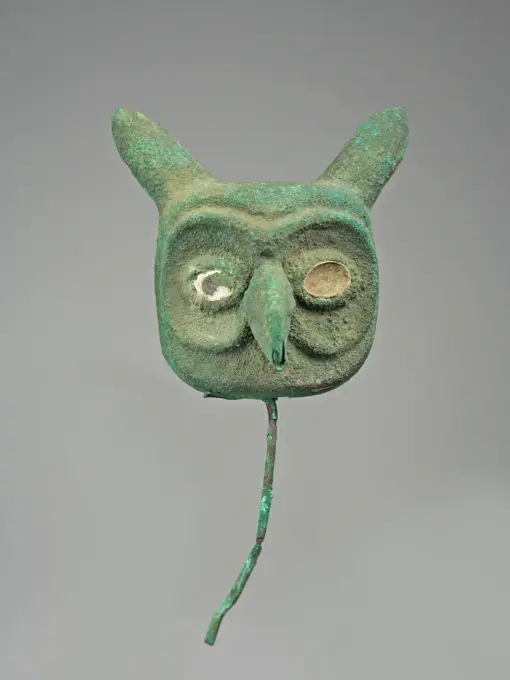
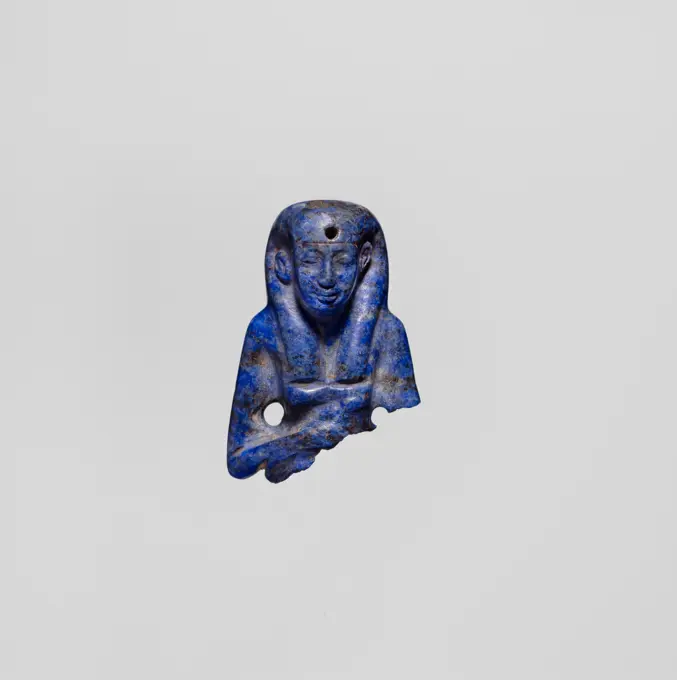
Inca and Egyptian Figurines

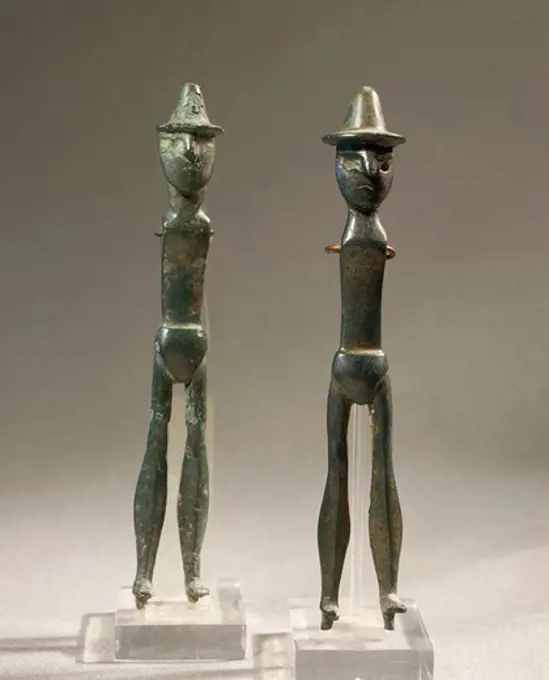
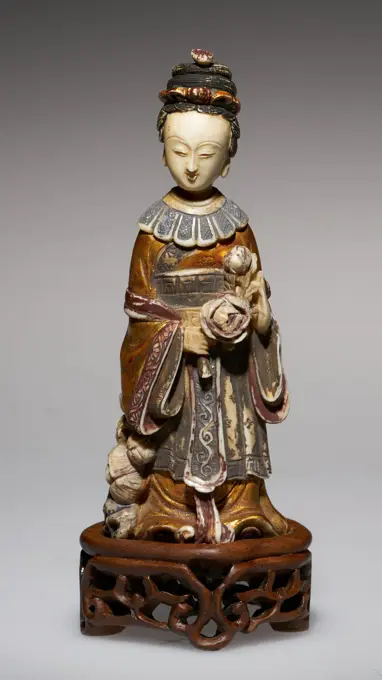
Metal and faience figurines depicting humans from different ancient cultures, showcasing traditional attire and cultural details.
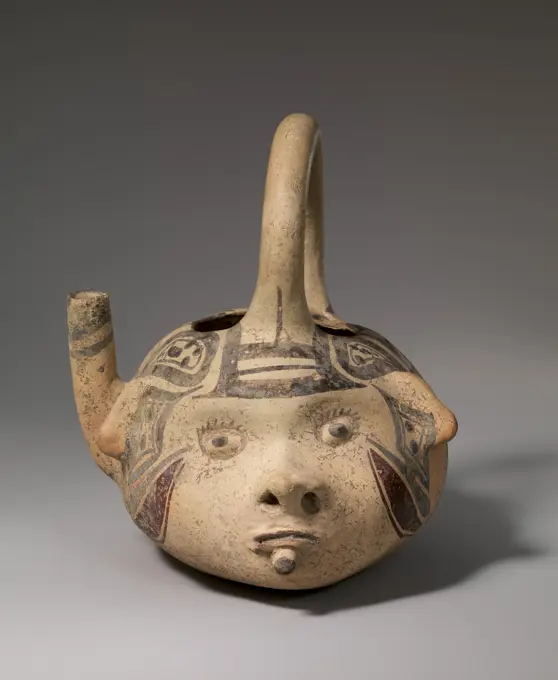
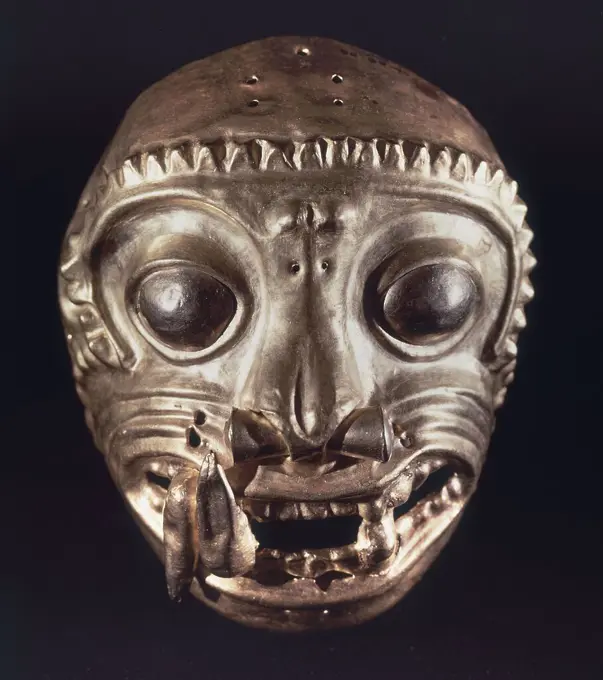
Spouted Vessel 13th-15th century Huastec The vessel is in the shape of a human head with wide open, staring eyes, a small pug nose, and closed mouth. A lip plug is worn in the lower lip. A handle extends from the forehead to the back of the head. On the right side behind the ear projects a single spout pointing upward. On the sides of the face and back of the head the cream-colored surface is covered with geometric motifs including dots, circles, diamonds and crosses in dark brown and purple.. Spouted Vessel. Huastec. 13th-15th century. Ceramic. Mexico, Mesoamerica, Veracruz. Ceramics-Containers
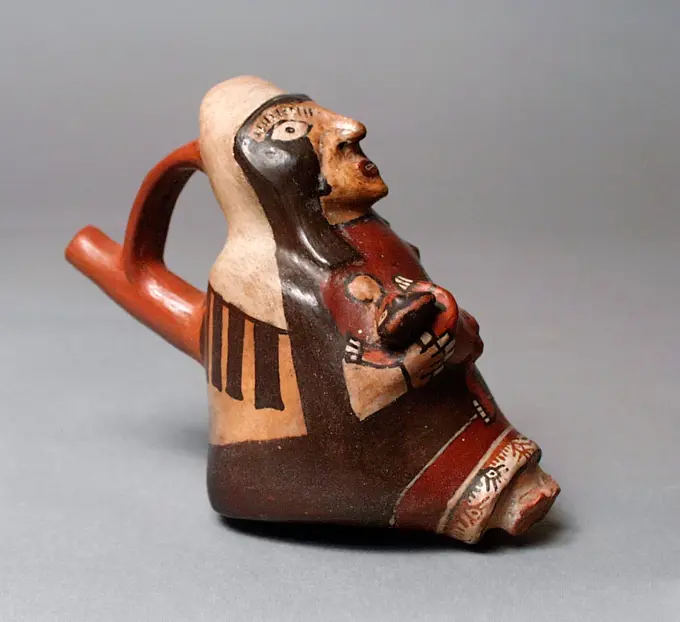
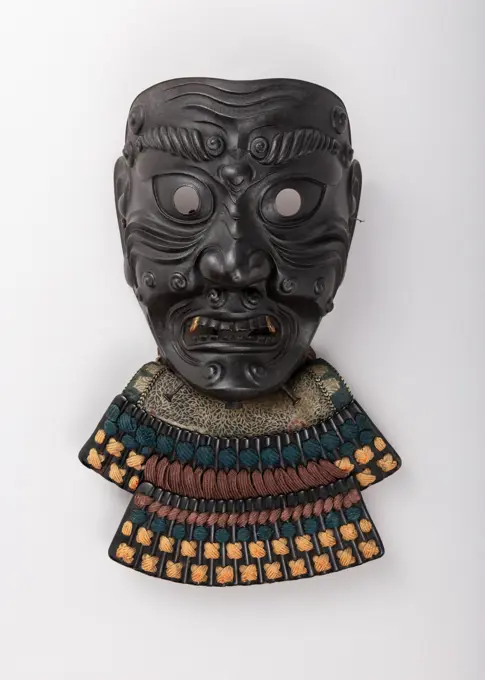
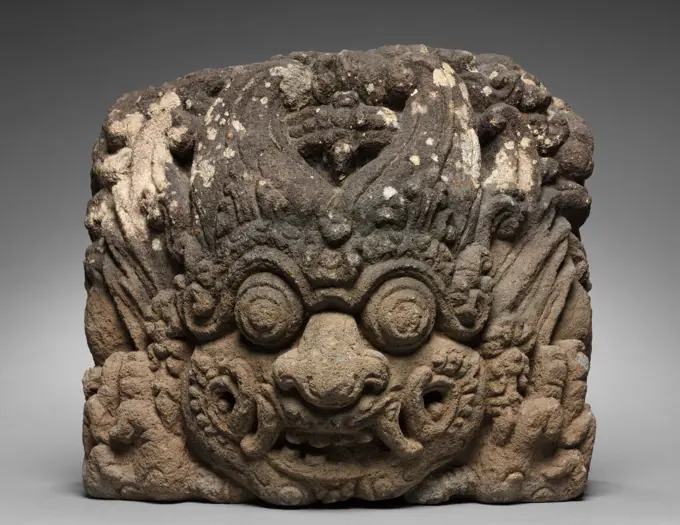
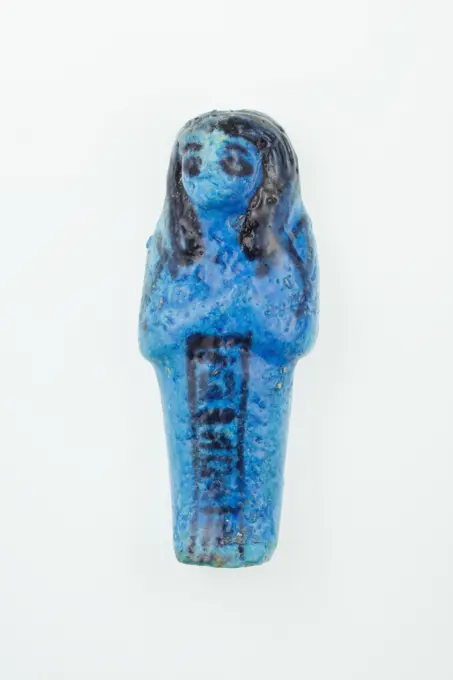
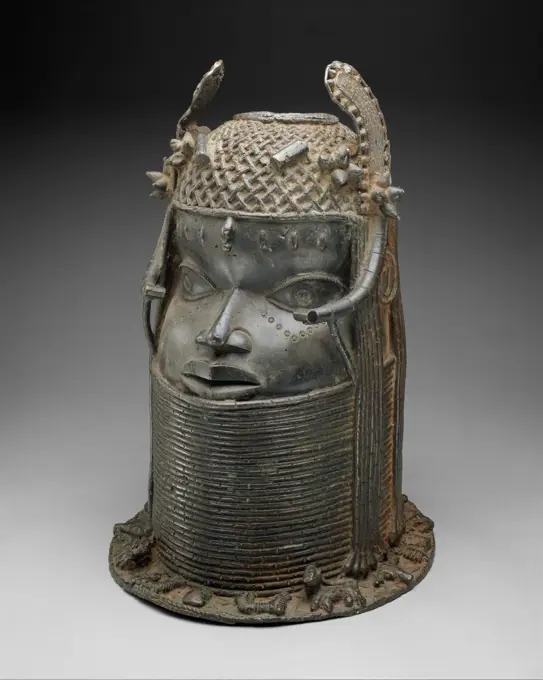
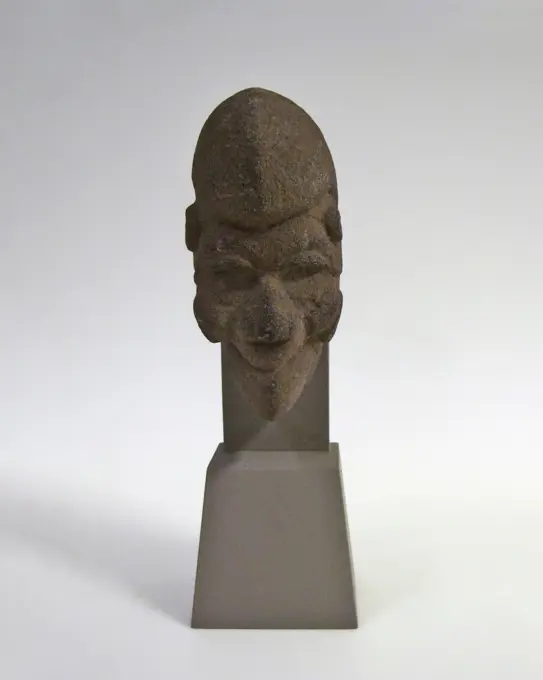
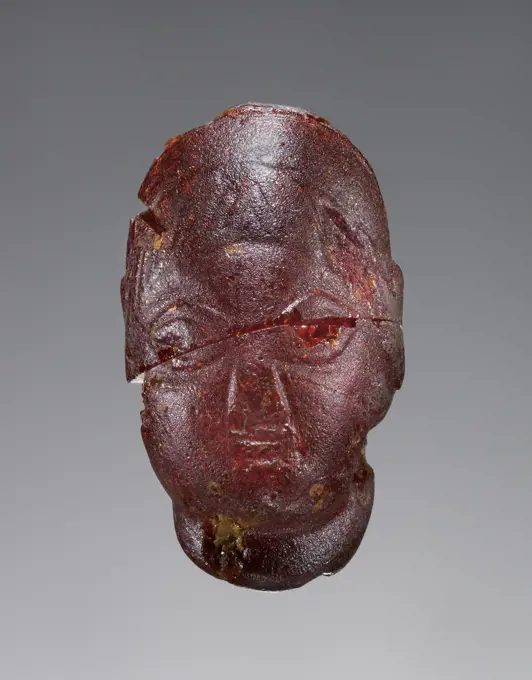
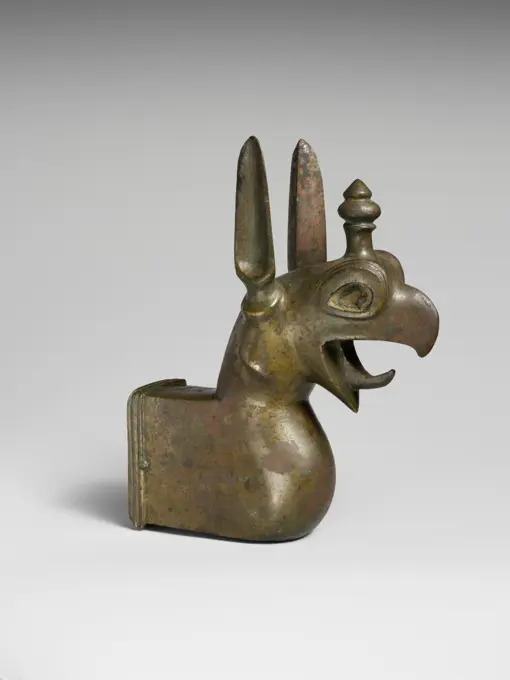
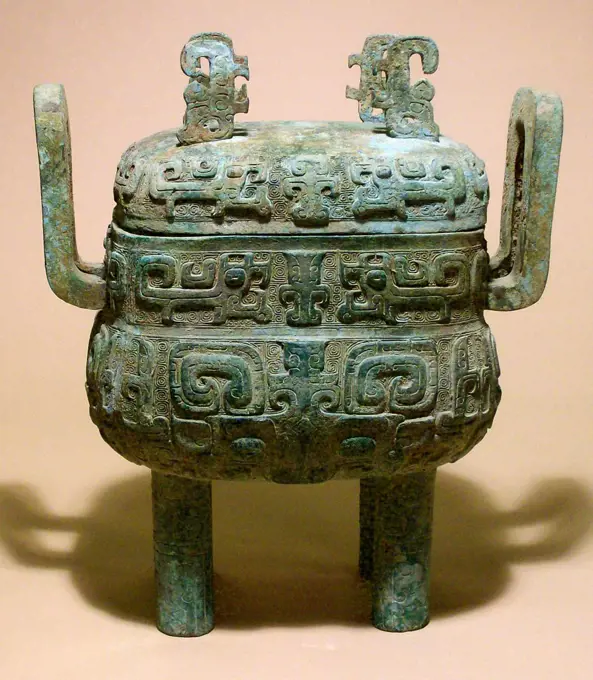
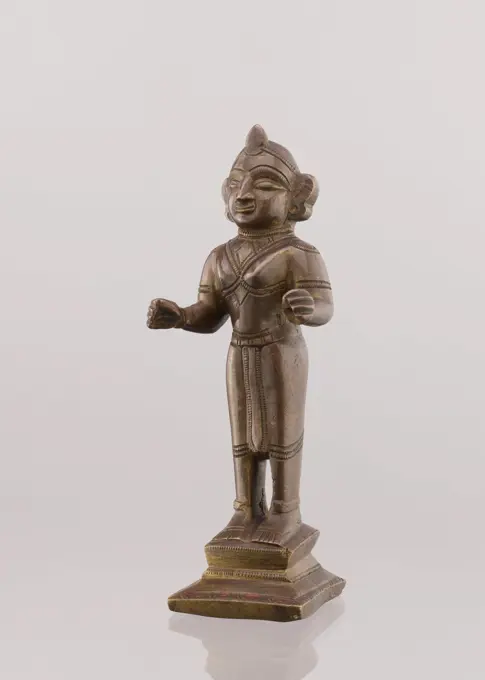
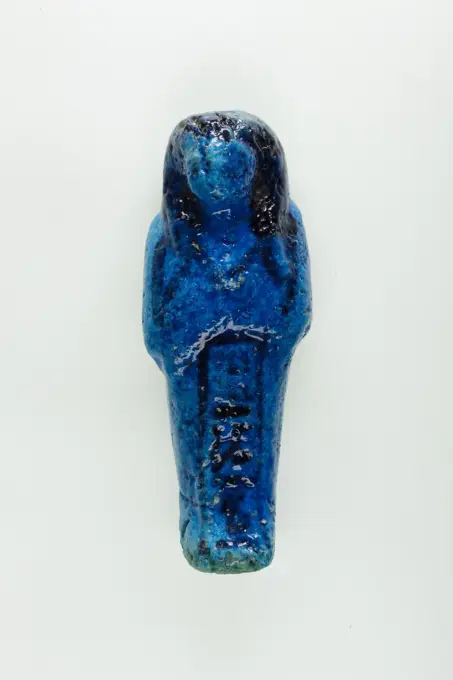
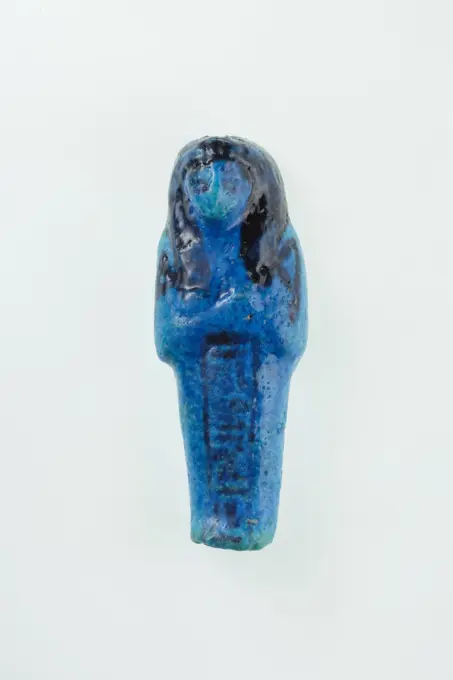
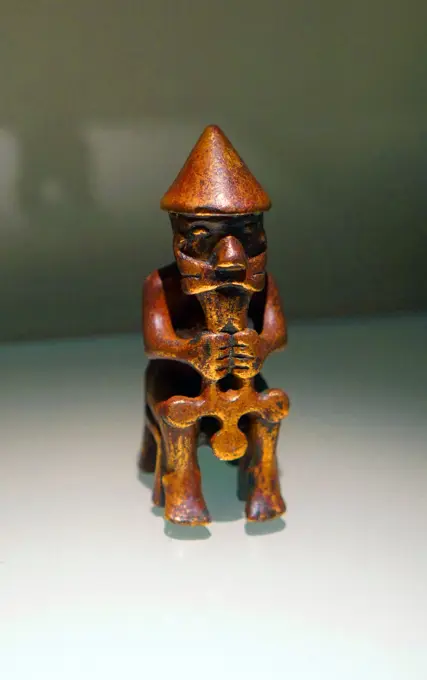
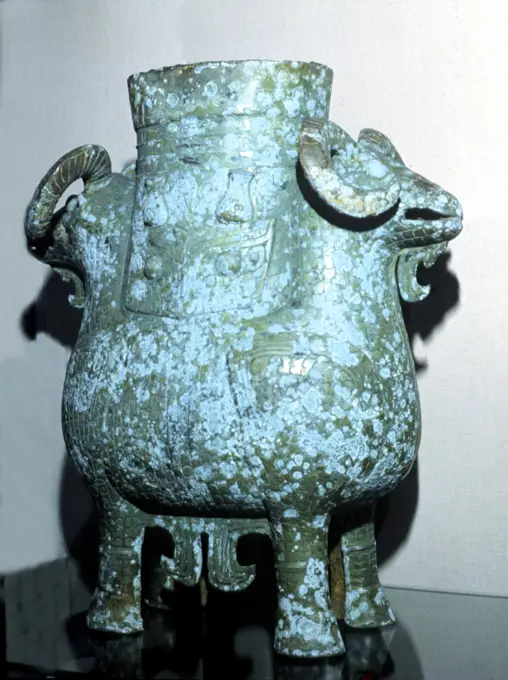
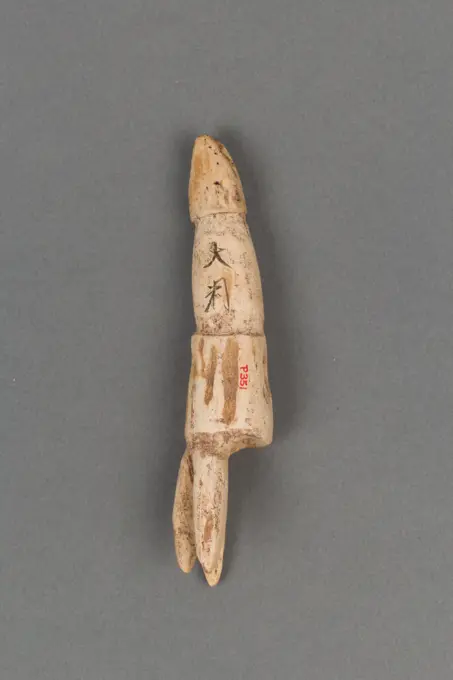
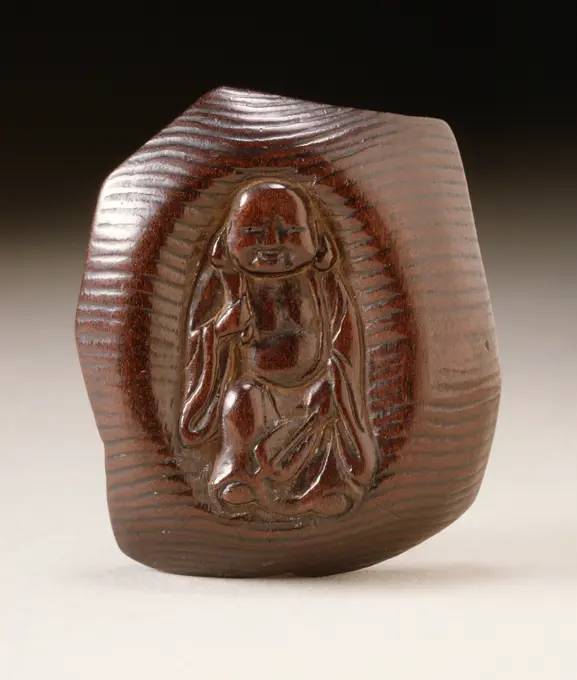
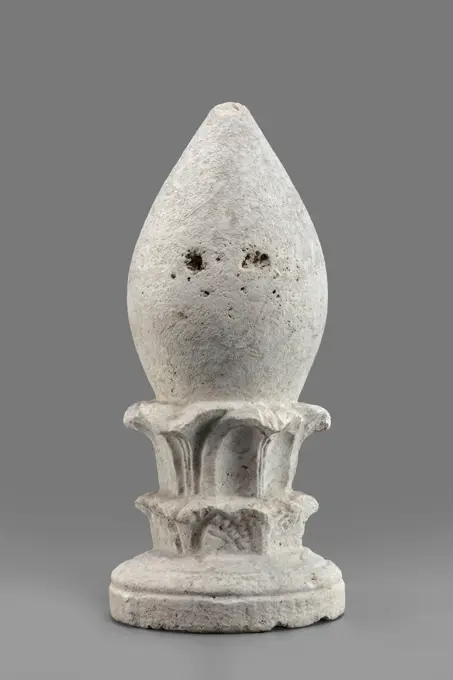
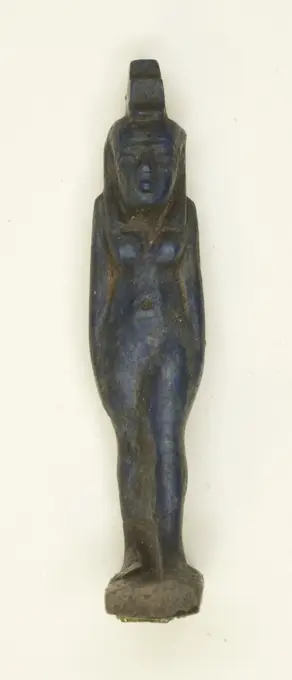
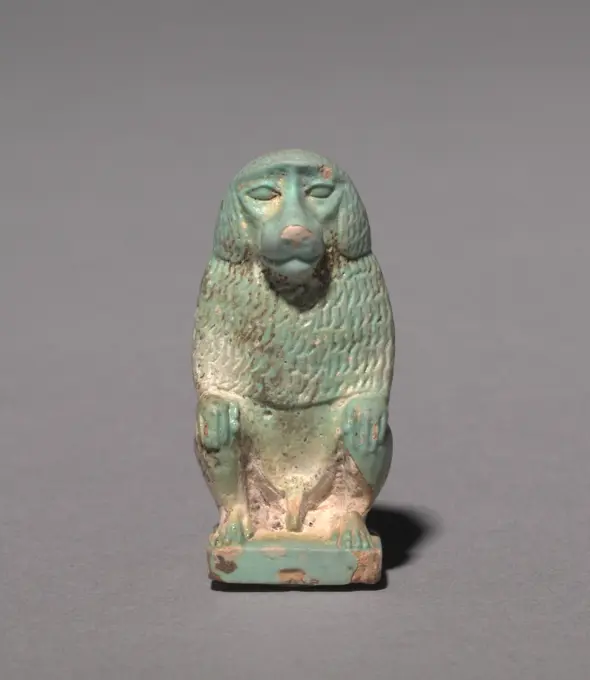
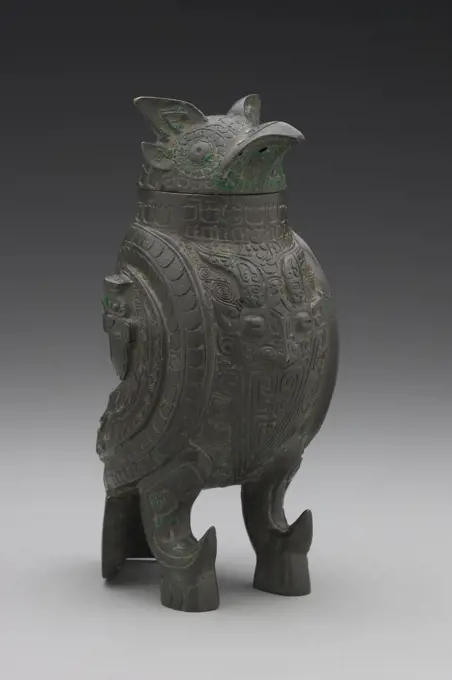
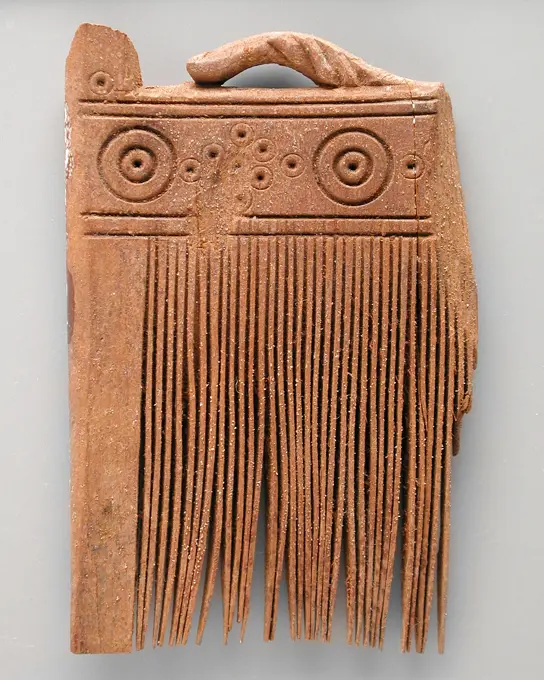
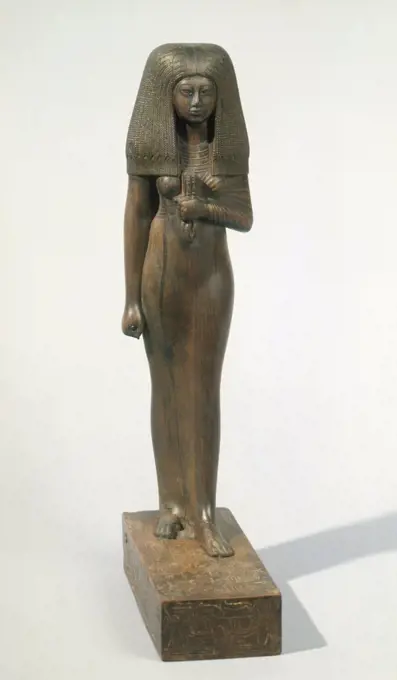
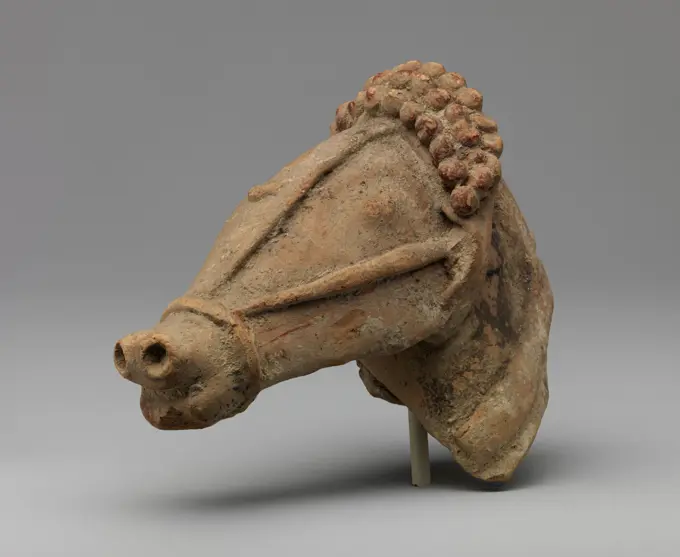
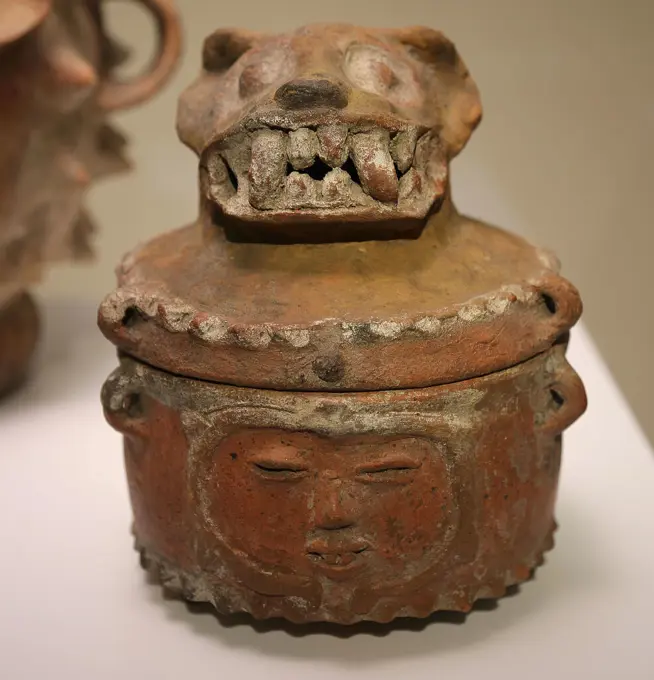
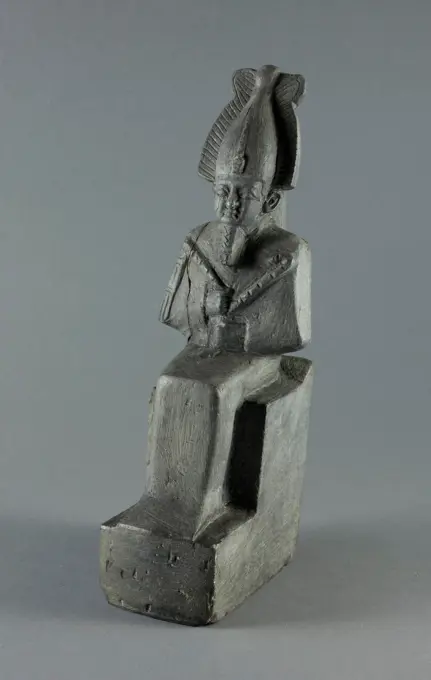
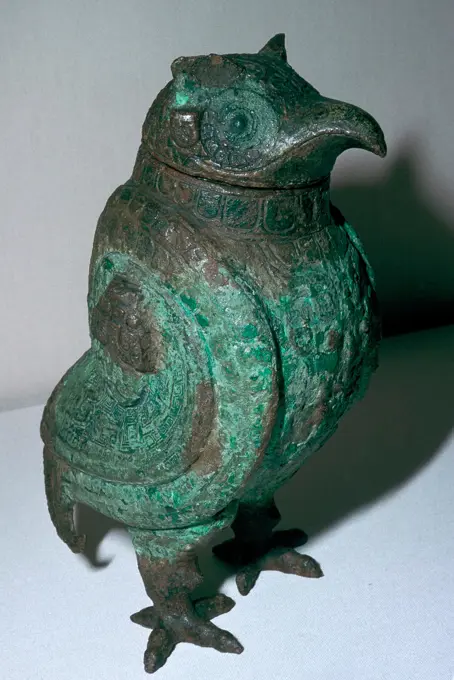
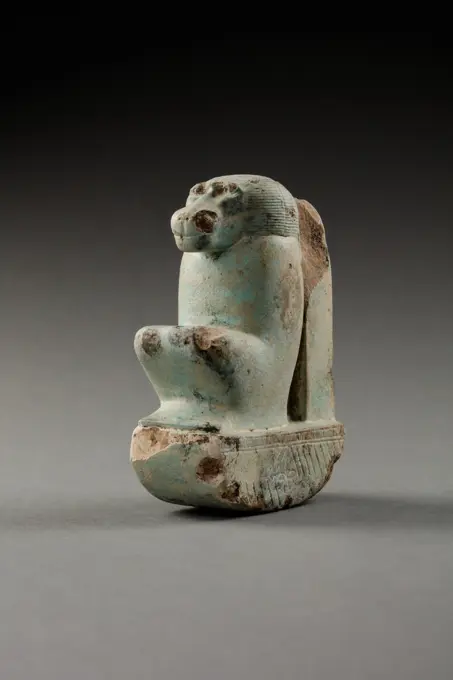
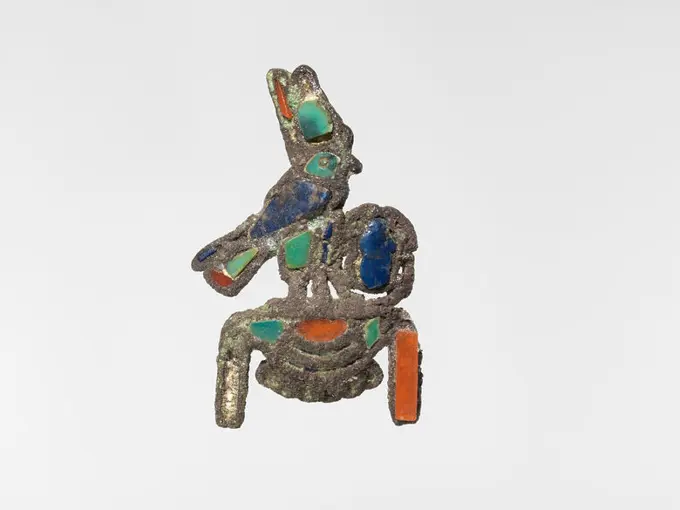
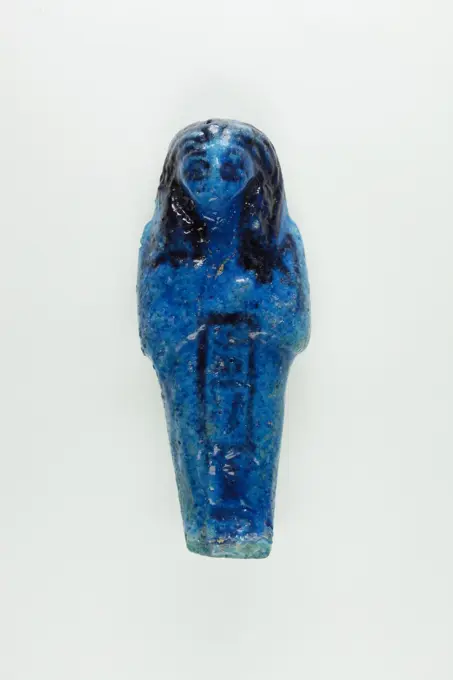
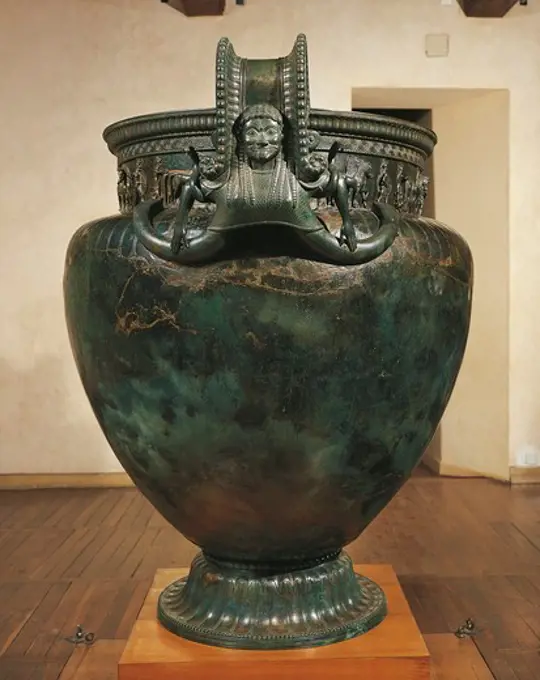
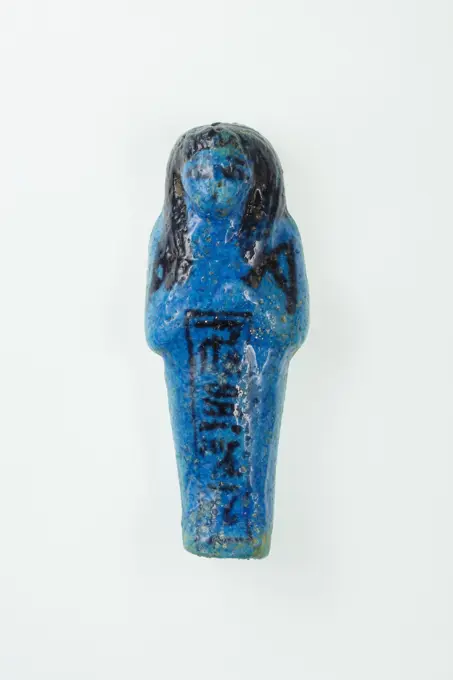
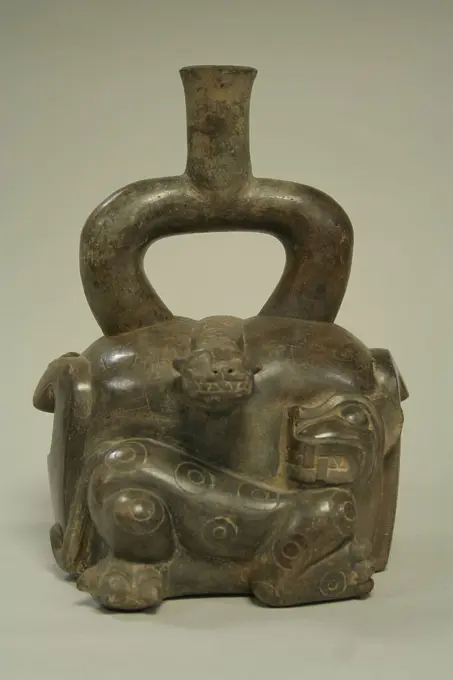
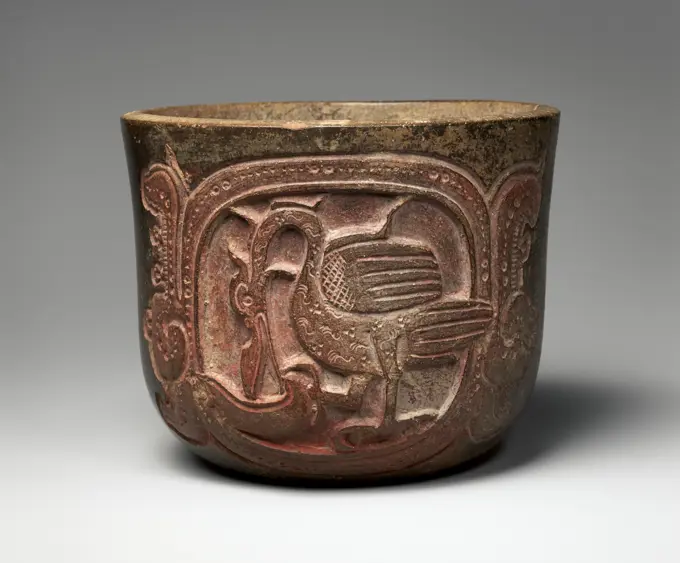
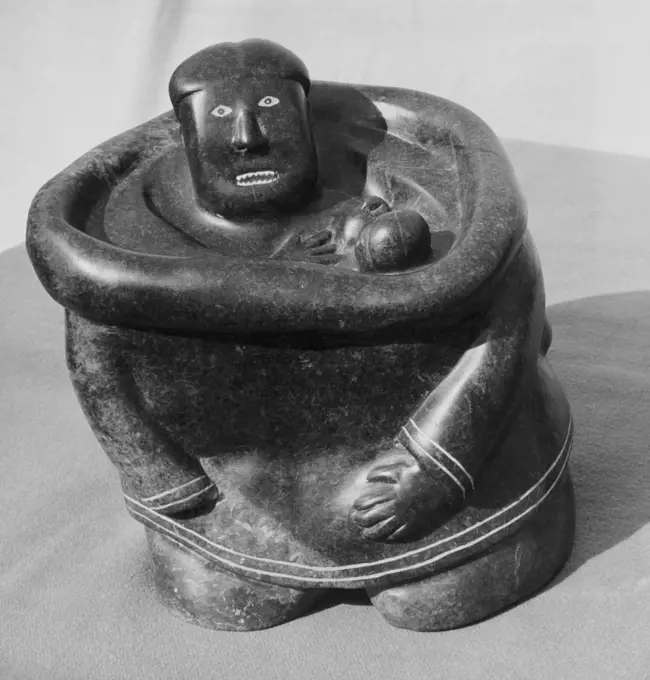
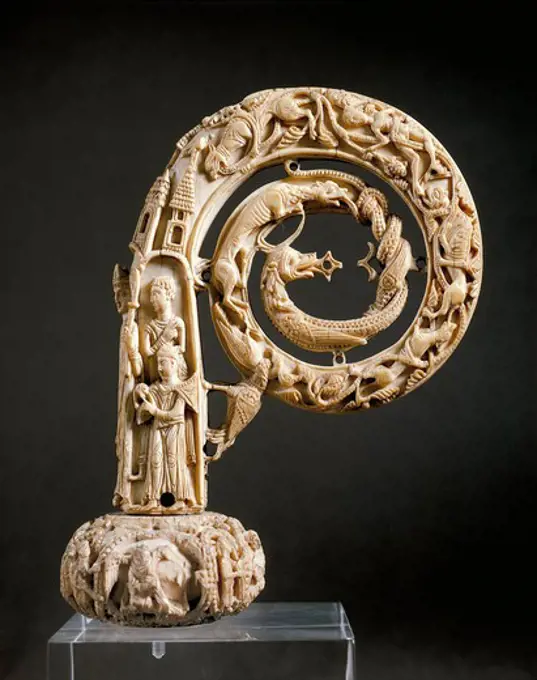
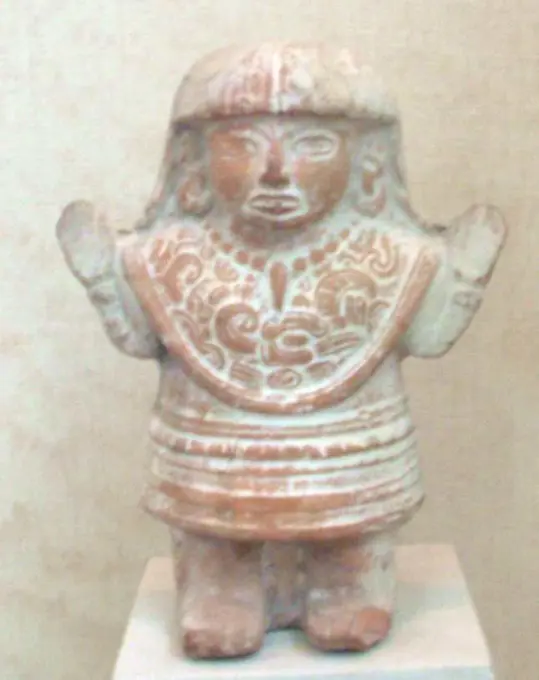
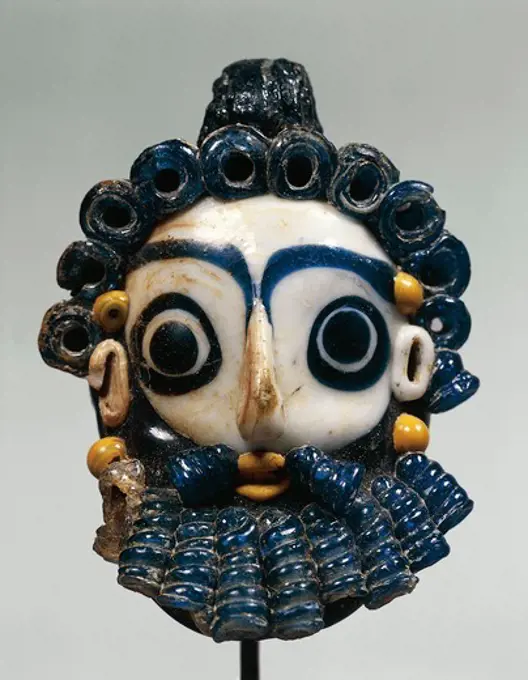
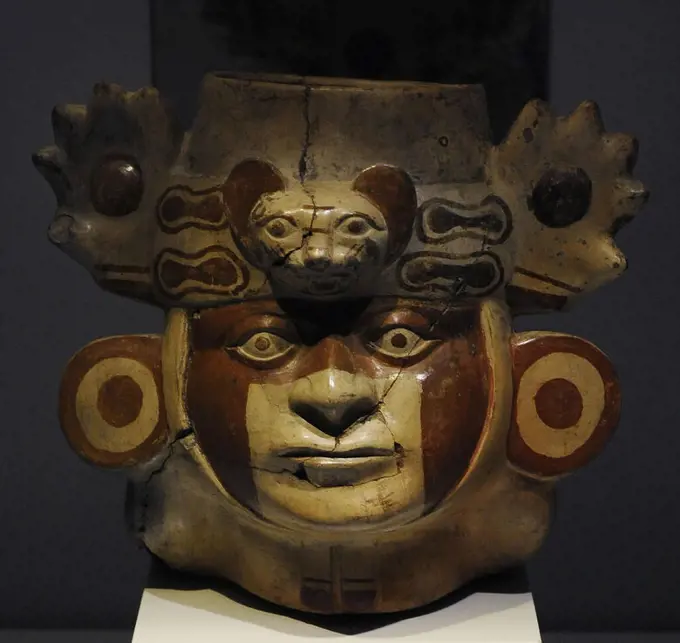
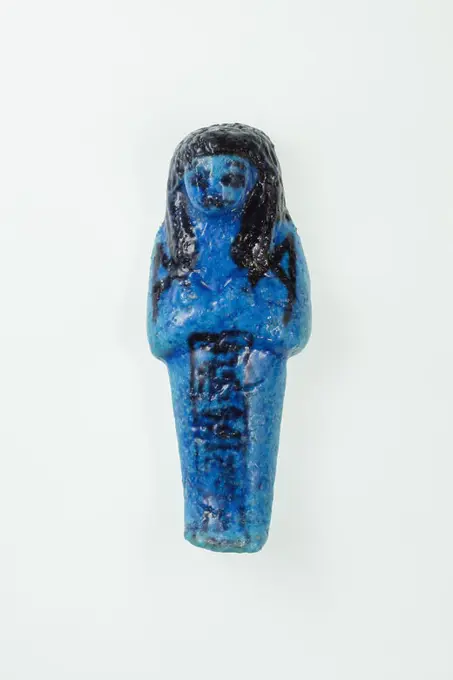
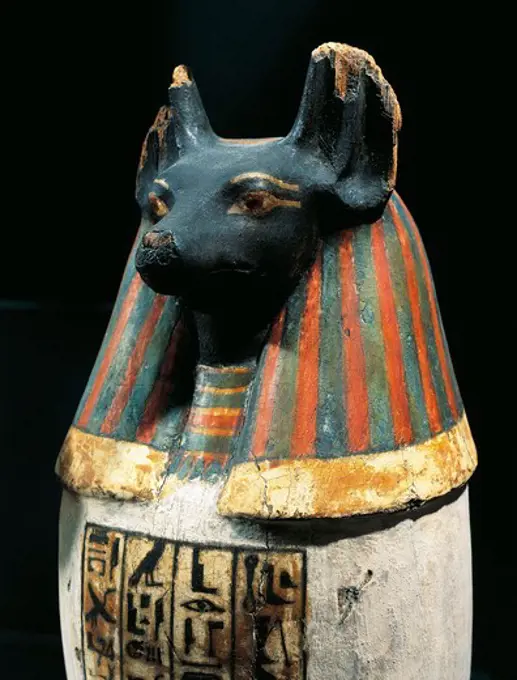
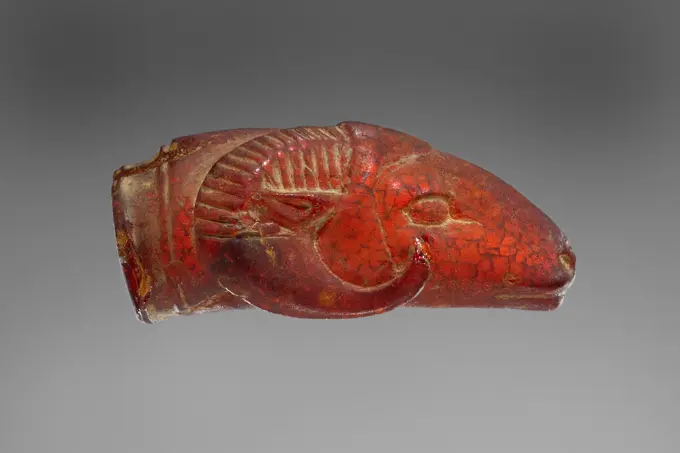
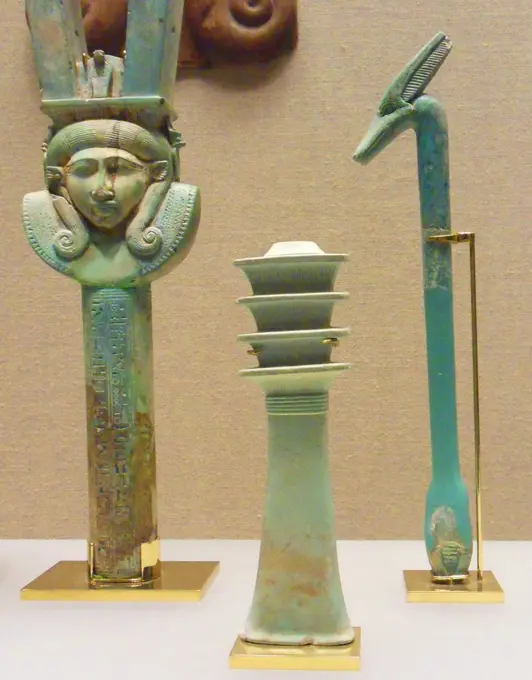
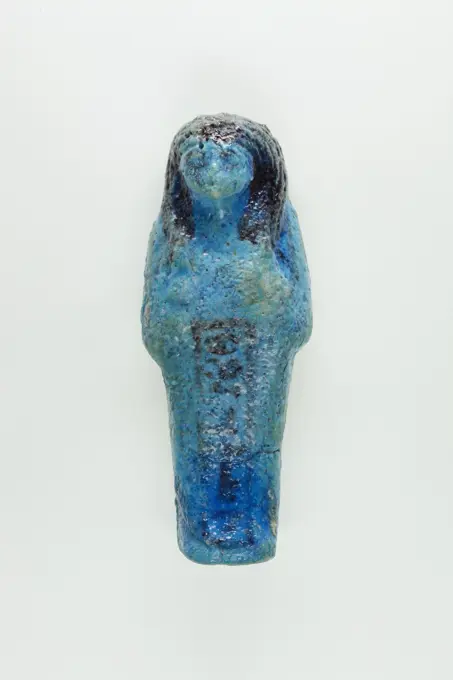
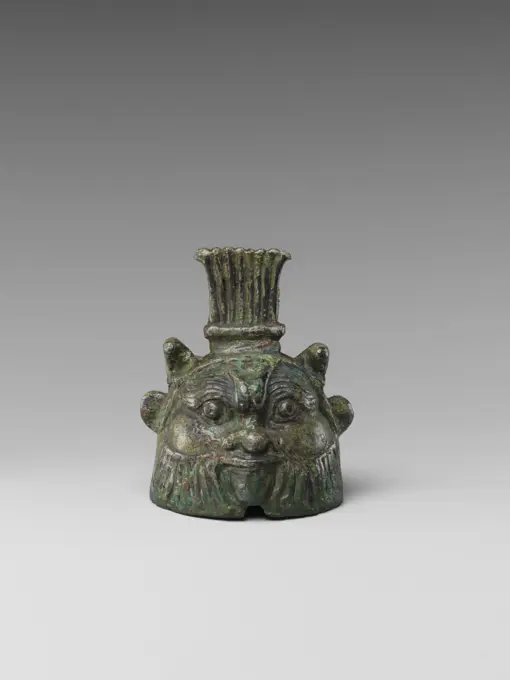
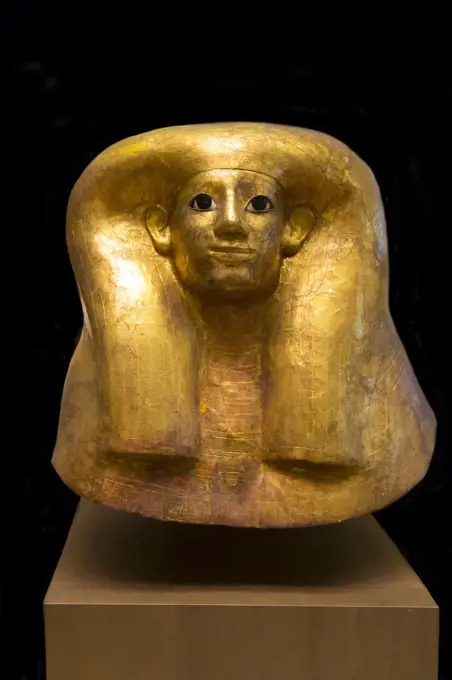
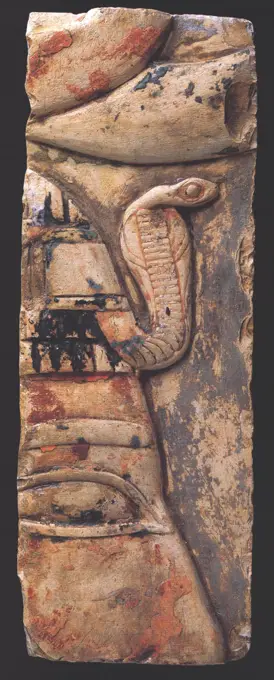
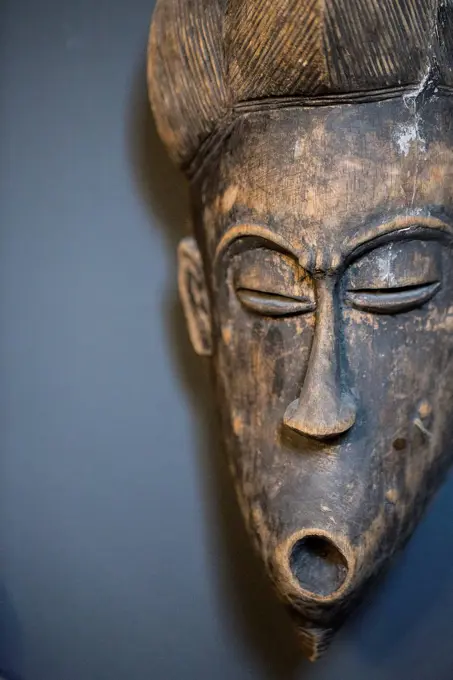
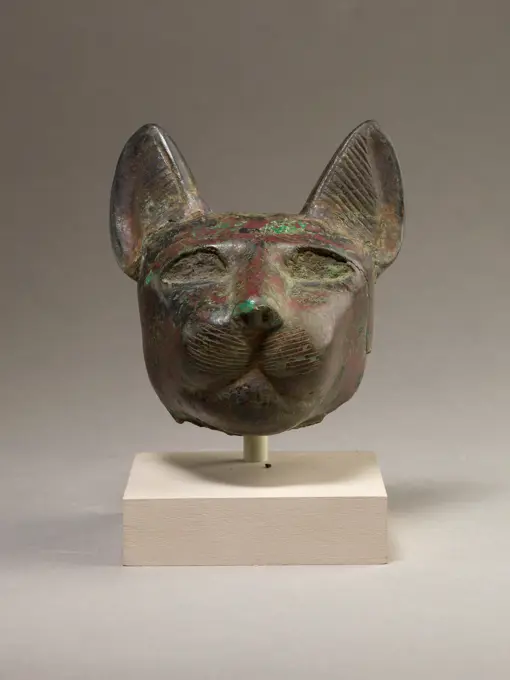
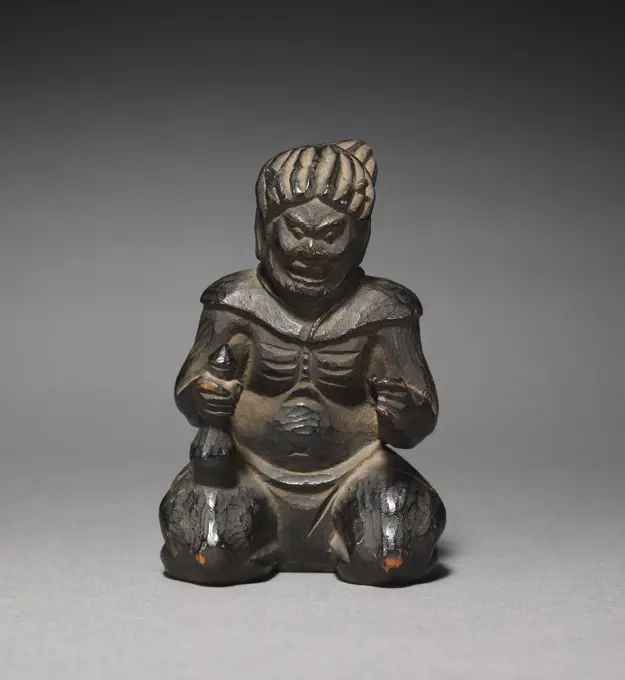
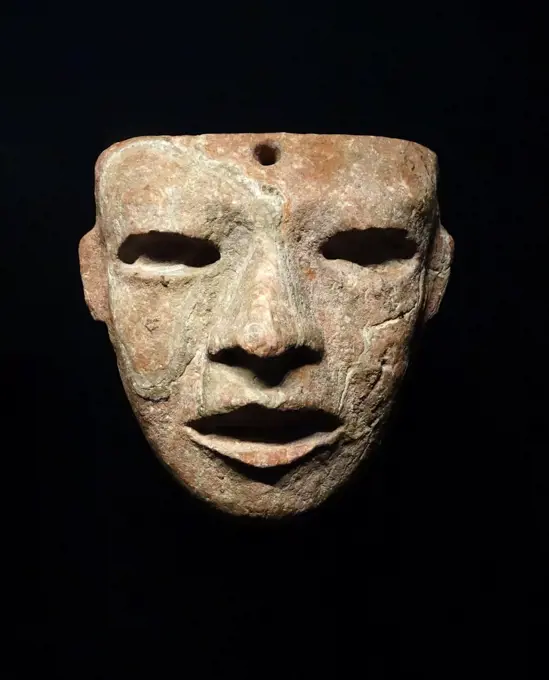
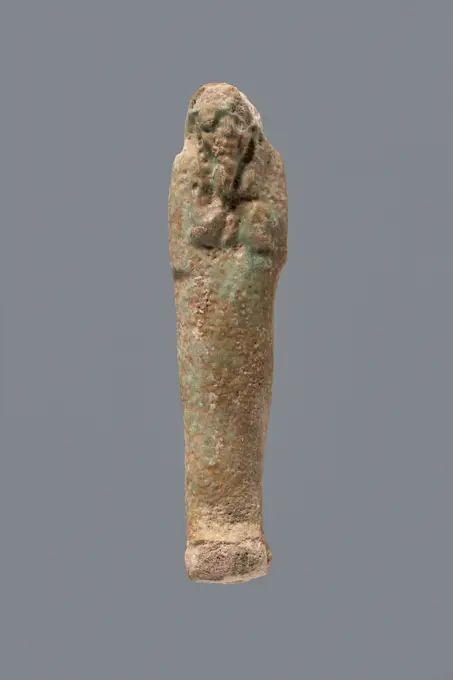
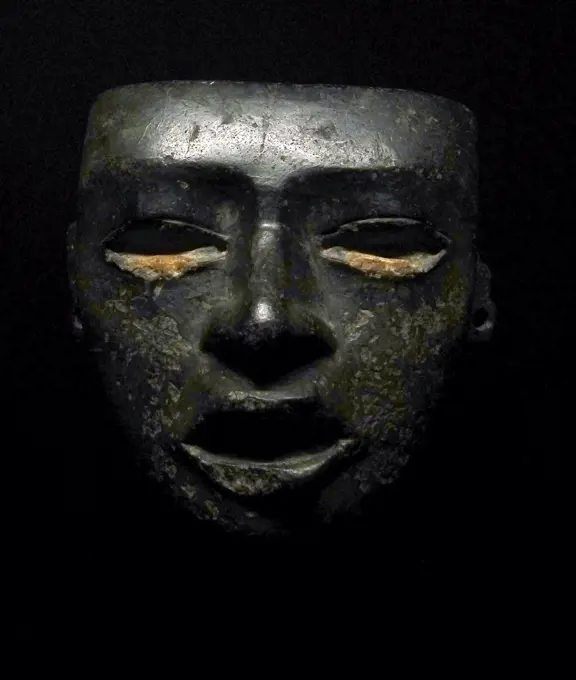
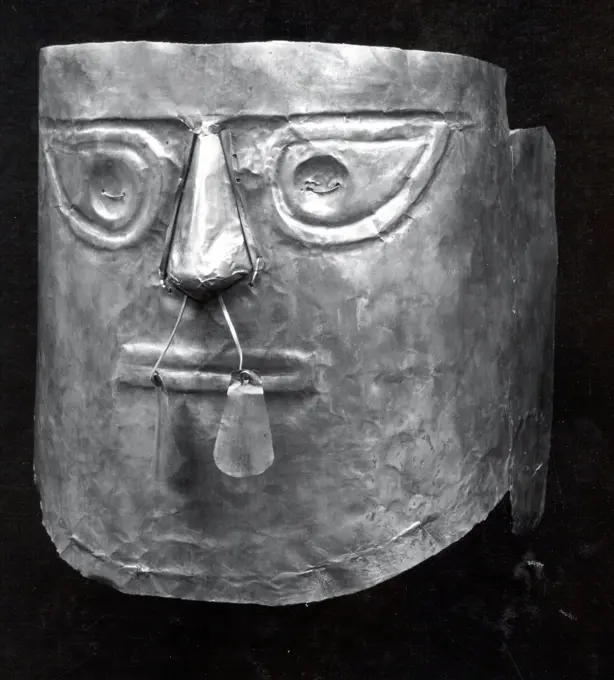
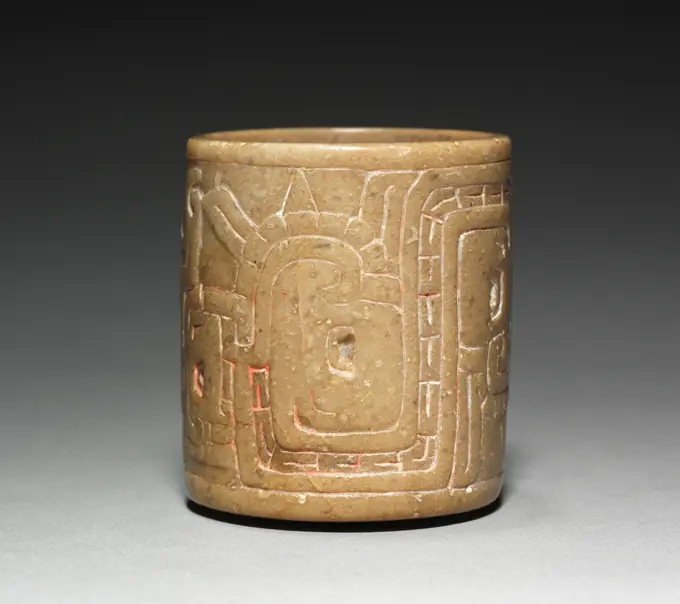
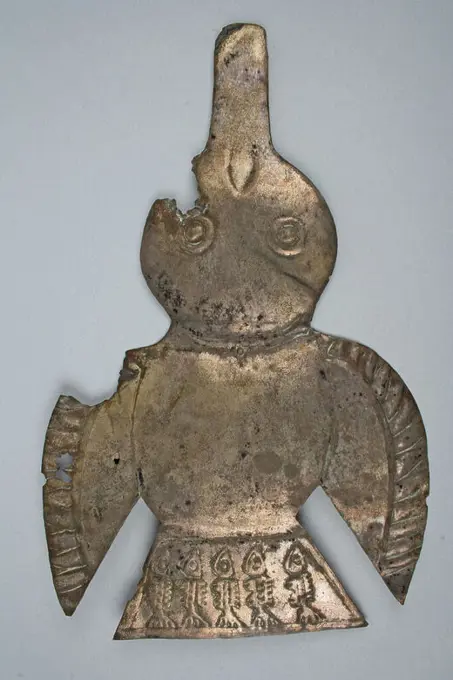
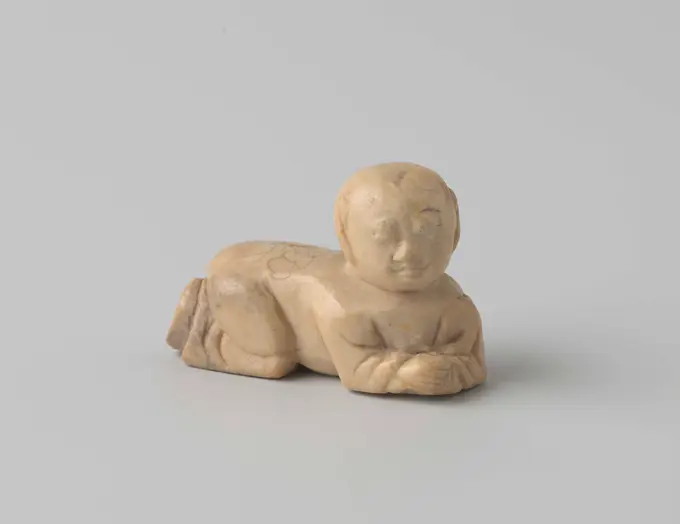
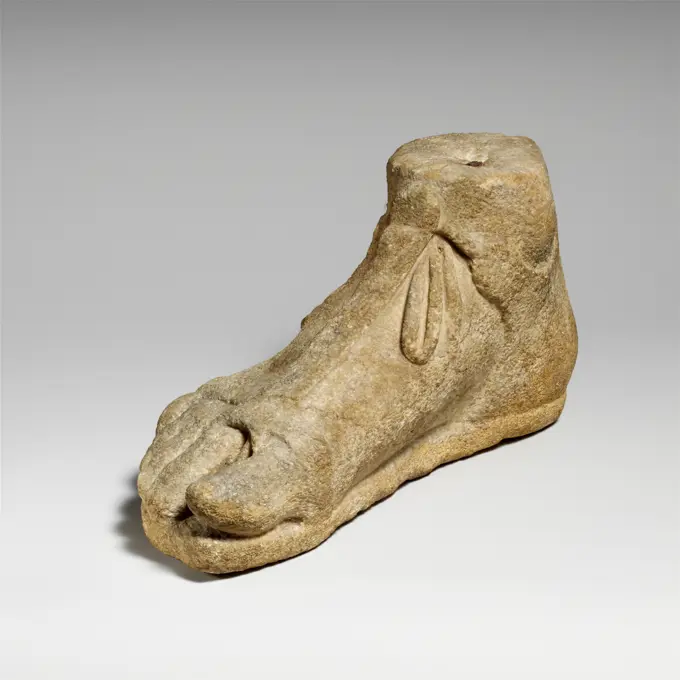
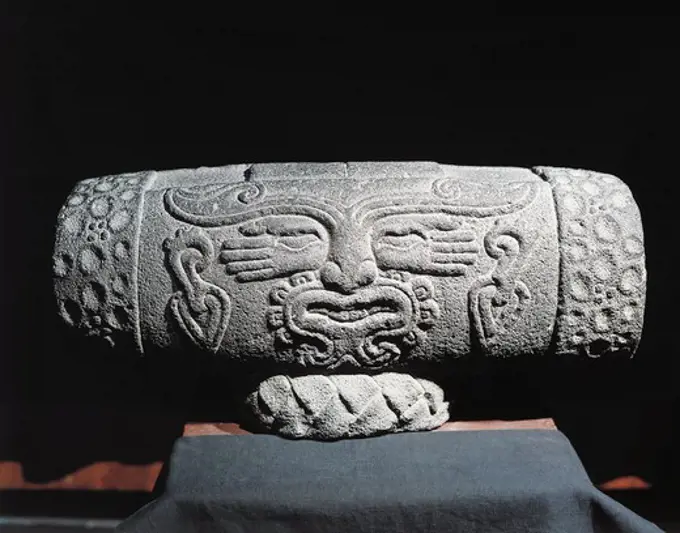
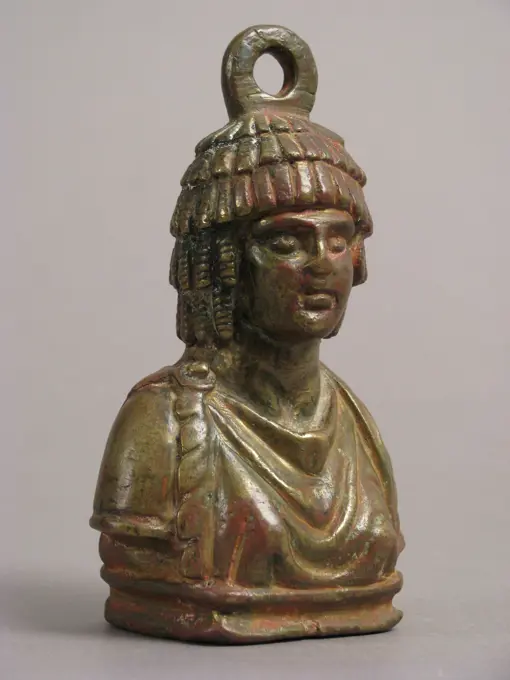
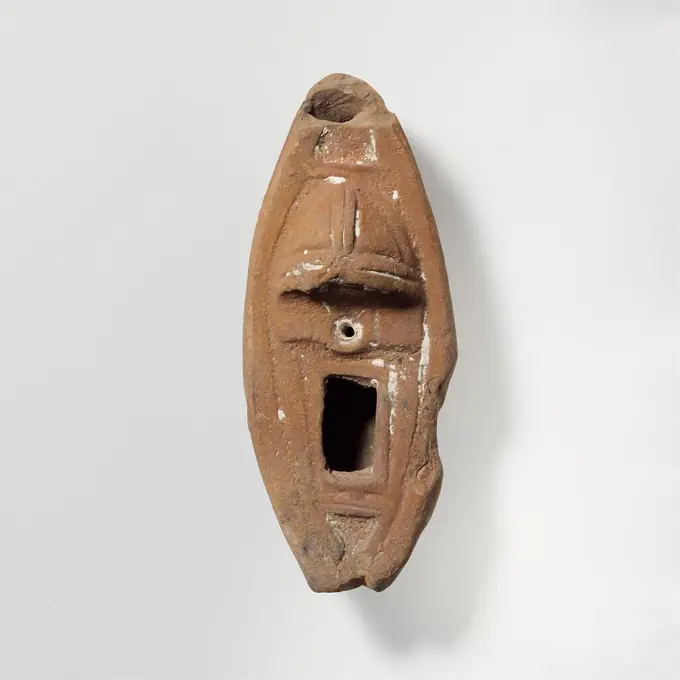
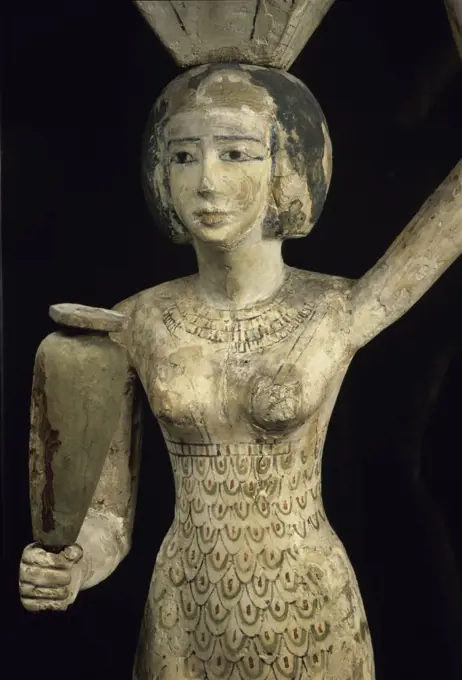
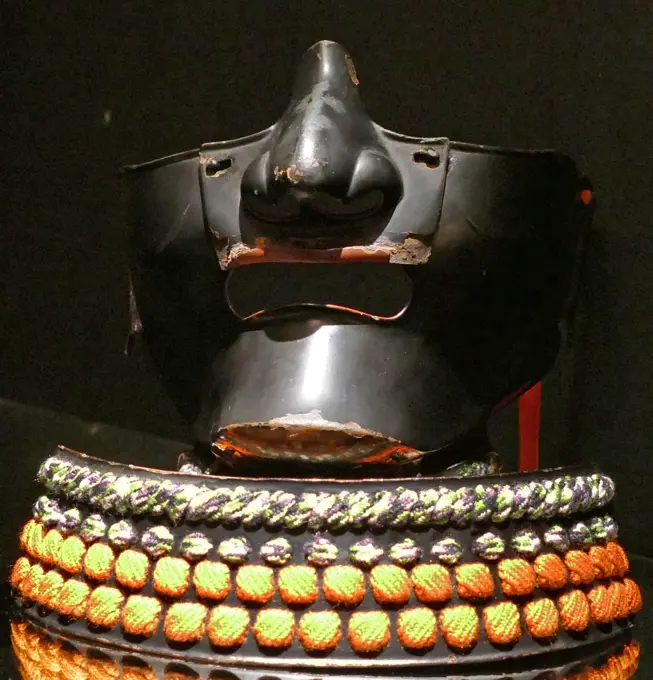
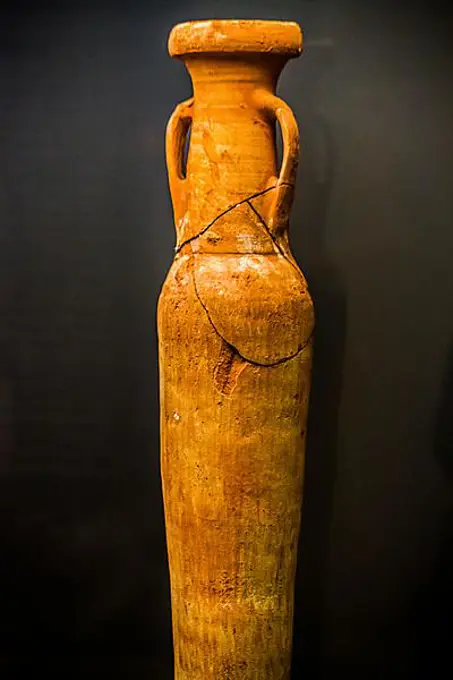
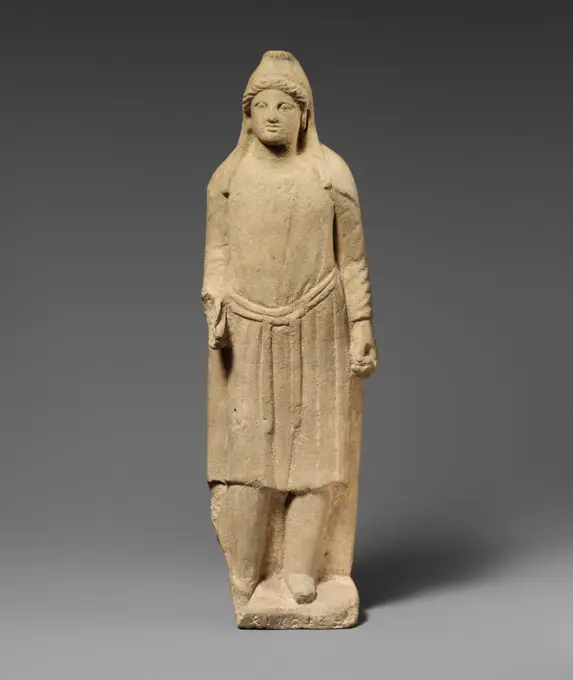
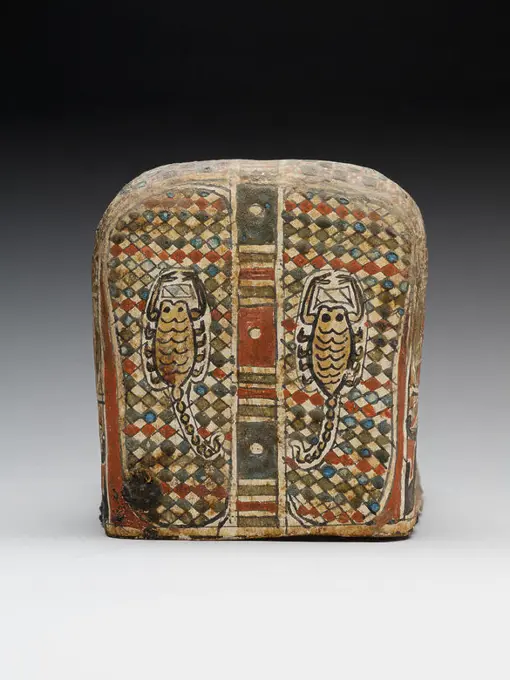
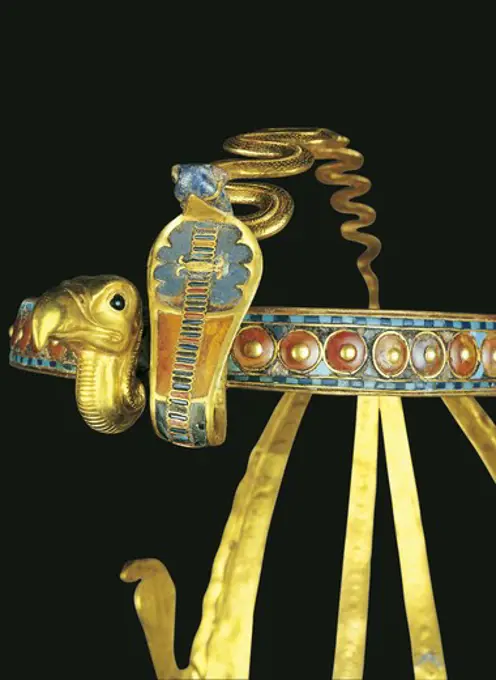
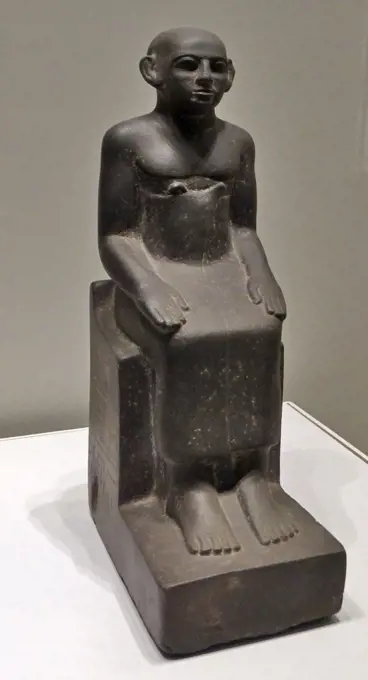
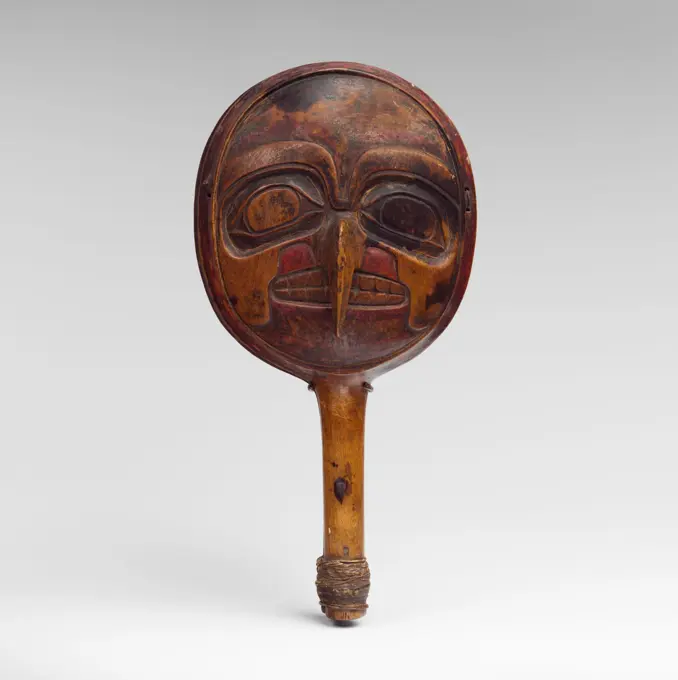
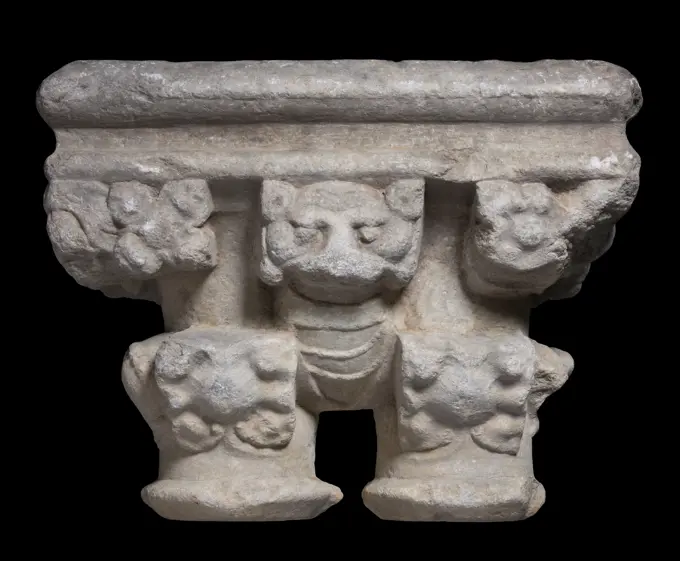
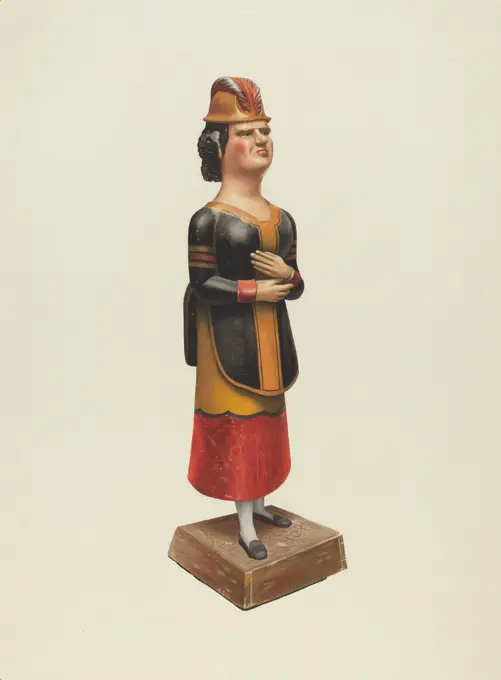
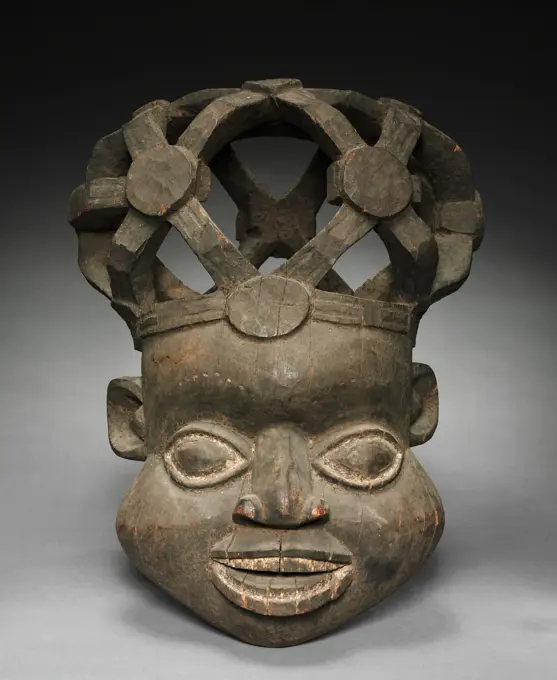
Helmet Mask, c. 1900. Equatorial Africa, Cameroon, Bamum, early 20th century. Wood, kaolin, and organic materials; overall: 57.2 cm (22 1/2 in.).Spouted Vessel of Female Figure with ChildMask with Neck Guard 18th century Inscribed by Mychin Munemitsu Japanese Masks have long played an important role in Japanese culture: in religious ceremonies, dance, Noh theater, and military costume. For samurai, masks served as a principal face defense and helped secure the helmet to the head more firmly.The majority of masks were half-length (mempo), covering the nose and the face below the eyes. Their iron surfaces are either lacquered or a dark russet finish; the interiors are usually lacquered red. In addition to half masks, the Metropolitan Museum's collection is unusual in possessing numerous full masks (somen). The majority date from the peaceful Edo period. During that time, armorers like the Mychin clan took pride in making ever more varied masks as a demonstration of their creativity and their famous metalworking skills.. Mask with Neck Guard. Japanese. 18th century. Iron, lacquer, gold, leather, textile (silk). Armor Parts-MasksCup. Cup of a warrior ().Bracket with Kala Mask, 1100s-1300s. Eastern Java, c. 12th-14th Century. Volcanic stone; overall: 40 x 45.5 x 31 cm (15 3/4 x 17 15/16 x 12 3/16 in.).Worker Shabti of Nany ca. 1050 B.C. Third Intermediate Period See 30.3.28.1a, b. Worker Shabti of Nany. ca. 1050 B.C.. Faience. Third Intermediate Period. From Egypt, Upper Egypt, Thebes, Deir el-Bahri, Tomb of Meritamun (TT 358, MMA 65), first corridor, burial of Nany, MMA excavations, 1928-29. Dynasty 21Head of an Oba 19th century Edo peoples This example of a brass casting of a Benin head may date to the mid-nineteenth century. The extreme degree of stylization, swollen cheeks and enlarged eyes, the size of the flange at the base, the weight of the casting, and the winglike projections attached to the crowns are characteristic of brass casting during this later period of Benin royal court.. Head of an Oba. Edo peoples. 19th century. Brass, iron. Nigeria, Court of Benin. Metal-SculptureStone altar. From Hagar Qim, Malta. Temple Period (3600 BC to 2500 BC). National Museum of Archaeology. Valletta. Malta.Hacha, c. 700, 6 1/2 x 2 5/8 x 3 3/4 in. (16.5 x 6.67 x 9.53 cm), Stone, Mexico, Post ClassicGlass face bead mid-4th-3rd century B.C. Phoenician or Carthaginian Translucent dark cobalt blue, with opaque turquoise blue, white, and yellow, and translucent cobalt blue.Cylindrical with large hole running vertically through bead.Three conjoining faces; upper half of face in white, with blue and white stratified eyes, blue eyebrows, white ears flanked above and below with yellow earrings, white nose, small mouth in yellow, and yellow blob on forehead; above, curly blue hair in thick blobs applied over turquoise blue; below, U-shaped blue beard with tooled vertical ribbing applied over turquoise blue.Intact except for one ear and one nose, and with horizontal cracks across faces; slight pitting and weathering.Blue bead with three white bearded faces, and yellow decoration.. Glass face bead 249953ToolPendant: Female Head; Italy; 500 - 480 B.C; Amber; 42 × 24 × 29 mm (1 5,8 × 15,16 × 1 1,8 in.)Bronze griffin attachment ca. 600-575 B.C. Etruscan This heavy, solid-cast griffin was the finial for another object, perhaps an andiron. Originally, the eyes were inlaid with other materials, such as amber and ivory, to create a more lifelike realism.. Bronze griffin attachment. Etruscan. ca. 600-575 B.C.. Bronze, amber perhaps. Archaic. BronzesAncient China: Cooking vessel with lid (Fang Ding), Shang Dynasty, 1600 - 1027 BC. Bronze.Lamp pedestal - a woman's figurine;  19th/20th century (1791-00-00-1810-00-00);Worker Shabti of Nany ca. 1050 B.C. Third Intermediate Period See 30.3.26.1a, b. Worker Shabti of Nany 625733Worker Shabti of Nauny ca. 1050 B.C. Third Intermediate Period See 30.3.27.1a, b. Worker Shabti of Nauny. ca. 1050 B.C.. Faience. Third Intermediate Period. From Egypt, Upper Egypt, Thebes, Deir el-Bahri, Tomb of Meritamun (TT 358, MMA 65), first corridor, burial of Nauny, MMA excavations, 1928-29. Dynasty 21Wooden figure of the Norse God Thor, associated with thunder, lightning, storms, oak trees, strength, and the protection of mankind. Dated 9th CenturyShang Dynasty ritual vessel. Zun type. Hunan. 11-13th cent. BC CHINA.Toggle harpoon head Japan The Jmon period is the earliest period in Japanese history, lasting from roughly 14,000 to 300 BCE. The Jmon people were primarily hunter-gatherers, hunting land animals and gathering vegetables and nuts on the land as well as hunting and fishing at sea. This toggle harpoon head, which works by detaching from the shaft of the harpoon once it is stuck in an animal while remaining attached to the shaft by a rope, facilitated the hunting of larger animals at sea. It allowed the Jmon people to practice both opportunistic as well as deliberate hunting of large sea mammals including whales, which are known to have been part of the diet of some Jmon communities along with other sea mammals like seals.. Toggle harpoon head. Japan. Bone. Final Jmon period (ca. 1000-300 B.C.). BoneFigure of Idol ca. late 15th-early 16th century Mexico. Figure of Idol. Mexico. ca. late 15th-early 16th century. Jadeite, sage-green. JadeBizen Pottery SherdPine cone -shaped cippus;  IV-III century BC (-400-00-00--201-00-00);EtruriaAmulet of the Goddess Isis 700 BCE-1 BCE Egypt. Lapis lazuli . Ancient EgyptianPrehistory, Sweden, Bronze Age. Male figurines with headdress. From Loshult.Mold for a Male Head, AD 1-300. Italy, Roman. Terracotta; overall: 9.9 x 6.4 x 4.8 cm (3 7/8 x 2 1/2 x 1 7/8 in.).Four-legged figure, 2nd century BCE - 2nd century CE, 9 3/4 x 8 x 11 1/2 in. (24.8 x 20.32 x 29.21 cm), earthenware, Mexico, 2nd century BCE - 2nd century CESculpted vase. From Honduras. Made from alabaster.Stone Temple Model. Culture: Mezcala. Dimensions: Height 5-3/8 in.. Date: 1st-8th century. Museum: Metropolitan Museum of Art, New York, USA.. Sitting figure of dark wood, inlaid with silver decorations, presenting a Dutchman.Thoth as Baboon, 664-305 BC. Egypt, Late Period, Dynasty 26 to Ptolemaic Dynasty. Pale turquoise faience; overall: 5 x 2.4 x 2.5 cm (1 15/16 x 15/16 x 1 in.).Terracotta figurine, probably fetish, Egyptian civilizationOwl-Shaped Wine Vessel(Zun), 13th-11th century B.C., Bronze, 8 1/8 × 3 7/8 in. (20.7 × 9.8 cm), This zun, or wine vessel, is cast in the shape of an owl whose head forms a removable lid. A scaled snake with a tiger’s head forms the pinion of each wing. The snake’s body outlines the curve of the wings, which terminate in a clawed and plumed bird. On the breast is another composite creature made up of a cicada’s body with a bovine head capped with horns in the shape of two small dragons. The owl as both a night bird and a bird of prey was a symbol of death and ill omen in later Chinese folk tradition. Although unlucky to the living because it foretells death, the owl may have been considered suitable as a motif for vessels intended to feast the dead. Combining it with the cicada, a natural symbol of death and transformation, may have increased itpotency. , China, Chinese, Shang dynasty (1600-1050 B.C.), Anyang phase (1300-1050 B.C.), Containers -MetalsCharm, late 19th century, 3 3/4 x 2 7/8 x 1 1/2 in. (9.5 x 7.3 x 3.8 cm), Stone, United States, 19th centuryComb. Egypt, 10th-12th century. Jewelry and Adornments; combs. WoodThe Priestess Toui, Highest of the Recluses of Min  Artist Unknown Egyptian  Wood Sculpture  Musee du Louvre, Paris Terracotta horse's head with harness ca. 600-480 B.C. Cypriot The hollow head is probably from a fairly large quadriga group, judging from the harness.. Terracotta horse's head with harness. Cypriot. ca. 600-480 B.C.. Terracotta; handmade. Cypro-Archaic II. TerracottasMesoamerica. Precolombian. Maya art. Censer with jaguar. Mexico or Guatemala. 600-900. Museum of Cutures of the World. Barcelona. Spain.Statuette of the God Osiris Seated 664 BCE-332 BCE Egypt. Steatite . Ancient EgyptianChinese Bronze Ritual Vessel, 10th century BC. Artist: UnknownFigure of baboon on a basket and with a pillar, the shebet offering ca. 664-30 B.C. Late Period-Ptolemaic Period The mummiform baboon squats on a basket with a pillar behind him. The nature of this object is still under discussion. The image of the baboon might allude to the god Thoth. Only rarely do we know the archeological context to which these objects belong, but a few of them are known to come from an area in Saqqara near one of the main ibis cemeteries. Another example arrives from Hermopolis, one of the main sites in which Thoth was celebrated. In imagery, however, it is mostly kings who are represented offering an object in this form and mostly to goddesses.. Figure of baboon on a basket and with a pillar, the shebet offering. ca. 664-30 B.C.. Faience. Late Period-Ptolemaic Period. From EgyptPendant: Ram's Head; Italy; 500 - 450 B.C; Amber; 19 × 15 × 32.5 mm (3,4 × 9,16 × 1 1,4 in.)Jewelry element representing a falcon wearing a double crown. Dimensions: H. 2.9 cm (1 1/8 in.); W. 1.8 cm (11/16 in.); Th. 0.5 cm (3/16 in.). Date: ca. 1887-1750 BC.This ornament depicts a crowned falcon sitting on a nb-sign, the word for gold, with a scarab beetle at the bird's feet. Surprising many of the piece's inlay are still present, whose strong colors add to the striking nature of the piece. Museum: Metropolitan Museum of Art, New York, USA.MASCARA ZOOMORFA DE ORO Y PLATINO. Location: PRIVATE COLLECTION. QUITO. ECUADOR.Pottery Whistle ca. 300-900 Mexican. Pottery Whistle. Mexican. ca. 300-900. Clay. Classic Period (Pre-Columbian). Oaxaca valley, Mexico. Aerophone-Whistle Flute-whistleWorker Shabti of Nauny ca. 1050 B.C. Third Intermediate Period See 30.3.26.1a, b. Worker Shabti of Nauny 625746France, Burgundy, Vix krater (vase used to mix wine and water), from the Vix Grave, bronzeWorker Shabti of Nany ca. 1050 B.C. Third Intermediate Period See 30.3.27.1a, b. Worker Shabti of Nany. ca. 1050 B.C.. Faience. Third Intermediate Period. From Egypt, Upper Egypt, Thebes, Deir el-Bahri, Tomb of Meritamun (TT 358, MMA 65), first corridor, burial of Nany, MMA excavations, 1928-29. Dynasty 21Stirrup Spout Bottle: Feline and Serpent. Culture: Cupisnique. Dimensions: H x W x D: 9 1/2 x 7 1/2 x 6 1/2 in. (24.1 x 19.1 x 16.5 cm). Date: 12th-5th century B.C.. Museum: Metropolitan Museum of Art, New York, USA.Vessel with Water Bird and Hieroglyphic Text 7th-9th century Maya A Maya artist of the Late Classic Period (ca. A.D. 650-900) hand built this hemispherical ceramic drinking cup out of orange-brown clay from the northern Yucatan Peninsula. Before firing, the surface of the clay was gouged and incised to create a cartouche enclosing a water bird (perhaps cormorant or a heron) grasping an object, and a diagonal band of six hieroglyphic text blocks. The dark brown mineral slip and style of carving are characteristic of a ceramic style known as Chocholá, named after a small town in the northern Yucatan Peninsula from which similar vessels reportedly came.. Vessel with Water Bird and Hieroglyphic Text. Maya. 7th-9th century. Ceramic. Mexico. Ceramics-VesselsMythreya, Terracotta figurine, 7th century A. D collected at Muttom near Boluvampatti, Coimbatore, Tamil Nadu, South India, India, AsiaEskimo Carving of a Nursing Mother Artist Unknown SoapstoneIvo of Chartres' carved ivory crozier, Curved top from Treasury of Beauvais CathedralPottery Rattle 600-900 Mayan Rattle in the shape of a female effigy.. Pottery Rattle 501839Tunisia, Carthage, Glass paste maskEye idol ca. 3700-3500 B.C. This type of figurine known as an eye idol, made of stone and having incised eyes, has been excavated at Tell Brak, where thousands were found in a building now called the Eye Temple. They were probably dedicated there as offerings. Many are incised with multiple sets of eyes, others with jewelry, and still others with representations of "children"smaller eyes and body carved on the body of the larger idol. Wide eyes demonstrate attentiveness to the gods in much of Mesopotamian art.. Eye idol 324148Vessel in the shape of a head with facial paint, earmuffs and a headdress in which the feline features highlight. Ceramics. Moche culture (100 BC-700 AD). Peru. Museum of the Americas. Madrid, Spain.Worker Shabti of Nany. Dimensions: H.8.8 × W. 3.5 × D. 1.8 cm (3 7/16 × 1 3/8 × 11/16 in.). Dynasty: Dynasty 21. Reign: reign of Psusennes I. Date: ca. 1050 B.C..See 30.3.27.1a, b. Museum: Metropolitan Museum of Art, New York, USA.Canopic vase of Padiuf, priest of Amon, Duamutef in dog form, painted woodPendant: Ram's Head. UnknownTemple Structure and Other Objects 400 B.C. Head of the Goddess Hathor on a Sistrum 400 B.C. , Sceptre excavated at Faras in Nubia 400 B.C. and Faience Djed Pillar of Osiris 400 B.C.Worker Shabti of Nany ca. 1050 B.C. Third Intermediate Period See 30.3.26.1a, b. Worker Shabti of Nany. ca. 1050 B.C.. Faience. Third Intermediate Period. From Egypt, Upper Egypt, Thebes, Deir el-Bahri, Tomb of Meritamun (TT 358, MMA 65), first corridor, burial of Nany, MMA excavations, 1928-29. Dynasty 21Tunisia, Carthage, Amulets representing the God Ptah, Siliceous pasteBell in the form of Bes 332-30 B.C. Ptolemaic Period Bells began to appear in Egypt about the 8th century BC. This large bell is decorated with the face of Bes. A lizard peers over either ear, its body and tail curling around to the back of the bell.. Bell in the form of Bes 551369Hatnofers Funerary Mask, Metropolitan Museum of Art, Manhattan, New York City, USA, North AmericaRelief fragment with a cobra on the royal head ca. 2020-2000 B.C. Middle Kingdom The temple of Mentuhotep II at Deir el-Bahri combined innovative building ideas with a relief decoration that was largely based on prototypes from the Old Kingdom pyramid temples in the Memphite area. Utterly destroyed by stone robbers in antiquity, this decoration was preserved in thousands of fragments. The relief fragment here depicts the king himself. Preserved are part of his head and headdress; the protective rearing cobra (uraeus) is at his forehead. Listen to experts illuminate this artwork's story Listen Play or pause #1120. Relief fragment with a cobra on the royal head Supported by Bloomberg Philanthropies We're sorry, the transcript for this audio track is not available at this time. We are working to make it available as soon as possible.. Relief fragment with a cobra on the royal head 544123Amulet - bóg Horus. unknown, authorEthnic mask hangs on a dark wallHead of a cat 664-332 B.C. Late Period The cat was sacred to the goddess Bastet, and was offered in sanctuaries and deposited in animal necropoleis throughout Egypt. This cat has deep-cut eyes for the addition of inlay and fine, incised lines marking the tufts of hair on the ears and the whiskers. From the way the figure is broken, it is hard to know if this piece was a separately crafted cat head or was a fragment from one continuous cupreous casting of a seated cat. It is comparable in size and shape, however, to figures such as 04.2.589, which suggests that it was designed as a separately cast head.The function of these large cat heads is ambiguous. They have been found in offering contexts, and it is commonly assumed that they formed part of a composite statuette; the full statuette, when intact, probably would have had a hollow wooden body and held a cat mummy inside, much as similar large hollow copper alloy statuettes did. However, these figures are almost never found with the cEn no Gyōja with Zenki and Kōki (Kōki), 1615-1868. Japan, Edo period (1615-1868). Wood and paint; overall: 8.5 x 5.5 x 4.5 cm (3 3/8 x 2 3/16 x 1 3/4 in.).Greenstone mask of a mythical dignitary ancestor, or captive from Mexico. Dated 150 ADStatuette 18th century or earlier China. Statuette 61637Uszebti. unknown, authorGreenstone mask of a mythical dignitary ancestor, or captive from Mexico. Dated 150 ADGold Funerary Mask 9th-11th century Lambayeque (Sicán). Gold Funerary Mask 312724Cup, c. 900-600 BC. Peru, North Coast, Cupisnique style (1200-200 BC). Steatite; overall: 6 x 5.3 cm (2 3/8 x 2 1/16 in.).Costume Ornament. Culture: Peru; north coast (). Dimensions: D. 7 1/2 in. (19.1 cm). Date: 11th-12th century. Museum: Metropolitan Museum of Art, New York, USA.A crawling children's figure of soapstone. A crawling children's figure of ivory-colored soapstone. On the back of bullying flower branches.Limestone right foot ca. 330-30 B.C. Cypriot The lifesize right foot is shod with a sandal that covers the heel.. Limestone right foot 244804Mexico, Aztec civilization, Teponatzli stone drum from Mexico ValleySteelyard Weight with the Bust of a Woman 4th century Byzantine The Egyptian goddess Isis, who became a popular divinity throughoutthe Roman Empire, may be represented on this weight.. Steelyard Weight with the Bust of a Woman 468586Terracotta model of a Nile boat. Culture: Roman, Egyptian. Dimensions: H.: 1 11/16 in. (4.3 cm)Other: 5 9/16 in. (14.1 cm). Date: ca. 2nd century A.D..It may have been a toy with detachable wooden mast and cloth sails. Museum: Metropolitan Museum of Art, New York, USA.STATUE OF THE OFFERING PORTER EGYPTIAN ART d Musee du Louvre, Paris 17th century Samurai warrior helmetSet of bronze armor, Greek, South Italian, Apulian, ca. 330 B.C.Amphora from the late ancient period, Egnazia Apulia Archaeological Park, Apulia, Italy, EuropeLimestone statuette of an oriental god or hero () 3rd century B.C. Cypriot The pendants hanging from the ears indicate that the figure is of eastern origin (or a woman). On the head is an oriental cap, the lappets of which fall forward onto the chest.. Limestone statuette of an oriental god or hero () 241893Foot covering from a mummy, with scorpions on soles. Dimensions: H. 11.5 cm (4 1/2 in.); W. 11.1 cm (4 3/8 in.); D. 13.6 cm (5 3/8 in.). Date: late 3rd century BC-1st century AD.This is the footcase cartonnage of a small mummy. Cartonnage cases made of several individual pieces are characteristic of the period post 3rd century B.C. Mummies in gallery 133 have sets of this sort.The footcase depicts the soles of two sandals with a scorpion crushed beneath each one. The imagery reflects the ancient Egyptians' desire to control the dangerous elements of their world, a concern that here is transferred to the world of the afterlife. On the mummy, the scene was intended to give power to the deceased over the inimical forces that he would encounter on his nightly journey through the netherworld to-ward rebirth each dawn. Museum: Metropolitan Museum of Art, New York, USA.Egypt, Thebes, Luxor, Valley of the Kings, Tomb of Tutankhamon, Treasures of Tutankhamon, Royal diademCoin of Unidentified King: Laksmi Standing on Lotus (obverse); Swastika on Stand (reverse). Sri Lanka, circa 137-59 B.C.. Tools and Equipment; coins. Copper or copper alloySnuff Bottle, 1900-1935, 4 x 1 1/2in. (10.2 x 3.8cm), Ivory, ChinaCeramic tripod rattle chocolate vessel from Costa Rica. Dated 6th CenturyShakyamuni Buddha. Korea, Unified Silla dynasty (668-935). Sculpture. Carved wood with traces of lacquerStatuette of Montuhotep, scribe of the chief minister of state, seated on a chair. From the 18th century BCAncient terracotta trophy heads, from the Pre-Hispanic regions of Central America, Costa Rica. Dated 10th CenturyRattle ca. 1880 Native American (Haida or Tsimshian) Rattles like this were most likely used during dance rituals of the Haida or Tsimshian. Spherical in shape with two diametrically opposed faces, this rattle represents typical carving of Northwest Coast people, exhibiting form-line carving in low relief. The cutawaydarkenedsections represent an equally significant aspect of the composition. Low-relief carving in this style makes a play on the relationship between negative and positive space. One side of the rattle depicts a face in quintessential form-line ornament, with ovoid and U-shaped realizations of the space between the form-lines. The opposite side of the rattle depicts a hook-nosed bird figure, possibly a hawk or raven, the nose protruding from the low relief of the face. There is evidence of red and black pigment as embellishment on both sides of rattle. This wooden rattle is constructed in two pieces carved to form a hollow chamber. Small holes carved near edges of both Double Capital 13th-14th century French. Double Capital 471335George Constantine, Tradesman's Sign, c 1937 Tradesman's SignOwl Head 6th-7th century Moche (Loma Negra). Owl Head 315107Fragment figurki Izydy. unknown, author