Inca and Egyptian Figurines

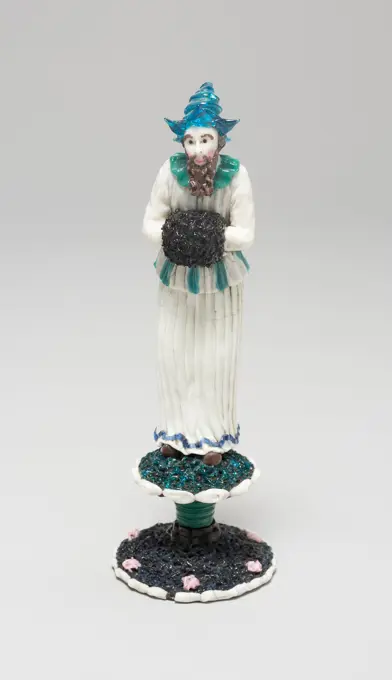
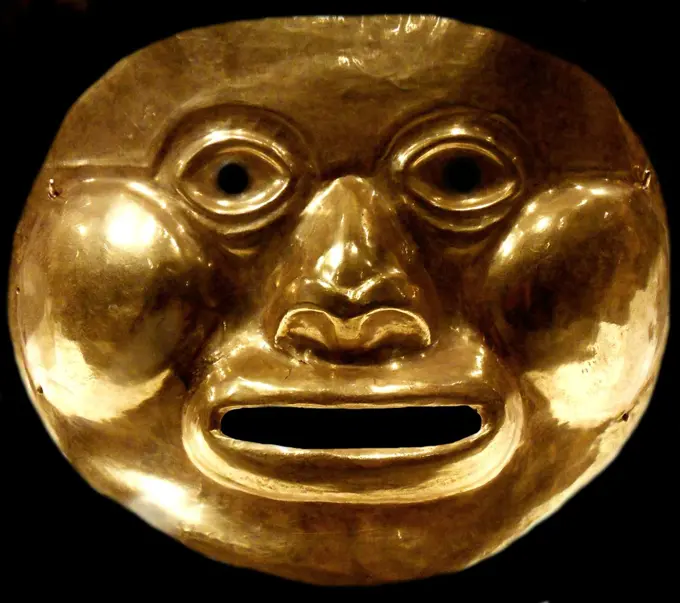
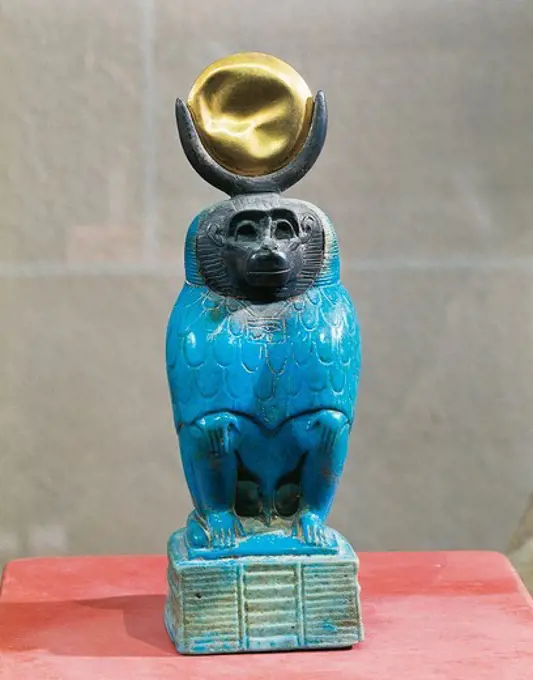
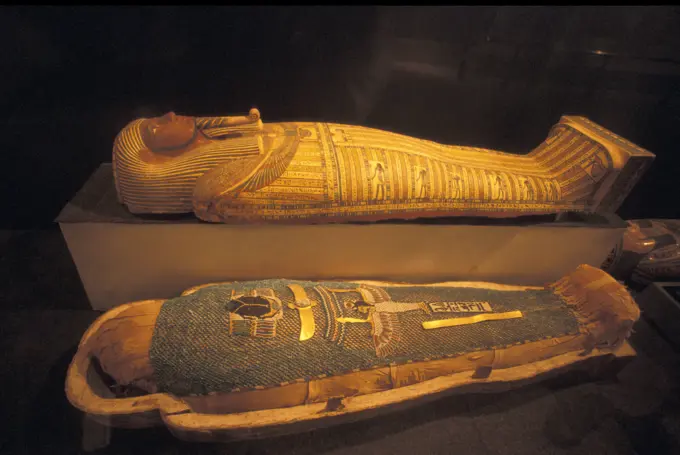
Metal and faience figurines depicting humans from different ancient cultures, showcasing traditional attire and cultural details.
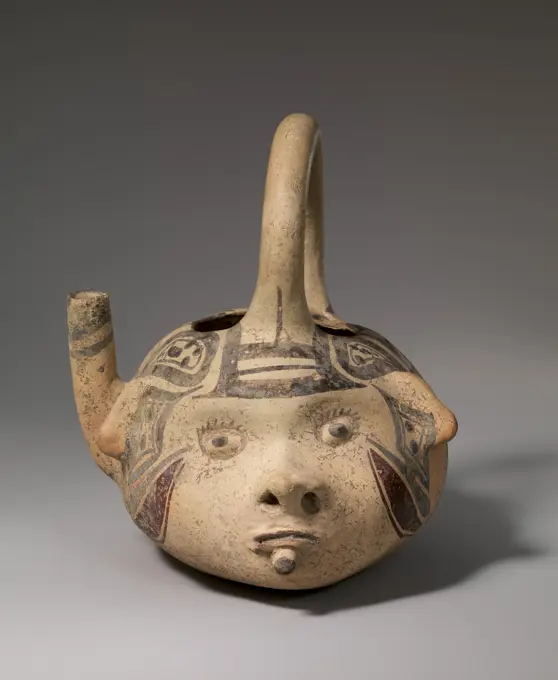
Spouted Vessel 13th-15th century Huastec The vessel is in the shape of a human head with wide open, staring eyes, a small pug nose, and closed mouth. A lip plug is worn in the lower lip. A handle extends from the forehead to the back of the head. On the right side behind the ear projects a single spout pointing upward. On the sides of the face and back of the head the cream-colored surface is covered with geometric motifs including dots, circles, diamonds and crosses in dark brown and purple.. Spouted Vessel. Huastec. 13th-15th century. Ceramic. Mexico, Mesoamerica, Veracruz. Ceramics-Containers
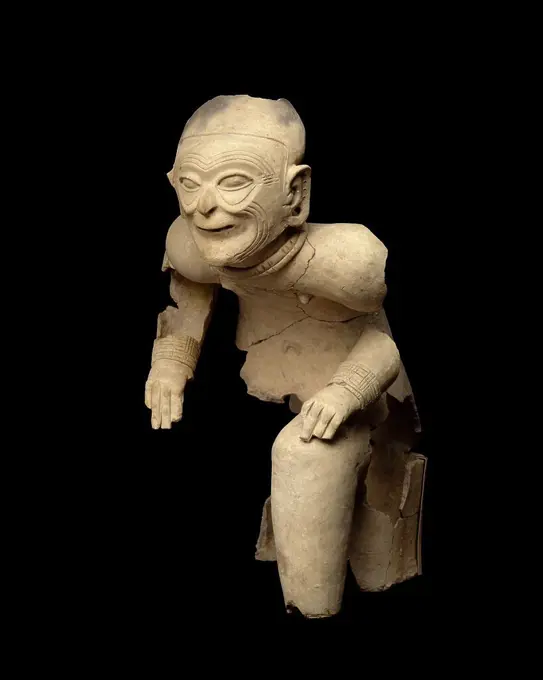
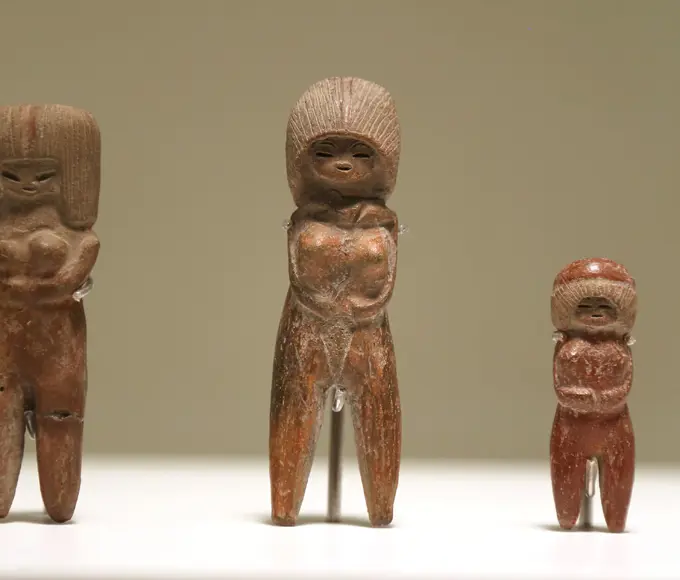
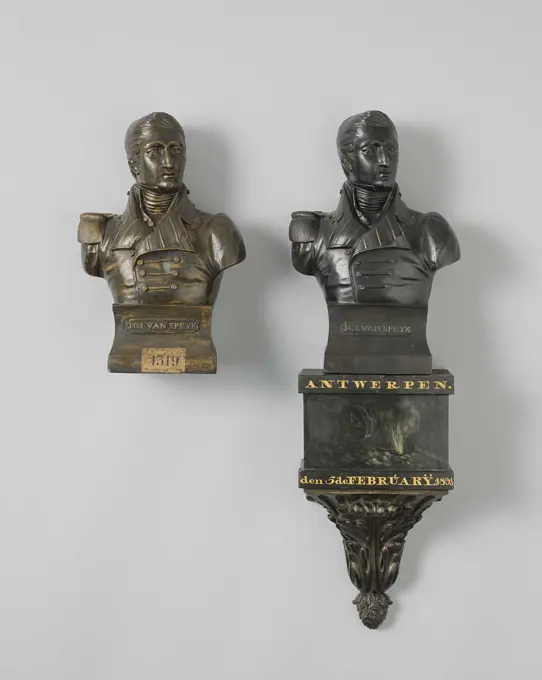
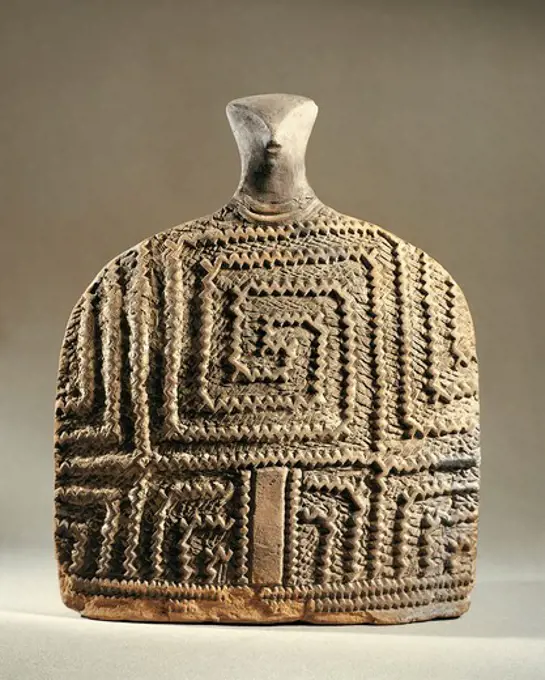
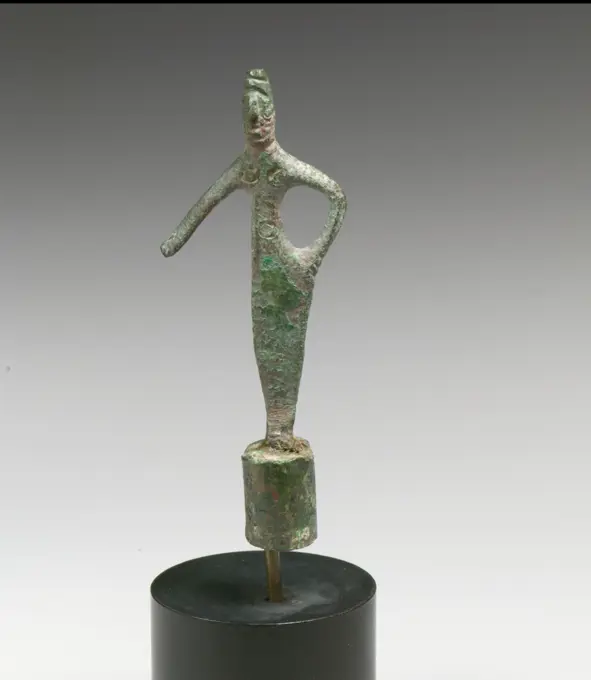
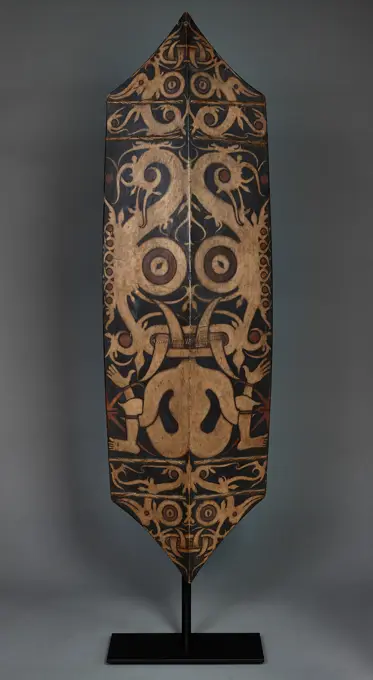
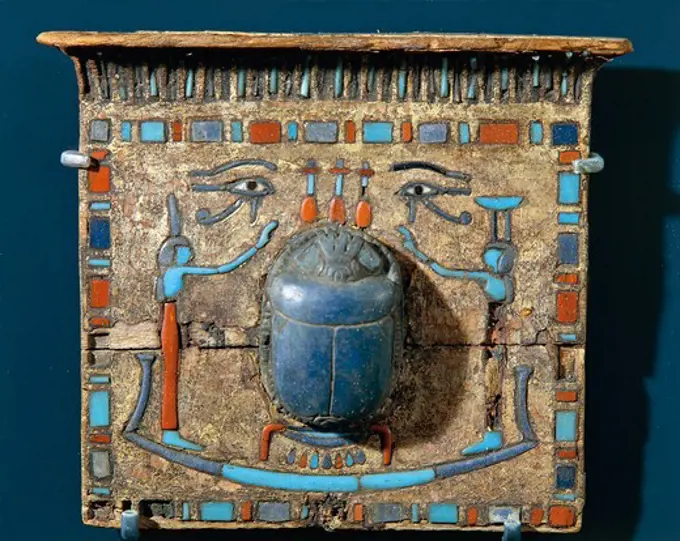
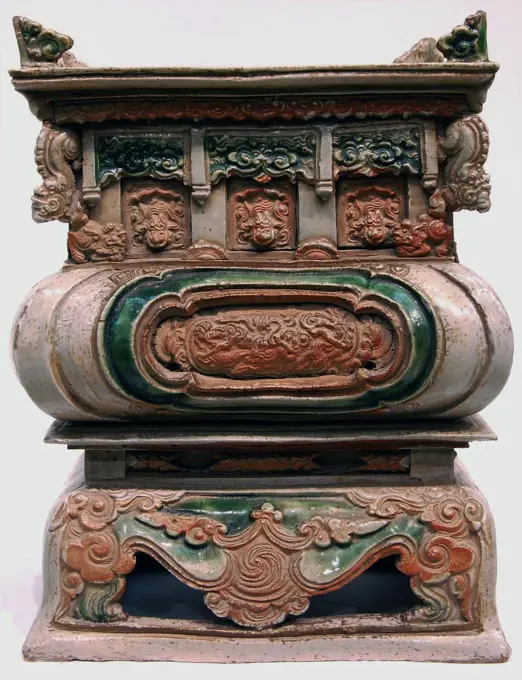
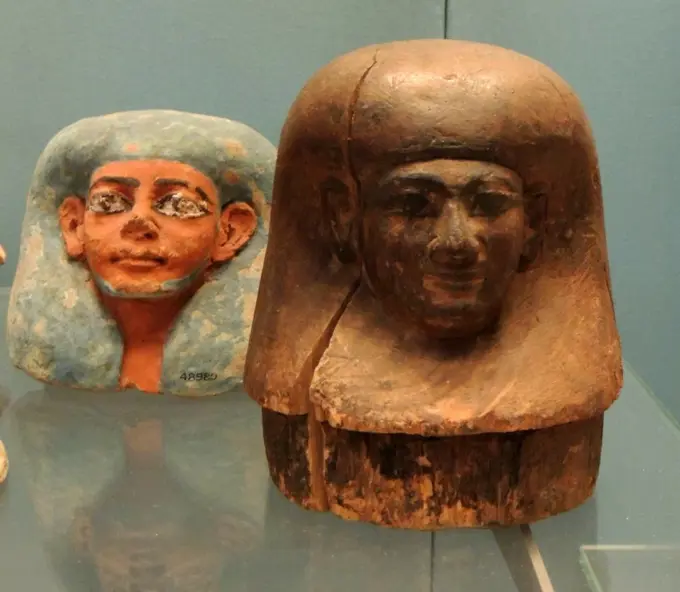
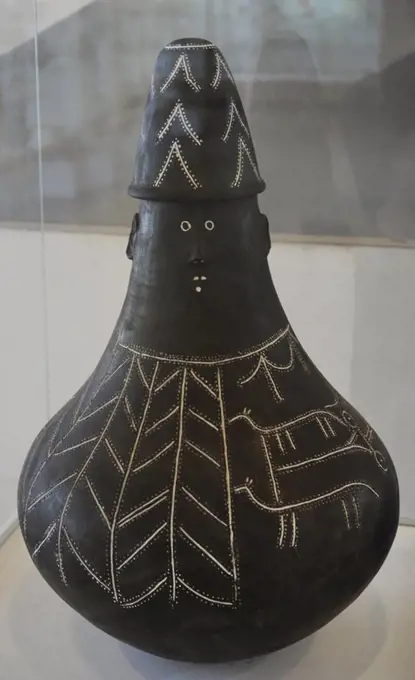
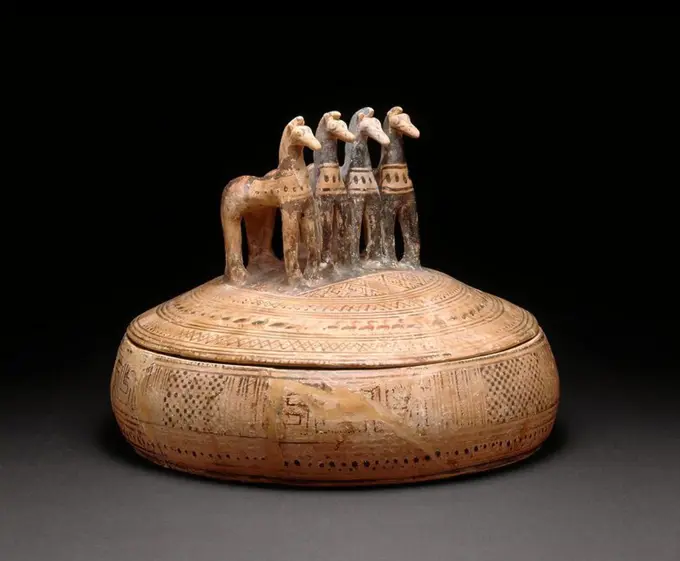
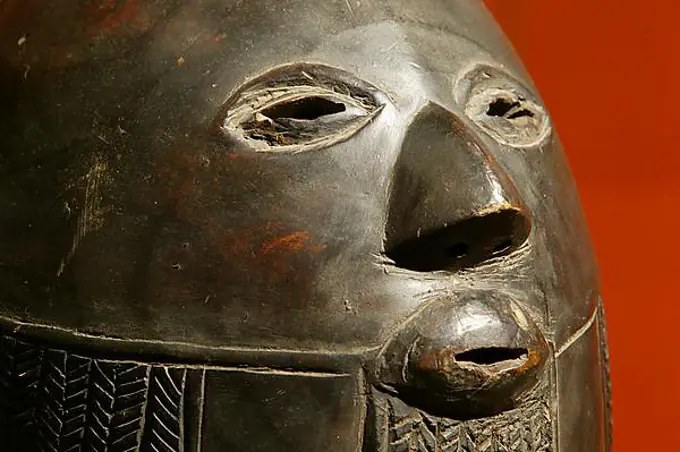
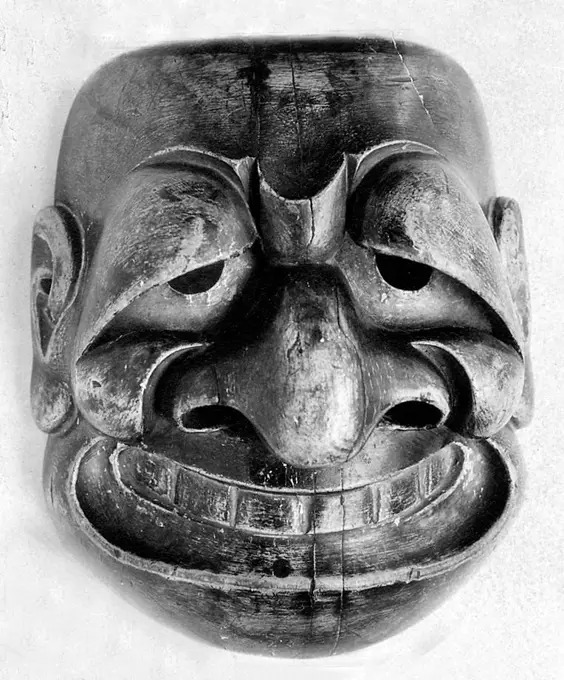
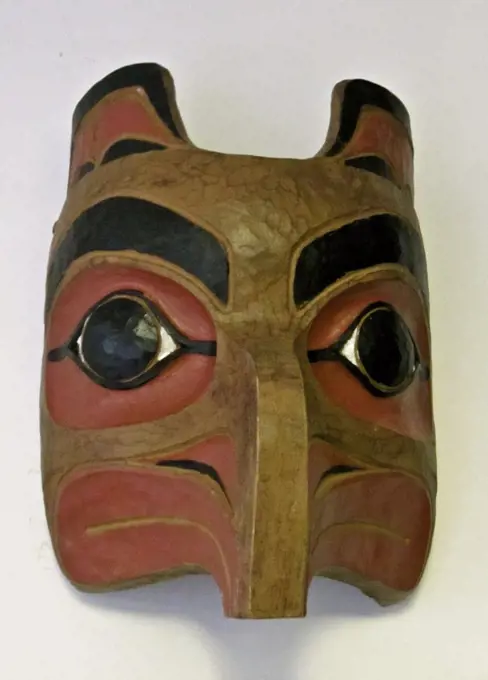
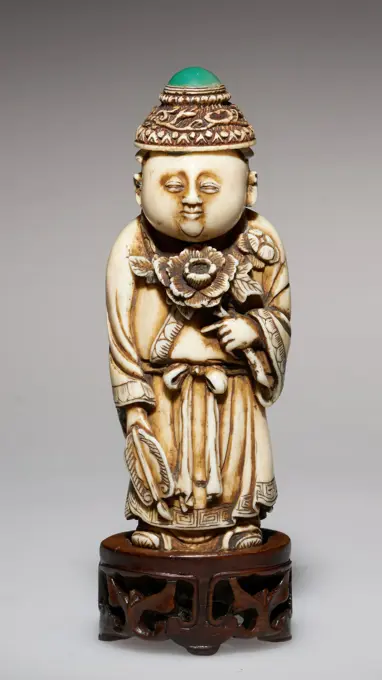
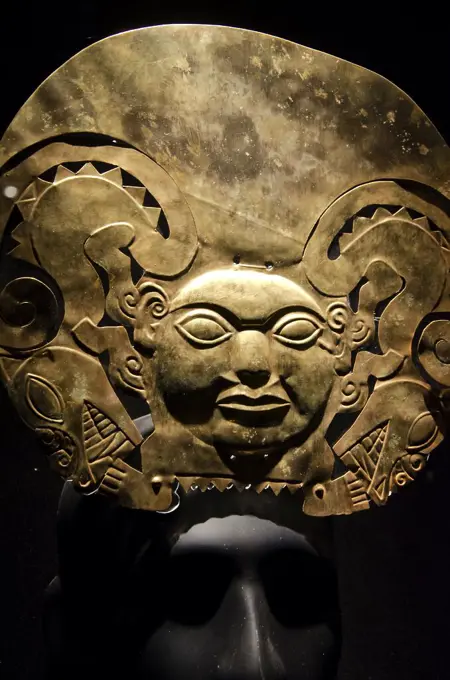
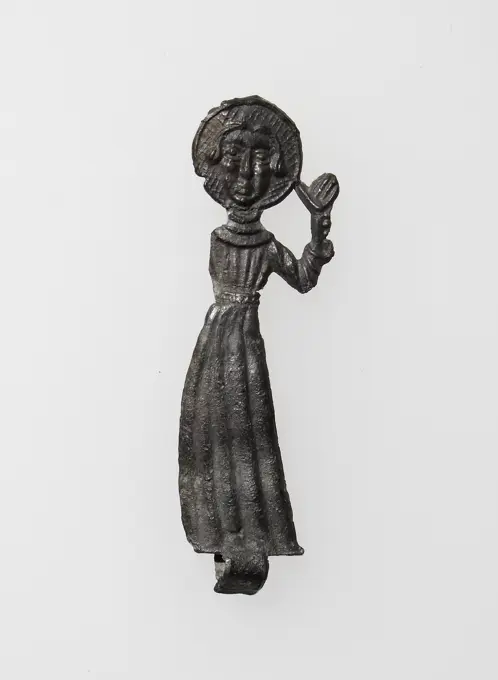
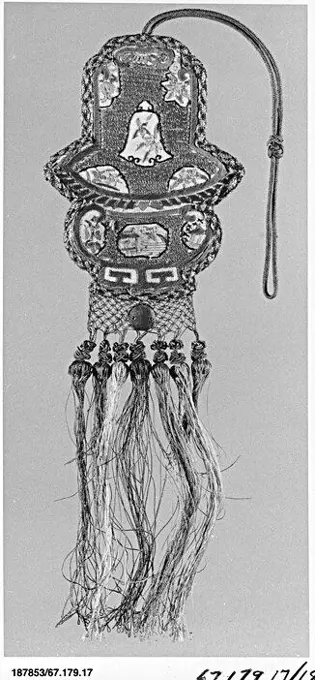
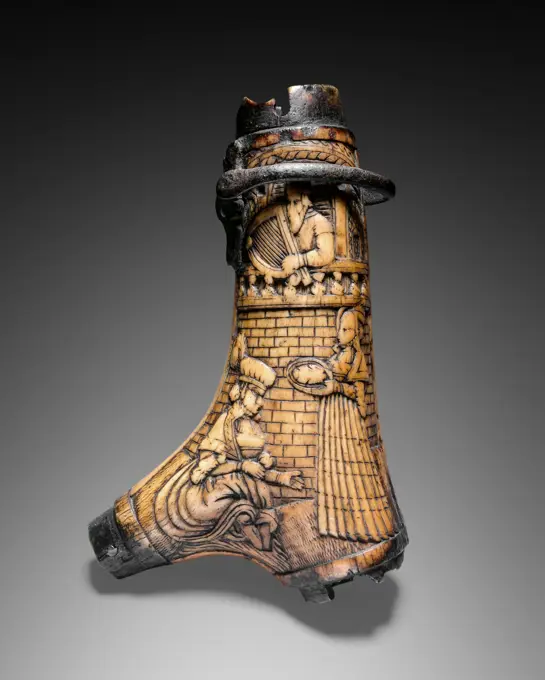
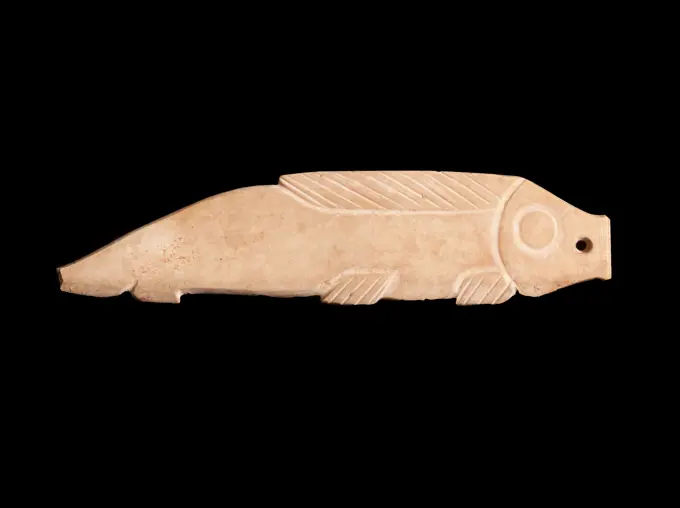
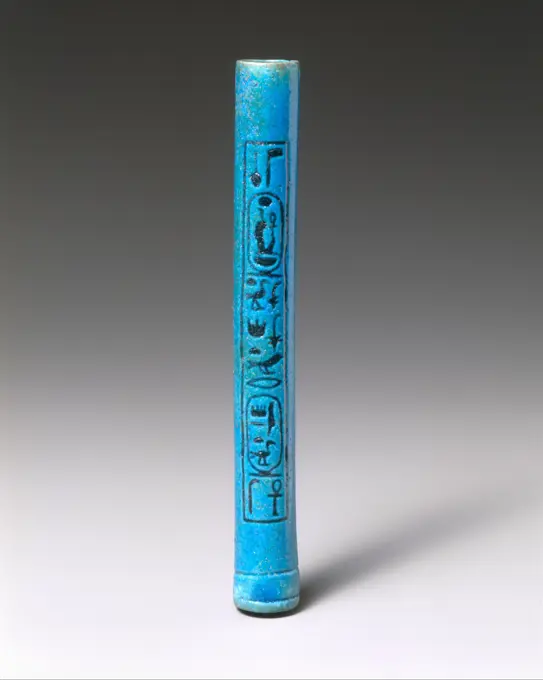
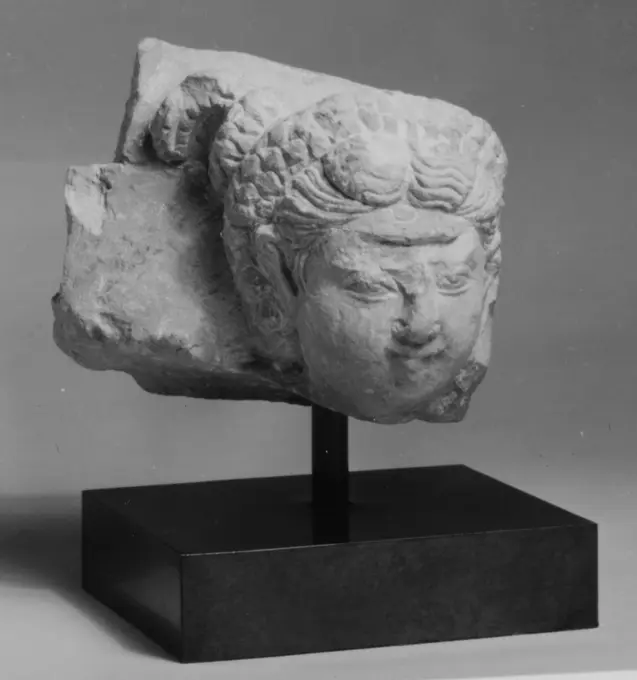
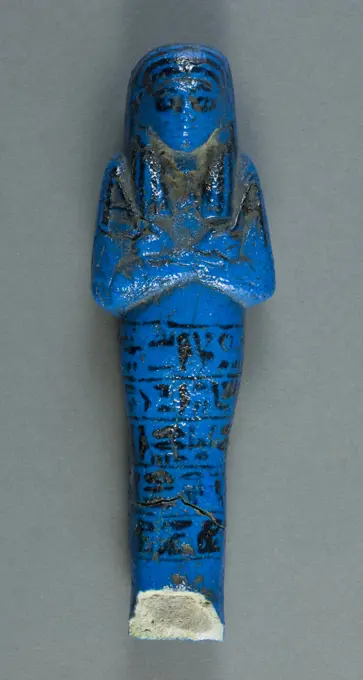
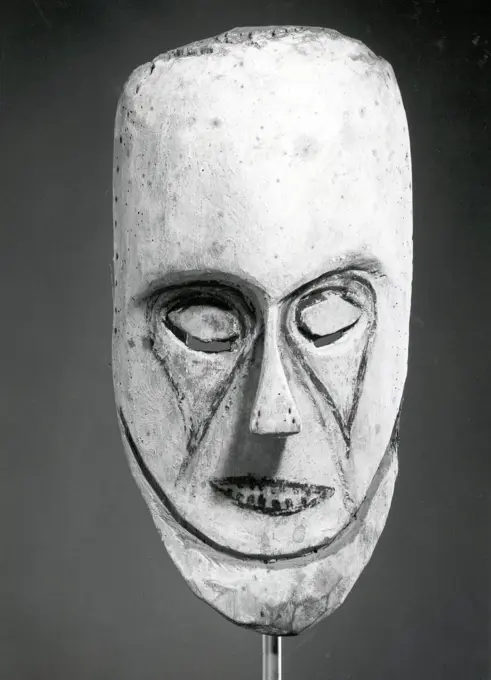
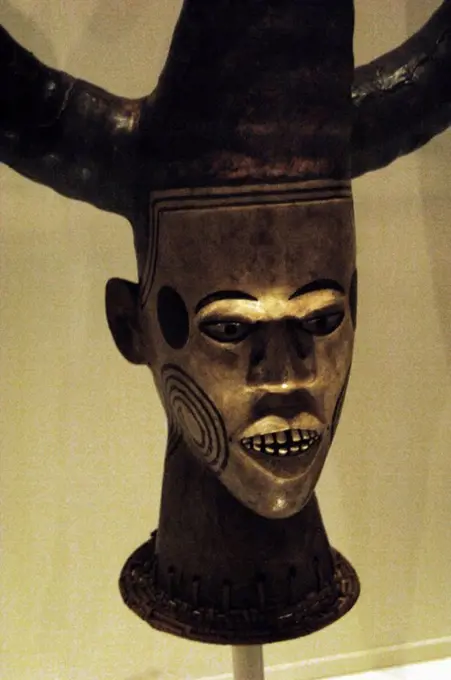
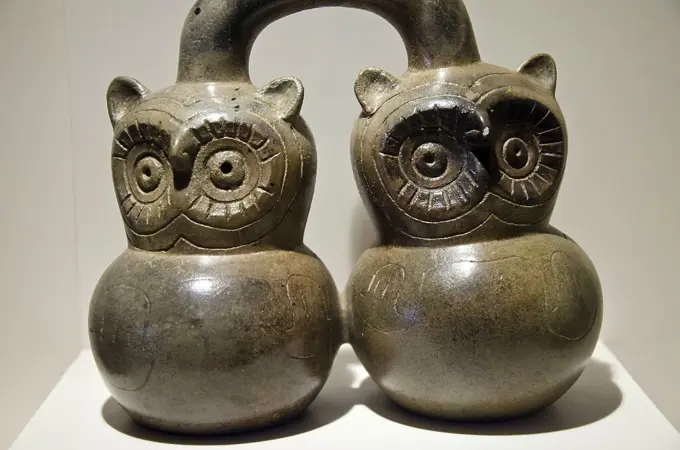
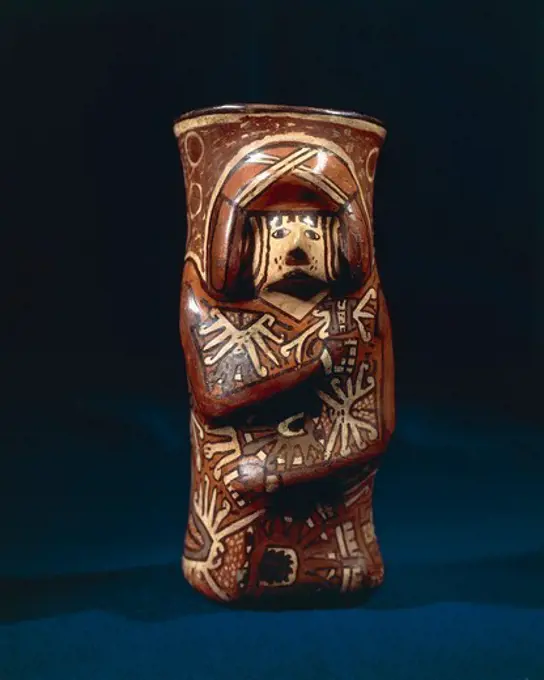
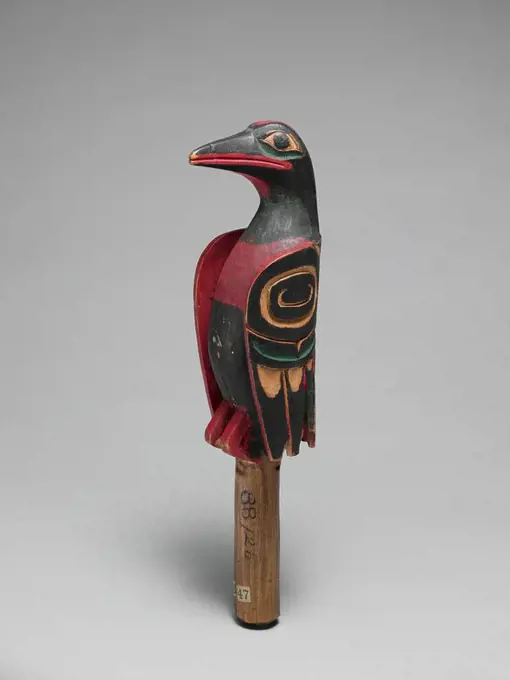
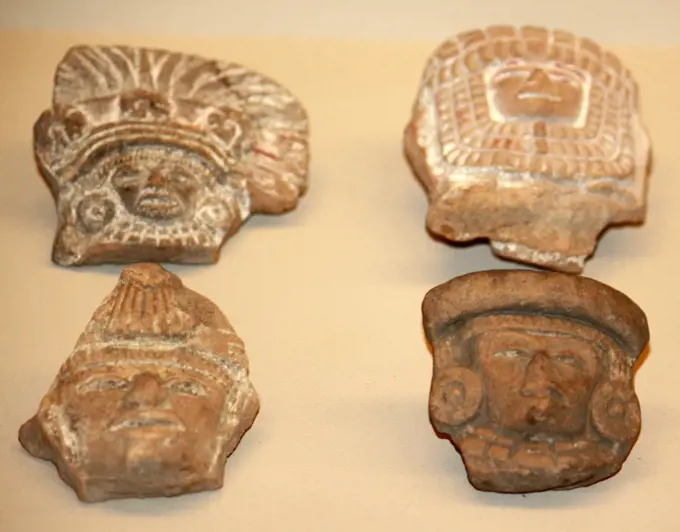
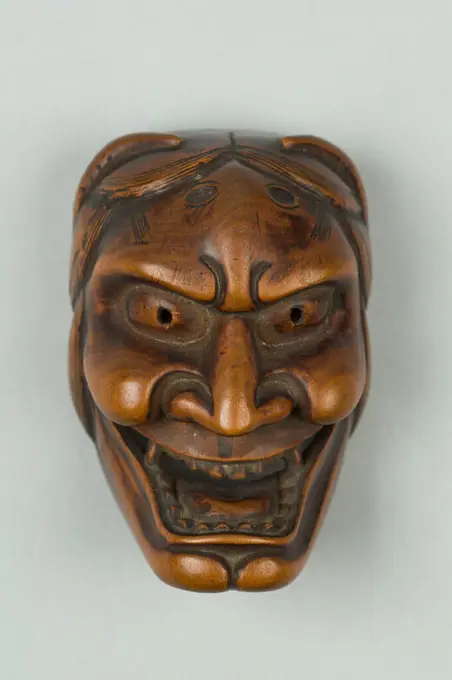
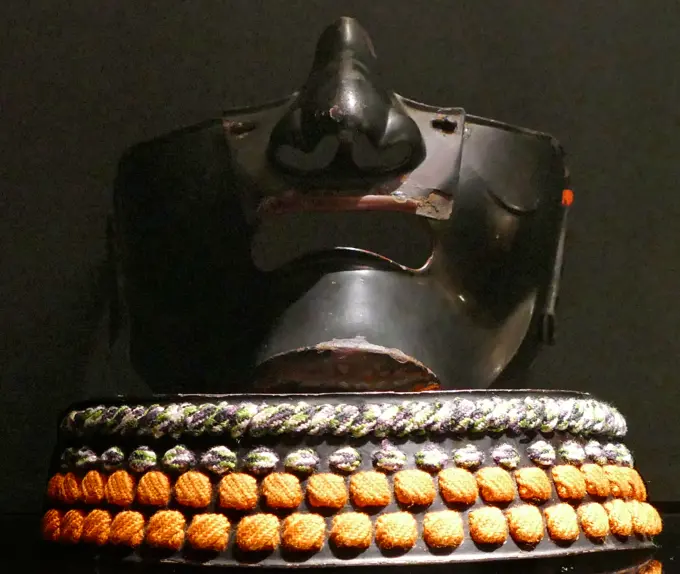
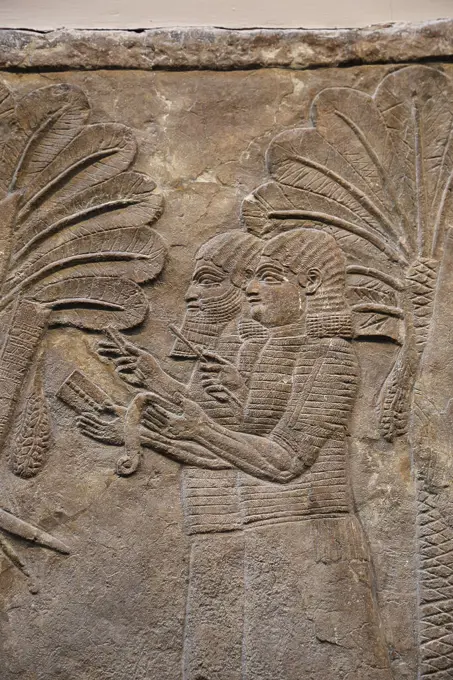
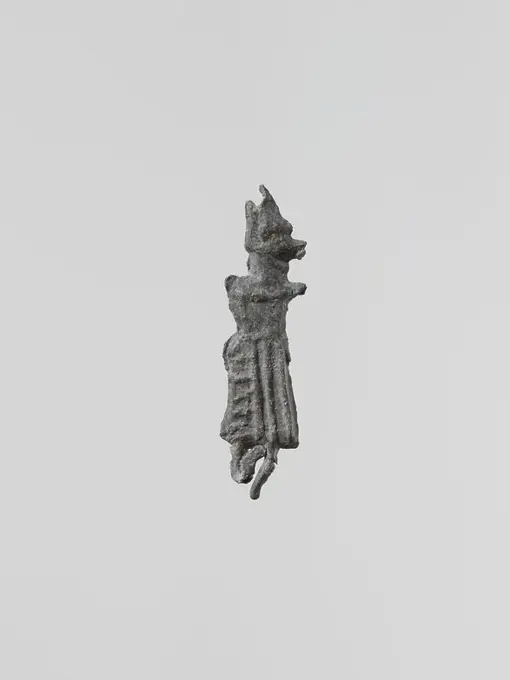
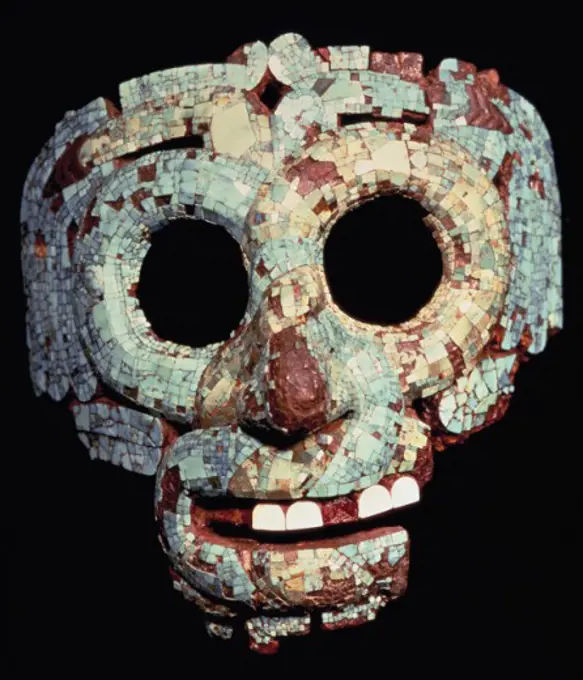
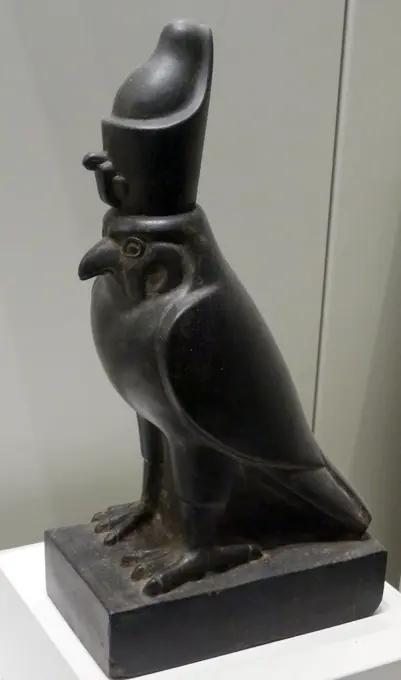
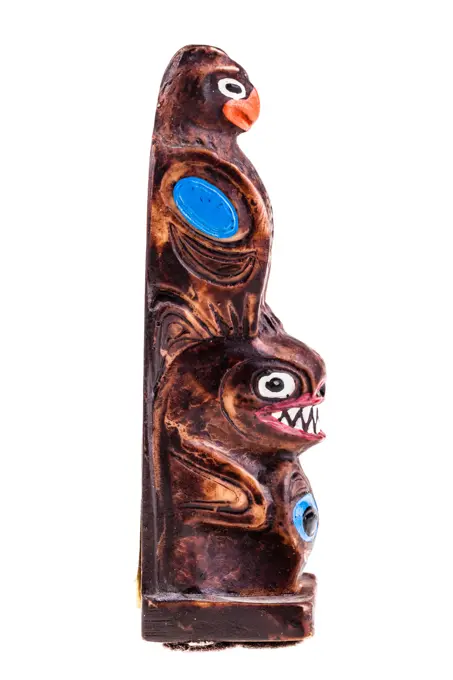
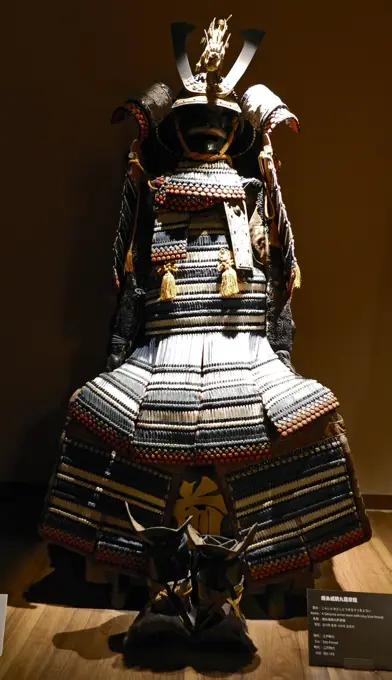
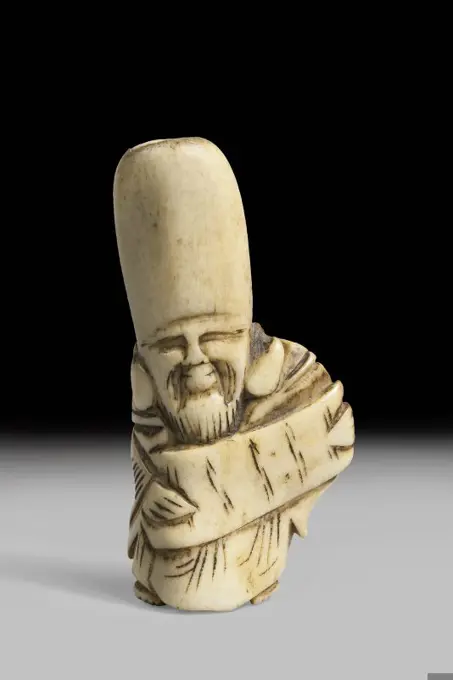
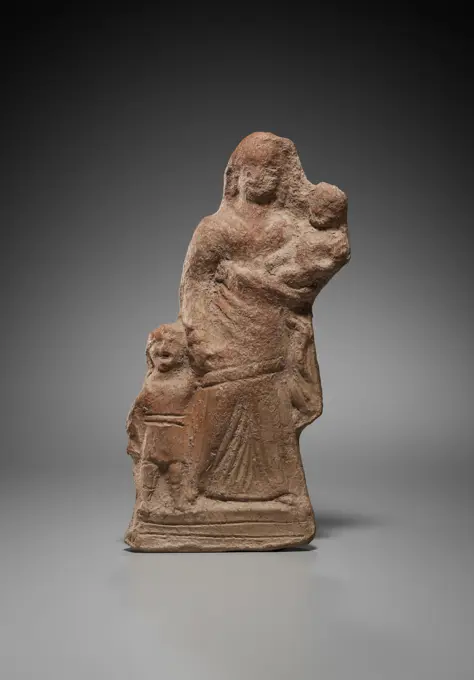
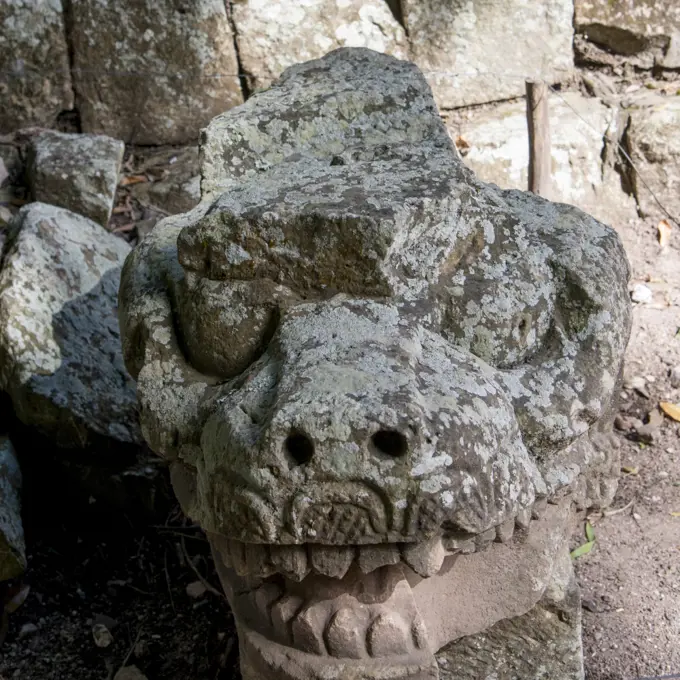
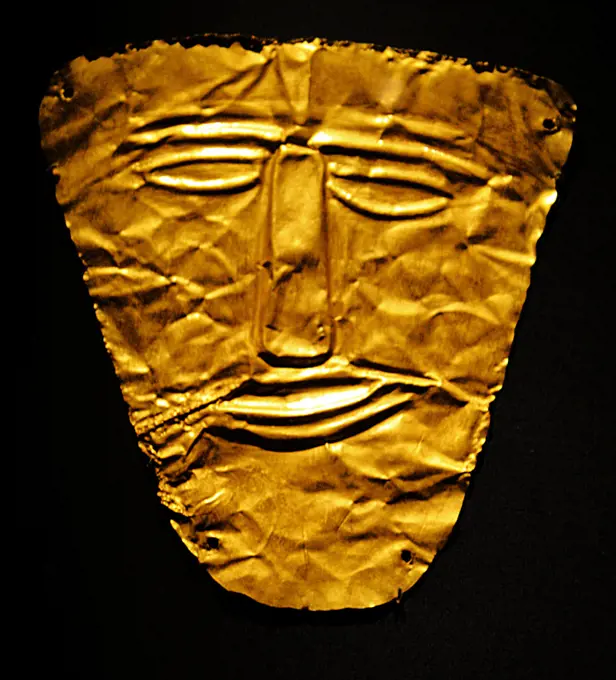
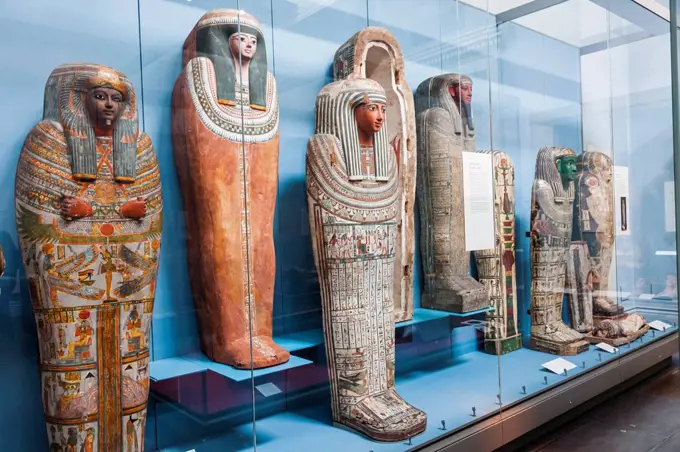
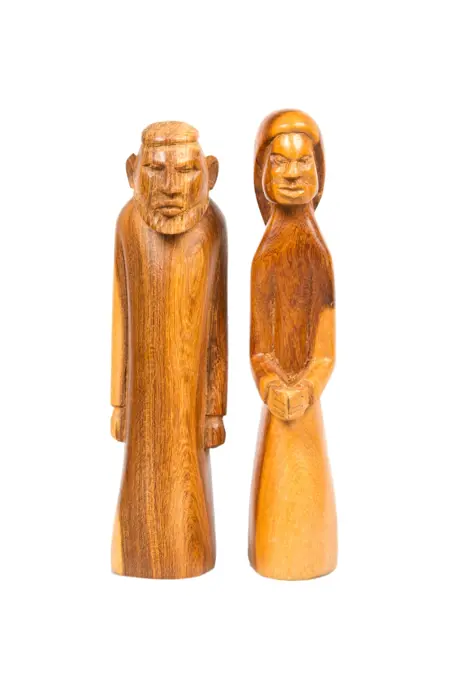
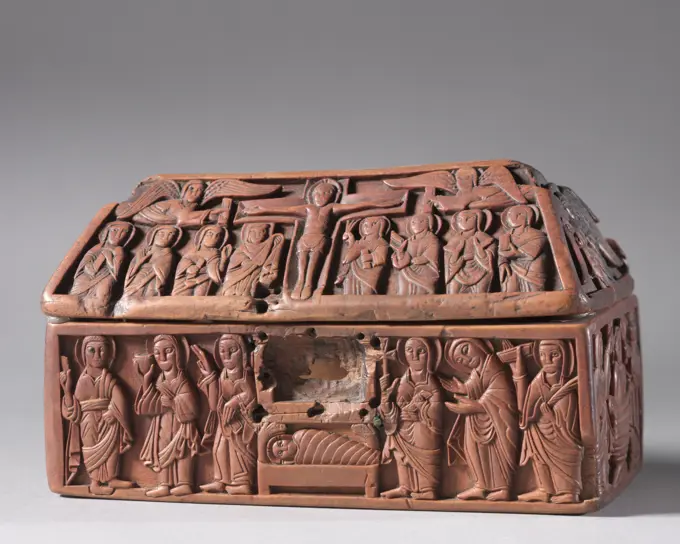
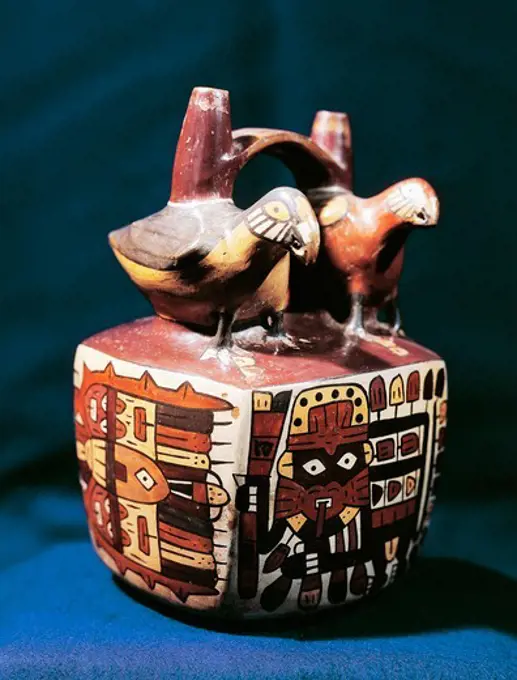
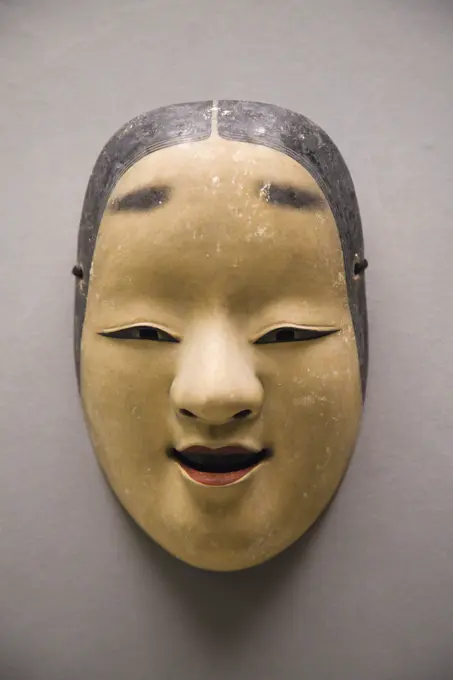
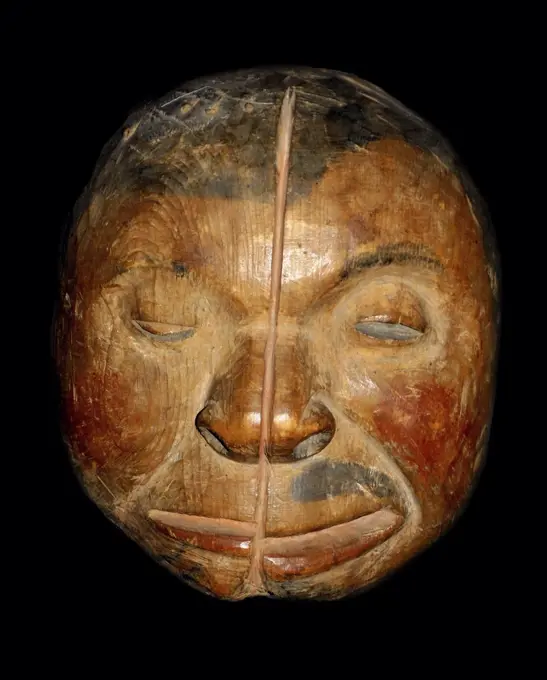
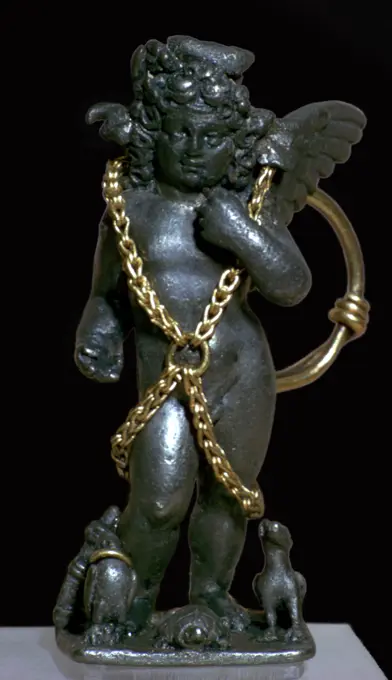
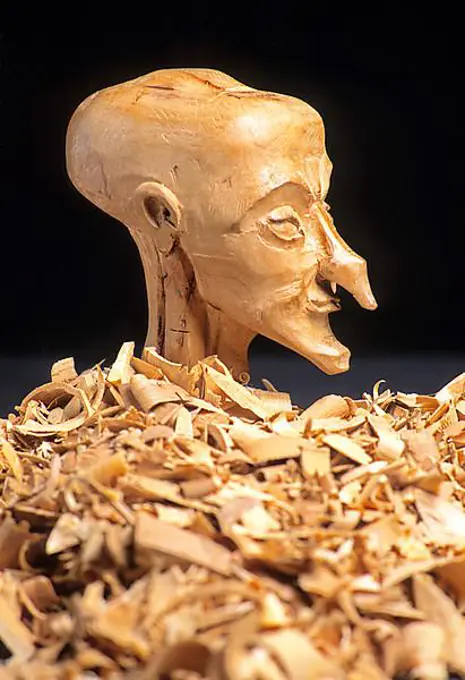
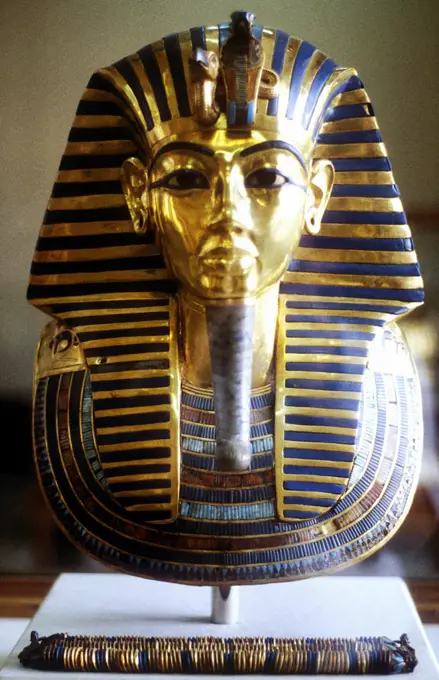
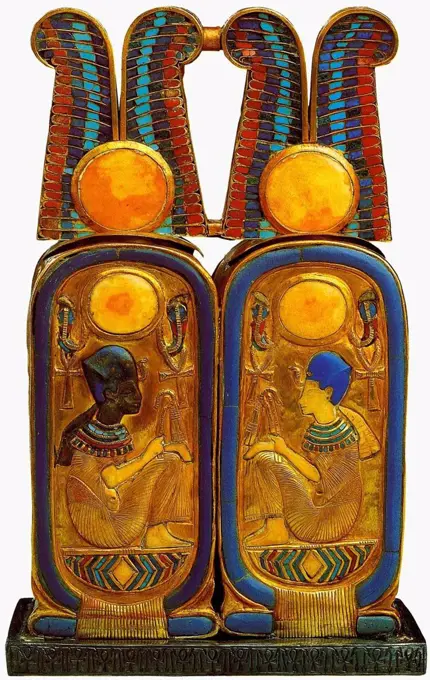
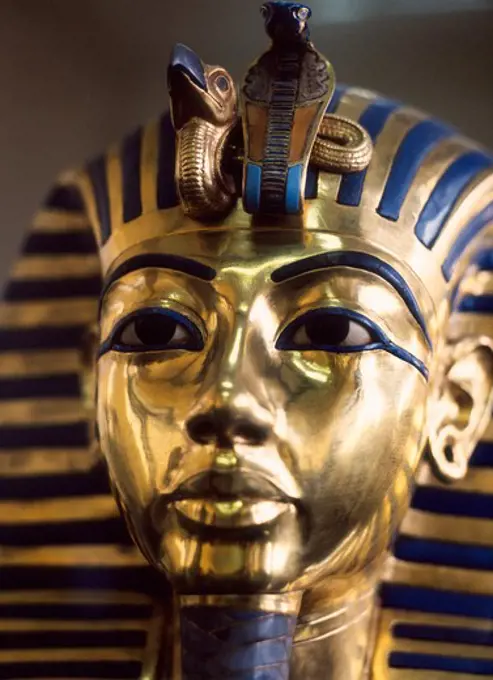
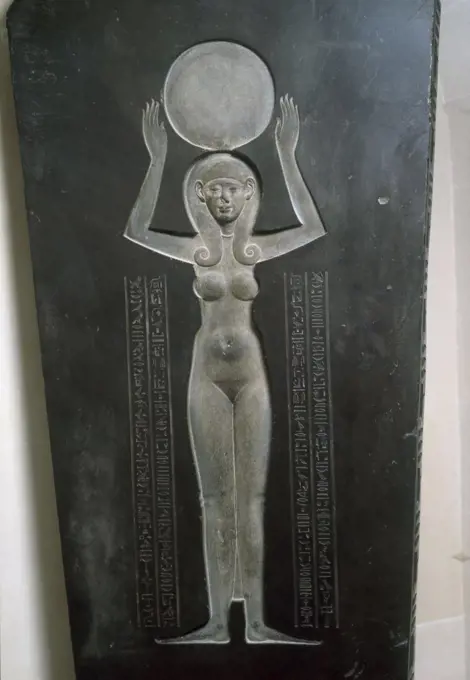
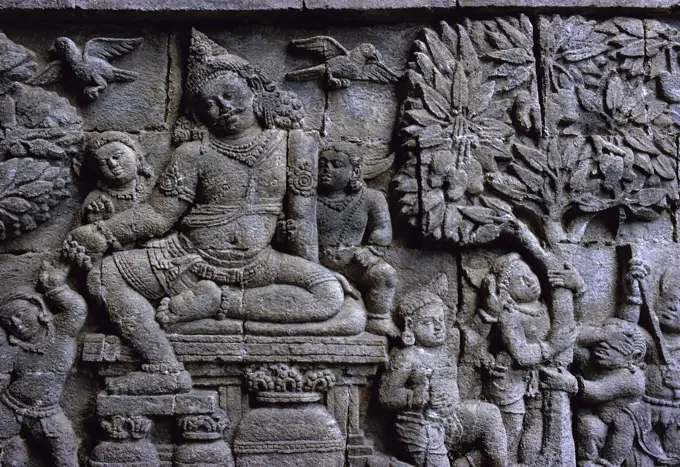
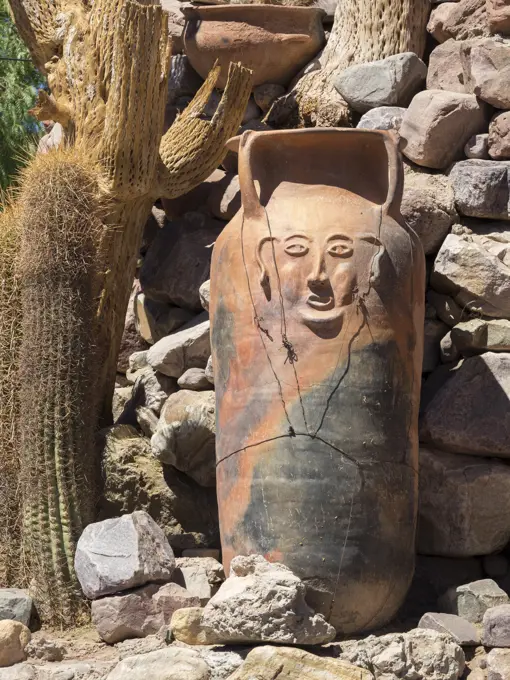
DoorSeated Figure. Culture: Tolita-Tumaco. Dimensions: H. 25 x W. 14 1/2 x D. 13 in. (63.5 x 36.8 x 33cm). Date: 1st century B.C.-A.D. 1st century.This vivid figure is representative of a well-known type of seated male figure from the Pacific coast region of northern Ecuador and southern Colombia. Low-lying and swampy--and inhospitable to the later Spanish colonists of the 1500s--the area was home at the turn of the first millennium A.D. to the people of the Tolita-Tumaco culture, who made large ceramic sculptures with great skill. These three-dimensional works of impressive size, which today are usually fragmentary, stand out within the larger corpus of Precolumbian South American ceramic works primarily for their size and their uncommonly expressive portrayal of the human face and figure. The example here has the face of old age--with wrinkles, baggy skin beneath the eyes, only a few remaining teeth, and stubble on the chin; but these features only enhance the presence and heighten the dArmor (Gusoku) of the Maeda Family. Culture: Japanese. Dimensions: as mounted: H. 55 in. (139.7 cm); W. 29 in. (73.4 cm); D. 21 in. (53.3 cm); Wt. approx. 48 lb. (21.8 kg). Date: 18th century.The armor is decorated in several places with the plum blossom mon (heraldic emblem) of the Maeda family, who were daimyo (feudal lords) of Kaga Province (the southern part of present-day Ishikawa Prefecture) and the second largest landowners in Japan after the Tokugawa family. Museum: Metropolitan Museum of Art, New York, USA.Pre-Inca era. Valdivia culture. Ecuador 3500-1800 BC. Ceramic female figurine. Museum of Cutures of the World. Spain.Bust or J.C.J. Van Speyk (1802-1831). Two bubbles from J.C.J. From Speyk and one base. Two identical bronze busts of a Dutch naval officer, the head light turned to the left. He is wearing a uniform and a military willem order. The busts of the bubble belongs to which the blast of the portrait ship is depicted. The base is finished at the bottom with a garland.Pole Top, 899-400 BCE, 6 1/4 x 2 1/2in. (15.9 x 6.4cm), Bronze, Persia (Iran), 9th-4th century BCERomania, Bucharest, Muzeul National de Istorie al Romaniei, 5th Millennium B.C., Terracotta male figure with decorationsStatuette of a Woman 6th century B.C. Etruscan Draped.. Statuette of a Woman 246397ShieldOrnament of a mummy: pectoral with scarab made of lapis lazuliIncense burner cyclical dated listed in donor inscription, most probably 1635 Vietnam (Hai Zhong Province, Hong River delta). Incense burner. Vietnam (Hai Zhong Province, Hong River delta). cyclical dated listed in donor inscription, most probably 1635. Glazed stoneware with biscuit fired molded appliqué decoration. CeramicsCollection of Wooden Canopic Jar Lids 1550 B.C. Egypt Statuette of a woman votary, 5  ca. 700-500 B.C. Greek, Laconian. Statuette of a woman votary, 5  251595 Greek, Laconian, Statuette of a woman votary, 5 , ca. 700500 B.C., Lead, Height: 1 3/16 in. (3 cm). The Metropolitan Museum of Art, New York. Gift of A. J. B. Wace, 1924 (24.195.29)Pomeranian Culture. Iron Age. 7th-3rd century BC. Face-Urn. Burial urn with face. Poland. Archeological Museum of Gdansk. Poland.Pyxis (Container for Personal Objects). Greek; Athens. Date: 730 BC-720 BC. Dimensions: 25 × 33 × 33.3 cm (9 7/8 × 13 × 13 1/8 in.). Terra-cotta. Origin: Athens. Museum: The Chicago Art Institute, Chicago, USA. Author: ANCIENT GREEK.Wooden mask from Luba/Hemba, Zaire, National Museum of Culture, Pretoria, South Africa, AfricaMadrid, M.A.N. Arte Egipcio. Baja Época. Procedencia desconocida. Colección T.Asensi.2293: Amuleto de Udyat, ojo sagrado de Horus. Fayenza. (alt.2.25, anch.0.5). s.VI-III a.c. 2238: Amuleto de Anubis, dios funerario, protector de la necrópolis y los difuntos. (alt.3.1, anch.0.7) s.VI-III a.c.2475: Amuleto de fayenza del pilar Dyed, símbolo de Osiris (la estabilidad del mundo, los seres, su duración). Alt.3, anch.0,.5. s.VI-III a.c. 2171:Amuleto de bronce del Dios Ptah, divinidad principal de Menfis, Dios creador de la palabra y padre de los dioses, de todas las cosas, patrón de orfebres. (alt.4, anch.1) s.VI-III a.c.2429: Amuleto de fayenza representando un halcón, simbolo del dios Horus. (alt.2.7, anch.1.4) s.VI-III a.c.Noh mask 18th century Japan. Noh mask 60222North American Indian art: Klingit Eagle Head from Ketchikan, S. E. Alaska. A tribal symbol of determination. Carved and painted wood.Snuff Bottle, 1850-1900, 3 3/4 x 1 3/8 in. (9.53 x 3.5 cm), Ivory, jade, China, 19th centuryPre-Columbian Jewelry Moche culture 100 AC-800 AC Perú.Pilgrim's Badge 14th-16th century French. Pilgrim's Badge. French. 14th-16th century. Lead. Metalwork-LeadCase in Shape of a Covered Jar 19th century China. Case in Shape of a Covered Jar 70469Powder Flask, c. 1580. Germany, late 16th Century. Staghorn (two branches) carved with relief, scene of David and Bathsheba; iron suspension loop; mounts missing; overall: 16.9 x 11.1 cm (6 5/8 x 4 3/8 in.). Powder flasks are small, portable containers designed to hold gunpowder. From the 1400s to the 1800s, powder flasks were indispensable for charging and priming firearms of all types. Without powder flasks firearms were of little use to their owners. Many highly decorated flasks rank as works of art. During the 1500s, they were frequently decorated with images of famous historical figures. Here the figures of King David and Bathsheba derive from the Old Testament.Small fish ". OS. Dynasty of Shang (1765-1122 BC), China. Paris, Cernuschi Museum. 101270-16 Asian art, Chinese art, art of extreme orient, Shang dynasty, Yin dynasty, Shang time, iieme II 2nd 2 millennial, bones, fishActor in Star-Shaped Hat 1750-1799 France. Glass; lampwork (verre de Nevers), metal armature .tiki statue isolated on white background. traditional tikiFunerary Mask 5th Century B.C. Hammered Gold.Ancient Egyptian gold and faience statuette of Thoth as a baboon, dedicated to man named Horhetep, Ptolemaic PeriodAfrica, Egypt, Luxor. Luxor museum. Elaboratly decorated mummy casings (Editorial Usage Only)Kohl Tube Inscribed for Amenhotep III and Princess Sitamun ca. 1390-1352 B.C. New Kingdom This kohl tube of Egyptian faience has an inscription naming the eldest daughter of Amenhotep III, who also became his wife. The inscription reads: the King's Daughter and Great Royal Wife, Sitamun.. Kohl Tube Inscribed for Amenhotep III and Princess Sitamun 544512Female Head ca. 5th century Afghanistan. Female Head 38375Shabti of the Supreme Chief of the ḫnr.t of Amun Nesikhonsu 1069 BCE-945 BCE Egypt. Faience . Ancient EgyptianMask mid to late 19th century Tolai people. Mask 311960Africa. Nigeria. Ekoi mask. 19th century. British Museum. London. England. United Kingdom.Ceramic vessel Chavín culture 900 BC-200 BC Perú.Double vessel. Chimu-Inca culture. Late Horizon (1470-1532 AD). Peru. Ceramic. Museum of the Americas. Madrid, Spain. Pre-Inca civilization, Peru, 3rd-10th century. Nazca culture, polychrome ceramic anthropomorphic vase.Rattle. Culture: Native American (Masseth or Haida). Dimensions: H. 10 × W. 2 3/4 in. (25.4 × 7 cm). Date: 19th century.This raven rattle depicts a perched bird with wings outstretched toward its front. This is an unusual representation of the raven on a rattle and more typical of the way it would be depicted on a memorial (or totem) pole. Museum: Metropolitan Museum of Art, New York, USA.Pottery heads. Teotihuacan, 150 BC-AD 750 The great variety of headdress and facial ornament on small figurines reflects the different roles and offices represented in the social hierarchy at this great metropolis.Netsuke of Noh Mask: Hannya. Culture: Japan. Dimensions: H. 2 in. (5.1 cm); W. 1 3/8 in. (3.5 cm); D. 1 in. (2.5 cm). Date: 18th century. Museum: Metropolitan Museum of Art, New York, USA.17th century Samurai warrior helmetCampaigning in southern Iraq. Clerks take notes (scribes) Assyrian, 640-620 BC. Nineveh, South-West Palace, Iraq. British Museum. London.Statuette of a flute-player, female. Culture: Greek, Laconian. Dimensions: Height: 1 5/16 in. (3.4 cm). Museum: Metropolitan Museum of Art, New York, USA.Aztec Mask Pre-Columbian  Wood & turquoise British Museum, London, EnglandStatuette of a falcon, the animal manifestation of Horus, the divine king. From 1st century.a canadian wooden totem  isolated over a white background3rd Century BC masks made from Dough and glass. Punic Carthaginian, Bardo Museum Tunisia. Phoenician origin. Phoenicia was an ancient Semitic civilization that originated in the Eastern Mediterranean and in the west of the Fertile Crescent. The civilization spread across the Mediterranean between 1500 BC and 300 BC.Edo Period, Satsuma Samurai armour sewn with blue thread. (1603 - 1868)Fukurokuju, god of longevity and wealth; netsuke. unknown, sculptorFigurine of woman and twochildrenDetail of a sculpture, Copan, Copan Ruinas, Copan Department, HondurasGold eye and mouth covers. These objects were probably placed over the shrouded faces of corpses placed in the graves and attached by a cord running through the corners. 1st century ADEngland, London, British Museum, Exhibit of Egyptian MummiesCarving of Josef and Maria, part of the Christmas stable, isolated on whiteWooden Casket: Scenes from the Life of Christ, c. 1050. Anglo-Saxon, England, West Midlands, Romanesque period, 11th century. Boxwood, copper-alloy, glass ; overall: 9 x 7.8 x 15.7 cm (3 9/16 x 3 1/16 x 6 3/16 in.).Zoomorphic polychrome terracotta vessel of mythological subject, Peru, Nazca cultureClose-up of antique craft products, San Miguel de Allende, Guanajuato, MexicoRoundel. UnknownCeremonial Tlingit Skin Drum Southeast AlaskaJapan, Nagoya, Noh theatre maskTile China. Tile 61602Masks from the Arctic used to reveal inner truth of the wearer, used by Shamans. Dated 19th CenturyBronze statuette of the infant Horus. Artist: UnknownHead of a wood puppetTutankhmun (Tutankamen), king of Egypt, reigned 1361-1352 BC. Gold and lapis lazuli funerary maskFashion accessories, 14th century BC, Egypt, Cairo, The Egyptian Museum,Tutankhamun Death Mask in the Cairo Museum, Cairo, EgyptThe Goddess Nout.  Interior of the Sarcophagus  1085-333 B.C.,  Artist Unknown Egyptian  Basalt  Musee du Louvre, Paris Mendut Temple (detail) 8th C. AD Indonesian Art  Relief Borobudur, Indonesia Pottery in the Quebrada de Humahuaca canyon, a UNESCO World Heritage Site. South America, Argentina (Editorial Use Only)Ancient Egyptian ritual vase with falcon head and hieroglyphs cartoons vector illustration. Decorative urn for sacrifice to sun god Ra or storage of temple treasures, isolated on white background. Ancient Egyptian ritual vase with falcon head