Intricate Antique Containers

A range of detailed historical metal containers and candlesticks, showcasing ornate designs and craftsmanship typical of past centuries, reflecting rich artistic heritage.

Cover cover, anonymous, c. 1650 - c. 1780 Cover of lead glaze pottery cover. The lid has a button and is decorated with rosettes pressed. Netherlands earthenware. lead glaze Cover of lead glaze pottery cover. The lid has a button and is decorated with rosettes pressed. Netherlands earthenware. lead glaze
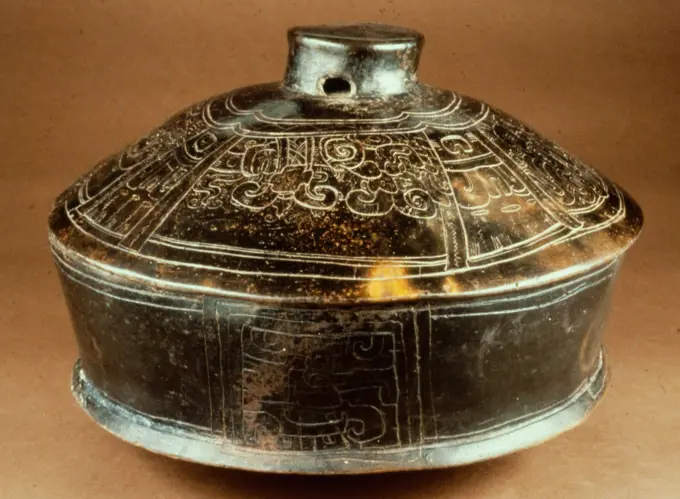
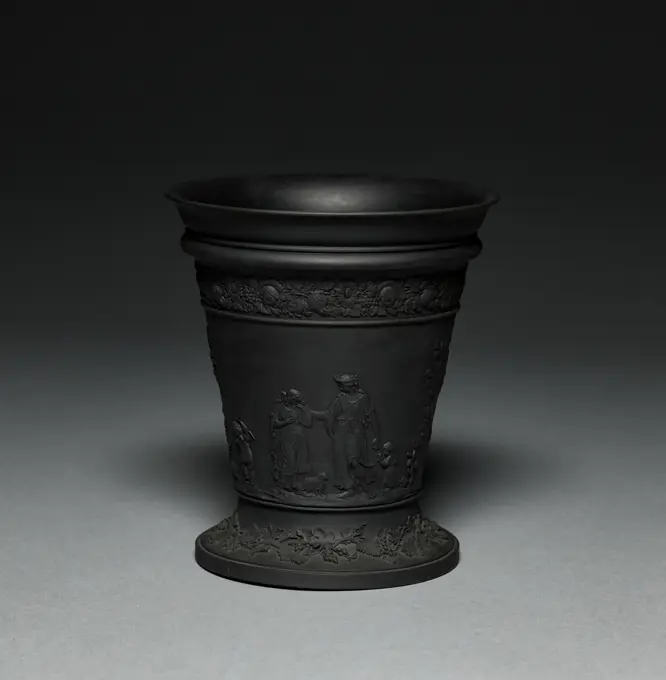
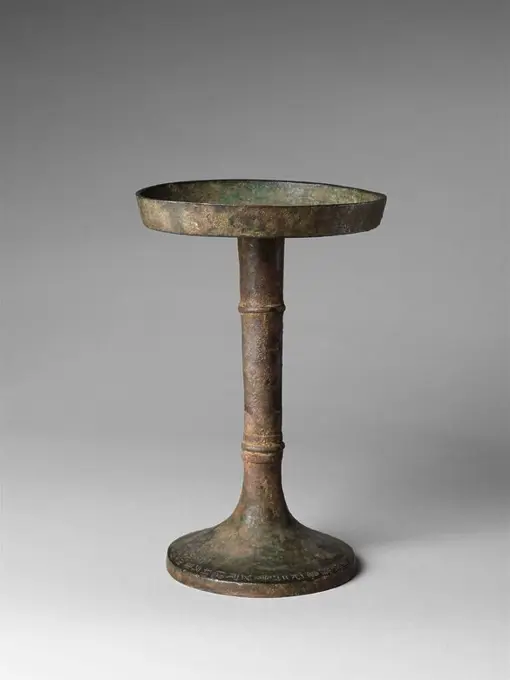
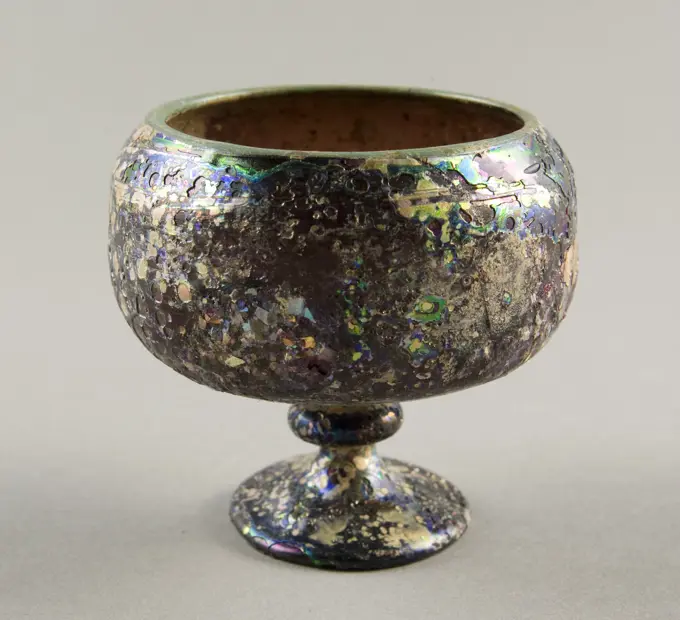
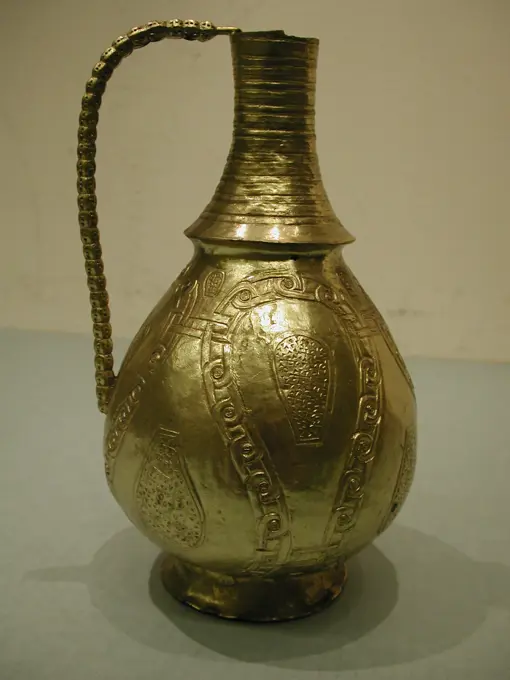
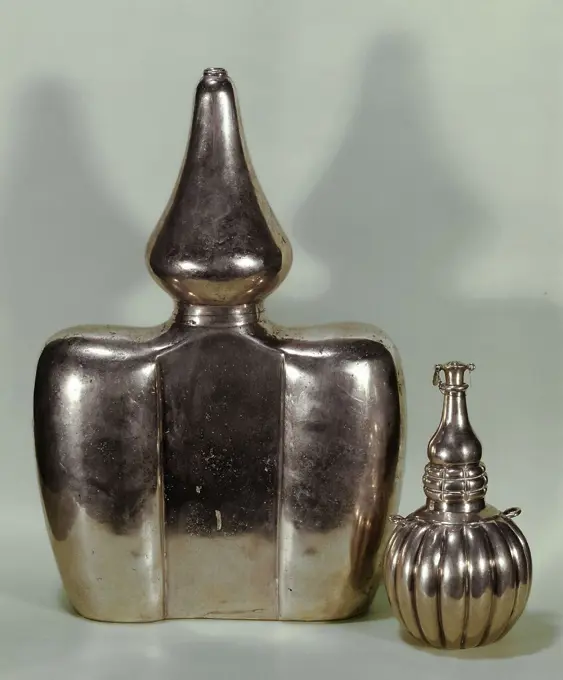
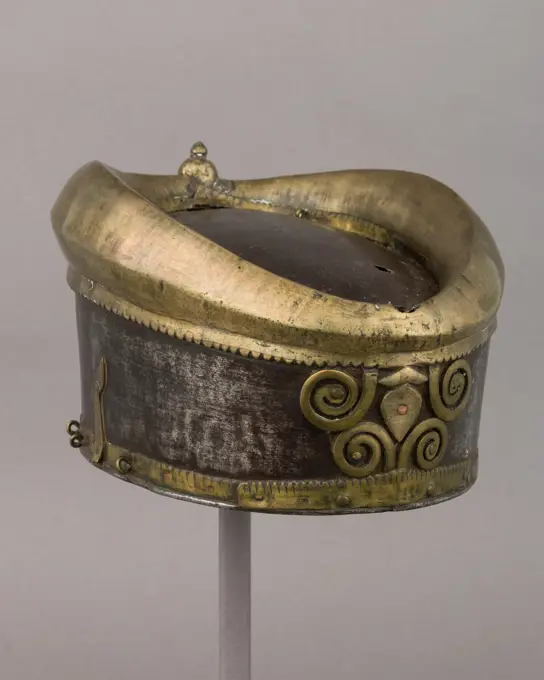
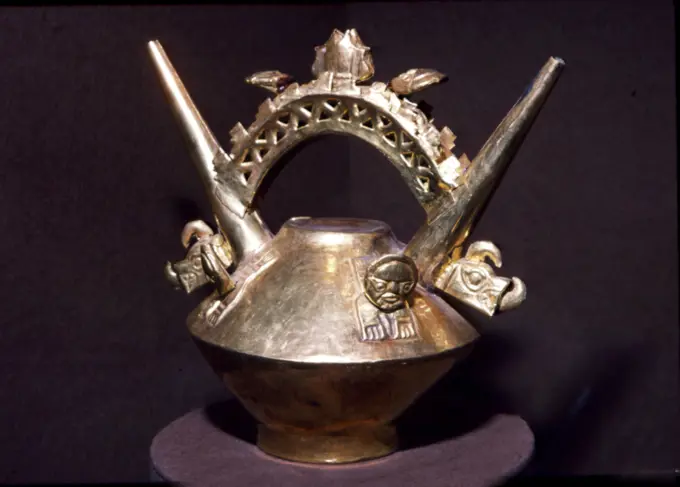
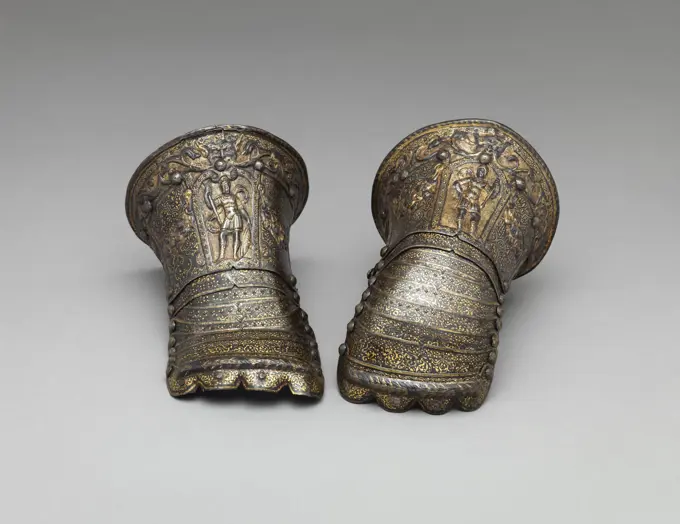
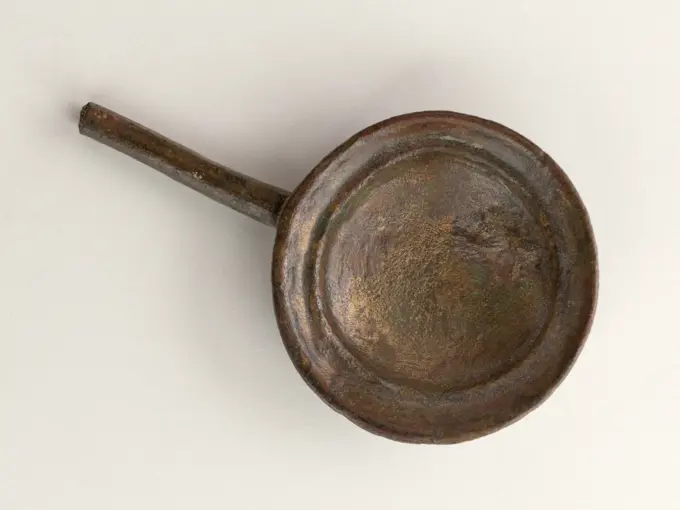
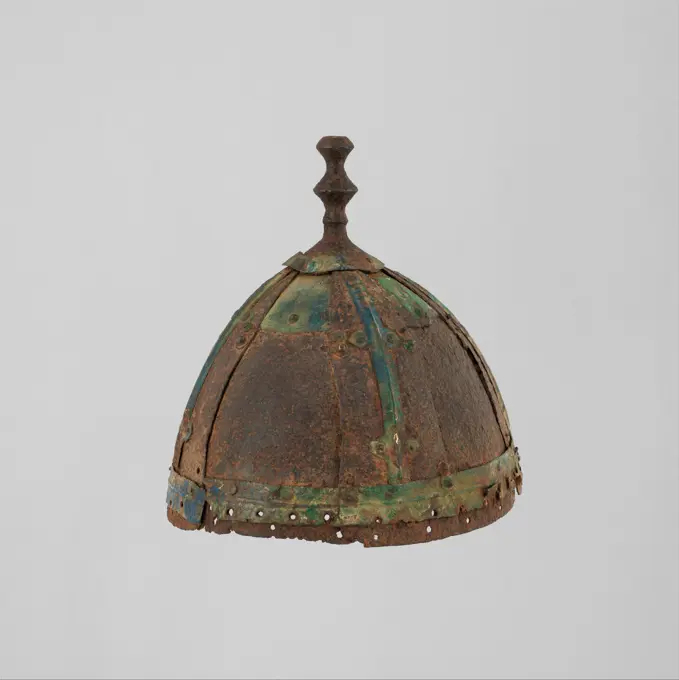
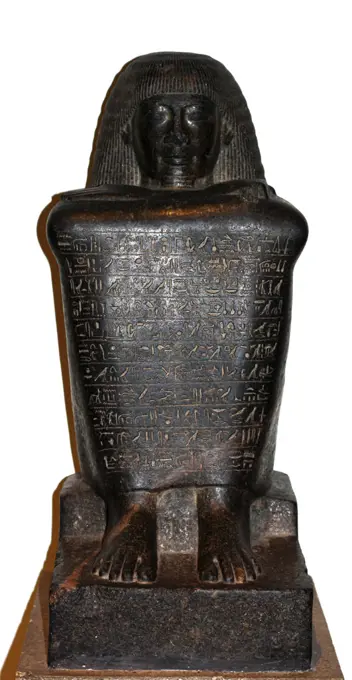
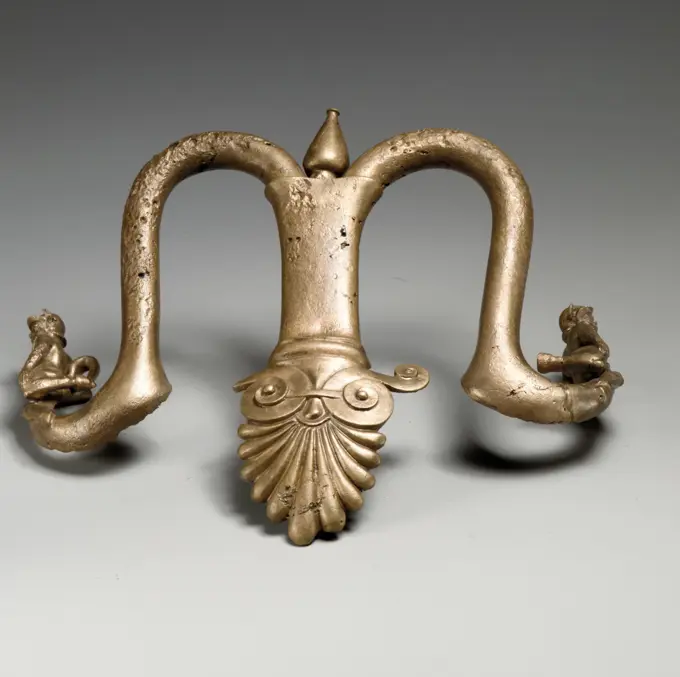
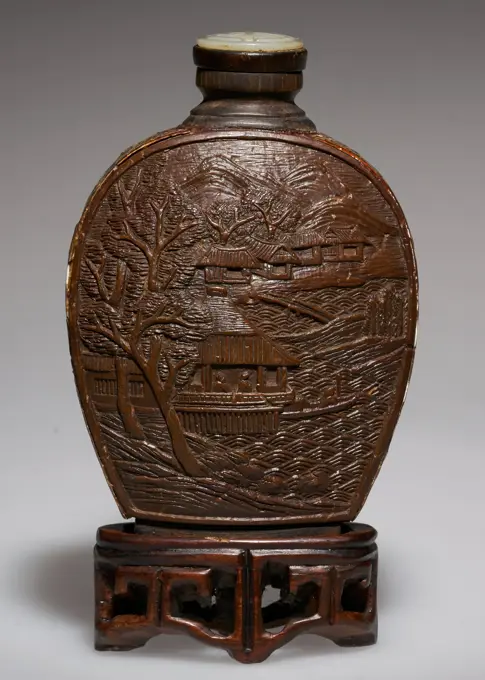
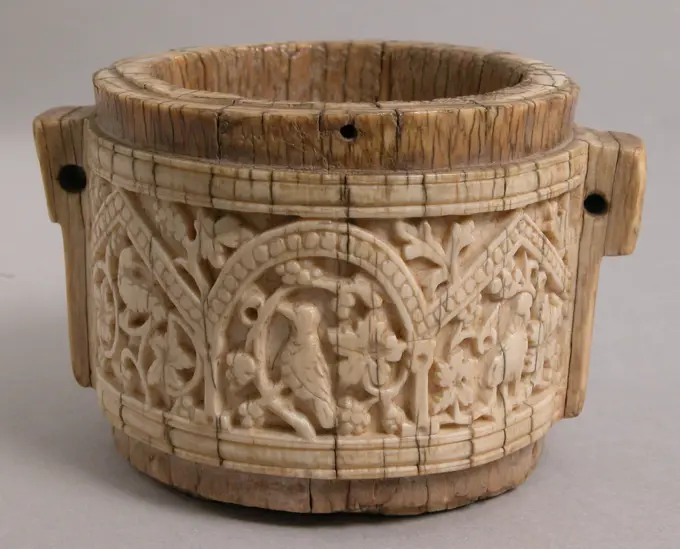
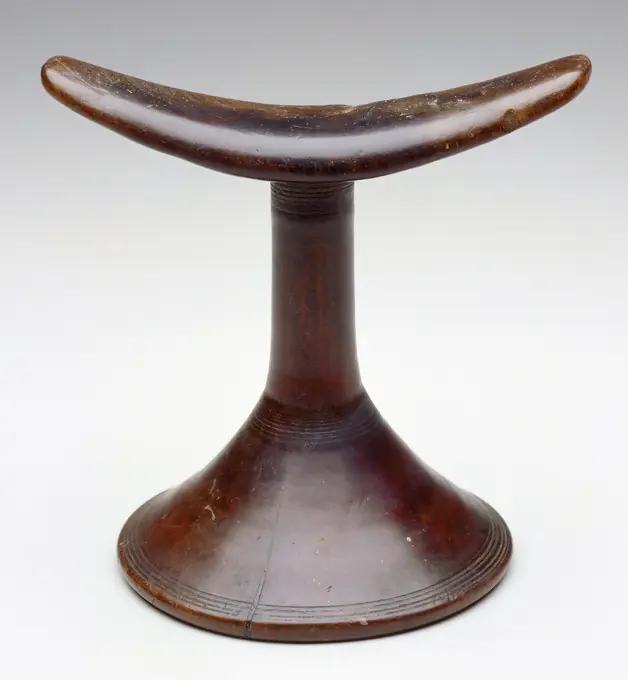
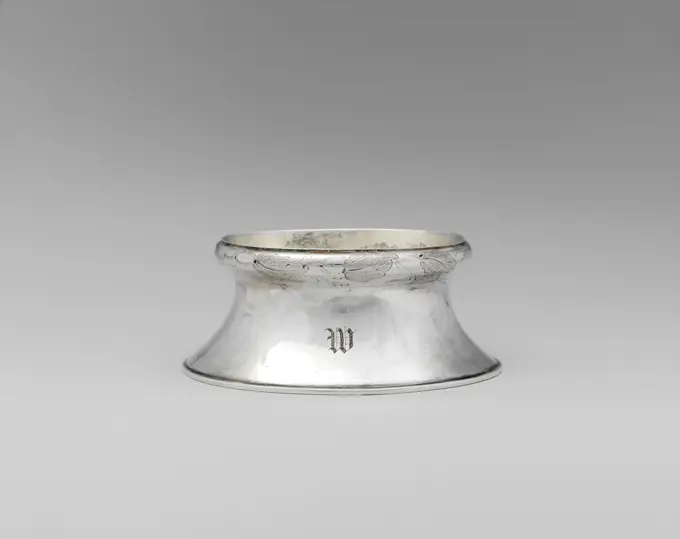
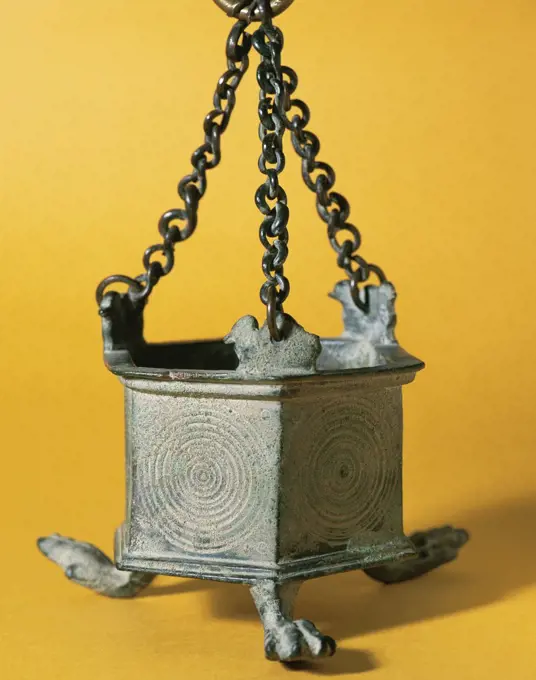
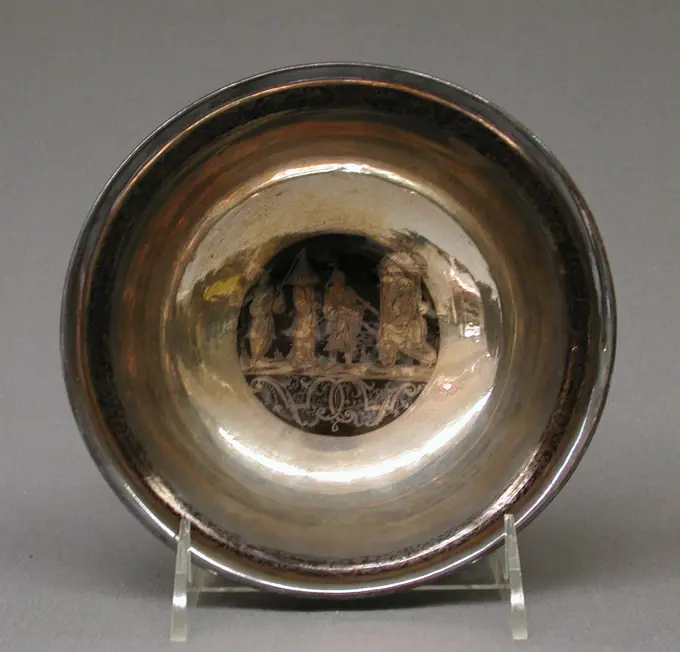
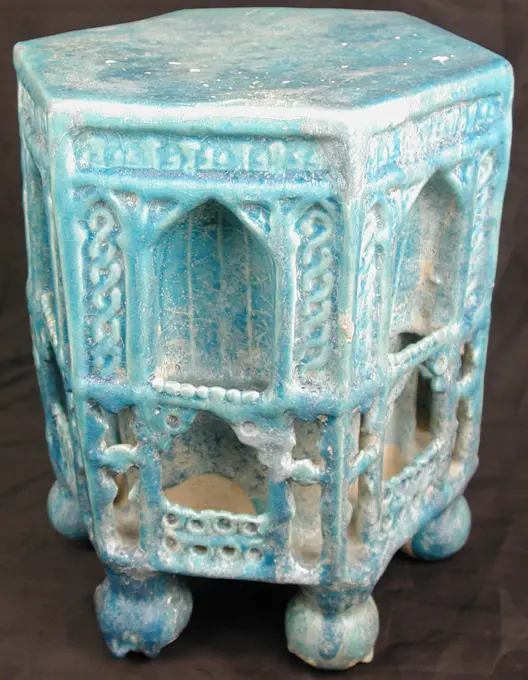
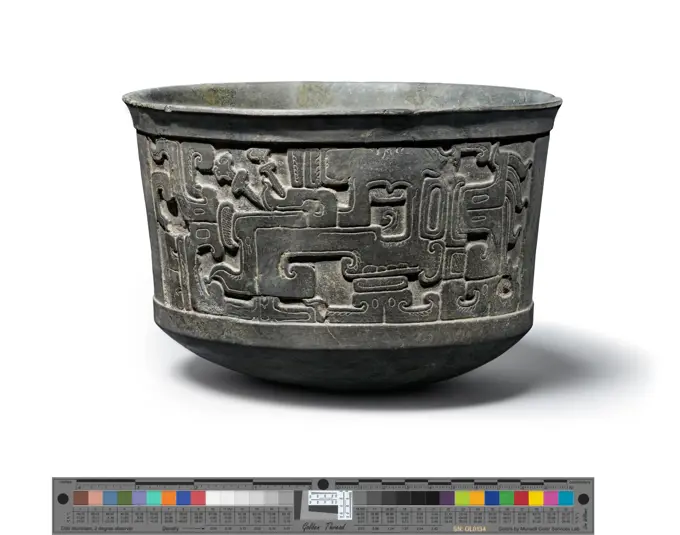
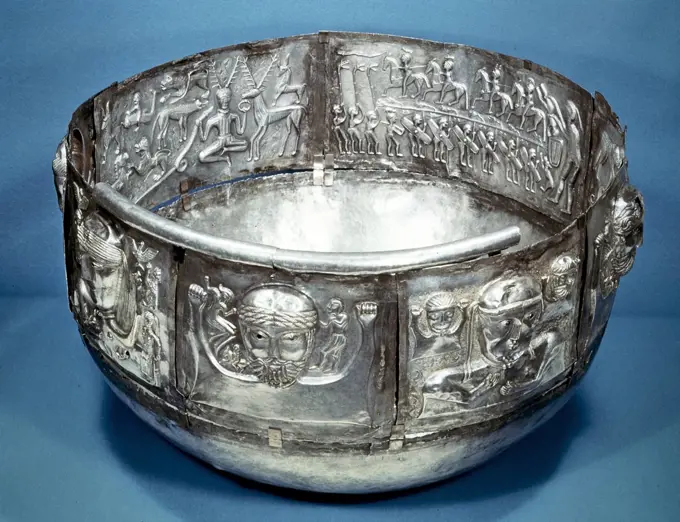
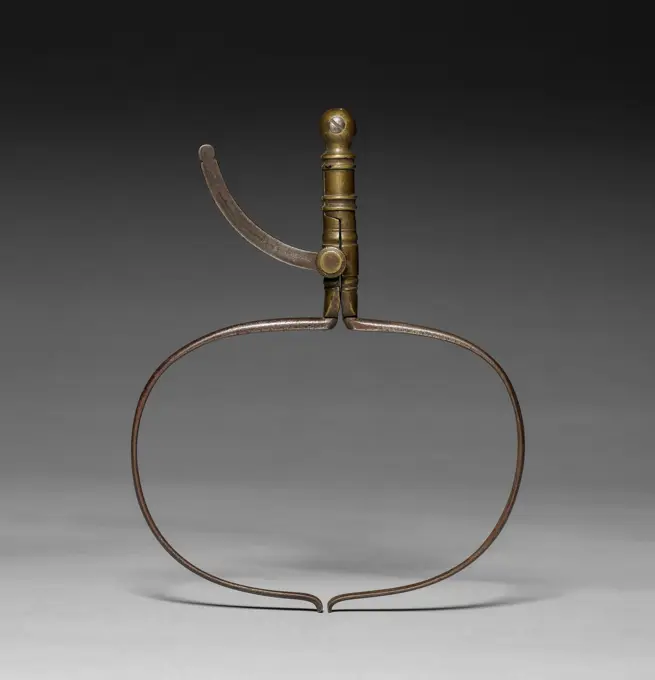
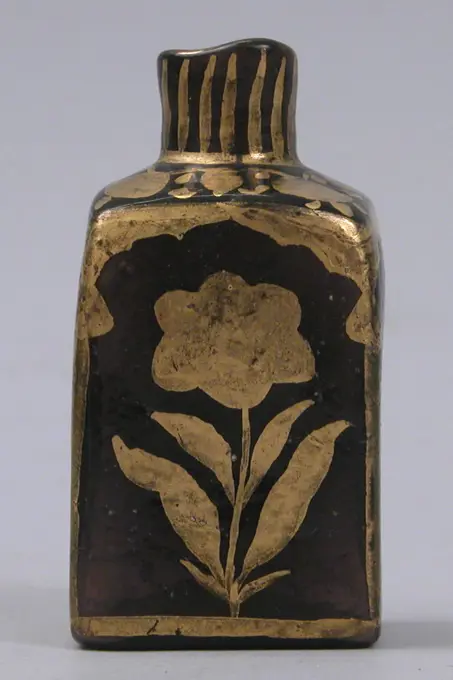
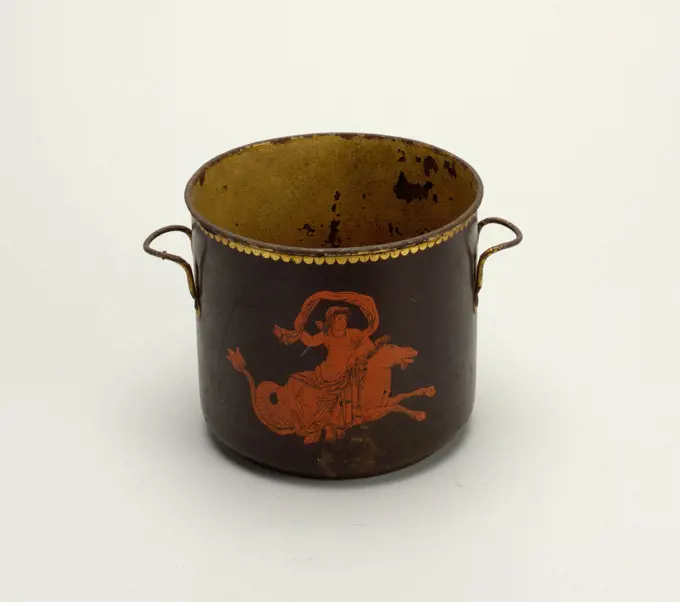
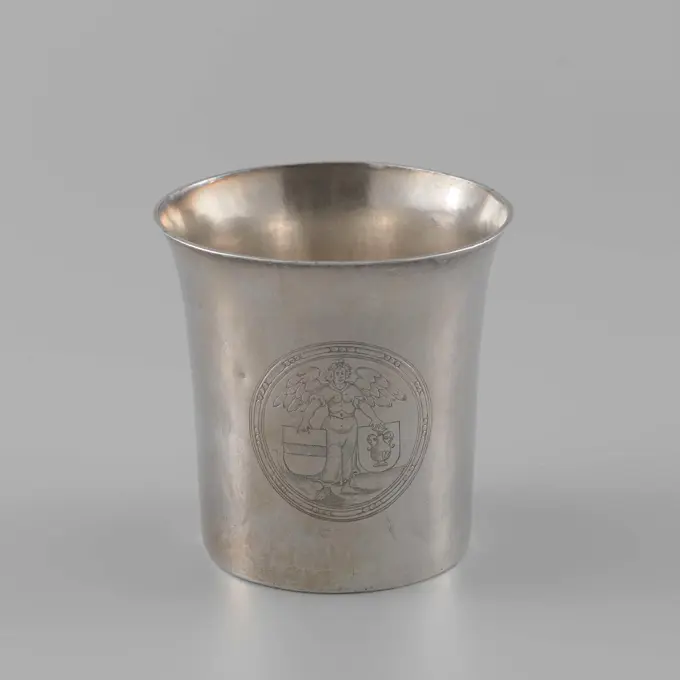
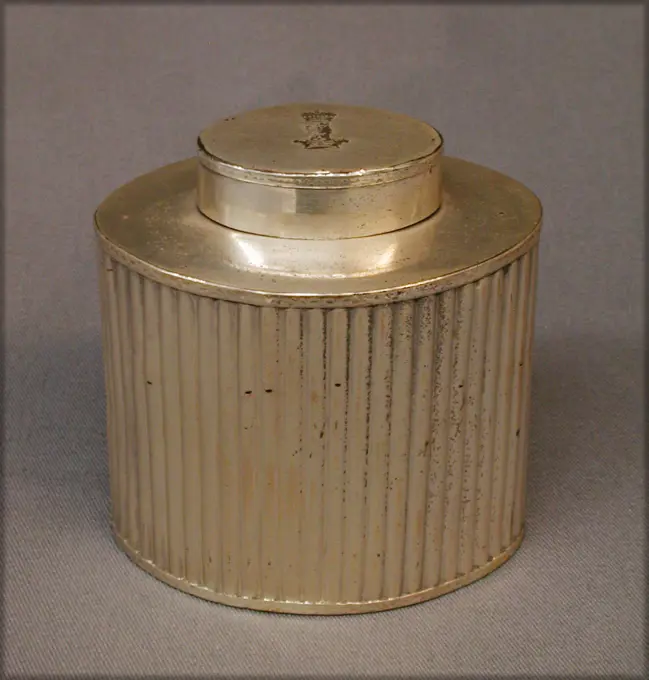
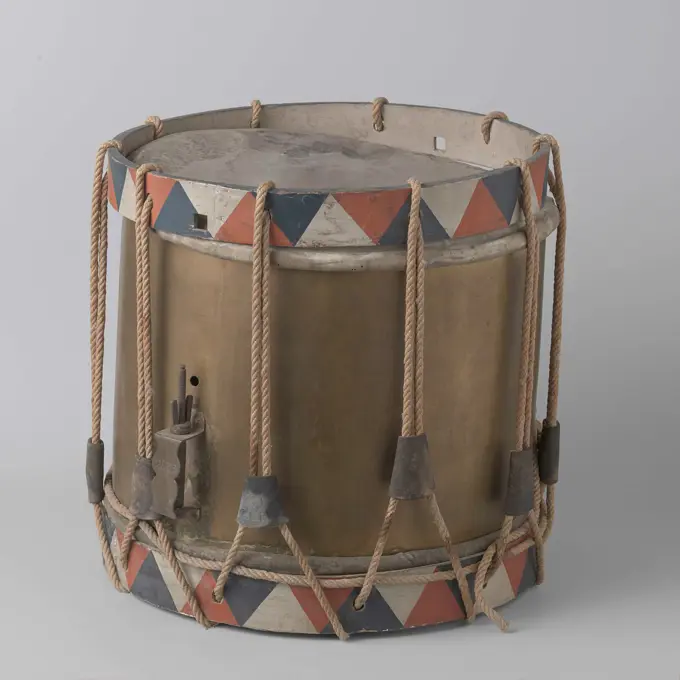
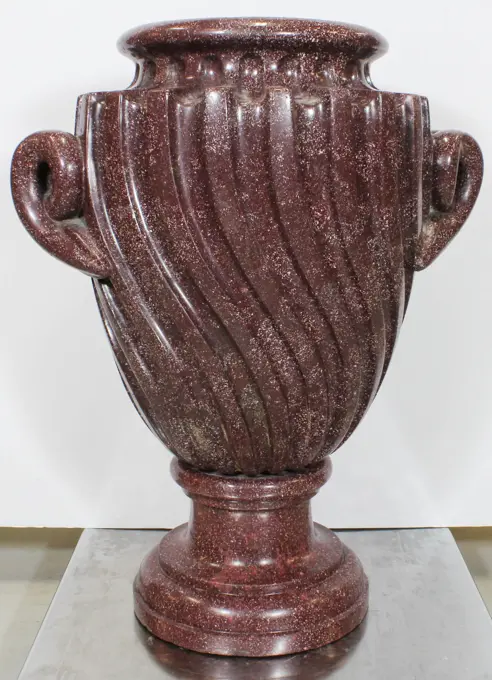
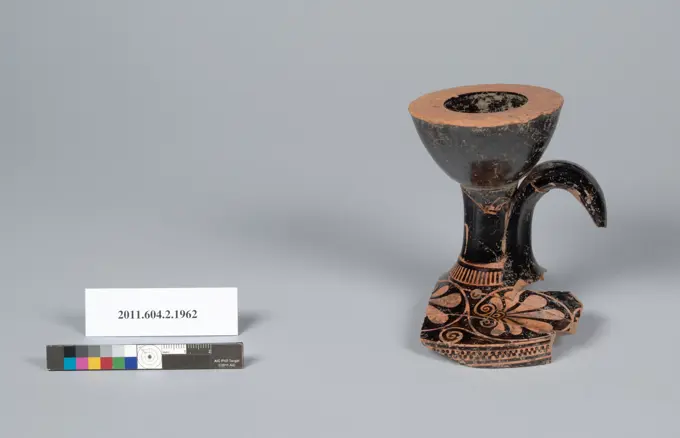
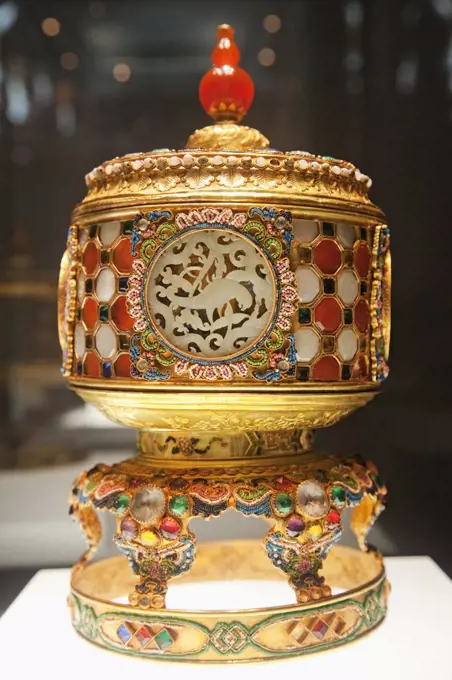
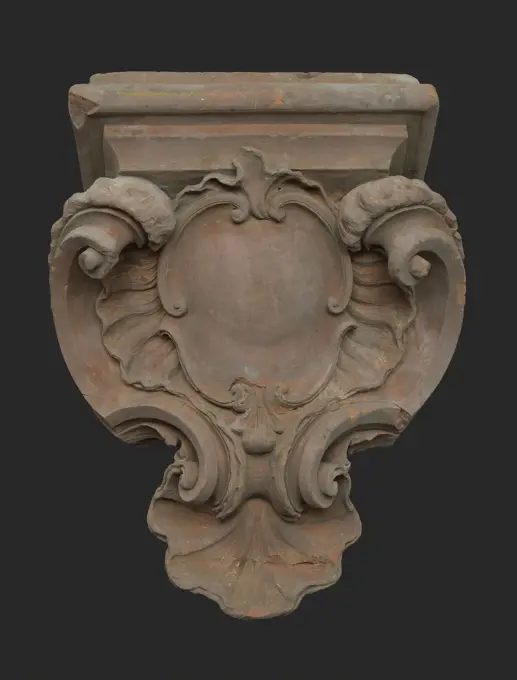
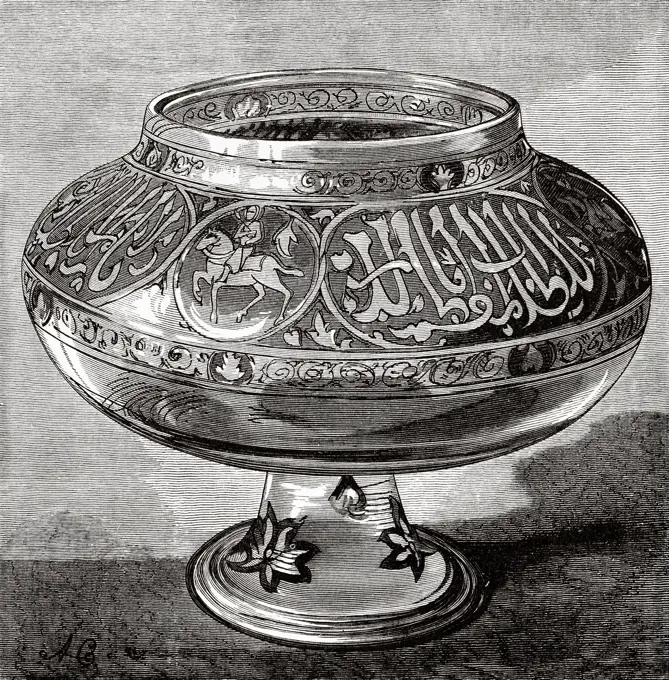
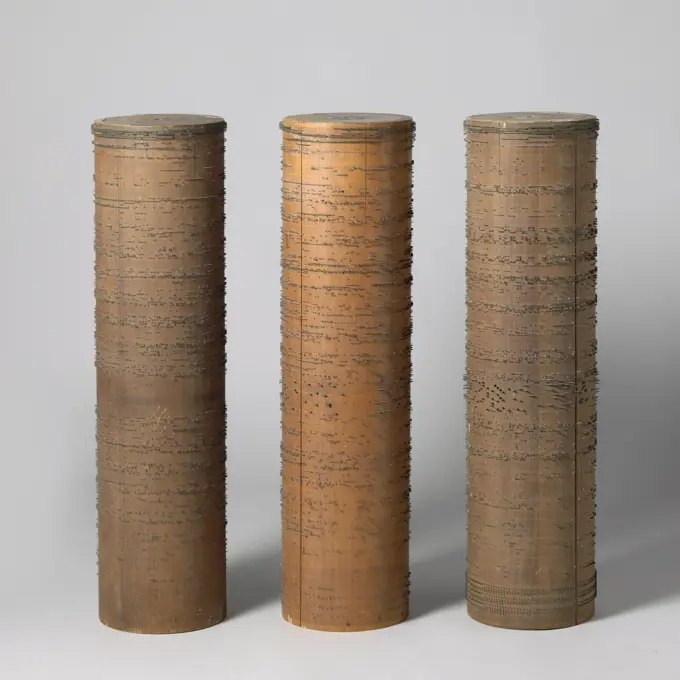
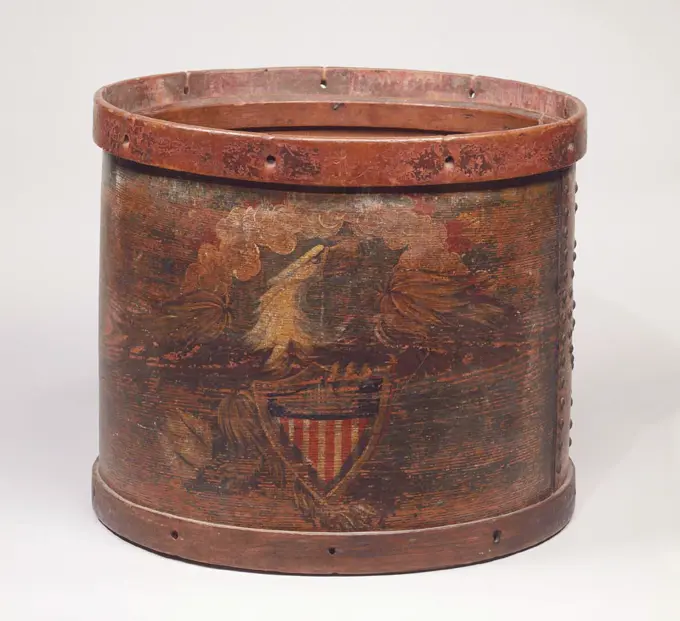
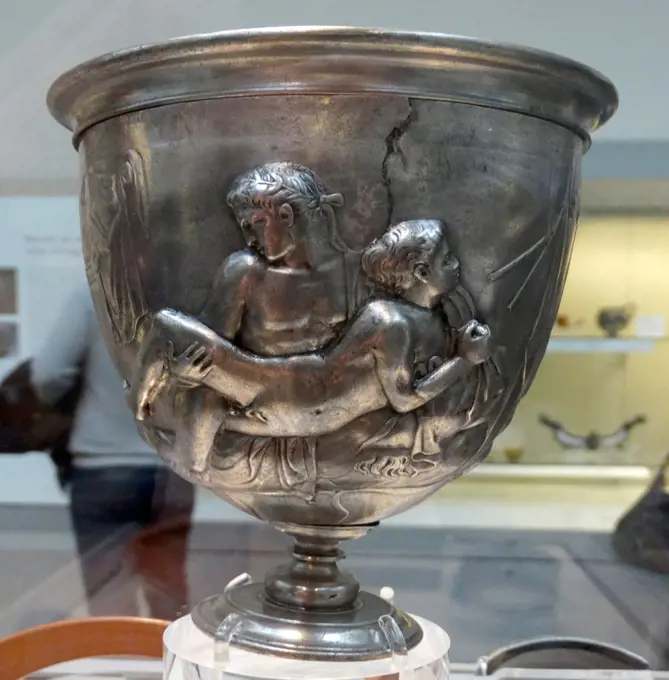
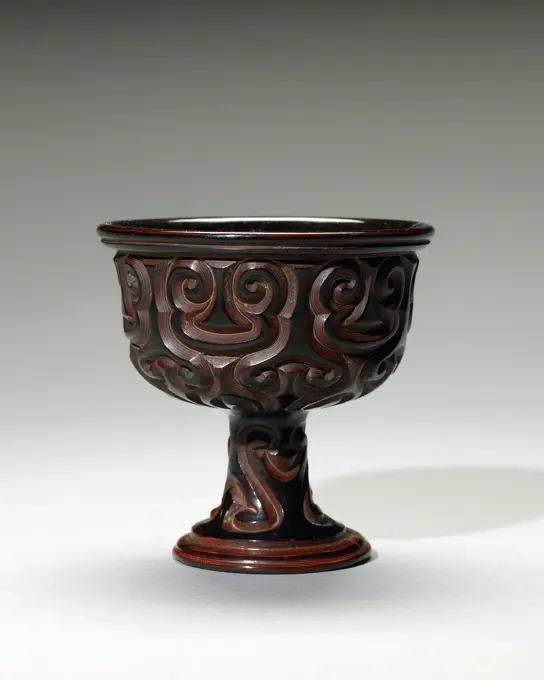
Stem Cup, 14th century, 3 5/16 x 3 5/16 x 3 5/16 in. (8.41 x 8.41 x 8.41 cm), Lacquer, China, 14th centuryPair of Stirrups early 17th century Italian Each stirrup of this pair is adorned with trophies of arms on the sides and a lions head at the front of suspension eye. This type of stirrup was made by assembling various elements each cast separately. Different combination of these elements would create, at a lower cost, pairs of slightly different designs.. Pair of Stirrups. Italian. early 17th century. Copper alloy, gold. Equestrian Equipment-StirrupsServing Vessel, c. 600-900 CE, 11 3/4 x 14 1/2 x 14 1/2 in. (29.85 x 36.83 x 36.83 cm), Clay, pigments, Mexico, 7th-10th century, This especially large lidded vessel was once at the center of a sacred bundle of textiles gathered and tied through the round opening in the lid's handle. Containers of this type were used to present and serve tamales and other foods at ceremonial feasts. Sacred images incised in the lid feature representations of four Maya gods including the Maize God and Jaguar God. The four-lobed shape around the handle is symbolic of a portal between the earthly realm and the watery underworld. Images of K'awiil, the god of lightning and royal lineage, surround the bottom of the vessel.Jardiniere, late 1700s. Wedgwood Factory (British). Black basalt; diameter of mouth: 13.2 cm (5 3/16 in.); overall: 14.6 cm (5 3/4 in.).Candlestick (Deng). Culture: China. Dimensions: H. 9 1/8 in. (23.2 cm); Diam. 5 3/4 in. (14.6 cm). Museum: Metropolitan Museum of Art, New York, USA.Crock. Dated: c. 1938. Dimensions: overall: 36.5 x 29.3 cm (14 3/8 x 11 9/16 in.) Original IAD Object: 7 1/2" High 8" Dia(base). Medium: watercolor, colored pencil, and graphite on paperboard. Museum: National Gallery of Art, Washington DC. Author: Yolande Delasser.Ritual flask, anonymous, -350 - -250 Lid of flat bottle (flat silk divided into rectangles). China bronze (metal) Lid of flat bottle (flat silk divided into rectangles). China bronze (metal)Goblet 101 CE-600 CE Mediterranean Region. Glass . IslamicEwer 19th century. Ewer 443151Tea kettle with a tuit ending in an animal head. Tea kettle of brass. The object is composed of the following parts: the boiler, the bottom, the spout, the handle setting, the handle, the lid and the lid knob. The boiler is from under bulb soil, above that holland with a straight raised neck. The bottom is a flat plate, which is bent on the edges and roast. This is later fixed again with solder. The angular spout is roaming against the boiler, which goes up with a sharp bend and ends in an animal head. On the top of the boiler next to the neck, two handle mounting are arranged in the extension of the spout. The brace-shaped handle has wooden straight handle in the middle. The bell-shaped lid has a large wooden button on top. The sink lower edge of the lid is switched on loose. The indoors of both the boiler and the lid are tins.TESORO DE LOS QUIMBAYAS - VASIJAS DE ORO - COLOMBIA - 200-1000 DC. Location: MUSEO DE AMERICA-COLECCION. MADRID. SPAIN.Helmet probably 19th century Indian, possibly North Indian. Helmet 32063Gold jar with dragon heads and human figure ornament. Chimu. Pre-Inca civilisation. PERU.Incense burner 7th-8th century China. Incense burner 61221Pair of Gauntlets for a Child ca. 1585 Lucio Piccinino Italian These gauntlets belong to an armor presented by the Spanish governor of Milan to the future Philip III of Spain (1578-1621, reigned from 1598).. Pair of Gauntlets for a Child. Italian, Milan. ca. 1585. Steel, gold, silver. Milan. Armor Parts-GauntletsSpoon. Copper alloy. Gallo-Roman. Paris, Carnavalet museum. 51463-18 Copper alloy, spoon, Gallo-Roman, Gallo-Roman, dishesPressing Iron, 1700s. Europe, 18th century. overall: 15 x 16.9 x 7.4 cm (5 7/8 x 6 5/8 x 2 15/16 in.).Lantern of brass covered with Robbenvel, Anonymous, c. 1300 - c. 1500 The round object has a copper wall, which is covered with a coarse tissue, on which processed leather is applied. The bottom is made of wood. On this is a loose copper plate, in which three iron nails are soldered to confirm a candle. The wall is decorated with three pointed arches and gothic tracing and with rivets in the form of six -pointed stars. The door is attached with two hinges and is closed with a hook. It is also provided with tracing at the top and has a perforated wall in which circles and stars. The top of the lantern is covered by a copper plate with an open tracing in the form of six touching circles and with an edge, in which zigzag motifs are engraved. The chain consists of six S-shaped links. The elements to attach the chain to the handle and end up in acorns. On top of the leather upholstery is largely and in the height of the tracing work here and there disappeared. The processed learning surfaceBROCAL DE POZO EN MARMOL-REINO TAIFAS-AÑO 1032-77X75X09-. Location: MUSEO HOSPITAL DE SANTA CRUZ. Toledo. SPAIN.Covered Box 1522-1566 China. Carved cinnabar lacquer on wood .A mug in the end;  5th century BC (-500-00-00--401-00-00);Jar And Cover (Philippines); bronze, inlaid metalLadle (Puisoir) 19th century, after 17th century original British, after Russian original This electrotype is after a seventeenth-century original a treasure of the Kremlin, Moscow, at the time of reproduction.. Ladle (Puisoir) 186554Eight-Plate Helmet 8th-10th century possibly Tibetan A forerunner of the classic Tibetan eight-plate style, this helmet appears to be the earliest extant helmet, and possibly the earliest piece of metal armor with clearly distinguishable Tibetan characteristics. It includes a unique combination of features found on various forms of segmented helmets with riveted construction, which were in use across Eurasia from about the fourth century onward. Features specific to later Tibetan helmets are the basic eight-plate construction, the subtly cusped edges of the outer plates of the helmet bowl, and the distinctively Tibetan form of the plume finial.. Eight-Plate Helmet 25099Granodiorite statue of Amenhotep. 18th Dynasty (approx. 1400 BC). From Abydos.Bickom (Anvil) 1400-1500 Europe. Iron .Handles and feet of a bronze louterion (basin) 1st quarter of the 5th century B.C. Greek The three feet are in the shape of lions' paws. The handles terminate in recumbent satyrs (followers of the wine god, Dionysos) holding drinking horns. The iconography is usual for an object that contained water.. Handles and feet of a bronze louterion (basin) 255015 Greek, Handles and feet of a bronze louterion (basin), 1st quarter of the 5th century B.C., Bronze, feet, a-c: 3 1/4  3 5/8 in. (8.3  9.2 cm) handles, d-e: 6 1/16  6 3/4  3 in. (15.4  17.1  7.6 cm). The Metropolitan Museum of Art, New York. Purchase, Joseph Pulitzer Bequest, 1959 (59.11.23ae)Flakon with a stopperSnuff Bottle, 1850-1925, 3 x 2 1/8in. (7.6 x 5.4cm), Wood, jade, mother-of-pearl, China, Qing dynastyGarden Vase with Men on Horseback, Allegory of the Army, anonymous, 1800  Northern Netherlands marble (rock)  Northern Netherlands marble (rock)Bag 17th century French. Bag. French. 17th century. Silk and metal thread. Textiles-WovenStem Cup with Pommel Scroll Design 13th century China. Stem Cup with Pommel Scroll Design 72810CANDIL DE BRONCE CON CABEZA DE CIERVO. Nº INV. LI-IN-183. DIAMETRO CUERPO 8,4 CM. LONGITUD 20,1 CM. MUSULMAN. (EXPOSICION :ARTE ISLAMICO ESPAÑOL)(DEPOSITO: MUSEO PARROQUIAL DE LIETOR).Dōtaku ( 鐸 ) Japanese 1st century BC Archeological bells like this were made in Japan during the Yayoi period (250 BC-250 AD). They have been excavated in the western half of the main island and are thought to have served a ritual purpose.Mortar 900-950 Syrian () Probably intended for medicinal or cosmetic use, this mortar employs a decorative vocabulary that was inspired by eastern motifs and was probably transmitted to the West through textile designs.. Mortar 464235Headrest, 19th century, 6 1/8 x 4 3/4 x 4 3/4 in. (15.6 x 12.1 x 12.1 cm), Wood, Ethiopia, 19th centuryCopper pressed thimble, decorated and marked, thimble sewing kit soil find copper brass metal, Rotterdam railway tunnel seamstress tailor sewing textile processing clothing needle and thread repair Soil discovery: railway tunnel Rotterdam.Pair of church flagons. Culture: British. Dimensions: Height (each): 11 1/2 in. (29.2 cm). Date: late 17th century. Museum: Metropolitan Museum of Art, New York, USA.Trencher Salt 1700-1720 Formerly attributed to John Coney. Trencher Salt 8809Censer. Anonymous. Coptic Egypt or Constantinopla or Syria. 6th-7th centuries. From Saint Feliu of Lledo (Girona Province, Catalonia). Bronze. Episcopal Museum. Vic. Spain.Vase Jia ". Bronze. China, Shang Dynasty. Paris, Cernuschi Museum. 72198-21 Anse, Chinese art, bronze, Chang dynasty, shang dynasty, extended shape, tripod, three feet, vase gue, jia vase, jue versesBowl (part of a set) second quarter 18th century German, Bayreuth. Bowl (part of a set) 236325Covered Flagon with Spout 1750-1800 Zürich. Pewter . Andreas WirzBeaker. From a distance, this beaker looks like a book bound in leather, but it is a deceptive imitation, complete withbook clasps and a handsomely embellished front and back cover, in glazed earthenware. The drink openingis on the top, just behind the books spine.Pair of Ribbed Penannular Earrings ca. 1479-1425 B.C. New Kingdom. Pair of Ribbed Penannular Earrings 548527Low Table or Stand 12th-13th century As potters explored the properties of the recently introduced stonepaste, they learned that the pliable unfired material could be fashioned into increasingly ambitious forms. Because of its strength when fired, stonepaste was even adopted to create pieces of furniture. This piece, designed in the form of a two story pavilion with arched balconies and pierced balustrades, served as a low table or stand, which would support a tray of food and drink. Reportedly, it was excavated at Bujnurd in northern Khurasan.. Low Table or Stand. 12th-13th century. Stonepaste; molded and modeled decoration, monochrome glazed. Found Iran, Khurasan, Bodjnurd. CeramicsBowl with Supernatural Serpent. Guatemala or Mexico, Maya, 600-900 CE. Ceramics. Slip-painted ceramicGundestrup Cauldron (bowl), Celtic ritual vessel of 2nd century BC. Inside on right is Cernunnos, King of the animals. Silver partially gilded. Danish National Museum, Copenhagen.Inside Calipers, 1700s. Europe, 18th century. overall: 21.6 x 16.9 cm (8 1/2 x 6 5/8 in.).Kohl Tube, 305 BC-AD 395. Egypt, Ptolemaic Dynasty to Roman Empire. Brass with blue enamel decoration; diameter: 1.7 cm (11/16 in.); with cover: 8.9 cm (3 1/2 in.).Bottle with Gilded Flowers 18th century Square bottles of this type derive from Dutch and German molded vessels, which would have been imported after the Dutch East India Company established a trade factory in Gujarat in 1618. In the mid-18th century, a successful glass factory was opened in Bhuj by Ram Singh Malam, a Gujarati craftsman who returned to India after spending time in the Netherlands. His patron, Maharao Lakha (r. 1741-60) was the ruler of the kingdom of Kutch, and this support resulted in the production of many fine glasswares in the region. This bottle is ornamented with mihrab-shaped arches over large flower motifs.. Bottle with Gilded Flowers 452777The Roberval Balance.Cachepots, Enameled and gilt tôle, Cylindrical, with slightly rounded bottom and simple handles. Black field, with gilt decoration on handles and around edge, and on each side. At center, a red female figure on a seahorse., England, ca. 1810, metalwork, Decorative Arts, Cachepots. Kroes of silver, decorated with an engraved medallion, in which a woman's figure holds the weapon of Vlissingen and the Markiezaat Veere.Pyxis ca. 7th-6th century B.C. Iran. Pyxis 325340Tea caddy ca. 1790 British, Sheffield. Tea caddy. British, Sheffield. ca. 1790. Sheffield plate. Metalwork-SilverplateDrom, old model of the arches. Groom of the militia. The brass boiler is provided with a veal sheet on both sides, held by a hoop and tense by means of a tensioner with tractors and screws. Both hoops are decorated with a motif of triangles in the colors red, white and blue. With engraved numbers: 1833-1.Granary (Cang) 25 CE-220 CE China. As burial practices filtered down from the Han aristocracy to officials and landowners, tomb models related to farming, an honored occupation, became increasingly popular. The granary, used to store millet, barley, and wheat, was depicted either as a jar or as a small building. The two-story granary found in southern Chinese tombs of the Western Han dynasty (206 B.C.-A.D. 9) was a wood or ceramic model elevated on stilts. By the Eastern Han dynasty, this rectangular structure had spread to northern China and was raised on legs that were formed as crouching bears, a convention common to Han art. The inscription painted on the door of this granary states that it was made for the tomb of a local official.. Brick-red earthenware with green lead glaze, carved and molded decoration .Monumental Urn ca. 1650 Italian, Rome This monumental Imperial porphyry urn is likely to be the pair to an identical urn (with its lid) formerly in the Spanish Royal Collection, now preserved at the Prado. King Philip IV of Spain, who acquired the urn now at the Prado, was a keen collector of porphyry. His grandson Louis XIV clearly inherited this passion, forming the most significant collection of porphyry objects in Early Modern Europe. The King of France, who compared himself to the rulers of Ancient Rome was well aware of the symbolism associated with Imperial Egyptian porphyry. The use the purple stone’ was tightly controlled by Roman emperors and therefore closely connected to their divine power. Porphyry is also an extremely hard stone, which means that only very skilled sculptors could work on it.. Monumental Urn. Italian, Rome. ca. 1650. Imperial porphyry. Natural SubstancesTerracotta fragment of a lekythos (oil flask) 490-480 B.C. Greek, Attic Mouth, neck, and part of handle of a lekythos; at the juncture of the neck and shoulder, a band of tongues; on the shoulder, circumscribed palmettes; below, at the top of the body, a dot net pattern. Terracotta fragment of a lekythos (oil flask). Greek, Attic. 490-480 B.C.. Terracotta; red-figure. Late Archaic. VasesProchownica huculskaGold Greek cup with a wild bull motif, 15th century BC. Artist: UnknownClose-up of an altar box in a museum, National Museum Of Vietnamese History, Hoan Kiem, Hanoi, VietnamWooden pestle and mortar. Algeria.New Zealand: a carved Maori bowl. Albumen print.Terracotta console in Louis XV style, console building element ceramics terracotta, molded baked Terracotta console in style Louis XV with frame cartouche and leaf and shell motives adorning Kinderdijk Louis XV Louis XV Louis Quinze KinderdijkBerry Basket, 1890. Northwest Coast, coastal, Salish, late 19th century. Woven, imbricated; overall: 15.5 x 20.5 cm (6 1/8 x 8 1/16 in.).Antique Arabic enameled glass vase, Egypt, North Africa. Old 19th century engraved illustration from El Mundo Ilustrado 1879Sewing basket of braided straw, covered with bright blue ponjé side; Quilted and stitched, anonymous, c. 1850 - c. 1900 Sewing basket of braided straw. Cylinder model with lid. The lid, the bottom and the walls are covered with bright blue stitched ponjé side and cotton wool. Lid and bottom in white yarn. Three bags for bobbins and a pin cushion in the walls. Finished with blue and white cord. Netherlands taffeta. braiding Sewing basket of braided straw. Cylinder model with lid. The lid, the bottom and the walls are covered with bright blue stitched ponjé side and cotton wool. Lid and bottom in white yarn. Three bags for bobbins and a pin cushion in the walls. Finished with blue and white cord. Netherlands taffeta. braidingSolar boat of Djedhor, Late Egyptian Dynasty XXVI-XXX, (c.664-343 BC), bronze, Calouste Gulbenkian Foundation, ("Fundação Calouste Gulbenkian"), Lisbon, Portugal.Barrel for a mechanical organ, c. 1815 - c. 1825 musical instrument. mechanical instrument. mechanical organ. barrel. elements (of musical instruments) Cylinder for a mechanical organ. 10 segments and 3 screws in brass plate. On the roll a handwritten text: Menuetto Par Mozart and Variationes Par Muller.  wood (plant material). metalPetrified forest. This fossil tree trunk is one of many found in the desert of Arizona. It testifies to the time when this arid land was covered with thick coniferous forest. The original wood has become petrified, replaced by the mineral agage. HoweverSide (Snare) Drum First half 19th century American The shell and rims are the only surviving portions of this excellent example of a military drum from the United States around the turn of the nineteenth century. The drum features a large hand-painted decoration consisting of an eagle with wings spread holding a shield decorated with a blue field and red and white stripes. The eagle is facing upward to its left. In its left talon it holds an escutcheon decorated with red and white stripes surmounted by a blue field. In the right talon are olive branches. The eagles head is surrounded by an arc of clouds and a sunrise appears behind that (much of the decoration has worn away). The eagle is painted on a greenish-blue field. At the time this drum was made, eagles were popular decorations among patriotic Americans and could be found, as a symbol of national pride, on many objects. Drums especially, because of their use in the military, were often decorated with eagles from the very earlieWarren Silver Cup. Roman, made about 15 BC - AD 15. found at Bittir near Jerusalem. The cup shows two male couples making love. On one side is a bearded, active lover (in Greek, the erastes), with a younger, passive lover, (the eromenos).Decorative urn at the Forbidden City, Beijing, ChinaNutmeg in an antique spice jar.