Intricate Bronze Artifacts

A collection of ornate bronze and gilt objects featuring historical and cultural designs, showcasing artisan craftsmanship from various periods.
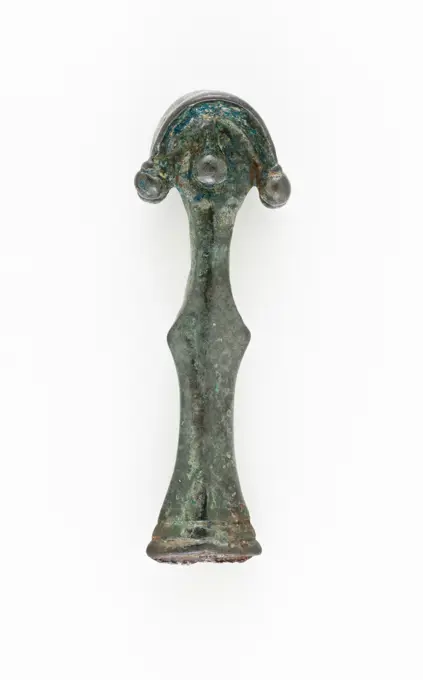
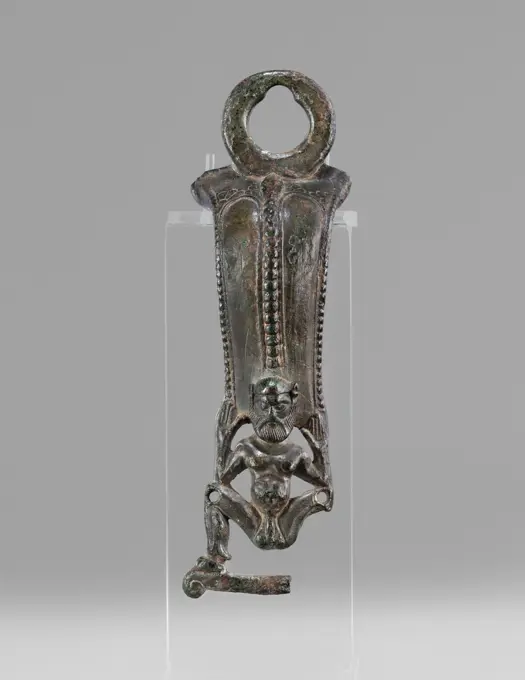
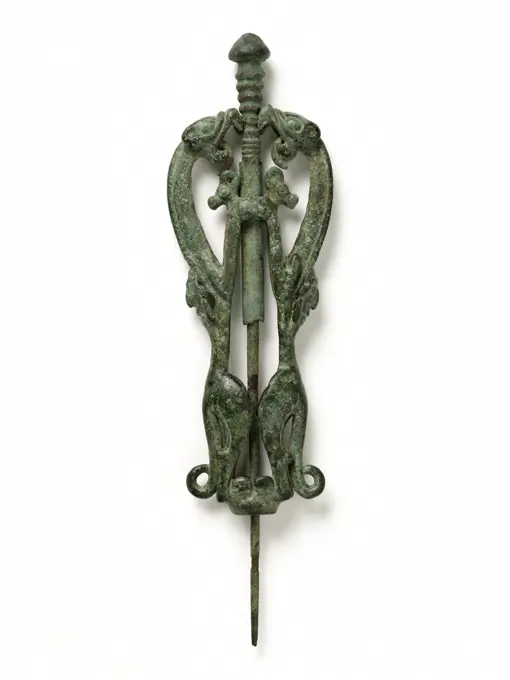
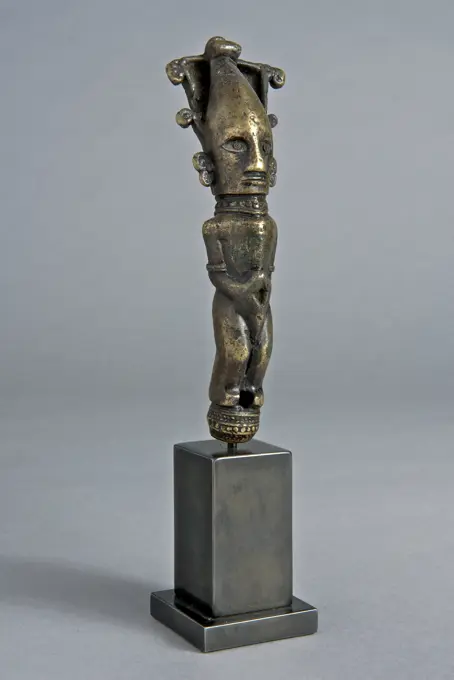
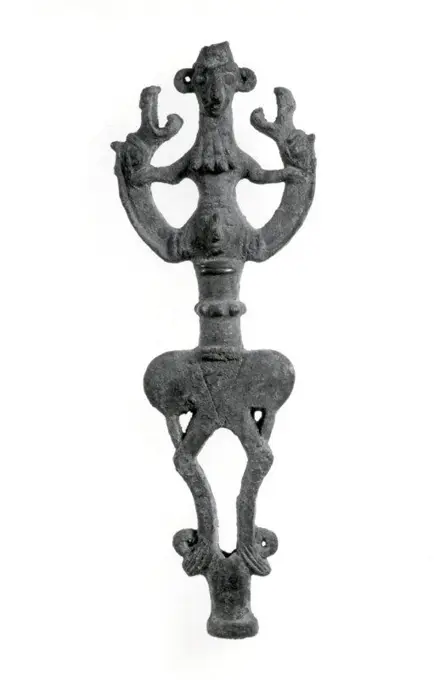
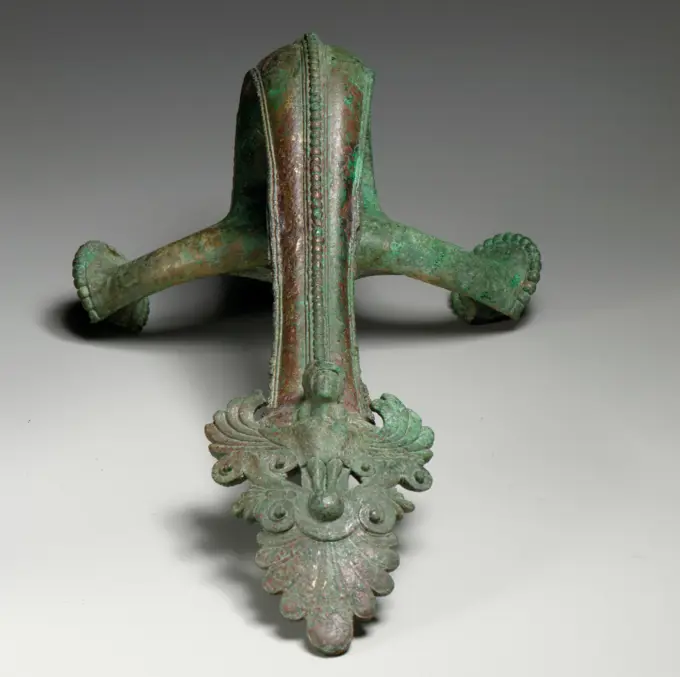
Dagger Hilt. Western Iran, circa 1000-800 B.C.. Arms and Armor; hilts. Bronze, cast
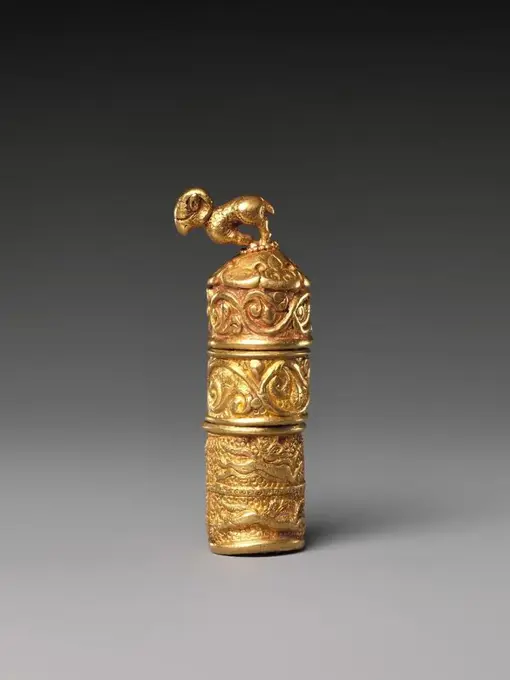
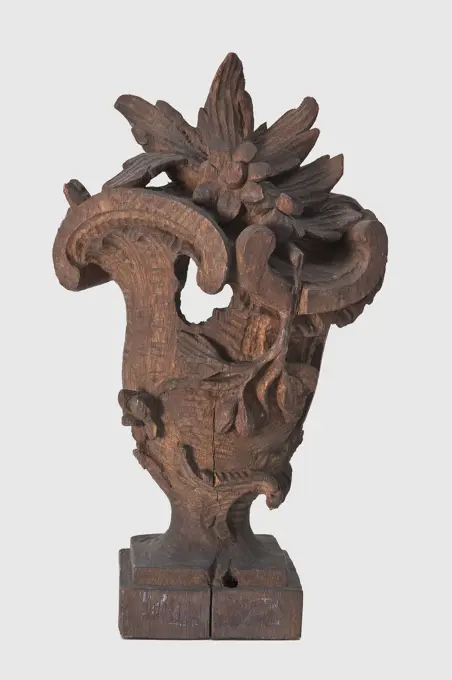
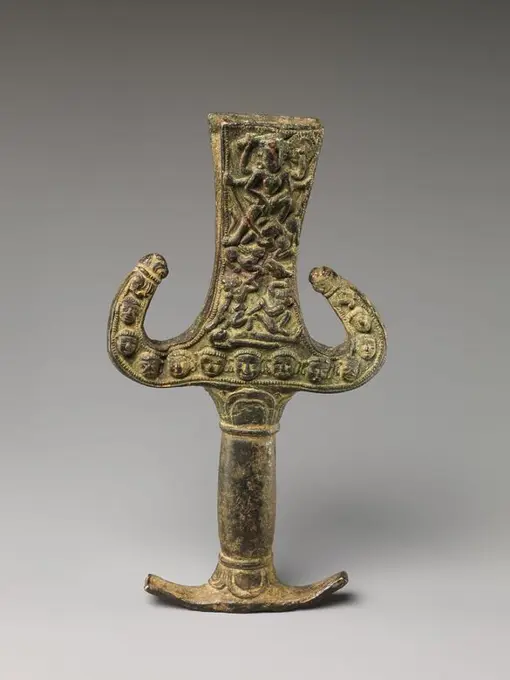
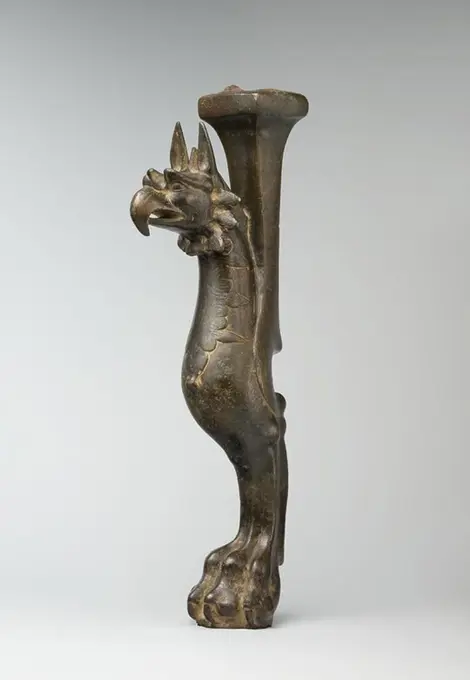
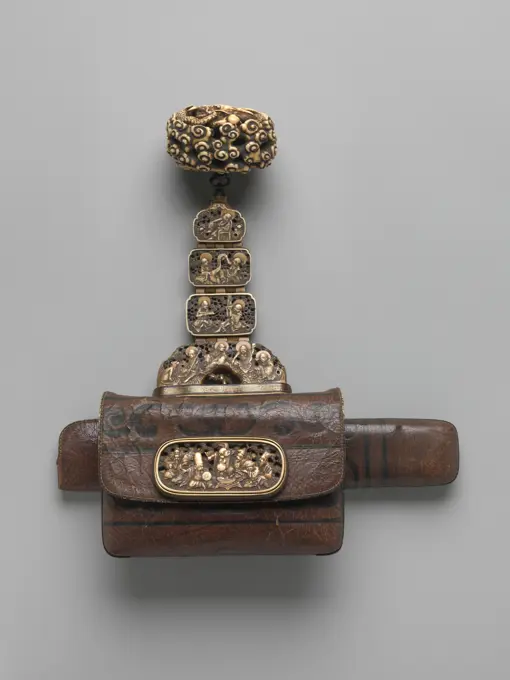
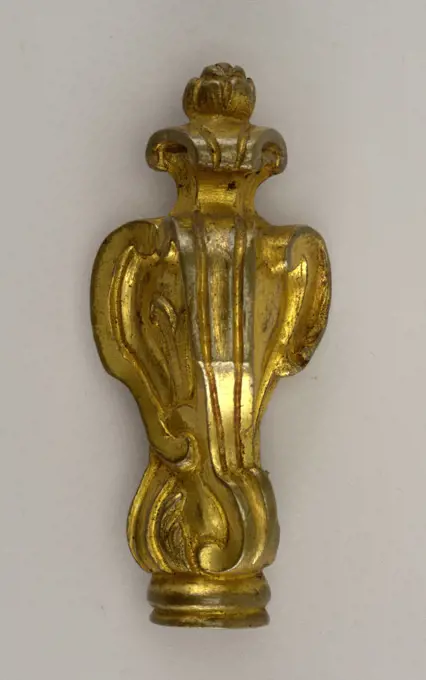
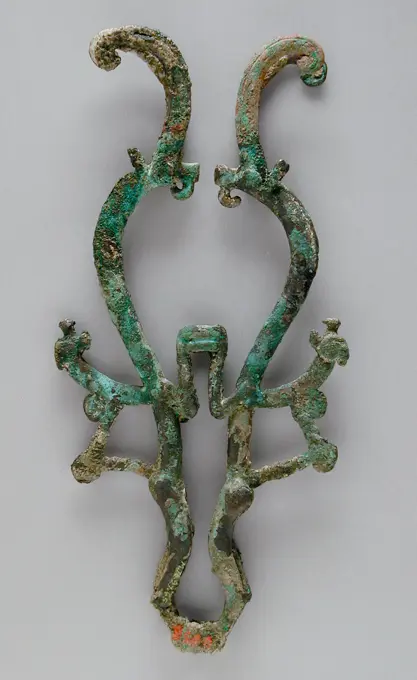
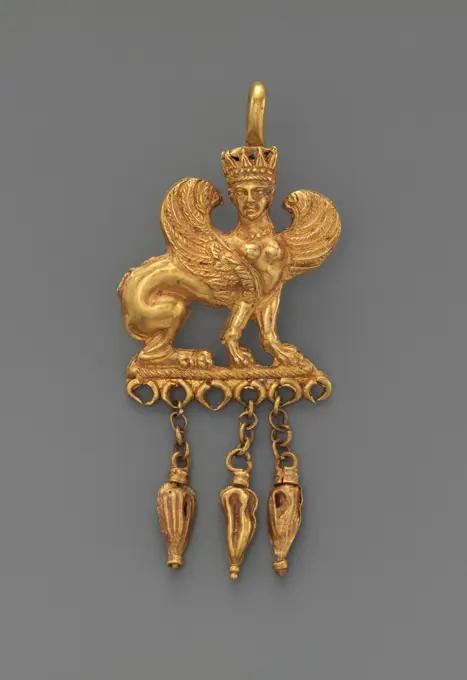
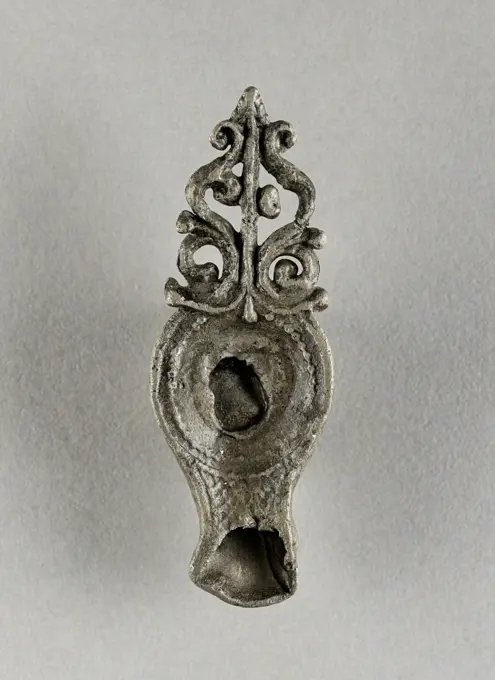
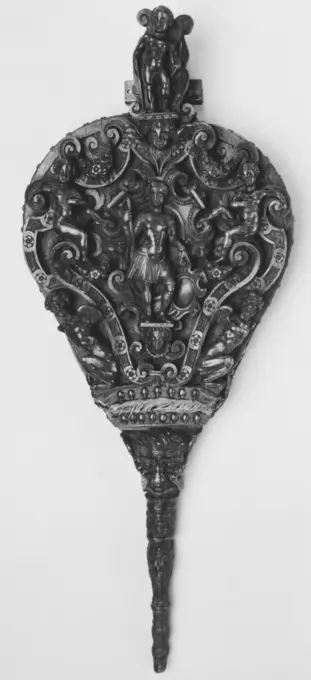
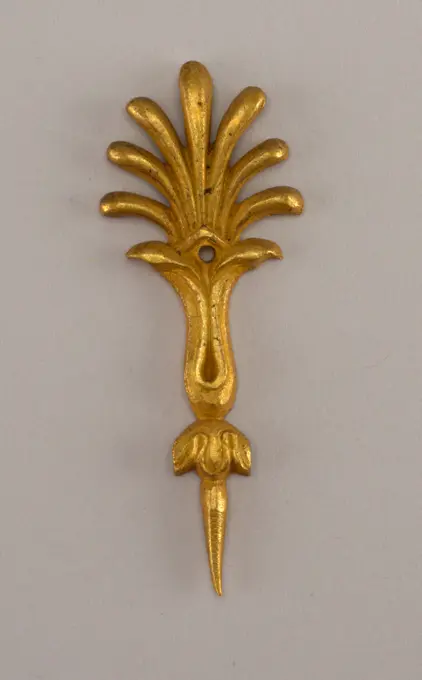
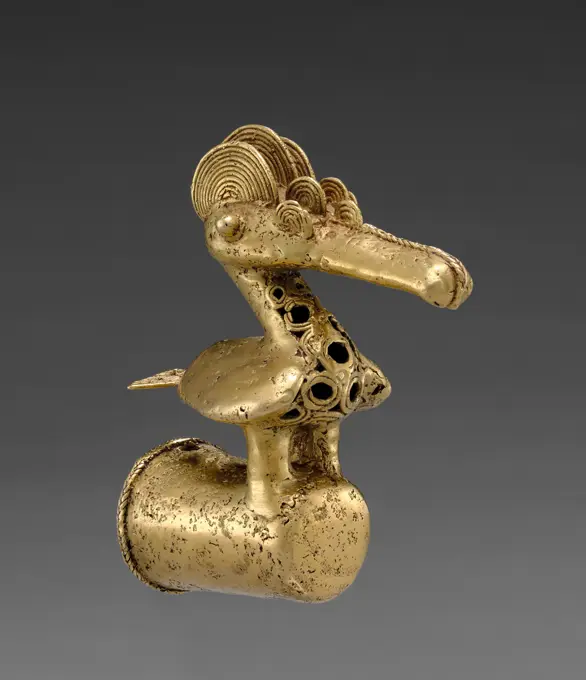
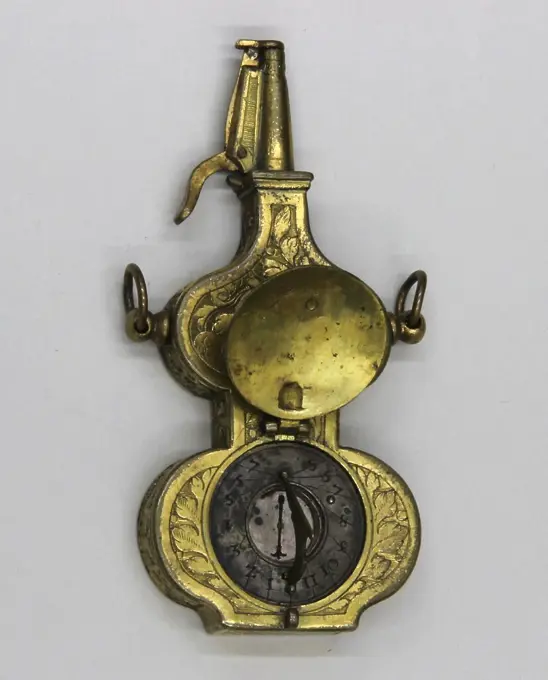
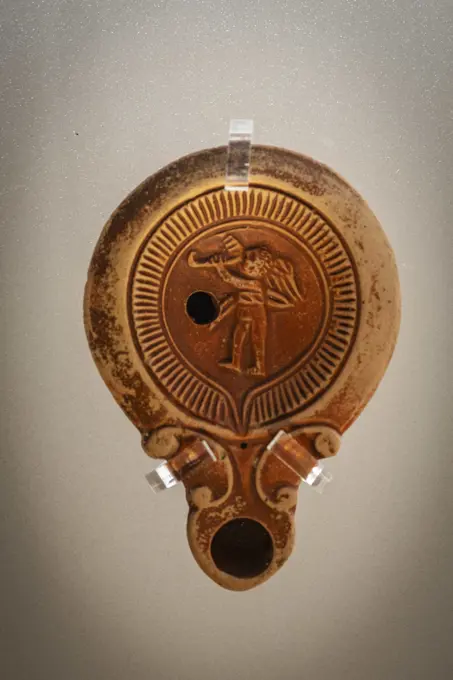
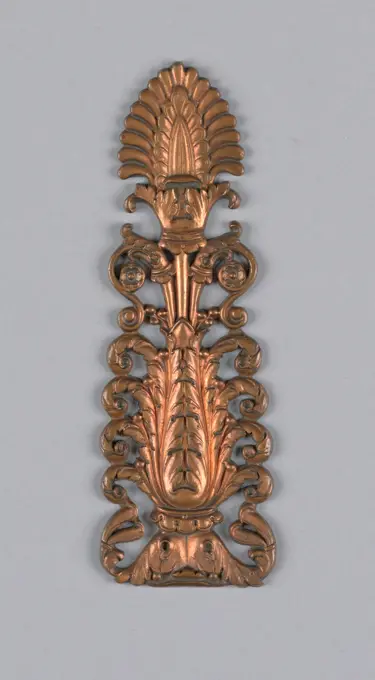
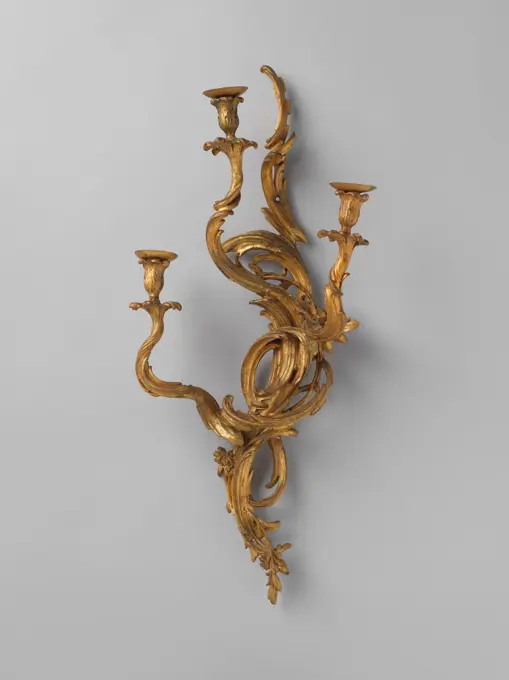
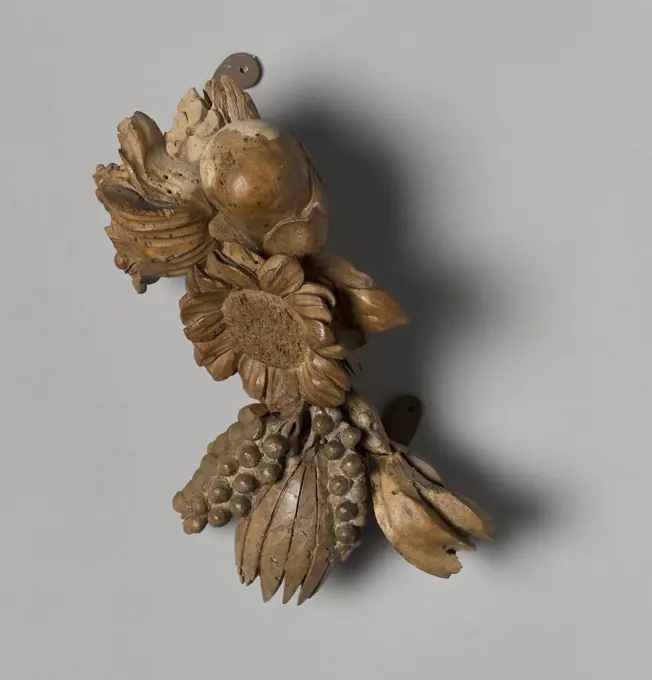
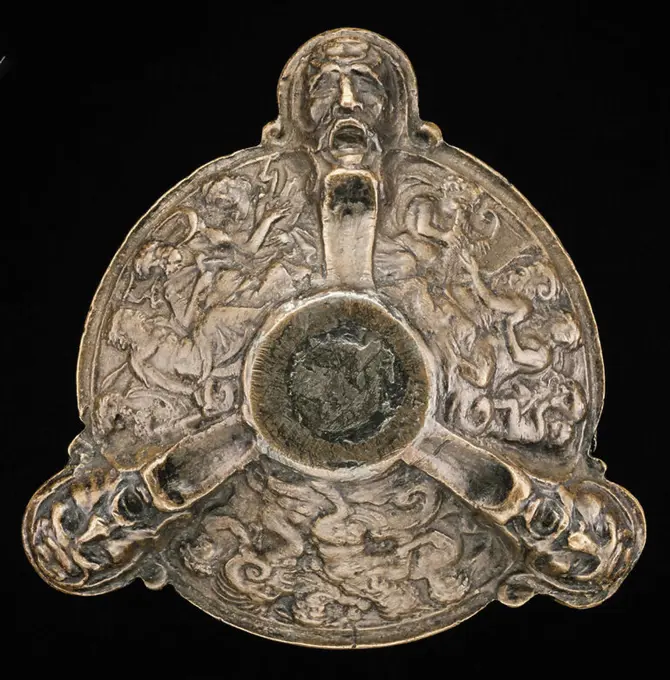
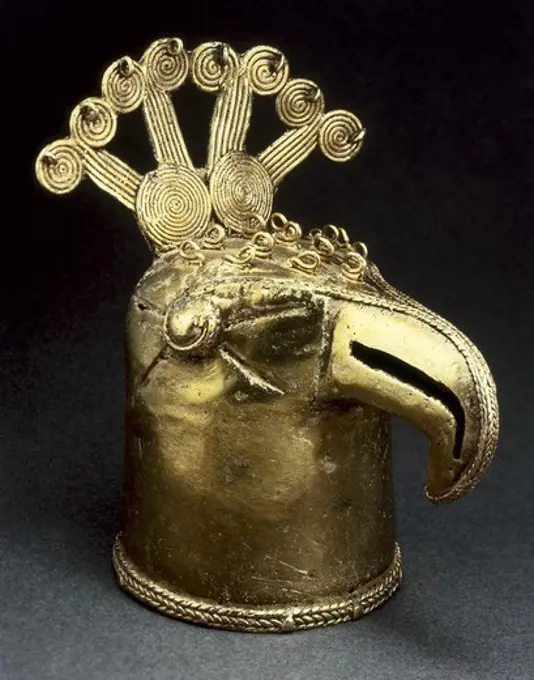
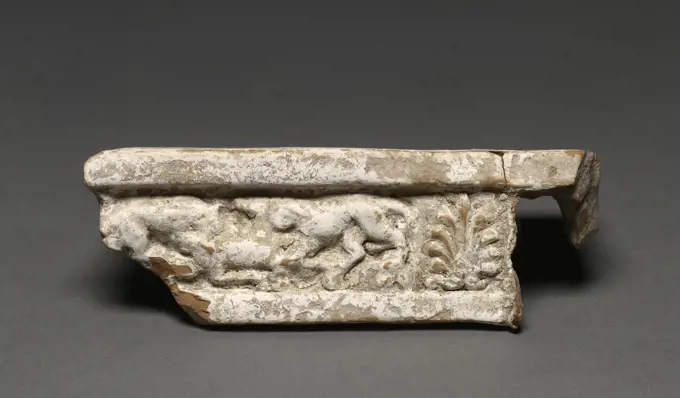
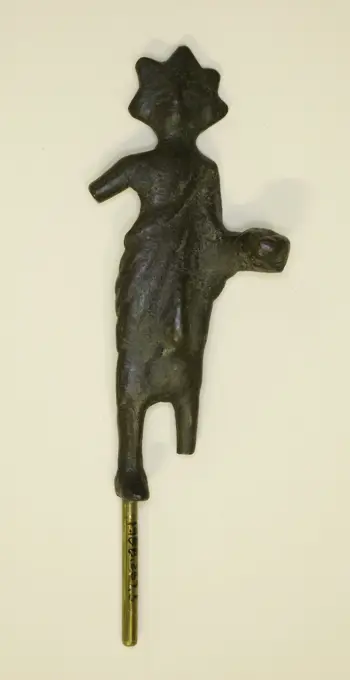
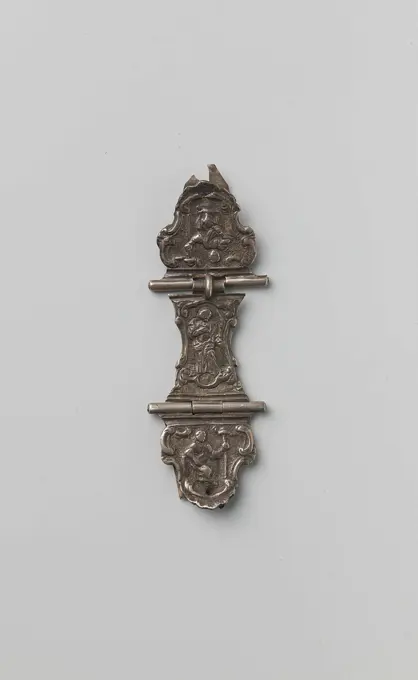
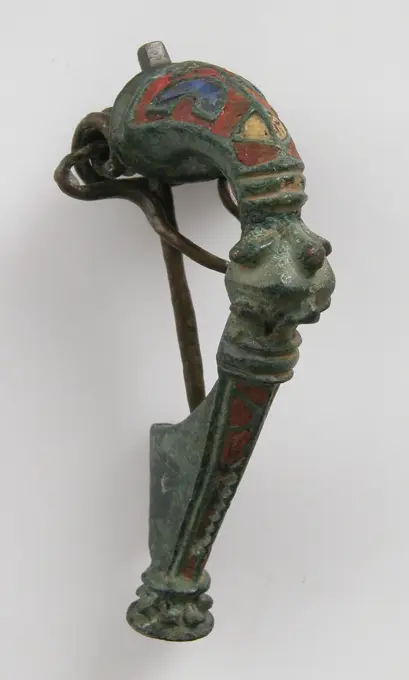
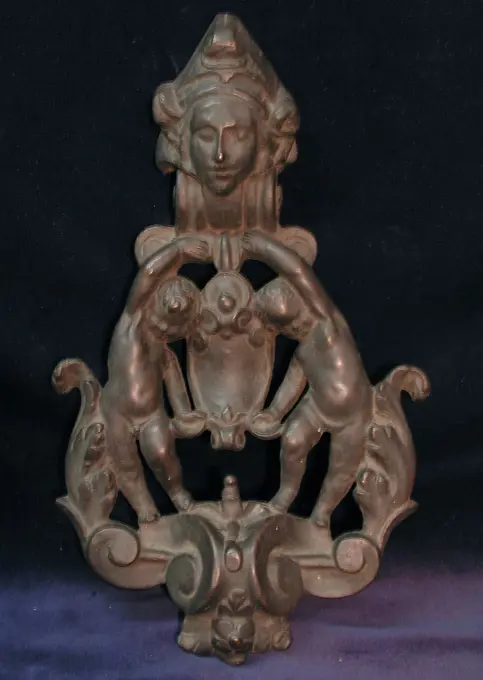
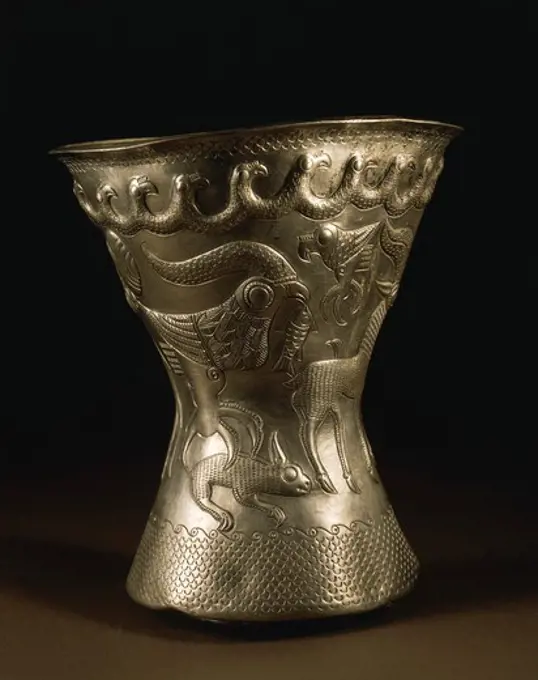
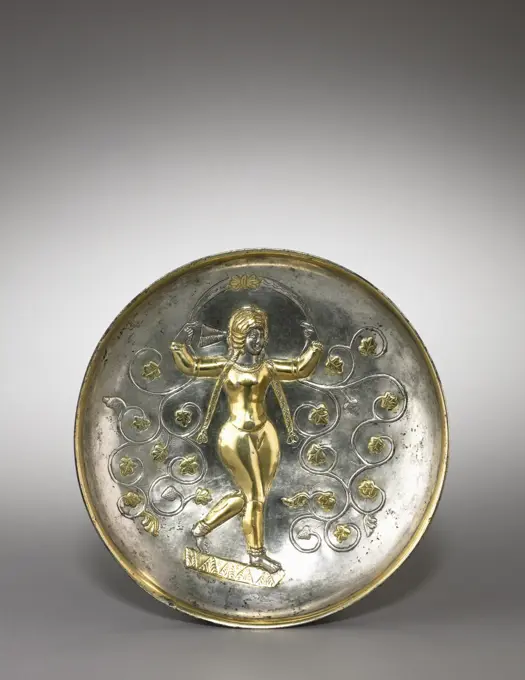
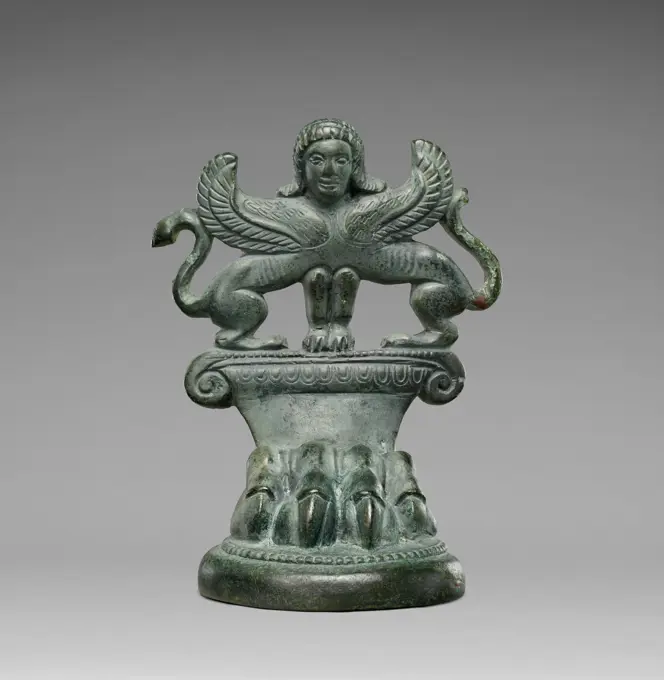
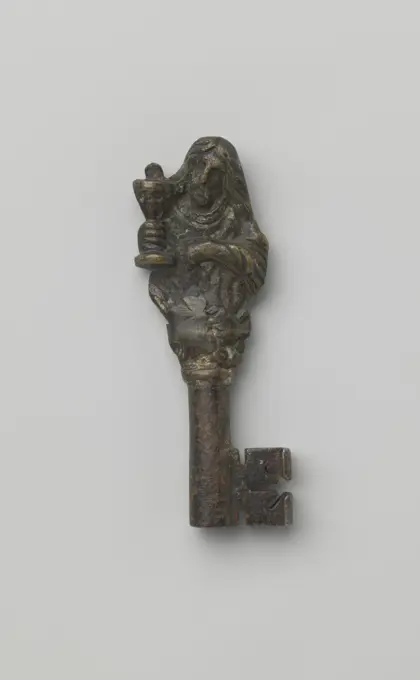
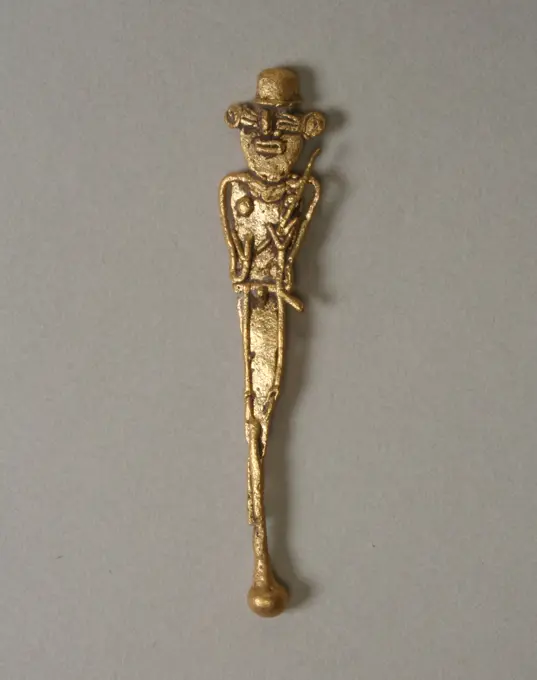
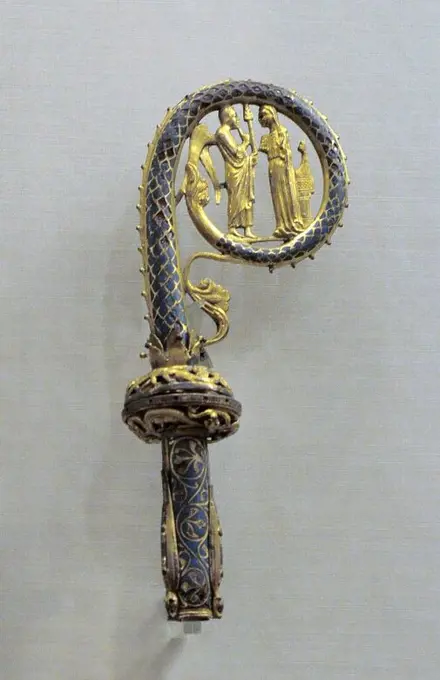
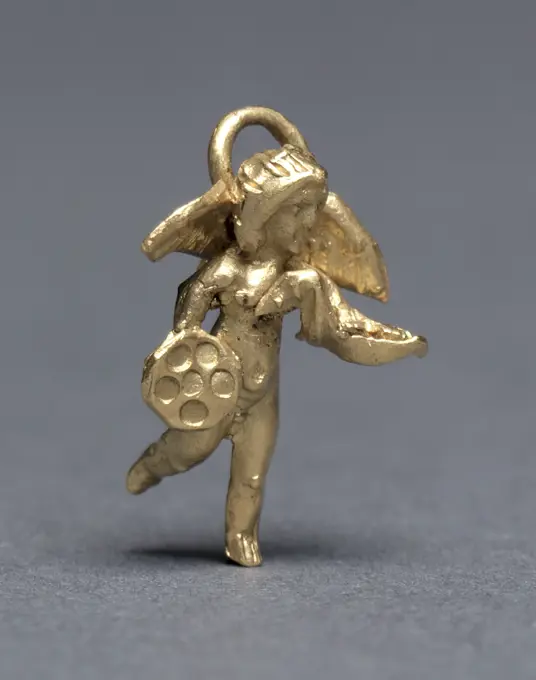
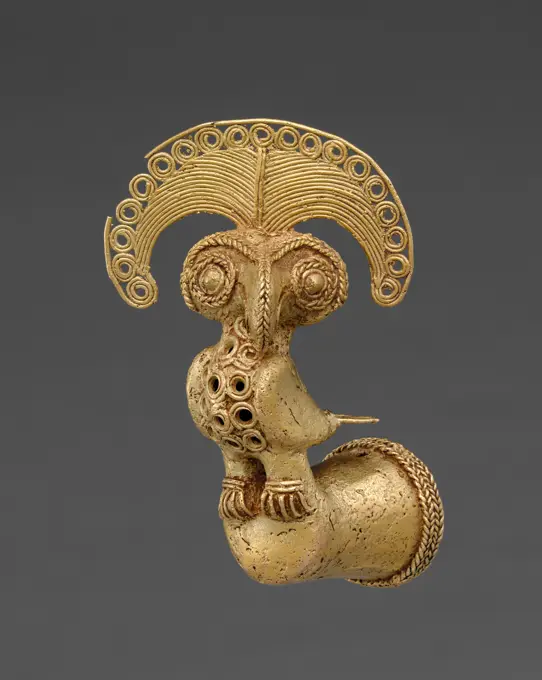
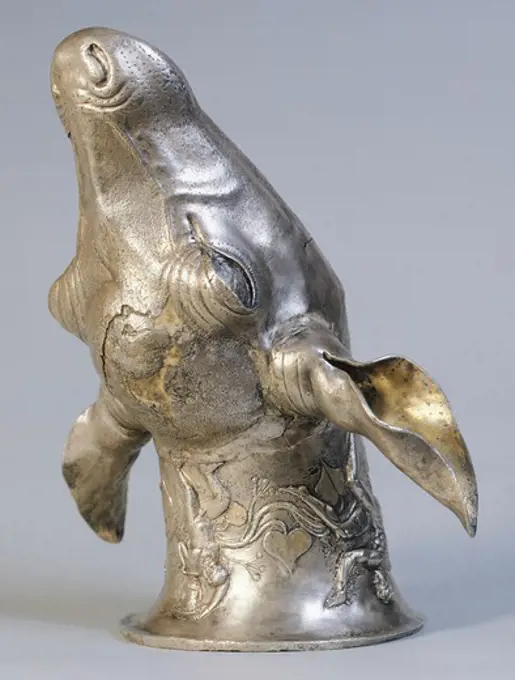
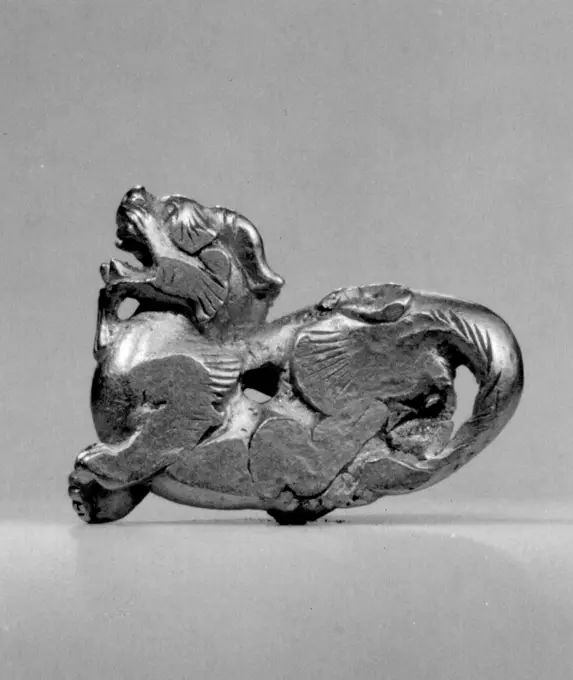
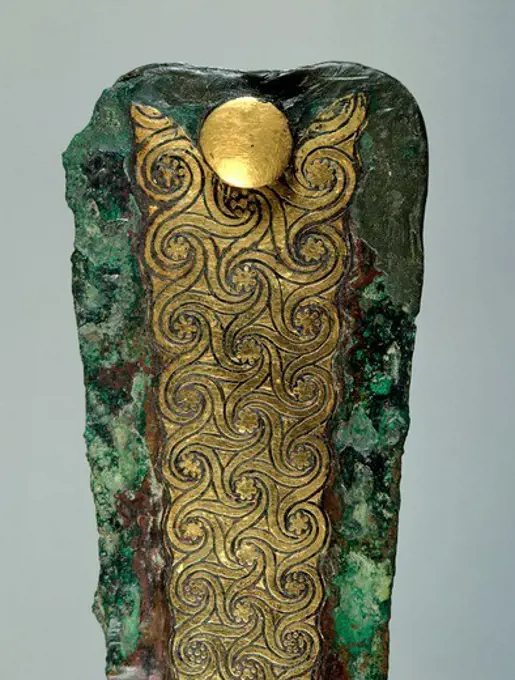
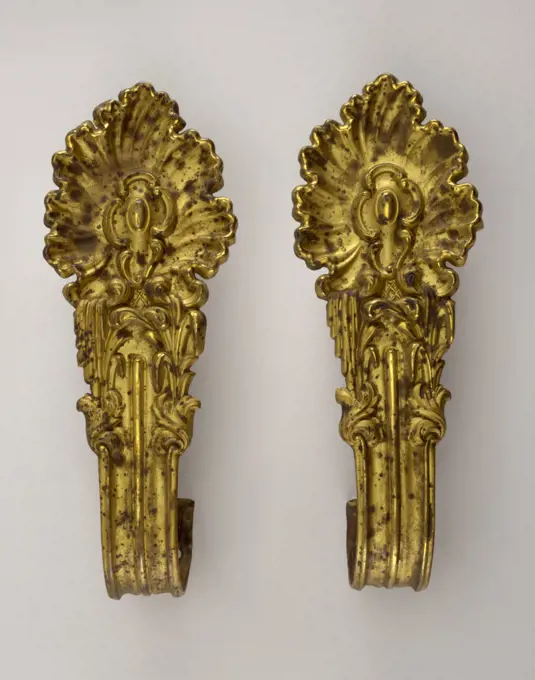
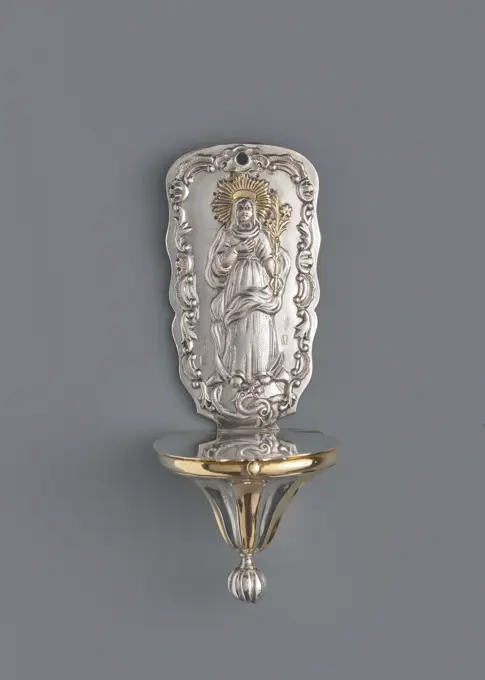
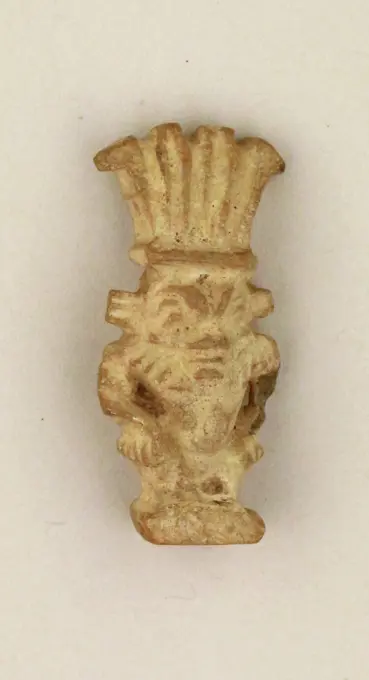
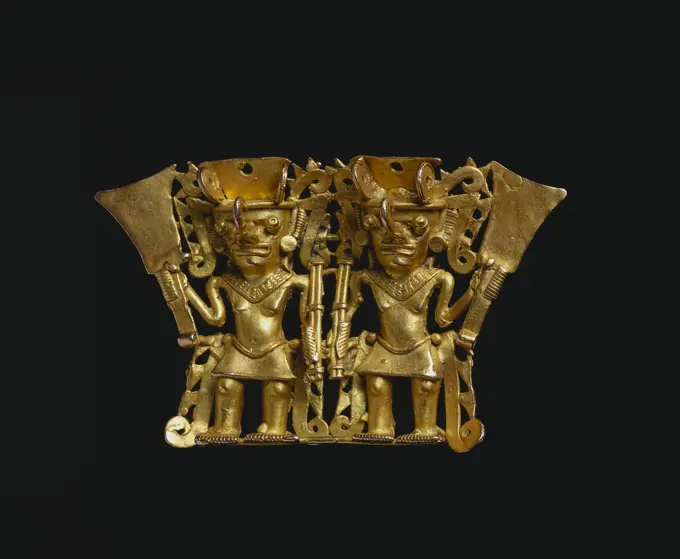
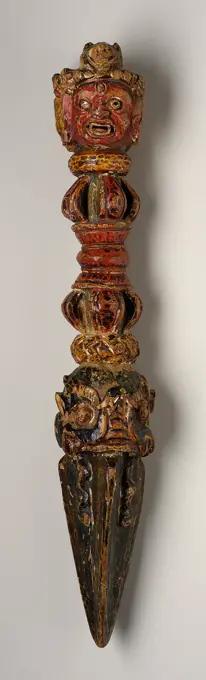
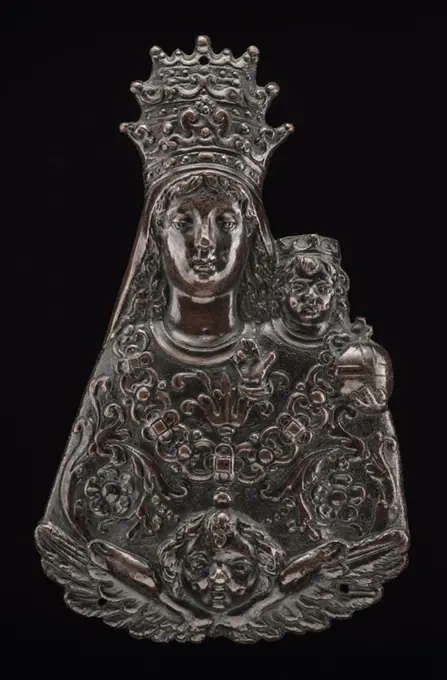
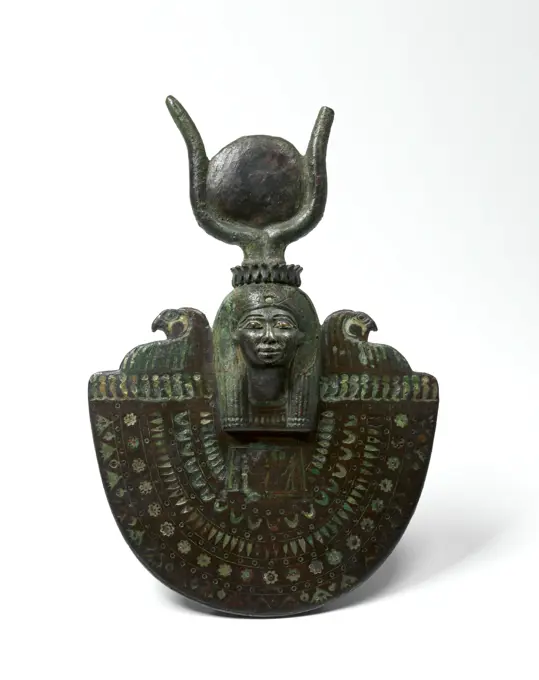
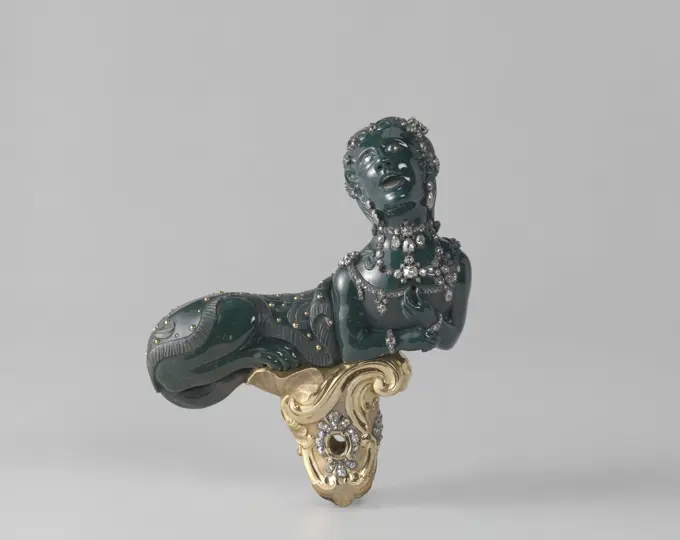
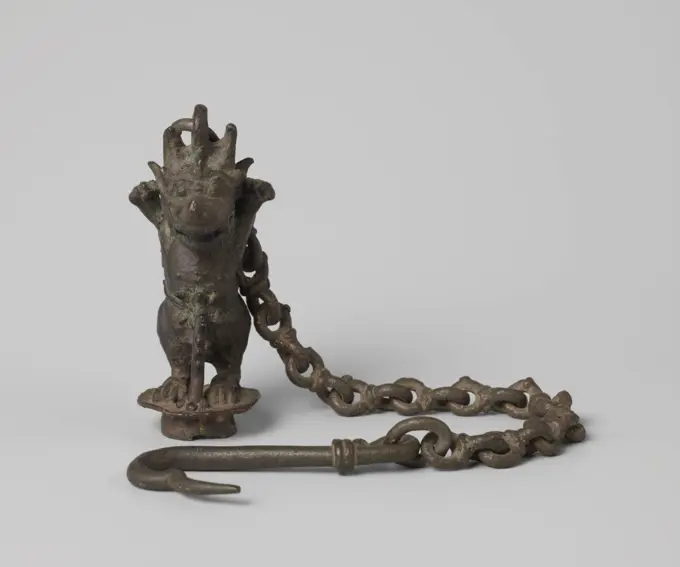
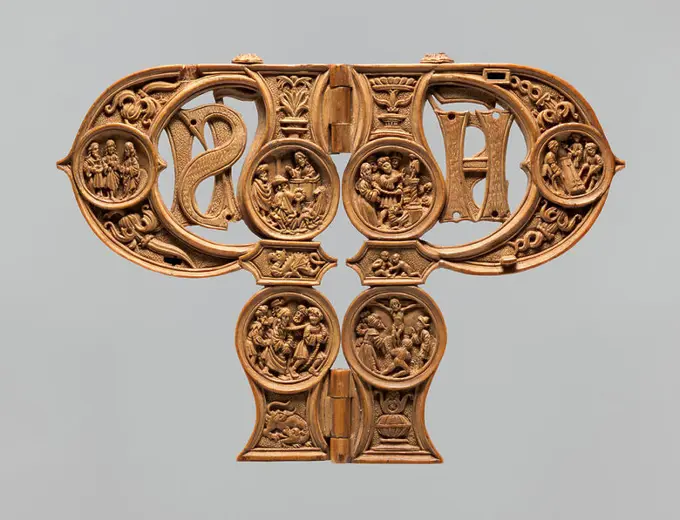
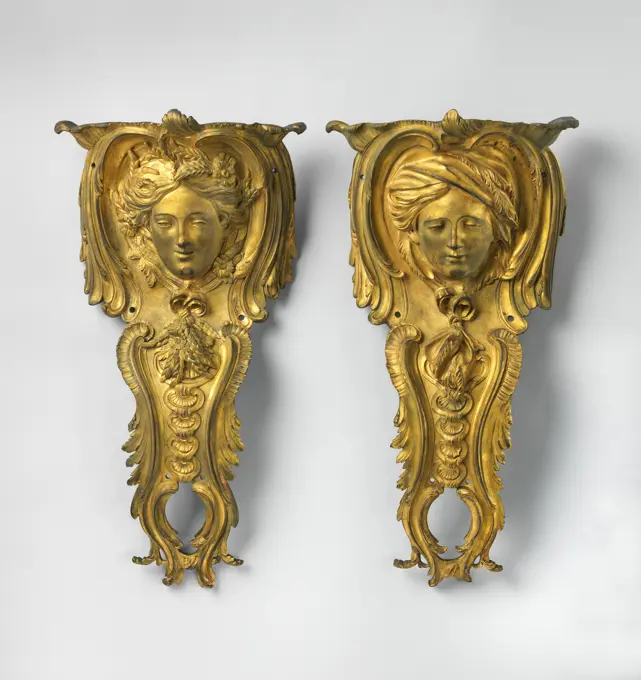
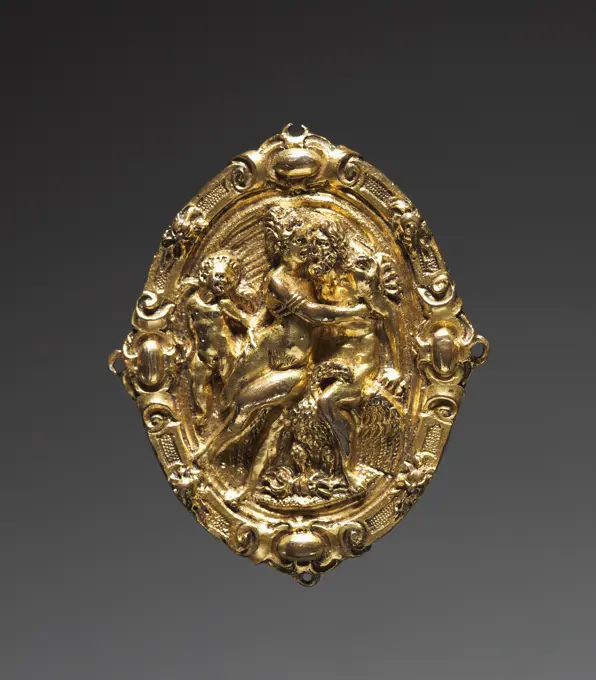
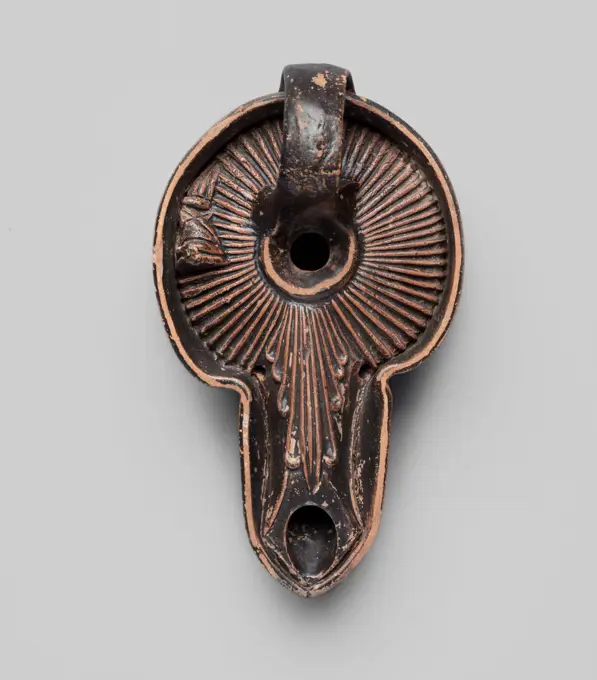
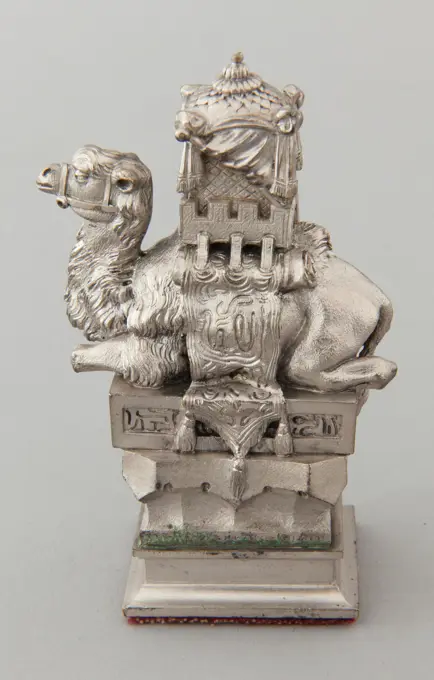
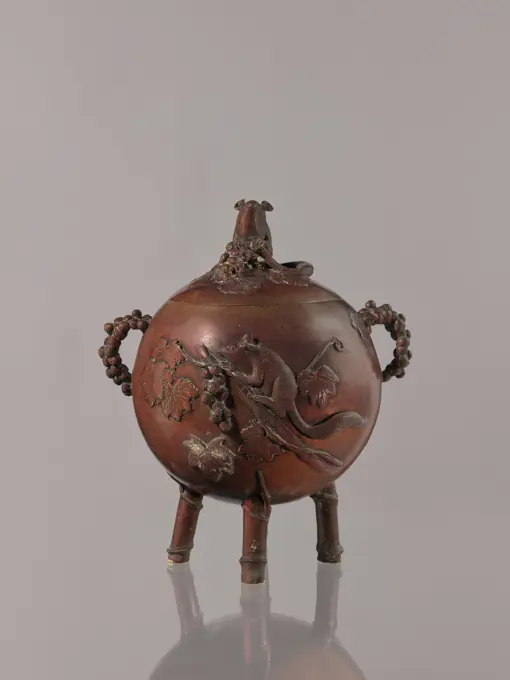
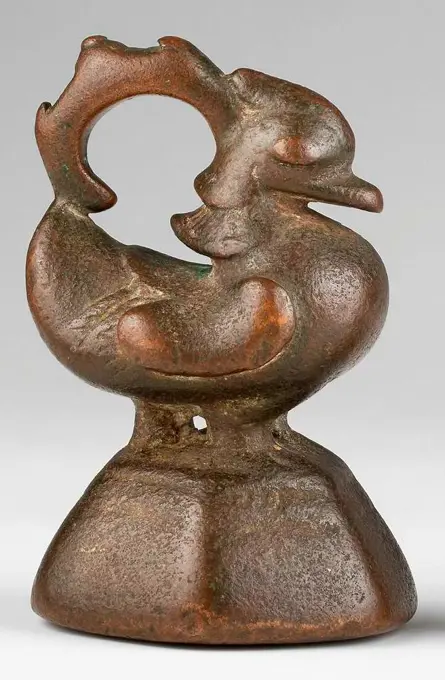
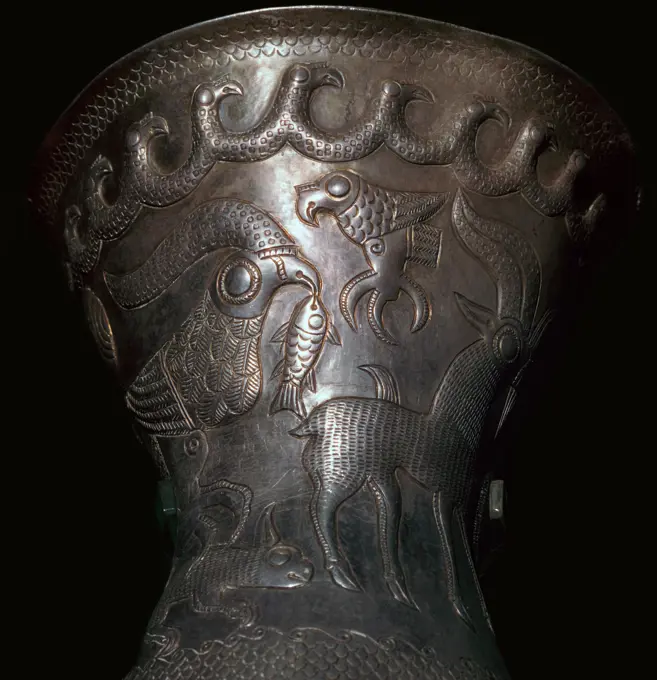
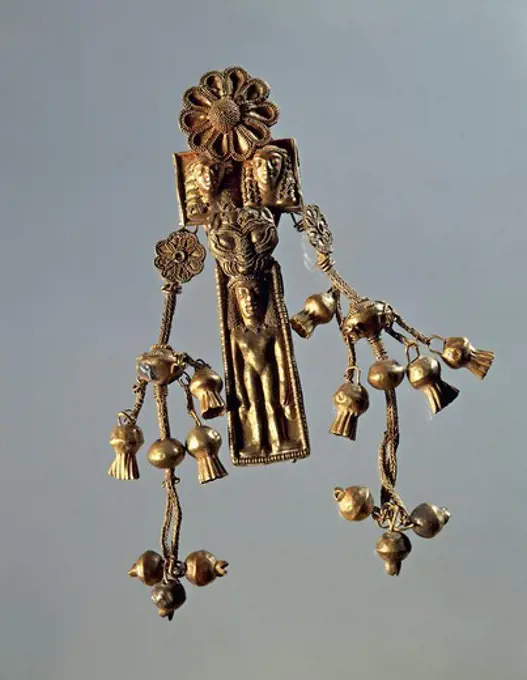
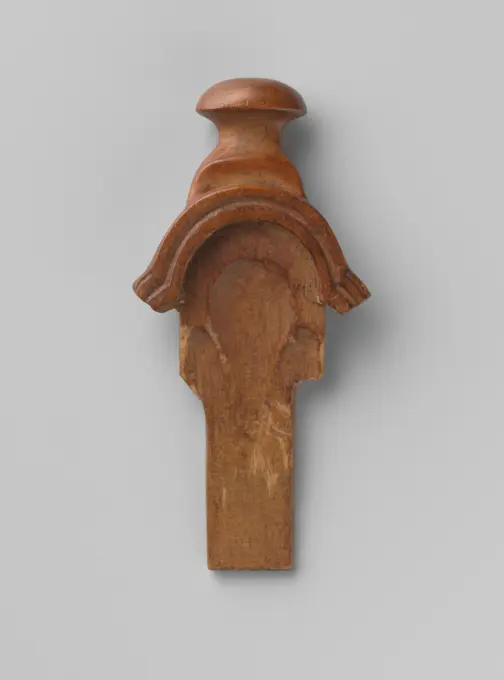
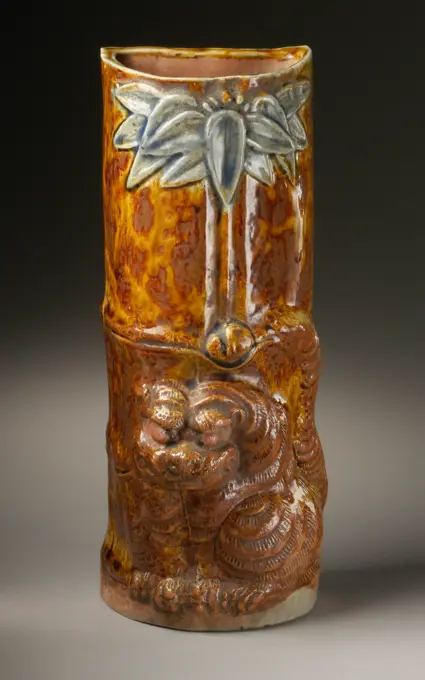
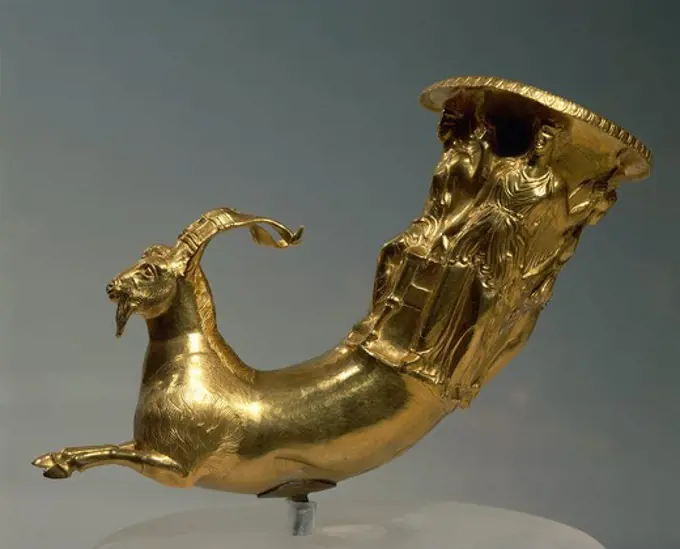
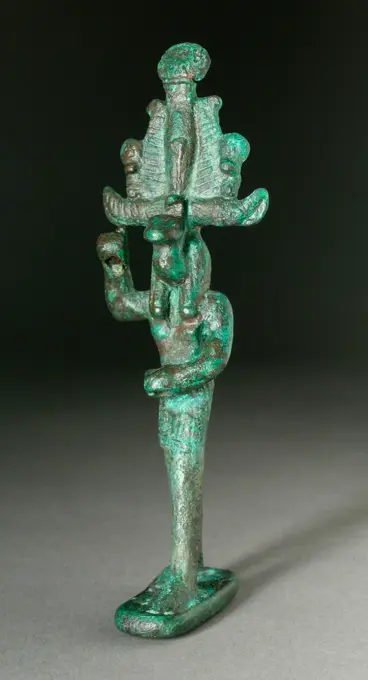
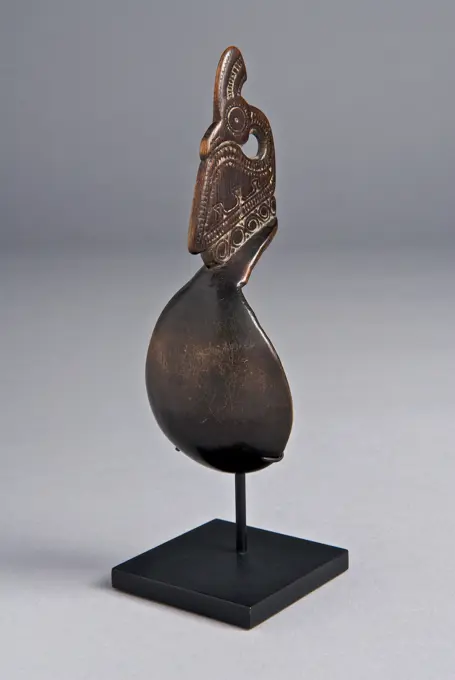
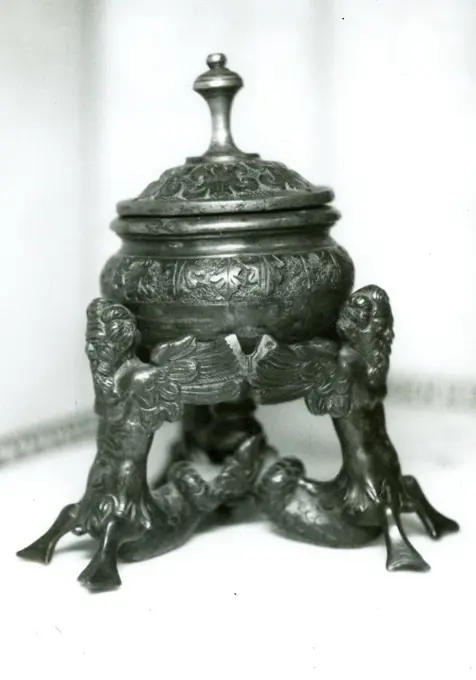
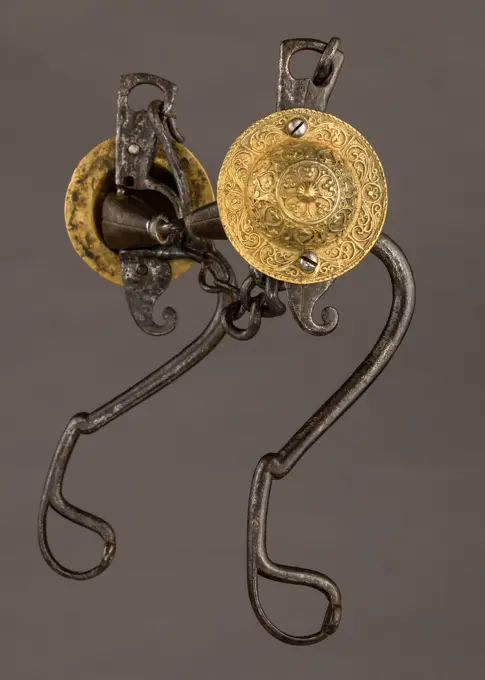
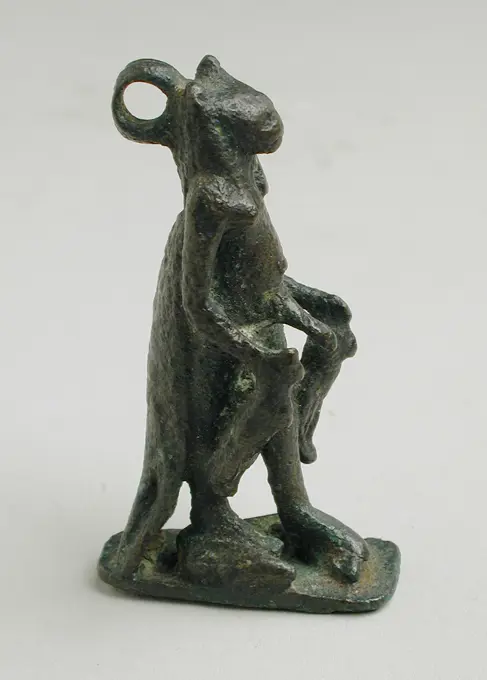
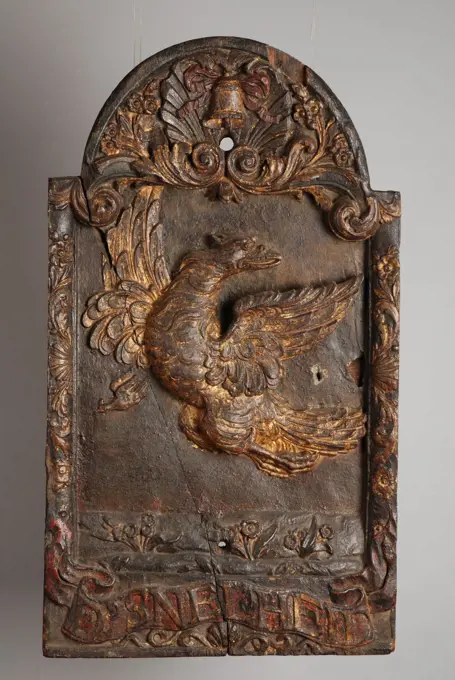
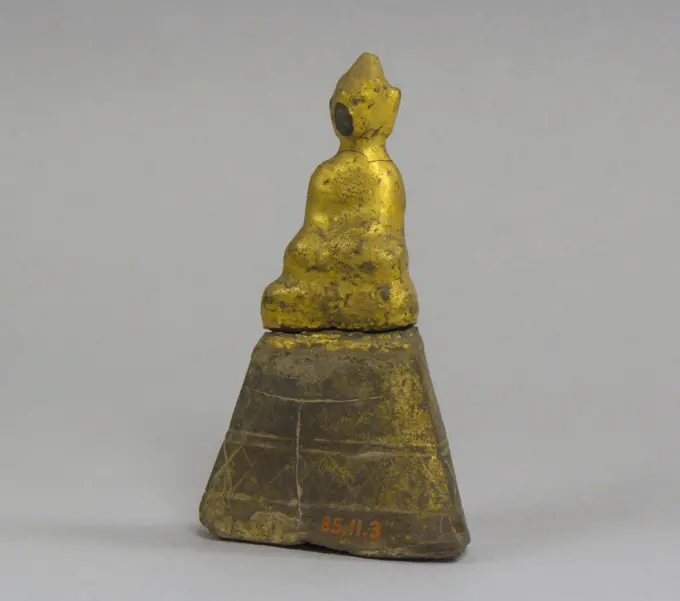
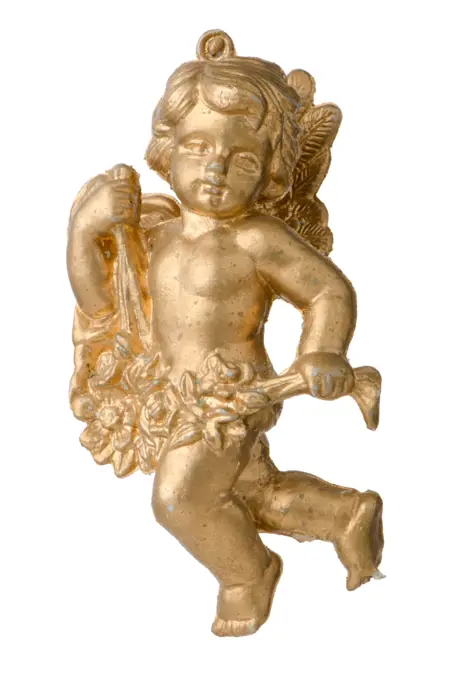
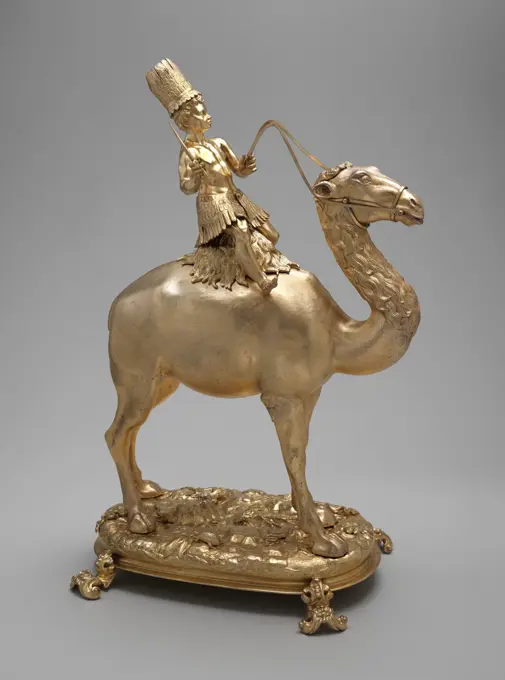
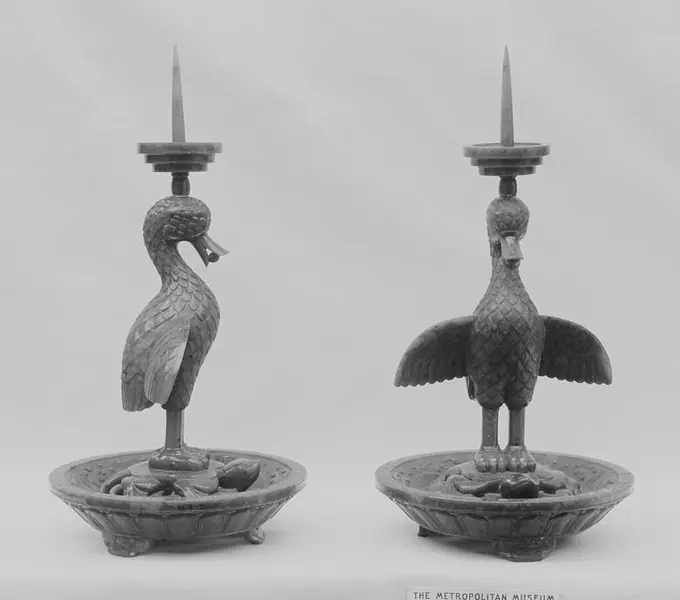
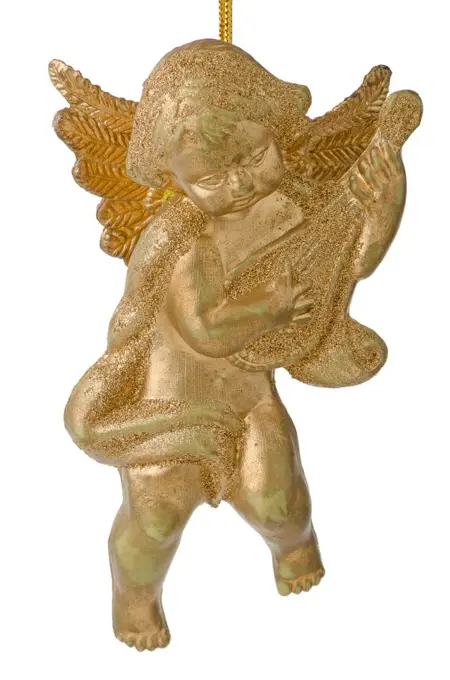
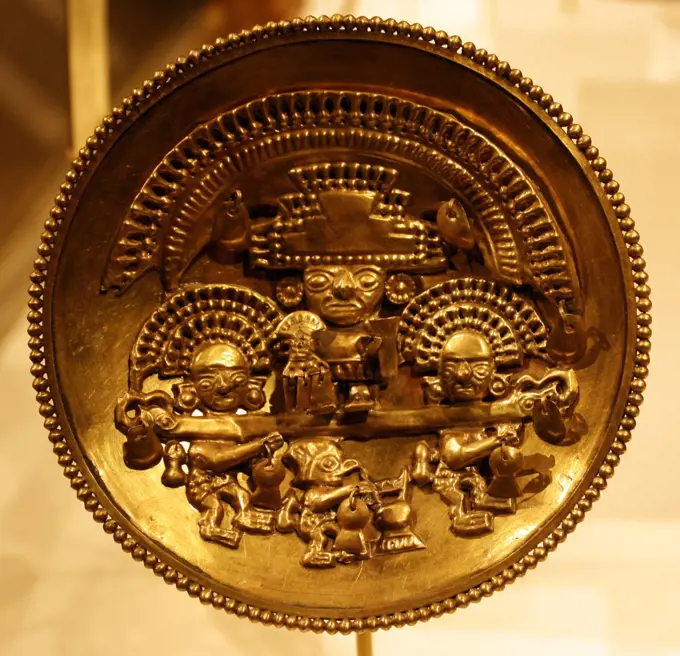
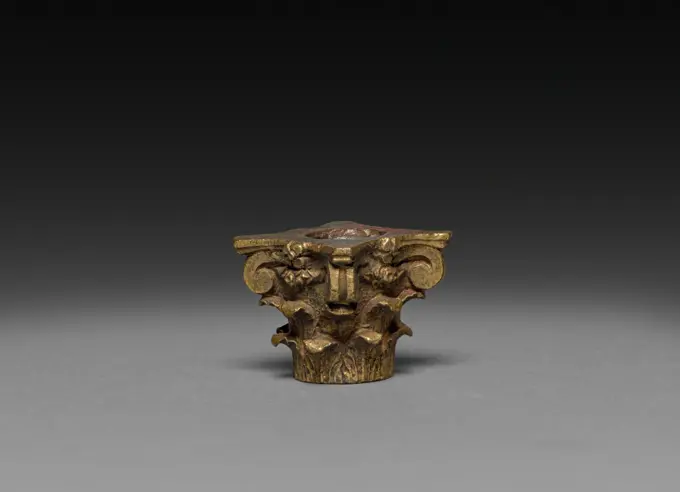
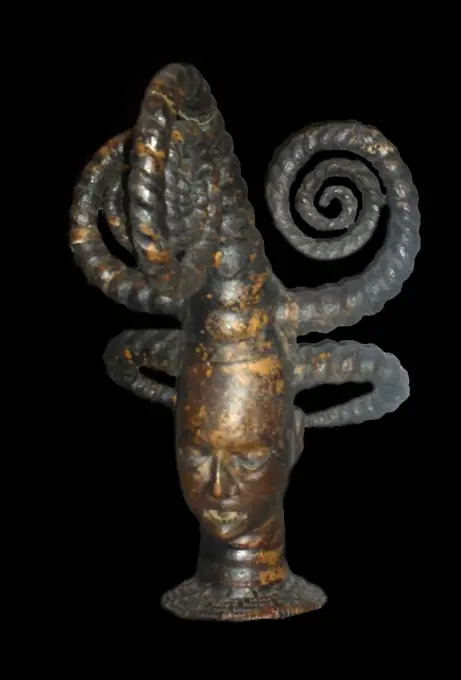
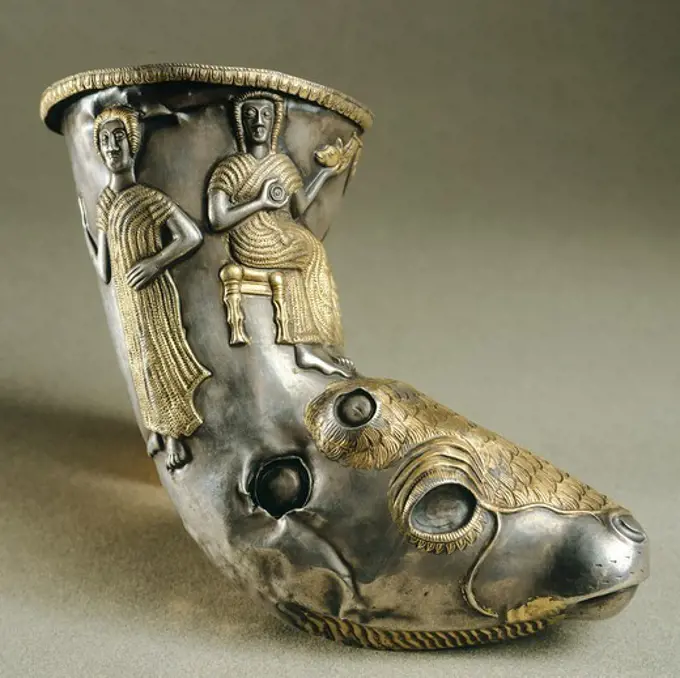
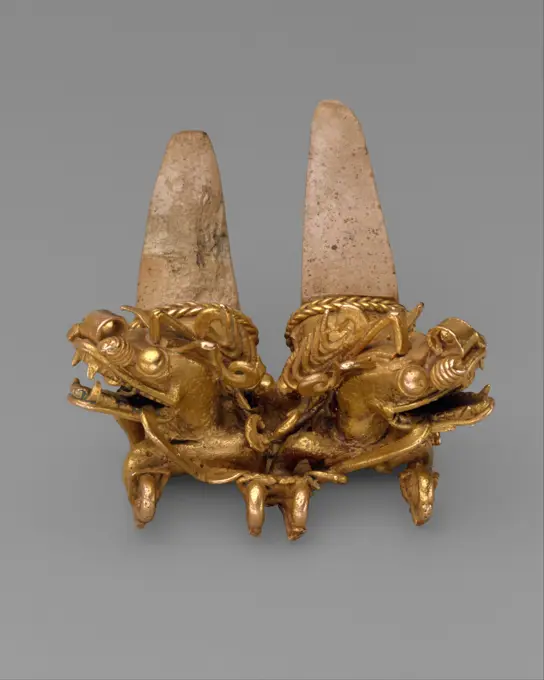
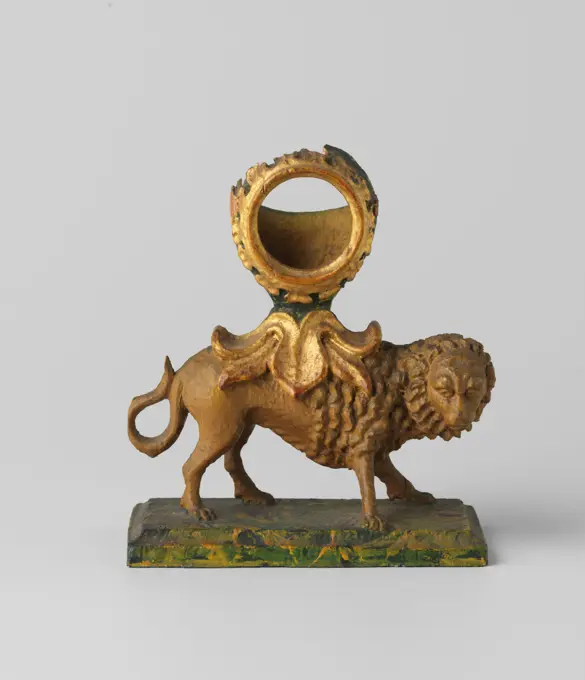
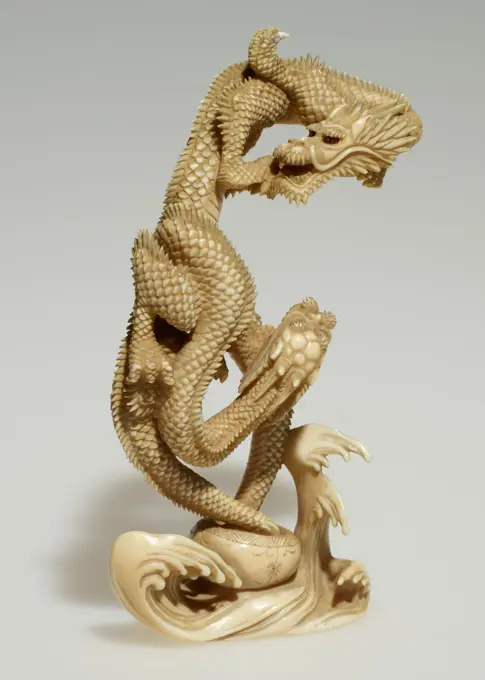
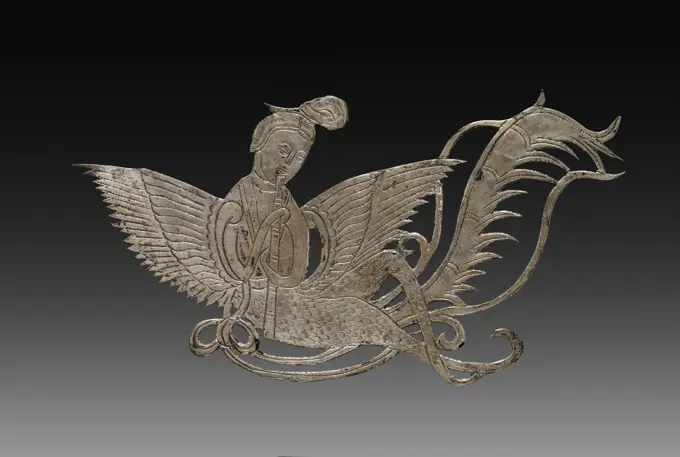
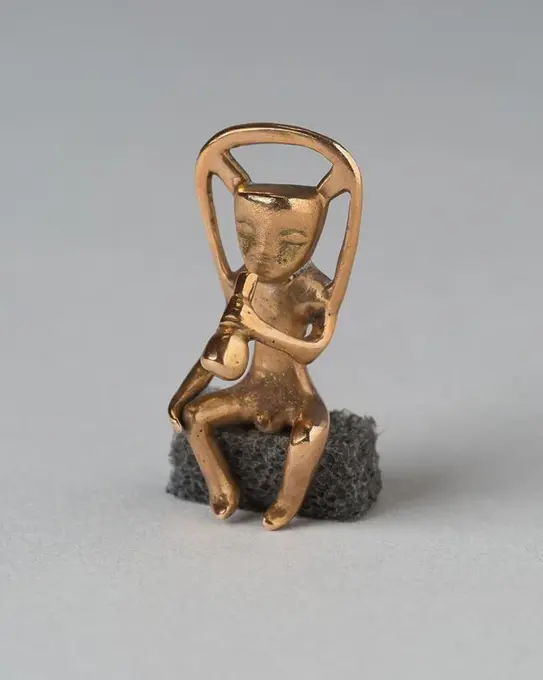
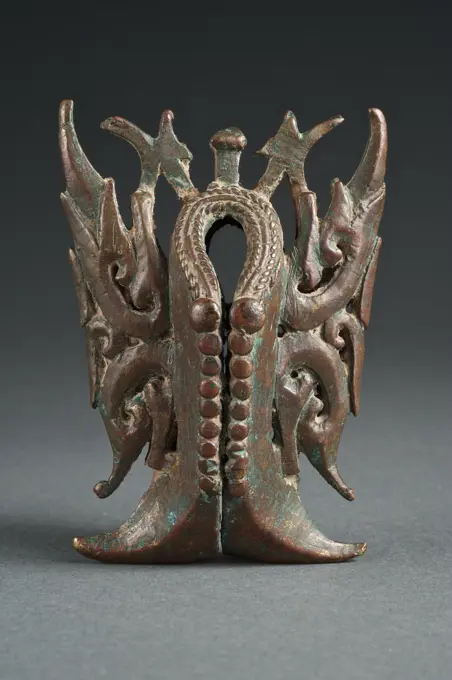
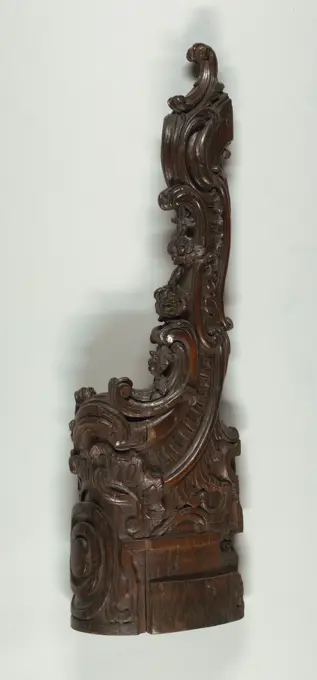
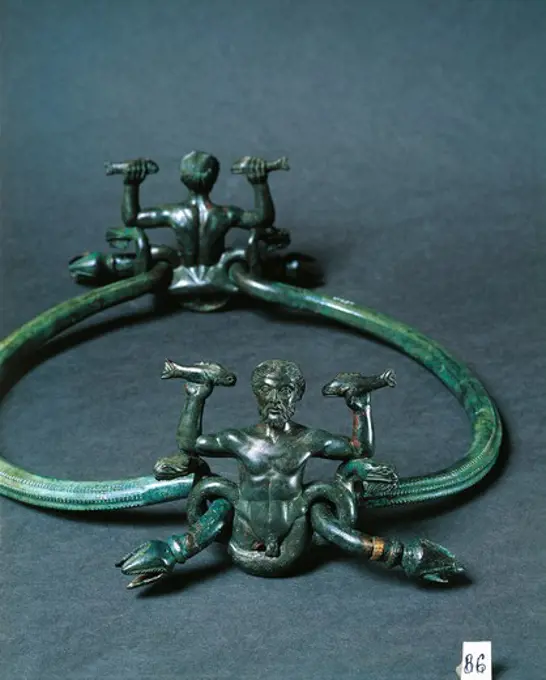
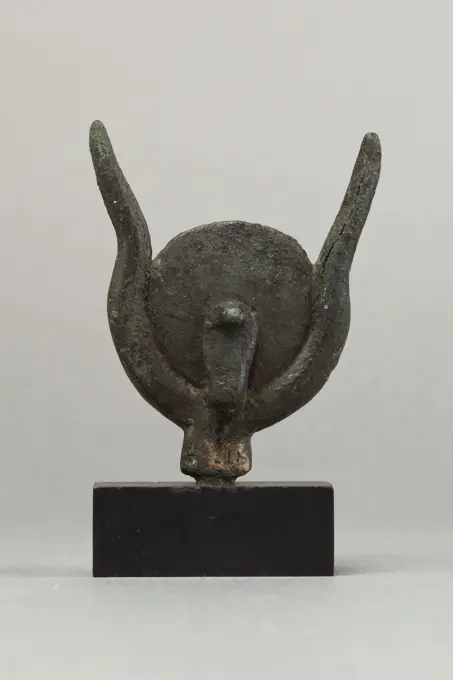
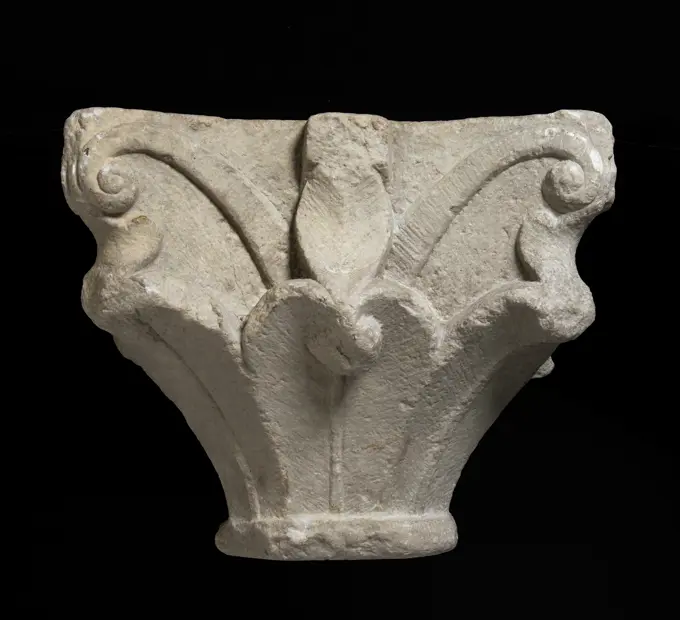
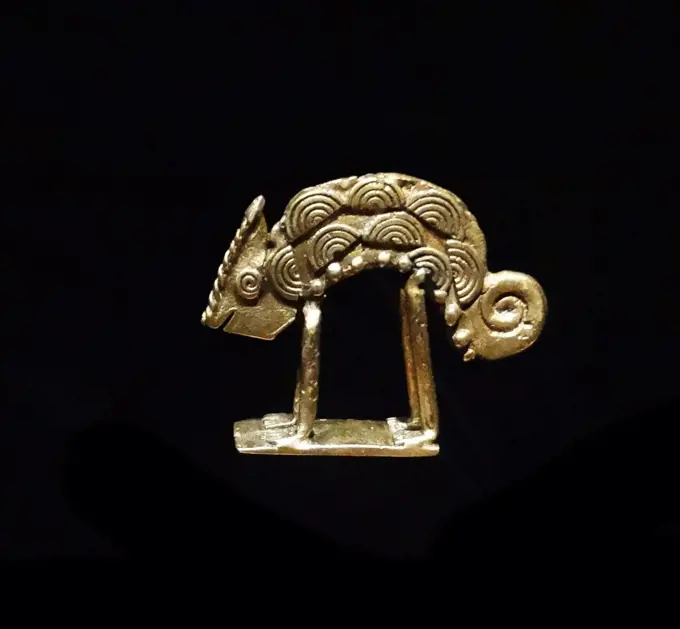
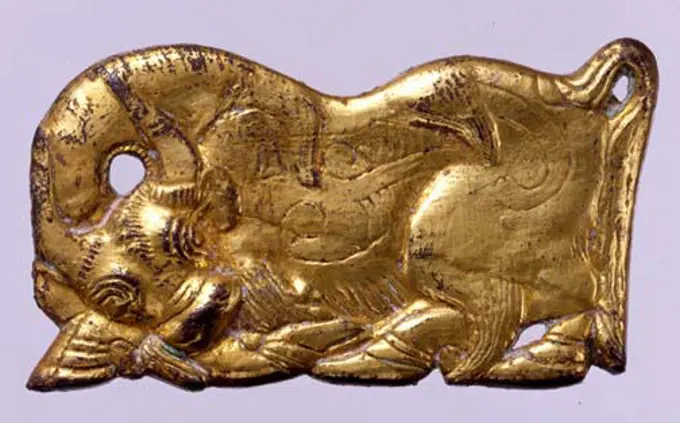
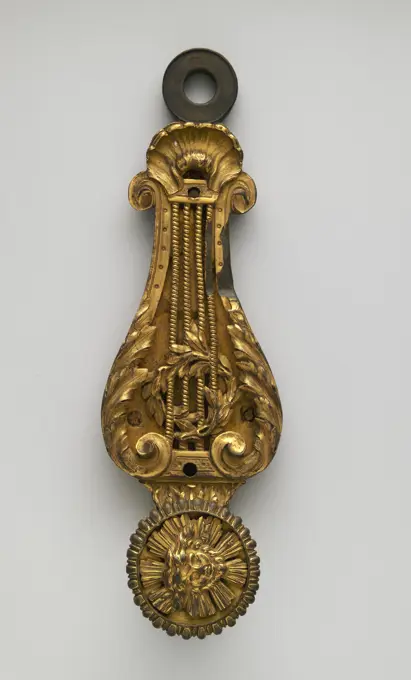
Set of three espagnolettes 18th century French. Set of three espagnolettes 190361 French, Set of three espagnolettes, 18th century, Gilt bronze, Overall (confirmed): 2 1/2  7 7/8  2 1/8 in. (6.4  20  5.4 cm). The Metropolitan Museum of Art, New York. Gift of J. Pierpont Morgan, 1906 (07.225.510.636ac)Uchwyt situli z przedstawieniem Sylena. unknown, authorAmulet Case Surmounted by a Ram. Culture: China (Xinjiang Autonomous Region, Central Asia). Dimensions: H. 2 in. (5.1 cm); W. (at top, inc. ram) 3/4 in. (1.9 cm); Diam. 1/2 in. (1.3 cm). Date: 7th-9th century.The nomadic communities of Central Asia used such plaques to embellish clothing and horse trappings. As these nomadic cultures herded animals and were constantly moving, their artistic production was expressed in portable objects that marked the wearer's status and wealth. The outstanding preservation of these fragile ornaments suggests they were used in conjunction with burials, where the body was aggrandized with valuable textiles and augmented with gold. Although it is difficult to date and place these objects geographically, their presence in Central Asia and has a long, established history. Museum: Metropolitan Museum of Art, New York, USA.Sterczyn;  1760-1780 (1760-00-00-1780-00-00);Sword Handle with Scenes of the Goddess Durga Slaying the Buffalo Demon Mahishasura. Culture: Nepal, Kathmandu Valley. Dimensions: H. 7 in. (17.8 cm). Date: 13th-14th century.The detailed elaboration of the Mahisashuramardini scene on this blade fitting, complete with a garland of severed heads arrayed on the curve of the guard, suggests that this weapon was intended for ritual animal sacrifices. The same composition appears on both sides of the hilt. Traces of the iron blade (now missing) are preserved in the hilt. Museum: Metropolitan Museum of Art, New York, USA.Throne Leg in the Shape of a Griffin. Dimensions: Gr. H. (base on top of iron rod) = 22 7/16 in. (57.0 cm)Gr. W. (at top) = 3 7/16 in. (8.7 cm)Gr. Diam. (beak to back of strut) = 7 3/8 in. (18.7 cm). Date: late 7th-early 8th century.This throne leg in the shape of a hybrid creature continues a long history of fantastic animal forms in Iranian art. The vegetal decoration found on its chest is an innovation in the transitional period of early Islam. Related to sixth- and seventh-century Central Asian wall paintings depicting enthroned figures, this decoration may have been introduced to Iran during the last century of the Sasanian period, when contacts with Soghdian Central Asia increased. Museum: Metropolitan Museum of Art, New York, USA.Dagger Hilt. Western Iran, circa 1000-800 B.C.. Arms and Armor; hilts. Bronze, castTobacco pouch 18th century Japan. Tobacco pouch 60186Finial, Gilt bronze, Rococo scrolls with bud on top with a screw-on base., France, ca. 1740-50, metalwork, Decorative Arts, FinialStandard Finial. Iran, Luristan, Luristan bronzes, circa 1350-800 B.C.. Architecture; Architectural Elements. Bronze, castGold earring with a sphinx 4th-3rd century B.C. Greek The sphinx and her base, including the six loops, are modeled in one piece in repoussé and chasing.. Gold earring with a sphinx. Greek. 4th-3rd century B.C.. Gold. Late Classical or Hellenistic. Gold and SilverMiniature Lamp. UnknownBellows late 16th century French with Italian nozzle As fireplaces grew more elaborate, so did bellows and other related accessories. This example includes in its center a representation of the Roman god of war, Mars (Ares), surrounded by floral garlands, putti, and fabulous winged figures.. Bellows. French with Italian nozzle. late 16th century. Walnut, bronze. Woodwork-FurnitureTaught. Two animals faced around the tree of life. Bronze. LURISTAN. II-DIE Millennium BC. J-C. Paris, Cernuschi museum. 35176-6 Confront, tree of life, bronze, sign, animalMountFinial with Long-Beaked Bird, 400-1000. Isthmian Region (Colombia), Sinú (Zenú), 5th century-11th century. Gold, cast; overall: 11.1 x 4.3 x 9.5 cm (4 3/8 x 1 11/16 x 3 3/4 in.). Unique to Colombia's Sinú region are gold finials with sculptural images at right angles to thimble-like caps; the caps fit over the end of a staff, an emblem of rank that may have been held horizontally. This impressive finial features a dignified, long-beaked bird whose body contains a pellet that rattles when the finial moves. Sinú animal imagery is understudied but may relate to beliefs about the cosmos. For instance, contemporary natives attribute importance to birds because they have the capacity to move among different environments (air, land, water); they may have been regarded as mediators among levels of the cosmos.Priming Flask with Sundial and Compass. Culture: German, probably Nuremberg. Dimensions: H. 4 3/4 in. (12.1 cm); W. 2 1/4 in. (5.7 cm). Date: late 16th century.Small flasks like this one held fine-grained gunpowder for "priming" the wheellock mechanism. This example, fitted with a concealed sundial, exemplifies the ingenious multipurpose weapons and tools that were made for aristocratic huntsmen and collectors of curiosities. Museum: Metropolitan Museum of Art, New York, USA.earthen lunette with decoration of the god Eros -Cupid-, 1st AD, underwater background of Porto Cristo, Manacor History Museum, Manacor, Mallorca, Balearic Islands, SpainMount; L x W x D: 16 x 5.5 cm (6 5/16 x 2 3/16 in.)Wall arm of gold-plated lining wood with three candle holders and decoration of asymmetrical sculpted acanthus leaf work with flowers. Wall arm of gold-plated lion wood with three candle holders and decorated with asymmetrical sculpted acanthus leaf work with flowers.Carving from an Overmantel, c. 1675-77. Grinling Gibbons (British, 1648-1721). Lindenwood; See cover record.Knife Handle (Pisopodong) or Amulet(Parsimboraan)Lamp, Lower Portion. Dated: c. 1800/1899. Dimensions: overall (outer lip of cup to opp. circum.): 10.3 cm (4 1/16 in.) overall (depth): 2.3 cm (7/8 in.). Medium: gilt bronze. Museum: National Gallery of Art, Washington DC. Author: called Riccio Anonymous Artist after Andrea Briosco.Gold stick handle with figure of a bird. Majagual (Sucre). Made by lost-wax casting process. Sinu art. Jewelry. COLOMBIA. CUNDINAMARCA. Bogot. Gold Museum.Miniature Altar with Animal Combat; Tarentum (Taras), South Italy; 525 - 475 B.C; Terracotta with white pigment and polychromy (red and black); 4.9 × 14.1 × 6.4 cm (1 15,16 × 5 9,16 × 2 1,2 in.)Statuette of a Priest 300 BCE-201 BCE Etruria. Bronze . Ancient EtruscanBook lock with image of victory or fame. Church lock of silver. In the middle an image of victory or the fame. The freedom on the ends.Bow Brooch 2nd century Roman Small brooches, often in whimsical animal forms, were worn both by Roman soldiers stationed in the provinces and by the native population. Though brooches in these forms appear throughout the Roman world, the distribution of finds and the archaeological remains of workshops suggest that the major centers of production were Britain and Gaul.. Bow Brooch. Roman. 2nd century. Champlevé enamel, bronze. Enamels-ChamplevéDoor knocker 19th century, after 16th century original British, after Italian original This electrotype is after a sixteenth-century original in the Botkine collection, St. Petersburg, at the time of reproduction.. Door knocker 186669Prehistory, Romania, Iron Age. Getae and Thracian civilization. Treasure of Agighiol. Silver vessel with zoomorphic decoration.Corkscrew in tube, with cachet, on handle man and horse, Roelof Citroen (Possible), after 1813 Cork tractor in a silver tube, the cachet, in the form of a baroque baluster. As a handle, the corkscrew has a flat plate on which a man and a horse stand. silversmith: Amsterdam (possibly)silversmith: Winsum (possibly) silver (metal) Cork tractor in a silver tube, the cachet, in the form of a baroque baluster. As a handle, the corkscrew has a flat plate on which a man and a horse stand. silversmith: Amsterdam (possibly)silversmith: Winsum (possibly) silver (metal)Dish: The Goddess Anahita, AD 400-600. Iran, Sasanian, 5th-6th Century. Silver gilt; overall: 4.6 x 21.6 cm (1 13/16 x 8 1/2 in.).Foot from a Situla. UnknownHorus standing on two captives' heads 664-30 B.C. Late Period-Ptolemaic Period The small, finely detailed amulets 10.130.2439-.2445 are all made of wood. Wooden amulets are often gilded, but the only remaining gilding is on the goddess's sun disk (10.130.2443)... Horus standing on two captives' heads. 664-30 B.C.. wood. Late Period-Ptolemaic Period. From EgyptPipe key, c. 1800 - c. 1900 Pipe key whose handle consists of a John figure in the right hand holding a chalice with host. Handle of bronze, shaft and beard of iron. Russia iron (metal). bronze (metal) Pipe key whose handle consists of a John figure in the right hand holding a chalice with host. Handle of bronze, shaft and beard of iron. Russia iron (metal). bronze (metal)Male Figure (tunjo) 10th-16th century Muisca. Male Figure (tunjo) 318403Head of crosier with the scene of annunciation. France, Limoges. Second quarter of the 13th century. Copper, enamel and glass. The State Hermitage Museum. Saint Petersburg. Russia.Pendant, 323-31 BC. Greece. Gold; overall: 1.6 cm (5/8 in.).Finial with Bird (Harpy Eagle with Royal Flycatcher Crest), 400-1000. Isthmian Region (Colombia), Sinú (Zenú), 5th century-11th century. Gold, cast; overall: 11.4 x 7.2 x 6 cm (4 1/2 x 2 13/16 x 2 3/8 in.). This gold finial fit over the end of a staff, an emblem of rank. The bird has the hooked beak of a raptor—perhaps the harpy eagle, the “king” of tropical forests. The enormous crest, however, may be inspired by the Royal Flycatcher, a smaller bird that fans its unique, brilliantly colored crest during mating.Rhyton in the shape of a deer's head with a Dionysiac scene, gilded silver, from Rosovetz, Plovdiv Region, Bulgaria. Thracian Civilization, 5th-3rd Century BC.Chimera 1st century BC-1st century AD China. Chimera. China. 1st century BC-1st century AD. Cast gold. Han dynasty (206 B.C.-A.D. 220). SculptureDagger, from Tomb III of the Circle A of Mycenae (Greece). Detail. Goldsmith art, Mycenaean Civilization, 16th Century BC.Curtain tie-backs, Gilded copper, Rococo style cartouche on curved banded stem, USA, ca. 1850-70, metalwork, Decorative Arts, Curtain tie-backsTop for standard ca. 8th-7th century B.C. Iran. Top for standard 326649Home stoup. Klimaszewski, Kazimierz (fl. ca 1840-ca 1850), goldsmithFaience amulet of a Bes image 664-30 B.C. Egyptian. Faience amulet of a Bes image. Egyptian. 664-30 B.C.. Clay, glazed. Late Dynastic-Hellenistic. Gold and SilverBat-Nosed Figures Pendant, 1000-1550. Panama, Azuero Peninsula, Parita style, 11th-16th century. Cast gold; overall: 7.2 x 11.8 x 2.3 cm (2 13/16 x 4 5/8 x 7/8 in.).Ritual Dagger (Phurpa). Western Tibet, 16th century. Arms and Armor; daggers. Wood with paintMadonna and Child. Dated: c. 1600. Dimensions: overall: 19.2 x 12.1 cm (7 9/16 x 4 3/4 in.) gross weight: 426 gr. Medium: bronze. Museum: National Gallery of Art, Washington DC. Author: Italian 17th Century.An aegis of Isis 664-343 B.C. Late Period. An aegis of Isis. 664-343 B.C.. Bronze or copper alloy, green glass, blue glass. Late Period. From Egypt. Dynasty 26-30Alligator pendant. Culture: Chiriquí. Dimensions: Overall: 3 1/2 in. (8.89 cm). Date: 11th-16th century. Museum: Metropolitan Museum of Art, New York, USA.Walking stump button in the form of a lying sphinx from Jasper and set with golden dots and diamond., Anonymous, c. 1750 Walking stick button in the form of a lying sphinx cut from Jasper, set with golden dots and diamonds. The bus at the start for the stick is made of gold with diamonds. Dresden gold (metal). diamond (mineral). jasper Walking stick button in the form of a lying sphinx cut from Jasper, set with golden dots and diamonds. The bus at the start for the stick is made of gold with diamonds. Dresden gold (metal). diamond (mineral). jasperBouwfragment, anonymous, 1700 - 1800 Oak cutting, black stained from a small timepiece. Cup -shaped with round hole for timepiece. The performance is an allegory of transience or death. Angel with skull, scythe and hourglass decorated with garlands Netherlands (possibly) oak (wood) Oak cutting, black stained from a small timepiece. Cup -shaped with round hole for timepiece. The performance is an allegory of transience or death. Angel with skull, scythe and hourglass decorated with garlands Netherlands (possibly) oak (wood)Excerpt of a clock, anonymous, 1200 - 1500 Topping piece of a clock in the form of a raised lion, between horns ring on which chain of 35 cm length, ending in hook. Is on disk. Indonesia bronze (metal) Topping piece of a clock in the form of a raised lion, between horns ring on which chain of 35 cm length, ending in hook. Is on disk. Indonesia bronze (metal)Dagger Handle (Piso NiDatu)Letter P with the Legend of Saint Philip. Culture: Netherlandish. Dimensions: Open: 2 13/16 × 3 7/8 × 1/4 in. (7.1 × 9.9 × 0.7 cm)Closed: 2 13/16 × 1 15/16 × 1/2 in. (7.1 × 5 × 1.2 cm)Open with tenon: 2 13/16 × 3 7/8 × 3/8 in. (7.1 × 9.9 × 1 cm)Pouch: 3 1/8 × 2 3/16 × 1/2 in. (7.9 × 5.5 × 1.3 cm). Date: ca. 1500-before 1506.At the dawn of the sixteenth century, artists working with boxwood conceived something entirely new: intricate, tiny carvings, the likes of which had never been seen or imagined before. Among them, this Letter P is one of only three in the form of its first owner's initial. A personal emblem to hold in the hand, it carries the implicit protection of Saint Philip, whose action-packed legend appears inside. The newly discovered Letter was likely made for Philip the Handsome, Archduke of Austria, Duke of Burgundy and Brabant and King of Castile. This tiny treasure is a tribute to the ingenuity of woodcarvers working in the Burgundian Netherlands, over which Philip Set of four mounts 18th century French. Set of four mounts 189810 French, Set of four mounts, 18th century, Gilt bronze, Overall (.b confirmed): 20 1/2 x 10 1/2 x 5 in., 11.5lb. (52.1 x 26.7 x 12.7 cm, 5.2164kg). The Metropolitan Museum of Art, New York. Gift of J. Pierpont Morgan, 1906 (07.225.510.58ad)Jupiter and Juno, late 1500s. Germany, late 16th century. Gilt bronze; overall: 5.4 x 4.5 cm (2 1/8 x 1 3/4 in.).Moon goddess. The women's figure that is a whole cast a drapery in its left hand. Her right hand has been demolished. On the head a moon. With a pin, the object, whose function is unknown, can be inserted somewhere.Molding; wood, gildedLampka dekorowana motywem żeberkowym. warsztat Aristonosa, workshopChess figure Camel. Tower. Koran. Skirmuntt, Helena (1827 1874)Vertical handle of a bronze hydria (water jar) mid-5th century B.C. Greek Above, head and pelt of lion flanked by gorgoneia (Gorgons' heads)Below, frontal sirenLions and women appear repeatedly in bronze hydria handles. Although its meaning is not clear, the lion lends itself in many ways to being incorporated into a handle. The present work is exceptional in the execution of detail.. Vertical handle of a bronze hydria (water jar). Greek. mid-5th century B.C.. Bronze. Classical. BronzesCenser (kôro). unknown, craftsmanHintha duck weight, 1 viss. unknown, craftsmanSilver goblet from the Agighiol Treasure, 4th century BC. Artist: UnknownElectrum pendant with figure of a man and feline, from Kamiro, RhodesLid of palm wood grater. Lid Vanr grasp from palm wood. Sliding cover with an oval button.Hanging Flower Vase in the Form of Bamboo and Tiger. Japan, late 19th century. Ceramics. Hirado Mikawachi ware; porcelain with brown glaze, green enamelGolden rhyton with upper frieze depicting Hera, Arthemis, Apollo and Nike, Treasure of PanagjuristeFigurine of a Cobra Headed Deity Spearing an Enemy. Egypt, probably Ptolemaic Period (332 - 30 BCE). Sculpture. BronzeSpoonInkwell supported by three winged tritons possibly 19th century Italian, Veneto (Venice). Inkwell supported by three winged tritons 461000Curb Bit bit, ca. 1700; bosses, late 16th - early 17th century bit, West European; bosses, Italian According to contemporary equestrian manuals, this was a regular gentle bit. The shanks are called weak’, which means that the swivel rein ring’s hole is placed behind the axis of the banquet (piece to which the mouthpiece is attached). Weak shanks were used on horses lowering their head and nose too much. The bosses, which are later additions, are older. Their decoration imitates traditional Venetian filigree.. Curb Bit. bit, West European; bosses, Italian. bit, ca. 1700; bosses, late 16th - early 17th century. Iron alloy, tin, copper alloy, gold. Equestrian Equipment-BitsFigurine of a Lioness-Bird-Man Creature. Egypt, Late Period - Ptolemaic Period (664 - 30 BCE). Jewelry and Adornments. BronzeBelt Buckle. Mongolia or Southern Siberia, 2nd-1st century B.C.. Costumes; Accessories. BronzeWooden facade plate with D' SNELHEID, facade board building part wood paint, in banderol bottom) Rotterdam City Triangle port trade Groenendaal inform adorn facade mastshield ship clock bell Originating from the warehouse D' Snelheid aan het Groenendaal in Rotterdam.Seated Buddha ca. 16th century Cambodia. Seated Buddha. Cambodia. ca. 16th century. Silver with gilt and lacquer. SculptureAngel plastic statue of an gold angel isolated on white background.Camel statuette 19th century, after ca. 1647 original Elkington & Co. British This electrotype is after a seventeenth-century original (ca. 1647) in the Treasury of the Kremlin, Moscow.. Camel statuette 186536Candlestick. Culture: China. Dimensions: H. 9 1/4 in. (23.5 cm); W. 4 7/8 in. (12.4 cm). Date: 19th century. Museum: Metropolitan Museum of Art, New York, USA.Angel plastic statue of an gold angel isolated on white background.Pair of Earflares. Peru, Chimu. 12th-15th century. Hammered gold alloy. While measuring more than five inches in diameter, these ear ornaments are made of such thin hammered sheet gold that they are amazingly lightweight.Ornamental Capital, 1775-1799. France, late 18th century. Gilt bronze; overall: 2.3 x 2.3 cm (7/8 x 7/8 in.).Ejagham tribe, mask to be worn on top of the head at funerals and initiations. South west Nigeria, Africa. early 20th CenturySilver rython, ca. 300 BC, from Poroina Mare, Romania. Jewellery. Geto-Dacian Civilization, 4th Century BC.Double Crocodile Pendant 8th-12th century Coclé (Macaracas) This double-animal pendant was created by a particularly skilled master metalsmith and displays astonishingly elaborate anatomical detail. Head crests, long split tongues, eyes on stalks, looped-up noses, and open fanged mouths give the creatures a lively air. The smooth chalky surface of the tails of shell contrasts well with the grainy texture of the gold bodies. Although commonly called crocodiles, these creatures possess features characteristic of bats, such as the eyes, nose, and ears. Some researchers have suggested that these figures may be depictions of lizards or iguanas, animals closely associated with rulership and power.Similar objects have been excavated from elaborate burials at the archaeological sites of El Caño and Sitio Conte in the Coclé Province of Panama. Deceased chiefs were covered in fine gold ornaments, including decorated plaques, pendants, ear rods, embossed cuffs for wrists and ankles, and many straLion made of cut wood with a watch cabinet, anonymous, c. 1400 - c. 1950 Lion made of sliced and yellow -painted wood, loading on his back a partially gilded watch cabinet. On green, yellow and black marbled pedestal in two parts.  wood (plant material). paint (coating) Lion made of sliced and yellow -painted wood, loading on his back a partially gilded watch cabinet. On green, yellow and black marbled pedestal in two parts.  wood (plant material). paint (coating)Two dragons emerging from a bowl amid waves, late 19th century, Jukō, Japanese, 4 3/4 x 2 1/4in. (12.1 x 5.7cm), Ivory, Japan, 19th centuryInlay for a Mirror or Box: Lady and Flute, c. 900-1000. China, Tang dynasty (618-907) - Song dynasty (960-1279). Beaten silver with chased details; overall: 4.7 x 8.4 cm (1 7/8 x 3 5/16 in.). The p'ing-t'o technique of inlaying gold and silver foil on lacquer produced luxurious articles of elegance and fragility. These stray silver inlays were originally mounted on a mirror back or a cosmetic box whose lacquered surface has disintegrated. They combine auspicious symbols of Indian and Chinese origin--human-headed birds whose melodies filled the Buddhist paradise, and bird-riding deities who inhabited the skies of Taoist mythology. Like these imaginary beings, the lions were probably paired in a radial design; at least one has been lost.Pendant in the Form of a Seated Musician. Veraguas; Panama. Date: 1000-1500. Dimensions: H. 2.9 cm (1 1/8 in.). Gold. Origin: Panama. Museum: The Chicago Art Institute, Chicago, USA.Pendant (TaiJanja)Newel Post (France); wood (oak)Italy, Marche, Situla handle found in a Gallic tombPair of pendant bouquet 18th century French. Pair of pendant bouquet. French. 18th century. Wood, carved and gilt. WoodworkStaff with female head, 20th century, 8 1/2 × 1 1/2 in. (21.59 × 3.81 cm), Brass, Nigeria, 20th centuryDisk and horns headdress for a goddess 664-30 B.C. Late Period-Ptolemaic Period. Disk and horns headdress for a goddess 578501Capital ca. 1130-40 Catalan. Capital 470843Jewels and pendant from the Akan Culture. The Akan Culture includes the Asante and Fante people in Ghana or Baule, Agni and Lagoon in Ivory Coast.Belt Buckle with Bovine 3rd-2nd century B.C. North China. Belt Buckle with Bovine 65276