Intricate Bronze Artifacts

A collection of ornate bronze and gilt objects featuring historical and cultural designs, showcasing artisan craftsmanship from various periods.
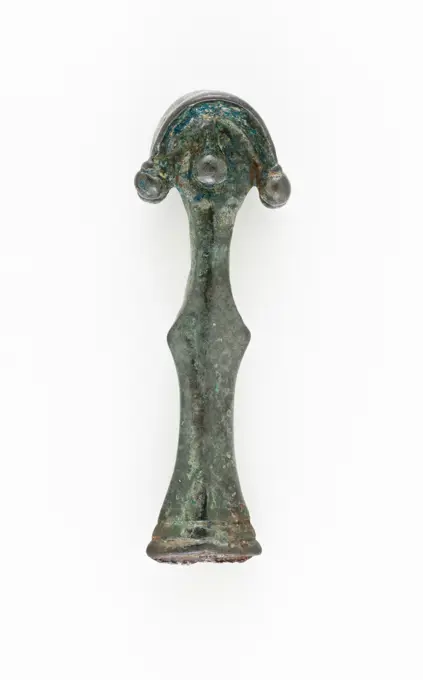
Dagger Hilt. Western Iran, circa 1000-800 B.C.. Arms and Armor; hilts. Bronze, cast
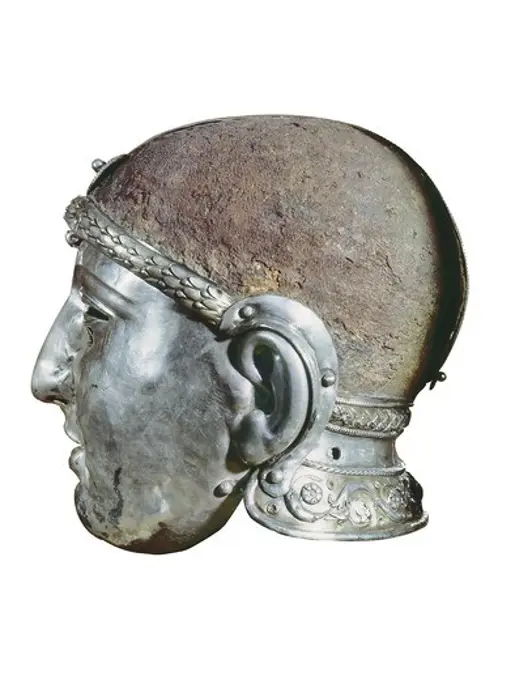
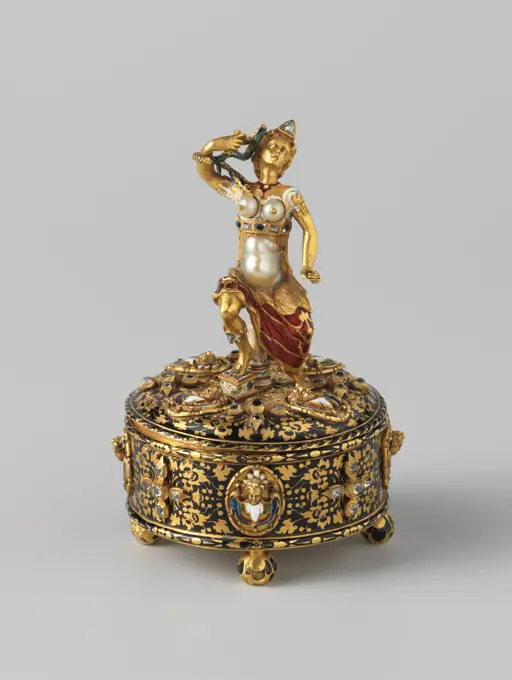
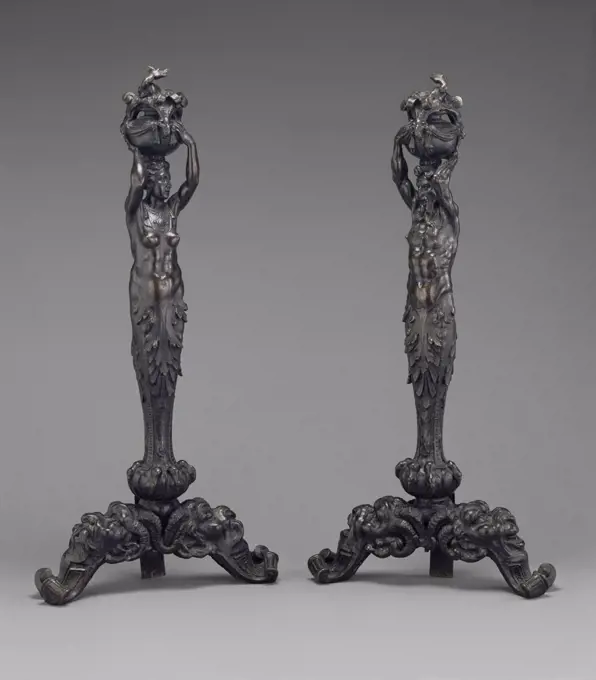
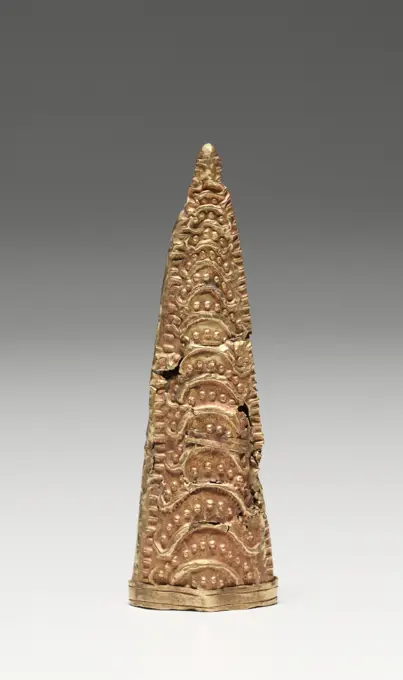
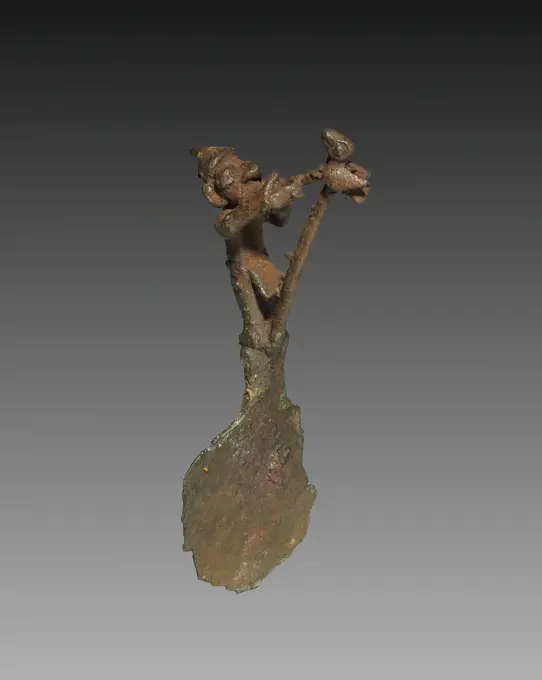
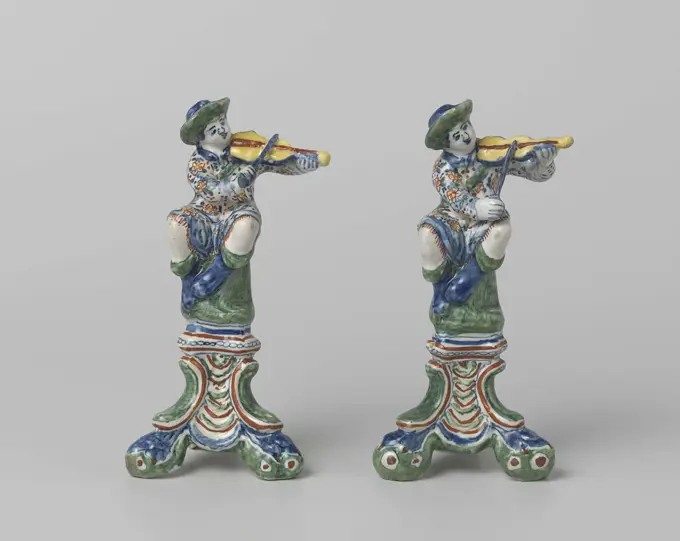
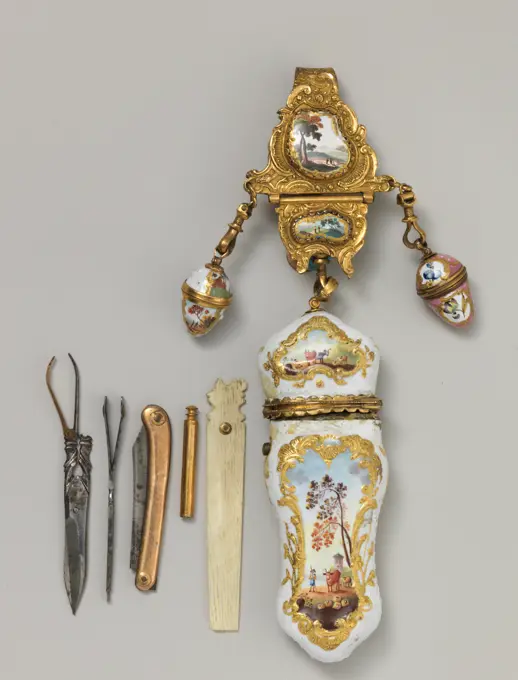
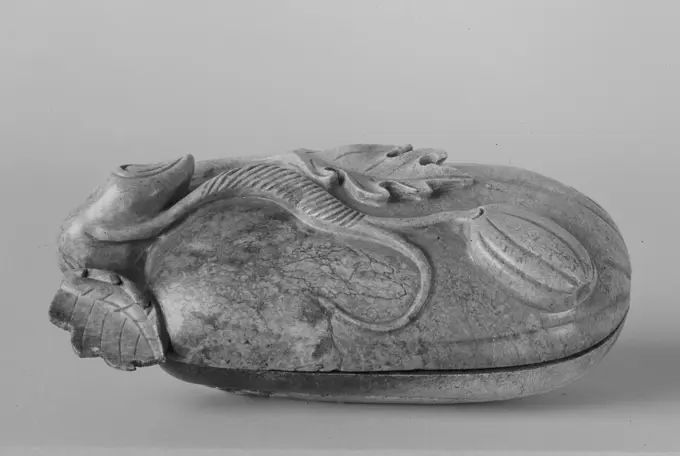
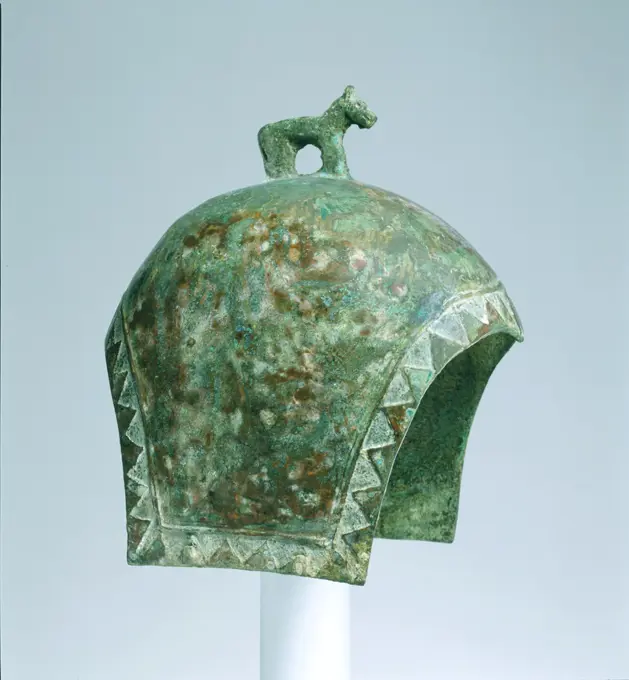
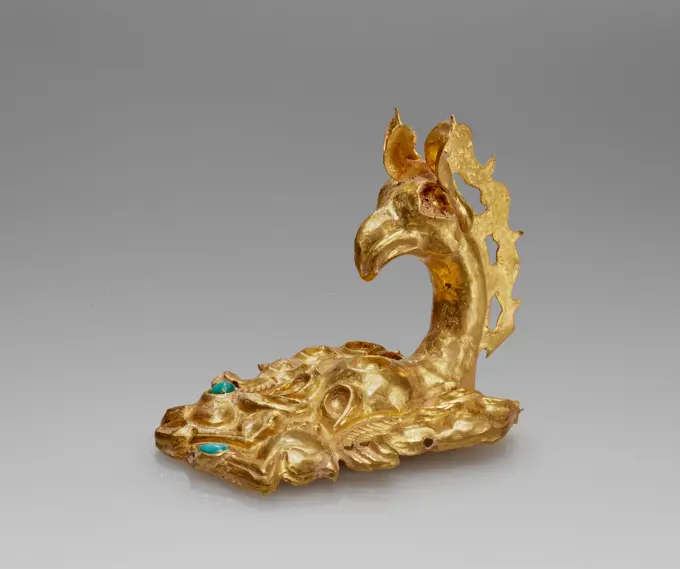
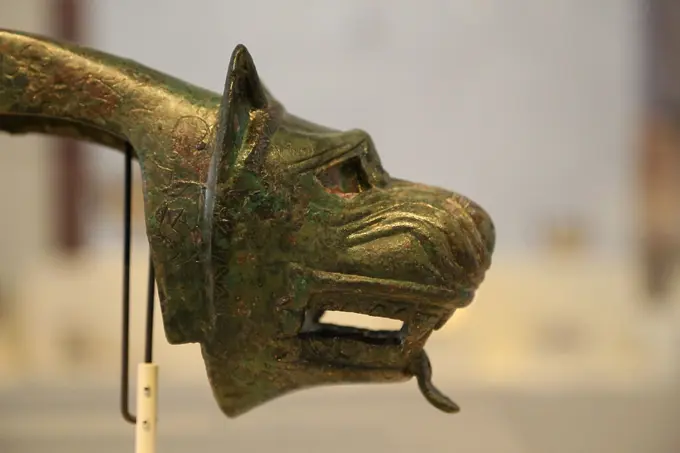
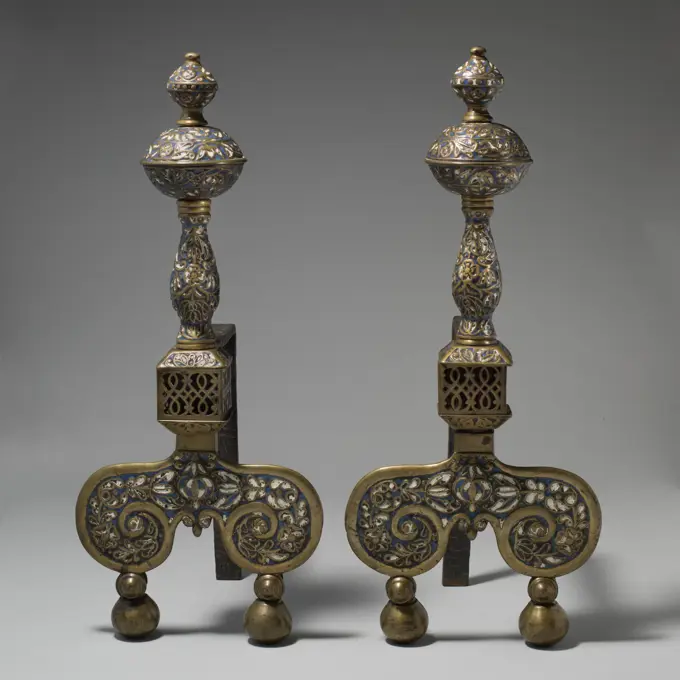
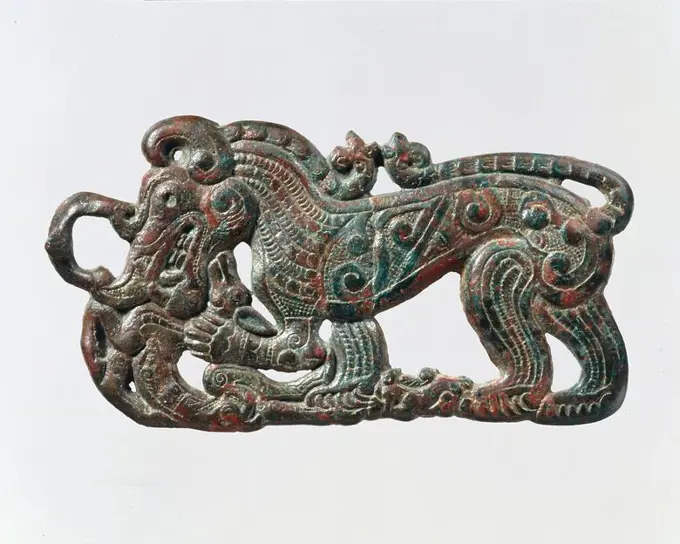
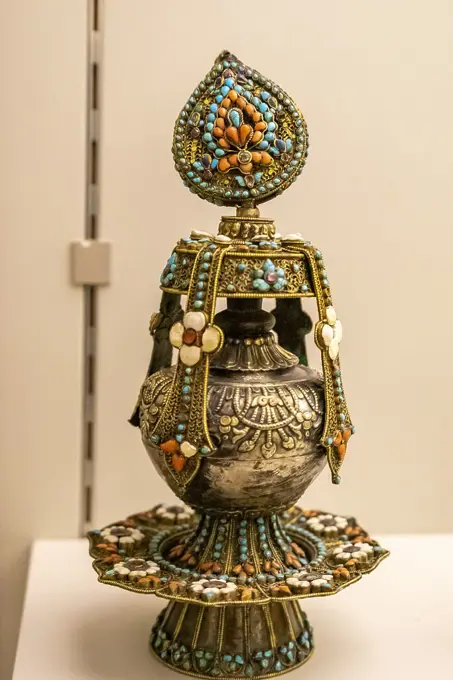
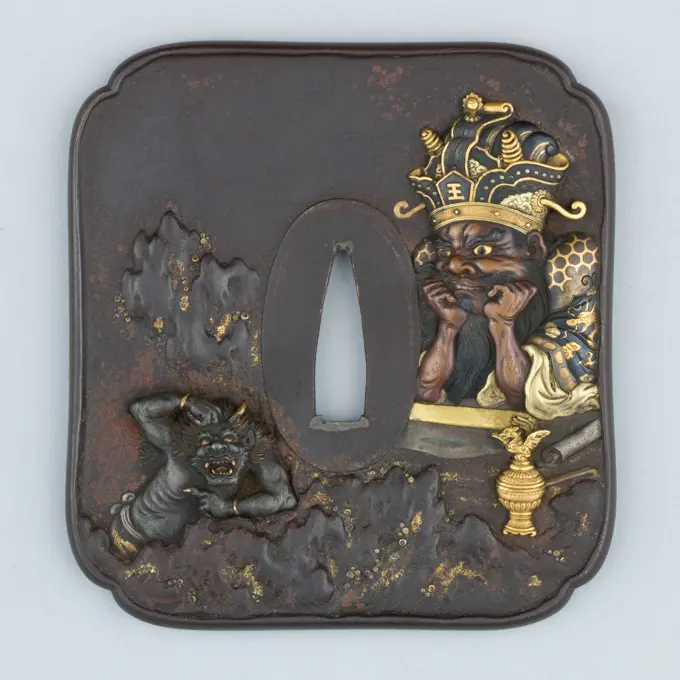
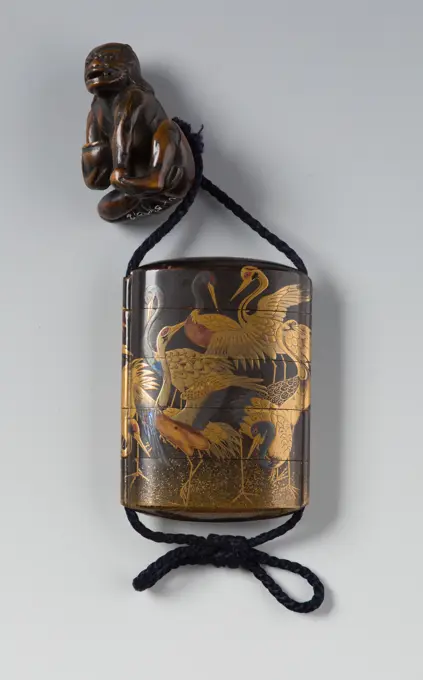
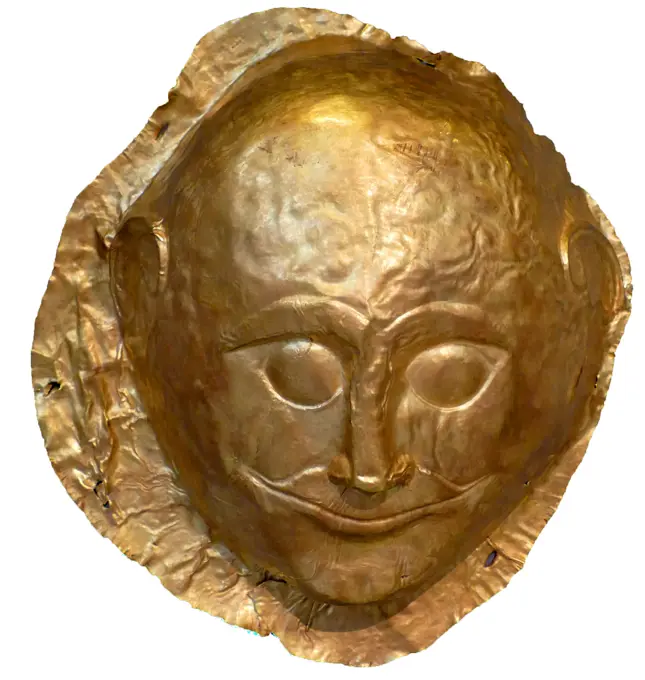
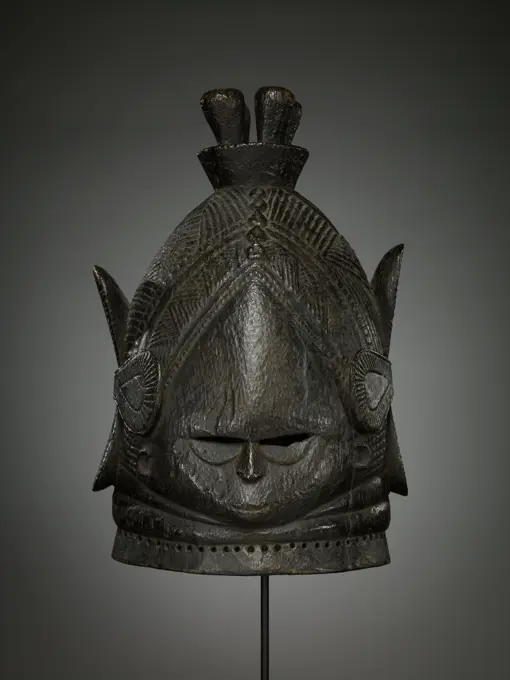
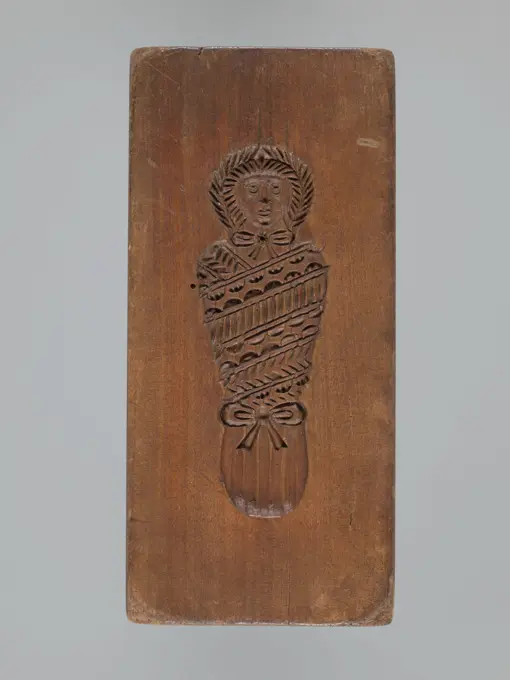
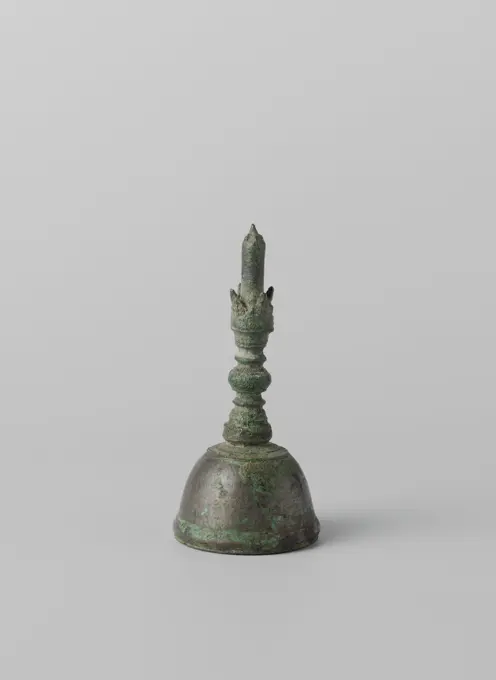
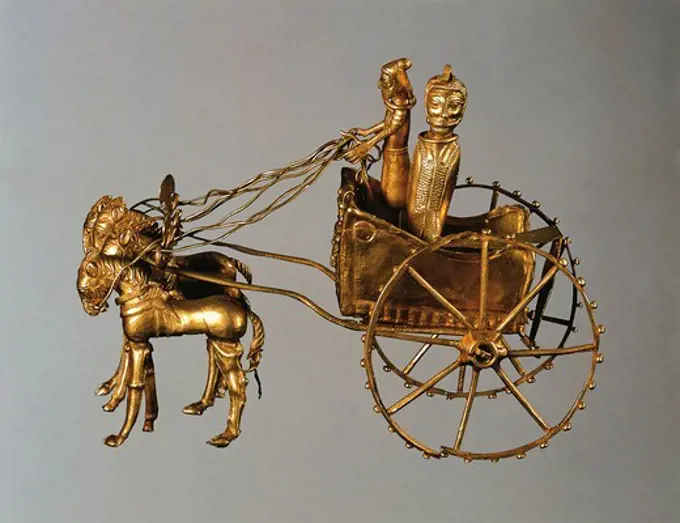
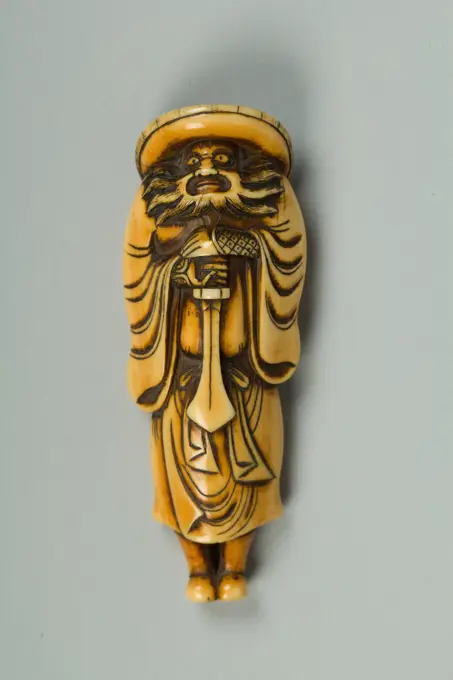
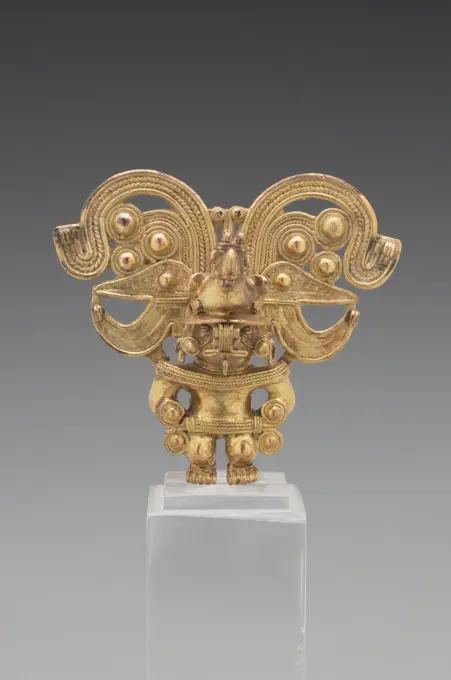
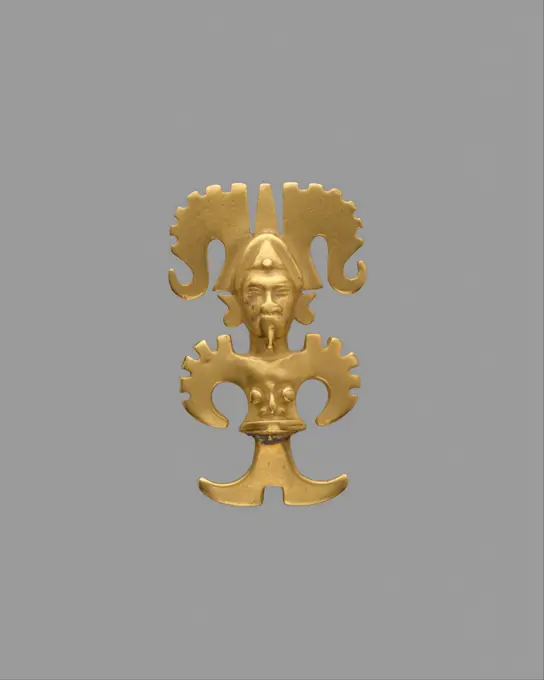
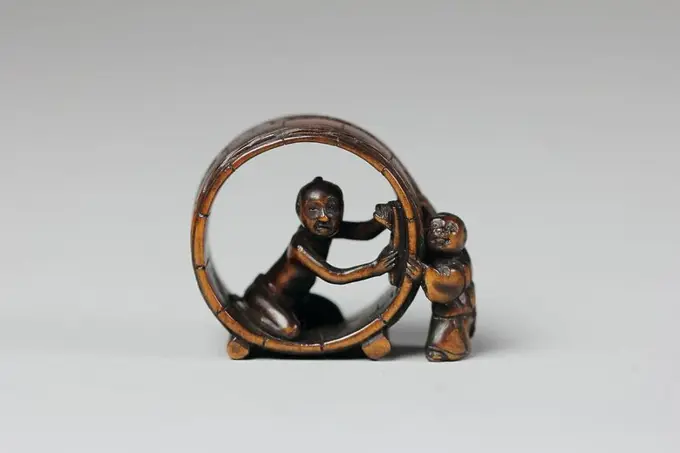
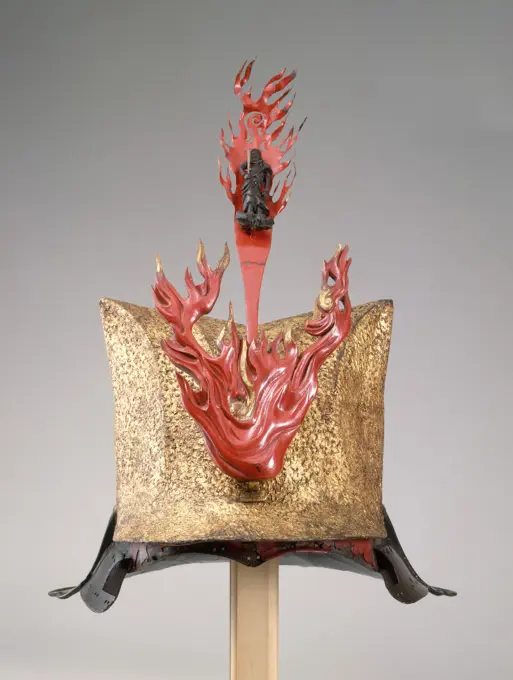
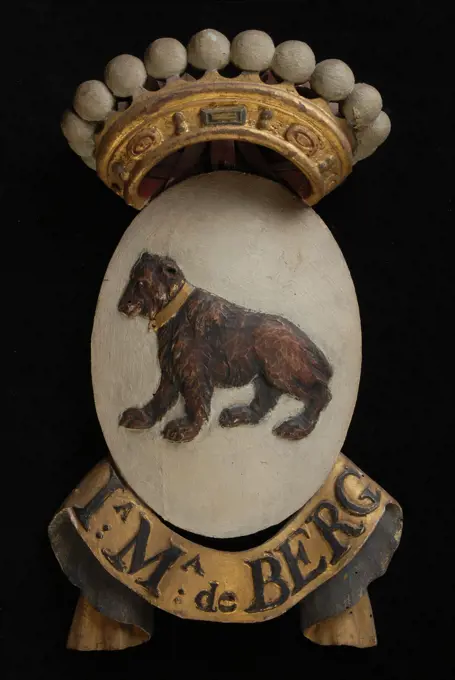
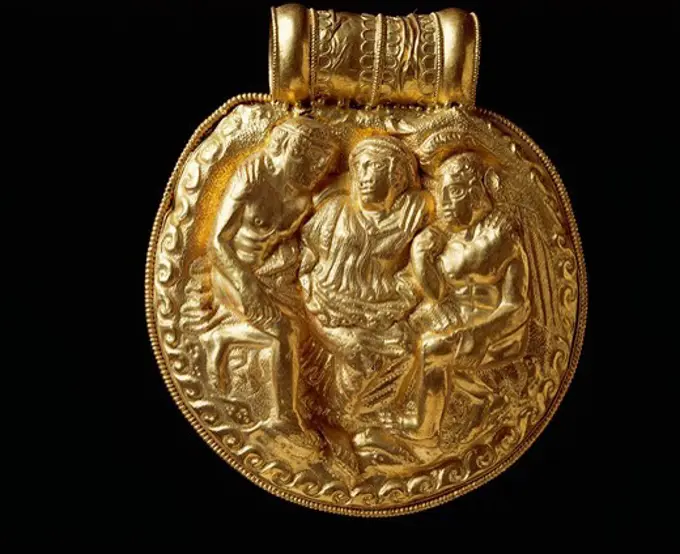
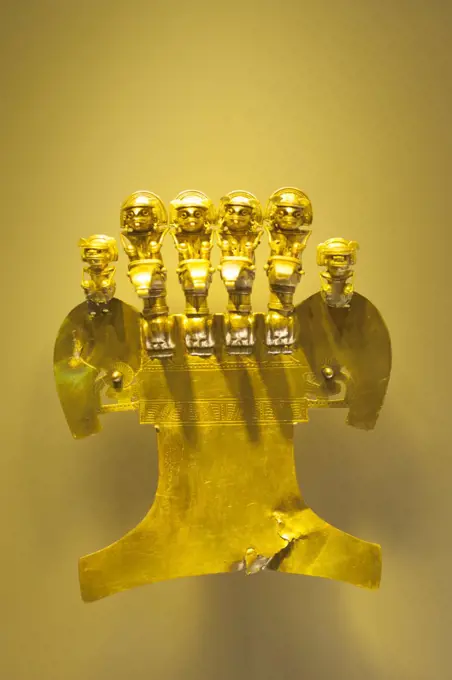
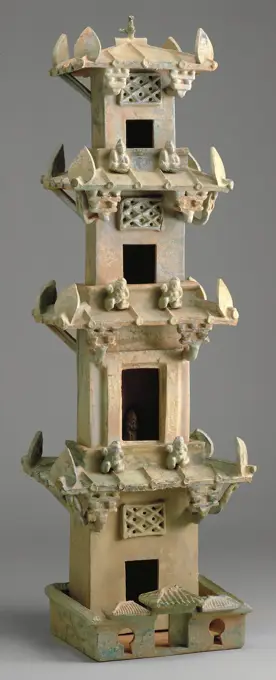
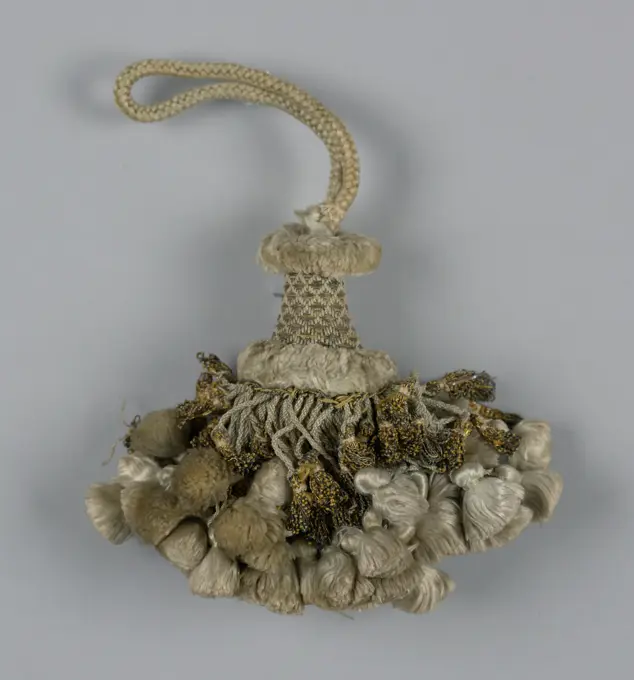
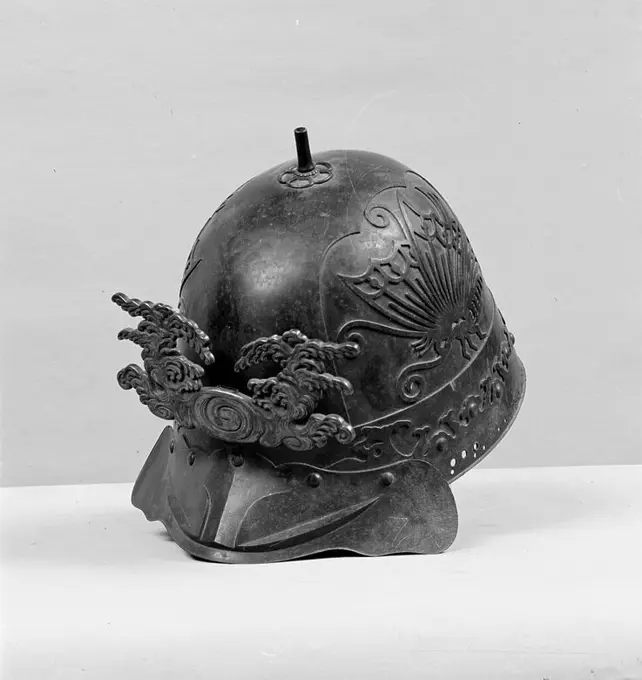
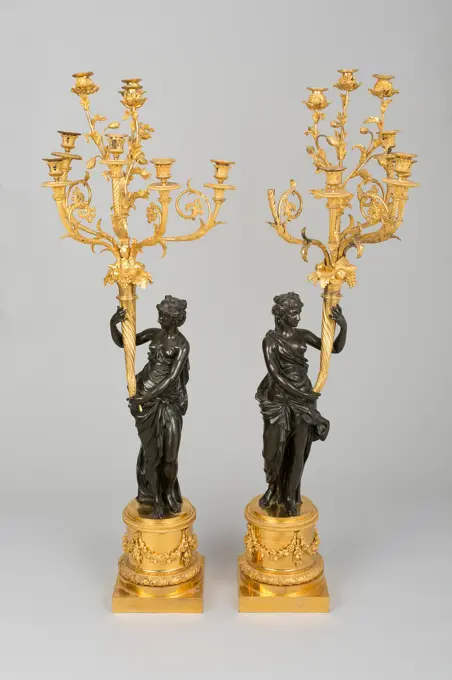
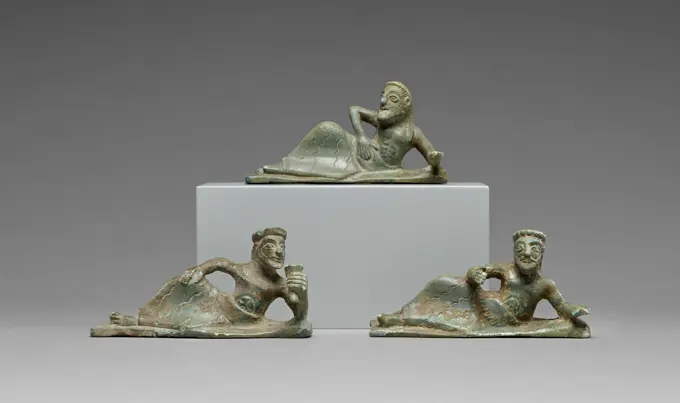
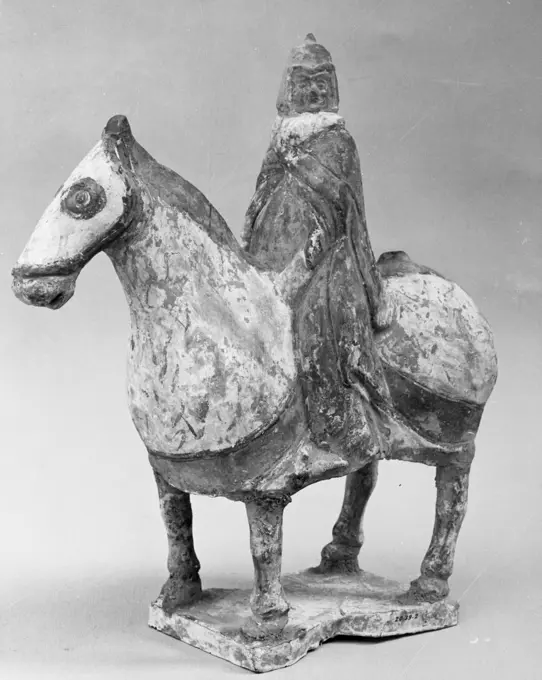
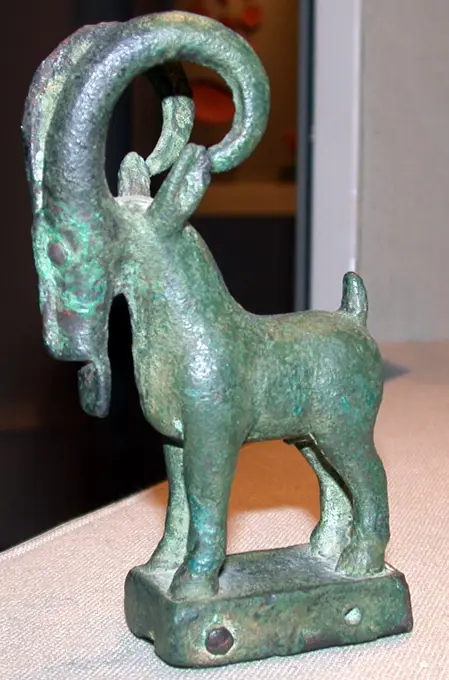
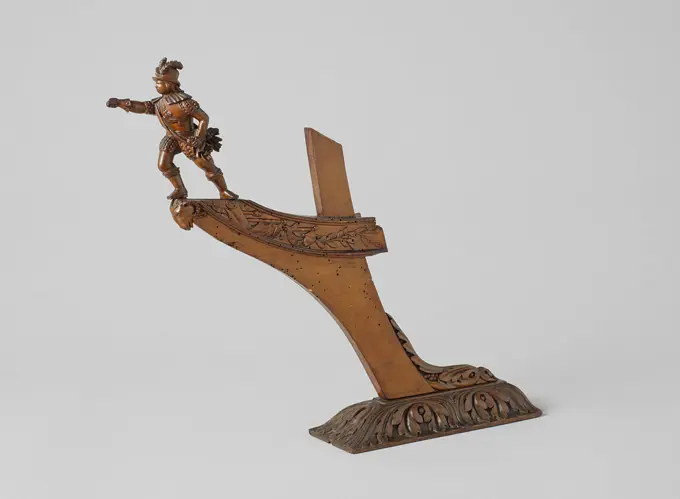
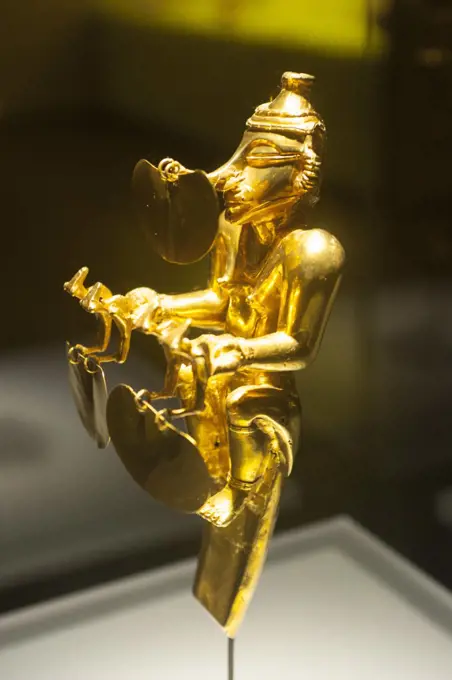
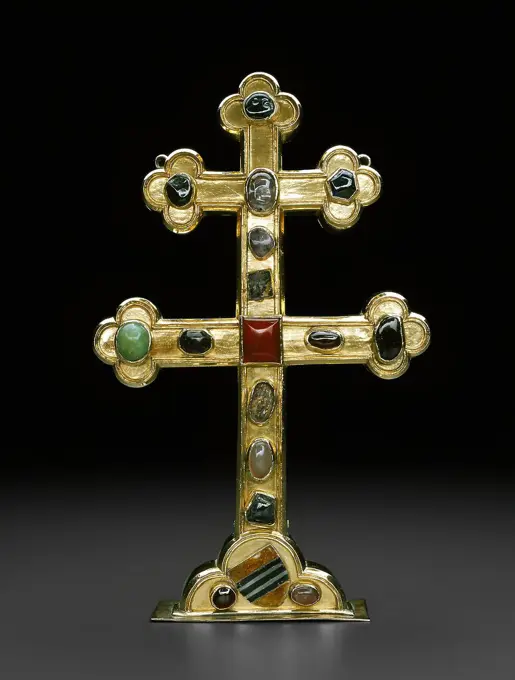
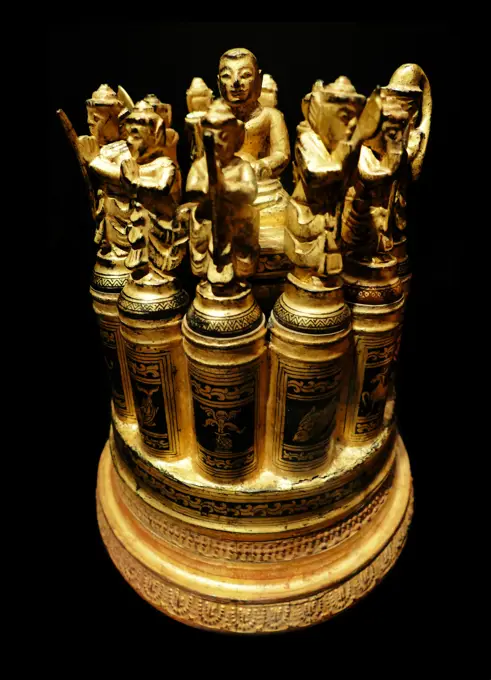
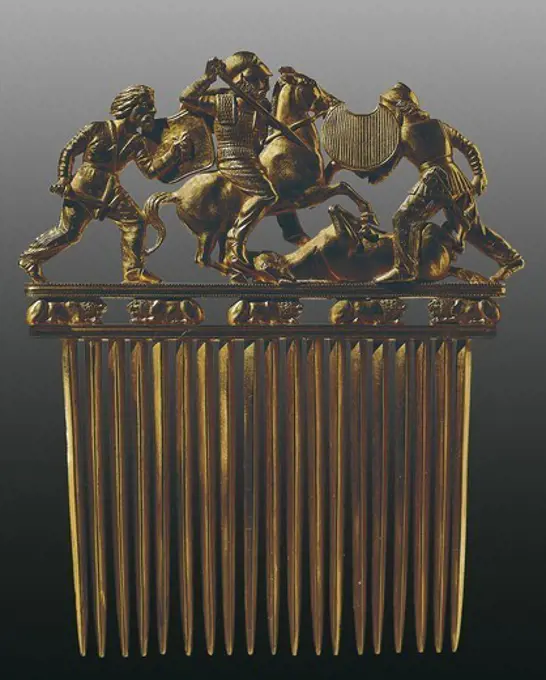
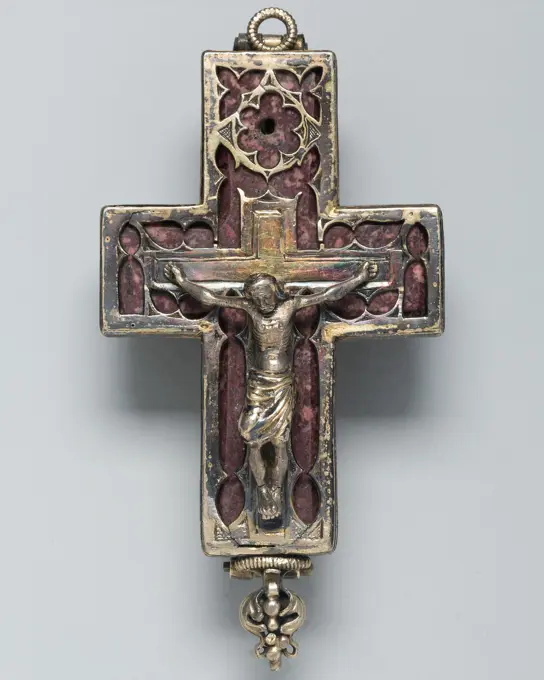
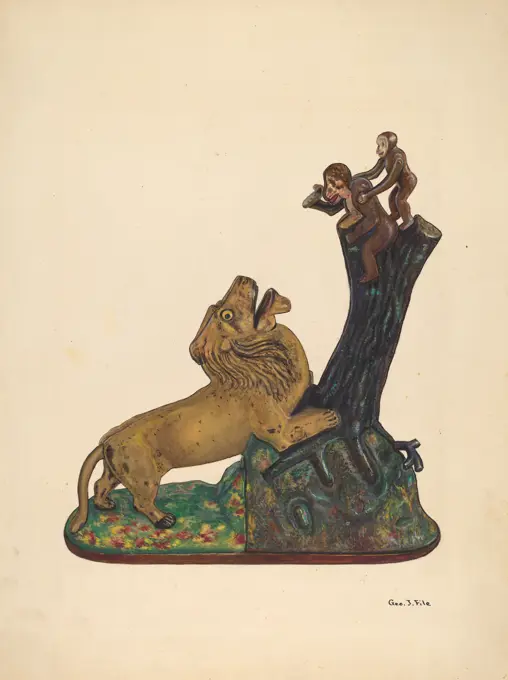
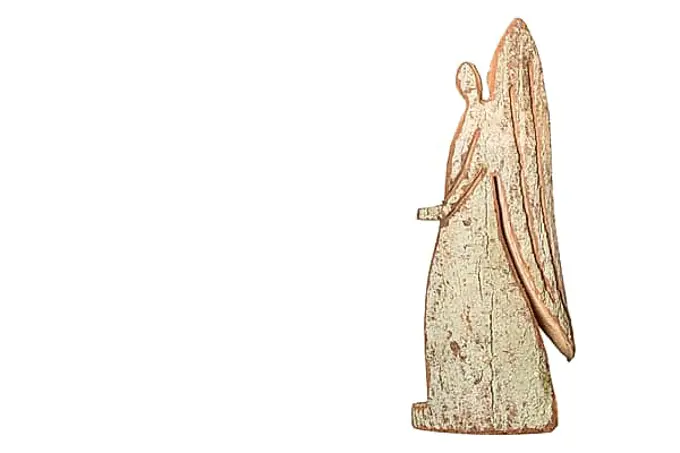
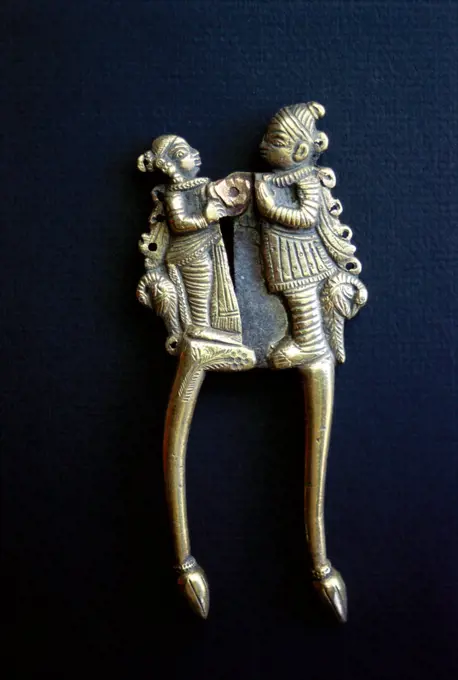
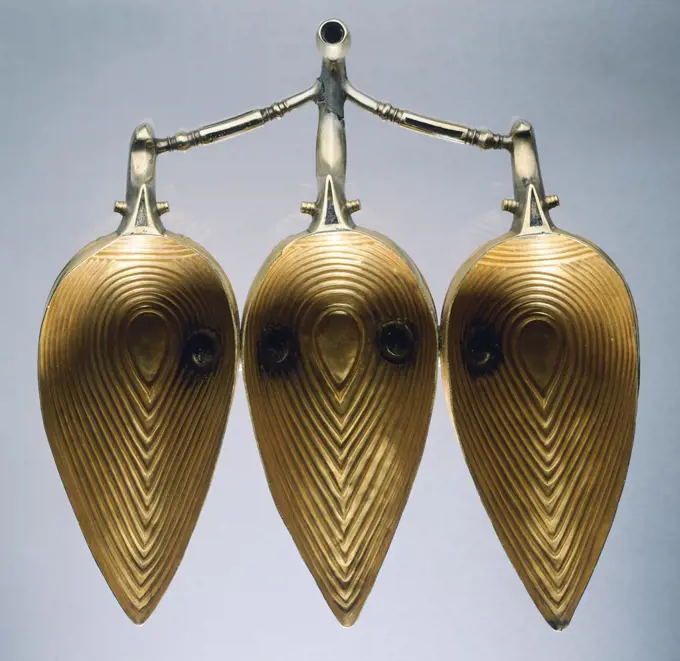
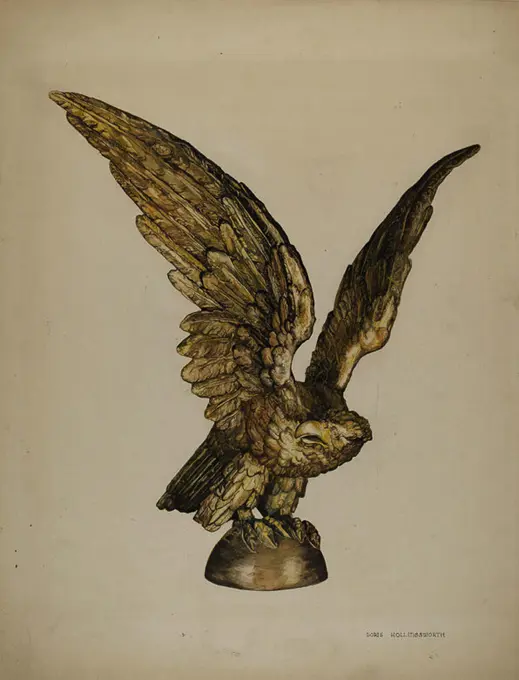
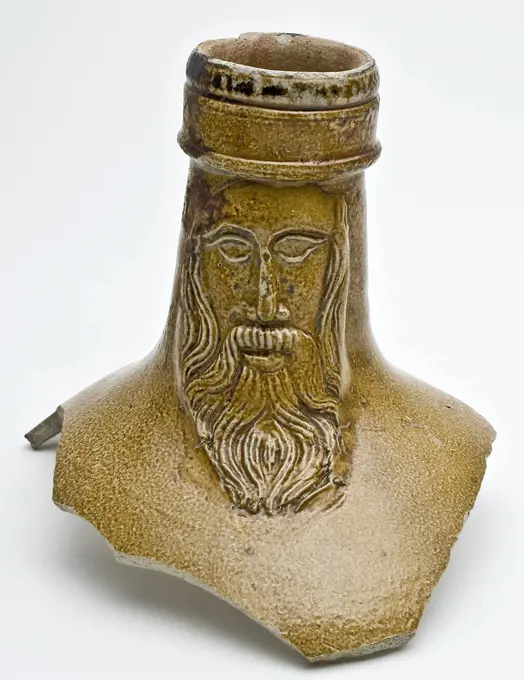
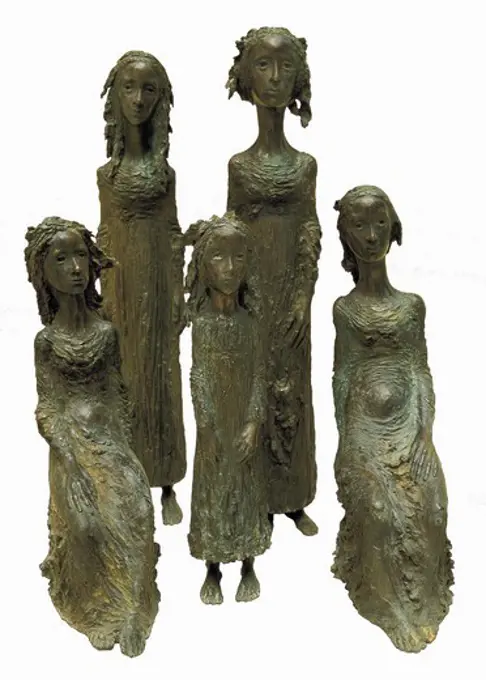
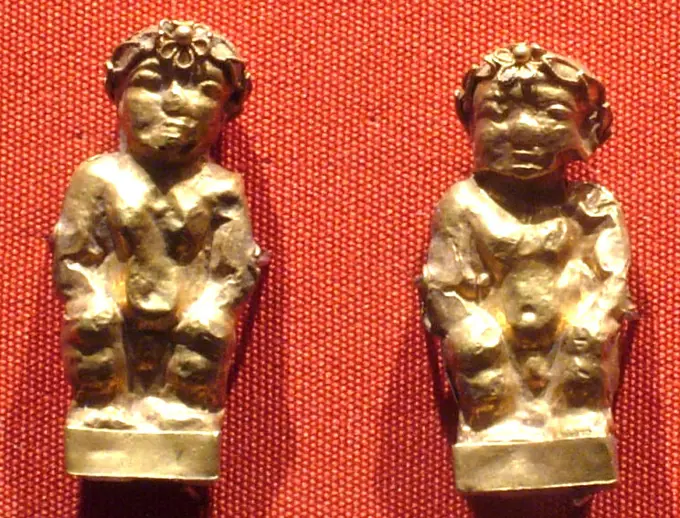
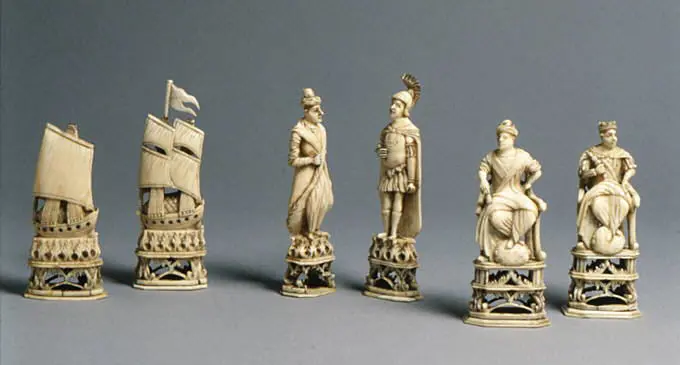
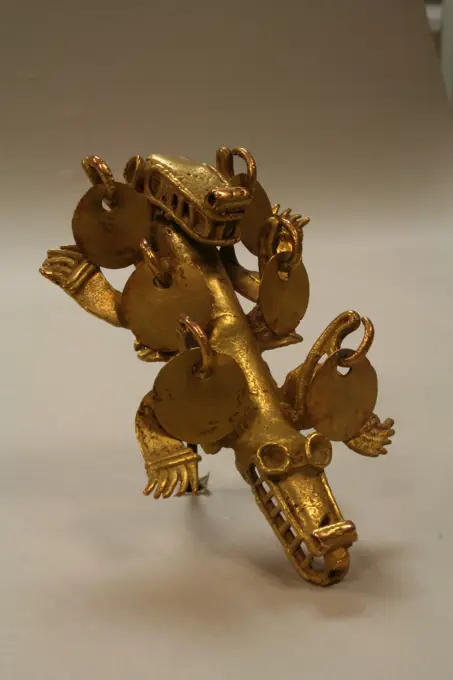
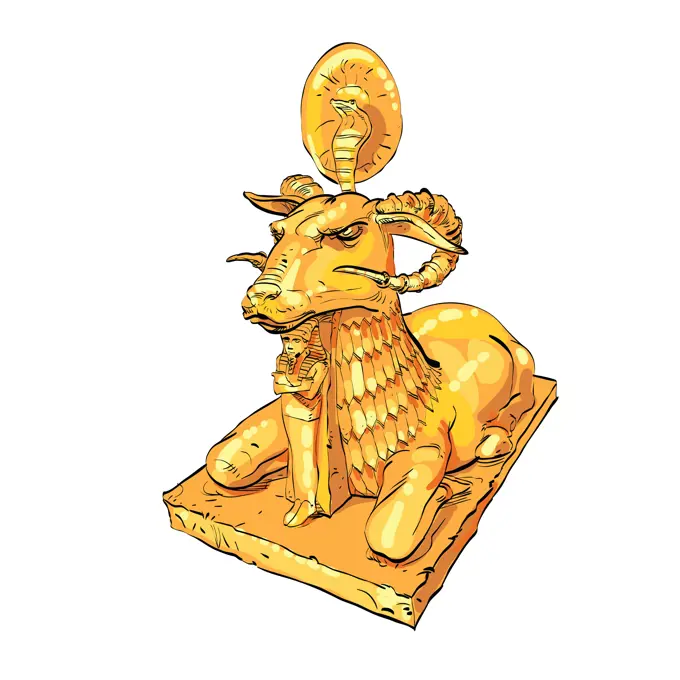
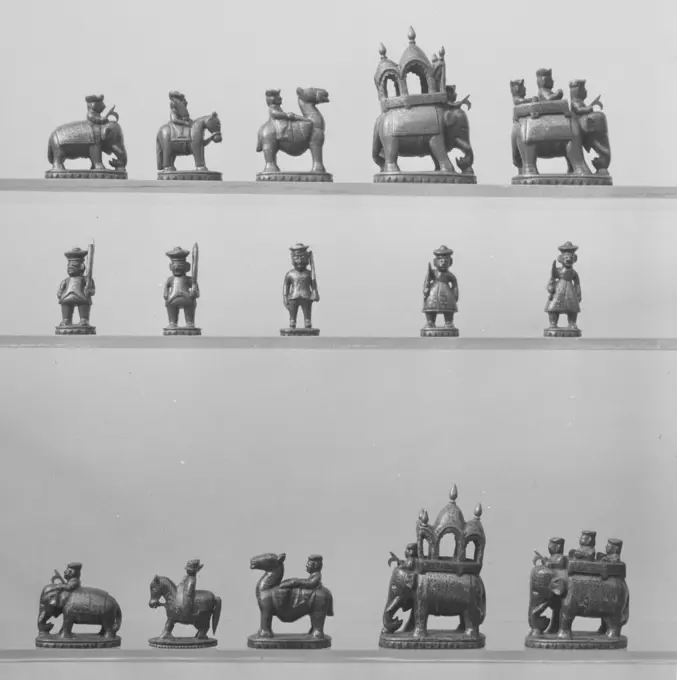
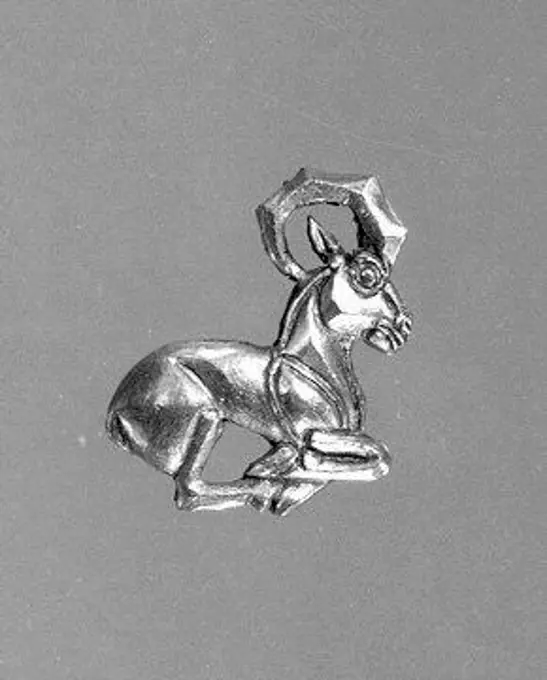
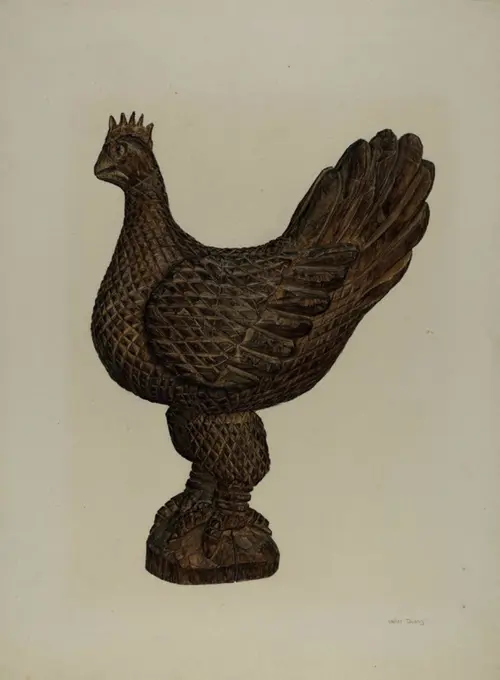
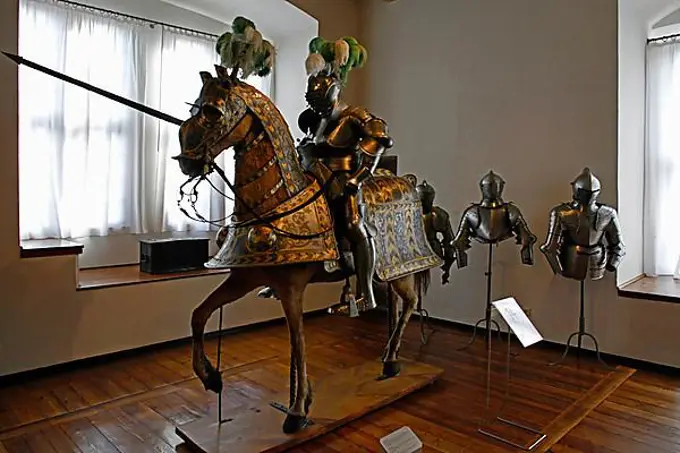
Bronze Bust (Weight). Egypt, 2nd-3rd century CE. Tools and Equipment; weights. BronzeHelmet with Mask. 50. Iron and silver. Roman art. Early Empire. SYRIA. Damascus. National Museum. Proc: SYRIA. HOMS. Homs. Necropolis of Emesa.Gold box, Hans Reimer (Possible), 1550 - 1575 Round box of gold and email, occupied with diamonds. On the Cleopatra lid from gold, email, pearls and diamonds. On the wall the Wapen van Beijeren. Southern Germany (possibly) gold (metal). pearl. diamond (mineral). Round box of gold and email, occupied with diamonds. On the Cleopatra lid from gold, email, pearls and diamonds. On the wall the Wapen van Beijeren. Southern Germany (possibly) gold (metal). pearl. diamond (mineral).Pair of Andirons in the Form of a Female and a Male Herm; Unknown maker, Italian (probably active in France); Fontainebleau, France, Europe; about 1540 - 1545; Bronze; Various, see extensionsKnife-sheath tip (sika boha), 1800s. Guinea Coast, Ghana, Asante, 19th century. Gold; overall: 6.4 x 2.1 cm (2 1/2 x 13/16 in.).Knife, 1400s-1500s. Peru, Inca Culture, 15th-16th century. Bronze; handle: 8.5 x 3.4 cm (3 3/8 x 1 5/16 in.); blade: 3.2 cm (1 1/4 in.).. On a triangular and three-legged pedestal is a violin man with hat. The image is of multicolored (blue, green, yellow and red) painted faience. The image has been marked.Nécessaire and châtelaine British, Staffordshire ca. 1760-80 Chatelaines, which hung from the waist, were designed to hold sewing, writing, or toilet implements. View more. Nécessaire and châtelaine. British, Staffordshire. ca. 1760-80. Enameled copper. Enamels-PaintedBox 18th century China. Box. China. 18th century. Nephrite. Qing dynasty (1644-1911). JadeHelmet with a Standing Horse ca. 7th century B.C. Northeast China. Helmet with a Standing Horse 59436Applique: Eagle-Griffin Tearing a Hare (Harness Ornament). UnknownYoke appliques. Bronze. iberian culture. 4th century BC. Mengibar, Jaen. National Archaeological Museum, Madrid. Spain.Pair of andirons ca. 1680 British, Surrey. Pair of andirons. British, Surrey. ca. 1680. Enamel on brass. Metalwork-BrassBelt Plaque in the Shape of a Standing Wolf. Culture: Northwest China. Dimensions: H. 2 1/2 in. (6.4 cm); W. 4 1/2 in. (11.4 cm). Date: 4th century B.C.. Museum: Metropolitan Museum of Art, New York, USA.Torma, presentation vessel for offerings,, Tibet, 19th century, silver and semi-precious stones, Anthropology National Museum, Madrid, Spain.ÌJsslee, anonymous, c. 1700 - c. 1799  Northern Netherlands (possibly)Netherlands (possibly) wood (plant material). metal  Northern Netherlands (possibly)Netherlands (possibly) wood (plant material). metalSword Guard (Tsuba) ca. 1615-1868 Japanese A tsuba is a sword guard and part of a sword mounting. It is mounted between the swords blade and grip to protect the users hands.. Sword Guard (Tsuba) 34463CDK unknownA gold funeral mask discovered in MycenaeHelmet mask, 14 3/16 x 9 1/8 x 9 in. (36.04 x 23.18 x 22.86 cm), Wood, Sierra LeoneDouble -sided gingerbread formHandbell, anonymous, 1300 - 1600 Priesterschel, with Linga as a masterpiece. Indonesia bronze (metal) Priesterschel, with Linga as a masterpiece. Indonesia bronze (metal)Goldsmithery, Oxus treasure, gold model of horse drawn chariot with passengers wearing Medes clothesNetsuke of a Man Carrying a Sword 19th century Japan. Netsuke of a Man Carrying a Sword. Japan. 19th century. Ivory. Edo (1615-1868) or Meiji period (1868-1912). NetsukeFinial with bird-helmetedfigure. Artist: UnknownStylized Figure Pendant 5th-10th century International or Initial Style. Stylized Figure Pendant. International or Initial Style. 5th-10th century. Gold (cast). Panama, Cocle Province. Metal-OrnamentsNetsuke of Two Figures. Culture: Japan. Dimensions: H. 1 5/8 in. (4.1 cm); W. 2 in. (5.1 cm); D. 7/8 in. (2.2 cm). Date: 19th century. Museum: Metropolitan Museum of Art, New York, USA.Helmet (Zukinnari Kabuto) 16th century Japanese This helmet is in the form of a sumi-zukin (頭巾), a square hat commonly worn by old men, physicians, and priests. The top of the helmet is lacquered gold in a technique called tataki-nuri, emulating the fabric texture of a sumi-zukin. The front crest (maedate) represents the protective Buddhist deity Acana (known as Fudō Myō-ō in Japan) engulfed in flames. The flame base of the crest is made of wood and is lacquered red with golden accents. The upper part, which holds the figurine of Fudō Myō-ō, is made of a thin sheet of iron which is lacquered red as well. Often, sumi-zukin featured a long cape-like extension at the back, which is indicated here by brown-lacquered nape plates to which once the actual neck guard (shikoro) was attached.This helmet, with its unique design and ostentatious color scheme, represents well the opulent aesthetics of the Momoyama period (1573-1615).. Helmet (Zukinnari Kabuto). Japanese. 16th century. Iron, lacqueCarved wooden crowned coat of arms including the name Ia. Ma. De Berg with broken crown, coat of arms information form carvings sculpture footage wood paint gold, crown, Family coat of arms of Ia. Ma. The Mountain in silver bear in natural color with golden collar and crown with eleven pearls above name under escutcheon: Ia. Ma. de Berg heraldry regent Rotterdam City Center Stadsdriehoek Hoogstraat Gasthuis Rotterdam.Pillow-end Plate, 1800s. Malaysia. White metal; average: 16.6 x 7.4 cm (6 9/16 x 2 15/16 in.).Embossed gold bulla from Vulci, Lazio Region, ItalyGold earring with pendant, from Todi, Perugia province, ItalyGolden Artifact From Taiona Tribe In The Gold Museum In La Candelaria, The Old Town Of Bogota, ColombiaHan Temple, 1st century BCE - 1st century CE, 15 3/4 x 17 x 10 1/2in. (40 x 43.2 x 26.7cm), Earthenware, China, 1st century BCE - 1st century CETassel (Spain); silk, metal thread, wooden coreHelmet (Hachi). Culture: Japanese. Dimensions: 8 3/4 in. (22.2 cm); 11 1/2 in. (29.2 cm).. Date: 19th century. Museum: Metropolitan Museum of Art, New York, USA.Pair of chutes 18th century French. Pair of chutes. French. 18th century. Gilt bronze. Metalwork-Gilt BronzeHintha duck weight, 10 Tical. unknown, craftsmanPair of Eight Light Candelabra 1780-1790 France. Patinated and gilded bronze . Clodion, (Claude Michel)Statuettes of Three Banqueters. UnknownArmored horse and rider 6th century China. Armored horse and rider 52555Figure of ibex ca. 5th century B.C. This bronze ibex stands on a base. Its distinctive long horns turn back to touch the upright ears. The ibex was the most widely represented animal in southwestern Arabian art. Ritual ibex hunts were an important feature of the cult practices of the southwestern Arabian kingdoms. Successfully capturing and killing these elusive creatures was believed to secure favors from the gods.This sculpture may have served as a handle for an incense burner similar to one in the Museums collection (MMA 49.71.2). From the middle of the first millennium B.C. until the sixth century A.D., the kingdoms of southwestern Arabia gained considerable wealth and power through their control of the trade in incense between Arabia and the lands of the Mediterranean seacoast. Frankincense and myrrh, gum resins that are native to southern Arabia, were widely valued in the ancient world for the preparation of incense, perfumes, cosmetics, and medicines, as well as for use in reliModel or a figureehead. Model of a sheek image on sheas, on a base board. The figure is a standing man in seventeenth-century clothing, his right arm raised, the left on his sword; The object that he holds in his right hand is missing, as well as his sword. The sheg is decorated with weapon trophies in relief, the floor plank with leafwork. The figure presents Kortenaer.Byzantine Master, Jasper, gold, gems , circa 11th century, Russia, Moscow, State Armory Chamber in the Kremlin, 12x8, 2Golden Artifact (Female Chieftain) In The Gold Museum In La Candelaria, The Old Town Of Bogota, ColombiaOpenwork PinheadReliquary Cross with the Arms of the Veltheim Family. German; Brunswick (Braunschweig). Date: 1295-1305. Dimensions: 20.5 × 12.8 cm (8 1/16 × 5 1/16 in.). Silver gilt, enamel, and gemstones. Origin: Brunswick. Museum: The Chicago Art Institute, USA.Box containing compartments for powdered medicines with a Buddha figure at centre. 19th century lacquered wood. Myanmar.Candlesticks with Apollo and Daphne. George Michael Moser (Switzerland, active England, 1706-1783). England, London, circa 1745. Furnishings; Lighting. Ormolu (gilt-bronze)Comb with a Scythians in Battle. 5th-4th c. BC. Gold cast and chased. 12.6x10.2 cm. Scythian Art. Jewelry. RUSSIA. SAINT PETERSBURG. Saint Petersburg. State Hermitage Museum. Proc: UKRAINE. ZAPORIZHZHYA.Double-Sided Pendant Reliquary Cross 1467-1499 Germany. Silver gilt and porphyry .Austria, Hallein, Decoration of an ewer from the grave of the Celtic PrinceBeheading of Saint Paul. Dated: early 16th century. Dimensions: overall (arched top): 10.1 x 6 cm (3 15/16 x 2 3/8 in.) gross weight: 96 gr. Medium: bronze//Medium brown patina. Museum: National Gallery of Art, Washington DC. Author: Probably Milanese or Roman 16th Century.George File, Toy Bank  Monkey and Lion, c 1937 Toy Bank: Monkey and LionHandmade wooden angel on a white backgroundBetel nut Crocker utensils in museumComposite container in gold and electrum with three connected trays, from the treasure of Valcitran, Pleven Region, Bulgaria. Goldsmith art. Thracian Civilization, 13th-12th Century BC.Metal Eagle. Dated: c. 1940. Dimensions: overall: 52.2 x 39.6 cm (20 9/16 x 15 9/16 in.). Medium: watercolor, colored pencil, and graphite on paperboard. Museum: National Gallery of Art, Washington DC. Author: Doris Hollingsworth.Neck fragment of Bartmann jug, also called Bellarmine jug, jar, Bartmann jug jug crockery holder soil find ceramic stoneware clay engobe glaze salt glaze, hand turned stamped molded glazed fried Under the neck opening and face with wavy beard long hair and mustache hair along the face and pronounced nose. brown Thickened and cylindrical neck edge decorated with few circumferential grooves archeology Rotterdam rail tunnel drink packing transport keep donate Soil discovery: rail tunnel Rotterdam.Circular cloak fastener, bronze Viking ornament excavated from burial mounds at tenth-century settlement in the forest of Gnezdovo, near Smolensk, RussiaMURIEDAS MAZORRA, Ramon (1938). Family Group. end 20th c. Contemporary Art. Sculpture on bronze. SPAIN. MADRID (AUTONOMOUS COMMUNITY). Madrid. Reina Sofia Art Centre National Museum.Pendant: Eros () wearing diadem with rosette over the forehead A.D. 3rd century perhaps Roman Period Small sheet gold figures of gods figured as pendants on some Roman jewelry. Particularly flimsy examples might have been only for funerary use.This childlike figure wears a diadem with a rosette over the forehead. The rosette is decorated with granulation. The figure is pierced from side-to-side.. Pendant: Eros () wearing diadem with rosette over the forehead 547941Chess set late 18th-early 19th century Russian, Kholmogory Three of the pieces are modern replacements.Chess was avidly played in Russia by czars, princes, and merchants. The design of this chess set reflects the Indian influence in the introduction of the game to Russia, probably during the eighth or ninth century. Initially, the moves were a bit different from the European version of the game.Although the two sides of this setRussian Christians versus Muslimsare not differentiated by color, it is easy to distinguish them and the type was a standard Russian design. As in Indian sets, there are ships for rooks and elephants for bishops. The king is seated on a throne. Also as in Indian sets, next to the king is his vizier, here represented as a Roman officer. The pawns are Roman and Muslim soldiers. The elephants of the Christian side have mahouts but there are none on the Muslim side. The pierced, ajouré bases of these pieces are attached with ivory pins. They are carved with NeoclaDouble Crocodile Pendant 13th-16th century Diquís () This pendant represents a two-headed crocodile with six circular danglers. Composite creatures such as this occur throughout Costa Rica and Panama, signaling that beliefs and their expressions were shared by many groups. Local styles developed distinctive characteristics, however. Metalwork from the Diquis Delta area in southwestern Costa Rica is ornate and replete with detail. Spirals and twisted and braided rope proliferate, and danglers, tinkling like bells and glittering in the sunlight, sometimes conceal the figures behind them.Costa Rica is the most northerly of the Precolumbian goldworking areas, which run from southern Peru and Bolivia on the west side of South America, along the Andean Mountain chain to Ecuador and Colombia, and from there across onto the Isthmus of Panama. This generally continuous region, in which ancient American goldworking technologies developed, intermingled, and expanded, ends approximately in southeFantastic Golden sheep from tales Fantastic Golden sheep from tales. Fantasy sculpture of mountain sheep with the Cobra on the head. Mythical animal. Fictional sculpture Copyright: xZoonar.com/AnatolyxPustovitx 9139468Chessmen late 18th century Indian. Chessmen. Indian. late 18th century. Ivory. Chess SetsFigure of an ibex ca. 8th-7th century B.C. Iran. Figure of an ibex 327363Rooster. Dated: c. 1940. Dimensions: overall: 45 x 32.1 cm (17 11/16 x 12 5/8 in.) Original IAD Object: 12 1/8" high; 10" long; 3 7/8" wide. Medium: watercolor and graphite on paperboard. Museum: National Gallery of Art, Washington DC. Author: Hester Duany.Great Court Room in the Fuerstenbau, Veste Coburg, Exhibition of courtly weapons for tournaments and military purposes, Coburg, Upper Franconia, Bavaria, Fuerstenbau, Germany, Europe