Intricate Metalwork Artifacts

A collection of historical metalwork items including Japanese tsubas and European plates, featuring intricate designs and rich cultural significance.

ECU to the weapons of France, 1791 Anonymous. ECU to the weapons of France, 1791. Brass.
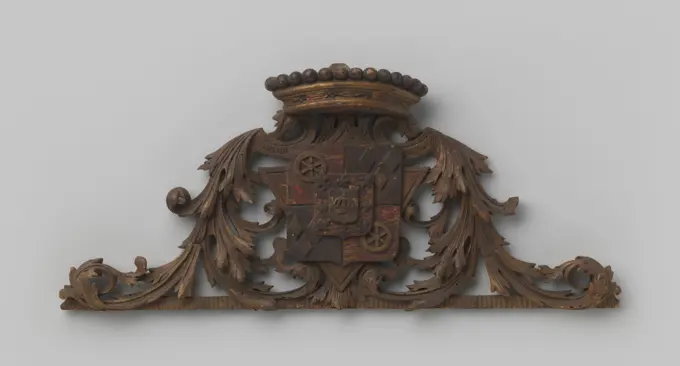
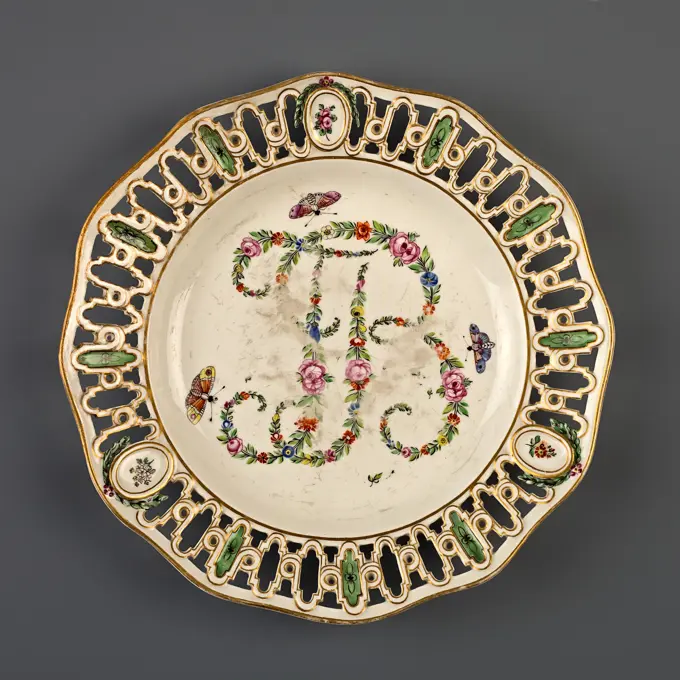
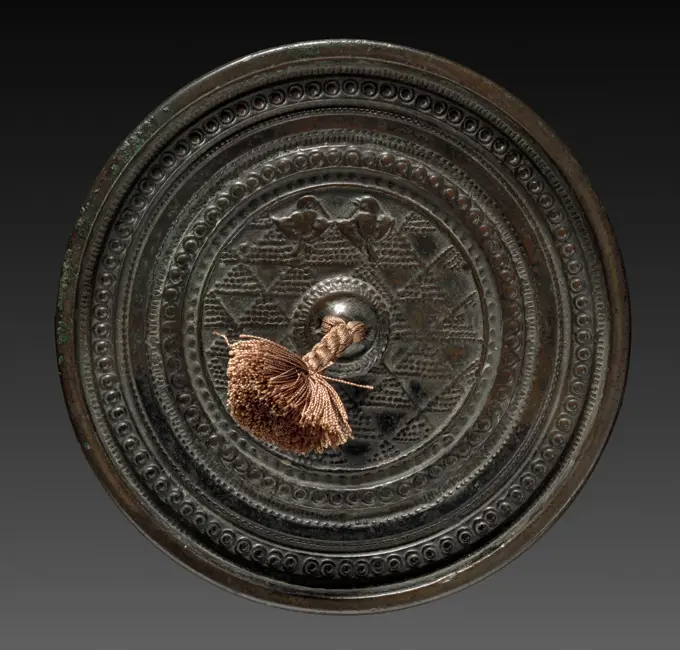
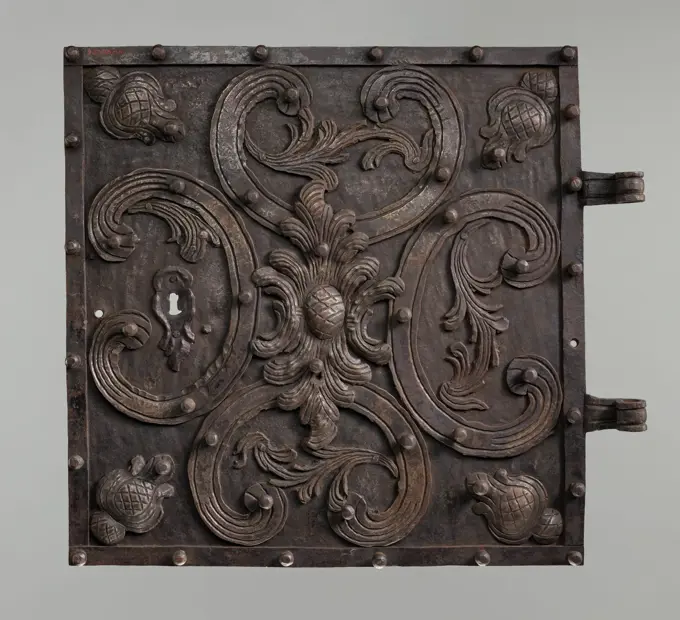
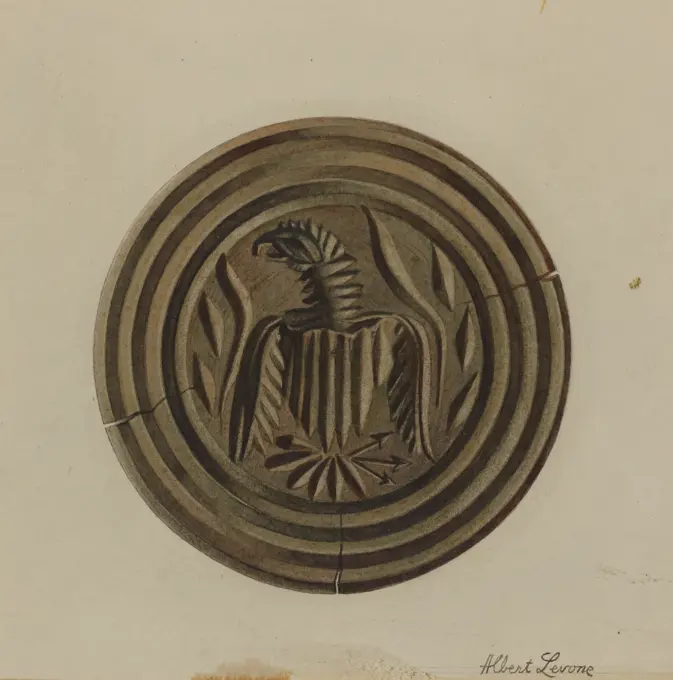
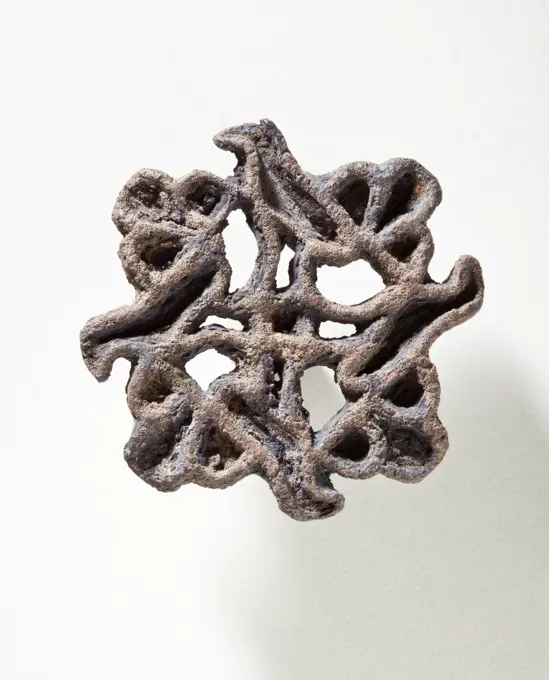
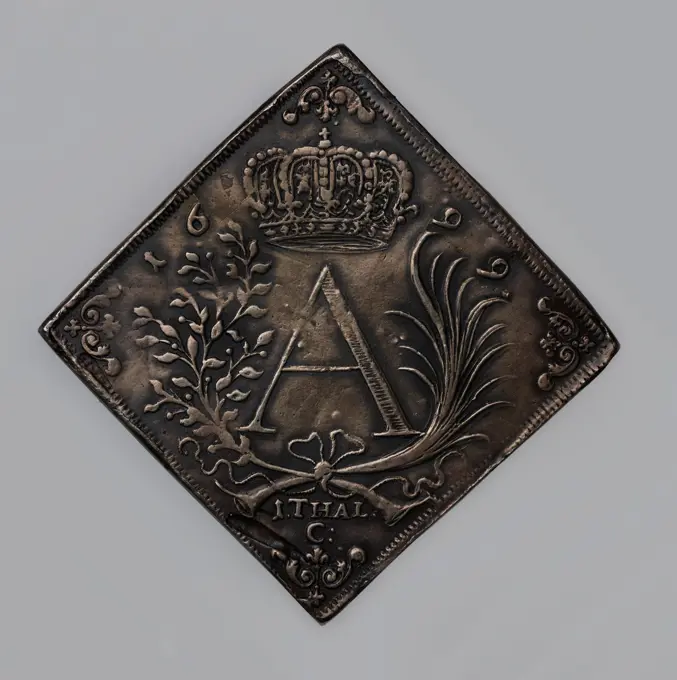
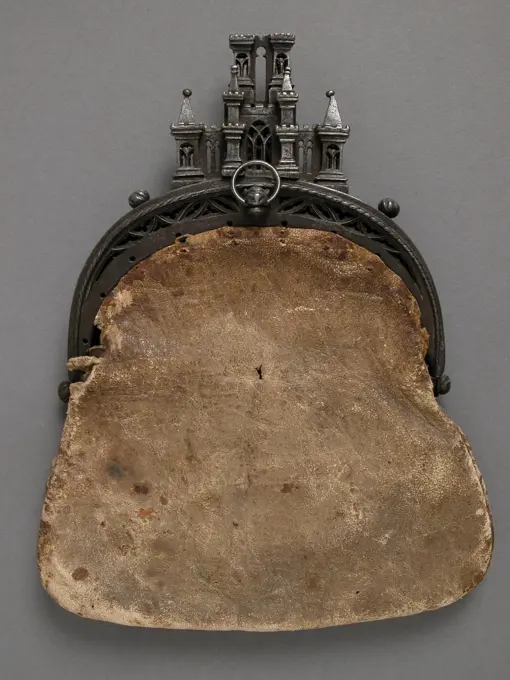
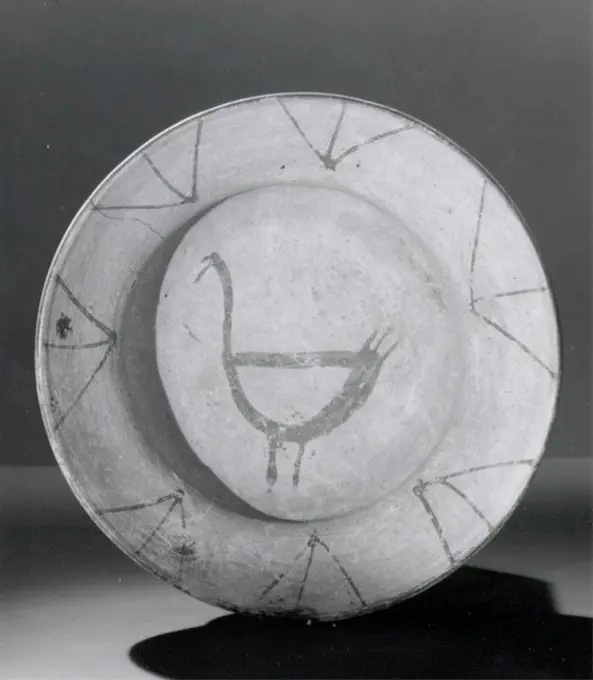
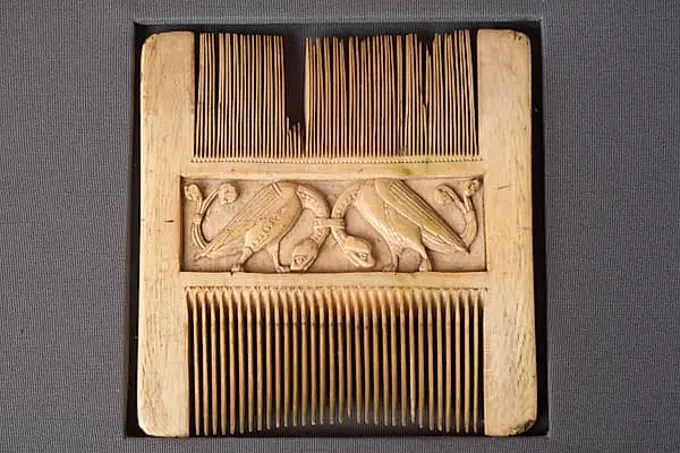
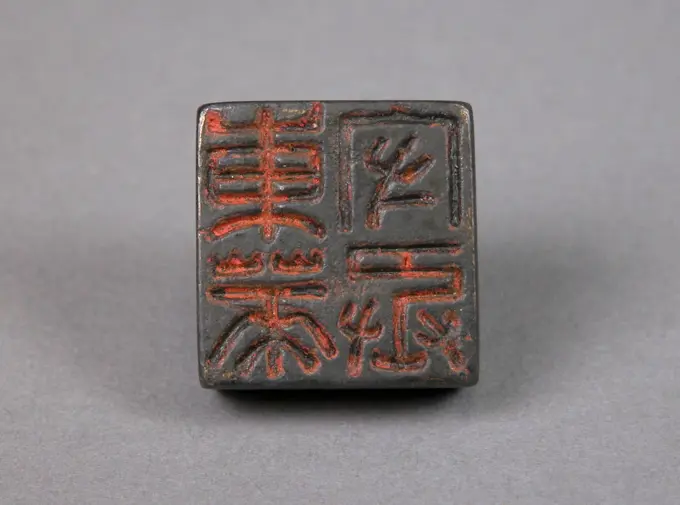
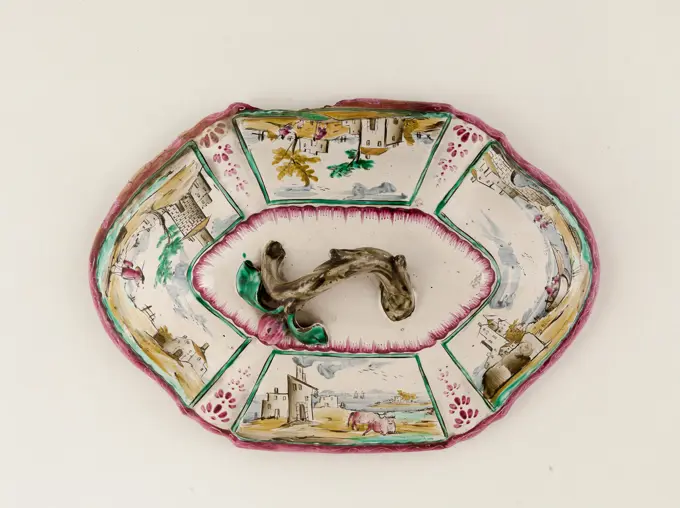
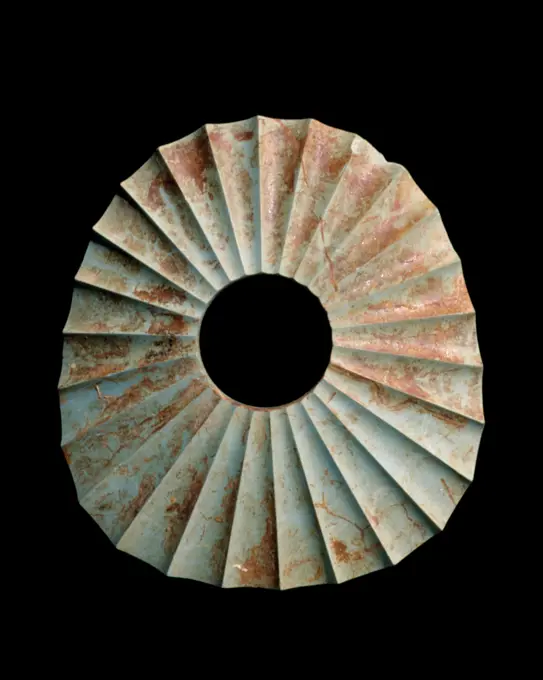
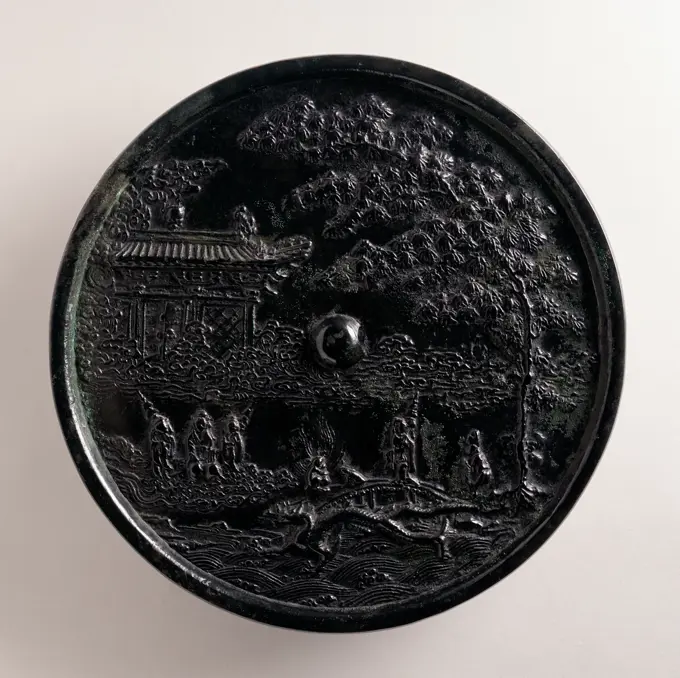
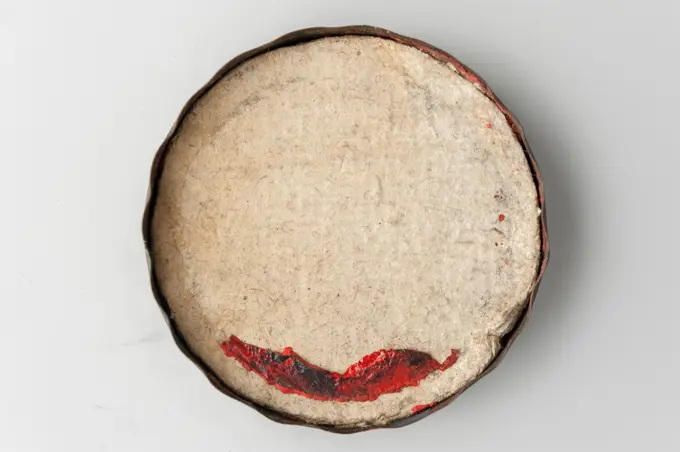
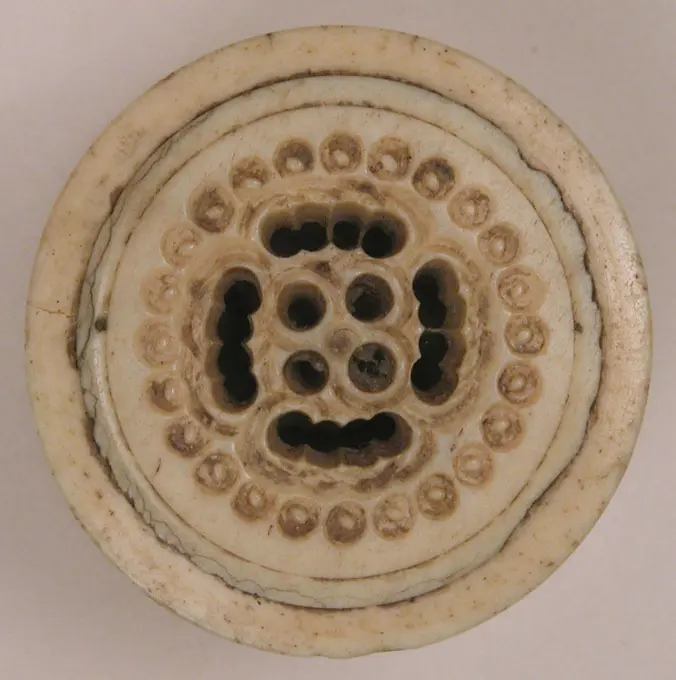
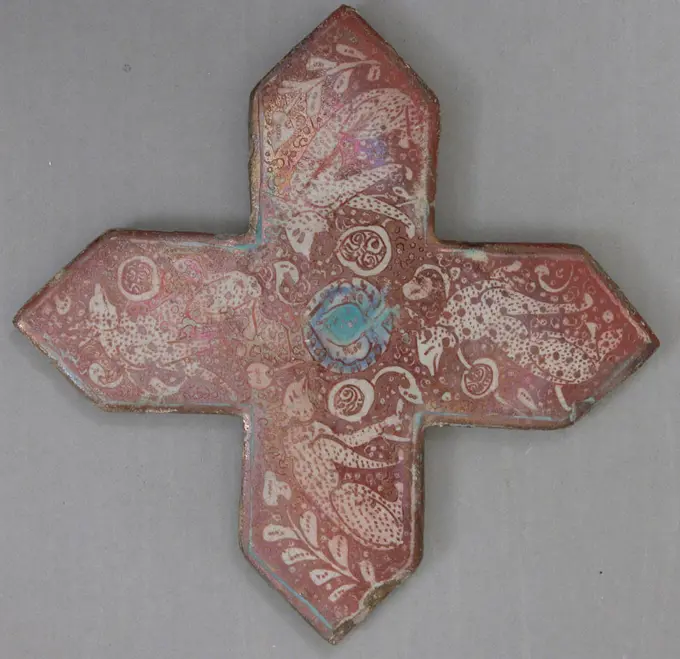
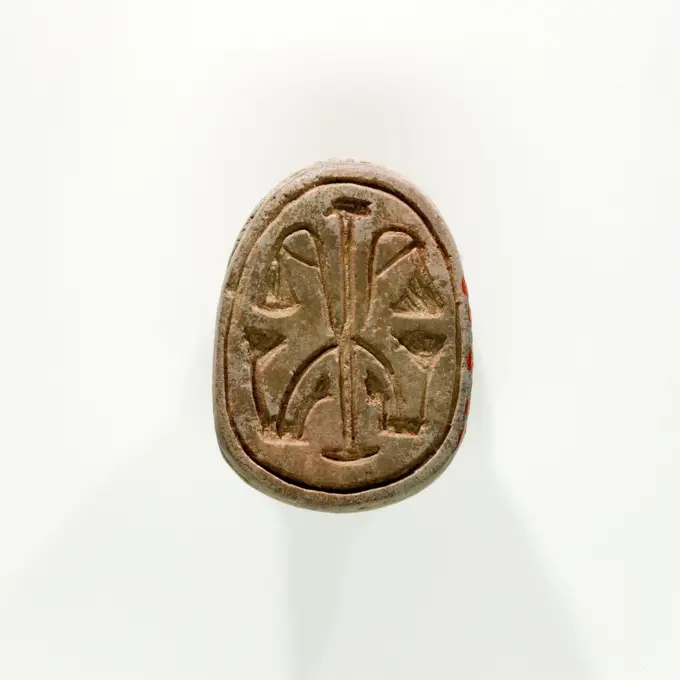
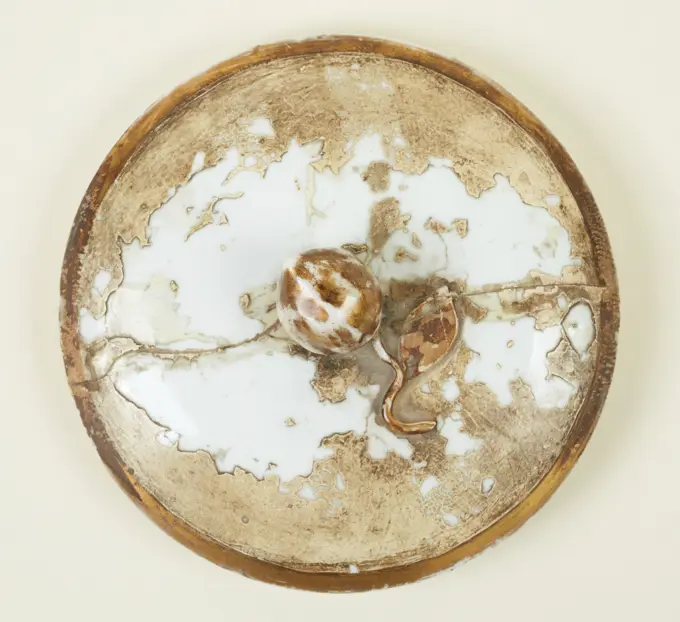
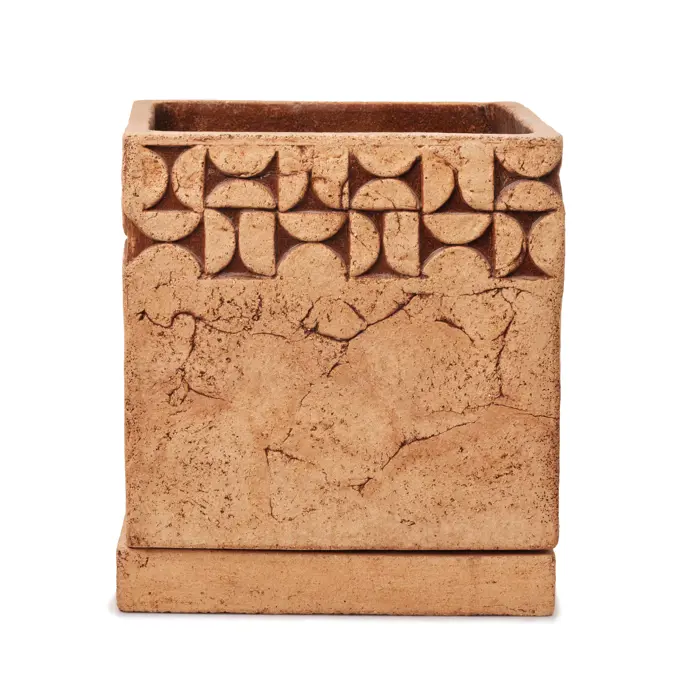
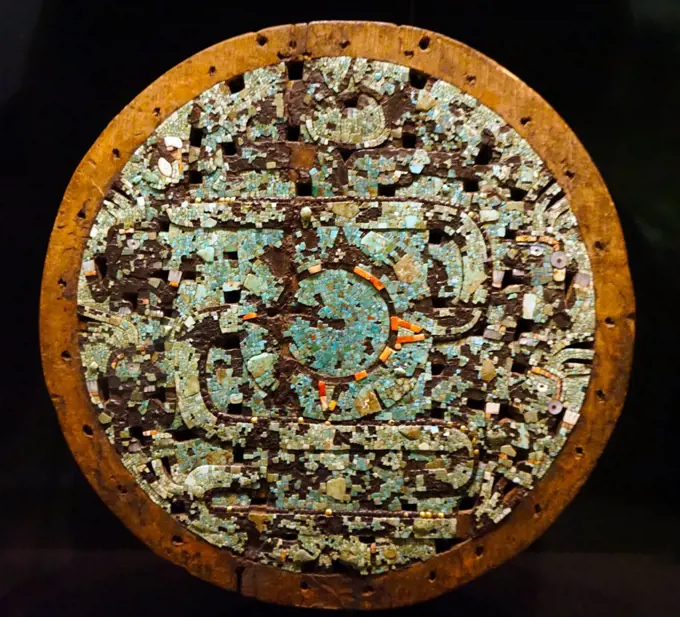
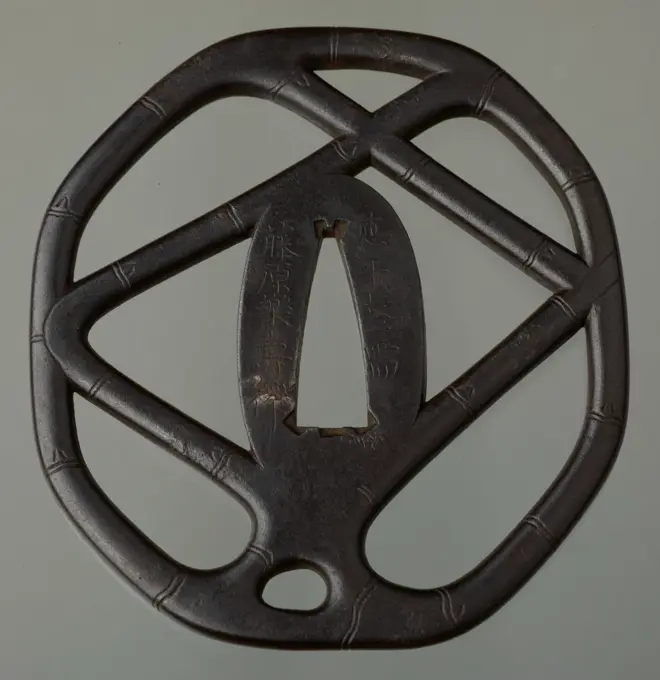
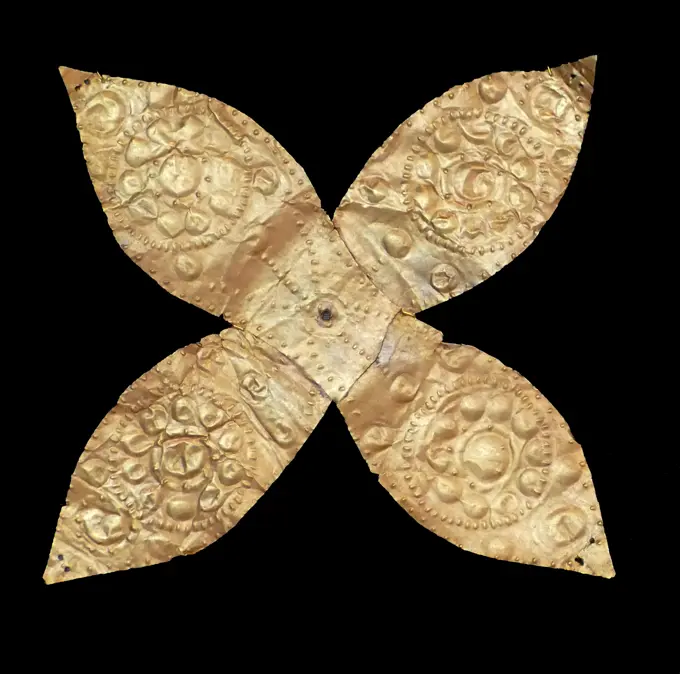
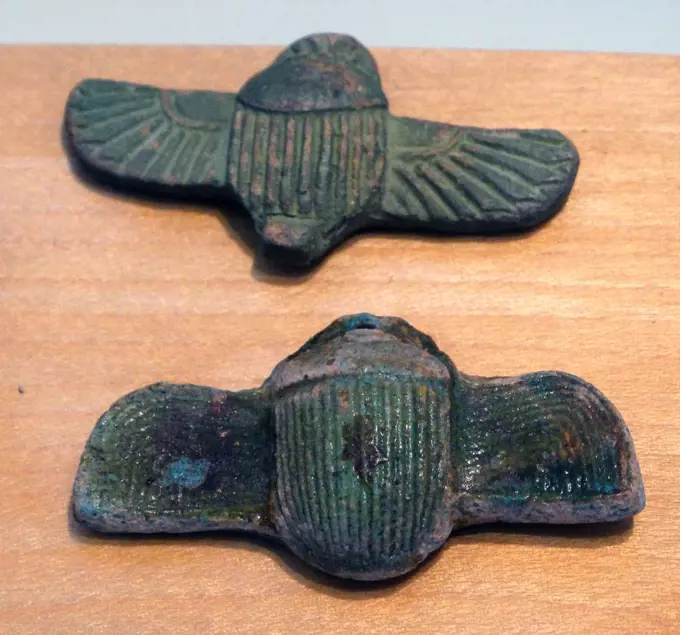
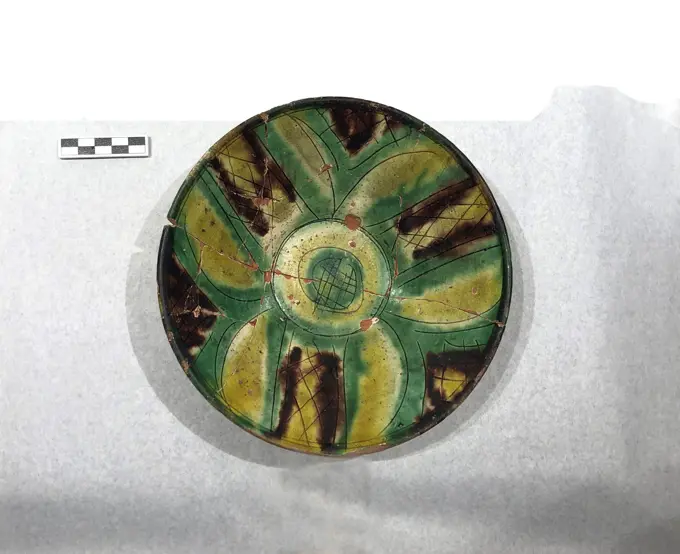
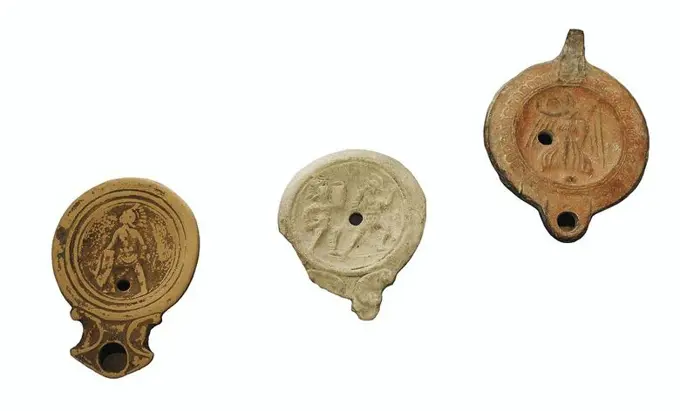
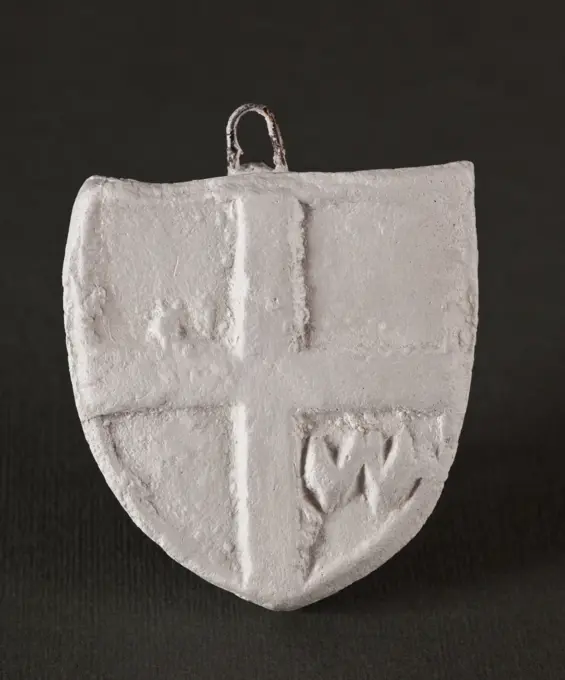
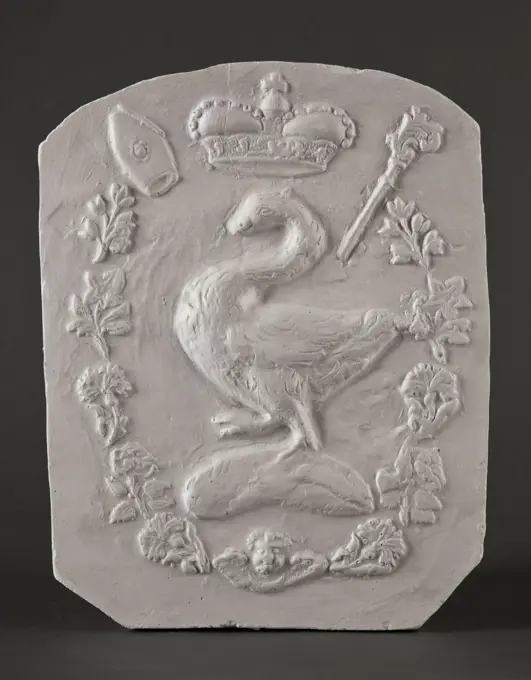
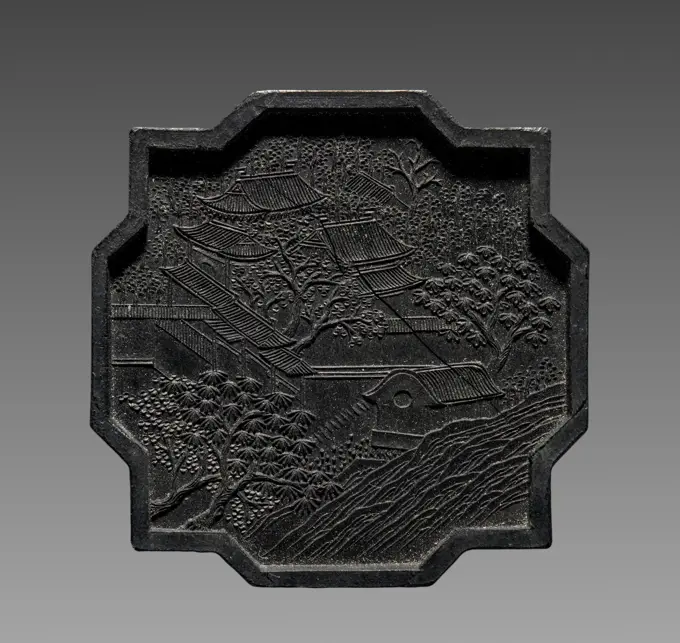
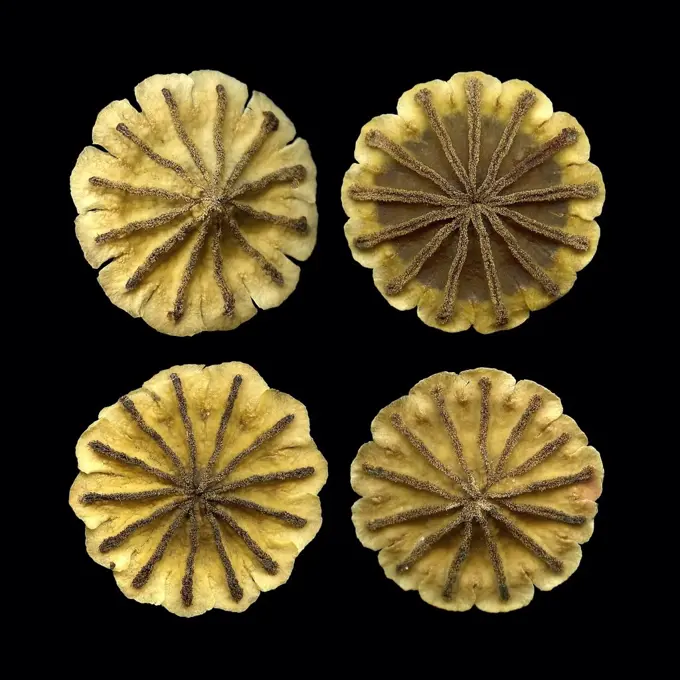
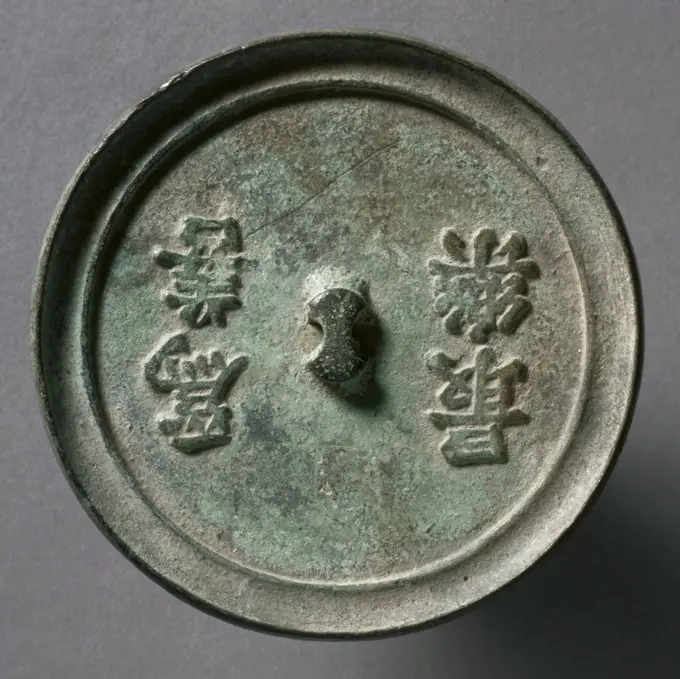
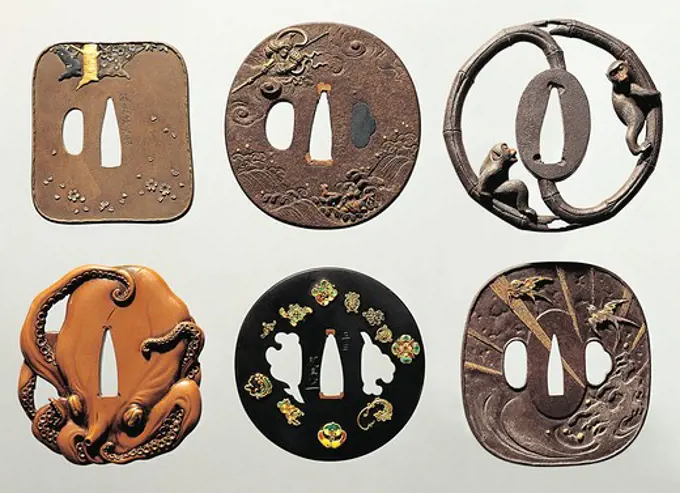
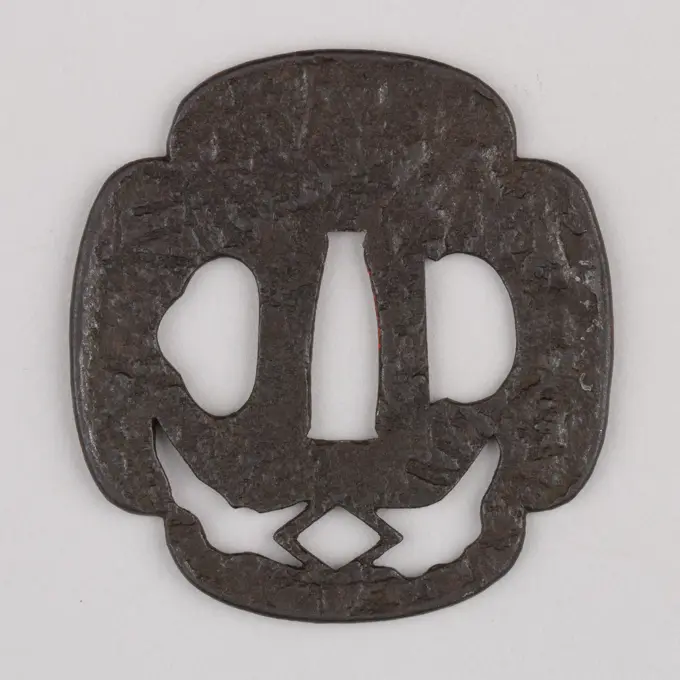
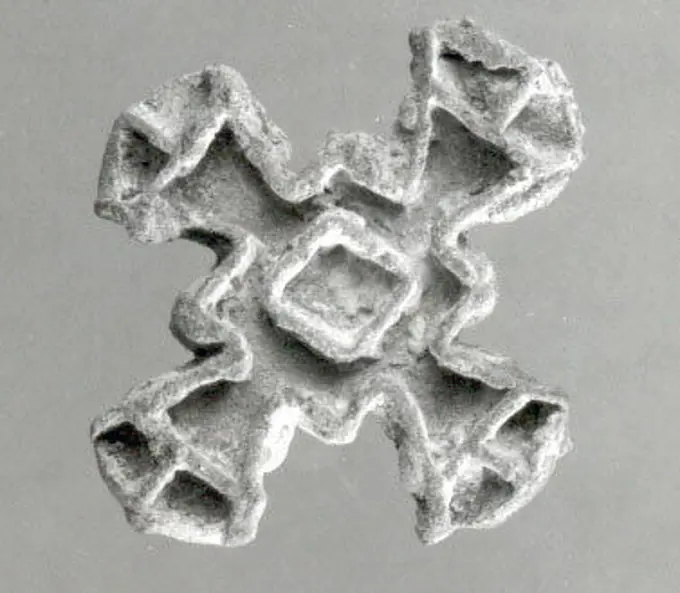
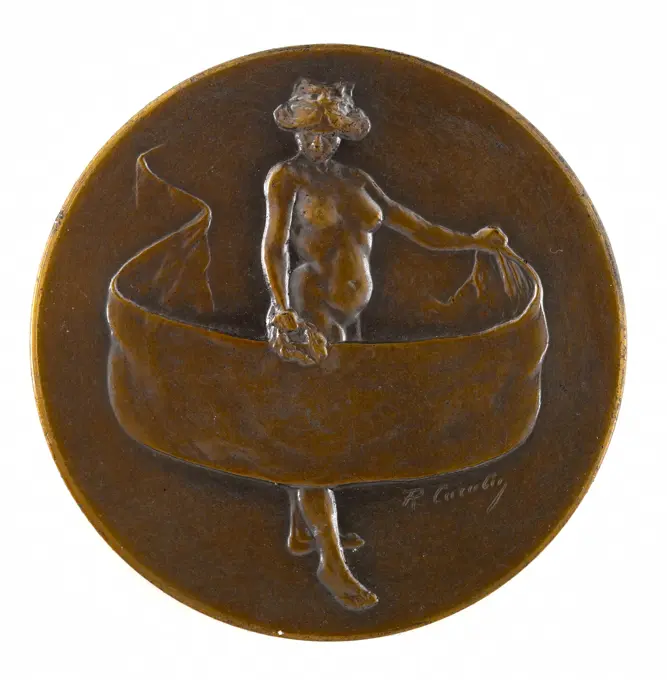
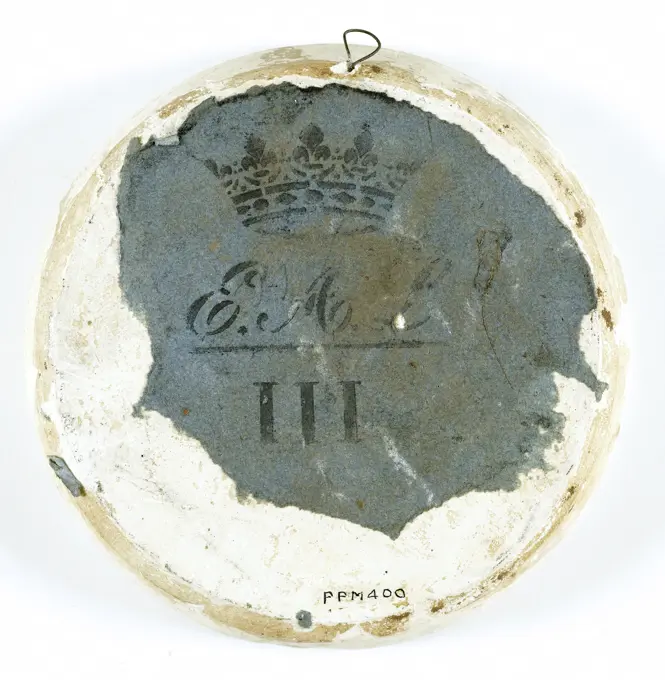
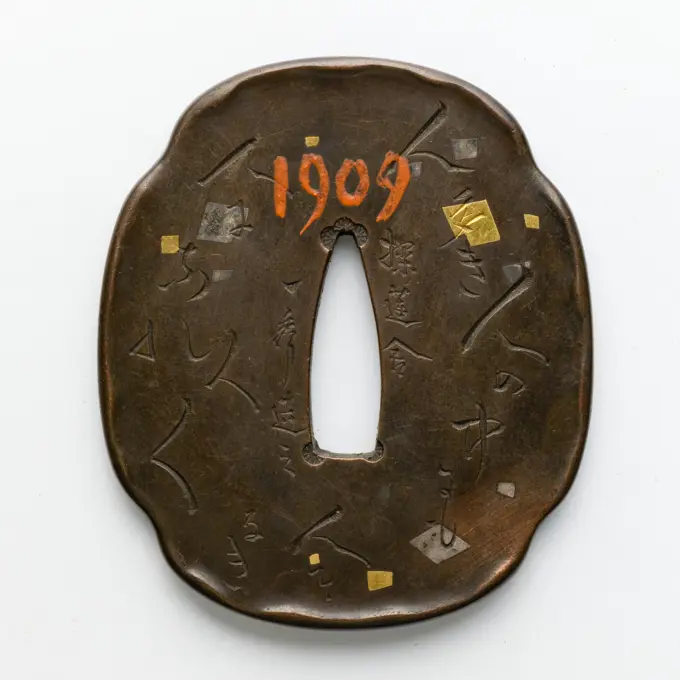
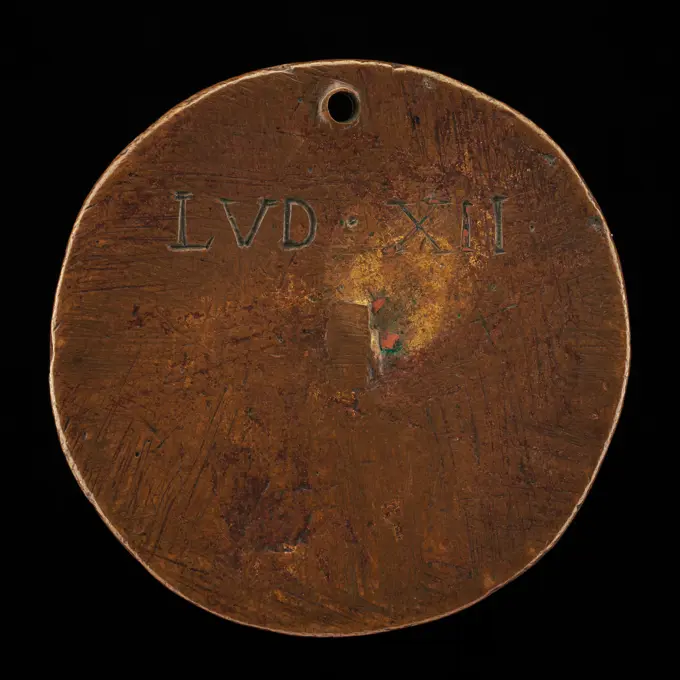
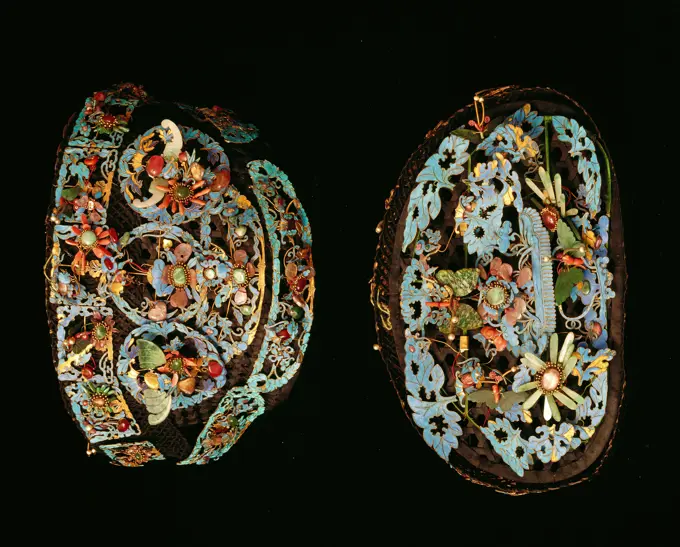
CIRCULO DE ORO CON FILIGRANAS.Crowning of a mirror or paintery list, anonymous, 1650 - 1700 Crowning of a mirror or paintery list of sculpted lindenhout. In the middle there is a colored coat of arms, with a central shield with eight lilies and a heart shield with Keizerskroon (municipality of Lopik in Utrecht). The praise is gilded. (Weapon does not correspond to Lopiks weapon on www.bng.nl/ngw) Northern Netherlands (possibly)Netherlands (possibly) wood (plant material). linden. paint (coating). gilding (material) gilding Crowning of a mirror or paintery list of sculpted lindenhout. In the middle there is a colored coat of arms, with a central shield with eight lilies and a heart shield with Keizerskroon (municipality of Lopik in Utrecht). The praise is gilded. (Weapon does not correspond to Lopiks weapon on www.bng.nl/ngw) Northern Netherlands (possibly)Netherlands (possibly) wood (plant material). linden. paint (coating). gilding (material) gildingBase under the vase (plate) with a flower monogram (TB); Korzec (Porcelain and faience manufacture; 1790-1832); 1790-1796 (1790-00-00-1790-00-00);Mirror, 1392-1573. Japan, Muromachi period (1392-1573). Bronze; diameter: 11.5 cm (4 1/2 in.).medieval wood and metal shield isolated over whiteBadge. Culture: Spanish. Dimensions: H. 2 1/4 in. (5.7 cm); W. 2 in. (5.1 cm); Wt. 0.5 oz. (14.2 g). Date: ca. 1400. Museum: Metropolitan Museum of Art, New York, USA.Decorative Door Boss And Nail; steel-plated ironSword Guard (Tsuba). Culture: Japanese. Dimensions: H. 2 3/4 in. (7 cm); W. 2 1/2 in. (6.4 cm); thickness 3/16 in. (0.5 cm); Wt. 4.6 oz. (130.4 g). Date: ca. 1615-1868. Museum: Metropolitan Museum of Art, New York, USA.Sword Guard (Tsuba). Culture: Japanese. Dimensions: H. 2 3/16 in. (5.6 cm); W. 2 3/16 in. (5.6 cm); thickness 3/16 in. (0.5 cm); Wt. 2.7 oz. (76.5 g). Date: ca. 1650. Museum: Metropolitan Museum of Art, New York, USA.Door wing;  18th century (1701-00-00-1800-00-00);Albert Levone, Pa German Butter Mold, c 1938 Pa. German Butter MoldCompartmented Seal with Birds and Mountains. Northern Afghanistan, 2000-1500 B.C.. Tools and Equipment; seals. SilverFalse Coin, Speaker, 1699, Frederick Augustus I (1694 1733), SaxonyKruitfles. Circular powder bottle from ivory.Purse 15th-16th century European Purses of various shapes and sizes, carried by both men and women, were given descriptive terms in medieval inventories, such as bourse or poche à compartement. In the fifteenth century, purses with clasps of metal and loops on the rear which could be attached directly to the belt superseded the pouches which closed with drawstrings and hung from the belt. The clasp no doubt came into use to provide greater security for money or other valuables when the owner walked on crowed city streets.This purse has two inside pockets and a concealed smaller section with two small openings hidden beneath the front flat.. Purse 468378Bowl ca. 4th-2nd century B.C. Iranian This bowl has a flat base, a low carinated shoulder, and a flaring rim. It is made of a buff clay, slightly burnished, with a pale cream slip. The clay is well-levigated and free of inclusions. The interior of the bowl is decorated, sometimes carelessly, with red paint. The interior of the shoulder features seven triangles, and in the center of the bowl is an image of a stylized bird with a long neck and legs, possibly a stork.This type of pottery is generally known as Ardabil Style’ after its supposed origin in northwestern Iran. Examples of it have been found at Yanik Tepe near Lake Urmia and at Coni in Azerbaijan, and these provide a general date range of ca. 400-100 B.C. for the Ardabil Style. This shape of bowl is widely attested in the Achaemenid Empire, though it was also used in earlier and later periods, as a drinking vessel.. Bowl 325838PlatterTreasury, liturgical comb, so-called Anno comb, Cologne, early 12th centurySeal China. Seal 41046Manufacture Ferrat, Moustiers-Sainte-Marie. Soupter cover. Great fire earthenware, polychrome enamels. 2nd half of the 18th century. Museum of Fine Arts of the City of Paris, Petit Palais. Faience, table service, soupiere, dishes, 18th 18th 18th 18th 18th 18th 18 centuryCarriage-wheel stone bracelet (sharinseki) 4th century Japan This irregular disk with smooth radial fluting is a fine example of a type of carved stone object found in the keyhole-shaped burial mounds of central Japan from the fourth and fifth centuries. Works in this shape are called sharinseki (carriage-wheel stones) and are sometimes identified as stone bracelets. They seem, however, to be talismans with magical or religious significance. They do not appear in burials of the later Kofun period; perhaps their special meaning faded with the influx of Chinese and subsequently Buddhist culture that began in the sixth century.. Carriage-wheel stone bracelet (sharinseki) 45537Commemorative badge graduates of the female household and agricultural seminary in Snopków near LvivEight-foiled Mirror with Feeding Ox Design. Korea, Goryeo dynasty (918-1392), 13th-14th century. Furnishings; Accessories. Cast bronze with traces of lacquerBelt Plaque with Tigers and Dragon 2nd century B.C. Mongolia and eastern Siberia. Belt Plaque with Tigers and Dragon 59532Locket, Formed and carved tortoiseshell, metal (hinge), steel, glass, Oval locket; hinged at one side; two rings at top. Inside, removeable section, glass cover on steel collet. Overlapping initials 'A S' on locket., Italy, ca. 1880, jewelry, Decorative Arts, LocketGrahal-Manzara. Carnavalet 2013-2016 collection sites. Numismatics.Spool 3rd-12th century The dot-in-circle motif recalls designs presumed to be of magical significance, most likely an abstract eye to ward off the evil-eye, which serve an apotropaic function. Easily reproduced with a tool and visible in many cultures and times, this symbol may have lost its meaning, and become simply a decorative pattern, or may have one that we have not yet discovered. The likelihood of these designs bearing significance increases when the dot-in-circles form birds, another apotropaic symbol; and/or when there are inscriptions, including abbreviated words or symbolic letters.. Spool 447352Cross-Shaped Tile second half 13th century. Cross-Shaped Tile 450452Harness Trapping 5th century B.C. China. Harness Trapping. China. 5th century B.C.. Bronze, tin. MetalworkRolling lamp from India. Made from steel, blued and overlaid with gold and silver. Dated 1880Jelec (Tsuba); Kaneie; 18th century (1700-00-00-1800-00-00);Scarab from Rennefer's Burial ca. 1504-1447 B.C. New Kingdom. Scarab from Rennefer's Burial. ca. 1504-1447 B.C.. Faience. New Kingdom. From Egypt, Upper Egypt, Thebes, Asasif, Tomb of Neferkhawet (MMA 729), west chamber A, Burial of Rennefer (II), inside box 35.3.79, MMA excavations, 1934-35. Dynasty 18, earlyBilder von dreidimensionalen Fraktalen Bilder von dreidimensionalen Fraktalen Copyright: xZoonar.com/Dr.xNorbertxLangex 13537373Glass Fragment 15th century European. Glass Fragment. European. 15th century. Colorless glass. Glass-StainedAnonymous, round vase with decorated white porcelain cover (cover) (dummy title). Porcelain. House of Victor Hugo - Hauteville House.Button 1775-1799 Burslem. Stoneware (jasperware) . Wedgwood Manufactory (Manufacturer)Door Knocker with Plate and Nail 15th-16th century European. Door Knocker with Plate and Nail. European. 15th-16th century. Iron. Metalwork-IronGlass Fragment 15th century European. Glass Fragment. European. 15th century. Colored glass. Glass-StainedFront view of ceramic outdoor square garden pot Front view of empty ceramic outdoor square garden pot isolated on white Copyright: xZoonar.com/AntonxStarikovx 21190038Sword Guard (Tsuba). Culture: Japanese. Dimensions: H. 3 1/4 in. (8.3 cm); W. 2 15/16 in. (7.5 cm); thickness 1/4 in. (0.6 cm); Wt. 4.9 oz. (138.9 g). Date: ca. 1615-1868. Museum: Metropolitan Museum of Art, New York, USA.Mixtec-Aztec shield. The shield portrays principle divisions of the Aztec universe. Dated 15th CenturyGrahal-Manzara. Carnavalet 2013-2016 collection sites. Numismatics.CDK Fujiwara rakuju, szko A higo, kamiyoshiVersierde letter M, c. 1700 - c. 1799    copper (metal) etchingGold grave object from the Pylos Tholos Tombs; 14th century BC; Mycenaean.Ancient Egyptian Heart scarabs from the reigns of Thutmose III and Ramesses II. The dung beetle was one of the creatures with the greatest symbolic weight in ancient Egyptian culture.Polychrome Gambling Tray 1890-1900 California. Plant fibers . YokutsInk Cake, 1736-95. China, Qing Dynasty (1644-1911), Qianlong reign (1736-95). Ink cake; overall: 10.2 x 3.9 cm (4 x 1 9/16 in.).Musée Archaeologique d'Athènes. Reproductions d'antiquités Mycéniennes , Antiquities. Nicholas Catsimpoolas CollectionReconstruction of laurel wreathFloor tile decorated with a lion.Bowl 10th century. Bowl. 10th century. Earthenware; white slip, incised and splashed with polychrome glazes under transparent glaze (sgraffito ware). Excavated in Iran, Nishapur. CeramicsRoman lamps. Clay. 1st century AD. From left to right: Gladiator (Urso, Osuna, Sevilla province, Andalusia), Gladiators (Iponuba, Baena, Cordoba province, Andalusia) and Goddess Victoria (El Djem, Tunisia). National Archaeological Museum. Madrid. Spain.Bell Break (Herb Dębno)  Zygmuntów Tower, Wawel Cathedral, KrakowTile. Iran, Tabriz, 1465/870 A.H.. Ceramics. Fritware, molded and underglaze-paintedUrban Bell (Łabędź Coat of ARMS)  Zygmuntów Tower, Wawel Cathedral, KrakowSword Guard (Tsuba). Culture: Japanese. Dimensions: H. 2 15/16 in. (7.5 cm); W. 2 15/16 in. (7.5 cm); thickness 3/8 in. (1 cm); Wt. 5.2 oz. (147.4 g). Date: ca. 1615-1868. Museum: Metropolitan Museum of Art, New York, USA.Ink Cake, 1736-95. China, Qing Dynasty (1644-1911), Qianlong reign (1736-95). Ink cake; overall: 3.9 x 3.9 cm (1 9/16 x 1 9/16 in.).Poppy capsules on black backgroundFragment 14th-15th century. Fragment. 14th-15th century. Stonepaste; white slip; blue and black underglaze; transparent, colorless glaze. Found Egypt, Kush. CeramicsMirror with Confucian Maxim, 1400s. China, Ming dynasty (1368-1644). Bronze; diameter: 8.3 cm (3 1/4 in.); overall: 0.6 cm (1/4 in.); rim: 0.5 cm (3/16 in.).Pair of Tomb Chamber Doors. China; probably from Zhengzhou, Henan province. Date: 100 BC-1 BC. Dimensions: A (left door): 92.6 × 52.0 × 7.2 cm (36 7/16 × 20 1/2 × 2 13/16 in.); b (right door): 91.4 × 49.9 × 7.2 cm (36 × 19 5/8 × 2 13/16 in.). Gray earthenware with impressed and carved decoration. Origin: China. Museum: The Chicago Art Institute, Chicago, USA.Tsuba (sword guards) in iron, copper, and shakudo (gold and copper alloy)Plate and Nail 15th-16th century European. Plate and Nail. European. 15th-16th century. Iron. Metalwork-IronChinese bronze money, 1st century. Artist: UnknownKrzyż ręczny. unknown, authorPlato de plata labrada con escudos nobiliarios y motivos geométricos.Sword Guard (Tsuba) Japanese late 16th-early 17th century A tsuba is a sword guard and part of a sword mounting. It is mounted between the swords blade and grip to protect the users hands.Student Mechanics Badge of the Warsaw University of Technology Lipczy Ski, Stanis AW (1867 1939)Stamp seal ca. late 3rd-early 2nd millennium B.C. Bactria-Margiana Archaeological Complex. Stamp seal 326819Antique ancient ceramic replica of a coin from Turkey isolated on white background.François-Rupert Carabin (1862-1932). "Medal. Duvignau school of Lanneau". Metal, before 1910. Museum of Fine Arts of the City of Paris, Petit Palais. 57577-5 Averse, band, naked woman, medal, metal, female nude, numismatics, hold, fabricAlbert-Désiré Barre (1818-1878). Medal. Hélène de Mecklembourg - Schwerin, Duchess of Orleans. Plaster. Nineteenth century. Museum of Fine Arts of the City of Paris, Petit Palais. 58768-6 Crown, initial, medal, number inventory, numismatics, plaster, reverse, 19th centuryacupuncture needlesTsuba. Japan. Copper encrusted with gold, silver, 19th century. Paris, Cernuschi museum. Blank weapon, armament, Asian art, Japanese art, weapon custody, art object, metal object, armament piece, tsuba, 19th XIX 19th 19th 19th centuryseal of the Civil-Military Order Commission of Kościan County and Wschowa Land. Komisja Porządkowa Cywilno Wojskowa, signatoryFrench or Italian 16th Century after Michel Colombe, Inscription (reverse), early 16th century Inscription reverseFragment 12th-17th century () European. Fragment. European. 12th-17th century (). Pot-metal glass and vitreous paint. Glass-StainedWedding hat, 19th century, 7 1/2 in. (19 cm) (depth at crown), silk,feathers,pearl,coral,beads, China, 19th centuryDesign for vignette Laren, Gooi. .White tile with blue IAHEL between horizontal lines, tile picture footage fragment ceramics pottery enamel, IAHEL Jael bible religion