Intricate Textile Patterns

Detailed textile pieces featuring elaborate designs and historical motifs, highlighting craftsmanship in embroidery and fabric art.

Piece 18th century German, Schleswig-Holstein Silk textiles composed of paired animals nestled in dense foliage were woven in Europe before 1400 and were probably inspired by precious Central Asian textiles. These two double cloths 34.41.7 and 09.50.1037 illustrate how the tradition continued, and their graphic quality mirrors that of Brother Rabbit.. Piece 216260
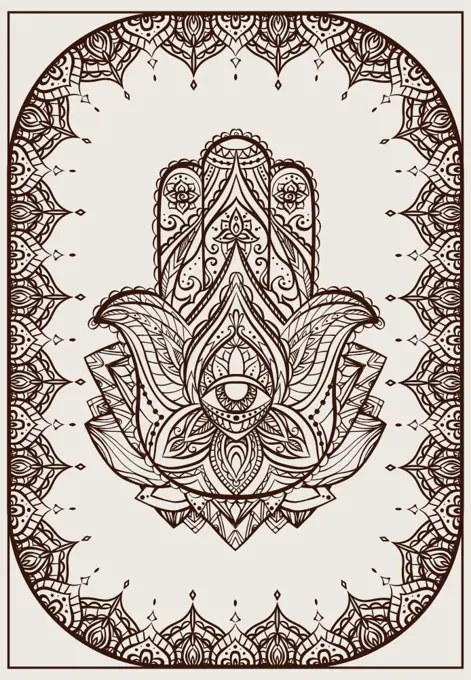
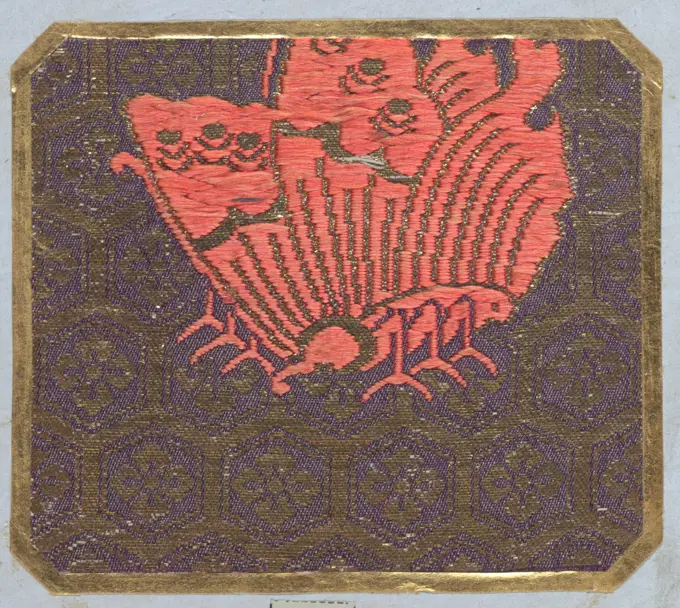
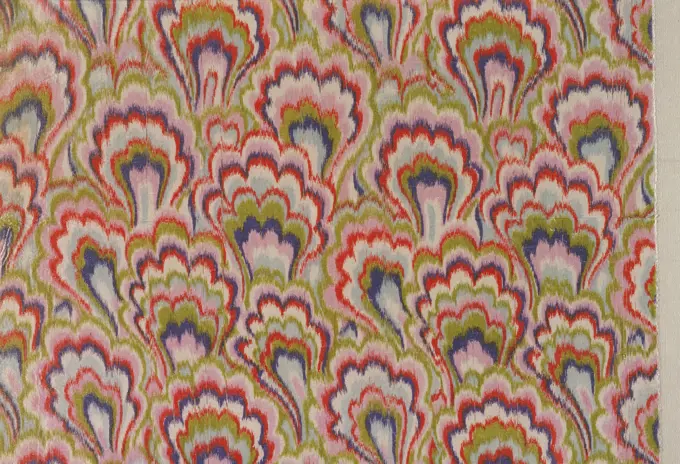
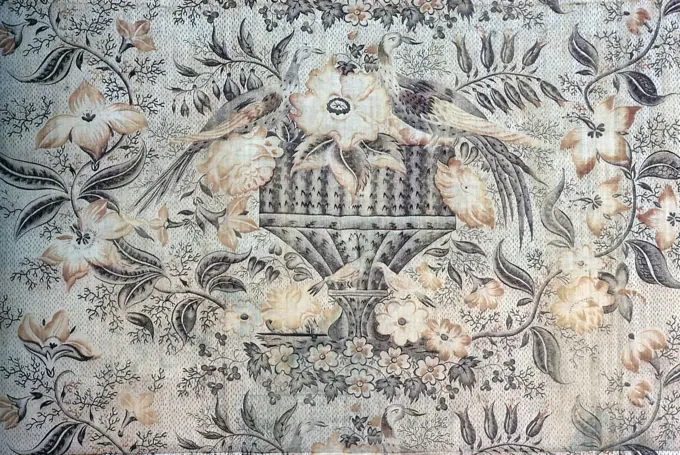
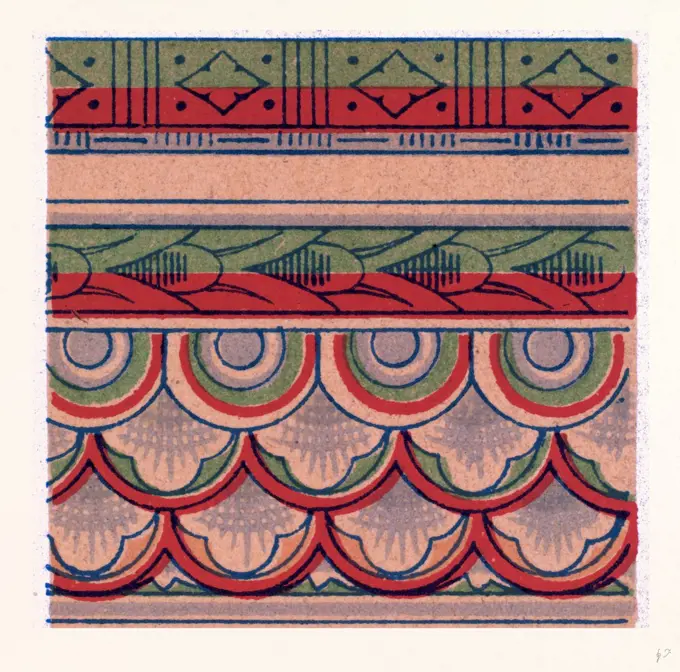
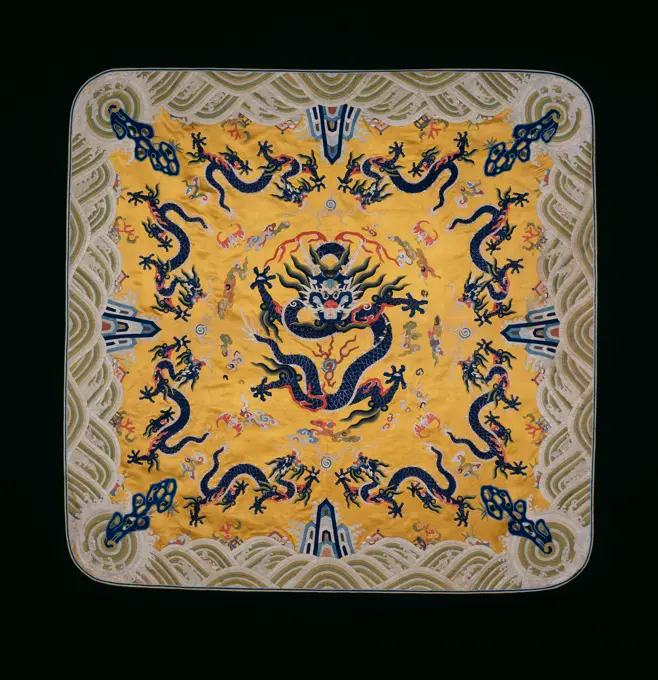
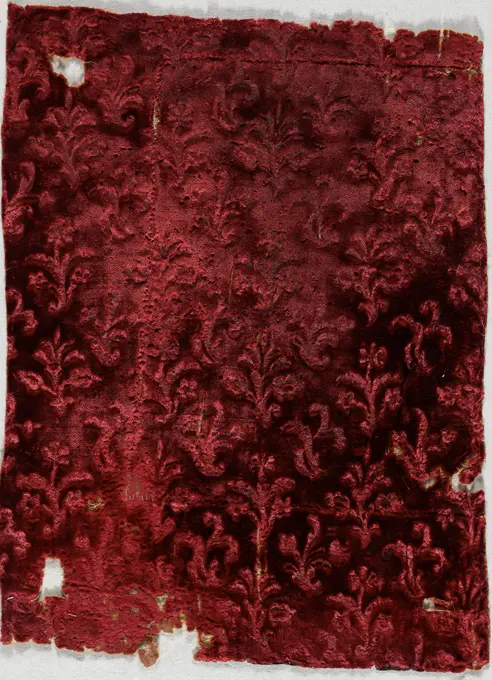
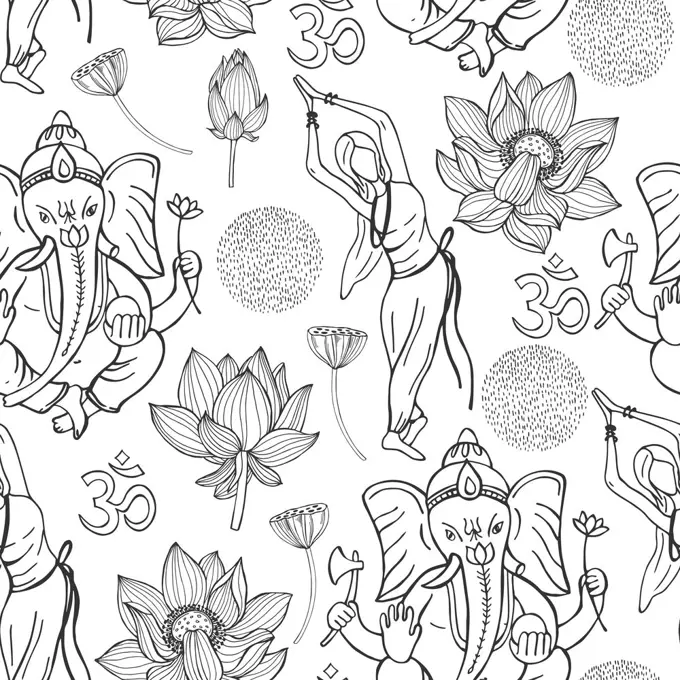
Woven Coverlet. Dated: 1935/1942. Dimensions: overall: 55.8 x 40.7 cm (21 15/16 x 16 in.). Medium: watercolor and graphite on paper. Museum: National Gallery of Art, Washington DC. Author: Martha L. Lanscher.Greeting card with Iilustration of Hamsa with boho pattern. Henna Buddhas hand. Vector element for your sketch of tattoo, coloring book, T-shirt print and your design.. Greeting card with Iilustration of Hamsa with boho pattern. Henna Buddhas hand.Piece. Culture: possibly British. Dimensions: W. 56 x H. 97 inches (142.2 x 246.4 cm). Date: 18th century. Museum: Metropolitan Museum of Art, New York, USA.Sidewall; machine-printed on continuous paper; 54 x 50 cm (21 1/4 x 19 11/16 in.); 1973-42-18Band, 16th-17th century, 7 x 25 1/2 in. (17.78 x 64.77 cm), Linen, silk, cotton; embroidery on knotted net (lacis); lace, Italy, 16th-17th centuryBook Illustration, Polychromatic Decoration as Applied to Buildings in the Mediæval Styles; Patterns for the Ornamentation of Pillars, plate XXIIFragment (Japan)Panel (Furnishing Fabric). China. Date: 1690-1710. Dimensions: 169.3 × 72.5 cm (66 3/4 × 28 1/2 in.)Warp repeat: 133.3 cm (52 1/2 in.). Silk, 7:1 satin damask weave; inscription embroidered with cotton in back and straight stitches. Origin: China. Museum: The Chicago Art Institute, Chicago, USA.Panel Made 1900 New York City. Silk and gilt metal wrapped silk, satin weave with supplementary brocading wefts bound in twill interlacing and self-patterned by reversing of faces . F. Schumacher & Co. (Producer)Panel Made 1706-1709 England. Silk, 4 1 damask weave .Fragment, Medium: linen warp, cotton weft Technique: block printed, 1&3 S-twill foundation, Pattern of leaves and bands. The black was printed on natural., Spain, early 17th century, printed, dyed & painted textiles, FragmentAltar Frontal. Italy. Date: 1450-1500. Dimensions: 91.5 x 172.8 cm (36 x 68 in.)Repeat: 40 x 29.2 cm (15 3/4 x 11 1/2 in.). Silk, warp-float faced 4:1 satin weave with supplementary pile warps forming cut, voided velvet. Origin: Italy. Museum: The Chicago Art Institute, Chicago, USA.Panel, 20th century, 13 3/4 x 10 1/2 in. (34.93 x 26.67 cm), Silk; printed fabric, France, 20th centuryPanel ca. 1500 Italian, Venice or Anatolian. Panel 229438Panel Made 1840-1860 England. Cotton, plain weave; probably roller printed .Border. Date/Period: 1820-24. Border. Block-printed and flocked on handmade paper. Height: 1,090 mm (42.91 in); Width: 515 mm (20.27 in). Author: UNKNOWN.Renaissance ornamentSample 1883-1900 Associated Artists. Sample. American. 1883-1900. Silk and cotton, woven and printed. Made in New York, New York, United StatesPanel. Italy. Date: 1401-1425. Dimensions: 49 x 59.9 cm (19 1/4 x 23 5/8 in.)Repeat: 19.5 x 6 cm (7 3/4 x 2 3/8 in.). Silk, plain weave with three-color supplementary pile warps forming cut solid velvet. Origin: Italy. Museum: The Chicago Art Institute, Chicago, USA.Quilt - "Double Star". Dated: c. 1940. Dimensions: overall: 35.5 x 26.6 cm (14 x 10 1/2 in.). Medium: watercolor, gouache, and graphite on paper. Museum: National Gallery of Art, Washington DC. Author: Edith Towner.Album, Ornements de l'appartement de la reine au vieux Louvre par le sieur Errard (Adornments in the Apartment of the Queen in the Old Louvre by Sir Errard)Cushion Cover Made 1800-1825 China. Silk, warp-float faced 7 1 satin weave; appliquÈd with silk, warp-float faced 4 1 satin weave over paper and over gold leaf on lacquered paper; two panels joined; edged with four-strand warp twining; lined with silk, 4 1 satin damask weave . ManchuTextile Fragment. Italy, circa 1600. Textiles; fragments. Silk velvet, stampedBedcover (Mosaic or Honeycomb Quilt). United States. Date: 1855-1860. Dimensions: 240.2 x 194 cm (94 1/2 x 76 3/8 in.). Silk, pieced and appliquéd plain weaves, some with supplementary patterning and brocading wefts, supplementary patterning warps, and selft patterning ground wefts; quilted. Origin: United States. Museum: The Chicago Art Institute, Chicago, USA.Kammarmer in red, yellow, blue and green, anonymous, 1650 - 1850 marbled paper Hemmer in red, yellow, blue and green. With heart -shaped label of cutting work with inscription: 'Mr. Jan Muller'. On the back also a label with inscription: 'educational stories'. Used as a cover, with incisions at the back.  paper. paint (coating). lacquer (coating) combed marbled paper / lacqueringSutra Cover Made 1590-1599 China. Silk and gold-leaf-over-lacquered-paper strips, plain weave with supplementary patterning wefts bound in plain interlacings .Textile Fragment, "Jeux d'Enfants Chinois" after Jean de Pillement (French, 1728-1808). late 18th or 19th century. Printed silk, 14 x 12 in. (35.6 x 30.5 cm).   Decorative Arts late 18th or 19th centuryHarp panel. Culture: French. Dimensions: Overall: 48 3/8 × 14 1/2 in. (122.9 × 36.8 cm). Date: 18th century. Museum: Metropolitan Museum of Art, New York, USA.Auf Nessel (Sample) (Dress or Furnishing Fabric). Designed by Bruno Paul (German, 1874-1968); Produced by Deutsche Werkstätten GmbH. (Founded 1898); Germany, Munich. Date: 1905-1915. Dimensions: 31.6 x 13.4 cm (12 1/2 x 5 1/4 in.). Cotton, plain weave; screen printed. Origin: Munich. Museum: The Chicago Art Institute, Chicago, USA.Edging and insertion 16th century Italian, Venice. Edging and insertion 221093Pompeian ornamentCeiling paintings in the cave temples of Ajanta, antiquity, Buddhist ornament in India, Griffiths, paintings in the Buddhist cave temples of Ajantli, Kadeh, India, AsiaPriest's Stole 18th century Japan. Priest's Stole. Japan. 18th century. Silk, metallic thread. Edo period (1615-1868). Textiles-WovenTextile with Partial Chrysanthemum Japan. Textile with Partial Chrysanthemum. Japan. Silk twill brocaded with silk. Edo period (1615-1868). Textiles-WovenPiece 18th century Japan. Piece 71975Drawing; brush and gouache on cream paper, mounted on cream paper; 19 x 15.4 cm (7 1/2 x 6 1/16 in.)Handkerchief; commemorative handkerchief - The Pickwickians. Date/Period: Between 1839 and 1845. Costume. Cotton. Author: Daniel Maclise. Hablot Knight Browne.Emily Kam Ngwarray batiks, exhibition at Tate Modern London, Australian Indigenous artist from the Utopia community, located in the Northern Territory.Vegetable pattern Guillaume Boichot (1735-1814). Vegetable pattern. Feather and ink on layer, 1735-1814.Fragment of a tablecloth of Linnendamast with a performance: History of Susanna; Edge with musicians and women, in the corner the arm of Egmond-Lannoy. On panel.Bedspread. Dated: 1936. Dimensions: overall: 30.5 x 22.9 cm (12 x 9 in.) Original IAD Object: 76" square. Medium: watercolor, graphite, and gouache on paper. Museum: National Gallery of Art, Washington DC. Author: Irene Schaefer.Panels. Culture: Italian. Dimensions: L. 42 3/4 x W. 21 inches (108.6 x 53.3 cm). Date: ca. 1700.These silks--with their extraordinary patterns in long repeats--were called "bizarre" by the Danish scholar Slomann, who believed they were made in India. Most scholars consider them an exotic phase in the history of European silk weaving. Museum: Metropolitan Museum of Art, New York, USA.Ton vault, composed of oak planks, painted with grotesken and acanthus vranks, expired female figures with underclines that end in claws and volutes, anonymous, c. 1600 Vault consisting of approximately 150 panels of different sizes. Parts 127 to 130, parts 48 to 52, parts 112 to 116, parts 68 to 74, parts 160 to 164, parts 107 to 111, parts 96 to 100 and parts 61 to 67. Northern Netherlands wood (plant material). oak (wood). paint (coating)   The Hague Vault consisting of approximately 150 panels of different sizes. Parts 127 to 130, parts 48 to 52, parts 112 to 116, parts 68 to 74, parts 160 to 164, parts 107 to 111, parts 96 to 100 and parts 61 to 67. Northern Netherlands wood (plant material). oak (wood). paint (coating)   The HaguePiece 18th-19th century Japan. Piece. Japan. 18th-19th century. Silk. Edo (1615-1868) or Meiji period (1868-1912). Textiles-WovenVector  seamless pattern with hand drawn yoga girl, lotus flowers and Ganesha. Hand drawn Ganesha, girl and lotuses.Wall paintings from the Royal Museum, Naples, Italy. Handcoloured lithograph by H. Asmus after an illustration by Wilhelm Zahn from his Ornament of All Classical Art Eras, Ornamente aller klassischen Kunst-Epochen, Reimer, Berlin, 1832.QUILT, EAGLE PATTERN, 1837-50, New England, American crafts, cotton textile. The quilt is dated by its printed cottons that date from the 1830s and 1840s. Also, the twenty-sixth star above the eagles head, may celebrate Michigan's admission to the union in 1837 (BSLOC_2017_16_123)