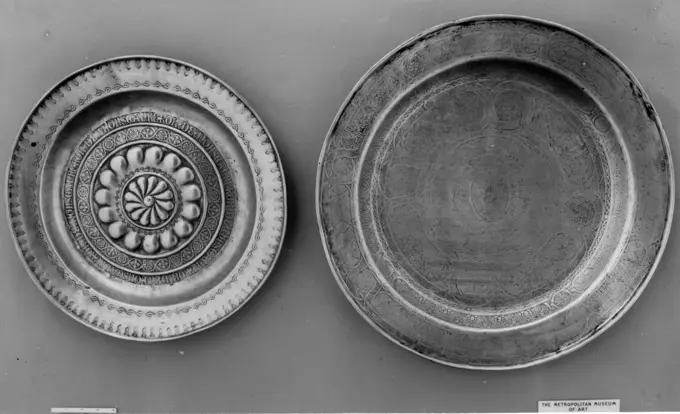
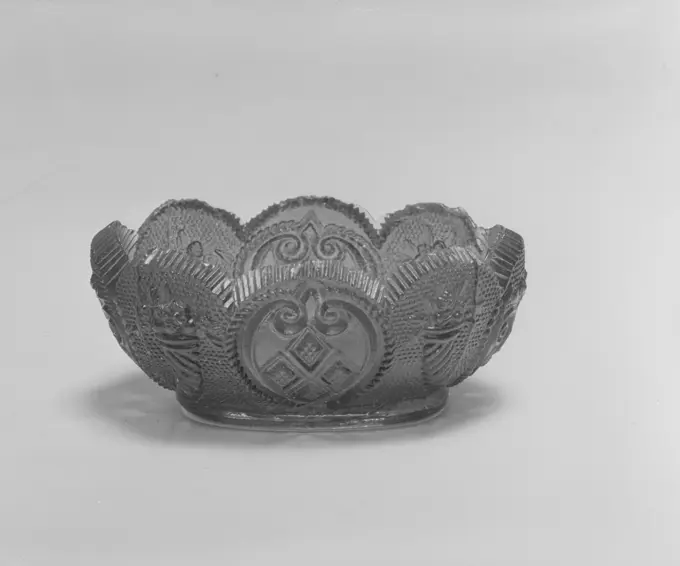
Japanese Ceramics Collection

Elegant porcelain bowls and plates from historical Japan, showcasing intricate floral motifs and designs from the Edo period.
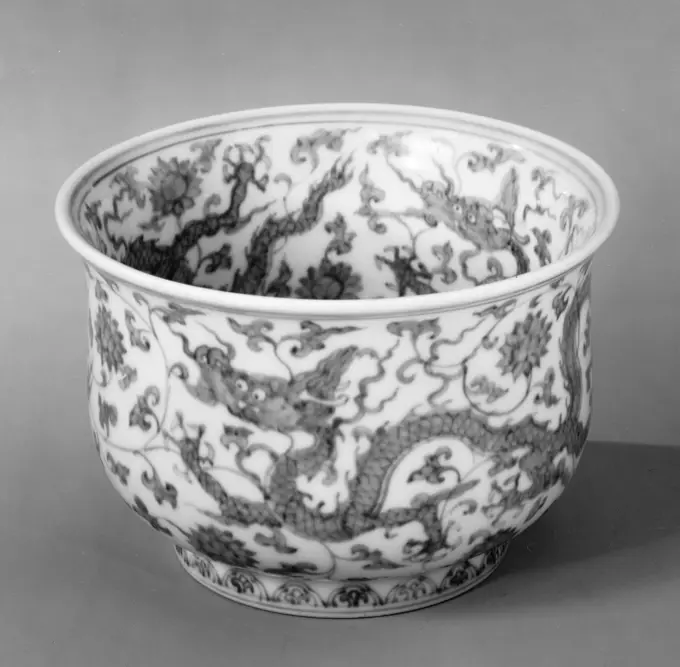
Bowl with Dragons early 16th century China. Bowl with Dragons 42525
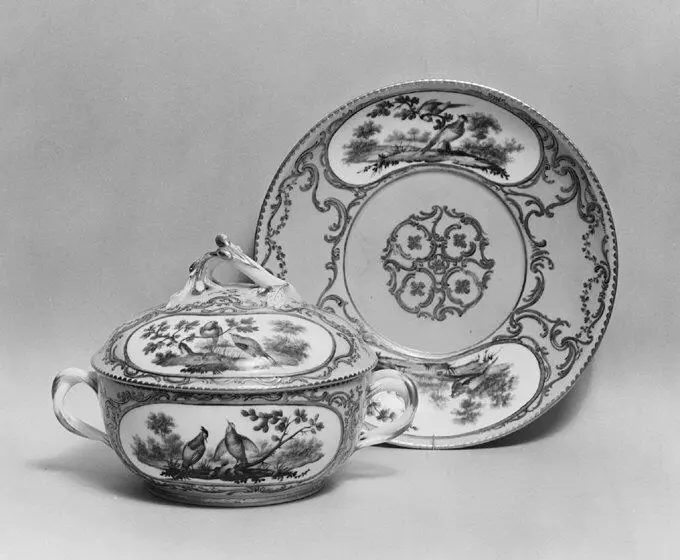
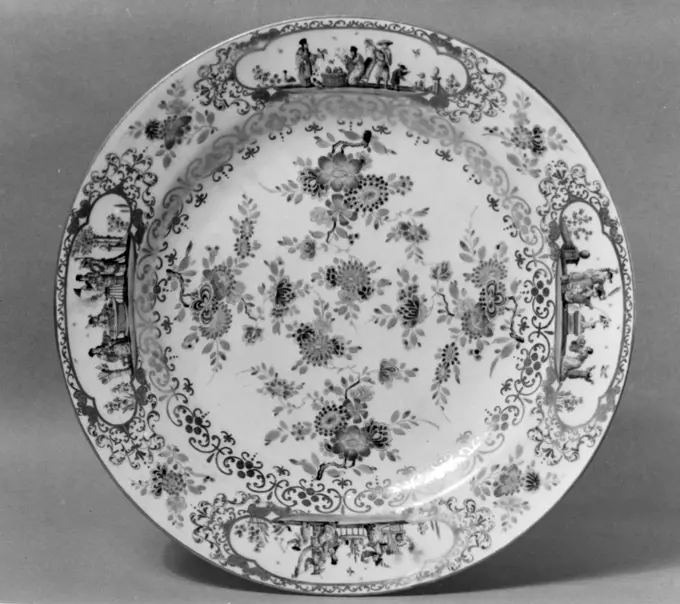
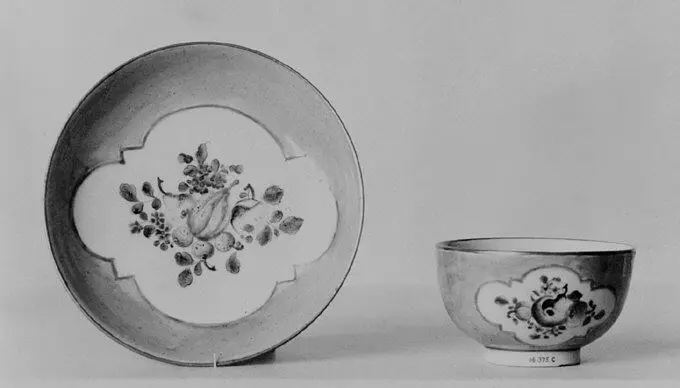
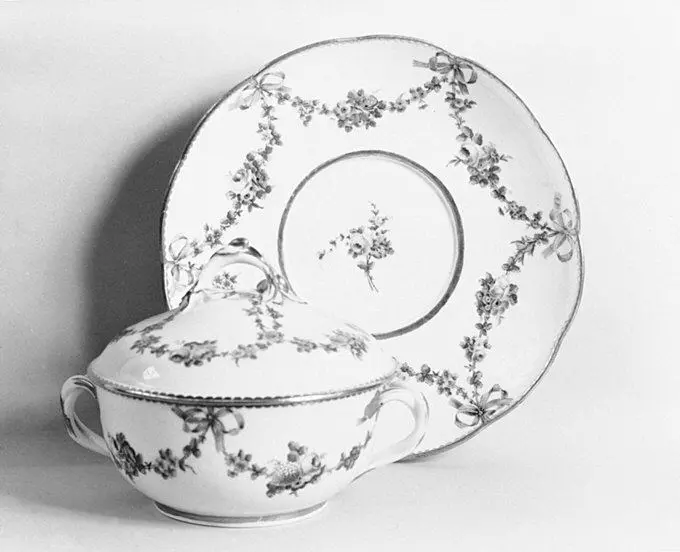
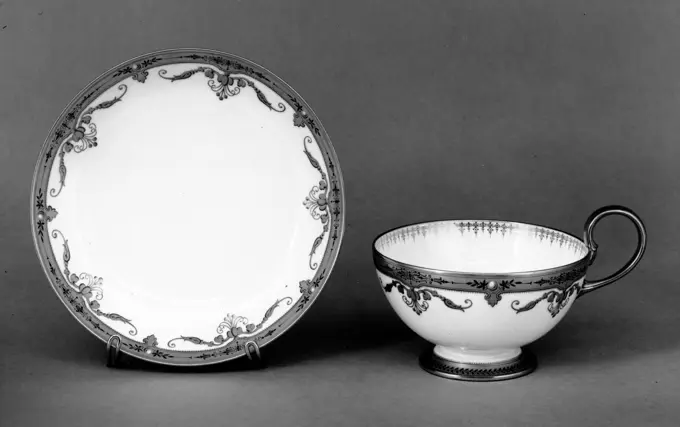
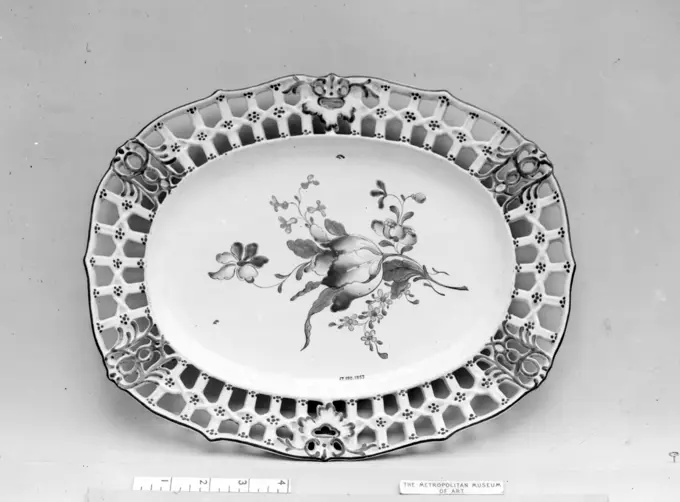
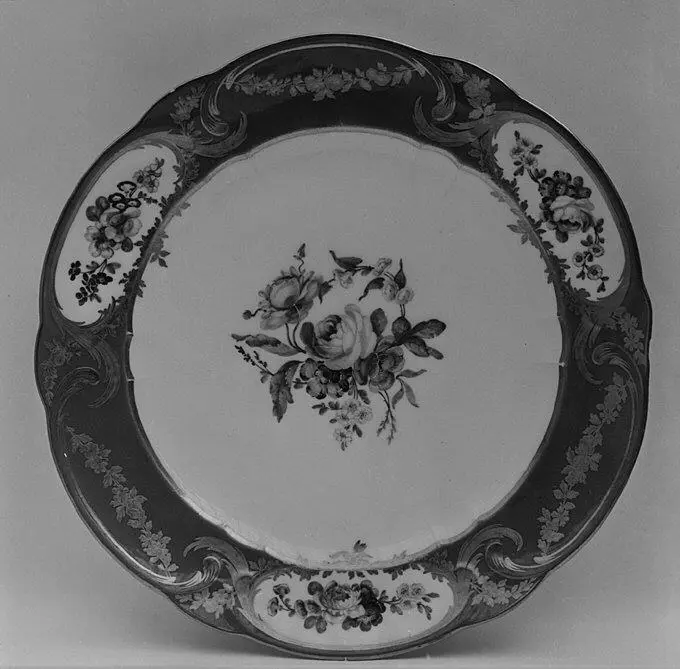
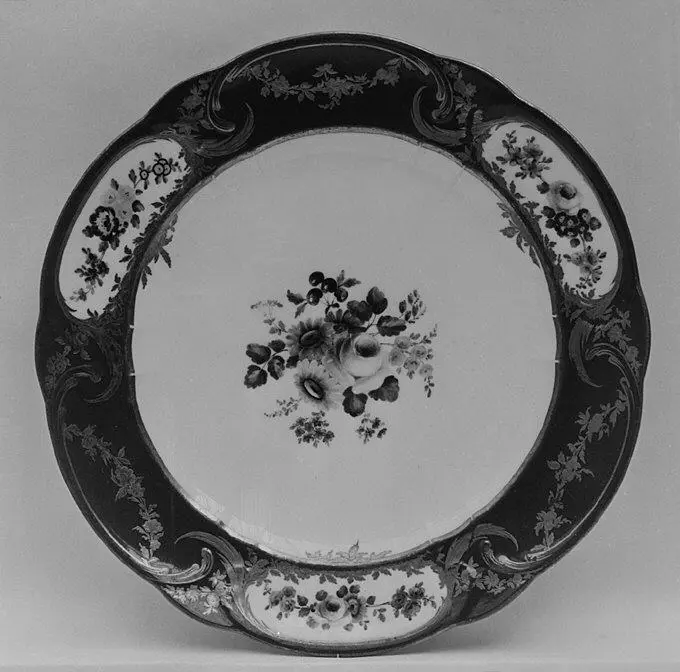
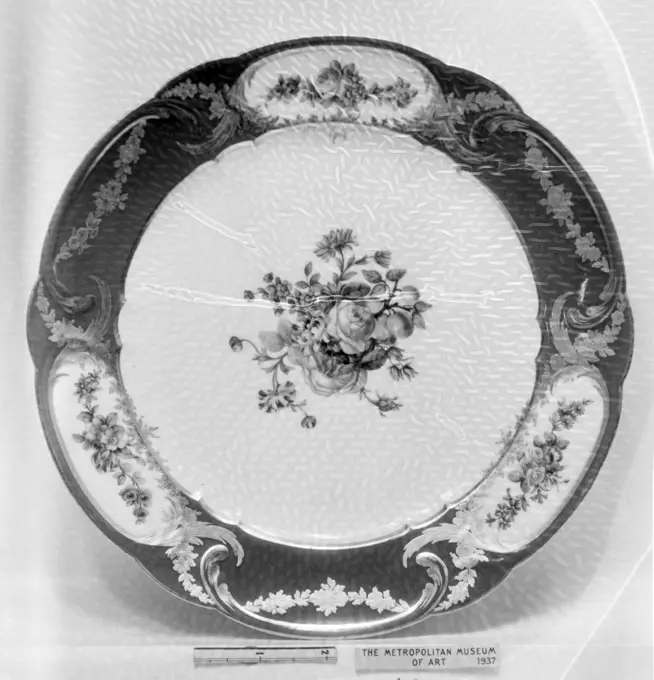
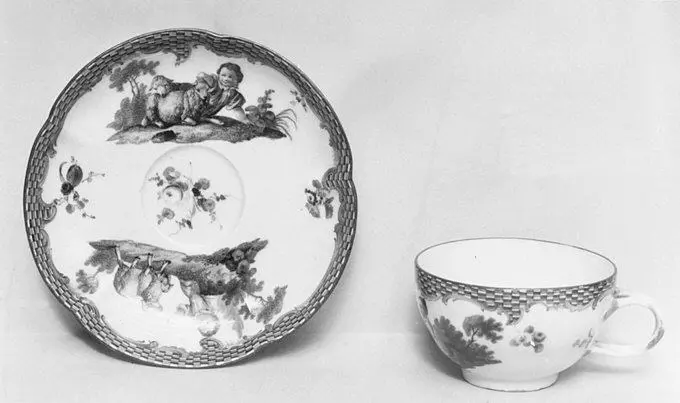
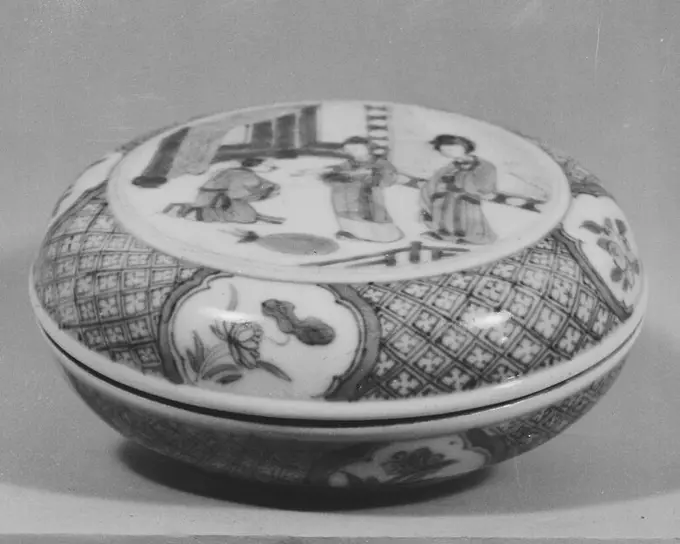
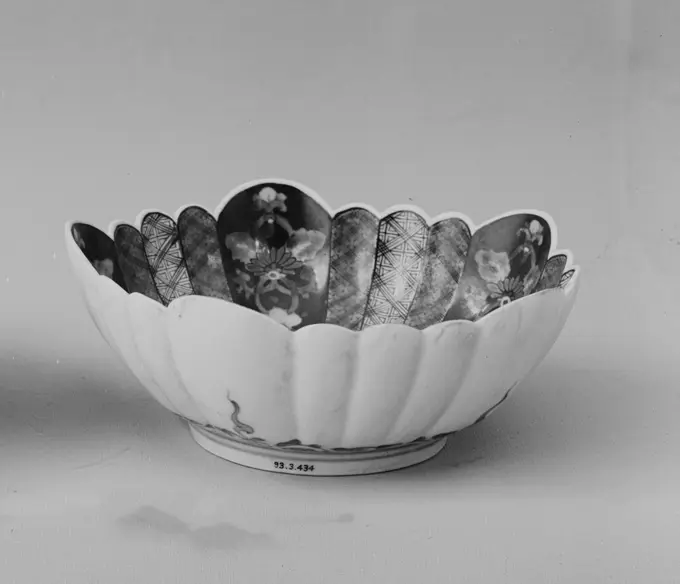
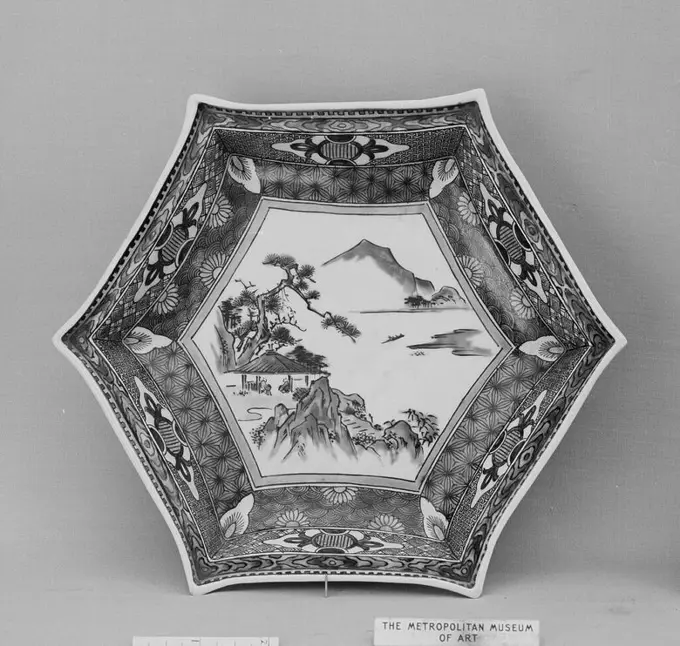
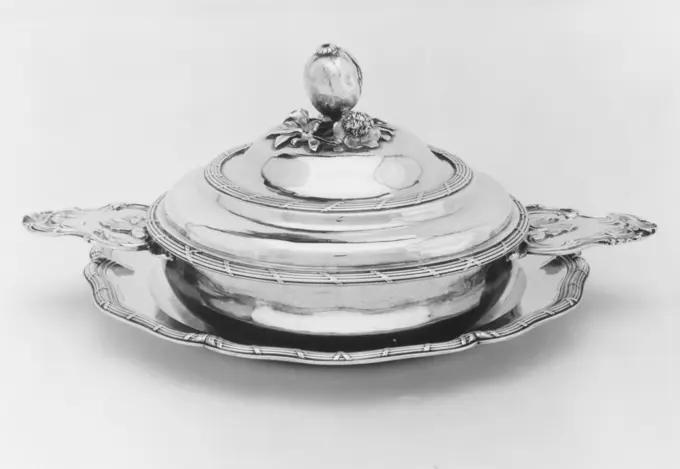
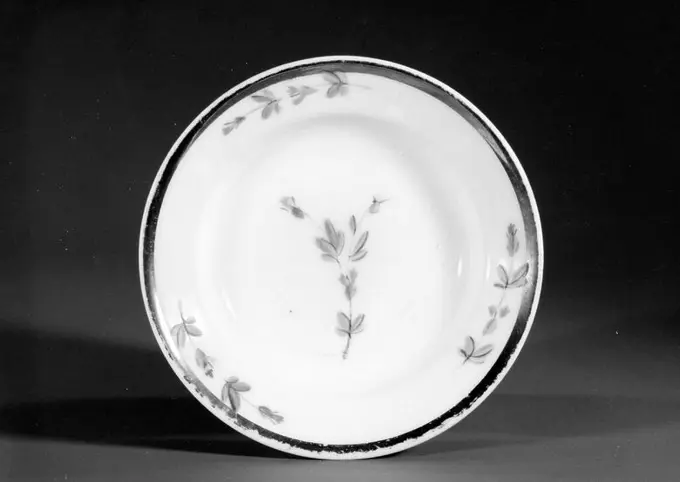
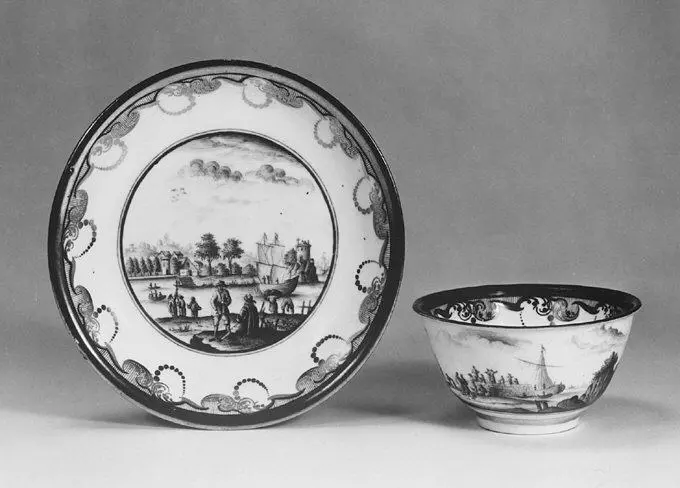
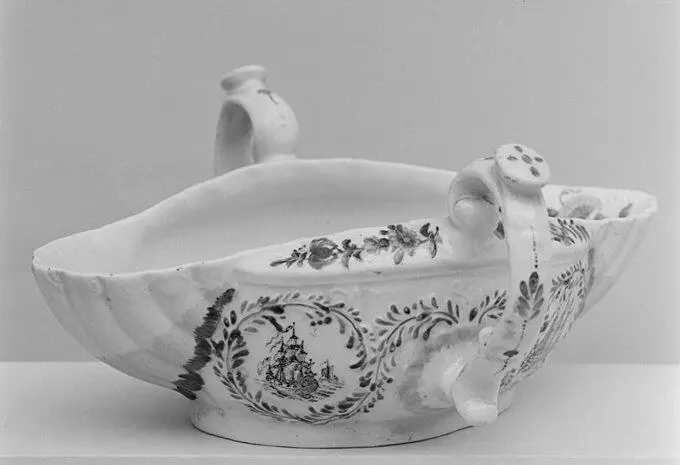
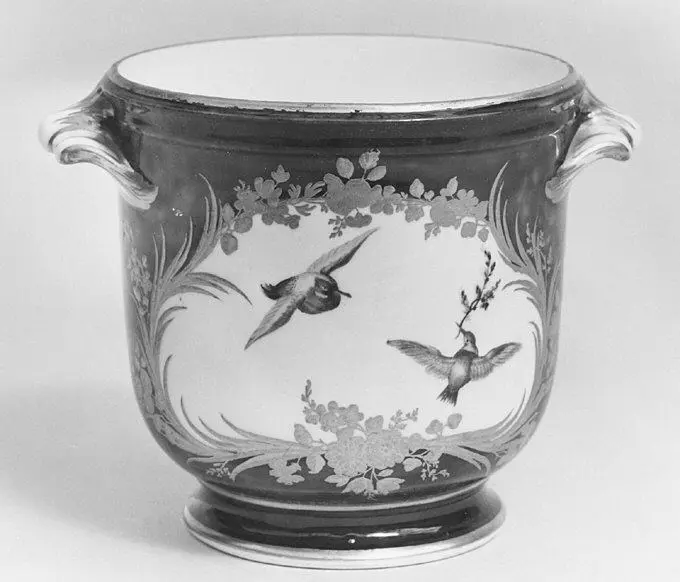
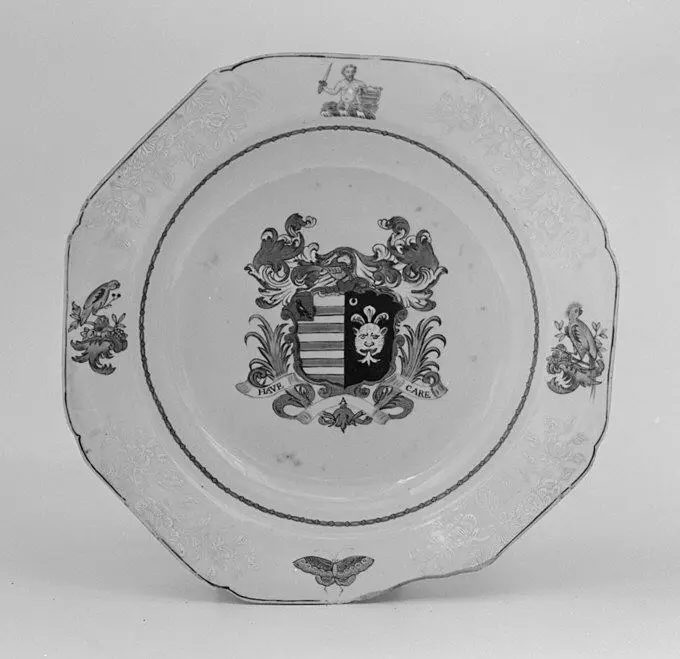
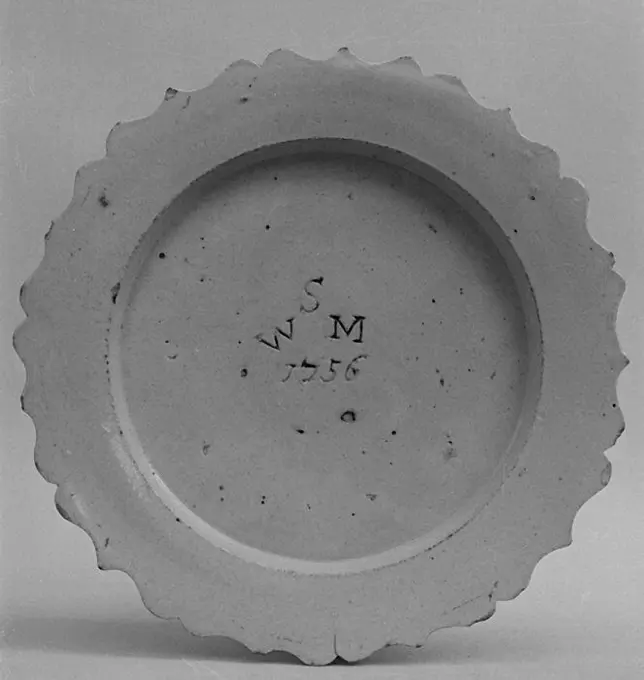
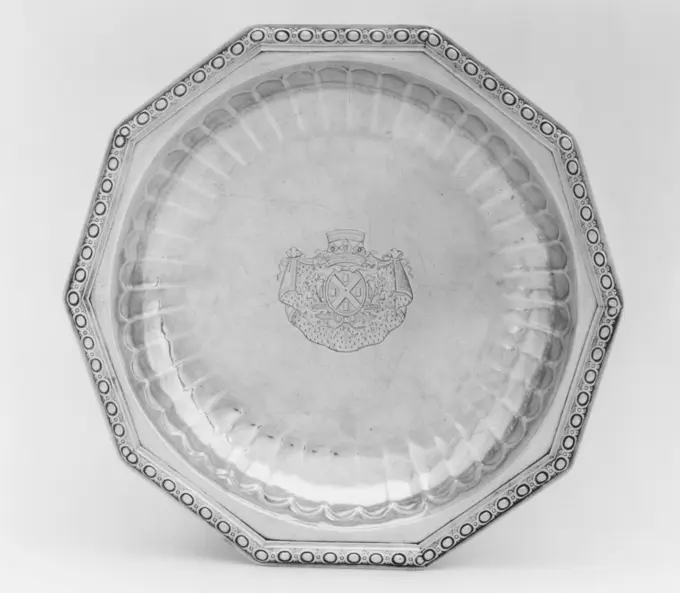
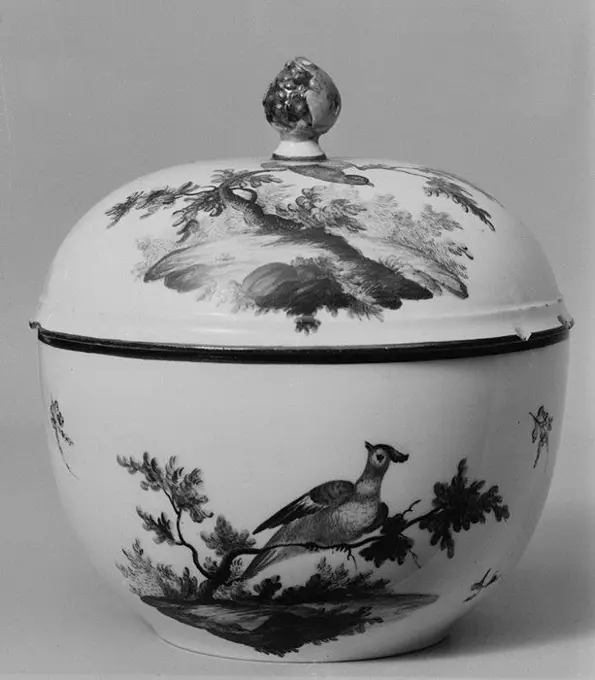
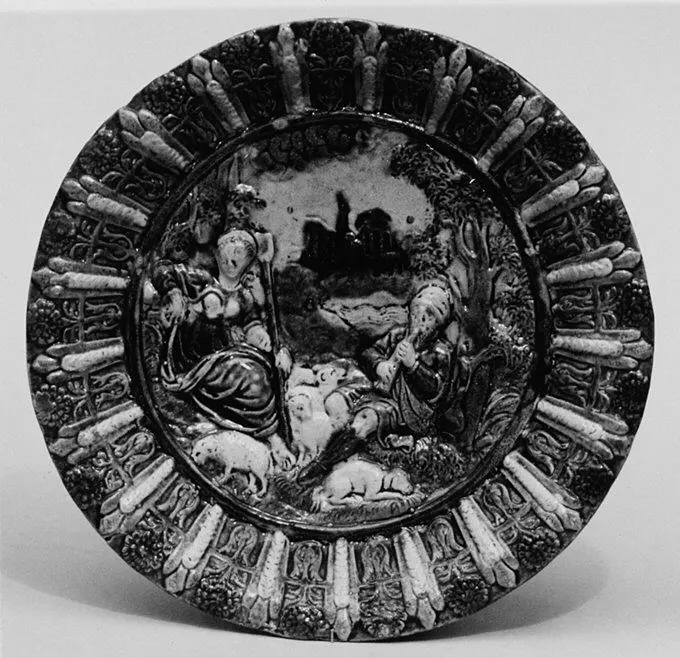
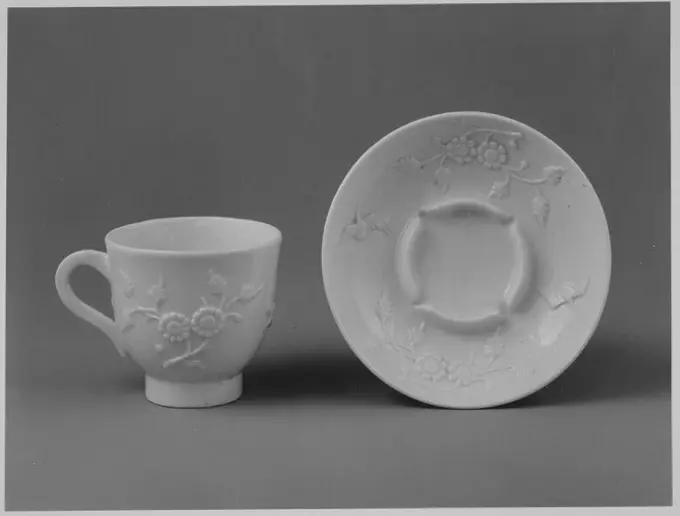
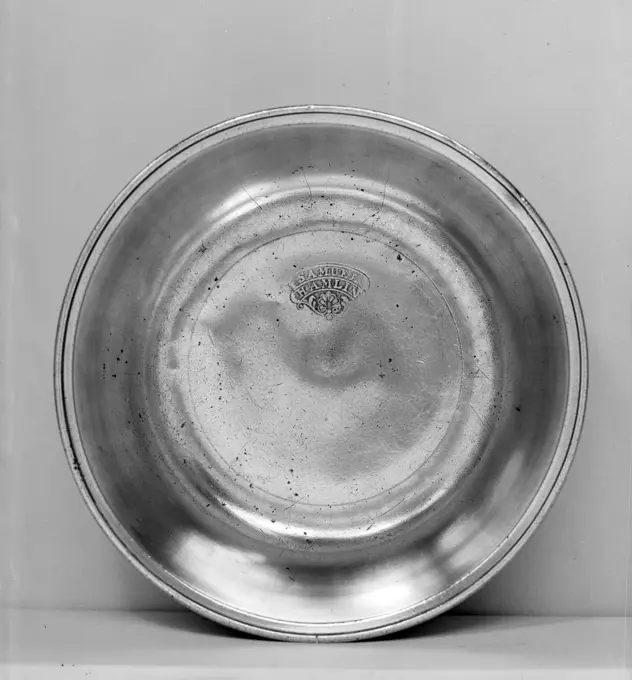
Bowl 1780 Japan. Bowl. Japan. 1780. Porcelain decorated with enamels (Arita ware, Imari type). Edo period (1615-1868). CeramicsSoup plate ca. 1720-25 Japanese, for European market This Imari-style plate intersperses variations on common Chinese-inspired motifs-flower vases, clouds, and phoenixes-with a group of Japanese designs of flying birds, chrysanthemums, scattered maple leaves, and camellias. As a result, it feels lighter and less formal that most Imari pieces.. Soup plate 210181Platter 1760-70 Chinese, for Danish market. Platter 201242Bowl with cover (écuelle) and tray 1760 Sèvres Manufactory French. Bowl with cover (écuelle) and tray 200847Tray. Culture: Chinese, for American market. Dimensions: 6 11/16 x 8 3/8 in. (17 x 21.3 cm). Date: ca. 1860-66. Museum: Metropolitan Museum of Art, New York, USA.Plate ca. 1725-30 Meissen Manufactory German. Plate. German, Meissen. ca. 1725-30. Hard-paste porcelain. Ceramics-PorcelainSaucer (part of a service) 1800-1830 J. Spode. Saucer (part of a service) 187951 Factory: J. Spode, Saucer (part of a service), 18001830, Soft-paste porcelain, Diameter: 2 3/4 in. (7 cm). The Metropolitan Museum of Art, New York. Gift of Rev. W. P. Eigenbrodt, 1894 (94.5.8)Barber's basin mid-18th century De Witte Starre Manufactory. Barber's basin 190729Bowl with Dragons early 16th century China. Bowl with Dragons 42525Cup and saucer ca. 1760-65 Le Nove Porcelain Manufactory. Cup and saucer 189015 Factory: Le Nove Porcelain Factory, Cup and saucer, ca. 176065, Soft-paste porcelain, Height (cup .375a): 1 5/8 in. (4.1 cm); Diameter (saucer .375b): 4 1/2 in. (11.4 cm). The Metropolitan Museum of Art, New York. Rogers Fund, 1906 (06.375a, b)Bowl with cover (écuelle) and tray 1766 Sèvres Manufactory French. Bowl with cover (écuelle) and tray 199399Sèvres Porcelain Manufactory, Soup Cup and Stand, 1874, hard-paste porcelain.Tray 18th century Joseph Hannong Faience, or tin-glazed and enameled earthenware, first emerged in France during the sixteenth century, reaching widespread usage among elite patrons during the seventeenth and early eighteenth centuries, prior to the establishment of soft-paste porcelain factories. Although characterized as more provincial in style than porcelain, French faience was used at the court of Louis XIV as part of elaborate meals and displays, with large-scale vessels incorporated into the Baroque garden designs of Versailles. Earlier examples of French faience attest to the strong influence of maiolica artists from Italy. Later works demonstrate the ways in which cities such as Nevers, Rouen, Lyon, Moustiers, and Marseille developed innovative vessel shapes and decorative motifs prized among collectors throughout Europe. While faience can be created from a wide mixture of clays, it is foremost distinguished by the milky opaque white color achieved by the addition of tin oxidePlate (assiette à palmes) (1 of 102) (part of a service) 1772 Sèvres Manufactory French. Plate (assiette à palmes) (1 of 102) (part of a service) 197921Plate (assiette à palmes) (1 of 102) (part of a service) 1767 Sèvres Manufactory French. Plate (assiette à palmes) (1 of 102) (part of a service) 197901Plate (Assiette à palmes) (1 of 102) (part of a service) 1780 Sèvres Manufactory French. Plate (Assiette à palmes) (1 of 102) (part of a service). French, Sèvres. 1780. Soft-paste porcelain. Ceramics-PorcelainCup and saucer late 18th century Chinese, possibly for British market. Cup and saucer 198854Worcester Porcelain Manufactory, Punch Bowl, c. 1785-90, soft-paste porcelain.Box with Cover China. Box with Cover. China. Porcelain decorated in underglaze blue. Qing dynasty (1644-1911), Kangxi period (1662-1722). CeramicsCup and saucer (part of a set) ca. 1765 Meissen Manufactory German. Cup and saucer (part of a set) 187671 Factory: Meissen Manufactory, German, 1710present, Cup and saucer (part of a set), ca. 1765, Hard-paste porcelain, Height (cup .29a): 1 5/8 in. (4.1 cm); Diameter (saucer .29b): 4 3/4 in. (12.1 cm). The Metropolitan Museum of Art, New York. Gift of Henry G. Marquand, 1894 (94.4.29a, b)Plate (one of a pair) ca. 1762-75 Tournai. Plate (one of a pair) 197677Dish 1723-24 Joseph Le Barbier. Dish 200230Bowl with flowers late 18th century China. Bowl with flowers. China. late 18th century. Porcelain painted in underglaze cobalt blue and overglaze polychrome enamels (Jingdezhen ware). Qing dynasty (1644-1911), Qianlong mark and period (1736-95). CeramicsHexagonal Bowl with Decoration of Flowers of Four Seasons ca. 1680-1710 Japan. Hexagonal Bowl with Decoration of Flowers of Four Seasons 44937Sauceboat (one of a pair) ca. 1770 Worcester factory. Sauceboat (one of a pair) 198561Saucer (part of a set) ca. 1765 Royal Porcelain Manufactory, Berlin. Saucer (part of a set) 194903Cup and saucer 1740-45 Meissen Manufactory German. Cup and saucer 199212Box with Cover. Culture: China. Dimensions: H. 1 5/8 in. (4.1 cm); Diam. 4 1/16 in. (10.3 cm). Museum: Metropolitan Museum of Art, New York, USA.Cup 19th century German. Cup. German. 19th century. Glass. GlassPlate ca. 1831-ca. 1835 Job & John Jackson. Plate. British (American market). ca. 1831-ca. 1835. Earthenware, transfer-printed. Made in Staffordshire, EnglandBowl 1780 Japan. Bowl. Japan. 1780. White porcelain decorated with blue under the glaze, iron red and gold (Hizen ware, Kutani type). Edo period (1615-1868). CeramicsSaucer (part of a service) 18th century Meissen Manufactory German. Saucer (part of a service) 209399Plate 17th-18th century German. Plate 190727Écuelle with cover and underplate ca. 1765 Bow Porcelain Factory British. Écuelle with cover and underplate 203569Plate 1711-71 Probably Thomas Byles. Plate. American. 1711-71. Pewter. Possibly made in Philadelphia, Pennsylvania, United States; Possibly made in Newport, Rhode Island, United StatesBowl with cover second half 19th century Chinese, for British or American market. Bowl with cover 185925Bowl 18th century China. Bowl. China. 18th century. Porcelain painted in underglaze cobalt blue, and with relief decoration (Jingdezhen ware). Qing dynasty (1644-1911). CeramicsPlate (Assiette à palmes) (1 of 102) (part of a service) ca. 1786 Sèvres Manufactory French. Plate (Assiette à palmes) (1 of 102) (part of a service). French, Sèvres. ca. 1786. Soft-paste porcelain. Ceramics-PorcelainCovered bowl with plants late 18th century China. Covered bowl with plants. China. late 18th century. Porcelain painted in underglaze cobalt blue and overglazed polychrome enamels (Jingdezhen ware). Qing dynasty (1644-1911), Qianlong period (1736-95). CeramicsHexagonal Dish. Culture: Japan. Dimensions: Diam. 7 3/4 in. (19.7 cm); D. 2 in. (5.1 cm). Date: 1865. Museum: Metropolitan Museum of Art, New York, USA.Dish 19th century China. Dish. China. 19th century. Painted enamel. Qing dynasty (1644-1911). EnamelsVegetable dish with cover (part of a service) 1770-85 Chinese, for British market. Vegetable dish with cover (part of a service) 201010Saucer (part of a service) ca. 1770 Frankenthal Porcelain Manufactory. Saucer (part of a service) 196955Sèvres Porcelain Manufactory ; saucer probably English, Assembled Tray and Tea Service, 1760-70; decoration: later, soft-paste porcelain.Plate. Culture: American. Dimensions: Diam. 12 5/8 in. (32.1 cm). Maker: Attributed to John Neis (1785-1867). Date: ca. 1800-1810. Museum: Metropolitan Museum of Art, New York, USA.Dish ring ca. 1787 Probably by Tudor and Leader. Dish ring 189235 Maker: Probably by Tudor and Leader, Dish ring, ca. 1787, Sheffield plate, 4  7 1/4 in. (10.2  18.4 cm). The Metropolitan Museum of Art, New York. Rogers Fund, 1907 (07.102.8)Dish ca. 1720-25, decorated ca. 1725-30 Meissen Manufactory German. Dish 199151FingerBowlDish 1720 French, Lille Faience, or tin-glazed and enameled earthenware, first emerged in France during the sixteenth century, reaching widespread usage among elite patrons during the seventeenth and early eighteenth centuries, prior to the establishment of soft-paste porcelain factories. Although characterized as more provincial in style than porcelain, French faience was used at the court of Louis XIV as part of elaborate meals and displays, with large-scale vessels incorporated into the Baroque garden designs of Versailles. Earlier examples of French faience attest to the strong influence of maiolica artists from Italy. Later works demonstrate the ways in which cities such as Nevers, Rouen, Lyon, Moustiers, and Marseille developed innovative vessel shapes and decorative motifs prized among collectors throughout Europe. While faience can be created from a wide mixture of clays, it is foremost distinguished by the milky opaque white color achieved by the addition of tin oxide to the gBowl 18th-19th century Japan. Bowl. Japan. 18th-19th century. Porcelain decorated in red-orange, blue, green and gilt (Arita ware, Imari style). Edo period (1615-1868). CeramicsDish ca. 1735 After a design by Cornelis Pronk Dutch The Dutch East India Company, which dominated the export of Chinese porcelains to Europe in the seventeenth and early eighteenth centuries, commissioned the Dutch artist Cornelis Pronk (1691-1759) to supply designs that could be copied on porcelain intended for export. This design of a lady with a parasol was one of Pronks most popular compositions, and was employed by Japanese porcelain painters as well.. Dish 202509Salad bowl (saladier) (one of six) (part of a service) 1780 Sèvres Manufactory French. Salad bowl (saladier) (one of six) (part of a service) 197862Plate (one of a pair) Manufactory Meissen Manufactory German probably 19th centuryDish 1830-50. Dish. 1830-50. Lacy pressed blue glass. Possibly made in France; Possibly made in Belgium; Possibly made in EnglandCream jug ca. 1755 Worcester factory. Cream jug 205087Butter dish second half 18th century Dutch, Delft. Butter dish 187855 Dutch, Delft, Butter dish, second half 18th century, Tin-glazed earthenware, 3  4 3/4 in. (7.6  12.1 cm). The Metropolitan Museum of Art, New York. Gift of Henry G. Marquand, 1894 (94.4.350a, b)Dish ca. 1890 Engelbert Kayser. Dish 207817Plate ca. 1780 Niderviller Faience, or tin-glazed and enameled earthenware, first emerged in France during the sixteenth century, reaching widespread usage among elite patrons during the seventeenth and early eighteenth centuries, prior to the establishment of soft-paste porcelain factories. Although characterized as more provincial in style than porcelain, French faience was used at the court of Louis XIV as part of elaborate meals and displays, with large-scale vessels incorporated into the Baroque garden designs of Versailles. Earlier examples of French faience attest to the strong influence of maiolica artists from Italy. Later works demonstrate the ways in which cities such as Nevers, Rouen, Lyon, Moustiers, and Marseille developed innovative vessel shapes and decorative motifs prized among collectors throughout Europe. While faience can be created from a wide mixture of clays, it is foremost distinguished by the milky opaque white color achieved by the addition of tin oxide to thBowl. Culture: Korea. Dimensions: H. 2 1/2 in. (6.4 cm); Diam. 7 1/4 in. (18.4 cm). Museum: Metropolitan Museum of Art, New York, USA.Baptismal Bowl 1830-40 Oliver Trask. Baptismal Bowl. American. 1830-40. Pewter. Made in Beverly, Massachusetts, United StatesBowl with cover (Écuelle) and stand 1763-64 Simon Bourguet. Bowl with cover (Écuelle) and stand 200364Saucer. Culture: French. Dimensions: H. 1 1/8 in. (2.9 cm); Diam. 4 13/16 in. (12.2 cm). Date: 1815-30. Museum: Metropolitan Museum of Art, New York, USA.Teabowl and saucer ca. 1744-48 Meissen Manufactory German. Teabowl and saucer 199280Bowl with cover ca. 1715 Meissen Manufactory German. Bowl with cover 205937Bowl ca. 1730-40 Chantilly. Bowl 200821Dish 1730 Decorated by Georg Friedrich Grebner. Dish 200890Sauceboat ca. 1760 Worcester factory. Sauceboat 198437Bride Box 1820-25 American. Bride Box. American. 1820-25. Pine. Made in Lancaster County, Pennsylvania, United StatesDish 1800-1850 American. Dish. American. 1800-1850. Earthenware. Made in New Jersey, United StatesSugar bowl with cover and tray 1778-79 Pierre Vallières. Sugar bowl with cover and tray 200223Saucer 1818 Imperial Porcelain Manufactory. Saucer 190477 Factory: Imperial Porcelain Manufactory , Vienna, 17441864, Saucer, 1818, Hard-paste porcelain, Diameter: 5 7/8 in. (14.9 cm). The Metropolitan Museum of Art, New York. Bequest of Margarette A. Jones, 1907 (07.233.35)Cup and Saucer 1700-1800 Chinese, for American market. Cup and Saucer. Chinese, for American market. 1700-1800. Porcelain. Made in ChinaDish with pine, plum blossom, and bamboo in planters late 17th-early 18th century China. Dish with pine, plum blossom, and bamboo in planters. China. late 17th-early 18th century. Porcelain painted in underglaze cobalt blue and copper red, with powder blue ground (Jingdezhen ware). Qing dynasty (1644-1911), Kangxi period (1662-1722). CeramicsWine glass cooler (seau à verre) 1754 Vincennes Manufactory French This deep blue ground color was known at Vincennes as bleu lapis or lapis blue, named after the mineral lapis lazuli, long prized for the intensity of its color. Most ground colors were applied over the glaze once it had been fired; in contrast, blue lapis was applied and fired before the piece was glazed.. Wine glass cooler (seau à verre). French, Vincennes. 1754. Soft-paste porcelain. Ceramics-PorcelainCup 19th century China. Cup. China. 19th century. Porcelain painted in overglaze polychrome enamels. Qing dynasty (1644-1911). CeramicsBowl 1800-1830 British (American market). Bowl. British (American market). 1800-1830. Earthenware, lusterware. Made in Staffordshire, EnglandTeabowl and saucer ca. 1720, decorated ca. 1728 Meissen Manufactory German. Teabowl and saucer. German, Meissen. ca. 1720, decorated ca. 1728. Hard-paste porcelain. Ceramics-PorcelainSoup plate ca. 1750-60 Chinese, for British market. Soup plate 201258Thomas Bolton, Footed Salver, 1704/5, silver.Cup ca. 1730-40 Vienna. Cup. Austrian, Vienna. ca. 1730-40. Hard-paste porcelain. Ceramics-PorcelainPlate dated 1756 British, Staffordshire. Plate 199465Dish (one of a pair) 1726-28 Jean-Baptiste I Buchet. Dish (one of a pair) 232049Sugar bowl with cover (part of a service) ca. 1770 Frankenthal Porcelain Manufactory. Sugar bowl with cover (part of a service). German, Frankenthal. ca. 1770. Hard-paste porcelain. Ceramics-PorcelainSoba cup Japan. Soba cup 63708Dish first half 19th century Manner of Bernard Palissy French. Dish 201616Cup and saucer. Culture: French, Saint-Cloud. Dimensions: Height (cup .8): 2 5/8 in. (6.7 cm); Overall (saucer .9): 1 1/8 × 4 3/4 in. (2.9 × 12.1 cm). Factory: Saint-Cloud factory (French, before 1698-1766). Date: 1725-50. Museum: Metropolitan Museum of Art, New York, USA.Compote. Culture: American. Dimensions: H. 8 3/4 in. (22.2 cm); Diam. 9 5/16 in. (23.7 cm). Date: ca. 1840. Museum: Metropolitan Museum of Art, New York, USA.Cup and saucer 1725-50 Saint-Cloud factory. Cup and saucer 195204Sèvres Porcelain Manufactory, Plate, 1823, hard-paste porcelain.Fruit dish (compotier ovale) 1783 Sèvres Manufactory French. Fruit dish (compotier ovale) 188699 Factory: Svres Manufactory, French, 1740present, Decorator: Vincent Taillandier, active 175390, Fruit dish (compotier ovale), 1783, Soft-paste porcelain, Length: 10 1/2 in. (26.7 cm). The Metropolitan Museum of Art, New York. Gift of Alfred Duane Pell, 1902 (02.6.184)Cup with flowers 19th century China. Cup with flowers 46874Platter ca. 1825-ca. 1834 James and Ralph Clews British. Platter 6519Basin 1770-1870 Attributed to Samuel Hamlin. Basin. American. 1770-1870. Pewter. Made in Providence, Rhode Island, United StatesBowl 18th century Japan. Bowl 52366Plate 16th century Italian, Venice. Plate. Italian, Venice. 16th century. Hand-beaten brass. Metalwork-BrassSalt 1830-40 American. Salt. American. 1830-40. Lacy pressed blue glass. Made in New England, United StatesBowl ca. 1850 Japan. Bowl 52384Incense burner with cover. Culture: China. Dimensions: H. 5 3/8 in. (13.7 cm); W. 5 3/8 in. (13.7 cm). Museum: Metropolitan Museum of Art, New York, USA.Plate (part of a service) 1760-70 Chinese, for Danish market. Plate (part of a service) 201050Plate 19th century Enoch Wood & Sons British. Plate 192968