Japanese Ceramics Collection

Elegant porcelain bowls and plates from historical Japan, showcasing intricate floral motifs and designs from the Edo period.
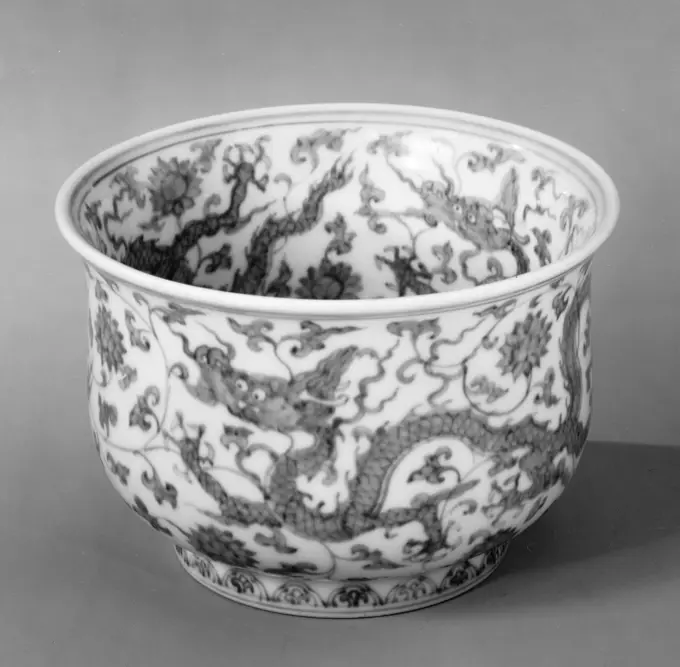
Bowl with Dragons early 16th century China. Bowl with Dragons 42525
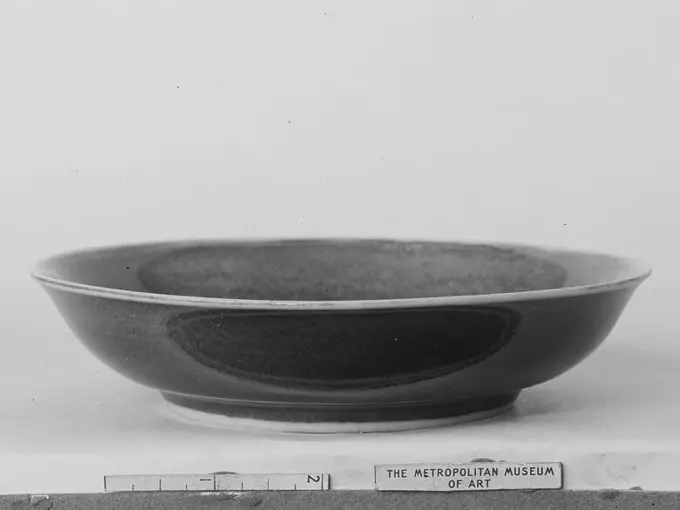
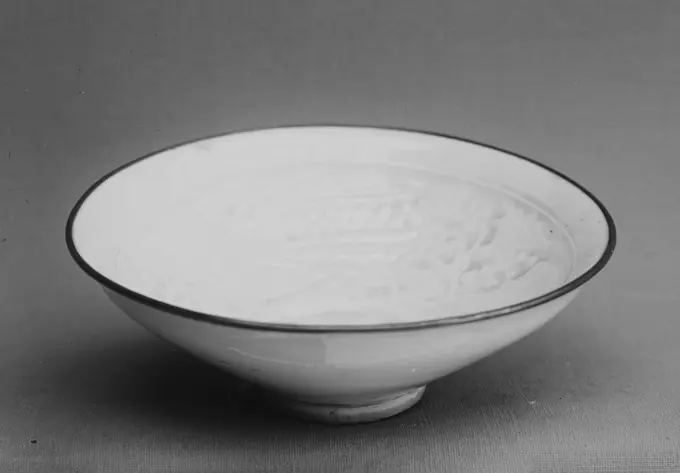
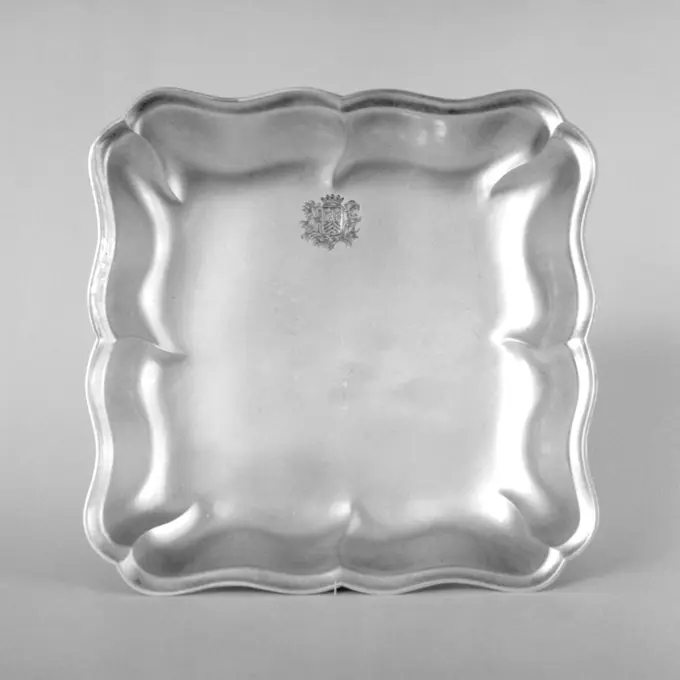
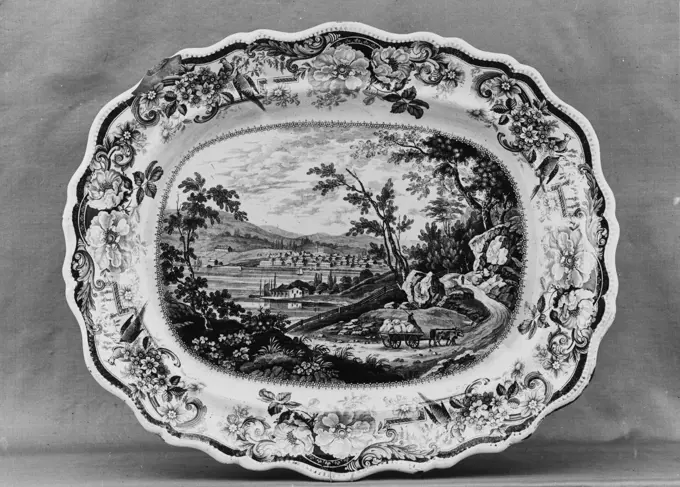
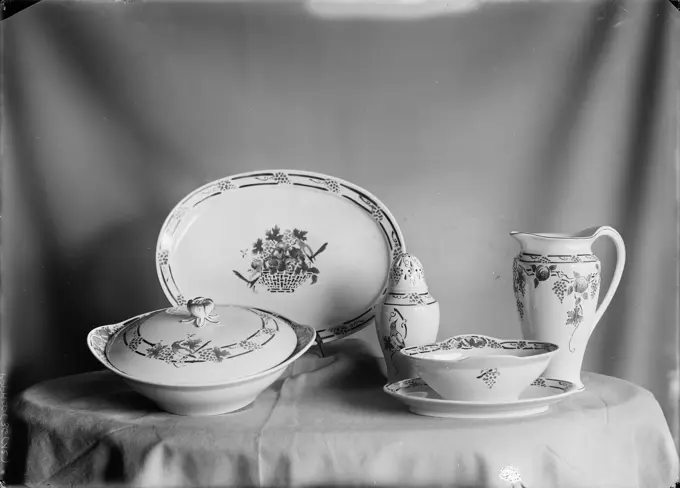
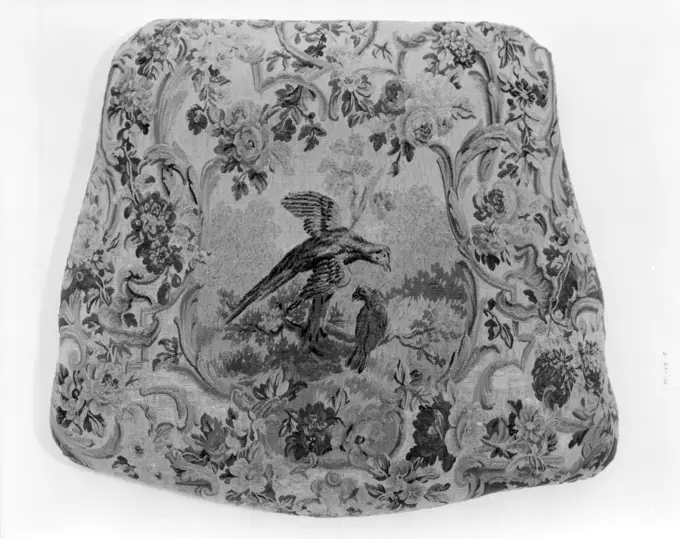
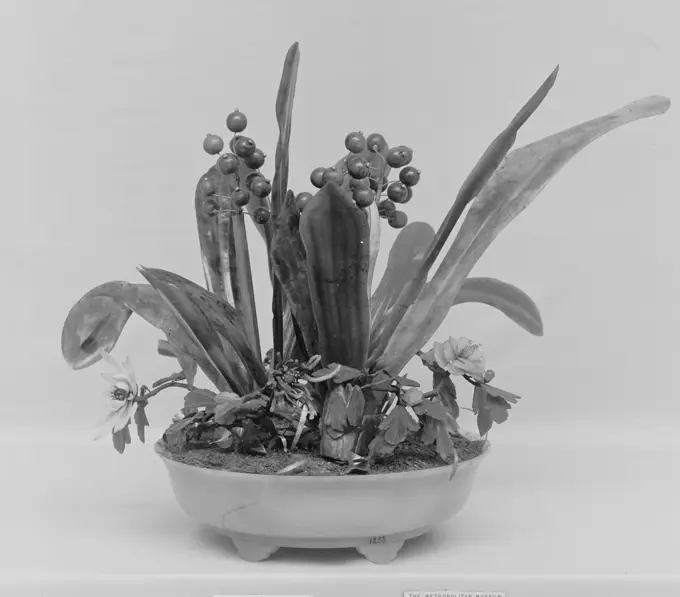
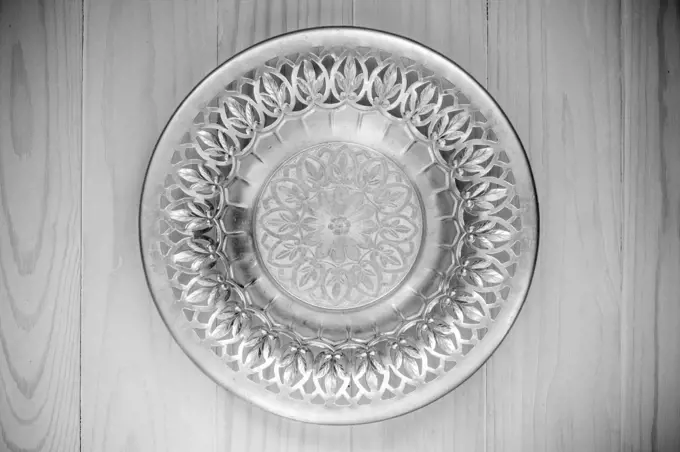
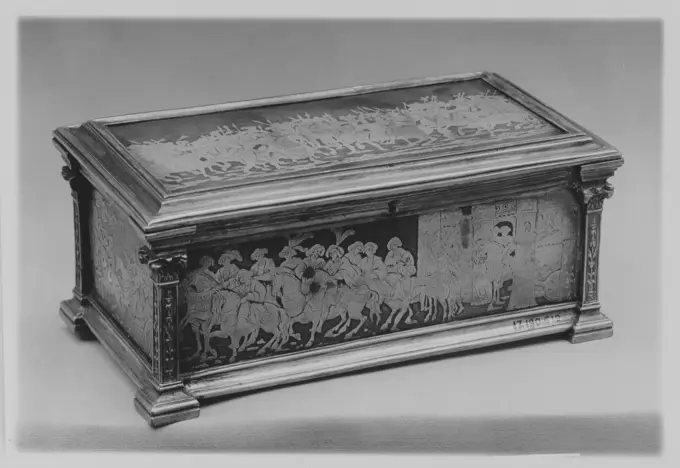
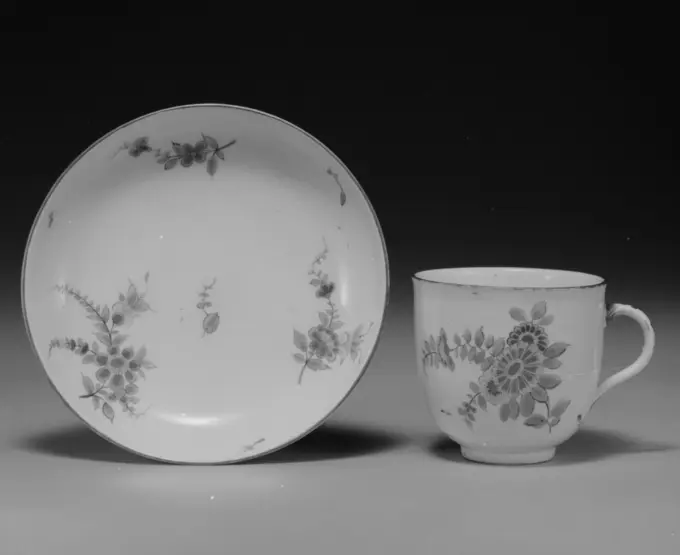
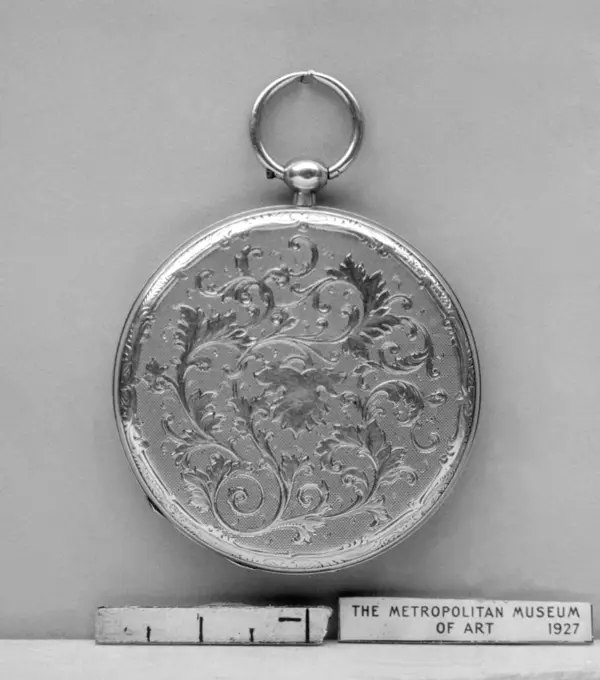
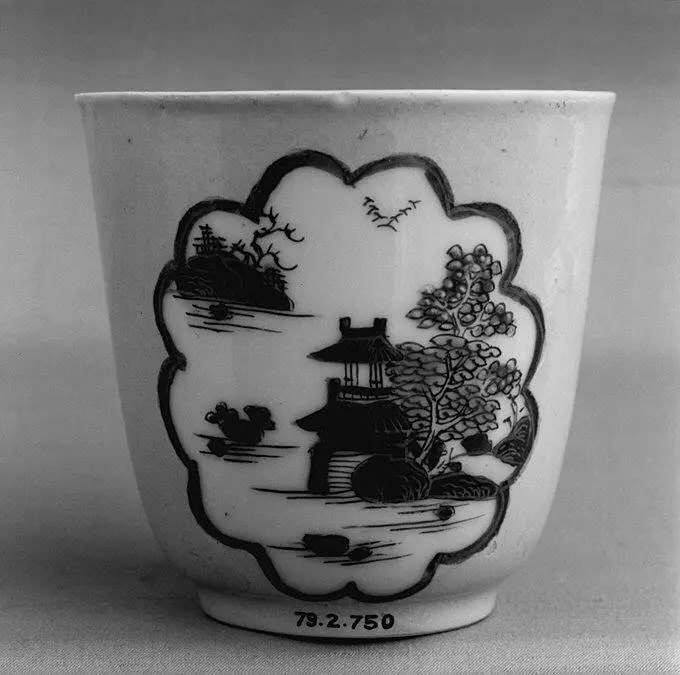
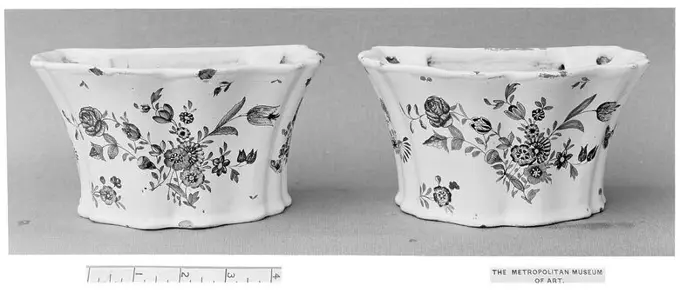
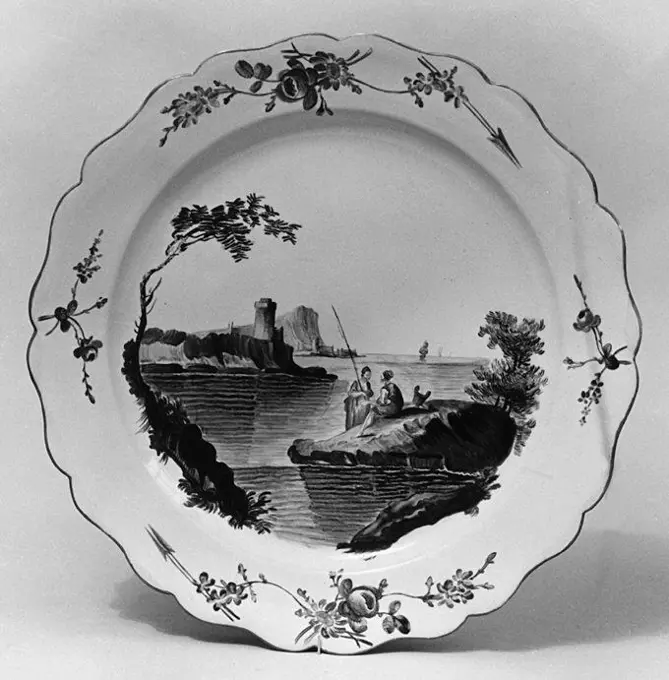
Salt 1830-40 American. Salt. American. 1830-40. Lacy pressed blue glass. Made in New England, United StatesSaucer 1785-1800 Chinese, for British market. Saucer 201341Dish. Culture: China. Dimensions: H. 1 3/8 in. (3.5 cm); W. 6 1/4 in. (15.9 cm). Museum: Metropolitan Museum of Art, New York, USA.Sacrificial Bowl 1830 Eiraku Hozen. Sacrificial Bowl. Eiraku Hozen (Japanese, 1795-1854). Japan. 1830. White porcelain; reproduction of Chinese Song, Dingyao bowl (Kairakuen ware). Edo period (1615-1868). CeramicsSquare dish 1757-58 Abraham Drentwett IV. Square dish 206270Tobacco box 18th century Marmé. Tobacco box. Dutch. 18th century. Brass, copper. Metalwork-BrassPlatter ca. 1825-ca. 1834 James and Ralph Clews British. Platter 6499Dishes Anonymous. Furniture. dishes. Negative to the silver iodo-bromide on glass plate. 1900-1930.Armchair seat 1754-56 Beauvais This tapestry panel is part of a set of twelve armchairs and two settees ordered in Paris in 1753 by Baron Johann Ernst Bernstorff, Danish ambassador to the court of Versailles between 1744 and 1751. After returning to Denmark, Bernstorff commissioned this seat furniture for the tapestry room of his new residence in Copenhagen that was hung with four wall tapestries of the Amours des Dieux series woven at the Beauvais Manufactory. The tapestry covers are woven with animal and bird subjects after designs by the painter Jean-Baptiste Oudry (1686-1755). For a fuller description of the entire set, see, e.g., MMA 35.145.1.. Armchair seat. French, Beauvais. 1754-56. Wool and silk. Textiles-TapestriesPlate ca. 1829-ca. 1834 James and Ralph Clews British. Plate 6120Hot Water Plate 1800-1830 Chinese. Hot Water Plate. Chinese. 1800-1830. Porcelain. Made in ChinaPlate ca. 1800 Japan. Plate 58281Dish of Artificial Plants China. Dish of Artificial Plants. China. Nephrite; greenish-white jade (dish); mottled green nephrite with coral red berries (plants). Qing dynasty (1644-1911), Qianlong period (1736-95). JadeTop view of the silver plate. Black and white photoCasket early 17th century German. Casket 193592Cup and saucer ca. 1759-65 Frankenthal Porcelain Manufactory The gift of the Hans Syz Collection in 1995 endowed the Museum with nearly three hundred examples of European and Asian ceramics meticulously acquired by Swiss-born collector Dr. Syz (1894-1991) to chart the migration of models and patterns from East to West. Documenting a continuous process of influence and adaptation, these pieces provide a discriminating review of the nuances of stylistic change resulting from three centuries of trade.. Cup and saucer. German, Frankenthal. ca. 1759-65. Hard-paste porcelain. Ceramics-PorcelainWatch mid-19th century Style of Bognard. Watch 195603Beaker and saucer 19th century Chinese with European decoration. Beaker and saucer 185923Pair of hyacinth pots. Culture: French, Rouen. Dimensions: Overall (each): 3 3/4 × 6 3/4 in. (9.5 × 17.1 cm). Date: late 18th century.Faience, or tin-glazed and enameled earthenware, first emerged in France during the sixteenth century, reaching widespread usage among elite patrons during the seventeenth and early eighteenth centuries, prior to the establishment of soft-paste porcelain factories. Although characterized as more provincial in style than porcelain, French faience was used at the court of Louis XIV as part of elaborate meals and displays, with large-scale vessels incorporated into the Baroque garden designs of Versailles. Earlier examples of French faience attest to the strong influence of maiolica artists from Italy. Later works demonstrate the ways in which cities such as Nevers, Rouen, Lyon, Moustiers, and Marseille developed innovative vessel shapes and decorative motifs prized among collectors throughout Europe.While faience can be created from a wide mixture of claPlate ca. 1775 Gaspard Robert Manufactory Faience, or tin-glazed and enameled earthenware, first emerged in France during the sixteenth century, reaching widespread usage among elite patrons during the seventeenth and early eighteenth centuries, prior to the establishment of soft-paste porcelain factories. Although characterized as more provincial in style than porcelain, French faience was used at the court of Louis XIV as part of elaborate meals and displays, with large-scale vessels incorporated into the Baroque garden designs of Versailles. Earlier examples of French faience attest to the strong influence of maiolica artists from Italy. Later works demonstrate the ways in which cities such as Nevers, Rouen, Lyon, Moustiers, and Marseille developed innovative vessel shapes and decorative motifs prized among collectors throughout Europe. While faience can be created from a wide mixture of clays, it is foremost distinguished by the milky opaque white color achieved by the addition of Dish early 18th century British, Bristol. Dish 198004Dish (part of a service) ca. 1740 After a design by Cornelis Pronk Dutch. Dish (part of a service) 202534Plate Manufactory Fürstenberg Porcelain Manufactory German 19th centuryExpress Elegance Pavilion late 19th-early 20th century Workshop of Jian Guzhai Chinese This ink tablet is from a sixty-four-tablet set (30.76.216-.279) commissioned by the Jiaqing emperor from the Studio for Appreciating the Antique (Jiangu Zhai) manufactory of the Wang Jinsheng family in Huizhou, Anhui Province. Each ink tablet commemorates a hall or pavilion in one of the imperial gardens. Each sites name is written in gilt characters on one side; a view of the site is presented on the other. Such inks were purely decorative and not intended for use.. Express Elegance Pavilion 41840Departure from Frövi; Railway Museum. Ordered from Gustafsberg's porcelain factory in early 1870 by the first holder of Frövi Railway restaurant. Gift by Mrs. Elgstrand in 1934Firescreen. unknown c. 1750 Tapestry Dimensions: H 35.5" x W 24" Tapestry Materials/Techniques: unknown Culture: English Weaving Center: London Ownership History: French & Co. purchased from Conde Naste 10/9/1931. Bouquet of flowers in vase on stand Tapestry is framed. French & Co. stock sheet in archive, 17342 Related Works: Iconographically similar tapestry, GCPA 0181835Tobacco box 17th-18th century Dutch The box is oval; the lid shows an interior scene framed by brick walls. Two seated women, each with a glass, raise a toast to each others health. Inscribed below: Een glas bier is ons plasier (A glass of beer is our pleasure).The underside depicts an almost identical scene with women similarly posed. Details of the clothing differs somewhat. Inscribed below: Bij de wijn kan men vrolijck sijn (With wine one can be merry). This box was most likely made for a female smoker.With lined rims, molded edges, and leaf-scroll borders. The sides have chevron decoration.. Tobacco box. Dutch. 17th-18th century. Brass. Metalwork-BrassShowcase with objects of delftware (polychrome); Arts industry halls Autumn 1985..Figure Dish 1880-90 McKee and Brothers. Figure Dish. American. 1880-90. Pressed opaque white glass. Made in Pittsburgh, Pennsylvania, United States