Japanese Netsuke Figurines

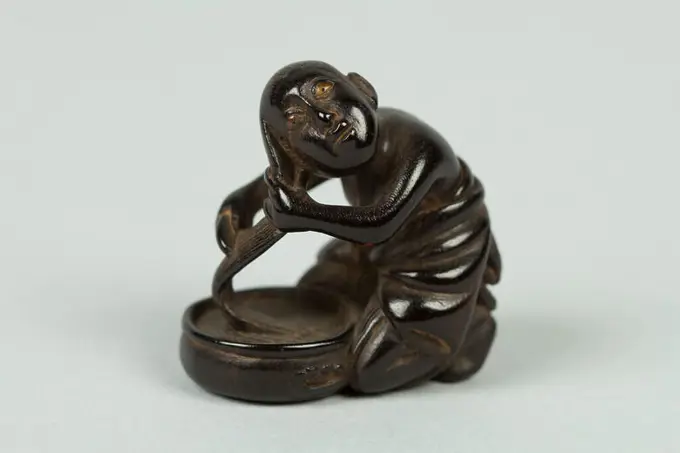
Exquisite netsuke figurines of various subjects from Japan, displaying intricate designs and craftsmanship in ivory and jade.

Burnt-Parfum (common name). Sandstone, molding, celadon, incised decor. Cernuschi Museum, Asia Museum of Asia in the city of Paris.
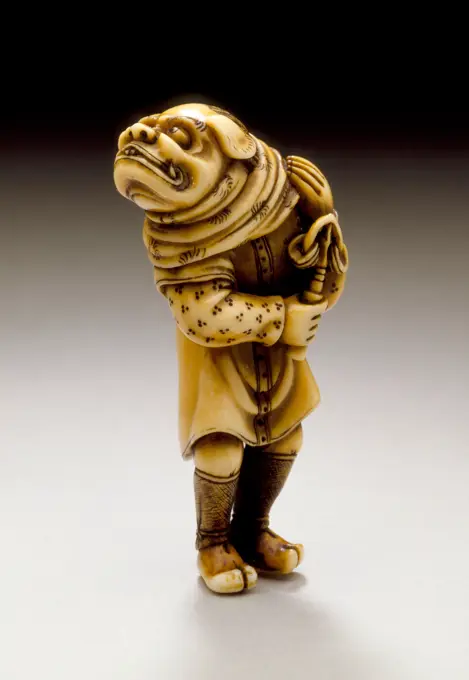
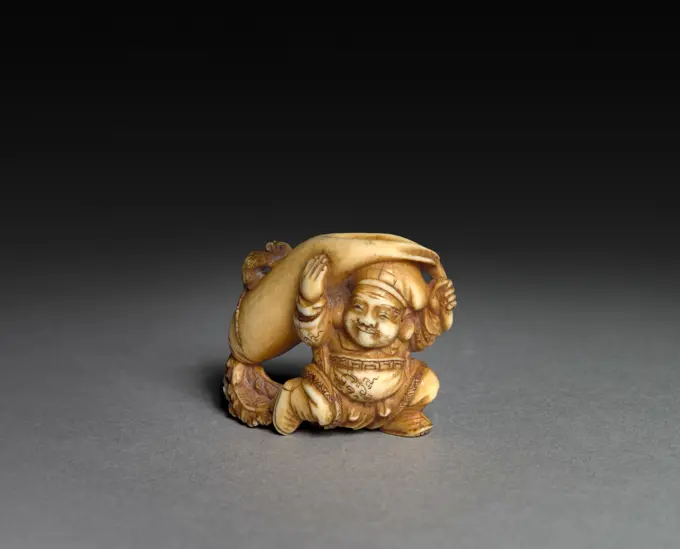
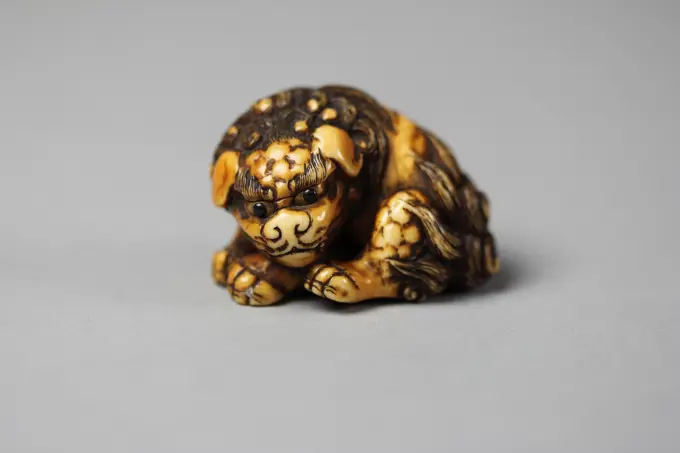
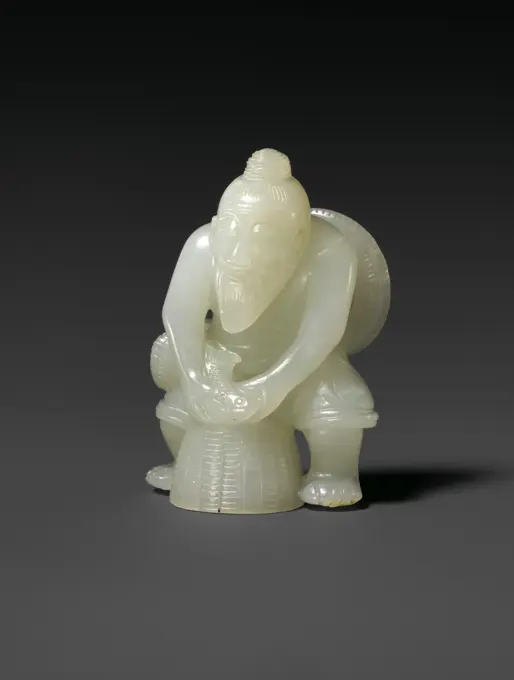
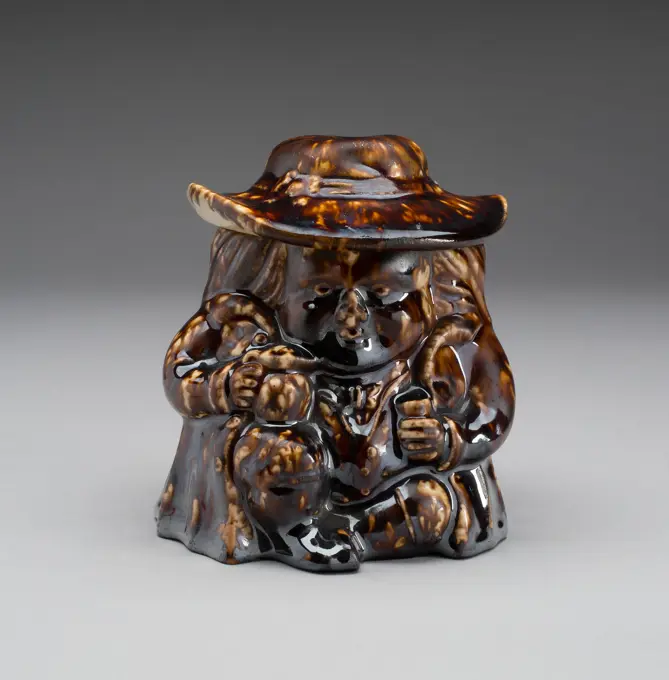
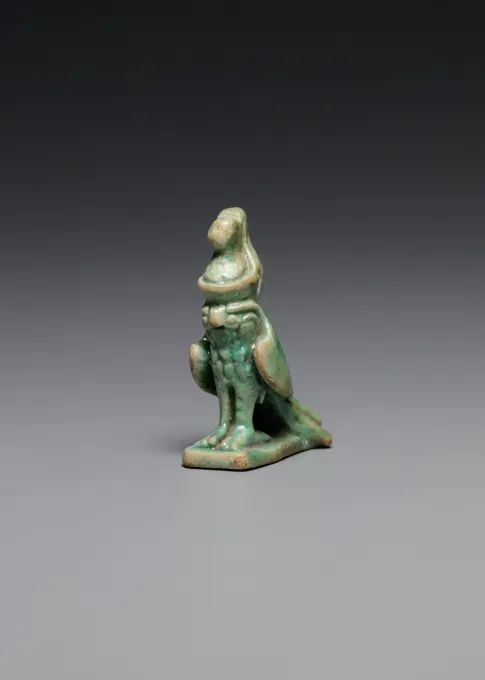
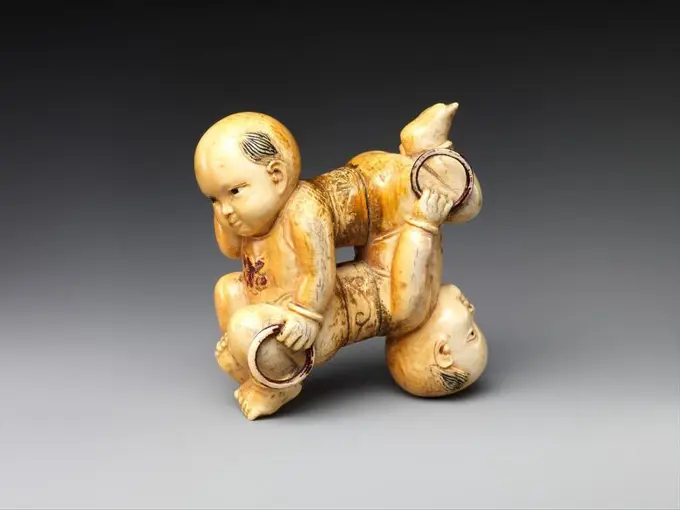
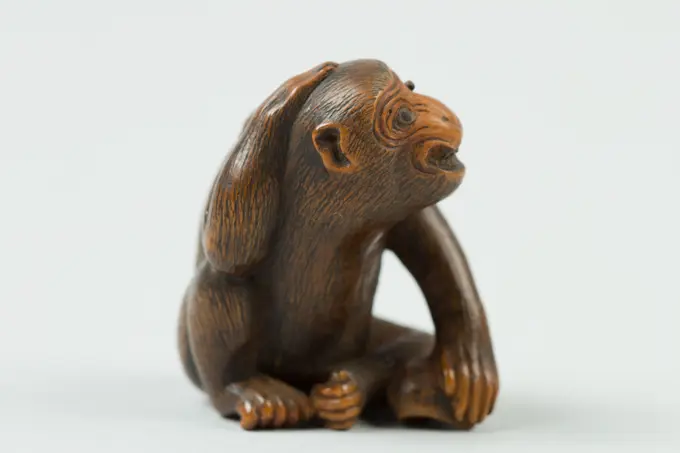
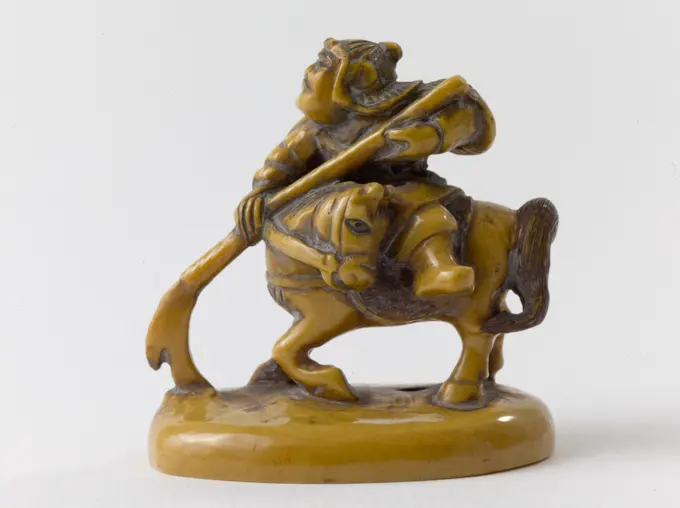
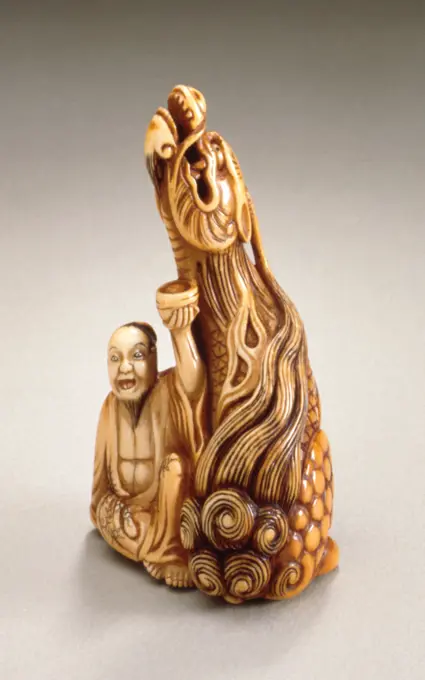
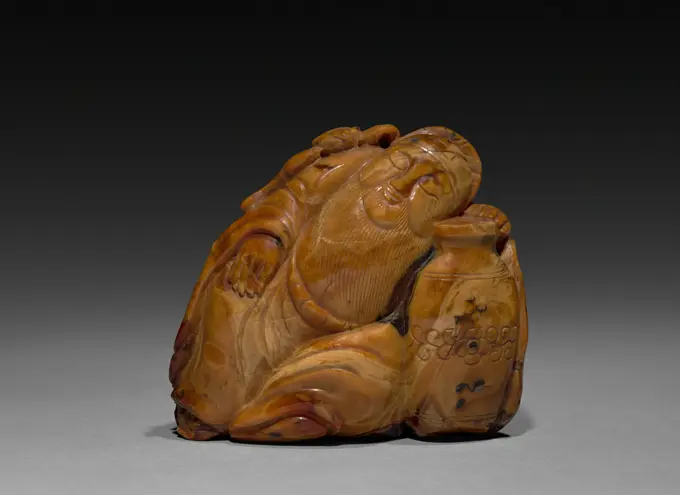
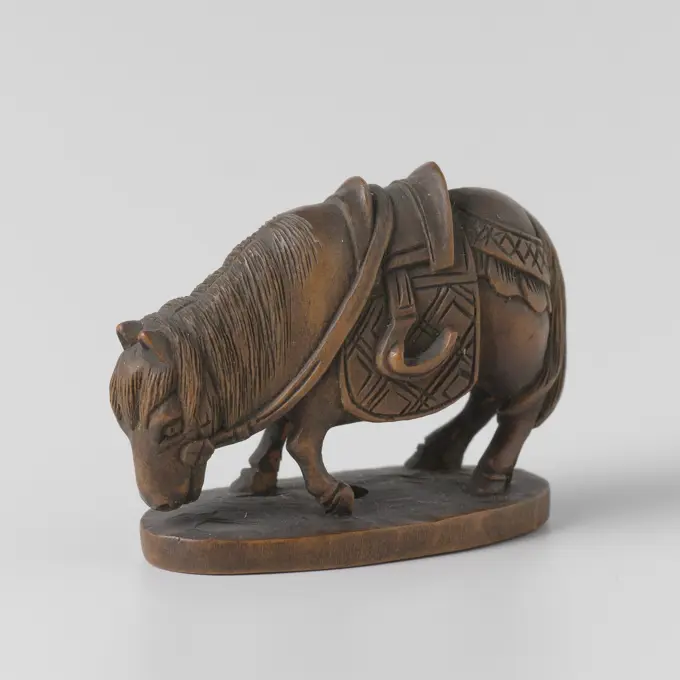
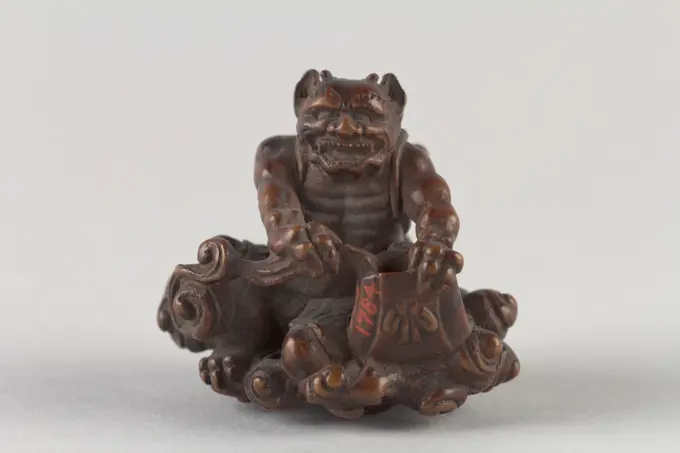
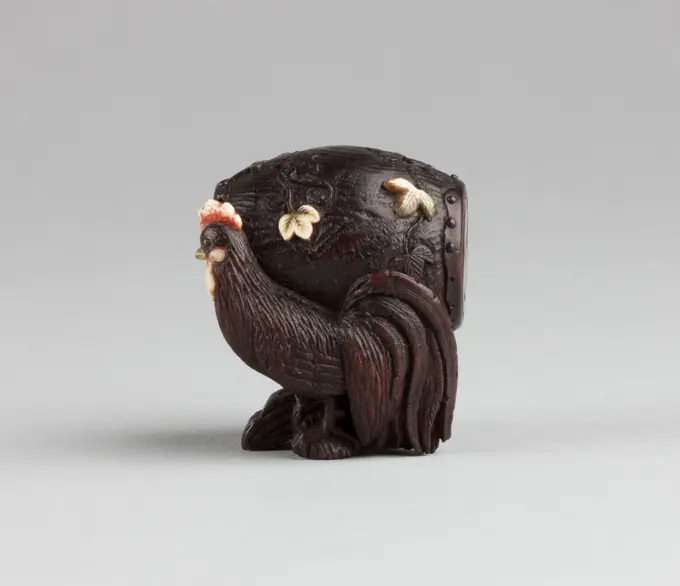
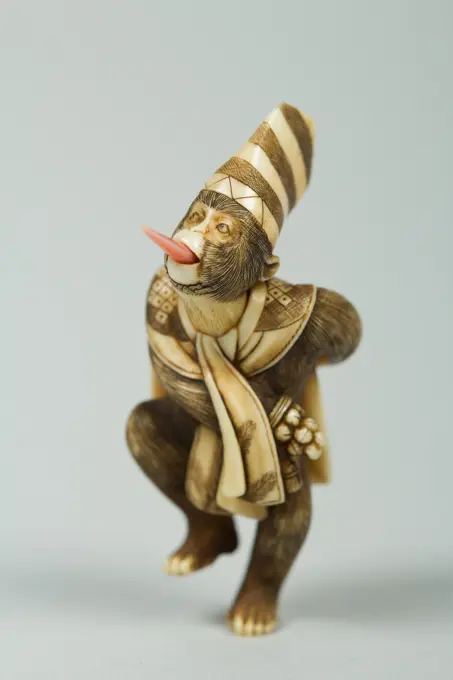
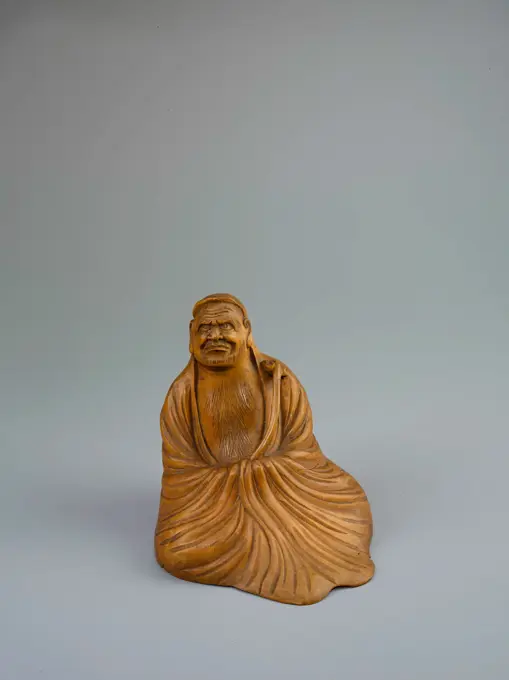
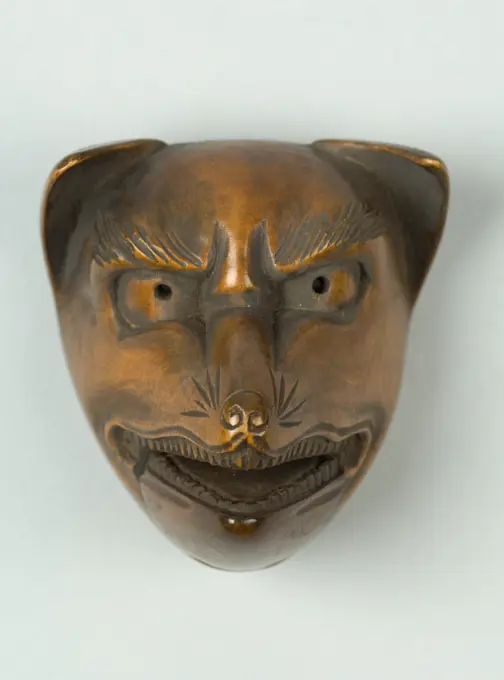
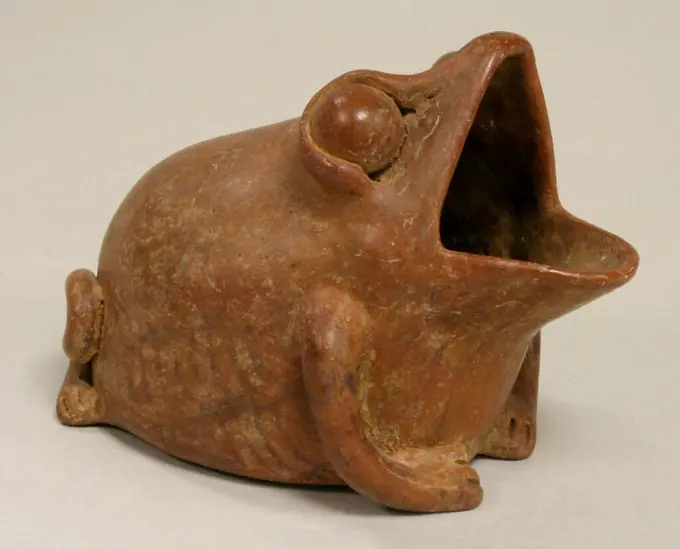
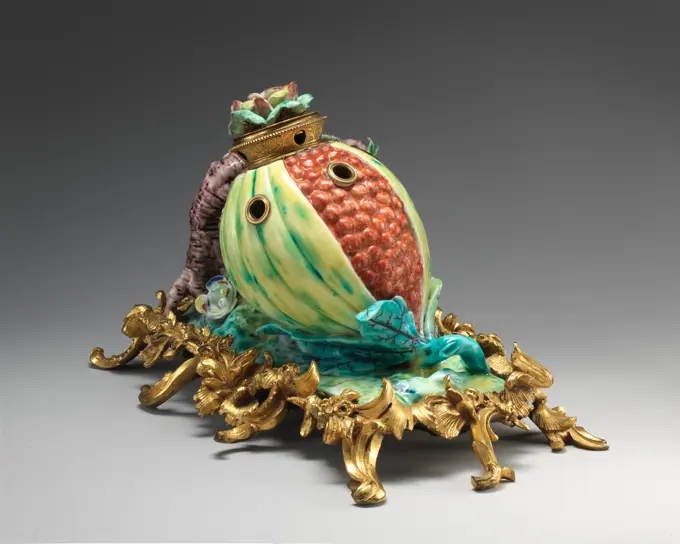
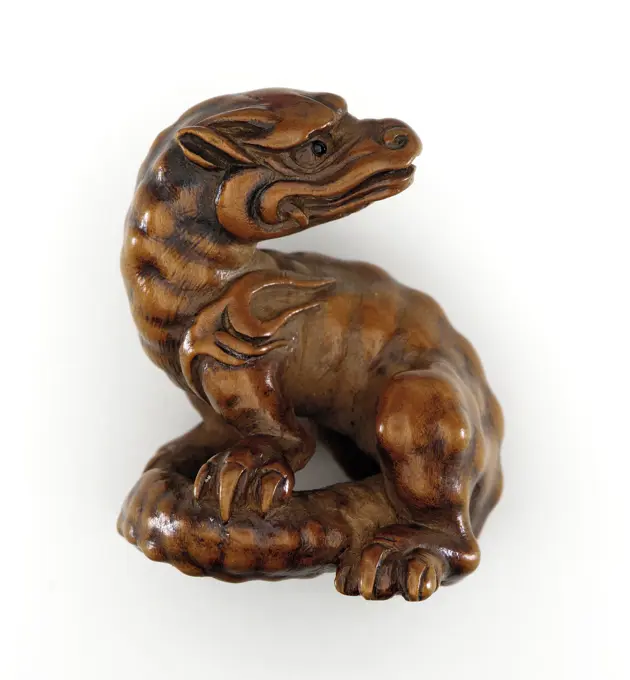
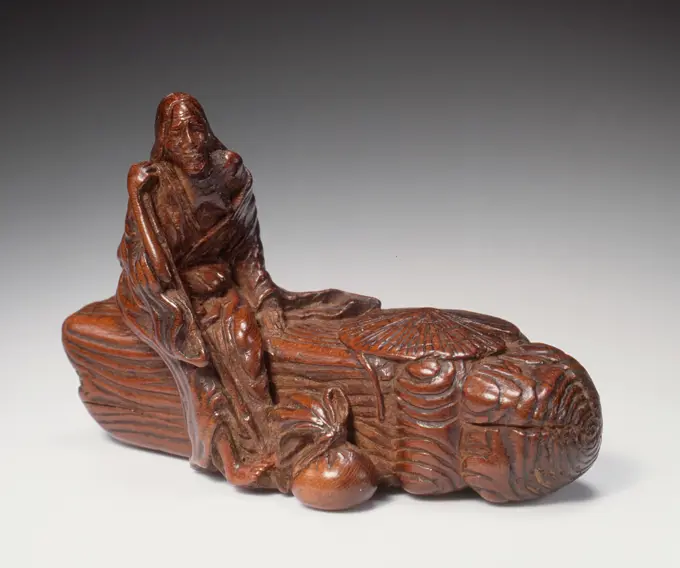
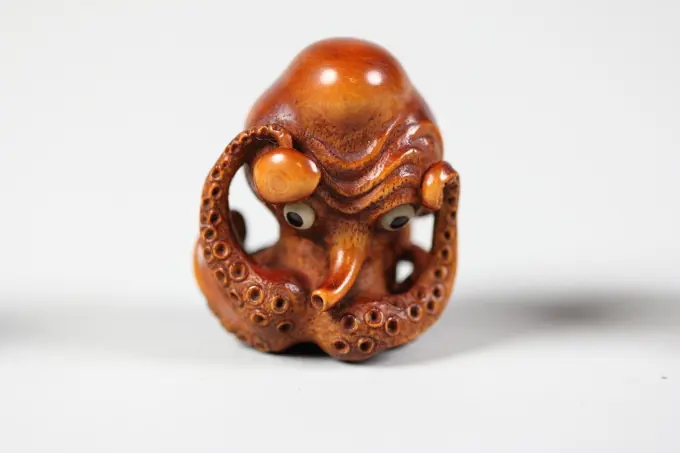
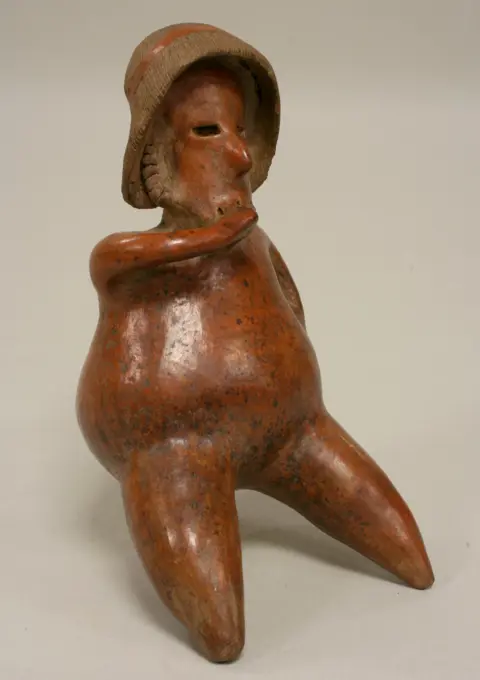
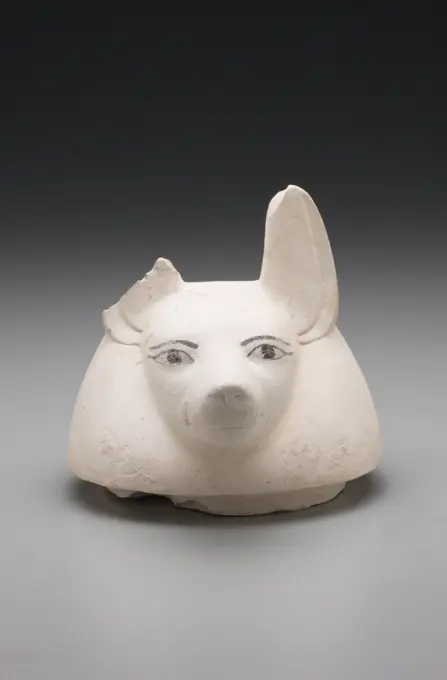
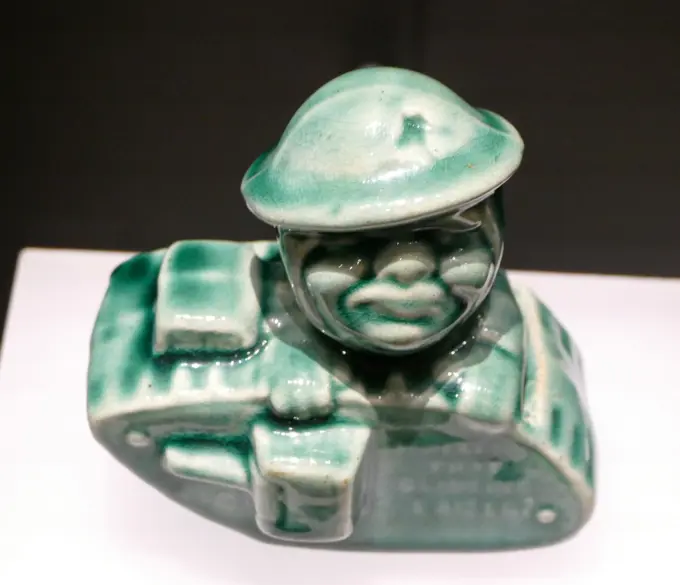
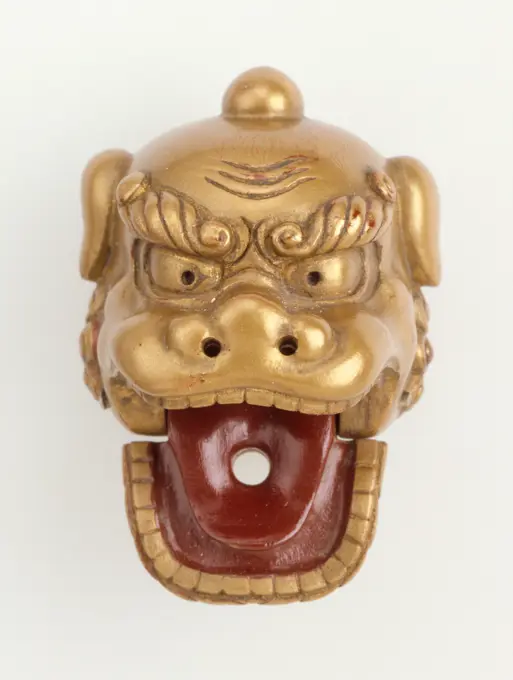
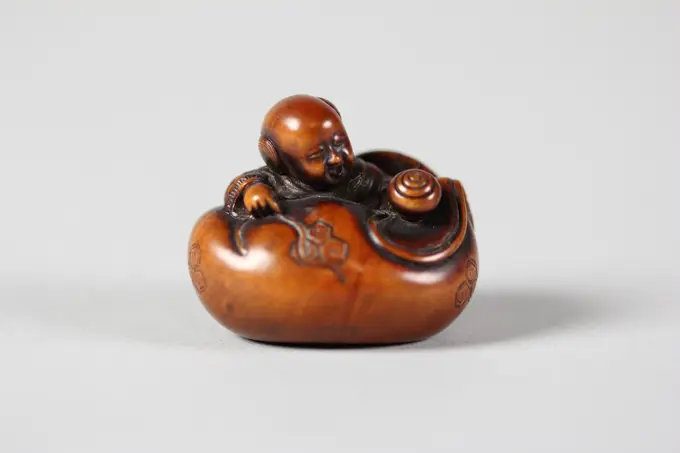
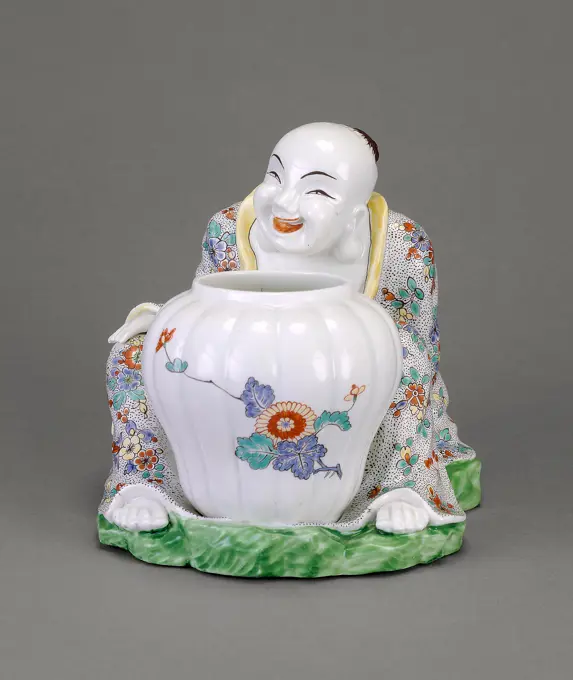
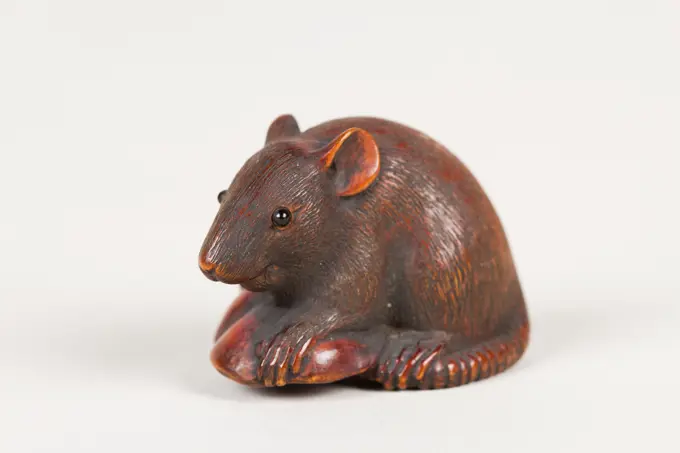
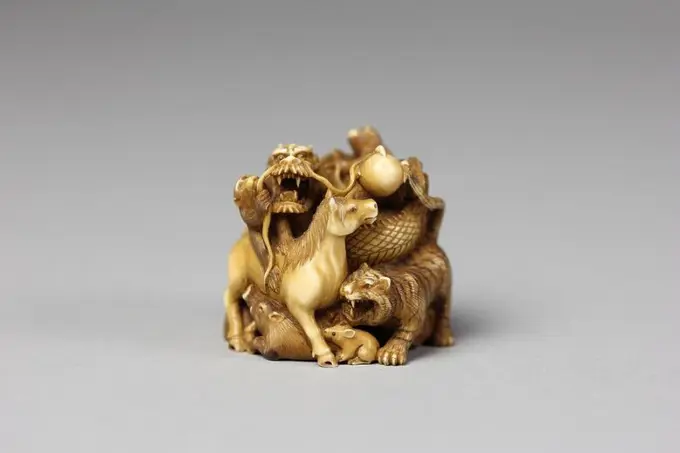
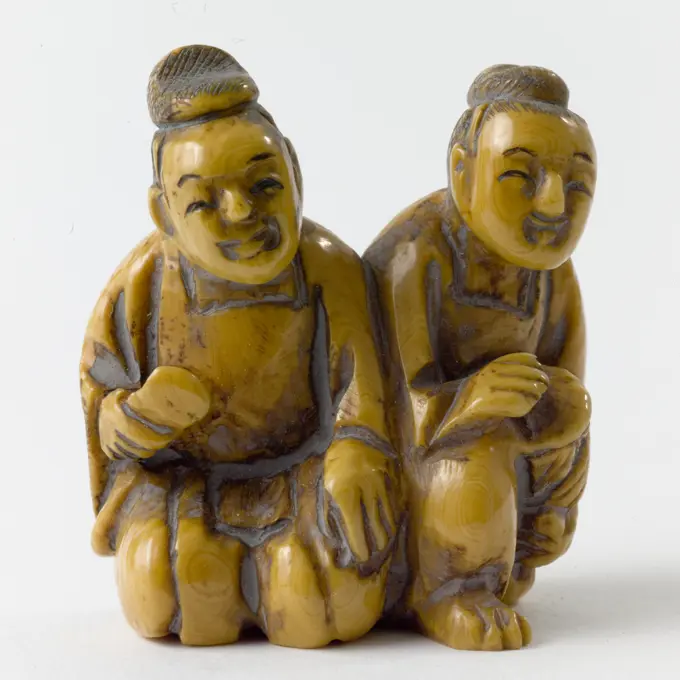
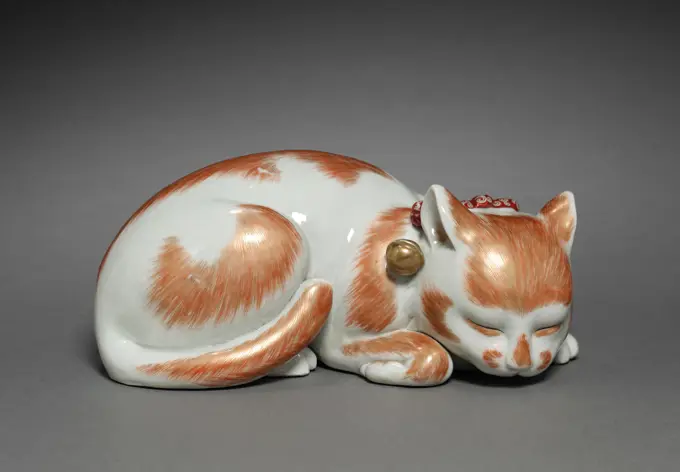
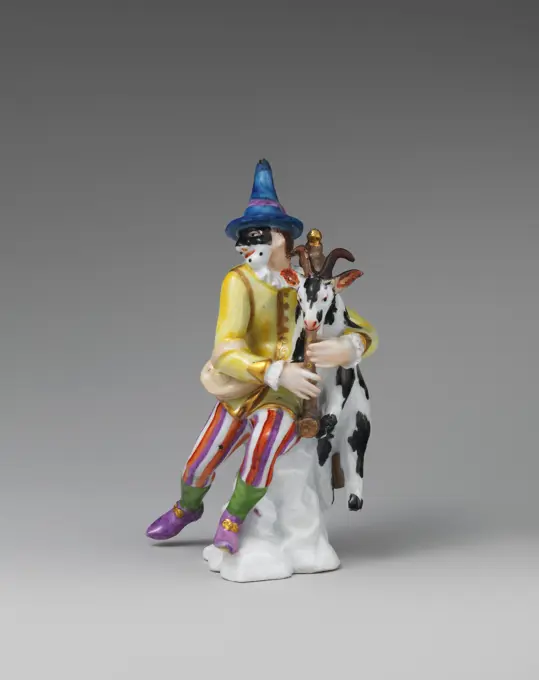
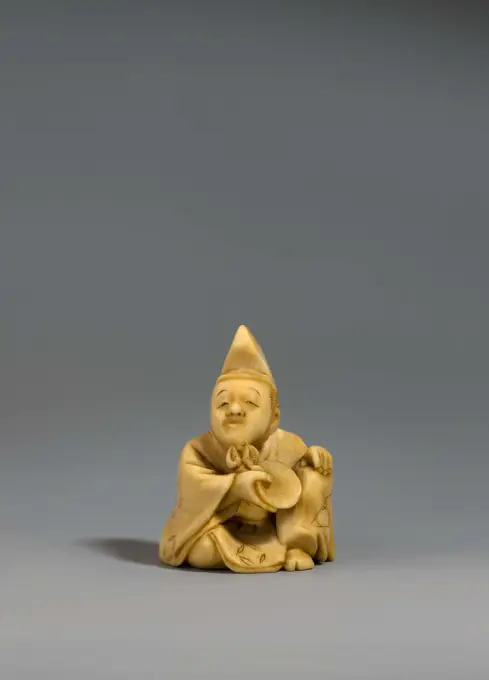
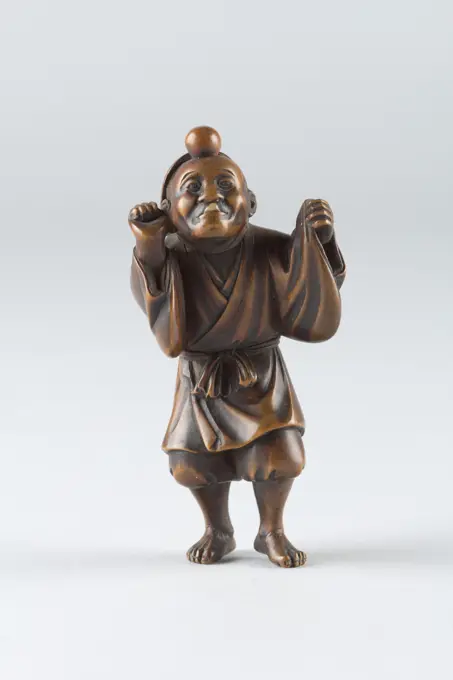
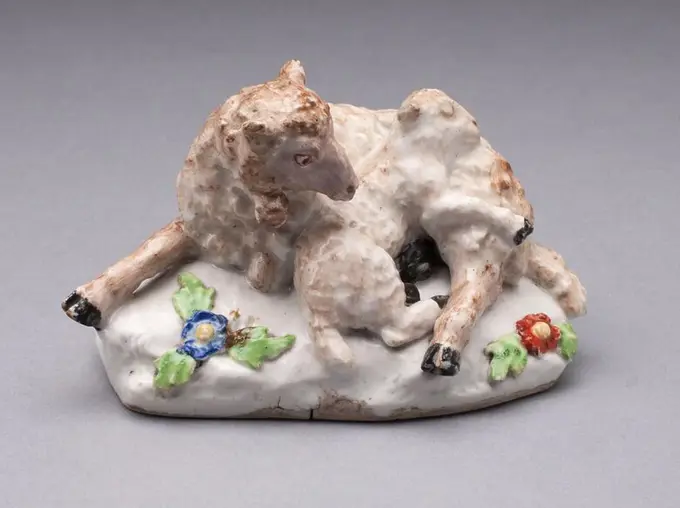
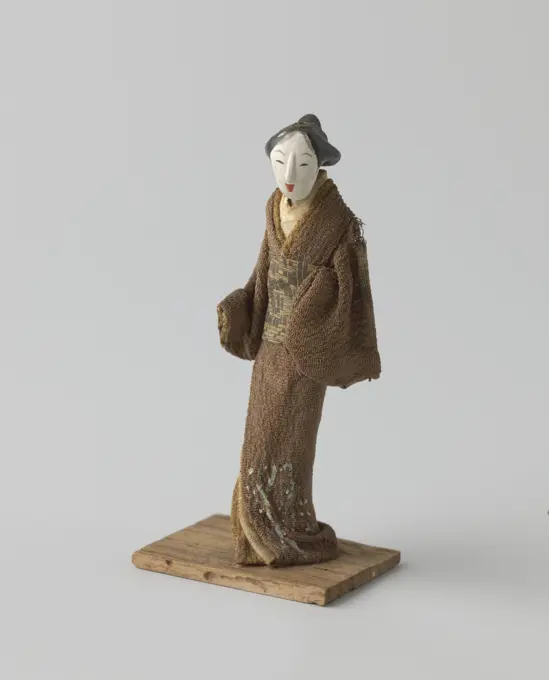
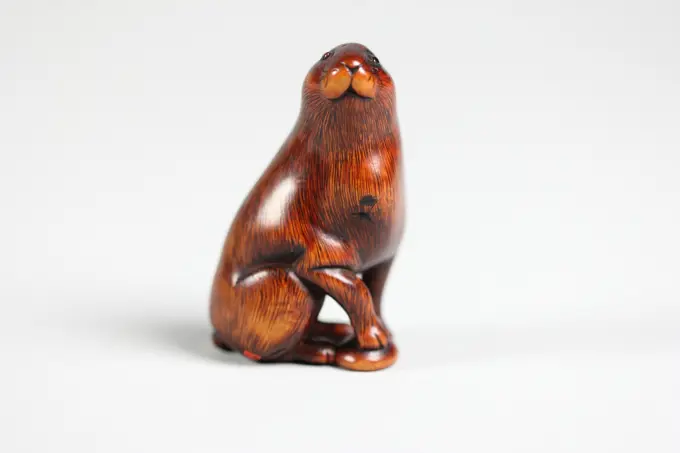
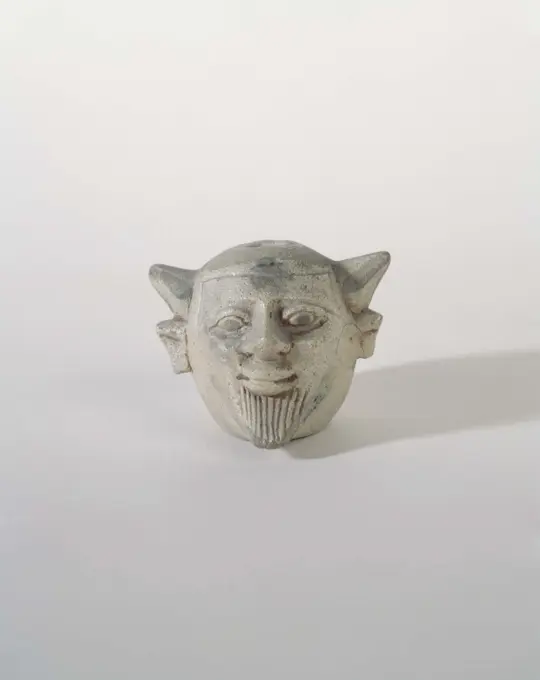
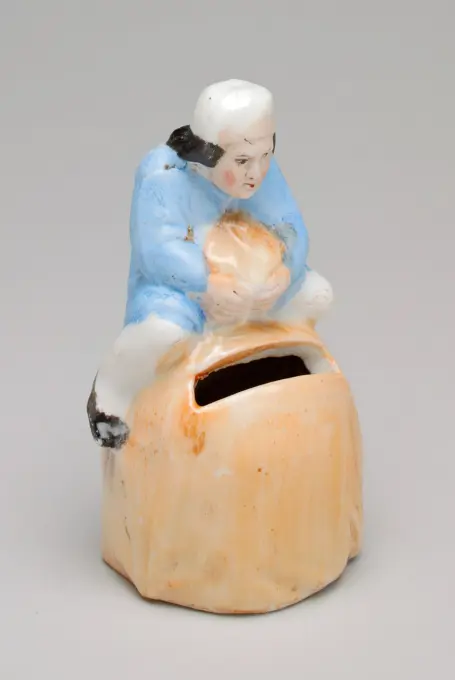
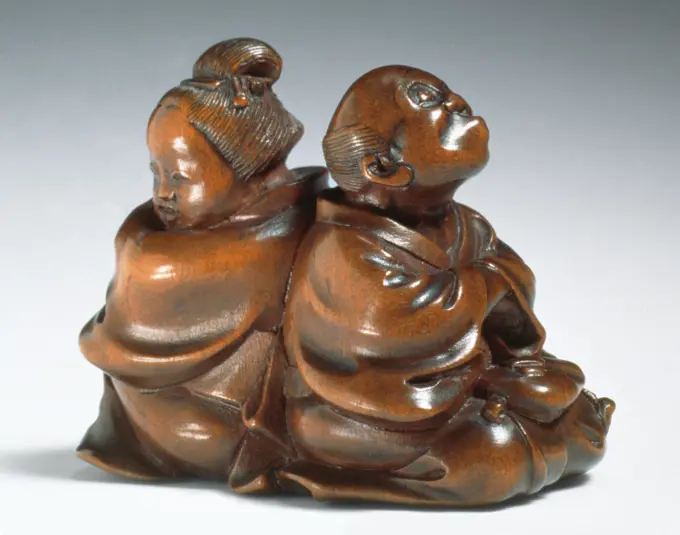
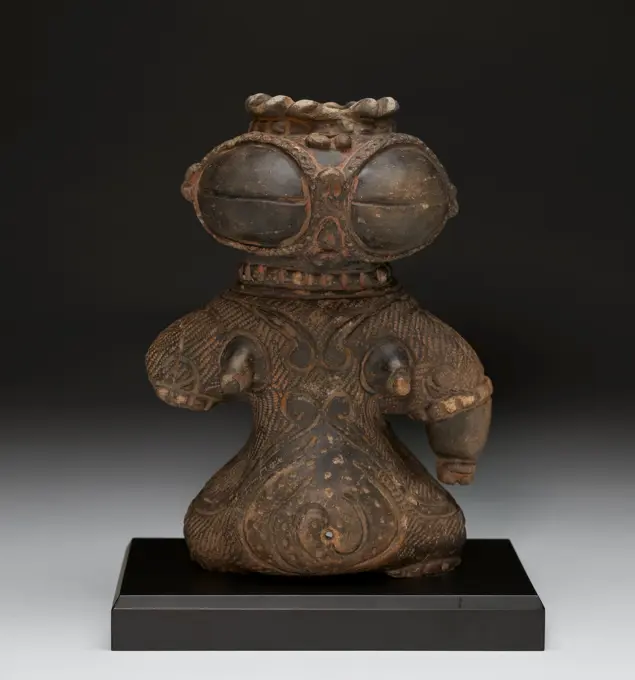
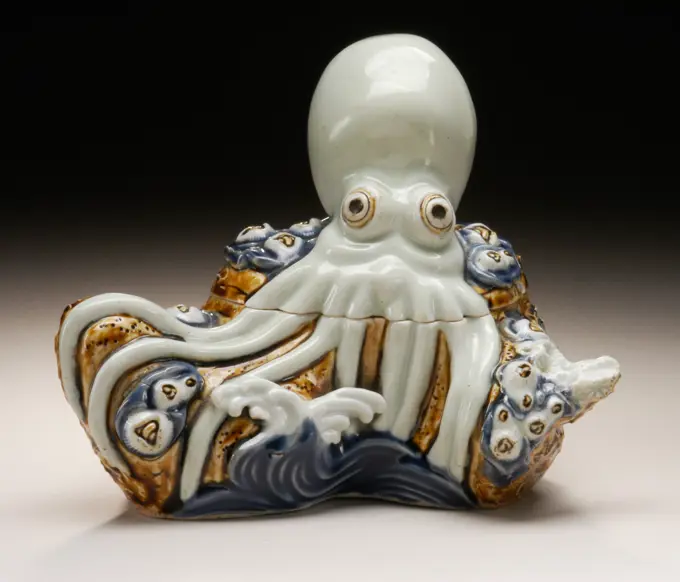
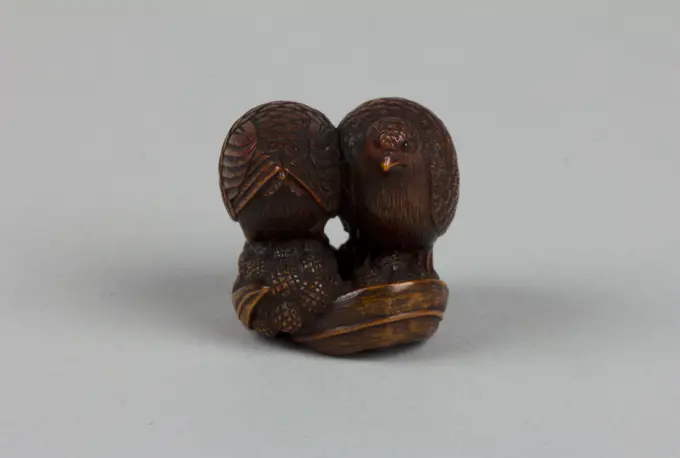
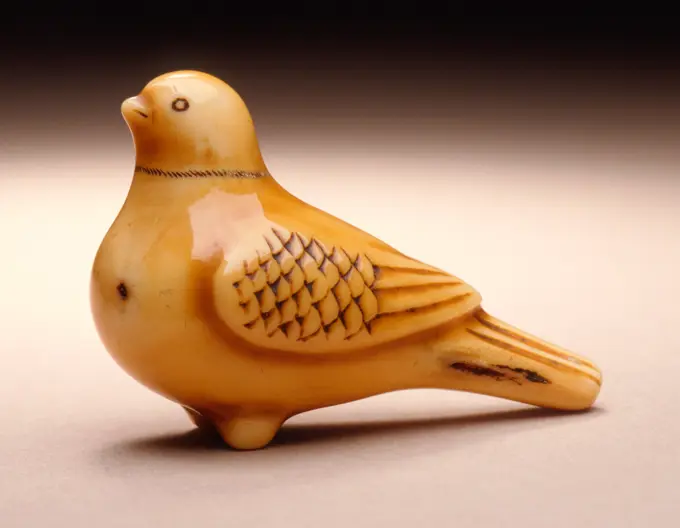
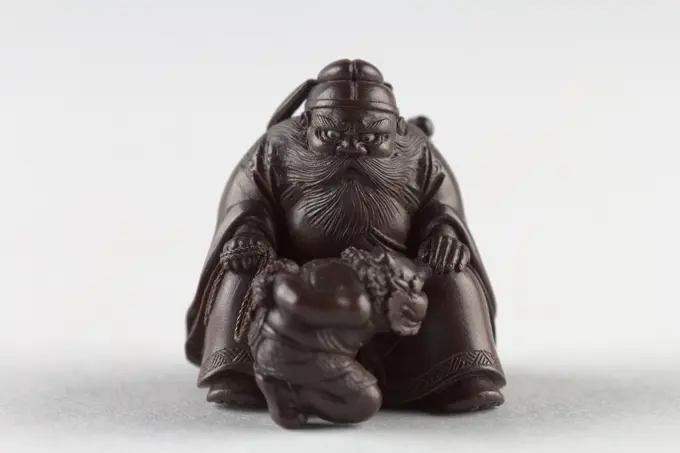
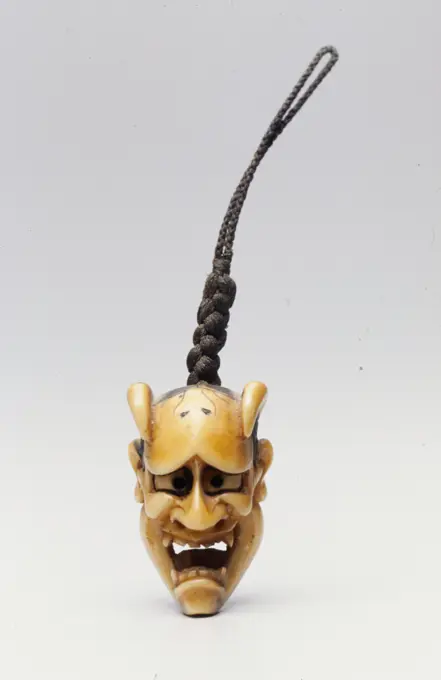
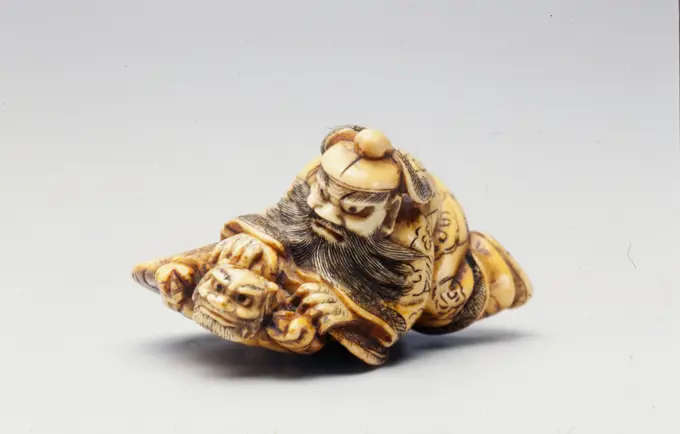
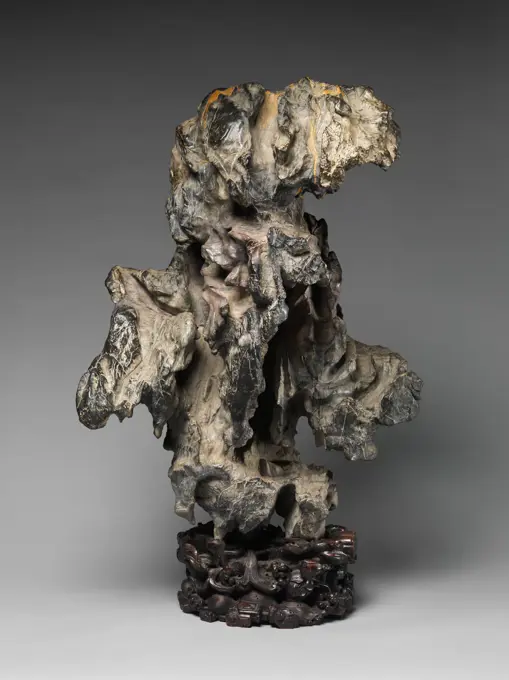
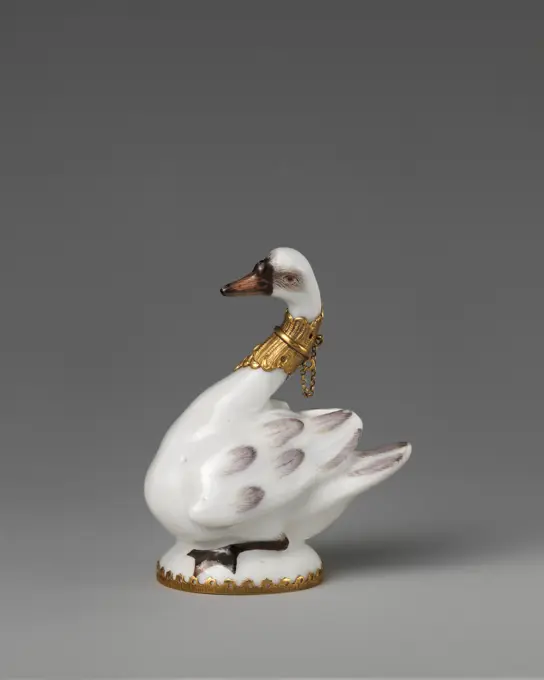
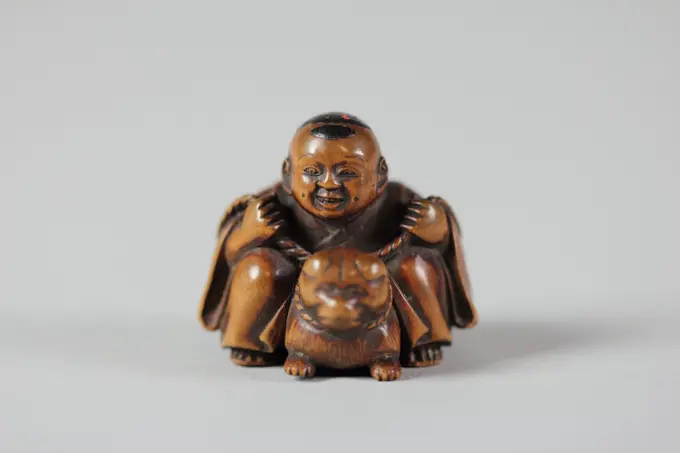
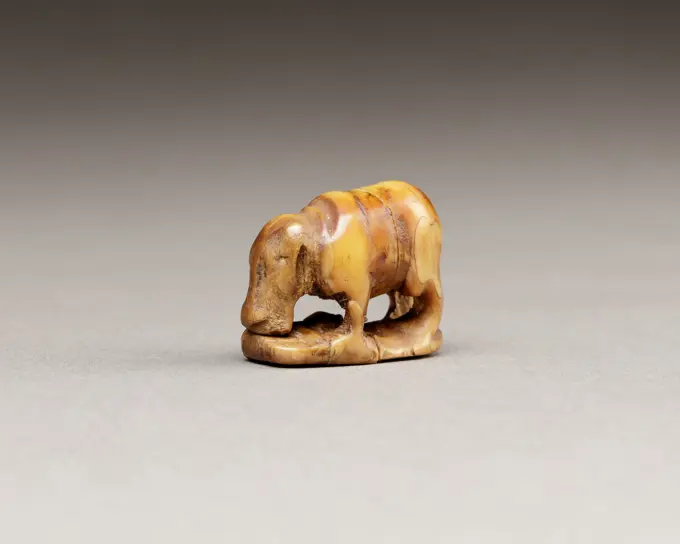
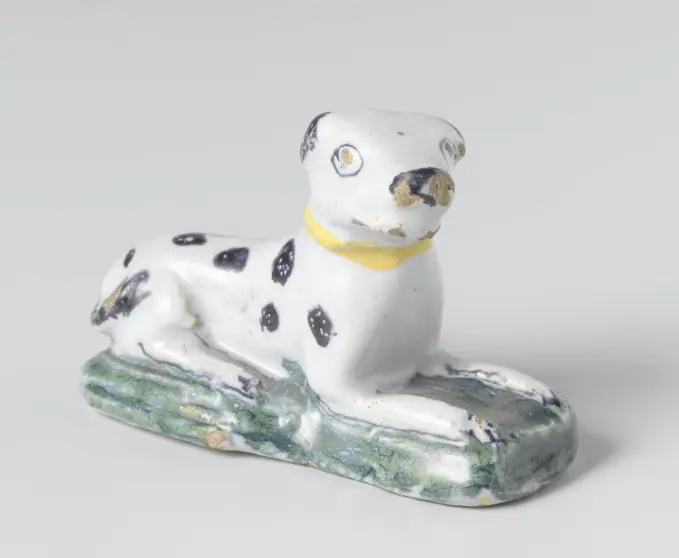
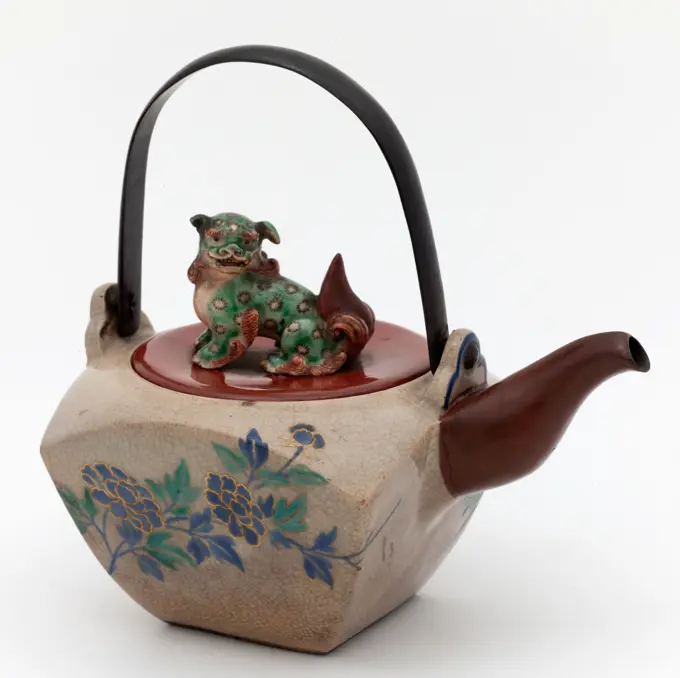
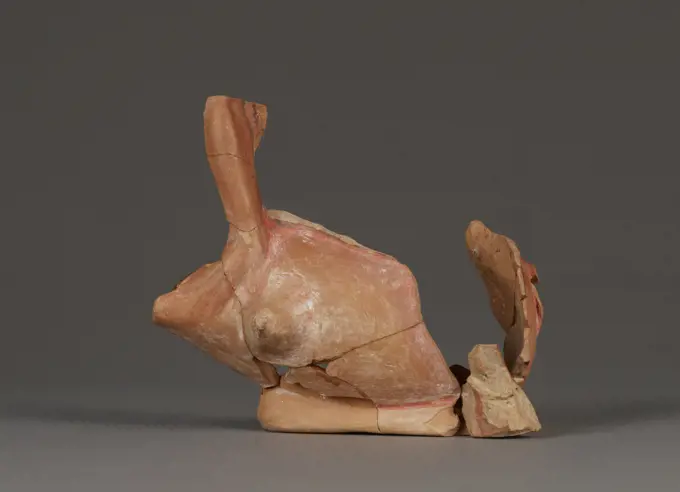
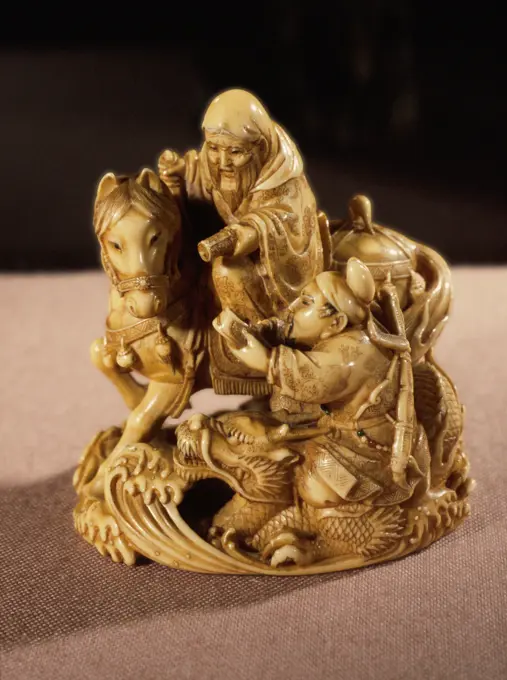
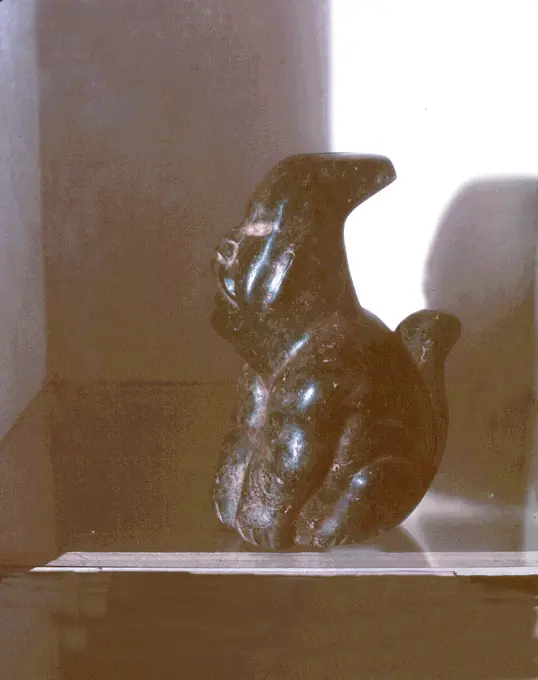
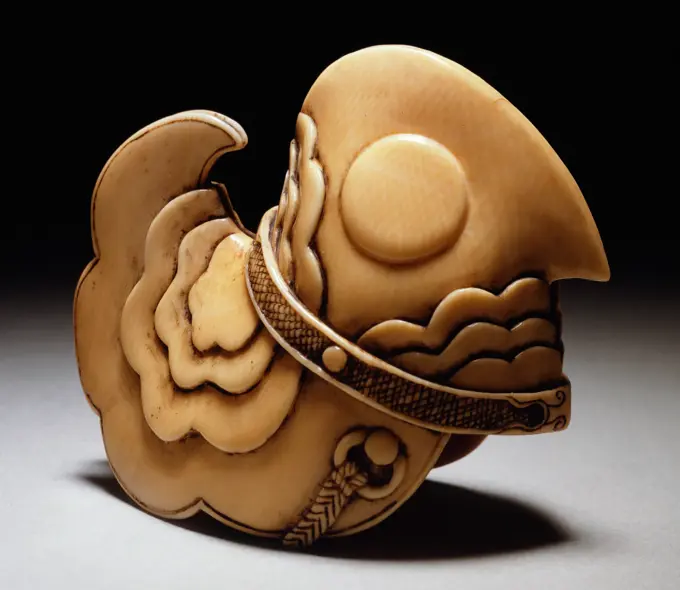
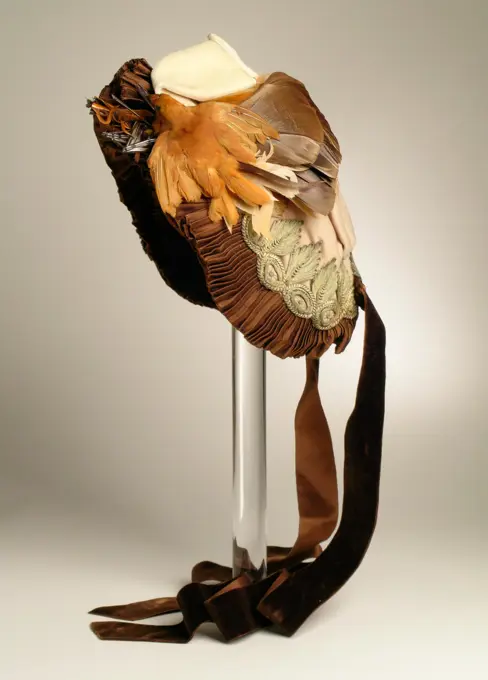
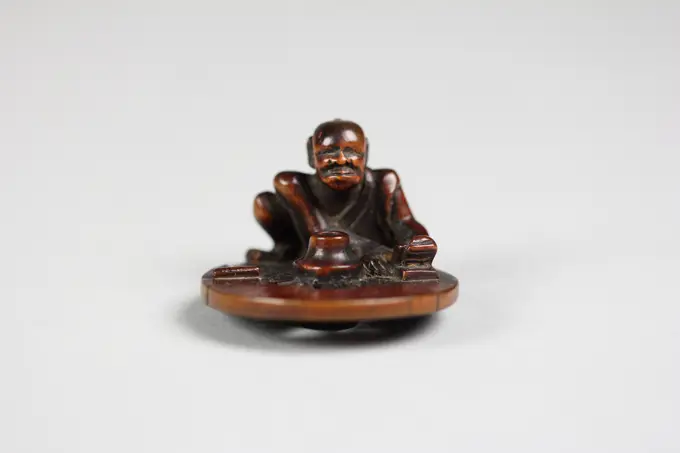
Netsuke. Culture: Japan. Dimensions: H. 1 1/4 in. (3.2 cm); W. 1 1/4 in. (3.2 cm); D. 3/4 in. (1.9 cm). Date: 18th century. Museum: Metropolitan Museum of Art, New York, USA.Chinese Lion Dance. Nobumasa (Japan, active early 19th century). Japan, early 19th century. Costumes; Accessories. Ivory with staining, sumi, inlaysDaiitoku, early to mid-1800s. Japan, Edo period (1615-1868). Ivory; overall: 3.2 cm (1 1/4 in.).Netsuke of a Karashishi late 18th-early 19th century Japan. Netsuke of a Karashishi. Japan. late 18th-early 19th century. Ivory and gold. Edo (1615-1868) or Meiji period (1868-1912). NetsukeFigure of a fisherman 18th-19th century China. Figure of a fisherman. China. 18th-19th century. Jade (nephrite). Qing dynasty (1644-1911). JadeNetsuke, japanese miniature sculpture. Museum: COLECCION PRIVADA.Snuff Jar c 1849-1852 Bennington. Beginning in the mid-18th century, English manufacturers introduced yellow-bodied pottery with mottled brown glazing, commonly known as Rockingham ware, to the United States market. By the 1840s, factories in America, aided by English immigrant craftsmen, were producing the pottery to great success. Two of the most notable American makers of Rockingham ware were located in Bennington, Vermont, where potteries had existed since at least 1785, but there were also manufacturers in New Jersey, Ohio, Maryland, and elsewhere. Responding to the utilitarian needs of Americaís middle class, these potteries produced a large range of objects, from spittoons to inkwells, snuffboxes to pitchers, and candlesticks to doorknobs.Lyman, Fenton, and Company modeled snuff jars such as this one loosely after a beloved English form known as a Toby Fillpot or Philpot. These jugs were usually modeled as a seated figure in 18th-century dress with a cup in one hand and a pitcheBurnt-Parfum (common name). Sandstone, molding, celadon, incised decor. Cernuschi Museum, Asia Museum of Asia in the city of Paris.Jasper amulet in the form of a frog 664-30 B.C. Egyptian Amulet in the form of a seated frog.. Jasper amulet in the form of a frog 243716Horus falcon 664-332 B.C. Late Period. Horus falcon. 664-332 B.C.. Faience. Late Period. From Egypt, Memphite Region, Lisht North, MMA excavations, 1920-22. Dynasty 26-30Twin boys. Culture: China. Dimensions: H. 2 1/2 in. (6.3 cm); W. 21/2 in. (6.3 cm). Date: 18th century.This intriguing sculpture can be read either vertically or horizontally. The four bodies and two heads belong to four entwined boys, who represent the Four Blessings of happiness, high official rank, longevity, and good luck. Museum: Metropolitan Museum of Art, New York, USA.Netsuke of Monkey with a Bee on His Back 19th century Japan. Netsuke of Monkey with a Bee on His Back. Japan. 19th century. Wood. Edo (1615-1868) or Meiji period (1868-1912). NetsukeMiddy' still bank, 1887, 5 5/8 x 2 1/2 x 2 1/8 in. (14.29 x 6.35 x 5.4 cm), Iron, pigment, United States, 19th centuryCat amulet 664-525 B.C. Late Period. Cat amulet. 664-525 B.C.. Faience, blue. Late Period. From Egypt. Dynasty 26-30Netsuke. Chinese God of War. Japan. Ivory. Paris, Cernuschi museum. Clothing element, netsuke, dress object, traditional clothingTerracotta guttus (flask with handle and vertical spout). Culture: Greek, South Italian, Campanian. Dimensions: H. 3 7/16 in. (8.7 cm). Date: ca. 250-150 B.C..The flask is in the form of a comic actor, a slave, seated on an altar. Museum: Metropolitan Museum of Art, New York, USA.Kirin and Immortal. Japan, 18th century. Costumes; Accessories. Ivory with staining, sumi, red pigmentFragment of a Monkey 12th century Central Asia. Fragment of a Monkey 39949Shield carrier with coat of arms Hensbroek, Anonymous, 1600 - 1699 A sitting wooden polychromed lion, who holds the weapon of Hensbroek between the claws, where a silver chicken, seated above a pants of gold, is depicted on a black stock. Northern Netherlands (possibly)Netherlands (possibly) wood (plant material) A sitting wooden polychromed lion, who holds the weapon of Hensbroek between the claws, where a silver chicken, seated above a pants of gold, is depicted on a black stock. Northern Netherlands (possibly)Netherlands (possibly) wood (plant material)Netsuke of Dog 19th century Japan. Netsuke of Dog 59919Li Taibo, 1700s. China, Qing dynasty (1644-1911). Amber; overall: 5.7 cm (2 1/4 in.).Zuni Turkey still bank, c. 1920s, 2 3/4 x 2 1/4 x 2 1/8 in. (6.99 x 5.72 x 5.4 cm), Ceramic, pigment, United States, 20th centuryNetsuke,, 1700-1900 Imagination of a horse/ pony that bends through the left knee. Hole through the center of the bottom. Japan wood (plant material) Imagination of a horse/ pony that bends through the left knee. Hole through the center of the bottom. Japan wood (plant material)Netsuke of Flying Buddhistic Angel 19th century Japan. Netsuke of Flying Buddhistic Angel 59688Incense Box in the Form of a Chinese Lion. Japan, 19th century. Ceramics. Hirado Mikawachi ware; porcelain with underglaze blueNetsuke of Demon 18th century Japan. Netsuke of Demon. Japan. 18th century. Wood. Edo period (1615-1868). NetsukeA pedestal under the mirror - a unicorn on the basis of;  XVII century (1601-00-00-1700-00-00);Netsuke 19th century Japan. Netsuke. Japan. 19th century. Wood inlaid with ivory and mother-of-pearl. Edo (1615-1868) or Meiji period (1868-1912). NetsukeNetsuke of Monkey Wearing a Tall Cap and Carrying a Fan 19th century Japan. Netsuke of Monkey Wearing a Tall Cap and Carrying a Fan. Japan. 19th century. Ivory. Edo (1615-1868) or Meiji period (1868-1912). NetsukeOkimono in the Form of a Daruma. Yukiharu, craftsmanLime Pot in the Shape of Cat. Culture: Cambodia. Dimensions: H. 3 1/2 in. (8.9 cm); W. 3 1/4 in. (8.3 cm)Diam. of rim: 1 in. (2.5 cm)Diam. of base: 2 1/8 in. (5.4 cm). Date: 11th-12th century. Museum: Metropolitan Museum of Art, New York, USA.Snuff Bottle, 17th-19th century, 1 7/8 x 1in. (4.8 x 2.5cm), Coral, glass, China, 17th-19th centuryStanding Attendant. Culture: China. Dimensions: H. 20 1/16 in. (51 cm); W. of base: 9 5/8 in. (24.4 cm); Diam. of base: 5 3/8 in. (13.7 cm). Date: 7th century.This standing attendant is likely a rare representation of a non-Han Chinese figure from the north, as suggested by his plump face with narrowed eyes, his long hair in double braids, and his costume of a tunic with wide lapels, loose trousers, and pointed boots. His belt, from which a triangular pouch, a knife, and a circular box are suspended, also reflects the nomadic way of life. Museum: Metropolitan Museum of Art, New York, USA.Tanuki (Japanese Racoon Dog) with a Sake Bottle and Bills for Sake second half of the 18th century Garaku Japanese. Tanuki (Japanese Racoon Dog) with a Sake Bottle and Bills for Sake 60382Netsuke of Animal Face Mask 19th century Japan. Netsuke of Animal Face Mask. Japan. 19th century. Wood. Edo (1615-1868) or Meiji period (1868-1912). NetsukeFrog Vessel. Culture: Colima. Dimensions: H x W x D: 5 3/16 x 4 3/4 x 6 7/8in. (13.3 x 12.1 x 17.4cm). Date: 2nd century B.C.-A.D. 3rd century. Museum: Metropolitan Museum of Art, New York, USA.Inkstand in the form of a pomegranate in a gilt-bronze mount porcelain ca. 1735, mounts ca. 1740-50 and later Chantilly Before the royal patronage of Sèvres dominated the high-end ceramics market in the second half of the eighteenth century, small factories such as Chantilly, Mennecy, and Villeroy created experimental works that drew upon the Chinese and Japanese forms that inspired Meissen porcelain makers. An example of Rococo design, this vibrant inkstand demonstrates the ways in which French porcelain makers not only sought to recreate Asian porcelain, but catered to the desire for the fantastical and strange. The unusual form of a giant bursting pomegranate next to the gnarled roots of a tree turns a quotidian object like an inkstand into something out of a fairytale.. Inkstand in the form of a pomegranate in a gilt-bronze mount. French, Chantilly or Villeroy. porcelain ca. 1735, mounts ca. 1740-50 and later. Soft-paste porcelain, gilded bronze. Ceramics-PorcelainFigurine of peasant with a spade, a small basket and a dog. unknown, sculptorWater Dragon. Kanō Tomokazu (Japan, active circa 1764/1771-circa 1830/1843). Japan, early 19th century. Costumes; Accessories. Boxwood with inlaysDog late 19th-early 20th century In the style of Chelsea Porcelain Manufactory. Dog. British, Chelsea. late 19th-early 20th century. Soft-paste porcelain. In the style of Chelsea Porcelain Manufactory (British, 1745-1784, Red Anchor Period, ca. 1753-58). Ceramics-PorcelainKomachi on Grave Post. Tametaka (Japan, active circa 1730-1790). Japan, mid- to late 18th century. Costumes; Accessories. WoodNetsuke of Octopus 19th century Japan. Netsuke of Octopus. Japan. 19th century. Wood. Edo (1615-1868) or Meiji period (1868-1912). NetsukeFigure on Stool 4th-7th century Nayarit. Figure on Stool 313312Canopic jar lid in jackalformWorld War One, patriotic glazed ornament showing a British Tank. 1918Feline Bottle 14th-15th century Chimú The ancient Peruvians depicted a broad range of animals in their art, but rarely those that were important in daily subsistence. The most commonly represented animals were ones that figured prominently in mythology and played a role in ritual life. Dogs are rarely shown, and their role in ancient Peruvian myth is not known. They may have been sacrificed to accompany the dead, for their remains are found in high-status burials. The dog on this double vessel is connected to the drinking cup by a tube and has a gold nose and ears.. Feline Bottle 310618Pillow, 17th-18th century, 4 1/2 x 8 3/4 in. (11.43 x 22.23 cm), Greenish-white nephrite, China, 17th-18th century, This pillow is carved in the form of a crouching boy holding a bird in his left hand. Hard pillows, usually made of ceramic, were common in China and several pottery examples in the form of childrenhopeful symbols of luck in Chinese culturehave survived from Song times (960-1280). Pillows of jade, however, are extremely rare, and given the precious nature of the material, this piece probably was a decorative object intended for display rather than use.Chinese Lion Dance Mask. Japan, 19th century. Costumes; Accessories. Gold lacquerNetsuke 19th century Japan. Netsuke. Japan. 19th century. Wood. Edo (1615-1868) or Meiji period (1868-1912). NetsukeHoly water stoup with an angel's head and Madonna and Child, anonymous, c. 1750 - c. 1799 Singwater tray of stoneware with a semi -circular pelvis. Decorated in cobalt blue. On the pelvis in relief a printed and imposed image of an angel's head with a flowering plant on either side; The back plate with a performance by Maria with child. Westerwald. Westerwald stoneware. glaze. cobalt (mineral) vitrification Singwater tray of stoneware with a semi -circular pelvis. Decorated in cobalt blue. On the pelvis in relief a printed and imposed image of an angel's head with a flowering plant on either side; The back plate with a performance by Maria with child. Westerwald. Westerwald stoneware. glaze. cobalt (mineral) vitrificationSeated Figure and Potpourri Vase 1735-1745 Chantilly. Soft-paste porcelain, tin-glaze, and polychrome enamels . Chantilly FactoryStatuette of Venus. UnknownNetsuke of Mouse 19th century Japan. Netsuke of Mouse 59161Netsuke of Group of Animals. Culture: Japan. Dimensions: H. 1 1/2 in. (3.8 cm); W. 1 5/8 in. (4.1 cm0; D. 1 5/8 in. (4.1 cm). Date: 18th century. Museum: Metropolitan Museum of Art, New York, USA.Salt cellar Glinica (Glinitz)Netsuke. 2 musician dancers. Japan. Ivory. Paris, Cernuschi museum. Clothing element, netsuke, dress object, traditional clothingSleeping Cat, early to mid-1800s. Japan, Edo period (1615-1868). Porcelain, molded and carved, with overglaze gold and enamels (Hizen ware, Ko-Imari style); overall: 9.5 x 14.6 cm (3 3/4 x 5 3/4 in.). Animal, fowl, and marine subjects became popular scenes on porcelain produced at the beginning of the 18th century from the kilns in the Imari region. Even small figures like this were labor intensive. First, the porcelain form was created and fired. Gold-brown spots of underglaze were added and then the figurine was fired at a high temperature. The final details were added in enamel, and the figure was fired at a reduced temperature.Pelican, Anonymous, c. 1750 The object is composed of the following cast and engraved parts: the pedestal, the two wings, the two youngsters. The pedestal is ornamented on the front and back. The pelican keeps its wings spread and picks up in the chest. The boy who also fell swaps with the wings keep their heads aimed at the chest of the pelican. Image of a pelican. Concerns a group of pelikaan with two youngsters, see also BK-NM-9443-A, B and C. The group symbolizes the Christian faith. Netherlands brass (alloy) The object is composed of the following cast and engraved parts: the pedestal, the two wings, the two youngsters. The pedestal is ornamented on the front and back. The pelican keeps its wings spread and picks up in the chest. The boy who also fell swaps with the wings keep their heads aimed at the chest of the pelican. Image of a pelican. Concerns a group of pelikaan with two youngsters, see also BK-NM-9443-A, B and C. The group symbolizes the Christian faith. Netherlands brasHarlequin with Goat as Bagpipes ca. 1736 Meissen Manufactory German Harlequin-bagpipers belong to Meissen's most popular commedia dell'arte designs. In this early version, the figure sits on a rocky mound, his head turned to the right and his right leg extended away from the pedestal. Subsequent models were more compact, with both legs resting on the base and the bagpipes held closer to the body. The diversity of costumes and poses attests to the design's commercial success, which necessitated frequent reneals of worn-out molds. Each time, the model would be slightly altered, for example by exchanging a peaked hat for a tricorne. The costume patterns, color scheme, and facial details were left entirely to the decorator's imagination. The Metropolitan Museum's Harlequin sports a pointed blue hat, a gold-trimmed yellow jacket with a white ruff collar, purple-and-red-striped britches over green stockings, and purple shoes with golden buckles. This colorful outfit and mischievously smilingOriental with Jar. Culture: French, Chantilly. Dimensions: Height: 6 5/8 in. (16.8 cm). Date: ca. 1735. Museum: Metropolitan Museum of Art, New York, USA.Manzai dancer; netsuke. unknown, sculptorAnonymous, Fö dog (main title), 1736, turquoise blue porcelain. Petit Palais, Museum of Fine Arts of the City of Paris.China. Hedgehog. Bronze and silver and wood. Paris, Cernuschi museum. Asian antique, Japanese antiquity, metalNetsuke of Boy Wearing a Mask 18th century Japan. Netsuke of Boy Wearing a Mask. Japan. 18th century. Wood. Edo period (1615-1868). NetsukeWater Pot (one of a pair). Culture: China. Dimensions: H. 5 1/8 in. (13 cm); L. 6 in. (15.2 cm). Museum: Metropolitan Museum of Art, New York, USA.Ewe and Lamb. Bow Porcelain Factory; London, England, 1744-1775. Date: 1752-1754. Dimensions: 7.9 × 12.7 × 7.6 cm (3 1/8 × 5 × 3 in.). Soft-paste porcelain, polychrome enamels. Origin: Bow. Museum: The Chicago Art Institute, Chicago, USA.Chinese Boy Holding Incense Tube with Raised Dragon. Japan, first half 19th century. Ceramics. Hirado Mikawachi ware; porcelain with iron glazeSeal with a Seated Lion 19th-20th century China. Seal with a Seated Lion. China. 19th-20th century. Ivory. Qing dynasty (1644-1911). SealsHout doll in Japanese clothing, 1900 - 2000 Poppet made of wood in Japanese clothing on a wooden board. Japan wood (plant material) Poppet made of wood in Japanese clothing on a wooden board. Japan wood (plant material)Netsuke of Rabbit 19th century Japan. Netsuke of Rabbit. Japan. 19th century. Wood. Edo (1615-1868) or Meiji period (1868-1912). NetsukeAryballe in the shape of a head of Achéloos, in earthenware ". View from the front, ancient Egypt, ancient. Museum of Fine Arts of the city of Paris, small palace. Aryballe in the shape of a Tute d'Acheloos, in a faience Ancient Egypt, Aryballe, River God, Greek mythological divinite, Earthenware, Ancient Egypt, in Tete, Faience, God River, Greek Mythologic Goddess, Greek Vase, Small Contaper, Reservoir Oil perfumee, Reservoir Perfumed Oil, Small Container, Vase Greek, Greek Vase, Faced, ancient view, headMan seated on bag still bank, 19th century, 3 1/2 x 2 x 1 3/4 in. (8.89 x 5.08 x 4.45 cm), Porcelain, France, 19th centuryIkazuchi. Kimura Ryūmin (Japan, active mid- to late 19th century). Japan, mid- to late 19th century. Costumes; Accessories. WoodOtafuku and Hyottoko Quarreling. Meikeisai Hōjitsu (Japan, died 1872). Japan, mid-19th century. Costumes; Accessories. WoodFigurine of a Female, 1000-800 BCE, Unknown Japanese, 7 5/8 × 5 5/16 × 3 7/8 in. (19.37 × 13.49 × 9.84 cm), Earthenware with traces of color, Japan, 10th-8th century BCE, Over the years, archaeologists have uncovered many different kinds of clay figurinesdogūdating to Japan’s prehistoric Jōmon period (14,000-300 bce)­. The most diverse forms have been excavated in northeastern Japan, where this figurine of a female was discovered. Some are seated, others standing, some have heart-shaped heads, others round and wearing headpieces, some have little or no surface decoration, and others, like this example, known as a shakōki or 'goggle-eyed' type, have distinctive large eyes and are adorned with color and complex carved decorations. No one knows for sure how these figurines were used, but there are several theories. The prevailing theory holds that they served as talismans related to health and childbirth, and that after they were used they were purposefully broken and disposed of, whichOctopus Form Box. Japan, late 19th century. Ceramics. Hirado Mikawachi ware, porcelain with blue and brown glazesNetsuke of Quail with Millet 19th century Japan. Netsuke of Quail with Millet 59041Pigeon-Shaped Flute. Ōhara Mitsuhiro (Japan, 1810-1875). Japan, mid-19th century. Costumes; Accessories. Ivory with staining, sumiNetsuke of Man with a Demon on a Chain 19th century Japan. Netsuke of Man with a Demon on a Chain. Japan. 19th century. Wood. Edo (1615-1868) or Meiji period (1868-1912). NetsukeOkimono mask, 20th century, Unknown Japanese, 1 7/16 x 7/8 x 3/4 in. (3.7 x 2.2 x 1.9 cm) (without cord), Marine ivory, pigment, Japan, 20th centuryShōki, the Demon Queller, Catching a Demon, second half 19th century, Sawaki Masakazu, Japanese, 1839 - 1891, 1 5/16 x 1 1/2 x 2 3/8in. (3.3 x 3.8 x 6cm), Ivory, Japan, 19th centuryRock in the Form of a Fantastic Mountain 18th century China. Rock in the Form of a Fantastic Mountain 53121 China, Rock in the form of a fantastic mountain, 18th century, Gray Lingbi limestone; wood stand, H. (with stand) 32 in. (81.3 cm); W. 21 in. (53.3 cm); D. 15 in. (38.1 cm). The Metropolitan Museum of Art, New York. Rosenblum Family Collection, Gift of Anna Rosenblum Palmer, 2011 (2011.575.2a, b)Swan ca. 1755 Chelsea Porcelain Manufactory. Swan. British, Chelsea. ca. 1755. Soft-paste porcelain. Chelsea Porcelain Manufactory (British, 1745-1784, Red Anchor Period, ca. 1753-58). Ceramics-PorcelainNetsuke 19th century Japan. Netsuke 59342Verseuse to water. Porcelain. Par musée musée malée. Asian art, ancient ceramic, containerCandlestick (one of a pair) ca. 1760-65 Chelsea Porcelain Manufactory The subject, a boar attacked by two hounds, probably came from a French or German source, as the wild boar was extinct in England long before the eighteenth century.. Candlestick (one of a pair). British, Chelsea. ca. 1760-65. Soft-paste porcelain. Chelsea Porcelain Manufactory (British, 1745-1784, Gold Anchor Period, 1759-69). Ceramics-PorcelainFigurine or amulet of a hippo on a sled Early Dynastic Period ca. 2960-2649 B.C. View more. Figurine or amulet of a hippo on a sled. ca. 2960-2649 B.C.. Hippopotomus ivory. Early Dynastic Period. From EgyptDog, anonymous, 1750 - 1780 Lying dog from Faience. Multicolored painted. Delft . Lying dog from Faience. Multicolored painted. Delft .Alcohol pot (Choshi). Sandstone, decor painted in blue, green and gold on the covered. 18th century. Paris, Cernuschi museum. Chinese art, Blue, Chinese Ceramic, Choshi, cover, painted decor, gres, flower motif, gold, alcohol pot, green, 18th century, animal, dog. Amsterdam (factory of Ary Blankers), c. 1758-1764tin-glazed earthenware (faience)Attic Red-Figure Plastic Keras Fragment (comprised of 13 joined fragments); Athens, Greece; 500 - 490 B.C; Terracotta; 11.8 × 14 cm (4 5,8 × 5 1,2 in.)Ngoma (drum) 19th century Vili or Yombe people When drums are supported by sculpted works, female figures are most often depicted. Occasionally, a multitier complex of male and animal figures lifts the drum. This example, played with the rattan rope beater of the hands, is associated with the Nkisi cult of the lower Zaire river region, and adjacent areas to the north.. Ngoma (drum) 502290Kōsekikō and Chōryō. Ono Ryōmin (Japan, active late 19th century). Japan, late 19th century. Costumes; Accessories. Ivory with staining, sumi, inlaysOlmec Jaguar god statuette. MEXICO.Bugaku Bird Headdress. Japan, early 19th century. Costumes; Accessories. Ivory with staining, sumiLion on rectangular profiled pedestal, anonymous, c. 1740 - c. 1770 Image of undecorated faience. On a rectangularly profiled pedestal is a temple yellow with his tail hit his back. De Leeuw has used his head to the left. Delft (possibly) earthenware. tin glaze. Image of undecorated faience. On a rectangularly profiled pedestal is a temple yellow with his tail hit his back. De Leeuw has used his head to the left. Delft (possibly) earthenware. tin glaze.Traditional mexican handcrafted cat and dog statues isolated. Traditional mexican handcrafted cat and dog statuesmatchsafe, Porcelain, Figure of man wearing eyeglasses. Figure also wears short brown coat and orange tie., probably England, late 19th century, containers, Decorative Arts, matchsafeWoman's Bonnet. Heitz Boyer (France, Paris, active late 19th century). France, circa 1880. Costumes; Accessories. Wool, silk velvet ribbon, metallic threadNetsuke of a Wheel Maker 19th century Japan. Netsuke of a Wheel Maker 59328