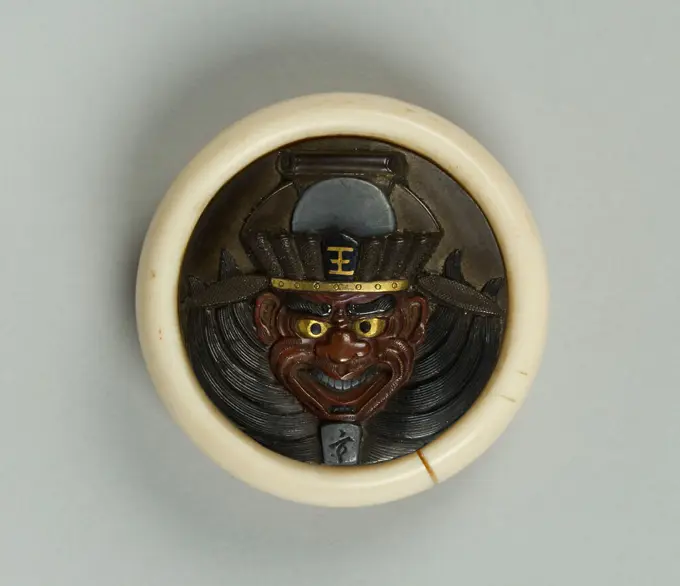
Japanese Netsuke Figurines

Exquisite netsuke figurines of various subjects from Japan, displaying intricate designs and craftsmanship in ivory and jade.

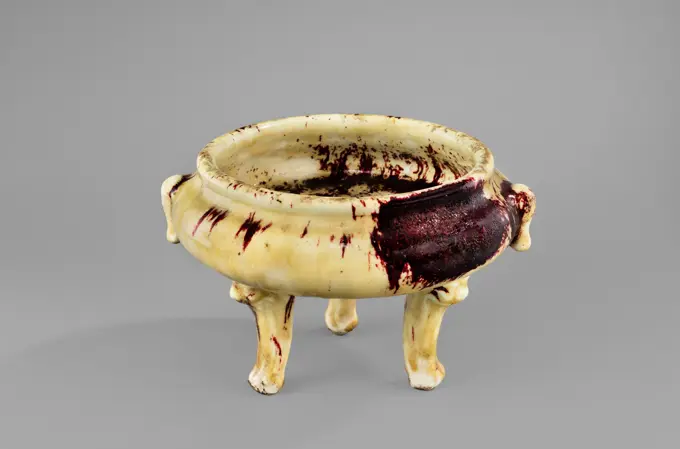
Burnt-Parfum (common name). Sandstone, molding, celadon, incised decor. Cernuschi Museum, Asia Museum of Asia in the city of Paris.
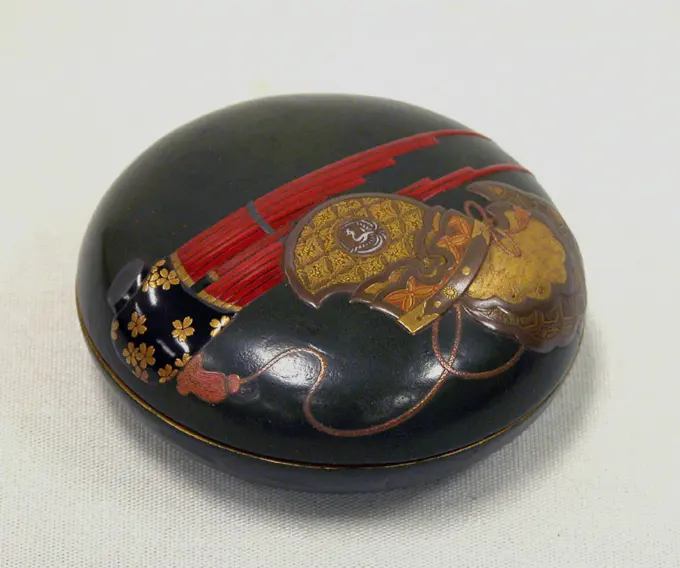
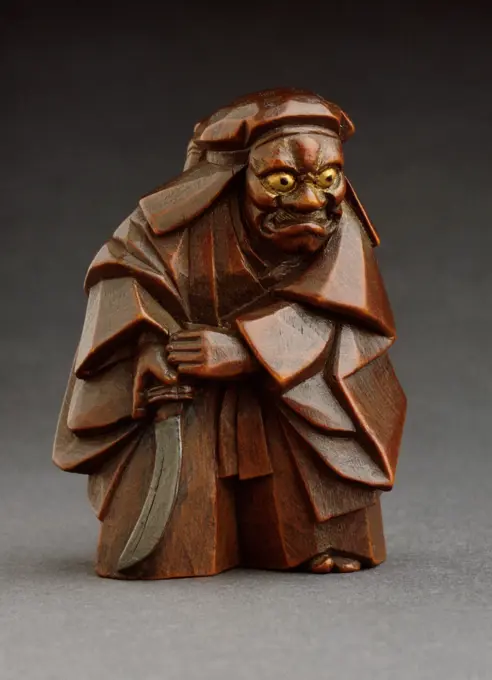
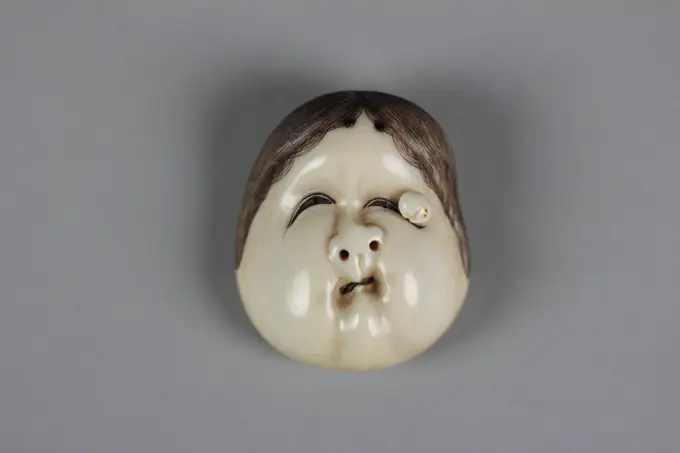
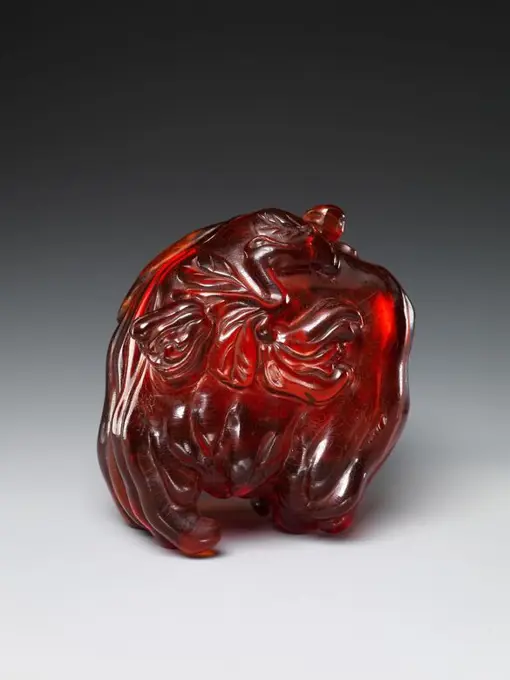
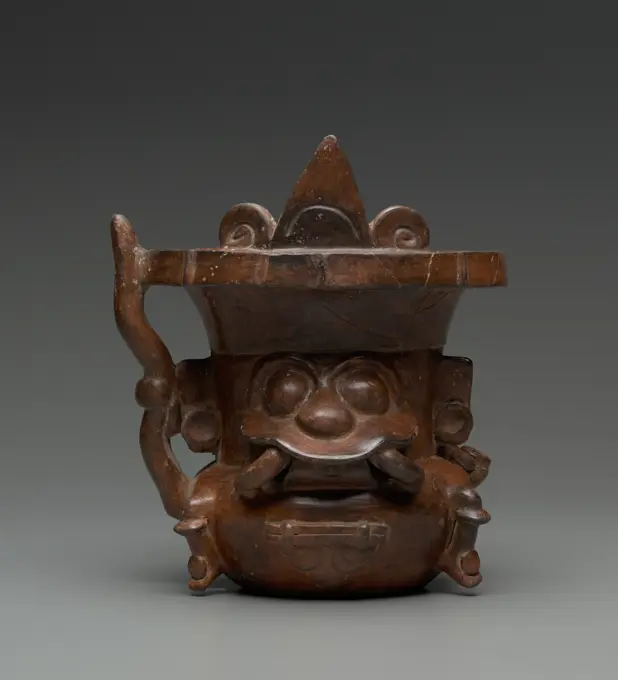
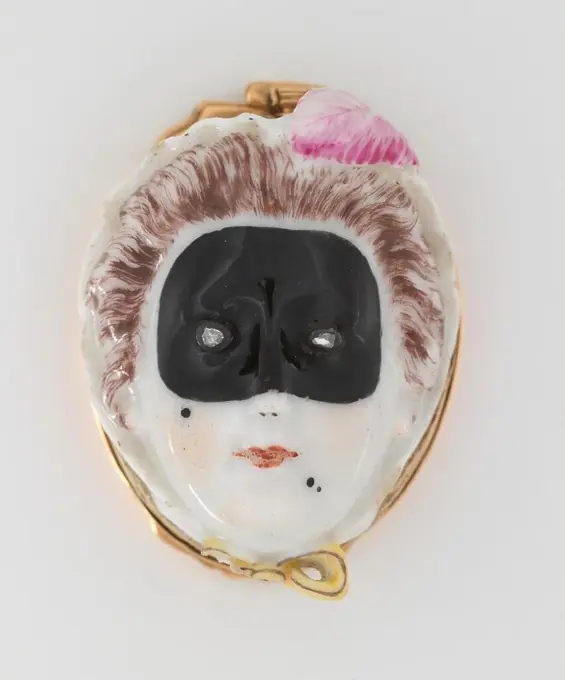
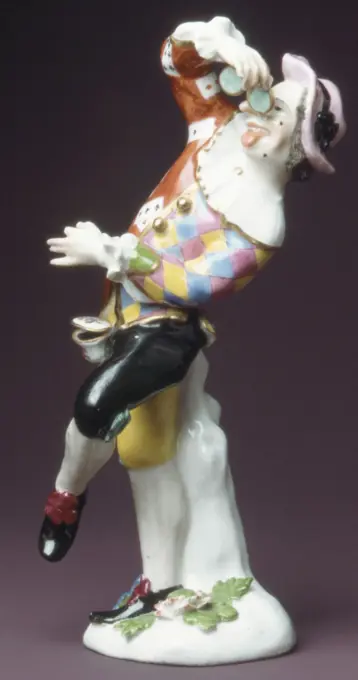
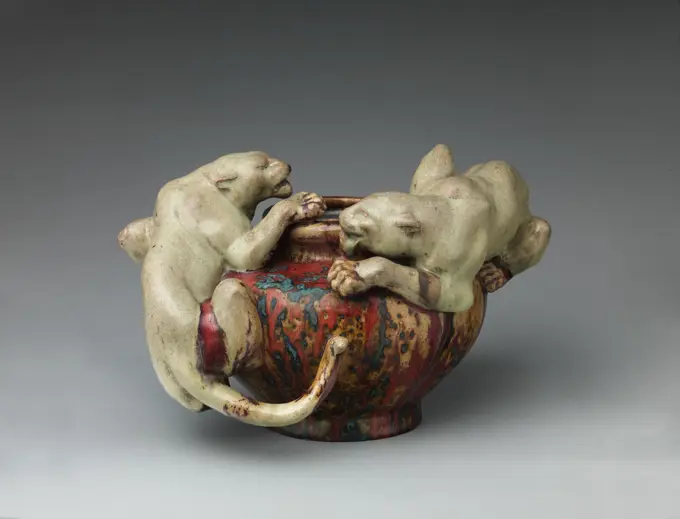
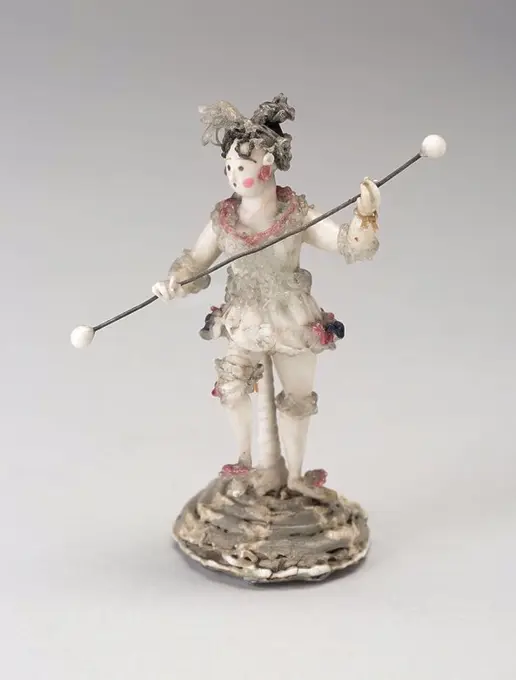
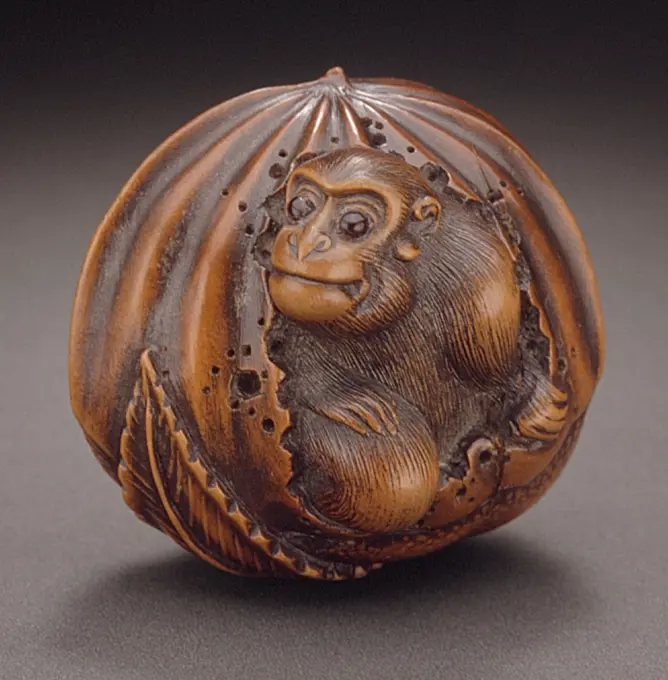
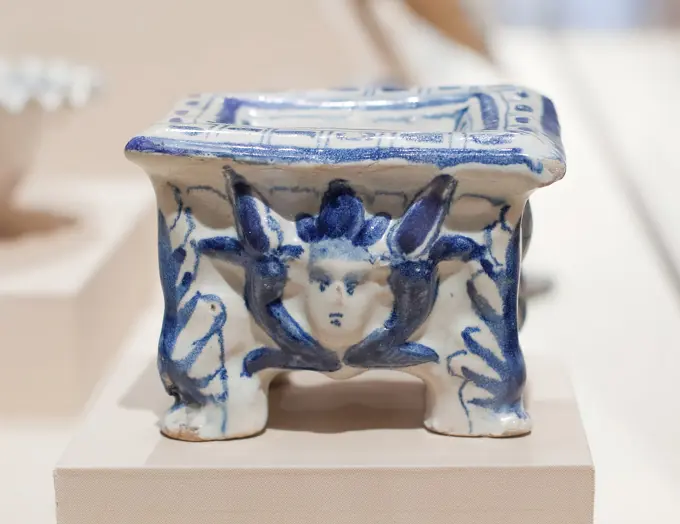
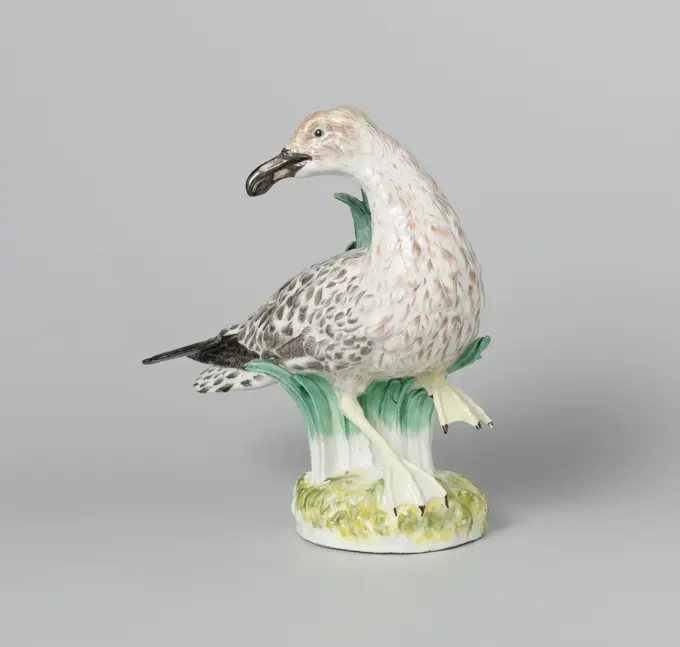
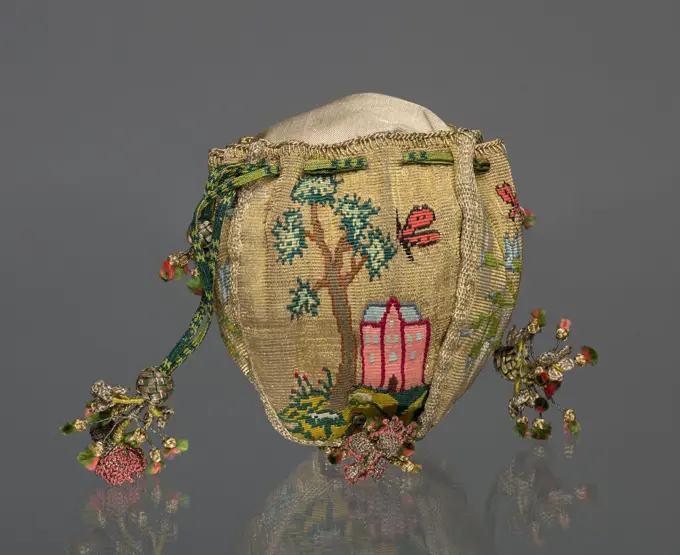
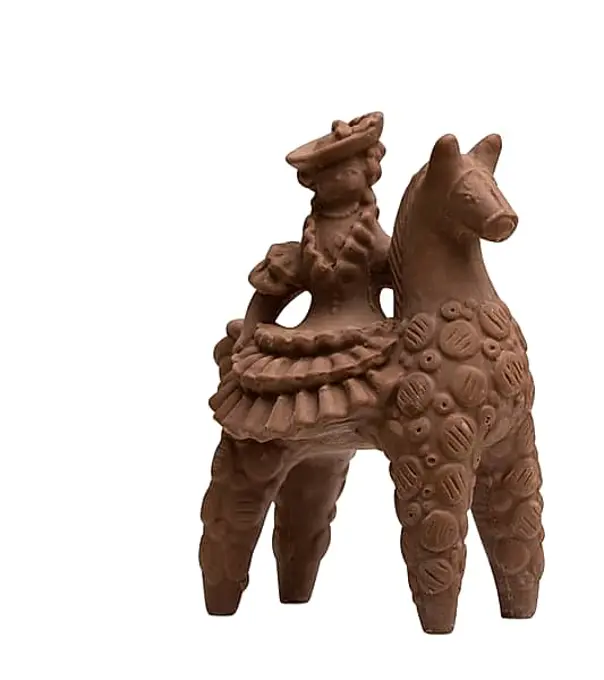
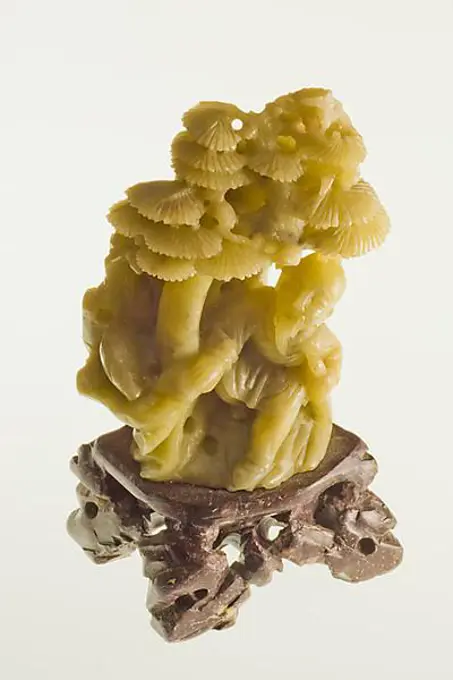
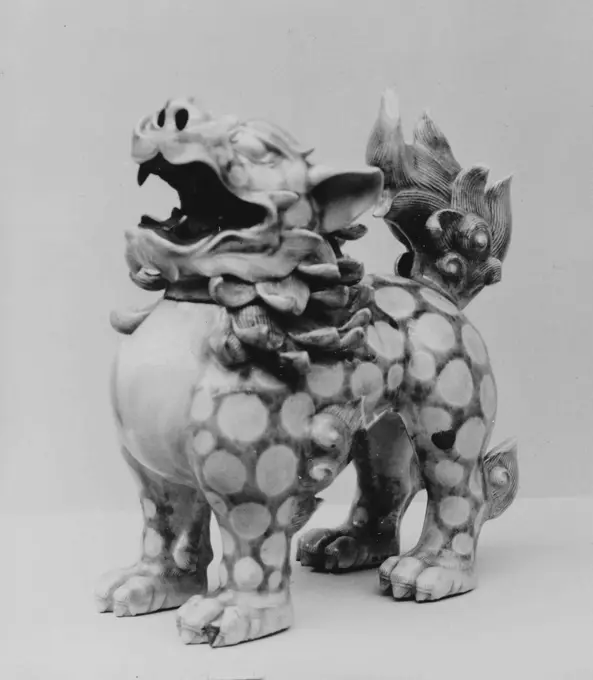
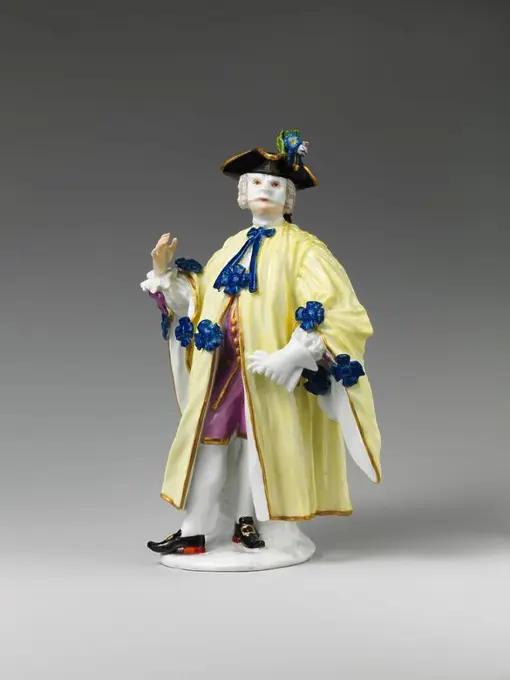
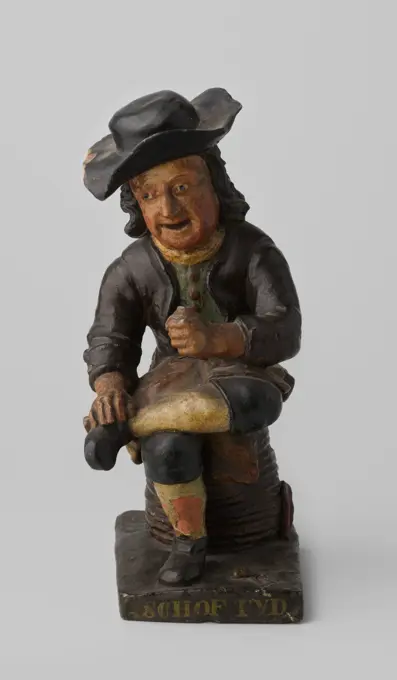
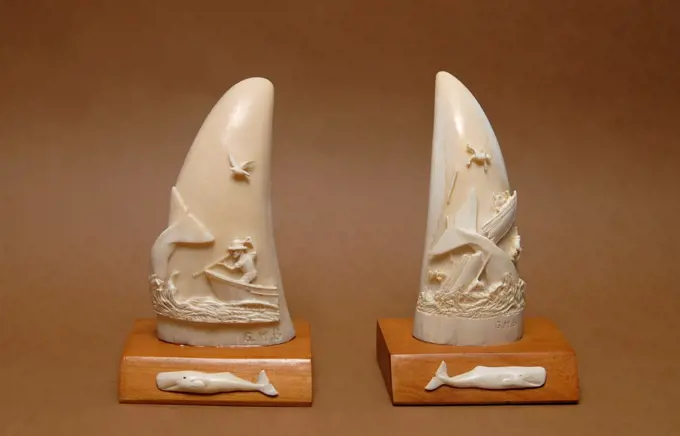
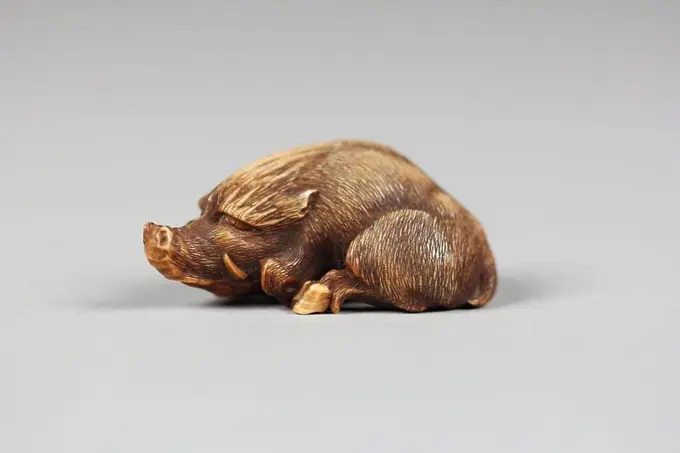
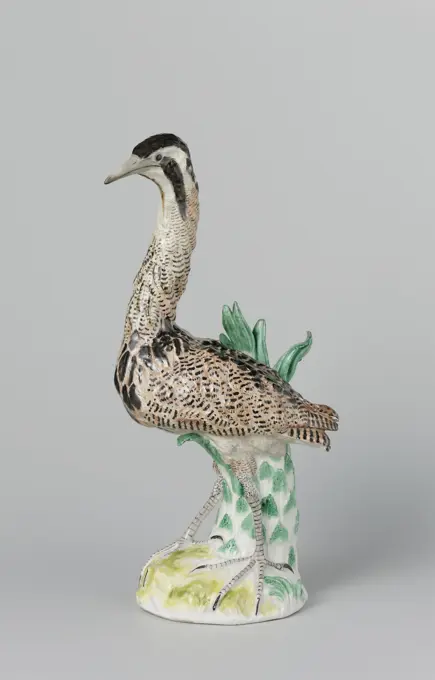
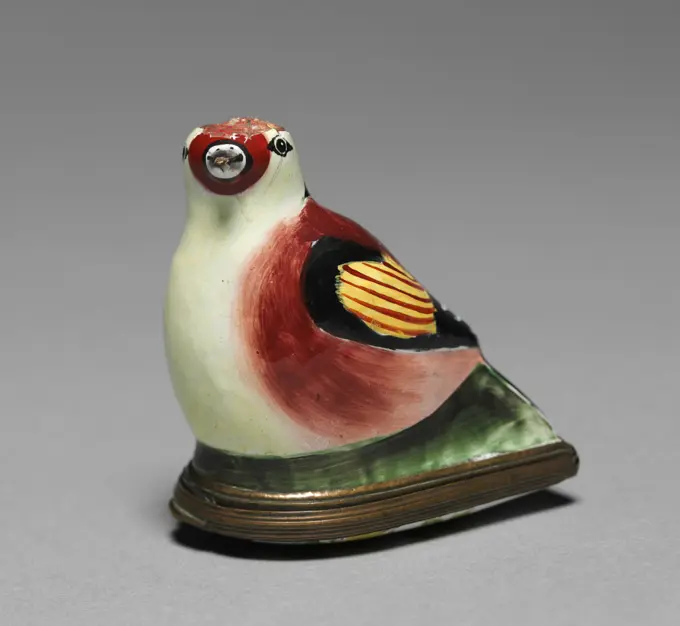
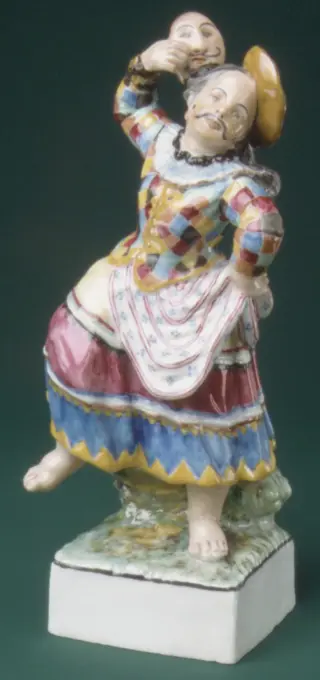
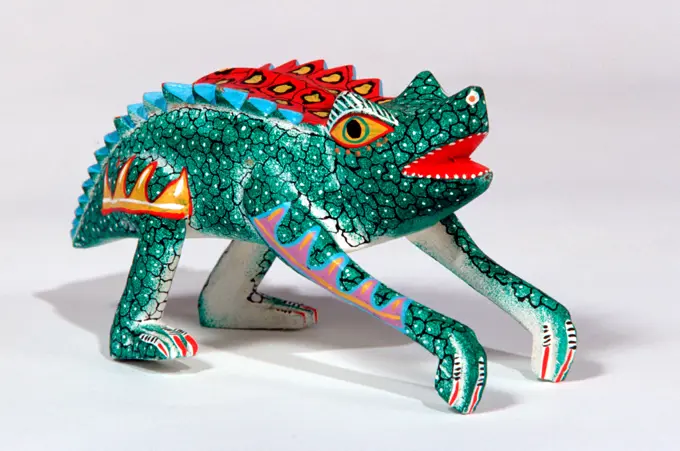
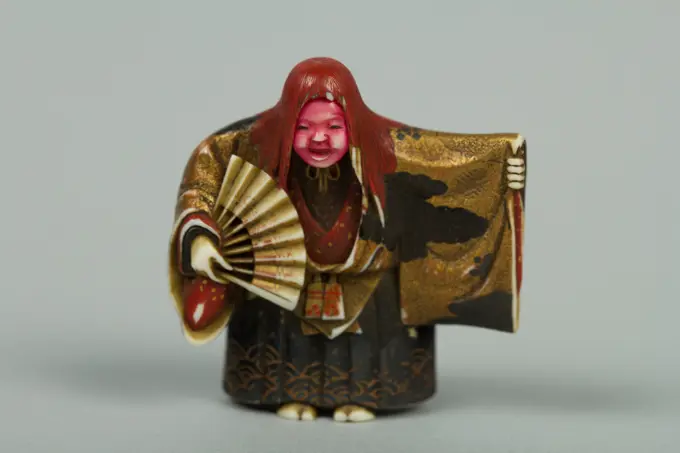
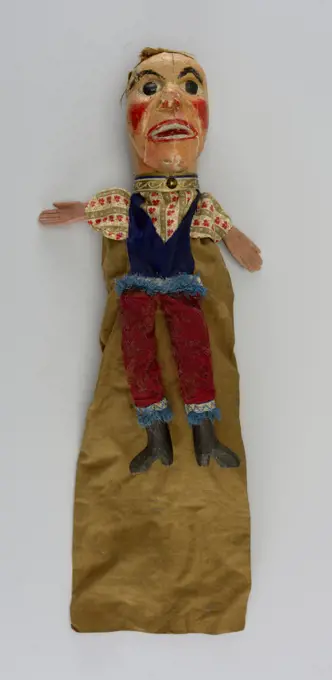
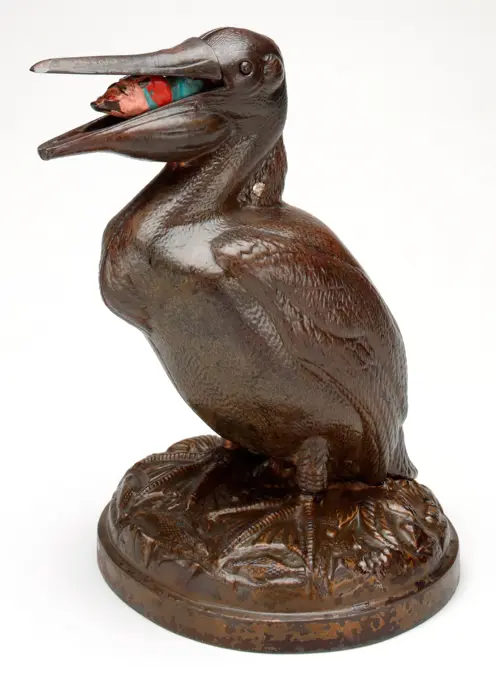
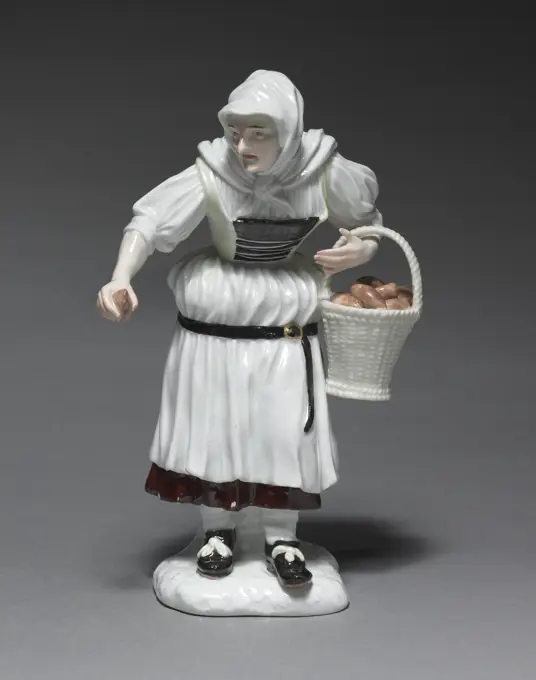
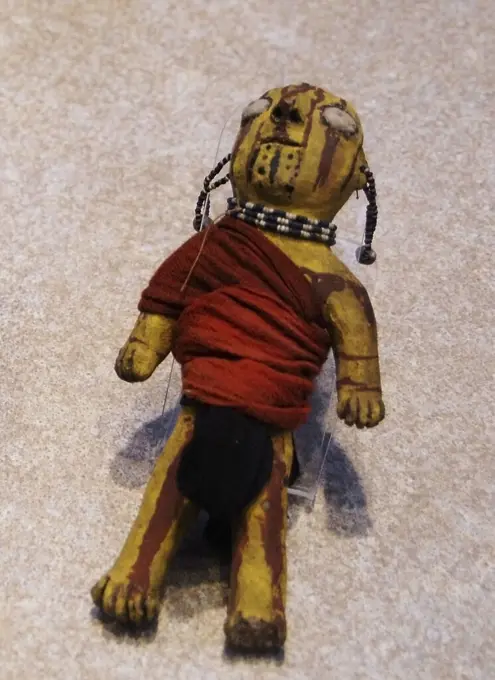
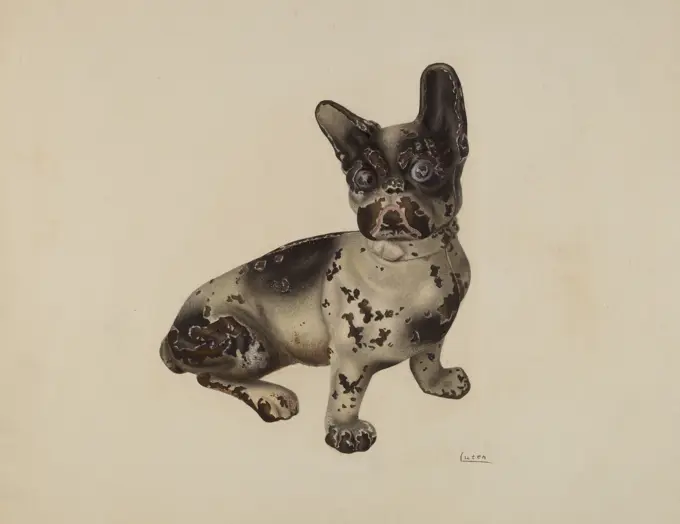
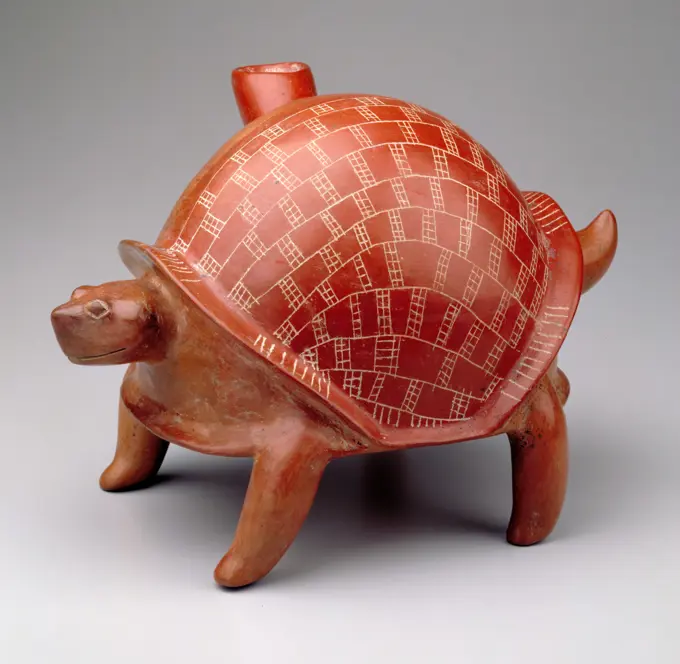
Vessel, 100 BCE - 250 CE, 8 3/8 x 13 3/4 x 10 1/4 in. (21.3 x 34.9 x 26 cm), Ceramic, Mexico, 1st century BCE - 3rd century CERound Box with Design of Bugaku Dance Hat and Musical Instrument 19th century Yamada Jkasai (1681-1704) Japanese The meticulously crafted images of a brocade hat and mouth organ that adorn this box resonate multiple auspicious associations. The hat bears a medallion depicting a phoenix, and its shape suggests the head of this fabled bird of ancient Chinese legend, said to appear only during a just reign. It is worn in the Bugaku dance Manzairaku (Happiness of Ten Thousand Years) by dancers whose graceful movements in large-sleeved robes of brilliant red evoke the appearance of the phoenix. The shape of the mouth organ resembles a phoenix resting with folded wings, and its tone lends an ethereal harmony to the dance's musical accompaniment. Together they signal the august aura of the imperial court and the legacy of ancient China, where these legends, dances, and music originated.. Round Box with Design of Bugaku Dance Hat and Musical Instrument. Yamada Jkasai (1681-1704). Japan. 19thPoland, Wroclaw, Wrocaw's dwarfs (Pol. Krasnale), tourist attractions,Benkei. Morikawa Toen (Japan, 1820-1894). Japan, mid- to late 19th century. Costumes; Accessories. Wood with gold pigmentWeird Cat. Japan, 18th century. Costumes; Accessories. WoodNetsuke of Noh Mask: Usume with Wart 19th century Japan. Netsuke of Noh Mask: Usume with Wart. Japan. 19th century. Ivory. Edo (1615-1868) or Meiji period (1868-1912). NetsukeBox in the shape of Buddha's hand. Culture: China. Dimensions: H. 3 in. (7.6 cm); W. 2 1/2 in. (6.4 cm). Date: 19th century.The citron-shape of this box has been nicknamed Buddha's hand (foshou) because the fingerlike segments that grow from the stem of a bright yellow citrus fruit are thought to resemble one of the ritual gestures (mudras) found in Buddhist art. Foshou is also a rebus in which the term fo, or Buddha, serves as a homonym for good fortune (fu), while the term for hand (shou) equals longevity (shou). Museum: Metropolitan Museum of Art, New York, USA.Vessel in the Shape of Tlaloc, God ofRain.   Maker: UnknownMezzetino 1749-1759 Fürstenberg. Hard-paste porcelain and polychrome enamels . Simon Feilner (Modeler)Head of a Lion 11th-12th century China. Head of a Lion 42460Chelsea Porcelain Manufactory / 'Bonbonnière (Snuffbox)'. 1760 - 1765. Agate, Metal, Hard-paste. Museum: Museo del Prado, Madrid, España. Author: FÁBRICA DE PORCELANA DE CHELSEA.Statuette of Official China. Statuette of Official 46740Box in the form of a duck, Meissener Porzellan Manufaktur, c. 1750 Box of painted porcelain, belly of the duck, with gold -colored edge. The duck is partially painted in blue, green, brown and black. The box is unnoticed. Float porcelain. bronze (metal) gilding Box of painted porcelain, belly of the duck, with gold -colored edge. The duck is partially painted in blue, green, brown and black. The box is unnoticed. Float porcelain. bronze (metal) gildingFigurine of a laughing and cheerful golden Buddha Harlequin with pince-nez model 1740-46 Meissen Manufactory German. Harlequin with pince-nez 207187Catfish. Japan, 19th century. Costumes; Accessories. Boar tusk with staining, sumiBowl with two panthers 1894-95 Pierre-Adrien Dalpayrat French This bowl reveals two key traits of Dalpayrat's work: sculptural vigor and experimental glazes. The panthers appear to climb around the bowl, poised and ready to pounce, and the glaze is an example of the famous "Dalpayrat red," a distinctive copper-red glaze mottled with streaks of blue, green, and yellow.. Bowl with two panthers 239362Court Dancer. Nevers, France. Date: 1700-1725. Dimensions: H. 7.6 cm (3 in.). Glass; lampwork (verre de Nevers), metal armature. Origin: France. Museum: The Chicago Art Institute, Chicago, USA.Netsuke of Young Boy at Writing Desk, Dreaming. Culture: Japan. Dimensions: H. 1 5/16 in. (3.4 cm); W. 1 1/4 in. (3.2 cm). Date: 19th century. Museum: Metropolitan Museum of Art, New York, USA.PiesMonkey in Chestnut. Naitō Toyomasa (Japan, 1773-1856). Japan, first half of 19th century. Costumes; Accessories. Wood with inlaysJoss-Stick Holder in the Form of an Elephant Holding a Lobed Vase 1279-1368 China. Qingbai ware; glazed porcelain .Master salt, c. 1675, 3 3/4 x 5 x 3 3/4 in. (9.5 x 12.7 x 9.5 cm), Tin-glazed earthenware, England, 17th centuryMeuw, Meissener Porcelain Manufaktur, c. 1750 Figure of painted porcelain. The figure represents a seagull, standing on an irregular round pedestal, between green aquatic plants. The plumage is painted in black to gray, except the feathers of the chest, the neck and the head, which are brown -red. The figure is marked. Float porcelain Figure of painted porcelain. The figure represents a seagull, standing on an irregular round pedestal, between green aquatic plants. The plumage is painted in black to gray, except the feathers of the chest, the neck and the head, which are brown -red. The figure is marked. Float porcelainMiniature Mask, Second quarter of the 20th century, 22 x 2 3/4 x 3 3/16 in. (55.88 x 6.99 x 8.1 cm), Wood, cane, feathers, plant fibers, animal hide, Democratic Republic of Congo, 20th centuryCover for Ewer with Dragon HandleWoven Purse, 1700s. France, 18th century. Tapestry, silk and gold thread; overall: 10.2 x 7 cm (4 x 2 3/4 in.).Case (Inro) with Lion and Peonies. Culture: Japan. Dimensions: 3 1/16 x 2 1/8 x 1 in. (7.8 x 5.4 x 2.5 cm). Date: 17th century. Museum: Metropolitan Museum of Art, New York, USA.Ding-type censer. unknown, craftsmanPapyrus scepter (wadj) amulet. Dimensions: h. 2.1 cm (13/16 in.). Dynasty: Dynasty 21. Date: ca. 1070-945 B.C.. Museum: Metropolitan Museum of Art, New York, USA.Knight on horseback made of delicious milk chocolateHand-made jade sculpture depicting monk and a forest, China, AsiaPrzeszo Przyszoci Mi Nia (Meissen)Censer and Top in form of a Shishi 1750 Japan. Censer and Top in form of a Shishi. Japan. 1750. Porcelain decorated with enamels (Arita ware, Imari type). Edo period (1615-1868). CeramicsMasquerader (one of a pair). Culture: German, Meissen. Dimensions: Overall (confirmed): 6 1/2 x 4 x 2 3/4 in. (16.5 x 10.2 x 7 cm). Factory: Meissen Manufactory (German, 1710-present). Modeler: Johann Joachim Kändler (German, Fischbach 1706-1775 Meissen). Date: 1745.This model of a porcelain figure wearing a black tricorne hat, a white half mask, and a long robe trimmed with bows is commonly identified as the Avvocato, or lawyer, one of the secondary cast of characters comprising the Comédie Italienne. However, it has been pointed out recently that neither the costume nor the pose of this figure refers to the legal profession and that the figure should more accurately be called "The Masquerader."1 His hat, mask, and cloak reflect a costume typically worn by both men and women in Venice during Carnival and at the masquerade balls popularized by the Carnival that were common throughout Europe by the mid-eighteenth century. The mask, usually made of papier mché, granted the wearer anoJapanese lucky cat figurine.Pipe Stopper, 1700-1800. Made in England. Pinto Collection - Purchased from Edward H Pinto, 1965.. This carved boxwood pipe tamper is English, and dates from the eighteenth century. Tampers, or pipe stoppers, are used by smokers to press down the tobacco in their pipes. This is needed to ensure that the tobacco burns evenly. For over 200 years it was fashionable to make small, pocket-sized stoppers in a number of materials ranging from wood to silver. Many, like the greyhound shown here, demonstrated a considerable amount of ingenuity and skill. These items were not produced as unique This carved boxwood pipe tamper is English, and dates from the eighteenth century. Tampers, or pipe stoppers, are used by smokers to press down the tobacco in their pipes. This is needed to ensure that the tobacco burns evenly. For over 200 years it was fashionable to make small, pocket-sized stoppers in a number of materials ranging from wood to silver. Many, like the greyhound shown here, demonstrated aCrocus pot 1867-70 Ira W. Corey. Crocus pot 14343Snuffbox in the form of a rat ca. 1745 Meissen Manufactory German. Snuffbox in the form of a rat. German, Meissen. ca. 1745. Hard-paste porcelain, gold. Ceramics-PorcelainImage of a sitting man, c. 1400 - c. 1950 Sitting man with hat, the left leg over the right. A cup in his hand. On the pedestal: "Purchase Tyd".  stoneware Sitting man with hat, the left leg over the right. A cup in his hand. On the pedestal: "Purchase Tyd".  stonewareDolls, a minus in birthplace and baked baby, anonymous, c. 1600 - c. 1699 Dolls, a minus in birthplace and baked baby. Dolls, a minus in birthplace and baked baby.BOTIJO GALLO VIDRIADO Y POLICROMADO - ARTE POPULAR S XX. Location: ALFARERIA. Lorca. MURCIA. SPAIN.Close-up of a Terracotta vase, Turin, Piedmont, ItalySculpted and carved Whale tooth Whaler's Museum AzoresNetsuke of Boar. Culture: Japan. Dimensions: H. 3/4 in. (1.9 cm); W. 1 7/8 in. (4.8 cm); D. 1 in. (2.5 cm). Date: 19th century. Museum: Metropolitan Museum of Art, New York, USA.Polkhovskaya Matreshka, 1970s. Matryoshka dolls also known as babushka dolls are a set of wooden dolls of decreasing size placed one inside another.Roerdomp, Meissener Porzellan Manufaktur, c. 1750 Figure of painted porcelain. The figure represents a Roerdomp, standing on an irregular round pedestal, leaned against a thick bunch of water plants painted in green. The springs are painted in various shades of brown, black and yellow. The top of the head is black. The figure is marked. Float porcelain Figure of painted porcelain. The figure represents a Roerdomp, standing on an irregular round pedestal, leaned against a thick bunch of water plants painted in green. The springs are painted in various shades of brown, black and yellow. The top of the head is black. The figure is marked. Float porcelainBonbonniere, late 1700s. Staffordshire Factory (British). Enamel on copper with metal mounts; overall: 6.1 x 3.7 x 6.1 cm (2 3/8 x 1 7/16 x 2 3/8 in.).Foo Fu dog or chinese guardian lion isolated on white background.Harlequin Dressed as Columbine ca. 1770-80 Gardner Manufactory In 1766, the English entrepreneur Francis Gardner, with the permission of Catherine the Great, established the first great porcelain factory in the Russian empire, in the town of Verbilky. The factory operated under the Gardner name until 1892, when it was acquired by M. S. Kusnetsov, who continued the production as Kusnetsov Brothers until 1917.This pair of porcelain figures (see also 1982.60.157) reflects the enchantment of the Saint Petersburg nobility and the imperial court with masquerades, metamorphoses, and theme balls. Such figures also reflect the fascination of the so-called Venice of the North with southern Europe and its theatrical characters, such as those of the commedia dell'arte.. Harlequin Dressed as Columbine 207059Mexico, Oaxaca, Tilcajete, San Martin. Traditional arts: alebrijes, figure carvings, copal woodNetsuke of Noh Dancer 19th century Japan. Netsuke of Noh Dancer. Japan. 19th century. Lacquered ivory. Edo (1615-1868) or Meiji period (1868-1912). NetsukeRow of Figurines of laughing and cheerful golden BuddhasToby, Painted wood, cotton, other materials, Sun-nosed head with red cheeks and open mouth. Crepe hair. Printed shirt, blue vest, red trousers, black boots. Blue fringe at ankles and waist. Blue, white and gold scrolled collar., England, late 19th century, theater, Decorative Arts, Puppet, PuppetDoll from Italy,Little angel made of clay, prayingPijp van S.J.P. Kruger, Anonymous, 1800 - 1900 pipe. case Orange -colored pipe with a head in the shape of a man with a hat and beard and collar, a wooden pipe cup sticks out of his hat. The stem is of a transparent orange -colored plastic, which runs a thin black tube. The partition in the shape of the pipe is made of wood, covered with red leather, the inside on one side covered with a green side, on the other with faded coarse green sheet. South Africa (Possible) meerschaum. wood (plant material). leather. cloth. silk. copper (metal) casting / cutting / forging head (human). head-gear: hat (+ men's clothes). beard South AfricaTraditional mexican handcrafted cat and dog statues isolated. Traditional mexican handcrafted cat and dog statuesPelican, Arab in Beak' mechanical bank, c. 1878, John Gerard; Manufacturer: J. & E. Stevens Company, Cromwell, Connecticut, 1843-1950s, American, 8 3/16 x 4 11/16 x 5 5/16 in. (20.8 x 11.91 x 13.49 cm), Iron, pigment, 19th centuryAmerica ca. 1765 Frankenthal Porcelain Manufactory. America 202349Japanese ivory of a dice painter, 19th century. Artist: UnknownThe Three wise monkeys on a white backgroundMauritius, Port Louis. Souvenirs in shop at Caudan Waterfront.Stone vessel in the form of a monkey from Isla de SacrificiosPeasant Woman, 1740-1750. Meissen Porcelain Factory (German), Johann Joachim Kändler (German, 1706-1768), and/or Peter Reinicke (German, 1715-1768). Porcelain with enamel decoration; overall: 17.2 x 10.1 x 6.8 cm (6 3/4 x 4 x 2 11/16 in.).NA,USA, California, San Francisco. Jade carving of a fish in Chinatown.Doll, 1900. Mojave tribe. Denver Art Museum. Denver, Colorado, United States.Netsuke with Head of a Chinese Sage. Culture: Japan. Dimensions: Diam. 1 3/4 in. (4.4 cm); D. 5/8 in. (1.6 cm). Date: 19th century. Museum: Metropolitan Museum of Art, New York, USA.Winifred Luten, Door Stop, c 1939 Door StopClose-up of figurines with a yin yang ballNetsuke of Demon 19th century Japan. Netsuke of Demon 59405dragon An image of a nice red dragon sculpture Copyright: xZoonar.com/magannx 2526937Derby porcelain factory, founded 1756, British, Dr. Syntax: his head bound with a rag, riding on the back of a woman, ca. 1810. Derby figure.Riding flying carpet with intricate patterns and bright colorsMoney box in the form of Portrait of Piet Lieftinck, Liwa, 1949  Man's neck with a slit in mind. Apeldoorn gypsum   NetherlandsPhilosopher's bust