Japanese Netsuke Figurines

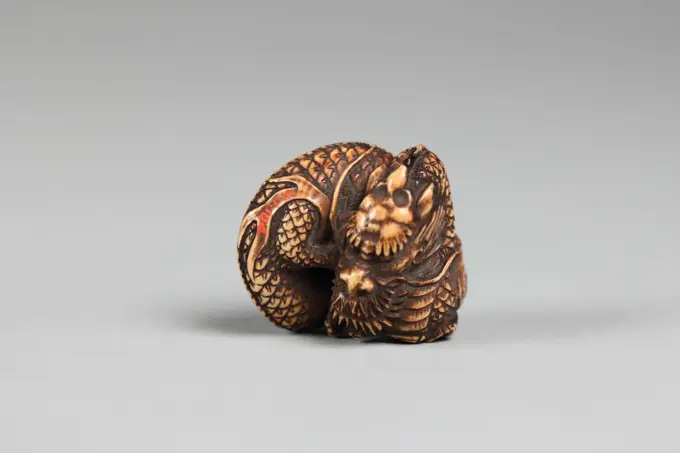
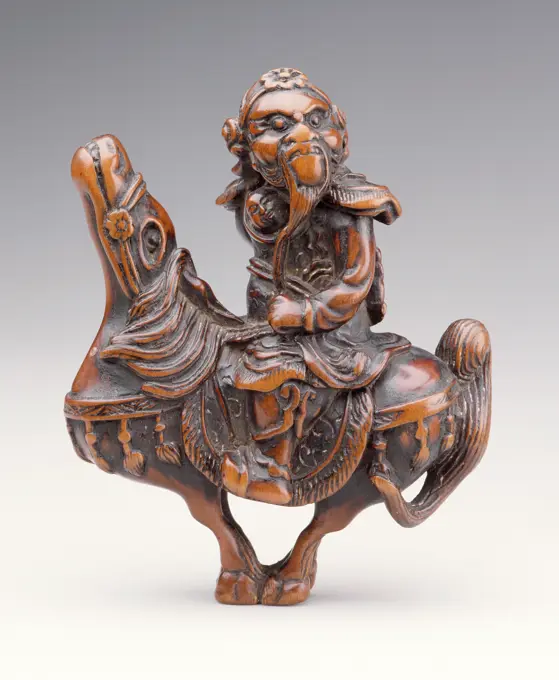
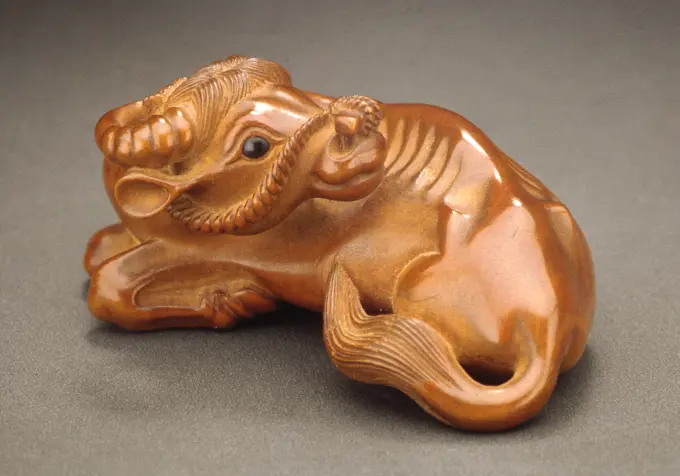
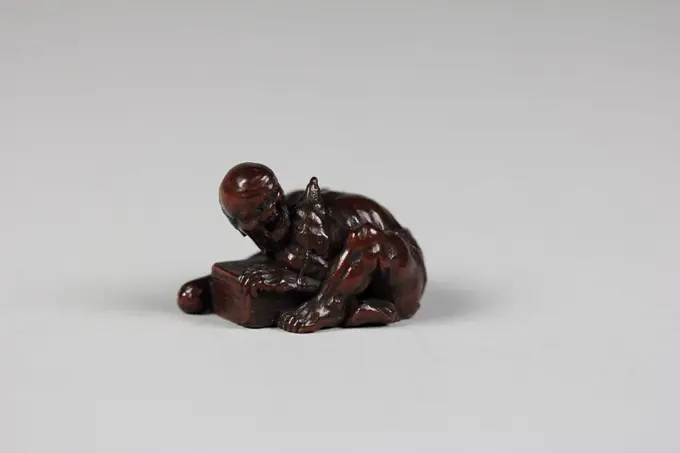
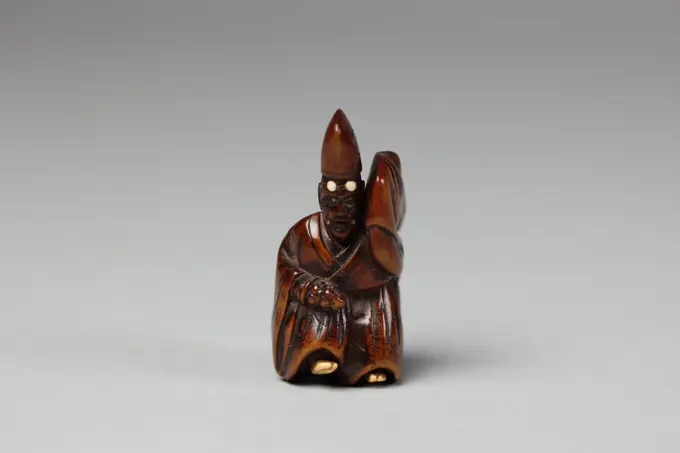
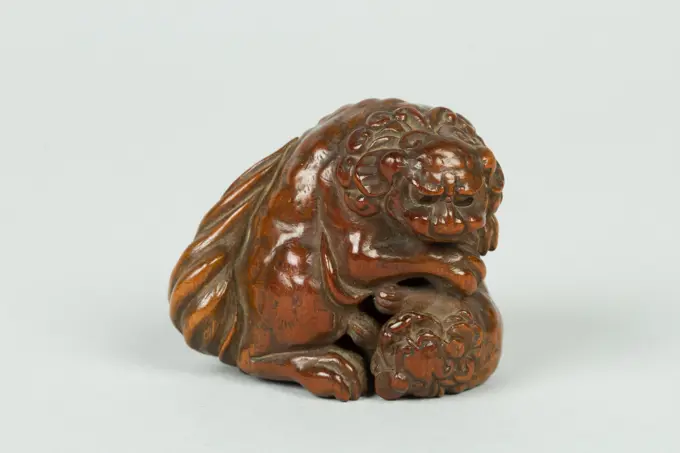
A selection of intricate wooden netsuke depicting animals and masks from 19th century Japan, emphasizing craftsmanship and cultural significance.
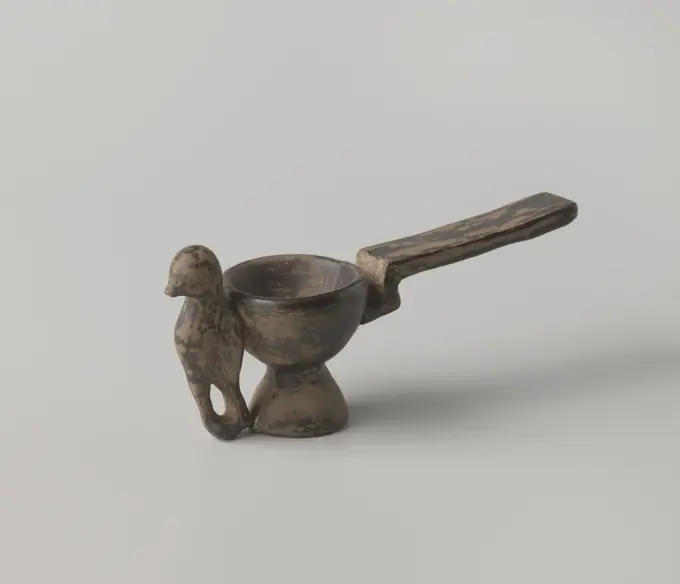
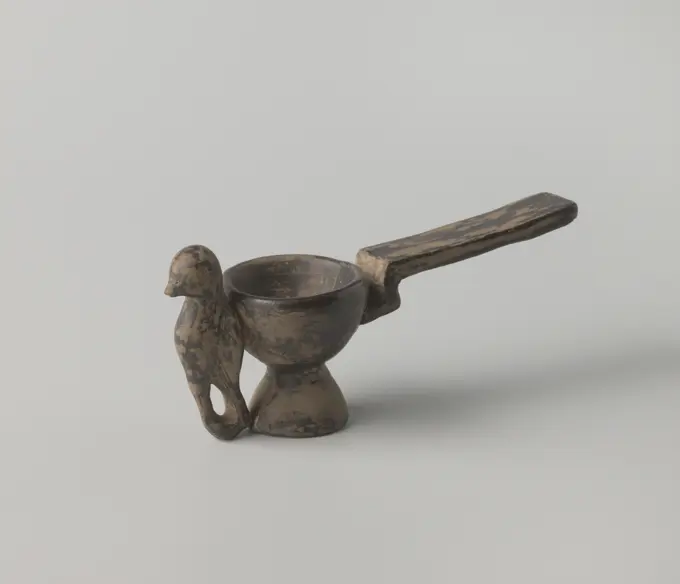
Ritual spoon ,, -400 --200 Cup -shaped object with flat stem and a standing bird, a spoon (), Of black earthenware at the front. The 'cup' runs narrow from below and then wider again. The bird protrudes the head above the edge. China earthenware Cup -shaped object with flat stem and a standing bird, a spoon (), Of black earthenware at the front. The 'cup' runs narrow from below and then wider again. The bird protrudes the head above the edge. China earthenware
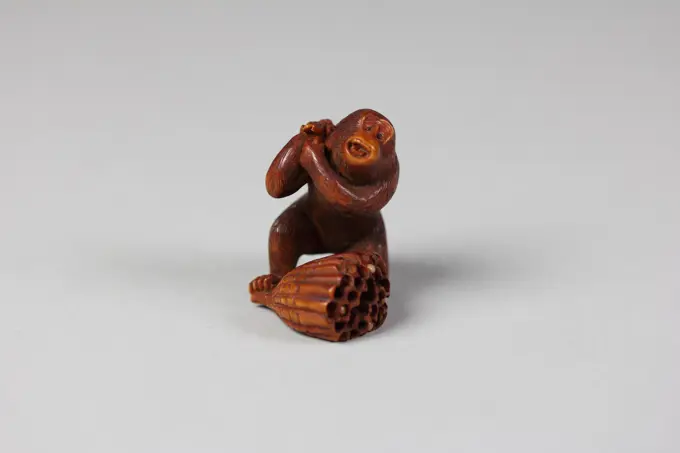
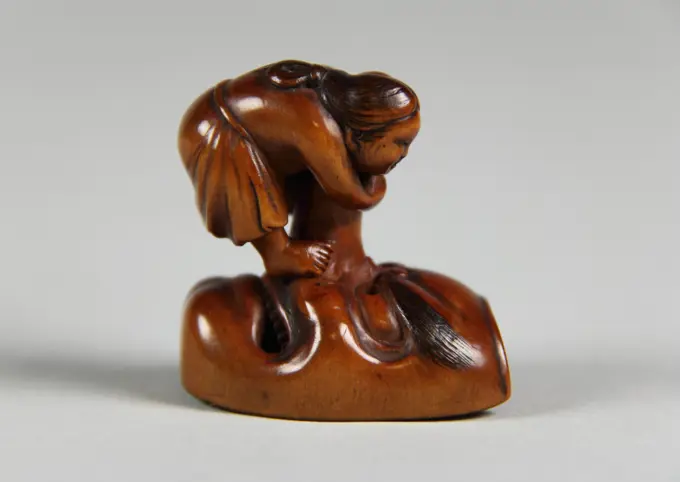
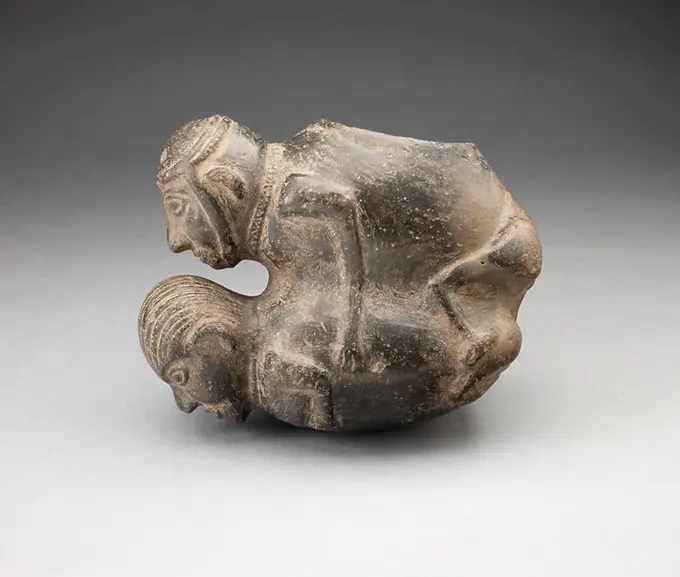
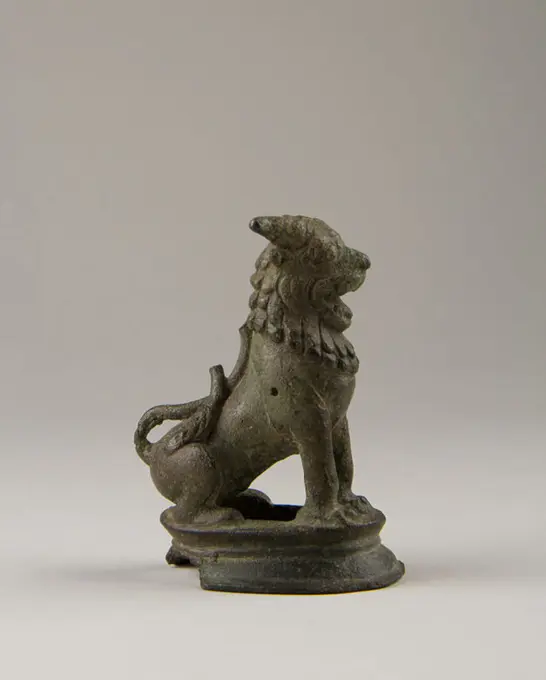
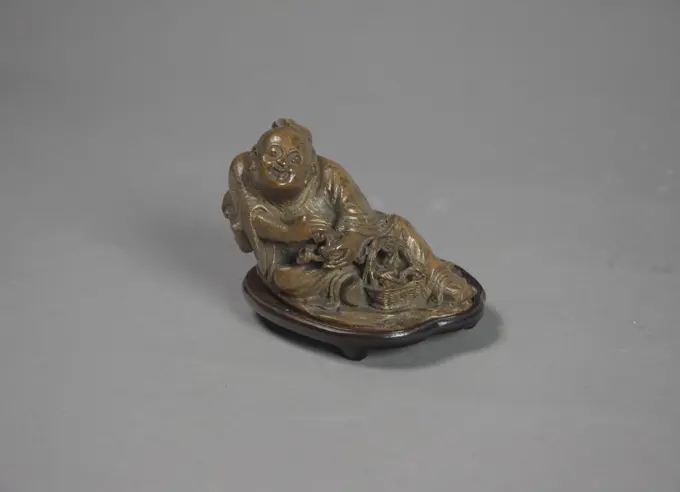
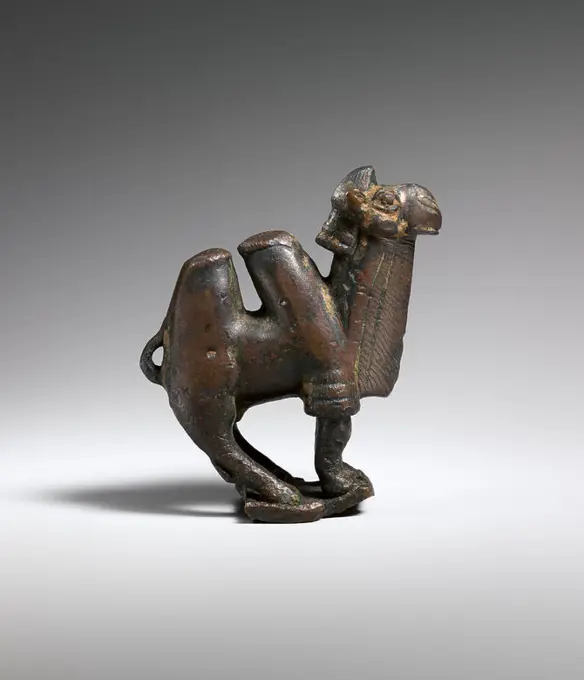
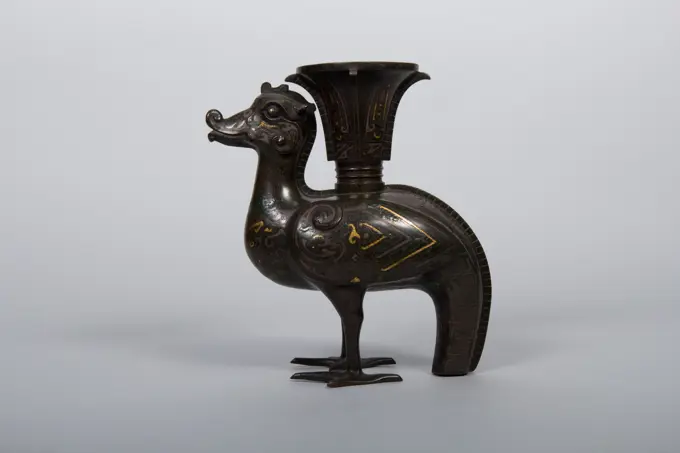
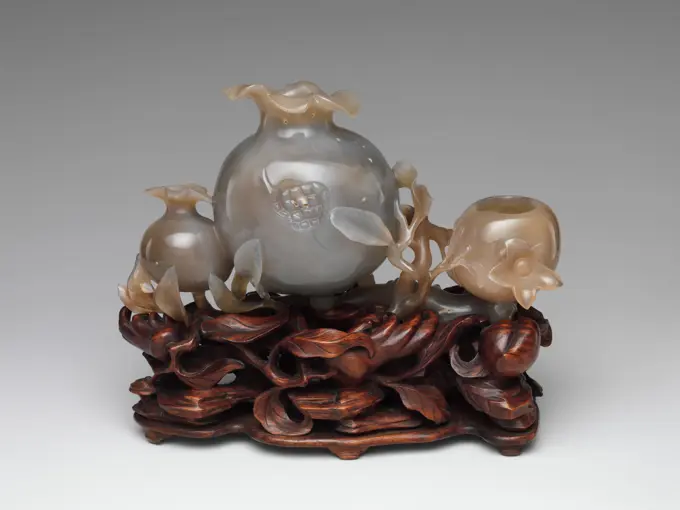
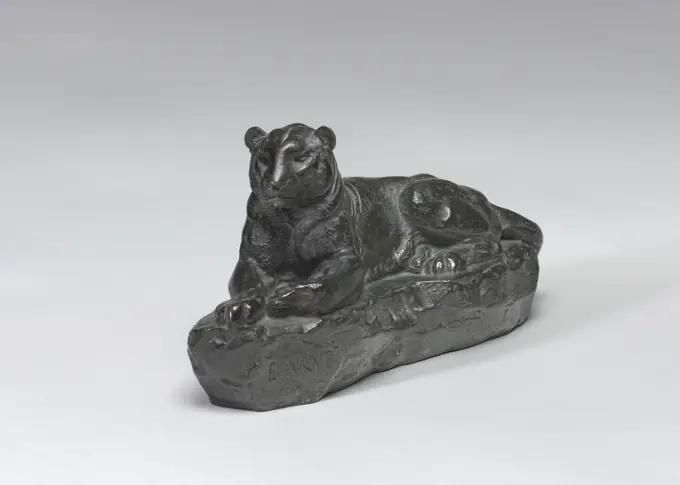
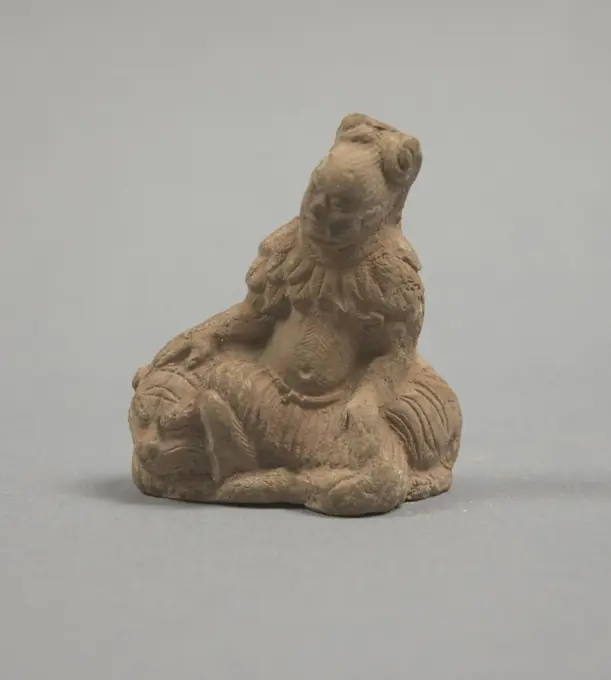
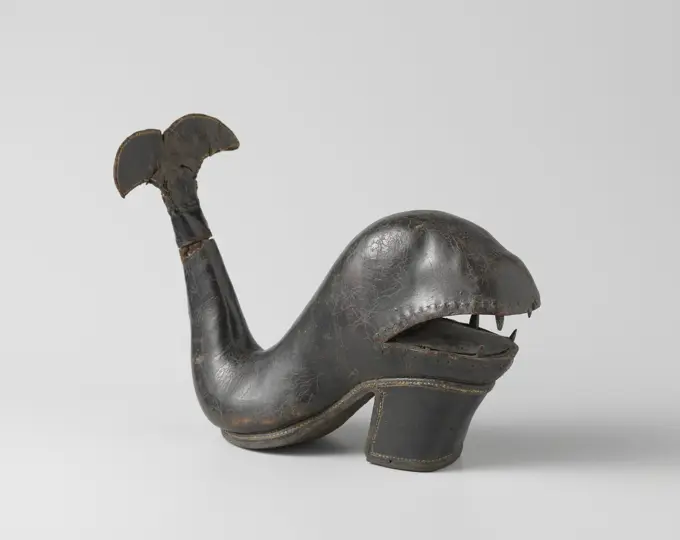
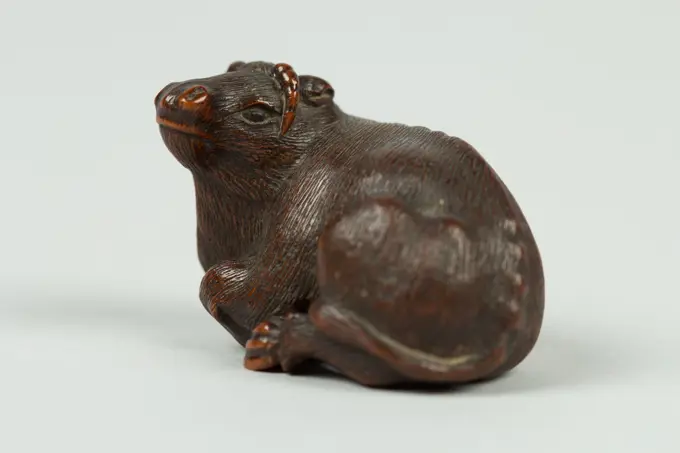
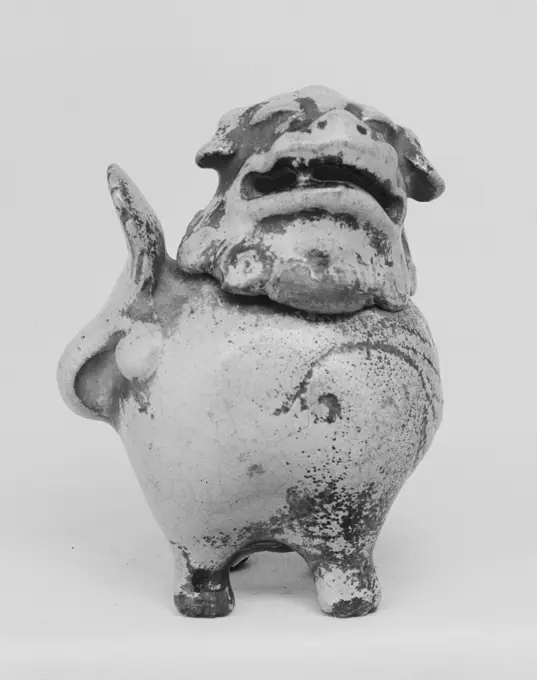
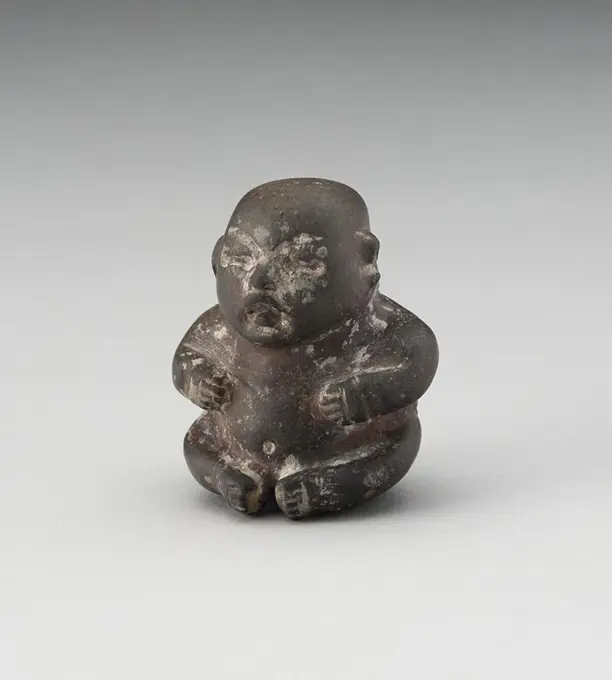
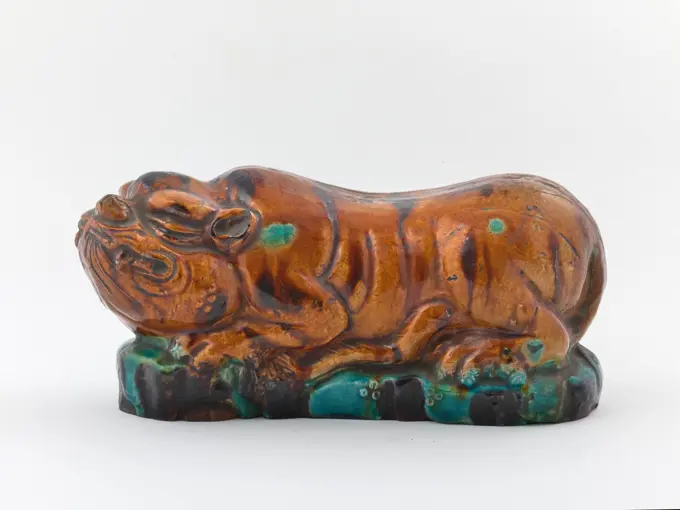
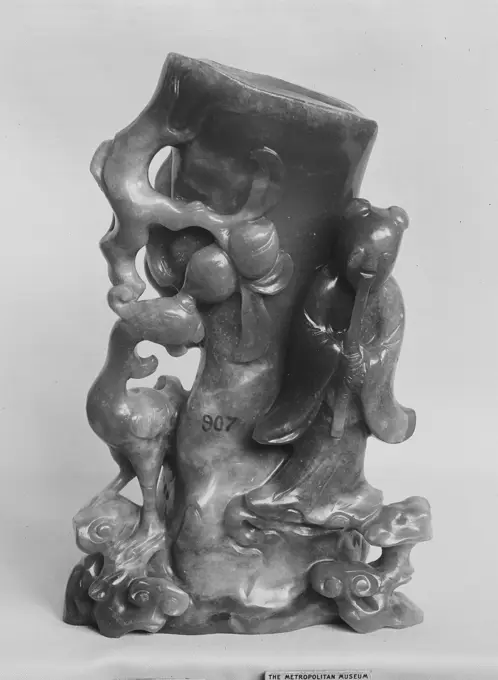
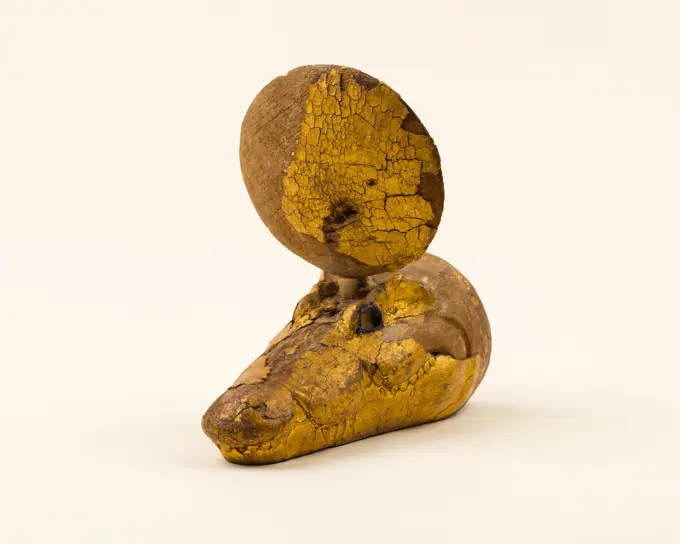
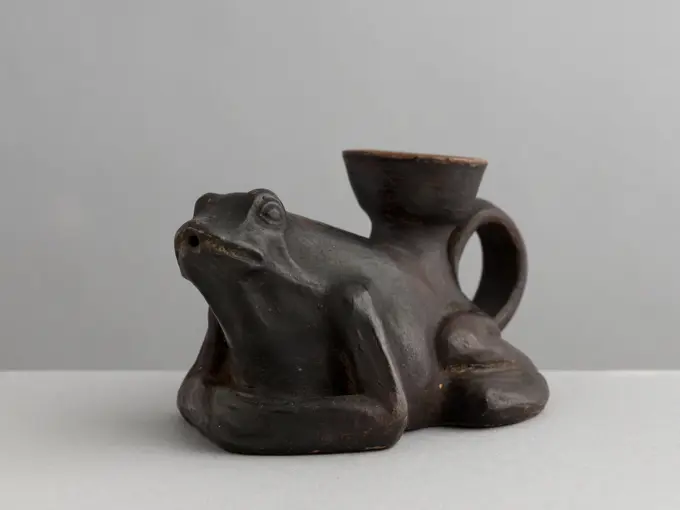
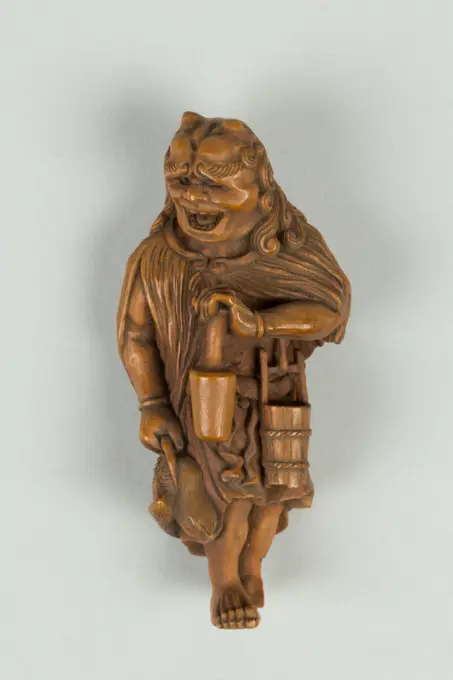
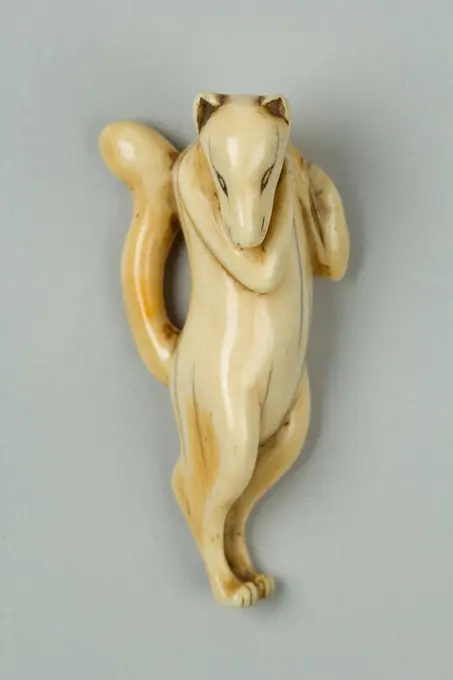
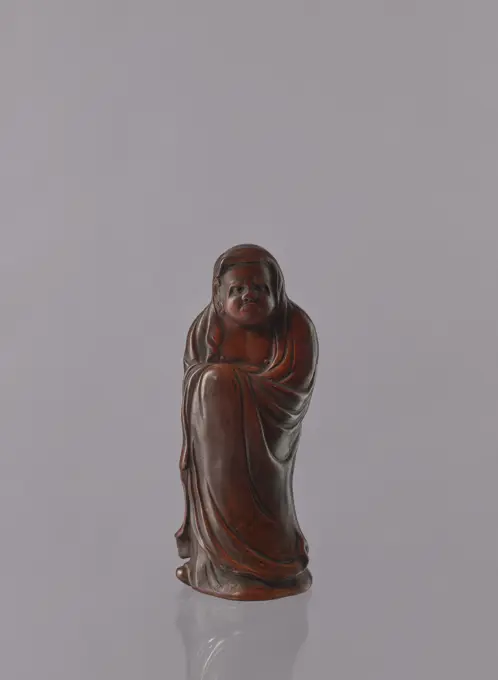
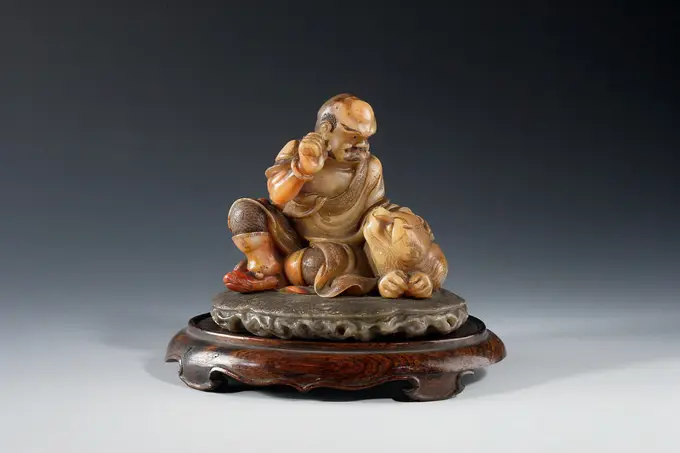
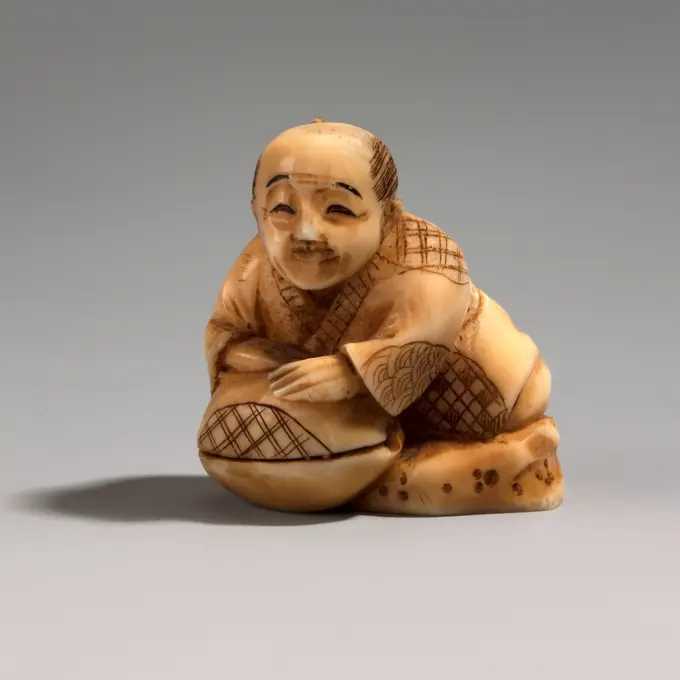
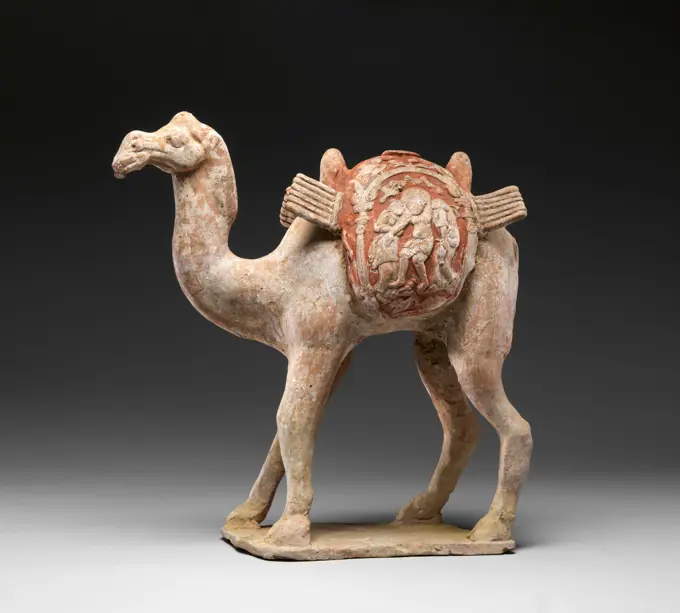
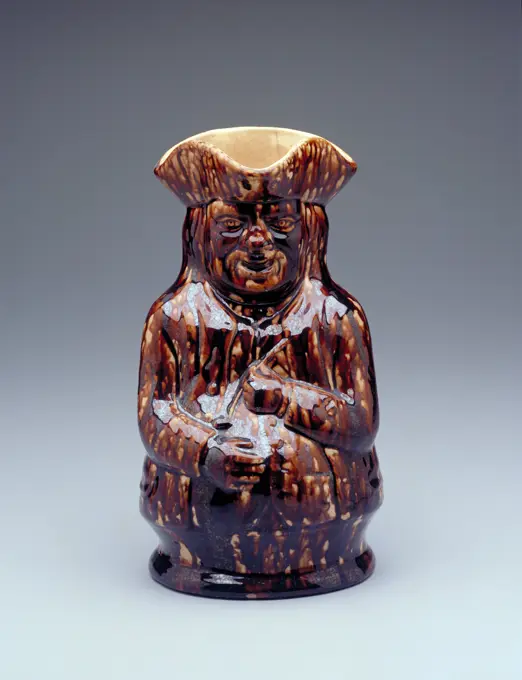
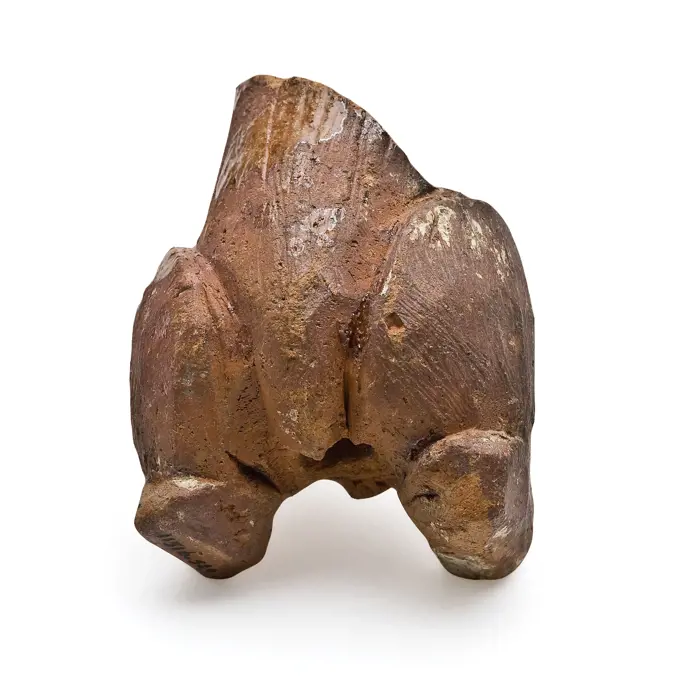
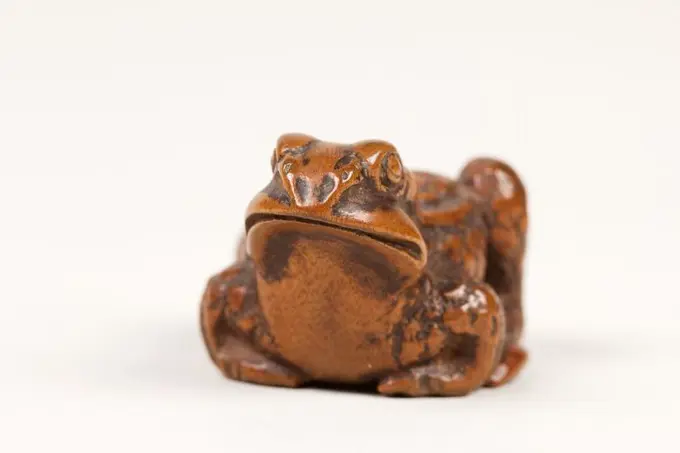
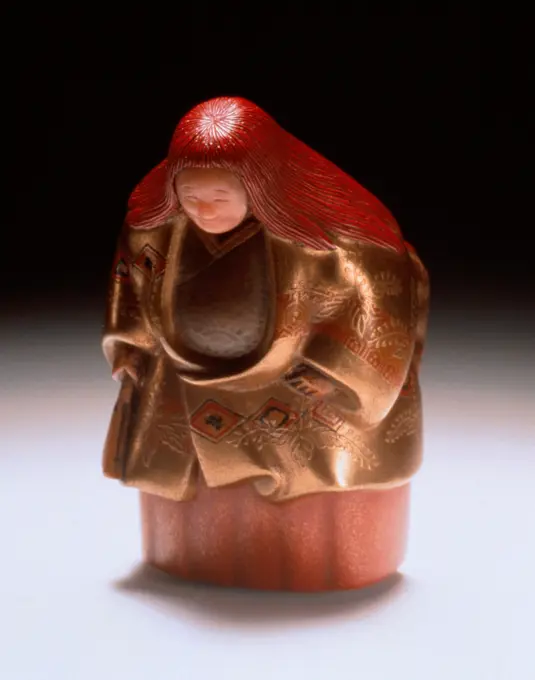
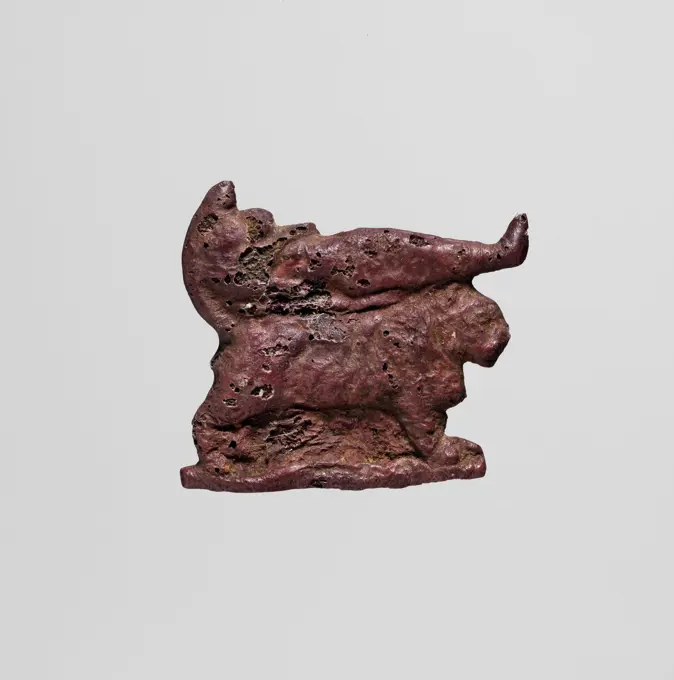
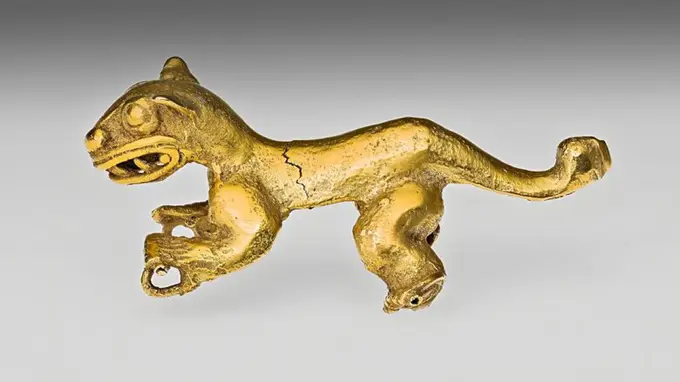
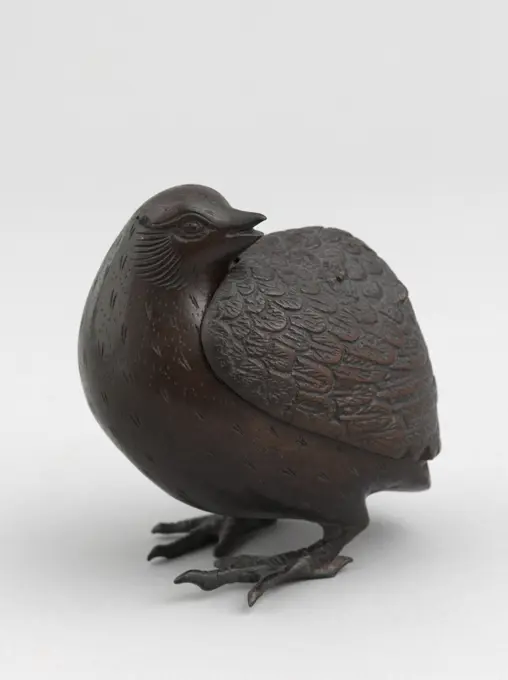
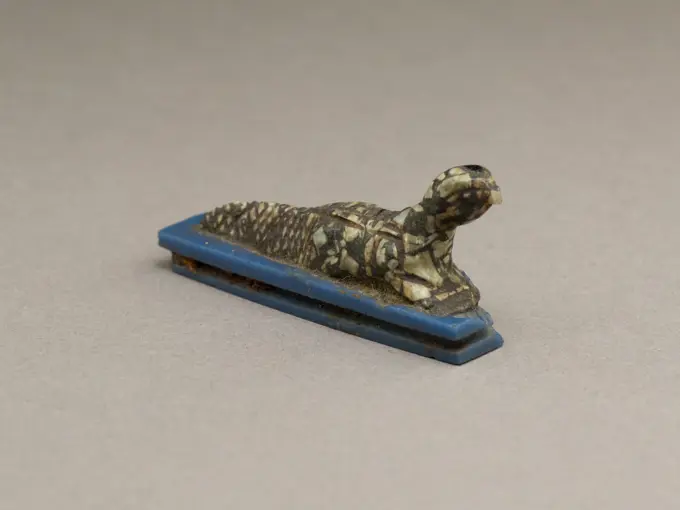
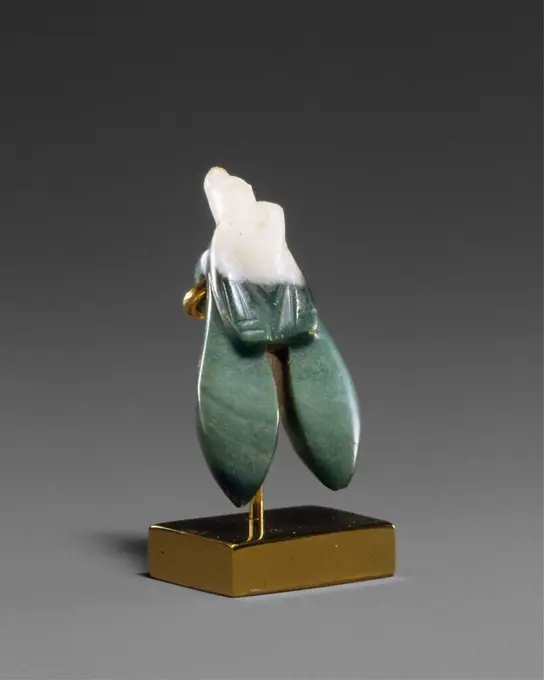
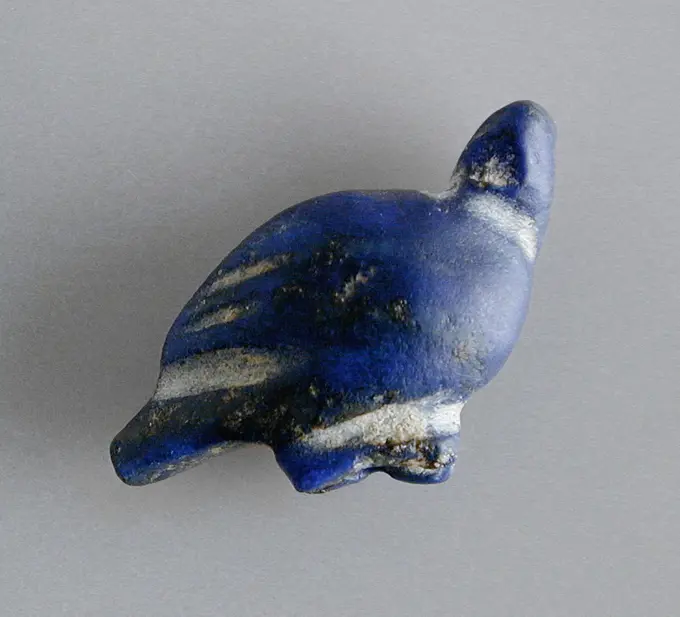
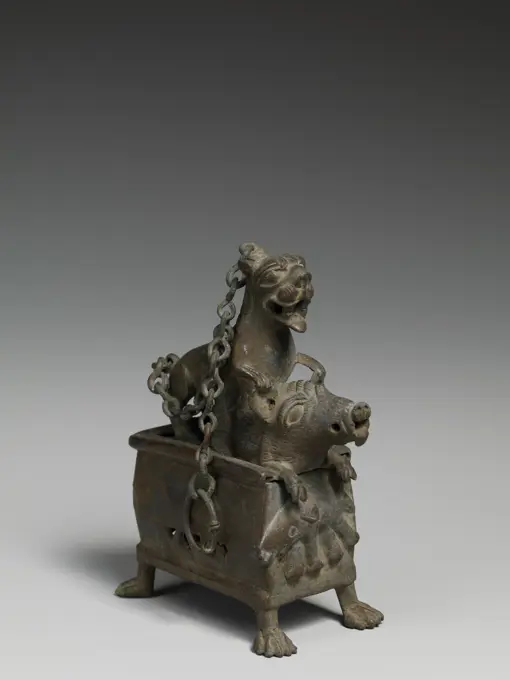
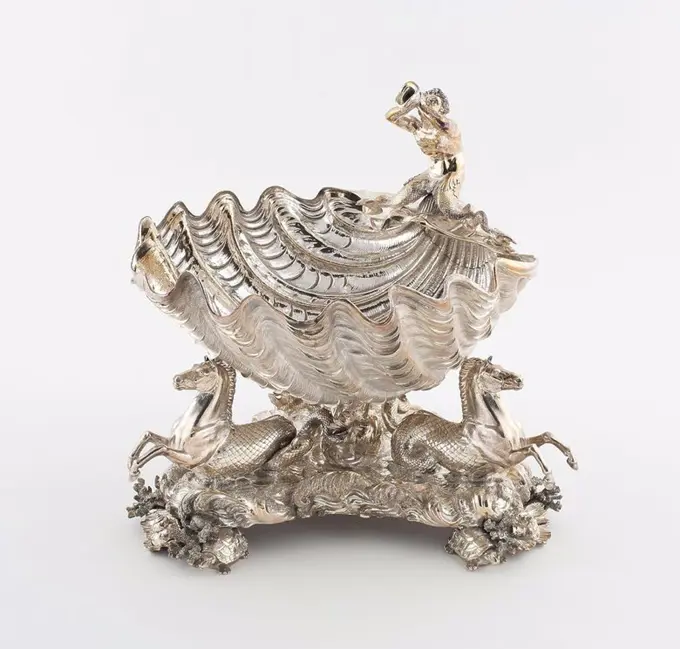
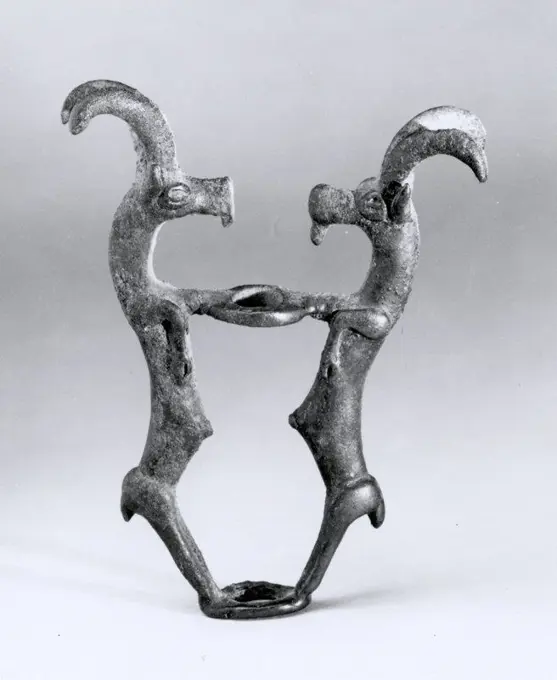
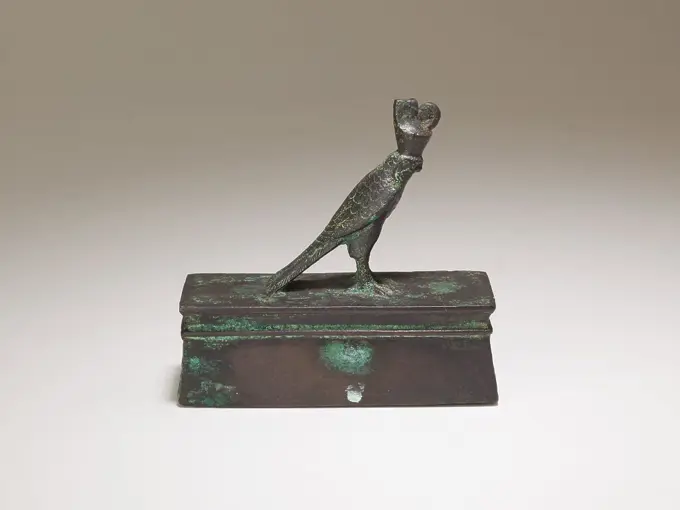
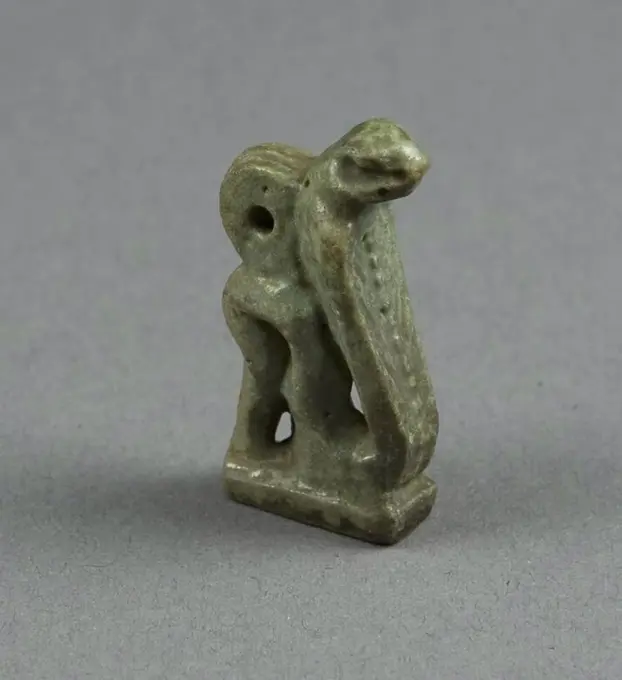
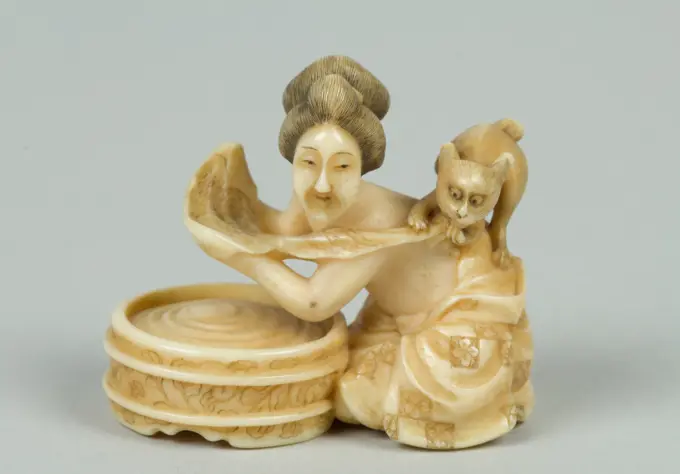
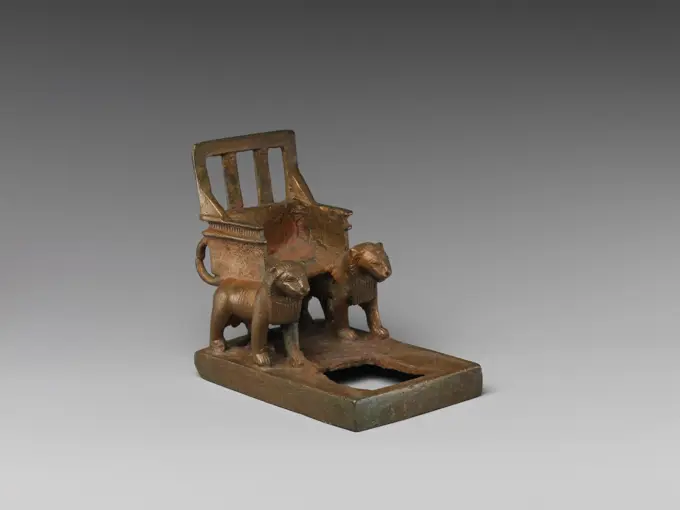
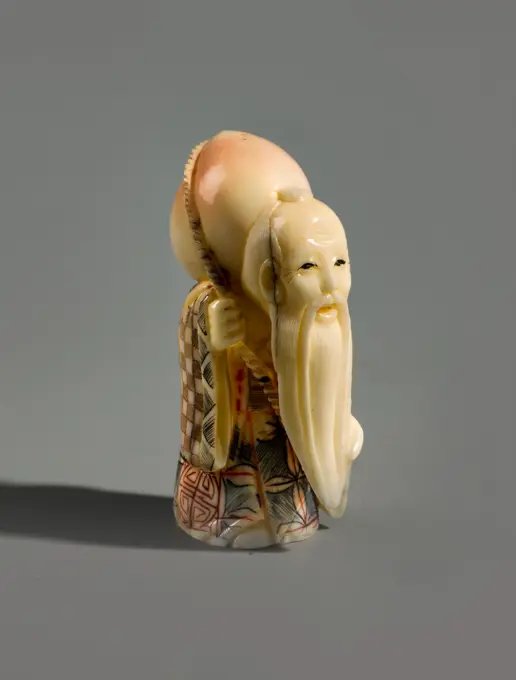
Netsuke of Qilin and Cub 19th century Japan. Netsuke of Qilin and Cub. Japan. 19th century. Wood. Edo (1615-1868) or Meiji period (1868-1912). NetsukeNetsuke of Monkey 19th century Japan. Netsuke of Monkey 59240Netsuke of Mask; Uzume (Okame) and a Tengu mask 19th century Japan. Netsuke of Mask; Uzume (Okame) and a Tengu mask. Japan. 19th century. Wood. NetsukeRitual spoon. Cub-shaped object with flat stem and at the front a standing bird, a spoon (), From black pottery. The 'cup' increases from below narrow to walk again later. The bird protrudes the head above the edge.Ritual spoon ,, -400 --200 Cup -shaped object with flat stem and a standing bird, a spoon (), Of black earthenware at the front. The 'cup' runs narrow from below and then wider again. The bird protrudes the head above the edge. China earthenware Cup -shaped object with flat stem and a standing bird, a spoon (), Of black earthenware at the front. The 'cup' runs narrow from below and then wider again. The bird protrudes the head above the edge. China earthenwareJar in the Form of an Erotic Scene. Chimú-Inca; North coast, Peru. Date: 1200-1470. Dimensions: 15.6 x 20 cm (6 1/8 x 7 7/8 in.). Ceramic. Origin: North Coast. Museum: The Chicago Art Institute, Chicago, USA.Horned Lion (Vyala). Culture: India (Tamil Nadu). Dimensions: H. 3 3/4 in. (9.5 cm); W. 2 in. (5.1 cm); D. 2 1/2 in. (6.4 cm). Date: ca. 8th century. Museum: Metropolitan Museum of Art, New York, USA.Child with basket of magical fungus 18th century China The childs basket contains lingzhi (cloud-like mushrooms), symbols of immortality and good wishes, which imply the figure is an immortal.. Child with basket of magical fungus 42119Bactrian camel. Culture: Bactria-Margiana Archaeological Complex. Dimensions: 3.5 in. (8.89 cm). Date: ca. late 3rd-early 2nd millennium B.C.. Museum: Metropolitan Museum of Art, New York, USA.Vessel in the Form of a Heavenly Rooster 19th century China Containers in the shape of a rooster carrying a vessel on its back are an invention of Song dynasty (960-1279) antiquarians, who believed that such ritual vessels existed in the classical age of ancient China. Several bronzes similar to this one were catalogued as heavenly rooster vessels” (tianjizun) in the collection of Emperor Qianlong (r. 1736-95), who had a deep interest in antiquarianism. The term heavenly rooster” comes from a Chinese legend about a mythical bird whose crowing awakens the whole world.. Vessel in the Form of a Heavenly Rooster. China. 19th century. Bronze inlaid with gold and silver. Qing dynasty (1644-1911). MetalworkPomegranates 18th century China As the Chinese character for seed” (zi) is the same as that for son,” the many-seeded pomegranate is viewed as a symbol for having multiple sons who are expected to continue the family line. The use of puns and rebuses to express wishes for good fortune, longevity, prosperity, and even academic success has been a common theme in Chinese art.. Pomegranates 44149Bronze helmet attachment ca. 460 B.C. Etruscan Bust of a winged satyr with hands raised.. Bronze helmet attachment 255500Dragon 19th century Japan. Dragon. Japan. 19th century. Ivory. Edo (1615-1868) or Meiji period (1868-1912). NetsukeAntoine Louis Barye, Panther of India, model nd, cast c 1860 1873 Panther of IndiaTakenouchi no Sukune in Korea with Baby Emperor Ōjin. Japan, 18th century. Costumes; Accessories. WoodFigure of Luohan and Tiger China. Figure of Luohan and Tiger. China. Unglazed pottery. Song dynasty () (960-1279). SculptureAZABACHE DE SANTIAGO PEREGRINO. Location: INSTITUTO VALENCIA DE DON JUAN-COLECCION. MADRID. SPAIN. Apóstol Santiago el Mayor.Bottle in the form of a shoe, anonymous, c. 1675 - c. 1700 Bottle in the form of a whale: shoe as a guild test and used as a drinking horn by the guild members. Model: Formed from one piece of black leather with high square heel under the open slogan of the animal. Loose tail fin with cork. Northern Netherlands leather. brass (alloy) Bottle in the form of a whale: shoe as a guild test and used as a drinking horn by the guild members. Model: Formed from one piece of black leather with high square heel under the open slogan of the animal. Loose tail fin with cork. Northern Netherlands leather. brass (alloy)Resting Ox. Toyomasa II (Japan, 1811-1883). Japan, mid-19th century. Costumes; Accessories. Boxwood with inlaysNetsuke. Culture: Japan. Dimensions: H. 1 in. (2.5 cm); W. 1 1/2 in. (3.8 cm). Date: 19th century. Museum: Metropolitan Museum of Art, New York, USA.Netsuke of Ox 18th century Japan. Netsuke of Ox. Japan. 18th century. Wood. Edo period (1615-1868). NetsukeCylinder with birds of prey, turtles, lobsters and lizards, part of a fountain, anonymous, c. 1800 - c. 1900 On a cylindrical base on which birds of prey, turtles, lobsters and lizards are applied, there is a pedestal, the three sides of which are formed by a cartouche on which the doctors' weapon. These cartouches are separated by three buttresses in the form of heavy volutes, which are interconnected by garlands. A masceron under each volute. Italy bronze (metal) On a cylindrical base on which birds of prey, turtles, lobsters and lizards are applied, there is a pedestal, the three sides of which are formed by a cartouche on which the doctors' weapon. These cartouches are separated by three buttresses in the form of heavy volutes, which are interconnected by garlands. A masceron under each volute. Italy bronze (metal)Koro in Form of a Lion 18th century Japan. Koro in Form of a Lion. Japan. 18th century. Clay with a light, mottled glaze (Awata ware). Edo period (1615-1868). CeramicsFigure of an Animal, 618-906, 5 3/8 in. (13.65 cm), Earthenware, China, 7th-10th centuryStatue of a frog, served as a fountain spout. 1st century AD. Marble. From Pompeii. National Archaeological Museum. Naples. Italy.Miniature figurine, 1500 BCE, 1 5/8 in. (4.1 cm), Earthenware, Mexico, Pre-ClassicKirin. Tametaka (Japan, active circa 1730-1790). Japan, mid- to late 18th century. Costumes; Accessories. WoodSeated Infant Figurine. Middle pre-Classic; Probably Central Mexico or Veracruz, Mexico. Date: 1150 BC-900 BC. Dimensions: H. 4.8 cm (1 7/8 in.). Stone. Origin: Mexico. Museum: The Chicago Art Institute, Chicago, USA.Deputy tiger on a rock. Terracotta with amber, brunette, violet and turquoise glaze. Paris, Cernuschi museum. 78840-31 Asian art, ancient ceramic, covered, email, glacure, Chinese pottery, terracotta emaillee, animal, natureVase 18th century China. Vase. China. 18th century. Pale green bowenite. HardstoneBronze statuette of a horse 8th century B.C. Greek. Bronze statuette of a horse 255368Mask for a crocodile mummy 664-30 B.C. Late Period-Ptolemaic Period. Mask for a crocodile mummy 552246Door knocker in the form of a pike., 1600 - 1625 An iron door beater in the shape of a pike with plate and screws.  iron (metal) An iron door beater in the shape of a pike with plate and screws.  iron (metal)Guttus in the shape of a frog. Molded terracotta. Apulie (Italy), 4th century BC. AD Museum of Fine Arts of the City of Paris, Petit Palais. 59232-18 Antiquity, Greek-Roman antiquity, ancient art, amphibian, drink, ceramic, jug, large Greece, frog, guttus, humor, libations, molding, object of ceremony, ancient period, pottery, container, religious rite, ritual, tower, vase , Wine, animal, sacrificeNetsuke of Noh Dancer 18th century Japan. Netsuke of Noh Dancer 59295Geometric Horse Pyxis (Cylindrical Lid), c. 760-750 BC. Greece, Attic. Ceramic; diameter: 30.1 cm (11 7/8 in.); overall: 17.7 cm (6 15/16 in.).Tenjiku Tokubei: Master of Frog Magic. Japan, early 19th century. Costumes; Accessories. Ivory with staining, sumiNetsuke 19th century Japan. Netsuke. Japan. 19th century. Wood. Edo (1615-1868) or Meiji period (1868-1912). NetsukeBreast figurine of a man in transvestie.Netsuke of Fox. Culture: Japan. Dimensions: H. 2 3/4 in. (7 cm); W. 1 3/8 in. (3.5 cm); D. 1 1/16 in. (2.7 cm). Date: 19th century. Museum: Metropolitan Museum of Art, New York, USA.Hippocampus, 400-300 BC. Thrace, 4th Century BC. Bronze; overall: 6.5 x 12 x 1.1 cm (2 9/16 x 4 3/4 x 7/16 in.).Daruma. unknown, sculptorArhat (Chinese: lohan) Pindola () taming the tiger with a magic ring. unknown, craftsmanPendant 1st millennium B.C. Iran. Pendant 324487Dar (provenance), Japanese (culture), netsuke, Japanese artCamel with Dionysian imagery on its saddle bags late 6th-7th century China This pottery model of a Bactrian camel may be a rare example of a Chinese-style tomb figure produced in eastern Central Asia. The identity of the central figure on the packboards is uncertain. He may represent the Indian Kubera, king of the yakshas, who is portrayed in drinking scenes being waited on by women. However, the full beard and absence of headgear are unusual in depictions of Kubera. Another interpretation of the scene is that the three figures were inspired by representations of the Descent from the Cross, an important theme in early Christian iconography that may have been transmitted along the Silk Road.. Camel with Dionysian imagery on its saddle bags. China. late 6th-7th century. Earthenware with appliqué relief decoration and pigment. Sui dynasty (581-618). CeramicsCandlesticks in the Shape of Elephants Candlesticks; Probably Meissen Porcelain Manufactory (Germany); France; porcelain, vitreous enamel, bronze, goldPumpkin Stem and Fly. Masatsugu (Japan, active mid-19th century). Japan, mid-19th century. Costumes; Accessories. BoxwoodSnuff Bottle, 4 x 3 3/8in. (10.2 x 8.6cm), Crystal, ChinaTerracotta lamp in the form of a gladiator's helmet. Culture: Roman. Dimensions: Overall: 3 9/16 x 3 9/16 x 3 3/8 in. (9 x 9.1 x 8.5 cm). Date: 1st half of 2nd century A.D..In addition to a central crest, gladiators' helmets often had feathers attached above the ears. The holes for such ornaments are faithfully reproduced on this helmet-shaped lamp. Museum: Metropolitan Museum of Art, New York, USA.Toby jug, c. 1849-1858, Lyman Fenton & Co., Bennington, Vermont, 1849-1858, 10 1/2 x 7 1/2 x 5 3/4 in. (26.67 x 19.05 x 14.61 cm), Glazed earthenware, United States, 19th century, While this object was made in America in the mid 19th century, its design is inspired by Toby jugs that had been created in England since the late 18th century. The original idea of a Toby jug might have come from the character Uncle Toby in Tristam Shandy, published in England in 1760, or a popular song entitled 'The Little Brown Jug,' written in 1761 and dedicated to a Toby Philpot.Red earthenware underside of sitting beast (monkey or bear), possible whistle, sculpture footage flute toy relaxant artifact soil find ceramic earthenware glaze lead glaze, pierced Bottom of sitting beast (monkey or bear) hips and rear lower body clearly distinguishable. Front possibly an arm Red pottery with few spots of glaze hollow. Round hole at the bottom. Possibly fragment of flute or joke article archeology Rotterdam rail tunnel play Soil discovery: rail tunnel Rotterdam.Netsuke of Frog. Culture: Japan. Dimensions: H. 1 in. (2.5 cm); W. 1 1/4 in. (3.2 cm); D. 1 3/4 in. (4.4 cm). Date: 19th century. Museum: Metropolitan Museum of Art, New York, USA.Toothing Plane 1715-1725 Germany. Wood .Seated dog, 250 BCE - 200 CE, 7 1/4 x 7 1/8 x 11 7/8 in. (18.4 x 18.1 x 30.2 cm), Earthenware, Mexico, 3rd century BCE - 4th century CEGold Curly Tailed Animal Pendant 6th-8th century Conte (). Gold Curly Tailed Animal Pendant 312744Netsuke of Man Riding a Horse 18th-19th century Japan. Netsuke of Man Riding a Horse. Japan. 18th-19th century. Ivory. Edo (1615-1868) or Meiji period (1868-1912). NetsukeFigure of a Tiger China. Figure of a Tiger 61572Candlestick in the form of a Putto (see also 1975.1.1374, .1375, .1377). Culture: Italian, Venice. Dimensions: H. 26.7 cm.. Date: ca. 1600 or later. Museum: Metropolitan Museum of Art, New York, USA.Openwork rattle bell ca. 9th-8th century B.C. Iran. Openwork rattle bell 326590Noh Actor Performing Shōjō Midare. Koma Bunsai (Japan, active 19th century). Japan, late 19th century. Costumes; Accessories. Lacquer with inlayAmulet - mumia leżąca na łożu w kształcie lwa. unknown, authorStanding Bronze Bull, late third millenium. Probably Anatolia. Bronze; overall: 5 x 6.7 x 9.5 cm (1 15/16 x 2 5/8 x 3 3/4 in.); with base: 6.5 x 6.7 x 9.5 cm (2 9/16 x 2 5/8 x 3 3/4 in.).Painted Wooden Hawk, Ancient EgyptTerracotta vase in the form of a duck 6th century B.C. Greek, Corinthian Black paint covering the head and wings and tail; with white and red paint decoration on wings.. Terracotta vase in the form of a duck 255701Lock with an angel with coat of arms. Against a flat background in the form of an irregular seven corner, an angel is placed with curly hair, spread wings and knees raised. He holds a coat of arms in bid hands and is dressed in Albe and Amict. In her hair he carries a diadem with a small food.Radslot with support, presumably intended for a large bridle pistool or fire stirrer, anonymous, c. 1590 - c. 1596  Radslot with support.  iron (metal) forging  Nova Zembla. Saving HuysA seated creole. A loose figure from a Diorama of Gerrit Schouten, representing a Creole man, seated to the right. His right hand raised. The man has a dark solid cloth and red bracelets and anklets. He is barefoot.Duck's head with tenon attachment ca. 715-332 B.C. Third Intermeidate-Late Period. Duck's head with tenon attachment 545026Artistic cane basket shape of duck with single egg on green background India Copyright: xNirmalaxMishra/DinodiaxPhotoxPendant in the Form of a Jaguar. Probably Veraguas; Panama. Date: 1300-1500. Dimensions: L. 6 cm (2 3/8 in.). Gold. Origin: Panama. Museum: The Chicago Art Institute, Chicago, USA.Raccoon Dog Teakettle. Ōhara Mitsuhiro (Japan, 1810-1875). Japan, mid-19th century. Costumes; Accessories. Ebony with double inlays, metalOrnament in the form of a mountain with figures late 18th-early 19th century China. Ornament in the form of a mountain with figures 39851Swan 12th-14th century China. Swan 39831Inkstand/ Pen Tray/ Pen Holder, 1840-60. Carved by William Gibbs Rogers. Social History - Pinto Collection - Purchased from Edward H Pinto, 1965.. This ink stand was carved by William Gibbs Rogers (1792-1875) for the Great Exhibition of 1851. He has used lime wood, which is soft and easy to carve. Rogers was one of the most prominent wood carvers in Victorian England. His work can be seen in a number of churches and public buildings including St. Paul's Cathedral and the House of Lords. .Buffalo statuette, ceramics, Chinese ArtPerfume burner French, possibly Chantilly and Chinese 18th centuryPartridge. Japan. Bronze. 18th-19th century. Paris, Cernuschi museum. 53739-12 Bronze, Japanese, bird, partridgeAnimal Pendant. Iran (), no date. Jewelry and Adornments; pendants. Cast bronzeFalcon-headed crocodile, possibly Soknopaios 1st century BC-1st century AD Ptolemaic Period-Roman Period The falcon-headed crocodile suggests the combination of the powers of two great deities, Sobek who takes crocodile form and Re who has a falcon head. However, the identification of this small image may be more specific. An important creator god Soknopaios - whose Egyptian name meant Sobek of Dimeh in the Fayum - was recognized by Ptolemaic times. A temple for this god with Isis was founded in Dimeh (ancient Soknopaios Nesos) apparently about 250 BC, and remained in use for centuries. The god was represented as a falcon-headed crocodile here and elsewhere in the Fayum. It has been suggested that the falcon head of Soknopaios alludes to association with the goddess Isis's son Horus.This small image suggests the vigor of the animal stretching his neck upward and the mottled stone emphsizes his powerful body. In contrast is the serene blue of the watery environment studded with colorfulNetsuke of Tiger under a Bamboo Tree 19th century Japan. Netsuke of Tiger under a Bamboo Tree. Japan. 19th century. Ivory. Edo (1615-1868) or Meiji period (1868-1912). NetsukeTraditional day of the dead Xolo dog ceramic statue isolated. Traditional day of the dead Xolo dog ceramic statueHeating vessel 9th century China. Heating vessel. China. 9th century. Bronze. Tang dynasty (618-907). MetalworkVase. Union Porcelain Works; American, 1863-c. 1922. Date: 1877-1879. Dimensions: 21.6 × (w. at base) 10.8 cm (8 1/2 × 4 1/4 in.). Porcelain. Origin: Greenpoint. Museum: The Chicago Art Institute, Chicago, USA.Censer (kôro). Nieznany rzemieślnik, authorMosquito Deity amulet. Dimensions: l. 3 cm ( 1 3/16 in). Dynasty: Dynasty 25-30. Date: ca. 712-332 B.C.. Museum: Metropolitan Museum of Art, New York, USA.Songye Prestige Stool, England, London, Christie's Images, Primitive ArtBead Shaped as a Bird. Parthian Era Afghanistan, circa 1st century B.C. - 1st century A.D.. Jewelry and Adornments; beads. Lapis LazuliPacing Female Panther. Dated: mid 16th century. Dimensions: overall (height by length): 10 × 14.2 cm (3 15/16 × 5 9/16 in.). Medium: bronze//Black lacquer over deep brown bronze. Museum: National Gallery of Art, Washington DC. Author: Central or North Italian 16th Century.Plate. Combat of a tiger and a griffin. LURISTAN. Ve-th century BC. J-C. Paris, Cernuschi museum. 35176-11 BRONZE, GRIFFON, TIGRE, animal, combat, plaqueCenser with a Lioness Hunting a Boar 6th-7th century Coptic Discovered hidden in a rock crevice, this censer was cast so that the smoke of the incense would emerge through the mouths and ears of the lioness and boar. An elephant worked in relief, rather than a Christian symbol, appears on its front.. Censer with a Lioness Hunting a Boar 468085Tureen. John Bridge; English, 1755-1834; England. Date: 1823-1824. Dimensions: H. 33.1 cm (15 in.). Silver. Origin: England. Museum: The Chicago Art Institute, Chicago, USA.Wall vase in the form of a peacock Japan 18th century View more. Wall vase in the form of a peacock. Japan. 18th century. Stoneware with overglaze enamels (Ko-Kiyomizu ware). Edo period (1615-1868). CeramicsTop for standard ca. 8th century B.C. Iran. Top for standard. Iran. ca. 8th century B.C.. Bronze. Iron Age III. Iran, probably from LuristanFalcon in double crown surmounting a shrine form box for an animal mummy. Dimensions: H. 8 cm (3 1/8 in.); W. 3.1 cm (1 1/4 in.); L. 8.6 cm (3 3/8 in.). Date: 664-30 B.C..The falcon god Horus stands with his wings swept back. He wears the double crown of Egypt, a royal crown that symbolizes the union of Lower and Upper Egypt, and highlights Horus' role as the legitimate ruler of the entire land. The falcon wears the double crown because Horus and the concept of kingship were closely tied, as early as the Predynastic Period. Though small, the piece is very detailed: the distinctive falcon facial markings are clear; the feathers are numerous, varied, and tightly overlapped; an amulet hangs on the bird's chest and the legs are scaled in a realistic manner. The falcon stands on a small, shrine-shaped box that would have held an animal mummy. Such falcon mummy boxes, or sarcophagi, would have been offered for deposition in animal necropoleis, not just in relation to the cult of Horus, but aAmulet of a Uraeus (Cobra). Egyptian. Date: 662 BC-332 BC. Dimensions: 0.6 × 1.6 × 1 cm (1/4 × 5/8 × 3/8 in.). Faience. Origin: Egypt. Museum: The Chicago Art Institute, Chicago, USA. Author: Ancient Egyptian.Netsuke of Woman Bathing 19th century Japan. Netsuke of Woman Bathing. Japan. 19th century. Ivory. Edo (1615-1868) or Meiji period (1868-1912). NetsukeGod's throne supported by two striding lions 332-30 B.C. Ptolemaic Period This throne has fittings for a separate statuette of a seated god. The lions forming the sides of the seat and the kneeling god heh holding notched reeds insignaling long rule are associated with royalty, and indicate Harpokrates or another god with royal stature would have been seated on the throne.. God's throne supported by two striding lions. 332-30 B.C.. cupreous metal. Ptolemaic Period. From EgyptNetsuke in the shape of Sennin's Tybôsaku Wannin peach;  19th century (1801-00-00-1900-00-00);Dar (provenance), Japanese (culture), netsuke, Japanese artOctopus. Bronze. Paris, Cernuschi museum. Asian antique, Japanese antiquity, metal