Japanese Netsuke Figurines

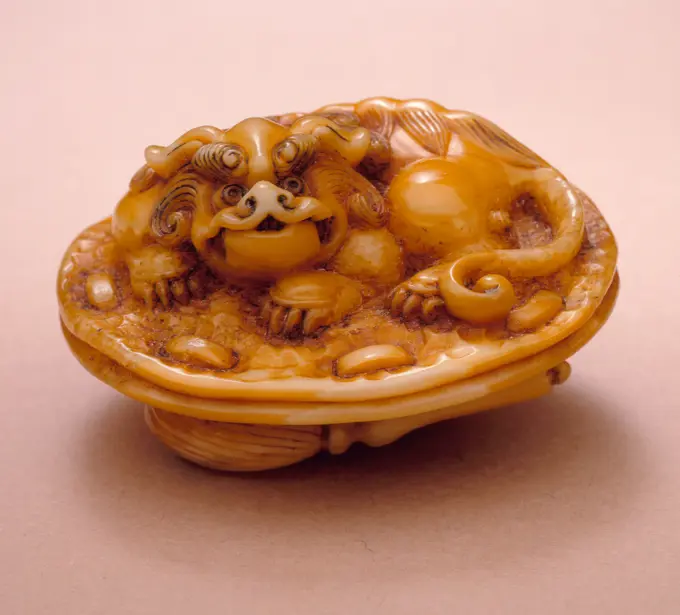
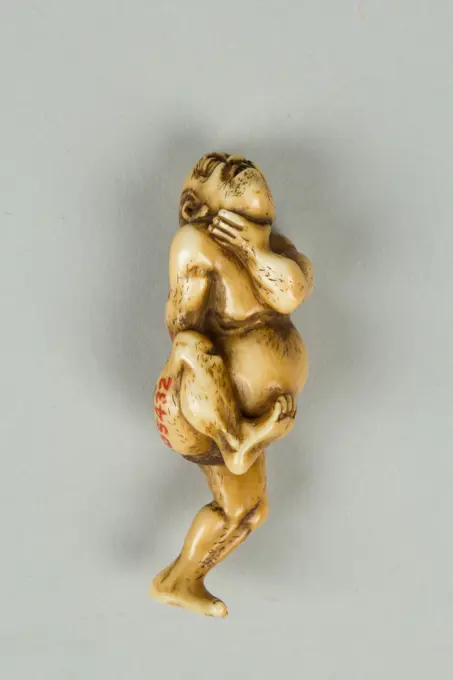
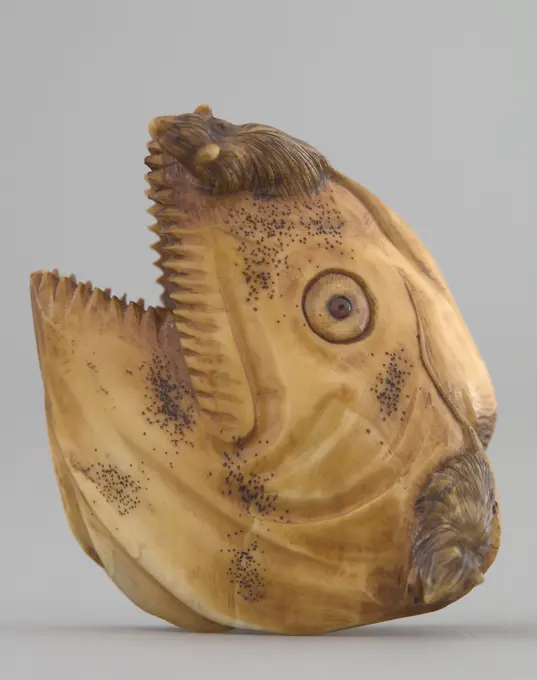
A selection of intricate wooden netsuke depicting animals and masks from 19th century Japan, emphasizing craftsmanship and cultural significance.
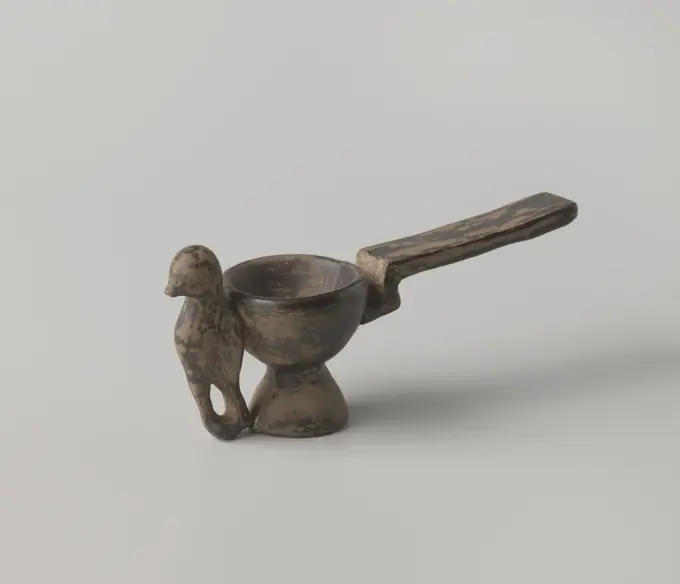
Ritual spoon ,, -400 --200 Cup -shaped object with flat stem and a standing bird, a spoon (), Of black earthenware at the front. The 'cup' runs narrow from below and then wider again. The bird protrudes the head above the edge. China earthenware Cup -shaped object with flat stem and a standing bird, a spoon (), Of black earthenware at the front. The 'cup' runs narrow from below and then wider again. The bird protrudes the head above the edge. China earthenware
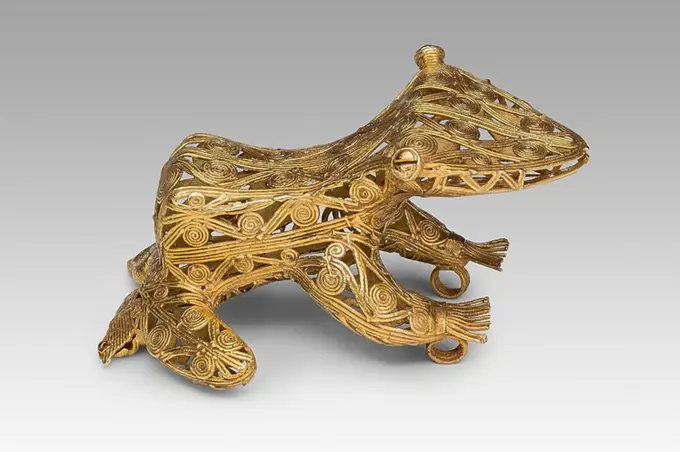
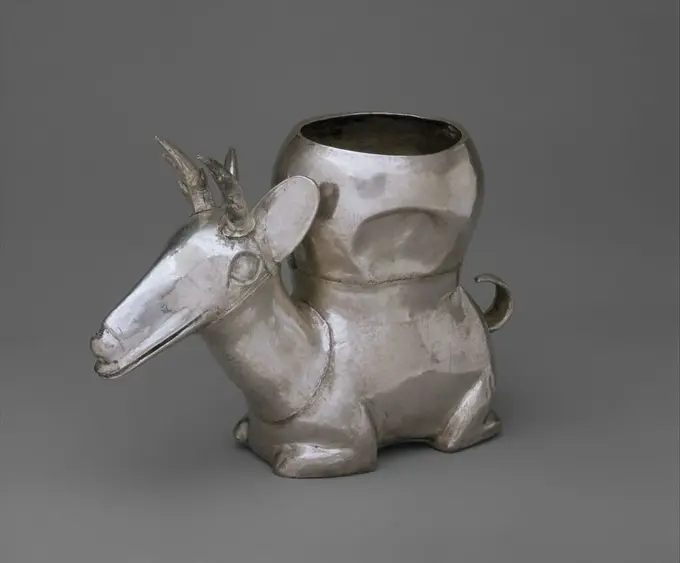
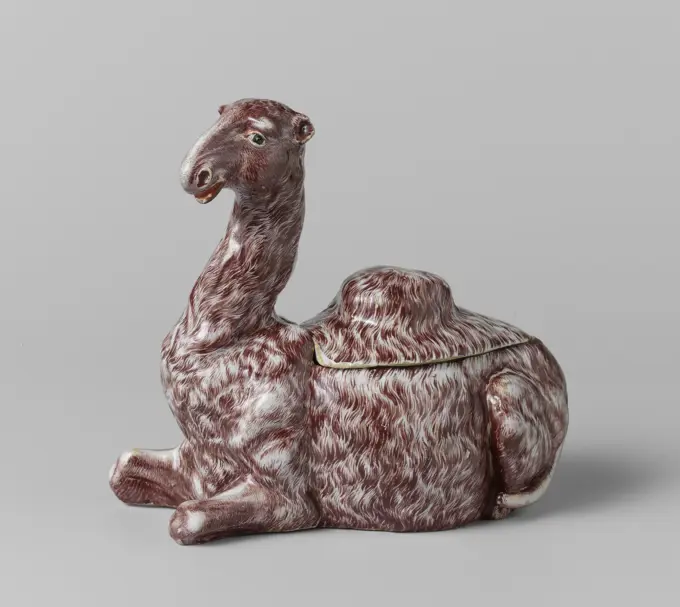
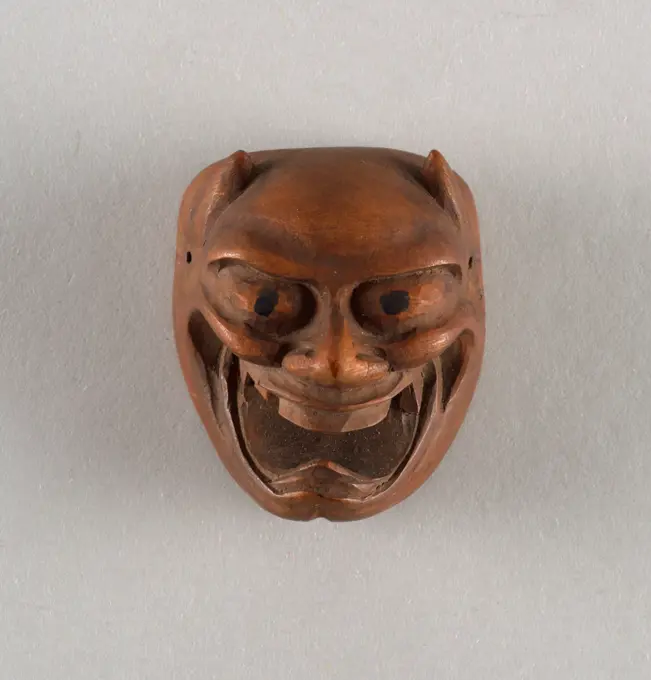
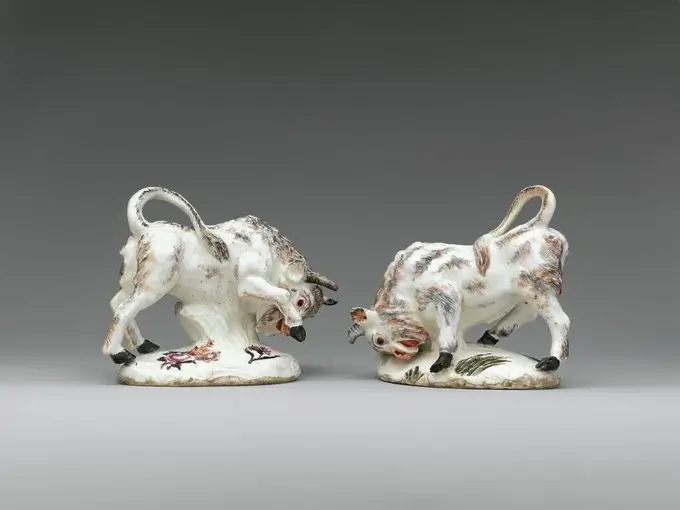
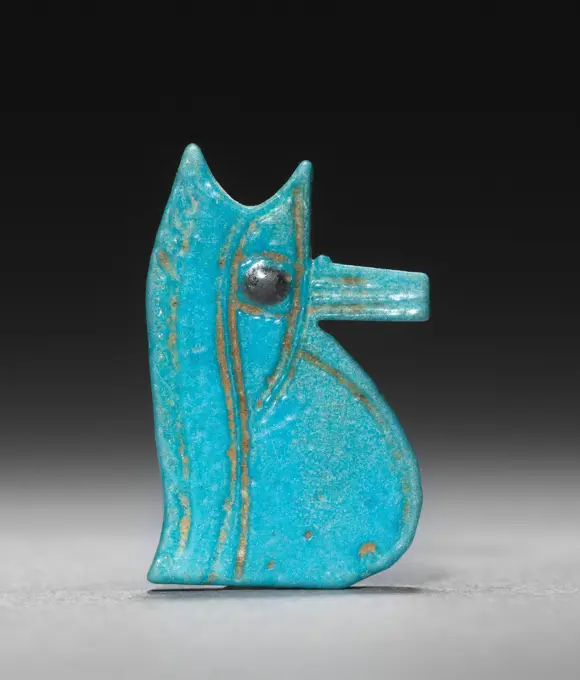
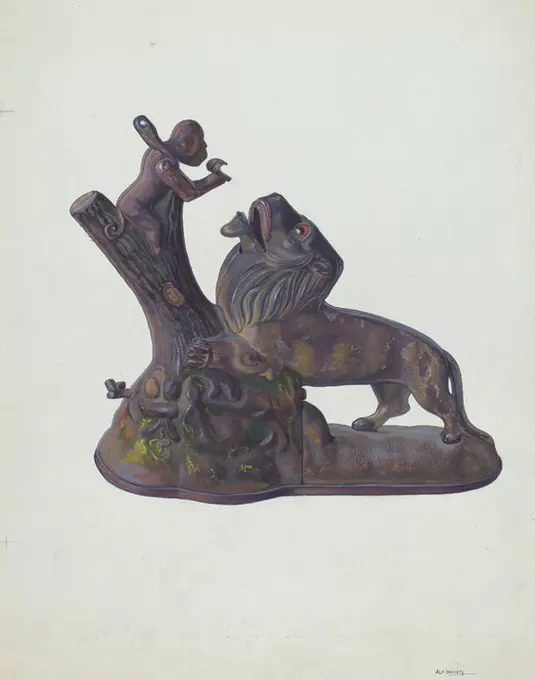
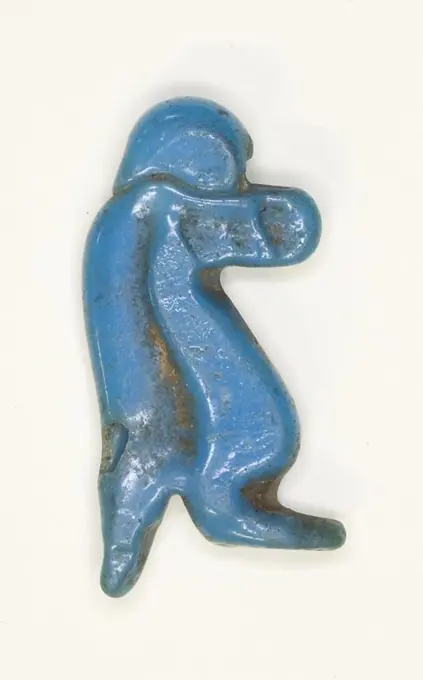
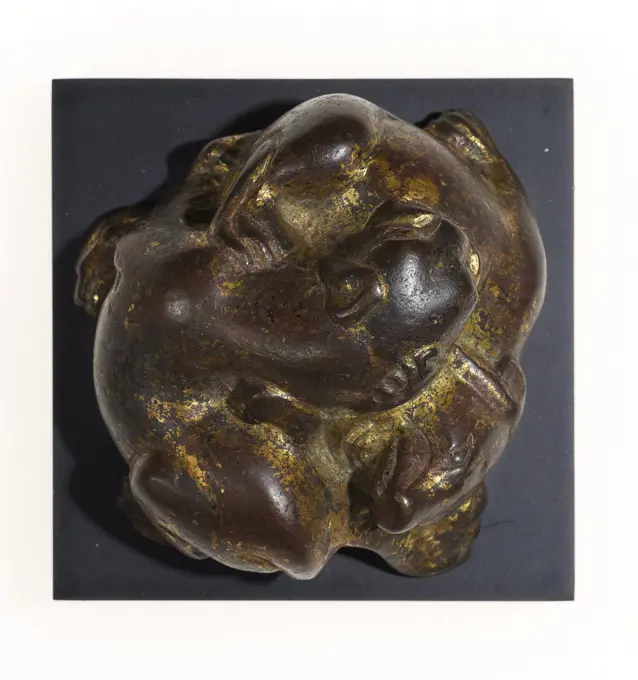
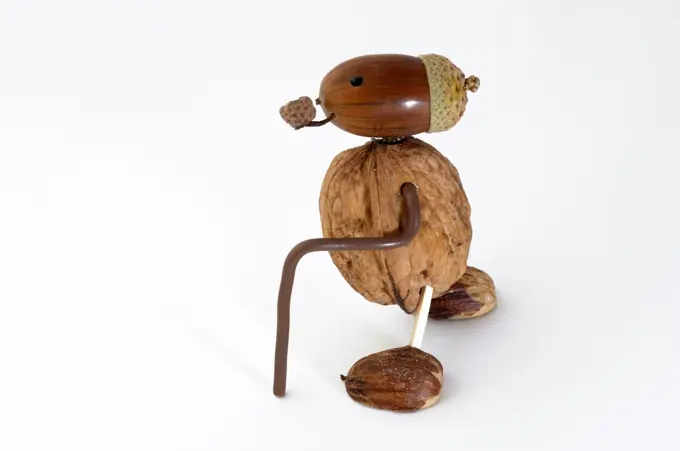
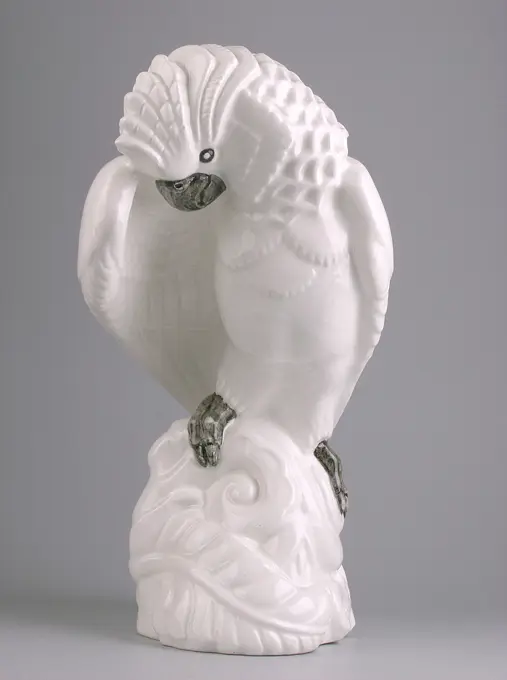
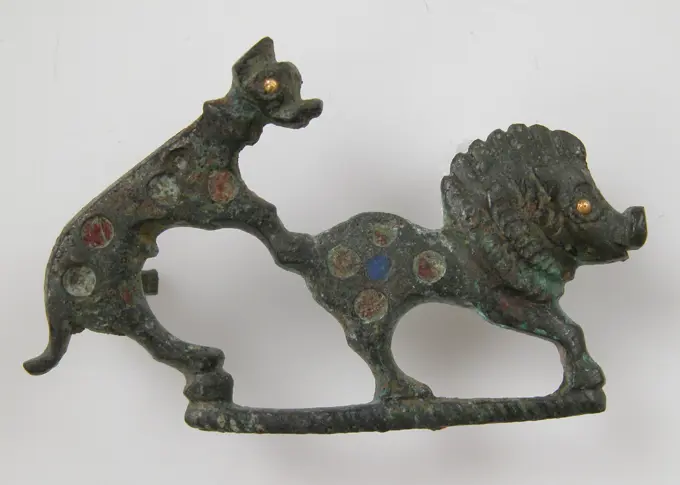
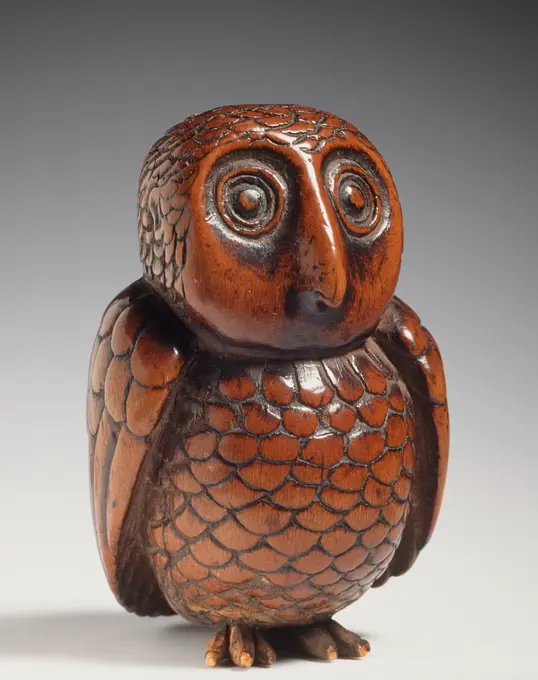
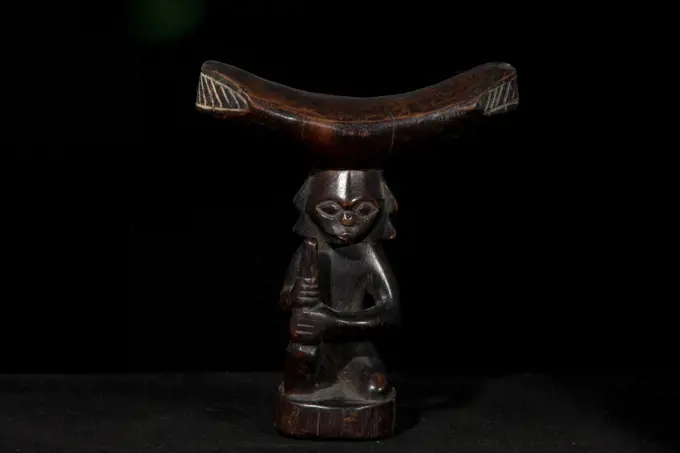
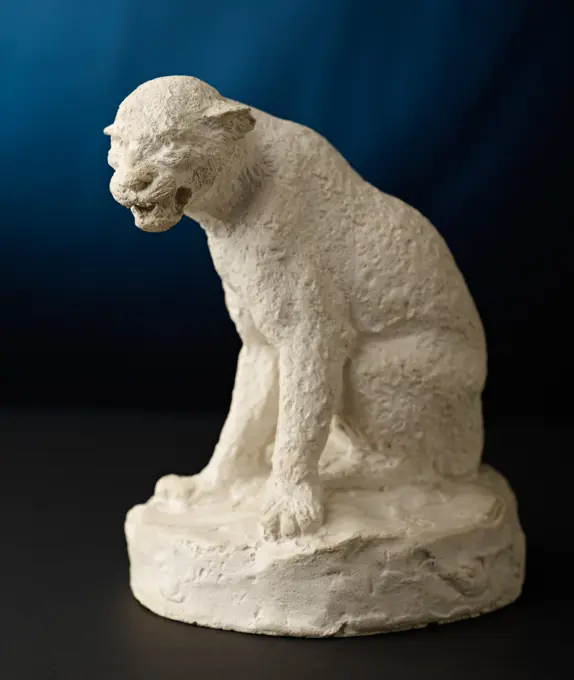
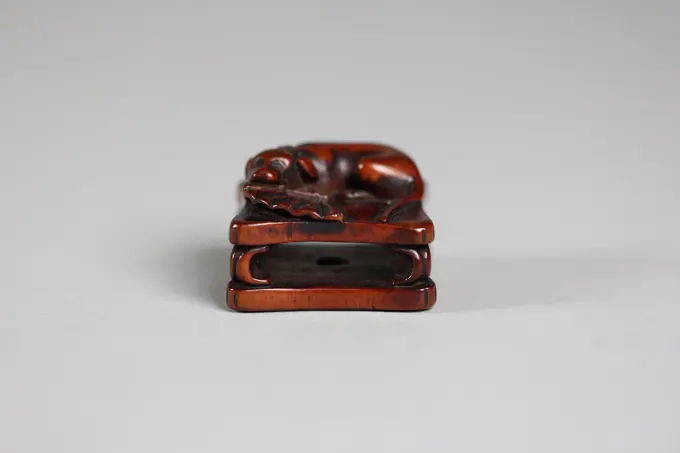
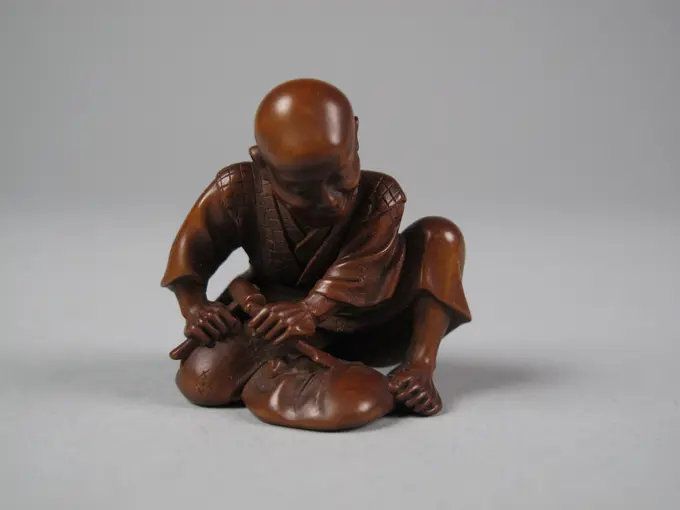
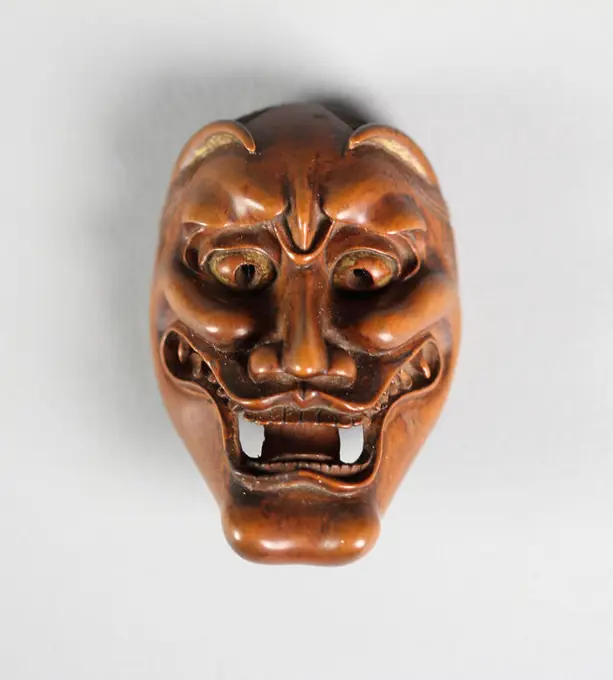
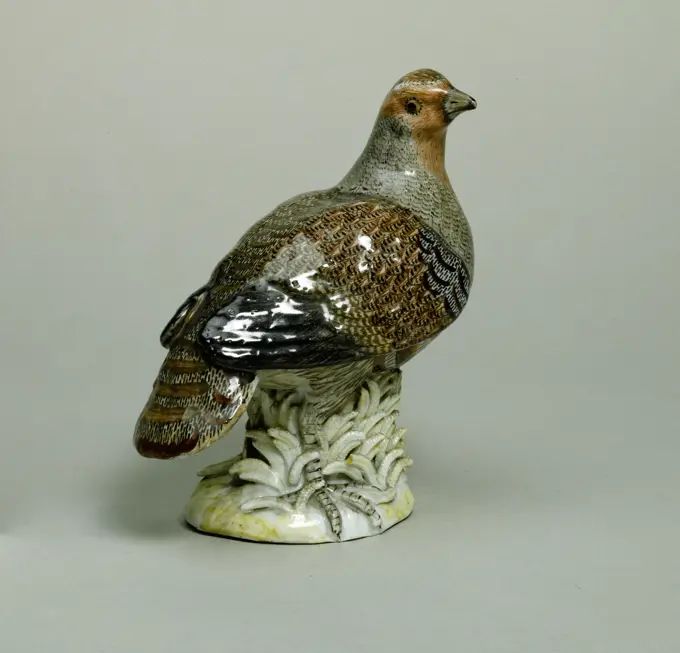
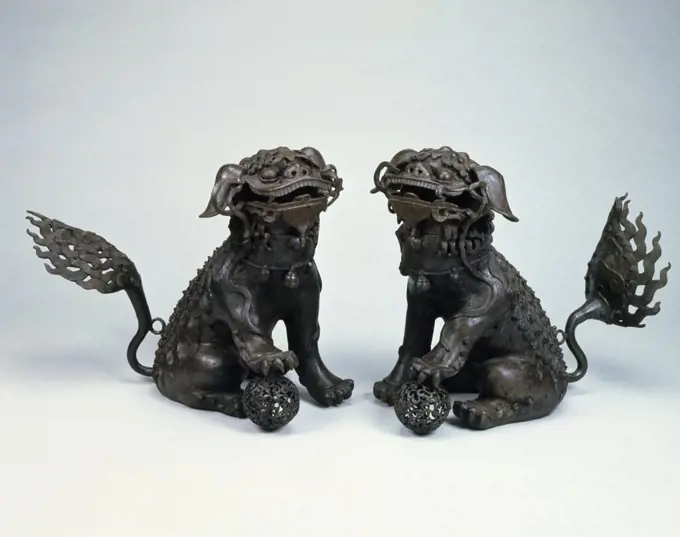
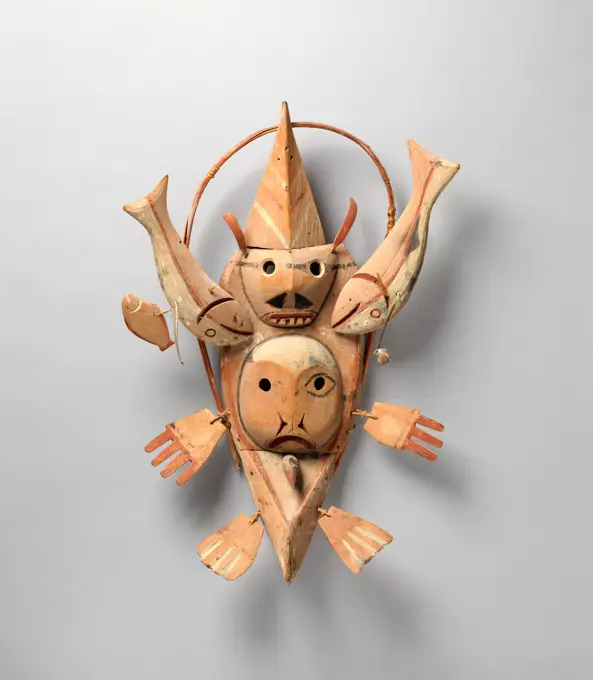
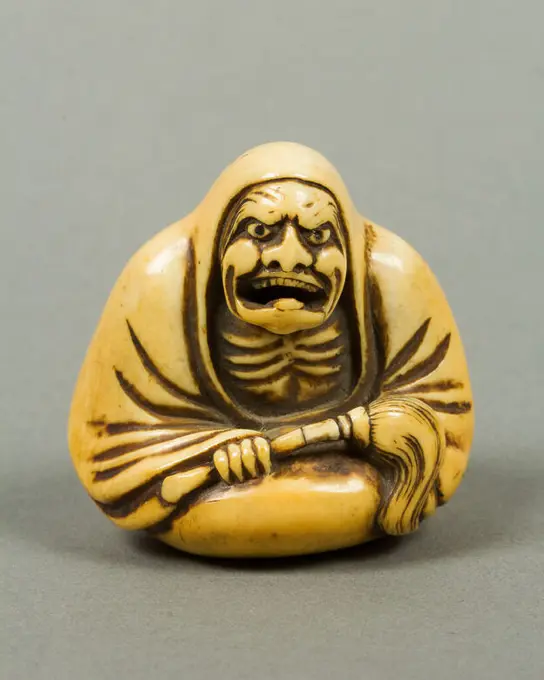
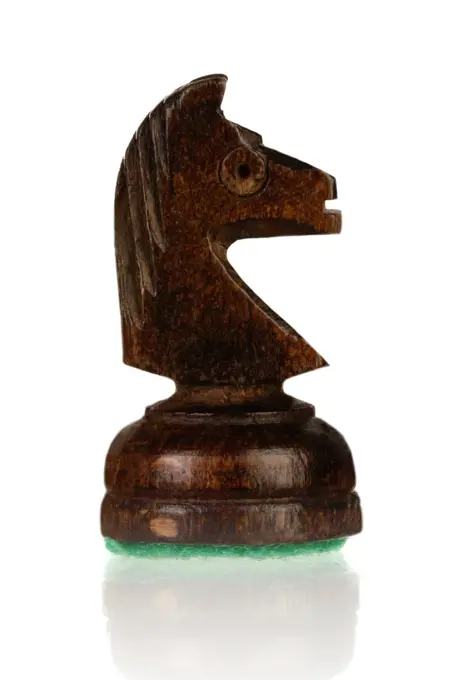
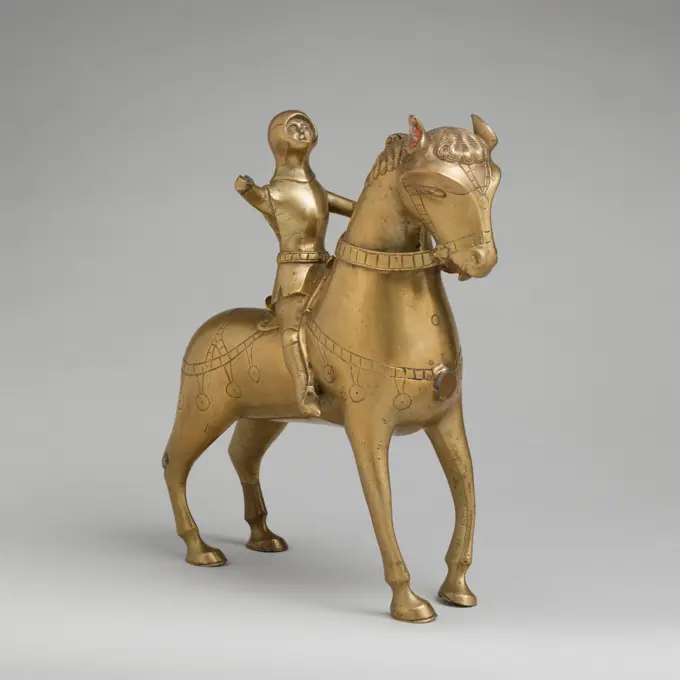
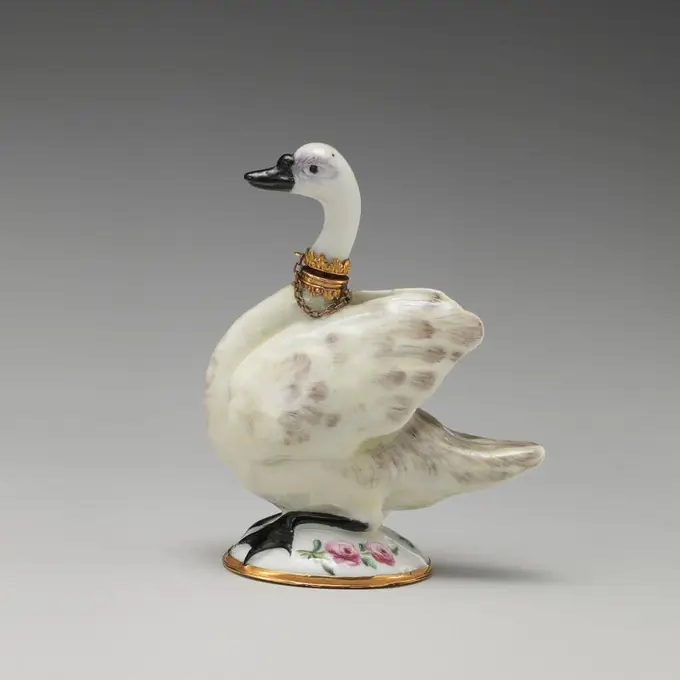
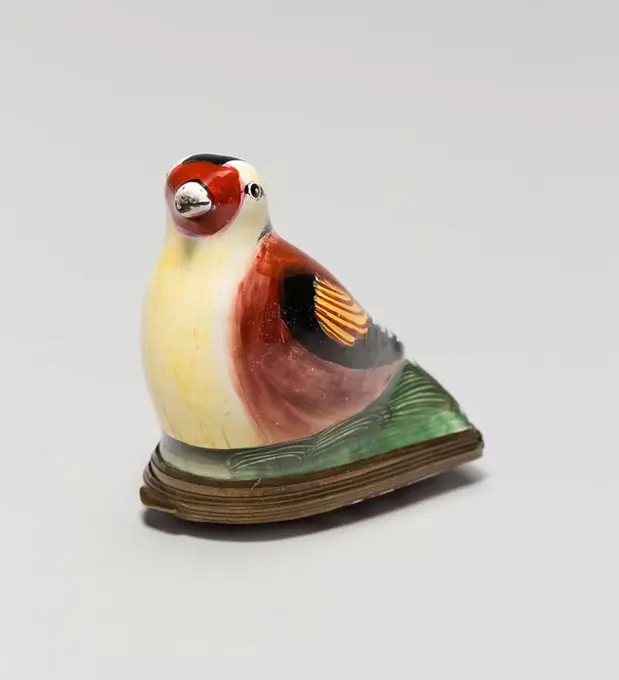
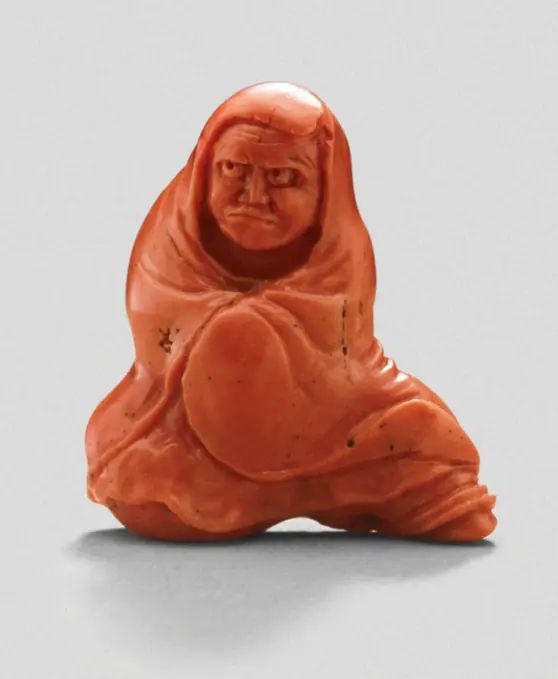
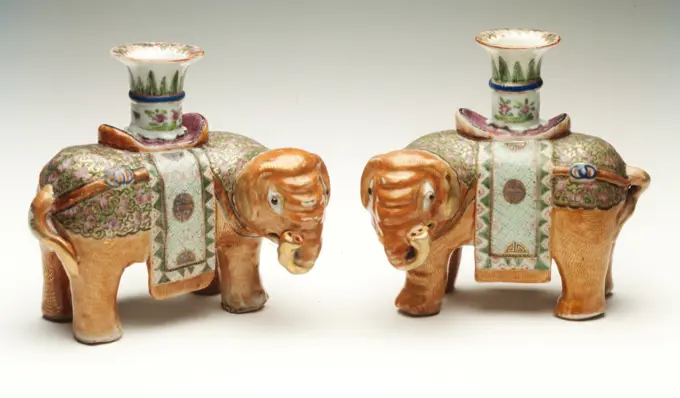
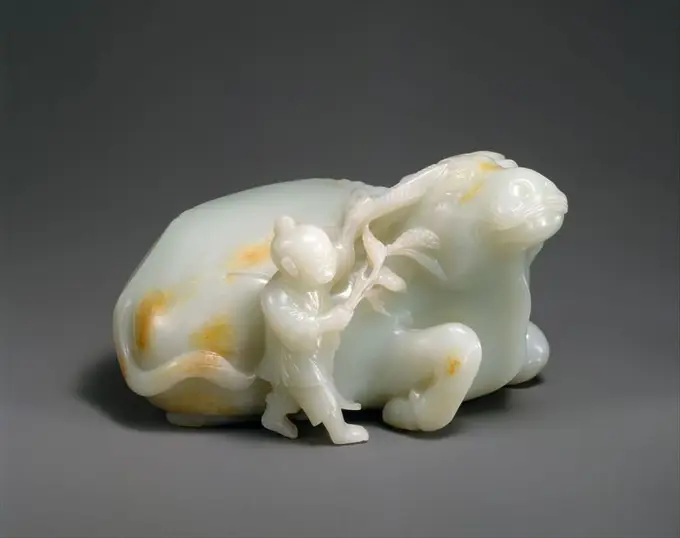
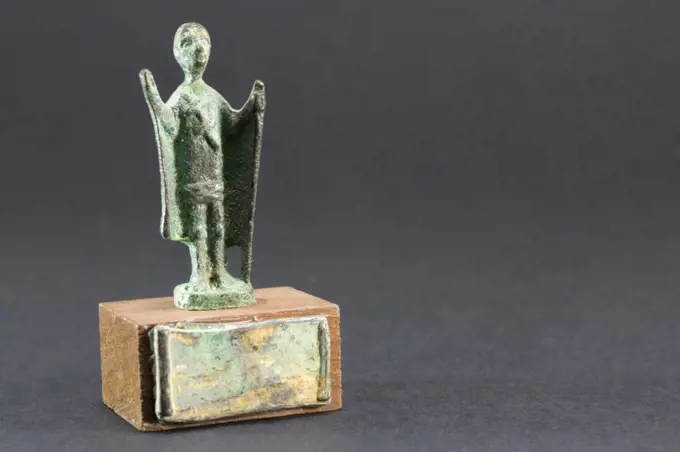
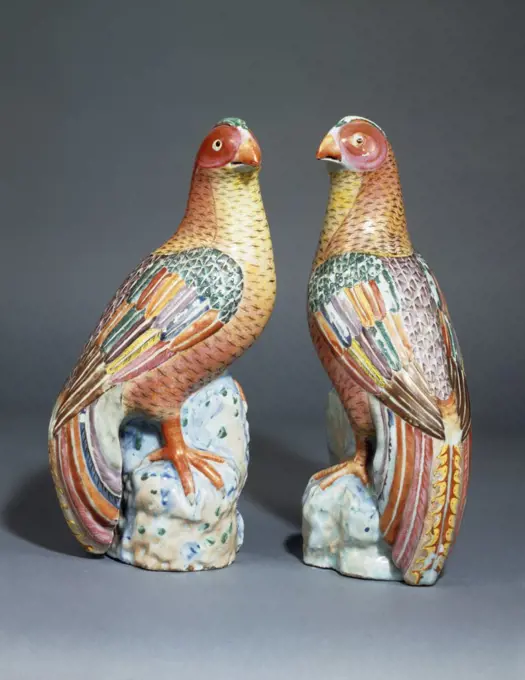
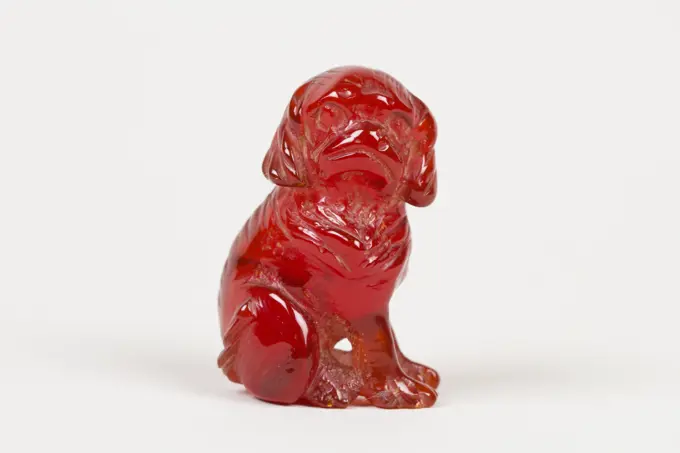
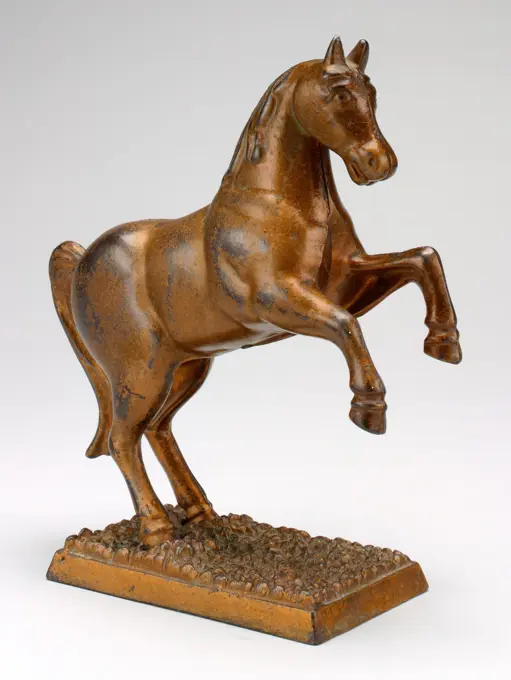
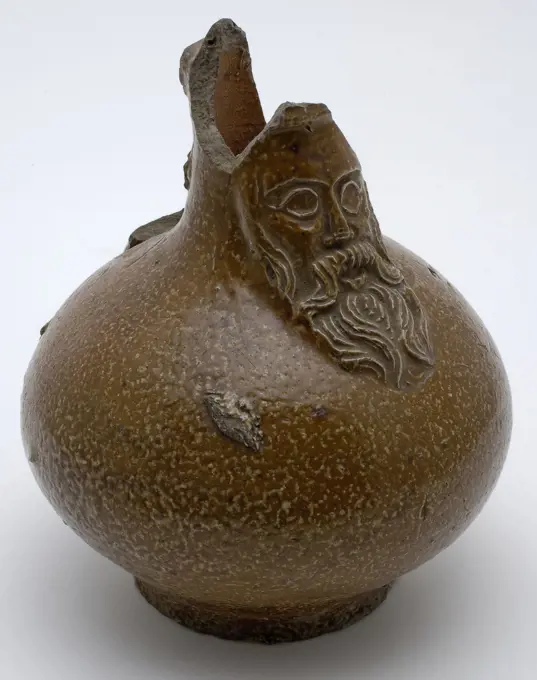
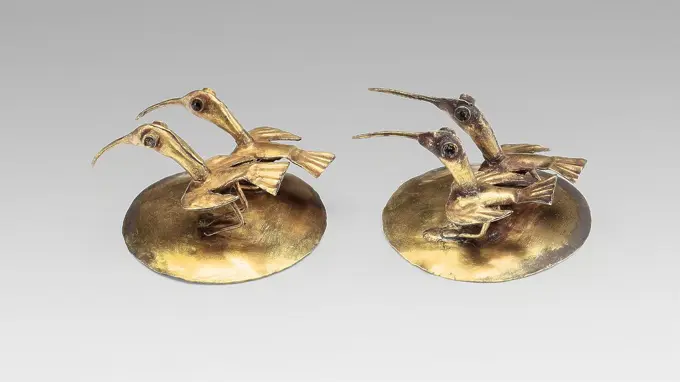
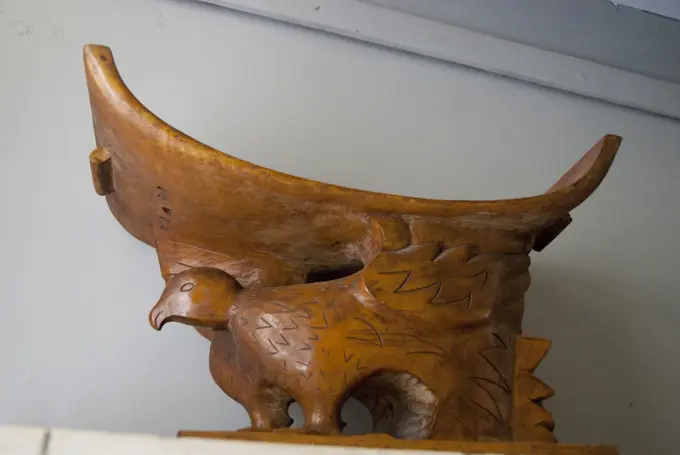
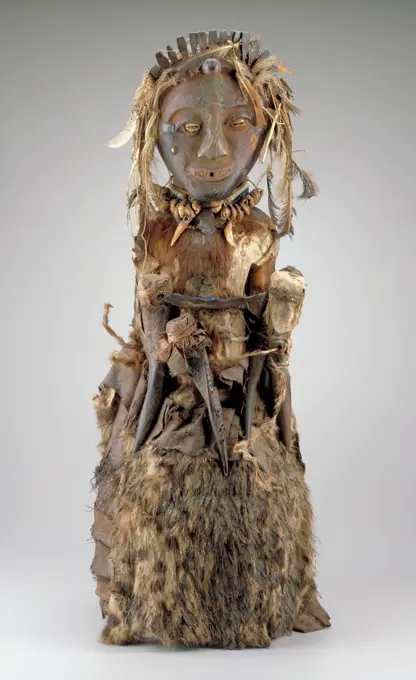
Joined FiguresRam's Head Cup. Eastern Mediterranean, Greek, circa 350-300 B.C.. Furnishings; Serviceware. Ceramic with red pigmentMiniature figurine, 1500-1150 BCE, 2 1/16 in. (5.2 cm), Earthenware, Mexico, Pre-ClassicStand for flower pot - figure of elephant. unknown, craftsmanNetsuke of a Seated Shishi 18th century Nanyō Japanese. Netsuke of a Seated Shishi 59656Filagree Pendant in the Form of a Frog or Toad. Coclé; Venado Beach, Coclé province, Panama. Date: 500 AD-1000. Dimensions: L. 18.26 cm (7 3/16 in.). Cast gold. Origin: Venado Beach. Museum: The Chicago Art Institute, Chicago, USA.Monkey -shaped pourier. Green covered sandstone. Paris, Cernuschi museum. Asian art, ancient ceramic, containerDeer Vessel. Culture: Chimú. Dimensions: H. 5 x W. 3 1/4 x L. 7 1/2 in. (12.7 x 8.3 x 19.1 cm). Date: 14th-15th century.Animal-shaped vessels were made on Peru's northern coast from the second millennium B.C. to the time of the conquest. This deer vessel, fabricated when metal production in Peru had reached its peak, displays the naturalism that characterized similar works in ceramic created by earlier cultures. It is made of many separately shaped pieces of sheet silver joined by soldering. Museum: Metropolitan Museum of Art, New York, USA.Ornament China. Ornament. China. Jadeite. Qing dynasty (1644-1911), Kangxi period (1662-1722). JadeCanada,  First Nations Canadian art. Typical Inuit soapstone sculptures of bear,  walrus & whale. Property release.Krishna 18th-19th century India (South India). Krishna 39265Pair of tureens in the form of dromedaries, Arie Blankers (possibly), c. 1758 - c. 1764 Terrine van Faience, in the form of a dromedary. Multicolored painted. Amsterdam . Terrine van Faience, in the form of a dromedary. Multicolored painted. Amsterdam .Lamp with Woman. Indonesia, Eastern Java, 14th-15th century. Furnishings; Lighting. Copper alloyGrinning demon Miniature Mask; wood, carvedCharging bull (one of a pair). Culture: British, Derby. Dimensions: Overall (confirmed): 4 3/4 × 5 7/16 × 3 1/16 in. (12.1 × 13.8 × 7.8 cm). Factory: Derby Porcelain Manufactory (British, 1751-1785). Modeler: Model attributed to Andrew Planché (1727-1805). Date: ca. 1750. Museum: Metropolitan Museum of Art, New York, USA.Eye of Horus Amulet, 945-715 BC. Egypt, Third Intermediate Period, Dynasties 22-25. Turquoise faience; overall: 1.9 x 0.5 cm (3/4 x 3/16 in.).Snail on Log. Shukutō Atakanosuke (Japan, active late 18th-early 19th century). Japan, late 18th-early 19th century. Costumes; Accessories. Boar toothMouse with chestnut, mid 19th century, Unknown Japanese, 1 1/8 x 1 3/8 x 1 5/8in. (2.9 x 3.5 x 4.1cm), Wood, horn, Japan, 19th centuryChinese Lion on Cushion. Ishikawa Rensai (Japan, active mid- to late 19th century, born circa 1832). Japan, mid- to late 19th century. Costumes; Accessories. Walrus tuskWaterpuwer in the form of a dragon, part of a fountain, anonymous, c. 1500 - c. 1600 Dragon, who joined with head and scaly neck, rests on its large claws and spread out, vincible wings. Italy bronze (metal) Dragon, who joined with head and scaly neck, rests on its large claws and spread out, vincible wings. Italy bronze (metal)Toy Bank. Dated: c. 1937. Dimensions: overall: 29.5 x 25 cm (11 5/8 x 9 13/16 in.) Original IAD Object: 7 13/16" high; 8 3/4" long; 3 1/2" wide. Medium: watercolor, gouache, and pen and ink on paperboard. Museum: National Gallery of Art, Washington DC. Author: Alf Bruseth.Amulet of the Goddess Tawaret (Thoeris). Egyptian. Date: 1550 BC-1295 BC. Dimensions: 2.5 × 1.6 × 0.3 cm (1 × 5/8 × 1/8 in.). Faience. Origin: Egypt. Museum: The Chicago Art Institute, Chicago, USA. Author: Ancient Egyptian.Snuff Bottle 19th century China. Snuff Bottle 41572Figurine ca. 9th century B.C. Iran. Figurine 325035Mat weight in the form of a leopard attacking a bear, 3rd century BCE - 3rd century CE, 1 1/2 x 2 9/16 x 2 1/2 in. (3.81 x 6.51 x 6.35 cm), Gilt bronze, China, 3rd century BCE - 3rd century CE35mm originalPair of lions. Artist: Mary Atwood. Culture: British. Dimensions: Height (.101): 3 1/8 in. (7.9 cm);Height (.102): 3 1/4 in. (8.3 cm). Date: 19th century. Museum: Metropolitan Museum of Art, New York, USA.Fragment of a sculpture., C. 1400 - c. 1950 Fragment of a sculpture in the form of a bird.  . Fragment of a sculpture in the form of a bird.  .Figure (walking man) made of acorns and a walnut. Studio picture against a white backgroundLamaistic deity with a g Bull - Jama;  19th century (1801-00-00-1900-00-00);Master and Hungry Dog. Jobun (Japan, active late 18th-early 19th century). Japan, late 18th century. Costumes; Accessories. WoodNetsuke 19th century Japan. Netsuke. Japan. 19th century. Ivory. Edo (1615-1868) or Meiji period (1868-1912). Netsukeparrots, birds, secession (style), purchase (provenance)Przeszo Przyszoci unknownAnimal-Shaped Brooch 2nd century () Roman. Animal-Shaped Brooch 465205Owl. Japan, late 18th-early 19th century. Costumes; Accessories. WoodAfrica,  Democratic Republic of the Congo, tribal art, anthropomorphic headrest, Luba peopleStone objects 1898, Middle EastLizard and Centipede. Yoshinaga (Japan, active before 1781). Japan, 18th century. Costumes; Accessories. WoodPanther Bar, Tadeusz (1849 1905)Netsuke of Boy with a Mask 19th century Japan. Netsuke of Boy with a Mask. Japan. 19th century. Wood. Edo (1615-1868) or Meiji period (1868-1912). NetsukeWindmill Counterbalance. Dated: c. 1938. Dimensions: overall: 45.6 x 39.1 cm (17 15/16 x 15 3/8 in.). Medium: watercolor, graphite, and colored pencil on paper. Museum: National Gallery of Art, Washington DC. Author: Wilbur M Rice.Netsuke of Dog and Fan on a Bench 19th century Japan. Netsuke of Dog and Fan on a Bench 60458Parrot. Bronze. China. Paris, Cernuschi museum. Chinese art, bronze, bird, parrot, animalCurly-Tailed Animal Pendant, 100-800. Panama, Initial style, 2nd-8th century. Gold; overall: 1.8 x 4 x 2.7 cm (11/16 x 1 9/16 x 1 1/16 in.).Stallion (one of a pair). Italian. Date: 1645-1655. Dimensions: 7 7/8 x 2 7/16 x 7 15/16 in. (20 x 6.2 x 20.2 cm). Bronze, patina. Origin: Italian. Museum: The Chicago Art Institute, Chicago, USA.Netsuke of Mask Maker 19th century Japan. Netsuke of Mask Maker 59095Finial in the Shape of a Winged Lion. Iran, 12th-13th century. Metal. Bronze, engravedMuseum of the Mummies,Terracotta vase in the form of a ketos (sea monster). Culture: Greek, Cretan or South Italian. Dimensions: Overall: 3 1/16 x 3 15/16 in. (7.7 x 10 cm). Date: 2nd half of the 7th century B.C..This spirited sculptural vase is among the earliest extant representations of a Greek ketos, or sea monster. The creature has a formidable leonine head with big eyes and a goatee, a striped belly, scales, and two flipperlike fins. With its long, furry ears pressed back and its large, prominent teeth bared, it gestures menacingly. A hole in the top of the head would have been used to fill the vase, and liquid would have poured out through the hole in the tongue between the large fangs. Except for the loss of the end of the body and tail, the vase is remarkably well preserved, with much added red paint on the ears, face, and alternating scales.The iconography of the Greek ketos was established in the Archaic period (ca. 600-480 B.C.) and remained amazingly consistent for centuries, long into Roman Bronze handle of a hydria (water jar) early 6th century B.C. Greek Two sphinxes perch on the horizontal flange that was originally attached to the mouth of the vessel. A woman's head emerges at the base of the handle, flanked by two reclining banqueters. In the past the piece was severely cleaned of all archaeological corrosion products. It has recently been cosmetically toned with removable pigments.. Bronze handle of a hydria (water jar) 247511Netsuke of Noh Mask: Hannya. Culture: Japan. Dimensions: H. 2 5/8 in. (6.7 cm); W. 1 5/8 in. (4.1 cm); D. 1 1/8 in. (2.9 cm). Date: 19th century. Museum: Metropolitan Museum of Art, New York, USA.Johann-Joachim Kaendler (1706-1775). "Partridge". German porcelain from the 18th century. Museum of Fine Art of the City of Paris, Petit Palais. Meissen factory, bird, partridge, German porcelain, animalBronze Lion Dogs, Chinese ArtTurkey, Alaca Hoyuk, Standard of gold and bronzeMask ca. 1900 Yup'ik, Native American Within the bentwood border of this mask, a hunters kayak searches for quarry. Near the center of the boat, the face of a humanoid seal spirit emerges, with an unidentified spirit visage above. The tiny bird head at the bow may portray the hunter as seen through the eyes of his prey. Fish and flippers surround the vessel, representing the supernatural animals that slip through the thumbless spirit hands and into the physical world to be hunted.. Mask. Yup'ik, Native American. ca. 1900. Wood, pigment, vegetal fiber, iron nails, and feathers. Made in Alaska, United StatesNetsuke. Culture: Japan. Dimensions: H. 1 3/4 in. (4.4 cm). Date: 19th century. Museum: Metropolitan Museum of Art, New York, USA.Korwar Ancestor Figure; Cenderawasih Bay, N.W. New Guinea.Wooden brown chess piece isolated on white backgroundTerracotta rattle in the form of a pig 2nd century A.D. Roman On the pig's back is barbotine decoration inset with small chunks of colored glass.. Terracotta rattle in the form of a pig 250257 Roman, Terracotta rattle in the form of a pig, 2nd century A.D., Terracotta, glass, H. 3 1/2 in. (8.9 cm); length 3 1/2 in. (8.9 cm). The Metropolitan Museum of Art, New York. Gift of J. Pierpont Morgan, 1917 (17.194.1893)Terracotta statuette of a man riding a donkey. Culture: Cypriot. Dimensions: H. 4 7/16 in. (11.3 cm). Date: ca. 600-480 B.C..The man steadies two large jars that are fastened in front of him on either side of the animal's back. The jars are types that would hold wine or olive oil. The statuette captures what would have been a frequent sight, not only in ancient Cyprus but also for centuries thereafter. Museum: Metropolitan Museum of Art, New York, USA.Aquamanile in the Form of a Soldier on Horseback early 15th century German This elaborate water vessel was intended for handwashing. A specialty of metalworkers in German-speaking lands for centuriesfrom the twelfth to the fifteenththey are called aquamanilia, from the Latin words for water (aqua) and hand (manus). A clue to the date of this figure is the rider’s helmet, a type without visor that came into fashion in northern Italy around 1410.. Aquamanile in the Form of a Soldier on Horseback. German. early 15th century. Copper alloy. Made in Nuremberg, Germany. Metalwork-Copper alloySnuff Bottle, 1900-1935, 4 x 7/8in. (10.2 x 2.2cm), Ivory, ChinaCow, lying, multicolored .. lying cow of multicolored faience painted.Netsuke, japanese miniature sculpture. Museum: COLECCION PRIVADA.Swan. Culture: British, London. Dimensions: 3 1/8 × 2 1/2 in. (7.9 × 6.4 cm). Maker: Saint James's Factory (British, ca. 1748/49-1760). Date: ca. 1755. Museum: Metropolitan Museum of Art, New York, USA.Bonbonnière in the Shape of a Gold Finch. South Staffordshire, England. Date: 1760-1780. Dimensions: 6 × 6 × .7 cm (2 3/8 × 2 3/8 × 1/4 in.). Polychrome enamel on copper with metal mounts. Origin: England. Museum: The Chicago Art Institute, Chicago, USA. Author: Battersea Enamel Factory.'Bull'. Italy, Florence, Late 16th century. Dimensions: height: 23,0 cm; length: 25,5 cm. Museum: State Hermitage, St. Petersburg.Snuff bottle with pomegranates and bat. Culture: China. Dimensions: H. 2 in. (5.1 cm). Museum: Metropolitan Museum of Art, New York, USA.Ring with bezel in the form of a bust of Harpokrates or Dionysus 100 B.C.-A.D. 100 Ptolemaic or Roman Period On this ring appears the bust of a god wearing a hemhem crown and with long locks or a possibly a nemes.The god represented must be a male and Harpokrates or Dionysus have been suggested.The bust was hammered and chased, rather than cast, out of gold and then soldered at an angle to the flat bezel of this ring. Rings of this form are most characteristic of Egypt... Ring with bezel in the form of a bust of Harpokrates or Dionysus. 100 B.C.-A.D. 100. gold. Ptolemaic or Roman Period. From Egypt, Alexandria Region, AlexandriaDaruma, First Patriarch of Zen. Japan, 19th century. Costumes; Accessories. Red coralCandleholder or Twig vase. one of a pair, Jiaqing period, 1796-1820, 6in. (15.2cm), Porcelain, China, 18th-19th centuryCandlestick Held by Two Angels 14th century French. Candlestick Held by Two Angels 468058Netsuke Kannushi, early 19th century, Unknown Japanese, 1 9/16 x 1 1/4 x 1 3/8in. (4 x 3.2 x 3.5cm), Boxwood, Japan, 19th centuryTiger. Japan, 19th century. Ceramics. Porcelain with brown underglazeBoy with water buffalo. Culture: China. Dimensions: H. 5 3/16 in. (13.2 cm); W. 4 3/16 in. (10.6 cm); L. 7 5/16 in. (18.5 cm). Date: 18th century. Museum: Metropolitan Museum of Art, New York, USA.Close-up of jade sculptureSacrificial Vessel China. Sacrificial Vessel. China. Bronze. Ming dynasty (1368-1644). MetalworkChieftain praying with cloak and stick, bronze figurineBase 18th century French. Base 190424 French, Ornament, 18th century, Gilt bronze, Height: 4 1/4 in. (10.8 cm). The Metropolitan Museum of Art, New York. Gift of J. Pierpont Morgan, 1906 (07.225.510.702)De Winter, from a series of the four seasons, Weesper Porcelain factory, c. 1760 - c. 1763 Allegorical figure, representing the winter of an old woman standing by a fire pot on a pedestal decorated with rocailles. A sitting child for her feet. Marked: Ingrift X. Weesp porcelain Allegorical figure, representing the winter of an old woman standing by a fire pot on a pedestal decorated with rocailles. A sitting child for her feet. Marked: Ingrift X. Weesp porcelainFamille Rose standing models of Pheasants Qianlong, Chinese ArtstatueMildred E Bent, Squirrel Weather Vane, 1935 1942 Squirrel Weather VaneNetsuke of Seated Dog (one of a pair) late 19th-early 20th century Japan. Netsuke of Seated Dog (one of a pair). Japan. late 19th-early 20th century. Amber. NetsukeFigurine: dying gall; Sommer, Giorgio (1834-1914), Naples; 19th/20th century (1890-00-00-1910-00-00);Figure Pendant 13th-15th century Mixtec. Figure Pendant 313082Prancing Horse on Pebbled Base' still bank, c. 1910, 7 5/8 x 6 1/2 x 2 11/16 in. (19.37 x 16.51 x 6.83 cm), Iron, pigment, United States, 20th centuryDouble-Chambered Jar Depicting a Figure Holding a Cup or Flute. Nievería; Central coast, Peru. Date: 500 AD-800 AD. Dimensions: 19.2 x 20.5 cm (7 9/16 x 8 1/16 in.). Ceramic and pigment. Origin: Nievería. Museum: The Chicago Art Institute, Chicago, USA.Terracotta oil lamp. Culture: Roman, Cypriot. Dimensions: Overall: 1 1/8 x 3 1/2 in. (2.9 x 8.9 cm).Loeschcke Type 1A, with nozzle channel. Mold-made. Discus: shell pattern of numerous fans radiating from ornate ear at base; above, a single filling hole towards nozzle, with a band of lines and grooves towards edge. Volutes flanking nozzle. Within incised base ring, pushed-in base, with impressed letters across center: FAVSTI.Intact, but slight chip on right edge of discus. Museum: Metropolitan Museum of Art, New York, USA.Small pewter elephant figurine Small children figurine in the shape of an elephant Copyright: xZoonar.com/YannxPoirierx 12344298Inkwell Widow, Perrin (1709 1794)Brown Bartmann jug jug small and stocky model, Bartmann juggejug tableware holder soil find ceramic stoneware clay engobe glaze saltglaze, hand turned stamped glazed glazed baked stoneware jug gray shard brown brindled salt glaze short pointy tail subtraction traces on the underside. Small and stocky model Bartmann jug mask on the neck archeology Rotterdam Delfshaven import pottery drink serve store beer wine oil Soil discovery: Delfshaven Rotterdam.Brass and white metal design fitting on antique wooden rabbits, Jodhpur, Rajasthan, India Copyright: xSafatxAli/DinodiaxPhotoxMan protecting pile of money from large grabbing handEar Ornaments with Ibis. Inca; Ica Valley, south coast, Peru. Date: 1200-1450. Dimensions: a: 3.5 × 4.6 cm (1 3/16 × 1 13/16 in.); b: 3.2 × 4.5 cm (1 1/4 × 1 3/4 in.). Gold with garnet inlay. Origin: Ica Valley. Museum: The Chicago Art Institute, USA.Torillo (brauet) de Torralba d´en Salord (V a.C.).Museo de Menorca. Maó.Baleares.España.Standing Portuguese, 19th century, Anrakusai, Japanese, 3 5/16 x 1 3/16 x 3/4in. (8.4 x 3 x 1.9cm), Ivory, Japan, 19th centuryAfrica, Ghana, Accra. National Museum, regarded as one of the finest museums in sub-Saharan Africa. Typical wooden tribal cheif stool.Nkisi, 20th century, 33 1/2 x 12 x 16 in. (85.1 x 30.5 x 40.6 cm), Wood, animal fur, animal horns, metal, beads, burlap, cowrie shells, copper wire, twine, animal teeth, Democratic Republic of the Congo, 20th century