Japanese Netsuke Figurines

A selection of intricate wooden netsuke depicting animals and masks from 19th century Japan, emphasizing craftsmanship and cultural significance.
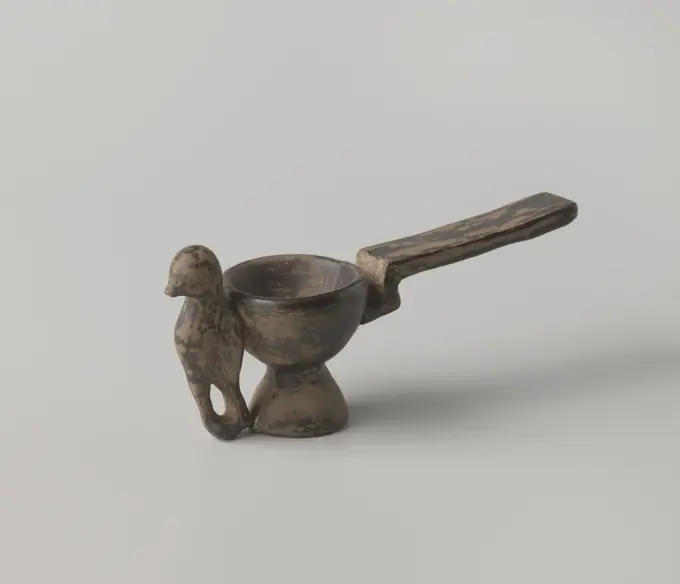
Ritual spoon ,, -400 --200 Cup -shaped object with flat stem and a standing bird, a spoon (), Of black earthenware at the front. The 'cup' runs narrow from below and then wider again. The bird protrudes the head above the edge. China earthenware Cup -shaped object with flat stem and a standing bird, a spoon (), Of black earthenware at the front. The 'cup' runs narrow from below and then wider again. The bird protrudes the head above the edge. China earthenware
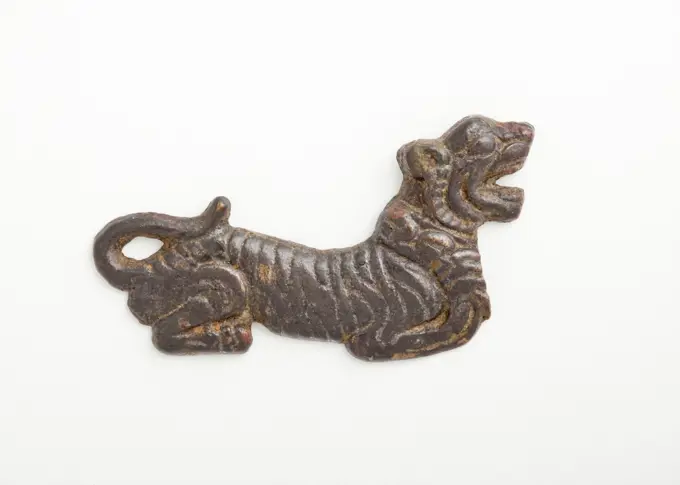
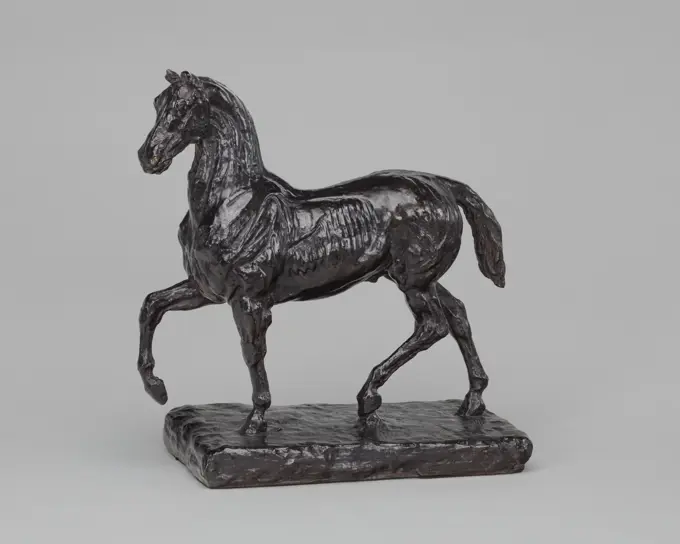
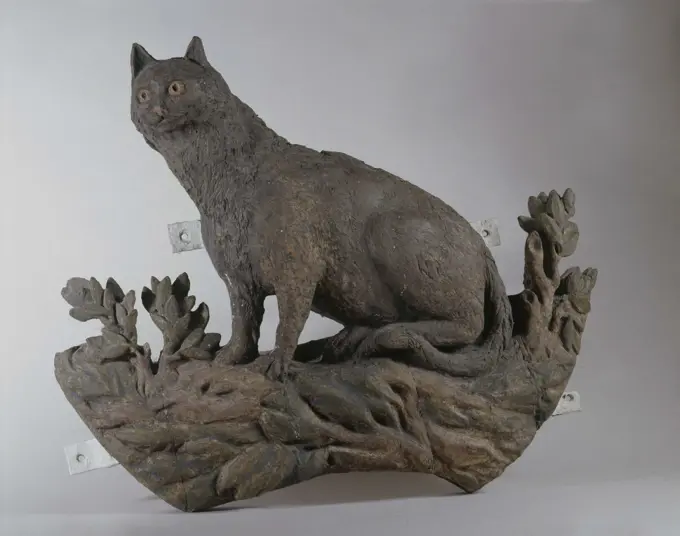
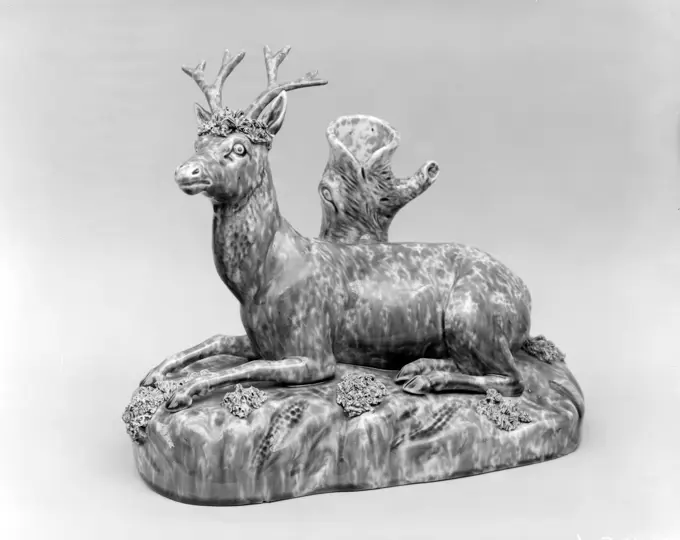
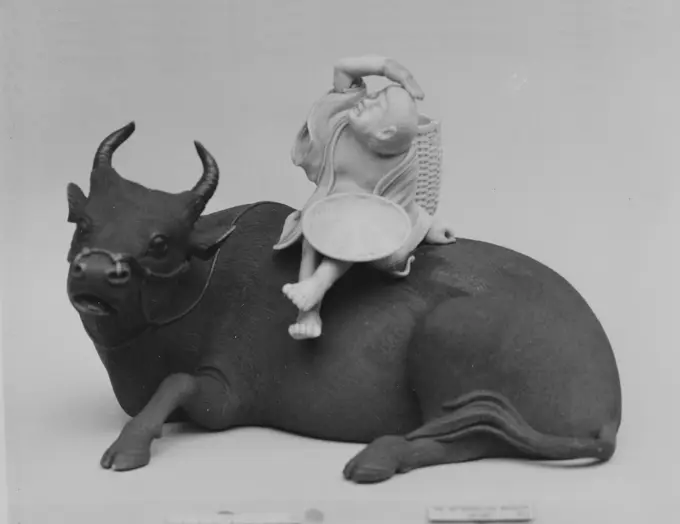
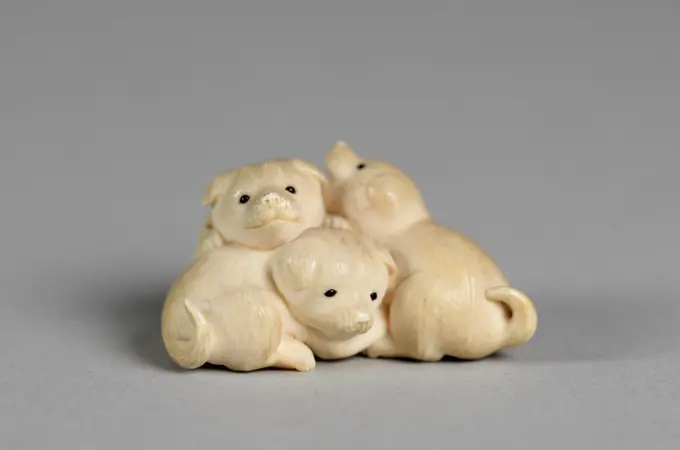
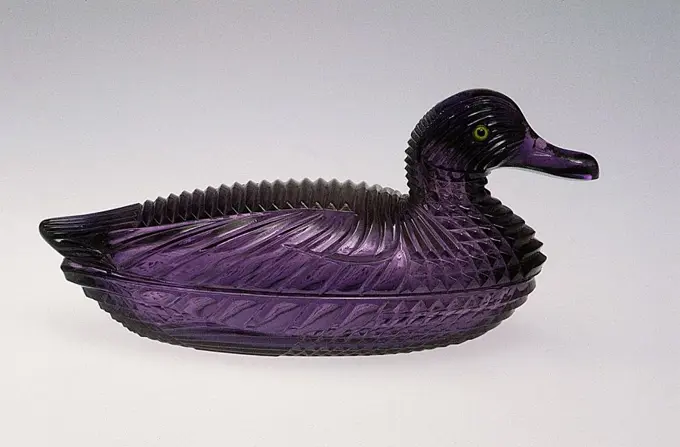
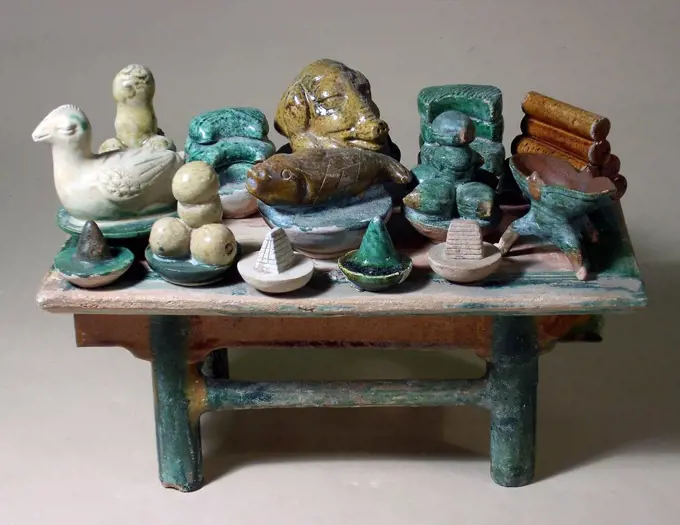
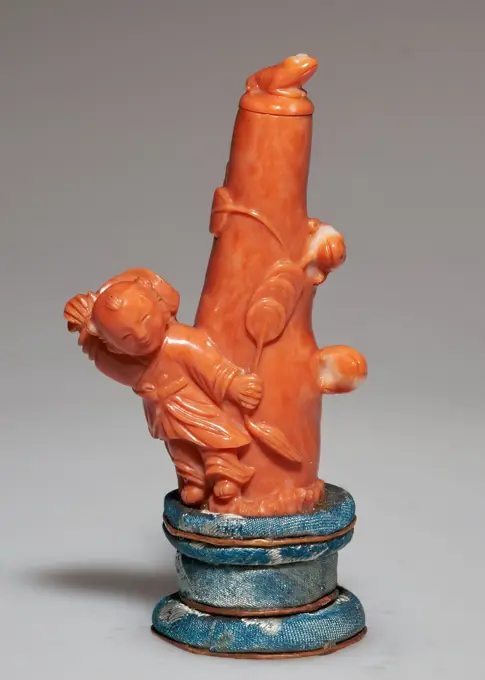
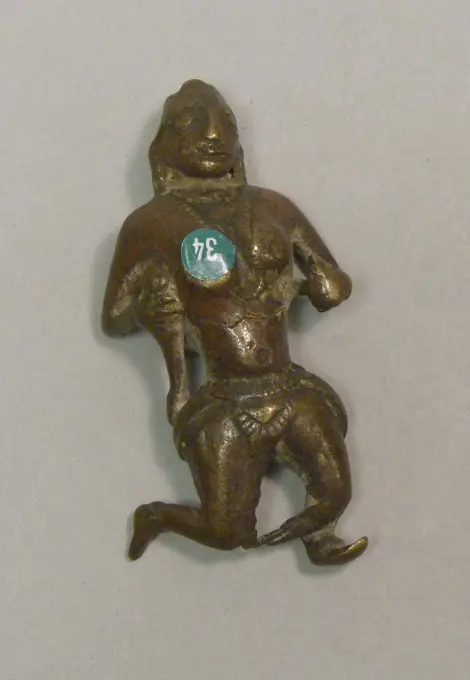
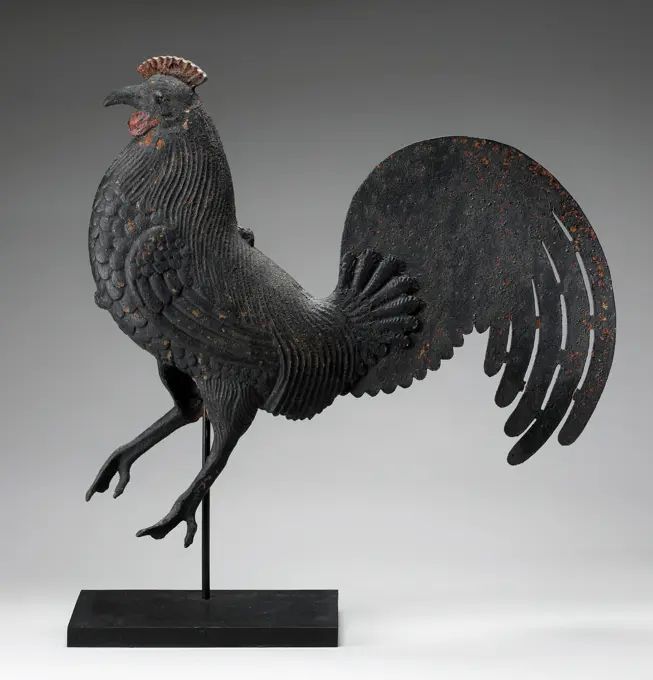
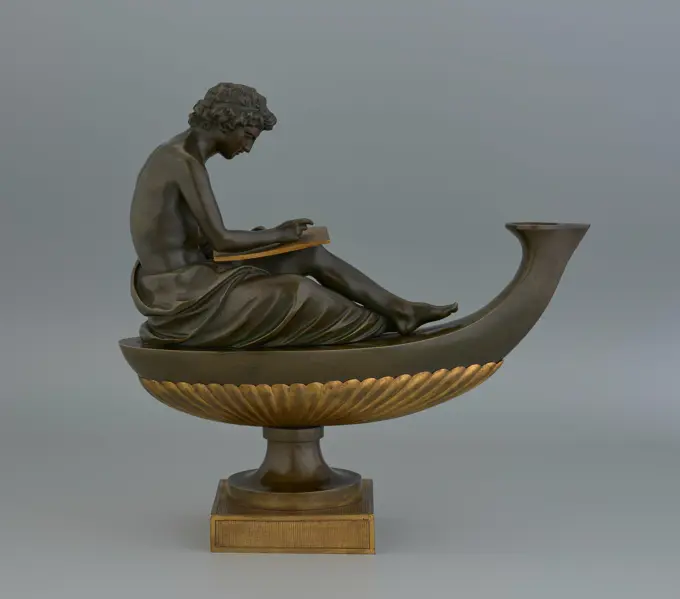
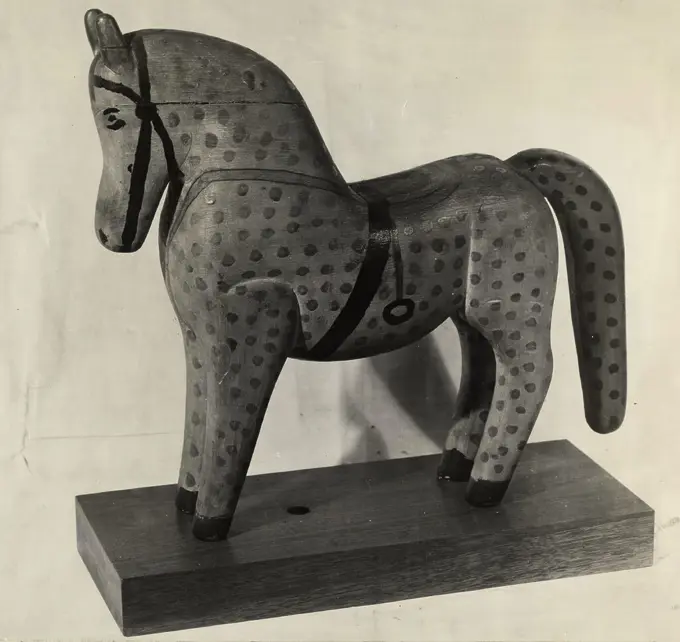
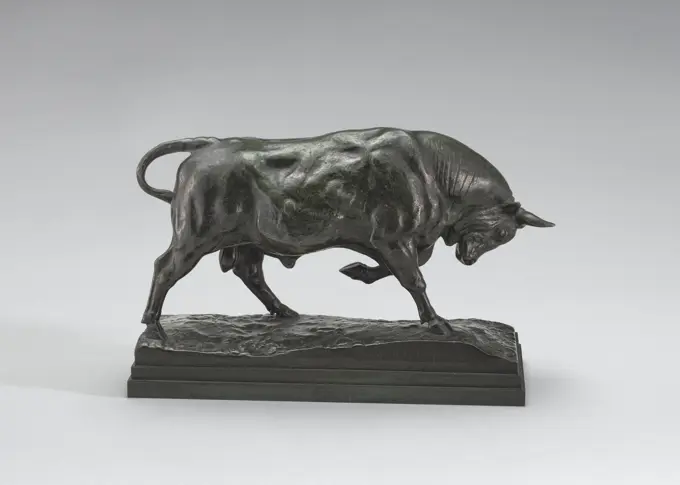
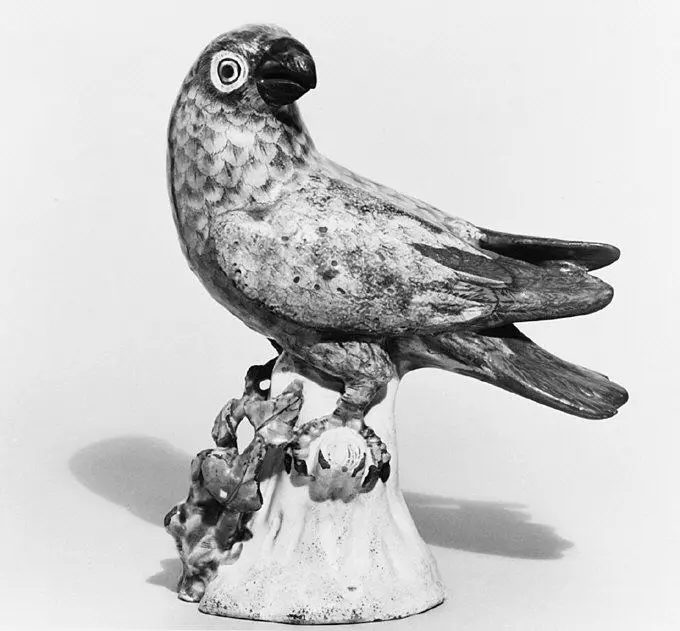
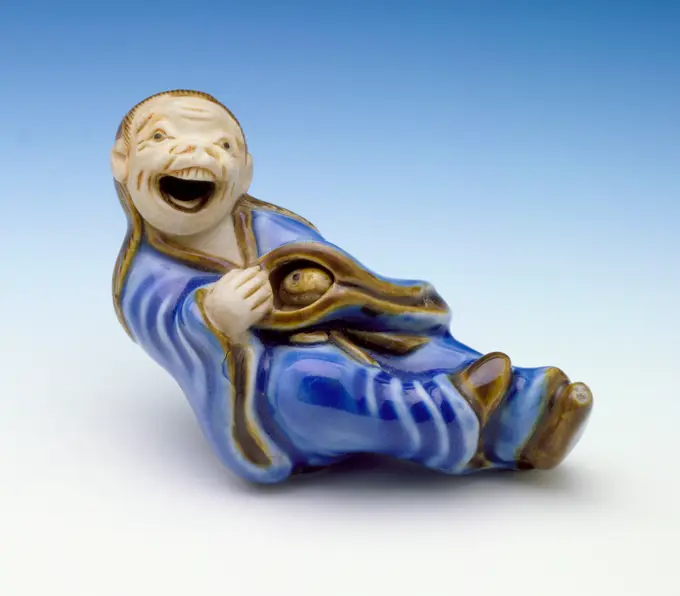
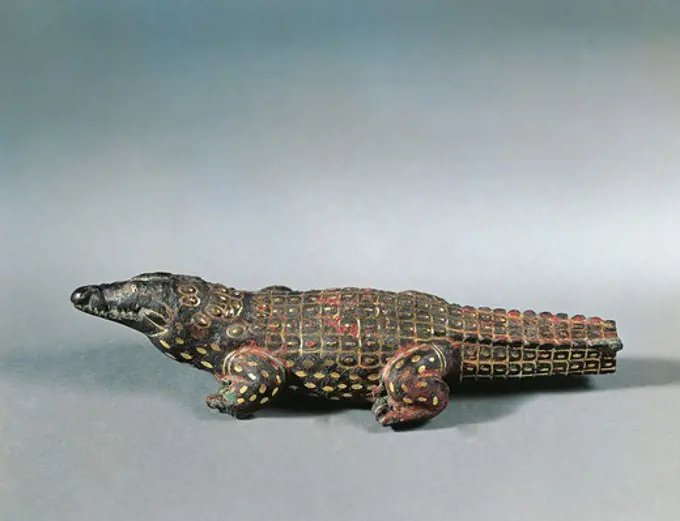
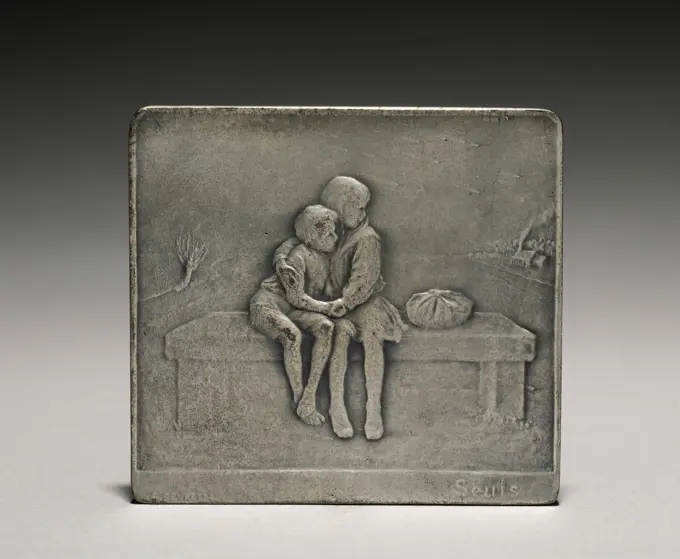
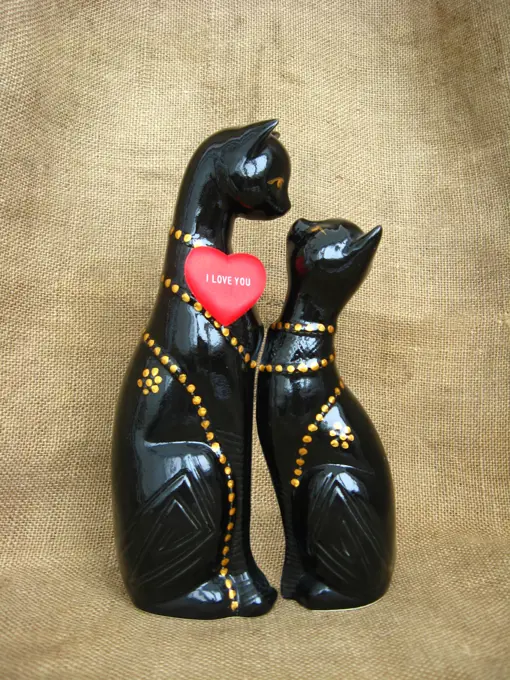
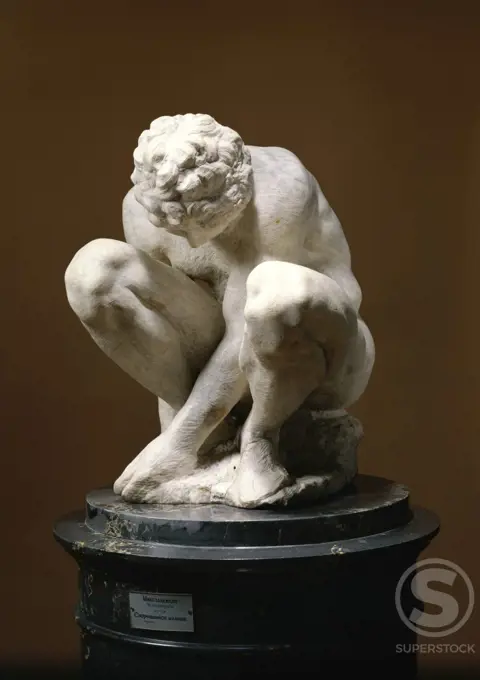
Brass and copper design fitting on antique wooden horse head, Jodhpur, Rajasthan, India Copyright: xSafatxAli/DinodiaxPhotoxDog, Porcelain Manufaktur Nymphenburg, c. 1760 Image of porcelain. The image represents a dog, which is shown when he does his need, the (broken) tail lifted. Under his stomach a tree stump as a strut. A collar around the neck. Marked on the underside with the coat of arms. Nymphenburg porcelain. glaze painting / vitrification Image of porcelain. The image represents a dog, which is shown when he does his need, the (broken) tail lifted. Under his stomach a tree stump as a strut. A collar around the neck. Marked on the underside with the coat of arms. Nymphenburg porcelain. glaze painting / vitrificationBelt Hook. China, Western Han dynasty, 206 B.C.-A.D. 9. Jewelry and Adornments; hooks. Bronze, castThéodore Gericault, Flayed Horse III, model c 1820 1824, cast 1959 1960 Flayed Horse IIISeal China. Seal 40993At the Chat Noir (I), a confectioner brand, 18th century. Anonymous. Paris, Carnavalet museum. 23808-14 Anonymous, black cat, confectioner, brandCoiled Rattlesnake Matchsafe; Manufactured by William B. Kerr & Company (United States); USA; silver; 6.7 x 4.3 x 1.5 cm (2 5/8 x 1 11/16 x 9/16 in. )Horse with Head Lowered. Dated: 1880s/early 1890s. Dimensions: overall without base: 18.4 x 7.9 x 27.2 cm (7 1/4 x 3 1/8 x 10 11/16 in.) height without base (of horse): 17.8 cm (7 in.). Medium: brown wax and cork. Museum: National Gallery of Art, Washington DC. Author: EDGAR DEGAS.Shark Pendant. Culture: Chiriquí. Dimensions: L. 3 3/4 in. (9.53 cm). Date: 11th-16th century. Museum: Metropolitan Museum of Art, New York, USA.Figural spill vase 1849 Lyman, Fenton & Co. The middle of the nineteenth century witnessed a proliferation of relief-molded earthenware covered with an allover mottled brown enameled glaze. Often referred to as Rockingham ware in homage to similar ware first produced in England on the property of the marquis of Rockingham, many of the original molds and designs were brought from England by itinerant potters who fashioned these wares. Variations occur in the glazes by the means of applicationdipping, sponging, or splashingand with the addition of colored oxides. Relief-molded pitchers were the most common forms, but slip-cast animal figures such as a recumbent cows, lions, poodles, and deer, were also popular. This figure of a reclining stag on a base is one of a pair; its complimentary mate is a doe. The two opposite-facing figures were intended as mantel ornaments. The hollow tree trunk behind the stag was used to hold paper or wood spills for lighting candles or oil lamps.. FiguralAgateMoney frog feng shui symbol of prosperity with the coin isolated on white backgroundMountain Sacrifice, Painted stirrup-spout vessel, Mochica Culture, Peru, 1-750. Artist: Unknown.Figure 19th century Kawamoto Hansuke IV Japanese. Figure. Kawamoto Hansuke IV (Japanese, active first half of the 19th century). Japan. 19th century. Stoneware and porcelain (Seto ware). Edo (1615-1868) or Meiji period (1868-1912). CeramicsNetsuke of Three Puppies 18th century Japan. Netsuke of Three Puppies. Japan. 18th century. Ivory. Edo period (1615-1868). NetsukeCovered Figural Dish after 1887 Atterbury and Company. Covered Figural Dish 2360Ancient China: Offering table wth ceramic food objects. Glazed green and orange ware. Ming dynasty, 1368 - 1644 AD.Snuff Bottle, 1875-1925, 2 1/8 x 1 1/8in. (5.4 x 2.9cm), Coral, silk, ChinaFrog figurine, frog wearing crownStanding Figure 500 B.C.-A.D. 300 Indonesia (Java). Standing Figure. Indonesia (Java). 500 B.C.-A.D. 300. Bronze. Bronze and Iron Age period. MetalworkBull, Hans Reisinger (attributed to), c. 1590 - c. 1598 The left front leg is levied, the head to the right, which causes heavy neck folds; The tail hits the right shank. Augsburg bronze (metal)   Hessen Castle The left front leg is levied, the head to the right, which causes heavy neck folds; The tail hits the right shank. Augsburg bronze (metal)   Hessen CastleRooster weathervane, c. 1875-1900, Rochester Iron Works, Rochester, New Hampshire, 1850-1915, 30 5/16 x 33 1/2 x 3 7/8 in. (76.99 x 85.09 x 9.84 cm), Iron, pigment, United States, 19th-20th centuryOlive lamp;  early XIXW. (1801-00-00-1810-00-00);A wooden mouse figurine. Mask. Woman mask from the no-stage.Toy Horse. Dated: 1935/1942. Dimensions: overall: 32.1 x 34.6 cm (12 5/8 x 13 5/8 in.) Original IAD Object: 12" long; 12" high. Medium: black and white photograph. Museum: National Gallery of Art, Washington DC. Author: American 20th Century.Antoine Louis Barye, Bull, model nd, cast c 1857 1873 Bull4th century Greek censer. Madrid, Private collection. Location: PRIVATE COLLECTION. MADRID. SPAIN.Image of the idols Fosta and Weda, from the Mariakerk in Utrecht, in the collection of the Rijksmuseum in Amsterdam.Close-up of a Chinese dragon figurineParrot (one of a pair) ca. 1760-70 French, Sceaux Faience, or tin-glazed and enameled earthenware, first emerged in France during the sixteenth century, reaching widespread usage among elite patrons during the seventeenth and early eighteenth centuries, prior to the establishment of soft-paste porcelain factories. Although characterized as more provincial in style than porcelain, French faience was used at the court of Louis XIV as part of elaborate meals and displays, with large-scale vessels incorporated into the Baroque garden designs of Versailles. Earlier examples of French faience attest to the strong influence of maiolica artists from Italy. Later works demonstrate the ways in which cities such as Nevers, Rouen, Lyon, Moustiers, and Marseille developed innovative vessel shapes and decorative motifs prized among collectors throughout Europe. While faience can be created from a wide mixture of clays, it is foremost distinguished by the milky opaque white color achieved by the addiCrown of the standard of the Mataro worker's Cooperative (1884). Bronze, designed by Antoni Gaudi (1852-1926). Mataro museum.Cow and calf with tobbe and pedestal with leaf work and frogs in relief, anonymous, c. 1750 - c. 1780 Image of undecorated faience. On a pedestal is a cow with a calf on her left side. The calf eats from a tub. There are leaves and frogs in relief on the pedestal. Delft earthenware. tin glaze. Image of undecorated faience. On a pedestal is a cow with a calf on her left side. The calf eats from a tub. There are leaves and frogs in relief on the pedestal. Delft earthenware. tin glaze.Incense Burner in the Shape of a Quail, late 19th-early 20th century, Miyagawa Kōzan, Japanese, 1842 - 1916, 4 3/4 × 3 15/16 × 4 3/4 in. (12.07 × 10 × 12.07 cm), Porcelain with glaze, Japan, 19th-20th centuryLittle white guardian angel isolated on black background. Christmas decorationCup late 16th or early 17th century Probably by Leonard Umbach. Cup 193547Gama, the Immortal with Toad. Anonymous. Japan, mid-19th century. Costumes; Accessories. Hirado ware; porcelain with blue and brown glazesWalter Hochstrasser, Weather Vane, c 1937 Weather VaneBronze and nielloed electrum crocodile figure, From Faiyum, Middle Kingdom, Dynasty XII, circa 1850 B.C.Mechanical Toy BankTalc. mineralsNetsuke of Seated Man with a Flower Pot. Culture: Japan. Dimensions: H. 1 1/4 in. (3.2 cm); W. 1 1/8 in. (2.9 cm0; D. 1 1/8 in. (2.9 cm). Date: 19th century. Museum: Metropolitan Museum of Art, New York, USA.small gods - statuettes of gods and idolWooden Cat. Cat figurine made of woodPlaquette (reverse), 1900s. Godefroid Devreese (Belgian, 1861-1941). Bronze; overall: 6.1 x 7.5 cm (2 3/8 x 2 15/16 in.).Two toy enamoured cats on a brown background Two enamoured cats looking against each other on the brown background Copyright: xZoonar.com/alexmakx 3515314The Boy Michelangelo Buonarroti (1475-1564/Italian) Marble  Hermitage Museum, St. Petersburg votive vows, which contained a cat mummy, Gregorian Egyptian Museumn Musei Vaticani, State of the Vatican City, Roma, Lazio, Italia.