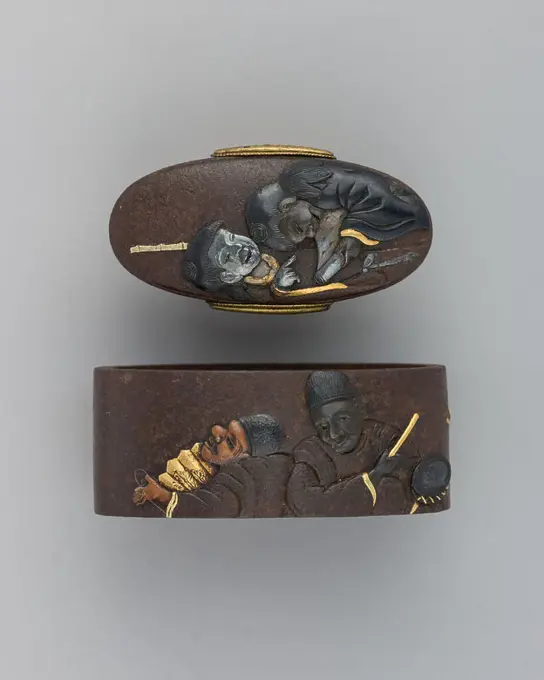
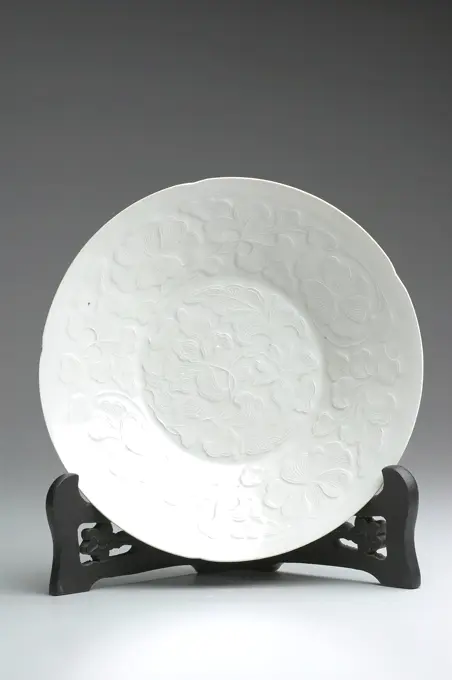
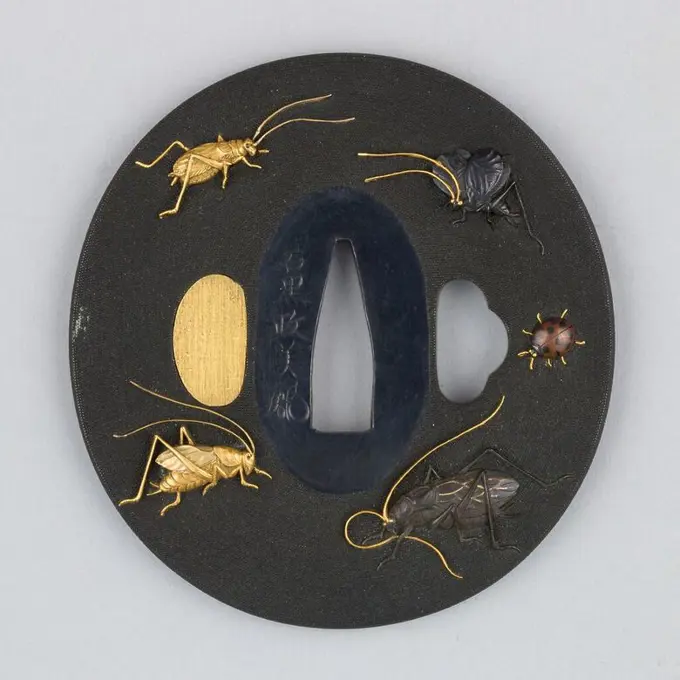
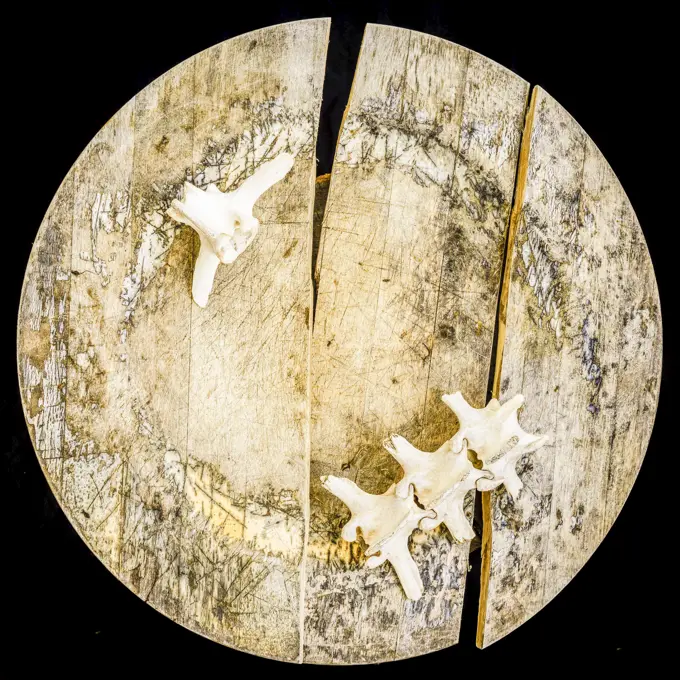
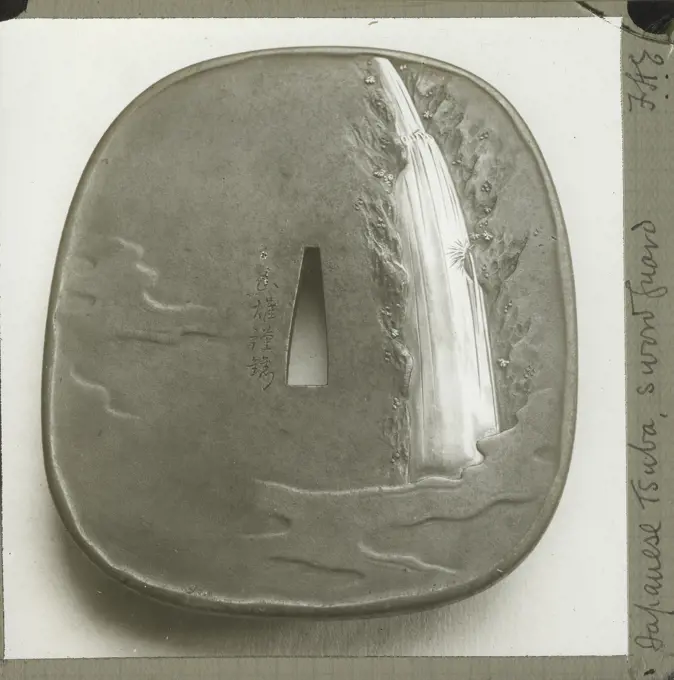
Japanese Sword Guards

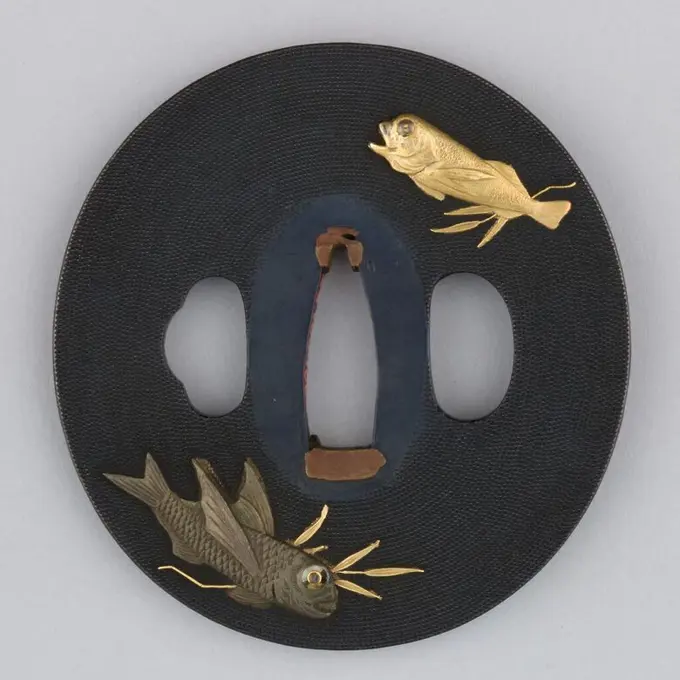
Detailed images of decorative tsuba, the traditional Japanese sword guards, featuring intricate designs and historical significance.

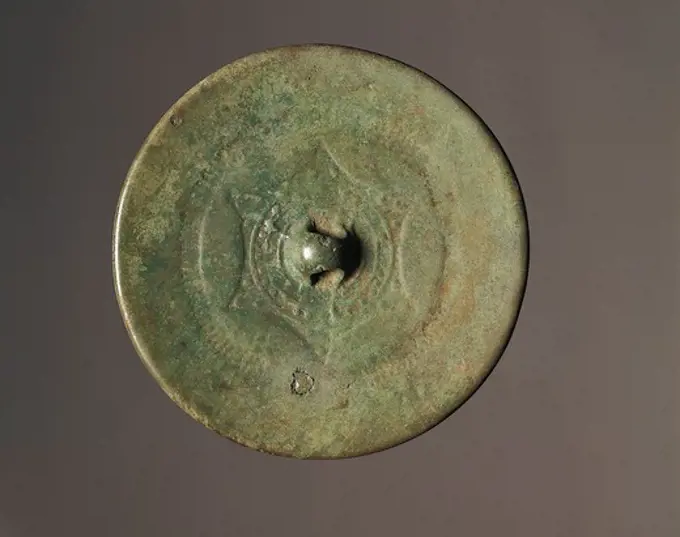
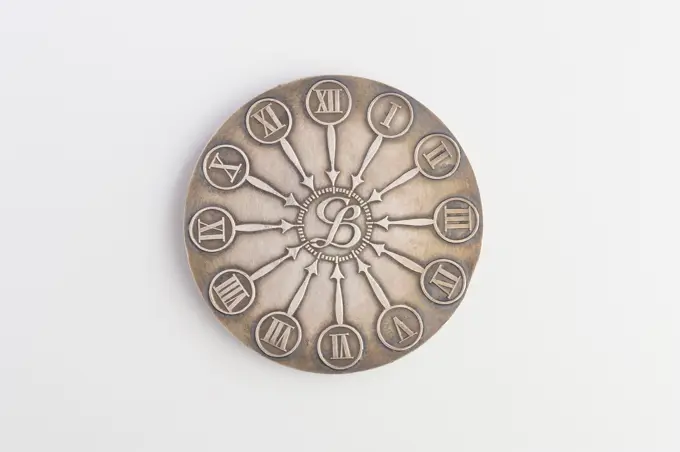
Mirror;  19th century (1801-00-00-1900-00-00);
Mirror; 19th century (1801-00-00-1900-00-00);
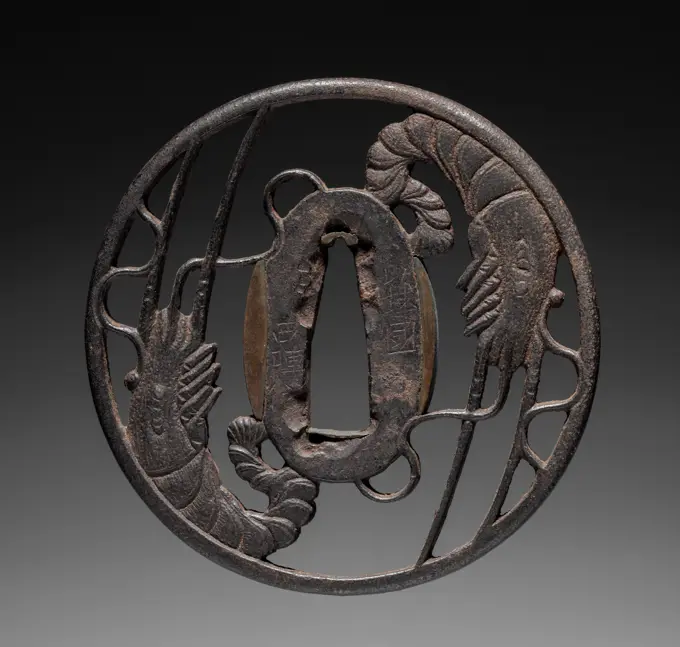
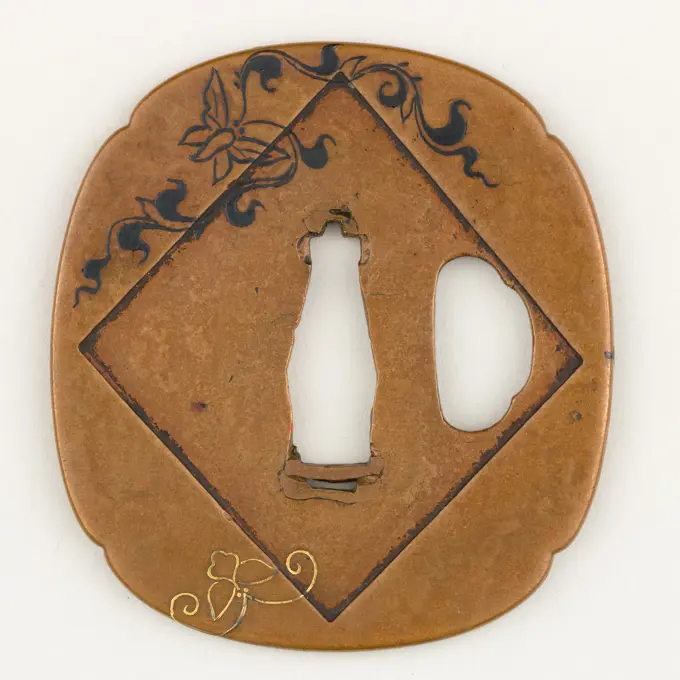
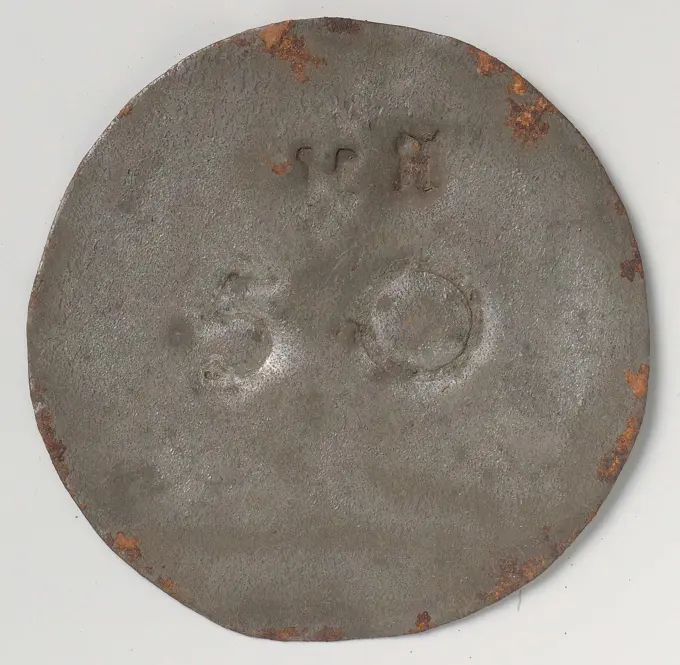
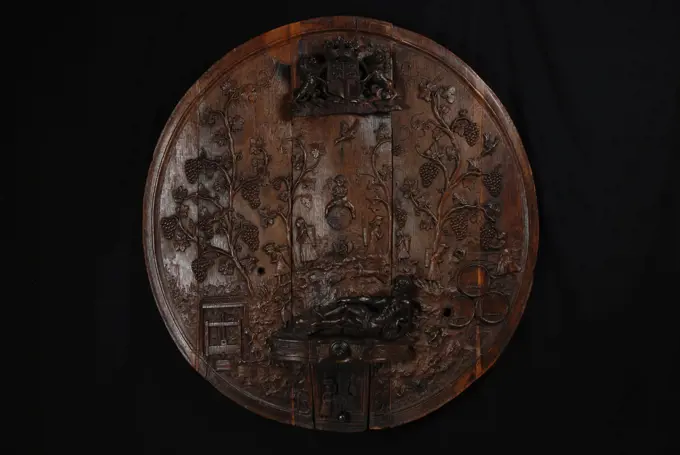
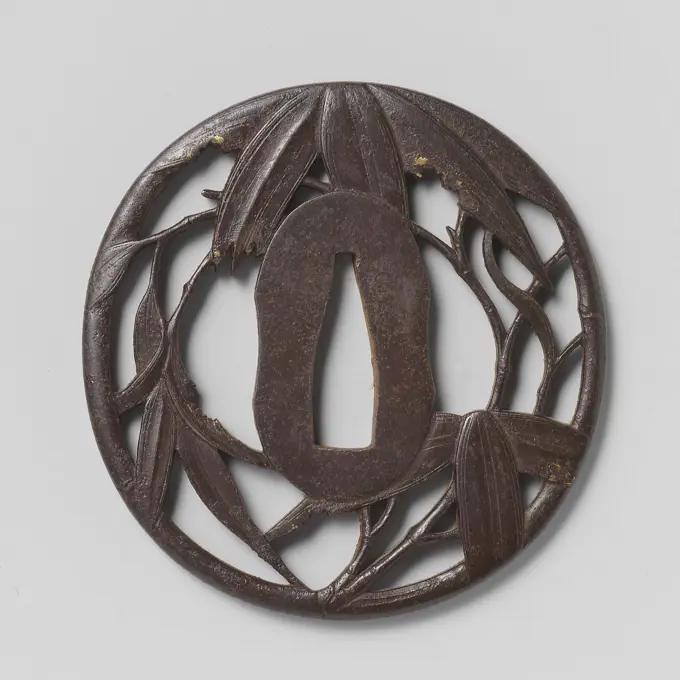
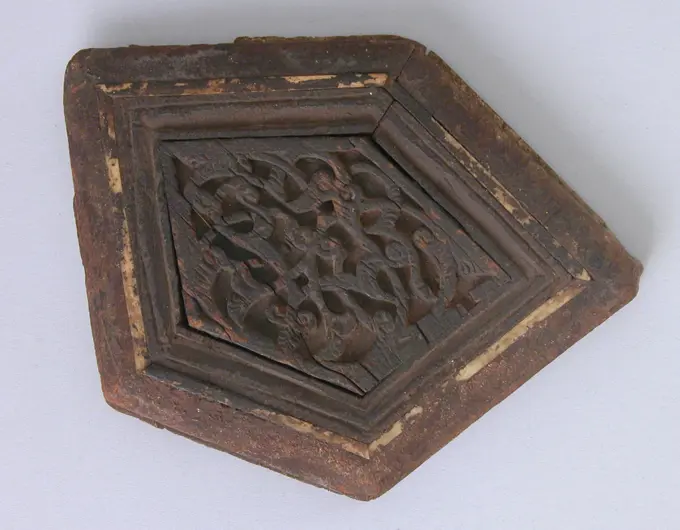
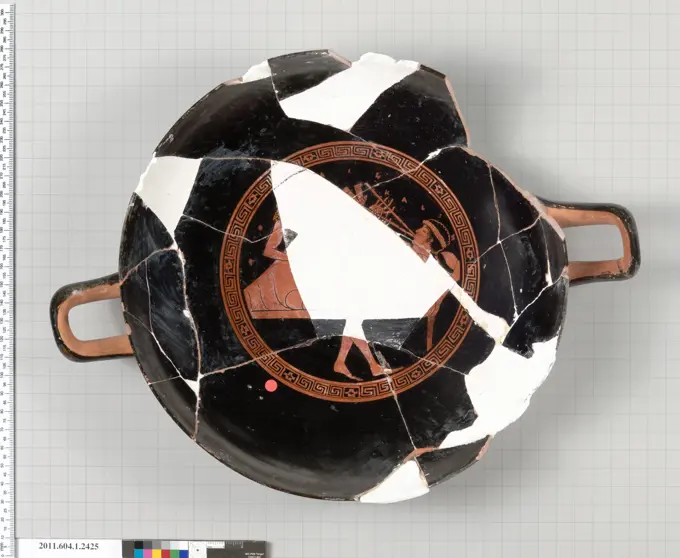
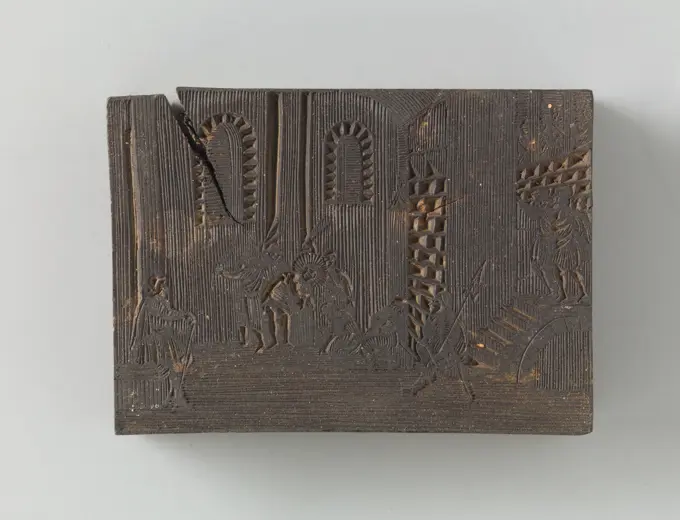
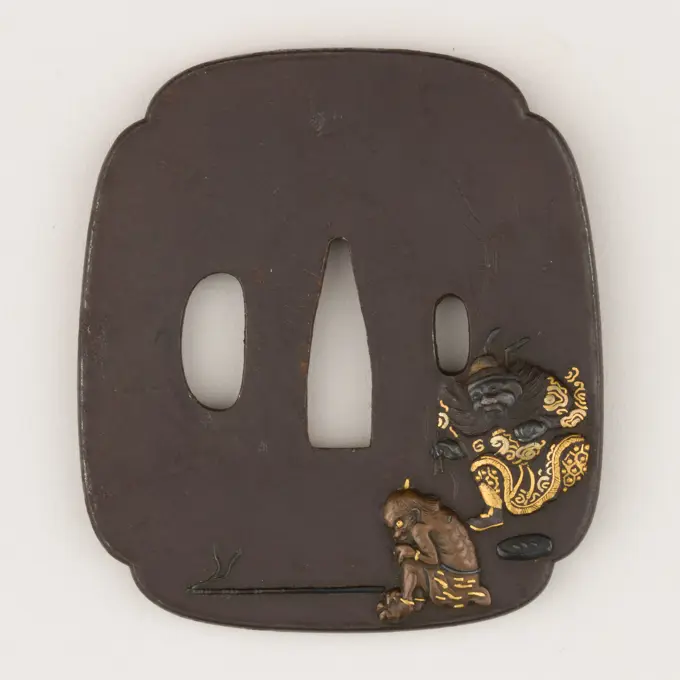
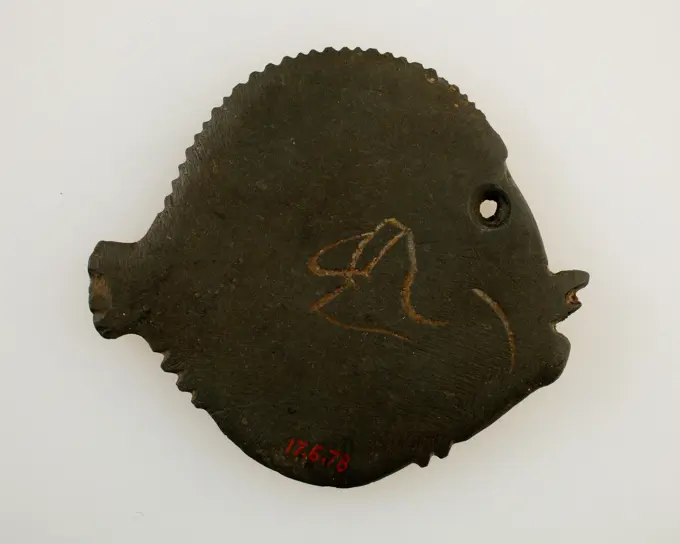
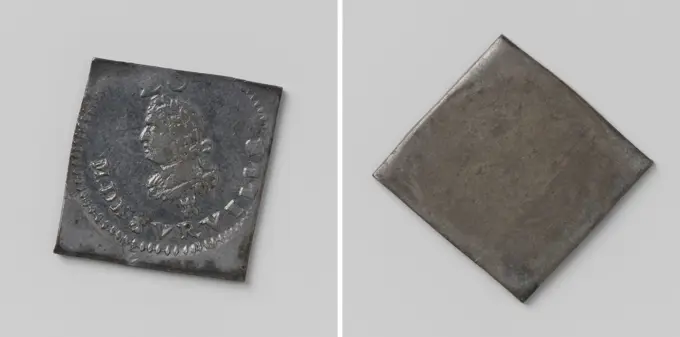
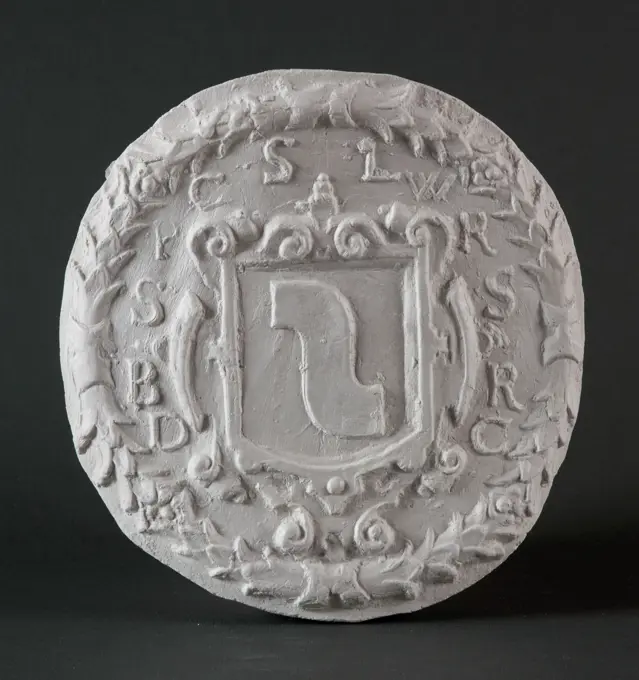
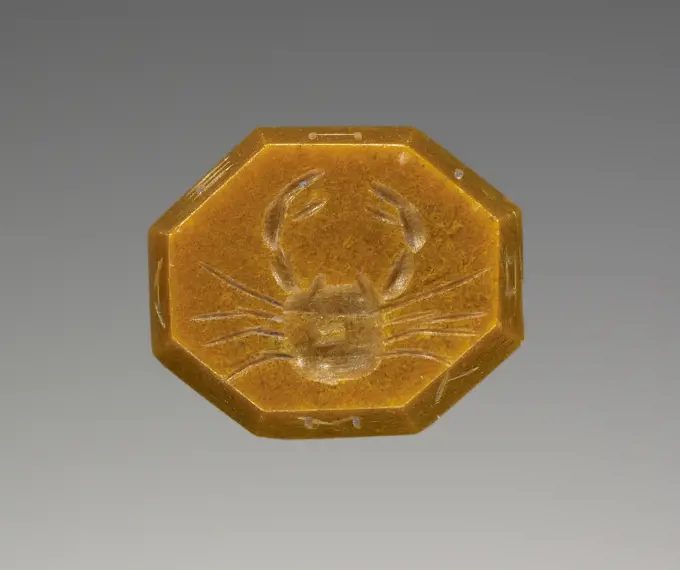
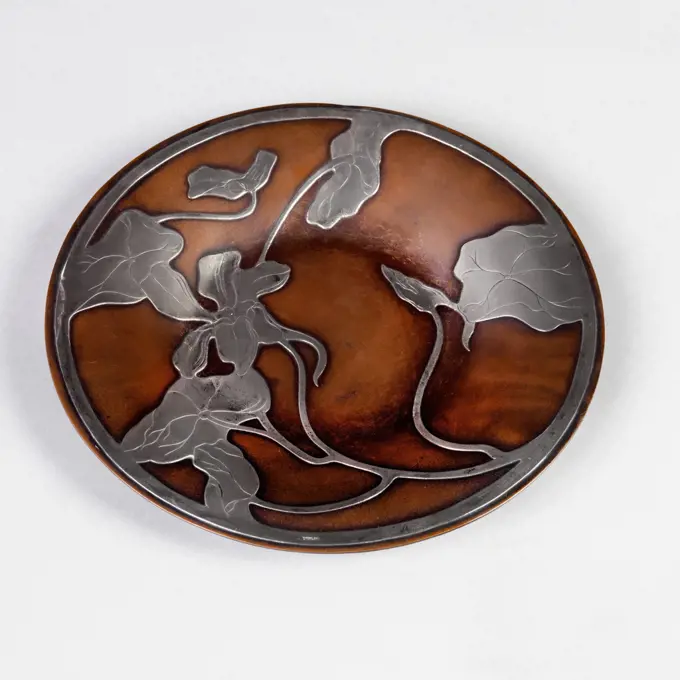
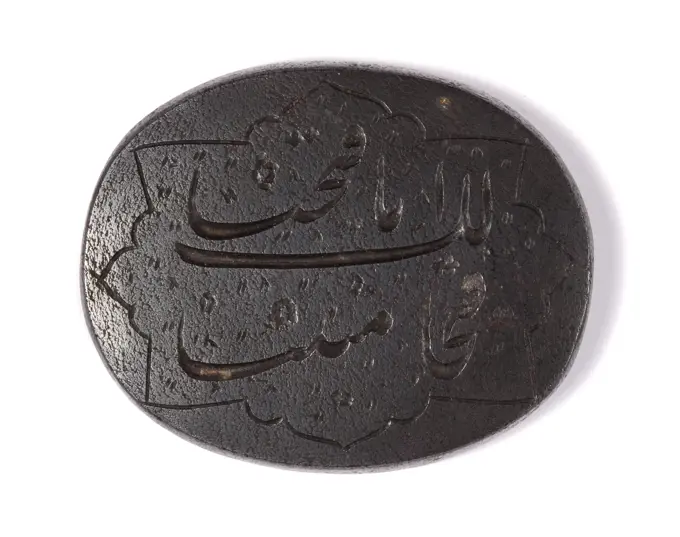
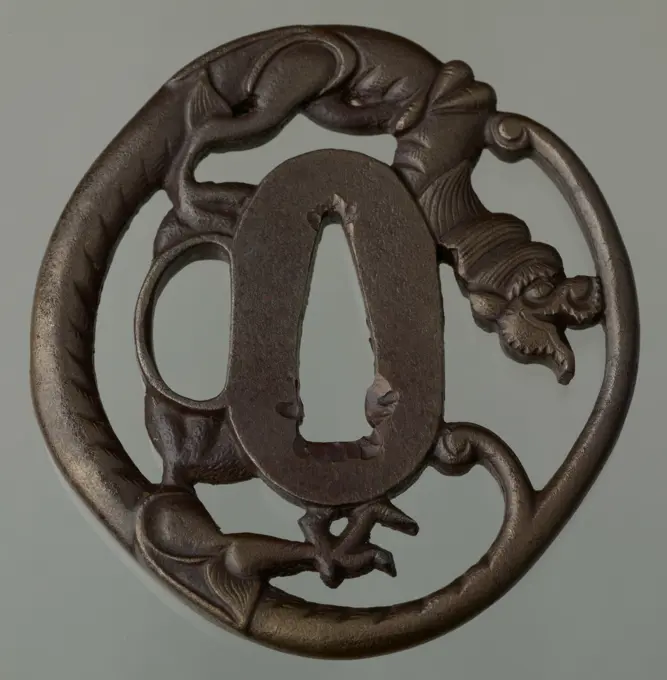
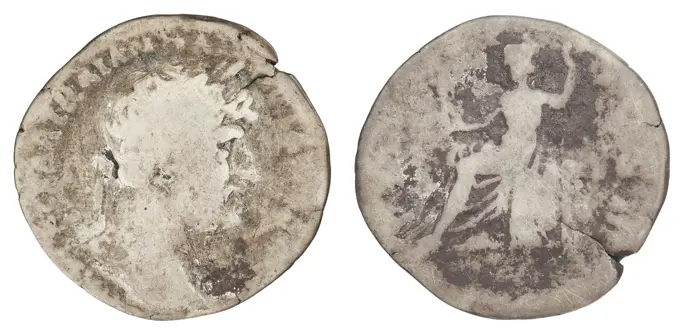
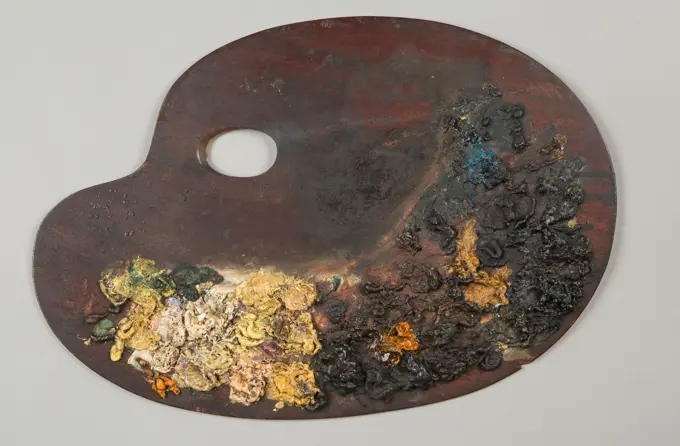
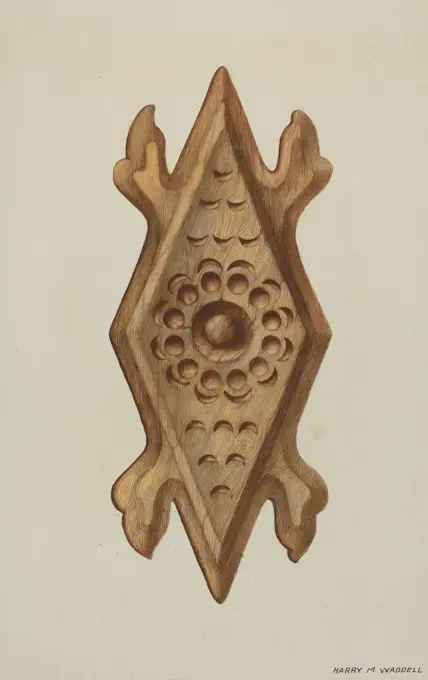
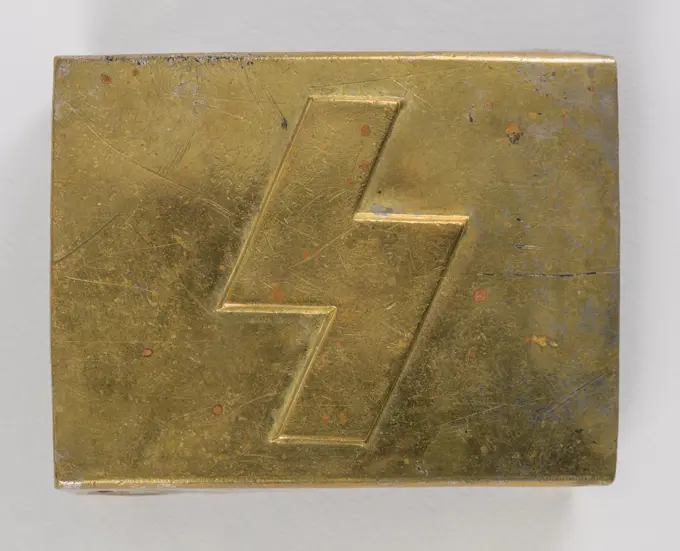
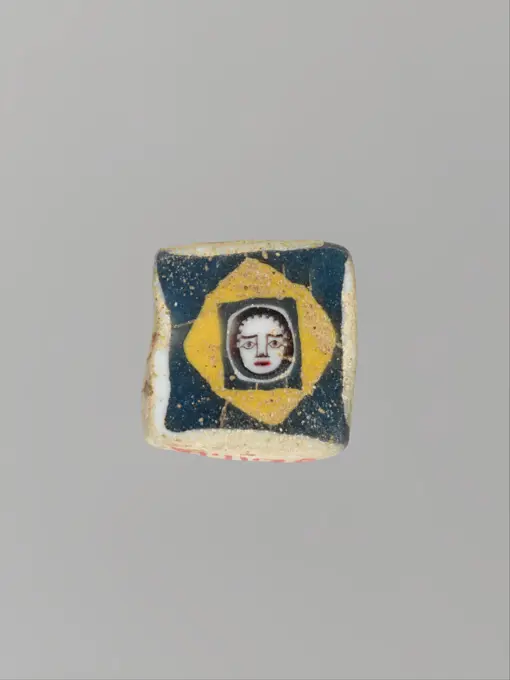
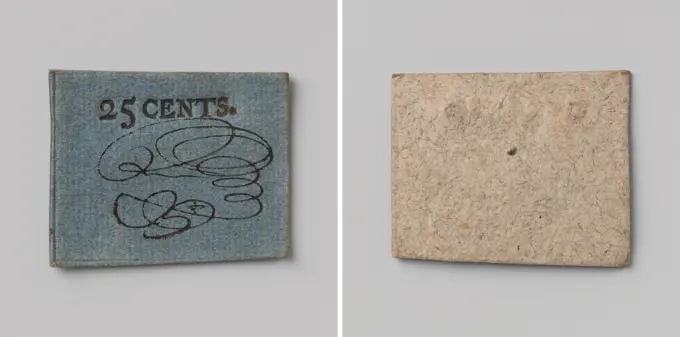
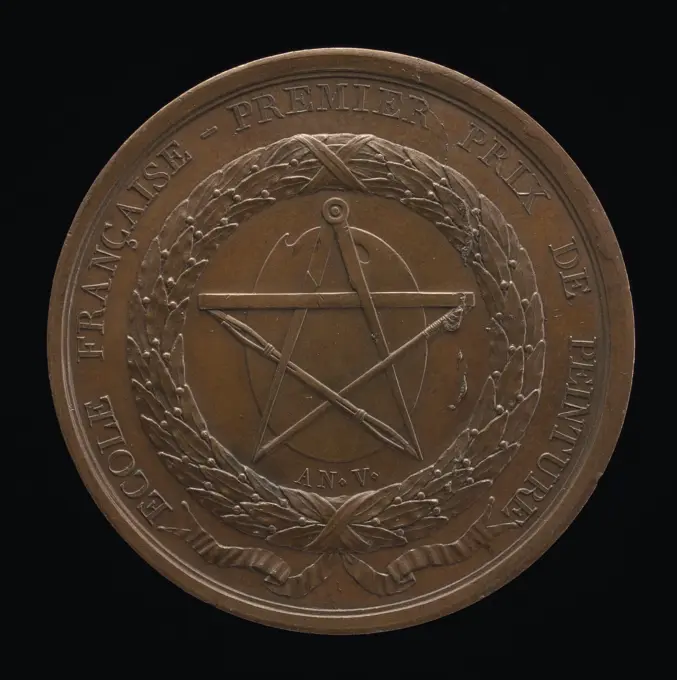
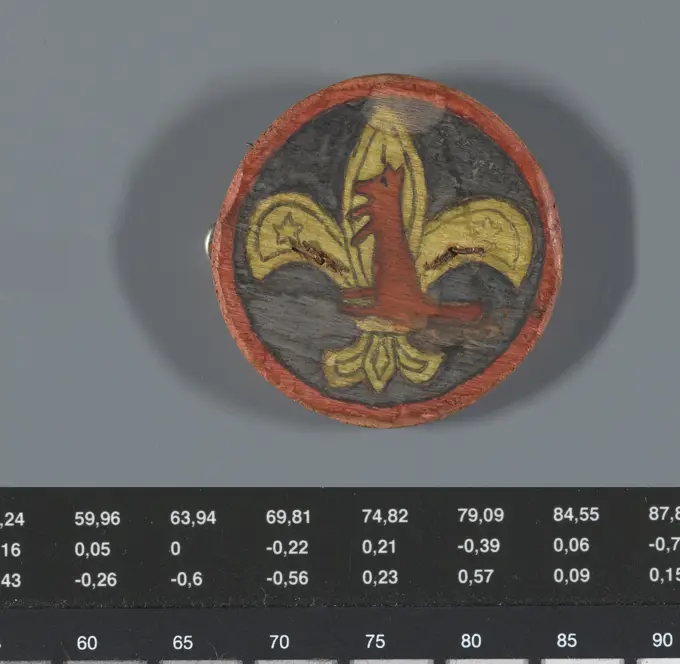
Sword Guard (Tsuba) 19th century Japanese A tsuba is a sword guard and part of a sword mounting. It is mounted between the swords blade and grip to protect the users hands.. Sword Guard (Tsuba) 32175Carnavalet museum, tokens collectionRound Plaque. Culture: Vicús. Dimensions: Diameter 5-1/4 in. (13.4 cm). Date: 3rd century B.C.-A.D. 2nd century. Museum: Metropolitan Museum of Art, New York, USA.Carnavalet museum, tokens collectionManufacture Imperiale de Tabacs in Amsterdam, carrying sign, worn by one of the employees, with no. A 47, Anonymous, 1811 - 1813  One -sided copper triangular carrying sign with rounded corners to surrogate eye. Front: French eagle above letter A and inscription No. 47 Inside. Reverse: Blanco. Amsterdam copper (metal) engraving  AmsterdamSword Guard, 1700s. Japan, Edo period (1615-1868). Iron; diameter: 7.7 cm (3 1/16 in.).Sword Guard (Tsuba) ca. 1615-1868 Japanese A tsuba is a sword guard and part of a sword mounting. It is mounted between the swords blade and grip to protect the users hands.. Sword Guard (Tsuba) 34428Rowing, Scaffolding and Shirts Guild of Amsterdam, Gild Pepping of Dirk Cersen Dirksz, Kamper scaffolding berth. Brass medal. Front: to the left sailing sailboat; On behind: seated man and flag. Downside: inscription above private label and heart with letters D, C, D and Z between monogram of letters K and SSword Guard (Tsuba) 17th century Japanese A tsuba is a sword guard and part of a sword mounting. It is mounted between the swords blade and grip to protect the users hands.. Sword Guard (Tsuba) 29962Plate ca. 1720 French, Rouen Faience, or tin-glazed and enameled earthenware, first emerged in France during the sixteenth century, reaching widespread usage among elite patrons during the seventeenth and early eighteenth centuries, prior to the establishment of soft-paste porcelain factories. Although characterized as more provincial in style than porcelain, French faience was used at the court of Louis XIV as part of elaborate meals and displays, with large-scale vessels incorporated into the Baroque garden designs of Versailles. Earlier examples of French faience attest to the strong influence of maiolica artists from Italy. Later works demonstrate the ways in which cities such as Nevers, Rouen, Lyon, Moustiers, and Marseille developed innovative vessel shapes and decorative motifs prized among collectors throughout Europe. While faience can be created from a wide mixture of clays, it is foremost distinguished by the milky opaque white color achieved by the addition of tin oxide to Demolition with cord closure. Demolition for cushion, on a short side with six holes for cord closure.Sword Guard (Tsuba) 18th century Japanese A tsuba is a sword guard and part of a sword mounting. It is mounted between the swords blade and grip to protect the users hands.. Sword Guard (Tsuba) 34951Goldweight Shield, 19th-20th century, 1/2 x 1 1/2 x 1 7/8 in. (1.27 x 3.81 x 4.76 cm), Brass, Ghana, 19th-20th centuryBattle of Waterloo. Round plaque of bronze caught in dark wooden table with a glass ball cap. The show is based on the painting the Battle of Waterloo by J.W. Pieneman. Left the injured prince of orange with slanted behind him Wellington on horseback. The show has a text around: '1815 1865 Wellington. Bleucher. Orange'. At the top of a banderole with text: 'with God for the Netherlands and orange', laurel branches and standing lion on pedestal on which 'XVIII Junii MDCCCXV'.Tray (England); tin, enamelSword Guard (Tsuba) first half 18th century Japanese A tsuba is a sword guard and part of a sword mounting. It is mounted between the swords blade and grip to protect the users hands.. Sword Guard (Tsuba) 30047Sword Guard (Tsuba) 18th century Japanese A tsuba is a sword guard and part of a sword mounting. It is mounted between the swords blade and grip to protect the users hands.. Sword Guard (Tsuba) 30088Medal of Man attackingSnake. Artist: Julien Lorieux, French, 1876-1915Grahal-Manzara. Carnavalet 2013-2016 collection sites. Numismatics.Pending Ommerschans, house coin beaten at the burden of the society of beneficiality worth 50 cents. Unilateral coin. Front: two brands above value indication. Downside: blankCarnavalet museum, medal collection Louis-Napoléon Bonaparte's right to the left; Reverse registration on five lines.Sculpted oak bottom or lid of wine barrel, wine barrel barrel holder wood oak bronze bronze ), carved cutted Carved bottom or lid of wine barrel (barrel) of the Wijnkopersgilde in Rotterdam ROTTERDAM 1772 87 (ribbon) Rotterdam heraldry Wijnkopersgilde guild cooper cooperage. Openwork iron tsuba, decorated with bamboo shoots; Some remains of gilt and an inscription.Panel 14th-15th century. Panel 445070Sword Guard (Tsuba). Culture: Japanese. Dimensions: H. 2 3/4 in. (7 cm); W. 2 5/8 in. (6.7 cm); thickness 3/16 in. (0.5 cm); Wt. 4.8 oz. (136.1 g). Date: ca. 1615-1868. Museum: Metropolitan Museum of Art, New York, USA.Gulden, emergency coin of the city of Brussels, 1584, 1584 coin. siege coin Silver square emergency coin. Front: four -line inscription, above which year: .8.4. = 1584 and including value designation: 1 gl. Reverse: smooth.  silver (metal) striking (metalworking)Sword Guard (Tsuba) ca. 1615-1868 Japanese A tsuba is a sword guard and part of a sword mounting. It is mounted between the swords blade and grip to protect the users hands.. Sword Guard (Tsuba) 33467Dirck Hartogh dish, anonymous, 1600 - 1616  Round pewter dish (plate) with completely flattened edge. The inscription is applied over the entire width. The last three lines are almost completely worn out. Inscription: 1616 den 25 October here the ship's ship of Amsterdam The Opperkoopman Gillis Mibais of Lvick Schipper Dirck Hatichs van Amsterdam The 27 Ditto in Seil Gene after Bantvm the subtra Ian Stins the Supreme Stiver Pietr Dooke of Bill (....... ) Dated: October 25, 1616 (......) Dirk Hartog island tin (metal) casting / striking (metalworking) / engraving  Dirk Hartog islandSword Guard (Tsuba) ca. 1615-1868 Japanese A tsuba is a sword guard and part of a sword mounting. It is mounted between the swords blade and grip to protect the users hands.. Sword Guard (Tsuba) 25764Ring with Dragon 480 BCE-221 BCE China. Bone with incised decoration .Stone mirror decorated with a star, Kofun periodLibra of copper, round, spherical with three holes in the edge with strings, anonymous, c. 1590 - c. 1596  Libra of copper, spherical with three holes in the edge with strings. The scale probably served for weighing medicines. According to De Veer, a barber or surgeon has been with the trip.  copper (metal). rope striking (metalworking)  Nova Zembla. Saving HuysNaczynie. nieznany warsztat egipski, authorTerracotta fragment of a kylix (drinking cup) 490-480 B.C. Greek, Attic Interior, draped, filleted youth reclining on a kline, with his neck resting on a cushion, playing an aulos; hair, lower legs, bent right arm, and left hand holding krotala of a figure standing in front of the kline. Terracotta fragment of a kylix (drinking cup) 686834Plate, 1800s. Wedgwood Factory (British). Black basalt; overall: 21.6 x 25.1 cm (8 1/2 x 9 7/8 in.).Bible illustrations, c. 1550 - c. 1699    wood (plant material)Rectangular shoe buckle with rounded corners, buckle fastener part soil find copper brass metal, cast Slightly curved in middle square with rounded corners. Middle style is missing archeology Rotterdam City triangle Oostplein New harbor confirm shoe Soil discovery: Oostplein end Nieuwe Haven 1985.Plate and Nail 15th-16th century European. Plate and Nail. European. 15th-16th century. Iron. Metalwork-IronSword Guard (Tsuba) 17th century Japanese A tsuba is a sword guard and part of a sword mounting. It is mounted between the swords blade and grip to protect the users hands.. Sword Guard (Tsuba) 29967ContainerDisk. Western Iran, circa 1000-650 B.C.. Jewelry and Adornments; pins. Bronze, hammeredCross of Bakaffa ". Formerly called Theodoros Cross. Argent engraved. 1721-1730. Anonymous Ethiopian artist. Museum of Fine Arts of the city of Paris, Petit Palais. Serious silver, chretian art of Ethiopia, Christianity, Cross, cross of Bakaffa, cross of Theodoros, Detail, Biblical scene, 18th 18th 18th 18th 18th 18th 18Commemoration KLM Holland India Vlucht in 1924, Gero Factory, After Chris van der Hoef, 1924 - 1925 plate (dishes) Pewter reminder board, with flat in relief plane, flying to the right, with one propeller on the nose and with brand 'H.Nacc'; Below that 2 coats of arms: Standing lion to the left with sword (Rijkswapen) and dagger up in Krans (Batavia). Top Text 'Remembrance ...', Bottom names (4) and in the middle 'F.VII'. Smooth edge. At the back clip with string for suspension. Inscription; Front, flat: 'Commemoration Holland Indie Vlucht / van den Broeke * van der Hoop * van Weerden * Poelman / F.VII'. Marked. Zeist tin (metal) casting / striking (metalworking) aircraft, aeroplane Netherlands. Dutch East Indies, TheSword guard (Tsuba) Depicting Skanda (駄天図鐔) 19th century Japanese This iron tsuba depicts on the obverse Skanda (Japanese: Idaten), the guardian of the teachings of Buddhism, and a Mara (天魔) demon. One of Skanda’s task was namely to explicitly protect members of Buddhist communities from Mara who were known for disturbing and tempting them. The reverse shows a swift mischievous Yaksha (夜叉) spirit, also referred to as Shōshitsuki (捷疾鬼) in Japanese, who has stolen Buddha’s relics but which were retrieved later by Skanda.. Sword guard (Tsuba) Depicting Skanda (駄天図鐔) 25736Sword Guard (Tsuba). Culture: Japanese. Dimensions: H. 3 1/8 in. (7.9 cm); W. 3 in. (7.6 cm); thickness 3/16 in. (0.5 cm); Wt. 4.5 oz. (127.6 g). Date: 19th century. Museum: Metropolitan Museum of Art, New York, USA.Tobacco box without lid from the wreck of the East Indians Hollandia, Anonymous, 1700 - in or before 1743  Tobacco box; fragm, box, id. NG 1980-27H2021 (c.12.2x7), hinge missing (3 rivet eyes). Netherlands copper (metal)   SecondPalette in the Form of a Fish ca. 4500-4000 B.C. () Predynastic Period. Palette in the Form of a Fish. ca. 4500-4000 B.C. (). Greywacke. Predynastic Period. From Egypt; Probably from Northern Upper Egypt, TukhPhotometer Aktino, extinction photographic exposure meter, front, manufactured by Gustav Heyde between 1904 and 1930, metal, brass, and glass, height 12 mm, diameter 60 mm, Germany, 20th century.Tray 19th century Japan. Tray 57637Campania Napoli Naples S. Lorenzo Maggiore00. Hutzel, Max 1960-1990 Medieval: Sculpture, architecture, architectural sculpture (including Roman spolia) 13-14th century Chapter house; sarcophagi, gravestones; wall painting. Fragment of mosaic; sculptural fragments in the Sala Capitolare. Post-medieval: Architecture, architectural sculpture, ceiling painting fresco cycle; prints depicting Venice c. 1845 (4), sculpture; life-size creche figures dressed in original Neapolitan costume Church restored in 1882, 1926, 1944; excavations under the transept undertaken between 1958-1962, and in the cloister in 1976, have revealed remains of a Roman macellum (market), street, and the paleochristian basilica of the 6th c. AD. Antiquities: Pottery: black-glazed, archaic banded, domestic wares, bucchero; architectural terracottas, statuettes, lamps, sculpture fragments Object Notes: 3 color negatives with no prints at the end. General Notes: Most objects/paintings/frescoes unidentified. Three batches Hearing stone with representation of two climbing lions, c. 1875 - c. 1900 Hearing stone with representation of two climbing lions, placed in profiled window. The half windows at the top and bottom are filled with star motif. Netherlands earthenware Hearing stone with representation of two climbing lions, placed in profiled window. The half windows at the top and bottom are filled with star motif. Netherlands earthenwareGrahal-Manzara. Carnavalet 2013-2016 collection sites. Numismatics.Pillow-end Plate Pair , 1800s. Malaysia. White metal; average: 16.6 x 7.4 cm (6 9/16 x 2 15/16 in.).Twenty Stuiver, Emergency Munt from Tournai taken by the allies, beaten by order of Marshal de Surville, Anonymous, 1709 coin. siege coin Unilateral, more or less square emergency coin. Front: Breastpiece Man with laurel wreath under number 20, above turret inside Covering and pearl edge. Reverse: Blanco Torlative silver (metal) striking (metalworking)  TorlativeSjako der Flankeurs from De Hoge School in Groningen, Willem Pauwels & Zn., 1830 - 1832  Head cover of coarse fabric. Loose black leather bottom, in which stuck label with text: Willem Pauwels and Son, Hats Fabriceurs, Westeinde B No 317 in The Hague. Almost loose black leather edge and valve, at the rear edge leather strap with yellow metal buckle. On both sides corpus each a hole. Front corpus: yellow metal shakoplate in the shape of half a sun. In the midst of this a circle with bare sword, and pen (). On banderol with a bred edge the text: 'Academia Groningana'. The Hague felt (textile). leather. cardboard. copper (metal). leather striking (metalworking) / lacquering  GroningenBell (coat of arms of Szreniawa, around the letter: S C P S B D  On the left; L W R S R C  on the right)  parish church Saint. Bartłomiej, Poręba SpytkowskaGrahal-Manzara. Carnavalet 2013-2016 collection sites. Numismatics. Cardinal Maury bust corner on the left.Terracotta fragment of a kylix (drinking cup) mid-5th century B.C. Greek, Attic Interior, seated and standing youth; Obverse, woman, male with staff, lower torso and legs of woman; Reverse, lower legs of draped figure, male with staff, youth; in field, sandal and fillet. Terracotta fragment of a kylix (drinking cup). Greek, Attic. mid-5th century B.C.. Terracotta; red-figure. Classical. VasesEngraved Gem; Afghanistan; 2nd - 4th century; Jasper, yellow; 0.9 x 1 x 0.4 cm (5,16 x 3,8 x 1,8 in.)Medallion (France); Jean-Baptiste Nini (Italian, active Italy and France, 1717 - 1786); earthenware, salmon coloredPlate, Raised copper with silver overlay, Circular copper plate with design overlaid in silver of leaves, vines and flower., USA, ca. 1905, metalwork, Decorative Arts, PlateSword Guard (Tsuba). Culture: Japanese. Dimensions: H. 3 in. (7.6 cm); W. 2 3/4in. (7 cm); thickness 1/4 in. (0.6 cm); Wt. 4.9 oz. (138.9 g). Date: ca. 1615-1868. Museum: Metropolitan Museum of Art, New York, USA.Sword Guard (Tsuba). Culture: Japanese. Dimensions: H. 2 11/16 in. (6.8 cm); W. 2 7/16 in. (6.2 cm); thickness 3/16 in. (0.5 cm); Wt. 2.7 oz. (76.5 g). Date: ca. 1615-1868. Museum: Metropolitan Museum of Art, New York, USA.Oval amulet with inscription in Arabic. unknown, craftsmanPlate; Koenigliche Porzellan Manufaktur (KPM; Berlin; 1763-1918); 1870-82 (1823-00-00-1832-00-00);CDK unknownConstruction medal 1940, Han Richters, 1940 history medal Bronze medal, on the front a naked man with trowel and stones under a flowering tree, on the reverse six lines of text with three flower ornaments.  bronze (metal) striking (metalworking)denarius. Hadrian (Roman emperor; 117-138), emperorWillem Frederik, Prince of Oranje-Nassau, Souverein Vorst, Anonymous, 1813  One -sided silver oval open -up carrier with cubes edge such as pearls, on bearing eye and leaf branches. Front: breastpiece man. Reverse: Blanco Netherlands silver (metal) striking (metalworking)False coin, IIthuanian shilIIng, John II Casimir (1649 1668) unknownThe Augury Shield of King John III Sobieski (1629-1696) unknownPalette unknownSword-Hilt Collar and Pommel (Fuchigashira). Culture: Japanese. Dimensions: Fuchi (a); H. 1 1/2 in. (3.8 cm); Wt. 1.2 oz. (34 g); kashira (b); H. 1 3/8 in. (3.5 cm); Wt. 0.4 oz. (11.3 g). Date: late 18th-early 19th century. Museum: Metropolitan Museum of Art, New York, USA.Sword Guard (Tsuba) late 16th-early 17th century Japanese A tsuba is a sword guard and part of a sword mounting. It is mounted between the swords blade and grip to protect the users hands.. Sword Guard (Tsuba) 30008Dish, 10th century, 1 15/16 x 8 5/16 in. (4.9 x 21.11 cm), Porcelaneous stoneware with moulded decor under clear glaze, China, 10th century, The Five Dynasties (907-960) and Song dynasty (960-1279) period saw a tremendous increase in the production of fine white porcelaneous wares. During the preceding Tang dynasty (618-907), kilns located at Qicun in Linchang district of Hebei province developed the refined Xing works that are considered the forerunners of the classic white Ding wares of the Song dynasty. This delicate, thinly potted dish bears a precisely molded floral design that is probably based on the decoration found on contemporary silver utensils. It is a well-preserved example of early Song white ware.Sword Guard (Tsuba). Culture: Japanese. Dimensions: H. 3 in. (7.6 cm); W. 2 3/4 in. (7 cm); thickness 5/16 in. (0.8 cm); Wt. 5.9 oz. (167.3 g). Date: first half 18th century. Museum: Metropolitan Museum of Art, New York, USA.alte Holzplatte mit Knochen darin old wooden plate with bones inside, Mallorca,Islas Baleares,Spain. Copyright: xZoonar.com/BartomeuxBalaguerxRotgerx 22922738Japanese Tsuba, Sword Guard; Frederick H. Evans (British, 1853 - 1943); 1890 - 1899; Lantern slide; 6.8 x 6.9 cm (2 11,16 x 2 11,16 in.)Iron Plaquette of Royal HungarianInfantry. Artist: UnknownHarry Mann Waddell, Detail, Side of Confessional, c 1940 Detail, Side of ConfessionalAnonymous. "COTTER OF DOEUTURON OF THE DEUTSCHES JUNGVOLK (DJV)". Brass. 1928-1945. General Leclerc Museum of Hauteclocque and the Liberation of Paris, Jean Moulin Museum. 158818-19Fragment of gray -baking earthenware, in sgraffito technology a backdrop of floral tendrils with blue, green and orange, anonymous, 1200 - 1899  Italy earthenware  Italy earthenwareGlass mosaic face bead 1st century B.C.-1st century A.D. Roman, Eastern Mediterranean Opaque white, yellow, and red, and translucent blue and deep purple, appearing black.Square with slightly rounded edges and corners; flat front and back; small horizontal hole.At center, round female face framed by black and white striped hair, with almond-shaped eyes, eyebrows, nose, and slit mouth with red lips; the face enclosed in black and white circles set on a blue square ground; this in turn is encased in the yellow diamond on a blue square that extends almost to edges of bead, which are in white. Intact; dulling, pitting, and some creamy weathering.. Glass mosaic face bead 254708 Roman, Eastern Mediterranean, Glass mosaic face bead, 1st century B.C.1st century A.D., Glass, H.: 1/2 in. (1.3 cm). The Metropolitan Museum of Art, New York. Rogers Fund, 1952 (52.11.16)Miniature parchment painting of the initial 't', showing decorative elements and colored highlights, dated 1492-1503.Medal of the Women of the Red Cross fromFrance. Mint: Paris Artist: Henri Emile Allouard, French, 1844-1929Anonymous. Round box forming drum, in gold lacquer imitating wood; Interior containing tray and 8 small perfume boxes in gold lacquer. Together. Lacquer. Museum of Fine Arts of the City of Paris, Petit Palais. Round box, wood imitation, lacquer object, gold, perfume, drumHouse coin (store card) worth 25 cents from the colonies of beneficiary, William Reese, c. 1821 - c. 1826 coin One -sided, rectangular mint made of cardboard that is colored white on the front and white on the other. Front: Value designation above with black ink -written signature. Reverse: Blanco. Frederiksoord cardboard writing (processes)Metal ironmongery of drawer locker of antique wooden cabinet closeupButton, Pearl, shell, brass, copper, glass, Flat circular button with shanks, varying., On card 31, France, 19th century, costume & accessories, Decorative Arts, ButtonBowl 12th century. Bowl 453365Four Mon Kan'ei Tsūhō Coin, 1768-1868. Japan, Edo period (1615-1868). Copper; diameter: 4.8 cm (1 7/8 in.).Picture frame. Nevalainen, Anders Johan (fl. 1885-1917), goldsmith, Fabergé, Karl (Petersburg i Moskwa ; wytwórnia złotnicza i jubilerska ; 1872-1918), goldsmiths companyRambert Dumarest, Painter's Tools Surrounded by a Laurel Wreath (reverse), 1796 1797 Painter's Tools Surrounded by a Laurel Wreath reversePlate c 1790-1850 Pennsylvania. Earthenware . Artist unknownHand drawn pirate treasure map with toy gold coins for childrenPatrol-insigne ,, 1945  Patrol-insignia: kangaroo; Made by Wim, made of wood with painting in watercolor, a safety pin on the back; Tjimahi, January 1945. "Description Wim Schüller, inventory of the Grogoldoos, 1994/5  paint (coating). metal painting#Beginning of Shooting Data Section Nikon D700 2015/10/09 16: 00: 01.59 Time spindle/Date: UTC, žtžt time: Džsactivže RAW (14 bits) Image size: L (4256 x 2832), FX Objective: 60mm f/2.8g Photographer: Copyright: Focal: 60mm Exhibition mode: Manual Measure: Matrinian shutter speed: 1/50S Opening: F/8 Expo Correction. : 0il Ržgl. PRE EXPO. : Sensitivity: ISO 400 OPTIMIZATION IMAGE: Balance of whites: PRO-RE-REGLAGE MANUAL D-0, 0, 0 MODE STATE: AF-C Zone AF mode: AF ˆ DETION OF CONTRACTE PROW AF: DžSActivž VR: REDUCTION OF THE Noise: Džsactivže REDUC. ISO noise: Džsactivže Color mode: Colorimžtrique space: Adobe RVB Tones Correction: Resorting shades: Saturation: Accentuation: D-lighting Active: Džsactivž Control LE DU VIGNATAGE: Normal Control of Distortion: Picture Control: SD  Standard background on: SD Standard Rapid confidence: 0 Accentualization: 3 Contrast: 0 Luminosit: 0 Saturation: 0 shade: 0 Filters effects: Virage: SYS Coordinating: Džsactivže Cleaning the Image sensor: 2015/05Wine Cup 19th century Japan. Wine Cup 57735Bell Urban (inscription: Biciana, included in plant fries)  Zygmuntów Tower, Wawel Cathedral, Krakow