Japanese Sword Guards

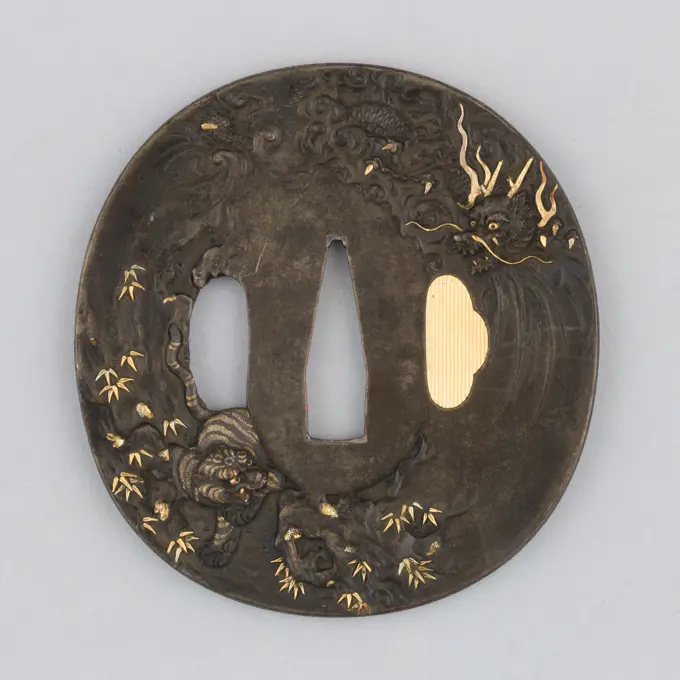
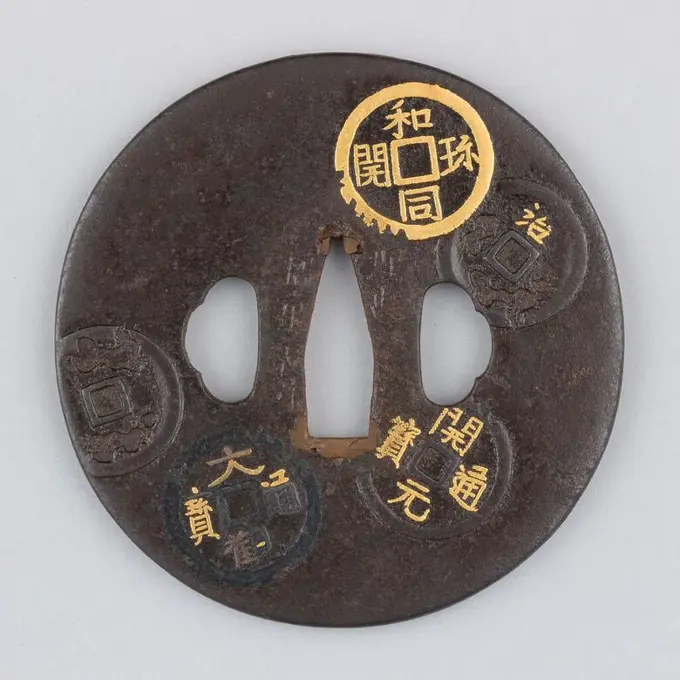
Displays intricate tsuba, or sword guards, from Japan, featuring detailed motifs and designs representing various historical elements.
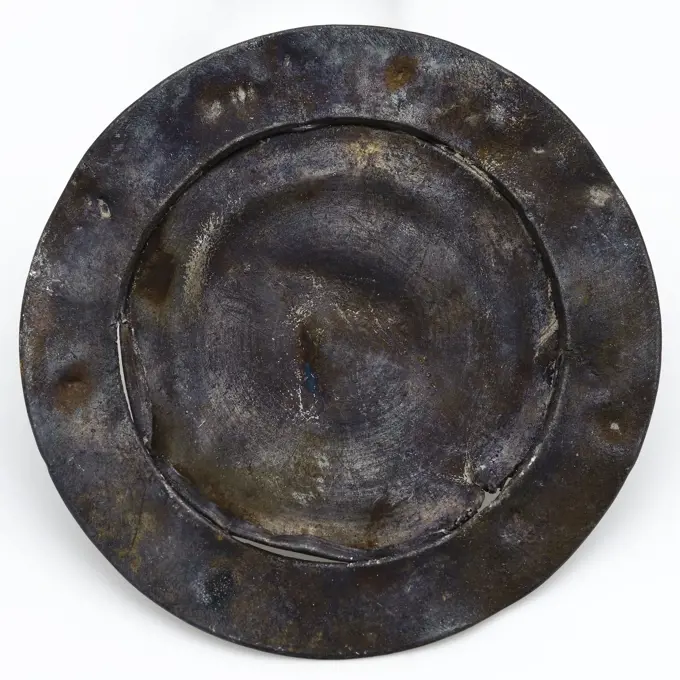
Hendrick van Duyveland, Tin toy plate with tin mark, plate crockery holder miniature toy relaxant soil find tin metal, cast tin plate. Toys Wide stand surface, short upright sidewall and flat flag. Turnings of the casting mold Inlaid tin mark on the underside tin mark: crowned Tudor rose with HVDP archeology Rotterdam rail tunnel indigenous tin child play child's play Soil discovery: railway tunnel Rotterdam.
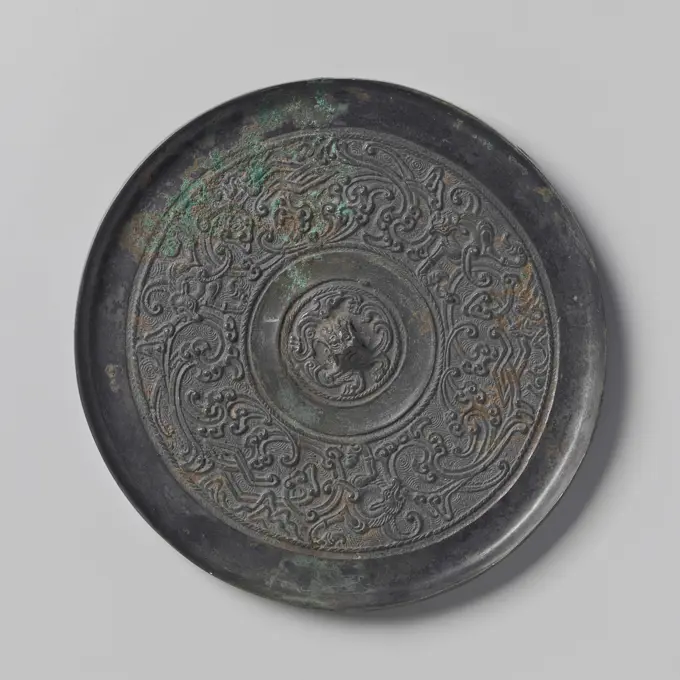
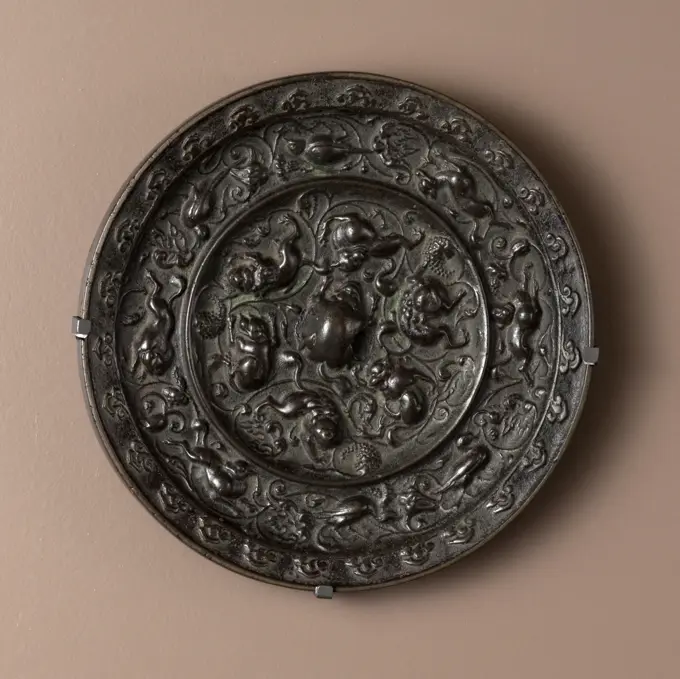
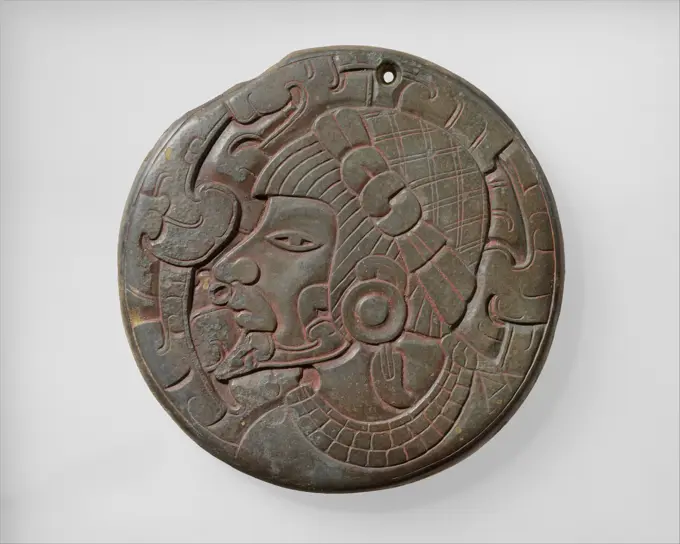
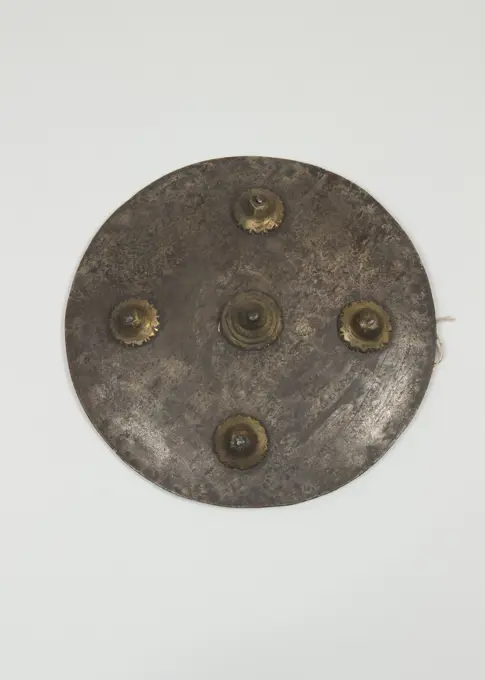
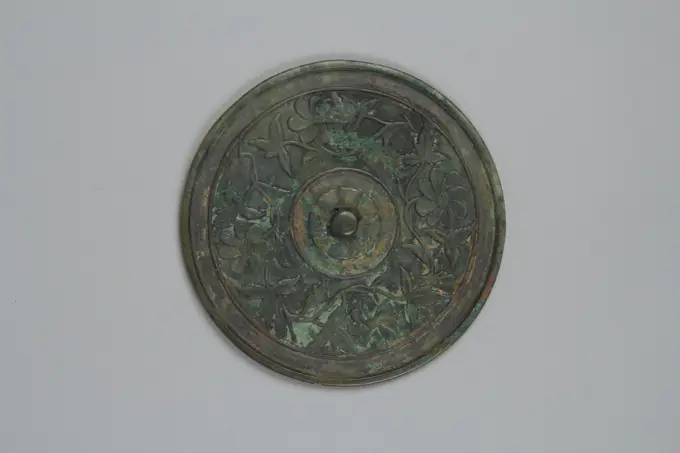
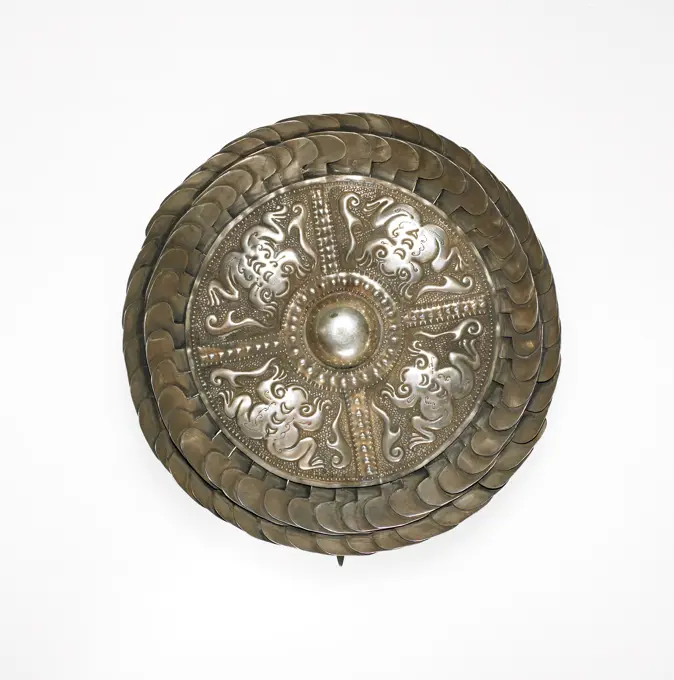
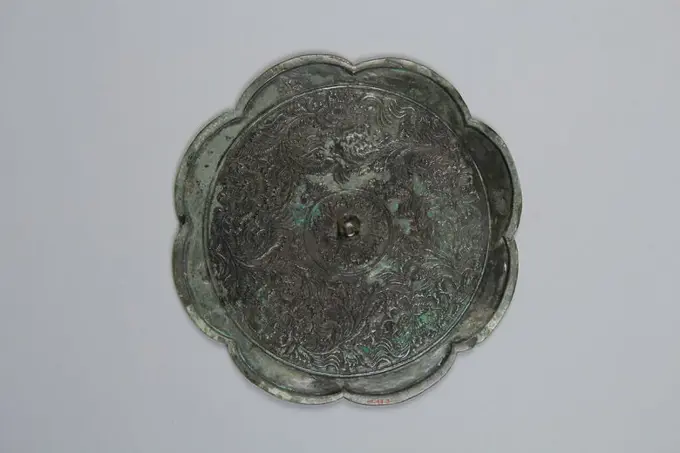
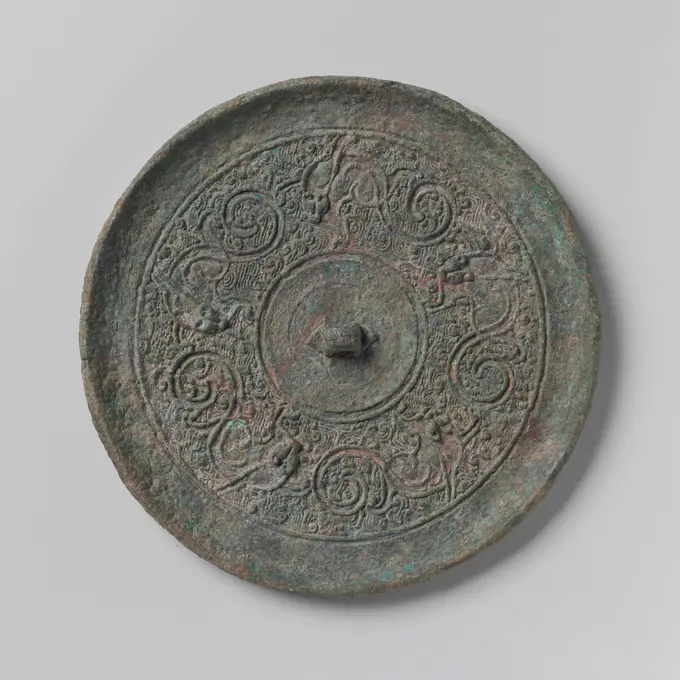
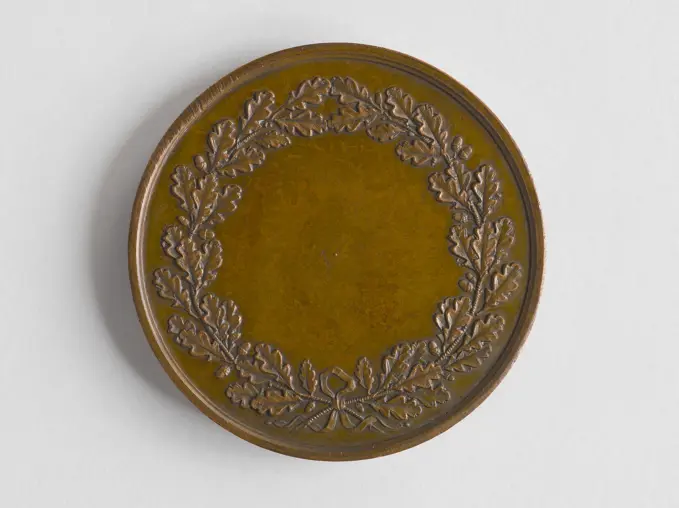
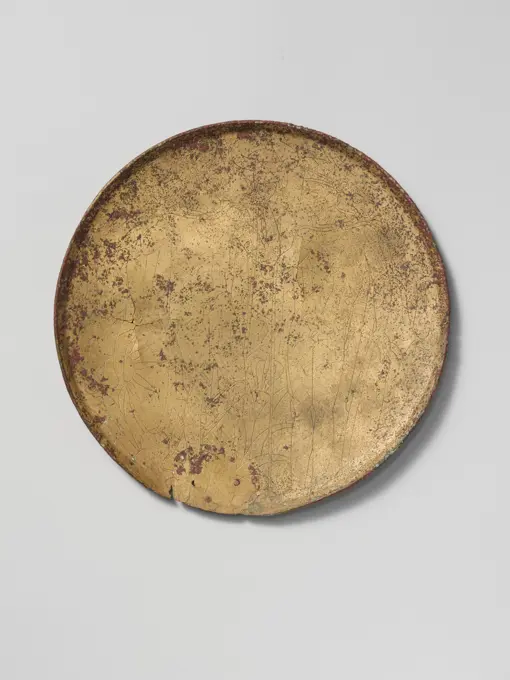
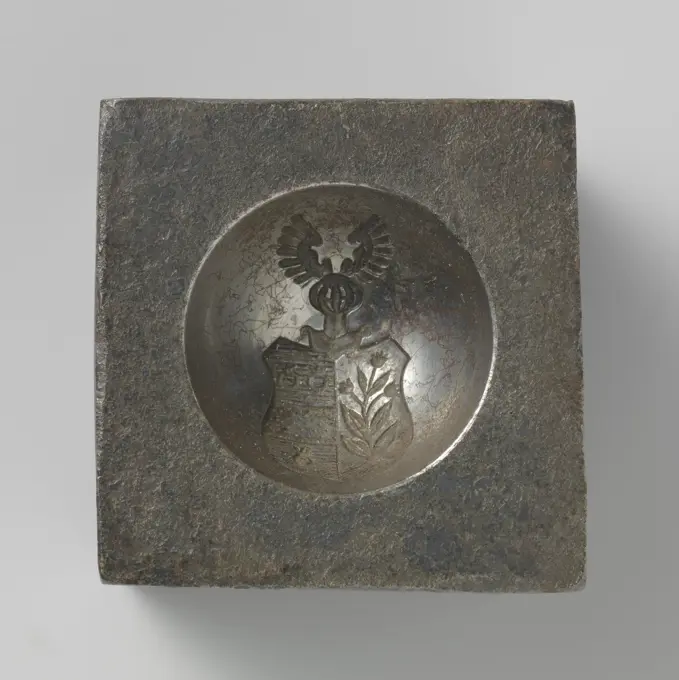
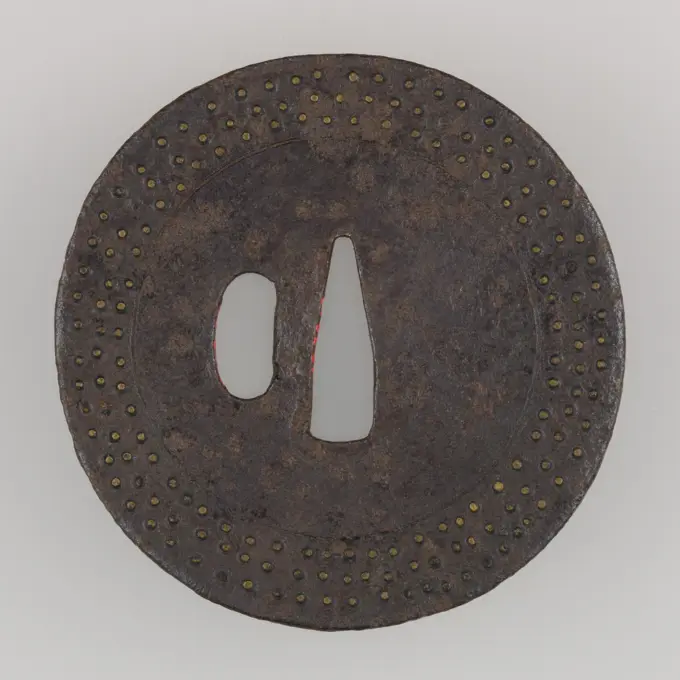
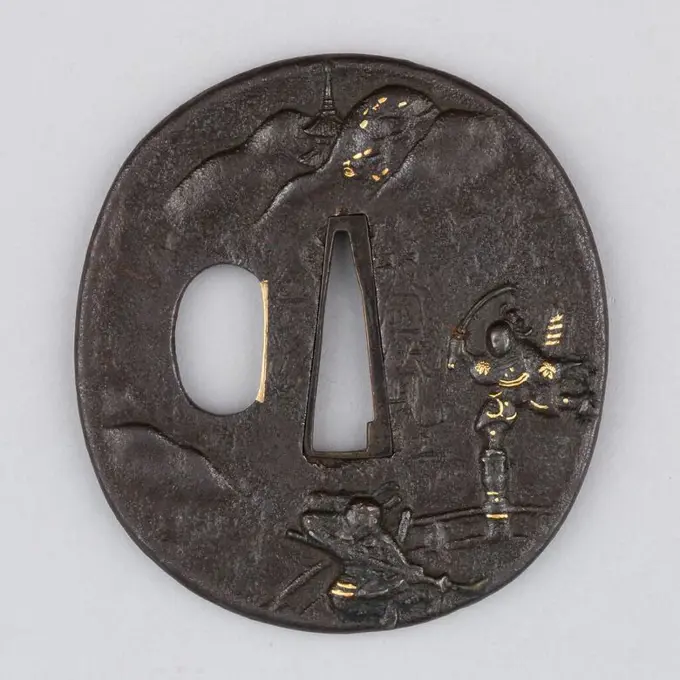
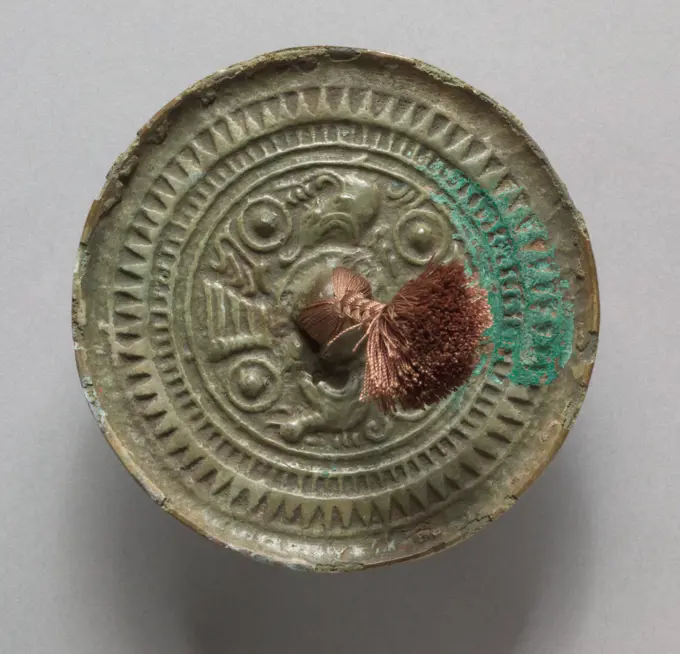
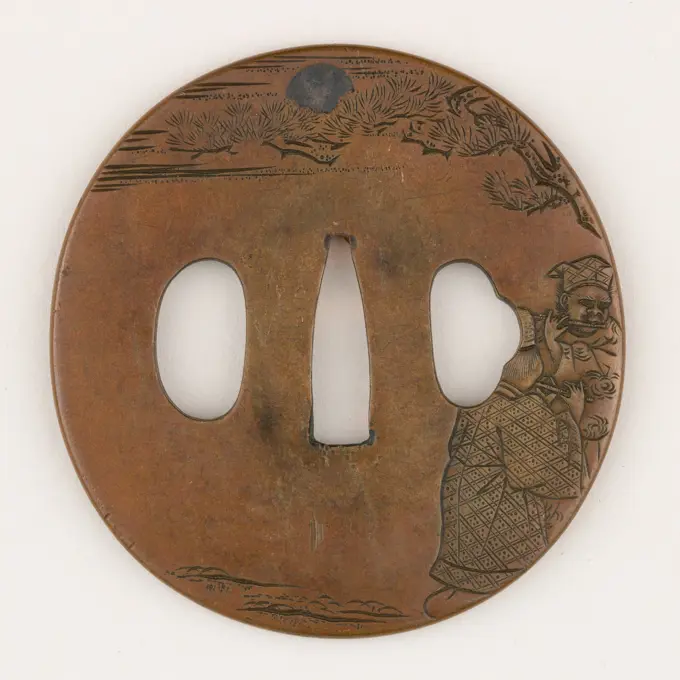
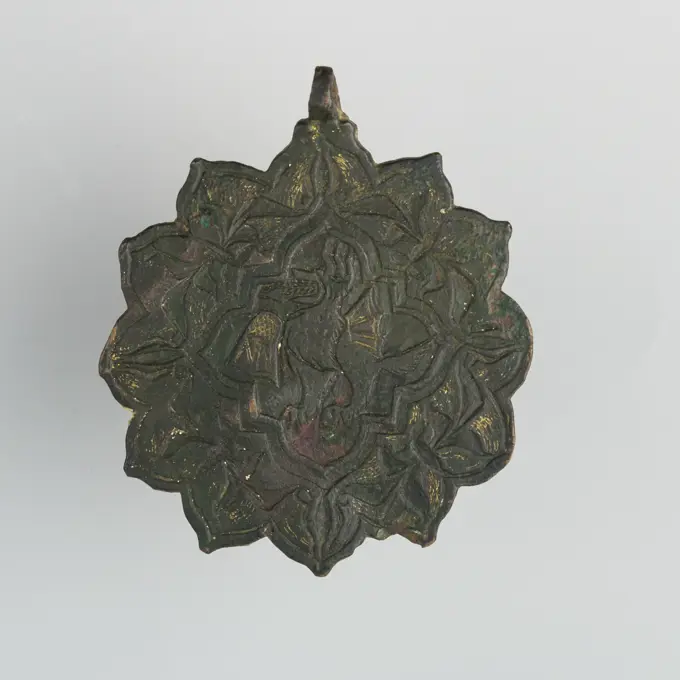
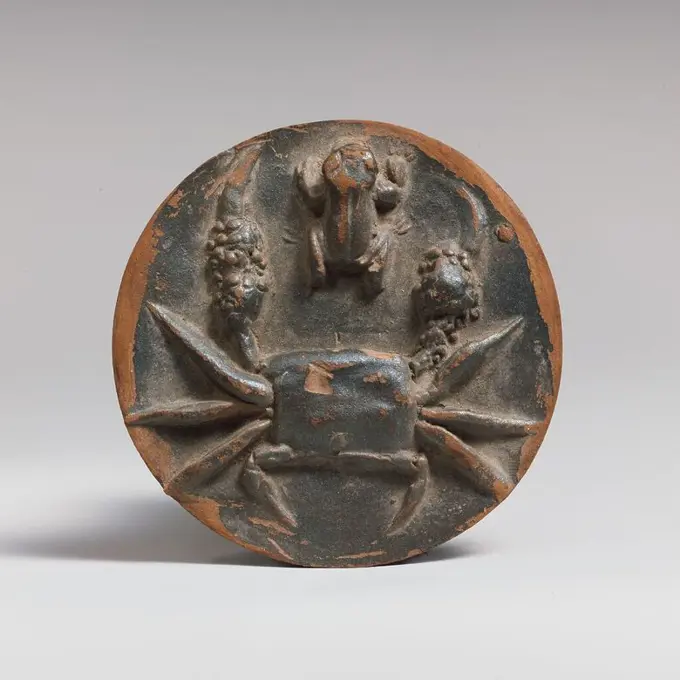
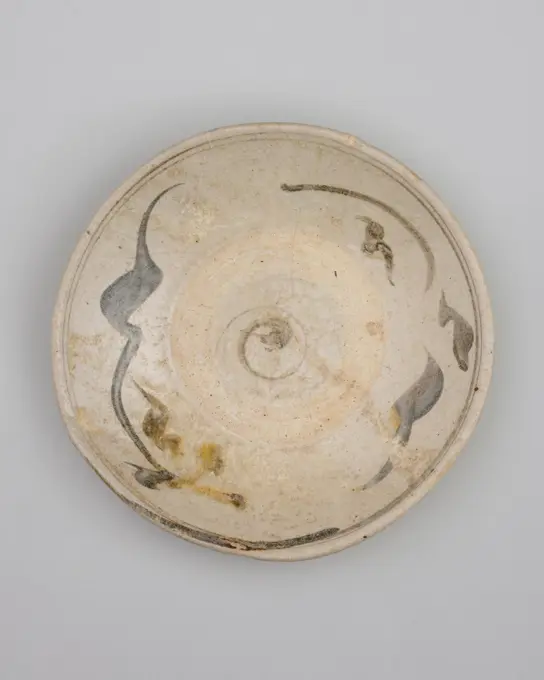
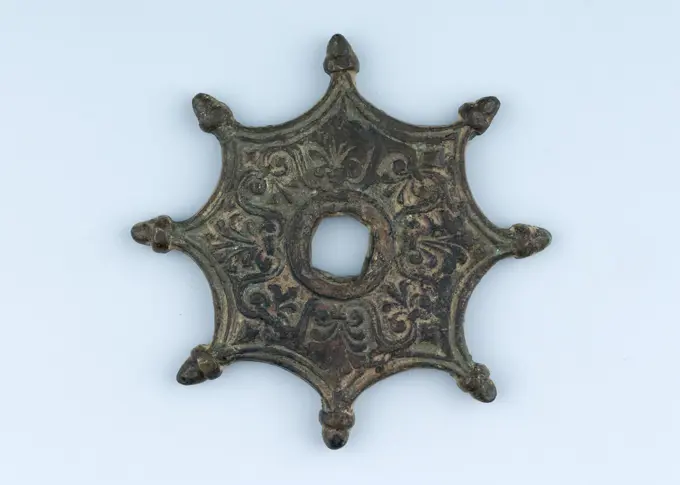
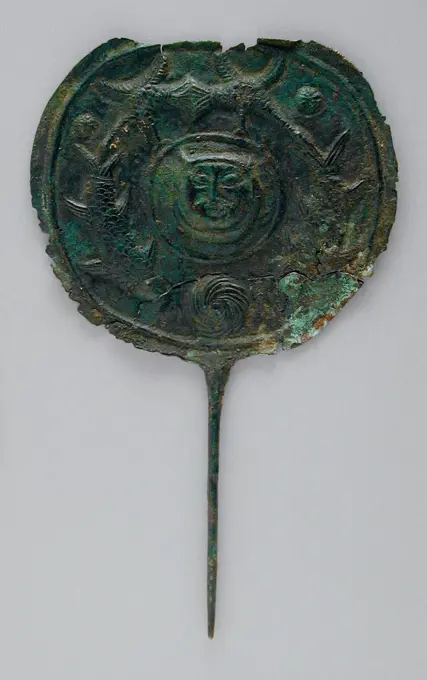
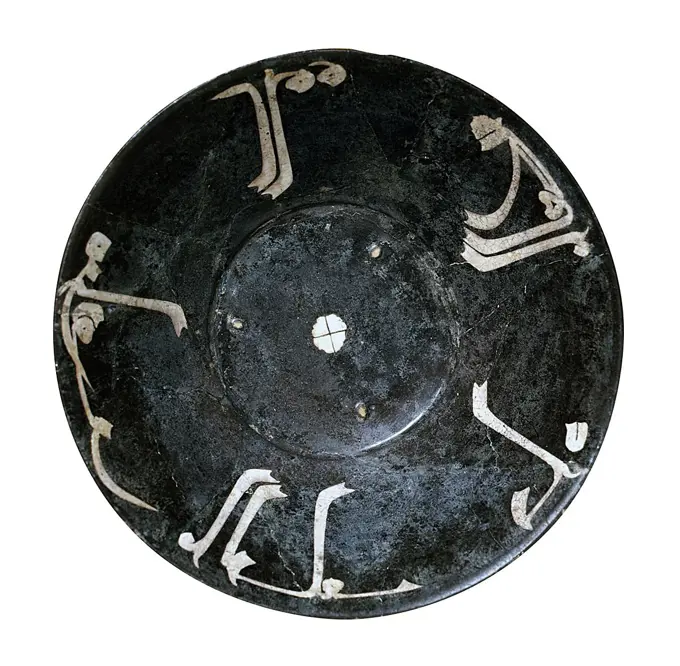
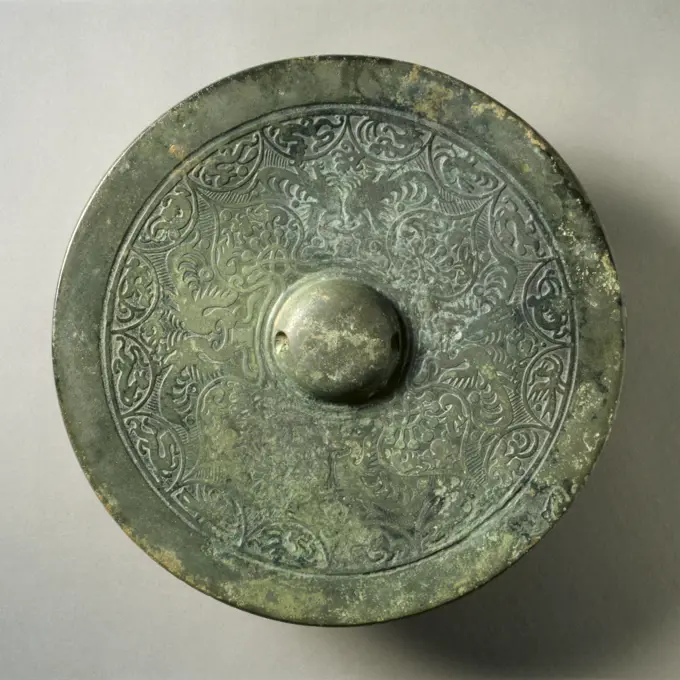
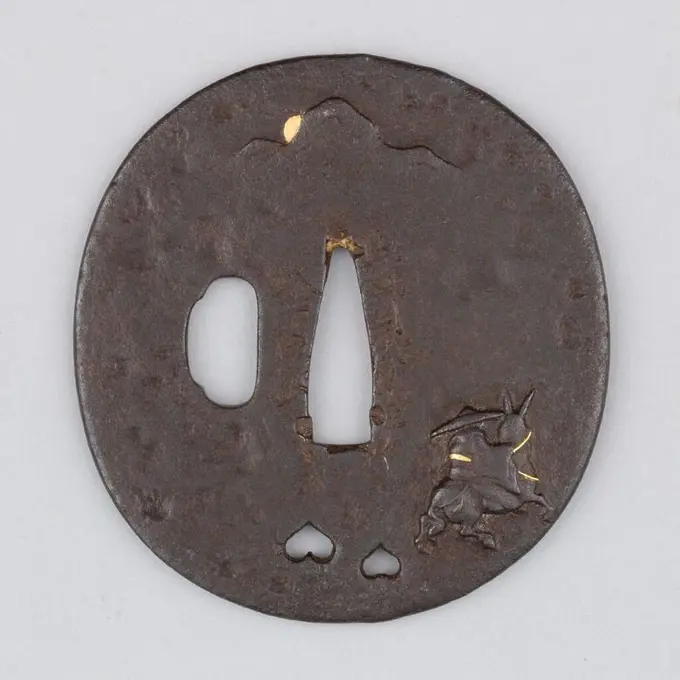
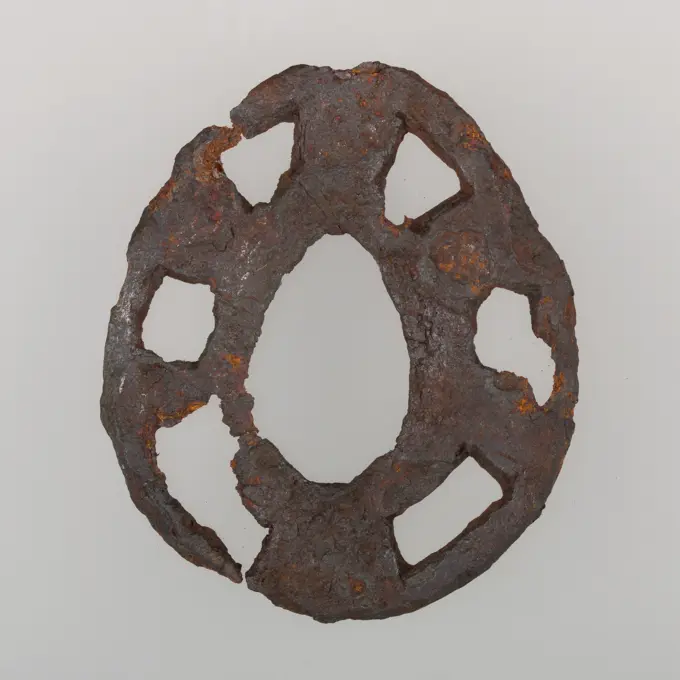
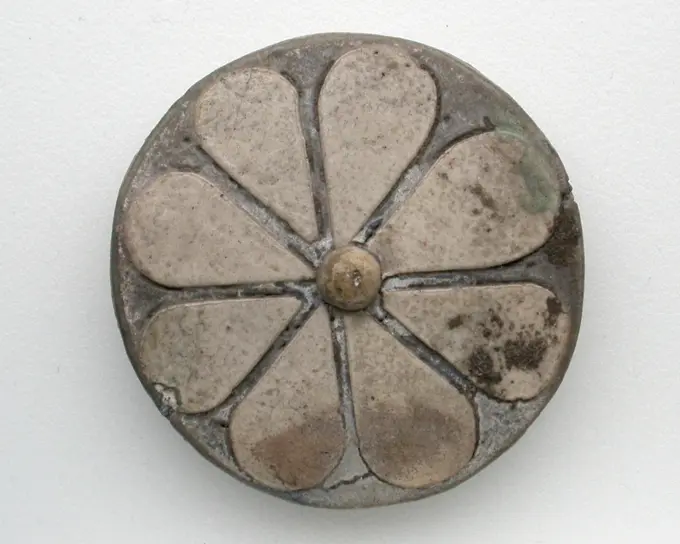
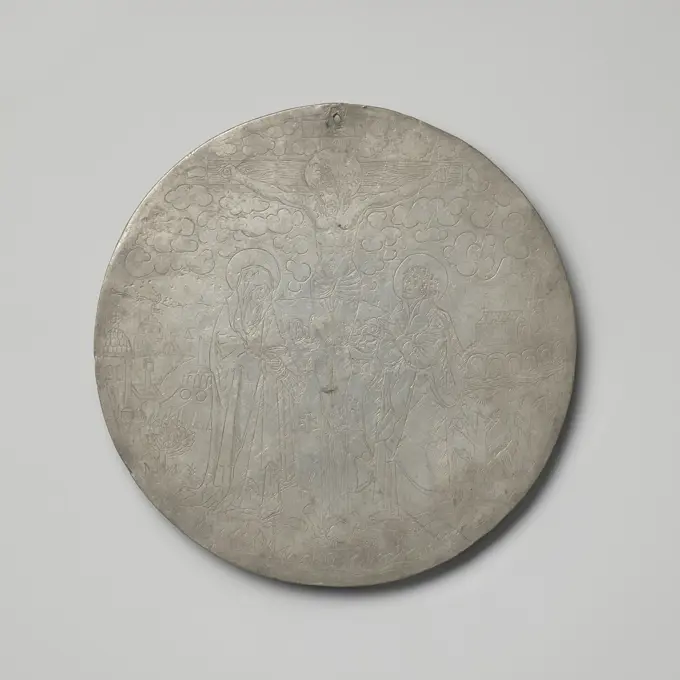
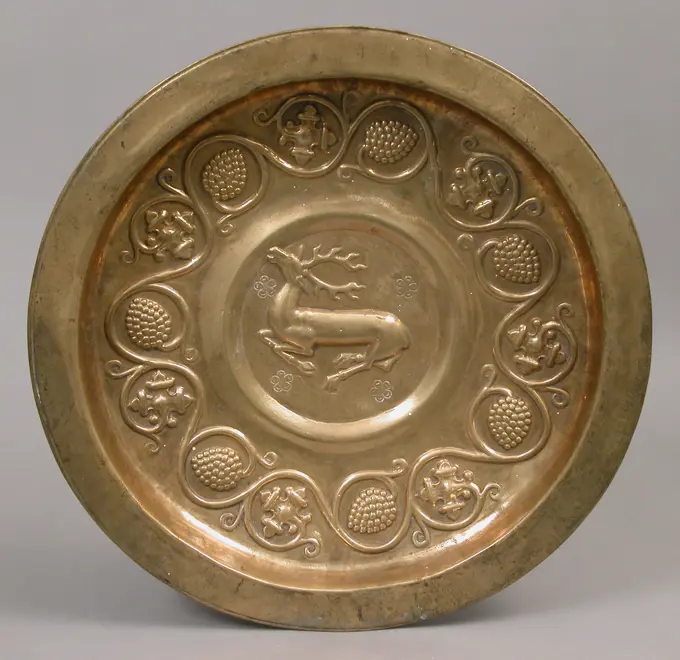
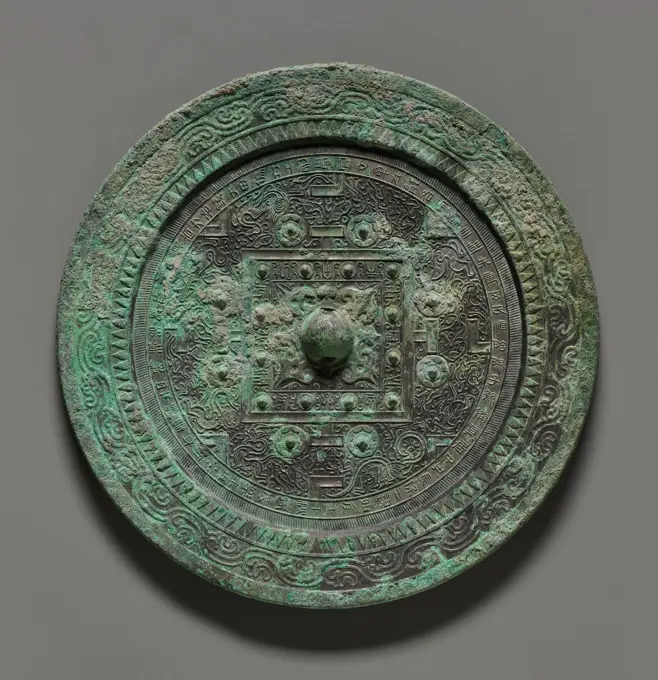
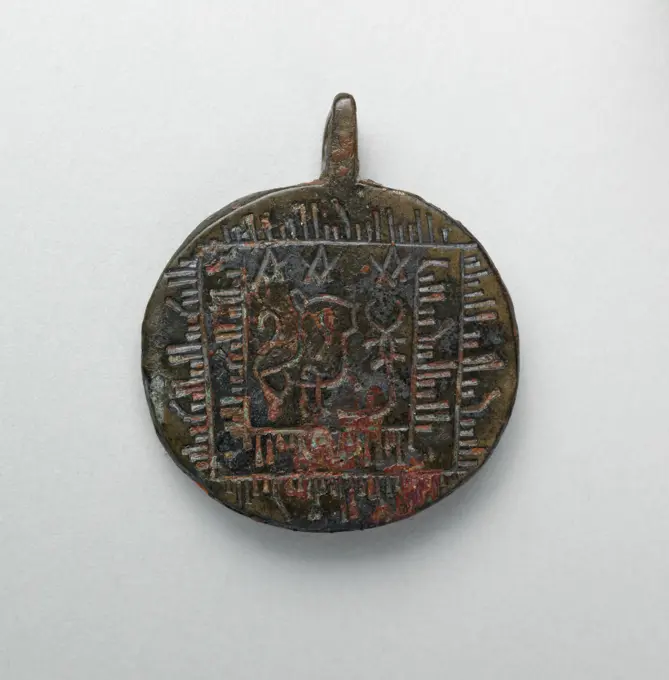
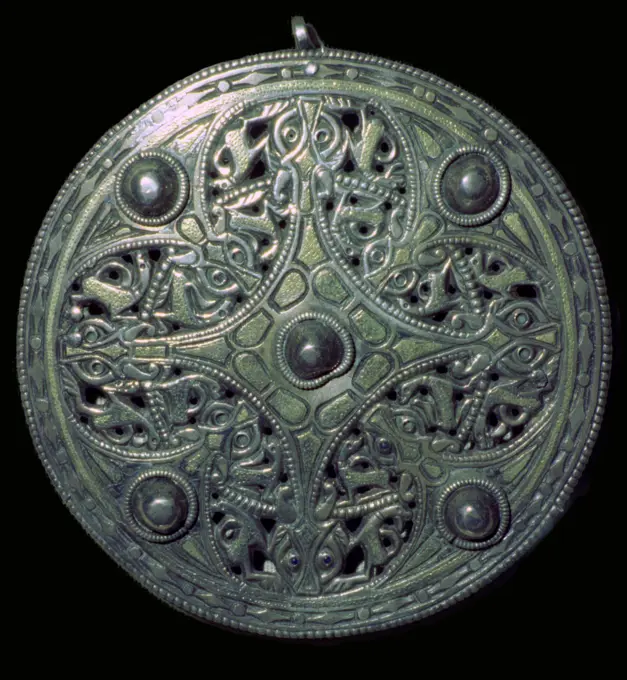
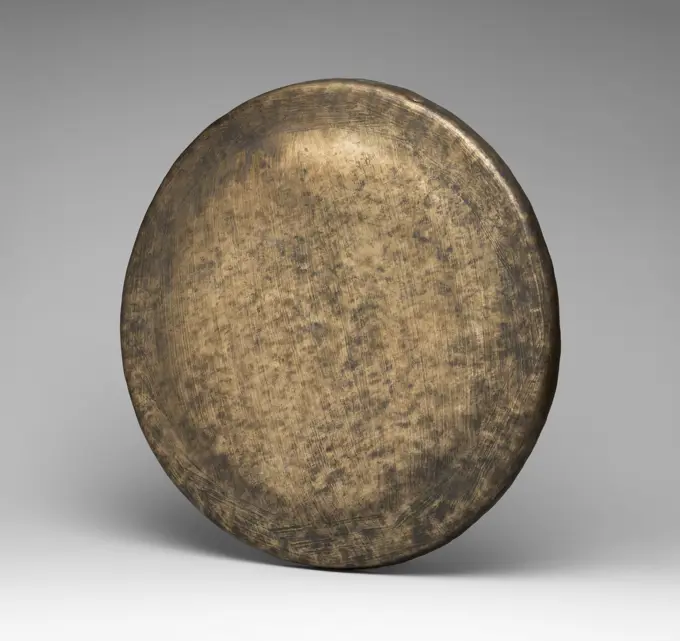
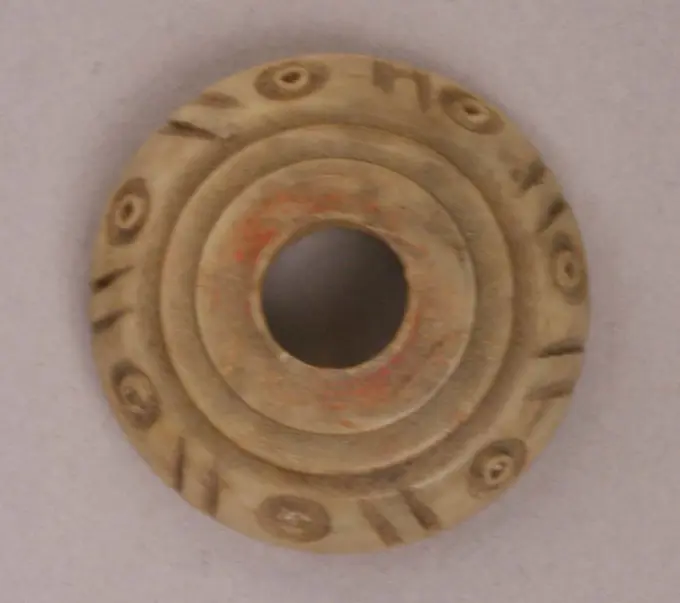
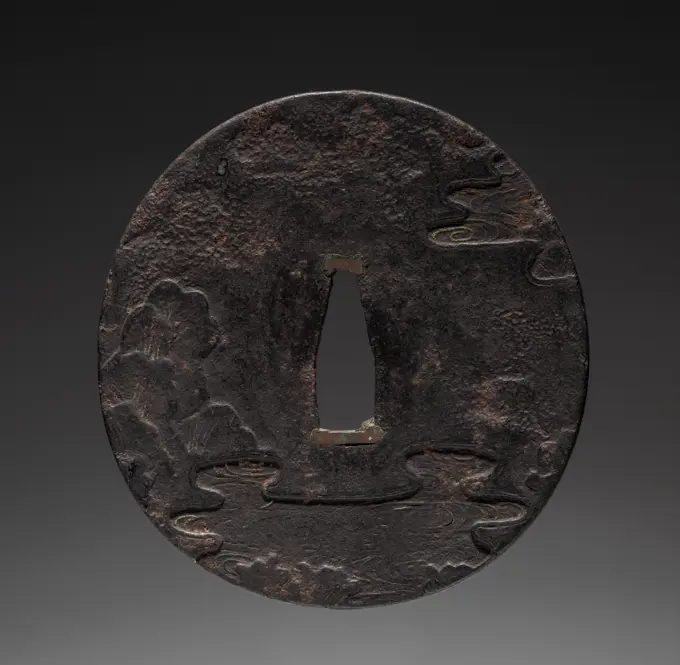
Sword Guard (Tsuba) with Landscape, c. 1615-1868. Japan, possibly Edo period (1615-1868). Iron; diameter: 8 cm (3 1/8 in.).. .Hendrick van Duyveland, Tin toy plate with tin mark, plate crockery holder miniature toy relaxant soil find tin metal, cast tin plate. Toys Wide stand surface, short upright sidewall and flat flag. Turnings of the casting mold Inlaid tin mark on the underside tin mark: crowned Tudor rose with HVDP archeology Rotterdam rail tunnel indigenous tin child play child's play Soil discovery: railway tunnel Rotterdam.Button in the shape of a mask. Button in the form of sample cap; Decoration of arranged arabes and animal figures. The patina is gray-green.Sword Guard (Tsuba) early 19th century Japanese A tsuba is a sword guard and part of a sword mounting. It is mounted between the swords blade and grip to protect the users hands.. Sword Guard (Tsuba) 29956Mirror. Bronze. China. Paris, Cernuschi museum. 70003-54 Asian art, Chinese art, extreme-East art, bronze, mirrorSword Guard (Tsuba) early 17th century Japanese A tsuba is a sword guard and part of a sword mounting. It is mounted between the swords blade and grip to protect the users hands.. Sword Guard (Tsuba) 35202. Soap and grape type; Button in an animal shape, around it four sea samples.Disk 7th-10th century Veracruz The scrolls and interlaces that frame this stone plaque are characteristic of the art of Veracruz. Possibly a back support for a mirror, the plaque has a drilled hole (for suspension) at its top edge. Such mirrors served as costume elements connoting the high rank or authority of the wearer. They perhaps served a ceremonial function as well. The image depicts the profile of a young man with a small bead beneath his nose that may refer to speech. A net cap with a prominent knot is over the hair, a large earflare with a tooth- or claw-shaped pendant adorns the ear, and a three-tiered beaded collar is around the neck. Along the jaw line, protruding out from his chin, there is a scroll resembling a beard, the extension of which pictorially balances the nose of the figure. The lively, free-flowing scrollwork at the edge of the plaque contrasts with the rigid geometric elements of the image. This combined with the slight incline of the figure and the asymmetryShield (Dhàl) 19th century Indian. Shield (Dhàl). Indian. 19th century. Steel, copper alloy, leather. ShieldsMirror Korea. Mirror. Korea. Bronze. Goryeo dynasty (918-1392). MirrorsPlate with the coat of arms of Engel de Ruyter, William Hunton (attributed to), Nicholas Hunton (possibly), c. 1661 - c. 1683 Round of Tin plate. On the top of the edge, a weapon is engraved over the entire width, as led by Engel de Ruyter, divided into four compartments with: a cross, a knight on horseback, a sailing ship and a cannon. London tin (metal) casting / engraving Round of Tin plate. On the top of the edge, a weapon is engraved over the entire width, as led by Engel de Ruyter, divided into four compartments with: a cross, a knight on horseback, a sailing ship and a cannon. London tin (metal) casting / engravingPlaque, anonymous, 960 - 1279 Circular plaque, flower -shaped middle rosette with floralistic arabesks. China silver (metal) Circular plaque, flower -shaped middle rosette with floralistic arabesks. China silver (metal)Ornamental disk, 6 1/8 x 5 7/8 x 2 in. (15.56 x 14.92 x 5.08 cm), Silver, ChinaHand guard, Soten, 1650 - 1700 Oval tsuba with three sages in a forest in Hikone-Bori; Details in gold nunome-zogan; edge in copper; Signed "goshu hikone ju soheishi hyudo soten". Japan iron (metal). gold (metal). copper (metal) Oval tsuba with three sages in a forest in Hikone-Bori; Details in gold nunome-zogan; edge in copper; Signed "goshu hikone ju soheishi hyudo soten". Japan iron (metal). gold (metal). copper (metal)Kuipers and wine-leaving guild of Amsterdam, Jan Oosterman guild pendant, Master Kuiper. Copper medal. Front: drawbar and passer within a bran wreath. Downside: inscriptionMirror decorated with flowers. Culture: Korea. Dimensions: Diam. 8 1/2 in. (21.6 cm). Date: first half of the 12th century. Museum: Metropolitan Museum of Art, New York, USA.Mirror with monkeys. In midfield five monkeys that seize each other at the tail. The fond is decorated with comma figures and curved bundles thin lines. The patina is light green.Media Médaille Reiti de Francesco Sciences and Sebastian Insabert and Des Arts in Jesius Bitius, 1796 Rambert dumarest (1750-1806). "Your French meter in ation of National des Sciences and Des Arts by Grutu Consems, 1796". Bronze. 1796. Paris, Musée Carnavalet.Bronze mirror ca. 325-300 B.C. Etruscan Two unidentified warriors, perhaps the Dioskouroi. Bronze mirror. Etruscan. ca. 325-300 B.C.. Bronze. Hellenistic. BronzesSword Guard (Tsuba). Culture: Japanese. Dimensions: Diam. 3 1/4 in. (8.3 cm); thickness 3/16 in. (0.5 cm); Wt. 5.8 oz. (164.4 g). Date: 17th century. Museum: Metropolitan Museum of Art, New York, USA.Bowl with Geometric Design (Two-part Pinwheel), c. 1000-1150. Southwest, Mogollan, Mimbres, Pre-Contact Period, 11th-12th century. Ceramic; diameter: 10 x 26.5 cm (3 15/16 x 10 7/16 in.).Mal for the manufacture of Livreikknopen with the coat of arms of the Elias family, Moss & Gambles, c. 1840 - c. 1860 Mal for the manufacture of Livreikknopen with the coat of arms of the Elias family with a thistle in the right -hand crest. Sheffield iron (metal) Mal for the manufacture of Livreikknopen with the coat of arms of the Elias family with a thistle in the right -hand crest. Sheffield iron (metal)Sword Guard (Tsuba) late 16th-early 17th century Japanese A tsuba is a sword guard and part of a sword mounting. It is mounted between the swords blade and grip to protect the users hands.. Sword Guard (Tsuba) 26303Mirror. Culture: Japan. Dimensions: Diam. 4 3/8 in. (11.1 cm). Museum: Metropolitan Museum of Art, New York, USA.Sword Guard (Tsuba) 17th century Japanese A tsuba is a sword guard and part of a sword mounting. It is mounted between the swords blade and grip to protect the users hands.. Sword Guard (Tsuba) 29940Flat Circular Button 7th century Late Roman. Flat Circular Button 464974 Late Roman, Flat Circular Button, 7th century, Copper alloy, Overall: 13/16 x 9/16 in. (2 x 1.5 cm). The Metropolitan Museum of Art, New York. Gift of J. Pierpont Morgan, 1917 (17.191.268)Disc (bi) 200 BCE-1 BCE China. Jade .Sword Guard (Tsuba). Culture: Japanese. Dimensions: Diam. 3 3/8 in. (8.6 cm); thickness 3/16 in. (0.5 cm); Wt. 5.7 oz. (161.6 g). Date: early 17th century. Museum: Metropolitan Museum of Art, New York, USA.Sword Guard (Tsuba). Culture: Japanese. Dimensions: H. 2 7/8 in. (7.3 cm); W. 2 5/8 in. (6.7 cm); thickness 1/4 in. (0.6 cm); Wt. 3.5 oz. (99.2 g). Date: 18th century. Museum: Metropolitan Museum of Art, New York, USA.Mirror, 918-1392. Korea, Goryeo period (918-1392). Bronze; diameter: 8.2 cm (3 1/4 in.).Black-Glaze Bowl with Inscription. UnknownSword guard (Tsuba) Depicting Minamoto no Hiromasa Playing the Flute (博雅図鐔) ca. 1615-1868 Japanese Making use of only bas relief and engravings, this tsuba shows nobleman and court musician Minamoto no Hiromasa (博雅, 918-980) playing a transverse flute under a pine tree during a moonlit night, being joined by another person. The tsuba is signed Karyūsai (芲竜斎) which was the art name of the independent Kyōto artist Yamashita Bokusen (山下牧川) whose first name was Bunnai (文内) and who was active towards the end of the 18th century.. Sword guard (Tsuba) Depicting Minamoto no Hiromasa Playing the Flute (博雅図鐔) 25712Badge or Harness Pendant ca. 1400 Spanish Heraldry, or coat-of-arms, were vitally important in Europe throughout the Middle Ages and the Renaissance. Heraldic emblems were used to identify noble families, cities, regions, and even countries. In addition to being displayed on shields and flags, heraldry was incorporated into architectural decoration on the interior and the exterior of buildings, on furniture, works of art, clothing, and horse equipment. Harness pendants, like this example, would have been attached to a headstall, bridle, or other straps making up the tack of a horse ridden by a nobleman or noblewoman, or a member of their household. Many harness pendants also have decoration that is simply ornamental, or have symbols that are not specifically heraldic in nature.. Badge or Harness Pendant. Spanish. ca. 1400. Copper, gold, enamel. Miscellaneous-BadgesDish early 16th century German. Dish 467551Sword Guard (Tsuba). Culture: Japanese. Dimensions: H. 3 in. (7.6 cm); W. 2 15/16 in. (7.5 cm); thickness 3/16 in. (0.5 cm); Wt. 4.3 oz. (121.9 g). Date: ca. 1615-1868. Museum: Metropolitan Museum of Art, New York, USA.Loop.Sword Guard (Tsuba) with Lions in Peonies, c. 1615-1868. Japan, possibly Edo period (1615-1868). Iron; diameter: 6.4 cm (2 1/2 in.).Sword Guard (Tsuba). Culture: Japanese. Dimensions: H. 2 3/4 in. (7 cm); W. 2 5/8 in. (6.7 cm); thickness 3/16 in. (0.5 cm); Wt. 4.8 oz. (136.1 g). Date: ca. 1615-1868. Museum: Metropolitan Museum of Art, New York, USA.Terracotta tondo from a bowl. Culture: Greek, South Italian, Campanian. Dimensions: Diam.: 2 9/16 in. (6.5 cm). Date: 4th century B.C..Depicted on the tondo are a crab and a frog. Museum: Metropolitan Museum of Art, New York, USA.Sword Guard (Tsuba). Culture: Japanese. Dimensions: Diam. 3 3/4 in. (9.5 cm); thickness 1/8 in. (0.3 cm); Wt. 5.5 oz. (155.9 g). Date: late 14th century.This tsuba features an openwork design of a saw. It is made in the so-called ko-tosho (swordsmith's) style. Museum: Metropolitan Museum of Art, New York, USA.Carnavalet Museum, Medals CollectionSword Guard (Tsuba) 18th century Japanese A tsuba is a sword guard and part of a sword mounting. It is mounted between the swords blade and grip to protect the users hands.. Sword Guard (Tsuba) 30014Compass Card. Compass rose with a compass with rubies point. The rose has a brass cap in the middle with hole for the pen at the bottom.Anonymous Cup (common name). White sandstone with brown-gray decor under cover. Cernuschi Museum, Asia Museum of Asia in the city of Paris.Sesterce; Faustina Older (98-141; Roman Empress 138-141); 141 CE (141-00-00-141-00-00);Plate of door beater, 1400 - 1500 Plate of door beater. Coming from the D. van der Kellen collection.  iron (metal) forging Plate of door beater. Coming from the D. van der Kellen collection.  iron (metal) forgingSword Guard (Tsuba) 18th century Japanese A tsuba is a sword guard and part of a sword mounting. It is mounted between the swords blade and grip to protect the users hands.. Sword Guard (Tsuba) 26299Bit Boss first half 16th century probably French Bit bosses were ornamental elements decorating both sides of a horse bit. These hat-shape bit bosses, probably inspired by Ancient shield bosses excavated at the time, were very popular in Italy and France in the 16th and the early 17th century.. Bit Boss. probably French. first half 16th century. Copper alloy. Equestrian Equipment-BitsWasher 15th-17th century European. Washer. European. 15th-17th century. Bronze. Miscellaneous-Buckles & OrnamentMirror with Four Nipples and Eight Animals, AD 300. China, Western Jin dynasty (265-316). Bronze; diameter: 19.6 cm (7 11/16 in.); overall: 1.3 cm (1/2 in.); rim: 1 cm (3/8 in.).Sword Guard (Tsuba) 18th century Japanese A tsuba is a sword guard and part of a sword mounting. It is mounted between the swords blade and grip to protect the users hands.. Sword Guard (Tsuba) 26336Sword Guard (Tsuba) 18th century Japanese A tsuba is a sword guard and part of a sword mounting. It is mounted between the swords blade and grip to protect the users hands.. Sword Guard (Tsuba) 29928Emilia-Romagna Ferrara Ferrara Museo Civico di Schifanoia69. Hutzel, Max 1960-1990 General Notes: INCOMPLETE RECORD--NEGATIVES PROCESSED, PRINTS FILED German-born photographer and scholar Max Hutzel (1911-1988) photographed in Italy from the early 1960s until his death. The result of this project, referred to by Hutzel as Foto Arte Minore, is thorough documentation of art historical development in Italy up to the 18th century, including objects of the Etruscans and the Romans, as well as early Medieval, Romanesque, Gothic, Renaissance and Baroque monuments. Images are organized by geographic region in Italy, then by province, city, site complex and monument.Disc - headed Pin. Iran, Luristan, circa 1000-650 B.C.. Jewelry and Adornments; pins. Bronze, hammeredDeep shell with KUFI inscription. In the Persian Samaniden Empire (873-999), highest impressive shells were created with inscriptions. The letters always lift themselves by contrasting from the ground. Mostly the vessel body is covered with a white clay slip. The shell shown here, however, carries a manganese-brown primer with a blessing in Kufische Scripture. The successful distribution of the white letters reveals that the potter for the decor followed a design. Acquired by Campe Historical Art FoundationBoss from a Horse Breast Collar late 17th - 18th century Ottoman or Tatar This boss, decorated all over with flowers and foliage, adorned the cross-section of the three straps of a horse breast collar (straps preventing the saddle from slipping backwards). This example is a simpler version of the luxury bosses attached to some Ottoman deluxe tacks, usually made of silver and gold.. Boss from a Horse Breast Collar. Ottoman or Tatar. late 17th - 18th century. Copper alloy, gold. Equestrian Equipment-Horse TrappingsMirror with Quatrefoil, Paired Phoenixes, and Auspicious Animals, AD 221-316. China, Three Kingdoms (AD 220-280)-Western Jin dynasty (AD 265-316). Bronze; diameter: 18.6 cm (7 5/16 in.); overall: 1.2 cm (1/2 in.); rim: 0.4 cm (3/16 in.).HERCULES. PERSONAJE MITOLOGICO. DECORACION ESCUDO DE ARMA. REAL ARMERIA. PALACIO REAL. MADRID.. PATRIMONIO NACIONAL.Sword Guard (Tsuba), c. 1800. Japan, Edo period (1615-1868). Iron; diameter: 7 cm (2 3/4 in.).Round dish of Tin, Anonymous, 1500 - 1600 Undecorated dish from Tin with a wide edge. The flat is vaulted. Northern Netherlands tin (metal) casting Undecorated dish from Tin with a wide edge. The flat is vaulted. Northern Netherlands tin (metal) castingSword Guard (Tsuba). Culture: Japanese. Dimensions: H. 3 1/16 in. (7.8 cm); W. 2 7/8 in. (7.3 cm); thickness 1/4 in. (0.6 cm); Wt. 3.6 oz. (102.1 g). Date: 18th century. Museum: Metropolitan Museum of Art, New York, USA.Sword Guard (Tsuba). Culture: Japanese. Dimensions: H. 2 7/8 in. (7.3 cm); W. 2 1/2 in. (6.4 cm); thickness 1/4 in. (0.6 cm); Wt. 3.1 oz. (87.9 g). Date: ca. 1615-1868. Museum: Metropolitan Museum of Art, New York, USA.Pendant disk Cypriot. Pendant disk 242622Disk Brooch late 6th-early 7th century Frankish. Disk Brooch 465371 Frankish, Disk Brooch, late 6thearly 7th century, Gold on copper alloy, glass paste, Overall: 1 1/16 x 5/16 in. (2.7 x 0.8 cm). The Metropolitan Museum of Art, New York. Gift of J. Pierpont Morgan, 1917 (17.192.65)Medaillion of a fire brigade from the wreck of the Dutch East India ship Hollandia, anonymous, 1700 - in or before 1743 medal Fire brigade medaillion; eroded: circular, relieved decoration on both sides; obverse fire engine with snake along rim and number 14; reverse 2 lions rampant holding a crowned excutcheon with letters (V). Netherlands copper (metal)   SecondSword Guard (Tsuba) ca. 3rd century-710 Japanese A tsuba is a sword guard and part of a sword mounting. It is mounted between the swords blade and grip to protect the users hands.. Sword Guard (Tsuba) 35125Carnavalet Museum, Medals CollectionRosette 1186 BCE-1069 BCE Egypt. Faience . Ancient EgyptianPlaque of tin with engraved representation of the crucifixion. Round plaque of tin with engraved representation of the crucifixion. Central is Christ on the cross with the inscription Inri against a background with clouds. Next to him Maria and Johannis. All of the left and right have some structures depicted.Sugar Earth ,, 1600 - 1699 An iron sugar box from above and below with openwork relief decorated on copper surface; In the middle of the lid a crystal plate on which a bird is engraved. France iron (metal). copper (metal). crystal (lead glass) engraving An iron sugar box from above and below with openwork relief decorated on copper surface; In the middle of the lid a crystal plate on which a bird is engraved. France iron (metal). copper (metal). crystal (lead glass) engravingFragment of a Lacquer Tray, 9 AD. China, excavated at Lolang, Xin dynasty (9-23). Lacquer; overall: 3.6 x 18.1 cm (1 7/16 x 7 1/8 in.).Terracotta plate with horned handles 950-850 B.C. Cypriot. Terracotta plate with horned handles. Cypriot. 950-850 B.C.. Terracotta. Cypro-Geometric II. VasesCarnavalet Museum, Medals Collection. Round, openwork tsuba, in the form of a wagon wheel with batter, with detailing in inlaid yellow copper. Remains of red painting, possibly a signature.Campanian Black Bowl. UnknownBit Boss. Culture: probably Netherlandish. Dimensions: Diam. 2 1/8 in. (5.4 cm); Wt. 1.7 oz. (48 g). Date: first half 17th century.The domed center of this ornamental boss is adorned with radiating ribs in openwork, circled by a scalloped rim.This object mimicks, in a lower quality, bosses belonging to a large group of cast bosses using a series of rims and centers combined in different ways. The exact center of production of these bosses is still unclear. If the motifs used are Italian, the scale of the production and the process of combining a series of rims and center recalls contemporary German practices. Some of them, however, are identical or very similar to bosses seen in several early 17th-century Netherlandish paintings, a likely origin for the manufacture of these objects. Museum: Metropolitan Museum of Art, New York, USA.Button or Bead 9th-10th century The dot-in-circle motif recalls designs presumed to be of magical significance, most likely an abstract eye to ward off the evil-eye, which serves an apotropaic function. Easily reproduced with a tool and visible in many cultures and times, this symbol may have lost its meaning, and become simply a decorative pattern, or may have one that we have not yet discovered.. Button or Bead 450068Bliżej Kultury Bukowski, Jan (1873 1943), Henryka Waldyna Cyzlerski StudioPlate with Five Angels ca. 1475-1500 German or South Netherlandish. Plate with Five Angels. German or South Netherlandish. ca. 1475-1500. Copper alloy. Made in Lower Rhineland, Germany. Metalwork-Copper alloyCopper Disk Ornament 3rd century B.C.-A.D. 2nd century Vicús (). Copper Disk Ornament 315233Copper scales, round and flat with a standing edge in which three holes are arranged. Libra of copper, round and flat with a standing edge in which three holes are applied. The scale has probably served for weighing medicines. According to the spring, a barber or surgery has been used with the journey.. Mirror, rear.Plate late 15th century German. Plate 468647Carnavalet Museum, Medals CollectionBases; bronzeSpindle Whorl, 700s - 900s. Iran, early Islamic period, 8th - 10th century. Bone, incised; overall: 0.5 x 1.8 x 1.8 cm (3/16 x 11/16 x 11/16 in.).Mirror with a CosmologicalDesignPendant with Lion and Scorpion 10th century This circular metal pendant is believed to be a talisman, an object that provides protection for the wearer. The pseudo-writing on this pendant, though illegible, resembles the Arabic phrase that translates to, "There is no god but God." It is thought it had talismanic power because belief in this concept is one of the basic tenets of Islam. It has been suggested that the lion and scorpion represent the Zodiac symbols of Leo and Scorpio, which were thought to give their owners protection. But why these two signs in particular are found on so many objects is still unclear. The inclusion of esoteric symbols and images is what sets this pendant apart from later Islamic talismans, when signs with more specifically Islamic connotations, especially legible quotations from the Quran or magic squares with letters representing the names of God, became more common.. Pendant with Lion and Scorpion 449929. Oval tsuba with relief on both sides and inlays with gold a landscape with pine trees, clouds and rocks; Signed "Okada Masatoyo Saku".Siege Van Haarlem. Unilateral, diamond-shaped emergency coin with beveled corners and hole in it. Front: three stamps above each other; From bottom to top: Master sign: star and crescent; Stadsware: inverted sword with two stars on either side, on point of sword a cross; Year. Downside: blankBoss for a Crupper Strap 18th century Ottoman, probably Eastern Europe This octagonal boss decorated the cross-section of an Eastern European Ottoman crupper strap (preventing the saddle from slipping forwards).. Boss for a Crupper Strap. Ottoman, probably Eastern Europe. 18th century. Copper alloy. Equestrian Equipment-Horse TrappingsThe Strickland Brooch, Anglo-Saxon, mid-9th century. Artist: UnknownCarnavalet Museum, Medals CollectionBowl 10th-12th century Mimbres. Bowl 310572Luo ( or  ) 19th century Chinese The luo (a generic term for gong) is found in a variety of sizes and, unlike the cymbal (bo), is tuned and is characterized by a quick rise in pitch after it is struck.. Luo ( or  ). Chinese. 19th century. Metal, wood, leather. China. Idiophone-Struck-gongMountButton or Bead 9th-10th century The dot-in-circle motif recalls designs presumed to be of magical significance, most likely an abstract eye to ward off the evil-eye, which serves an apotropaic function. Easily reproduced with a tool and visible in many cultures and times, this symbol may have lost its meaning, and become simply a decorative pattern, or may have one that we have not yet discovered.. Button or Bead 449269Button or Bead 9th-10th century The dot-in-circle motif recalls designs presumed to be of magical significance, most likely an abstract eye to ward off the evil-eye, which serves an apotropaic function. Easily reproduced with a tool and visible in many cultures and times, this symbol may have lost its meaning, and become simply a decorative pattern, or may have one that we have not yet discovered.. Button or Bead 449281Embossed disk 13th-16th century Colombian. Embossed disk 307476